Chicago Modernist Gems: A Visit to the Schweikher House

As we continue to discover Modernist treasures in and around Chicago, we came upon the work of Paul Schweikher, a visionary architect who studied, lived and worked in Chicago between 1938 and 1953. It’s a welcome surprise that Schweikher House, his home and professional studio, are listed on the National Register of Historic Places, and are open for public tours.

About the Architect

Paul Schweikher graduated with an engineering degree from the University of Colorado Boulder and moved to Chicago to study at The Art Institute. In the 1930s, he began a collaboration with George Fred Keck, a visionary Modernist architect known for his design of the House of Tomorrow at the Century of Progress International Exposition. Equally impressive, Schweikher’s work was included in a major architectural exhibition at the Museum of Modern Art in 1933, the Work of Young Architects in the Middle West. Schweikher went on to establish an architectural practice in 1934; it was in this practice that he designed some of his most celebrated commissions including the David B. Johnson House (Chicago, 1936), Emerson Settlement House (1939, Hinsdale, IL) and Louis C. Upton House (1950, Paradise Valley, AZ).

After being named chairman of the Yale School of Architecture in 1953, Schweikher became head of the Carnegie Mellon School of Architecture in 1958 and retired in Sedona AZ in 1970.

The Schweikher House

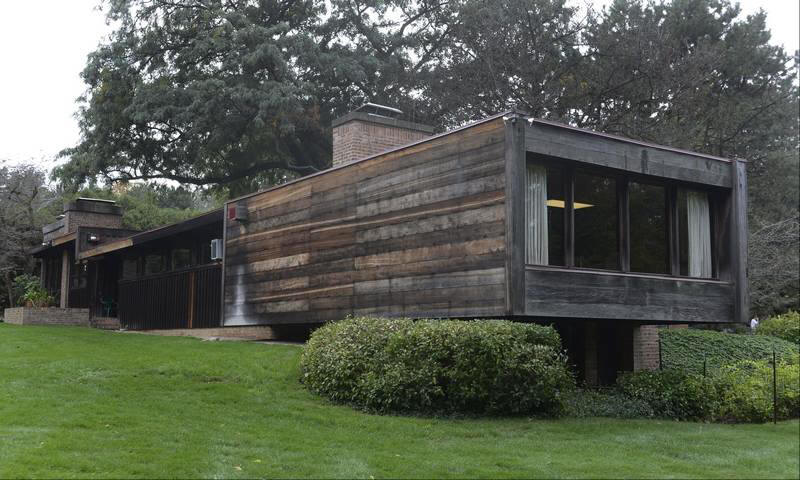
Schweikher built the house in 1937-38, after being inspired on a trip to Japan to study the country’s architecture. As both his private residence and his professional architecture studio, the building reflects a unique amalgam of Prairie, Japanese and vernacular architecture — with a strong modernist underpinning.
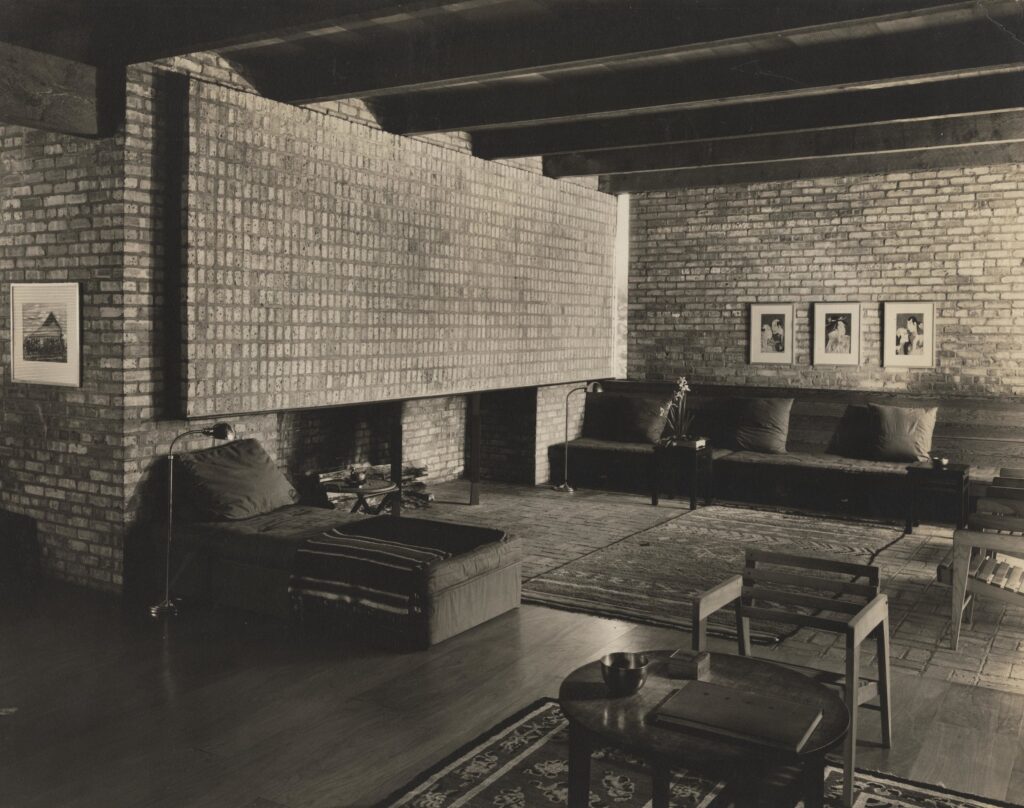
Photo courtesy of the Chicago History Museum/Hedrich Blessing Archive

The one-story, T-shaped house was a complete remodel of an old barn situated on a 7-½ acre plot of farmland on the outskirts of Chicago in Roselle, IL. Schweikher chose common materials including brick, red cypress wood and glass to reflect his interests in sustainability and engineering. He designed the interior as distinct areas for sleeping, living and working, connected to allow for a constant flow of natural light and air. He built a massive fireplace in the living room to establish the house’s character, while giving the Chicago common bricks center stage. Inspired by the Japanese minimalist architecture he had seen on his travels, Schweikher included a passive solar room, exposed wood beams, built-in furniture, a soaking tub, concealed storage in the paneling in each of the rooms, and shoji screens throughout the building. 

After nearly a decade of serving as the Schweikher home and studio, the house was featured in the May 1947 issue of Architectural Forum magazine. By that time, the surrounding gardens designed by Franz Lipp, one of the country’s foremost landscape architects, had matured magnificently. In 1948–50, Schweikher made a series of additions including a formal studio that cantilevers over the large back yard and connects by a breezeway to the main building. 

In 1953, when he took up his new position at Yale, Schweikher sold the home to Martyl and Alexander Langsdorf. Over the ensuing decades as owners and occupants, the Langsdorfs maintained the building and grounds with meticulous care, and spearheaded the effort to have it listed on the National Register of Historic Places in 1987. In 1999, they sold the Schweikher House to the Village of Schaumburg in 1999 so it could be preserved as a public house museum, allowing this treasure of timeless architectural value to be experienced, enjoyed and learned from by all.
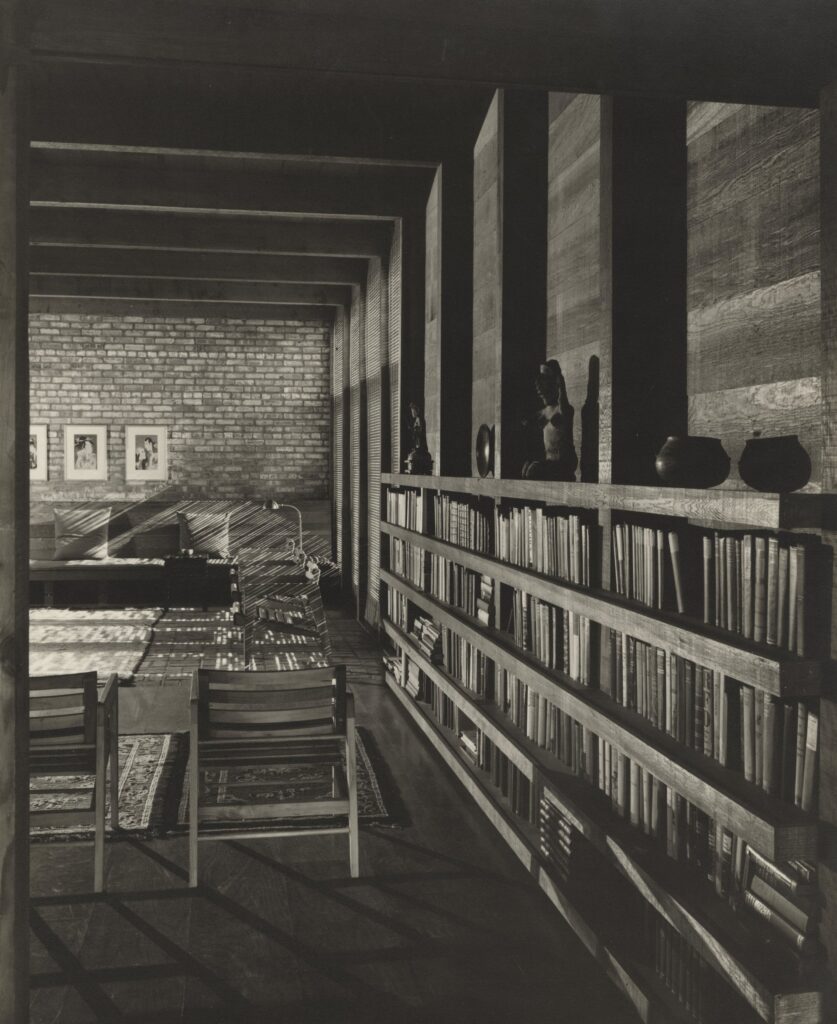
Photo courtesy of the Chicago History Museum/Hedrich Blessing Archive

Scheduling a Visit

The Schweikher House is located at 645 W Meacham Road in Schaumburg, IL. Tickets to docent-led tours can be purchased online; a reservation is required.
A Guide to Frank Lloyd Wright’s Studios Part 1: Taliesin

Frequently referred to as the father of American modernism through his establishment of the Prairie School of architecture, Frank Lloyd Wright gifted the world with many culturally-significant designs, forever leaving his stamp on American architecture. Many of Wright’s designs are widely celebrated and remain standing today, including Taliesin, one of his most iconic works that altered his life and the lives of those around him while serving as his studio.

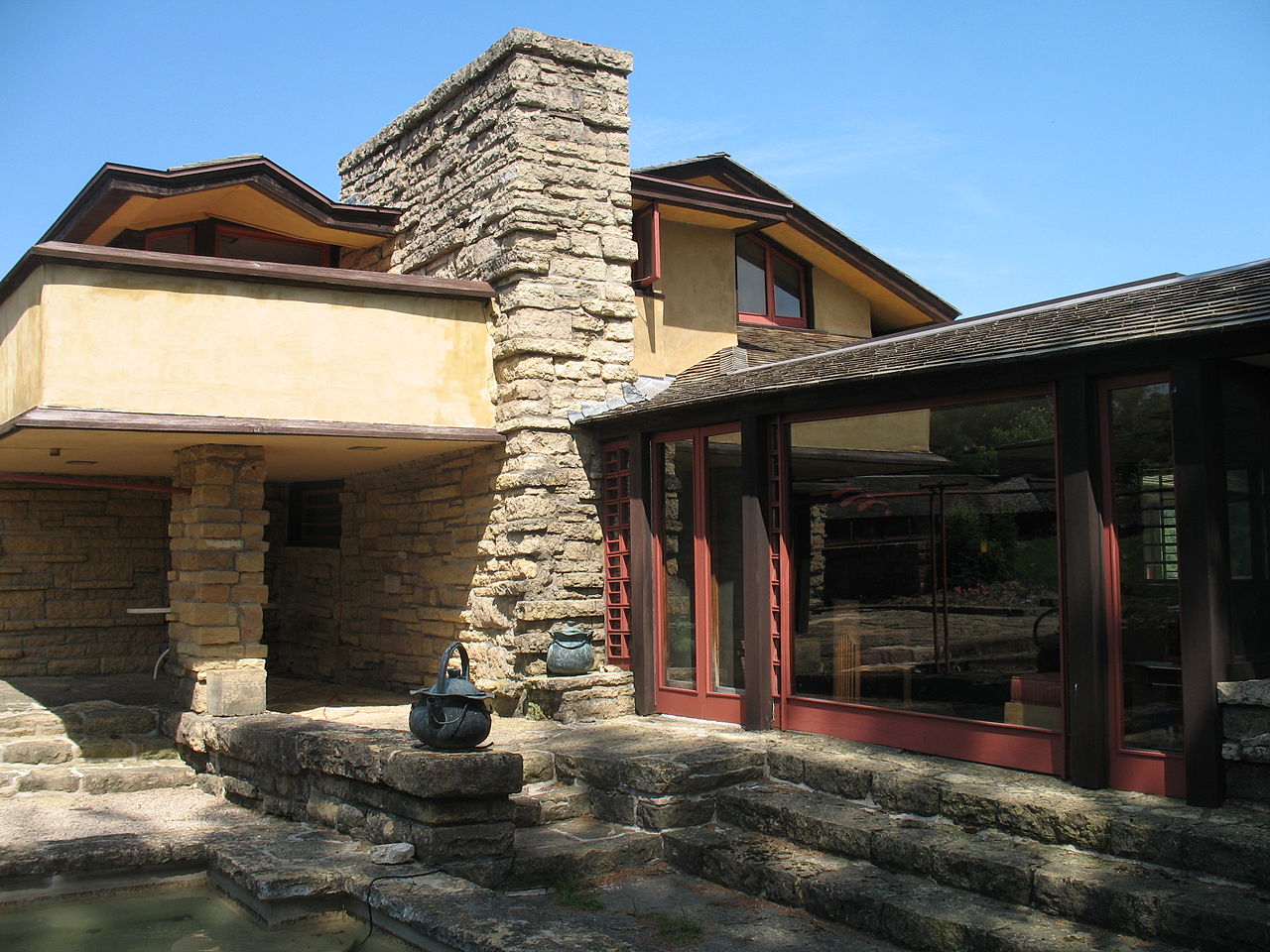
The archetype of Prairie School architecture was built in 1911 by Wright after he had left Oak Park, Illinois to return to his family’s land in Spring Green, Wisconsin. Derived from Welsh mythology, Taliesin was an ancient poet, whose name means radiant brow. Wright built the exemplary estate in a Wisconsin River valley into the brow of his favorite hill from boyhood, hence its name. 

During the process of designing Taliesin, Wright drew inspiration from the patterns and rhythms of his surroundings. He became inspired by the thought of living among his ancestry and the nature that surrounded him as he embodied the idea of organic architecture within his design. Wright refined visions from his previous Prairie School designs, including a lush courtyard and open floor plan, and used local limestone and sand from the Wisconsin River to invite the outdoors indoors — a radical idea at the time. 

Throughout the estate’s history, it suffered a number of accidents, including two fires that sparked Wright to complete two renovations on Taliesin. The first of which, Taliesin II, was completed in 1915 after arson had destroyed one-third of the house, including Wright’s living quarters. The redesign was nearly identical to the architecture in Taliesin I, excluding its new observation deck and, in an attempt to make the estate completely self-sufficient, Wright’s hydroelectric generator. 

Taliesin, Photographed in 1913 before the first of its two fires, Courtesy of Wisconsin Historical Society

Following another destructive fire in 1925, Wright was forced once again to pour new life into Taliesin and went to develop the third rendition of the estate, Taliesin III. Through the devastation, Wright remained committed to his passion for thoughtful architecture and brought a breath of fresh air to the bare structure that surrounded him. While living at Taliesin III Wright also designed some of his more renowned work, including Fallingwater, the headquarters for S.C. Johnson and Jacobs I (the Herberg Jacobs House).

Beginning in 1932, Wright established the Taliesin Fellowship and hosted 50 apprentices at Taliesin on an annual basis, giving them the opportunity to work for him for a lengthy period of time and experience his intensive working environment. Today, the estate is in the hands of the Frank Lloyd Wright Foundation, and the fellowship uses the neighboring Hillside School as its home base. The esteemed property was listed in the National Register of Historic Places in 1973 and was recognized as a National Historic Landmark in 1976. 

Located just a few hours outside of Chicago, the Taliesen estate is the perfect day trip for anyone who appreciates breathtaking architecture and offers visitors a variety of tours designed for every level of interest, which can be booked on their website here

Ludwig Mies van der Rohe and His Role in the Chicago Skyline

Mid-Century Modernism defines the Chicago skyline. Organic forms rise from Chicago’s foundation and cast shadows across the Lake while innovative use of glass reflects waves of light onto the city streets. The Willis Tower, Marina City, the Aon Center are all notable examples of the mid-century modern masterpieces towering over the city.

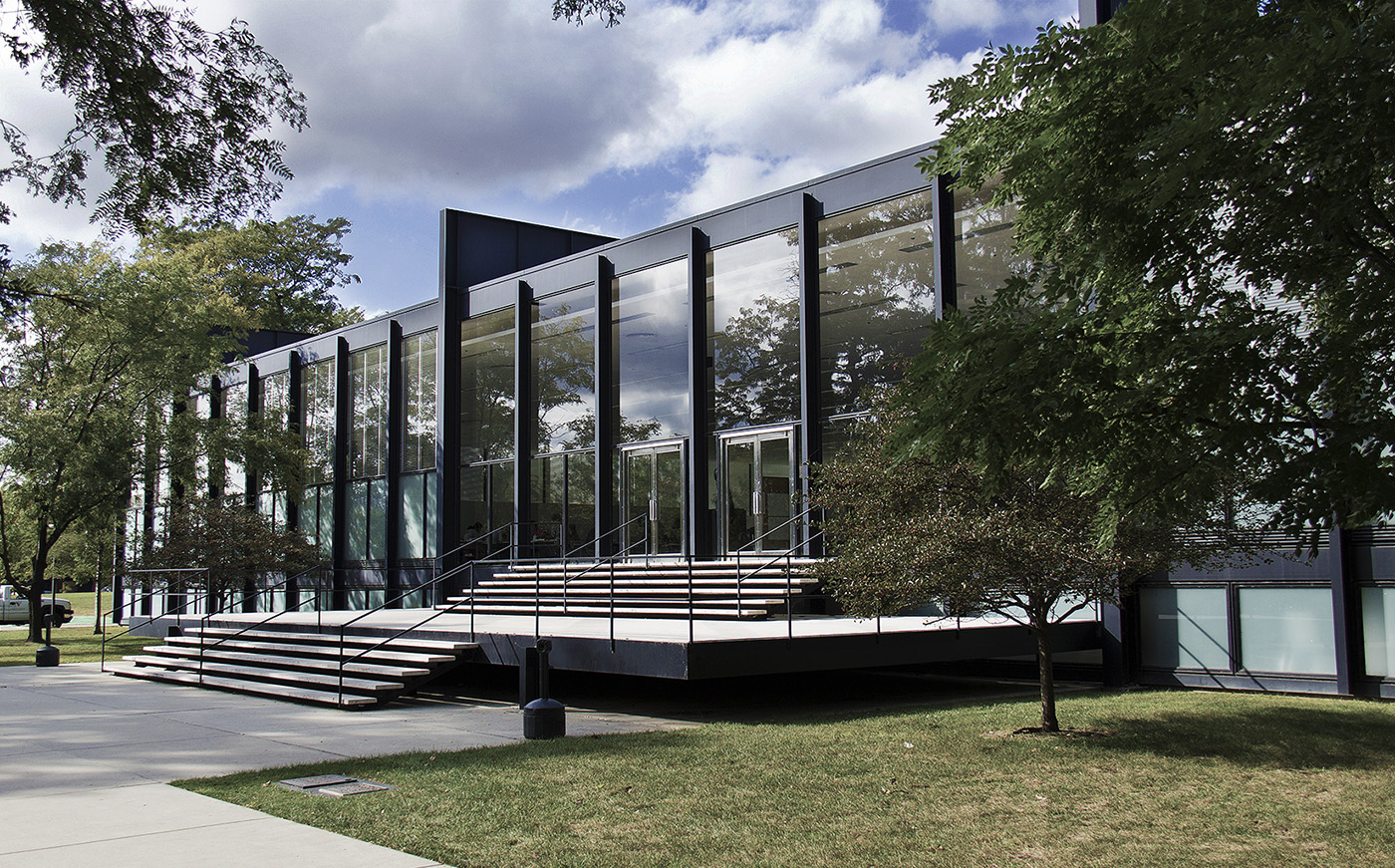
Chicago’s mid-century modern skyline would not be complete without the exceptional contributions of architecture titan Ludwig Mies van der Rohe. Born 1886 in Germany, Mies emigrated to Chicago in the 1930s due to the rise of Nazism in Europe. Already an esteemed architect, in Chicago Mies accepted the position as head of the architecture school at the Armour Institute of Technology (now the Illinois Institute of Technology). At IIT, Mies was commissioned to design buildings for the campus which still stand today. These buildings include Alumni Hall, the Carr Memorial Chapel, and S.R. Crown Hall, some of Mies’ many masterpieces. 

Mies aspired to create architecture that represented modernity with clarity and simplicity. In 1951, Mies completed the two residential buildings of 860-880 Lakeshore Drive which are considered Chicago Landmarks and are listed as National Historic Places. Initially, the towers were viewed critically. However, with time the buildings became the prototype for steel and glass skyscrapers around the world.

Mies also designed Chicago’s Federal Center Plaza which is composed of three buildings; the Everett McKinley Dirksen courthouse building, the John C. Kulczynski building, and the Post Office building. The three buildings situate themselves around a plaza with Calder’s red Flamingo sculpture at the center. The plaza serves as one of the main gathering points in the Loop, Chicago’s commercial center. 

Kluczynski Federal Building, Chicago, 1973, designed by Mies van der Rohe. Credit: Matt B on Flickr Creative Commons, CC BY-NC-ND 2.0 Deed

Not too far away at 330 North Wabash sits the former IBM Plaza and Building, one of the last American projects designed by Mies. Built in 1973, the building was designed with advanced technology in mind and became well-known for the several atypical features it included as an office space at the time. Today, the Chicago Landmark is known as the AMA Plaza and includes the Langham Hotel, often regarded as one of the best hotels in the nation.

The Promontory, situated at 5530 S Shore Dr, stands 22 stories over Chicago’s Promontory Point and extensive shoreline in the Burnham neighborhood. Mies built the structure with a “Double T” design in which horizontal cross-bars join and the stems of the T’s form wings to the rear. Mies would employ this design in many of his future buildings. 

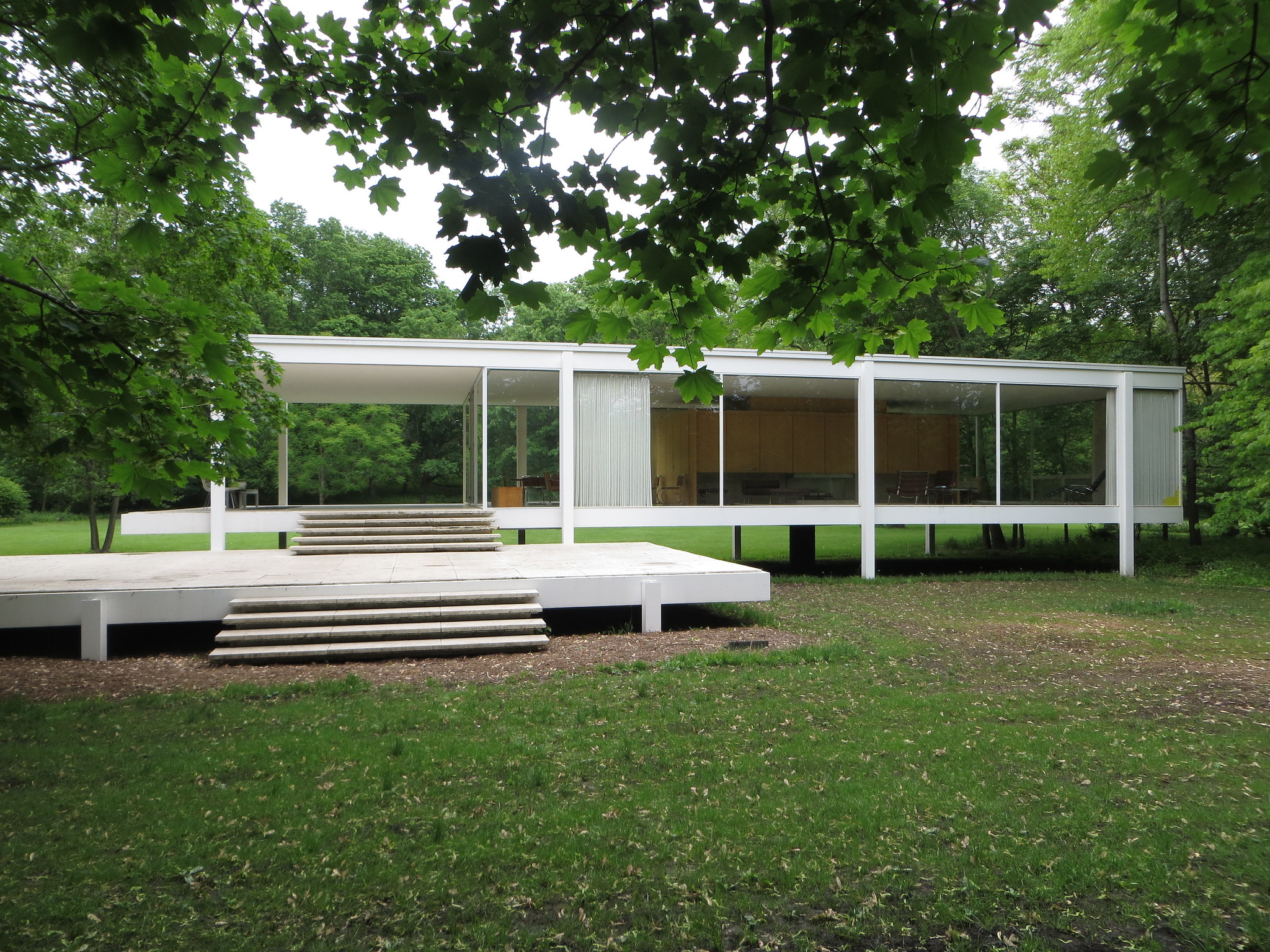
Farnsworth House exterior, Ludwig Mies van der Rohe,1945-1951. Credit: David Wilson on Flickr Creative Commons, CC BY 2.0 Deed

The Farnsworth House, designed as a vacation retreat for Dr. Edith Farnsworth, is located just outside of Chicago in Plano, Illinois. Though the Farnsworth House is not a grand skyscraper, it has left a lasting impact on the Chicago architectural landscape. The house was an exploration for Mies in the convergence of humans, shelter, and nature. Consisting of a glass pavilion raised six feet above a floodplain beside the Fox River, the house has been described as “sublime” an “a poem” and is now a public museum.

Today, Chicago’s skyline has completely transformed from what it was more than 50 years ago when Mies passed. However, even as it continues to evolve with every new development, Mies iconic buildings still stand out as striking, inspiring architectural masterpieces.

Modernist Movements in South America

Countless architects and designers across the world and throughout history share the same passion and appreciation for Modernist design that we hold at Optima. One of our industry’s greatest delights is exploring how design translates through the lenses of other cultures and countries. Today, we’re exploring the ever-important Modernist movements from South America. 

Modernismo in Brazil

Modernisimo, founded in Brazil, began in the wake of World War I and influenced Modernist movements around the world. A rebellion against European artistic and aesthetic influence, Modernismo brought Brazilian life and thought into the modern era through the celebration of the culture’s rich traditions of folklore, architecture, art and style. 

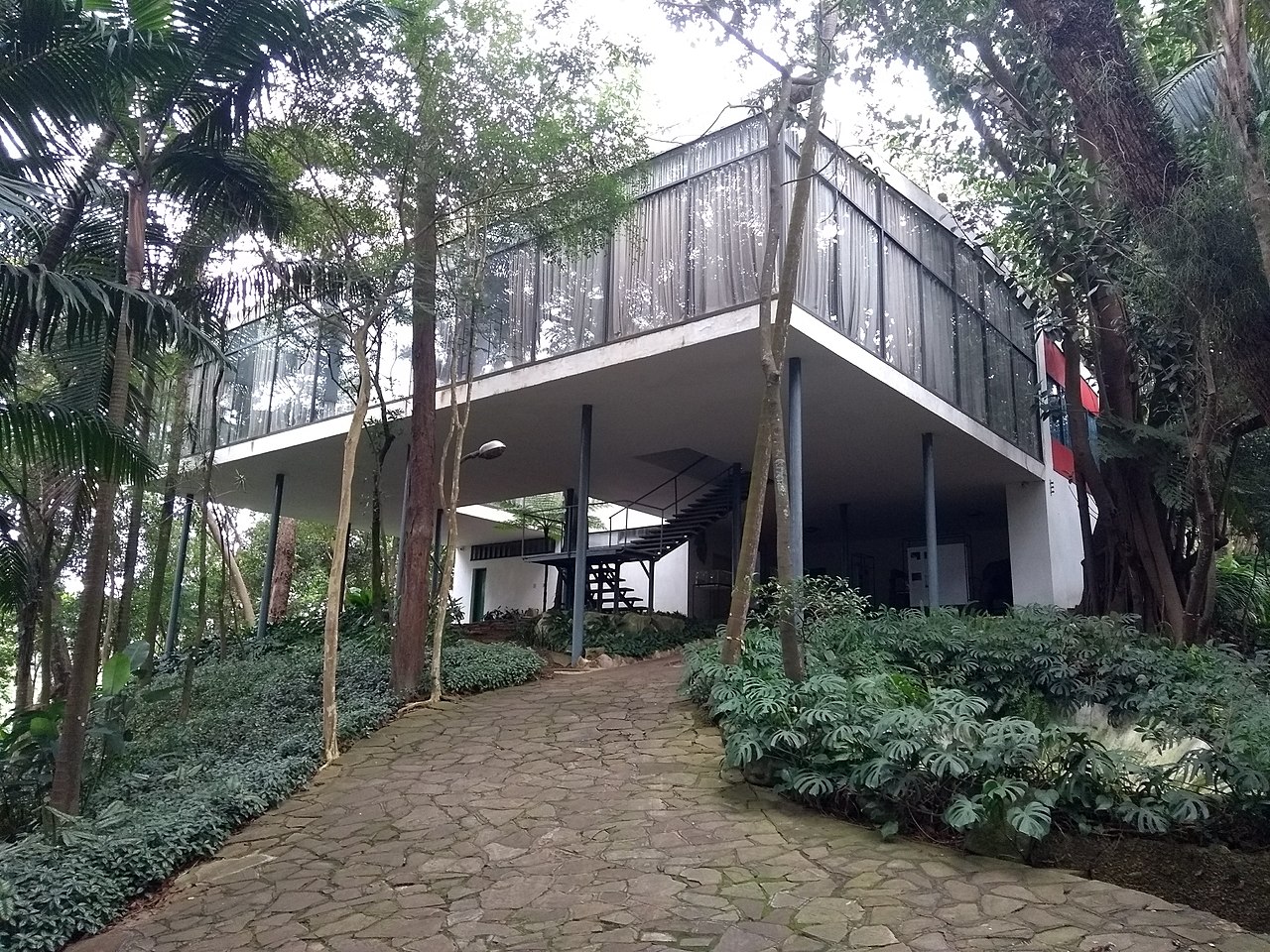
By the 1930s, after decades of success, Modernisimo splintered into factions of artists, thinkers and creatives, but the movement’s influence on later art, sculpture, literature and architecture remains prominent. Brazilian architects and designers such as Lina Bo Bardi adopted concepts of Modernisimo in their own practices, creating world-renowned structures that are still celebrated and used today. 

Casa Luis Barragán. Credit: washingtonydc on Flickr Creative Commons, CC BY-NC-SA 2.0 Deed

Other Movements

Brazil is not the only South American country with a strong Modernist legacy. In Colombia, Venezuela, Mexico and Argentina, Modernism involved active divergence from Spanish influences and was a form of artistic and political protest. 

Architects such as Luis Barragán in Mexico and Carlos Raúl Villanueva in Venezuela began designing structures that departed from classic European designs to create a modern visual vocabulary celebrating the traditions and legacies of their home countries. These architects became globally renowned for their work and are considered among the founders of Modernism.

The Casa Luis Barragán in Mexico City, designed by Barragán, is one of the most internationally transcendent pieces of contemporary architecture in the world. Composed of smooth grey, orange, pink and brown cement façades, the structure served as Barragán’s private residence and studio and took influence from Mexican tradition and vernacular. It is the only individual property in Latin America that is listed as a United Nations Education, Scientific and Cultural Organization World Heritage Site. 

Similarly, Raúl Villanueva’s design for the campus and buildings of the Ciudad Universitaria de Caracas utilized Modernist principles and Venezuelan cultural history combined with urban and architectural planning to construct Venezuela’s center of higher education.

Like all artistic movements, South American Modernism served as inspiration for and reflection of Modernist movements internationally, including Europe and America. Today, the impact of the postwar South American Modernist movements can be found abroad and in the work of many famed architects. 

With Optima’s strong connection to Modernism, we continue to study, admire and garner inspiration from the rich traditions that took root in other cultures and remain relevant and vital today.

Eileen Gray’s E-1027 Reopens to the Public

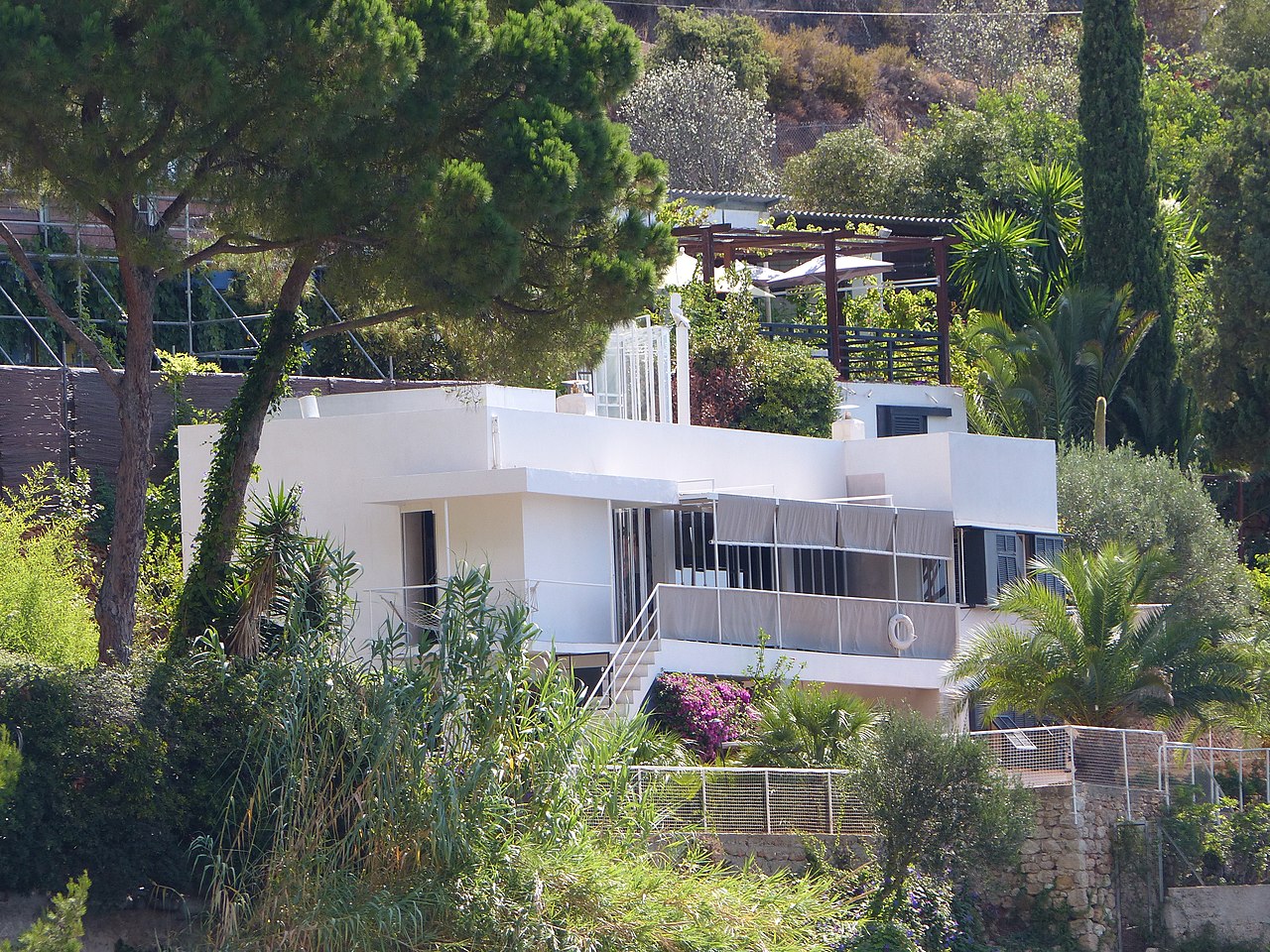
Previously, in our Women in Architecture Series, we highlighted the streamlined, industrial style of the modernist designer and architect Eileen Gray, which you can read here. Of her many projects, Gray’s French Riviera villa, E-1027, remains most notable. Over time, the grandiose structure fell into ruins, but following an extensive restoration project, Gray’s Villa E-1027 has reopened to the public.  

In its prime, one of the property’s most beloved visitors was Le Corbusier. Following his death, the villa experienced neglect from numerous tenants for years. However, the property was purchased in 1999 by the French agency, Conservatoire du littoral, to oversee its protection and preservation. Later, in 2014 they established the Cap Moderne Association to manage the rehabilitation. After six years of comprehensive restoration work, the E-1027 villa mirrors the original design that was completed in 1929 by Gray and her husband, Jean Badovici. 

The project aimed to restore both the exterior environment and the interior fixtures of the villa. Inside, new built-in and free-standing furniture and artwork reflect the villa’s original lived-in state from nearly a century ago. Visitors are invited to consider how Gray pioneered an interpretation of modernist warmth with welcoming internal fixtures that contrast the villa’s sometimes cold, concrete structure. 

On the exterior, vibrant blue awnings covering the outdoor walkways offset the villa’s bright white walls. The “house by the sea” is intended to be a living organism within the structure’s larger atmosphere. Surrounded by lush greenery and landscaping on its north and south-west sides and built on pilotis just above a plunging cliff into the sea, the villa successfully fulfills Gray’s goal of being harmoniously integrated into its environment.

Timed tours of this modernist wonder are currently available for small groups looking for a getaway. You can learn more about E-1027 and how to visit it on Cap Moderne’s website here

Chicago Architecture Spotlight: Charles M Harper Center

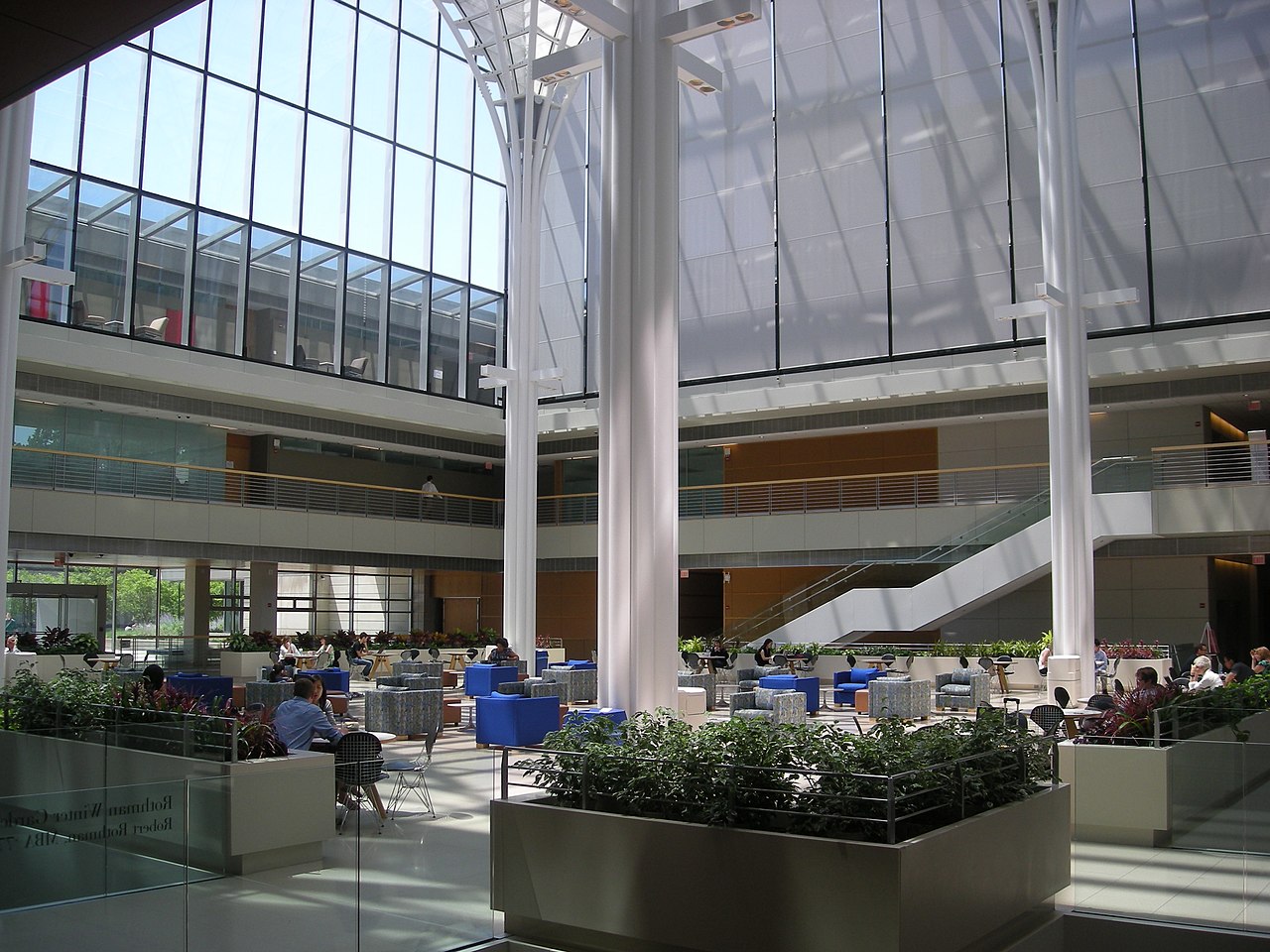
The Charles M Harper Center at the University of Chicago Booth School of Business ties the historical architecture of its neighboring structures with state-of-the-art technology and modern design. 

Completed in 2004 by Rafael Viñoly, the Charles M Harper Center sits across from the Rockefeller Chapel, a masterpiece of gothic architecture, and Frank Lloyd Wright’s Robie House, considered one of the greatest feats of Prairie style architecture. The Charles M Harper Center serves as a mirror to both structures while creating its own mark on the landscape of the University of Chicago campus.

The Harper Center serves as a favorite gathering place on campus for both researchers and students alike. The building fits into the aesthetic of the university’s campus while also providing updated technology and study spaces for the community. 

Rothman Winter Garden

The Harper Center boasts a six story atrium at its center, dubbed the Winter Garden, covered with arched glass ceilings that mimic the Gothic arches of Rockefeller Chapel to the building’s south. The roof, made of light-filtering glass, serves as an ode to the glass roofs of the Robie House while also providing students with a bright, clean study space. 

Charles M Harper Center at the University of Chicago, designed by Rafael Viñoly. Credit: Michael Barera on Wikimedia Commons, licensed under the Creative Commons Attribution-Share Alike 4.0 International license

Stone

Much of the University of Chicago’s campus is composed of grey stone, and the Harper Center’s mix of glass and grey stone exterior celebrate the historic structures of the campus. Stone facades mimic the straight lines of the Robie house while also celebrating the Gothic design that composes the campus quad. 

Parts of the building are open to the public, so next time you find yourself in the Hyde Park neighborhood, make sure to experience this cutting-edge and unique piece of architecture for yourself.

The New York Times Style Magazine’s Modernist Beauties

The New York Times Style Magazine released an article in early August compiling a curated list of twenty-five of the most significant works of postwar architecture. Of the buildings selected, three hold deep connections to Chicago and the city’s architectural legacy; The Farnsworth House, Amanda Williams’ “Color(ed) Theory,” and the Johnson Publishing Company Building.

Farnsworth House

The Farnsworth House, considered one of Ludwig Mies van der Rohe’s masterpieces, sits on the isolated floodplains facing the Fox River in Plano, Illinois. Designed in 1945, the house was used as a retreat from the urban world for Edith Farnsworth, a native Chicagoan. The Farnsworth House was brought up repeatedly by the New York Times Style Magazine jury as many of its members admired the discipline displayed by the house’s design.

A vibrant blue house is surrounded by leafless trees and a blanket of white snow.
Color(ed) Theory: Ultrasheen, Amanda Williams, 2014-2015. Credit: Art Institute of Chicago

“Colored(ed) Theory”

Chicago based artist, Amanda Williams’, “Color(ed) Theory” series was also selected as one of the most significant postwar pieces of architecture.

Williams spent two years on the South Side of Chicago painting abandoned and condemned houses based on colors she found in products targeted towards Black communities. The series provokes observers to think about the many complex forces that shape cities and their relationship to color. Using vibrant violets, teals, and turquoise, Williams metamorphosed the almost destroyed houses into works of art. The eight illuminating houses continue to encourage future discussions on the complexities of race, place, and value in Chicago today.

Johnson Publishing Building, 820 South Michigan Avenue, Chicago, designed by John Moutoussamy. Credit: Paul R. Burley on Wikimedia Commons, licensed under the Creative Commons Attribution-Share Alike 4.0 International license.

Johnson Publishing Company Building

John W. Moutoussamy’s 1971 Johnson Publishing Company Building located in downtown Chicago also made the New York Times Style Magazine list. The eleven-story building housed the offices of iconic magazines including Jet and Ebony, which represented the culture and style of America’s black community in the late nineties. The interior of the Johnson Publishing Building is filled with an art collection as well as opulent colors and textures reflecting the decorating styles of the 70s. Even today, the Johnson Publishing Company Building is one of the few urban skyrises designed by a black architect.

The entirety of the article can be read here.

A Brief History of Modernist Furniture

The modernist architecture movement gained traction in the late 19th century and was influenced by the post-war notion of practicality and eliminating excess. 

Notable modernist architects include Ludwig Mies van der Rohe, Frank Gehry, and Zaha Hadid. Along with designing structures, these architects also designed furniture that would harmonize with their buildings, while making their works more accessible to many.

Prior to the modernist movement, furniture was seen as ornamentation. Rather than taking comfort and practicality into consideration, the value of furniture was determined by the amount of time and level of craftsmanship that went into its production. The Industrial Revolution enabled the mechanization of furniture production, enabling furniture to become affordable and functional rather than ornaments reserved for the wealthy.

Modernist principles of furniture considered the interaction of the design and the user, creating designs that fit with the human form rather than forcing bodies to conform to the furniture.

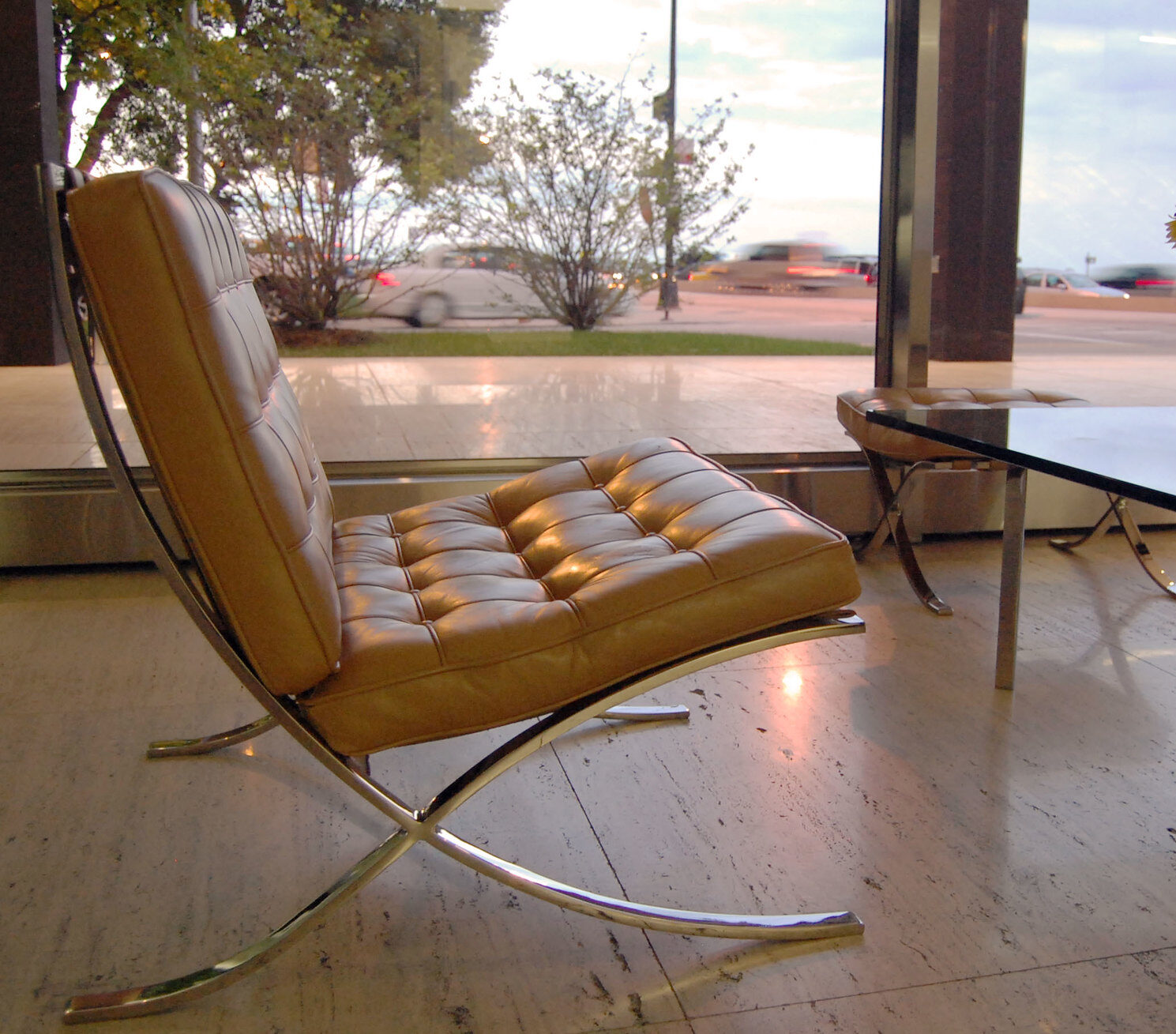
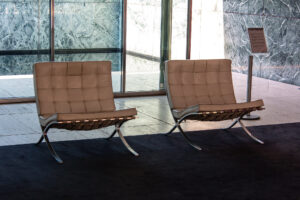
Two Barcelona Chairs sit next to each other in front of glass windows.
Barcelona Chairs, designed by Mies van der Rohe

Ludwig Mies van der Rohe’s 1929 Barcelona Chair was inspired by the simplicity of ancient folding chairs. Supported on each side by two chrome-plated flat steel bars, the Barcelona Chair is upholstered in leather and combines simple elegance with comfort. Mies van der Rohe designed the Barcelona chair to sit in the lobbies of his buildings, where they accent the architecture and blend in with the surrounding space. 

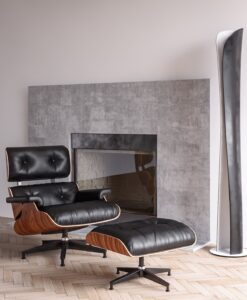
The Eames Lounge Chair sits in front of a marble fire place.
Eames Lounge Chair, designed by Charles and Ray Eames

The Eames Lounge Chair, another iconic piece of modernist furniture, was released in 1956 and designed by Charles and Ray Eames. The Eames Lounge Chair is a rare example of modernist furniture that was not designed to be mass-produced and affordable. Yet, the chair still relied on the principles of simplicity, practicality, and comfort core to modernist furniture design. The chair, inspired by the English Club Chair, is composed of molded plywood and leather and became a cultural icon for its un-design-like appearance that invites sitters to rest for hours within the chair’s leather cushions.

The Noguchi Table
Noguchi Table, designed by Isamu Noguchi

Japanese-American artist and industrial designer, Isamu Noguchi, designed the famed Noguchi Table for the furniture company, Herman Miller. The Noguchi Table is a sleek glass-topped table supported by two curved pieces of wood at the base. The table became popular for its ability to fit both in the domestic and corporate spaces. 

The ability for modernist furniture to fit effortlessly into any space combined with its practicality made modernist designs into classic pieces recognized across generations. Modernist furniture can be found in suburban households and steel office buildings alike. Families gather around Noguchi Tables for chess games and curl up into Eames Lounge Chairs with long novels. Business moguls and architects meet in Barcelona Chairs and sign documents over Noguchi Tables. The versatility of modernist furniture and ease with which it is produced revolutionized how the general public views furniture and furniture’s place in the spaces it takes up.

The Career of Helmut Jahn

The Life of Helmut Jahn

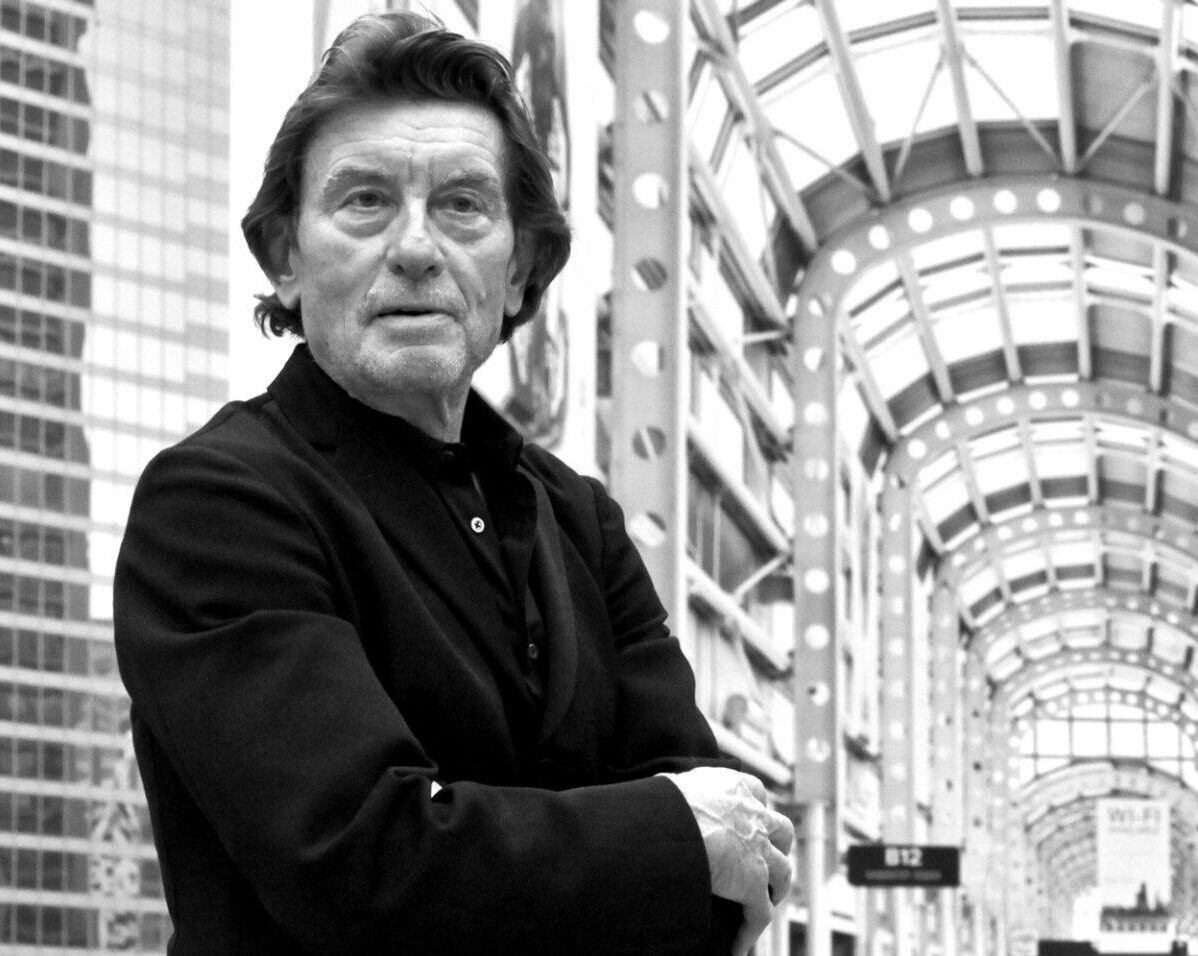
The German-American architect Helmut Jahn, who passed away in May 2021, holds a special place in the hearts of Chicagoans, as he made the city his home throughout his stellar international career. He was also a close friend and colleague of Optima founder, David Hovey Sr., FAIA.

Born in 1940 near Nuremberg, Germany, Jahn witnessed the destruction — and later reconstruction — of the town where he grew up during and after World War II. Because of this intimate and personal experience, he was inspired to study architecture and design as a way to participate in the process of stabilizing and beautifying the places where people live.

Jahn moved to Munich to study architecture, and relocated to Chicago in 1966 to further his studies under renowned architects Myron Goldsmith and Fazlur Khan at IIT. His career was forged when joining C. F. Murphy Associates, which was renamed JAHN in 2012 following Charles Murphy’s retirement. 

Much of the work Jahn created took inspiration from the modern aesthetic he adopted while at ITT; he also pulled from the influences of postmodernism, the Art Deco style of the ‘30s and eclecticism throughout his career. In the late 1970s and early ‘80s, Jahn’s mark on architecture really began as he transitioned from smaller projects to legacy-defining skyscrapers.

The Works of Helmut Jahn

James R. Thompson Center, Chicago

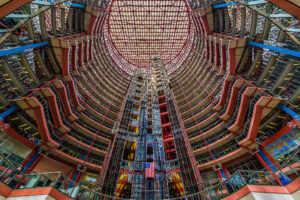
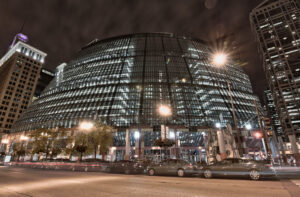
In 1985 Jahn designed the State of Illinois Building (renamed the James R. Thompson Center in 1994), located in Chicago, which serves as the second home to the Illinois state government. From the moment its doors opened to the public, it became one of Jahn’s most controversial designs, with mixed reviews that ranged from unabashed praise to outrage. 

The photos shows a rounded interior of a building fitted with bright colors of steel railings, staircases and beams.
The atrium inside the James R. Thompson Center in Chicago, designed by Helmut Jahn

The building, with a grand atrium at its center, has a distinctive circular shape that references the Illinois State Capitol building in Springfield. While the structure was considered futuristic at the time, in part due to the use of advanced architectural tectonics, it also incorporated design elements that were reminiscent of the grandeur of large public spaces of the past.

Over the years, many of Illinois’ most senior officeholders (including governors) have proposed selling the structure, much to the criticism of architects and architecture devotees concerned about the building’s future. And while the future of the building remains in question, the 17-story structure is internationally known and considered a momentous piece of postmodern architecture.

A round shaped building is lit up with lights from it's inside in the dark night.
The exterior of the James R. Thompson Center, designed by Helmut Jahn

Sony Center, Berlin

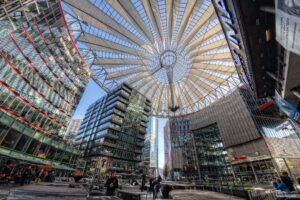
Built in 2000 at the Potsdamer Platz in Berlin, Germany, the Sony Center stands as one of Jahn’s more recent architectural feats. After the city’s ruin during WWII, the original site — the infamous Nazi People’s Court — was stuck in the Berlin Wall’s No Man’s Land, and was left to decay. Once the Berlin Wall fell in 1989, the city looked to rehabilitate much of the forgotten architecture. 

Jahn undertook the project of this transformational urban marketplace with a desire to honor the meaning of building on and around abandoned structures. In the process, he successfully blended historic remnants and modern aesthetics to create an open, free-flowing space for all to enjoy.  

The grouping of eight buildings that makes up the Sony Center are a mix of residential, commercial and public space. Each structure is enveloped in glass, directing the flow of light and augmenting the feeling of transparency throughout the complex. The 102 meter-long roof that sits atop the complex, built by Waagner-Biro, has become an iconic feature in its own right. The medley of steel, glass and translucent fabrics, which is often illuminated in bright colors, furthers the fluid design that Jahn intended.

A wide lens photo captures four buildings faced with glass with a large fanned roof that is open above them.
A rendering of the Pritzker Military Archives Center in Sommers, Wisconsin, designed by Helmut Jahn

Pritzker Military Archives Center

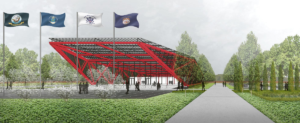
The Pritzker Military Archives Center located in Sommers, Wisconsin, is one of Jahn’s final projects. The construction, which started in 2020, is taking place in conjunction with the development of a new Memorial Park Center. The center will advance the mission of the Pritzker Museum and Library to restore and preserve their ever-expanding collections. 

The state-of-the-art structure will feature an immersive 9,400 square-foot Gallery Center open to the public. The Gallery will house artifacts and exhibits provided by the parent museum and library located in Chicago. The front of the building will feature floor-to-ceiling glass frames that illuminate the interior. Brilliant red steel beams will stretch beyond the facade, creating a dramatic rooftop extending boldly beyond the building’s entrance. 

Construction on the Pritzker Military Archives Center is underway and moving swiftly; the entire Memorial Park Center will take nearly a decade to be completed.

A rendering presents a bright red steel structure with four flag poles with flags flying in its front. Around the structure green grass and trees fill the area.
The interior forum of the Sony Center in Berlin, designed by Helmut Jahn

Chicago Architecture Center Exhibit

Honoring Jahn’s accomplishments and extraordinary engineering feats, the Chicago Architecture Center (CAC) has curated the exhibit Helmut Jahn: Life + Architecture. The exhibit includes an expansive compilation of ephemera including photography, sketches and models of Jahn’s most iconic works. 

For those interested in learning more about Jahn’s exemplary career in architecture and beyond, Helmut Jahn: Life + Architecture is free with admission to the CAC. The exhibit is open from 10 a.m. to 5 p.m. daily until October 31. You can purchase vouchers and learn more about future exhibits here.

The Environmental Benefits of Vertical Landscaping

Vertical landscaping is a signature feature across Optima communities. In Arizona, we’re easily recognized by the lush greenery that makes itself a key element of the facade at Optima Camelview Village and Optima Sonoran Village. Most recently, we’ve even strategized how to bring our vertical landscaping to the inclement midwestern climate, with plans to incorporate it at our latest development in Wilmette, Optima Verdana.

Photo of Optima Verdana
Vertical landscaping at Optima Verdana in Wilmette.

Besides providing aesthetic value through added beauty and privacy for residents, our vertical landscaping system also serves another important purpose: bringing a broad array of environmental benefits to the natural environments in which we build.

The impact of our vertical landscaping system is something we calculated carefully through extensive design exploration, engineering and a multi-year research collaboration with Arizona State University.

The system, with self-containing irrigation and drainage, provides a haven for urban wildlife, promotes evaporative cooling, re-oxygenates the air, reduces dust and smog levels, reduces ambient noise, detains stormwater and thermally insulates and shields residents from the desert sun, all of which contributes to a sustainable urban environment.

Residents and community members alike also get to experience the direct impact of being surrounded by nature, with the vertical landscaping system serving as a connection to nature. Wherever this connection is made, it fosters a lifelong appreciation for the environment around us, and helps us all to stay mindful of the role we play in keeping that environment safe.

person name goes here

Maintenance Supervisor

Glencoe, IL


    Acceptable file types: *.pdf | *.txt | *.doc, max-size: 2Mb