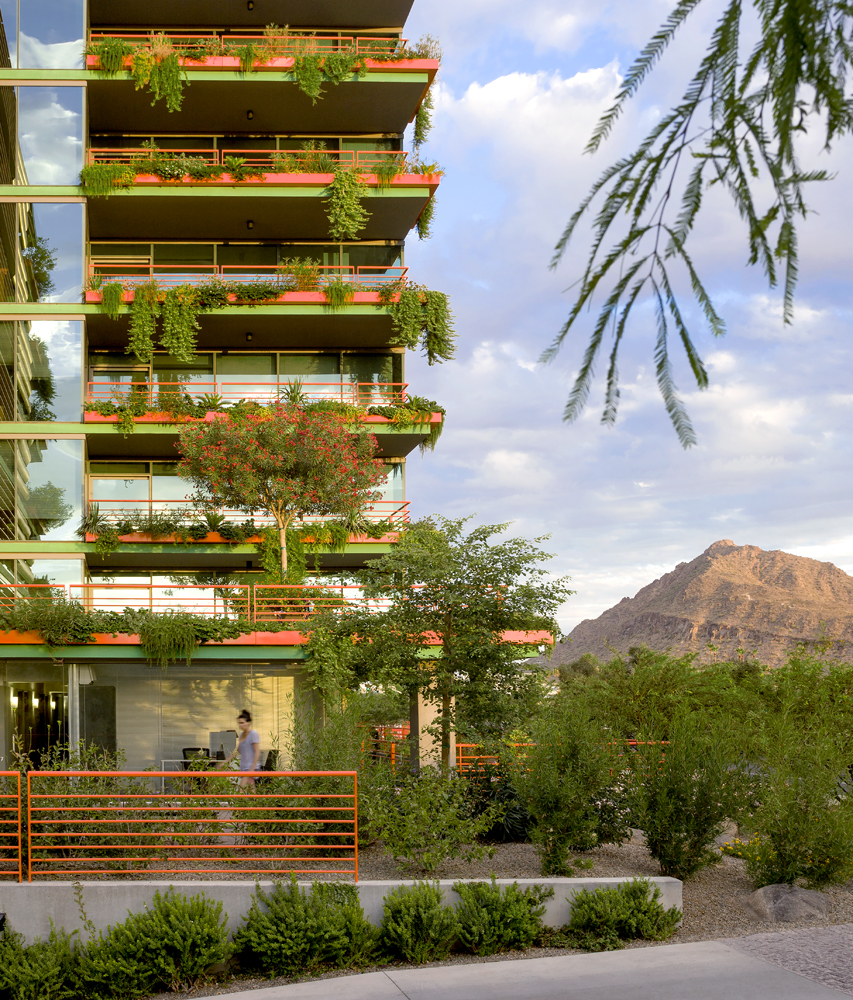
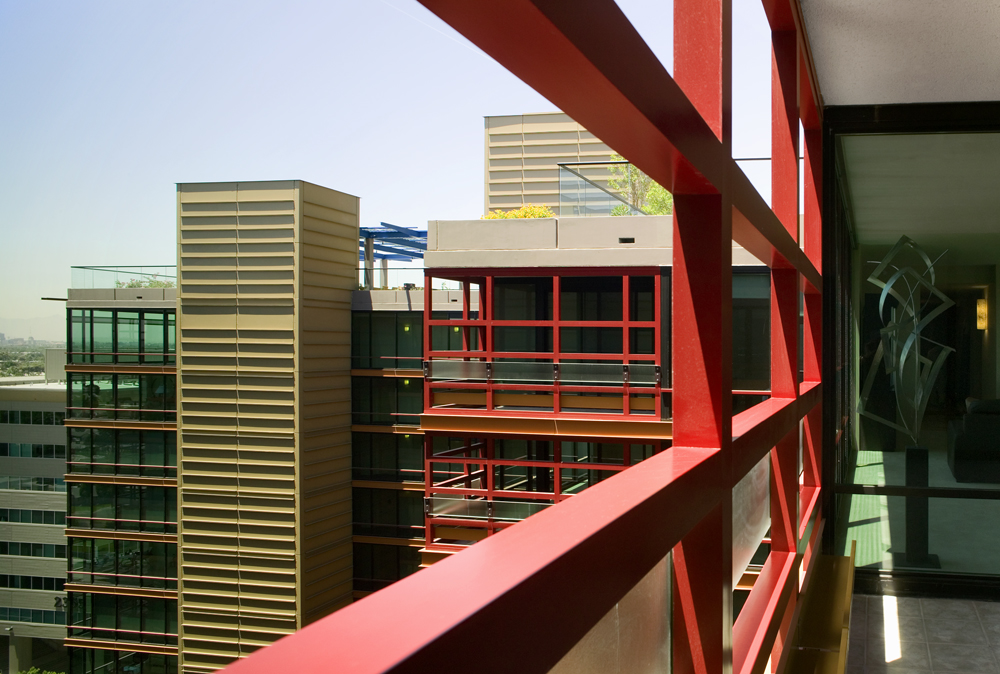
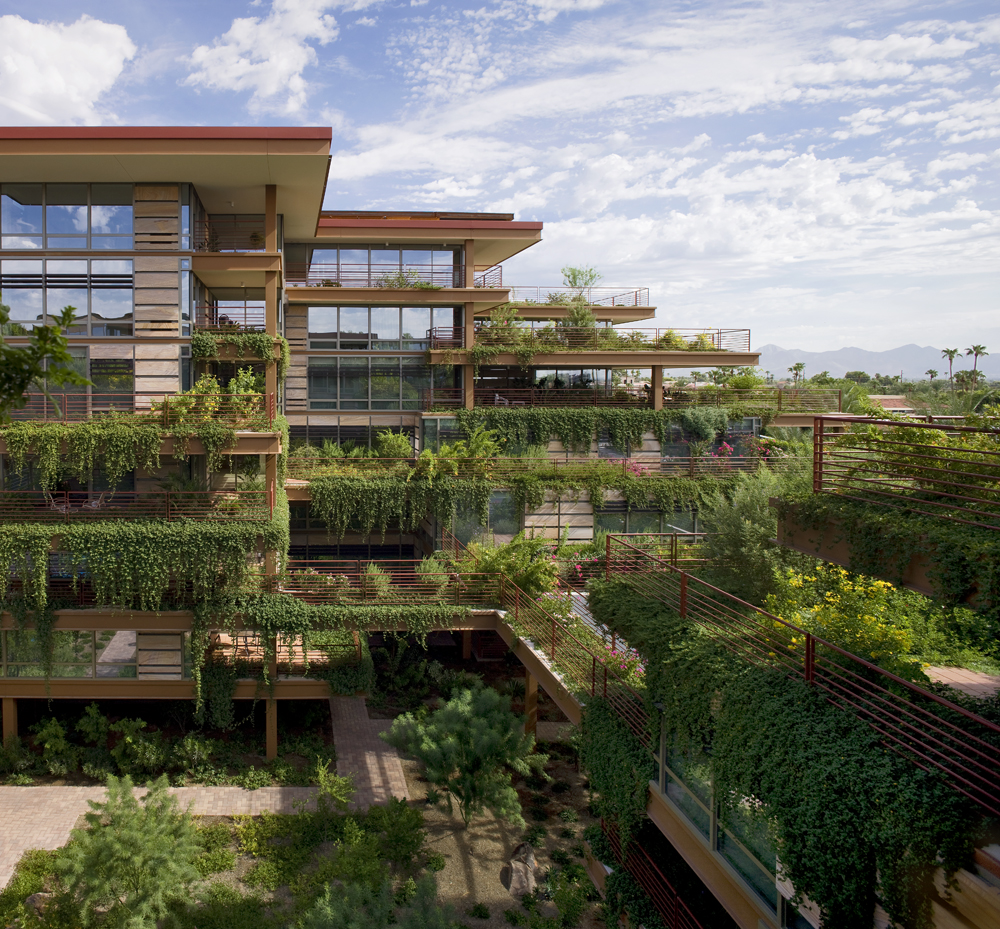
Considering we all spent a lot of time indoors in 2020, we’ll take any excuse to get outside this summer. Thankfully, there are numerous mental and physical perks to spending time in the great outdoors, whether it’s on a hiking trail or on your own terrace. Here are just a few of the many health benefits of being outdoors:
Boost Your Mood
Studies have shown being outdoors lowers levels of cortisol, a hormone that’s a marker for stress. Spending some time outside can help with stress, anxiety or depression, not to mention the added physical benefits of just spending a few minutes in the sun. Vitamin D helps with bone growth, regulates your immune system and can help battle depression. Even if it’s just a quick reset, getting out of the house and into nature can really boost your mood.
Improve Your Vision
Just like we’ve all spent more time inside over the past year, we’ve also spent more time on our screens. Whether you’re back in the office or working from home, your eyes probably need a break. Staring at computers, tablets and smartphones for long periods of time can cause Computer Vision Syndrome, but spending time outdoors can alleviate blurred and double vision, red eyes and headaches.
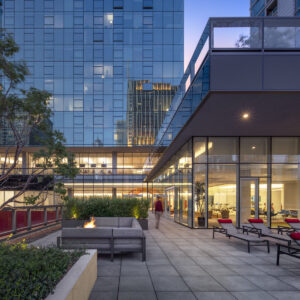
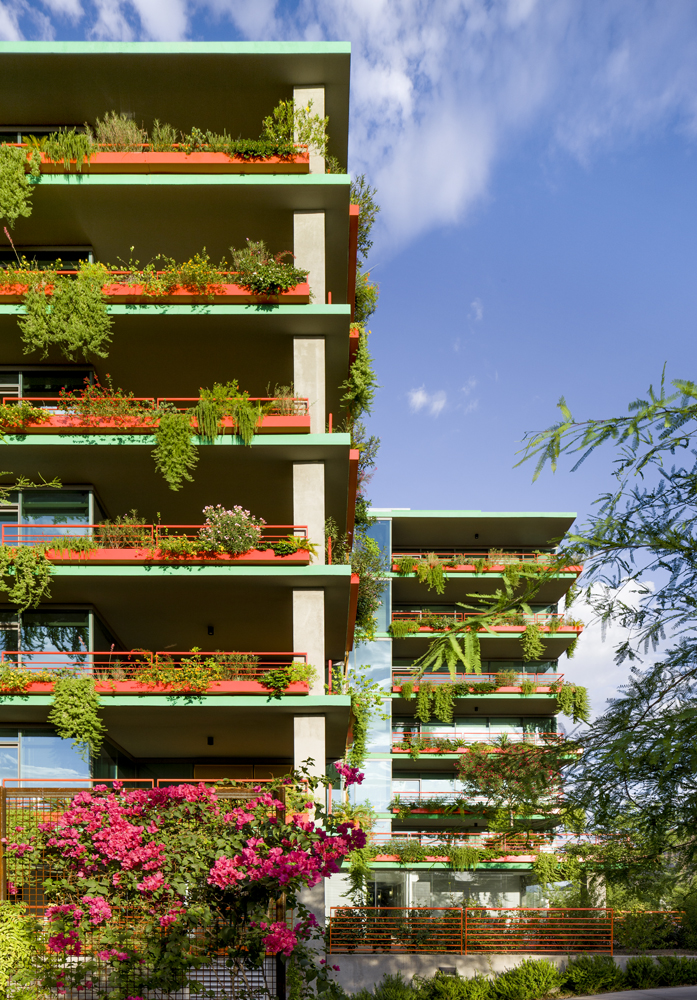
Optima Signature 7th Floor Outdoor Deck
Refresh Your Focus
Nature and green space lets our brains take a break from the chaos of life (and in some cases has even reduced symptoms of ADHD). Spending more time outdoors is also linked to higher levels of concentration, creativity and improved mental clarity.
We hold these health benefits in high esteem, and it’s one of the many reasons we design our residential and communal spaces to invite the outdoors inside. Connecting to nature is an easy way to take some time and connect to yourself and to the environment around you.
Our team is joined together by a love of exceptional design — so naturally, design is our shared language. From property managers to accountants to architects, we’ve all come to know and love the architect lingo that helps us communicate our passions, our creations and our vision. In celebration and as part of our ongoing series, today we’re sharing Part IV of our inside look at architect lingo.
Poché
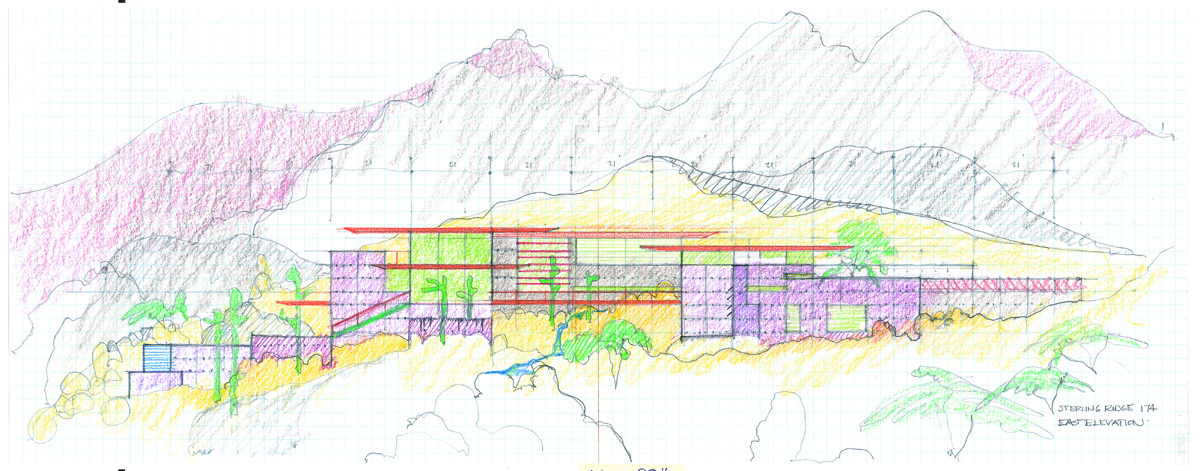
Pronounced with an exaggerated accent on the e at the end, the word poché comes from the French word pocher, which means to sketch roughly. To the untrained eye, poché refers to the portions of an architecture plan that are blacked out, darkened or cross-hatched. To an architect’s eye however, these blacked-out portions of the drawing hold much information.
Poché in a drawing demonstrates to architects the wall thicknesses, floor thicknesses and all other solid areas that intersect the plane of the section cut. Because poché makes it more clear how much space these solid areas take up (i.e. a normal line wouldn’t demonstrate the thickness of a wall, but poché does), it means that architects then have a better understanding of what space is actually available to them around these elements.
Architectural drawing of Sterling Ridge.
Charette
While the word charette might be unfamiliar to many, likely the meaning behind it will sound all too familiar. Charette refers to the intense final effort made by architectural students to complete their solutions to a given architectural problem in an allotted time or the period in which such an effort is made. It’s the home stretch of a project, if you will.
The word charette is derived from the word “cart,” and its origins date back to the École des Beaux Arts in Paris during the 19th century. During that time, proctors circulated a cart, or “Charrette”, to collect final drawings while students frantically put finishing touches on their work. Nowadays, the meaning of charette has evolved to refer to a period of several consecutive days, during which time all stakeholders involved in a project are consulted during an open, collaborative process to gather feedback and make refinements to a given plan.
Miesian
If you’re familiar with Modernist architecture (or if you’ve been an avid reader of our blog), this homological word explains itself. Used as either an adjective or a noun, Miesian as an adjective describes that relating to or characteristic of Ludwig Mies van der Rohe or his work and Miesian as a noun describes an admirer or student Ludwig Mies van der Rohe or his work.
In the Modernist discipline, this basically sums up all of us and everything we create. Mies’ “skin and bones” design style and philosophy of “less is more” is largely influential to the formulation of the discipline as we know it today.
Stay tuned for future features on the world of architecture lingo at Optima.
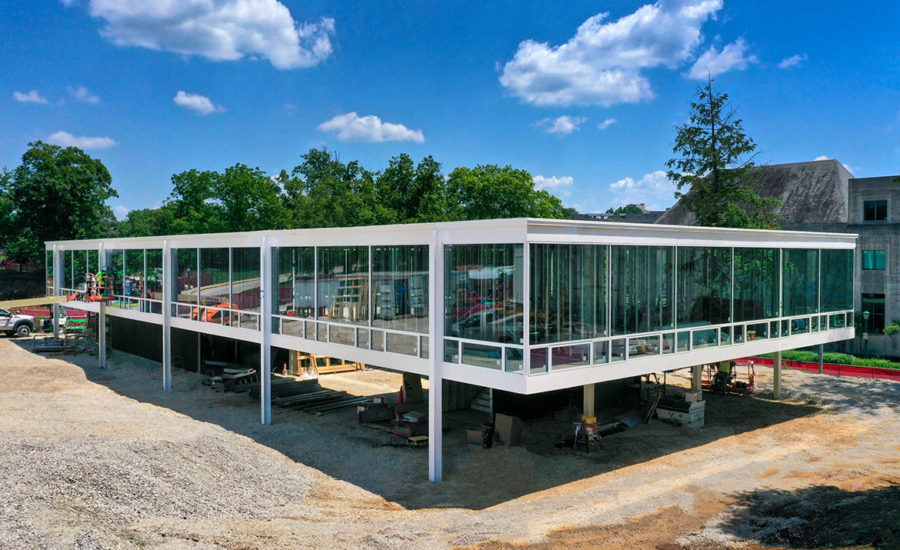
When you picture the work of architecture titan Ludwig Mies van der Rohe, you probably don’t picture a fraternity house. But back in 1952, the German-American architect created a design for Indiana University’s Alpha Theta chapter of Pi Lambda Phi fraternity. However, the design was never constructed and forgotten about until 2013, when an alumni and former fraternity member dug up the news. Indiana University then located the documents through the Art Institute of Chicago and New York’s Museum of Modern Art so the project could become a reality.
Instead of a fraternity house, the building will be home to the Eskenazi School of Art, Architecture + Design. Extensive research helped update the building to modern features while keeping the integrity of the Modernist design. The plans for bedrooms were simply swapped out for offices. 70 years later, this incredible design will finally come to life and inspire students and creatives for generations to come.
For the full story, check out Architectural Record’s recent feature on the project.
As things begin to reopen, it’s only natural to daydream about future travels and interesting destinations. And while you’re at it, consider dreaming about a stay in an architectural masterpiece. Today, we’re sharing a few ways to discover Modernist architectural gems for your next vacation.
Welcome Beyond
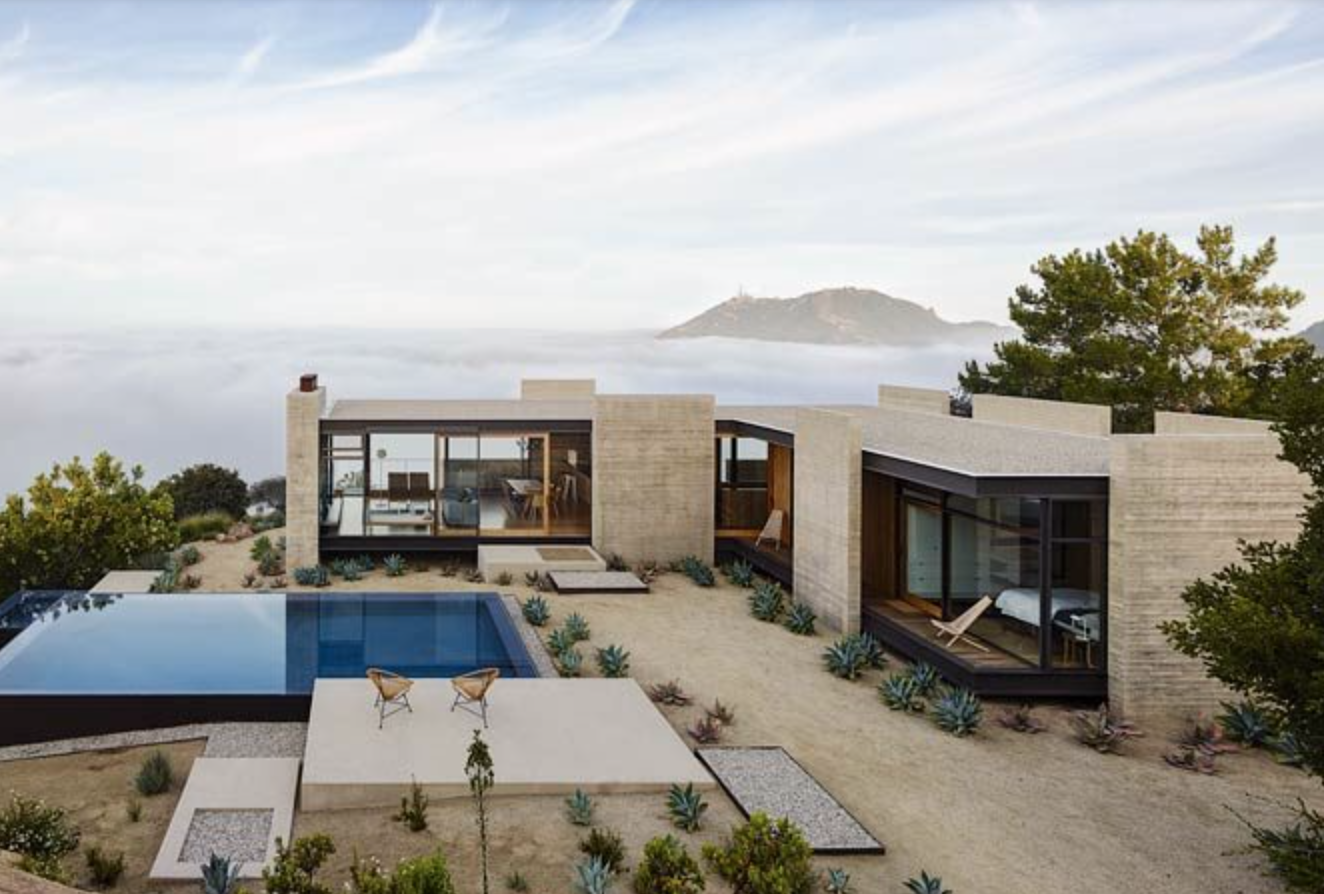
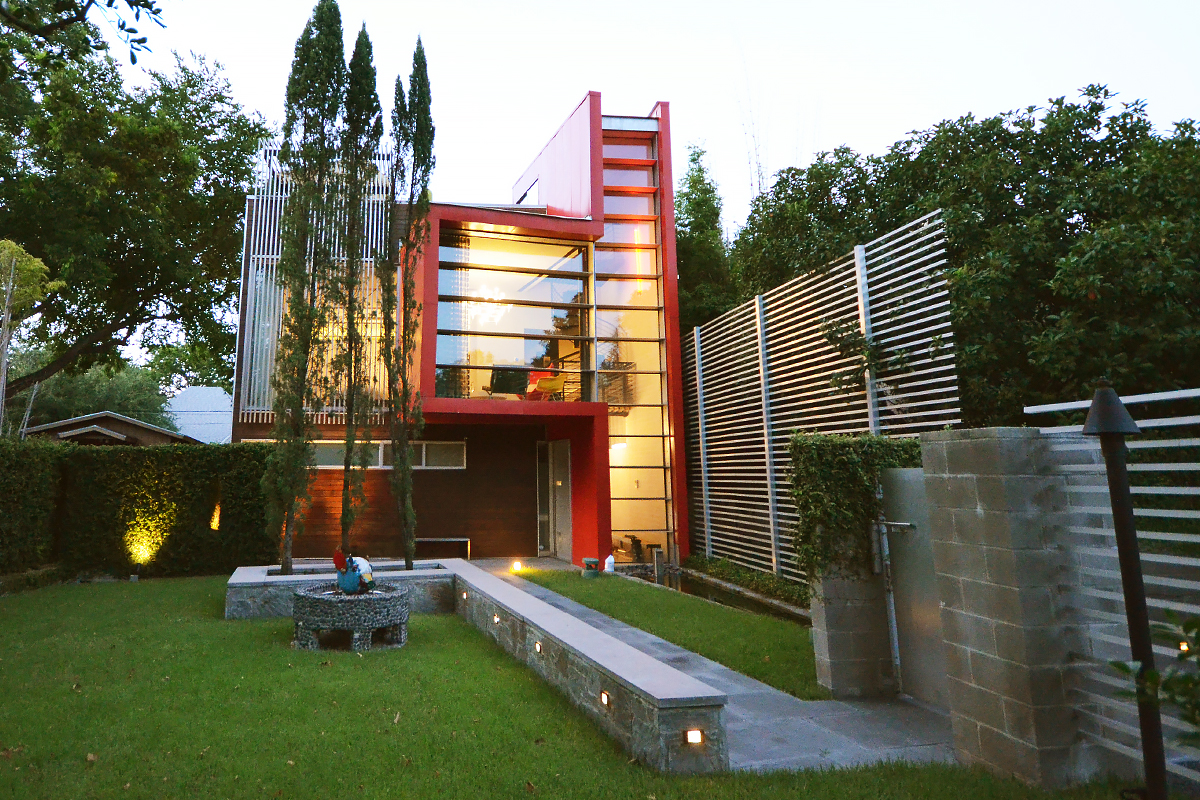
Welcome Beyond is a German website created by brothers Oliver and Chris Laugsch. The two personally curate a selection of handpicked vacation rentals and small hotels across 38 countries. Though their selections cover a broad swath of architectural styles, each shares the common thread of high-caliber design.Our favorite of their five picks in the US is Saddle Peak House in Los Angeles — this Modernist retreat exemplifies the best in design integrated into its natural environment.
Ramp House in Austin, Texas; photo courtesy of Boutique Homes.
Boutique Homes
Despite its name, Boutique Homes features rentals that defy “quaint” in the traditional sense. Developers Veronique Lievre and Heinz Legler yield over a decade of experience designing, building and decorating in the hospitality industry to provide best-in-class selections to the refined vacationer’s eye. Their site’s collection spans numerous countries, architectural styles and budgets to provide something for every type of design lover.
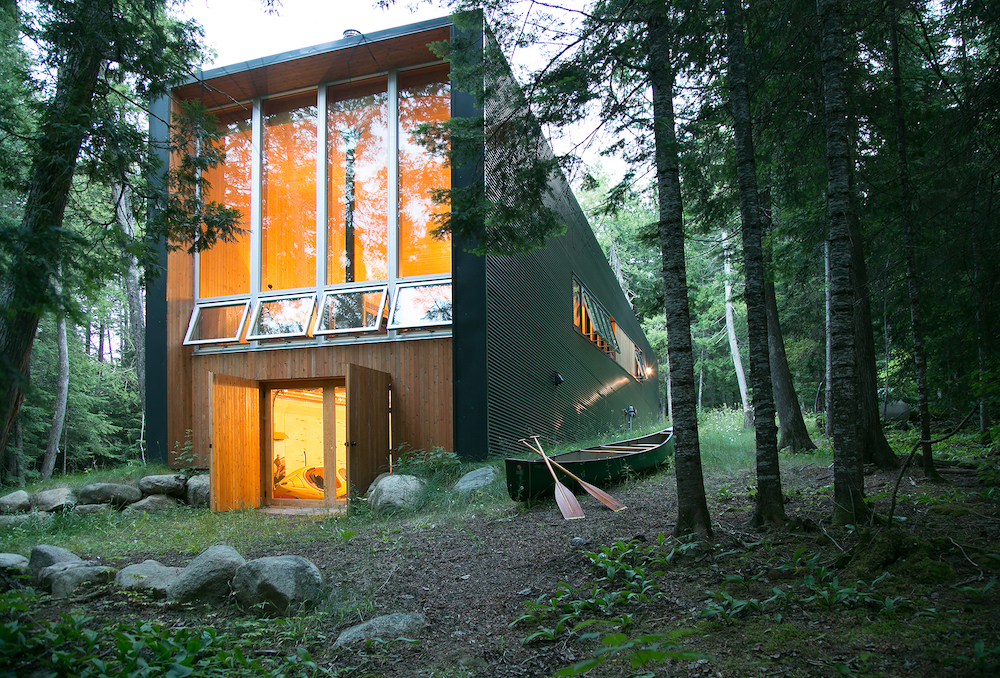
Gunflint Lake Cabin in Grand Marais, Minnesota; photo courtesy of PlansMatter.
PlansMatter
PlansMatter, founded by architectural enthusiasts Connie Lindor and Scott Muellner, resulted from their own passion for finding unique vacation destinations. They love nothing more than staying in a place with “architectural intentions and a story to tell” and wanted to make it easier for others to find just that, too. Their international roster includes both jaw-dropping vacation rentals and hotels like you’ve never seen before.
Kid & Coe
Kid & Coe founder Zoie Kingsberry Coe started this family-friendly vacation rental finder after travelling the world with her own kids in tow. Eager for more baby-friendly stays that didn’t make compromises in design excellence, Coe makes sure no other parents ever experience her own travel woes. The site features rentals, hotels and most recently — a home swap program.
We hope that this summer brings new chances for wonderful travel adventures!
Our “Subsects of Modernist Architecture” series explores the many trickle-down pockets of Modernist design throughout the years. In this last installment of the series, we’re taking a look at the late-century styles that have continued to carry on the legacy of Modernist design — and that will continue to influence and inspire many generations and future subsects to come.
Postmodernism
Postmodernist architecture emerged in the 1960s as a reaction to the severe and repetitive nature of Modernist architecture, particularly the International Style. While Modernist had previously been celebrated for its lack of ornamentation and rigid uniformity, architects in the camp of Postmodernism were ready for a boisterous change.
The movement was first introduced by architect and urban planner Denise Scott Brown and architectural theorist Robert Venturi in their seminal work, Learning from Las Vegas. In this timeless book, Brown and Venturi doubled down on their ideas about postmodernist design, which Venturi formalized in his later book, Complexity and Contradiction in Architecture. He wrote:
“I am for messy vitality over obvious unity… I prefer ‘both-and’ to ‘either-or’, black and white, and sometimes gray, to black or white… An architecture of complexity and contradiction must embody the difficult unity of inclusion rather than the easy unity of exclusion.”
While Mies van der Rohe’s famous adage was “less is more”, Venturi’s pushback saying became “less is a bore.” As Postmodernism flourished in the 1980s and 1990s, Brown & Venturi led the charge alongside other architects such as Michael Graves, Philip Johnson and Charles Moore.
High-tech
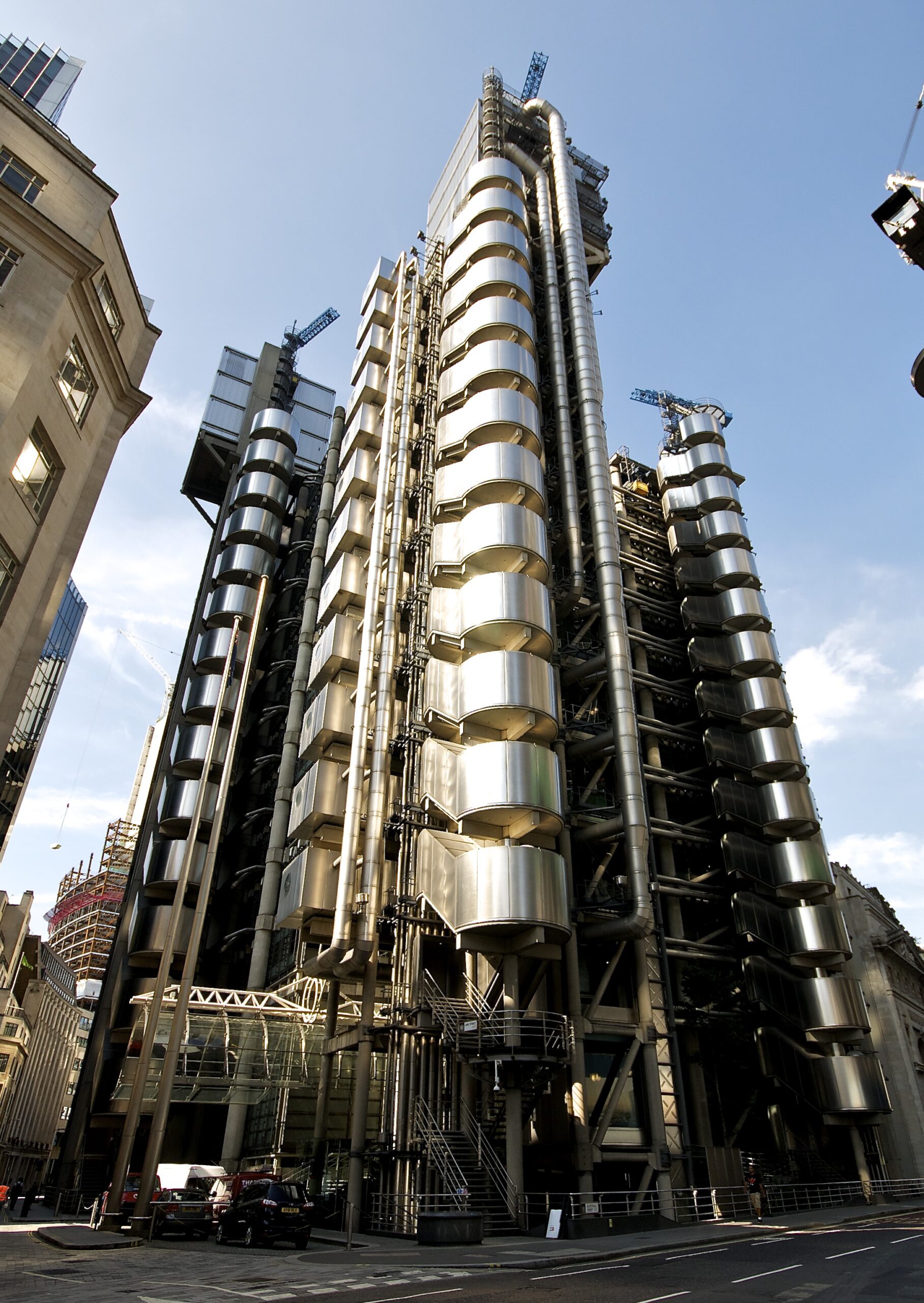
As Postmodernist thinking evolved during the 1970s, High-tech architecture (also known as Structural Expressionism) was born. Just as the name suggests, High-tech began to incorporate the latest technological innovations building materials into its design. Like traditional Modernist architecture, High-tech commonly employed steel, glass and concrete in building exteriors — but to much different effect. Still, the influence of Modernist masters such as Le Corbusier, Walter Gropius and Mies van der Rohe remains evident.
High-tech architecture was heavily influenced by factory aesthetics, incorporating large central spaces, hanging or overhanging floors, and highly-adaptable, reconfigurable spaces as key design elements. The polycentric usage of these central spaces was defined by the term “omniplatz” — referring to the idea that a building shouldn’t have one, defined function, but rather remain able to perform a range of functions. Feelings of openness, transparency and honesty were central to High-tech design, coupled with considerations of adaptability and sustainability. Despite its technological roots, this subsect was indeed modeled on highly human-centric thinking.
Deconstructivism
Deconstructivism appeared on the scene in the 1980s. Inspired by its Postmodernist counterparts, Deconstructivism seeks to imply fragmentation of buildings through an absence of obvious harmony, continuity or symmetry. The result is a feeling of unpredictability and carefully controlled chaos all at once.
The name was earned by the movement’s chief aims to “disassemble” architecture and to break traditional rules and boundaries. The architectural movement also heavily drew inspiration from French philosophy. Key architects who worked in this style includeZaha Hadid, Peter Eisenman, Frank Gehry, Rem Koolhaas, Daniel Libeskind and Bernard Tschumi.
All these styles and more make up the legacy that created Modernist design as we know it today.
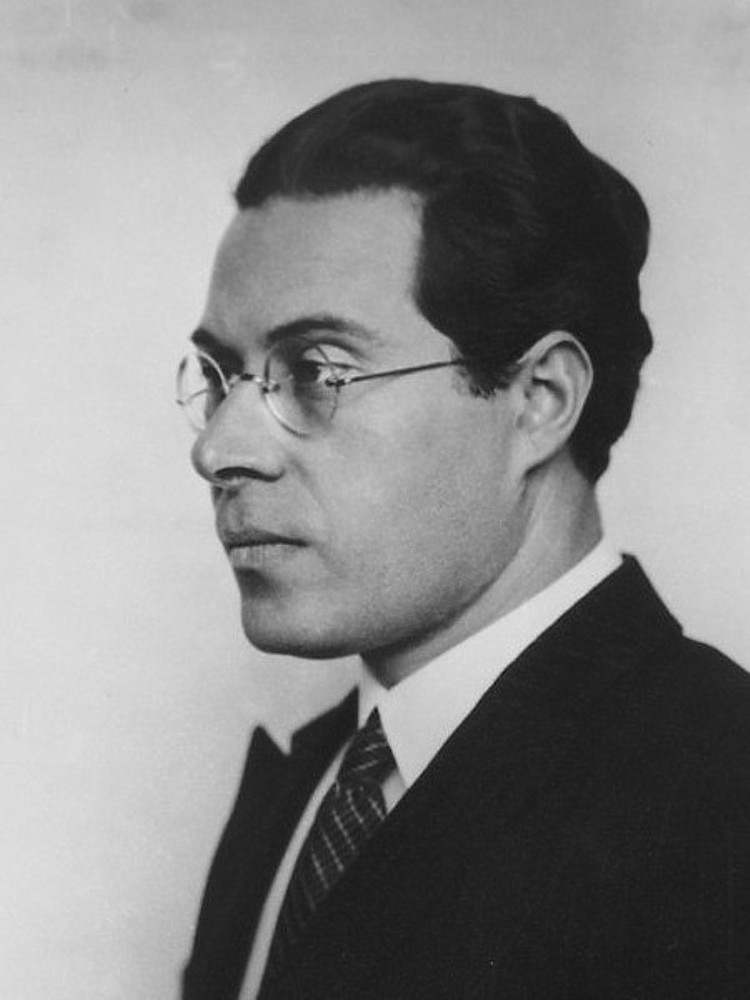
Many prominent and influential figures emerged from the Bauhaus. One of these figures was László Moholy-Nagy, a Hungarian painter and photographer, and a professor at the Bauhaus. Today, we take a closer look at his life, work and impact on the world of Modernist design.
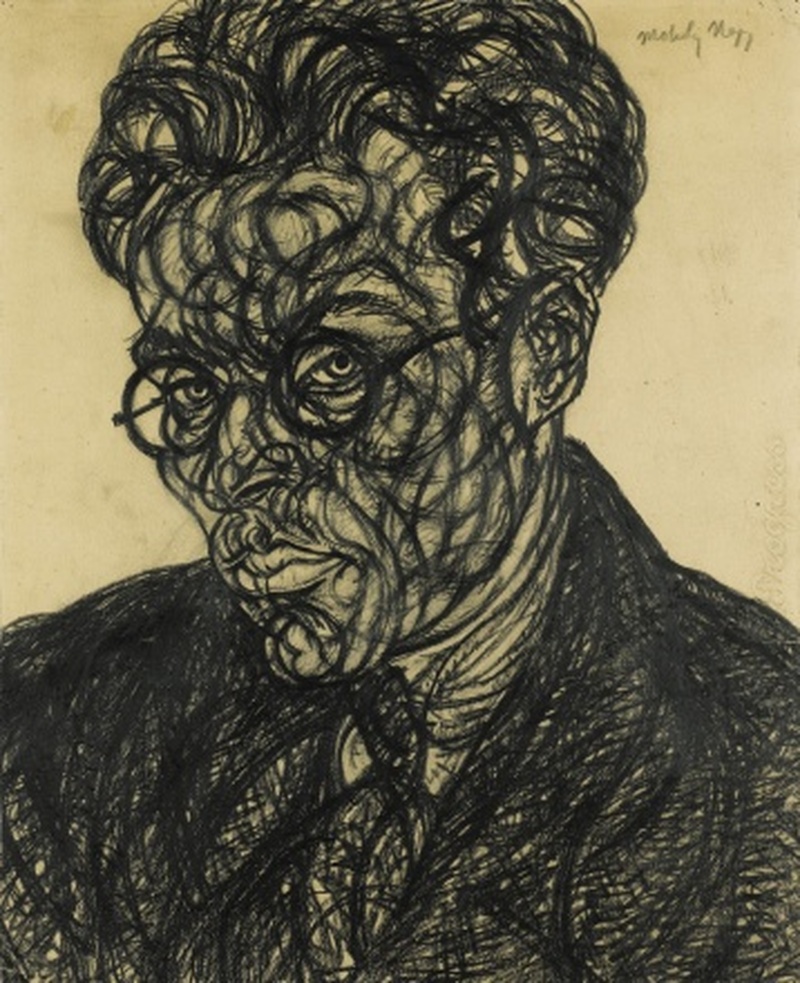
Self Portrait (1918), László Moholy-Nagy. Credit: Public Domain
The Life of László Moholy-Nagy
Originally born in 1895 as László Weisz, Moholy-Nagy grew up in Hungary. He always tended to be artistic, even in boyhood. His first dream was to become a writer or poet and he had poems published in the local paper at the young age of 16. After studying law for just two years, Moholy-Nagy enlisted in the Austro-Hungarian army in 1915 and in the field, his artistic pursuits persisted. He documented his experience through writing, crayon sketches and watercolors until he was discharged just three years later.
After all these experiences, Moholy-Nagy abandoned his law studies to attend a private art school in 1918. He had his first art exhibition just a year later. The years that followed would prove formative for his personal and artistic life: in 1920, he moved to Berlin, where he met his first wife, Lucia Schulz — and they were married just a year later — and then in 1922, Moholy-Nagy met none other than Walter Gropius, Founder of the Bauhaus.
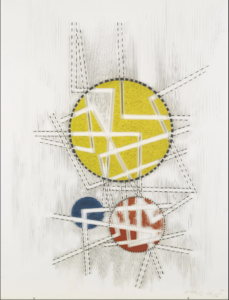
Work on acrylic with incisions on perspex by László Moholy-Nagy. Credit: Wikimedia Public Domain
The Work of László Moholy-Nagy
In 1923, Gropius invited Moholy-Nagy to teach at the Bauhaus. There, he co-taught a foundational course alongside Bauhaus legend Josef Albers, and replaced the famous Paul Klee as Head of the Metal Workshop. He continued to teach at the Bauhaus for a period of five years, a time which heavily influenced his own artistic philosophy.
Moholy-Nagy’s own work spanned across a variety of mediums, including photography, typography, sculpture, painting, printmaking, film-making, and industrial design. The artist is also cited as the first to incorporate scientific equipment, like the telescope, microscope, and radiography, into his own art practice. This practice highlights Moholy-Nagy’s own open-mindedness. He was always interested in experimentation and the play between life, art and technology — particularly, how the three intersected and paved the way for social transformation and the betterment of humanity.
His work, which often falls under the category of abstract and avant garde, was also influenced by the Constructivism movement of the early 20th century as well as the Dada artists he encountered upon moving to Germany. Thanks to his creative fluidity and pioneering methods, his work across disciplines and styles has been called “relentless experimental.”
Perhaps his most iconic work was Light Prop for an Electric Stage, completed in 1930. Referred to as a “kinetic light display,” the piece’s rotating construction included reflective surfaces from which a beam of light bounced, casting both moving light and shadow onto nearby surfaces. It’s considered a pivotal fixture in the history of Modern sculpture and perhaps best exemplifies Moholy-Nagy’s own artistic philosophy.
Meanwhile, Gropius continued to impact Moholy-Nagy’s career trajectory when in 1937, he recommended the experimental artist as the head of the New Bauhaus in Chicago (which would eventually become incorporated to the Illinois Institute of Technology as we know it today). In Chicago, he continued to pioneer new methods and experiment until his early death from leukemia at just fifty-one years old.
His life, work and legacy live on in the, earning him the title of the “genius of all media” and an eternal place in the history of Modernist art and design.
As a pioneering approach to architecture, the Modernist discipline took the creative world by storm. It’s only natural that the discipline has since evolved and morphed to mean many different things to many different people around the world, from Japanese Modernists to the Bauhaus School in Germany and beyond. In celebration of this, we’re taking a closer look at just a few of the many nuanced subsects of Modernist architecture.
Bauhaus School of Design. Credit: Lannguyen138 on Wikimedia Commons, licensed under the Creative Commons Attribution-Share Alike 4.0 International license
Bauhaus
The Bauhaus Modernist architectural style emerged from the Bauhaus School, founded by Walter Gropius, in Germany over a century ago. The school operated from 1919-1933. Gropius formed the Bauhaus in response to the rise of industrialism, emphasizing the importance of craftsmanship and human-centric design. The school united fine arts and craftsmanship to create one strong point of view, a style marked by its eschewment of the ornamental in favor of a sharp focus on geometric and abstract form, function and aesthetic. The simple schema of Bauhaus architecture was intended to be easily mass produced — and indeed, the style was packaged and spread globally, inspiring Modernist architecture as we know it today.
De Stijl
Emerging at the same time period as the Bauhuas, De Stijl (Dutch for “The Style) originated in the Netherlands in 1917 and is said to have peaked between its inception and 1933. The style emerged post World War I as a utopian means of social and spiritual redemption that took advantage of art and its transformative impact. De Stijl applied to both painting and architecture, proposing ultimate simplicity and abstraction through the use of stark and straight horizontal and vertical lines and rectangular forms. Though considered more prominent in architecture than painting, the movement is considered to be led by Piet Mondrian. Pioneers in the movement considered it the perfect fusion of form and function, yielding what they considered the ultimate style.
Constructivism
While the Bauhaus style and De Stijl were emerging in Eastern Europe, Constructivism entered the scene in the Soviet Union in the 1920s. Constructivism was in part inspired by the Bauhaus, as well as by Russian Futurism. The style is characterized by its blend of modern technology and engineering methods, and marked deeply by the socio-political ethos of Communism. Constructivism combined existing Modernist principles like minimal and geometric design with a more experimental lens. This sense of experimental play, combined with its Futurism influences, resulted in intriguing and abstract structures. Though the style fell out of favor only a decade later, its influence can be seen in later movements such as Brutalism — but more on that later.
Stay tuned for more features on the numerous subsects of Modernist architecture.
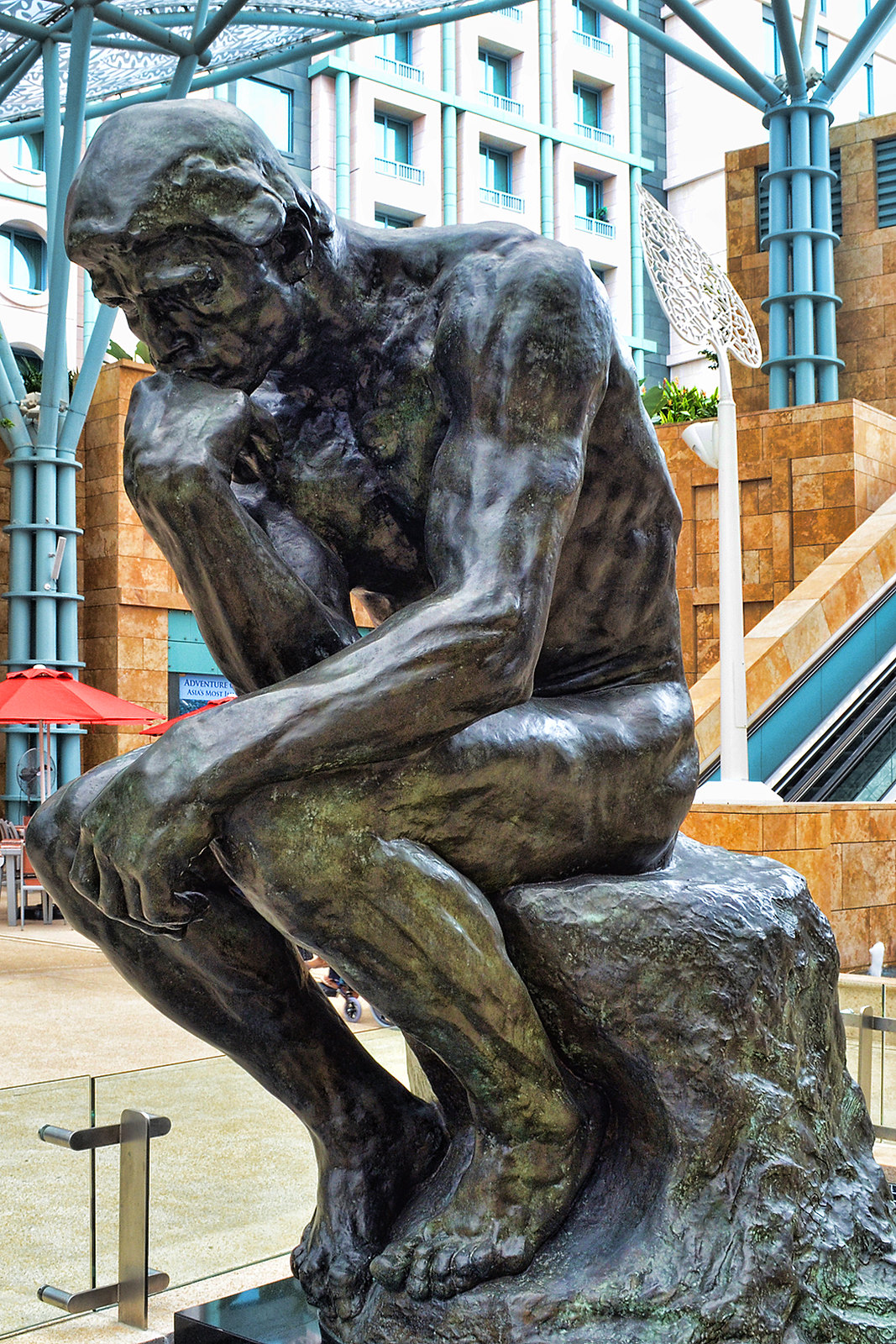
Our appreciation for Modernism extends past architecture into all mediums of creative thought, including our love for sculpture (and our own sculpture at Optima). Sculpture has long been an artistic expression across decades and culture, but the beginnings of Modern sculpture sparked with renowned visionary, Auguste Rodin.
Setting the Stage
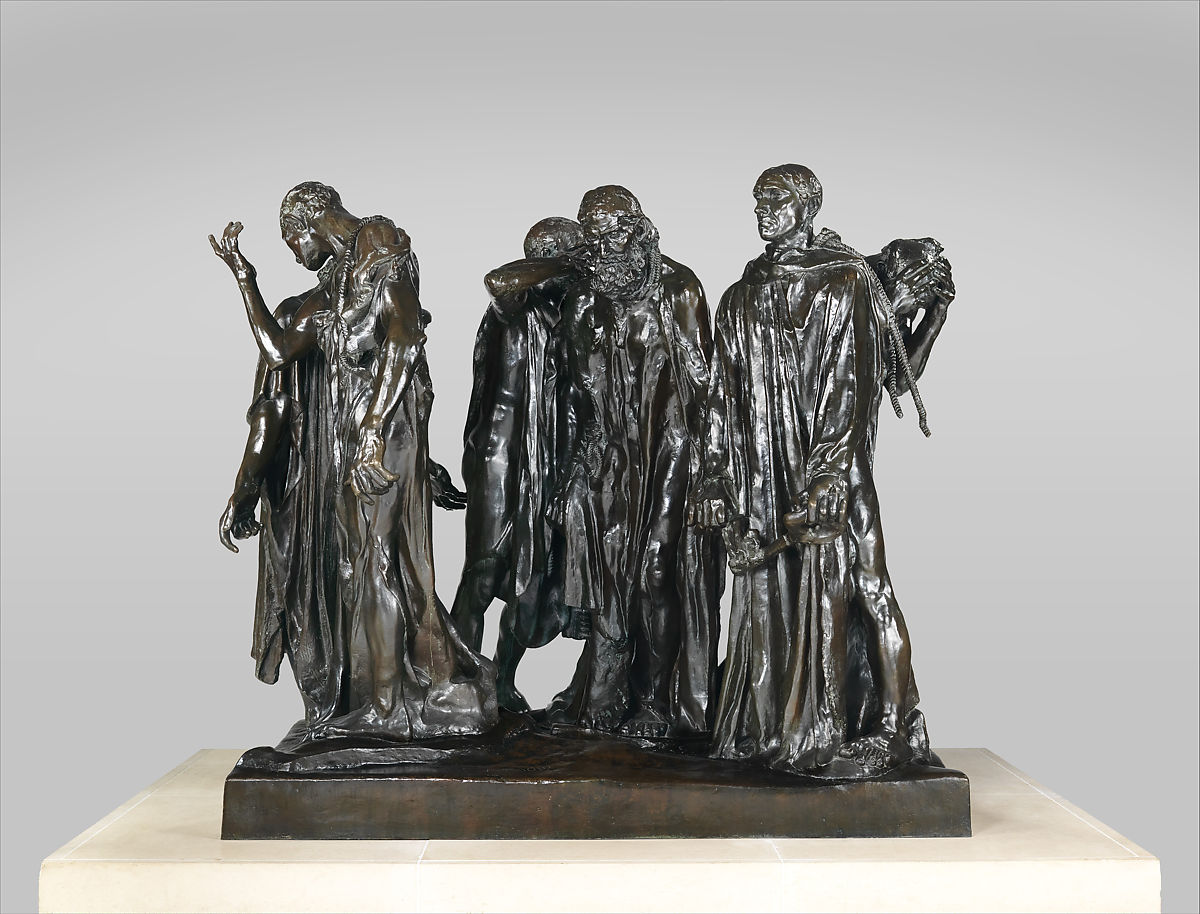
By the 20th century, sculpture practices in Europe largely revolved around Neoclassical and Romantic ideals. Contour and clarity defined figures, and artists were inspired by the art and culture of classical Greek antiquity. Often sculptors even portrayed their subjects in Roman costume instead of contemporary clothing. But the world of sculpture would see dramatic change at the 1900 Paris Exposition, when Auguste Rodin would use the world’s fair to unveil a new way of thinking when it came to sculpted form.
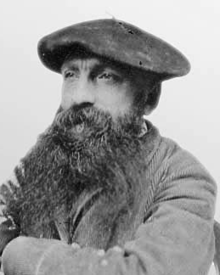
Auguste Rodin. Credit: public domain.
Auguste Rodin
Rodin came from a working-class family in Paris and throughout his turbulent youth, taught himself to draw and paint. Eventually, he learned the trade of ornamental design and sculpture, but by the 1890s, had grown exhausted of the style. Rodin was a naturalist, more concerned with character and emotion than he was with tradition, idealism or decorative beauty. His work emphasized detailed, textured surfaces and the juxtaposition of light and shadow, a style that was met with criticism initially. At the Paris Exposition, Rodin showcased a series of pieces that would turn an entire industry upside down at the turn of the century.
Burghers of Calais by Auguste Rodin, which displayed at the 1900 Paris Exposition. Image courtesy of The Metropolitan Museum of Art
Modern Sculpture
Modernist styles that followed Rodin’s debut included Art Nouveau, Cubism, De Stijl, Dadaism, Surrealism, Futurism, among many others. It seemed that once the creative floodgates were open, artists ran with the possibilities of bending form past the boundaries of traditional realism. Especially since the 1950s, Modernist trends in sculpture have become increasingly more flexible to include new materials, abstractions and approaches. And we’re thankful they’ve made such progress; it’s allowed our own expressions of form to flourish over the years, and contribute beautiful, unique sculpted pieces to our Optima communities.
As devout fans of Modernism, at Optima we love to experiment with form and function. That’s how Optima Co-Founder David Hovey Sr. got into sculpture. Combining his love of art with his interest in materials, David Hovey Sr. began manipulating steel to create striking sculptural pieces that play complement to Optima’s architectural spaces. Today, we’re examining one of his sculptures: Curves and Voids.
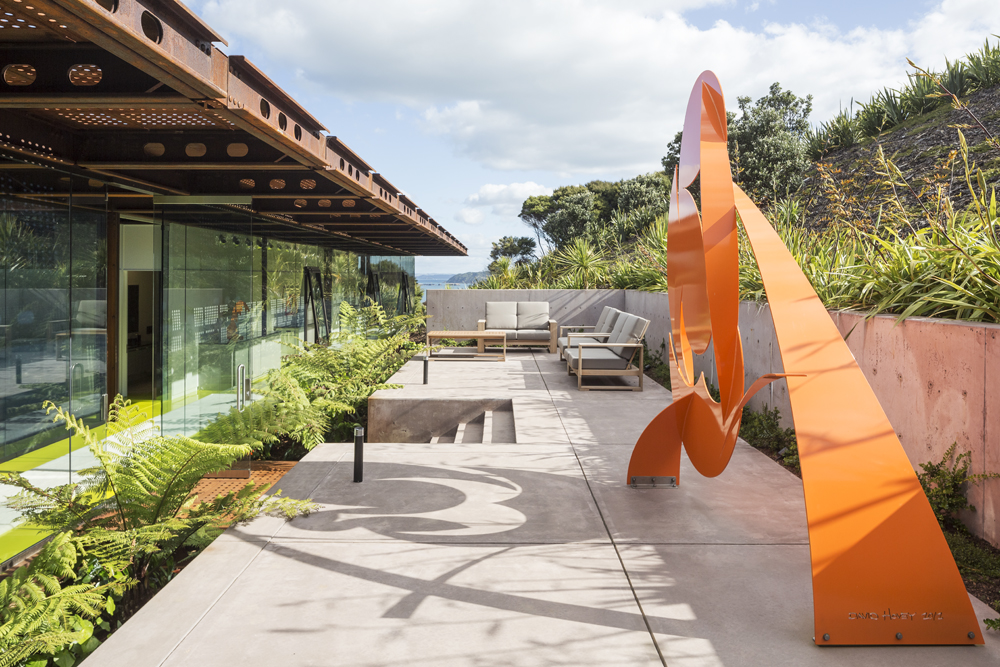
Curves and Voids at DCHGlobal Whale Bay House in New Zealand.
Like all original Optima sculptures, Curves and Voids can be found across our properties in various colors and sizes, as evidenced above. But what never changes is the form of the piece: Curves and Voids plays with the expression of steel and explores ideas of its potential. This play is demonstrated in grand, sweeping curves that make up the various sculptural components. Meanwhile, voids are laser cut within the sculpture’s steel planes. These holes provide gaps and textures to contrast and juxtapose the sculpture’s curves.
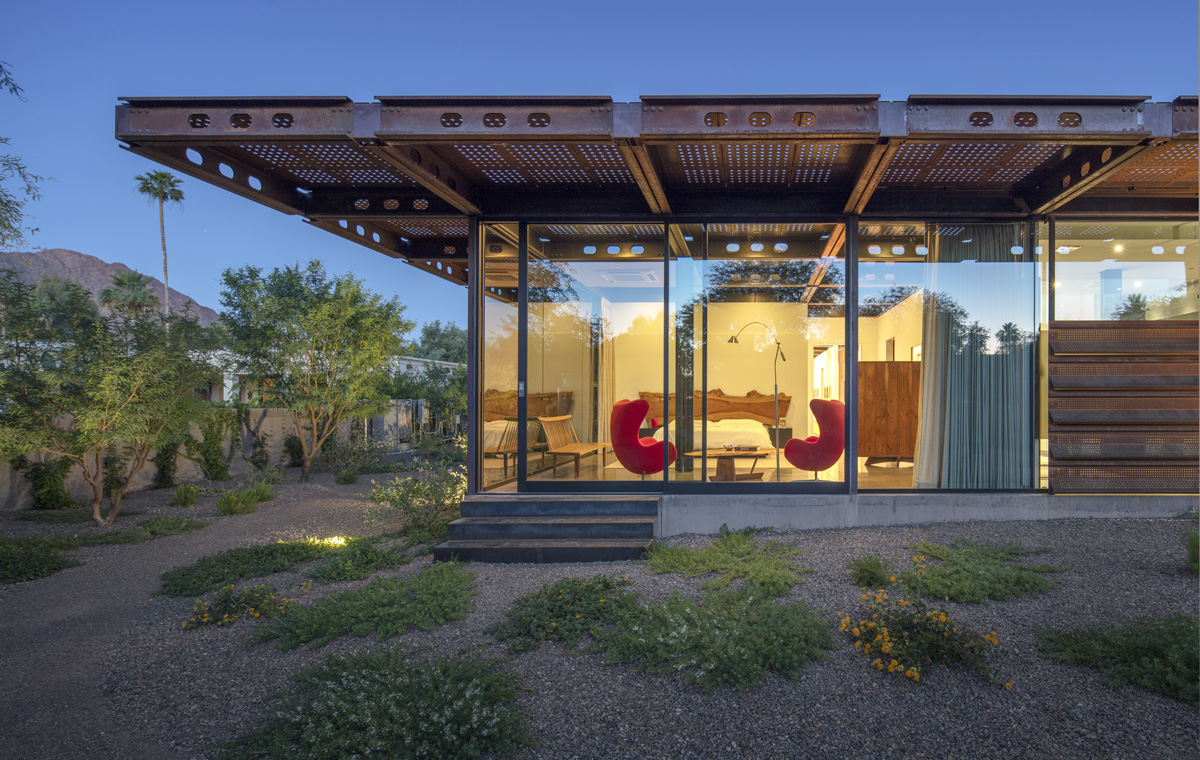
The sweeping curves of Curves and Voids play perfect complement to the stark Modernist lines in our communities. At Optima Sonoran Village’s sculpture walk, Curves and Voids stands boldly expressed in natural Cor-Ten steel. The steel’s raw coloration was chosen so as not to compete with the vibrant colors in the building’s facade and landscaping. Meanwhile, at Optima DCHGlobal’s Whale Bay House in New Zealand, Curves and Voids is supersized in the courtyard, becoming a show stopping statement piece for contemplation.
Whether we’re experimenting with form, function, size or color — at Optima we love to playfully implement sculpture as yet another component of thoughtful design.
Our team is joined together by a love of exceptional design — so naturally, design is our shared language. From property managers to accountants to architects, we’ve all come to know and love the architect lingo that helps us communicate our passions, our creations and our vision. In celebration — and in follow up to February’s blog — we’re sharing Part II of our inside look at architect lingo.
Juxtaposed facade and surrounding landscape at Optima Sonoran Village.
Juxtaposition
Juxtaposition refers to the fact of two things being placed close together with a contrasting effect. It’s the intentional creation of, and analysis of, a relationship that brings about exciting new realizations and discoveries, bringing added layers of meaning to each individual object and their relation to one another.
In architecture, the use of juxtaposition becomes particularly striking, manifesting on a large scale in entire building facades. With everything we build at Optima, we consider the relationship — or juxtaposition — between the built and natural environment. How does each entity influence and illuminate the other to positive effect? In our desert dwellings, juxtaposition occurs between the organic beauty of the arid landscape and the bold, Modernist facade of the houses, built in concrete and glass to intentionally illuminate their counterpart.
Looking out the windows at Optima Biltmore Towers.
Fenestration
Derived from the Latin word fenestrae (windows), fenestration is defined as the arrangement of any holes in a building’s facade. More specifically, this usually refers to the doors and windows on the elevation of a building.
From the most basic standpoint, fenestration allows for the entry and exit of people into and out of a structure. That being said, fenestration historically posed a challenge to architects, because poking holes in a structure can weaken its resiliency. With Modern construction and increasingly durable building hardware, architects are freed up to explore fenestration with more liberty and inventiveness, going beyond the practical to examine decorative approaches.
The terraced design of Optima Camelview Village.
Terrace
Terraces originated as a series of flat areas made on a slope for cultivation purposes, but have evolved into any level or paved area next to a building. Their uses vary widely, from still being tied to agricultural practices to now being a place of leisure and pleasure.
At Optima, our approach to the terrace is with respect to its landscaping origins — we employ terraces that allow our buildings, and their residents, to live in harmony with the surrounding landscape. We see the relationship between cultivating plantlife and cultivating relaxing spaces as intrinsically related.
Stay tuned for future features on the world of architecture lingo at Optima.