The Arts Club of Chicago

An iconic creative space in Chicago, The Arts Club of Chicago has been a hub for contemporary art in the Windy City for more than 100 years. Only a five-minute walk from Optima Signature and Optima Chicago Center, The Arts Club of Chicago exhibits international works from both established and emerging artists, breaking new ground for over 100 years. Today, we explore the fascinating history and unique details that make The Arts Club of Chicago a beloved neighbor within our Streeterville community.

A Scandalous Start

Founded in 1916, The Arts Club of Chicago was founded by artists and advocates after The Armory Show garnered negative attention when it exhibited at the Art Institute. As the first major exhibition of modern art in America, Chicagoans were shocked and scandalized. The Club’s founders took note of the negative reception and aimed to normalize modern art by curating exhibits tailored to Chicago, enabling the Club to present new, cutting-edge culture for residents and visitors alike. 

Finding a Home

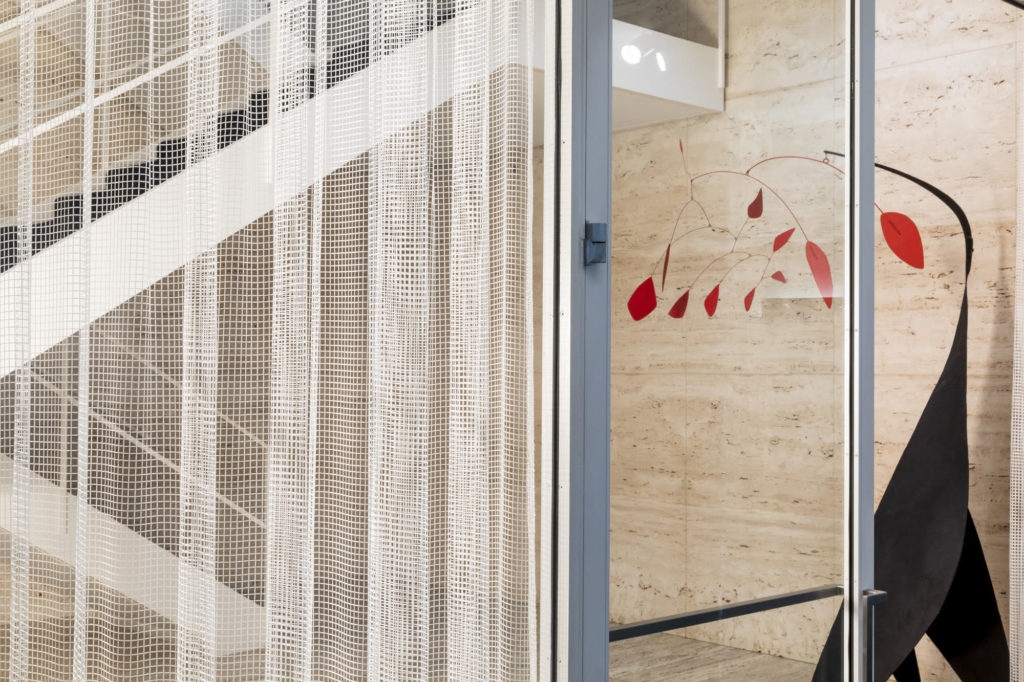
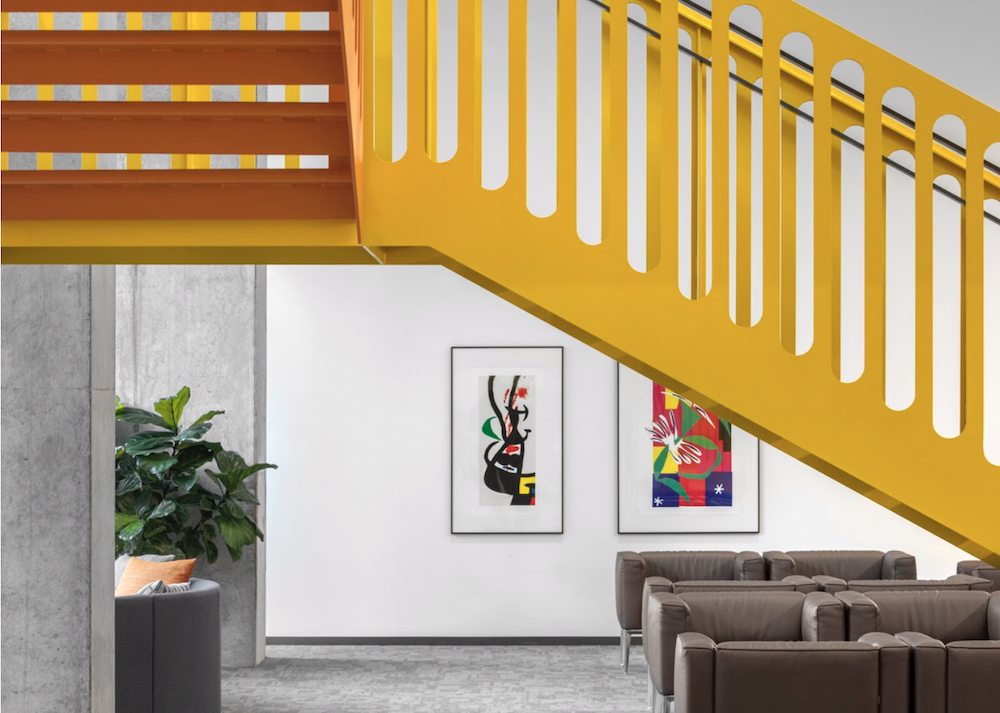
Over the years, the Club has moved from an office space, to Michigan Avenue, to the Wrigley Building;  in 1951, it moved to 109 East Ontario Street. The new space was created just for The Arts Club by architectural legend Ludwig Mies van der Rohe. Sadly, in 1990, the owner sold the building, which led to The Club’s current John Vinci-designed two-story building located in Streeterville. Although much of Mies’ architectural work was lost in the move, the building remains an homage to his design and his steel staircase was restored and remains the focal point of the first-floor space, adjacent to Alexander Calder’s Red Petals

The Club Today

Today, The Arts Club offers three or four major public exhibitions a year, along with displaying work from its permanent collection. The Club also offers a broad, rich calendar of programming, bringing lectures, demonstrations, gallery talks, films, music, dance presentations and other educational programming to Chicago, and to our Optima communities. 

For hours and visitor information, visit The Arts Club of Chicago website.

Inside Our Team: Property Management

On any given workday, our talented teams at Optima contribute and collaborate to keep things moving forward. Back in November, we got to know our construction team. Today, we’ll dive into what makes our property management team so fantastic. 

As stewards of our luxury multi-family developments, our property management team members are charged with providing the highest quality experience for our residents. Available to meet any need or tackle any problem, teams in both Arizona and Illinois work tirelessly to provide on-site support for our communities. 

Here’s what a few of our team members had to say:

“Each person has a strong sense of accountability and incredible work ethic, but above all else, we appreciate that building and maintaining positive relationships with others is essential. We think of ourselves as genuine and kind people who want to do right by our residents, prospective residents, vendors and teammates.”

“I love recognizing everyone’s accomplishments and celebrating together.”

I’ve really learned the impact of kindness from my team members. I have been so humbled and impressed by the thoughtful, wonderful people I work with and how the extra steps they take can have profound impact. Because we work in the place that our residents call home, we sometimes see them in their most vulnerable moments. At these times, I have seen my teammates go above and beyond for residents who have had illness, loss, hard times or even just a bad day and they do it without being asked because that’s just who they are as people.

“I’ve learned that it’s a privilege to find team members who have a strong work ethic and connect with our values. At Optima we all own what we do.”

With our holistic business model that encompasses architecture, development, general contracting, sales/brokerage, asset/property management, and shared services, each of our talented teams are part of what makes Optima great. Think you would be a good fit on the Optima team? Check out our current open positions to inquire about joining our team. 

An Inside Look at Architecture Lingo

An intricate and technical field, the world of architecture produces a unique dictionary of jargon all its own. At Optima, our team works in a highly collaborative atmosphere where we all, from architects to property managers to construction superintendents, share ideas and hold conversations across disciplines — so naturally we all encounter the lingo of our architects. Now we’re decoding the secret language that we’ve all come to know and love.

BIM

Better known as Building Information Modeling, BIM is a 3D model-based process that has majorly changed the world of architecture. It’s a highly collaborative process that spans into the planning, design, construction, operations and management of buildings.

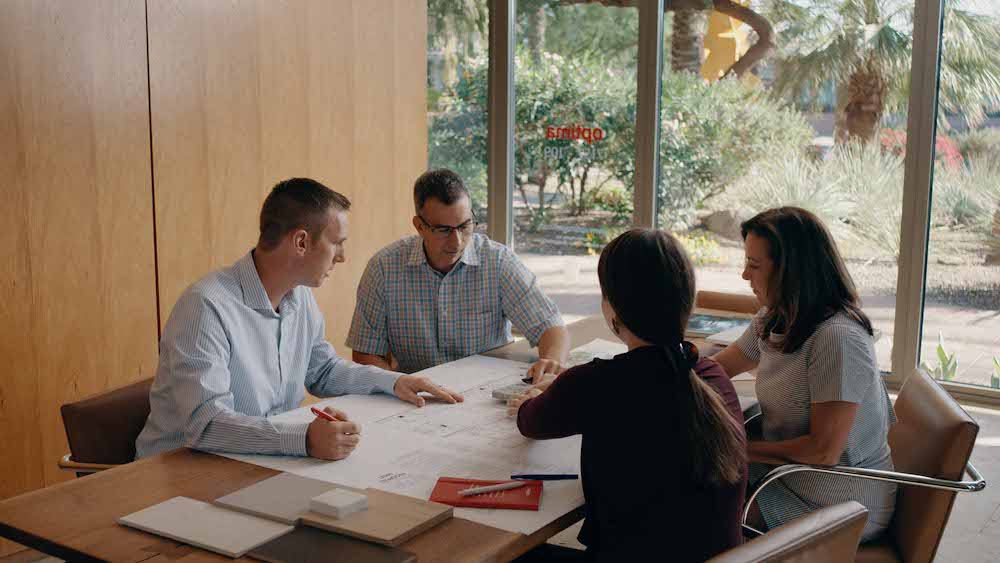
But BIM is more than just a technology or a phrase when we expanded our offices to have a second location in Arizona, BIM became the language that connected our team, even across states. Using the technology as a streamlined method of communication, our architects in Glencoe and Scottsdale effectively craft and manage projects as if they were in the same room. 

Optima Kierland Apartments.

Building Envelope 

A building envelope is the exterior shell of a building that acts as a barrier against the elements. This maintains a dry, heated/cooled indoor environment and helps in temperature control. The design is a specialized area of architectural and engineering practice and can vary based on the overall look of the building. 

In many of our projects, such as Optima Kierland Apartments, the building envelope is a Low-E, UV protected laminated glass with a heat reflective coating. Beyond providing functionality and sustainability, this oft-implemented technique in our Optima projects creates a cohesive design language of beautiful, sleek exteriors. 

Cantilevered roofs and balconies at Sterling Ridge.

Cantilever 

A cantilever is any rigid structural element, such as a beam or a plate, that’s anchored at one end to a support, allowing the other end to overhang without support or obstruction. The balancing act performed by cantilevers creates gravity-defying architectural protrusions, often serving as stunning design elements. 

At Optima Signature, we used cantilevered slabs to provide a column-free living room with breathtaking, sweeping views of Chicago. A tool employed to create our mindful, simple and sleek Modernist silhouettes, cantilevers are yet another piece of our common architectural tongue.

Louvers at Optima Sonoran Village.

Louvers

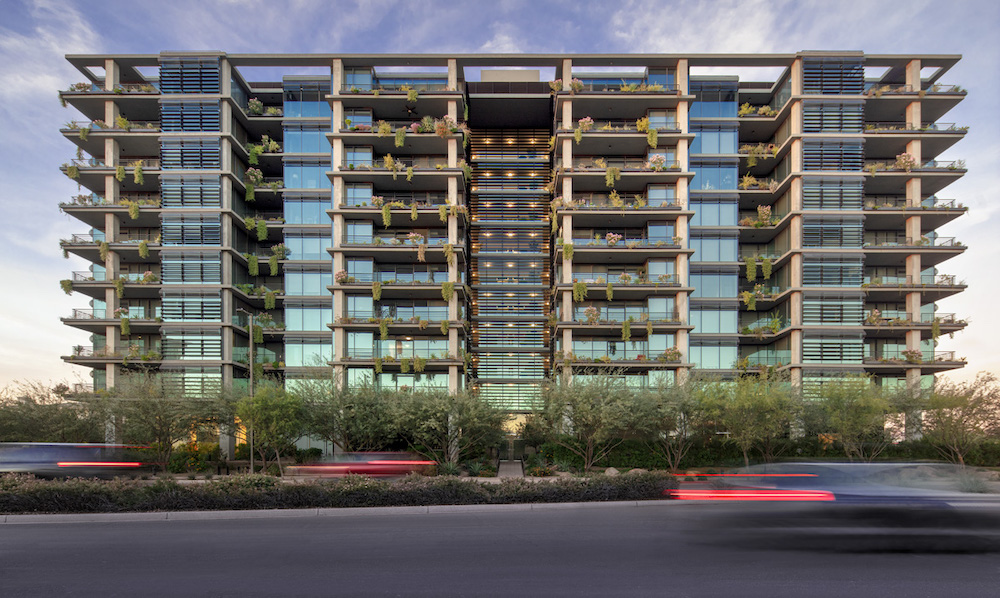
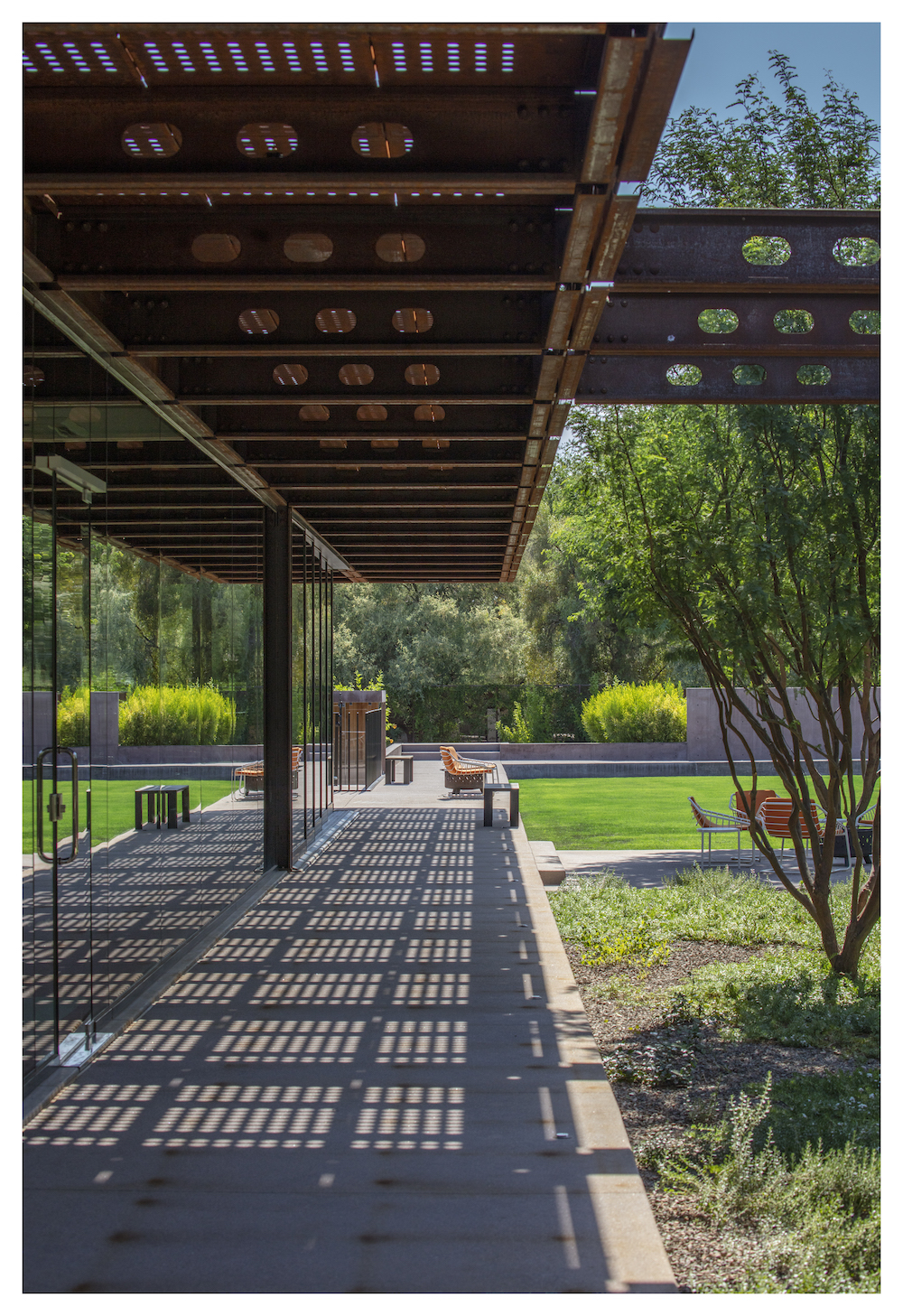
Louvers are angled slats fixed at regular intervals in a door, shutter or screen to allow air or light to pass through. Originating in the Middle Ages to help with kitchen ventilation, louvers have evolved into an element used to redirect light or add privacy. Louvers serve just this purpose, paired with perforated sun screens and our signature vertical landscaping system, at Optima Sonoran Village

Stay tuned for future features on the world of architecture lingo at Optima.


Office Collaboration Spotlight

From the big picture to the day-to-day details, Optima’s success depends on our team communicating and working together. We sat down with two members of our architecture team, Pete Foerster and Colin O’Donoghue, to learn more about how Optima’s office collaboration creates engagement, cohesion and community. 

With architecture teams based in two locations, what keeps you all connected and engaged? 

Pete: “When the Arizona office opened in 2000, we wanted the two teams to be symbiotic and to have the same processes. Our processes, policies and standards remain the backbone of how we all operate.” 

Colin: “The most natural and easy way to collaborate is when one office has a demanding schedule that requires more help. When a project in a specific location has a demanding schedule, we can all jump in and help out. This gives us a chance to speak daily, if not hourly, with our team in Arizona.”

How has your experience at Optima shaped the way you work with other architects?

Pete: “Working at Optima for almost 20 years, many of my historical best practices have come from how long I’ve worked with David Hovey Sr. I understand and take pride in the company philosophy and I’m happy to teach it to others. My door is always open for anyone on my team.”

Colin: “Our architecture team embraces Optima as a family-owned and design-led business. We really see ourselves as family members. You’re able to let your guard down internally and to learn from each other. At Optima, you have to think more holistically and problems actually get solved quicker.”

Can you share a specific example of when collaboration yielded surprising or exciting results?

Pete: “When the Arizona office opened in 2000, we wanted the two teams to be symbiotic and to have the same processes, but that’s hard to accomplish. Our team had to create new standards to keep things running efficiently. Having our core values helped remind people of what’s important.” 

Colin: “With the roof deck at Sonoran Village, there are a lot of systems coming through the roof, but we had to divert them to accommodate amenity spaces. We had a very elaborate duct system that was tricky to resolve, but working with the field team, we were able to solve the problem together so it wouldn’t affect the roof terrace.”

With a talented group of people across two offices, our architecture team is an inspiring example of how collaboration works within Optima. As Pete says, “every day can be a surprise and every day can be a learning opportunity.”

Modernism in Chicago

According to the Tate Modern Museum, Modernism “refers to a global movement in society and culture that from the early decades of the twentieth century sought a new alignment with the experience and values of modern industrial life.” Within a broader cultural narrative, modernism emerged as a criticism of nineteenth-century societal order, and trickled down into everything from political activism, urban planning, psychoanalysis, art, and of course, architecture. As we’ve previously explored, Modernist architecture has an important place in America’s history. But how does it factor into Chicago’s past?

After the great Chicago fire in 1871, the city was a blank slate, re-planned over an entirely new grid. With the world’s first skyscraper completed by 1884 (at only ten stories), Chicago was positioned to be a groundbreaking city for architectural innovation. Our triumphant World’s Fair of 1893 solidified the city’s confidence and paved the way for Daniel Burnham to create his comprehensive city plan. Chicago’s architects banded together to decide how to best develop ever-evolving skyscrapers within the city. One such architect was Louis Sullivan, who helped found the Chicago School of architects around his belief that “form forever follows function.” 

If Sullivan’s creed sounds familiar, it’s because function over form is a cornerstone belief embedded in the Modernist tradition. In the mid-1900s, architects from the growing practices in Europe came to the United States to avoid World War I, and subsequently, World War II. Iconic architects, including Ludwig Mies van der Rohe, came to Chicago to set up shop. Striking buildings of steel and glass defined an entire generation of skyscrapers, and still add to Chicago’s diverse range of architecture. 

Chicago was a city that pioneered the world’s forte into stretching and sweeping skylines. Beginning with sleek and simple Modernist structures, Chicago’s architecture is now made all the more standout by the dynamic mix of styles it holds. From Art Deco to Art Nouveau, Chicago School to International Style, Modern to Postmodern, each style is made more its own when juxtaposed with its counterparts.

Through our own addition to Modernism in Chicago, we are proud to create buildings that contribute to the movement’s and the city’s larger legacy. To learn more about Chicago’s Modernist history, the Chicago Architecture Center offers tours specifically dedicated to the style and craft. 

Our Beliefs: Growth Mindset

As part of our culture at Optima, we hold a set of beliefs that helps us align our work with our goals. Internally, these beliefs are reflected in our culture, and externally, they shine through in the way we conduct ourselves with partners, customers, investors, colleagues and members of the community where we build. They embed meaning into our every project, and into our every day.

The first of our beliefs: we operate with a growth mindset.

Since the company’s inception, we have defined growth on our own terms. This confidence to establish our own definition of success has set us on a continuing and collaborative journey, encouraging each member of our team to constantly expand the base of our knowledge in service to our purpose.

Optima was founded by David Hovey Sr. and Eileen Hovey with a mission at its helm. We wanted to create a real estate firm where design leads the process, enabled by our vertically integrated business model. As the owner, architect, general contractor and developer, the degree of freedom that came with allowed us to challenge ourselves, to learn as we went and to improve each time we started something new.

From humble beginnings, we continue to demonstrate our commitment to growth by investing in our team members’ success. This takes the shape of a robust onboarding process for new team members, ensuring a seamless entry into Optima, and by providing continuing, thoughtful mentorship throughout their careers, by redefining our managers as “coaches” that help guide their team to be their most successful selves. We take pride in investing our time and energy into creating unique approaches that ensure our team, and each individual team member, thrives in the future.

And naturally, having a team set up for success allows our projects to be fueled by minds at their best. Therefore, we can tackle the work that we do with an unwavering vigor that allows us to continually learn, adapt and grow. That will always be how Optima operates.

The Life and Work of Henri Matisse

Henri Matisse is often regarded as the most important French painter of the 20th century. Leader of the Fauvist movement, his work was expressive, colorful and rigorous, often depicting flattened forms and decorative pattern. He operated with a unique way of seeing, stating, “I don’t paint things, I only paint the difference between things.” To understand the influential work of one of art history’s greatest minds, we first examine his life.

Matisse’s Early Life

Henri Émile Benoît Matisse (1869 to 1954) was a draughtsman, printmaker and sculptor, most renowned for his work as a painter. Born to a wealthy grain merchant in Northern France, he first studied law before finding his calling as an artist. His mother gifted him art supplies during his recovery from appendicitis. Through the gift, Matisse discovered “a kind of paradise” in creation, and made the decision to abandon law for a lifelong pursuit in art. 

In the last decade of the 19th century, Matisse studied art in Paris, and was influenced by the work of early masters and modern artists such as Jean-Baptiste-Siméon Chardin and Éduoard Manet. However, an 1896 trip to the island of Belle Île introduced Matisse to Australian painter John Russell, who then introduced Mattisse to Impressionism and the work of Vincent van Gogh, Russell’s dear friend. Seeing the vibrancy of Impressionism and van Gogh’s work, Mattisse’s style transformed with brilliant hues. Of his experience with Russell, Matisse said he, “explained colour theory to me.” 

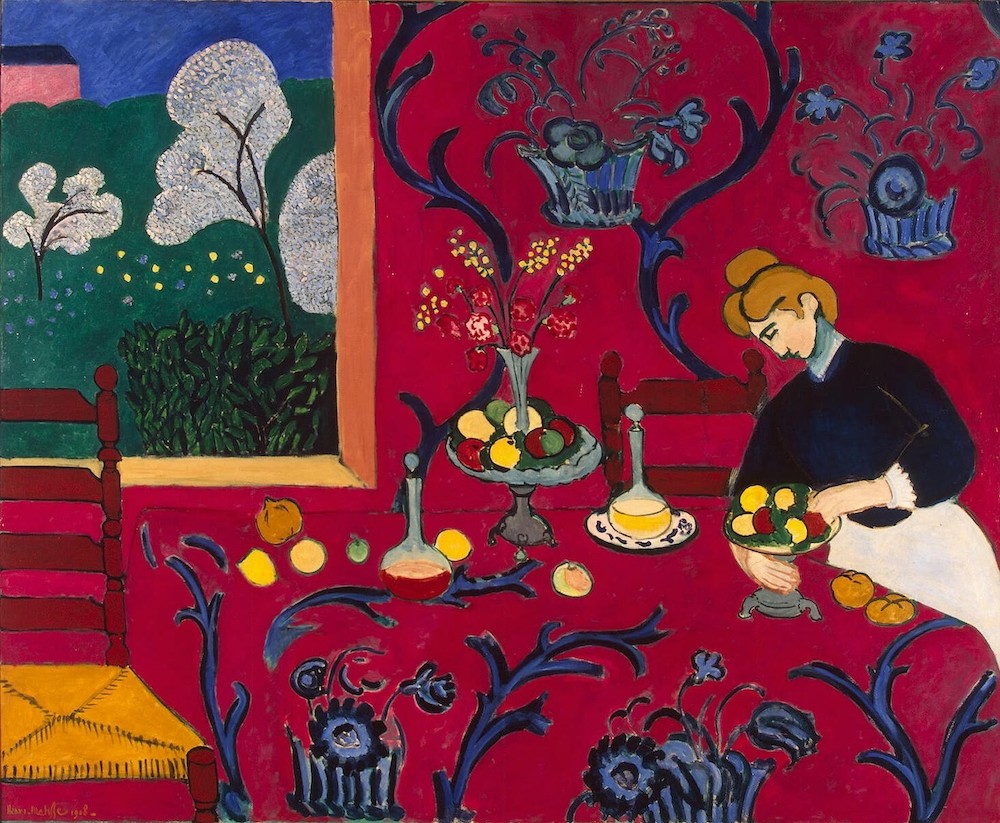
The Red Room (1908), Henri Matisse.

The Art of Matisse

After time spent learning from Russell, Matisse was plunged into the world of Fauvism at the turn of the century. The style began around 1900, continuing beyond the first decade. Part of an innovative group later dubbed “Fauves,” Matisse explored his new understanding of color through paintings with tones bright, clashing and dissonant from those natural to their subject. Even though he helped to pioneer Fauvism, Matisse never really fit in with the crowd due to his conservative appearance and strict bourgeois work habits. And although the radical movement eventually declined, Matisse nevertheless forged on. 

The work that Matisse created during this period set the stage for the work he would create for the rest of his career. His focus on color continued, explored through what he called “construction by colored surfaces.” Even as his style and subject matter changed from abstract, to decorative interiors, to cut-out paper collages at the end of his life, this approach remained the same.

We are lucky to hang the work of Henri Matisse in our own communities. His consideration of form and color is reflective of our own thought process, and serves as a reminder that while style may change over time, a well-formed approach will always shine through.


A Tour of the Mies-designed IIT Campus

The Illinois Institute of Technology (IIT) is the place for Modernist architecture enthusiasts and more specifically, Ludwig Mies van der Rohe enthusiasts to be. Not to mention that the school is where Optima’s own David Hovey Sr. and David Hovey Jr. further honed their architectural education.

The campus, a place with a special place in our own heart and history, is home to the largest group of buildings designed by renowned architect Mies van der Rohe, arguably the most influential figure in American Modernism. As such, there is no better way to get an understanding of where our work began and where Modernism expanded, and to experience Mies’ philosophy than to explore the very campus that he designed and led. 

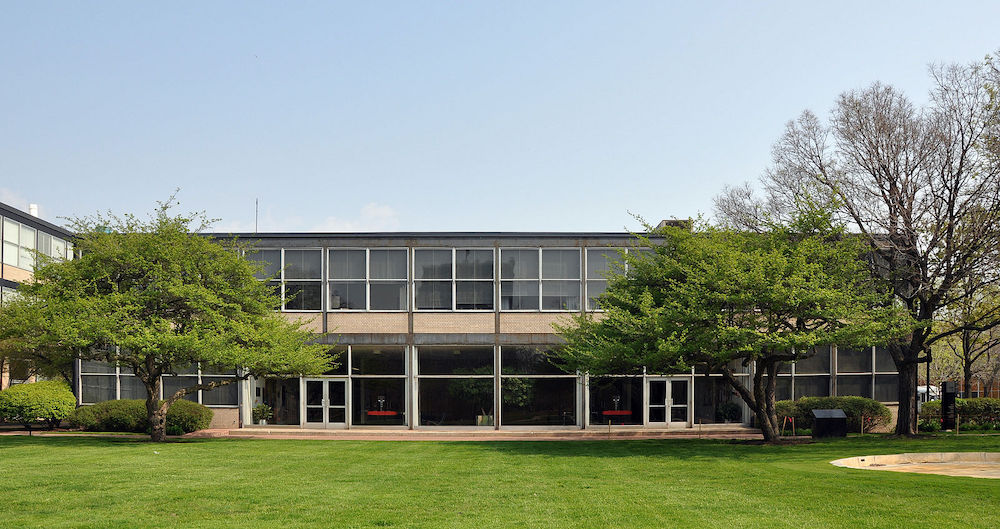
Perlstein Hall designed by Ludwig Mies van der Rohe.
Perlstein Hall designed by Ludwig Mies van der Rohe. Credit: Joe Ravi on Wikimedia Commons under the license CC-BY-SA 3.0

An Overview of the Campus

Ludwig Mies van der Rohe chaired the IIT School of Architecture from 1938 to 1958. During this time, he created a new master plan for the campus, the most ambitious he ever came up with, including twenty of his own works. This collection is the greatest concentration of Mies buildings in the world. Among the twenty are famous structures such as Wishnick Hall, Perlstein Hall, Carr Memorial Chapel and S.R. Crown Hall. Perhaps Mies’ most iconic piece of work, S.R. Crown Hall is the campus gem, a modern icon and National Historic Landmark, and even heralded by Time magazine as “one of the world’s most influential, inspiring and astonishing structures.” 

Overall, the campus is a bold expression of the Modernist discipline, utilizing steel, concrete and glass minimalist frames as a radical departure from traditional college quadrangles and limestone buildings. 

An Official Architectural Tour

A tour of the campus, offered by the Chicago Architecture Center, places special emphasis on Mies’ time as head of the IIT School of Architecture. The tour covers iconic Mies structures alongside newer additions such as State Street Village, designed by Helmut Jahn. 

During the warmer season, tickets for the tour are available for purchase here. Though not required, advance reservations are recommended, and private bookings are available. Truly enhancing the reach of the experience, the ticket price also gives entrance to the Chicago Architecture Center within seven days of your tour. 

As a piece of our own history at Optima, and as a grander piece of Modernist architecture’s history in America, the IIT campus is something that must be seen to be truly understood. Whether it’s on your own or with a tour, witnessing this iconic collection of designs is a necessity. 

A Brief History of the Swan Chair

An iconic piece in modern furniture design, the Swan chair’s fluidity and endless curves make it both a comforting perch and a sight to behold. Often swathed in vivid colors, the Swan chair makes a bold statement incorporated into striking interiors across our Optima communities.

An Iconic Design

The Swan chair was designed in 1958 by Arne Jacobsen, the same architect and designer who created the Egg chair. Alongside the Egg chair, the Swan chair was originally crafted for the Royal Hotel in Copenhagen (also architected by Jacobsen). The chair let hotel guests spin its swivel base and rotate 360 degrees to take in the bustling hotel atmosphere, while cocooned in comfort. As a chair with no straight lines, the Swan was a technological innovation in furniture design. Created in the Danish modern style, the chair swiftly became an icon.

A Feat of Engineering

Prior to designing the Swan chair, Jacobsen (and other furniture designers of his generation) were constrained by the pliability of the materials they used, which at the time, were stiff and difficult to sculpt. However, the introduction of molded foam a new, flexible material rewrote the rules. Through experimentation with the new product, Jacobsen found the freedom to shape fluid curves and single-piece molded shells. 

The Swan chair, originally made from Styropore, is now made from polyurethane foam, both inventive materials that allow for the chairs’ continuous shape. The shell of the swan is made of molded synthetic material, and covered by a layer of cold foam. The swiveling base, always star-shaped, includes a satin-polished, welded steel tube and a 4-star base in injection molded aluminium. With upholstery options available in a variety of textiles and colors, the Swan chair easily adapts to lobbies, lounges and homes across the world.

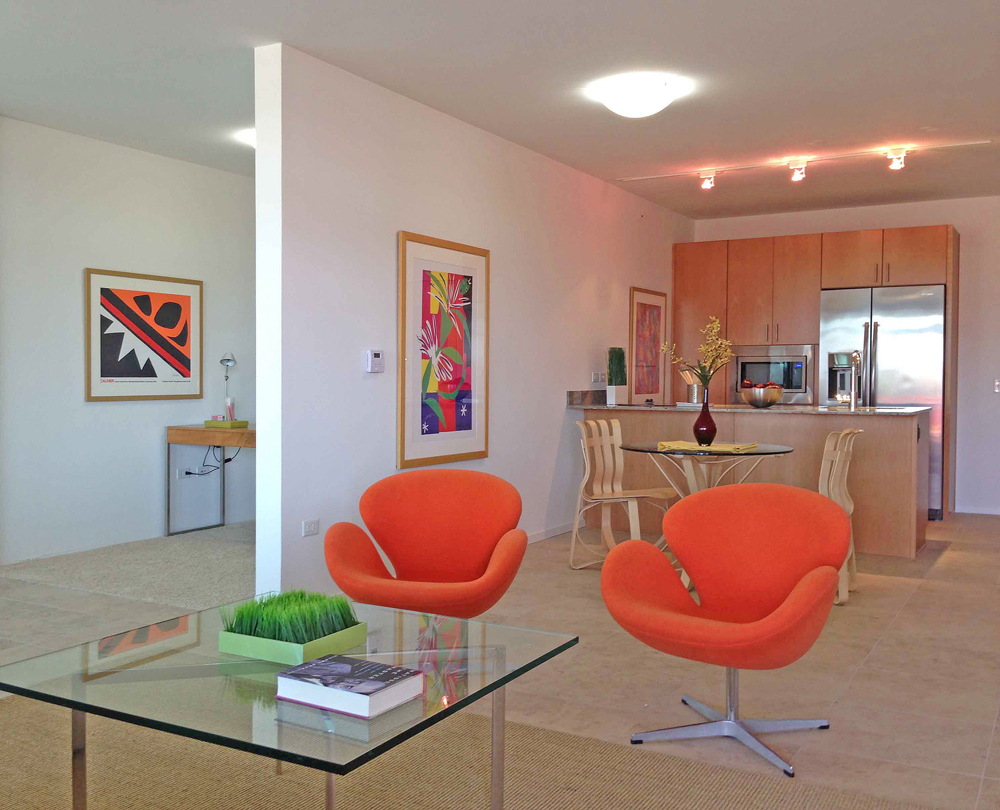
Throughout our residential spaces, Swan chairs are right at home in our Modernist buildings, reflecting the same passion for form and function. Easily employed in entry lobbies, lounges across the community or even commercial office space, the unique curves and comfort of this sculptural chair leave a lasting impression.  


2019: A Year in Review

As 2019 comes to a close, we reflectively look back on all that’s happened throughout a busy and exciting year. Our team, projects and Optima as a whole have experienced tremendous growth over the last twelve months. Here are just a few of the highlights:

Awards

Our team was honored to win five awards, including AIA Chicago Divine Detail award for Optima Sonoran Village, Architecture MasterPrize and Architizer A+ Finalist Award for Arizona Courtyard House, American Architecture Award for Whale Bay House and Build Magazine’s Luxury Urban Housing Designer of the Year. 

Projects and Properties

This was a big year for development, construction, leasing and more. 

In Arizona, we completed construction and leased up Optima Sonoran Village Phase III, the fifth and final tower at Optima Sonoran Village. 7120 Optima Kierland sold out – and was the fastest selling community in the Valley. We launched sales at 7180 Optima Kierland and are already over 50% sold. We also began construction on both 7140 and 7180 Optima Kierland, both slated for completion in 2020. We also purchased new land in Scottsdale to develop new Optima communities.

In Illinois, we leased up 100% of our commercial and retail space at Optima Signature including business suites. We also purchased new land in Chicago and the North Shore for new developments.

We also launched Optimized ServiceTM, a next-level white-glove approach to our concierge experience.

The Optima team volunteering for Habitat for Humanity.

Culture

Working across our entire organization, we formalized our purpose statement and core values to reflect our growth and inspire our path forward. We volunteered: we spent the day with Habitat for Humanity in both AZ and IL, cleaned up the Skokie Lagoons in IL, and worked with animals at Amy’s Farm Sanctuary in AZ. We had fun: we enjoyed axe throwing, bowling, go karting, beaches, barbeques, concerts and high tea. We also learned: our team attended the Metropolitan Planning Council lunch, the TCN Women in the Forefront Luncheon, the Goldie Gala, the Chicago Build Expo and NAA Apartmentalize. 

We can’t thank our leadership, team members and supporters enough for such a fantastic year. As we look towards 2020, we look forward to the new year to come, new milestones to pass and new ways to innovate across our upcoming projects. 

person name goes here

Maintenance Supervisor

Glencoe, IL


    Acceptable file types: *.pdf | *.txt | *.doc, max-size: 2Mb