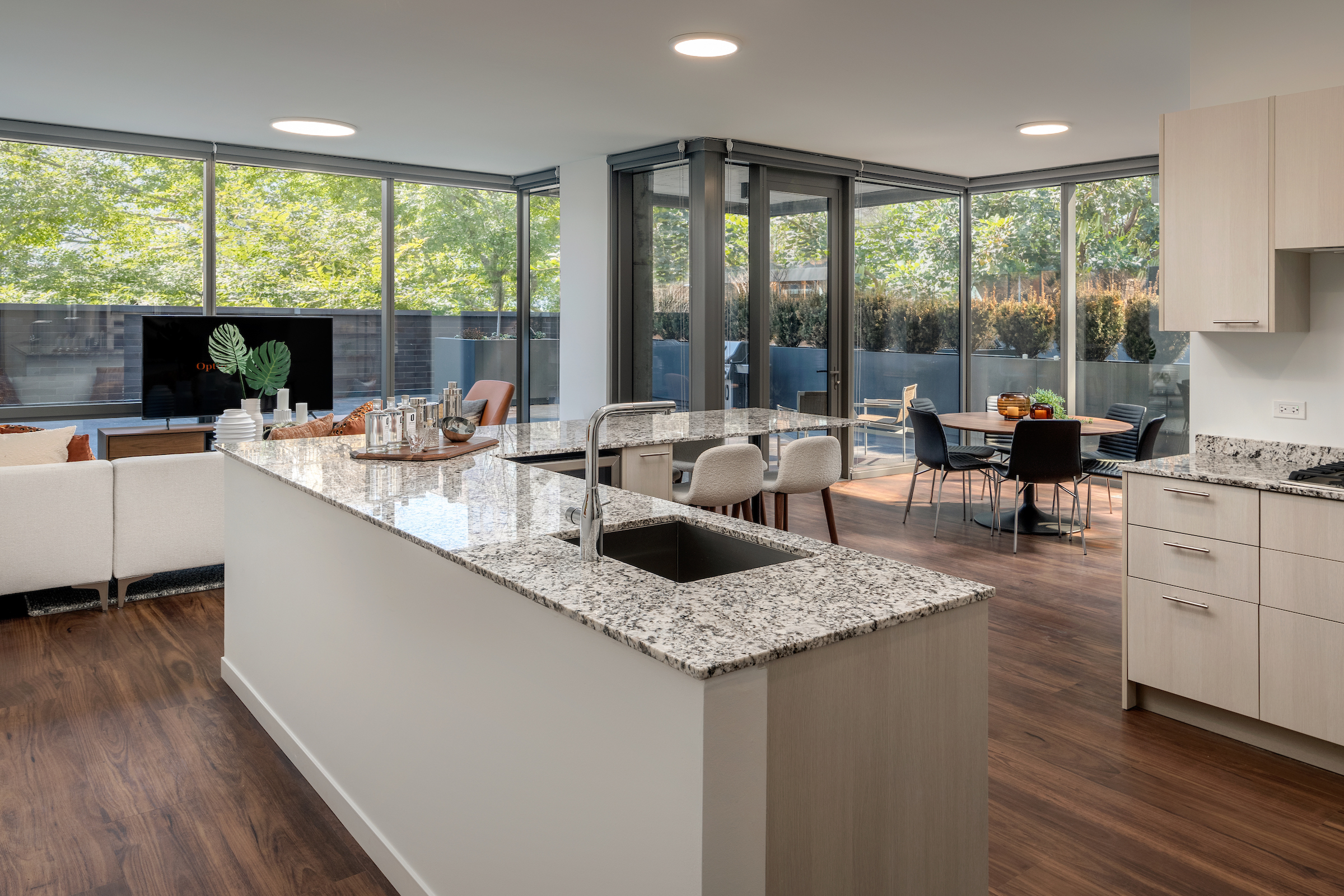
No one can dispute the remarkable benefits of participating in multi-player card games — from stimulating the brain to problem-solving with others, relaxation and relieving stress. And then consider the added perks of being in an exceptionally-designed physical space, flooded with natural light and furnished with comfy mid-century Modern gems. Taken together, what could possibly offer a better way to spend a few hours than settling into the Optima Verdana® card room with three other bridge enthusiasts for a friendly match?
For those who aren’t already in the know, bridge is a four-person card game played by two teams who compete to earn the most points by winning tricks: sets of four cards, one from each player. Players are dealt 13 cards each round, in which they bid on how many tricks they think they can win and determine which suit trumps the others. While the origins of bridge are not definitively known, a similar game called khedive appeared in Constantinople before 1870, and a nearly-identical game had been played in Greece prior to that. The game of bridge eventually made its way to New York society in 1893, and it has been a staple in our leisure culture since then.
Today, according to theAmerican Contract Bridge League, a whopping 25 million Americans over 18 know how to play, even though this is far fewer players than in the 1950s, when at least one person played bridge in 44 percent of U.S. homes. In the past several years, there has been a dramatic onboarding of new players of all ages, very much a result of sequestering at home during COVID-19.
Credit: pxhere.com. CCO Public Domain
The single best way to learn bridge — and to continue to improve — is simply by playing. And don’t be afraid to read bridge books, listen to podcasts and exchange tips with fellow players. Check out these great bridge resources for endless ways to make bridge playing part of your everyday life. And when you’re ready to take advantage of Optima Verdana®’s extraordinary space to gather and game, grab a fresh deck of playing cards, a few friends and enjoy!
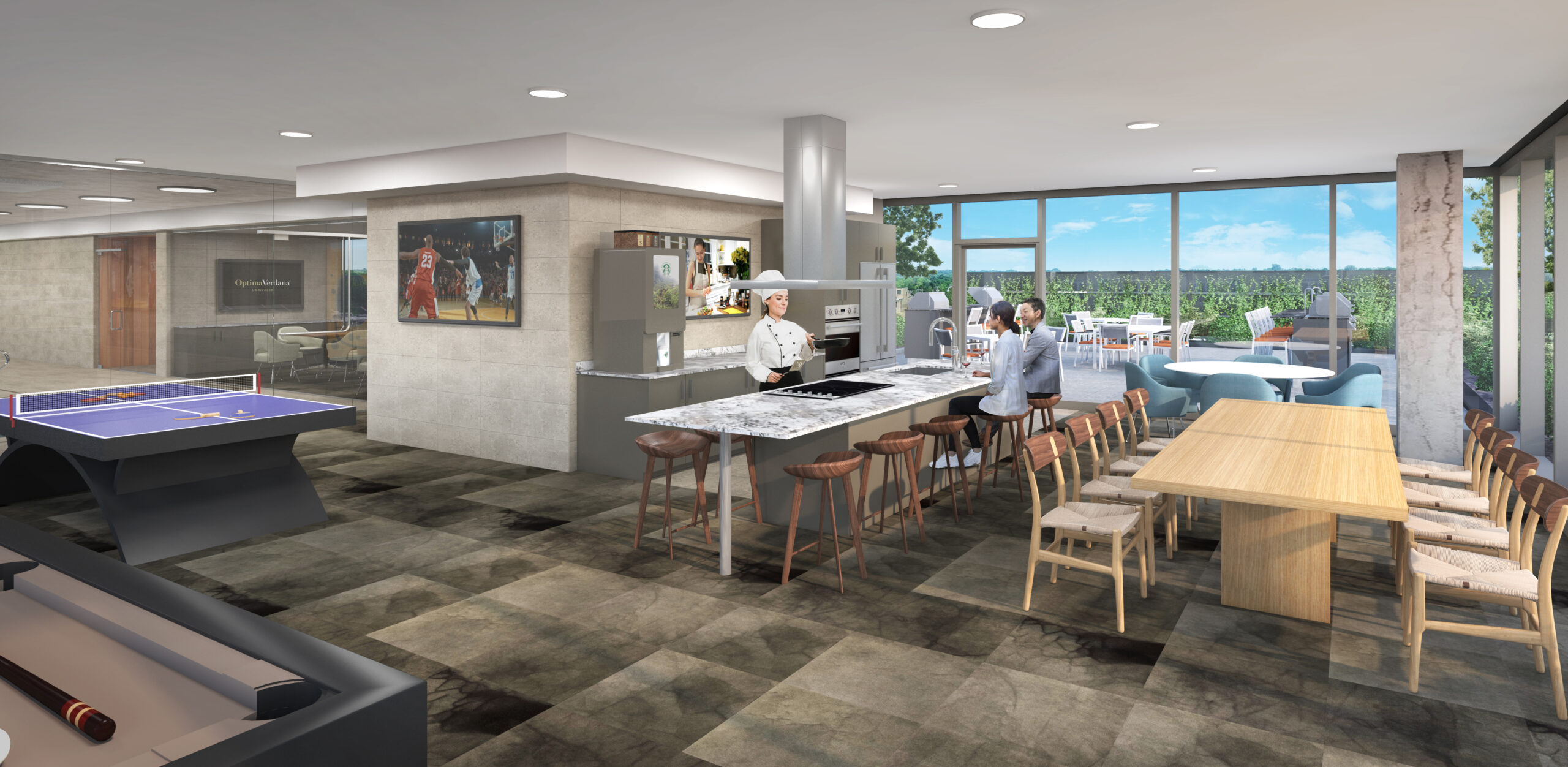
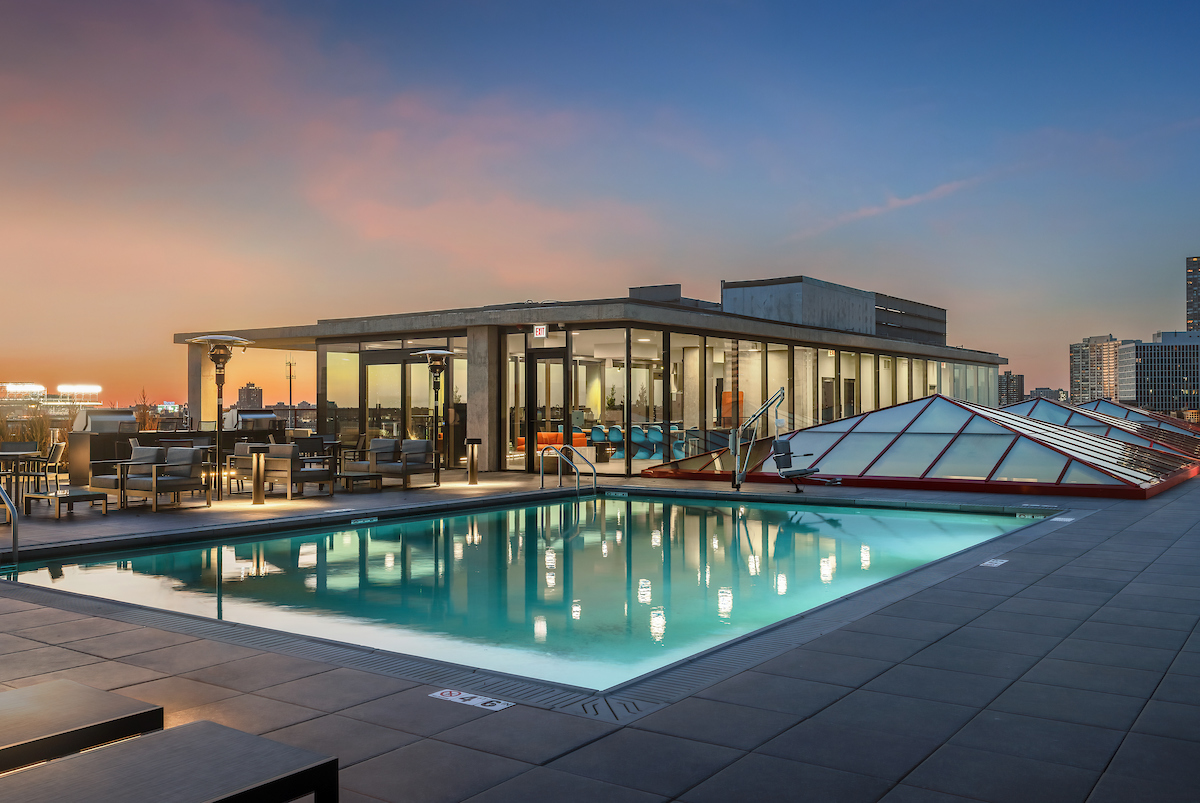
Optima Verdana’s sky deck featuring the party room, billiard table, ping pong table and various game rooms.
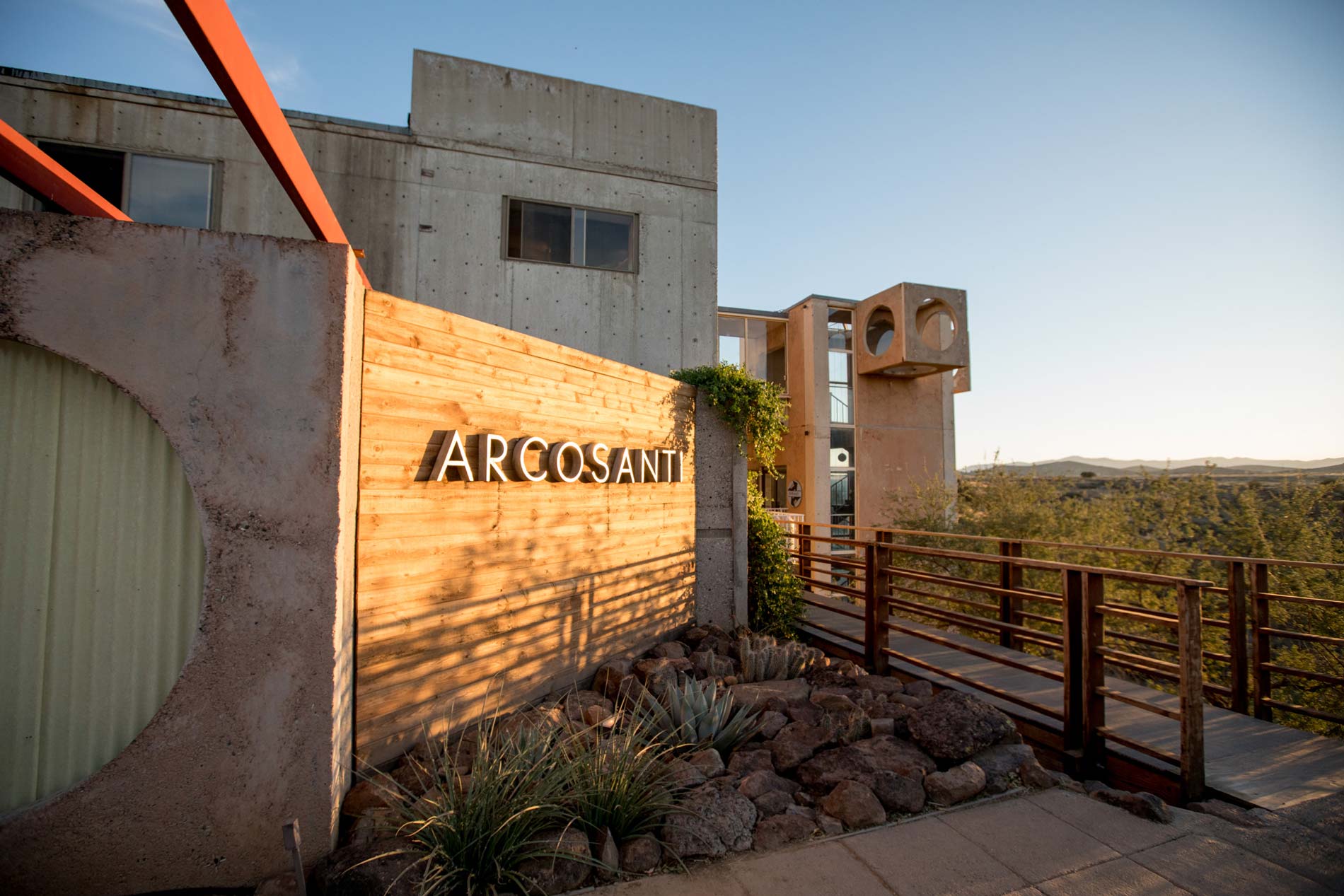
Although 50 years old, Paolo Soleri’s visionary planned city, Arcosanti, is still thriving today. For the last five decades, the magnificent community exhibited the best of Soleri’s philosophy, fusing architecture and ecology and providing a home for many educational resources. However, currently the famed property is entering a new era, pushing the boundaries of Soleri’s philosophy further than ever.
Liz Martin-Malikian, CEO of Arcosanti under the Cosanti Foundation states that while the community’s first half-century focused on Soleri’s vision, the next half-century will focus on the collective. Not only does the community aim to unearth more behind arcology, but they also plan to collaborate and partner with various groups, including local Indigenous populations.
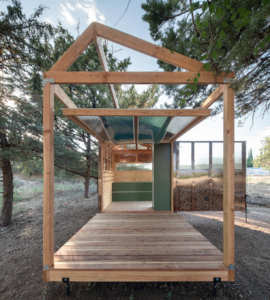
Shiro, a shelter by TSOA student, Micehle Yeels. Credit: Designboom®
Many of Arcosanti’s resources are provided to students of The School of Architecture, a crucial feature of the community. One of the key programs constantly bringing new life to the planned city is The Shelter Program. The capstone design project encourages students to design and build single-occupancy structures for future students throughout the community.
While preserving Arcosanti’s historic past, Martin-Malikian is embracing the future by decoding Soleri’s philosophy of arcology – starting by reframing the community’s vision around its cultural landscape. Along with debuting a Cosanti Indigenous Residency, a new Indigenous co-design program provides a new opportunity to combine sustainability with passive and culturally diverse designs.
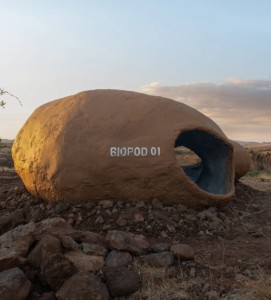
Biopod 1, a shelter by TSOA student, Soloman Edelmen. Credit: Designboom®
Arcosanti has always existed as a hub for innovation and inspiration. And today, with a spotlight on collective, the planned city is preparing to embrace its regional heritage more than ever before. To explore more about Arcosanti, and stay up to date on their events and programming, head to their website here.
At Optima, our affinity for modern design and style stretches through all of our Communities. In the past, we’ve explored the history and identity of modern furniture, but we’ve never touched on the defining elements of modern decor. So, if you’re looking to elevate your home with a modern eye, look no further:
Like design, remember that with modernism, form follows function; this means that every decor element you have should always reflect its intended purpose. Avoid inserting decor that doesn’t add supplementary function or purpose to your home. However, this doesn’t mean that your decor has to be limited; many modernist designs also embrace vibrant colors, unique shapes and various materials.
Embrace The Light
One key trait of modernism is utilizing and celebrating a space’s natural light. For windows, modesty is key; even with curtains, use soft and sheer fabrics to keep it minimal. Another great way to stretch the natural light in your home and manipulate space is by adding mirrors to your interior. Hang mirrors where they’re most practical in your home. Rooms that have limited light and feel small may benefit from a large mirror, and it might make sense to place a mirror across from your home’s beautiful view or a statement piece.
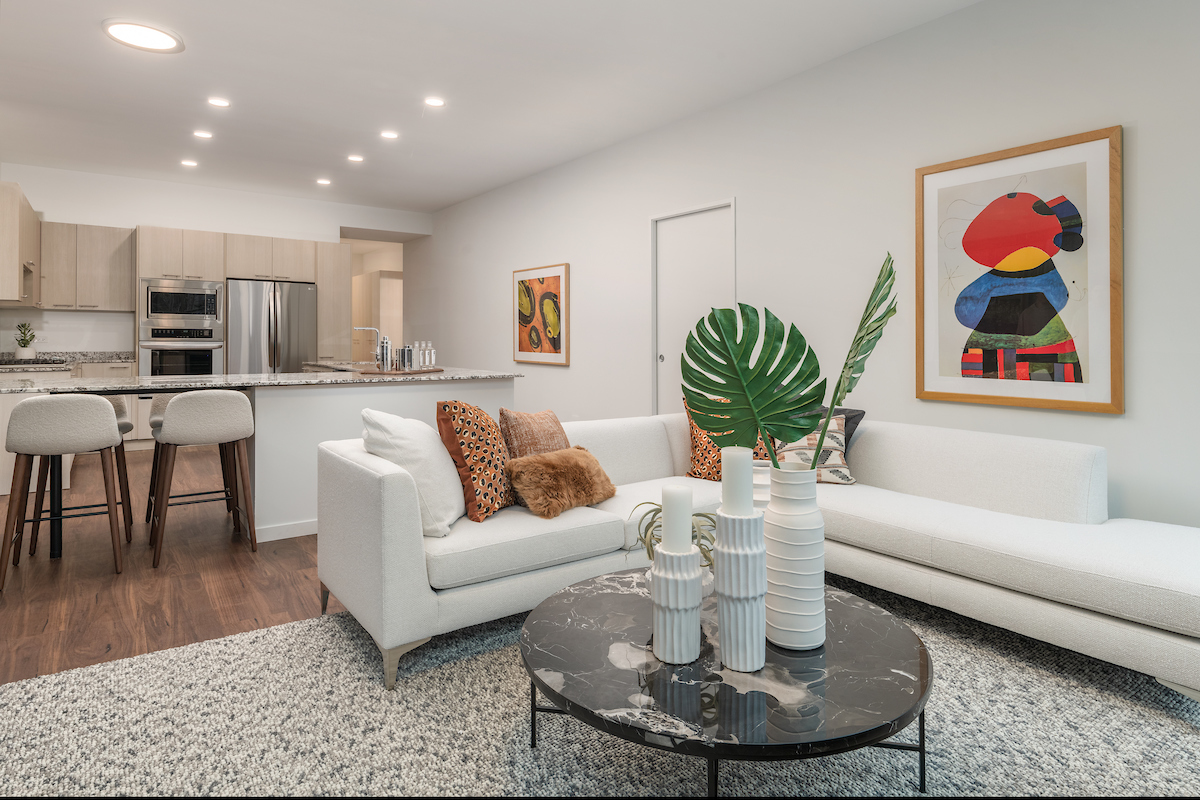
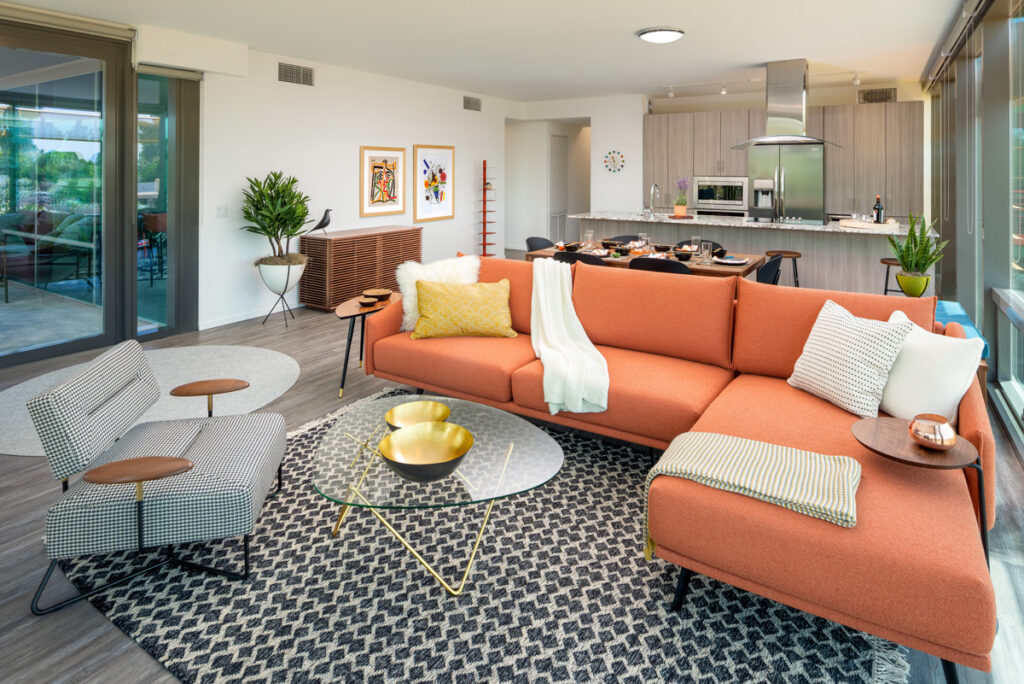
Vibrant colors and organic textures in an Optima Sonoran Village residence
Introduce Texture & Color
Whether you start with the living room or the bathroom, introducing organic textures to your home is a great way to welcome modern design. Bring the outdoors in with furniture and decor elements that feature natural wood and stone. Other warm textures like leather and natural fibers make fantastic options for complimenting other modern features of your home. Modern design and warm elements don’t have to conflict with one another.
To some, modernism is only associated with monochromatic tones like gray, white and black, but extending pops of vibrant color throughout your home is a great way to add life to the environment. Place a bright-colored rug in the center of a large room or go all natural and bring in lush greenery and foliage.
Modern decor and design continue to be timeless templates for accessorizing homes. Whether you start utilizing your home’s natural light or mix in a splash of color, there are countless ways to embrace modern decor throughout your home.
Chicago and Scottsdale both provide endless activities and events throughout the year, but autumn is when the allure of both cities emerges more than ever. From Oktoberfest in Lakeview to a hike in the Sonoran Mountains, here are a few of the many activities you can discover throughout Chicago and Scottsdale this autumn:
Chicago
Throughout the city, there are many locations to admire the vibrant autumn leaves as they change, and the Chicago Botanic Garden in Glencoe is one. Across their more than 385 acres of land, they provide their fall-color tree walk and host the Night of 1,000 Pumpkins event in October.
Another way to enjoy the cool autumn weather in Chicago is by visiting the nostalgic ChiTown Movies Outdoor Theater. Nearly every night, they showcase blockbusters, classics and every genre in between in the Pilsen neighborhood. For anyone looking to stay indoors, you can catch Broadway shows like Wicked and Anastasia downtown or enjoy cutting-edge shows in the Belmont Theater District, in the neighborhood of Optima Lakeview.
The Chicago Botanic Garden
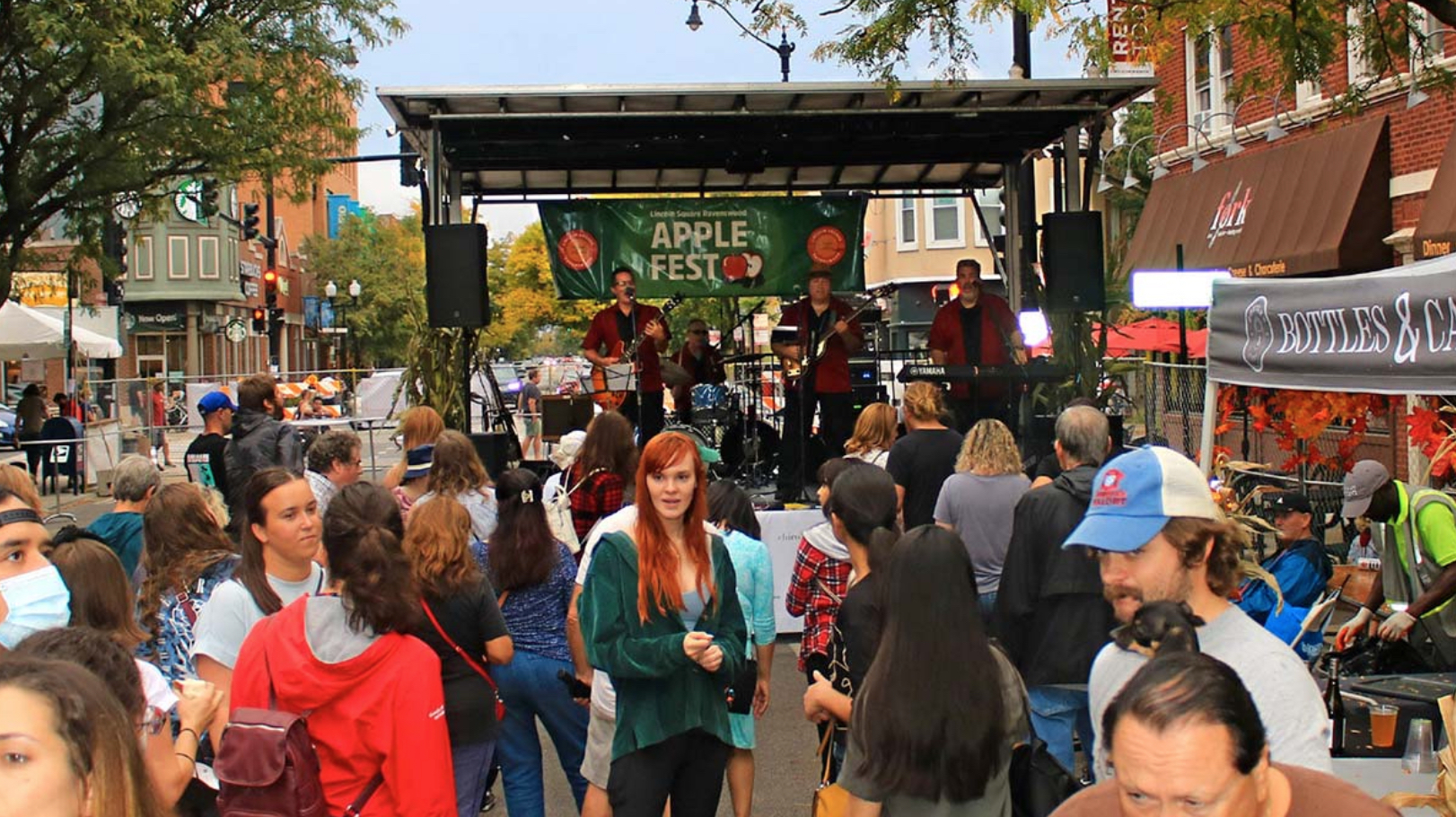
Autumn also brings an array of local festivals that reside throughout almost every neighborhood of the city. Two of the most popular events include Lakeview’s entertainment-filled Oktoberfest held on September 23-25, and Lincoln Square’s Apple Fest the first weekend of October.
Scottsdale
There’s no better way to enjoy the Sonoran desert and its autumn weather than seeing it up close! McDowell’s Sonoran Preserve, less than a 15-minute drive from Optima Kierland and 30-minute drive from Optima Sonoran Village, is the perfect desert habitat for both bikers and hikers, thanks to its more than 225 miles of scenic trails. Pinnacle Peak Park, a little farther North, provides even more panoramic views of the Sonoran Desert.
McDonald’s Ranch Pumpkin Patch is a popular spot for anyone looking for classic, seasonal entertainment. Not only are they known for their bright pumpkin patch, but they also have a petting zoo, hay-bale maze, and various lawn games throughout October.
The Spooktacular Hot Air Balloon Festival in Scottsdale
The season also brings various themed festivals to Scottsdale. One of the most enjoyed is the Carefree Fine Art & Wine Festival, where visitors can discover both unique artworks and new blends of wine. In October, the Salt River Fields in Scottsdale fill their grounds with a display of graphic hot air balloons accompanied by live music, delicious food and costumed guests for its Spooktacular Hot Air Balloon Festival.
The autumn months don’t last long. So before time runs out, take advantage of all the fascinating seasonal opportunities found throughout Chicago and Scottsdale!
As construction continues at Optima Verdana, we continue to embrace the culture of Wilmette and its surroundings. Throughout the year, the village has celebrated its Sesquicentennial Anniversary through various projects and events, including the Sesquicentennial Photography Project. However, the village is gearing up to bring its celebration to its pinnacle on September 10 at the Wilmette 150 Celebration.
The event is a commemoration of the countless celebrations and projects Wilmette has hosted throughout the year. Along with the Photography Project, community members plan on sharing the stories of local history in the Voices of Wilmette: An Oral History Project. In honor of the celebration, the Wilmette Public Library is hosting various events educating participants on the history of the village, including one that highlighted German immigration to the Chicago area and another featuring the history of early Illinois Settlement on September 29.
The festivities kick off in Downtown Wilmette at 11 a.m. THE Wilmette Block Party will include music from the community band, remarks from the Village President and a parade led by the Loyola Academy Marching Band, and is free for all attendees. Along with the entertainment, the celebration will feature a Kid Zone and a variety of food options from local restaurants.
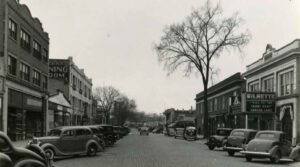
Downtown Wilmette in the 1940s, Courtesy of Wilmette Historical Society
However, the celebration doesn’t stop there. After submissions end for the Sesquicentennial Photography Project, the Wilmette Historical Museums will curate an exhibition using the chosen photos throughout their museum and in other venues throughout Wilmette.
To learn more about THE Wilmette Block Party and Wilmette’s 150th Anniversary, visit their website here.
Scottsdale’s appreciation for art enables artists to publicize their talents and add to the environment’s imaginative aesthetic year-round. From initiatives like IN FLUX Cycle 10 to classic installations like Knight Rise, Scottsdale proudly embraces the impact behind sharing art with others. Today, we’re spotlighting Scottsdale’s latest addition of public art, Pinball Wizard.
Completed in June 2022, Old Town Scottsdale welcomes Pinball Wizard as the city’s newest public art installation. Public Artist Annette Coleman worked with Scottsdale Public Art to design and construct the vibrant project using colored glass. Coleman is well-known for her illustrative mosaic public art installations, many of which reside in Colorado, and embraces a public art philosophy rooted in stimulating inspiration and creating community.
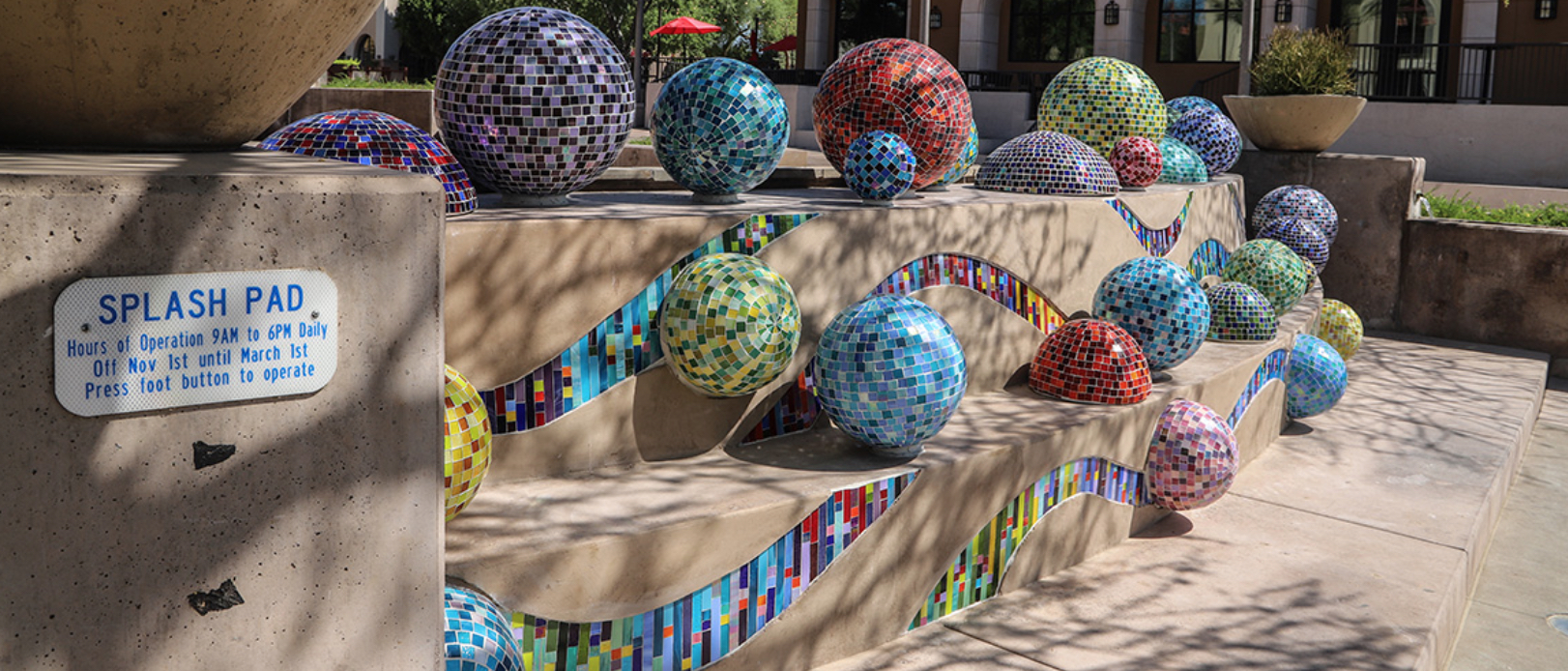
Pinball Wizard resides at the Stetson Plaza Splash Pad at the Scottsdale Waterfront and features 30 disco-like mosaic orbs and various mosaic waves built into the environment. Designed to catch light from every angle, the myriad of shapes and bright colored glass in Coleman’s design embraces the playful attitude that already fills the area.
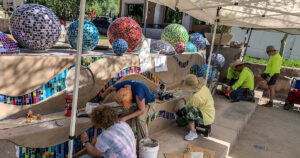
Annette Coleman installing Pinball Wizard, Courtesy of Scottsdale Public Art
Drawing inspiration from her appreciation for the outdoors, specifically water, wind, flora and fauna, Coleman included various serpent-shaped waves throughout the concrete wall of the splash pad. Her inspiration behind Pinball Wizard, and many of her other projects, also draws from television shows, games and science productions, and other pop culture references.
Pinball Wizard brings a splash of color to the already lively surrounding at Scottsdale’s Stetson Plaza Splash Pad. Visit the public art yourself and hear more from Coleman about its creation here.
With construction at Optima Verdana well underway, we’re excited about one of the community’s fabulous amenities: the card room. Situated on the rooftop sky deck along with the sundeck, garden lounge, dining area and glass-enclosed pool and spa, the card room is the perfect place for residents to set aside cellphones and other distractions to gather around games that are fun, social and good for our brains. Topping the list of games that will see regular activity in the Optima Verdana card room is Mahjong.
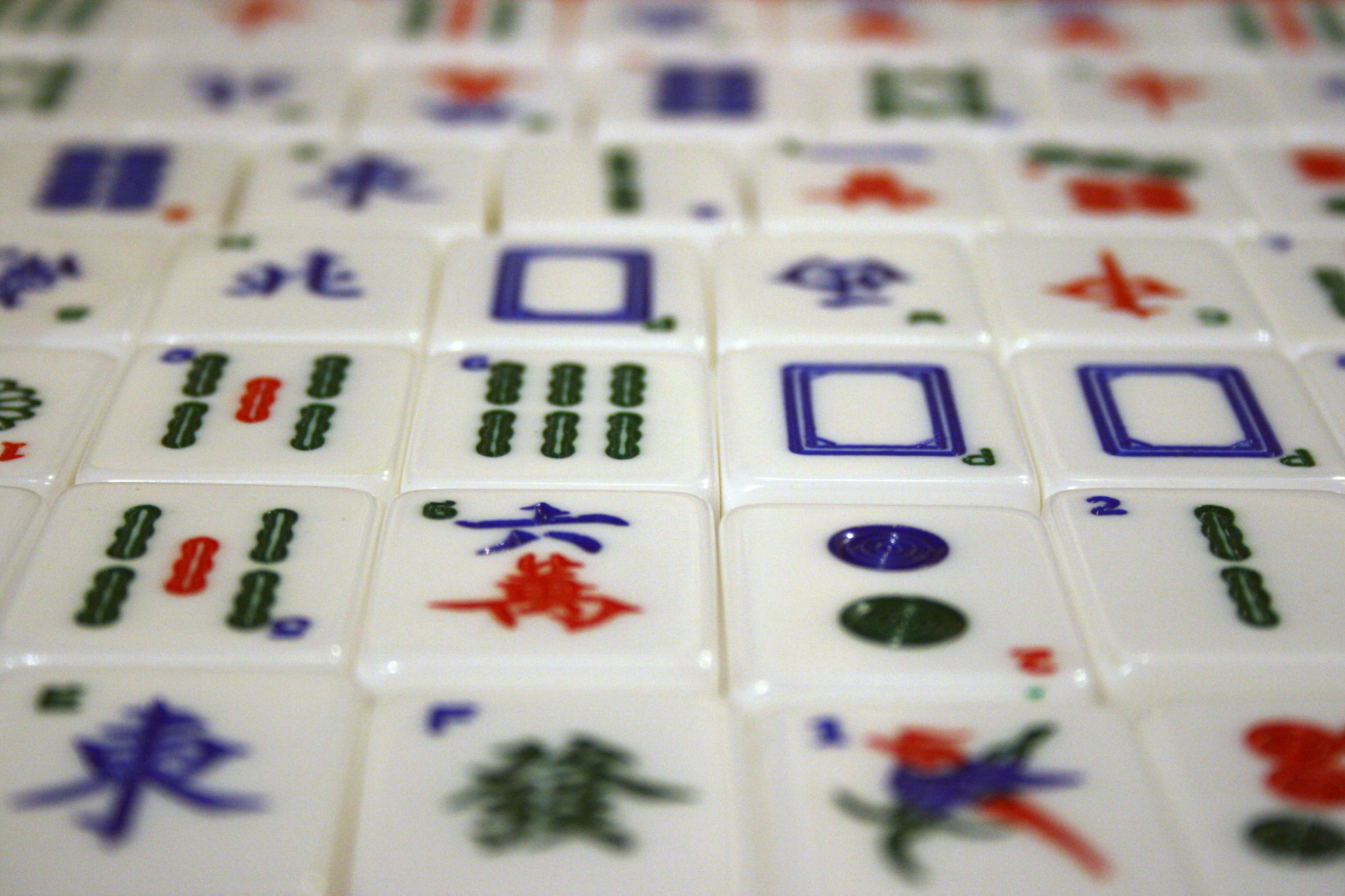
Deep roots, rich history Mahjong, roughly translated from Mandarin as “the game of sparrows,” a rummy-like game played with 144-tiles, traditionally made out of ivory or bone with a bamboo base. And while it was marketed as an ancient Chinese game, it was actually created in the mid- to late-1800s and brought to the American public in the early 1920s.
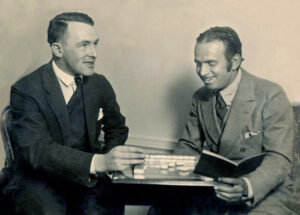
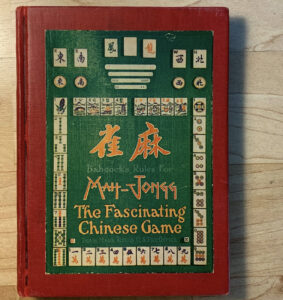
One of the forces behind the introduction of mahjong was Joseph Babcock, an employee of Standard Oil. As he began traveling to China for business following the end of WWI, he was taken by the game and founded the Mah-Jongg Sales Company to import mahjong sets to the U.S. The game was first taken up by wealthy white women who could afford the pricey mahjong sets, and had the leisure time to play.
One of the game’s experts, Annelise Heinz, assistant professor of history at the University of Oregon, has written extensively on the assimilation of mahjong into American culture. In her recent book, Mahjong: A Chinese Game and the Making of Modern American Culture, she dives into the game’s history to understand how both Jewish American and Chinese American communities were built around the game during the 20th century.
Joseph Babcock playing Mahjong, Courtesy of Christopher Babcock Berg
After falling out of favor until the end of WWII and the migration of American families to the new suburbia, mahjong experienced a renaissance. In a May 2021 piece published in the Wall Street Journal, Heinz writes:
“Young mothers, in particular, forged American mahjong culture during the 1950s and 1960s. At a time of suburbanization and newfound upward mobility for many Jewish families, regular weekly mahjong games helped women to build female-focused networks. Unusually, these groups weren’t focused on volunteerism or children’s education but offered a chance for women simply to have fun together. Mahjong became a cultural touchstone for many who grew up in postwar Jewish American homes, along with the tile racks, coin purses and plates of maraschino-studded pineapple slices that often accompanied the game.”
Heinz refers to mahjong as a “remarkable game that has retained its core interest and beauty across time and distance,” adding that it offers “a rich and compelling topic of historical inquiry.” She explains that while most partner-oriented games create highly competitive scenarios where people are pitted against one another, mahjong has a completely different dynamic requiring players to cooperate and strategize together.
Babcock’s book of rules. Angelo Bautista/TTBOOK One of the forces behind the introduction of mahjong
Another of the game’s thoughtful experts is journalist and cultural critic, Jeffrey Yang. In an interview with Wisconsin Public Radio entitled “Picking Up the Pieces of Mahjong,” he chronicles his own love of the game through retelling the story of how he watched the moms in his Filipino family play. He reflects on the remarkable staying power of mahjong as a function of its ability to sustain multiple powerful identities. He says, “What’s unique about mahjong is that it’s not just one thing. It is a Chinese game, no doubt. It always will be. It’s also a Jewish game, an American game, a Filipino game, and so much more. Over a hundred years, in the hands of different players, it’s a game that has taken on so many different histories. And as long as we’re playing mahjong, that history is still being written.”
The magic of mahjong The allure of mahjong is sensuous, social and intellectual. The feel and sound of the tiles clicking against one another is part of the physical experience of play. The time required to reset after each game (lasting about 15 minutes) offers players the opportunity to chat. And at the same time, the game has many of the same cognitive benefits as chess and bridge with its strategic complexity and demand for concentration.
With building community at the core of our culture, we look forward to welcoming our Optima Verdana residents to the joys of gaming and gathering!
Warm weather, fresh air, and BBQs are all defining aspects of the perfect summer. Across all of Optima’s communities, we provide residents with abundant outdoor space to celebrate living well, and to engage with each other around alfresco cooking and dining.
Our passionate approach to design creates a linkage between architecture and nature throughout each of our communities, but it’s in Optima Kierland, Optima Sonoran Village, Optima Signature, Optima Lakeview and our latest project, Optima Verdana, where residents will find extensive amenity spaces that include outdoor kitchens and communal grills on their sky decks, and additional private grills in select terraces.
For those who are fans of alfresco cooking and dining, here’s your chance to hone your grilling skills with the great American staple — the hotdog. Whether you’re a pro or just getting the hang of it all, here are two great recipes to get you up to the sky deck with your chef’s hat and tongs…
Chicago-style hot dog
Chicago-Style Hot Dog
Since Optima’s roots are in Chicago, we have to highlight the classic Chicago-style hot dog. The best part about the Windy City staple is how easy it is to prepare! All you need is a hot grill and all of the delish garden-fresh ingredients! Find the recipe here.
Sonoran hot dog
Sonoran Hot Dog
While Chicago is famously known for its unique take on the hot dog, Arizona propels the standard bite to a whole different level with the Sonoran hot dog. Like its standard cousin, the Sonoran is topped with tasty condiments, but what makes it unique is its bacon-wrapped exterior. Find the recipe here.
The outdoor kitchens, communal grills and private grills are just some of the many ways we design our residential and communal spaces to invite the outdoors inside. Connecting to nature is an easy way to take some time and connect to yourself and to the environment around you.
In “The Other Art History: The Forgotten Women of Bauhaus,” an in-depth piece that was published on July 13, 2018 on Artspace by Jillian Billard, we have the opportunity to understand the enormous impact a group of women visionaries had in shaping the Bauhaus.
We learn from Billard that the Bauhaus was dedicated to “interdisciplinary innovation” by combining design and craft through a new model of fostering community as the basis for learning instead of traditional teacher-student interactions. And with this new model as a defining principle, the Bauhaus community was ripe for welcoming and supporting women artists.
As Billard explains, Walter Gropius, who founded the Bauhaus School of Design in Weimar, Germany in 1919, stipulated that the school would be open to “any person of good repute, regardless of age or sex.” So while women were allowed to study at the school, they were directed into practices commonly regarded as “women’s work” –– textiles and weaving — while their male counterparts were encouraged to be architects, sculptors, and painters.
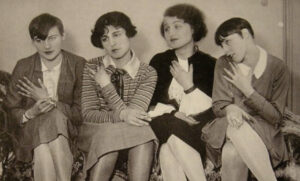
Photo of Alexa von Porewski, Lena Amsel, Rut Landshoff, unknown by Bauhaus photographers Umbo and Paul Citroen), before 1929. Berlinische Galerie, Photographic Collection.
Billard reminds us that the artists most closely associated with the Bauhaus were men, including Josef Albers, Marcel Breuer, Wassily Kandinsky and Paul Klee. At the same time, history has treated the women in the movement as the counterparts of these great artists. In the past ten years, as many have revisited the Bauhaus participants in a more accurate art historical context, we have had the opportunity to celebrate the incredible women artists and the contributions they made.
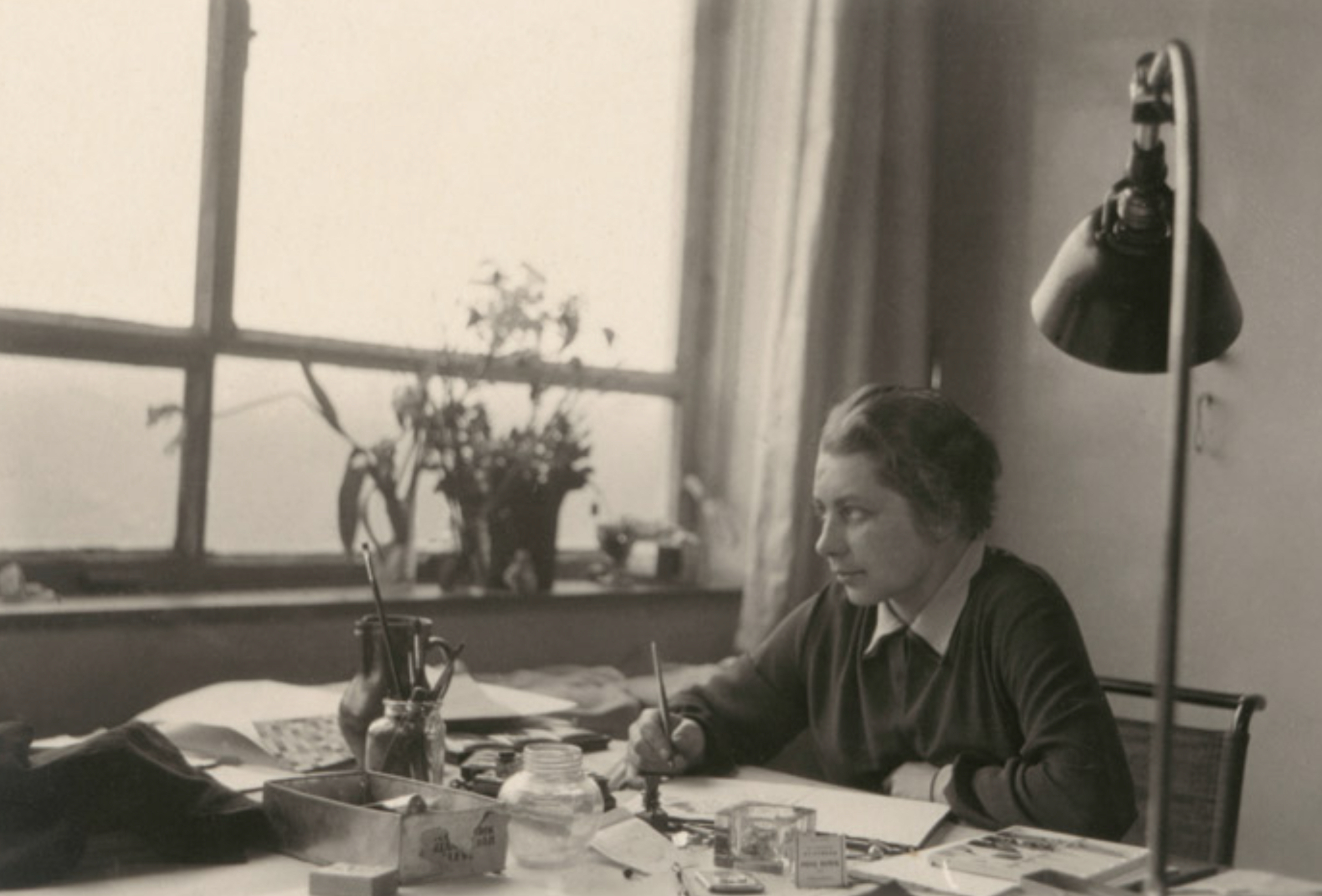
In “The Women of the Bauhaus,” an extensive thesis presented by Corinne Julius in Blueprint on September 3, 2019, we learn of the rise to prominence of Gunta Stölzl, only one of six students certified as a Master weaver. As head of the department from 1929 to 1931, she ushered in the transition from individual pictorial weaving to modern industrial designs, while also implementing the study of mathematics. Her bold artistic experiments include creating the mercerised cotton and Eisengarn fabric for Breuer’s tubular-steel chairs while leading joint projects with the Polytex Textile Company.
Julius describes Marianne Brandt as a brilliant metalwork artist who joined the Bauhaus as a workshop assistant and eventually took over as acting director in 1928 from László Moholy-Nagy. As both artist and administrator, Brandt helped solidify the role of industrial design
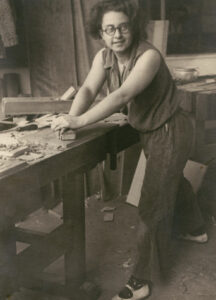
Wera Meyer-Waldeck entered the Bauhaus in 1927, studying with Marcel Breuer in the carpentry workshop making furniture. Over the next several years, she studied in the construction and architecture departments, and went on to establish a distinguished career with a focus on sustainable housing.
And the list goes on. As we shared in Female Weavers and the Bauhaus, virtually every aspect of the Bauhaus and its artistic practices has been informed by a group of women with talent, vision and unapologetic courage. They, along with their male counterparts, continue to inspire the timelessness of Modernist thinking-and-doing. And in every part of our holistic design thinking at Optima, we celebrate their contributions.
Wera Meyer-Waldeck in the carpentry workshop at Bauhaus Dessau in 1930, photographed by Gertrud Arndt. Credit: VG Bild-Kunst, Bonn 2019 / Bauhaus-Archiv, Berlin
For further reading on 45 luminary women of the Bauhaus, Bauhaus Women: A Global Perspective, written by Elizabeth Otto and Patrick Rössler and published in 2019 by Bloomsbury Publishing, is an excellent resource, along with A Tribute to Pioneering Women Artists (Taschen, 2019), written by Patrick Rössler.
As we continue to tour the public spaces at Optima communities to highlight the impeccably-curated collection of Modernist furnishings, it is always a delight to set our sights on Tulip tables, designed by the luminary architect, Eero Saarinen.
Eero Saarinen (1910-1961), the Finnish architect who conceived the St. Louis Gateway Arch, along with many other well-known structures including the Washington Dulles International Airport, also received enormous recognition for his modernist furniture designs produced by Knoll, including the Womb™ Chair.
Legend has it that Saarinen approached Florence Knoll in 1955 with his desire to explore new approaches to furniture design, evolving from his background in sculpture and a desire to create a table with a single leg.
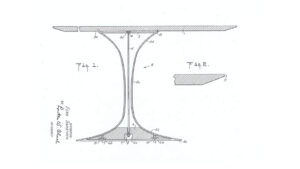
A drawing of the Tulip Table by Eero Saarinen
So in the late 1957, Saarinen proved true to his word and broke tradition by introducing a collection of tables, initially referred to as Saarinen Tables. They feature a single central base, made from single pieces of cast aluminum and finished in black, white or platinum, that appeared to “grow like a flower” with a stem-like base, as opposed to having the more traditional standing legs. With this simple, organic shape that included a slender neck and elegant, organic proportions, the base became the focus of a large series of tables that came to be known as Tulip Tables.
With options for circular and oval tops with tapered edges in a variety of sizes and heights, Tulip Tables were conceived from an integrated design framework that supports a cohesive human experience. They were an immediate hit once they became commercially available, in part because the single base provides visual lightness while inviting people to gather around a table unencumbered by legs. Tulip Tables delighted both residential and commercial furniture buyers with an array of color choices as well, with tops constructed of laminate or wood veneers, or made from natural materials like granite or coated Arabescato marble.
The Tulip Table found in an Optima Lakeview residence
While design trends come and go, a precious few furniture pieces remain timeless and iconic. Saarinen’s Tulip Tables are among those — ever-elegant, minimal and sophisticated.