Skokie Northshore Sculpture Park Unfolded

At Optima®, our appreciation for public sculpture runs deep. For those who are always on the lookout for memorable leisurely activities, we have a truly special recommendation. The Skokie Northshore Sculpture Park, situated just south of Optima Verdana®, presents a captivating mix of artistic wonder and natural splendor to explore. 

The history of the Skokie Northshore Sculpture Park began when the land along McCormick Boulevard and the north channel of the Chicago River had deteriorated into a “neglected eyesore” and was in desperate need of revitalization. This land was owned by the Metropolitan Water Reclamation District of Greater Chicago. In the mid-1980s, the Village of Skokie envisioned transforming it into a recreational haven, complete with jogging paths, biking trails, and picnic areas for visitors to enjoy. Concurrently, a group of citizens saw this as a canvas for displaying large-scale contemporary sculptures.
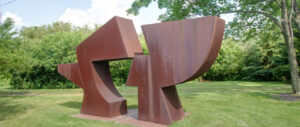
Jim Agard – Gapingstock. Photo: Skokie Northshore Sculpture Park

By 1988, Skokie Northshore Sculpture Park was realized. Through the combined efforts of the Village and its citizens, the park was transformed into an amenity rich, open-air art exhibit. Today, the park stretches two miles, from Dempster Street to Touhy Avenue, and proudly houses over 60 sculptures. These art pieces come from local, national, and international artists, making it a repository of diverse artistic expressions.

Visitors are encouraged to delve deeper through expert-guided tours which offer rich insights into the stories behind each sculpture and the artists who created them. Additionally, the park has fostered an educational environment, hosting tailored workshops and sessions. These sessions are designed to cater to schools, groups, and individuals, ensuring a comprehensive understanding of sculpture and art.
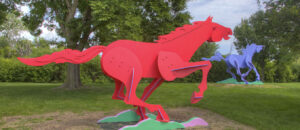
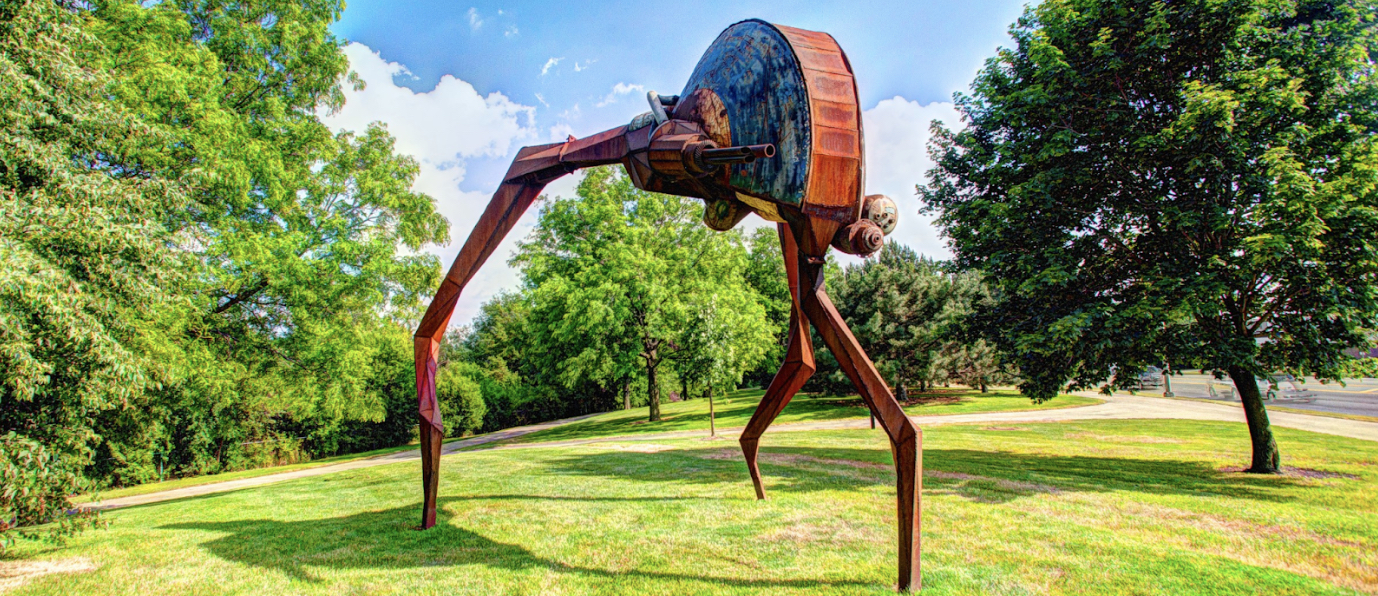
Ted Gall – Charger I and II. Photo: Skokie Northshore Sculpture Park

Skokie Northshore Sculpture Park is open year-round with free admission, underscoring the park’s dedication to making art accessible to all. It’s a haven for joggers, cyclists, and families who enjoy picnics. Additionally, the park is fully accessible, accommodating individuals with disabilities. 

While the park is open seven days a week, access is limited between 11 PM and 4:30 AM. For art lovers and nature enthusiasts alike, Skokie Northshore Sculpture Park provides an unforgettable experience!
Women in Architecture: Ada Louise Huxtable

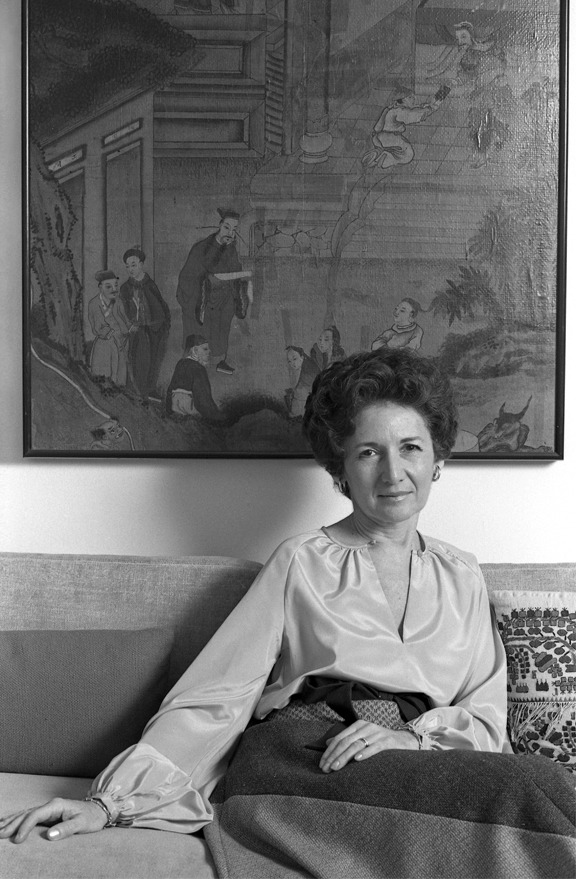
As part of our “Women in Architecture” series, we’re examining the life and work of luminary architectural critic, Ada Louise Huxtable, who proved that a pen could be as mighty as any structure.

Born in 1921 in New York City, Ada Louise Huxtable pursued her passion for architectural history, culminating in a master’s degree from New York University’s Institute of Fine Arts. However, her broadest impact came when she broke a glass ceiling as the first full-time architecture critic for The New York Times, in 1963. This was a cultural shift, bringing architectural discourse from the drafting tables to the dining tables of everyday readers.

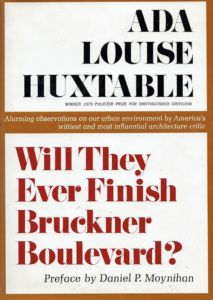
Will They Ever Finish Bruckner Boulevard?

Amid the changing skyline of New York City, with events like the heart-wrenching demolition of Penn Station and the emergence of modern architectural wonders, Huxtable offered crisp, hard-hitting, pointed, and elegant critiques. She ventured beyond aesthetic judgment, assessing structures for their context, their dialogue with the urban environment, and their societal implications.

One of the hallmarks of Huxtable’s career was her advocacy for architectural preservation. She awakened a sense of loss in the public, making them realize the cultural and architectural wealth embedded in historic structures. But her criticism wasn’t just limited to the annals of the past. Contemporary designs, when lacking in vision or disconnected from their surroundings, didn’t escape her discerning eye. 

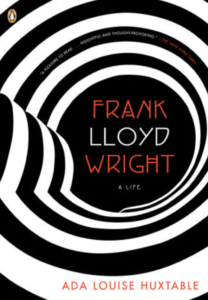
Frank Lloyd Wright: A Life

While her newspaper columns reached a vast audience, Huxtable extended her influence through her books. Over the span of her career she authored several titles, dissecting architectural trends, urban developments, and the intricate relationship between society and design. With books like Will They Ever Finish Bruckner Boulevard? and Frank Lloyd Wright: A Life among others, she penned a total of seven significant works, each contributing to architectural discourse.

Because of the depth and breadth of her contributions, Huxtable earned recognition across numerous fronts. In 1958, she received a Guggenheim Fellowship. In 1970, she became the first recipient of the Pulitzer Prize for Criticism, an accolade that underscored her trailblazing efforts in the field. Alongside this, she secured a MacArthur Fellowship, firmly cementing her position as one of the foremost voices in architectural criticism.

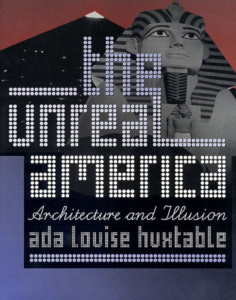
The Unreal America

Huxtable continued to spearhead architectural preservation efforts well into her later years. And in spite of passing at the age of 91 in 2013, she serves as a powerful reminder of how a single voice can challenge us to see, think about, and engage with our built environment in deeper and more meaningful ways.

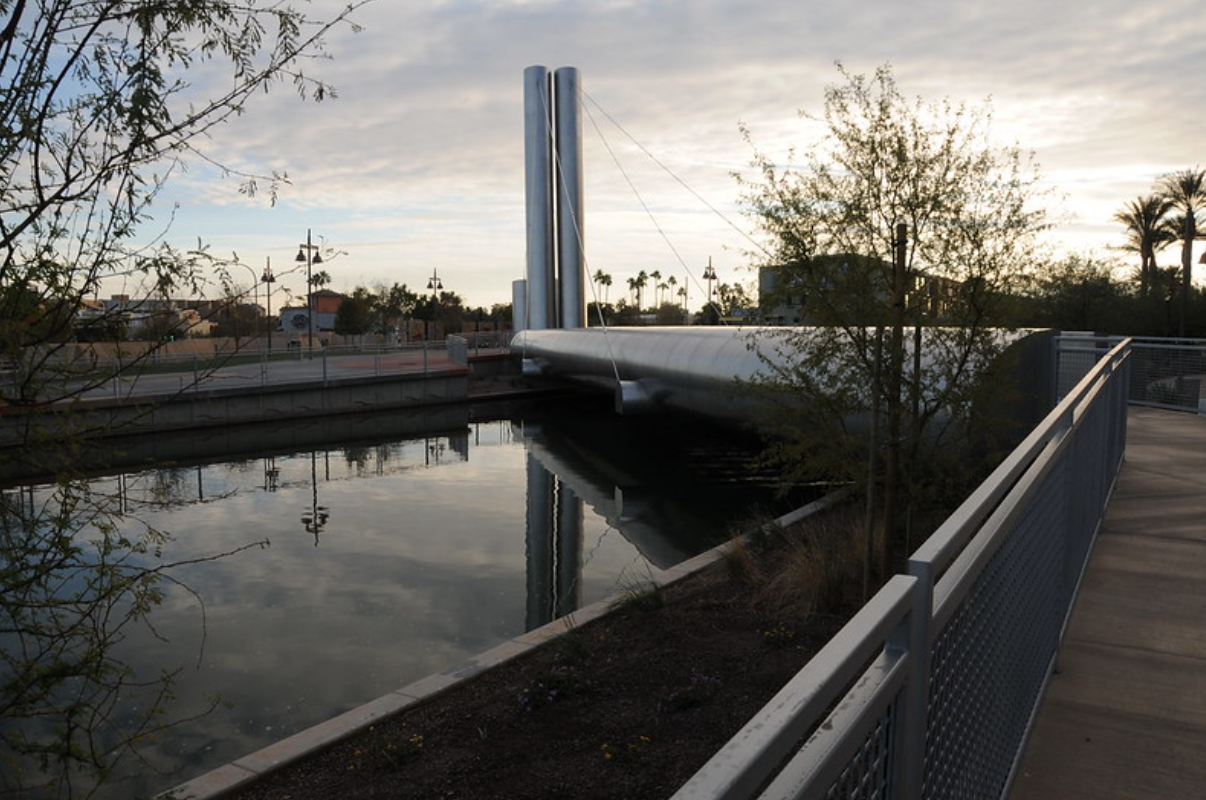
The Soleri Bridge and Plaza

Modern structures that serve as both functional and breathtaking forms of art speak to us at Optima®, including the Soleri Bridge and Plaza at the Scottsdale Waterfront, in close proximity to Optima Sonoran Village®. The bridge and its adjoining plaza, envisioned by the renowned artist, architect, and philosopher Paolo Soleri, have become emblems of Scottsdale’s artistic soul, resonating deeply with locals and tourists alike.

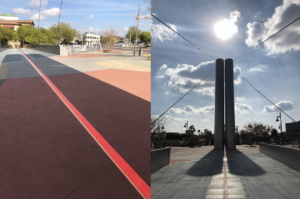
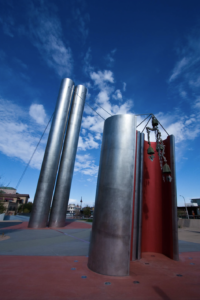
The bridge is an architectural spectacle that functions as a dynamic, organic solar calendar. Anchored by two towering 64-foot pylons, its south side spans 27 feet, tapering to 18 feet on the north. Its precise alignment with true north allows it to play a mesmerizing game with the sun. The 6-inch gap between the pylons lets the sun cast an ever-changing shaft of light, marking solar events as the seasons shift. On the summer solstice, the sun at its zenith leaves no shadow, while on the winter solstice, the shadow stretches its longest, almost reaching the bridge itself. 

Soleri Solar Calendar and Solstice Shadow. Photo: Jennifer Gill

Adjacent to the bridge, the plaza is an expansive 22,000-square-foot expanse, adorned with monolithic panels reminiscent of the aesthetics of Cosanti and Arcosanti. Each of these earth-cast panels, crafted meticulously over eight months using desert earth, water, and cement, weighs 3,500 pounds, and bears the intricate handwork of Soleri and his personal assistant, Roger Tomalty. The panels frame the plaza and lead towards the Goldwater Bell assembly, a fusion of Soleri’s commitment to architecture and ecology.

The story behind the project is as captivating as the structures themselves. A luminary in his field, Soleri has brought to life a concept he terms “arcology.” The bridge and plaza exemplify this philosophy, sharing an appreciation for our inherent connection to the sun and nature. Despite designing bridges for six decades, the Soleri Bridge was a first-of-its-kind commission for the then 91-year-old maestro.

Initiated by Scottsdale Public Art in 1990, the journey of the bridge and plaza from conception to completion was one of evolution and collaboration. As the canal’s surroundings transformed over two decades, so did the bridge’s design. The addition of the Waterfront Residences and commercial areas in 2007 provided the bridge with a context. Following funding and city approvals in 2008, the project took flight.

Soleri Bridge and Goldwater Bell. Photo: Yisong Yue

The unveiling of the bridge on December 11, 2010, was nothing short of a spectacle. A thousand-strong crowd converged on Old Town Scottsdale to witness the dedication. The event, a week shy of the winter solstice, showcased the bridge’s solar prowess, as attendees observed the sun’s shadow move between the pylons. 

The Soleri Bridge and Plaza encapsulate Scottsdale’s rich heritage, blending history with contemporary artistry. They stand as a testament to a city that cherishes the past, celebrates the present, and looks forward to the future, all while emphasizing the harmony between humanity and nature.

The 2023 Canal Convergence

As residents of Optima Sonoran Village® know, Scottsdale is a treasure trove of vibrant cultural events, artistic showcases, and community gatherings. Among these, the Canal Convergence stands out, brilliantly illuminating the Scottsdale Waterfront every year, beckoning both locals and visitors for an immersive experience of art, light, and much more.

Sym by AlexP. Photo: Canal Convergence

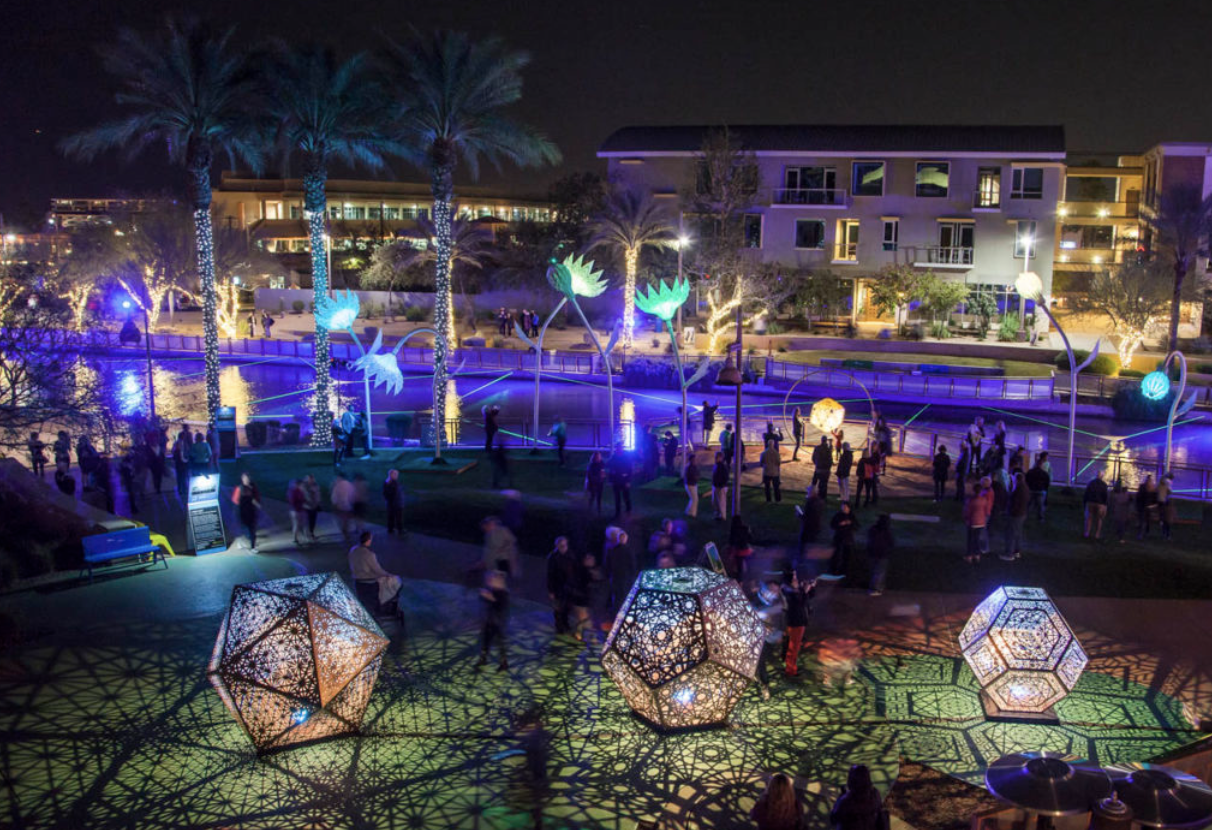
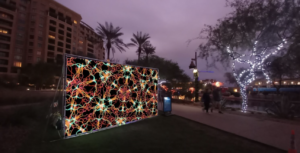
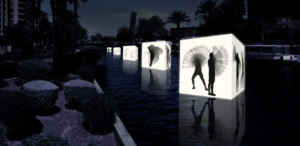
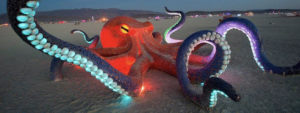
The Canal Convergence, a free, annual 10-night extravaganza, beautifully melds light, art, and water along the waterfront. Each year, artists from around the globe captivate audiences with their large-scale public artworks. For 2023, attendees will be treated to mesmerizing pieces like Sym by AlexP, the playful Flario by Walter Productions, the geometric Dice by Montreal-based studio Iregular, the fluid Aquatics by Philipp Artus, and several other awe-inspiring installations like Light Forest, Octavius, Ripple, and Spectrum Swing. Beyond these installations, the event is also a hub for live performances, music, dance, creative workshops, and so much more, including food trucks and a beer and wine garden.

Dice by Iregular.

What makes each Canal Convergence special is its central theme. This year, it dives deep into “The Power of Play,” highlighting its profound significance in our lives. Play isn’t reserved just for children; it’s a vital aspect of human existence, molding our learning, creativity, and social interactions. As the sun sets and the artworks come to life, attendees can immerse themselves in the wonders of play, feeling its influence firsthand.

For those ready to dive into this magical experience, the event runs from Nov. 3–12, 2023, at the Scottsdale Waterfront. Starting from 6 p.m. each evening, the event extends until 10 p.m. on the 3rd, 4th, 10th, and 11th of November, and until 9 p.m. on the other nights. For those wondering about parking, there’s ample free space in the parking garages around Old Town Scottsdale.

Octavious by Petter Hazel.

To residents and beyond, the Canal Convergence is a heartfelt celebration of creativity, unity, and reflection. Don’t miss the chance to be part of this enchanting blend of play, light, and art!

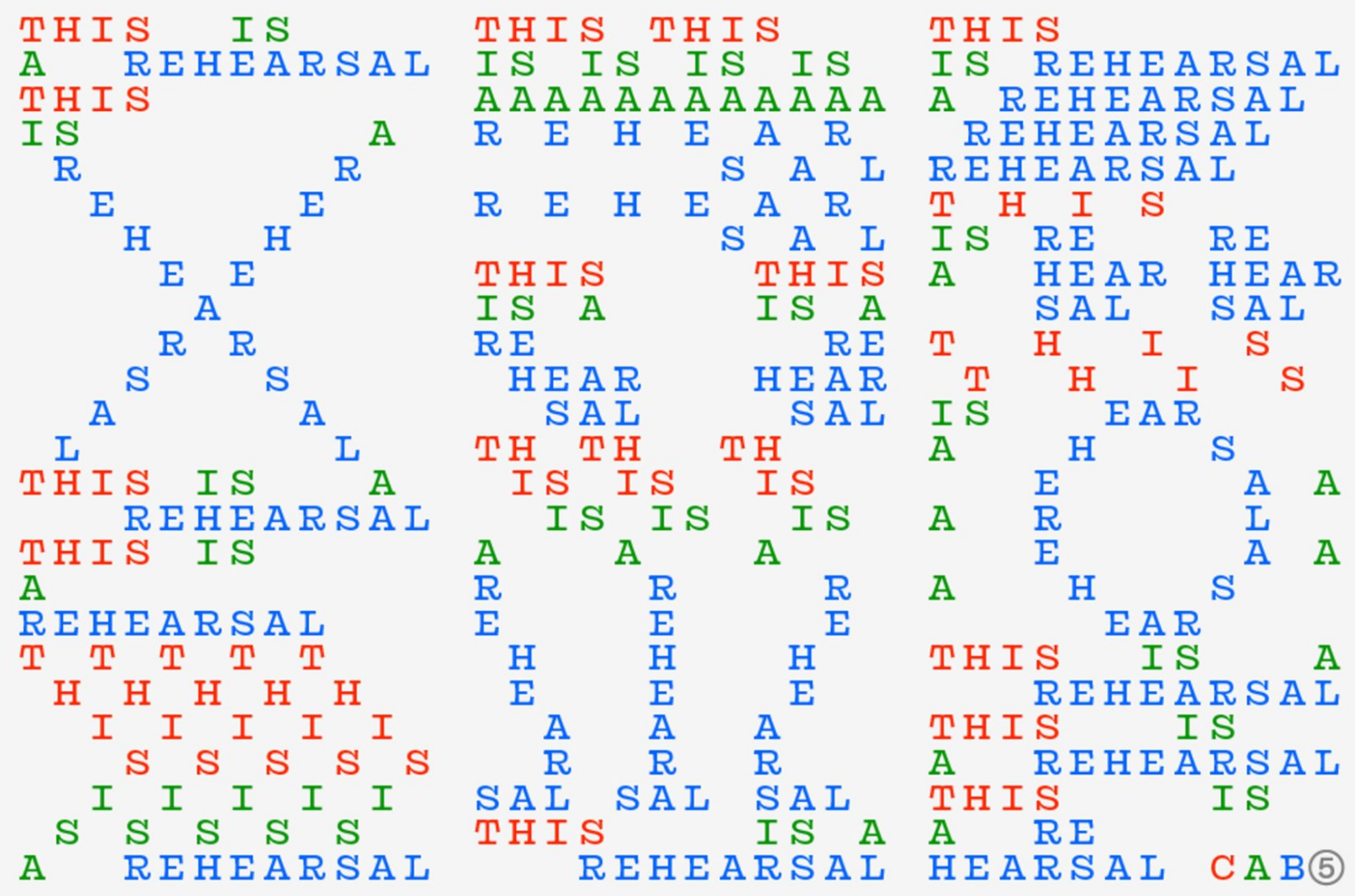
Chicago Architectural Biennial 2023: This Is a Rehearsal

As Chicago’s architectural landscape continually evolves, the fifth edition of the Chicago Architecture Biennial offers a fresh, reflective look into the heart of urban transformation. Beginning September 21, 2023, CB5 invites locals and visitors alike to participate in a series of immersive events and discussions. Here’s what you can expect from the 2023 Biennial This Is a Rehearsal.

Diving into this year’s theme, This Is a Rehearsal, serves as an exciting reminder that cities, much like the instants of life, are in endless evolution. Through this lens, CB5 emphasizes the importance of continuous dialogue, trial, and reinvention in urban designs. CB5 explores how countries around the world share political, environmental and economic issues and how each may address them differently through art, architecture and public involvement. It’s not just about the buildings but the stories they tell and the communities they foster.

Floating Museum, a Chicago-based arts collective, is the lead artistic team behind CB5, pushing boundaries and charting new territories in urban discourse. Their integrative approach promises an engaging mix of conversations, challenging conventions, and setting the stage for tomorrow’s architectural landscape. CB5 expands on Floating Museums’ existing beliefs and work, all exploring the relationships between the built environment and ourselves. 

With over 80 contributors from Chicago and the global stage, the Biennial is a testament to diverse, inventive thought. The contributors, ranging from artists and architects to educators and thinkers, breathe life into various corners of the city, from Lakeview’s artful streets to North Lawndale’s historic boulevards. It’s more than just an exhibition; it’s a city-wide celebration of innovation. 

Local contributors include Grow Greater Englewood, Urban Growers Collective, Project Onward, the Poetry Foundation and the Southside Community Art Center. Contributors from around the United States and the globe include Storefront for Art and Architecture, the Buell Center at Columbia University, SpaceShift and Stoss Landscape Urbanism

Marking its commencement on September 21st, the Biennial unfolds various installations across the city. A special opening celebration is slated for November 1st, showcasing extensive exhibitions at renowned locations like the Chicago Cultural Center and the Graham Foundation. The programs invite viewers to engage in conversations around food and material production, water reclamation and discussions around construction and power in relation to land use and rights. Whether you’re a seasoned architect, a design enthusiast, or just a curious mind, there’s something for everyone.

Discover The National Museum of Mexican Art

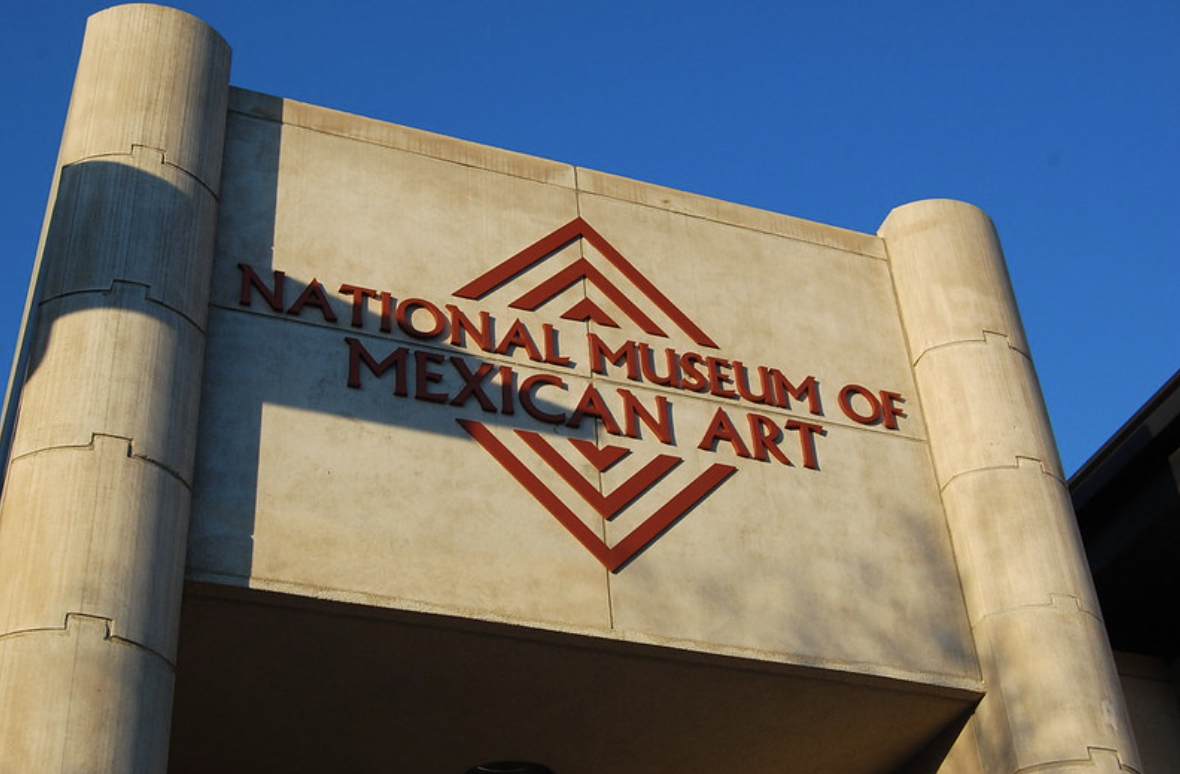
We’re constantly on the hunt for cultural gems to introduce to residents in our communities, so it’s a pleasure to spotlight a cornerstone of Chicago’s vibrant art scene: The National Museum of Mexican Art (NMMA). Situated in the heart of the Pilsen neighborhood, this museum is a testament to the depth, diversity, and dynamism of Mexican culture.

Founded in 1982 by Carlos Tortolero, NMMA emerged from a vision to represent Mexican, Chicano, and Latino arts and culture. Today, it stands as a bridge between Mexico’s past and the evolving identity of Mexican-Americans in the contemporary U.S.

NMMA’s collection is awe-inspiring, boasting over 10,000 pieces spanning 3,000 years. From ancient artifacts to modern-day masterpieces, every corner of the museum narrates tales of creativity, resilience, and passion. Whether you’re captivated by traditional folk art, contemporary sculpture, intricate textiles, or evocative photography, there’s a narrative waiting for you.

One of the standout exhibitions that has become an annual tradition, is the Day of the Dead (Día de los Muertos) showcase. This inspired installation dives deep into the fascinating rituals associated with this revered celebration, presenting art that is reflective and celebratory.


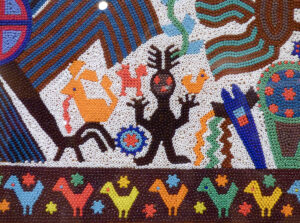
Beaded work, New Awakening, 2003 (detail)
Beaded work, New Awakening, 2003 (detail). Photo: Damian Entwisle, Flickr Creative Commons

The museum is not just about viewing art; it’s an immersive learning experience. With a host of educational programs, workshops, and guided tours, visitors are invited to explore the contexts, histories, and techniques behind the artworks.

Beyond the art itself, the museum’s location in Pilsen, a neighborhood full of Mexican heritage, enriches the experience. The vibrant murals, local eateries, and community events complement a visit to the museum.

As we admire the modern wonders of Chicago, we also treasure the institutions that ground us in cultural richness. Embark on a journey to the National Museum of Mexican Art, and emerge with a renewed appreciation for the beauty and complexity of Mexican art and culture. Best of all, admission is always free. Visit Tuesday through Sunday from 10 am to 5 pm.

Oz Park in Lincoln Park

At Optima®, we’re passionate about promoting locales that intertwine cultural richness with communal vibrancy. In the heart of Chicago’s Lincoln Park neighborhood lies such a treasure: Oz Park, a space that weaves literature, community, and recreation into a single, captivating location.

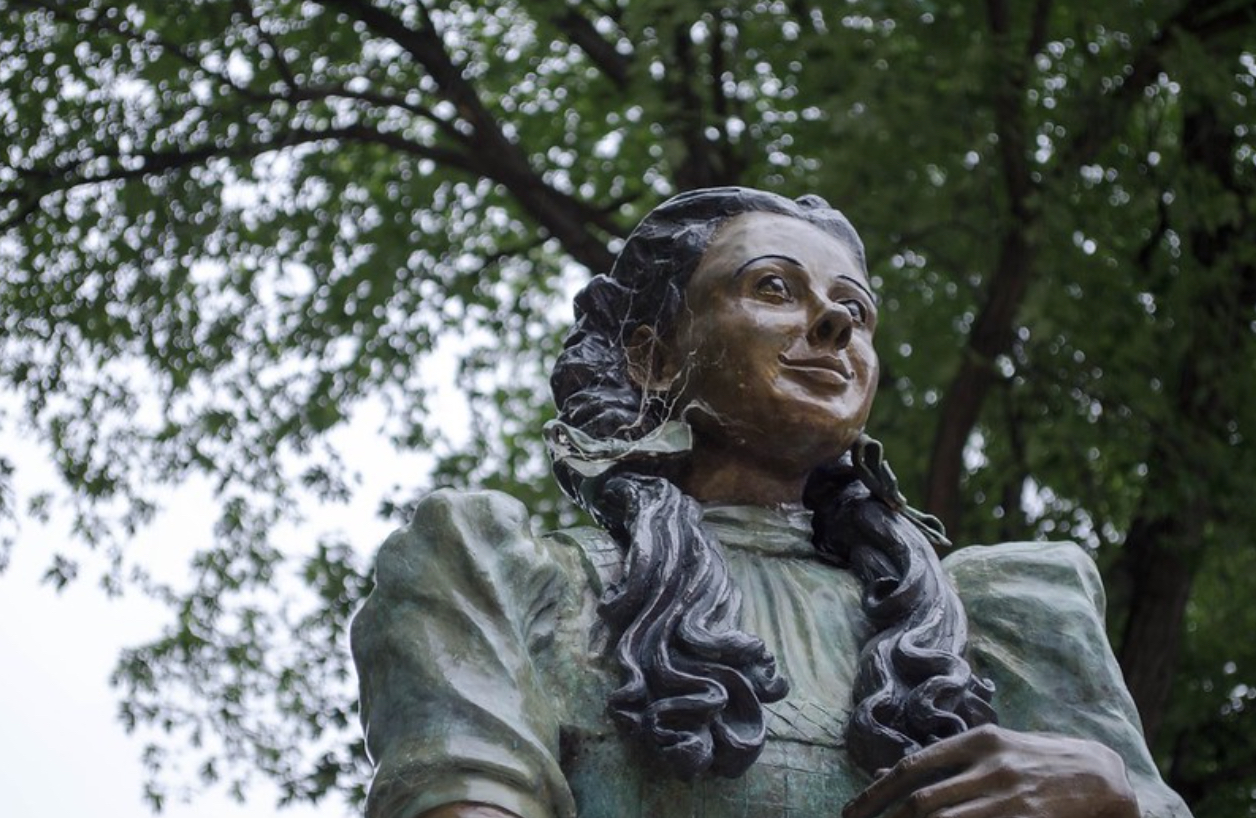
Nestled amid tree-lined streets and elegant brownstones, Oz Park stands as an homage to Lyman Frank Baum, the creative genius behind “The Wizard of Oz.” Baum, who made Chicago his home in 1891, penned his iconic series here, gifting the world with tales of courage, heart, wisdom, and the magic of home. It’s only fitting that the Windy City pays tribute with a park that brings his enchanting world to life.

The Scarecrow
The Scarecrow in Oz Park, Credit to Seth Anderson, Flickr Creative Commons

As visitors walk through Oz Park, they’re greeted by lifelike bronze statues of the story’s beloved characters: the wide-eyed Dorothy with her loyal Toto, the Scarecrow with his quest for brains, the Tin Man seeking his heart, and the Cowardly Lion in search of courage. Installed between the late 1990s and early 2000s, these figures serve as timeless sentinels, sparking joy and nostalgia for both young visitors and those young at heart.

Yet, the history of Oz Park tells a story not just of literature, but of rejuvenation. In the 1960s, this area was earmarked for an urban renewal project. From an expanse that once bore witness to the ebbs and flows of urban change, sprouted a park that today serves as a refuge, a place for families to converge, for children to play, and for communities to celebrate together.

Dorothy’s Playlout, Photo: Chicago Playgrounds

Beyond the Wizarding statues, Oz Park offers “Dorothy’s Playlot” for the youngest adventurers, tennis courts for the sporty, a basketball court for the competitive, and vast open fields for any and everyone seeking leisure or recreation. The park not only offers these amenities but stands as a lively hub for a myriad of community activities ranging from movie nights to spirited gardening days.

For our residents, Oz Park presents an opportunity to experience a slice of literary history while enjoying the camaraderie of a close-knit community. The essence of Baum’s tales — the search for what’s truly valuable and the joy of discovering it’s been nearby all along — mirrors the experience of discovering this gem in Chicago. Through its unique blend of storybook charm and urban recreation, Oz Park epitomizes the very spirit of community and culture that we deeply cherish.

Yoko Ono’s – Skylanding

At Optima®, we celebrate the fusion of art, culture, and community as much as we cherish the design and aesthetics of our residences. Today, we’re shining the spotlight on a powerful symbol of peace, resilience, and cultural exchange that stands proudly in our home city – Skylanding, the first permanent public art installation in the Americas by the internationally acclaimed artist and peace activist, Yoko Ono.

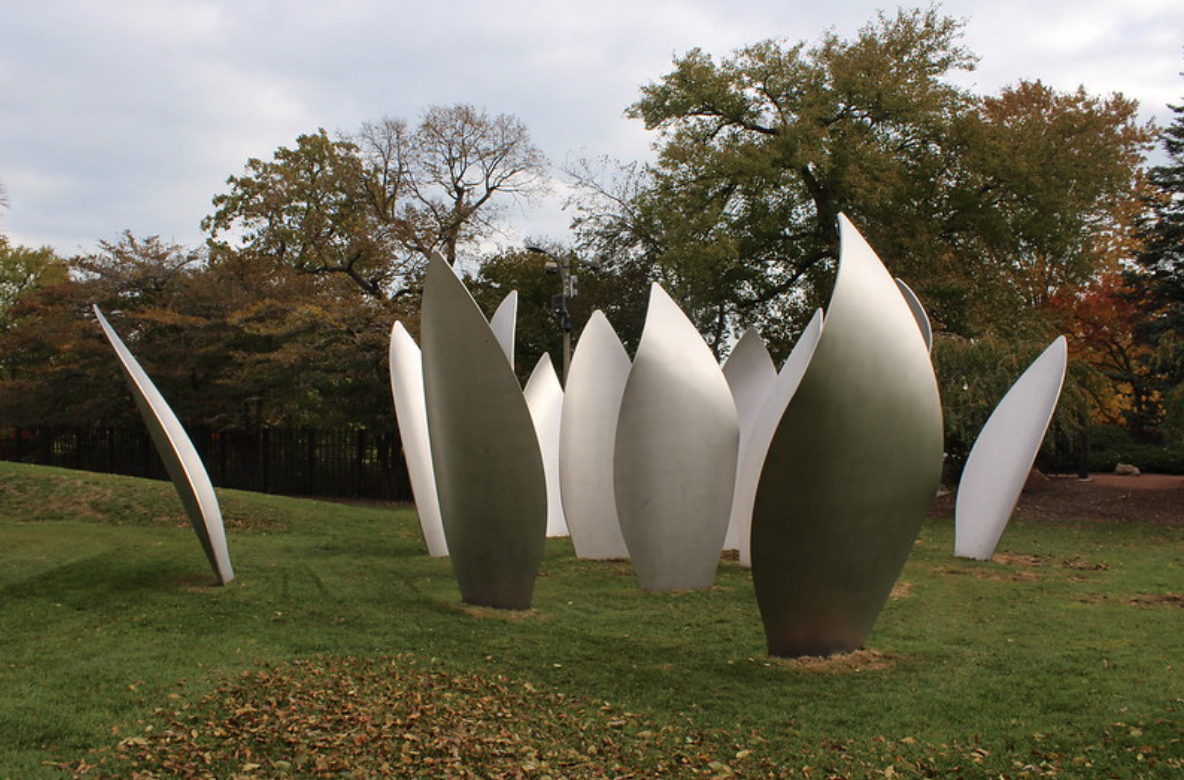
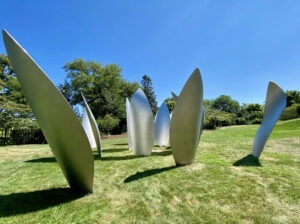
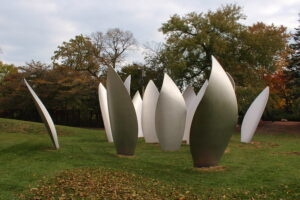
Situated in the heart of the Garden of the Phoenix in Jackson Park, Chicago, Skylanding is not only a remarkable work of art; it is a tribute to the spirit of harmony and renewal. Ono’s creation comprises twelve towering steel lotus petals that appear to have gracefully landed, or are just landing, on earth from the sky. The imagery of the petals, reaching between nine and twelve feet high, masterfully uses the symbolic meaning of the lotus – purity and rebirth – to convey a powerful message.

Skylanding is as rich in history as it is in symbolism. Its site is where the Phoenix Pavilion, a gift from Japan to Chicago during the 1893 World’s Columbian Exposition, once stood. The pavilion, sadly lost to arson in 1946, left behind a vacant space that has been transformed into a beacon of hope and peace through Ono’s artwork. In her words, Skylanding is “a place where the sky and earth meet and create a seed to learn about the past and come together to create a future of peace and harmony, with nature and each other.”

Sky Landing by Yoko Ono, North Side of Wooded Island
Sky Landing by Yoko Ono, North Side of Wooded Island. Photo: Raed Mansour, Flickr Creative Commons

The installation is not just a visual treat, but it also offers a unique multi-sensory experience. The towering petals are designed to capture the changes in sunlight, wind, and weather, creating an ever-evolving spectacle that mirrors the city’s vibrant spirit and resilience.

Skylanding is a reminder of the strength that lies in unity and the enduring power of peace. It invites us all to take a moment from our busy lives, stand beneath its impressive steel petals, and absorb its symphony of art, history, and culture it represents.

The next time you find yourself strolling through Jackson Park, we highly recommend taking the time to experience Skylanding. Its poignant story and the tranquil beauty is bound to leave you inspired and enriched!

Garden of the Phoenix in Jackson Park

At Optima®, we relish the opportunity to immerse our residents in experiences enriched by cultural discovery and aesthetic delight…which is exactly what you can expect when you wander through a captivating wonder nestled in the heart of Chicago – the Garden of the Phoenix.

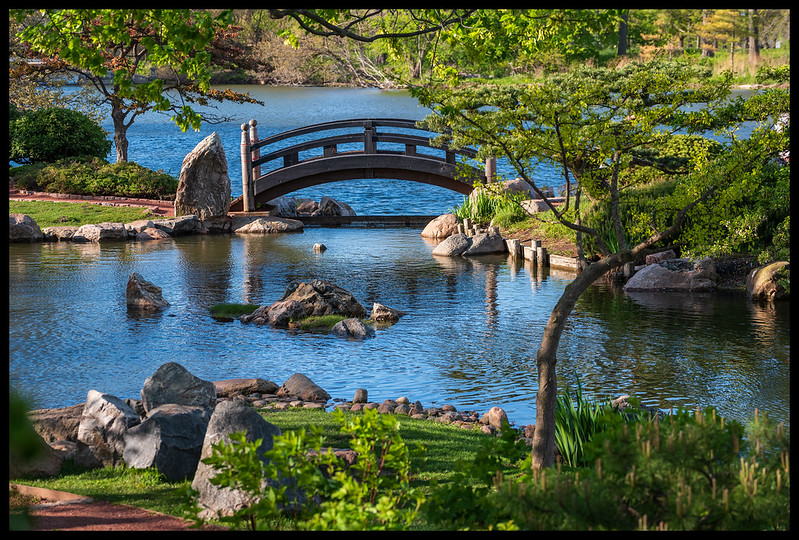
Situated within the lush expanses of Jackson Park, the Garden of the Phoenix, once known as the Osaka Garden, gracefully expresses the timeless allure of traditional Japanese aesthetics. With a history that dates back to the World’s Columbian Exposition in 1893, it stands as a picturesque landscape on its own, while also serving as the canvas for cross-cultural dialogue between Japan and the United States. 

As global nations joined the Exposition, Japan, in particular, sought to cast an enduring impression in Chicago. And with the inception of the Phoenix Pavillion between 1891-93, the U.S. received its first glimpse of the refined nature of Japanese architecture and landscape design. It even drew the attention of a young Frank Lloyd Wright and served as a revelation in his practice. 

In 1935, the land surrounding the Phoenix Pavilion was transformed into a picturesque Japanese strolling garden that harmoniously blended with its surrounding environment. However, the escalating tensions between Japan and the U.S. during World War II took a toll on the garden, which fell into disrepair for decades due to a lack of funding. In 1981, the Chicago Park District completed efforts to restore and reimagine the garden, working with luminary landscape architect Daneji Domoto. Once the work was completed, the garden was renamed ‘Osaka Garden’ to honor Chicago’s sister city relationship with Osaka, Japan, strengthening this unique cross-cultural bridge.

Over the past several decades the garden has enjoyed waves of transformation. In 2013, the garden welcomed a new resident, Skylanding, a mesmerizing art installation by Yoko Ono. With 12 large steel lotus petals rising from the earth, Ono’s vision of peace and harmony came alive, inviting visitors into a unique, multi-sensory encounter.

Yoko Ono's Skylanding
Yoko Ono’s Skylanding sculpture, Jackson Park. Photo: Richard Bartlaga

Today, the Garden of the Phoenix breathes harmony and balance within the energetic pulse of Jackson Park and will be home to the Obama Library. As a symbol of rejuvenation, resilience, and enduring friendship, the garden offers a cherished sanctuary within Chicago’s vibrant cityscape.

Odile Decq: The Rockstar of Modern Architecture

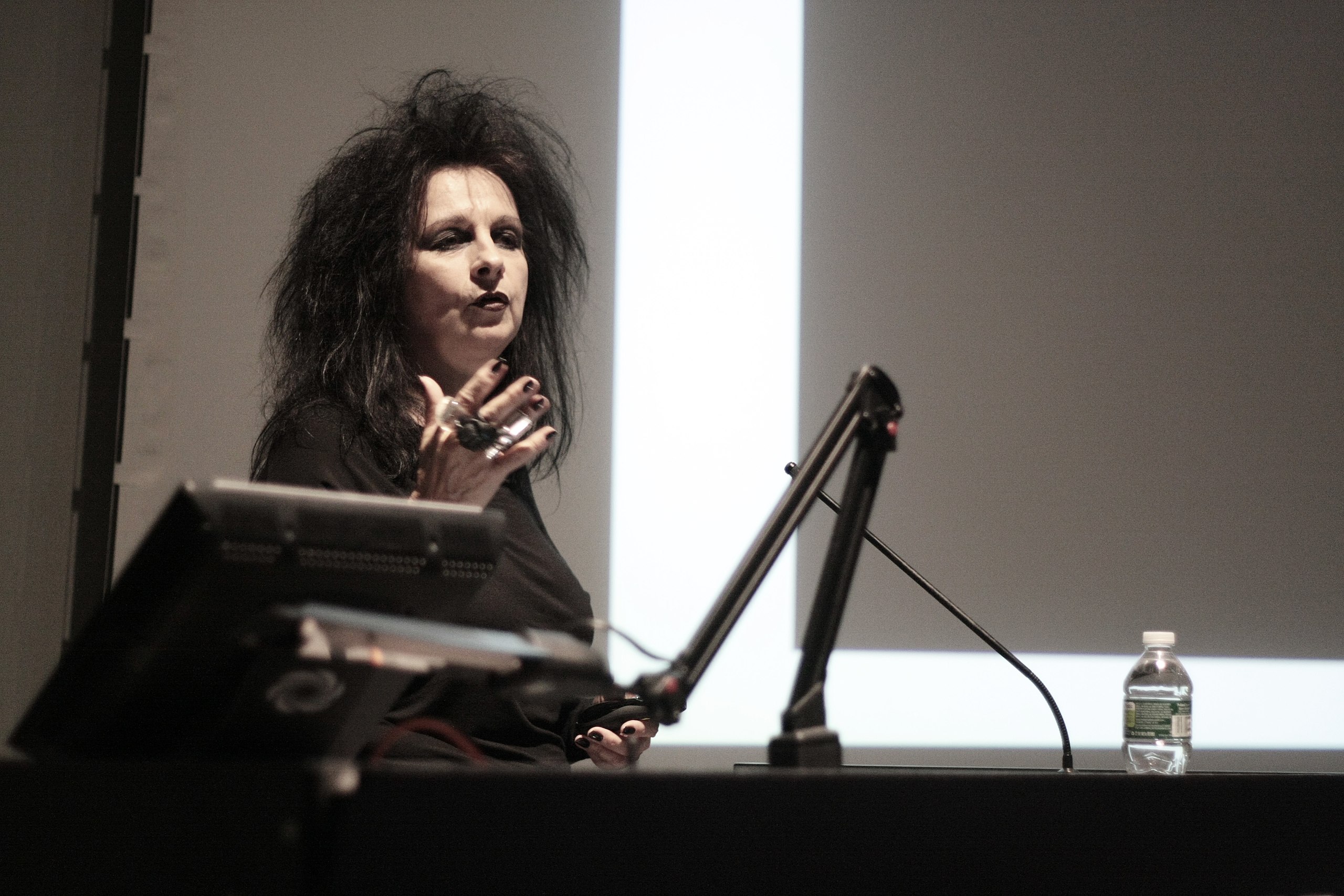
In the dynamic world of architecture, there are creators, and then there are revolutionaries – those who dare to redefine the conventions of the craft. Today, we shine a spotlight on one such rockstar of the architectural world – Odile Decq. Born in Laval, France, Decq first delved into the disciplines of history and art history, later shifting her focus to the vast, creative expanse of architecture. This foundational base in the arts became the cornerstone for her future architectural exploits, fueling her rebellious yet constructive spirit.

Decq’s works echo her unique vision, transcending conventional design norms and boldly experimenting with innovative elements. Every project she has embraced manifests her distinct design philosophy – a play of bold geometric forms, the artful manipulation of light, and the fluidity of lines. It’s as if each design is an architectural manifesto that dares to defy the ordinary and push boundaries.

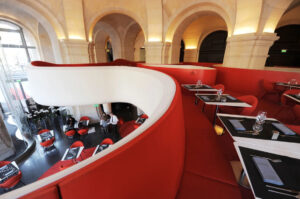
A prime showcase of her ethos is the Phantom Restaurant within Paris’s Opera Garnier. Here, Decq’s prowess is fully displayed in her ability to juxtapose contemporary design elements within a historic setting, engendering an intriguing dialogue between the past and the present, between tradition and modernity.

L’Opéra Restaurant, Palais Garnier, Paris. Credit: Art2welp / Wikimedia Commons

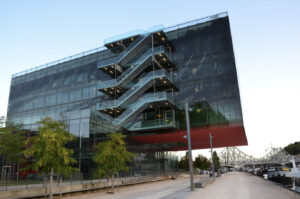
Beyond her design exploits, Decq has made significant contributions to architectural education. With the establishment of the Confluence Institute for Innovation and Creative Strategies in Architecture in Lyon, France, Decq was able to translate her design philosophy into an educational context, fostering innovation and creative problem-solving in future architects.

Decq’s architectural flair and contributions have not gone unnoticed. She has been recognized with prestigious accolades, including the 2016 Jane Drew Prize and the 2017 Lifetime Achievement Award from the Royal Institute of British Architects (RIBA). Her rise to prominence in the industry has been marked not only by the brilliance of her designs but also her unrelenting commitment to equality and progressive thinking in architecture.

Confluence Institute for Innovation and Creative Strategies, Lyon, France. Credit: Jeanne Menjoulet, Flickr Creative Commons

Her legacy extends far beyond the physical structures she has designed and the students she has mentored. As a true rockstar of modern architecture, Decq has blazed a trail for future generations, particularly for women in a traditionally male-dominated field. Her work continues to inspire, challenging conventions and reshaping the architectural landscape.

Today, as we celebrate Odile Decq and her remarkable journey, we honor her pioneering spirit and her unique contribution to the field of architecture. Her commitment to challenging norms, her avant-garde designs, and her impactful initiatives truly exemplify the essence of a rockstar architect, who not only shapes the world around us but also how we perceive and interact with it.

person name goes here

Maintenance Supervisor

Glencoe, IL


    Acceptable file types: *.pdf | *.txt | *.doc, max-size: 2Mb