An Inside Look at Architecture Lingo

An intricate and technical field, the world of architecture produces a unique dictionary of jargon all its own. At Optima, our team works in a highly collaborative atmosphere where we all, from architects to property managers to construction superintendents, share ideas and hold conversations across disciplines — so naturally we all encounter the lingo of our architects. Now we’re decoding the secret language that we’ve all come to know and love.

BIM

Better known as Building Information Modeling, BIM is a 3D model-based process that has majorly changed the world of architecture. It’s a highly collaborative process that spans into the planning, design, construction, operations and management of buildings.

But BIM is more than just a technology or a phrase when we expanded our offices to have a second location in Arizona, BIM became the language that connected our team, even across states. Using the technology as a streamlined method of communication, our architects in Glencoe and Scottsdale effectively craft and manage projects as if they were in the same room. 

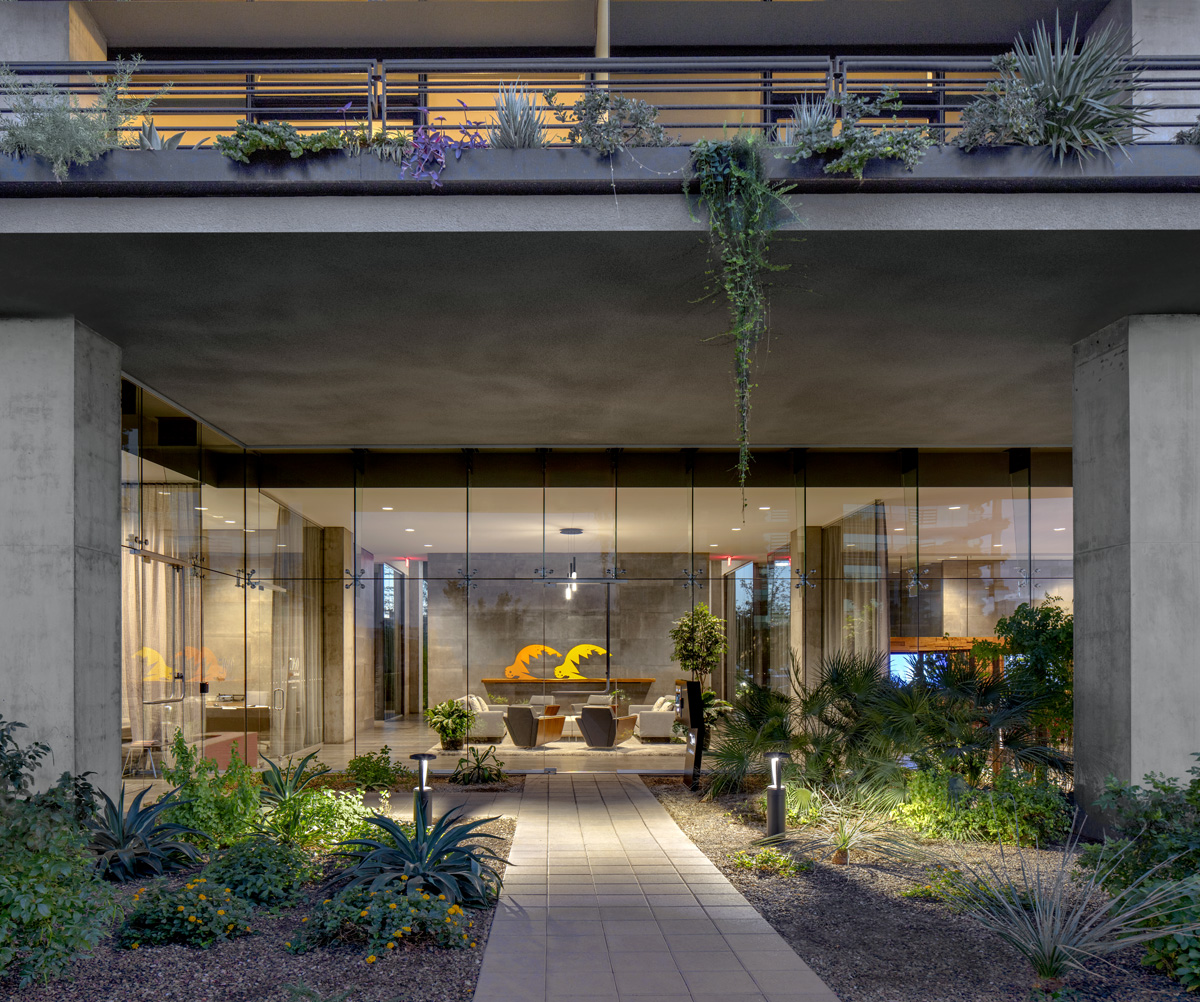
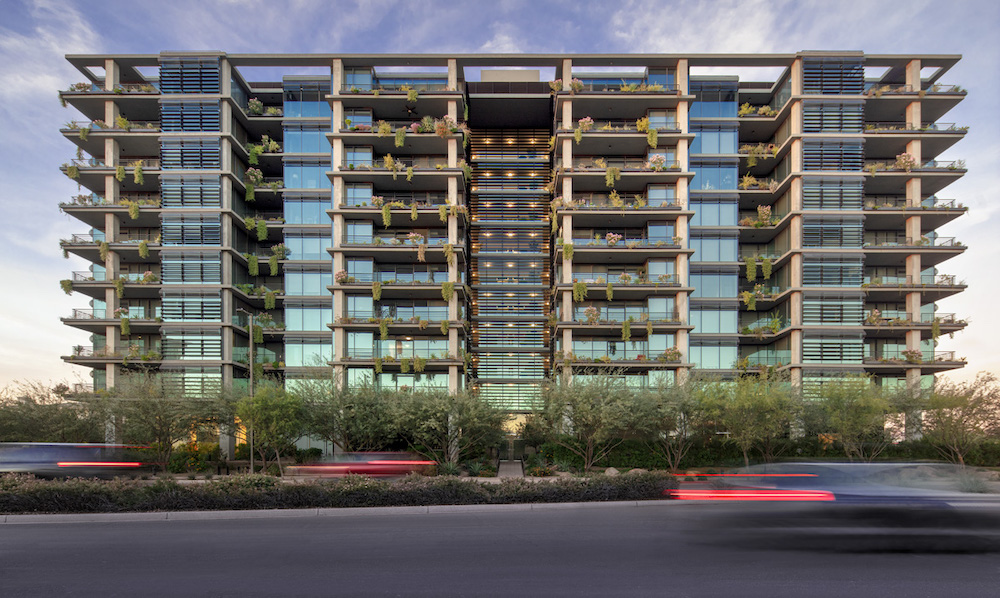
Optima Kierland Apartments.

Building Envelope 

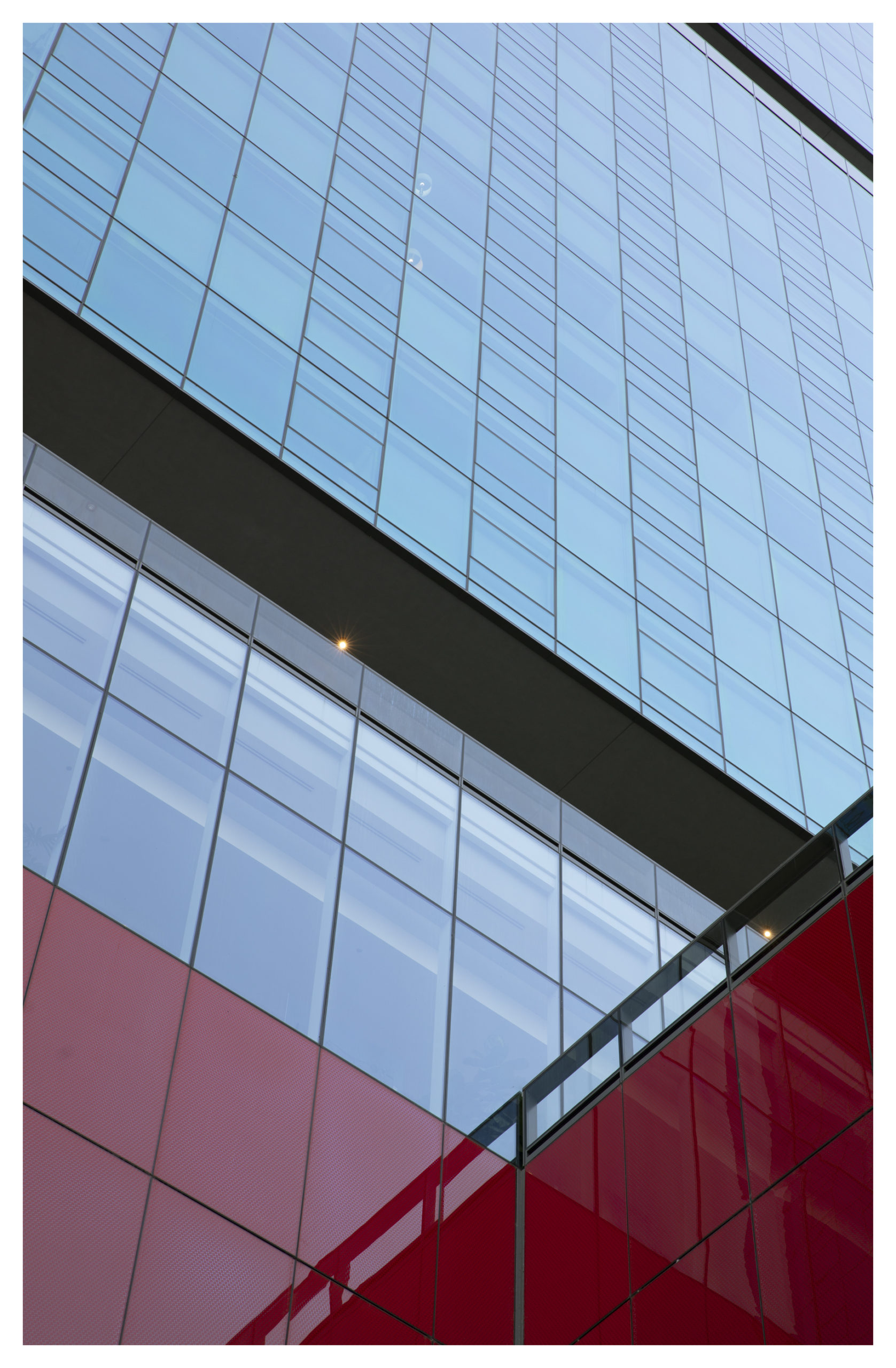
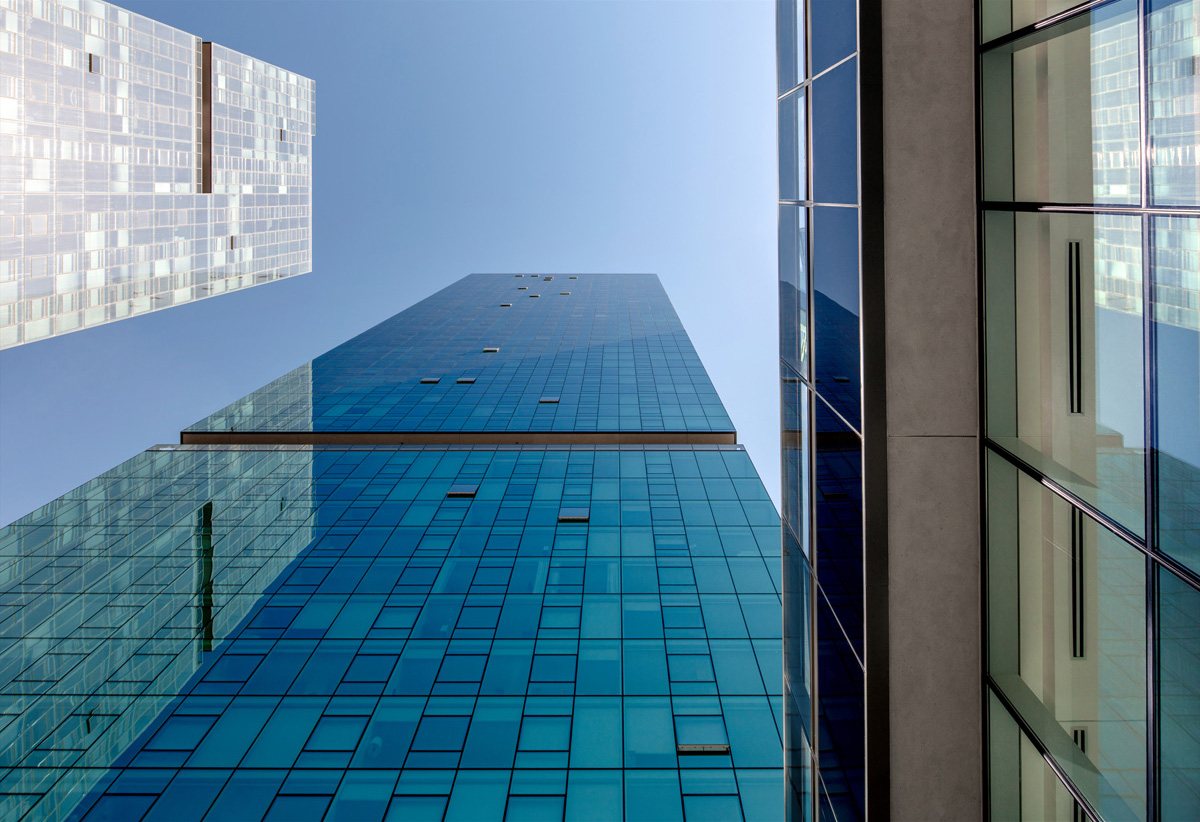
A building envelope is the exterior shell of a building that acts as a barrier against the elements. This maintains a dry, heated/cooled indoor environment and helps in temperature control. The design is a specialized area of architectural and engineering practice and can vary based on the overall look of the building. 

In many of our projects, such as Optima Kierland Apartments, the building envelope is a Low-E, UV protected laminated glass with a heat reflective coating. Beyond providing functionality and sustainability, this oft-implemented technique in our Optima projects creates a cohesive design language of beautiful, sleek exteriors. 

Cantilevered roofs and balconies at Sterling Ridge.

Cantilever 

A cantilever is any rigid structural element, such as a beam or a plate, that’s anchored at one end to a support, allowing the other end to overhang without support or obstruction. The balancing act performed by cantilevers creates gravity-defying architectural protrusions, often serving as stunning design elements. 

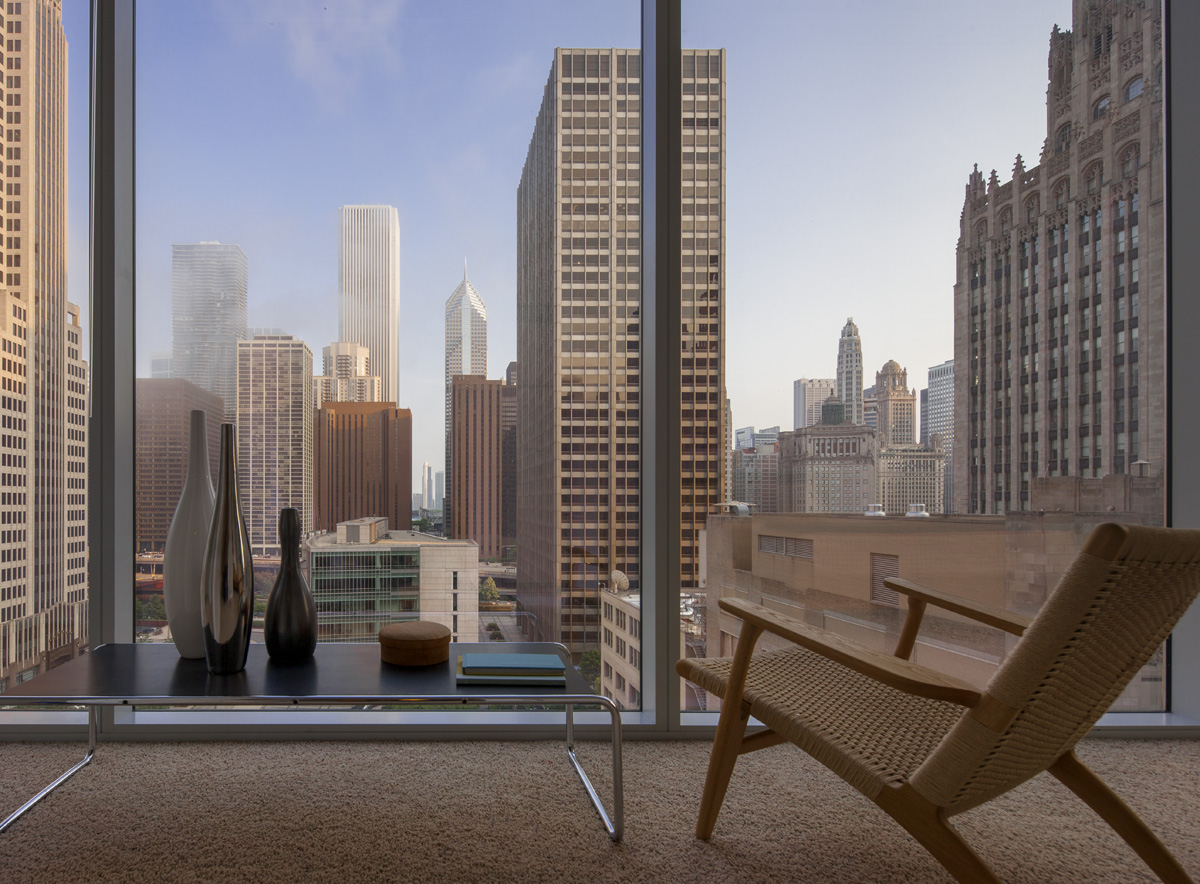
At Optima Signature, we used cantilevered slabs to provide a column-free living room with breathtaking, sweeping views of Chicago. A tool employed to create our mindful, simple and sleek Modernist silhouettes, cantilevers are yet another piece of our common architectural tongue.

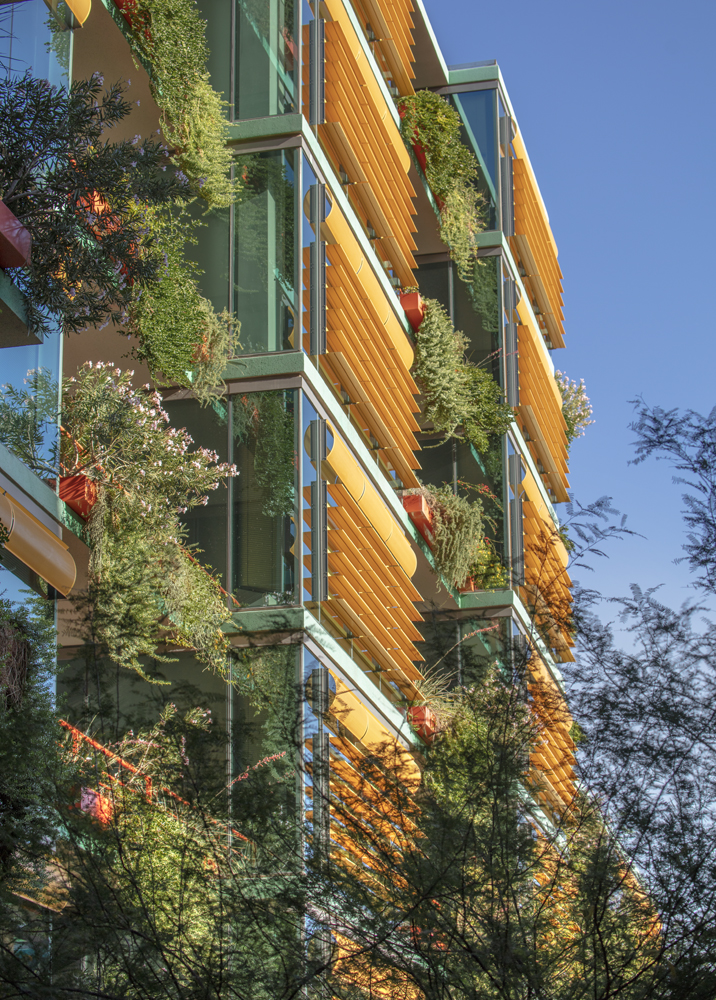
Louvers at Optima Sonoran Village.

Louvers

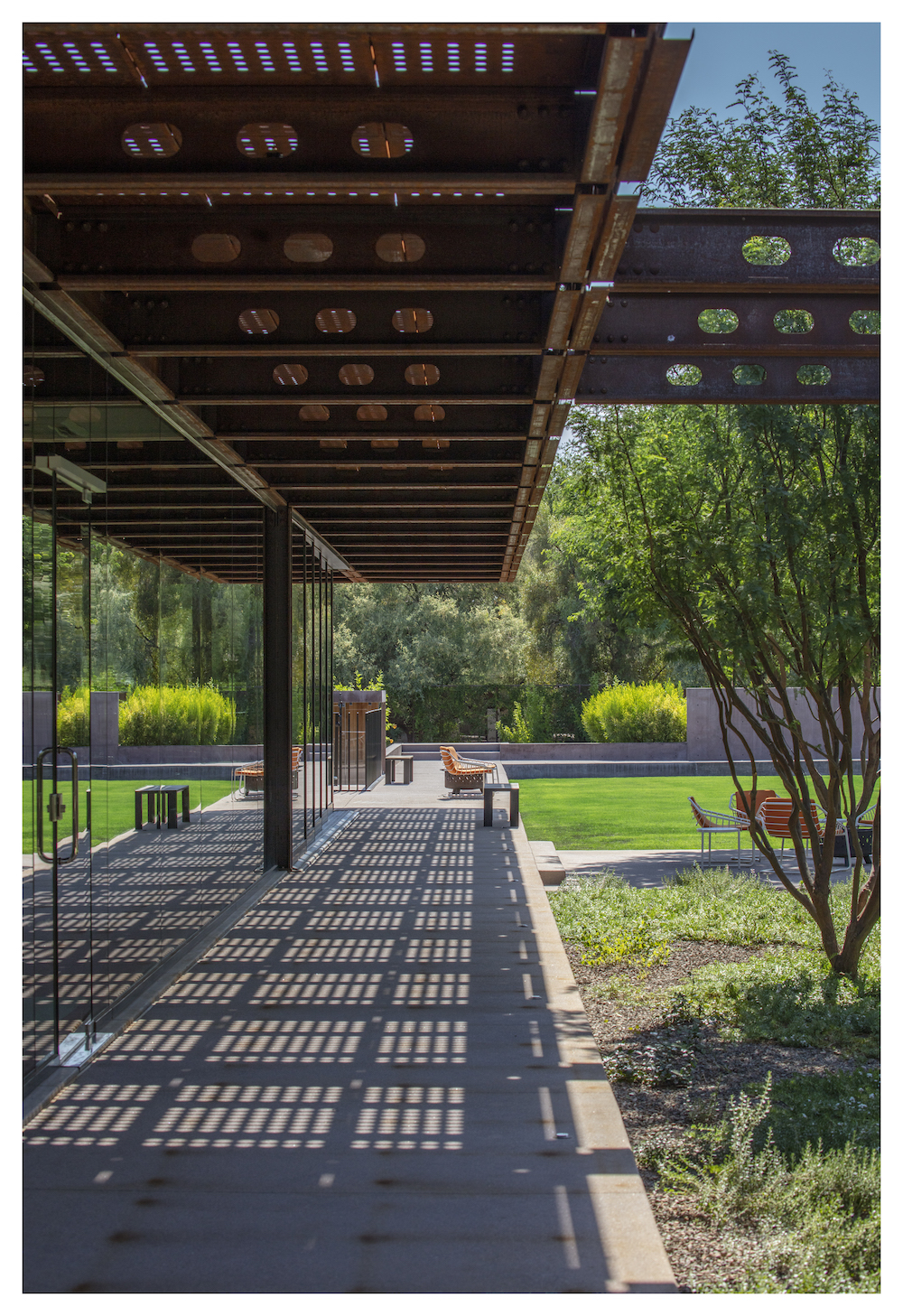
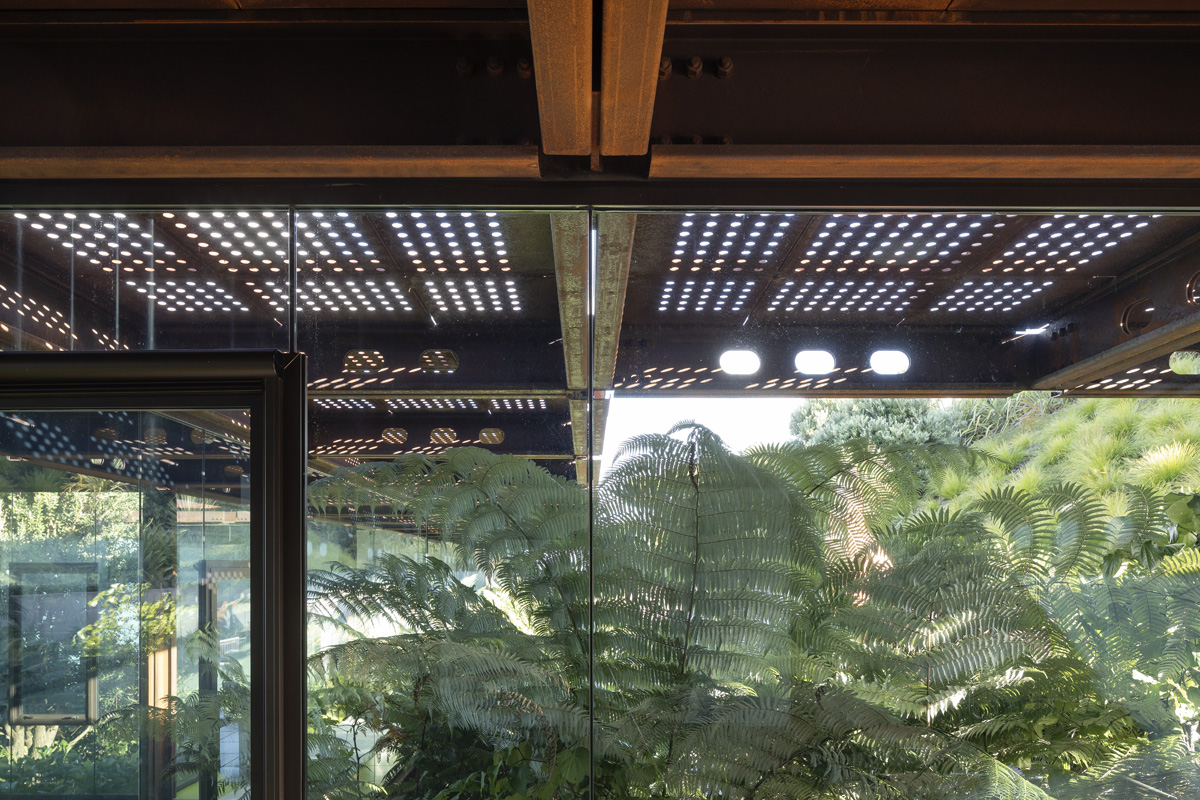
Louvers are angled slats fixed at regular intervals in a door, shutter or screen to allow air or light to pass through. Originating in the Middle Ages to help with kitchen ventilation, louvers have evolved into an element used to redirect light or add privacy. Louvers serve just this purpose, paired with perforated sun screens and our signature vertical landscaping system, at Optima Sonoran Village

Stay tuned for future features on the world of architecture lingo at Optima.


Modernism in Chicago

According to the Tate Modern Museum, Modernism “refers to a global movement in society and culture that from the early decades of the twentieth century sought a new alignment with the experience and values of modern industrial life.” Within a broader cultural narrative, modernism emerged as a criticism of nineteenth-century societal order, and trickled down into everything from political activism, urban planning, psychoanalysis, art, and of course, architecture. As we’ve previously explored, Modernist architecture has an important place in America’s history. But how does it factor into Chicago’s past?

After the great Chicago fire in 1871, the city was a blank slate, re-planned over an entirely new grid. With the world’s first skyscraper completed by 1884 (at only ten stories), Chicago was positioned to be a groundbreaking city for architectural innovation. Our triumphant World’s Fair of 1893 solidified the city’s confidence and paved the way for Daniel Burnham to create his comprehensive city plan. Chicago’s architects banded together to decide how to best develop ever-evolving skyscrapers within the city. One such architect was Louis Sullivan, who helped found the Chicago School of architects around his belief that “form forever follows function.” 

If Sullivan’s creed sounds familiar, it’s because function over form is a cornerstone belief embedded in the Modernist tradition. In the mid-1900s, architects from the growing practices in Europe came to the United States to avoid World War I, and subsequently, World War II. Iconic architects, including Ludwig Mies van der Rohe, came to Chicago to set up shop. Striking buildings of steel and glass defined an entire generation of skyscrapers, and still add to Chicago’s diverse range of architecture. 

Chicago was a city that pioneered the world’s forte into stretching and sweeping skylines. Beginning with sleek and simple Modernist structures, Chicago’s architecture is now made all the more standout by the dynamic mix of styles it holds. From Art Deco to Art Nouveau, Chicago School to International Style, Modern to Postmodern, each style is made more its own when juxtaposed with its counterparts.

Through our own addition to Modernism in Chicago, we are proud to create buildings that contribute to the movement’s and the city’s larger legacy. To learn more about Chicago’s Modernist history, the Chicago Architecture Center offers tours specifically dedicated to the style and craft. 

A Brief History of Steel

One of the most utilized structural materials in the world, you’d be hard pressed to find a construction site not making use of steel. Yet what’s now a ubiquitous material was once so hard to come by that it was regarded as heaven-sent—literally. In paying our respects to steel, we’re diving deep into its rich and storied history. 

Iron, The Metal From Heaven

Before we learned to smelt iron into steel, iron itself was an alloy hard to come by. Ancient Egyptians called iron biz-n-pt, translating to “metal from heaven.” In their time, iron did come from space, crashing onto earth embedded in meteorites. This metal from heaven had a higher nickel content than the iron dug up from the ground, making it supple, malleable and resilient—and more valuable than gems or gold. It wasn’t until 2,500 BC that miners began the arduous task of removing iron from the earth, and even then, it took hundreds more years to discover how to properly separate the precious ore and manipulate it. 

From wrought iron made in primitive smelters, to cast iron made in ancient Chinese furnaces, to iron smelted in blast furnaces, the material remained challenging to produce in mass quantities and to use for a variety of purposes. Certain crafts, such as the delicate process of clock-making, called for a material that was even more malleable, even more resilient than iron. That material was steel, an alloy made by mixing iron and carbon.

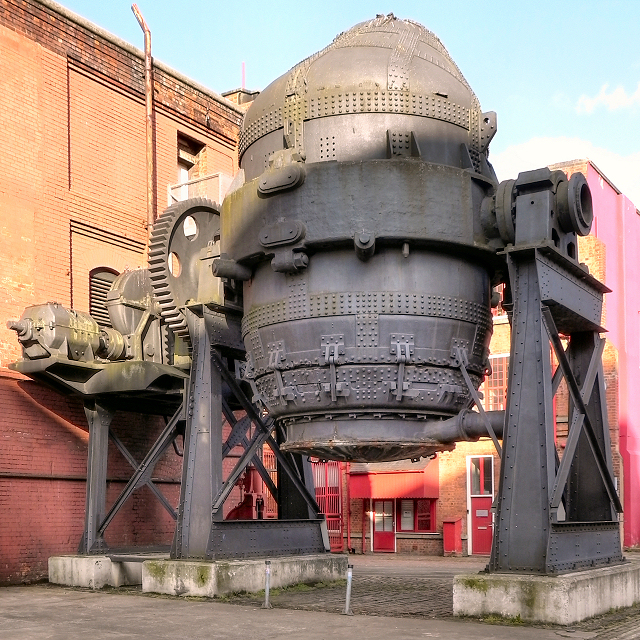
One of three Bessemer Converters left in the world, at the Kelham Island Museum.
One of three Bessemer Converters left in the world, at the Kelham Island Museum. Credit: David Dixon on Geograph, licensed under CC BY-SA 2.0 Deed

The Dawn of Steel

The modern steel industry was officially born in 1856 when Henry Bessemer developed a more effective and inexpensive method of producing the precious alloy. Known now as the Bessemer Process, Bessemer designed a pear-shaped receptacle in which iron could be heated while oxygen was blown through the molten metal, reacting with carbon, releasing carbon dioxide and producing a more pure iron. 

Bessemer’s process revolutionized the industry, allowing for the efficient transformation of iron into high-quality steel in mass quantities. In fact, once the steel industry in America adapted the Bessemer process too, they were able to catch up with Britain’s production, sparking an industry that generated more wealth than the 1849 California Gold Rush. 

Steelmaking in America continued to boom as technology improved, allowing for higher efficiency, safety and yield. At the end of World War I, the improved production of steel is what allowed for the invention of skyscrapers. The skyline shot upward in cities like New York and Chicago, a testament to the true strength and power of the material. Steel became a staple in the Modernist structures of masters such as Ludwig Mies van der Rohe, as a material that not only allowed for a fierce, durable structure, but for a simple, bold aesthetic. 

As the steel industry continues to propel forward, metallurgists seek to create more sustainable production methods, exploring electricity-based smelting and utilizing recycled steel for new projects. 

Steel and Optima

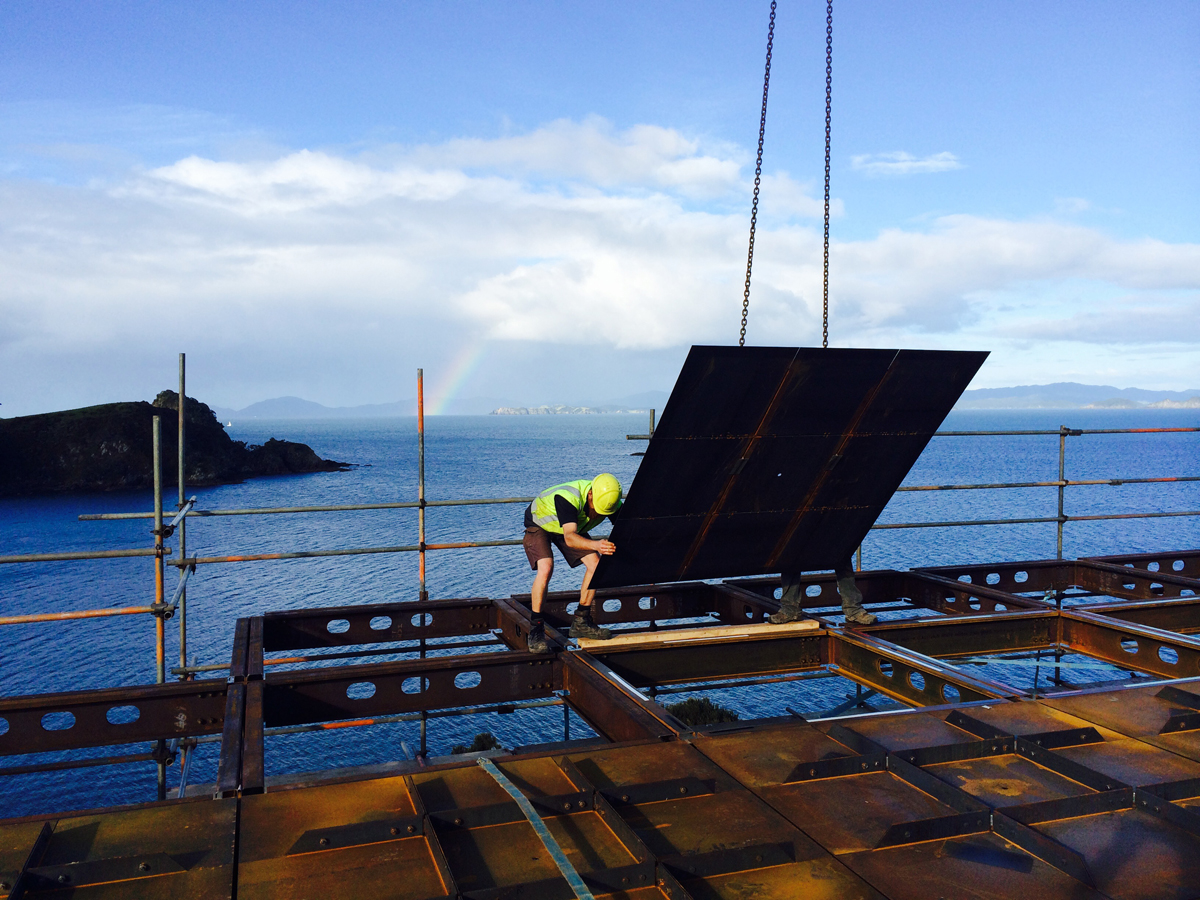
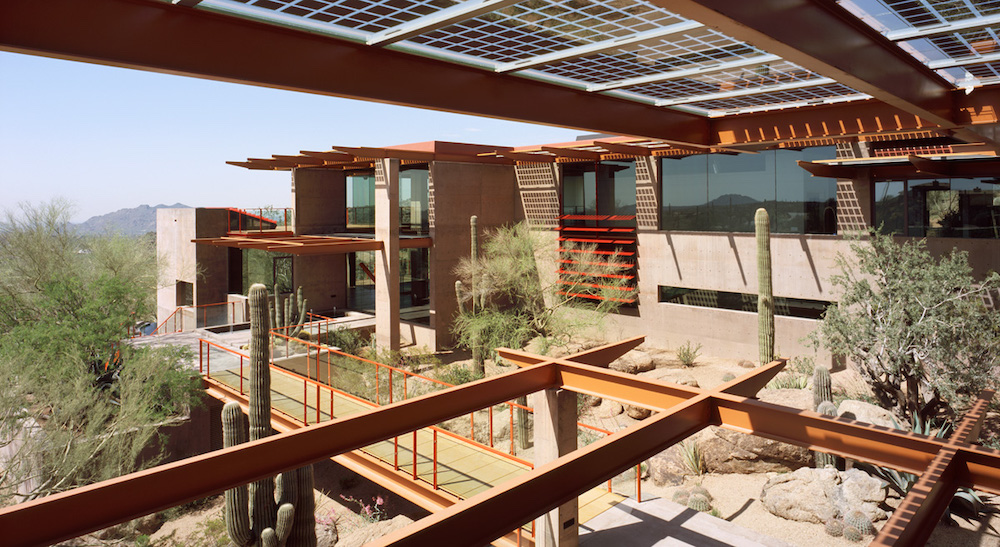
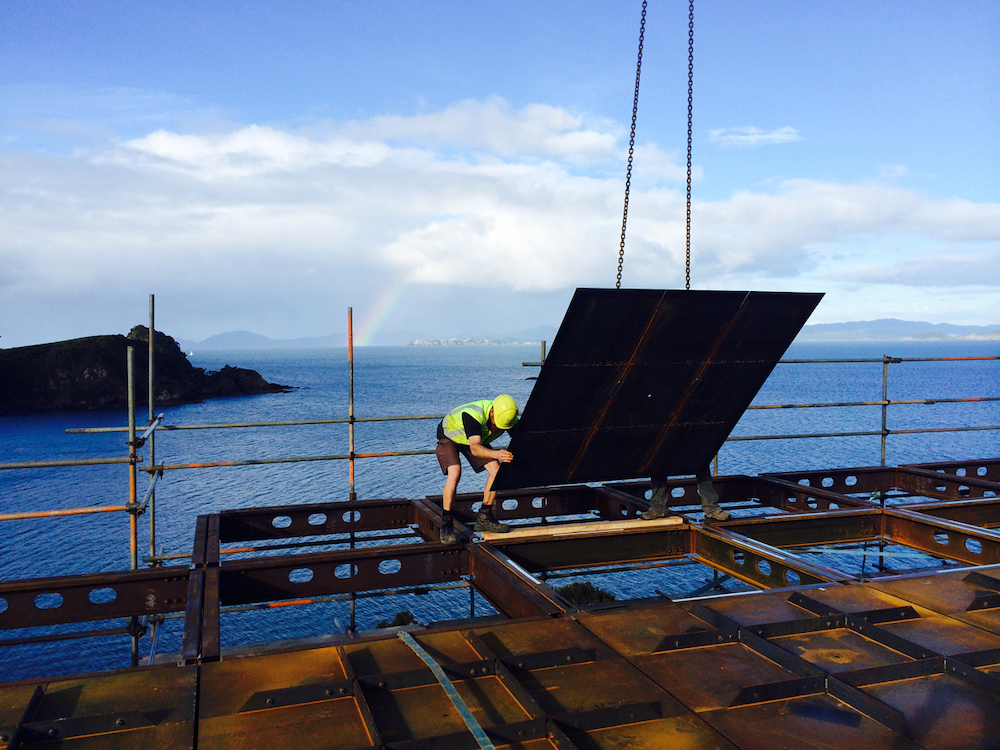
Throughout our projects at Optima, steel functions as both a structural component and a Modernist aesthetic choice. In projects such as Relic Rock and Arizona Courtyard House, we utilized Corten steel, which is a 99% recycled material. David Hovey Sr. also utilizes steel in his sculpture work, moulding the material into abstract creative expressions. From humble beginnings to its inventive usage today, steel’s versatility still inspires us to venture into new endeavors.

A Tour of the Mies-designed IIT Campus

The Illinois Institute of Technology (IIT) is the place for Modernist architecture enthusiasts and more specifically, Ludwig Mies van der Rohe enthusiasts to be. Not to mention that the school is where Optima’s own David Hovey Sr. and David Hovey Jr. further honed their architectural education.

The campus, a place with a special place in our own heart and history, is home to the largest group of buildings designed by renowned architect Mies van der Rohe, arguably the most influential figure in American Modernism. As such, there is no better way to get an understanding of where our work began and where Modernism expanded, and to experience Mies’ philosophy than to explore the very campus that he designed and led. 

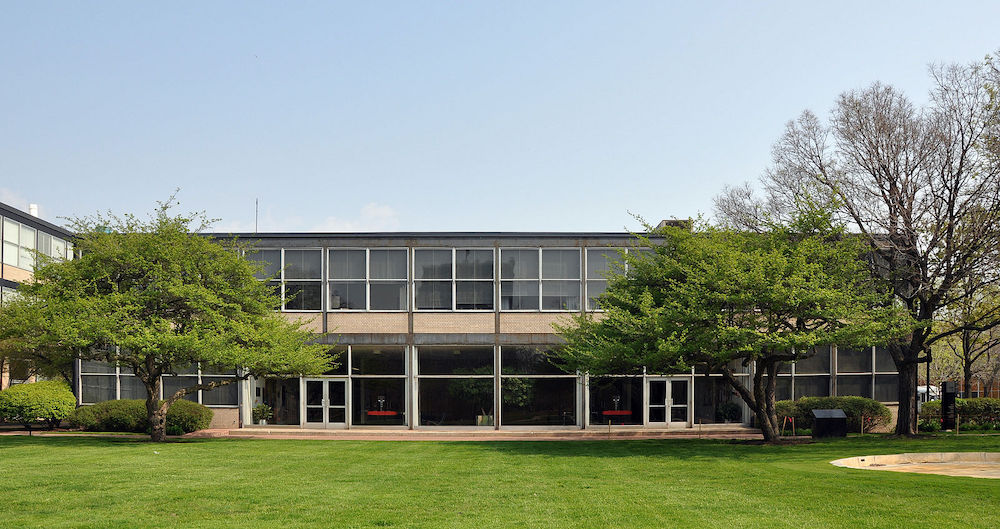
Perlstein Hall designed by Ludwig Mies van der Rohe.
Perlstein Hall designed by Ludwig Mies van der Rohe. Credit: Joe Ravi on Wikimedia Commons under the license CC-BY-SA 3.0

An Overview of the Campus

Ludwig Mies van der Rohe chaired the IIT School of Architecture from 1938 to 1958. During this time, he created a new master plan for the campus, the most ambitious he ever came up with, including twenty of his own works. This collection is the greatest concentration of Mies buildings in the world. Among the twenty are famous structures such as Wishnick Hall, Perlstein Hall, Carr Memorial Chapel and S.R. Crown Hall. Perhaps Mies’ most iconic piece of work, S.R. Crown Hall is the campus gem, a modern icon and National Historic Landmark, and even heralded by Time magazine as “one of the world’s most influential, inspiring and astonishing structures.” 

Overall, the campus is a bold expression of the Modernist discipline, utilizing steel, concrete and glass minimalist frames as a radical departure from traditional college quadrangles and limestone buildings. 

An Official Architectural Tour

A tour of the campus, offered by the Chicago Architecture Center, places special emphasis on Mies’ time as head of the IIT School of Architecture. The tour covers iconic Mies structures alongside newer additions such as State Street Village, designed by Helmut Jahn. 

During the warmer season, tickets for the tour are available for purchase here. Though not required, advance reservations are recommended, and private bookings are available. Truly enhancing the reach of the experience, the ticket price also gives entrance to the Chicago Architecture Center within seven days of your tour. 

As a piece of our own history at Optima, and as a grander piece of Modernist architecture’s history in America, the IIT campus is something that must be seen to be truly understood. Whether it’s on your own or with a tour, witnessing this iconic collection of designs is a necessity. 

A Brief History of the Swan Chair

An iconic piece in modern furniture design, the Swan chair’s fluidity and endless curves make it both a comforting perch and a sight to behold. Often swathed in vivid colors, the Swan chair makes a bold statement incorporated into striking interiors across our Optima communities.

An Iconic Design

The Swan chair was designed in 1958 by Arne Jacobsen, the same architect and designer who created the Egg chair. Alongside the Egg chair, the Swan chair was originally crafted for the Royal Hotel in Copenhagen (also architected by Jacobsen). The chair let hotel guests spin its swivel base and rotate 360 degrees to take in the bustling hotel atmosphere, while cocooned in comfort. As a chair with no straight lines, the Swan was a technological innovation in furniture design. Created in the Danish modern style, the chair swiftly became an icon.

A Feat of Engineering

Prior to designing the Swan chair, Jacobsen (and other furniture designers of his generation) were constrained by the pliability of the materials they used, which at the time, were stiff and difficult to sculpt. However, the introduction of molded foam a new, flexible material rewrote the rules. Through experimentation with the new product, Jacobsen found the freedom to shape fluid curves and single-piece molded shells. 

The Swan chair, originally made from Styropore, is now made from polyurethane foam, both inventive materials that allow for the chairs’ continuous shape. The shell of the swan is made of molded synthetic material, and covered by a layer of cold foam. The swiveling base, always star-shaped, includes a satin-polished, welded steel tube and a 4-star base in injection molded aluminium. With upholstery options available in a variety of textiles and colors, the Swan chair easily adapts to lobbies, lounges and homes across the world.

Throughout our residential spaces, Swan chairs are right at home in our Modernist buildings, reflecting the same passion for form and function. Easily employed in entry lobbies, lounges across the community or even commercial office space, the unique curves and comfort of this sculptural chair leave a lasting impression.  


Rooftop Amenities at Optima

Across all of our projects and properties, we believe amenities are essential to building wellness-focused, holistic spaces. From our single-family homes to our multi-family residences, we carefully curate our outdoor and indoor amenities to reflect these values. One of our favorite applications is utilizing our rooftop areas, particularly in our multi-family residences. Although rooftop gardens and green spaces have existed since the Hanging Gardens of Babylon, new technologies have allowed us to expand into sophisticated, expansive systems of features. Optima began using green roofs in Chicago back in the early 1980s, and have evolved our practice to include both green space and amenities throughout our properties in Arizona and Illinois. 

The rooftop views from Optima Sonoran Village.

One of our favorite aspects of moving out to Arizona was creating outdoor spaces that celebrated and embraced the desert atmosphere. Our Arizona rooftop amenities include heated pools, built-in seating areas, spas,cold plunges, rooftop running tracks, outdoor yoga studios, entertaining spaces with barbecues and fire pits, and of course, panoramic mountain views. At Optima Sonoran Village in particular, we maximized the small footprint of the building to offer incredible views of Camelback mountain and to create socializing space for residents. 

With state-of-the-art features and unparalleled views of the surrounding environments, our rooftop spaces across our Arizona projects create the perfect backdrop for time spent outside with loved ones. 

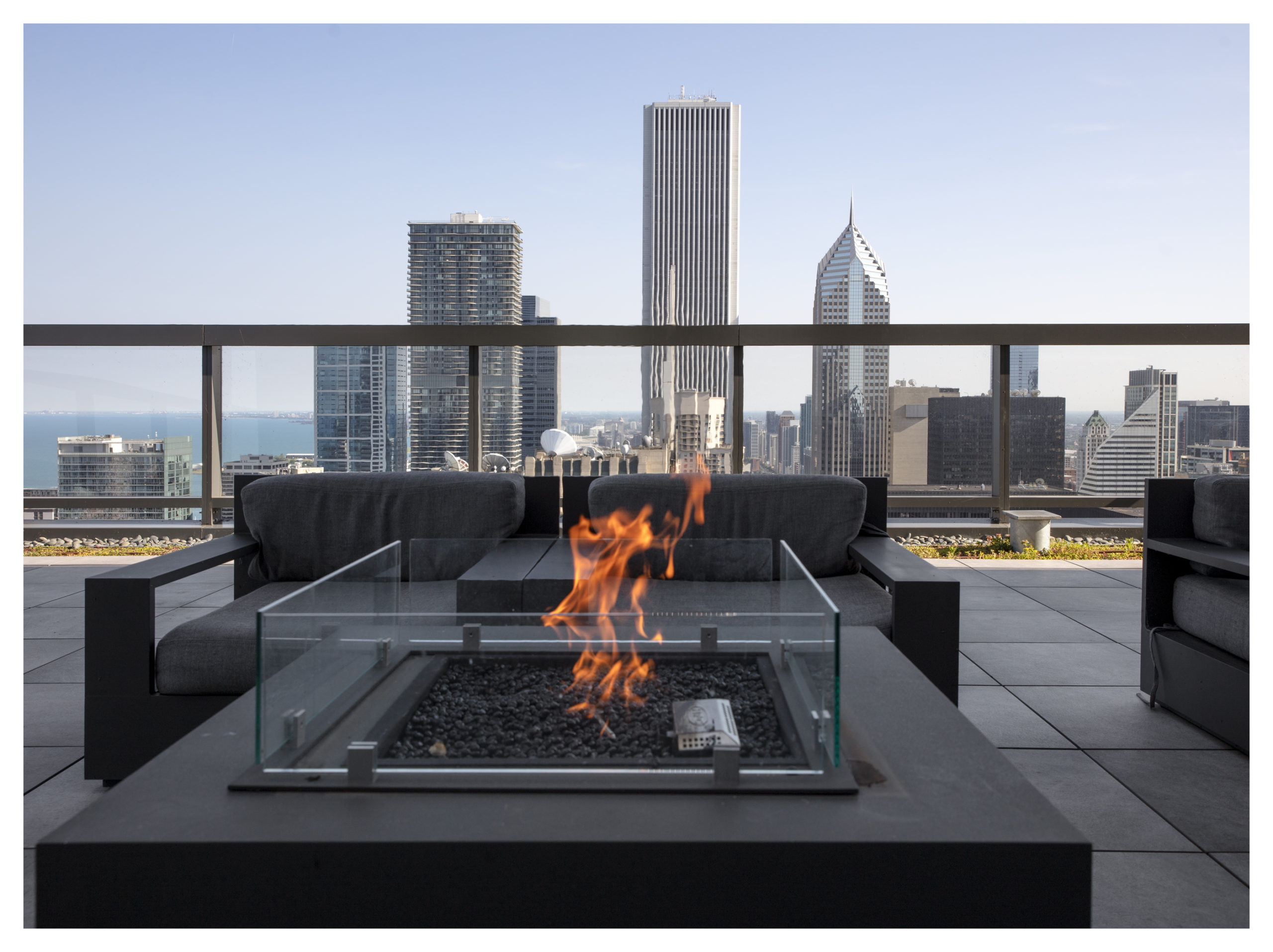
The rooftop at Optima Chicago Center.

Despite the cold Chicago winters, our projects within the city still take advantage of their rooftop space for dynamic city views and amenities for our residents to enjoy. With outdoor heated swimming pools, cabanas and bars, outdoor saunas and steam rooms, outdoor terraces, fire pits, herb gardens, dog parks and outdoor children’s play areas, both Optima Chicago Center and Optima Signature feature plenty of enticing areas and activities. 

Our building amenities are an integral step in our process of creating functional, beautiful and welcoming spaces, and in utilizing our rooftops, we extend our creativity into designing desirable, innovative outdoor space.

Redwood at Optima Signature

Our design is often driven with sustainability and efficiency in mind. This leads to the thoughtful incorporation of unconventional materials in many of our projects whether that be for the exterior facade or an interior accent. One such detail, the redwood in the lobby at Optima Signature, is an unconventional material that serves to juxtapose the strength of the building’s steel-and-glass exterior.

 A striking statement throughout the Optima Signature lobby, the barge wood adds a soft, natural texture behind the front desk, creating a stark contrast to the surrounding steel and glass. The wood lines the north wall of the lobby in long planks and is the first sight to greet residents and visitors when they enter the building. Though now on display for all in our community, the wood came all the way from California in the 1850s.

Barge wood in the lobby at Optima Signature.

The planks are redwood, formed from one massive log that sat on the bottom of the Big River in Mendocino California. This particular log was a “sinker,” the name given to the handful of logs that unfortunately sank during their river journey from a redwood forest to the sawmill at the mouth of the Big River, not far from San Francisco. 

For over 100 years, the log sat at the bottom of the Big River, until it was salvaged by Arky Ciancutti. Ciancutti began a redwood salvage business in the 1970s, raising large redwood logs that had previously sat forgotten at the bottom of the river. This particular log, Ciancutti determined, was from the first growth period of the redwood forest. He knew this because it was more than six feet in diameter and had axe-shaven markings at its ends, indicating that it was cut down, prior to the invention of the “raker tooth” saw of the late 1800s.

A close-up look at the barge wood at Optima Signature.

Having sat in the river for over one hundred years in mineral-rich water, this redwood log developed a truly rare and unique “curl” pattern within the grain of the wood. To highlight this unique feature, the wood was cut into three-inch-planks that ran the full length of the log. We then carefully installed these planks, with their raw beauty intact, leaving the live edges of the wood as is. The planks were then hung vertically in the lobby space, the orientation the same from which they grew. 

From a river in California to the lobby of a Chicago residential building, our barge wood at Optima Signature has a unique story that connects our urban lobby back to nature, and reflects our commitment to sustainability and longevity. 

A Brief History of the Terrace

A hallmark of Optima properties is our integration of the built environment with the natural. Oftentimes, we employ terraceslevel platforms incorporated into buildings that allow for plantlife to thrive—that allow our buildings, and their residents, to live in harmony with the surrounding landscape. The usage of terraces is one that dates back for over 12,000 years, evolving over the millennium to be the sophisticated components of urban architecture that they are today.

Terraces of Ancient Times

The word terrace is derived from terra, the Latin word for earth. The technique has been in use for over 12,000 years, first utilized as an ancient farming method in hilly regions. Agricultural terracing involved cutting the land into a series of successively receding flat platforms, much like steps, to allow for more effective farming, by decreasing erosion and surface runoff and increasing the effectiveness of irrigation.  

An illustration of the Hanging Gardens of Babylon.

In 9800 BC, ancient civilizations realized that they could adapt this technique to buildings, and they began to add terraces to their homes and other domestic structures. This first usage was seen across the globe, from the Middle East to the Pacific Islands. The most famous interpretation is undeniably King Nebuchadnezzar’s Hanging Gardens of Babylon, one of the Seven Wonders of the Ancient World. Although no actual proof of its existence has been found, depictions show an ascending series of tiered gardens abundant with plantlife, complete even with a waterfall.

Thousands of years later, from 3000 BC – 600 BC, Mesopotamians grew gardens atop ziggurats, terraced religious temples that allowed for religious spaces to become placed ever higher. The structures were placed upon many layered platforms, and it’s believed that ziggurats were what inspired the Biblical parable The Tower of Babel. 

Terraces continued to be integrated into homes. Around 1500 AD, Venice adopted terrace design to the tops of their homes, called altanas. Altanas were private, slat-floored roofs. They started out as a place to hang laundry out to dry, but continue to be used today as social spaces.

The terraced design of Optima Camelview Village.

Terraces in the Modern Age

Following the progression of altanas as a place to socialize, people began more and more to use the terrace as a location to congregate in privacy. Private rooftop and per-unit terraces became luxury amenities in the 1920s, when building height began to increase due to the adoption of the elevator. At that time, terraces become a status of wealth, allowing for privacy, fresh air and separation from the increasing bustle of life on city-level. 

Today, the use of terraces continues to flourish, finding increased purpose and urgency in response to population growth and a changing environmental climate. They provide private places to reconvene with nature, away from the bustle of the city. Terraces also create sustainable and contributive space, by providing thermal insulation, solar shading to mitigate air pollution, increased biodiversity and enhanced quality of life. 

At Optima, we incorporate terraces to create private social space, to integrate nature into our communities through our signature hanging gardens, and to contribute to our sustainability practices at many of our properties, including Optima Camelview Village, Optima Sonoran Village and Optima Kierland. Terraces at Optima serve as outdoor living space, connecting the outdoor and indoor for a seamless living experience. From agricultural beginnings, the terrace stays true to its roots, allowing us to find harmony with nature.

The New Architecture: Integrating the Built and Natural Environment

In a recent New York Times article, author Karrie Jacobs wrote that the “hard barriers between the designed environment and the natural one are softening maybe for good.” 

Jacobs went on to say, “Designers today are rebalancing the relationship between architecture and nature, with the goal of increasing the quality of life, especially in urban settings.” 

The NYTimes article features several new and innovative works by global architects who are designing to fuse outdoor and indoor, with structures that are both influenced by and have influence on their environment. We love to see the innovation taking place throughout the architecture world, and the continued conversation surrounding how design can evolve to appreciate nature.

From the beginning, our work at Optima has celebrated this fundamental connection between design and nature as a way of enhancing the human experience. Since our founding in the late 70s, we have been utilizing Modernist design to create homes that are an extension of their environment and integrate nature into the lives of those that live in them.

Sandy Knoll, Optima, Homewood, Illinois

One of our first residences, Sandy Knoll, demonstrated how modular housing could integrate a home into a steep, challenging wooded knoll. What resulted was a beautiful home that preserved the integrity and grace of its site, with mature trees and local Illinois vegetation creating the views out of glass-paneled walls. 

Since then, we have continuously challenged ourselves to evolve new ways of incorporating nature into our design. Green space has always been a large component to the communities that we build, and our move to Arizona has only deepened our intimate understanding of landscaping.

Relic Rock, Optima DCHGlobal, Scottsdale, Arizona

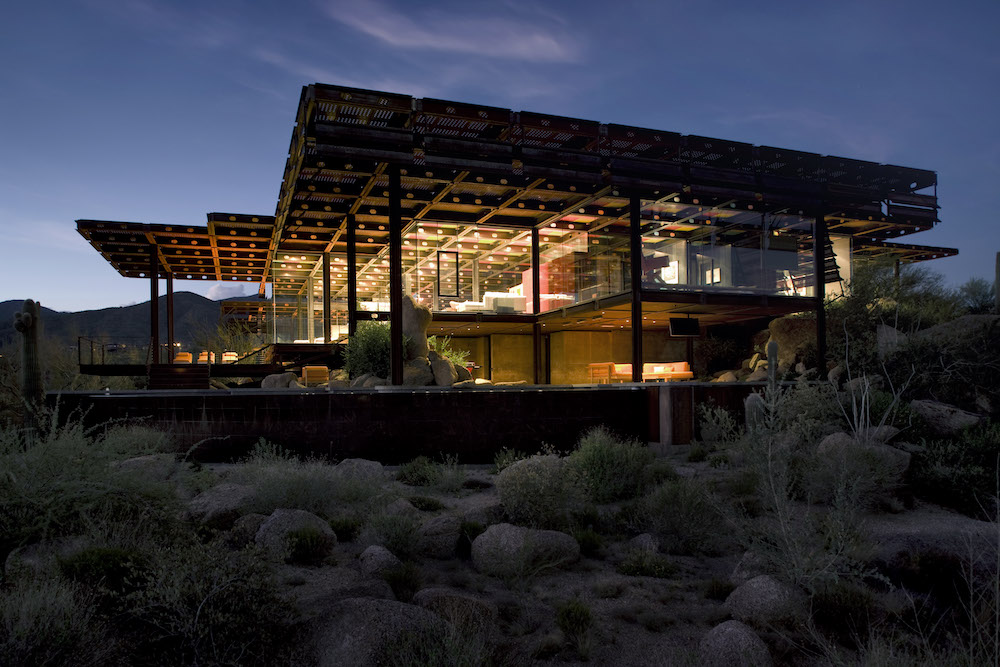
Our desert dwellings incorporate the elevation, vegetation and climate of the desert into every facet of design, from bridged courtyards to the materials and colors used for each home’s exterior. Glass curtainwalls also provide uninterrupted, panoramic views of the sweeping landscape, so that the mountains of the desert feel a part of each home.

Optima Sonoran Village, Scottsdale, Arizona

In our multifamily work, we incorporate the Optima vertical landscaping system to create protection, privacy and beauty. For us, lush landscaping vertically and horizontally across our communities is an integral part of creating connection – a connection that is both physically inviting and spiritually inviting, as our design seeks to connect people with their surrounding environment.

We look forward to the future, to constantly pushing the boundaries and exploring how to further unify the built and natural environment. We’re excited that the work we do is part of a larger conversation in the architecture world and can’t wait to see what we, and others, do next for architecture and for the earth.

Infill Land and Optima’s Beginning

When David Hovey Sr. and Eileen Hovey set out to create Optima in 1977, they had a distinct vision for how to transform their passions into a business. After deciding that David would design and build the projects and Eileen would take charge of sales, they put a second mortgage on their condominium and purchased infill land in the Hyde Park neighborhood of Chicago. That plot of infill land eventually became our first development, but the concept of redevelopment and infill land has benefitted countless cities and urban areas throughout the country. Today, we dive into its history.

The History

The American Planning Association describes infill development as redevelopment that “optimizes prior infrastructure investments and consumes less land that is otherwise available.” Infill development can result in efficient utilization of land resources, reinvestment in areas that are targeted for growth and more efficient delivery of quality public services. Infill buildings are often constructed on vacant or underused property or between existing buildings. Often called “smart growth,” infill development allows for sustainable land development close to a city’s urban core, instead of spreading out. This type of development also helps to renew neighborhoods and create more prosperous communities. 

In Chicago

Following World War II, a series of local and federal initiatives were passed to revitalized aging and decaying parts of Chicago. Major institutions, including Illinois Institute of Technology, took part in the planning and reinvesting of various neighborhoods. New developments and infill on individual lots began to bring new vitality back to the city, with local school improvements and reduced crime rates following behind. 

At Optima

From our plots of land, to designing each residence, to creating fantastic amenity spaces, we’re passionate about bettering the lives of those within our buildings and the environments around them. Starting our first project on infill land, and continuing to do so with many projects for years after, reflects our pursuit of creating beautiful spaces that enhance the human experience.

person name goes here

Maintenance Supervisor

Glencoe, IL


    Acceptable file types: *.pdf | *.txt | *.doc, max-size: 2Mb