Exhibitions You Can’t Miss in 2024

Scottsdale and Chicago are both cities teeming with culture, arts and experiences, and with the new year comes an abundance of new exhibitions to explore. If you’re looking for a few ways to expand your world close to home, here are some of the best upcoming exhibitions in and around Scottsdale and Chicago:

Of the Earth, Morton Arboretum, Chicago

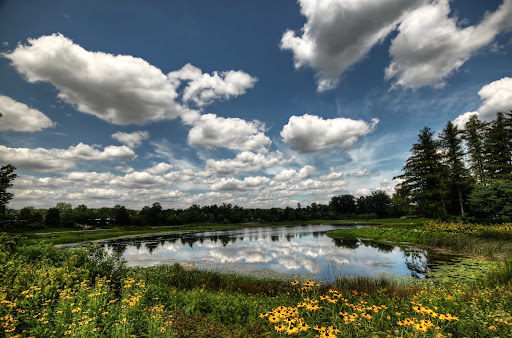
Replacing Morton Arboretum’s 2023 sculptural exhibition, Human + Nature, Of the Earth welcomes back five large-scale sculptures to the beloved outdoor museum. Created by Polish-American artist Olga Ziemska, each sculpture, created exclusively for the arboretum, is made of reclaimed wood and tree branches. Each of the five sculptures are thoughtful placed across the arboretum’s 1,700 acres, encouraging visitors to explore new areas they might not have been to before. Access to the exhibition is included with tickets to the arboretum and it runs through spring 2025.

Native America: In Translation, The Museum of Contemporary Photography, Chicago

The Museum of Contemporary Photography’s latest exhibition, Native America: In Translation, welcomes stories of culture, heritage and what the legacy of colonialism looks like in our country. The nine Native American artists whose work appears in the exhibitions raise questions about identity, land rights and explore the abundant history of photography characterizing Native populations. The exhibition runs through May 12, 2024 and, like all exhibitions at The Museum of Contemporary Photography, is free to attend.

Oleaje [Groundswell], Scottsdale Museum of Contemporary Art, Scottsdale

Step into the mind of Carolina Aranibar-Fernández at the Scottsdale Museum of Contemporary Art with her latest exhibition, Oleaje [Groundswell]. The vibrant and eye-opening showcase reveals the hidden stories behind global mining and trade. Carolina, a San Francisco-based artist with Bolivian roots, brings her personal touch to large-scale installations that are both visually appealing and thought-provoking. Using everything from sequins to beads, her work weaves a powerful narrative about our planet and its resources. The exhibition runs from February 10, 2024 – August 4, 2024 and tickets can be found here.
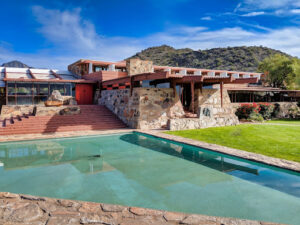
Taliesin West
Taliesin West, Credit to Dale Cruse flickr

American Icons, Taliesin West, Scottsdale

Running through June 3, 2024 at Taliesin West, American Icons celebrates the renowned work of Georgia O’Keefe and Frank Lloyd Wright, icons in American art and architecture. The photography exhibition features 20 exclusive images of the two luminaries, exploring their lives, careers and how each affected American Modernism through art, design and culture. Tony Vaccaro, the photographer whose images are used in the exhibition, captured each icon separately during his career, but looking at the photographs, visitors will be able to find symmetry both visually and through their histories. Tickets for the exhibition can be found here.
Furniture Spotlight: Verner Panton Cloverleaf Sofa

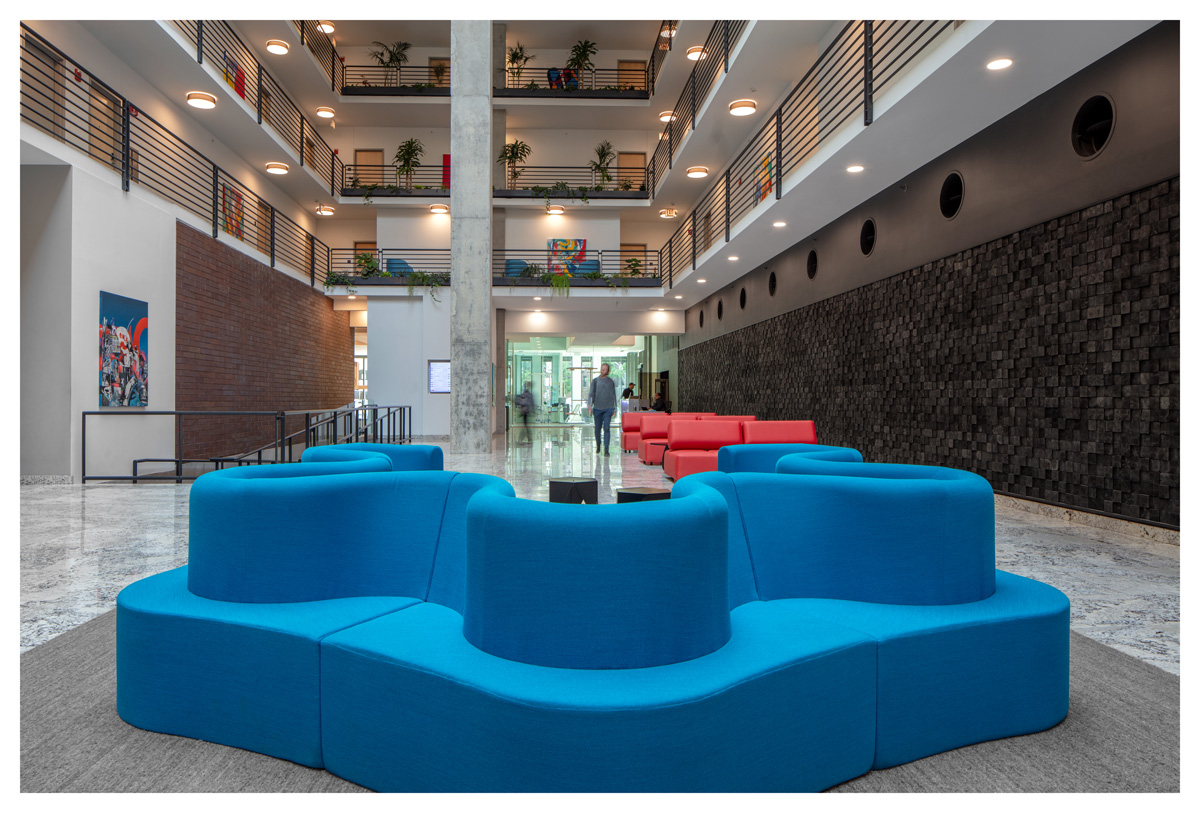
As we continue our exploration of the carefully curated modernist furnishings at Optima communities, we’re excited to spotlight a distinctive piece gracing the lobby of Optima Lakeview: the Cloverleaf Sofa by Verner Panton. This iconic piece not only enhances the aesthetic of our space but also embodies the innovative spirit of its creator.

Verner Panton, renowned for his futuristic design approach, revolutionized the way we think about furniture and space. His works, characterized by bold colors and futuristic forms, made him a seminal figure in 20th-century design. Considered one of Denmark’s most notable furniture and interior designers, many of Verner’s designs, including the Cloverleaf Sofa, Cone Chair, Panton Chair, Shell Lamp and Panthella Lamp still remain popular and in production today. 

The Cloverleaf Sofa, designed by Panton in 1969/1970 as part of the Visiona 2 exhibition, is meant to be more than just a seating arrangement. It’s a conversation starter and a space transformer. Resembling the sections of a cloverleaf, its interlocking parts and modular build allows for various configurations, making it a versatile addition to our communities. 

The Cloverleaf Sofa at Optima Lakeview

Panton’s mastery in blending form and function is evident in the Cloverleaf Sofa. Its snake-like ergonomic design ensures comfort, while its aesthetic appeal makes it a focal point in any setting. Crafted with top-tier materials, this sofa is not just a testament to Panton’s design genius but also to the enduring quality of his creations.

Installed in the heart of Optima Lakeview, the Cloverleaf Sofa does more than just transform the space. It connects us to a time when designers like Panton were pushing the boundaries of form and function, echoing the technological progress of the late 20th century.

The Cloverleaf Sofa at Optima Lakeview

Today, the Cloverleaf Sofa is not just a piece of furniture; it’s a symbol of commitment to integrating artistic and functional designs in our living spaces. It exemplifies how classic design can coexist with modern living, encouraging interaction and adding a touch of whimsy to our daily lives.

As our residents and visitors experience the comfort and style of the Cloverleaf Sofa, they engage with a piece of design history that continues to inspire and delight. It stands as a vibrant example of how Optima embraces innovative design elements, creating spaces that are not just visually appealing but also enriching.

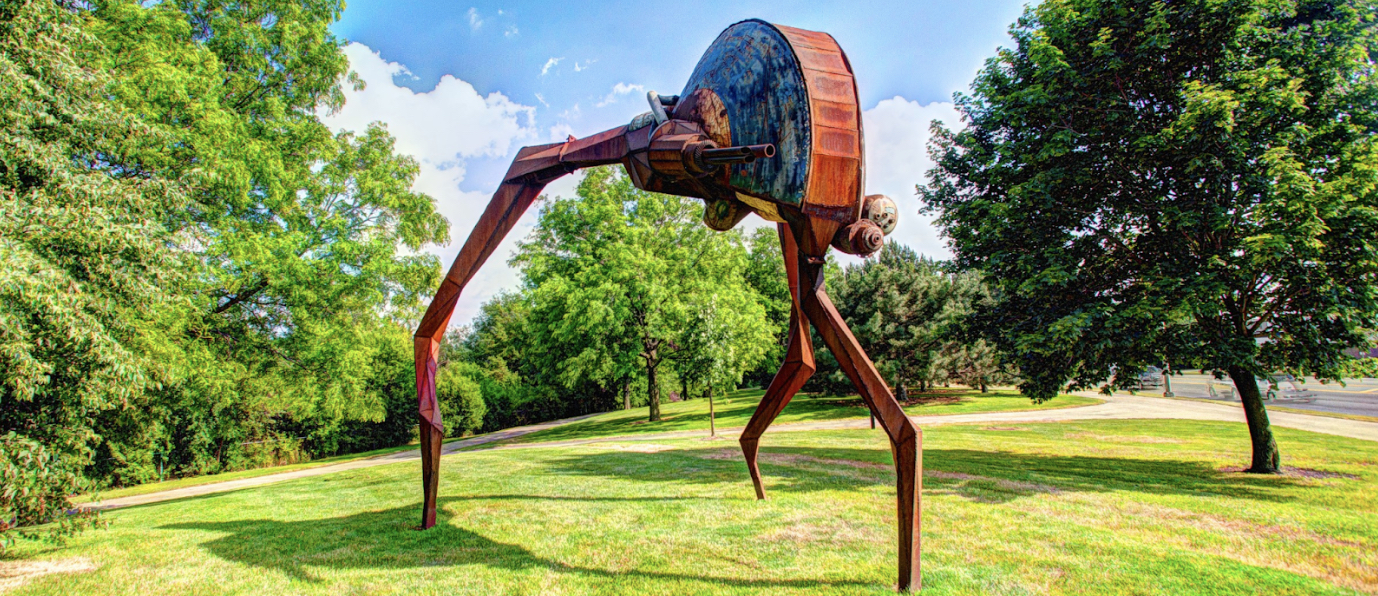
Skokie Northshore Sculpture Park Unfolded

At Optima®, our appreciation for public sculpture runs deep. For those who are always on the lookout for memorable leisurely activities, we have a truly special recommendation. The Skokie Northshore Sculpture Park, situated just south of Optima Verdana®, presents a captivating mix of artistic wonder and natural splendor to explore. 

The history of the Skokie Northshore Sculpture Park began when the land along McCormick Boulevard and the north channel of the Chicago River had deteriorated into a “neglected eyesore” and was in desperate need of revitalization. This land was owned by the Metropolitan Water Reclamation District of Greater Chicago. In the mid-1980s, the Village of Skokie envisioned transforming it into a recreational haven, complete with jogging paths, biking trails, and picnic areas for visitors to enjoy. Concurrently, a group of citizens saw this as a canvas for displaying large-scale contemporary sculptures.

Jim Agard – Gapingstock. Photo: Skokie Northshore Sculpture Park

By 1988, Skokie Northshore Sculpture Park was realized. Through the combined efforts of the Village and its citizens, the park was transformed into an amenity rich, open-air art exhibit. Today, the park stretches two miles, from Dempster Street to Touhy Avenue, and proudly houses over 60 sculptures. These art pieces come from local, national, and international artists, making it a repository of diverse artistic expressions.

Visitors are encouraged to delve deeper through expert-guided tours which offer rich insights into the stories behind each sculpture and the artists who created them. Additionally, the park has fostered an educational environment, hosting tailored workshops and sessions. These sessions are designed to cater to schools, groups, and individuals, ensuring a comprehensive understanding of sculpture and art.

Ted Gall – Charger I and II. Photo: Skokie Northshore Sculpture Park

Skokie Northshore Sculpture Park is open year-round with free admission, underscoring the park’s dedication to making art accessible to all. It’s a haven for joggers, cyclists, and families who enjoy picnics. Additionally, the park is fully accessible, accommodating individuals with disabilities. 

While the park is open seven days a week, access is limited between 11 PM and 4:30 AM. For art lovers and nature enthusiasts alike, Skokie Northshore Sculpture Park provides an unforgettable experience!

Culinary Modernism: Cloth and Flame

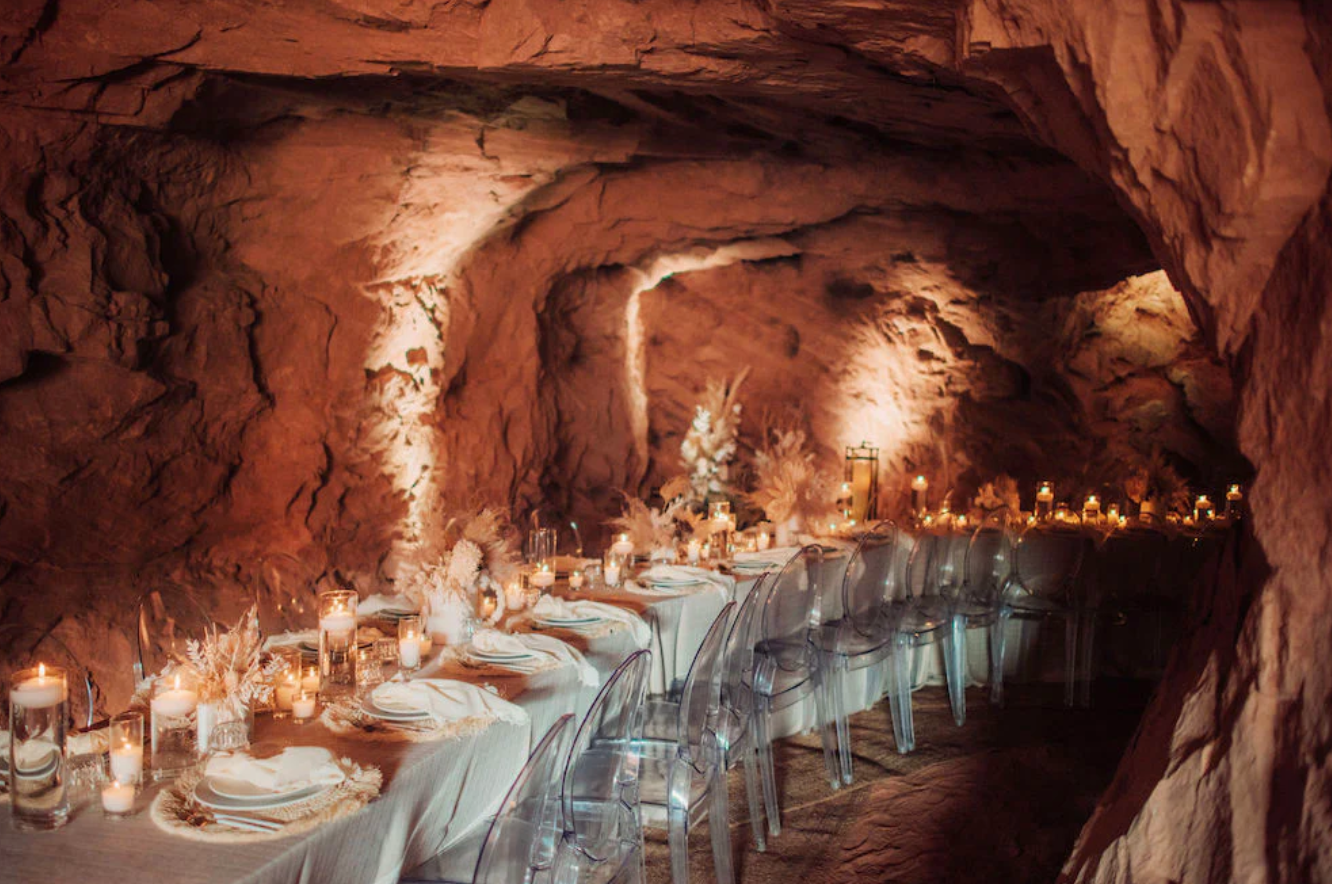
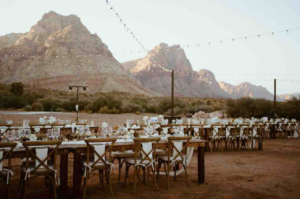
From mountain sides and deserts to urban rooftops and beyond, Cloth & Flame has been curating extraordinary dining experiences as experiential journeys — transcending the bounds of traditional restaurants and leading diners into a world where nature, architecture, and gourmet cuisine intertwine.

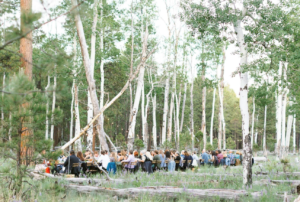
Cloth & Flame is the brainchild of the Phoenix-based husband-and-wife team, Matt Cooley & Olivia Laux, visionaries who believe that dining could be so much more than just food on a plate. To them, it’s about fostering connections and creating memories. With events in breathtaking locations across all 50 states, from Alaskan mountainsides and Arizona deserts to Oregon forests, their reach is as vast as their vision. Their events offer a respite from the digital age’s hustle, transporting guests to serene locales.

Cloth and Flame Event in Arizona. Photo: Cloth and Flame

In a recent event promoted as “Flagstaff Fadeway,” Cloth & Flame brought an exclusive long-table dinner to the stunning lawn of the High Country Motor Lodge in Flagstaff, part of a weekend music festival inspired by the beauty of Northern Arizona. The festival offered its few hundred guests the opportunity to experience deeply intimate musical performances, kicking off with a five-course menu.

In an era when dinner events can be predictable, routine affairs, Cloth & Flame breaks the mold, ensuring that every event is a surprise and that no two experiences are the same. And with all of the outdoor venues, Cloth & Flame demonstrates profound respect for the environment. They look for spectacular settings and provide the landowners an alternative income source, potentially preserving these areas from development. Moreover, a portion of their dinner proceeds is directed to conservancies dedicated to protecting our planet’s wild and wonderful spaces.

Aspen Forest, Arizona. Photo: Hailey Golich

At Cloth & Flame dinners, strangers become friends under starlit skies, conversations flow unhindered, and in this temporary commune, bonds are forged that last a lifetime. Cloth & Flame’s invitation is open to everyone. Whether you have a culinary dream to chase or are simply open to exploring theirs, gastronomic adventure is on the horizon.

Cloth & Flame serves up a return to authenticity, to the raw beauty of nature, and to the simple pleasure of a meal shared in good company. So, the next time you yearn for a break from the ordinary, remember that somewhere, atop a mountain or in the heart of a desert, a table awaits you. And at this table, you’ll not just find food, but an experience, a story, and perhaps, a piece of yourself that you never knew existed.

Interested in embarking on a culinary journey with Cloth & Flame? Follow the link here.

The Soleri Bridge and Plaza

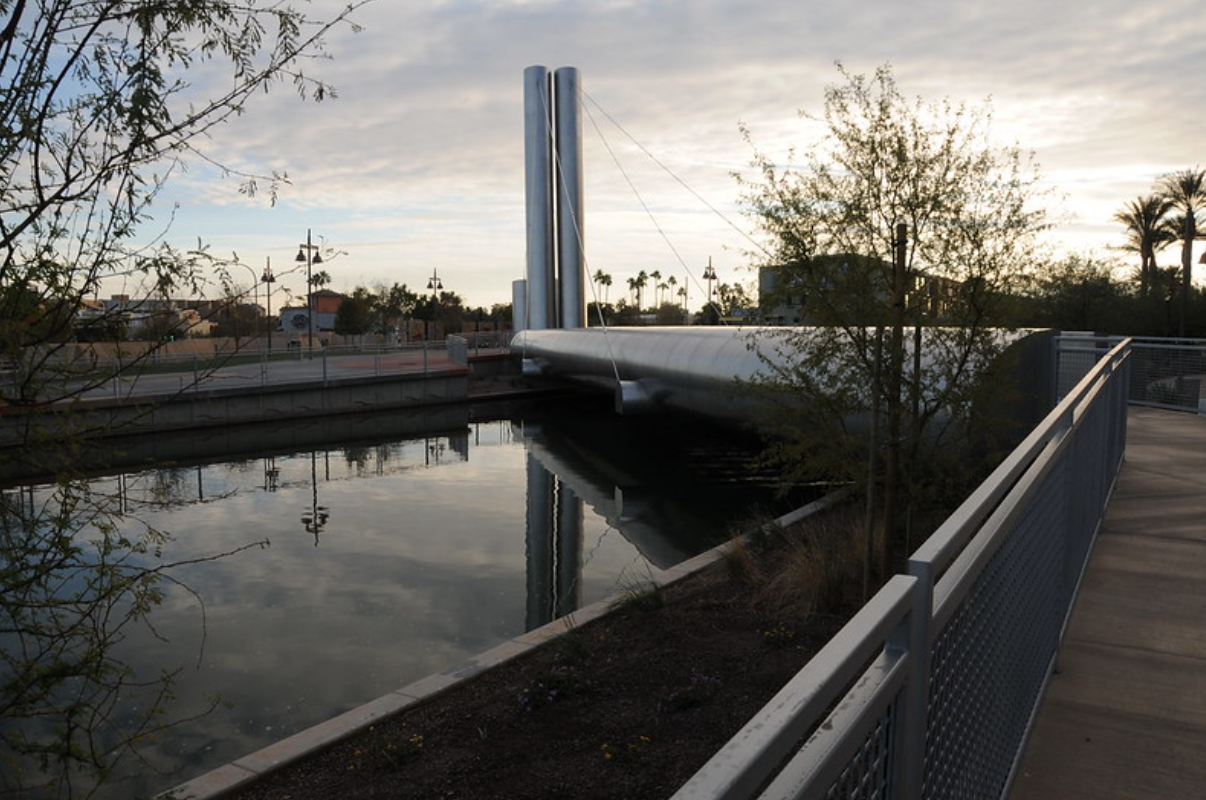
Modern structures that serve as both functional and breathtaking forms of art speak to us at Optima®, including the Soleri Bridge and Plaza at the Scottsdale Waterfront, in close proximity to Optima Sonoran Village®. The bridge and its adjoining plaza, envisioned by the renowned artist, architect, and philosopher Paolo Soleri, have become emblems of Scottsdale’s artistic soul, resonating deeply with locals and tourists alike.

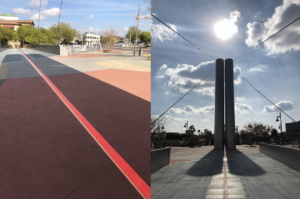
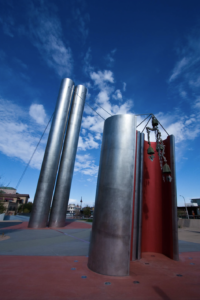
The bridge is an architectural spectacle that functions as a dynamic, organic solar calendar. Anchored by two towering 64-foot pylons, its south side spans 27 feet, tapering to 18 feet on the north. Its precise alignment with true north allows it to play a mesmerizing game with the sun. The 6-inch gap between the pylons lets the sun cast an ever-changing shaft of light, marking solar events as the seasons shift. On the summer solstice, the sun at its zenith leaves no shadow, while on the winter solstice, the shadow stretches its longest, almost reaching the bridge itself. 

Soleri Solar Calendar and Solstice Shadow. Photo: Jennifer Gill

Adjacent to the bridge, the plaza is an expansive 22,000-square-foot expanse, adorned with monolithic panels reminiscent of the aesthetics of Cosanti and Arcosanti. Each of these earth-cast panels, crafted meticulously over eight months using desert earth, water, and cement, weighs 3,500 pounds, and bears the intricate handwork of Soleri and his personal assistant, Roger Tomalty. The panels frame the plaza and lead towards the Goldwater Bell assembly, a fusion of Soleri’s commitment to architecture and ecology.

The story behind the project is as captivating as the structures themselves. A luminary in his field, Soleri has brought to life a concept he terms “arcology.” The bridge and plaza exemplify this philosophy, sharing an appreciation for our inherent connection to the sun and nature. Despite designing bridges for six decades, the Soleri Bridge was a first-of-its-kind commission for the then 91-year-old maestro.

Initiated by Scottsdale Public Art in 1990, the journey of the bridge and plaza from conception to completion was one of evolution and collaboration. As the canal’s surroundings transformed over two decades, so did the bridge’s design. The addition of the Waterfront Residences and commercial areas in 2007 provided the bridge with a context. Following funding and city approvals in 2008, the project took flight.

Soleri Bridge and Goldwater Bell. Photo: Yisong Yue

The unveiling of the bridge on December 11, 2010, was nothing short of a spectacle. A thousand-strong crowd converged on Old Town Scottsdale to witness the dedication. The event, a week shy of the winter solstice, showcased the bridge’s solar prowess, as attendees observed the sun’s shadow move between the pylons. 

The Soleri Bridge and Plaza encapsulate Scottsdale’s rich heritage, blending history with contemporary artistry. They stand as a testament to a city that cherishes the past, celebrates the present, and looks forward to the future, all while emphasizing the harmony between humanity and nature.

The 2023 Canal Convergence

As residents of Optima Sonoran Village® know, Scottsdale is a treasure trove of vibrant cultural events, artistic showcases, and community gatherings. Among these, the Canal Convergence stands out, brilliantly illuminating the Scottsdale Waterfront every year, beckoning both locals and visitors for an immersive experience of art, light, and much more.

Sym by AlexP. Photo: Canal Convergence

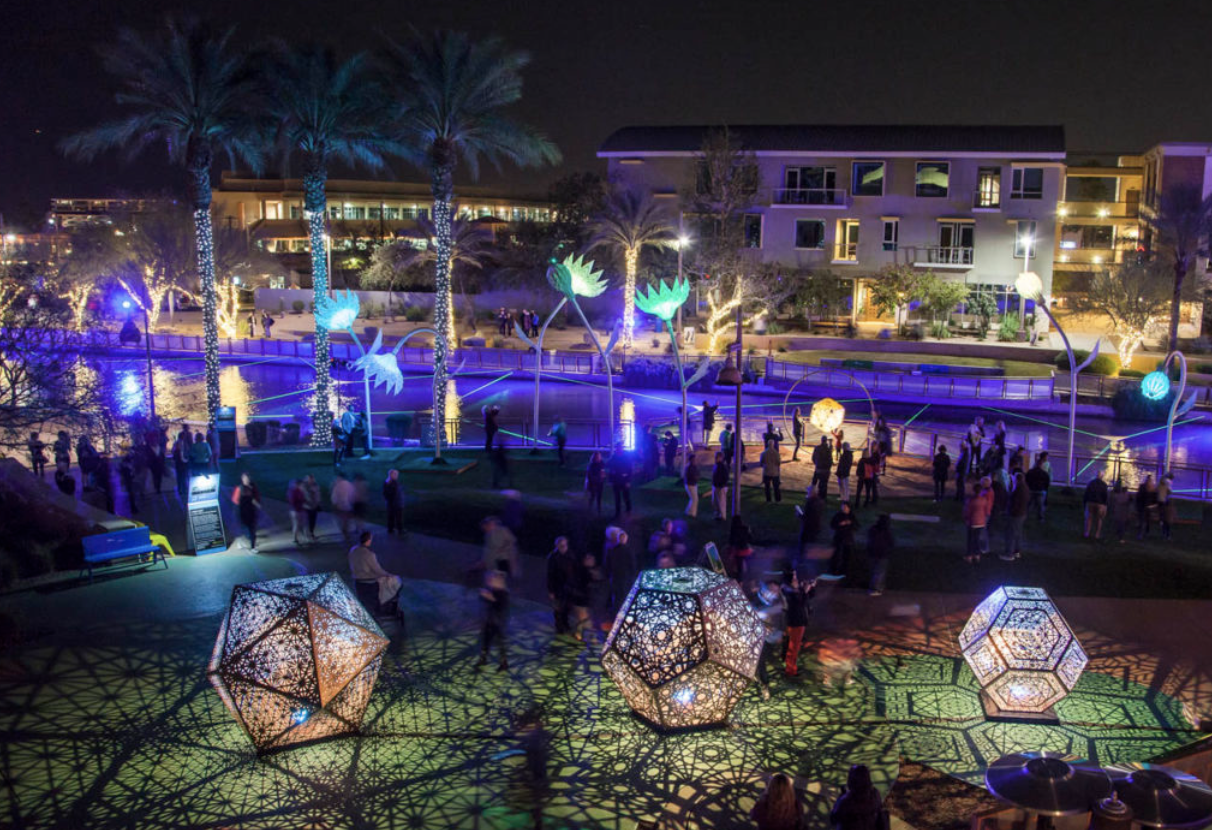
The Canal Convergence, a free, annual 10-night extravaganza, beautifully melds light, art, and water along the waterfront. Each year, artists from around the globe captivate audiences with their large-scale public artworks. For 2023, attendees will be treated to mesmerizing pieces like Sym by AlexP, the playful Flario by Walter Productions, the geometric Dice by Montreal-based studio Iregular, the fluid Aquatics by Philipp Artus, and several other awe-inspiring installations like Light Forest, Octavius, Ripple, and Spectrum Swing. Beyond these installations, the event is also a hub for live performances, music, dance, creative workshops, and so much more, including food trucks and a beer and wine garden.

Dice by Iregular.

What makes each Canal Convergence special is its central theme. This year, it dives deep into “The Power of Play,” highlighting its profound significance in our lives. Play isn’t reserved just for children; it’s a vital aspect of human existence, molding our learning, creativity, and social interactions. As the sun sets and the artworks come to life, attendees can immerse themselves in the wonders of play, feeling its influence firsthand.

For those ready to dive into this magical experience, the event runs from Nov. 3–12, 2023, at the Scottsdale Waterfront. Starting from 6 p.m. each evening, the event extends until 10 p.m. on the 3rd, 4th, 10th, and 11th of November, and until 9 p.m. on the other nights. For those wondering about parking, there’s ample free space in the parking garages around Old Town Scottsdale.

Octavious by Petter Hazel.

To residents and beyond, the Canal Convergence is a heartfelt celebration of creativity, unity, and reflection. Don’t miss the chance to be part of this enchanting blend of play, light, and art!

Great Chicago Writers: Gwendolyn Brooks

It’s always a pleasure to talk about literary giants with Chicago roots who have had profound impacts on both local history and the broader literary world. It goes without saying that no conversation about Chicago greats could happen without exploring the life and work of the legendary Gwendolyn Brooks.

Born in Topeka in 1917, Brooks relocated to Chicago while still an infant. The city’s pulsating cultural heartbeat and intricate socio-political fabric soon formed the canvas for her poetic masterpieces. Behind her ambition stood her parents: her father, a janitor with dreams of becoming a doctor, and her mother, a schoolteacher and a classically trained pianist. Both supported Gwendolyn’s passion for reading and writing.

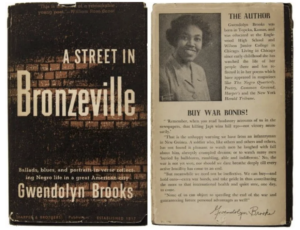
By the age of 13, Brooks had already marked her literary beginnings, publishing her first poem, “Eventide,” in American Childhood. Her poetic prowess grew from there, and by 17, she became a regular contributor to the Chicago Defender. After her time at junior college and a stint working for the National Association for the Advancement of Colored People (NAACP), Brooks further refined her craft in various poetry workshops and alongside Chicago literary peers, Richard Wright and Langston Hughes. This diligent nurturing of her talent culminated in her first poetic collection, A Street in Bronzeville, in 1945.

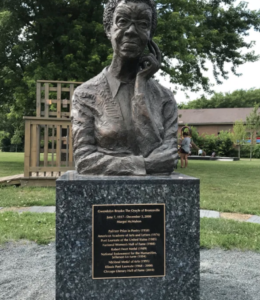
Gwendolyn Brooks: The Oracle of Bronzeville Monument found in Brooks Park

Brooks’s identity as an influential African American poet, author, and educator is underscored by her portrayal of the day-to-day challenges faced by African Americans. Her poetry and prose traversed a spectrum of themes – from intimate personal experiences to the African American quest for justice and recognition.

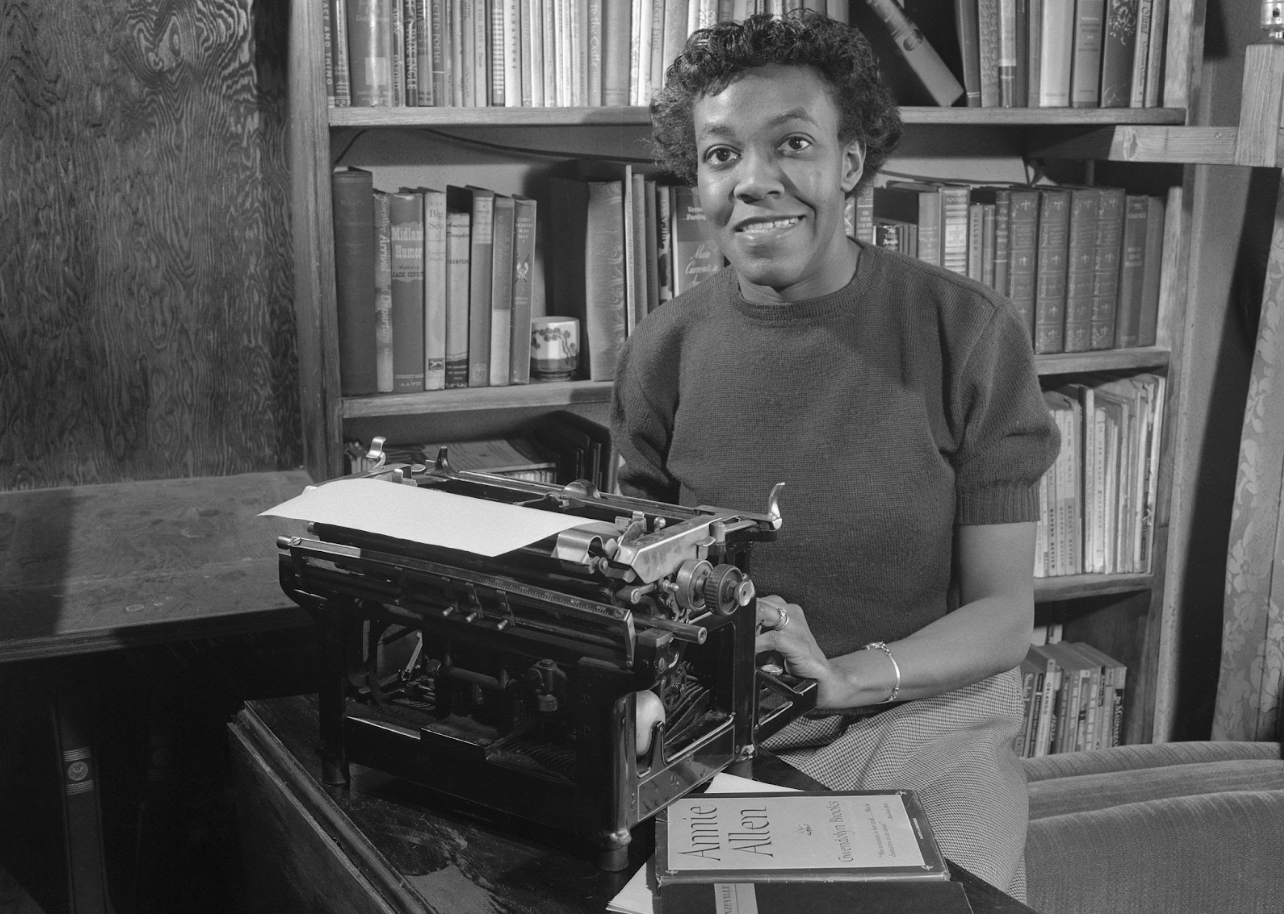
Gwendolyn’s vast literary repository boasts significant works. A Street in Bronzeville (1945) offers insights into urban Black life in Chicago. Annie Allen (1949) is a poignant exploration of a young Black girl’s journey to womanhood, and it also made Brooks the first Black poet to win the Pulitzer Prize in 1950. Maud Martha (1953), her only novel, depicts the complexities of prejudice from both white people and lighter-skinned African Americans. In 1960, she wrote The Bean Eaters, showcasing her evolving poetic style and featuring the renowned We Real Cool. Over the course of her career, Gwendolyn Brooks authored over 20 poetry collections.

A Street in Bronzeville, Gwendolyn Brooks, 1945

She also garnered numerous honors, including the establishment of the Gwendolyn Brooks Cultural Center at Western Illinois University in 1970 and her appointment as Illinois’s poet laureate in 1976. Several schools have been named in her honor, reflecting her enduring impact on education. In 1985, she was appointed Consultant in Poetry to the Library of Congress. The centenary of her birth in 2017 was celebrated with special events, reinforcing her lasting literary influence.

Interested in delving deeper into Gwendolyn Brooks’ literary world? Explore her expansive collections available on the Poetry Foundation.

Great Chicago Writers: Jane Addams

It’s such a pleasure spotlighting legendary Chicagoans who have left a lasting impression on our local history and beyond, including the twentieth-century icon, Jane Addams.

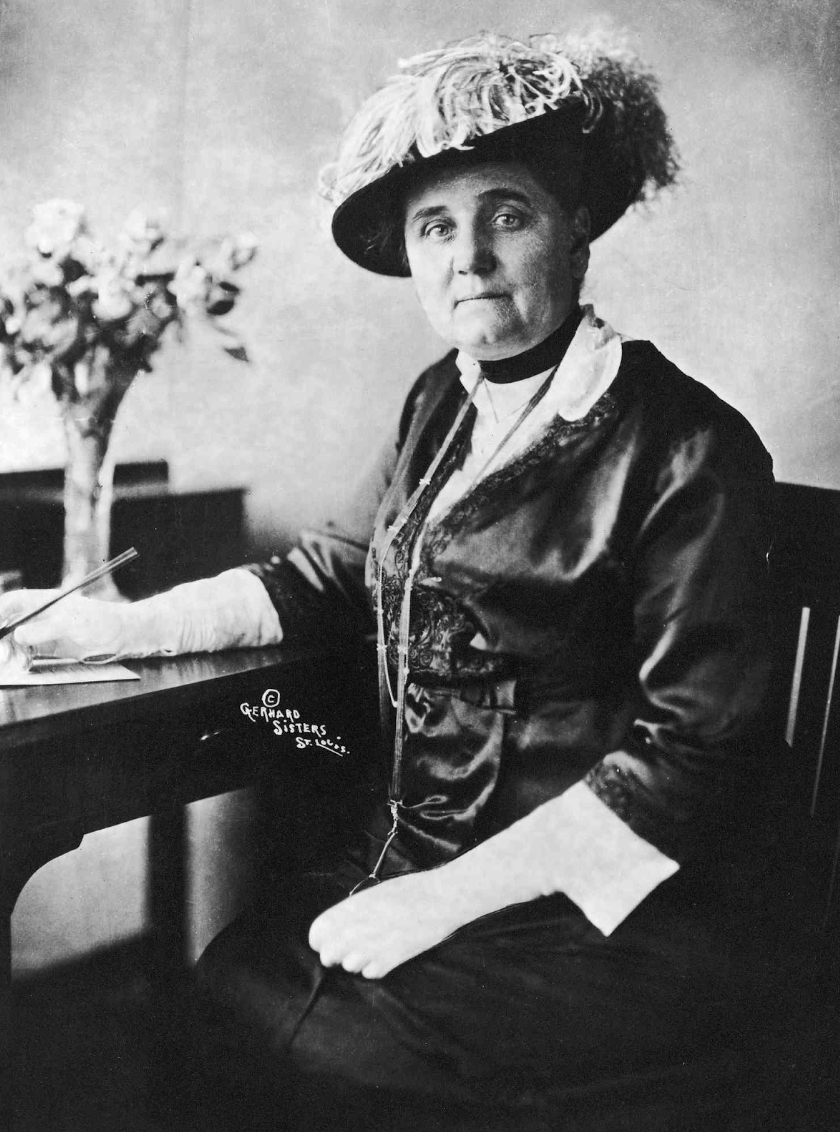
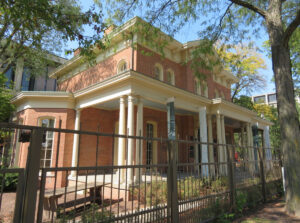
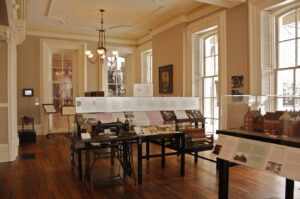
Born in 1860 in Cedarville, IL into a prosperous family, Because Addams’ family allowed her to benefit from education from an early age, she was able to graduate from the Rockford Female Seminary. Later, Addams traveled to Europe, where she was introduced to London’s Toynbee Hall, a trailblazing settlement house that worked to address the causes and impacts of poverty in the city’s East End. Her visit to Toynbee Hall left a lasting impression, paving the way for her co-founding Hull House in Chicago in 1889 — one of the earliest settlement houses in the U.S. that has become the Jane Addams-Hull-House Museum at the University of Illinois-Chicago campus.

Hull House offered educational and social services to immigrants and Chicago’s underserved communities, positioning Addams as a leader of the Progressive Era. Her advocacy spanned a multitude of diverse causes: women’s rights, peace, public health, and broad-spectrum social reform. In recognition of her contributions, Addams was honored as the first American woman to receive the Nobel peace prize in 1931.

Jane Addams-Hull-House Museum. Photo: Sean Marshall

Her experiences at Hull House — and with the Progressive movement more broadly — set Addams on her trajectory as a gifted writer. Her writing career was already in full throttle in 1909 with the release of The Spirit of Youth and the City Streets, which shared Addams’ keen understanding of the unique needs of urban youth. She used the book to advocate for enhanced recreational spaces and deeper engagement for Chicago’s underserved young people, while illuminating the dire consequences of growing up in an environment where poverty and lack of access to a better quality of living prevail.

Having found an audience for her explorations of daily life in Chicago, Addams published Twenty Years at Hull-House in 1910, giving readers a look at life inside the settlement house and its impact on the community. 

Inside the Hull House. Photo: At Home in Chicago

The Long Road of Woman’s Memory, which Addams’ completed in 1916, is another exceptional factual account of her expansive impact on women’s rights in America. In it, she gracefully navigates the terrain of personal and collective memories to demonstrate their influence on women’s lived experiences and the larger tapestry of history.

Over the course of her career, Jane Addams authored 11 books and hundreds of essays, editorials, and columns. And more than a century later, the resonance of Addams’s literary contributions remains undeniably profound, echoing through time into our modern world. 

Keen on exploring Addams’ legacy further? Then enjoy a visit to the Jane Addams-Hull-House Museum. The hours of operation are 10:00am to 4:50pm, Tuesday to Friday, and on Sundays from 12:00 to 4:50pm. A suggested donation for admission is $5 per person (University of Illinois Chicago faculty, staff, and students are granted complimentary entry).

Visit the Shakespeare Garden at Northwestern University

With Optima’s passion for having nature within reach, it’s no wonder that we are drawn to sumptuous gardens in and around the communities where we build. Imagine our delight in discovering the Shakespeare Garden on the Northwestern University campus, with its rich mix of history and modernity.

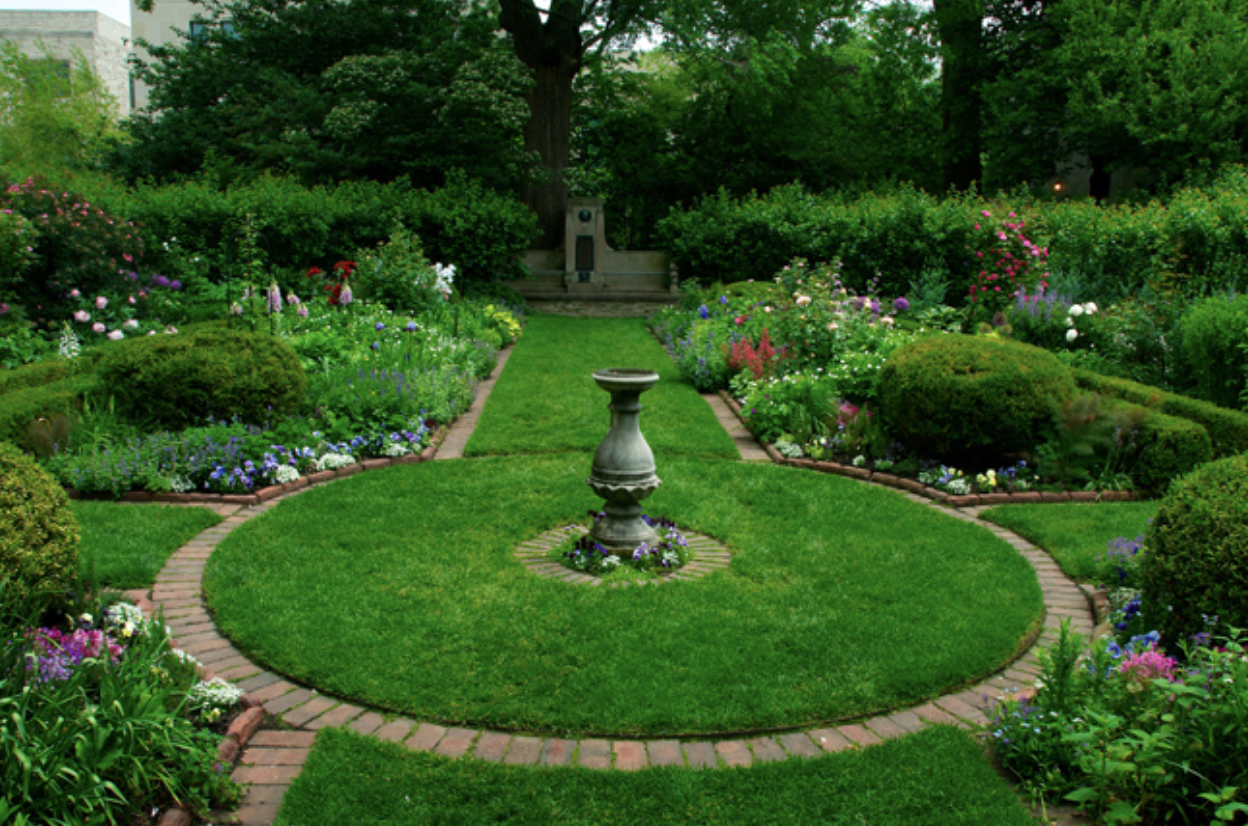
Planted in 1917, the Shakespeare Garden has had its home on Northwestern’s Evanston campus for over a century. Emerging from the vision of The Garden Club of Evanston members, it was crafted both as a wartime gesture of solidarity with Britain and to commemorate the 300th anniversary of Shakespeare’s passing.

Measuring 70 by 100 feet, this garden sits just north of the Frank W. Howes Memorial Chapel, bordered by hawthorn hedges that create an intimate haven. As you enter, the garden reveals a curated collection of flora mentioned in Shakespeare’s works. From fragrant lavender and vibrant marigolds and daffodils in Winter’s Tale, to the rosemary and pansies in Hamlet.

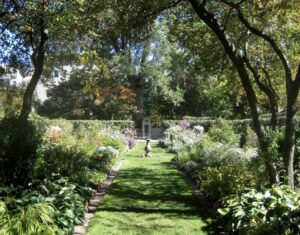
Jens Jensen, the illustrious Danish-American landscape architect, brought this garden to life. Known for his influential works on Chicago’s West Side, including Garfield Park and Columbus Park, Jensen took inspiration from Sir Francis Bacon’s essays on gardens. On entering the Shakespeare Garden, you are greeted by two Hawthorn trees, symbolic bridges between the Prairie and the garden. These trees, along with the foundational hawthorns that germinated from French seeds, have stood the test of time, providing a consistent backdrop to this historic site.

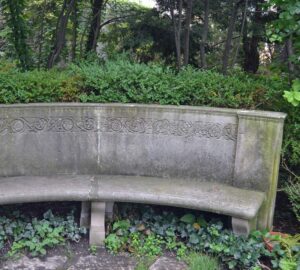
Elizabethan-style stone bench. Photo: In Memoriam mmmmarshall

Over the decades, the Shakespeare Garden has seen numerous enhancements. In 1929, an Elizabethan-style stone bench and a captivating fountain became part of this serene landscape. The fountain, a generous donation by architect Hubert Burnham, showcases a bronze relief of Shakespeare’s visage crafted by the French-American sculptor, Leon Hermant. Further augmentations followed, including the addition of a sundial in 1990 and later, a reshaping of the garden’s layout based on the recommendations of the English garden designer, John Brookes.

Hawthorn Trees in Shakespeare Garden. Photo: Wikipedia Commons

Brookes’ suggestions, which included moving the sundial to the garden’s center and adding antique brick edging, have given the garden a touch reminiscent of traditional English gardens. This shift also marked the garden’s evolution from a knot garden to a more fluid, perennial-focused design.

Northwestern’s Shakespeare Garden is not only a place for quiet reflection but also a venue for countless weddings, tours, and cherished moments. It’s entirely free and open to the public, but special tours and events may have to be scheduled.

Discover The National Museum of Mexican Art

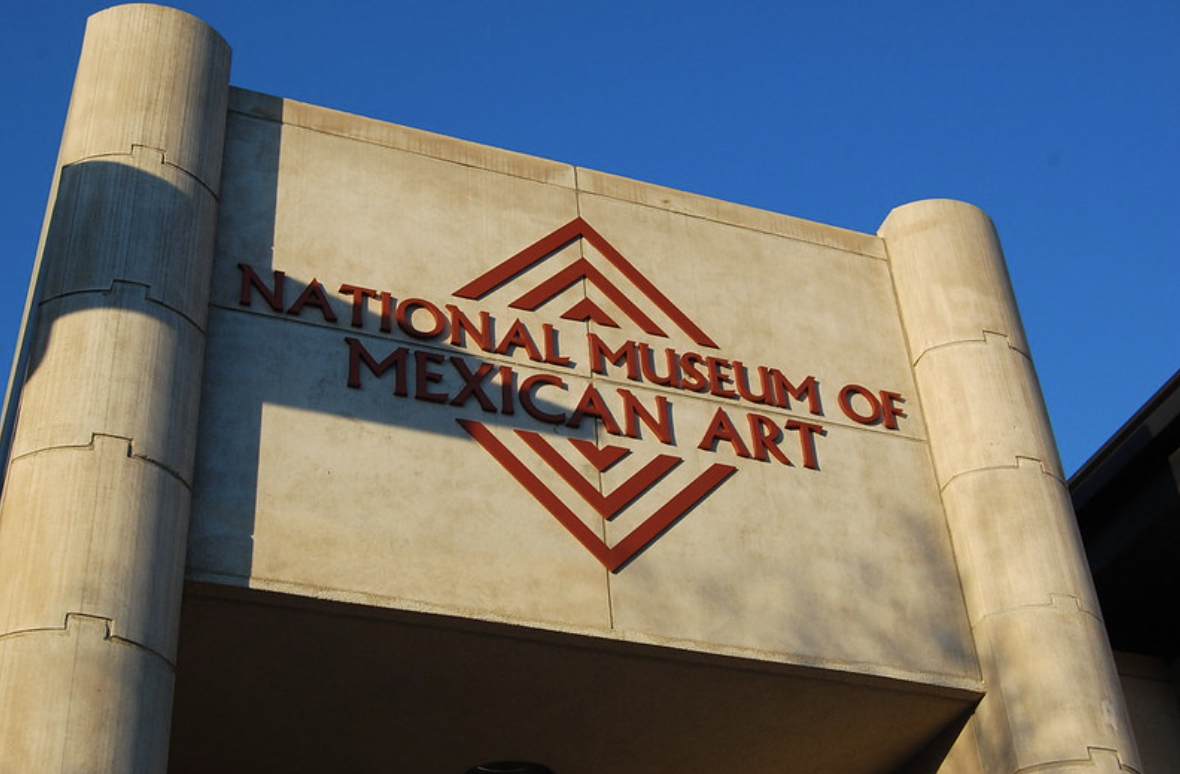
We’re constantly on the hunt for cultural gems to introduce to residents in our communities, so it’s a pleasure to spotlight a cornerstone of Chicago’s vibrant art scene: The National Museum of Mexican Art (NMMA). Situated in the heart of the Pilsen neighborhood, this museum is a testament to the depth, diversity, and dynamism of Mexican culture.

Founded in 1982 by Carlos Tortolero, NMMA emerged from a vision to represent Mexican, Chicano, and Latino arts and culture. Today, it stands as a bridge between Mexico’s past and the evolving identity of Mexican-Americans in the contemporary U.S.

NMMA’s collection is awe-inspiring, boasting over 10,000 pieces spanning 3,000 years. From ancient artifacts to modern-day masterpieces, every corner of the museum narrates tales of creativity, resilience, and passion. Whether you’re captivated by traditional folk art, contemporary sculpture, intricate textiles, or evocative photography, there’s a narrative waiting for you.

One of the standout exhibitions that has become an annual tradition, is the Day of the Dead (Día de los Muertos) showcase. This inspired installation dives deep into the fascinating rituals associated with this revered celebration, presenting art that is reflective and celebratory.


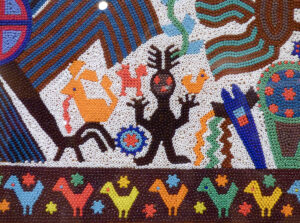
Beaded work, New Awakening, 2003 (detail)
Beaded work, New Awakening, 2003 (detail). Photo: Damian Entwisle, Flickr Creative Commons

The museum is not just about viewing art; it’s an immersive learning experience. With a host of educational programs, workshops, and guided tours, visitors are invited to explore the contexts, histories, and techniques behind the artworks.

Beyond the art itself, the museum’s location in Pilsen, a neighborhood full of Mexican heritage, enriches the experience. The vibrant murals, local eateries, and community events complement a visit to the museum.

As we admire the modern wonders of Chicago, we also treasure the institutions that ground us in cultural richness. Embark on a journey to the National Museum of Mexican Art, and emerge with a renewed appreciation for the beauty and complexity of Mexican art and culture. Best of all, admission is always free. Visit Tuesday through Sunday from 10 am to 5 pm.

person name goes here

Maintenance Supervisor

Glencoe, IL


    Acceptable file types: *.pdf | *.txt | *.doc, max-size: 2Mb