Our Beliefs: Freedom to Innovate

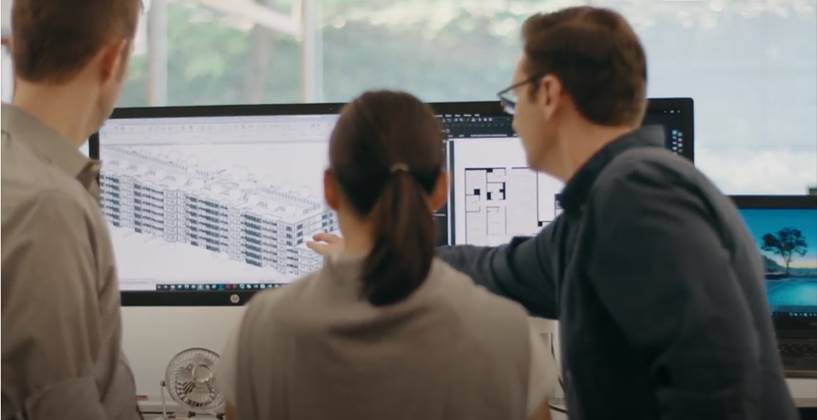
At Optima, all aspects of our work are deeply saturated by the passion and values instilled in Our Beliefs. Our team unifies around these beliefs, enabling us to create more collaboratively, to communicate more effectively and to be collectively inspired by a shared vision. One belief — freedom to innovate — speaks to the degrees of freedom that we enjoy, allowing us to continually instill our work with inventive thinking and approaches.

As a vertically-integrated business, we serve as the owner, the architect, the general contractor, the developer, and property manager, allowing us to keep our hands on all parts of the process. With a full-throttle, approach to every aspect of building, from inception to execution, inherently we hold unique degrees of freedom and adaptability.
7160 Optima Kierland

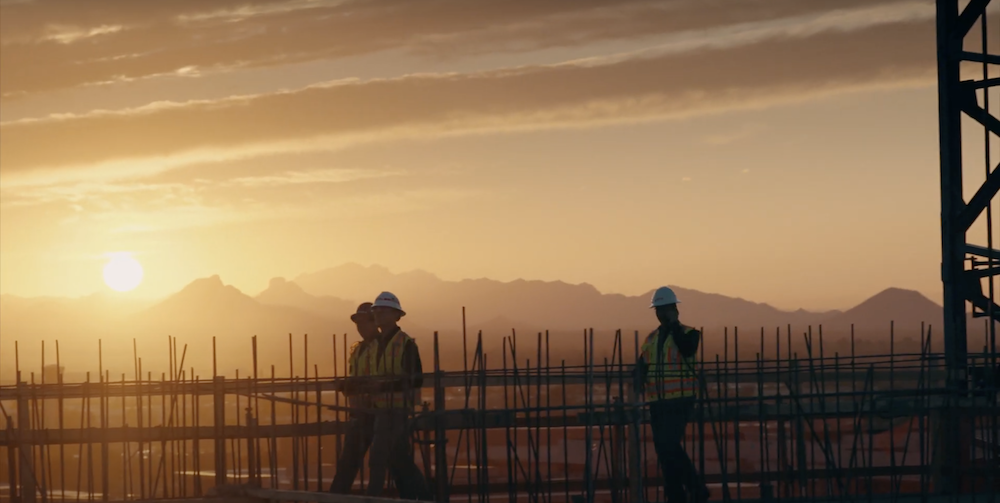
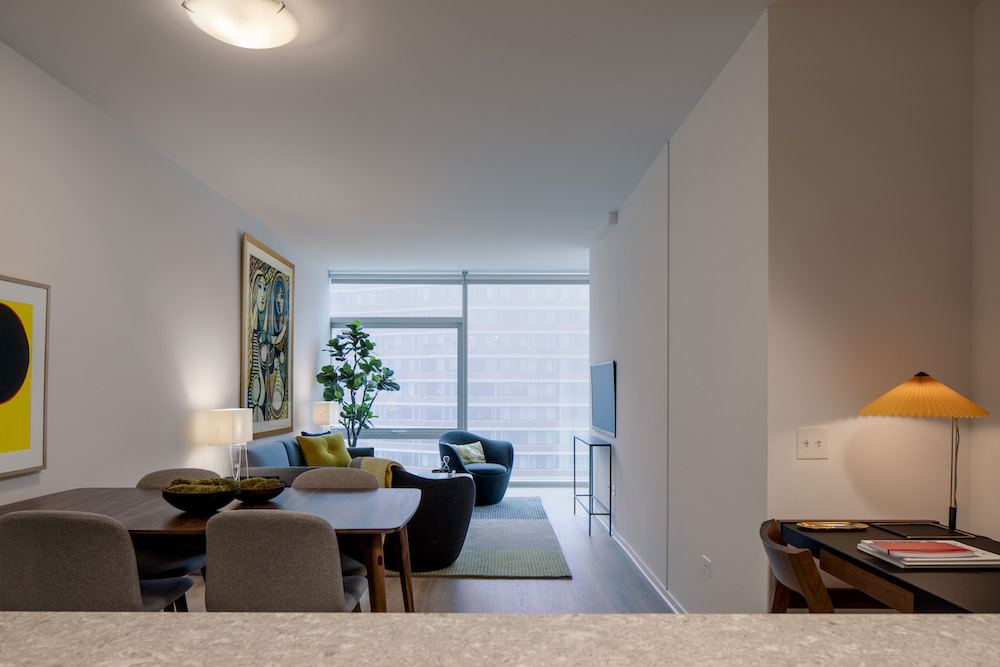
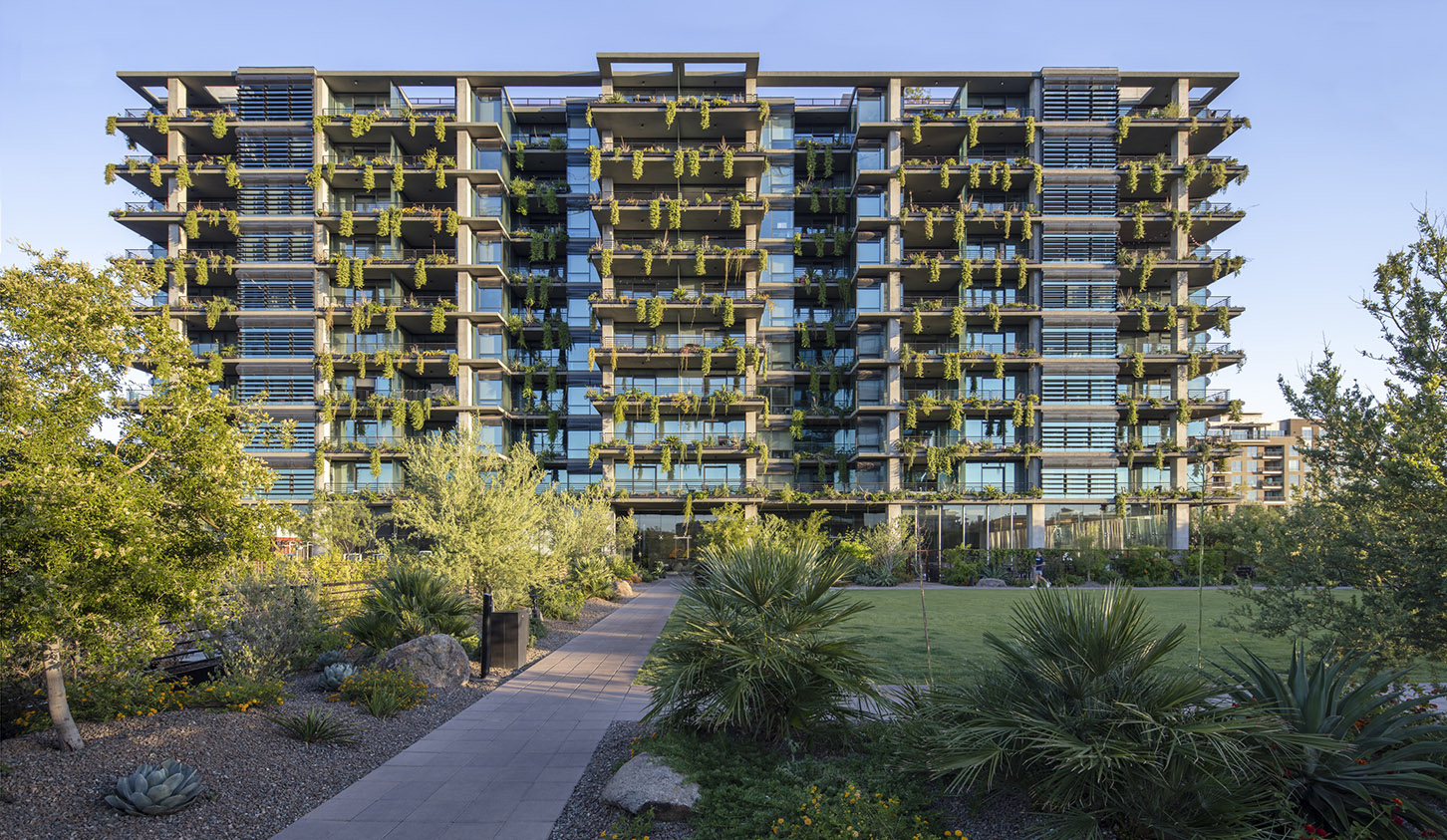
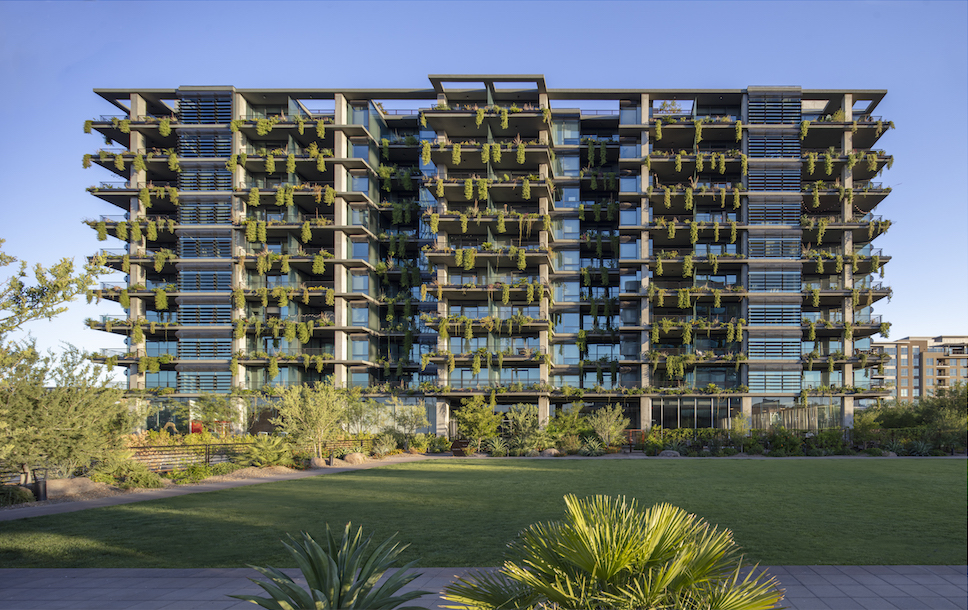
Take when we were building 7160 Optima Kierland, the first tower of Optima Kierland Apartments, for example: we were able to shift on a dime and seize opportunity when it was presented. At the time of construction, we identified a rapid increase in market demand for three-bedroom units and quickly adapted mid-build, creating three-bedroom units, even after concrete had been poured.

As project architect, we modified plans and ensured no adverse cost impact resulted, coordinating with our design team maintaining bathrooms and shafts in their original location. As general contractor for the project, we engaged quick responses from partners without affecting project delivery. 

Each and every day we make our decisions based on what we believe is right, without compromising our vision. The freedom to innovate is at the core of this decision making process — driving our work each and every day to be better, more efficient and more inventive.

Chicago’s Public Art: The Calder Flamingo

Sculptures are art made architectural; dramatic corners, inventive materials and a consideration of space and its voids. At Optima, our appreciation for sculpture runs deep, with Optima co-founder David Hovey Sr. expanding the design reach of Optima to include his own original sculptures. Indulging in our love for the craft, we’re exploring Chicago’s public art, piece-by-piece. This week, it’s all about Alexander Calder’s famous Flamingo.

The Calder Flamingo

Though you might not notice it immediately as a flamingo, every Chicagoan is familiar with the long and graceful arcs of the famous red Flamingo sculpture designed by Alexander Calder. Calder is a seminal Modernist multi-media artist perhaps best known for his many whimsical mobile creations.

The Flamingo, however, is the antithesis of his mobile sculptures set apart by their dynamic motion — he referred to the goliath sculpture as a “stabile,” a freestanding abstract sculpture made in the style of a mobile but sitting rigid and stationary. It is this peculiar approach that gives The Flamingo an inevitable feeling of potential energy, instilling an almost alien vitality to the Federal Plaza where it lives.

Weighing in at 50 tons and made of steel, the sculpture feels anything but heavy in the space it occupies. Its arches and voids invite passerby to walk beneath and through the art on their way to surrounding office buildings in the plaza  — including the Ludwig Mies van der Rohe-designed Kluczynski Federal Building.

The sculpture was designed specifically for this space, to add a lightness and balance to the severity of the Federal Building’s Modernist lines. Unveiled on October 25, 1974, at the same time that Calder’s Universe mobile was unveiled at the Willis Tower, the momentous, art-filled occasion was declared “Alexander Calder Day” and even featured a circus parade. 

The festivity, spirit and joy of this sculpture and its history are apparent to all that visit it on display in Chicago, adding yet another meaningful and momentous sculpture to our city’s iconic and artful culture.

Chicago’s Public Art: The Picasso

Sculptures are the ultimate exploration of materials and their expression. With Optima Co-Founder David Hovey Sr. having expanded the design reach of Optima to include sculpture, the medium is one that hits close to home for us. To indulge in our love for the craft, we’re exploring Chicago’s public sculpture art, piece-by-piece. First up is an iconic staple in Chicago: The Picasso.

The (Chicago) Picasso

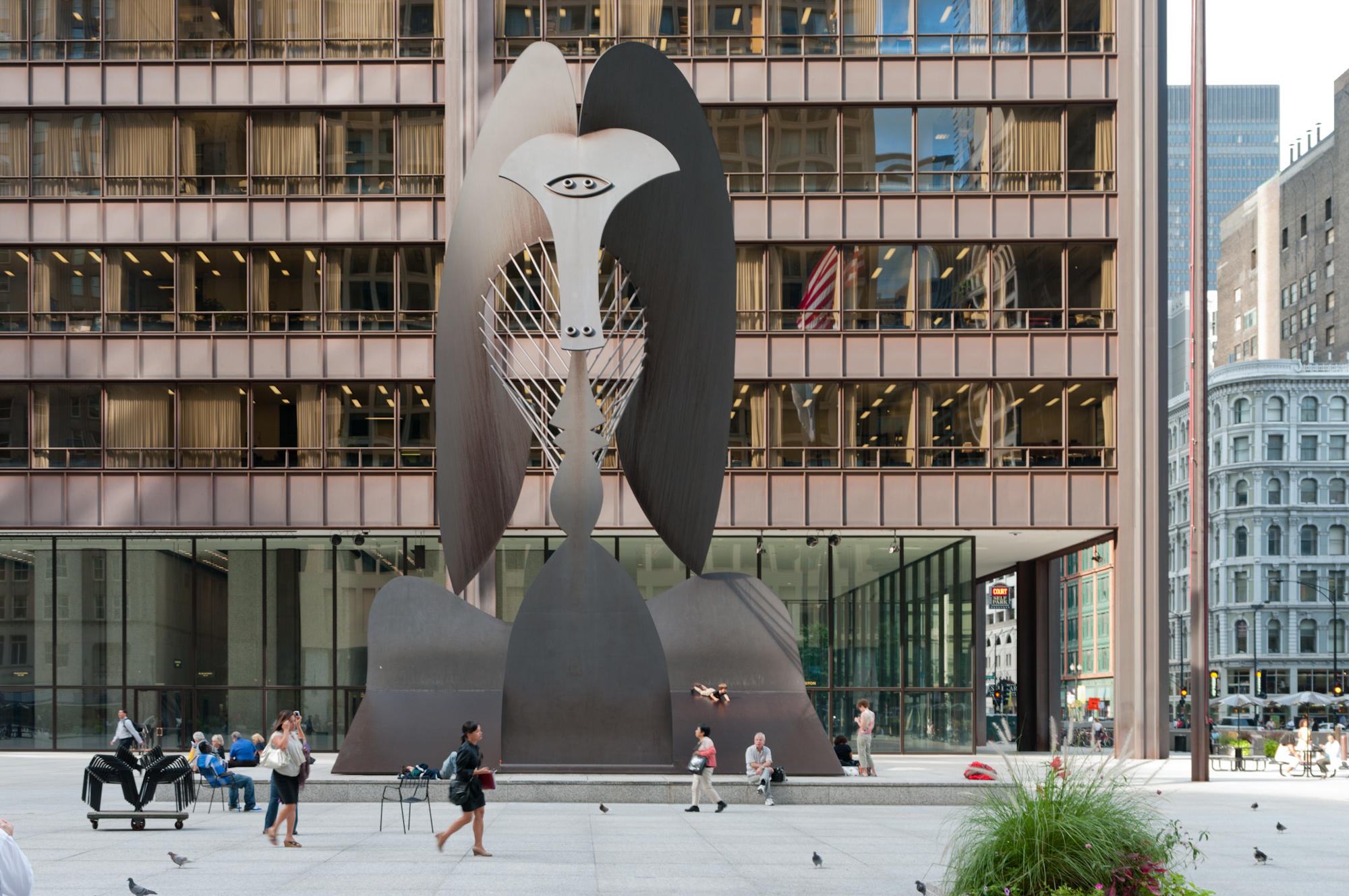
The monumental, larger-than-life sculpture created by Pablo Picasso situated in downtown Chicago goes unnamed by the artist. However, the work is affectionately referred to as The Picasso and even The Chicago Picasso. The sculpture is now a globally-renowned landmark, standing 50 feet tall and weighing in at 162 short tons.

The Chicago Picasso was commissioned by the architects of The Richard J. Daley Center in 1963. Occupying the beloved Daley Plaza alongside the skin-and-bones International Style Modernist skyscraper, the sculpture stands out as a whimsical and abstract piece that invites plaza visitors to jump, climb and slide upon its smooth, COR-TEN steel surface. The interactive sculpture cost the modern day equivalent of $2.8 million, with three charitable foundations shouldering the cost. And although Picasso himself was offered $100,000, he refused the payment, insisting that he wanted to make the work as a gift.

Picasso’s inspiration remains a mystery, though some muse that the armadillo-esque figure is actually an abstracted portrait of the French woman, Sylvette David – now known as Lydia Corbette. The sculpture’s abstract nature was met with tough criticism initially. In a city where most sculptures were famous figures, some didn’t take kindly to the strange public art newcomer. But it was only a matter of time before The Chicago Picasso rightly became a revered piece of Chicago’s vibrant public art collection, brightening the Daley Plaza and the city with its presence. 

Taking Art Online: How to Visit Fan-Favorite Museums Digitally

As art enthusiasts, we know a trip to the museum can provide much needed inspiration and solace. While many physical cultural institutions have closed their doors as we shelter-in-place, their doors remain very much open online. Today, we’re sharing how our favorite museums have been taking art online, and how you can visit iconic global institutions digitally.

J Paul Getty Museum

Take a trip to sunny LA with digital museum tours offered by the J Paul Getty Museum in Los Angeles, California. Their expansive collection of 6,000+ works makes the museum worth the visit on any ordinary day, but through Google Arts and Culture, you can actually physically “mouse” your way through the galleries via an interactive online museum tour, or scroll through three online exhibits and 15,000+ artistic works.

Vatican Museums

While sheltering-in-place, the options for online exploration are limitless. Traverse internationally across the interwebs to place yourself via computer into the Vatican Museums in Rome, Italy. Explore the Sistine Chapel, impressive architectural details, intricate murals and an astounding array of artwork via their online virtual tours featuring expansive, 360-degree views. Afterwards, you can even take an “outdoor stroll” around the Vatican City with You Visit.

Picasso Museum

In keeping up with our love of Picasso, we recommend spending a few hours online at the Picasso Museum in Barcelona, Spain. A seemingly-endless digital archive of Pablo Picasso’s most renowned works is accompanied by some of the best-preserved Medieval architecture in Barcelona. Enter the museum through its ancient and rustic patios to discover the digital treasures within via this digital interactive tour.

Art Institute of Chicago

Missing visits to your local favorite? Have no fear, because the Art Institute of Chicago is bringing the comforts of a familiar gallery to your couch. Their array of online resources include ways to surf the entire museum collection, new and highly-detailed interactive features, a digitized version of their current special exhibit and more. 

As we continue to spend our days at home, virtual trips to explore the arts and culture provide a much needed vibrant reprieve. Stay tuned for more Optima features on how to stay engaged, connected and inspired at home. 

The Evolving Phoenix Skyline

When Optima expanded to its Arizona office in 2000, everything about the landscape was foreign — from the arid climate and lush desert vegetation, to the way the city developed. Our business has taken roots in the state since then, allowing us to tackle new architectural frontiers and new design languages, and also allowing us to witness the explosive expansion and evolution of the Phoenix city skyline.

The Polycentric City

Known as the Valley of the Sun for its sprawling, multi-city metropolitan layout, Phoenix has never been defined by a dense city skyline — but that’s been swiftly changing. As a city that covers 520 square miles, Phoenix was designed to optimize for automobile travel, with a highly advanced freeway system that made out-of-town commuters able to get to and from work in as little as 20-30 minutes, a rarity for most cities.

In response to rapid growth, the city developed a “village” system in the 1980s, aiming to create several urban hubs — rather than one, centralized locale — where businesses could thrive. Since then, fifteen urban villages have emerged in the polycentrically planned city, such as the successful pocket at 24th and Camelback Road, where Optima Biltmore Towers is located.

Onwards and Upwards

As businesses continued to naturally gravitate to a “downtown” core, particularly after the introduction of the light rail in 2008, Phoenix recognized the need to reconsider zoning codes and encourage height and intentional growth in downtown Phoenix. Zoning codes evolved in 2010 and 2015 along the light rail track, and with the code modifications and the city opening its arms, the downtown area began to rise.

Now, 18 of Arizona’s 20 tallest buildings are in downtown Phoenix, including the 40-story Chase Tower which rises to a total of 438 feet. The U.S. Bank Center, designed in the Modernist International Style, is among that list too. While impressive skyscrapers and highrises have begun to fill in the skyline and build out a bustling and thriving downtown, we’re still able to catch glimpses of Camelback Mountain, maintaining the true-to-Arizona-style balance between the built and natural environment.

Working From Home at Optima

Achieving work-life balance has taken on new gravity as we shelter-in-place. At Optima, our teams are with you every step of the way to ensure you have a productive workday, and find daily fulfillment and joy in the comfort of your home. Here are just a few of the ways our properties are already optimized for people’s remote working needs:

Home office space at Optima Signature

Distinct Work Zones

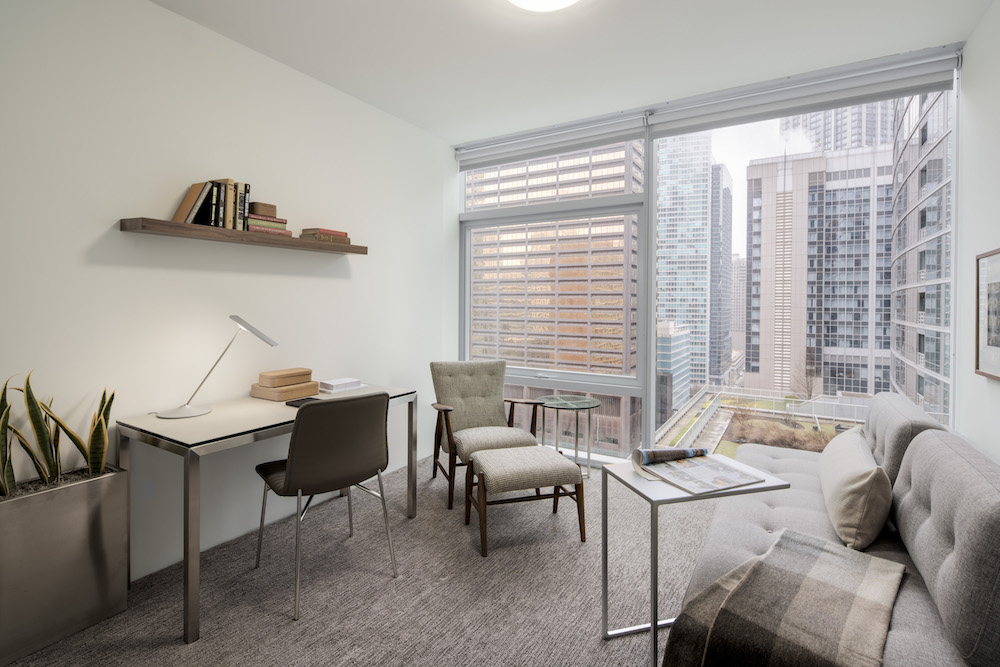
One of the biggest challenges when working from home is achieving a healthy separation between work and life. At our multifamily communities, each home is designed to have space for a desk and at-home workspace. With the opportunity to have a dedicated work zone, you’ll be able to create an environment that is conducive to your daily success and that allows you to tackle any challenge. 

Home office space at Optima Sonoran Village

Connection to Nature

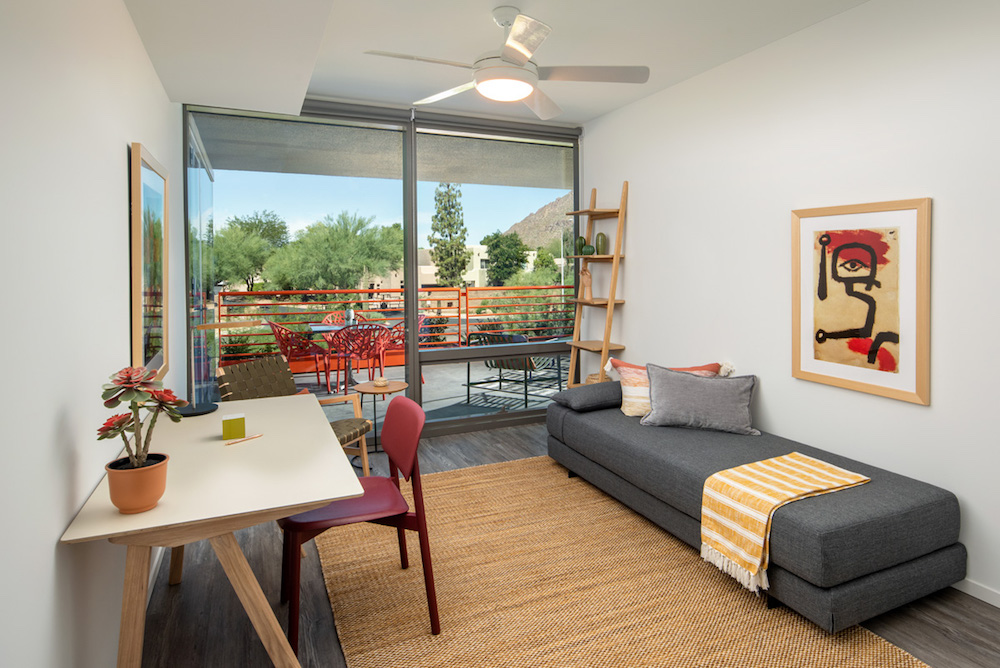
A shelter-in-place order doesn’t mean we have to separate ourselves entirely from the outdoors. It’s important to continue finding sensitive ways to get your daily dose of sunshine. With the integration of the built and natural environment integral to our design sensibilities, all of our communities feature vast outdoor spaces, with many homes offering significant outdoor living spaces. These outdoor spaces are the perfect place to take advantage of weather on a nice day like having an outdoor picnic on your balcony.

Engaging Digital Programming

Our property management teams are committed as ever to ensuring that our communities and residents stay connected — with one another and with their daily patterns. We’ve been hard at work putting together virtual event series and fitness classes that allow Optima residents to enjoy a full array of digital amenities from the comfort of their own home. Some of this programming includes digital patio workouts with a fitness trainer at Optima Sonoran Village, digital fitness classes with an onsite trainer at Optima Signature and even building-wide movie, trivia and comedy nights at Optima Kierland Apartments.

As we continue to shelter-in-place and practice social distancing, our buildings and our teams are ready to collaborate and come together to make being home even more enjoyable for our communities.

Sculpture Spotlight: Windsong

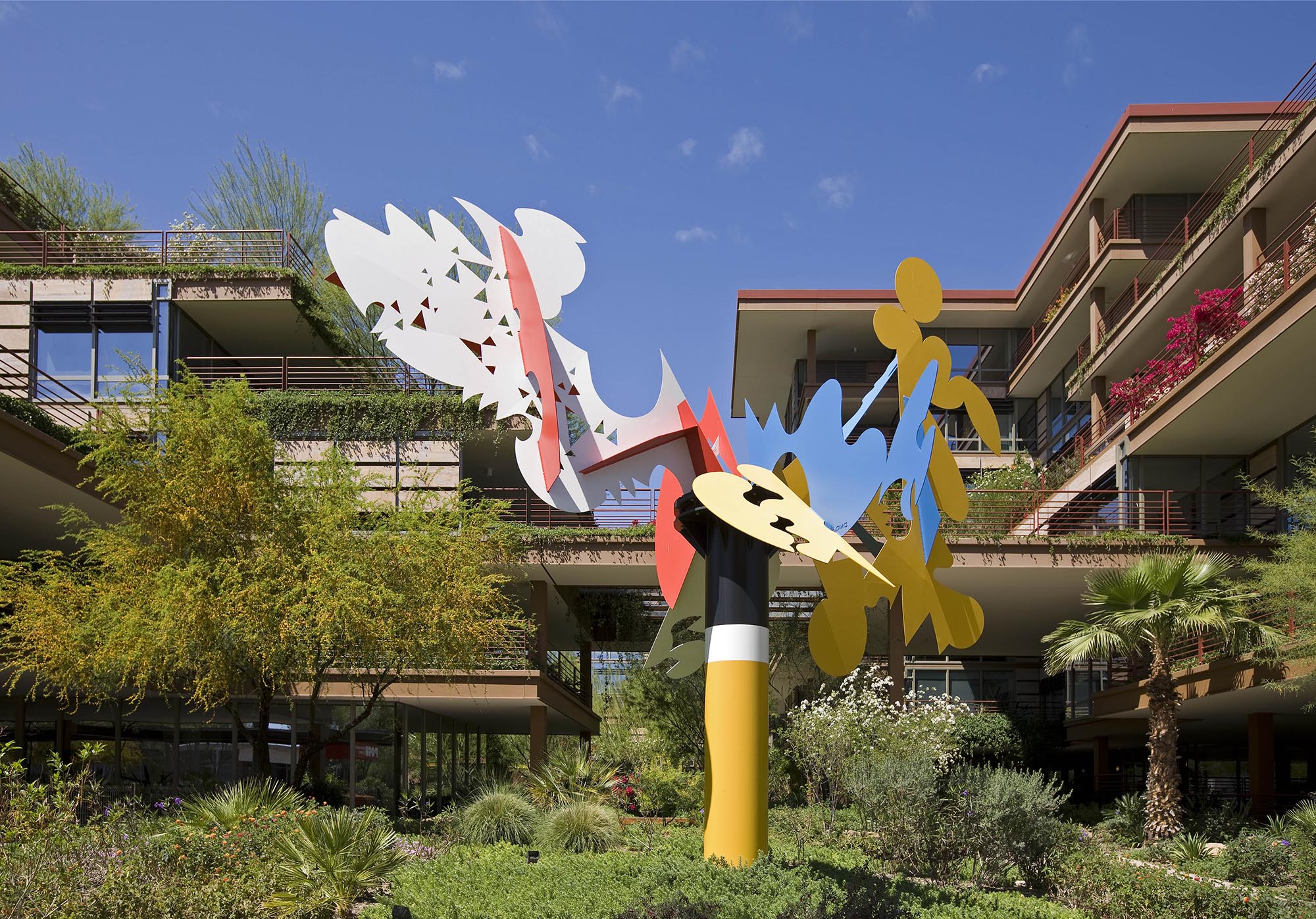
A striking piece that complements the surrounding green space at Optima Camelview Village, Windsong creates a bold statement that both contrasts with and engages its environment. As with Kiwi, Duo and other original Optima sculptures, Windsong was designed by David Hovey Sr., and today we dissect its form and how it integrates into a larger context.

To stand out against its colorful backdrop, Windsong stands more than 15 feet tall, providing a dramatic addition to the Arizona desert foliage. The sculpture is oriented around a rotating turntable, allowing the top pieces to move with the flow of the wind. Through movement and size alone, Windsong celebrates and embraces the elements, subtly alluding to Scottsdale’s connection to and love of nature. 

With a mixture of color and shapes, Windsong also evokes a playful and enthusiastic energy. Each piece of the sculpture is composed of both sharp corners and rounded edges, a culmination of form that emits joy. 

Optima’s passion for public art, both inside and outside our building, is a reflection of our dedication to engaging, beautiful spaces. Whether it’s through architecture, design or sculpture, we’re in constant pursuit of creating meaningful homes that have a lasting impact. 

Get to Know the Barcelona Chair

As a real estate firm centered on design, we recognize how profound impact a truly special piece of furniture can have within our spaces. On that note, perhaps no other piece of furniture is a more iconic staple of Modernist design than the Barcelona chair.

History of the Barcelona chair

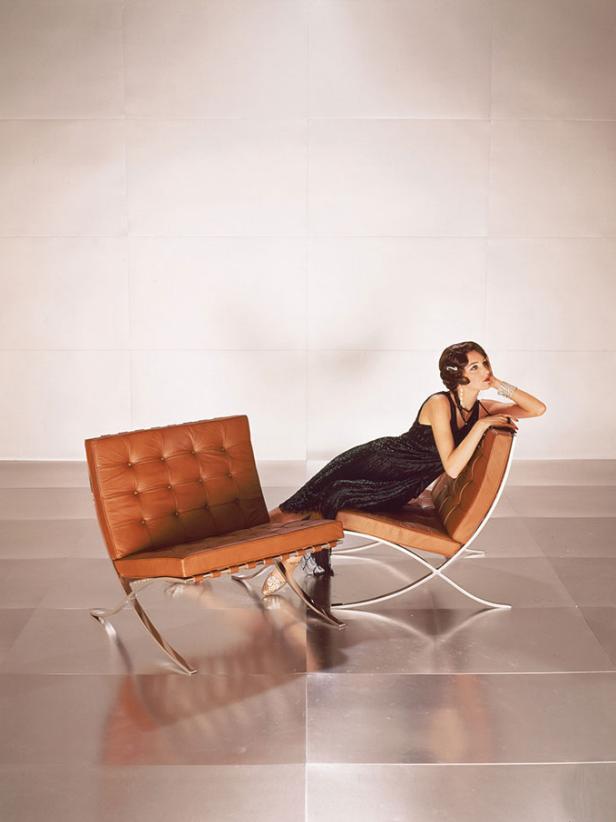
The Barcelona chair is the collaborative brainchild of Modernist master Ludwig Mies van der Rohe and Lilly Reich. Initially designed for the German Pavilion at the International Exposition of 1929 in Barcelona, the chair was intended as seating for Spanish royalty overseeing the opening exhibitions of the ceremony. In this way, the piece was contrary to many Modernist designs of the time, which were most often intended for the “common man.” This particular chair, on the other hand, came to signify a structuralist sophistication coveted by novice and seasoned architects alike for their personal homes and professional projects.

A 1947 ad announcing the Barcelona Chair's addition to the Knoll product catalog. Courtesy of Knoll Archive.
A 1947 ad announcing the Barcelona Chair’s addition to the Knoll product catalog. Courtesy of Knoll Archive.

Design of the Barcelona chair

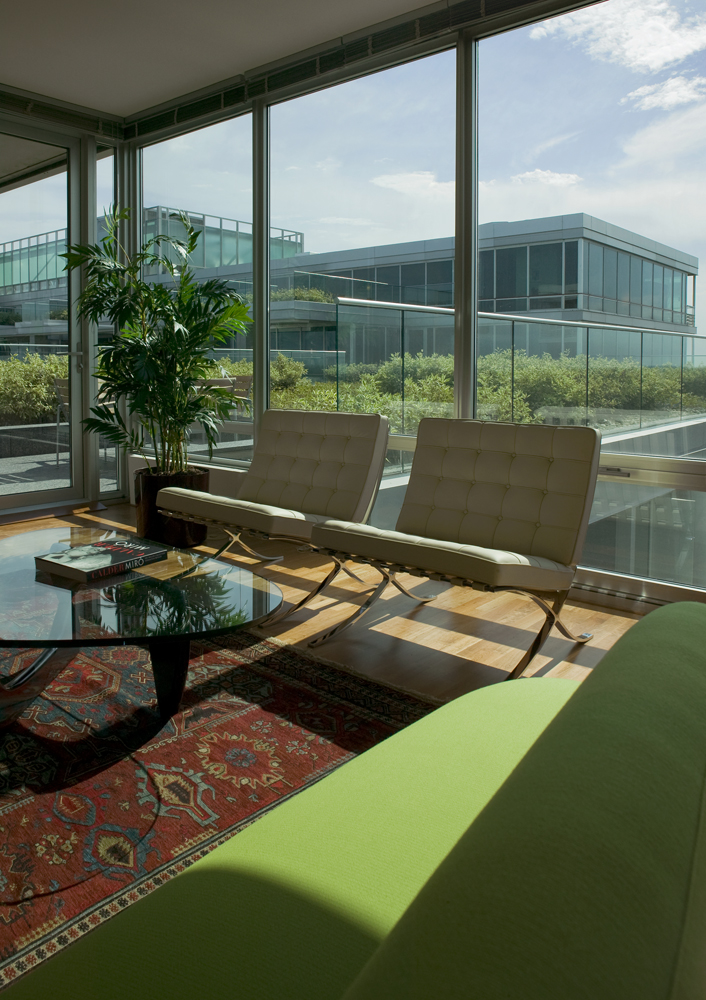
Perhaps what makes the Barcelona chair so striking is its simple elegance, and how directly it expresses the iconic Mies van der Rohe sentiment that “less is more.” A tribute to the marriage of modern design and craftsmanship, what appears a simple fixture is quite complex to construct, with a hand-ground and hand-buffed frame, and upholstery made with 40 individual panels. The chair is now manufactured by Knoll in an almost entirely handcrafted process, with a facsimile of Mies van der Rohe’s signature stamped into the frame. Available in both chrome and stainless steel, the chair’s frame has been redesigned as a single seamless, smooth piece of metal. Upholstered in leather of various shades, the iconic design adapts beautifully to each space. 

You can find a Barcelona chair at every one of our communities.  Incorporating the iconic piece of furniture into our properties helps us to express our deep appreciation for Modernism and for craftsmanship. For us, it serves as a reminder of the great designers who have created the legacy that enables Modernist design to continue to flourish — and functions as a beautiful piece of furniture to admire and use.

Our Beliefs: Lasting Impact

As part of our culture at Optima, our team is aligned around a set of beliefs that provides unity, clarity and meaning to the work we do everyday. One belief — committed to lasting impact — addresses our dedication to design solutions that raise the bar, withstanding the aesthetic test of time to leave a positive, lasting impact on people and the built environment that surrounds them.

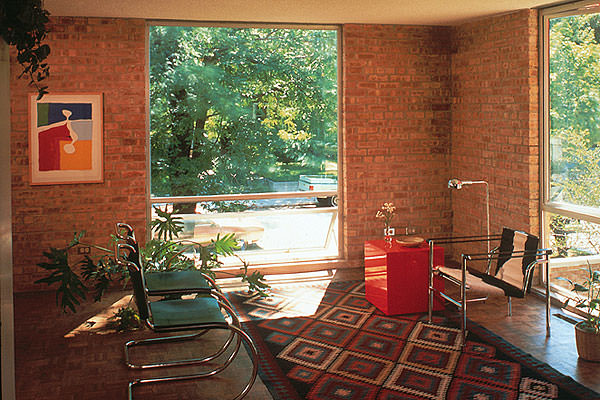
From our earliest days, we have approached our work with this mindset. Our first project was in 1978 — a condominium complex at South Kenwood Avenue and East 54th Street in Hyde Park. We acquired the in-fill property at auction, and built six townhouses using Chicago common brick (they are still standing and occupied today). This project established a throughline that stays with us to this day, as we continue to pursue each project with the same intention, inspired by the people who live in and around them. 

Interior of South Kenwood and East 54th Street

As a natural outgrowth of our focus on people and the places they inhabit, we pay particular attention to how interior space is designed and experienced. Whether it’s our multi-family residences or single family homes, each is outfitted with a multitude of amenities, outdoor spaces and thoughtful design. We also deliberately curate the commercial spaces within our multi-family properties to benefit our residents, tailoring the selection of retailers to include restaurants & juice bars, schools, veterinary services or health & wellness spaces that align with the mix of residents and their needs. 

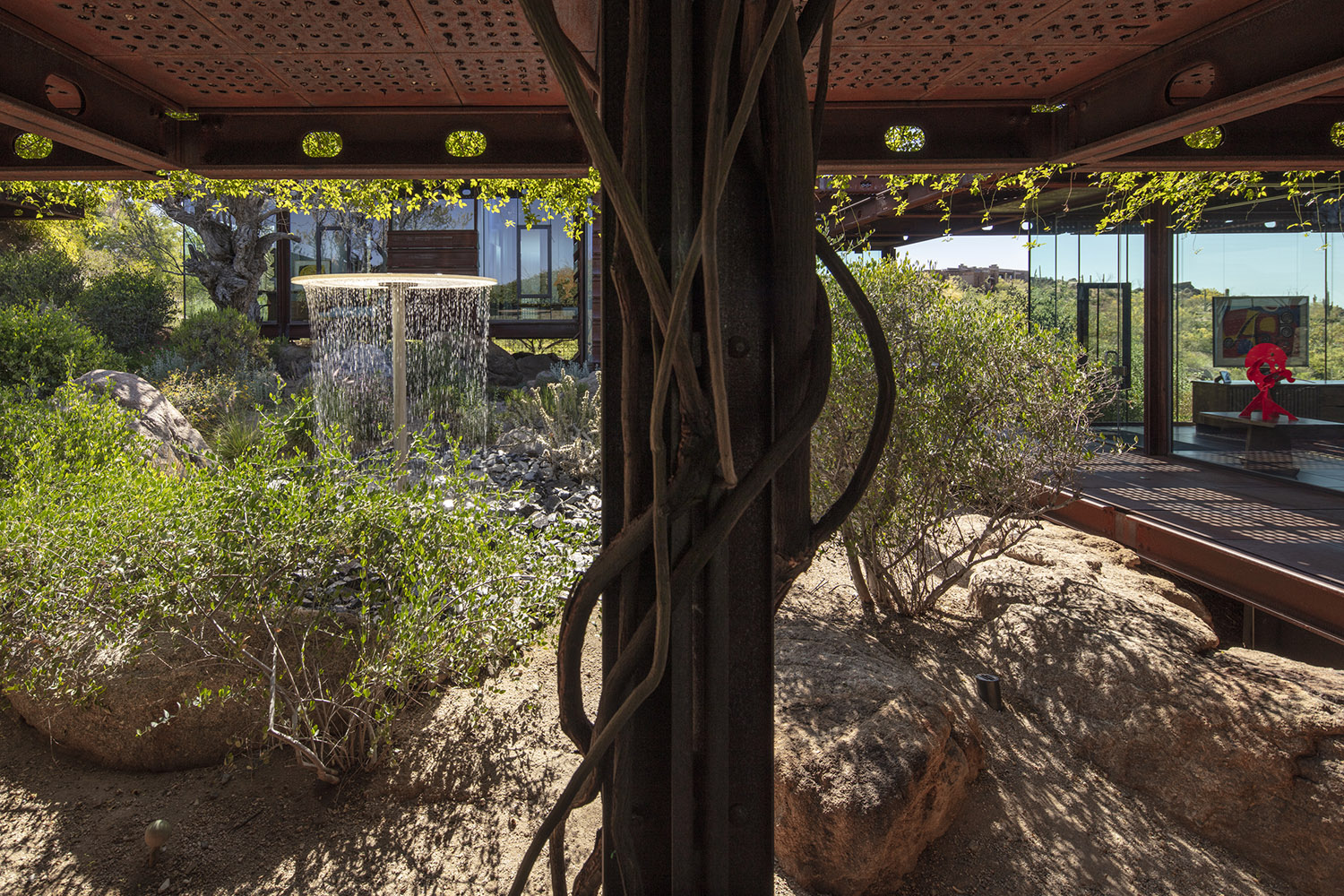
Our passion for buildings that last also translates into how our projects impact our earth. From LEED and IgCC certifications to conscious materials, we design with eco friendly functionality in mind. In building Relic Rock, we utilized design and materials to reduce the need for electricity and heat, lowering the building’s environmental burden. As we continue to grow in our practices, we will continue to implement more conscious design to ensure that our buildings work harmoniously with the surrounding nature.

Courtyard Fountain “Cooling Tower” at Relic Rock.

Through each project and with each detail large or small, we strive to improve our communities and the lives of our residents for years to come. Stay tuned for more features on our beliefs as we dive deeper on what makes Optima function and thrive.

The History of LEED Certification

As real estate development continues to evolve a more environmentally-friendly mindset, green building certification programs are becoming a worldwide normality. LEED — or Leadership in Energy and Environmental Design — is a common practice across the globe and within our Optima properties

The first concept of LEED emerged in 1993, spearheaded by international environmental advocacy groups. By the early 1990s, the demand for sustainable buildings was already on the rise; the combined development in environmental legislation and the concern of tenants and shareholders pushed real estate developers, architects and industry leaders to re-think their methodologies. Non-profits, government agencies, architects, engineers, developers, builders and manufacturers came together to officially introduce the LEED program in 2000.

Since then, LEED has grown into the world’s most widely-used green building rating system, with nearly 80,000 projects participating across 162 countries. From residential buildings to commercial spaces, LEED provides a framework that project teams can use to create efficient, cost-saving green buildings. 

So how does a building become LEED certified? It depends on the project. There are various LEED rating systems for different situations, including building design and construction, interior design, building operations and maintenance, neighborhood development, homes, and cities and communities. Depending on the given system, requirements can range from material choices, to greenhouse gas emissions, to energy and water consumption, to air filter systems. Through these strategies, LEED buildings have a positive impact on their residents or tenants, their communities and the environment.

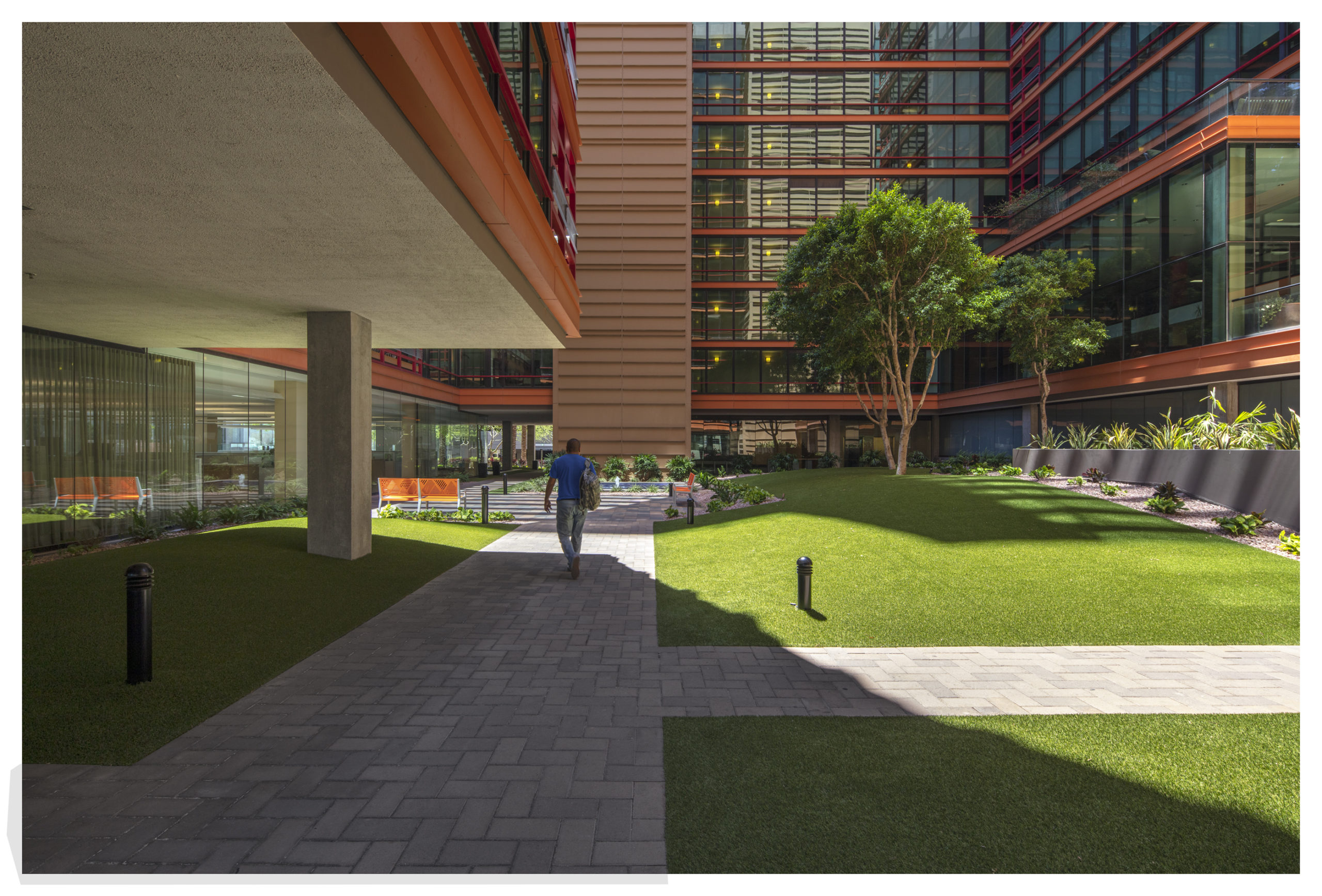
 Landscaped Courtyard at Optima Biltmore Towers
Landscaped Courtyard at Optima Biltmore Towers

From our building materials to our amenity spaces, we are in constant pursuit of bettering our buildings with environmentally conscious practices, something we’ve been passionate about since our beginnings. Ultimately certifications like LEED help us improve our buildings, support environmental efforts and create a long, lasting impact

person name goes here

Maintenance Supervisor

Glencoe, IL


    Acceptable file types: *.pdf | *.txt | *.doc, max-size: 2Mb