Easy Houseplants for the Indoor Gardener

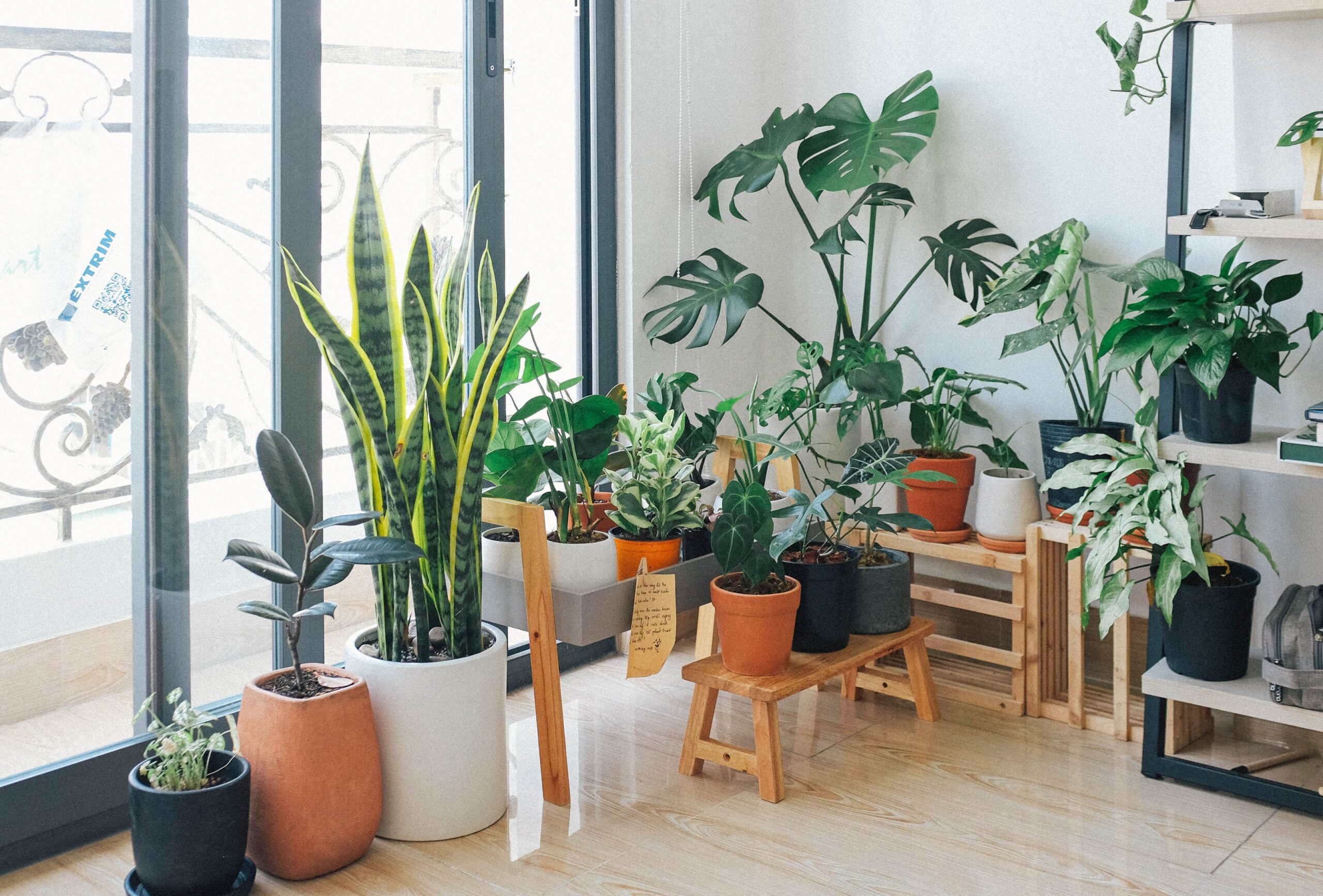
While Chicago’s seasons are distinctly wonderful, we do miss our outdoor gardens, parks and greenspaces in the winter months. One antidote to winter’s edge is to bring gardening indoors, especially in the light-filled apartments at Optima Signature, which provide beautiful spaces for plants to flourish year-round. There are countless benefits to indoor gardening — brightening a room, improving mental health, cleaning and freshening the air around you — to name a few. And if you haven’t yet discovered your green thumb, here are some easy-to-find houseplants that will flourish inside, and allow you to remain surrounded by greenery year-round.

Pothos

A trailing vine that can fit in a small pot, Pothos has the nickname “devils ivy” for a reason, essentially because they live ceaselessly. Pothos is the perfect plant for the beginner gardener or the urban dweller, as the sunlight it prefers can either be bright and lower level. Pothos also can handle over and under-watering and its vibrant green leaves look lovely spilling out from its pot.

Phalaenopsis Orchid

Orchids are elegant flowers but need slightly more attention and effort than most plants. For those hoping to try their indoor gardening on the flower, the Phalaenopsis Orchid, native to tropical Asian climates, prefers to sit in east or south windows. Though it does need a humid environment, the beautiful show blooms are considerably forgiving when it comes to caring. This flower only needs to be watered every week or week and a half and is a bright addition to any indoor garden with brilliant shades ranging from reds to purples and violets.

Snake Plant

A favorite among novice indoor gardeners, snake plants thrive in home environments with plenty of bright light and are adaptable to watering. Snake plants have striking, sword-shaped green leaves that shoot upwards with a lighter green outline. They range from small to mid-sized and are easy to repot when they outgrow their original home.

Lucky Bamboo

Lucky Bamboo is the sort of plant that can thrive in any welcoming condition that it lives in. The plant prefers to sit in bright natural light and favors filtered water about once a week. They are also believed to bring good luck and enhance the positive energy of their surroundings, making them a lovely housewarming gift. 

Air Plant

For those who prefer a dirtless alternative, an air plant is an excellent choice. Air plants need to be submerged in water for 2-3 hours every ten days and then can be left to illuminate a space. They look lovely hanging from the ceiling, in a glass jar, on a plate, atop a stack of books, and add a lively spot of green to any space.

Yucca

If you want a larger plant, Yucca is the way to go. These tall, leafy plants require a broader pot to balance their top-heavy, intense green, leafy stems and lots of sun. They are an easy tree to keep in a well-lit corner and are very flexible about watering.

Aloe

Aloe prefers bright indirect light, making it perfect for a desk or bedroom that needs an enriching new accessory. Though Aloe plants are easy-going about watering, the best way to care for them is soaking them every two weeks for optimal growth.


Summertime in Chicago

Summertime in Chicago brings an abundance of sunshine, blue skies, and long days to spend exploring everything the city has to offer. Optima Signature, located just east of Michigan Avenue’s Magnificent Mile, is perfectly positioned to access the best of the city’s summer activities. Here are just a few of the many adventurous things to do this summer in Chicago:

Farmer’s Markets

Every Tuesday from 7 am – 2 pm through October 26, the Streeterville Organization of Active Residents (SOAR) Farmer’s Market sets up in the plaza of the Museum of Contemporary Art just blocks away from Optima Signature. The SOAR market features a diverse array of local vendors and seasonal produce including Back of the Yards Coffee, a woman and Latinx owned coffee company based in Chicago’s south side, Bennison’s Bakery based out of the North Shore, flowers from Oosterhoff & Son Flowers, and numerous farms from Indiana and Wisconsin. 

Of course, a visit to the Museum of Contemporary Art is always fun after a day at the market. The museum champions the new and unexpected in contemporary art and culture and has an exhibit on Chicago Comics: 1960s to Now through October 3.

Just a short bike or bus ride away, the Green City Market in Lincoln Park runs from 7 am to 1 pm on Wednesdays and Saturdays, May through October. The market features sustainable vendors and community programming. Chef’s and vendors offer wholesale pricing on their fresh products and many local restaurants use the market to obtain ingredients. 

After visiting the market, be sure to explore the Lincoln Park Zoo, the Lincoln Park Conservatory, and the nature boardwalk.

A group of kayaks floating down a body of water

The Chicago River

Spending a hot day on the water is a perfect Chicago summer activity. Optima Signature’s proximity to the Chicago River makes e-boating or kayaking a perfect outdoor activity. 

Urban Kayaks located on the Chicago River Walk provides guided kayak tours and rentals seven days a week through the end of the summer. Chicago Electric Boat Company, also located on the River Walk, offers environmentally-friendly electric boat rentals that can be exhilarating experiences for water novices and experts alike.

Chicago’s River Walk, open until 11 pm, offers beautiful views of the city and the river’s bridges, restaurants, and cafes, and is a perfect place to end a summer day.

For Chicago residents and visitors alike, the summer months are precious. So while we still have these long, warm days and sunny skies, make sure you venture out to enjoy the bounty at the iconic neighborhood farmers markets and the unique access to our namesake river!

The Health Benefits of Saunas

Saunas have been health staples in cultures around the world for thousands of years. The oldest saunas, found in Finland, are thought to date from around 2,000 BC and used stones to create high temperatures and dry heat in the winters. In Korea, domed structures often warmed by kilns appeared in literature as early as the 15th century. In the Orkney’s of Scotland, stone structures thought to incorporate the use of steam date back to the neolithic age. 

In modern times, the most common saunas used in western culture originate from Northern Europe and have temperatures around 212 degrees Fahrenheit and relatively low humidity. They remain today a staple of health and wellness, and can be found at spas, resorts, poolsides, gyms, and even private homes and bathrooms. 

Saunas are known for their numerous health benefits. When an individual spends time in a sauna, the heat causes their heartbeat to increase and their blood vessels to widen, improving circulation. Saunas are comforting, calm spaces that promote relaxation and, paired with the improvement of circulation, can reduce stress levels and improve overall cardiovascular wellbeing. 

Dry saunas, especially, are known for their positive impact on heart health. They also reduce the symptoms of rheumatic diseases such as fibromyalgia and rheumatoid arthritis. Dry saunas are known for relieving skin conditions such as the itchiness from psoriasis. There is some evidence that dry saunas also may improve athletic performance.

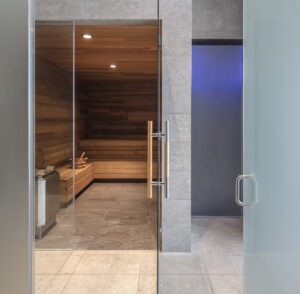
Indoor Sauna at Optima Signature

When it comes to enjoying a sauna, for optimal benefits, most experts recommend around fifteen minutes per sitting and allowing your body time to rehydrate and cool down before resuming normal activities. 

Saunas are a wonderful way to relax and boost both cardiovascular and overall health. The use of saunas is an ages-old practice that prioritizes bodily and mental health, spans around the globe, and persists today.

The Environmental Benefits of Vertical Landscaping

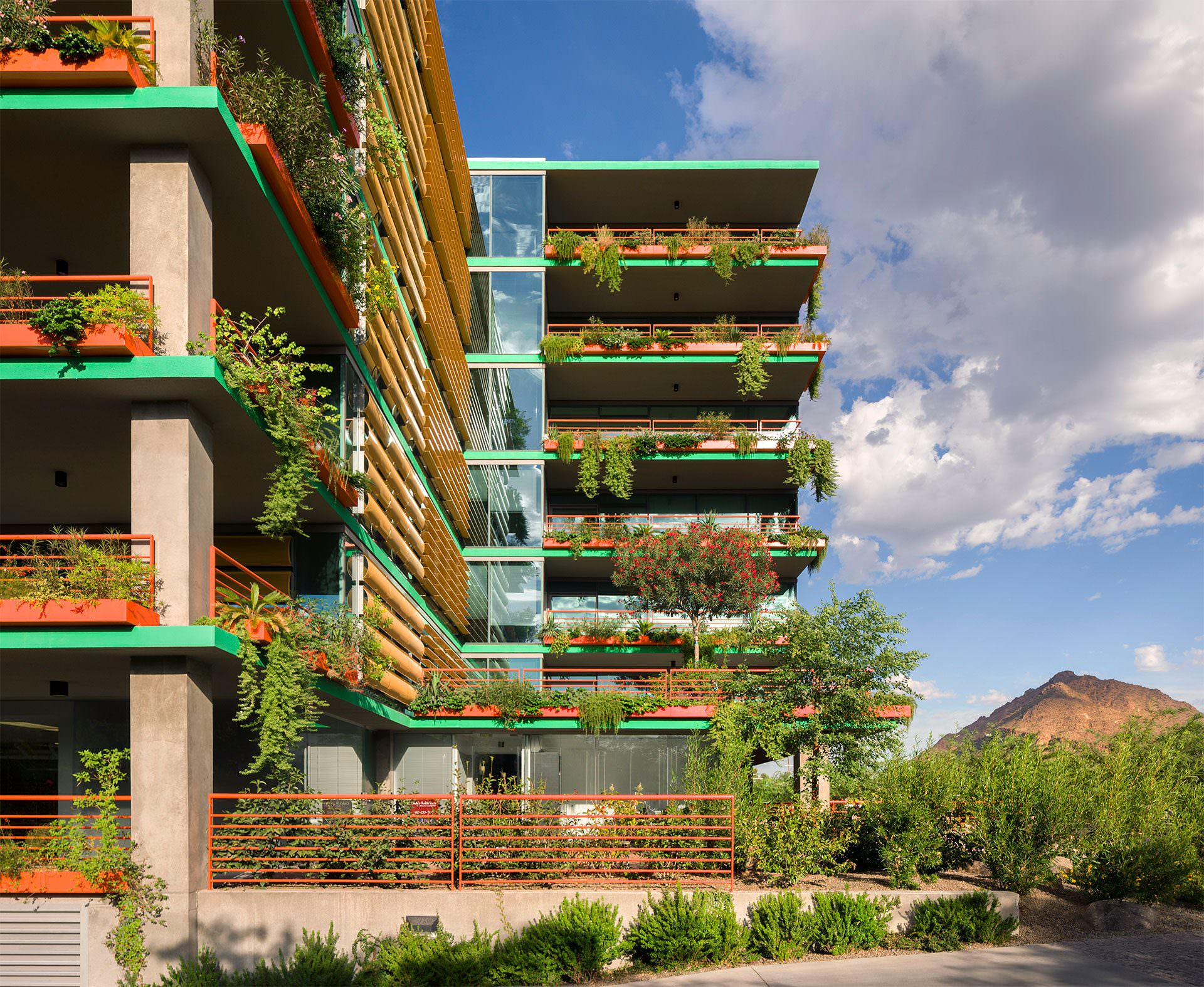
Vertical landscaping is a signature feature across Optima communities. In Arizona, we’re easily recognized by the lush greenery that makes itself a key element of the facade at Optima Camelview Village and Optima Sonoran Village. Most recently, we’ve even strategized how to bring our vertical landscaping to the inclement midwestern climate, with plans to incorporate it at our latest development in Wilmette, Optima Verdana.

Photo of Optima Verdana
Vertical landscaping at Optima Verdana in Wilmette.

Besides providing aesthetic value through added beauty and privacy for residents, our vertical landscaping system also serves another important purpose: bringing a broad array of environmental benefits to the natural environments in which we build.

The impact of our vertical landscaping system is something we calculated carefully through extensive design exploration, engineering and a multi-year research collaboration with Arizona State University.

The system, with self-containing irrigation and drainage, provides a haven for urban wildlife, promotes evaporative cooling, re-oxygenates the air, reduces dust and smog levels, reduces ambient noise, detains stormwater and thermally insulates and shields residents from the desert sun, all of which contributes to a sustainable urban environment.

Residents and community members alike also get to experience the direct impact of being surrounded by nature, with the vertical landscaping system serving as a connection to nature. Wherever this connection is made, it fosters a lifelong appreciation for the environment around us, and helps us all to stay mindful of the role we play in keeping that environment safe.

The Health Benefits of Being Outdoors

Considering we all spent a lot of time indoors in 2020, we’ll take any excuse to get outside this summer. Thankfully, there are numerous mental and physical perks to spending time in the great outdoors, whether it’s on a hiking trail or on your own terrace. Here are just a few of the many health benefits of being outdoors:

Boost Your Mood

Studies have shown being outdoors lowers levels of cortisol, a hormone that’s a marker for stress. Spending some time outside can help with stress, anxiety or depression, not to mention the added physical benefits of just spending a few minutes in the sun. Vitamin D helps with bone growth, regulates your immune system and can help battle depression. Even if it’s just a quick reset, getting out of the house and into nature can really boost your mood.

Improve Your Vision

Just like we’ve all spent more time inside over the past year, we’ve also spent more time on our screens. Whether you’re back in the office or working from home, your eyes probably need a break. Staring at computers, tablets and smartphones for long periods of time can cause Computer Vision Syndrome, but spending time outdoors can alleviate blurred and double vision, red eyes and headaches.

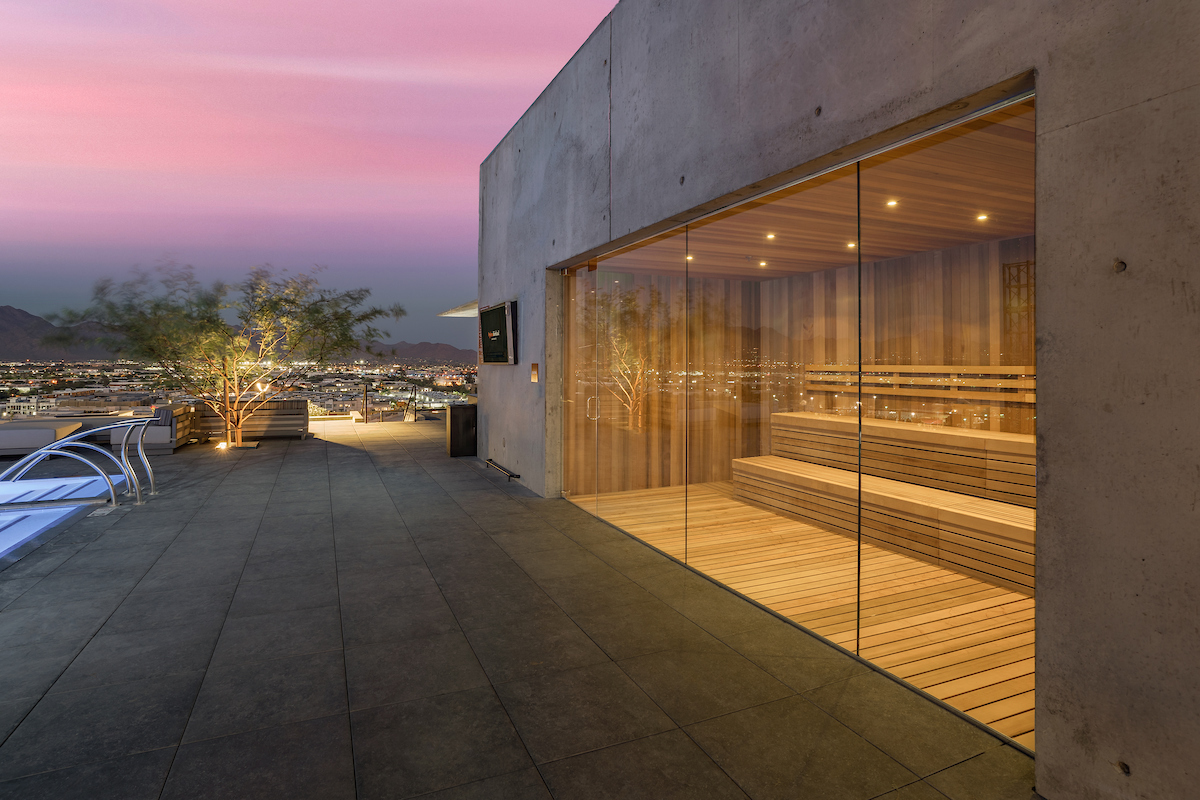
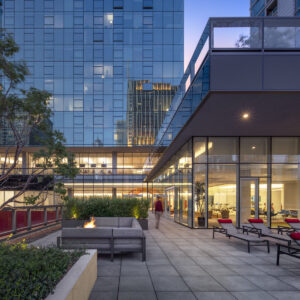
Photo of Optima Signature 7th Floor Outdoor Deck
Optima Signature 7th Floor Outdoor Deck

Refresh Your Focus

Nature and green space lets our brains take a break from the chaos of life (and in some cases has even reduced symptoms of ADHD). Spending more time outdoors is also linked to higher levels of concentration, creativity and improved mental clarity.

We hold these health benefits in high esteem, and it’s one of the many reasons we design our residential and communal spaces to invite the outdoors inside. Connecting to nature is an easy way to take some time and connect to yourself and to the environment around you.

Chicago Skyscraper Spotlight: Rookery Building

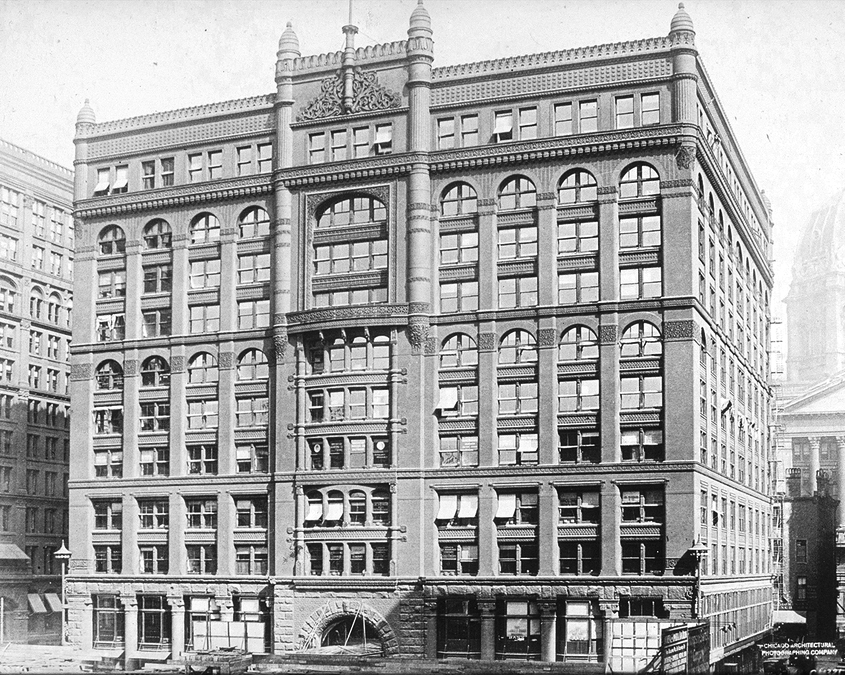
Highly regarded as one of the most historically significant buildings in Chicago, it’s only natural that we would include the Rookery Building in our ongoing Chicago skyscraper spotlight series. So what does it take for a building to earn such an esteemed title – especially in a city with a skyline marked by its architectural diversity and richness? Let’s take a look.

Big Shoulders Indeed

The Rookery Building was completed in 1888 by architects Daniel Burnham and his partner John Wellborn Root, under their firm Burnham and Root. Overall, the structure is considered one of their masterpiece buildings and was even once the location of their offices. Standing at twelve stories high (188 feet total), it’s also considered the oldest standing high-rise in Chicago.

The Rookery Building rose from the ashes of the Great Chicago Fire. Burnham and Root were part of the Chicago School of Architects who worked to rebuild the city during that time, utilizing modern industrial techniques combined with traditional techniques and design, resulting in a truly unique product.

The unique name, too, comes with a story: only a water tank was left standing from the original structure after the fire. A temporary structure was built around this tank, and was nicknamed the “rookery” – in part because of the pigeons and crows that perched on its exterior, but also in part because of the crooked politicians it housed within.

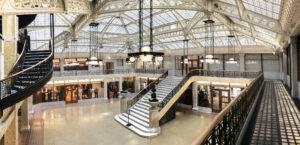
The Rookery, Chicago
Light Well and Mezzanine at The Rookery. Credit: Alan on Flickr Creative Commons CC BY-NC-ND 2.0 Deed

The Rookery Building in the Modern Era

Burnham and Root weren’t the only big names to call the Rookery Building home. At one point, Frank Lloyd Wright once held offices there as well. In fact, Wright even remodeled the building’s lobby in 1905. Just a few decades ago, from 1982 to 1992, a massive renovation project was completed to restore the lobby to this original Wright design once again.

These days, the building is home to tenants such as US Bank, Brooks Brothers, Perkins Eastman and Interactive Brokers Group. Both the Frank Lloyd Wright organization and the Chicago Architectural Society offer tours inside the building, so that lovers of great architecture today can continue to appreciate its history, story, and gorgeous features.

An Inside Look at Architect Lingo, Part IV

Our team is joined together by a love of exceptional design — so naturally, design is our shared language. From property managers to accountants to architects, we’ve all come to know and love the architect lingo that helps us communicate our passions, our creations and our vision. In celebration and as part of our ongoing series, today we’re sharing Part IV of our inside look at architect lingo.

Poché

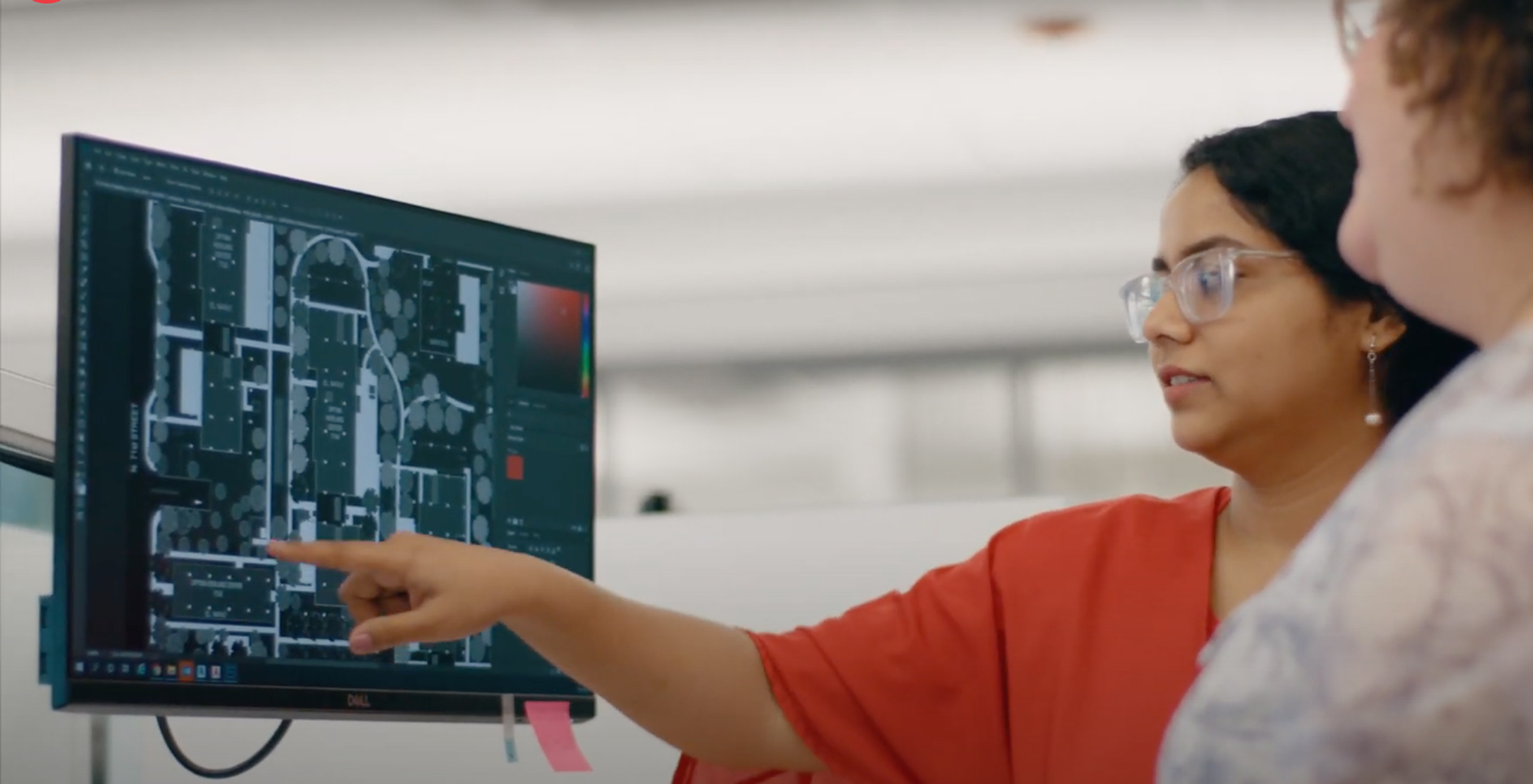
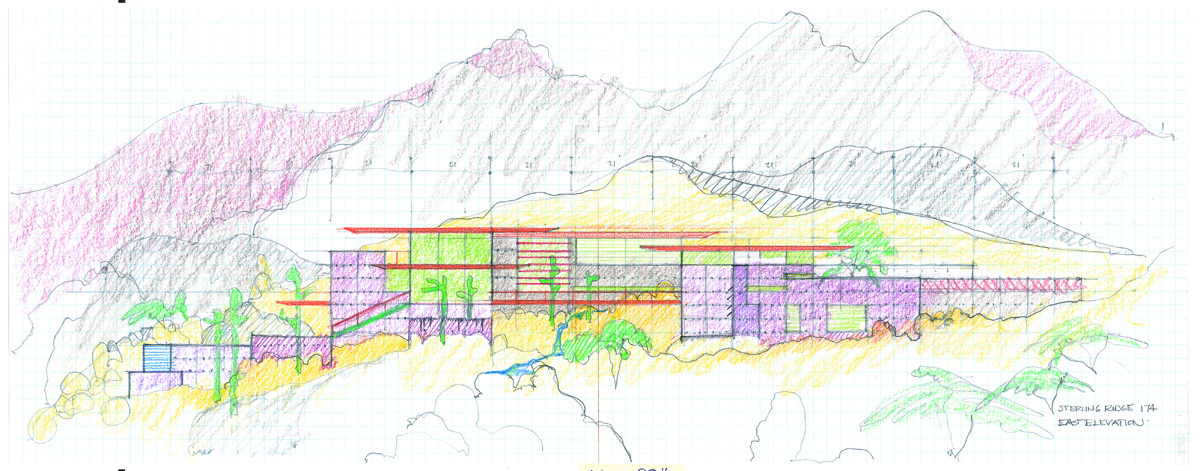
Pronounced with an exaggerated accent on the e at the end, the word poché comes from the French word pocher, which means to sketch roughly. To the untrained eye, poché refers to the portions of an architecture plan that are blacked out, darkened or cross-hatched. To an architect’s eye however, these blacked-out portions of the drawing hold much information.

Poché in a drawing demonstrates to architects the wall thicknesses, floor thicknesses and all other solid areas that intersect the plane of the section cut. Because poché makes it more clear how much space these solid areas take up (i.e. a normal line wouldn’t demonstrate the thickness of a wall, but poché does), it means that architects then have a better understanding of what space is actually available to them around these elements.

Example of architectural sketch using poché
Architectural drawing of Sterling Ridge.

Charette

While the word charette might be unfamiliar to many, likely the meaning behind it will sound all too familiar. Charette refers to the intense final effort made by architectural students to complete their solutions to a given architectural problem in an allotted time or the period in which such an effort is made. It’s the home stretch of a project, if you will.

The word charette is derived from the word “cart,” and its origins date back to the École des Beaux Arts in Paris during the 19th century. During that time, proctors circulated a cart, or “Charrette”, to collect final drawings while students frantically put finishing touches on their work. Nowadays, the meaning of charette has evolved to refer to a period of several consecutive days, during which time all stakeholders involved in a project are consulted during an open, collaborative process to gather feedback and make refinements to a given plan.

Miesian

If you’re familiar with Modernist architecture (or if you’ve been an avid reader of our blog), this homological word explains itself. Used as either an adjective or a noun, Miesian as an adjective describes that relating to or characteristic of Ludwig Mies van der Rohe or his work and Miesian as a noun describes an admirer or student Ludwig Mies van der Rohe or his work.

In the Modernist discipline, this basically sums up all of us and everything we create. Mies’ “skin and bones” design style and philosophy of “less is more” is largely influential to the formulation of the discipline as we know it today.


Stay tuned for future features on the world of architecture lingo at Optima.


Green Space Spotlight: Optima Signature

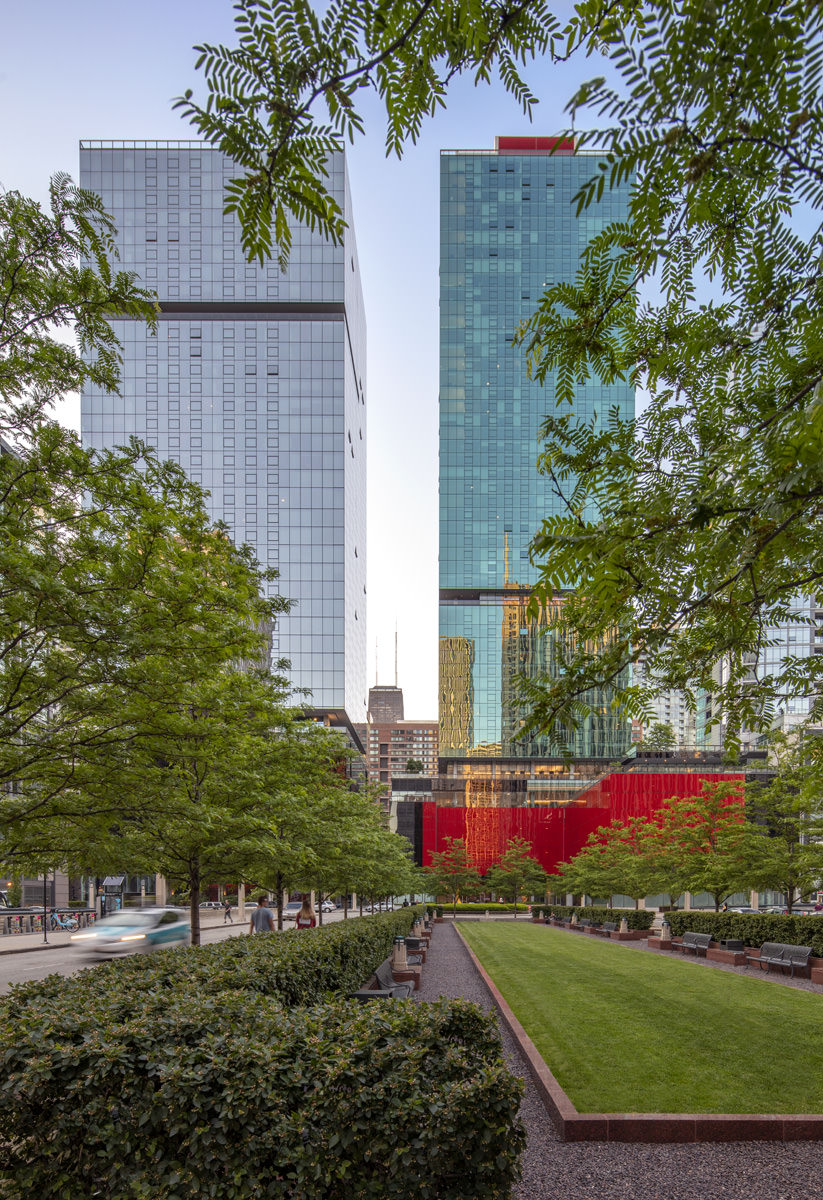
In a dense urban area like Chicago, green space might look a little different. With all of our projects, we design our residences to welcome the outdoors indoors; at Optima Signature, that meant making sure residents could still get outside in the city. The green space at Optima Signature takes advantage of landscaping and contemporary, urban recreational design to embrace downtown Chicago living.

On the ground level, Optima Signature is surrounded by greenery with an inviting plaza. Lush landscaping features benches and seating areas, as functional for residents as they are for passersby or pedestrians. Kiwi, an original sculpture designed by David Hovey, Sr., adds visual movement and a playful quality to the entrance of the building.

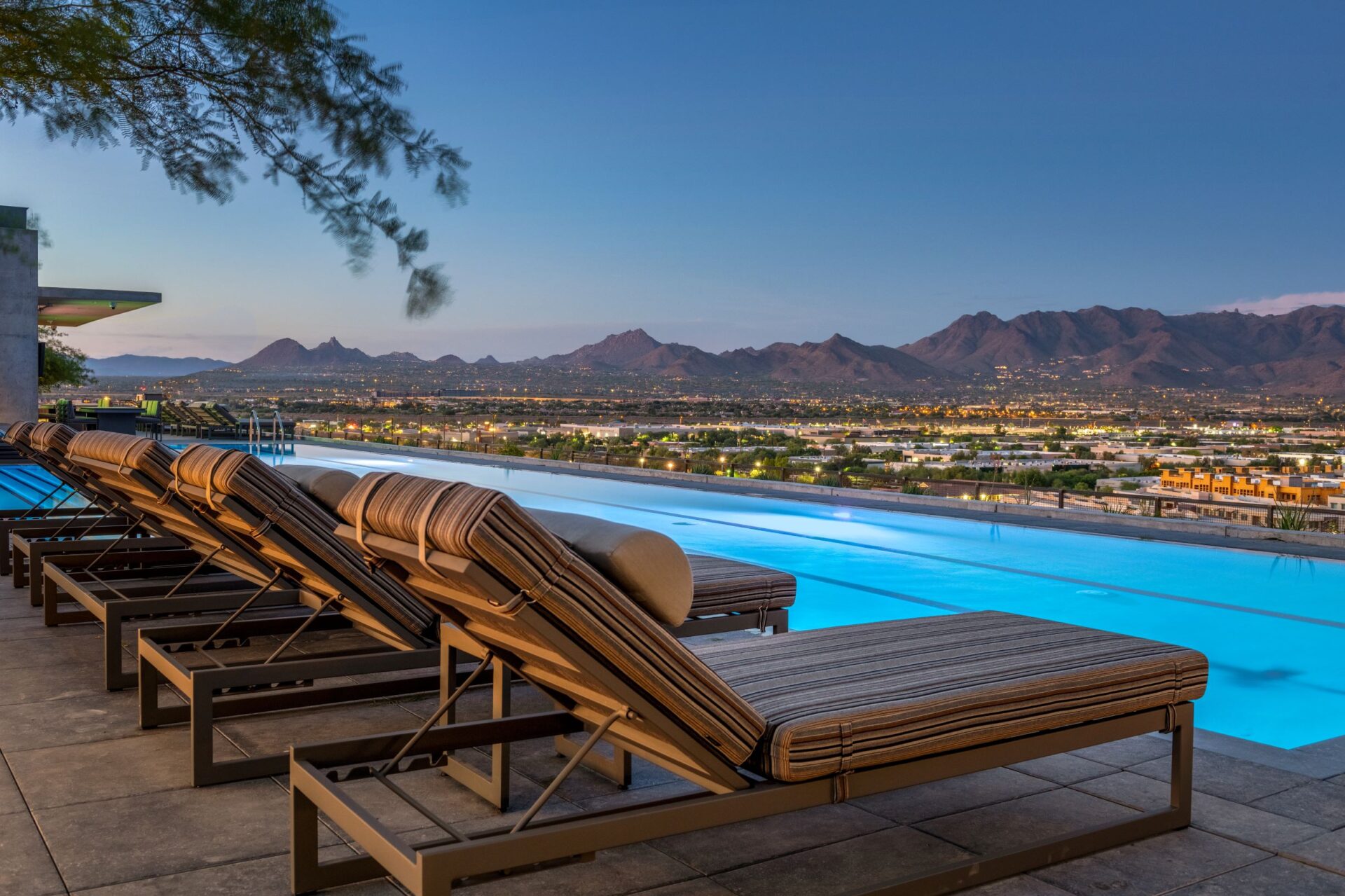
Once inside, Optima Signature features an impressive 1.5 acres of amenity space, many of which are designed to bring residents outdoors. Heated swimming pools, outdoor terraces, herb gardens for resident use, fire pits and outdoor entertaining all contribute to making residents feel as if they’re in an outdoor oasis in the middle of the city. Strategic landscaping, plants and trees ensure a sense of privacy, despite sharing the amenities with other residents. Designed for residents in all walks of life, Optima Signature also includes an outdoor dog park and play areas for children (although there are indoor options for when the Chicago weather inevitably turns cold). In a concrete jungle, Optima Signature brings residents a bit closer to nature.

When moving to a city, many assume they’ll have to give up access to generous outdoor space. The residences, amenities and green space at Optima Signature offer the best of both worlds, all within a beautifully designed, Modernist tower that overlooks Chicago’s energetic downtown.

Women in Architecture: Beverly Willis

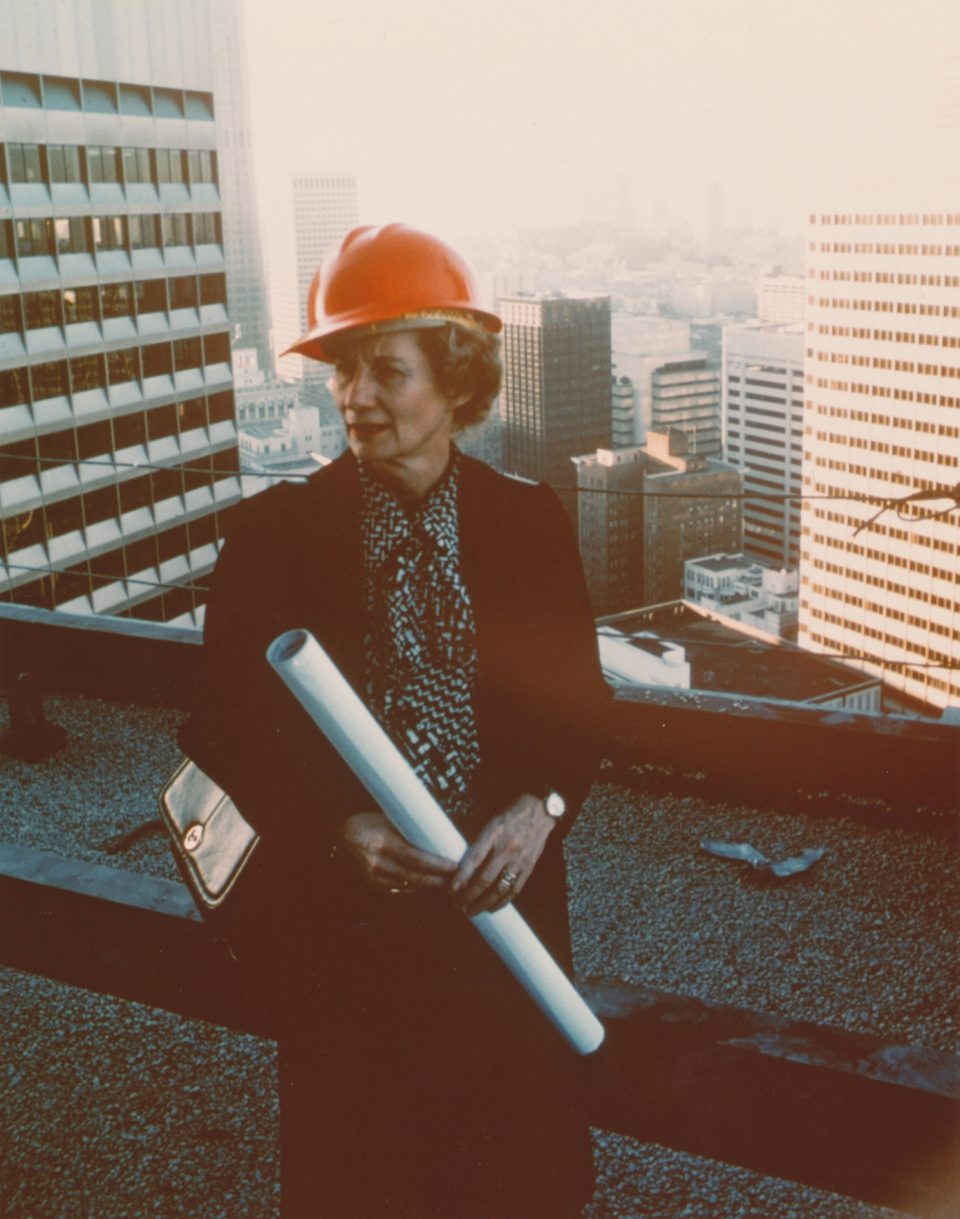
As part of our ongoing “Women in Architecture” series at Optima, we’re taking a look at another pioneering female figure: Beverly Willis. Willis’ career set an unprecedented tone in the industry – to quote her own website, she “accepted commissions for which there were no built precedents, adopted practices that did not become mainstream until decades later, and sought research-driven solutions unique to each project.” Let’s dive in below:

The Life of Beverly Willis

Beverly Willis was born on February 17, 1928, in Tulsa, Oklahoma. Her mother was a nurse and her father was an oil industry entrepreneur and agriculturist. The couple split during the Great Depression, at which point Willis was only six years old, and she wouldn’t see her father again for another several years. Left alone, Willis’ mother struggled to provide for her two children and they were placed in an orphanage. There, they worked for their keep and often fought back against the establishment, learning the lifelong lesson that “pushing boundaries was a way to survive.” 

Willis saw her father again, for the last time over the summer when she was fifteen. She worked alongside him in his shop and earned a man’s wages, which she later used to pay for flying lessons. It was 1943, the middle of World War II, and with her ability to fly a single-engine propeller plane, Willis qualified for the Women’s Air Service.

After her time in the service, having learned many trades’ skills, Willis went off to study engineering at Oregon State University. Ultimately, however, she graduated with a Fine Arts degree from the University of Hawaii in 1954.

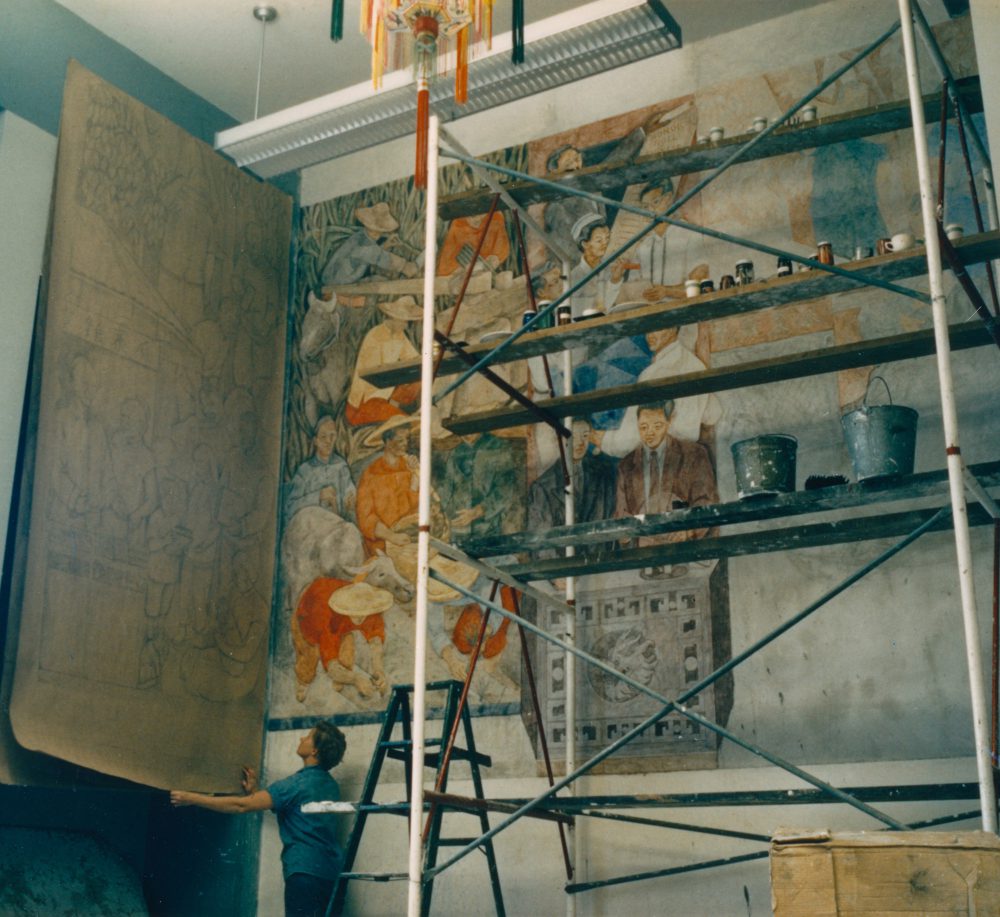
Beverly Willis at work on her fresco for the United Chinese Society, Honolulu, 1955. Beverly Willis Archive
Beverly Willis at work on her fresco for the United Chinese Society, Honolulu, 1955. Beverly Willis Archive, Library of Congress Prints and Photographs Division Washington, D.C. 20540 USA (http://hdl.loc.gov/loc.pnp/pp.print).

Career and Accolades

Willis learned much from her art studies and mentors – including Gustav Ecke, a scholar of Chinese furniture, who introduced her to Asian art and architecture, and Jean Charlot, who exposed her to the history of European art and fresco painting. Armed with this knowledge, she founded her own studio, the Willis Atelier, in Waikiki, Hawaii. There, she continued her murals, fresco paintings and multimedia installations. One of her most notable projects during this period was her fresco work on the Shell Bar at the Hilton Hawaiin Village hotel, which also used an innovative sand cast mural panel technique she herself had pioneered.

In 1958, Willis moved to San Francisco where she opened her own design office and deepened her architectural prowess. She was successful in retail design in particular, but transitioned to residential design with her special program at the Robertson Residence. There, she created notably disability-friendly design far before disability guidelines such as the ADA ever existed. 

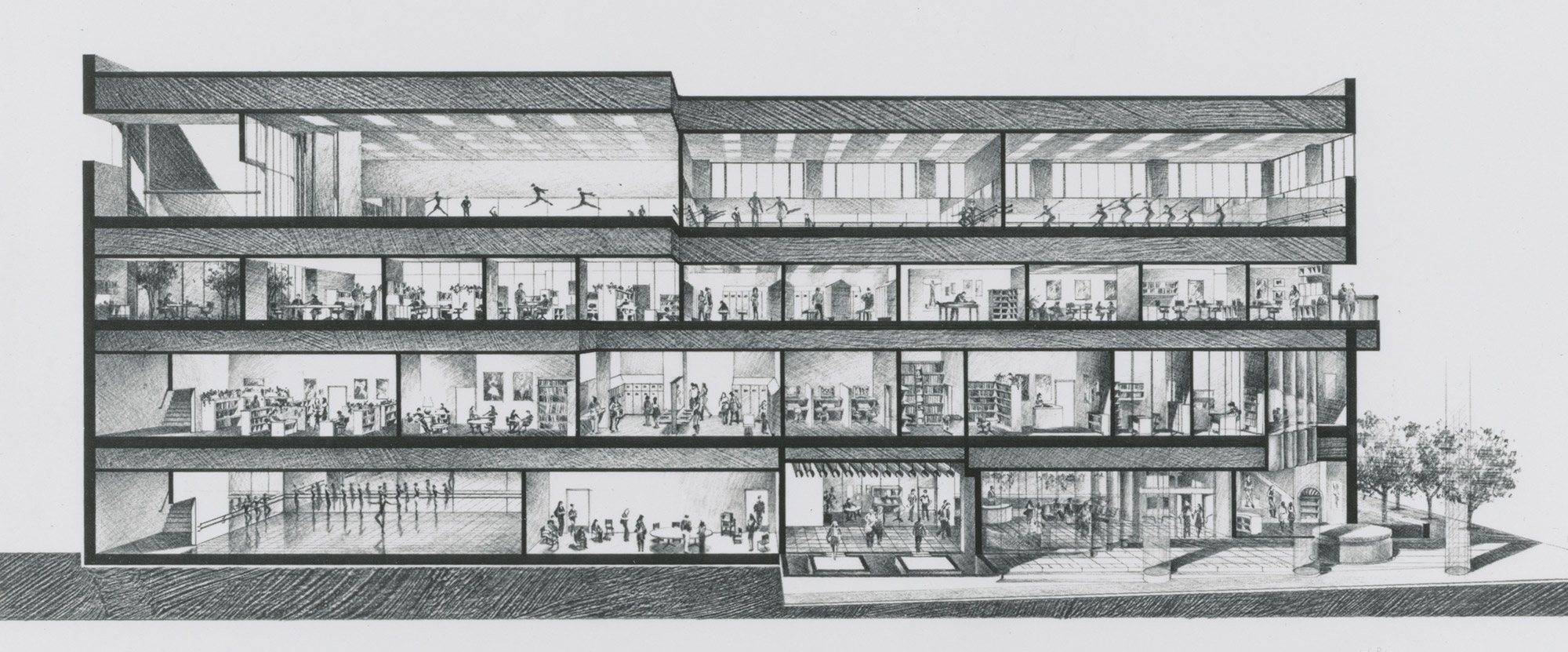
Beverly Willis & Associates, preliminary section showing uses for San Francisco Ballet Building, San Francisco, 1979. Beverly Willis Archive
Beverly Willis & Associates, preliminary section showing uses for San Francisco Ballet Building, San Francisco, 1979. Beverly Willis Archive, Library of Congress Prints and Photographs Division Washington, D.C. 20540 USA (http://hdl.loc.gov/loc.pnp/pp.print).

Two other notable projects during this era included her renovation of the Union Street Stores from 1963 to 1965, which, according to The Architectural Forum, some historians describe as an initial contribution to the advancement of the Modern adaptive re-use of historical buildings movement.” She also designed the San Francisco Ballet Building in 1973. It was the first building in the US specifically designed for a ballet company and school, and paved the way for many others like it to follow.

Willis was also famously one of the first to use a computerized approach to design. Her firm invented CARLA (Computerized Approach to Residential Land Analysis) in 1970, a program which was quickly adapted and used nationally. In 1997, the National Building Museum published her book, “Invisible Images– The Silent Language of Architecture.” Understanding that women were often excluded from the historical narrative of architecture, Willis also founded the Beverly Willis Architecture Foundation (BWAF) in 2002 with the goal of changing architecture culture through research and education.

Her extensive portfolio and accolades speak for themself. And lucky for us, today, Willis is 93 and her humanistic approach to design and innovative approaches continue to shape the architectural world.

Best Day Trips Close to the Phoenix/Scottsdale Area

Phoenix and Scottsdale, cities sitting shoulder to shoulder in Arizona, are the central and exciting location of several Optima communities, including Optima Biltmore Towers, Optima Sonoran Village, and Optima Camelview Village. And while Phoenix boasts being the vivacious capital of Arizona, and Scottsdale prides itself in being the locus of access and luxury, these two twin cities also share another benefit in common: their proximity to countless other exciting day trips and destinations in the state.

 To help inspire your next excursion, here are just a few of the best day trips close by: 

Grand Canyon

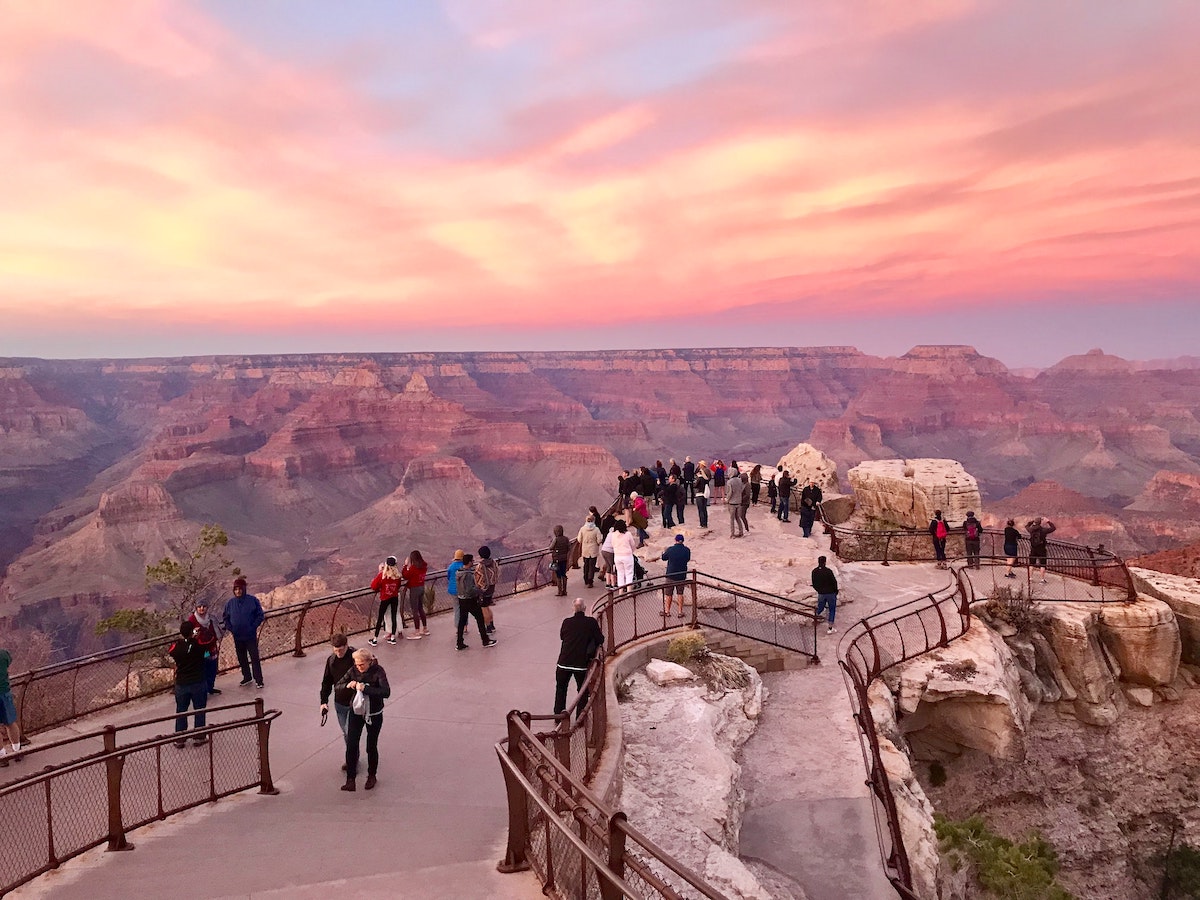
This is a destination that needs no introduction. The Grand Canyon is just under a two-and-a-half hour drive north out of Phoenix. That’s pretty easy access to one of the world’s premier tourist attractions — a site that attracts over 5 million visitors annually. With its layered bands of red rock revealing millions of years of geological history, there’s really no wrong way to enjoy this immense natural attraction, we recommend the South Rim and the Skywalk for the best view, as well as planning to hike, ride a mule, or whitewater raft for the adventurously inclined.  

Sedona-Arizona
Sedona, Arizona. Credit: Moonjazz on Flickr Creative Commons, CC BY-NC 2.0 Deed

Sedona

A day trip to Sedona is well worth the two hour drive south from Phoenix. No doubt the drive down will be a sight to see, too — Sedona is surrounded by red-rock buttes, steep canyon walls and pine forests. The breathtaking landscape is the perfect setting for outdoor enthusiasts, who will enjoy the numerous trailheads across Red Rock State Park. Whether you’re into an intense ten-mile hike, or something more mild like birdwatching and picnicking, there’s something for everyone. Once you’ve gotten your fair share of the outdoors, take a trip into town to enjoy the vibrant arts scene, New Age shops, and countless spas.

Watson-Lake-Prescott-Arizona
Watson Lake, Prescott, Arizona. Credit: Photos by Clark on Flickr Creative Commons, CC BY-NC 2.0 Deed

Prescott

Further proof of all there is to see just outside of Phoenix, Prescott isn’t even a two-hour trip away. There’s so much to do here that you may even end up wanting to stay more than a day. From the historic Whiskey Row downtown, perfect for bar hopping and catching a live music performance, to the many museums worth visiting, there’s an endless list of itinerary items within the city limits alone. And like everywhere else in Arizona, Prescott also boasts an outstanding roster of hiking and outdoor recreation on its perimeter, including Prescott National Forest and Watson Lake

person name goes here

Maintenance Supervisor

Glencoe, IL


    Acceptable file types: *.pdf | *.txt | *.doc, max-size: 2Mb