A Brief History of the Terrace

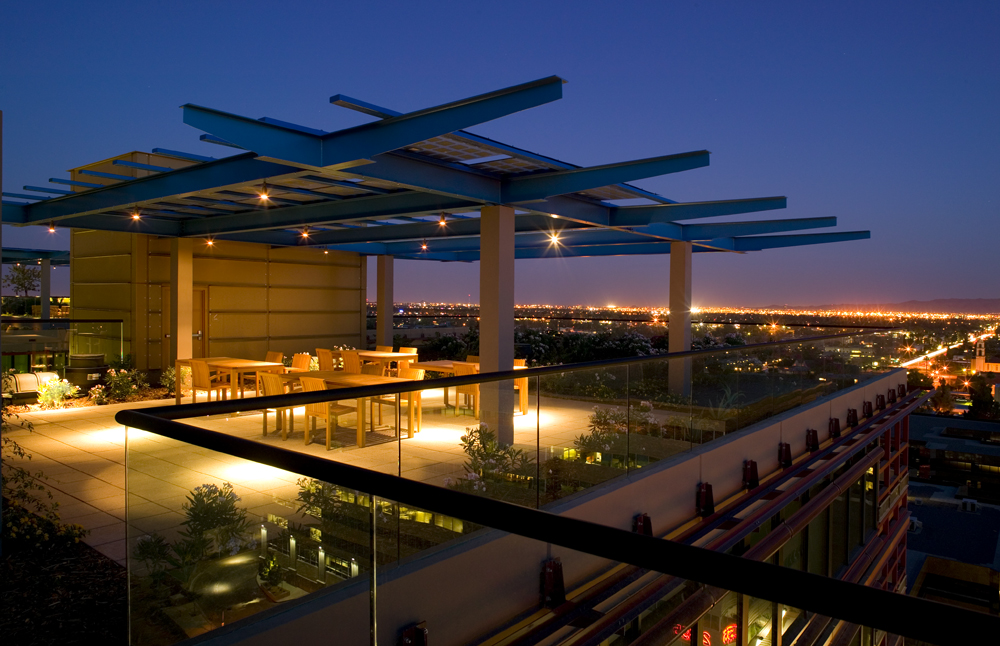
A hallmark of Optima properties is our integration of the built environment with the natural. Oftentimes, we employ terraceslevel platforms incorporated into buildings that allow for plantlife to thrive—that allow our buildings, and their residents, to live in harmony with the surrounding landscape. The usage of terraces is one that dates back for over 12,000 years, evolving over the millennium to be the sophisticated components of urban architecture that they are today.

Terraces of Ancient Times

The word terrace is derived from terra, the Latin word for earth. The technique has been in use for over 12,000 years, first utilized as an ancient farming method in hilly regions. Agricultural terracing involved cutting the land into a series of successively receding flat platforms, much like steps, to allow for more effective farming, by decreasing erosion and surface runoff and increasing the effectiveness of irrigation.  
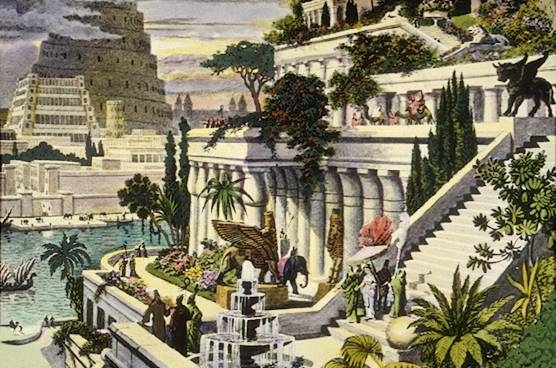
An illustration of the Hanging Gardens of Babylon.

In 9800 BC, ancient civilizations realized that they could adapt this technique to buildings, and they began to add terraces to their homes and other domestic structures. This first usage was seen across the globe, from the Middle East to the Pacific Islands. The most famous interpretation is undeniably King Nebuchadnezzar’s Hanging Gardens of Babylon, one of the Seven Wonders of the Ancient World. Although no actual proof of its existence has been found, depictions show an ascending series of tiered gardens abundant with plantlife, complete even with a waterfall.

Thousands of years later, from 3000 BC – 600 BC, Mesopotamians grew gardens atop ziggurats, terraced religious temples that allowed for religious spaces to become placed ever higher. The structures were placed upon many layered platforms, and it’s believed that ziggurats were what inspired the Biblical parable The Tower of Babel. 

Terraces continued to be integrated into homes. Around 1500 AD, Venice adopted terrace design to the tops of their homes, called altanas. Altanas were private, slat-floored roofs. They started out as a place to hang laundry out to dry, but continue to be used today as social spaces.
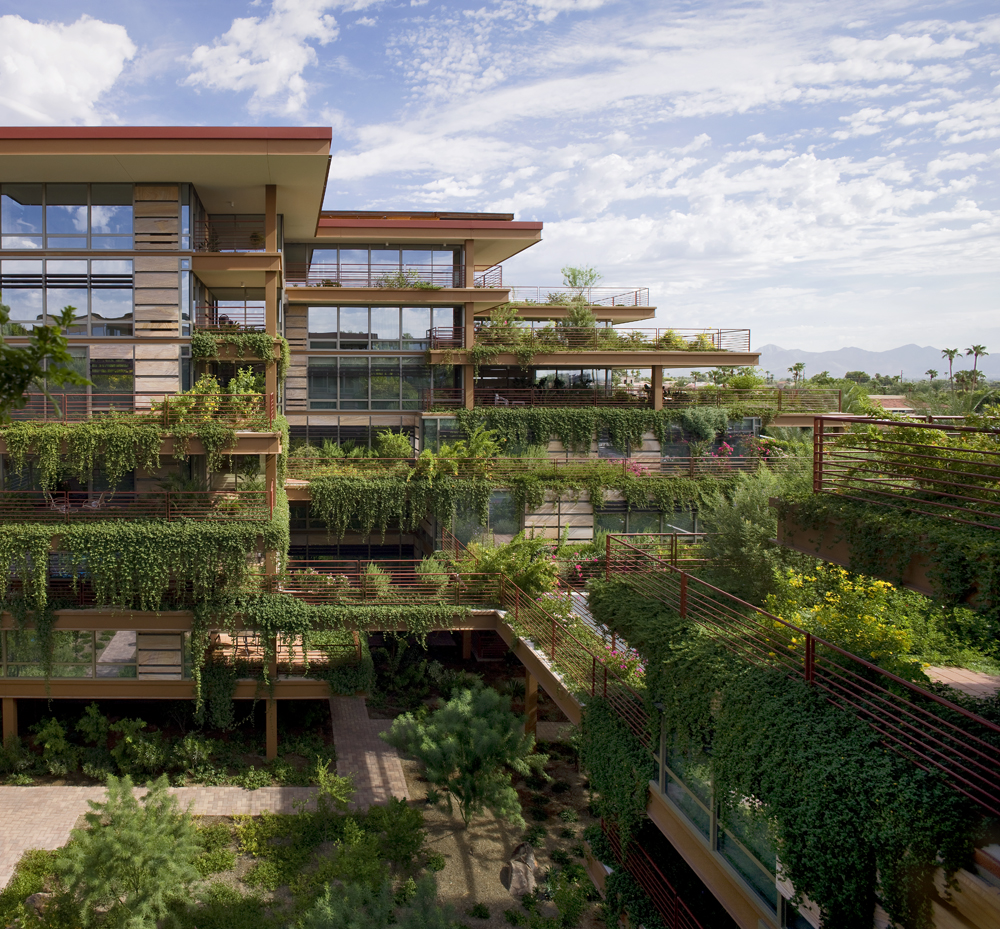
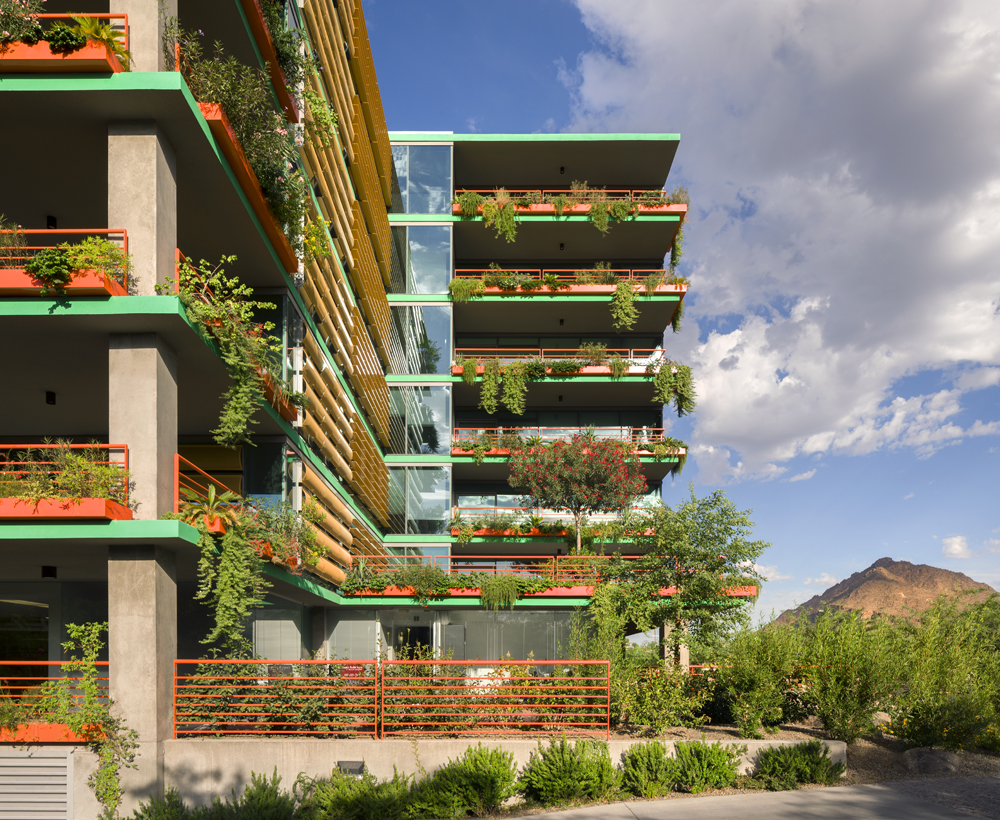
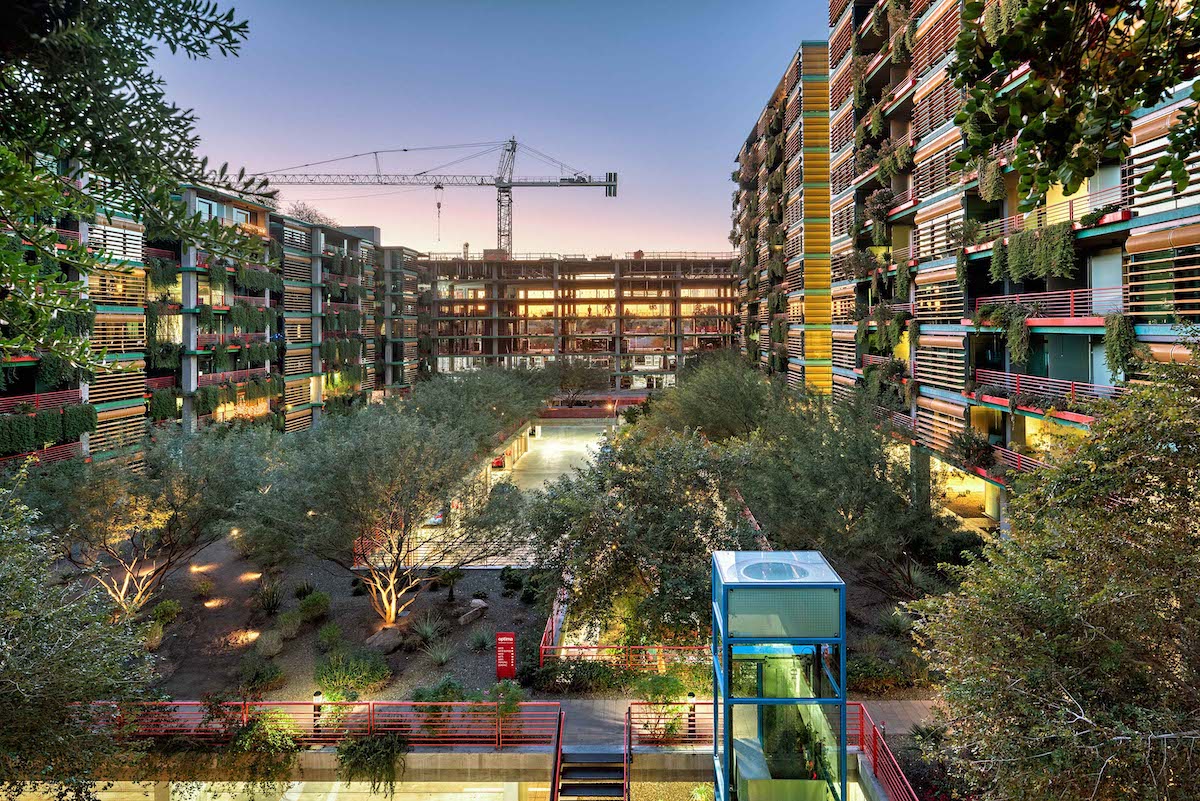
The terraced design of Optima Camelview Village.

Terraces in the Modern Age

Following the progression of altanas as a place to socialize, people began more and more to use the terrace as a location to congregate in privacy. Private rooftop and per-unit terraces became luxury amenities in the 1920s, when building height began to increase due to the adoption of the elevator. At that time, terraces become a status of wealth, allowing for privacy, fresh air and separation from the increasing bustle of life on city-level. 

Today, the use of terraces continues to flourish, finding increased purpose and urgency in response to population growth and a changing environmental climate. They provide private places to reconvene with nature, away from the bustle of the city. Terraces also create sustainable and contributive space, by providing thermal insulation, solar shading to mitigate air pollution, increased biodiversity and enhanced quality of life. 

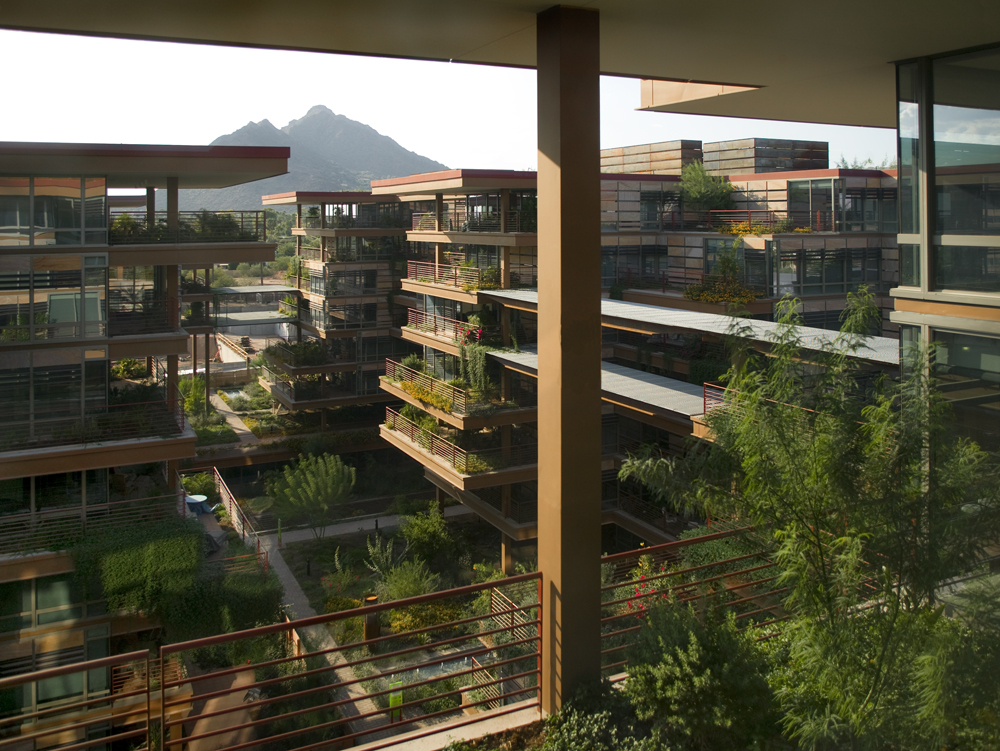
At Optima, we incorporate terraces to create private social space, to integrate nature into our communities through our signature hanging gardens, and to contribute to our sustainability practices at many of our properties, including Optima Camelview Village, Optima Sonoran Village and Optima Kierland. Terraces at Optima serve as outdoor living space, connecting the outdoor and indoor for a seamless living experience. From agricultural beginnings, the terrace stays true to its roots, allowing us to find harmony with nature.
The New Architecture: Integrating the Built and Natural Environment

In a recent New York Times article, author Karrie Jacobs wrote that the “hard barriers between the designed environment and the natural one are softening maybe for good.” 

Jacobs went on to say, “Designers today are rebalancing the relationship between architecture and nature, with the goal of increasing the quality of life, especially in urban settings.” 

The NYTimes article features several new and innovative works by global architects who are designing to fuse outdoor and indoor, with structures that are both influenced by and have influence on their environment. We love to see the innovation taking place throughout the architecture world, and the continued conversation surrounding how design can evolve to appreciate nature.

From the beginning, our work at Optima has celebrated this fundamental connection between design and nature as a way of enhancing the human experience. Since our founding in the late 70s, we have been utilizing Modernist design to create homes that are an extension of their environment and integrate nature into the lives of those that live in them.

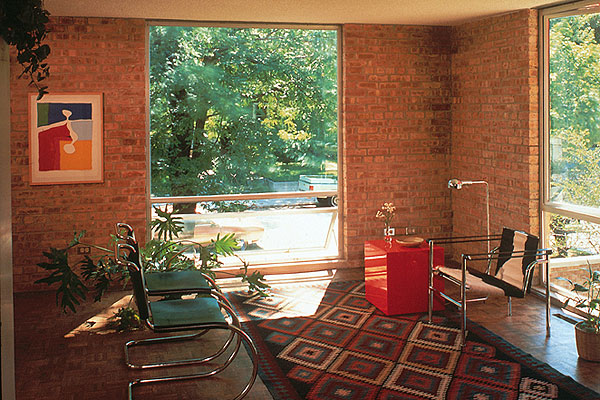
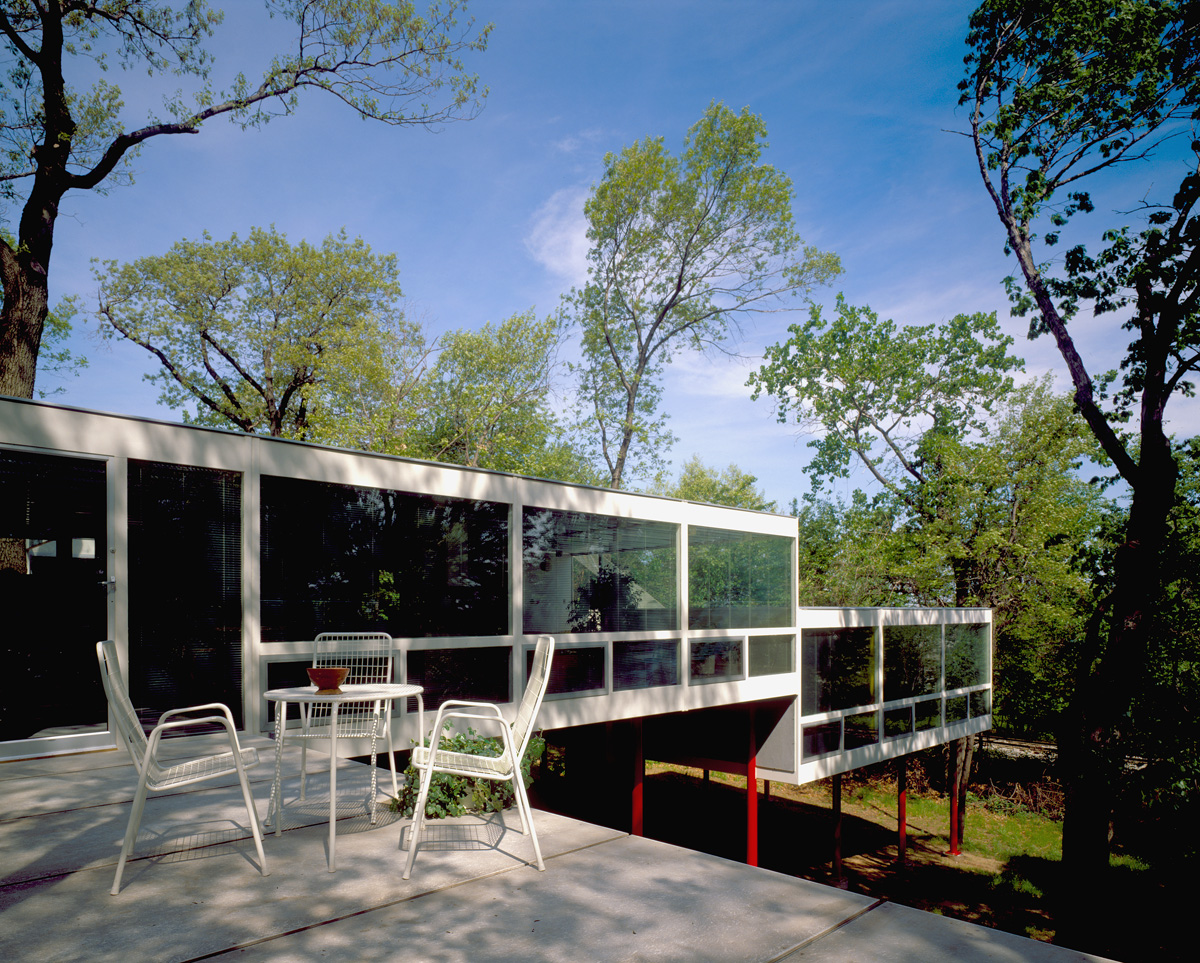
Sandy Knoll, Optima, Homewood, Illinois

One of our first residences, Sandy Knoll, demonstrated how modular housing could integrate a home into a steep, challenging wooded knoll. What resulted was a beautiful home that preserved the integrity and grace of its site, with mature trees and local Illinois vegetation creating the views out of glass-paneled walls. 

Since then, we have continuously challenged ourselves to evolve new ways of incorporating nature into our design. Green space has always been a large component to the communities that we build, and our move to Arizona has only deepened our intimate understanding of landscaping.

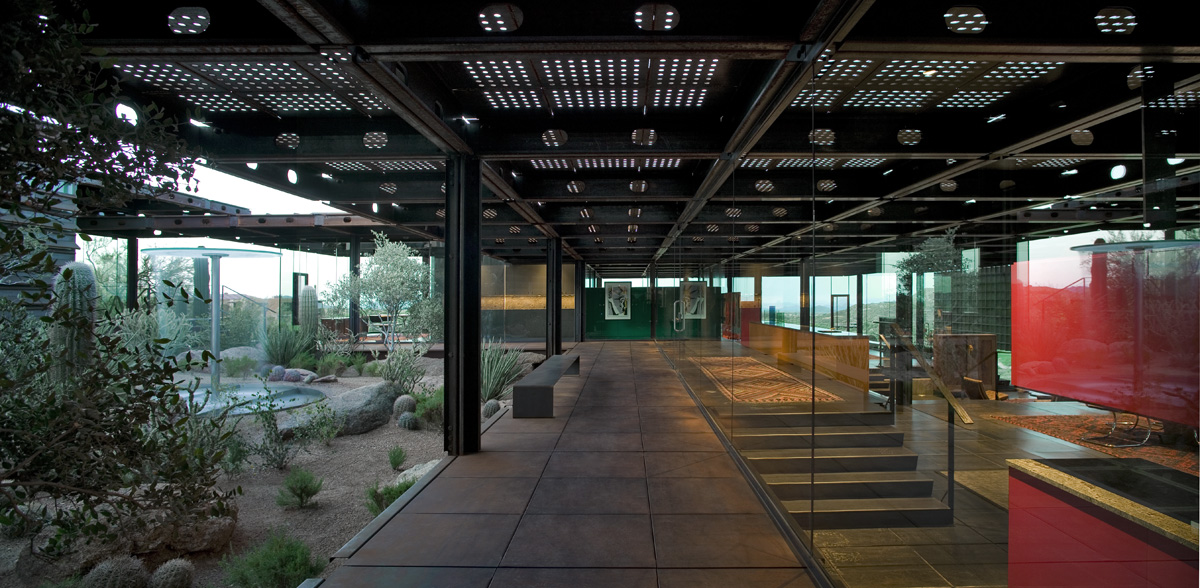
Relic Rock, Optima DCHGlobal, Scottsdale, Arizona

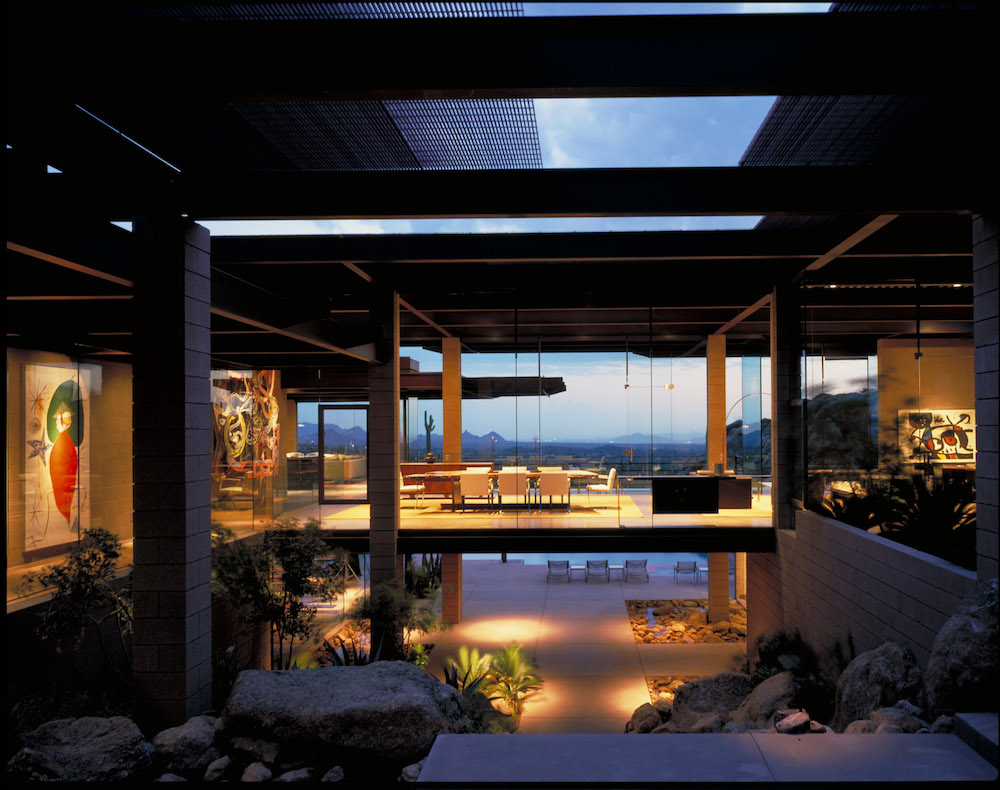
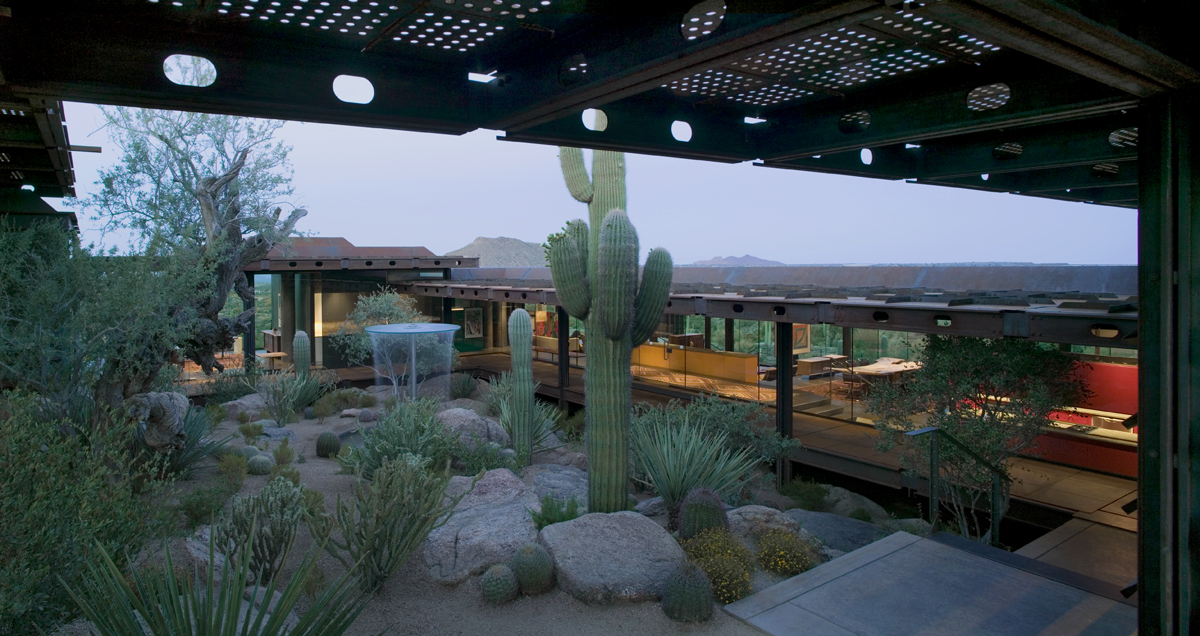
Our desert dwellings incorporate the elevation, vegetation and climate of the desert into every facet of design, from bridged courtyards to the materials and colors used for each home’s exterior. Glass curtainwalls also provide uninterrupted, panoramic views of the sweeping landscape, so that the mountains of the desert feel a part of each home.

Optima Sonoran Village, Scottsdale, Arizona

In our multifamily work, we incorporate the Optima vertical landscaping system to create protection, privacy and beauty. For us, lush landscaping vertically and horizontally across our communities is an integral part of creating connection – a connection that is both physically inviting and spiritually inviting, as our design seeks to connect people with their surrounding environment.

We look forward to the future, to constantly pushing the boundaries and exploring how to further unify the built and natural environment. We’re excited that the work we do is part of a larger conversation in the architecture world and can’t wait to see what we, and others, do next for architecture and for the earth.

Infill Land and Optima’s Beginning

When David Hovey Sr. and Eileen Hovey set out to create Optima in 1977, they had a distinct vision for how to transform their passions into a business. After deciding that David would design and build the projects and Eileen would take charge of sales, they put a second mortgage on their condominium and purchased infill land in the Hyde Park neighborhood of Chicago. That plot of infill land eventually became our first development, but the concept of redevelopment and infill land has benefitted countless cities and urban areas throughout the country. Today, we dive into its history.

The History

The American Planning Association describes infill development as redevelopment that “optimizes prior infrastructure investments and consumes less land that is otherwise available.” Infill development can result in efficient utilization of land resources, reinvestment in areas that are targeted for growth and more efficient delivery of quality public services. Infill buildings are often constructed on vacant or underused property or between existing buildings. Often called “smart growth,” infill development allows for sustainable land development close to a city’s urban core, instead of spreading out. This type of development also helps to renew neighborhoods and create more prosperous communities. 

In Chicago

Following World War II, a series of local and federal initiatives were passed to revitalized aging and decaying parts of Chicago. Major institutions, including Illinois Institute of Technology, took part in the planning and reinvesting of various neighborhoods. New developments and infill on individual lots began to bring new vitality back to the city, with local school improvements and reduced crime rates following behind. 

At Optima

From our plots of land, to designing each residence, to creating fantastic amenity spaces, we’re passionate about bettering the lives of those within our buildings and the environments around them. Starting our first project on infill land, and continuing to do so with many projects for years after, reflects our pursuit of creating beautiful spaces that enhance the human experience.

Desert Dwellings: Laboratories to Test Our Tastes

Optima’s residential work goes back to 1982, when Sheridan Elm in Winnetka, IL first allowed us to challenge the status quo. Sandy Knoll and Ravine Bluff followed, each an exploration of the steel-and-glass Modernist aesthetic on our own terms. Ultimately, however, it was our geographic leap to designing homes in the Arizona desert that drew our practice, and design, into a new realm. Our desert dwellings serve as laboratories in which we are able to test our tastes and stretch the boundaries of our thinking.

Shadow Caster, Optima, Scottsdale, Arizona.

A New Frontier

In moving out to Arizona in the early 2000s, our intention was to build in a physical environment that was drastically different than our Chicago beginnings. Our team, led by David Hovey Jr., needed to utilize the outdoor space year-round, an interesting new challenge in comparison to Midwest seasons. Over the years, our desert homes have included  Shadow Caster, Cloud Chaser, Vanishing Rain, and Sterling Ridge. While our Illinois residences were straight-forward, functionalist modular builds, the Desert Homes are deepened and complexified by the multi-layered and defined spaces within. 

Our desert residences also allowed us to test changes in traditional components of Optima architecture, like our all-glass facades. Traditionally, transparency into such a hot region is ineffective for temperature control. However we were able to experiment with landscaping and solar screening that would help to shield our structures from direct sun and subsequent heat, while still allowing seamless desert views. We also discovered new methods of landscaping, creating shallow and bridged beds, as well as self-irrigating planter boxes, in order to create the vibrant verdure of the landscaping seen today at Optima Camelview Village, Optima Sonoran Village and 7160 Optima Kierland

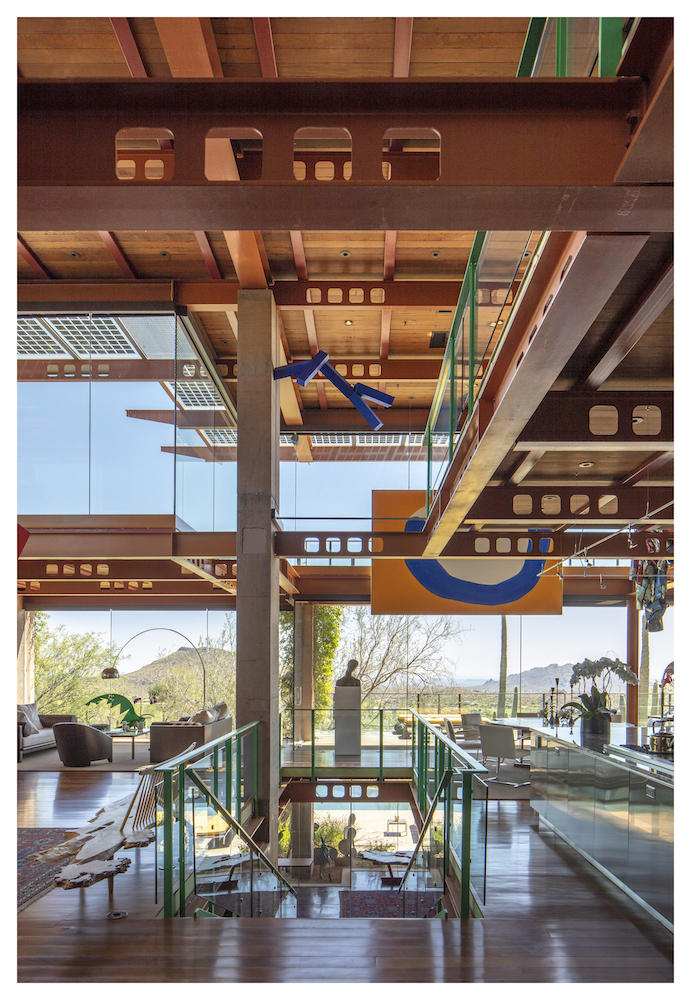
 Relic Rock, Optima DCHGlobal, Scottsdale, Arizona.

Relic Rock, Optima DCHGlobal, Scottsdale, Arizona.

A New Way of Seeing

With a new office in Arizona, we were able to utilize current technology to form a project flow for both areas. About this time in 2001, technology was improving from an architecture standpoint; things were moving from a 2-D CAD design system into a 3-D building information modeling system. This allowed us to communicate effectively through our offices, helped our executive team take on more responsibility and started the process for multi-family projects in Arizona. 

Part of this expansion in Arizona was the introduction of Optima DCHGlobal, which acted as another laboratory for some of the processes we envisioned for large-scale buildings, especially with the transformation from 2-D design into 3-D BIM systems. The vision for Optima DCHGlobal was to create a customizable, flexible and standardized system, which resulted in additional desert dwellings, Relic Rock and Arizona Courtyard House. Through our desert laboratories, we have explored not only how to create beautiful spaces, but how to make them sustainable and adaptable across all types of geographic environments. 

The discoveries that we make through our desert dwellings don’t exist in isolation. With each new home, we uncover more of what makes our design uniquely us, and how to create our vision in the best way possible, so that we can bring it to each and every project that we undertake, no matter the type of home or type of terrain.

Optima Sculpture Spotlight: Duo

The design of interior space doesn’t end with architecture. A key component to creating engaging environments at Optima is the inclusion of art — particularly sculpture. Optima co-founder David Hovey Sr., FAIA explores new ways of expressing space, form and function through his monumental, three-dimensional sculptures in brilliantly-hued steel, including Duo, ultimately adding a new vibrancy to our carefully curated communities.


Duo at the 7160 Optima Kierland Residence Club, Scottsdale, AZ

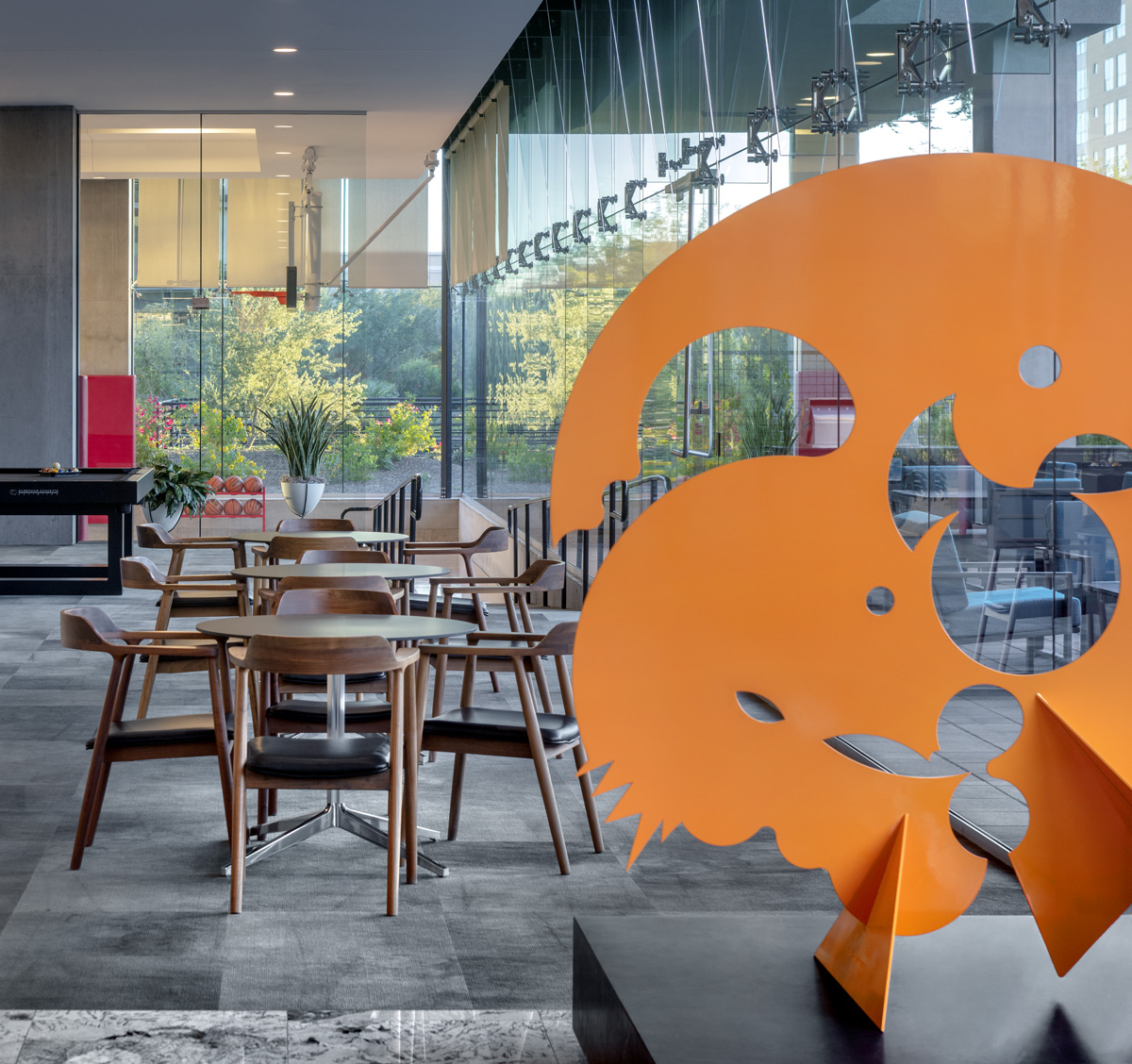
Originally created as a large-scale piece, Duo is a striking and abstract silhouette that evokes the image of a man and woman gazing into one another’s eyes. Hovey states that often, he doesn’t approach a piece of steel with the intention of drawing out specific imagery. Rather, he imagines how to explore form and function through the size, shape, voids and shadows, lights and sounds that emanate from the manipulation of the material. With Duo, Hovey sought to craft a study of duality and opposites through curved lines, fierce angles, symmetry and asymmetry. The human-like quality that resulted is part of the intriguing and surprising discovery from the sculpture’s true expression.

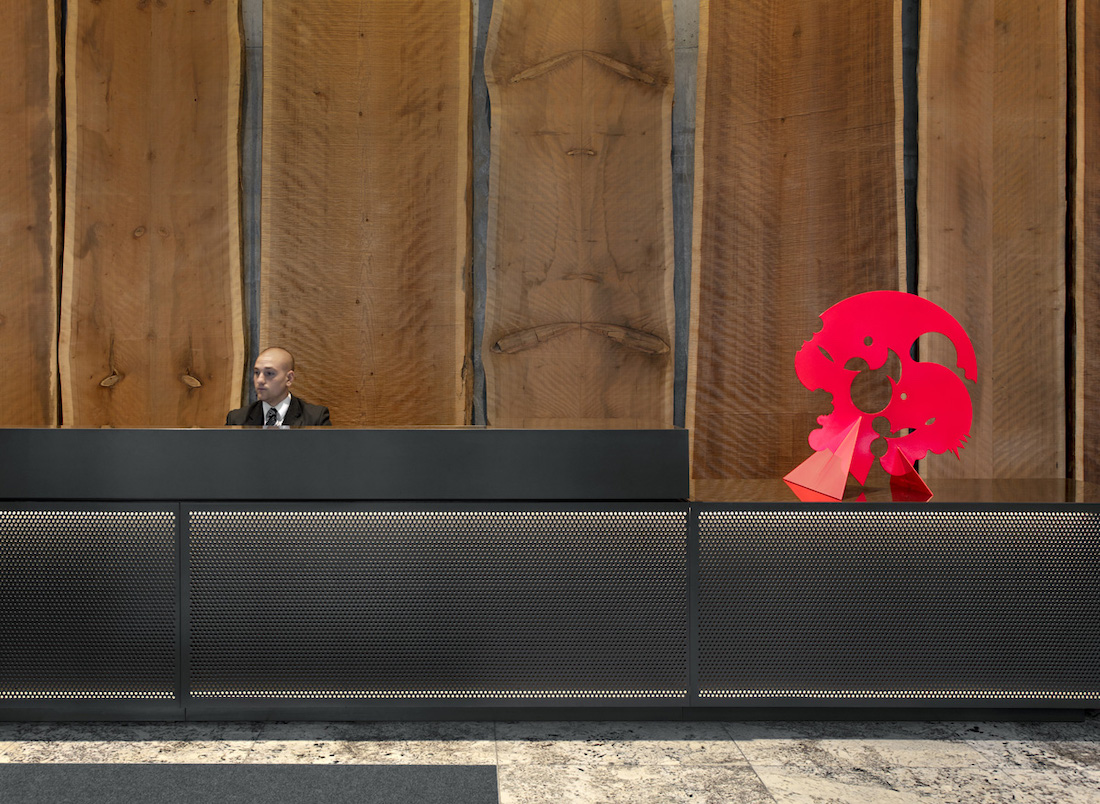
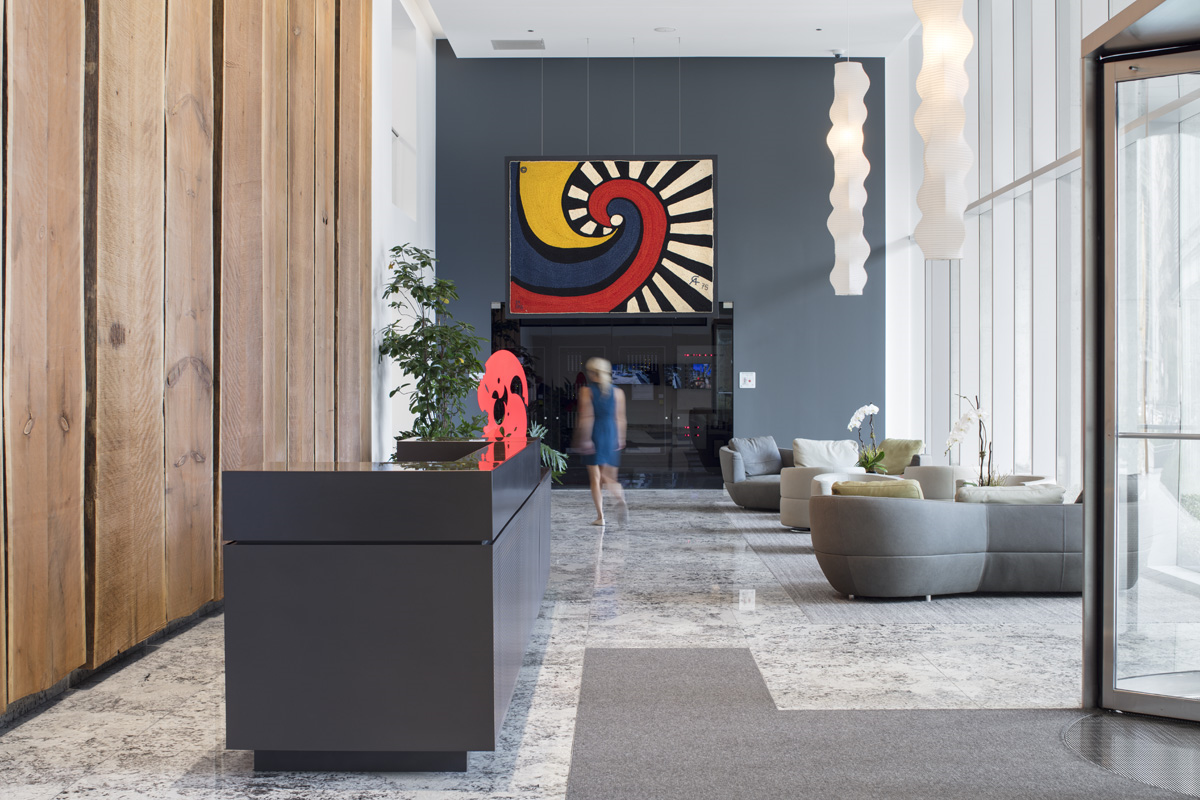
Duo now takes many sizes and colors, with one iteration adorning the front desk at Optima Signature in a brilliant pop of red. Not only does the inclusion of sculpture add a new dimension to the spaces that we design, but it allows a new avenue for exploration, discovery and expression.

Inside Our Team: Construction

To fuel our vertically-integrated business model, Optima is composed of strong, multi-faceted teams that ensure an effective and efficient workflow throughout our projects. Ever since our inception, we have recognized the benefits of harnessing collaborative teams, and we’re not alone. According to Forbes, productive team environments are the new vision for successful and satisfying employment. Adaptability, trustworthiness and openness are key components in coordinating team actions and solving challenging problems. 

Now more than ever, teamwork is recognized as a critical part of successful work culture. Our construction team at Optima is no exception; the team is currently working on two buildings in Arizona, just wrapped up another project ahead of schedule and is growing in Illinois as we prepare for upcoming projects in the Chicago market.  

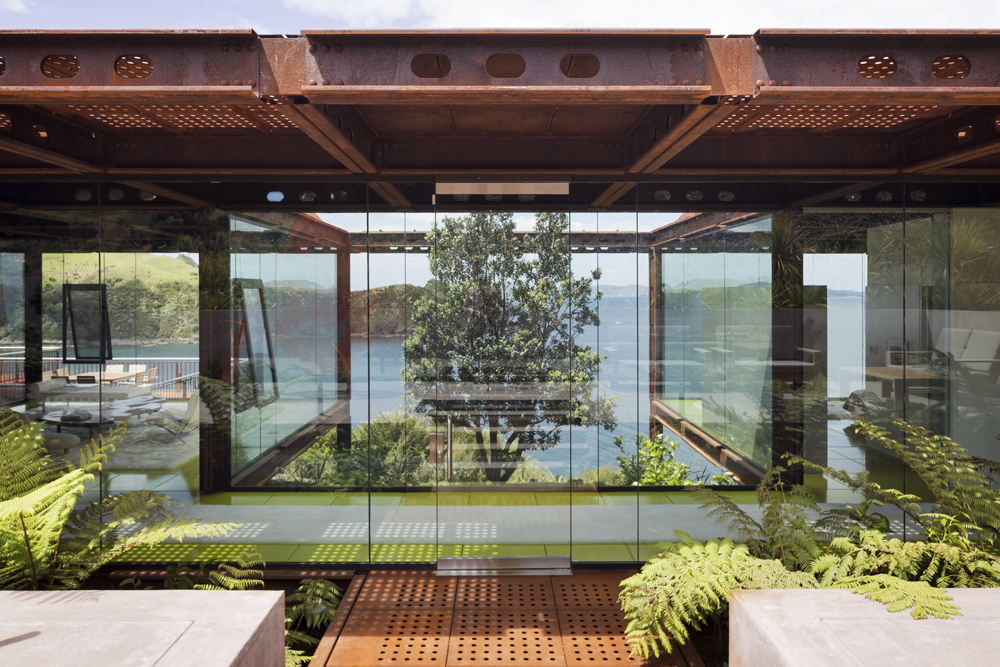
Construction at Whale Bay House, New Zealand

When asked about what makes their team amazing, here are some of the things our construction team members had to say:

“We understand what the needs of the job are and strive towards a common goal to get things done. If someone makes a mistake, they own the mistake and fix it themselves so they learn and grow from the experience.”

“We all pitch in and help one another. If one of us has a problem, we all have a problem and will work together to find an answer.”

“I love the team we have gathered; they are knowledgeable and willing to learn.”

“I absolutely have learned leaps and bounds! I found my passion. Similar to a child in a sugar shop, my brain is soaking up everything like a sponge! I smile just talking about decking, and vetting subs for new partnerships!”

With our holistic business model that encompasses architecture, development, general contracting, sales/brokerage, asset/property management, and shared services, each of our talented teams are part of what makes Optima great. Think you would be a good fit on the Optima team? Check out our current open positions to inquire about joining our team. 


A Transparency on Glass

Whale Bay House, Optima DCHGlobal, Inc., New Zealand.

For decades, glass has been a stylistic signature of Modernist architecture. From the first Modernist structure ever built to the steel-and-glass aesthetic of Modernist master Ludwig Mies van der Rohe, the material has provided a timeless transparency that is crucial to minimalist design. But glass hasn’t always been as functional as it is aesthetic. 

A History of Glass

Glass is one of the oldest man-made materials, with use dating back to 7000 B.C. It was first utilized for decorative purposes in 3000 B.C. by Egyptians mainly in pottery and other decorative trinkets and first used as windows by the Romans around 500 B.C.

However, at that time, the masonry required to create glass also didn’t allow for larger, stronger pieces to be created, so its use was therefore sequestered to windows and detailing, such as stained glass murals.

In the 19th century, the manufacturing renaissance introduced iron, steel and other materials that provided the strength and durability necessary to support larger glass constructions. The support of these materials, combined with the capability to produce glass in larger sheets, allowed architects to experiment with creating structures utilizing glass in more creative ways.

The Crystal Palace designed by Joseph Paxton.

The Crystal Palace

This new design potential allowed for greenhouses, large railway stations and other public structures to be made of glass. Such new usages inspired Joseph Paxton, an architect in London, to design the Crystal Palace in 1851 using 300,000 sheets of glass. The Crystal Palace was the first architectural creation to utilize an all-glass exterior, and is also considered the first Modernist structure ever created.  

To overcome the harsh effects of a glass exterior, Paxton utilized translucent screens of calico hung externally between the ridge beams of the structure’s roof glazing, covering the entire exposed rooftop and protecting against the transparent building’s vulnerability to heat. This functional feature eventually transitioned into a cornerstone piece of Modernist design. 

7120 Optima Kierland in the Kierland neighborhood of Scottsdale, AZ.

Glass at Optima

The idea of transparency, open space and functional materials are still relevant and desirable today. At Optima, we use floor-to-ceiling glass to create an indoor-outdoor relationship, allowing for sweeping views and connecting our indoor living spaces with the natural spaces just outside.

At 7120 Optima Kierland, we use a combination of low-e, UV-treated glass, perforated sunscreens and horizontal louvers, to create texture and rich variation of shades and shadows, while allowing for breathtaking views.

Optima Signature in the Streeterville neighborhood of Chicago, IL

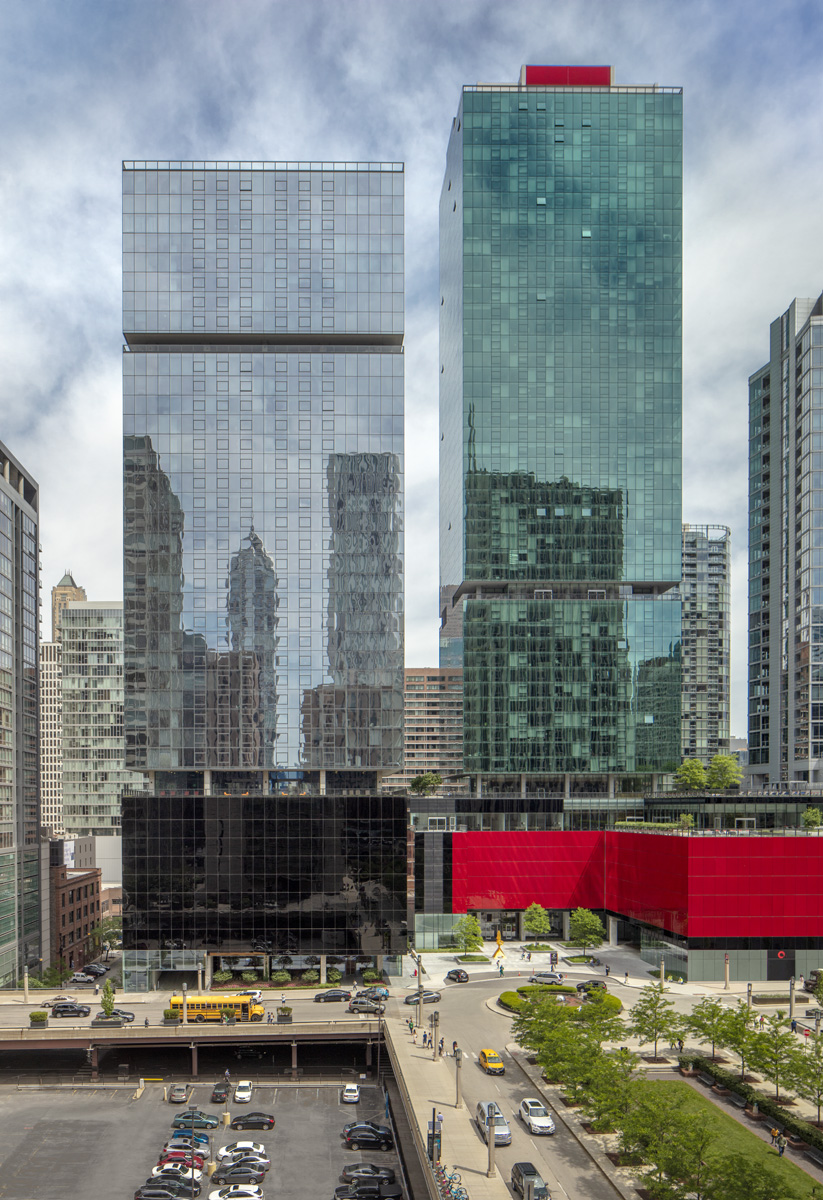
At Optima Signature, glass preserves the sweeping lake views to the east and dynamic city views in all other directions. Glass also unifies Optima Signature with its sister tower to the west, Optima Chicago Center. While the glass curtainwalls of each building are different — silver-toned in the case Optima Chicago Center, and transparent green for Optima Signature — the podiums share a unifying black ceramic frit glass with dot pattern. Optima Signature expands the palette with areas of red glass that wrap the podium as it extends south to define the east edge of the plaza.

As we reflect on the history of glass and how it has become a viable aesthetic and functional choice when designing today, we return to the material time and again to design and build the stunning Modernist steel-and-glass structures in our portfolio.

Isamu Noguchi Spotlight

For our projects, design doesn’t stop on the outside of our buildings. We carefully curate each and every interior to be an activating space that is at once beautiful and inviting. As part of that careful curation, many of our spaces feature furniture designed by Isamu Noguchi, a Japanese American artist, landscape architect, sculptor and furniture designer.

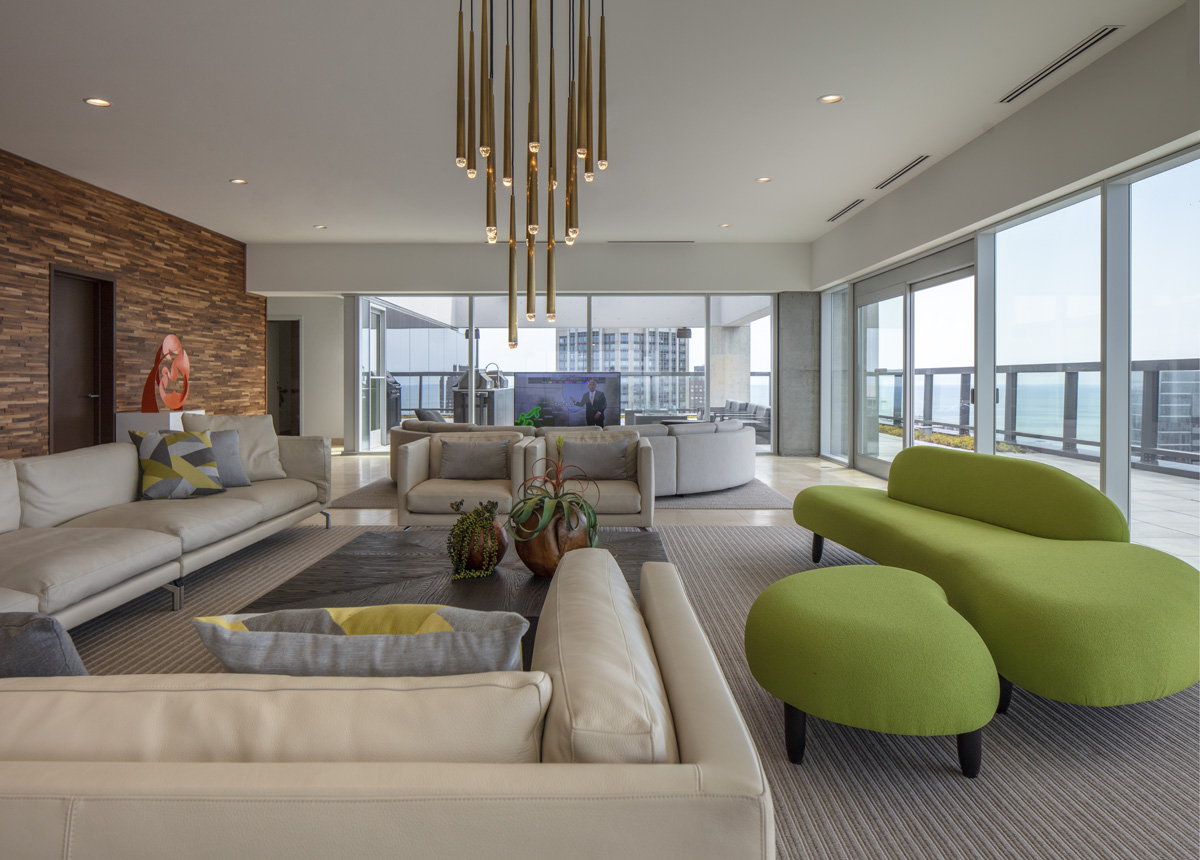
The Mid-century Modern “Airplane” Bimorphic Coffee Table, designed by Isamu Noguchi, at 7120 Optima Kierland.

The Style of Isamu Noguchi

Born in 1904, Isamu Noguchi became one of the 20th century’s most critically acclaimed and important sculptors. His sculptural work covered a wide range of creations, spanning from sculptures, gardens, furniture and lighting designs, ceramics, architecture and set designs. Midway through his career, Noguchi became inspired by the idea of a more reduced form, focusing on an abstract and Modernist approach to create intriguing designs that elicited emotional reactions.  

“Everything is sculpture,” Isamu Noguchi once said. “Any material, any idea without hindrance born into space, I consider sculpture.” Noguchi believed that as a sculptor, he could shape space to give it order and meaning, contextualized by the surroundings in which it existed. 

It was only natural that furniture fell into his wheelhouse. Perhaps his most popular work, Noguchi designed a glass-topped table in 1947 to be produced by Herman Miller. The base of the table is made up of two identical wooden pieces, reversed and connected, and topped with a heavy plate glass top. When first sold, the table was marketed in the Herman Miller catalogue as “sculpture-for-use” and “design for production.” Noguchi strongly believed in producing his designs for mass market in order to bring fine art into the home. 

At Optima, we are proud to showcase Noguchi’s furniture within our own spaces, designs which serve to amplify and activate the evocative Modernist exteriors and interiors of our buildings.


The Playful Work of Alexander Calder

It’s no secret that we love color at Optima, and we carefully curate our interior furniture, textures and designs to reflect the vibrancy of our spaces. Our curated artwork is no exception, and throughout the halls of projects such as Optima Signature, Alexander Calder’s bright works greet residents with bold tones and distinct shape. A multimedia artist whose influence spans across decades, Calder’s work creates a meaningful connection to a rich piece of art history.

Calder’s Past

Born in Pennsylvania in 1898, Calder came from a family of artists; his grandfather and father both had rich careers as sculptors and his mother was a professional portrait artist. Though his family had artistic roots, they supposedly did not want him to follow in their footsteps. Calder began studying mechanical engineering in New Jersey, bouncing between jobs all while still being inspired by create. By the 1920s, Calder had moved back to New York to pursue a career as an artist. 

Calder’s Artistic Career

After studying in New York, Calder moved to Paris where he studied, established a studio and met his future wife. While living in Paris, Calder joined the ever-growing network of avant-garde artists, including Fernand Léger, Jean Arp and Marcel Duchamp. Throughout his life, Calder maintained a strong connection to France, naming many of his works in French regardless of their location. After a lifetime of impactful creativity and exploration, Calder died unexpectedly of a heart attack in 1976, leaving behind an expansive and far-reaching legacy. 

Calder’s Legacy

Over his career, Calder produced a wide range of work, spanning from sculpture, to stage sets, paintings, prints and jewelry. Like previous generations of Calders, he was also a recognized large-scale sculptor. Flamingo, one of his more notable works in Chicago, adorns the Federal Plaza with beautiful form and the famous “Calder Red” color. We’re thrilled and honored to have the works of Alexander Calder throughout our buildings, and hope they bring a bright source of inspiration to those who view and enjoy them. 


Vertical Integration: The Optima Business Model

Reflecting back to 1978, one of the first pillars of the Optima promise was a dedication to a multidisciplinary approach. David Hovey Sr, then new to the architecture world, wanted to escape from the corporate red tape that surrounded a traditional architect-developer relationship. Oftentimes, he observed that bankers and corporations were given more power over specific projects and the integrity of the building was overlooked. His vision was that architecture would lead the process, and the first iteration of the Optima Business Model was born. 

Optima Biltmore Towers viewed from the courtyard, with each tower looming in the sky above

Our process is a vertical one; we oversee architecture, development, general contracting, sales brokerage, property management and support. Because we’ve built an integrated process and are involved with every step, we welcome potential challenges and take pride in seeing our projects through from start to finish. Our model gives us a distinct advantage over others in the industry, and allows us to have a flexible and fluid project timeline. 

From project inception to construction, we’re constantly working on ways to improve and adapt. During the construction of Optima Signature, our architectural team implemented strategies to improve efficiency, including condensing the coordination of mechanical, electrical, plumbing and fire protection systems, and producing documents on-site, reducing the process from days to hours. Originally scheduled for completion in February 2018, our vertical integration methods allowed the building to be completed in June 2017.

Even once a building is finished, we continue to be involved with and invested in our projects. We manage most of our multi-family properties, ensuring everything from amenities to retail spaces enrich the lives of their respective communities. Our intention is always to create a positive, lasting impact on our tenants, communities and environments, and our vertical integration model allows us to pursue that desire more fully. 


person name goes here

Maintenance Supervisor

Glencoe, IL


    Acceptable file types: *.pdf | *.txt | *.doc, max-size: 2Mb