Charlotte Perriand and Le Corbusier’s Chaise

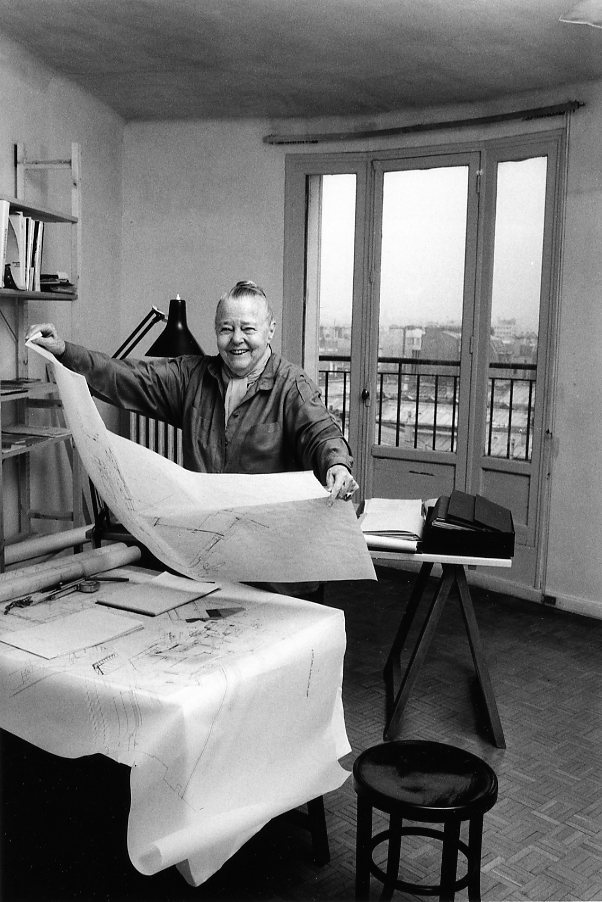
Many know the name Le Corbusier, but not nearly enough people are familiar with Charlotte Perriand, the French architect and designer behind Le Corbusier’s renowned chaise lounge. It was against all odds that Perriand even began working for Le Corbusier, as she was famously turned away from his atelier with the line: “We don’t embroider cushions here.” Celebrating her strong point of view and strong-headed nature, today we’re exploring the work and complicated relationships of Charlotte Perriand.

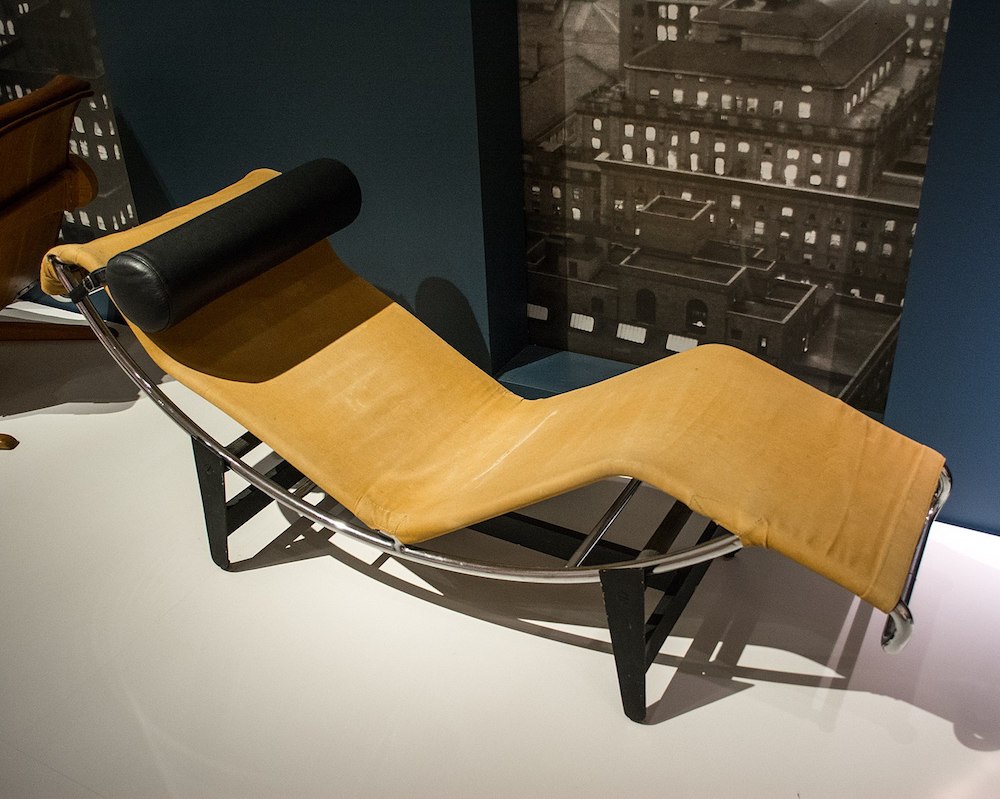
The Le Corbusier LC4 Chaise Lounge, designed by Charlotte Perriand, Le Corbusier and Pierre Jeanneret
The Le Corbusier LC4 Chaise Lounge, designed by Charlotte Perriand, Le Corbusier and Pierre Jeanneret. Credit: Tim Evanson on Wikimedia Commons, licensed under the Creative Commons Attribution-Share Alike 2.0 Generic license.

The Work of Charlotte Perriand

Around 1925, Charlotte Perriand began exhibiting her work in galleries, shortly after graduating from school. Perriand used her own apartment as a place to test out her tastes, renovating the space using a built-in wall bar made of aluminium, glass and chrome and a card table with built-in pool-pocket drink holders. In 1927, she recreated this design as the Bar sous le Toit (“Bar under the roof” i.e. “in the attic”) at the 1927 Salon d’Automne. The Bar sous le Toit installation was reflective of Perriand’s machinelike style, which was unique for women designers at the time. She unabashedly employed materials like aluminium, steel and leather, also a departure from the previously reigning style of design, which was mainly crafted from rare woods. This remarkable and innovative installation is what first put her name on the map.

Charlotte Perriand and Le Corbusier

In 1927 (at just 24 years old), Perriand waltzed in Le Corbusier’s atelier asking for a job, and it was then that she was met with: “We don’t embroider cushions here.” That was the same year her Bar sous le Toit premiered at Salon d’Automne; and when Le Corbusier’s cousin, Pierre Jeanneret, took Le Corbusier to see the exhibit, Le Corbusier changed his tune. Recognizing Perriand’s undeniable talent, Le Corbusier apologized and hired her as a furniture designer.

The trio — Perriand, Le Corbusier and Jeanneret — collaborated closely, “like three fingers on one hand,” according to Perriand. Together, they designed the LC4 Chaise Lounge, which they described as a “machine for sitting.” The chaise became one of the most seminal pieces of Modernist furniture in history — and that was just one part of their collaborations together. Perriand worked with Le Corbusier for a decade, helping to publicize and innovate his atelier and designs until she made the decision to step “out of his shadow and into a successful career of her own.”

An Inside Look at Architect Lingo, Part II

Our team is joined together by a love of exceptional design so naturally, design is our shared language. From property managers to accountants to architects, we’ve all come to know and love the architect lingo that helps us communicate our passions, our creations and our vision. In celebration — and in follow up to February’s blog we’re sharing Part II of our inside look at architect lingo.

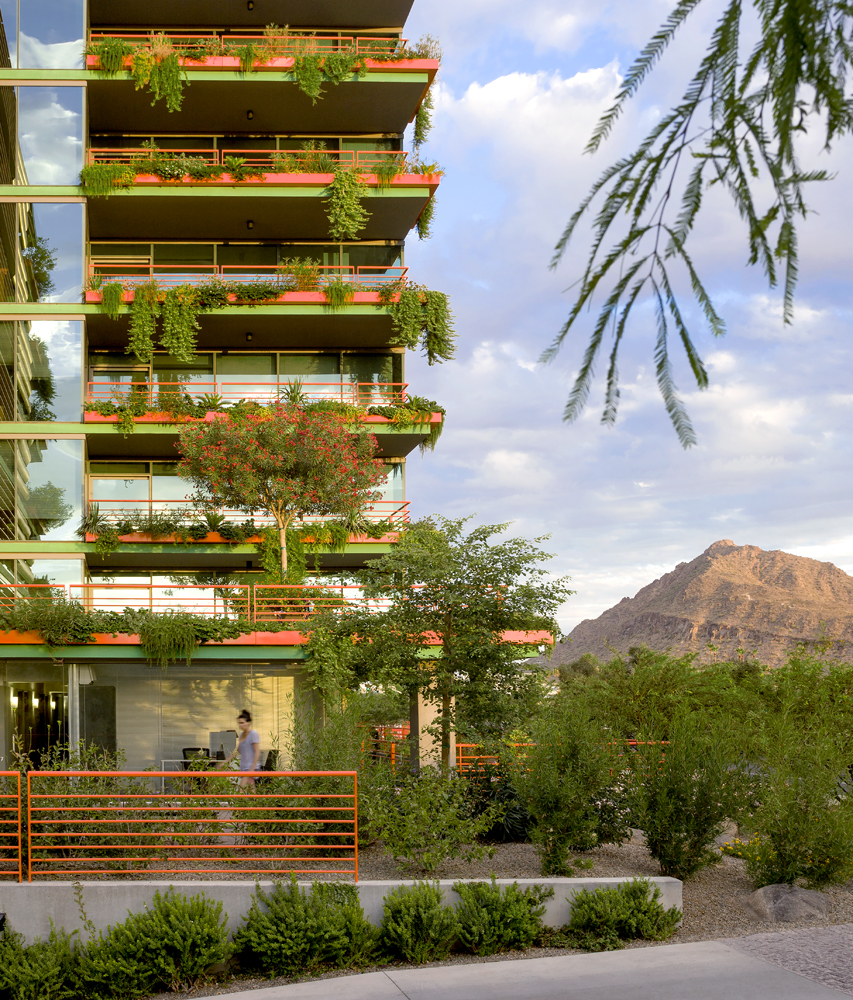
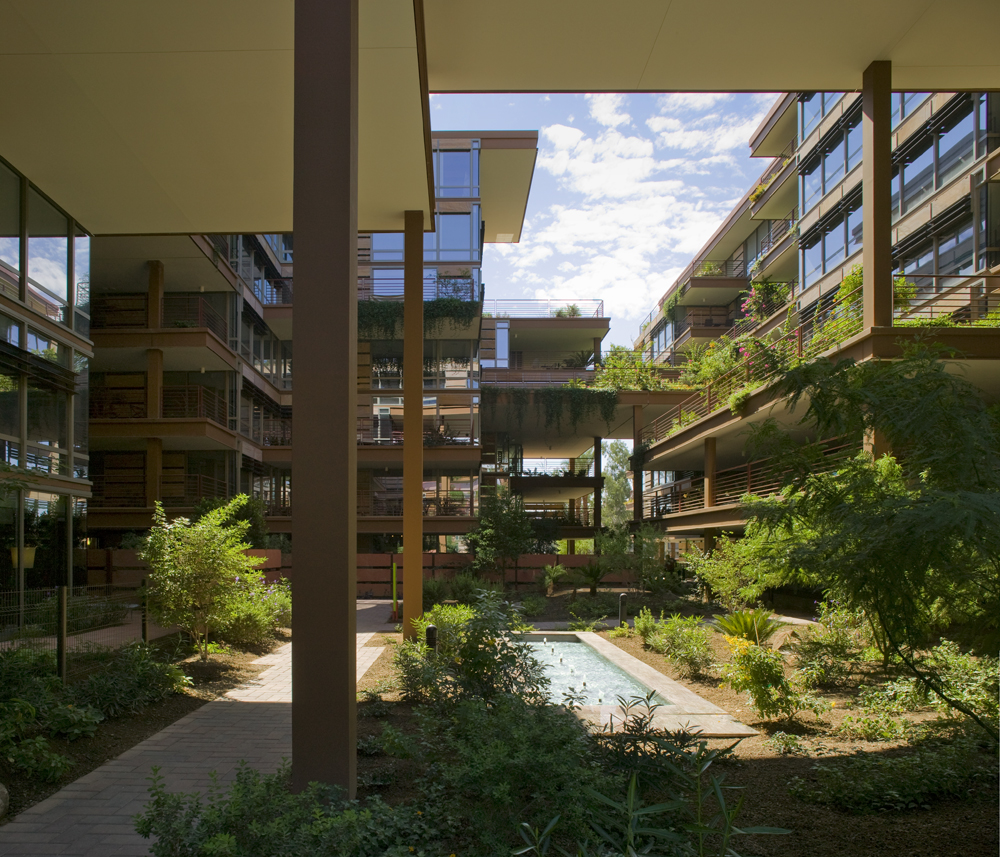
Juxtaposed facade and surrounding landscape at Optima Sonoran Village
Juxtaposed facade and surrounding landscape at Optima Sonoran Village.

Juxtaposition

Juxtaposition refers to the fact of two things being placed close together with a contrasting effect. It’s the intentional creation of, and analysis of, a relationship that brings about exciting new realizations and discoveries, bringing added layers of meaning to each individual object and their relation to one another. 

In architecture, the use of juxtaposition becomes particularly striking, manifesting on a large scale in entire building facades. With everything we build at Optima, we consider the relationship — or juxtaposition — between the built and natural environment. How does each entity influence and illuminate the other to positive effect? In our desert dwellings, juxtaposition occurs between the organic beauty of the arid landscape and the bold, Modernist facade of the houses, built in concrete and glass to intentionally illuminate their counterpart. 

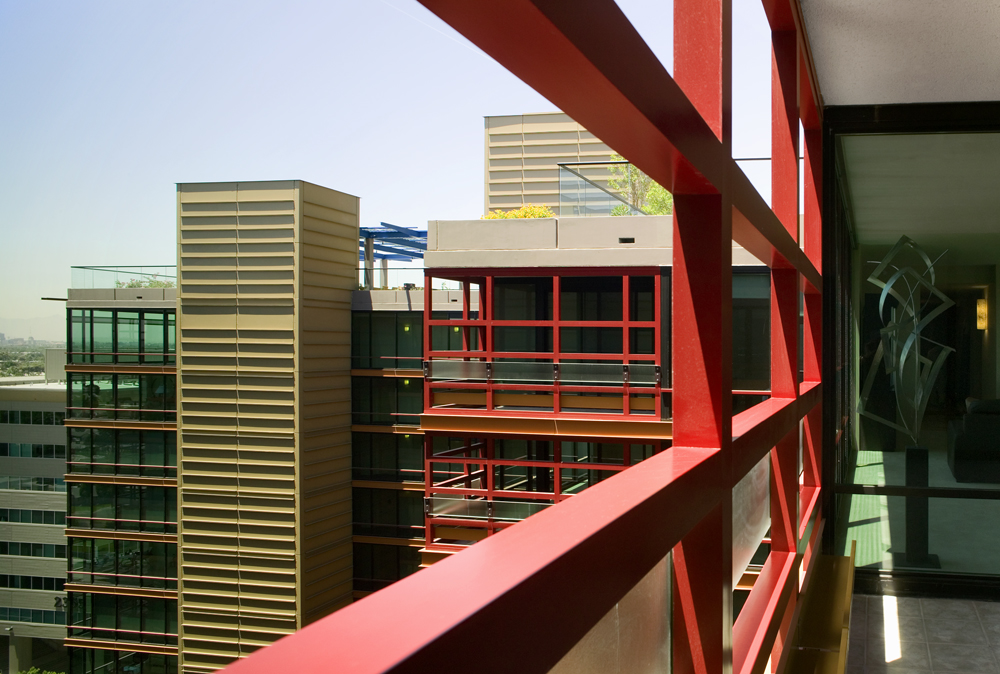
Looking out the windows at Optima Biltmore Towers
Looking out the windows at Optima Biltmore Towers.

Fenestration

Derived from the Latin word fenestrae (windows), fenestration is defined as the arrangement of any holes in a building’s facade. More specifically, this usually refers to the doors and windows on the elevation of a building. 

From the most basic standpoint, fenestration allows for the entry and exit of people into and out of a structure. That being said, fenestration historically posed a challenge to architects, because poking holes in a structure can weaken its resiliency. With Modern construction and increasingly durable building hardware, architects are freed up to explore fenestration with more liberty and inventiveness, going beyond the practical to examine decorative approaches.

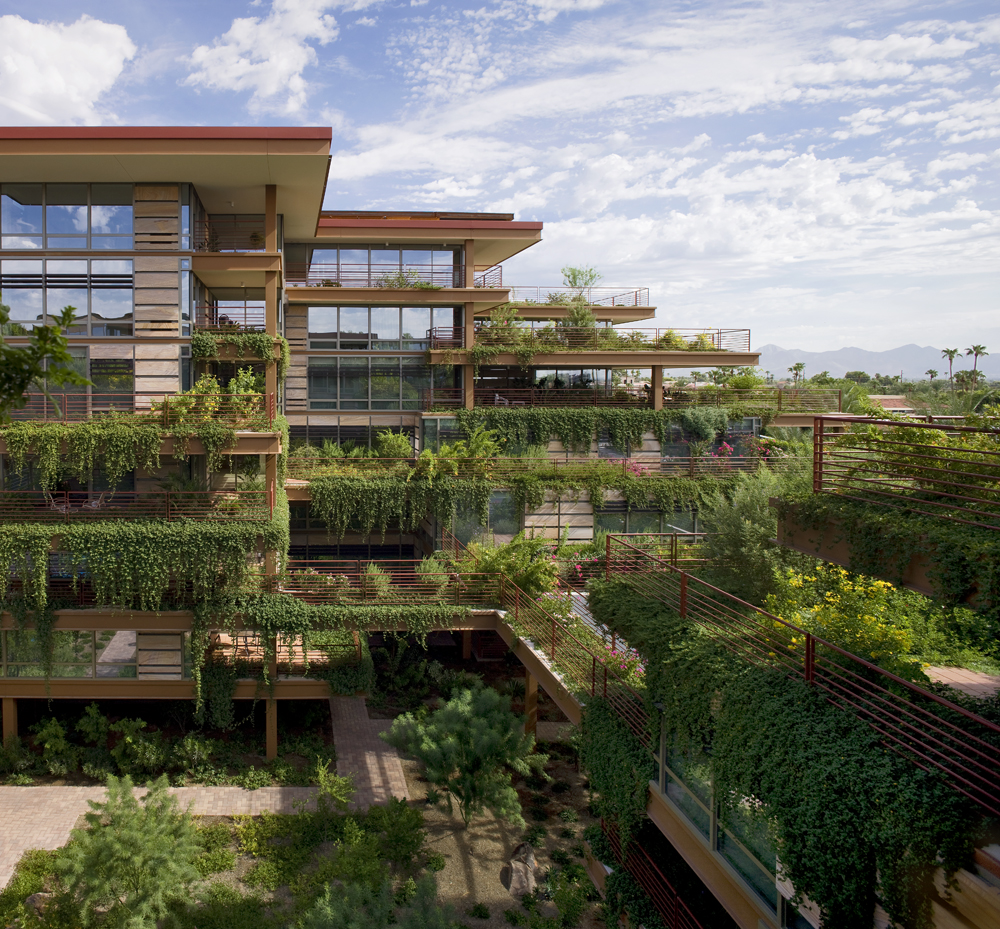
The terraced design of Optima Camelview Village
The terraced design of Optima Camelview Village.

Terrace

Terraces originated as a series of flat areas made on a slope for cultivation purposes, but have evolved into any level or paved area next to a building. Their uses vary widely, from still being tied to agricultural practices to now being a place of leisure and pleasure. 

At Optima, our approach to the terrace is with respect to its landscaping origins we employ terraces that allow our buildings, and their residents, to live in harmony with the surrounding landscape. We see the relationship between cultivating plantlife and cultivating relaxing spaces as intrinsically related.

Stay tuned for future features on the world of architecture lingo at Optima.

Modern Furniture 101

As our tagline “Forever Modern” implies, Modern design is integrated into every part of our business and our work. Our inspired interiors are no exception; full of Modernist artwork, sculpture and furniture, the interiors of our properties reflect the same principles and aesthetic. So what exactly is Modern furniture, and what distinguishes it from other furniture styles? 

A Brief History

Like Modernism itself, Modern furniture design developed in a post-World War II environment that necessitated cutting excess waste, focusing on functionality, and reevaluating the practicality of materials in design. Compared to the decorative styles before it like Victorian, Art Nouveau and Neoclassical, Modernism was a striking departure into new territory. This drastic shift from ornate, decorative pieces to minimal pieces is attributed to new technology, changes in design philosophy and the direction of architecture at the time. Since then, Modern furniture has become an iconic part of interior design history. 

How to Spot Modern Furniture 

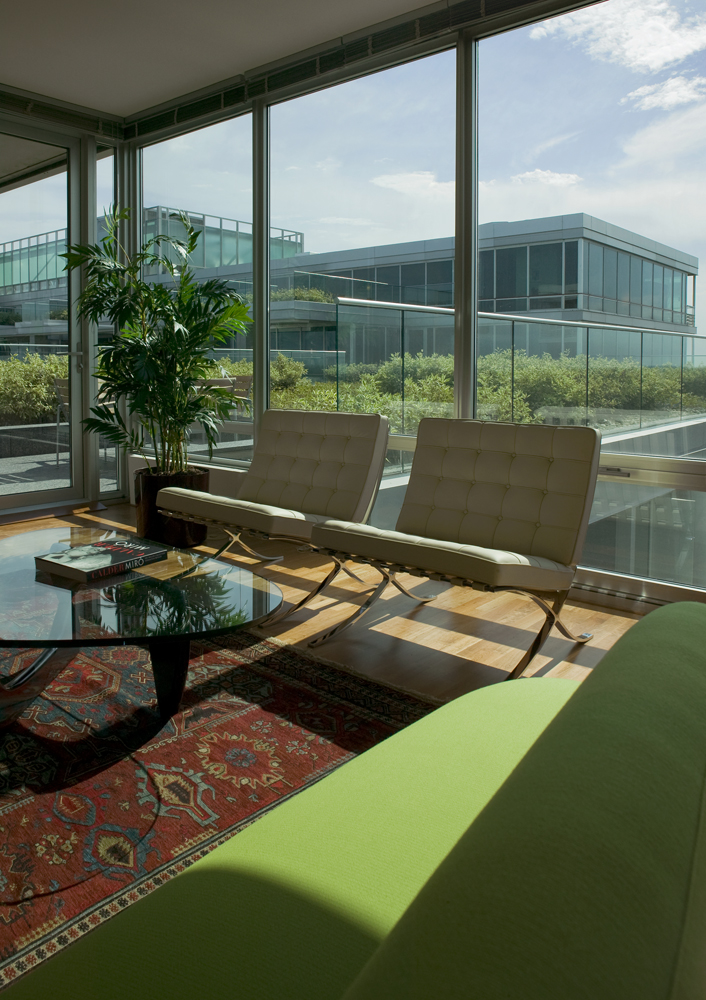
Functionality, clean lines, smooth shapes, bold colors and minimal design are all common aspects to Modern furniture. Most iconic pieces of Modern furniture pioneered new uses of materials such as glass, steel and leather, so those are common signs to look for. Odds are, you’ve seen Modern furniture before, especially if you’re in the design or real estate industry. Barcelona chairs, Noguchi coffee tables and Le Corbusier lounges are commonplace in many residential buildings and homes, in the United States and around the world. 

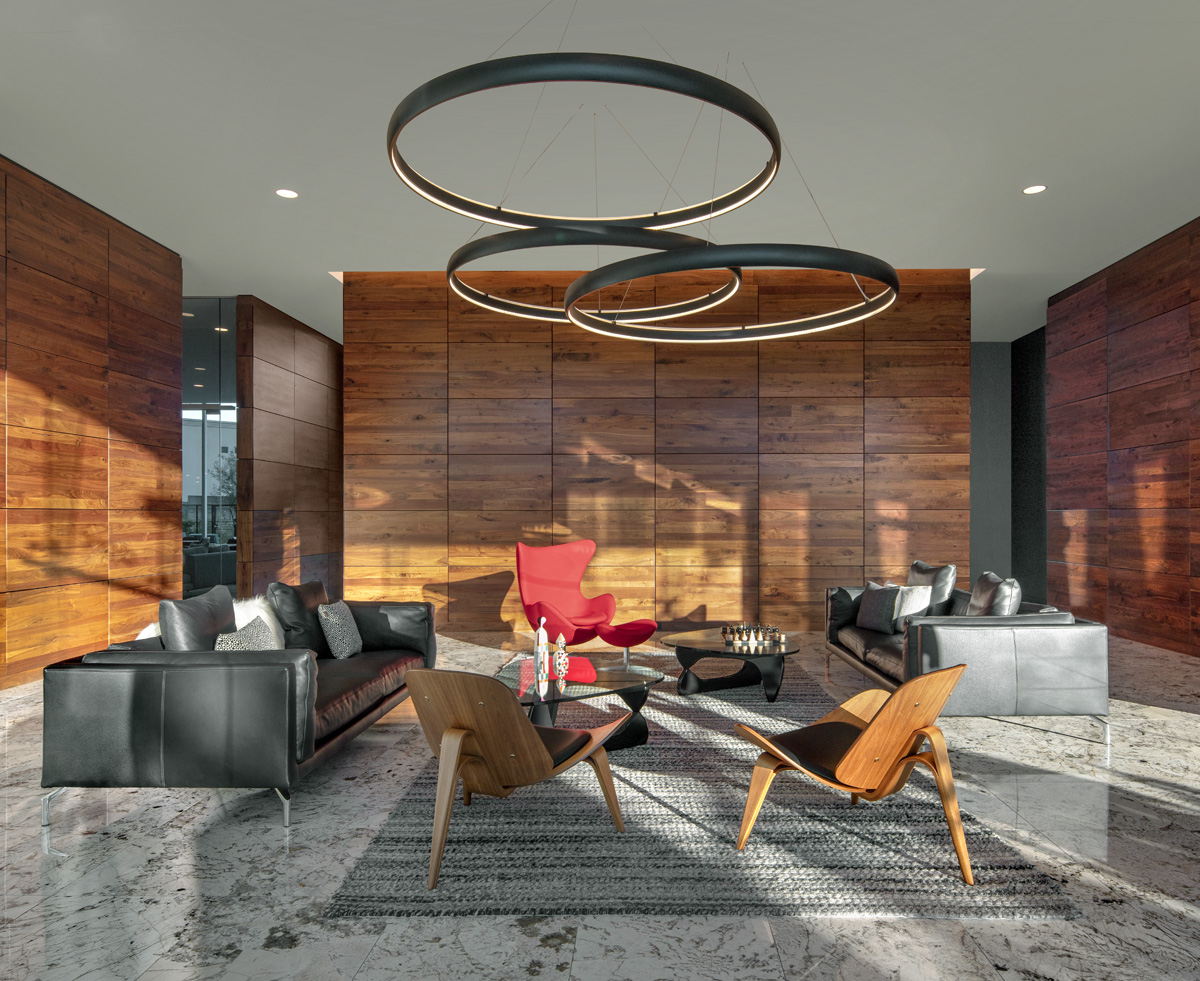
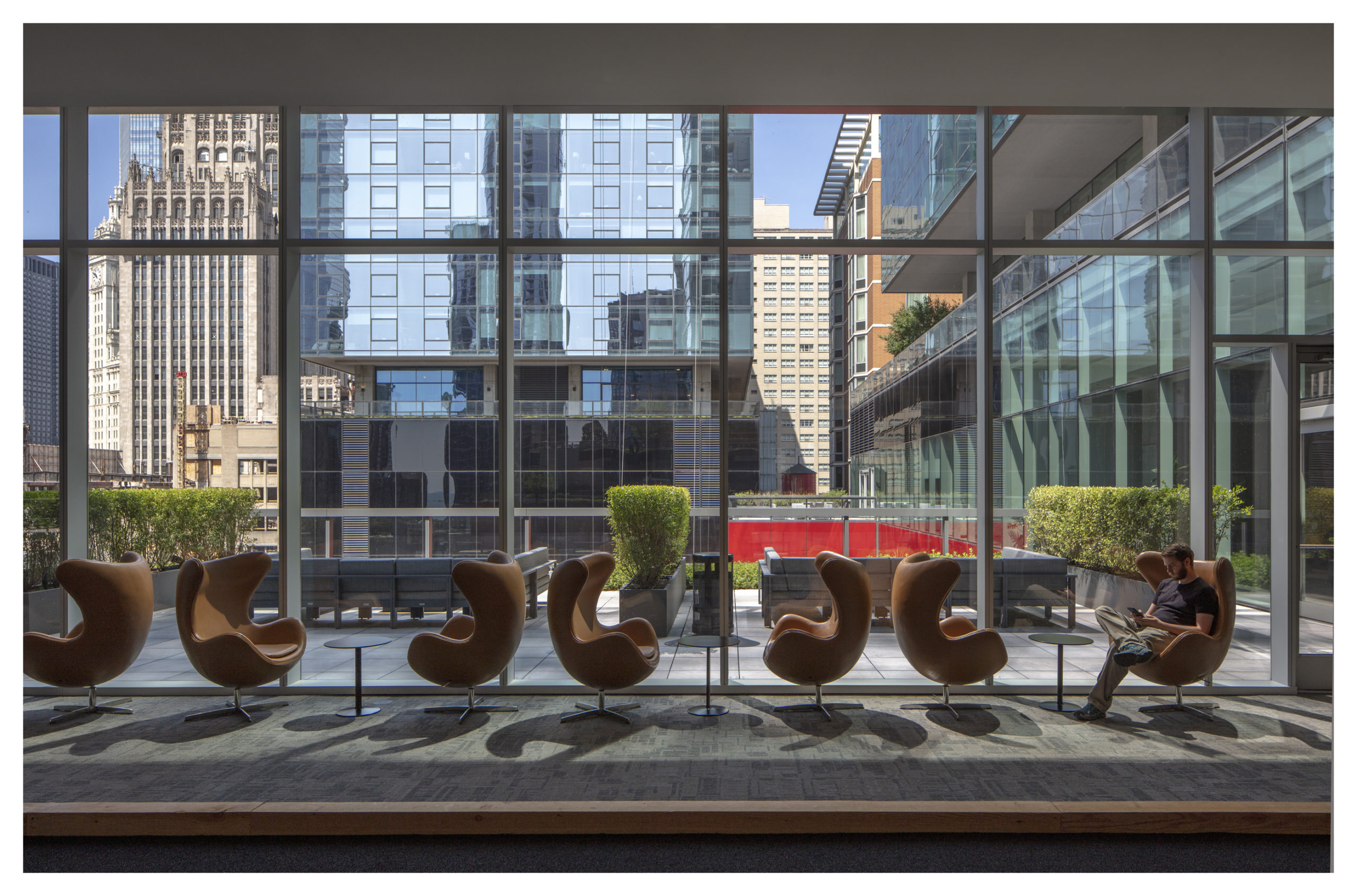
Amenity space at Optima Signature

To explore the individual and detailed history behind the pieces, here’s a more complete list of popular Modern furniture pieces. Within our practices at Optima, Modern furniture plays a critical role in completing our vision for each space we create. Our Modernist sense of design through architecture and furnishings helps us tell a holistic, intentional story through design. Without this consistency, our buildings and amenity spaces would seem incomplete. Though rooted in the past, Modern furniture integrates beautifully with a bright, inspired future. 

The History of Landscape Design

Landscape design is an integral part of our communities, from our signature vertical landscaping system to intentionally designed sculpture gardens. Each element in our terraces, courtyards and gardens is placed with careful consideration for the aesthetic, function and enjoyment of our residents — inspired by the thought and evolution of centuries of landscape design that came before us. Today, we’re diving deep into that history of landscape design to understand where the craft came from, and where it’s at today.

Ancient Origins of Landscape Design

At the core of landscape design’s history is agricultural development. Beauty and aesthetic function evolved from there, with ancient Japanese gardens designed to facilitate meditation and spiritual connection and ancient Chinese gardens designed as both reflective and social spaces. The two marked features of landscape design are softscaping, utilizing living elements such as trees and flowers, and hardscaping, utilizing non-living additions such as water features, paths, statues and patios. In Japanese gardens, water features were often incorporated in hardscaping while in Chinese gardens, the plants in softscaping often had symbolic, spiritual meaning.

Popularization of Landscape Design

Despite these ancient origins likely dating even further back, the earliest recorded example of landscape design is said to be the Hanging Gardens of Babylon from the 6th century BC. Even then, landscape design isn’t said to have been popularized until it reached the ancient Romans. Their accreditation for the landscape design’s rise is due in part to the fact that they transformed it from something only done for the elites to a practice applied in every home garden. 

From the ancient Romans, landscape design lost momentum during the Middle Ages and was rediscovered by Italy, France and England, respectively, in the 17th century, and was applied to elaborate piazzas, ornate gardens, large parks and even Versailles. The 17th century also saw the rise of cottage-style landscape design, a compact form of gardening that would eventually serve as inspiration for modern day suburban landscaping.

Landscape design at Optima Camelview Village

Landscape Design in the US Today

In the late 19th century, Frederick Law Olmstead became known as the “Father of American Landscape Architecture.” His aesthetic incorporated sweeping lawns into building design, influencing the US Capital, Central Park in NYC and city planning in Chicago and Cleveland. In 1988, Olmstead founded the American Society of Landscape Architects and classes in the field began to be offered at Harvard in 1900. 

Between evolving urban and suburban landscapes, people’s desire for increased, organized greenspace led to the development of highly evolved outdoor landscaping, gardens and living spaces. The landscape design at Optima reflects this highly evolved trend, incorporating terraces, courtyards, green rooftops and gardens to provide our residents with ways to connect their living spaces with the natural world.

You can learn more about the landscape design at Optima in our green space spotlights on Optima Kierland Center and Optima Sonoran Village.

Ray Eames: A Pioneer in American Architecture

A talented artist, designer and filmmaker, Ray Eames is a well-known name throughout the architecture and design industries. The name Eames itself carries weight; Ray Eames was half of the husband-and-wife duo that made an enormous impact on modern design. Though her husband, Charles, received most of the praise and spotlight during their partnership due to the gender conventions of their time, Ray was a powerful voice and creative in her own regard. Today, we look back on her life and contributions to the world of design.

Born in Sacramento, California in 1912, Ray was passionate about art from an early age, expressing interest in dance, illustration and art history. After pursuing art as a student for years, Ray eventually found her way to New York, fully immersed in the abstract art scene. By 1940, she decided to pursue a holistic approach to art and design at the Cranbrook Academy of Art, in Michigan, where she then met her husband, Charles. Upon meeting Charles, Ray took her strengths in color, form and structure and applied them to furniture design, and the two began a creative and life partnership that would thrive for decades.

Although Charles had a more public profile, Ray worked full-time and was equally devoted to their work. Together, they explored new, inventive designs for furniture, products, short films and architecture. Their own house is arguably the greatest representation of their architectural work. A structure of steel and glass, the Eames House is an iconic piece of modern architecture, with Ray’s background in abstract art informing the Mondrianesque panels on the front façade.

Eames House. Credit: IK’s World Trip on Flickr Creative Commons, CC BY 2.0 Deed

The Eameses worked as partners from 1941 until 1978 when Charles passed away. Their collaboration and creative vigor continues to inspire to this day, and is even reminiscent of our own David Hovey Sr. and Eileen Hovey, who have built Optima while also building a life and family together. 

To read more about the life and work of Ray Eames, check out a recent feature by The New York Times

The Paimio Sanatorium: Architectural Solutions in a Pandemic

At its core, architecture is a response to its surrounding environment. Every space in which we live, work, or play is carefully designed with intention, usually reacting to the wants or needs of the people around them. Oftentimes during a crisis, such as a pandemic, architectural solutions can make the difference between life and death. Located in southwestern Finland, the Paimio Sanatorium epitomizes the crucial part architecture plays in the health and wellness of our communities. 

Terrace of Paimio Sanatorium. Credit: Tiina Rajala on Wikimedia Commons,
Creative Commons Attribution-Share Alike 4.0

Completed in 1932, the Sanatorium was designed to house recovering tuberculosis patients. The building was designed by Alvar Aalto, who won the commission after an architectural competition for the project in 1929. Following Modernist design, Aalto included large windows, roof terraces, and a sleek aesthetic. As per most Modernist structures, function was also a priority. At the time, the only known ‘cure’ for tuberculosis was rest, fresh air and sunshine. The Sanatorium offered just that, with balconies and outdoor spaces for patients to enjoy while recuperating. From easy-to-sanitize surfaces to color choices, Aalto designed the entire building around the needs of patients and staff. 

By the 1950s, antibiotics ushered in the end of the disease, and eventually the Paimio Sanatorium was converted into a general hospital. Today, it stands as a reminder of the power of design, and how it can nurture and inspire change in the world. 

For more information, you can read Cultured Magazine’s full feature on the Paimio Sanatorium here.

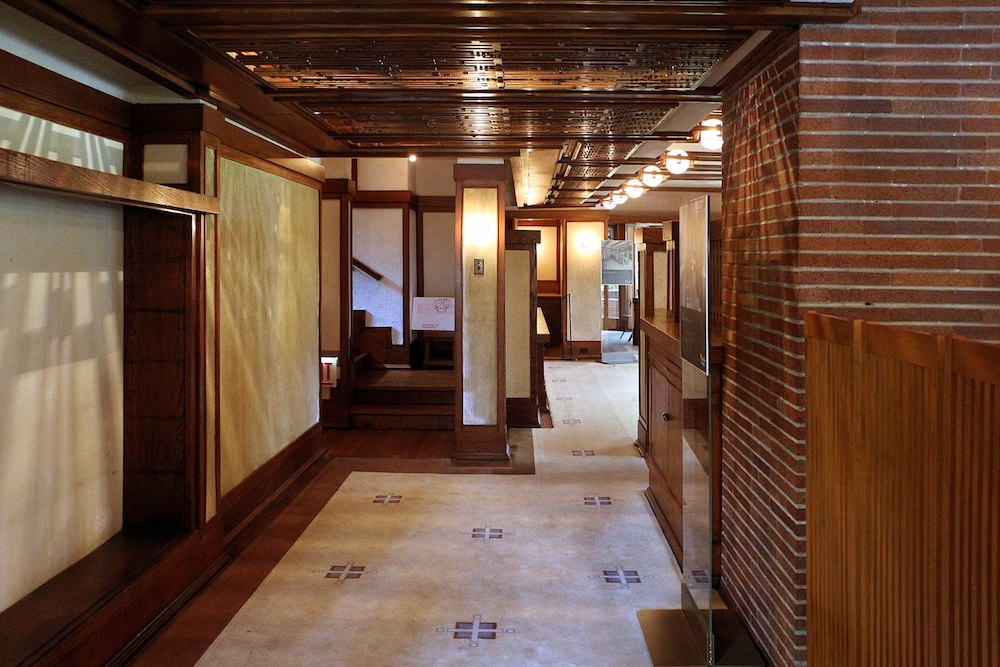
Frank Lloyd Wright Site Virtual Tours

At Optima, we believe that design has the power to inspire awe and wonder — and even to unite us in challenging circumstances. We’re seeing proof of this, as the architectural world makes leaps and bounds to innovate and ensure we can continue sharing our love for exceptional design, even while social distancing. As part of this response, a dozen historic sites designed by Modernist master Frank Lloyd Wright have teamed up to offer a series of weekly virtual tours.

12 Weeks of Frank Lloyd Wright

A collaborative partnership between Frank Lloyd Wright participating sites, with leadership from the Frank Lloyd Wright Building Conservancy, the Frank Lloyd Wright Foundation and Unity Temple Restoration Foundation, the virtual tour series kicked off on April 2. The idea behind the series is to keep the doors to historic Frank Lloyd Wright sites open, at least virtually, so that architecture lovers can continue to experience beauty and inspiration from home. It deeply resonated with our own values when the foundation stated: “Wright’s works bring people together in harmony with the natural world, reminding us that we are all connected, even when we’re apart.”

The series, which will run until at least July 15, brings a new immersive video experience shared every week on Thursday at 1 PM EST, united by the hashtag #WrightVirtualVisits. Participating sites are publishing videos, each to their own social media platforms, in the hopes of introducing the sites to a wider audience and providing interesting and informal glimpses into the sites’ history and design.

For a full overview of the tour series, and to discover participating sites, visit the event page here

The Evolving Phoenix Skyline

When Optima expanded to its Arizona office in 2000, everything about the landscape was foreign — from the arid climate and lush desert vegetation, to the way the city developed. Our business has taken roots in the state since then, allowing us to tackle new architectural frontiers and new design languages, and also allowing us to witness the explosive expansion and evolution of the Phoenix city skyline.

The Polycentric City

Known as the Valley of the Sun for its sprawling, multi-city metropolitan layout, Phoenix has never been defined by a dense city skyline — but that’s been swiftly changing. As a city that covers 520 square miles, Phoenix was designed to optimize for automobile travel, with a highly advanced freeway system that made out-of-town commuters able to get to and from work in as little as 20-30 minutes, a rarity for most cities.

In response to rapid growth, the city developed a “village” system in the 1980s, aiming to create several urban hubs — rather than one, centralized locale — where businesses could thrive. Since then, fifteen urban villages have emerged in the polycentrically planned city, such as the successful pocket at 24th and Camelback Road, where Optima Biltmore Towers is located.

Onwards and Upwards

As businesses continued to naturally gravitate to a “downtown” core, particularly after the introduction of the light rail in 2008, Phoenix recognized the need to reconsider zoning codes and encourage height and intentional growth in downtown Phoenix. Zoning codes evolved in 2010 and 2015 along the light rail track, and with the code modifications and the city opening its arms, the downtown area began to rise.

Now, 18 of Arizona’s 20 tallest buildings are in downtown Phoenix, including the 40-story Chase Tower which rises to a total of 438 feet. The U.S. Bank Center, designed in the Modernist International Style, is among that list too. While impressive skyscrapers and highrises have begun to fill in the skyline and build out a bustling and thriving downtown, we’re still able to catch glimpses of Camelback Mountain, maintaining the true-to-Arizona-style balance between the built and natural environment.

Get to Know the Barcelona Chair

As a real estate firm centered on design, we recognize how profound impact a truly special piece of furniture can have within our spaces. On that note, perhaps no other piece of furniture is a more iconic staple of Modernist design than the Barcelona chair.

History of the Barcelona chair

The Barcelona chair is the collaborative brainchild of Modernist master Ludwig Mies van der Rohe and Lilly Reich. Initially designed for the German Pavilion at the International Exposition of 1929 in Barcelona, the chair was intended as seating for Spanish royalty overseeing the opening exhibitions of the ceremony. In this way, the piece was contrary to many Modernist designs of the time, which were most often intended for the “common man.” This particular chair, on the other hand, came to signify a structuralist sophistication coveted by novice and seasoned architects alike for their personal homes and professional projects.

A 1947 ad announcing the Barcelona Chair's addition to the Knoll product catalog. Courtesy of Knoll Archive.
A 1947 ad announcing the Barcelona Chair’s addition to the Knoll product catalog. Courtesy of Knoll Archive.

Design of the Barcelona chair

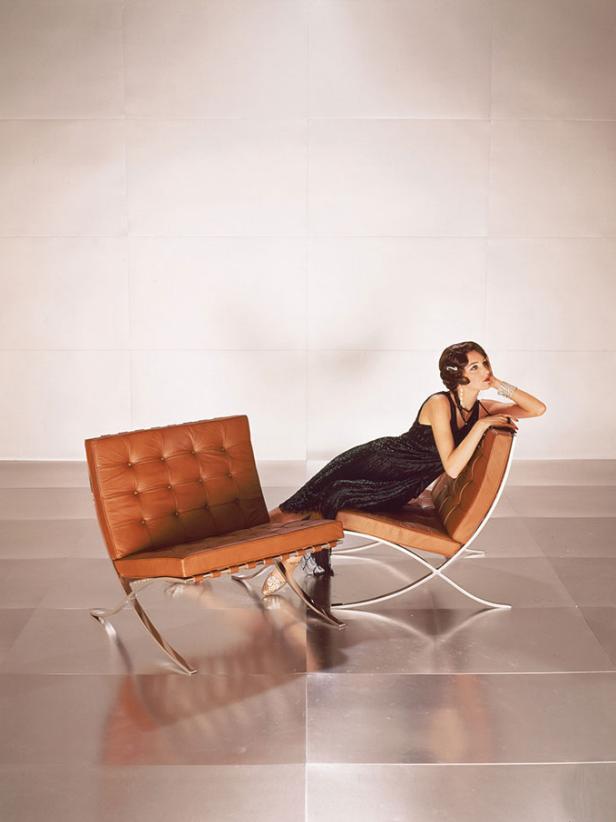
Perhaps what makes the Barcelona chair so striking is its simple elegance, and how directly it expresses the iconic Mies van der Rohe sentiment that “less is more.” A tribute to the marriage of modern design and craftsmanship, what appears a simple fixture is quite complex to construct, with a hand-ground and hand-buffed frame, and upholstery made with 40 individual panels. The chair is now manufactured by Knoll in an almost entirely handcrafted process, with a facsimile of Mies van der Rohe’s signature stamped into the frame. Available in both chrome and stainless steel, the chair’s frame has been redesigned as a single seamless, smooth piece of metal. Upholstered in leather of various shades, the iconic design adapts beautifully to each space. 

You can find a Barcelona chair at every one of our communities.  Incorporating the iconic piece of furniture into our properties helps us to express our deep appreciation for Modernism and for craftsmanship. For us, it serves as a reminder of the great designers who have created the legacy that enables Modernist design to continue to flourish — and functions as a beautiful piece of furniture to admire and use.

The History of IgCC

When it was developed, Optima Sonoran Village had the privilege of being the pilot project for Scottsdale’s International Green Construction Code, an alternative to LEED fully managed by local municipalities, and was one of the first projects in the world certified under IgCC. To understand the true breadth of its merit, we’re taking a deep dive into the code: its history, its mission and its modern day impact. 

History of IgCC

IgCC was first conceptualized by the International Code Council (ICC), a nonprofit association that provides a wide range of building safety solutions including product evaluation, accreditation, certification, codification and training. ICC also develops model codes and standards that are used around the world to construct safe, sustainable, affordable and resilient structures. 

ICC realized that there was a significant gap in construction in the way of a mandatory baseline of codes that would address green commercial construction. This kind of regulatory framework was becoming an increasingly appealing concept, with many local and state jurisdictions already exploring their own potential “substitute codes.” 

In response to the call, ICC collaborated with cooperating sponsors – the American Institute of Architects (AIA), ASTM International, ASHRAE, the U.S. Green Building Council (USBGC) and the Illuminating Engineering Society (IES) to help get the code passed. And in 2010, ICC established The International Green Construction Code(IgCC) to provide model code regulations that promote safe and sustainable construction. 

IgCC Today

IgCC “provides the design and construction industry with the single, most effective way to deliver sustainable, resilient, high-performance buildings.” Support of the IgCC promotes a new era of building design and construction that includes environmental health and safety as code minimums.

Benefits of certification under IgCC abound; IgCC certification includes measures that result in better indoor environments, lower impact on natural resources, better neighborhood connections and improved walkability, increased resilience to natural disasters and climate change, resource consumption/management and service interruptions.


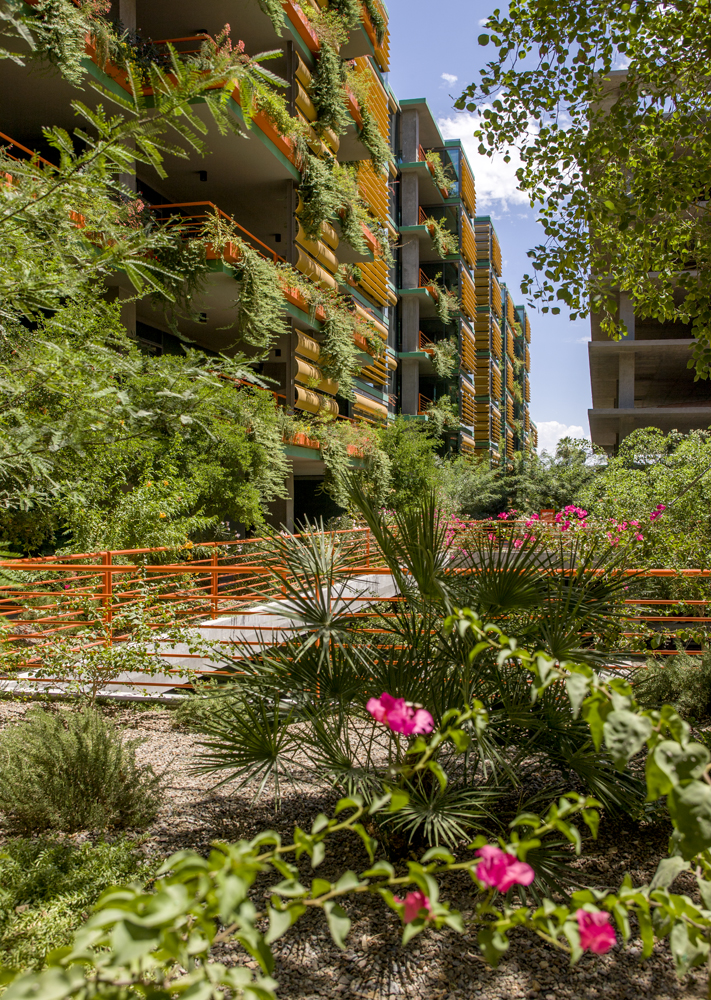
IgCC vertical landscaping at Optima Sonoran Village
Vertical landscaping at Optima Sonoran Village

IgCC and Optima

IgCC operates as a code that can be easily adapted by public or private entities, allowing government jurisdictions to adopt it and save themselves the labor of creating their own code. Arizona took advantage of this opportunity, adopting the IgCC, which then took effect in January of 2017. 

It was at that time that Optima Sonoran Village became a pilot project for IgCC in Arizona.

Optima Sonoran Village IGCC attributes include major building elements consisting of 95 perfect local and recycled content materials; energy efficiency as a result of the high-performing glazing, overhangs, building configurations and exterior shading devices; water resource conservation from plumbing fixtures and excellent indoor environmental quality and reduced material emissions from the materials used in the development. Because of its environmentally-friendly construction, Optima Sonoran Village passed muster and was one of the first buildings in the world to earn certification.

Optima will continue to push the boundaries of building in pursuit of new and sustainable ways to contribute to our built environment. ICC is an association that will continue to do the same—we look forward to a world in which green building is commonplace. 


person name goes here

Maintenance Supervisor

Glencoe, IL


    Acceptable file types: *.pdf | *.txt | *.doc, max-size: 2Mb