Neighborhood Spotlight: Lakeview

We began the Optima story with our roots in Chicago, and we’re thrilled that our next exciting chapter is expanding our portfolio to include our latest project, Optima Lakeview. Like many others who call the neighborhood home, we were drawn to the community’s vibrancy, history and diversity. Today, we’re sharing just a few reasons why we love Lakeview.

Belmont Harbor in Lakeview
Belmont Harbor on the Chicago lakefront. Credit: Gerald Farinas on Wikimedia Commons, licensed under the Creative Commons Attribution-Share Alike 3.0 Unported license.

A Place to Play

In the early 1900s, Lakeview was actually considered a suburb of Chicago and acted as an escape from the bustle of the city. Its shopping and recreational scene attracted visitors back then, just as it attracts residents and visitors now. Whether it’s catching a game at Wrigley Field or enjoying a Chicago summer at the lakefront, the neighborhood is famous for its leisurely attitude and playful spirit. In a typical, non-pandemic year, expect summer street festivals, performances in the Belmont Theater District and the festive Lakeview Holiday Stroll; but despite COVID-19, the area still retains its charm and liveliness.  

Fantastic Food & Culinary Fare

No matter what you’re craving, Lakeview has a little bit of everything. Strings Ramen shop has some of the best noodles in the neighborhood, and the city. Ella Elli is known for its ambiance and curated cocktail list. The Chicago Diner offers an impressive take on vegan food (we promise you’ll love it even if you’re not vegan). If you need a few more ideas, The Infatuation has you covered. 

Something For Everyone

Lakeview itself encompasses many different sub-neighborhoods, including Sheridan Station Corridor, Northalsted, Southport Corridor, Lakeview East, Lakeview West, Wrigleyville and Northalsted. Residents range from young professionals to families who have been loyal to the neighborhood for generations, and with good reason. The neighborhood is a favorite of long-term residents and new transplants alike, even earning a top spot in Money Magazine’s Best Big Cities

We’ve already broken ground on Optima Lakeview, and we can’t wait for what’s to come as we become a part of the community!

The Legacy of Walter Gropius

The legacy of the Bauhaus is an essential thread in Modernism, past and present. But the Bauhaus — both the movement and the school — never would have been possible without the man behind it all: Walter Gropius. Today, we’re paying our respects and exploring the legacy of the Bauhaus founder, also known as one of the the pioneering masters of Modernism. 

Fagus Factory (Faguswerk), designed by Walter Gropius and Adolf Meyer in Alfeld, Germany. Photo: Matthias Süßen on Wikimedia Commons, licensed under the Creative Commons Attribution-Share Alike 4.0 International license.

A Promising Start

Born Walter Adolph Georg Gropius in May of 1883, the German architect was destined for great things from the start of his earlier career just 25 years later. In 1908, after studying architecture in Berlin and Munich, Gropius began working with renowned architect and industrial designer Peter Behrens, alongside other powerhouses: Ludwig Mies van der Rohe and Le Corbusier. From that point onward, Gropius’s career accelerated at an upward trajectory, with accomplishments such as Faguswerk, the Fagus Factory that truly put his name on the map in 1913. 

The Bauhaus building in Dessau, Germany, designed by Walter Gropius.

The Bauhaus

In 1919, Gropius succeeded the previous master of the Grand-Ducal Saxon School of Arts and Crafts in Weimar — and Gropius then transformed this academy into the Bauhaus. Gropius’s founding philosophy behind the Bauhaus was revolutionary. On a flyer from that time, he stated: “Art and the people must form an entity. Art shall no longer be a luxury of the few but should be enjoyed and experienced by the broad masses. The aim is an alliance of the arts under the wing of great architecture.” The Bauhaus’s legacy became the extension of beauty and quality to every home, through well-designed, industrially-produced products. Though Gropius left the Bauhaus in 1928, the impact of the school remains prevalent across Modernist design today. 

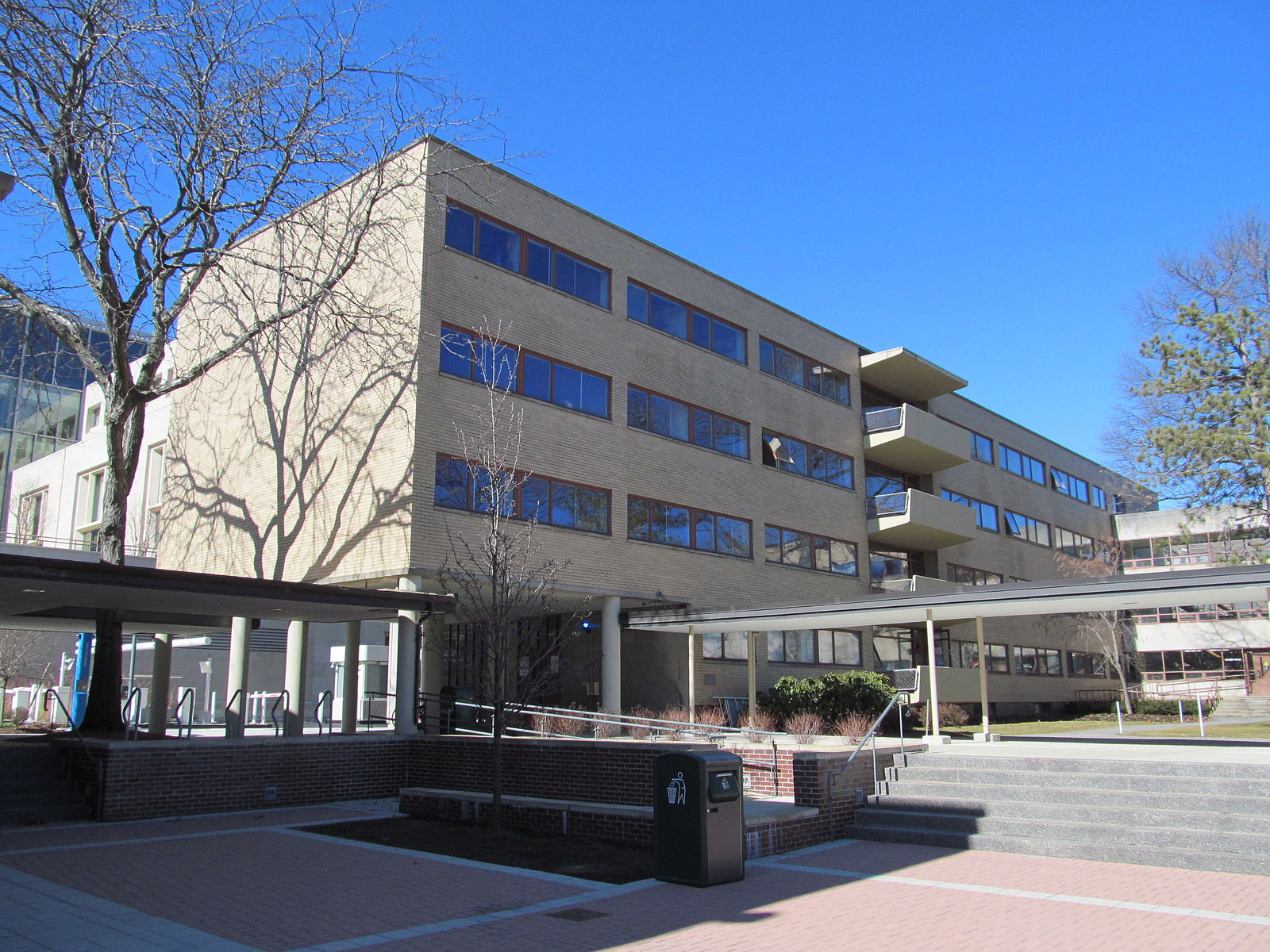
Story Hall at Harvard University, part of the “Gropius dorms” designed by The Architects’ Collaborative.
Story Hall at Harvard University, part of the “Gropius dorms” designed by The Architects’ Collaborative. Photo: John Phelan on Wikimedia Commons, licensed under the Creative Commons Attribution-Share Alike 4.0 International license.

American Footprint

Facing threats under the Nazi regime, Gropius first landed in England and then made his way to the U.S. in 1937. There he became a professor at Harvard and eventually, the Director of the Department of Architecture. In 1946, he founded The Architects’ Collaborative (TAC), another manifestation of his belief in collaboration and teamwork. Alongside the likes of other young architects in Cambridge, the group rose to prominence (with their most well-known work being the Graduate Center at Harvard) and they quickly became one of the most well-known and respected architectural firms in the world.

Today, the legacy of Walter Gropius remains in each structure he created during his lifetime, as well as in the profound impact he had on the architectural world. 

Scottsdale Public Art: Jack Knife

We love Scottsdale for many reasons, one of which is its vibrant and bustling arts scene. Home to the Scottsdale Arts District, the city makes its unique voice heard through striking public art such as Jack Knife by Ed Mell. To understand more about the local arts scene and to celebrate its impact on the city our residents call home, today we’re exploring the work and artistry behind Jack Knife.

Jack Knife boldly commands attention at the intersection of Marshall Way and Main Street in Downtown Scottsdale — the center of the Scottsdale Arts District — mere steps away from Optima Sonoran Village. The piece is the perfect introduction to the city’s history and culture, depicting a rider astride a bucking horse modelled after the official city seal. The bronze sculpture, which sits on a high pedestal, stands over eight feet high. Even more notable: Jack Knife is Ed Mell’s first ever large-scale sculpture. 

Completed in 1993, Mell says of his work: “Jack Knife has a reverence for the Old West. It is not traditional, but yet it has a traditional theme. The angularity accelerates the power and energy of the rider and horse, more than accurate depiction.” While the piece may have been his first large-scale experimentation, Mell is one of Arizona’s premier artists. 

Mell grew up in Phoenix, and his artistic practice is inspired by the natural beauty and wonder of the desert. He works primarily in oil paint, creating natural expressions of the Western landscape that exhibit striking colors and Cubist elements. This bold, graphic style is translated evidently into Jack Knife, and the artists’ passion for Arizona shines through, too. 

It’s passionate creations like these that inspire us every day, and make us proud to call Scottsdale Optima’s second home.

An Inside Look at Architect Lingo, Part III

Our love for Modernist architecture at Optima is a language all its own — in more ways than one. As we discuss all things design, keywords in architect lingo begin to permeate the vocabulary of everyone in our offices, from architects to property managers and beyond. In honor of the passion and language we all share (and in follow up to Part I and Part II), today we’re taking another inside look at words you might hear in a day at Optima. 

Clerestory

Clerestory refers to the windows in a structure. Also known as a clearstory or an overstory, a clerestory is any high section of the wall that contains windows above eye level. The purpose of these windows (and their altitude) is to invite in sunlight, fresh air or both. 

Historically, clerestories were included in large structures such as cathedrals with expansive central halls. While the technique is thought to have originated in ancient Egypt, and carried over to the Byzantine era, this architectural detail is most widely seen in architecture from the Romanesque and Gothic periods. Clerestories are also employed in many transportation vehicles, such as train cars, to provide additional lighting, ventilation and headroom. 

At Optima, clerestory windows prove an invaluable tool when creating open-floor-plan Modernist buildings. Employing windows at multiple levels, we’re able to ensure spaces that are flooded with light and that exude an open, airy atmosphere. 

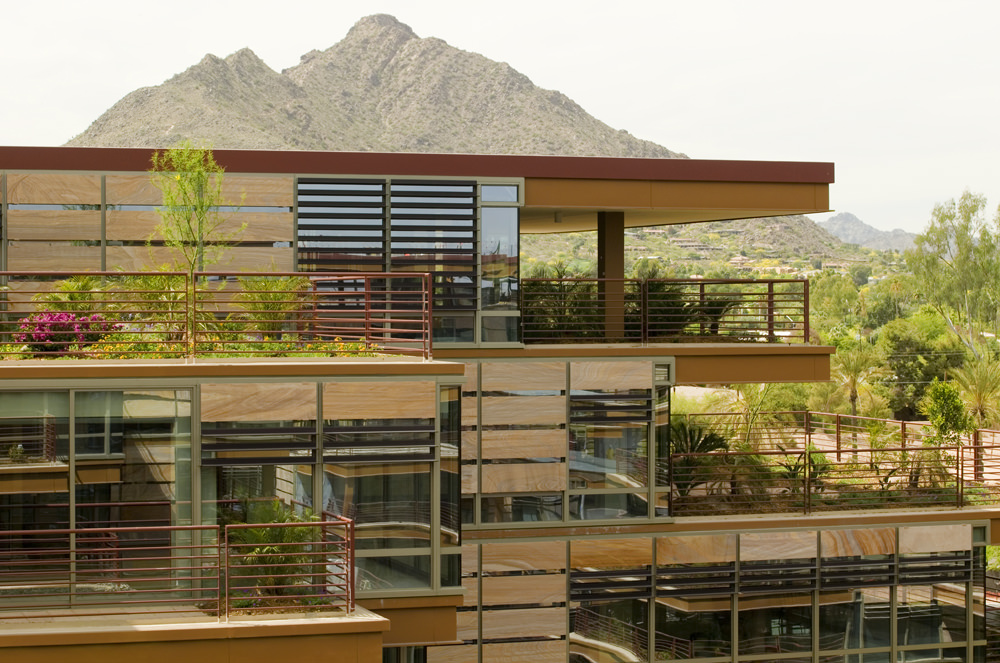
Rectilinear design at Optima Camelview Village in Scottsdale, Arizona.

Rectilinear

Stripped back to its most basic definition, rectilinear is an adjective referring to anything in a straight line. In architecture, however, a rectilinear form then becomes anything that consists of only straight lines. Rectilinear design creates a sense of order and structure within design, and therefore plays well into the Modernist philosophy.

That being said, originally rectilinear style originates from the third historical division of English Gothic architecture (also called The Perpendicular Gothic, or simply, perpendicular). Contradictory to paired back rectilinear form in Modernist design, the rectilinear style of Gothic architecture includes lavish, ornate geometric detailing. 

In our own structures, we often employ rectilinear design as an expression of our Modernist sensibilities. The bold, simple geometry of straight lines allows us to best explore ideas of form and function, creating spaces that are at once complex in thought but simple in application.

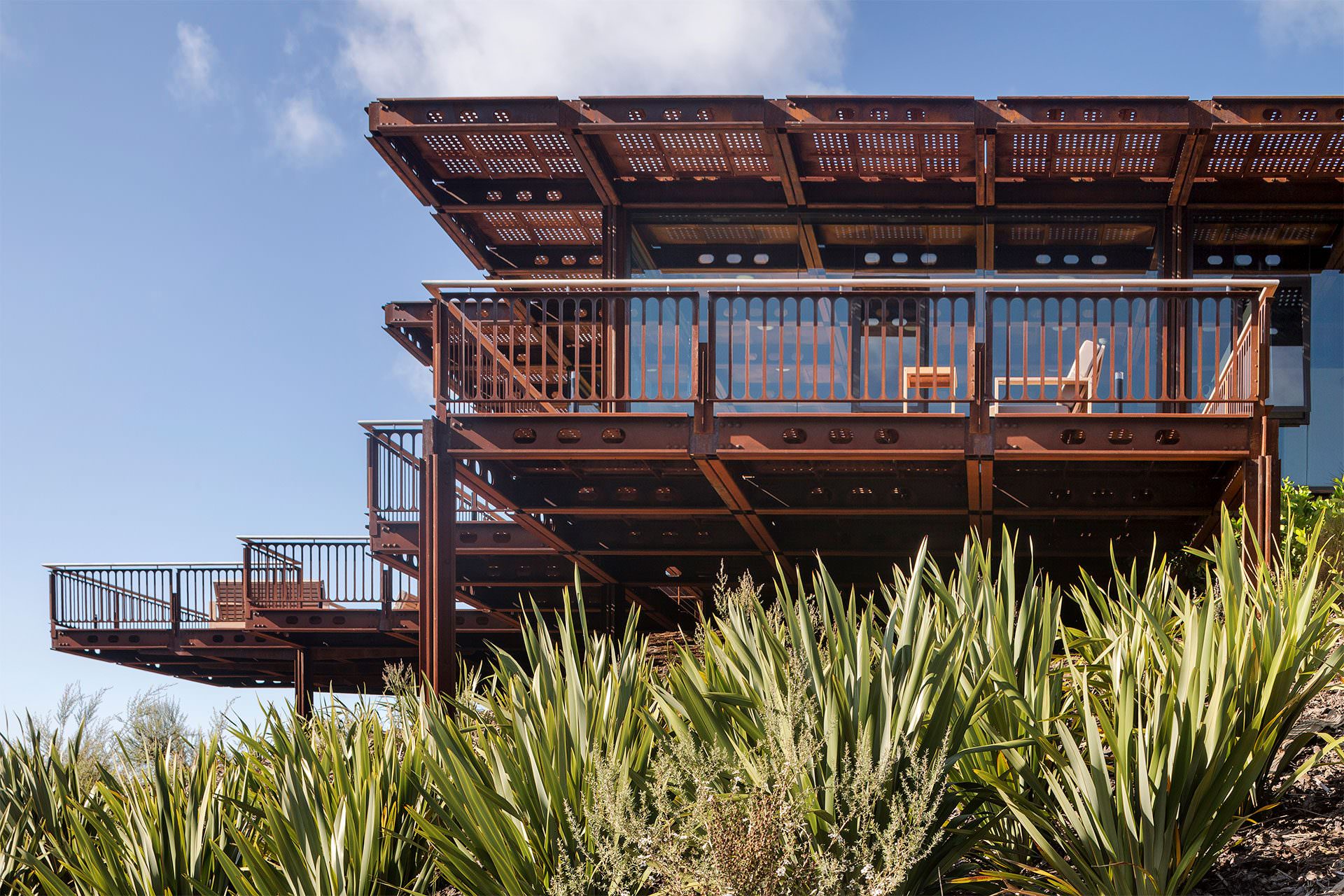
The Optima DCHGlobal Building System at Whale Bay House, Optima DCHGlobal, in New Zealand.

On the Module

Modular architecture refers to the design of any system utilizing separate components that can be connected together to create one, cohesive whole. A highly flexible system, the building-blocks nature of modular architecture allows individual pieces to be easily replaced or repurposed as needed. Building on the module, then, refers to the process of creating a structure out of a module system.

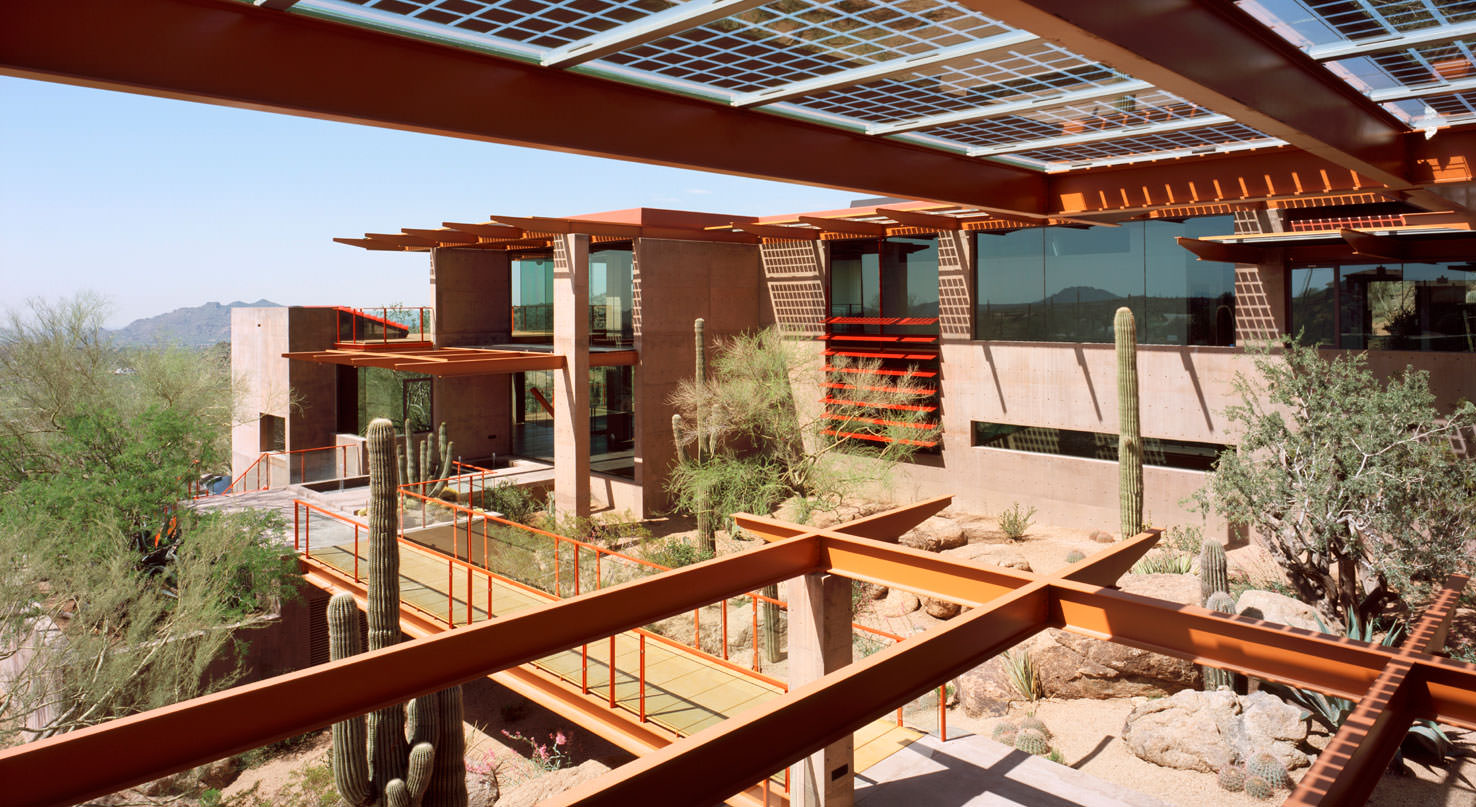
Optima President and Principal Architect, David Hovey Jr., designed his own modular system: the Optima DCHGlobal Building System, a patented structural system that is based on 7’-0” x 7’-0” horizontal module, a 1’-3” vertical module, and a 21’-0” x 21’-0” structural bay with connectors, beams, and column components that are joined together with tension controlled bolts to create a 3-dimensional structural grid allowing for design flexibility in both vertical and horizontal directions. You can see the system employed throughout our Optima DCHGlobal projects, Relic Rock, Arizona Courtyard House and Whale Bay House.

Team Member Spotlight: Hunter Gross

Our buildings and communities wouldn’t thrive without our incredibly talented team members, especially in a year where maintaining clean and safe spaces feels more important than ever. We recently sat down (virtually) with Hunter Gross, the Maintenance Supervisor at Optima Sonoran Village, to talk about how his work makes a difference in our Arizona community. 

Tell us a bit about your background and the role you play at Optima.

Out of high school, I went into the construction field and from there I went into a maintenance and cleaning supervisor role in Phoenix. After that, I ended up at Optima. I’ve been here for a year and three months; for a year as a technician, then promoted to supervisor for our Sonoran Village property. In my role as supervisor I am responsible for hiring, training, and guiding our service technicians; we can see 30-40 new service tickets daily and we have a 24-hour completion goal. I am responsible for ensuring service is completed to the Optima standard which often includes following up on many different work orders to see that the residents were satisfied. 

What drew you to Optima initially, and what’s kept you working there?

I tend to get bored with day-to-day tasks, but working at Optima gives me different challenges that set a nice change of pace, which keeps me engaged. I also have a team that helps me problem solve, oftentimes working with other Optima teams to find better solutions. Especially this year with the pandemic, everyone was ready and willing to work together. 

How does maintaining the buildings at Optima differ from other properties/buildings?

Optima’s design and materials sets them apart and makes them unique; concrete and exposed steel beams often present challenges when making additions or repairs. Thankfully, Optima is structured so we can communicate with the architecture and design team to help determine the best solutions. 

Optima’s properties are also very large-scale. Even regular, preventative maintenance takes a longer time since they’re so spread out and populated. We have five different buildings just across Sonoran Village, and just transporting tools from one to the other is a process. 

Optima has a distinct set of values that really differentiates it from other companies. Which values really speak to the work you’ve done at Optima?

Definitely our “there’s a solution to every problem” value.  Especially in our line of work, we’re always trying our best to find solutions to even minor issues. And whether it’s the architecture, construction or design teams, we have a ton of resources at Optima that allow us to problem solve. This year in particular, that seems more important than ever. 

A Brief History of the Wassily Chair

When we set out to build intentional spaces, we extend our design sensibilities into every finish and furnishing. And with most of our selections, each piece has a story behind it. Today, we explore the history of the distinct and iconic Wassily Chair.

The chair itself started with Marcel Breuer, the Hungarian architect and designer. Breuer studied at the Bauhaus under Walter Gropius, quickly becoming his protégé with his outstanding sense of design and ingenuity. By the early 1920s, he was considered a master carpenter at the school. The legend goes that Breuer purchased his first bicycle and was so inspired by the lightness of its frame, he wanted to experiment with something similar in furniture design, using curves and tubing in construction. Thus, the Wassily chair was born.

Fabricated using the techniques of local plumbers, the tubular-steel structure would become Breuer’s signature touch on furniture. At the time, the design was only technologically feasible because German manufacturers had perfected the process for seamless steel tubing. Without a welding seam, the tubing could be bent without collapsing. The structure was finished by straps of fabric, pulled tightly to create a sturdy but comfortable place to sit. Like many other designs in the Modernism movement, the Wassily Chair has been mass-produced since the 1920s, its allure is still impactful today. At present, the trademark name rights to the design are owned by Knoll, who integrated the Wassily Chair into their catalog in the 1960s. 

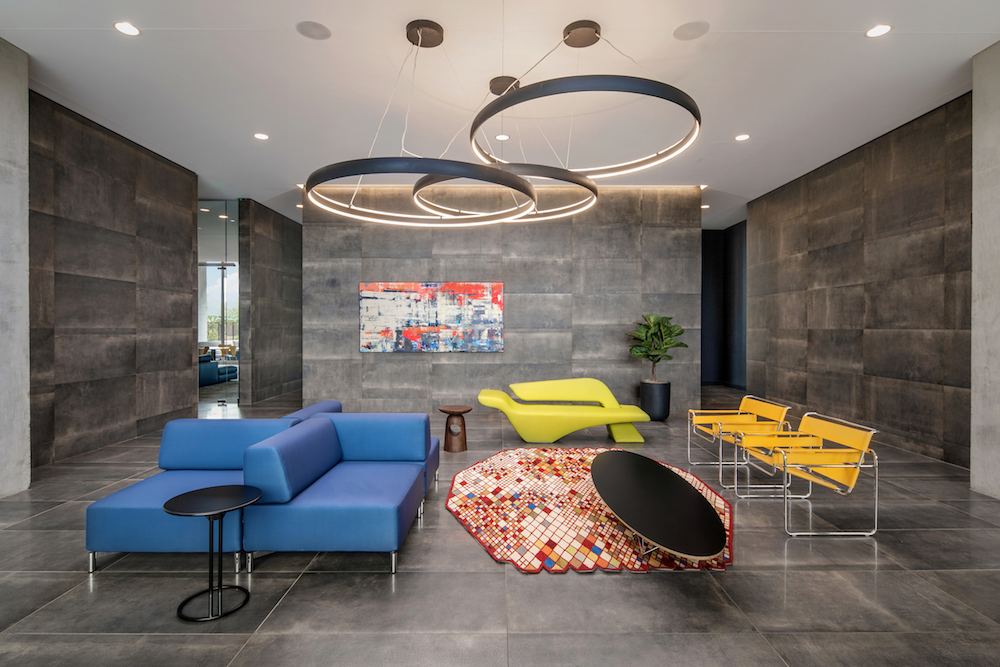
Whether it welcomes residents as they enter the lobby or invites conversation in an amenity space, the Wassily Chair plays perfectly with the design aesthetic and sensibility of our spaces at Optima. 

A Brief History of Irrigation

Lush, verdant landscapes are a cornerstone of Optima communities. We’ve spent years of research and application honing our landscaping, arriving today at an innovative vertical planting system that incorporates self-containing irrigation and drainage. But just what is irrigation, why is it so important and how did we arrive at this solution? Today, we’re taking a closer look at the history of irrigation.

While our own landscaping research has gone on for decades, the history of irrigation dates back at least 8,000 years. The earliest known systems of irrigation originated in Egypt and Mesopotamia in 6,000 B.C. Fighting against the flooding of the Nile several months each year, ancient civilizations pioneered a technique to divert flood waters to nearby crop fields, thereby utilizing excess flood water for crops that would otherwise be difficult to grow due to lack of resources.  

This ancient technique is credited as the basis of agricultural economies and societies across the world. As the process of applying controlled amounts of water to plants at needed intervals, irrigation aids in growing agricultural crops and maintaining vegetation in a way that conserves water, preserves soil nutrients and saves time and energy. 

Before the Egyptian and Mesopotamian approach, primitive irrigation likely involved laborers carrying buckets of water from rivers and wells to water their crops. Increased innovation to control water flow where desired included innovations such as irrigation canals, dams, dikes, aqueducts and water storage facilities. 

Nowadays, modern irrigation systems have evolved to include reservoirs, tanks and wells, with reservoirs serving to collect water from natural sources such as lakes and rainwater runoff. As our global agricultural output continues to rise, irrigation protects against droughts and famines, ensuring successful and widespread crop yields. 

Self-contained Irrigation at Optima Sonoran Village

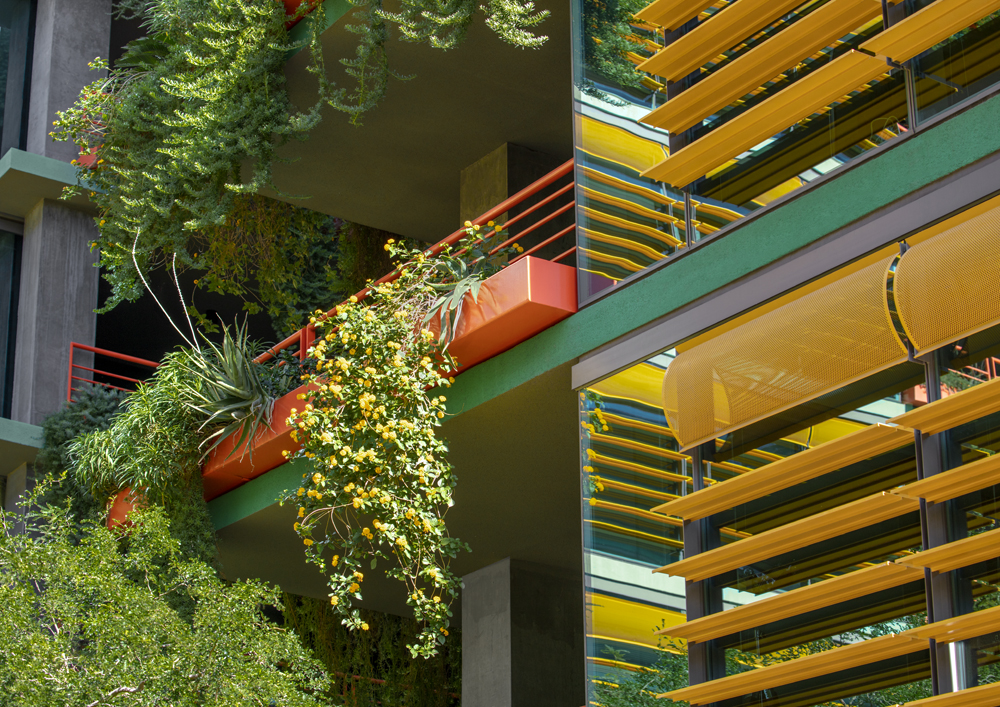
At Optima Kierland Apartments and Optima Sonoran Village, our self-containing irrigation and drainage system enables a palette of vibrantly colored plants at the edge of each floor to grow both up and over the edge of the building, culminating in a beautiful rooftop garden. Thanks to the innovations of many civilizations before us, these gardens are easy to maintain, and a beautiful natural respite for all our residents to enjoy.

Working From Home at Optima

At Optima, we’ve always been dedicated to building communities that provide a balanced lifestyle for our residents. From carefully curated retail partners to an abundance of outdoor space, we thoughtfully incorporate elements that respond to the needs of our residents. With the recent rise in remote working, and in celebration of National Work from Home Week, this week we’re honing in on how residents can best utilize Optima communities to support their remote productivity.

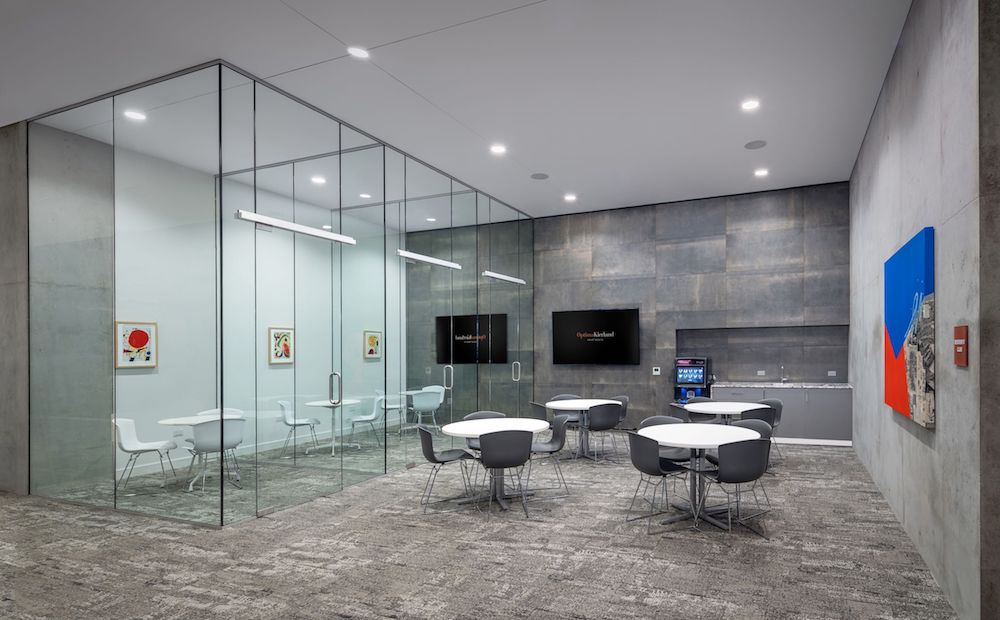
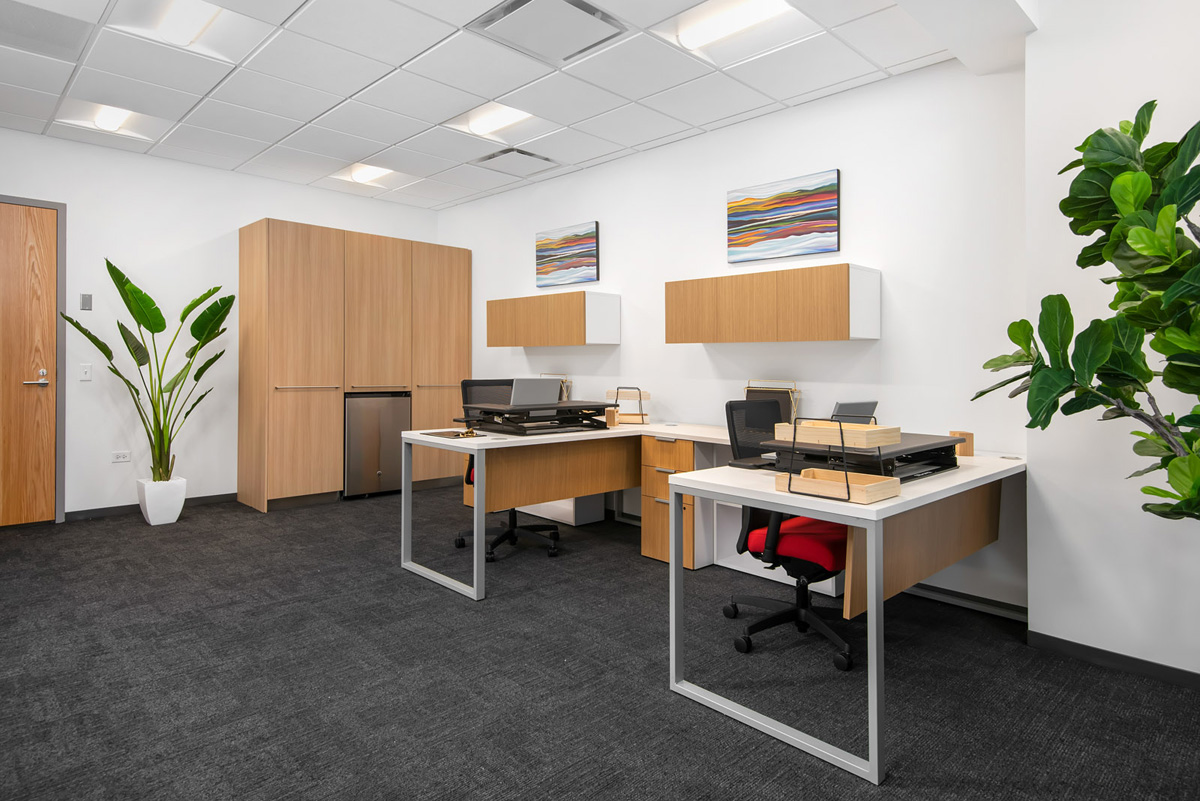
Private huddle rooms and work tables at Optima Kierland Apartments

Dedicated, At-Home Work Spaces

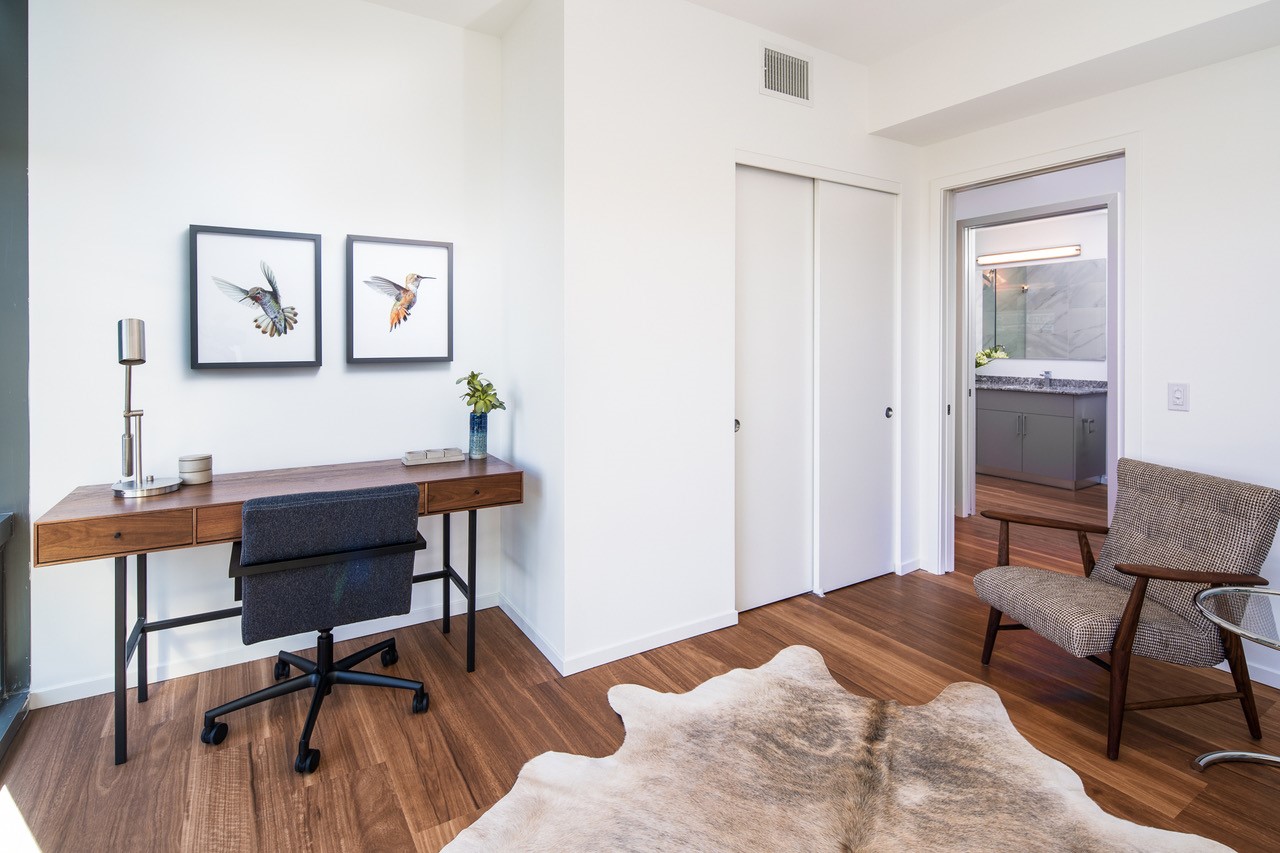
Across all of our properties, from Arizona to Illinois, we incorporate a dedicated work-from-home space within each apartment. As we learned earlier this year, curating a distinct work zone at home improves productivity and limits distractions. The designs of our buildings also lend themselves to staying focused. The abundant floor-to-ceiling glass windows in each Optima building invites in plenty of natural light. Studies show that exposure to sunlight helps regulate sleep cycles, and our well-restedness therefore contributes to more satisfied, productive workdays. And the beautiful views in both Arizona and Chicago don’t hurt either. 

Business Suite at Optima Signature

Business-Centric Amenities

If ever you need a change of pace from your in-home workspace, our communities offer an abundance of business-centric amenities to meet your every need. Optima Signature, Optima Sonoran Village and Optima Kierland Center all feature on-site conference rooms and business rooms, and the new tower at Optima Kierland Apartments even features private huddle rooms with work spaces. Optima Signature and Optima Sonoran Village also both offer their own on-site business suites

Celebrating Live-Work-Play Balance

Optima’s on-site retail tenants offer the perfect midday spot, whether it’s to break up your workday or to provide a setting for your next lunch meeting. At Optima Signature, Egg Harbor Cafe provides not only the perfect place for lunch (meetings), but you can meet over breakfast too! Meanwhile, at Optima Sonoran Village, Kaleidoscope Juice is the perfect place for a quick break or a longer breakfast or lunch occasion. Or, for those having a busy day, Optima Signature also boasts onsite concierge and room service, ready to serve all your needs.

At times, work can be stressful, but we’re here to help make each work day easier, more comfortable and more enjoyable. 

The Sky Deck at Optima Kierland

When you live in the middle of a gorgeous desertscape, nothing beats scenic views of the surrounding mountains. Optima Kierland is nestled in the middle of North Scottsdale’s urban core, but we still wanted residents to relish the nearby nature. Each building at Optima Kierland includes a signature Sky Deck, which doesn’t just include spectacular views; they also house a range of unique, extensive amenities.

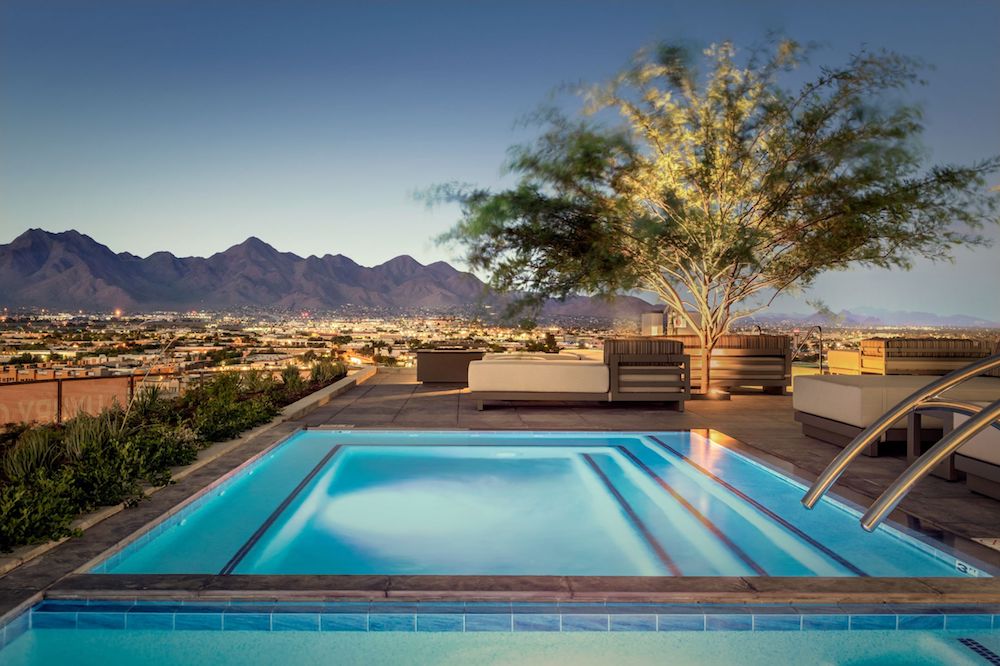
The Sky Deck at 7180 Optima Kierland

It’s no secret that amenity spaces are a growing expectation in the real estate world, and we pride ourselves on innovating with our amenities while also paying homage to the surrounding environment. Each of Optima Kierland’s towers overlooks underpassed, panoramic mountain views, and the amenity spaces keep residents active, inspired and entertained. Signature Sky Deck amenities include heated lap pools, lounge areas, and glass-enclosed sauna for a spa-like experience. Spas and a rooftop yoga studio offer additional methods for a little R&R. For al fresco fitness, the new Sky Deck’s rooftop running and walking tracks.. And for entertaining friends and family, the fire pits, barbecues, bars and outdoor theaters are perfect for coming together. 

Across all four buildings in Optima Kierland, each Sky Deck exemplifies our dedication to inventive, distinctive amenity spaces that leave a lasting impact on our residents. Because our communal spaces are focused on both physical and emotional health, they promote a balanced, engaging and fun lifestyle. For us, amenities aren’t just selling points; they allow us to truly improve the lives of those living in our spaces. 

The Phoenix Desert Botanical Garden

When Optima expanded to Arizona in 2000, we were enthralled by the new frontier and its unique climate. To this day, we continue to be inspired by the desert landscape — and there’s no better place to indulge that passion and find new inspiration than at the Phoenix Desert Botanical Garden. The gardens, which are located just a short drive from Optima Biltmore Towers in Phoenix, and Optima Sonoran Village and Optima Camelview Village in Scottsdale, are also perfect activity for our residents.

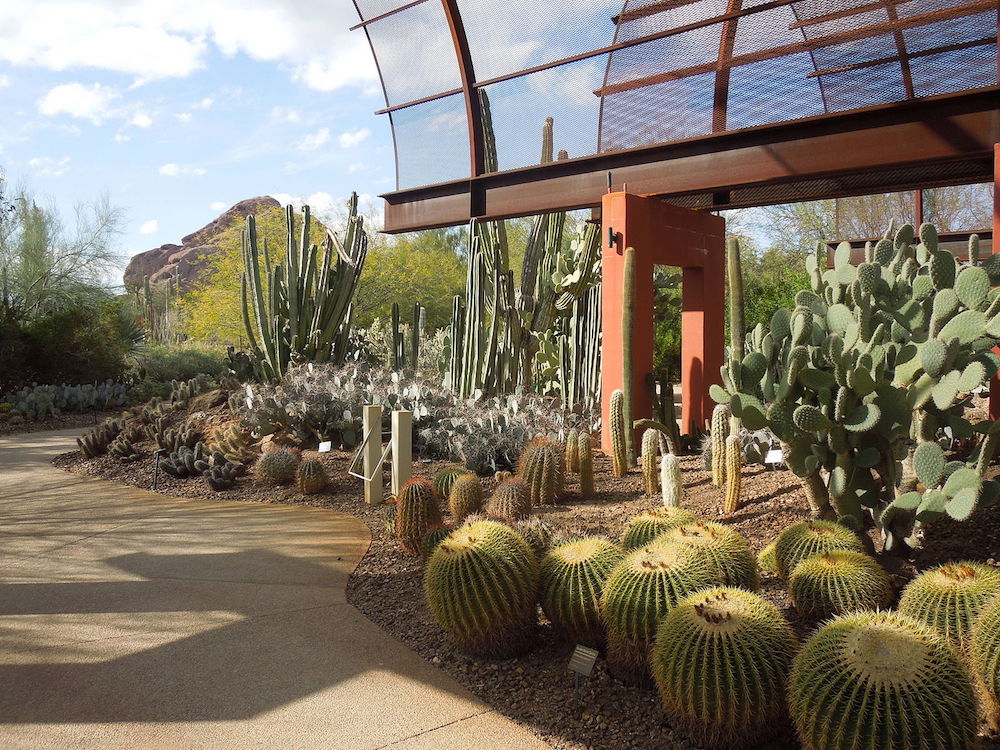
The Phoenix Desert Botanical Garden

The Desert Botanical Garden

The Desert Botanical Garden in Phoenix is a 140-acre sprawling wonderland of flora and fauna nestled among the red rocks of the Papago Butte. Visitors can see thousands of species of towering cacti, lush trees, alluring succulents and brilliant flowers from not just Arizona, but all over the world. Overall, 50,000+ plants cover five thematic trails, and the garden is proud to care for 485 rare and endangered species among that number.

The garden was first established back in 1939, when a small but passionate group of Arizonians were compelled to act and preserve the beautiful desert environs. Among them was Swedish botanist Gustaf Starck, who rallied others to the cause with a posted sign reading “Save the Desert.” Eight decades later, Desert Botanical Garden has expanded, thanks to the generous investment and care of many. Alongside its impressive collection of plantlife, the garden also offers specialized tours, special events, seasonal exhibits, concerts, family exhibits and two places to dine: Gertrude’s restaurant and the Patio Cafe. 

The Desert Botanical Garden has reopened during COVID-19 with increased safety precautions in place. Tickets must be reserved in advance, but the garden’s limited occupancy amidst its sprawling gardenscape makes it the perfect place for socially distanced fun. Whether you’re looking to reconvene with nature or just while away the day in a beautiful setting, the Desert Botanical Garden is the perfect place to find inspiration and relaxation.

person name goes here

Maintenance Supervisor

Glencoe, IL


    Acceptable file types: *.pdf | *.txt | *.doc, max-size: 2Mb