The History of Transit-Oriented Developments

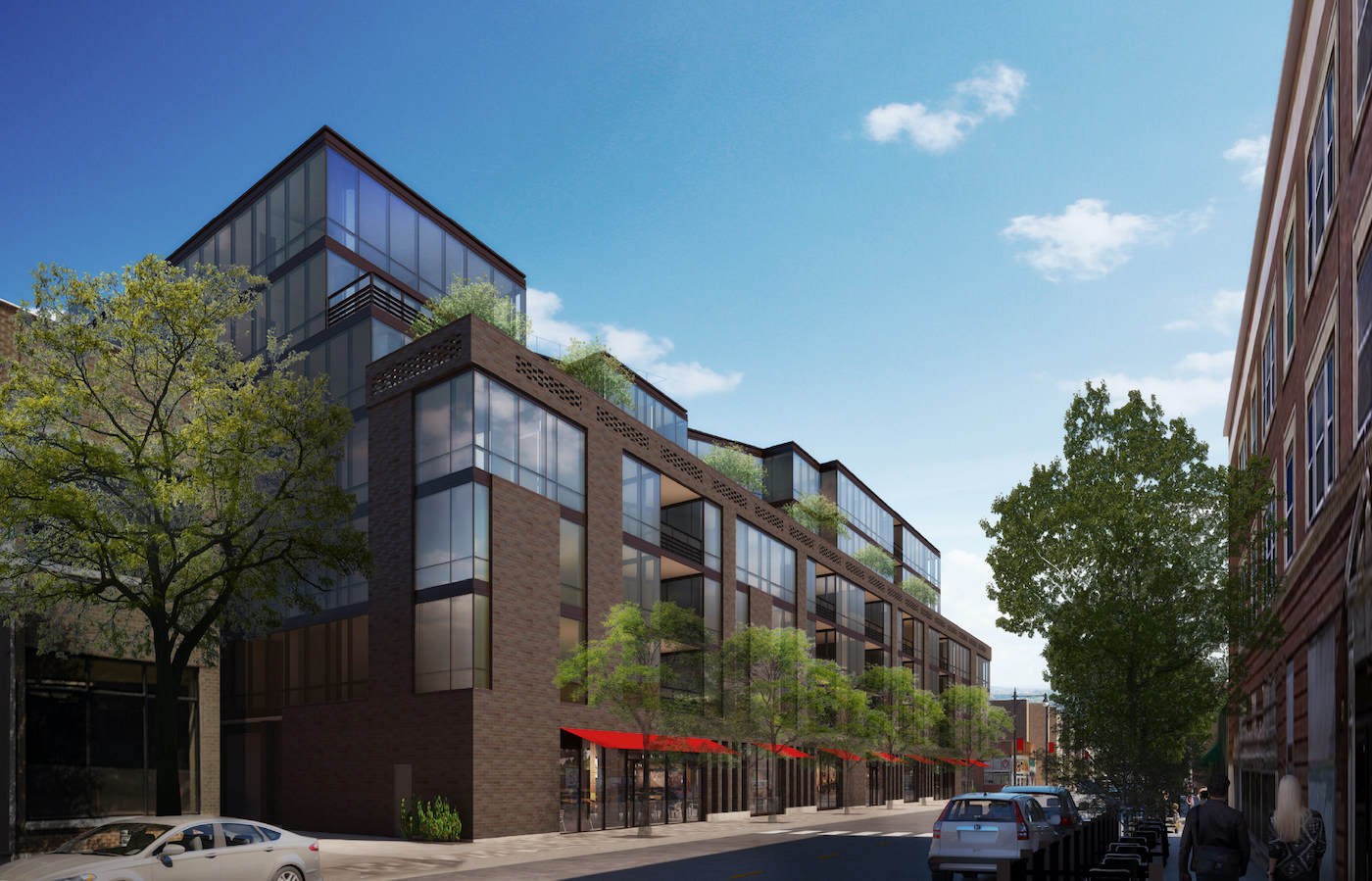
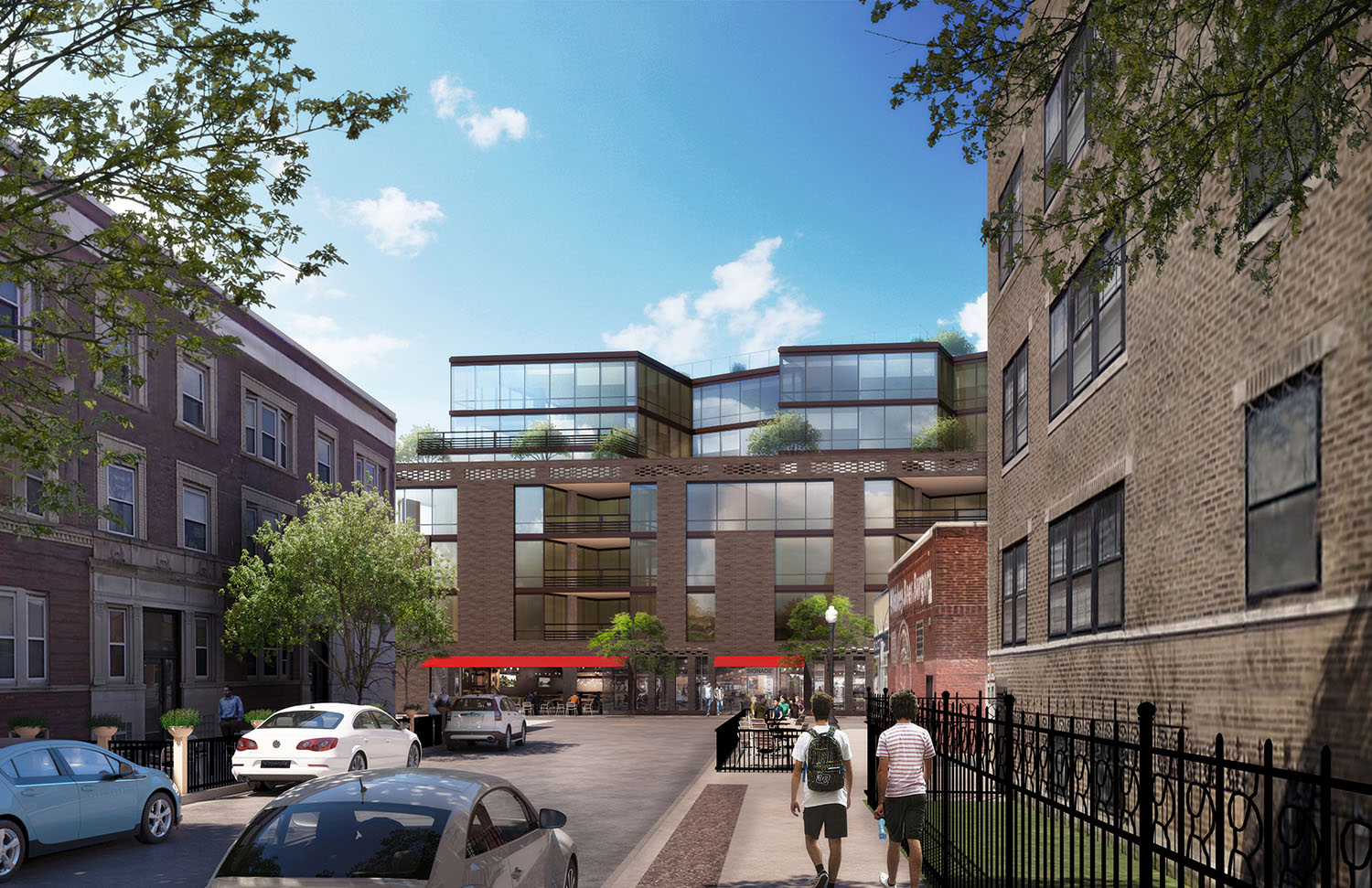
Our latest underway project, Optima Lakeview, is a transit-oriented development in the vibrant Lakeview neighborhood of Chicago. Unless you’re familiar with the world of urban planning, the term transit-oriented development may be unfamiliar to you. When it comes to city design, transit-oriented development is a type of urban development that maximizes the amount of residential, business and leisure space within walking distance of public transport, including buses, trains or subways. Today, we’re taking a closer look at the history of transit-oriented developments within the United States, and how they’ve impacted cities across the country.

A Brief History

Although the concept of transit-oriented development (or TOD) wasn’t officially named until the 1990s, the pieces existed long before. After WWII, the mass production of automobiles allowed more people to move to the suburbs, and also created highly congested cities and roads. City planners and officials called for mass-transit use in urban areas, and federal funding was allocated to cities in need of new systems. New hubs of public transit were followed by housing and businesses, which helped create concentrated communities that benefited from the walkability. As urban planning grew and expanded as a practice, the term transit-oriented development was coined, and many cities and industry professionals have since spent time, resources and research to pinpoint how TODs lead to vibrant communities. 

The Impact of Transit-Oriented Developments

As an initial response to the increase in vehicles going in and out of cities, TODs have successfully reduced congestion in cities, and reaped the environmental benefits. With more commuters and residents taking trains, TODs create a sustainable alternative to getting around. Less cars create a walkable, pedestrian-friendly environment, creating options for healthier lifestyles. And with more foot traffic, local businesses have a greater chance of thriving. 

Residential buildings play a huge part in creating transit-oriented communities. As a transit-oriented development, Optima Lakeview combines residential, commercial retail and leisure space, all within walking distance of an abundance of public transportation options. We’re thrilled to be part of the Lakeview community and to create a place where our residents can live, work and play. 
The Health Benefits of Swimming

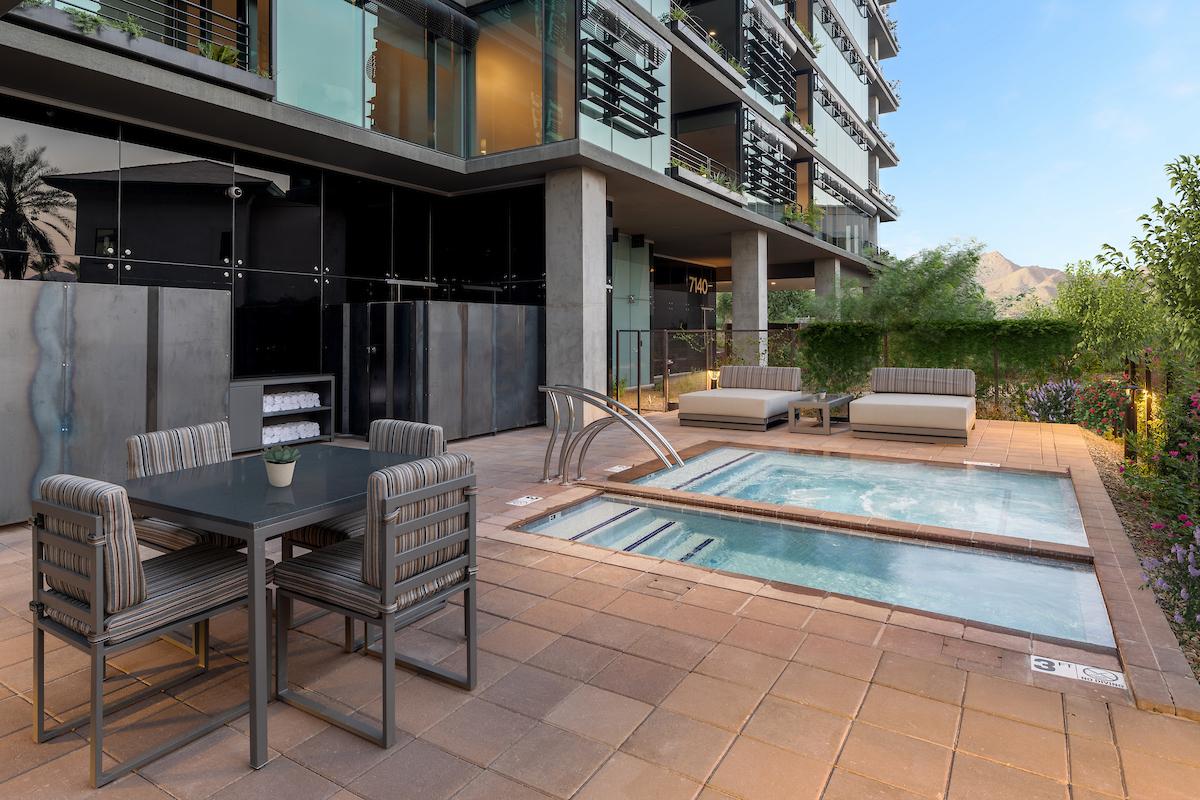
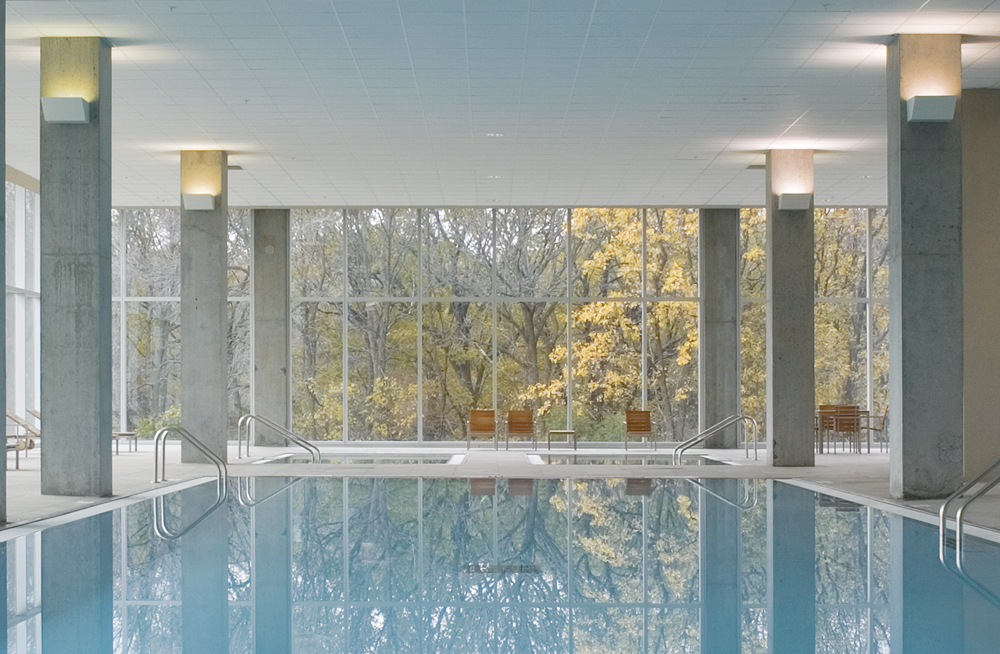
We enjoy creating communities with amenities to support a well-rounded, vibrant lifestyle. Many of our properties, including Optima Kierland, Optima Sonoran Village, Optima Signature, and the in-development Optima Lakeview include swimming pools as part of our impressive amenity stack. Spending time swimming is the perfect leisurely activity as well as a great fitness option with a wide-ranging array of health benefits. Here are just a few:

Full Body Workout

Water is 800 times more dense than air, and spending 30 minutes in a pool is actually worth the equivalent of 45 minutes doing a similar workout on land. Because of this, swimming is an intensive form of fitness that works your entire body. The activity, which engages arms, legs and core all at once, has a head-to-toe impact that leads to muscle toning, endurance building and strength building. 

Lifetime Health Boost

In addition to the external impact, swimming does great things for your internal and overall health. It improves the cardiovascular system, leading to a stronger heart, lungs and circulatory system. This also helps guard against heart disease, stroke and type 2 diabetes, as well as helping to control blood pressure and blood sugar.

Great For Injuries

Because swimming is such a low-impact sport, it’s the perfect fitness option for those experiencing arthritis, injuries or disabilities. While water provides enough resistance against muscles for an effective workout, your buoyancy provides support you won’t find on land. Experts even say that swimming can help reduce pain and improve recovery from injuries.

Rooftop sky deck pool at the 7140 tower at Optima Kierland Apartments

Positive Mental Impact

Research shows that those who swim regularly experience better sleep at night. In addition to being a restful activity, swimming also serves to boost your mood. By exercising, your body is releasing endorphins and increasing your metabolic rate, which leads to both improved mood levels and improved energy levels. 

Whether you’re looking for a regular fitness regimen, recovering for an injury or even looking for a pregnancy-safe workout routine, swimming is a great and healthy option for everyone.

Chicago Skyscraper History: Home Insurance Building

Chicago boasts many historical architectural feats — it was the host of the World’s Columbian Exposition in 1893 and the playground of greats including Frank Lloyd Wright and Louis Sullivan. But did you know Chicago was also home to the world’s first ever skyscraper? Today we’re taking a look at the historic Home Insurance Building and how it came to be.

How the World’s First Skyscraper Came to Be

The Great Fire ravaged Chicago in 1871. But it was a devastation that gave way to the opportunity to rebuild anew. As the city looked to rebuild, architects pondered what the next generation of urban structures looked like. With commerce and industry downtown exploding exponentially, these structures had to accommodate more residential space and more office space — leading to verticality as a solution. And with the Great Fire as their lesson, architects also knew these structures had to be much more durable than those that had been so easily destroyed.

Luckily, two pivotal inventions from the mid-19th century made the introduction of soaring steel-framed buildings possible. The first was the safety elevator pioneered by Elisha Otis in 1854, which allowed for the safe transport of elevator passengers. While the top floor of buildings had once been inaccessible and undesirable, the elevator changed that forever. Meanwhile, the Bessemer Converter of 1856 allowed for widespread, large-scale commercial production of steel. 

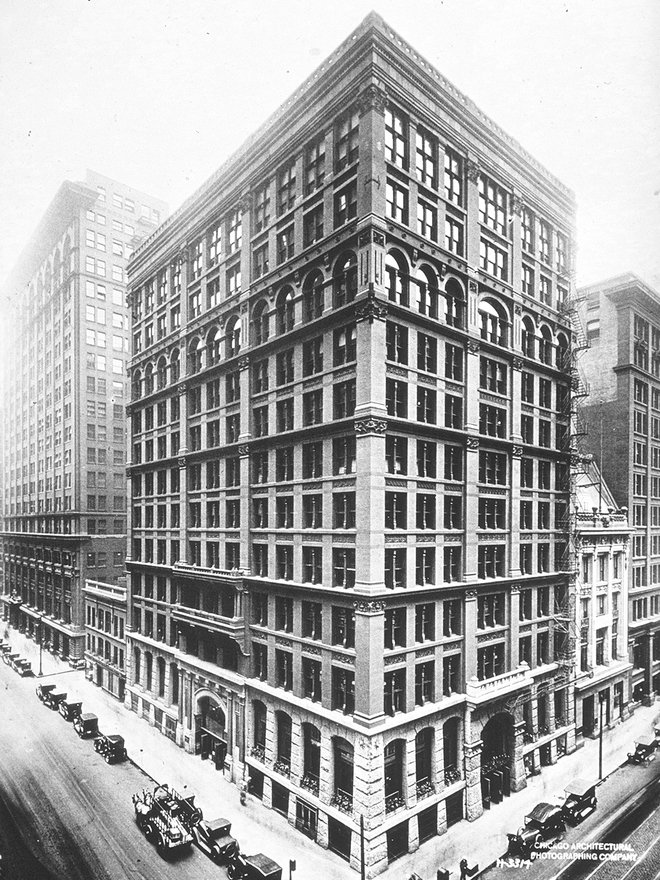
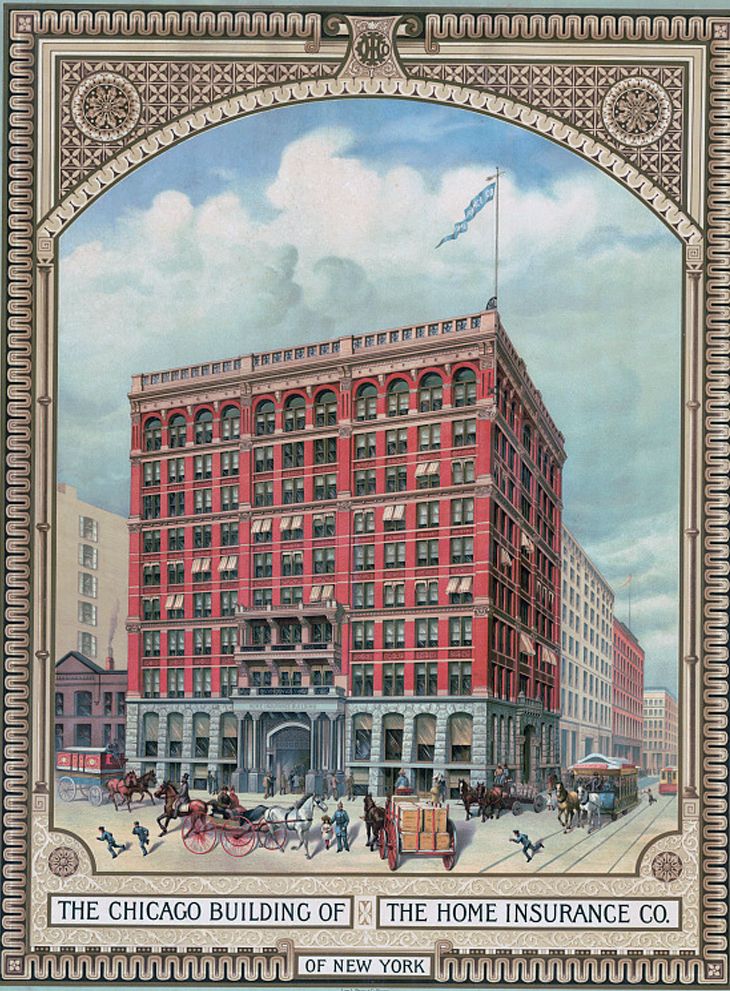
The culmination of these factors led to the world’s first skyscraper in 1885: the Home Insurance Building, a ten-story, steel-frame fireproof building in downtown Chicago.

Home Insurance Building, 1885, Published by Sprang Printing, Boston
Home Insurance Building, 1885, Published by Sprang Printing, Boston.

A Closer Look at the Home Insurance Building

The Home Insurance Building, designed by William Le Baron Jenney, was located at the corner of Adam and LaSalle Street. It earned the title of the world’s first skyscraper thanks to the combination of its height and its revolutionary steel frame. The frame was composed of wrought and cast iron alongside Bessemer rolled steel beams, leading the building to weigh in at a third of the mass of traditional masonry buildings of the time. 

While two additional stories were added to the Home Insurance Building in 1890, it was eventually demolished in 1931 to make way for the Field Building, now known as the LaSalle Bank Building. Despite the building being gone today, it has forever left its mark on Chicago’s skyscraper history.

Women in Architecture Part I

While conversations about the architectural greats center around figures such as Ludwig Mies van der Rohe and Frank Lloyd Wright, there are countless powerful women whose names are left out. At Optima, we’ve celebrated the contributions of everyone from Charlotte Perriand to Ray Eames — and today, we’re spotlighting a few more women in architecture you should know.

Sophia Hayden

Sophia Hayden was born in Santiago, Chile in 1868 and moved to Boston at age six. Hayden discovered her interest in architecture during high school and went on to be the first female graduate of the four-year program in architecture at the Massachusetts Institute of Technology (MIT). She graduated in 1890 with honors. After college, Hayden initially struggled to find work in the male-dominated world of architecture and settled for a position as a mechanical drawing instructor at a local high school.

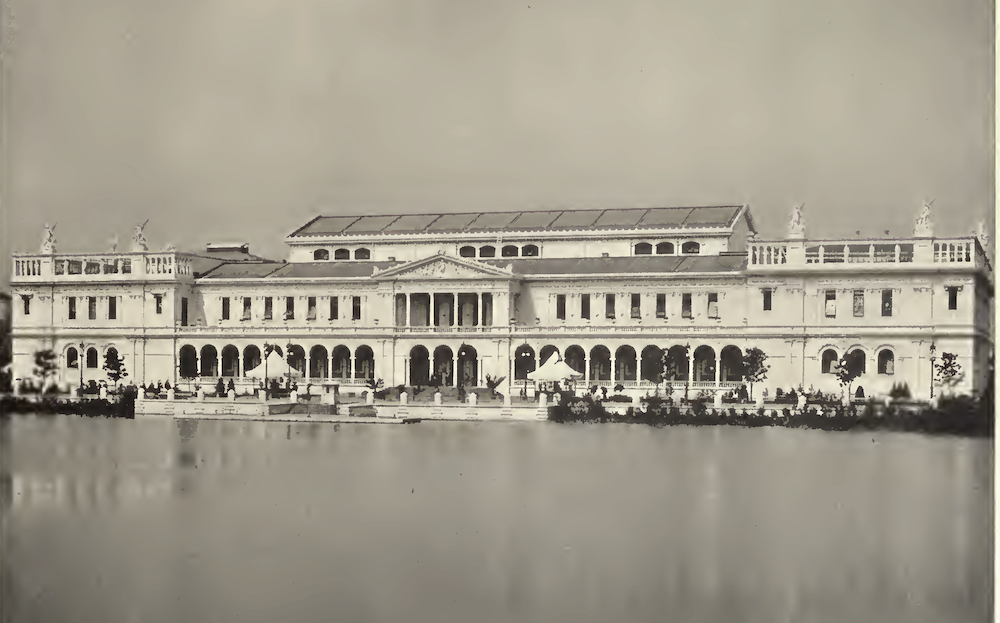
Only a year later, at just 21, Hayden jumped at the opportunity to enter her design in a competition for the Women’s Building at Daniel Burnham’s 1893 World Columbian Exposition in Chicago. Her design won the competition and Hayden was awarded $1,000, a tenth of what male architects earned for similar buildings.

Women’s building, 1893 World Columbian Exposition in Chicago.

During construction, Hayden was micromanaged incessantly and had to make many compromises on her design. The stress of the situation led Hayden to a breakdown and she was placed in a sanitarium for an “extended period of rest.” After the incident, Hayden retired from architecture permanently. Her treatment and diagnosis of hysteria have much to tell us about the challenges women in architecture faced during this time.

Marion Mahony Griffin
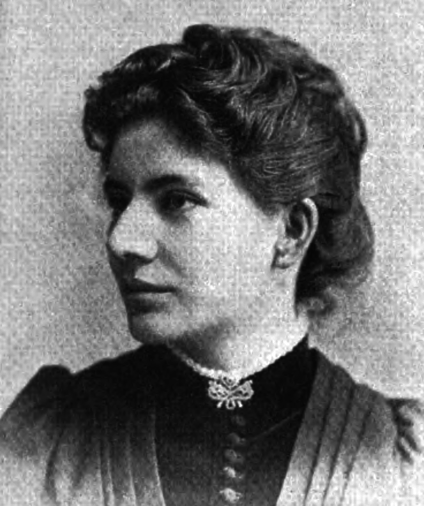
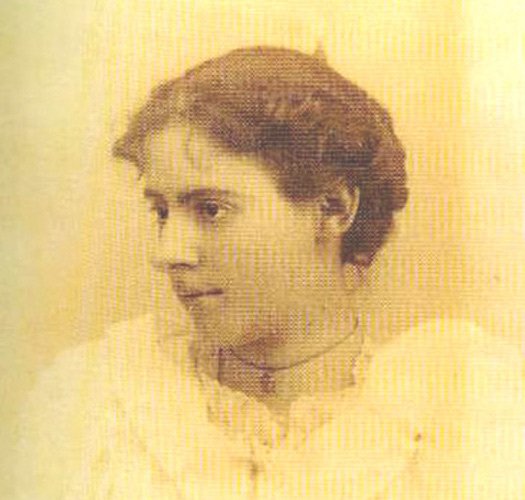
Marion Mahony Griffin, photo courtesy of Places Journal

Marion Mahony Griffin

Marion Mahony Griffin was born in 1871 in Chicago, and at nine her family migrated to the suburb of Winnetka after the Great Chicago Fire. Watching a landscape consumed by growing suburban sprawl developed Mahony’s interest in architecture. She went on to graduate from MIT in 1894, becoming the second woman to do so after Hayden.

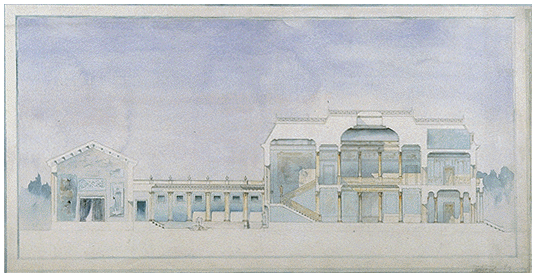
Artist's Studio (Section). Watercolour and ink by Marion Griffin 1894.
Artist’s Studio (Section). Watercolour and ink by Marion Griffin 1894.

After college, Mahony moved back to Chicago and became the first woman licensed to practice architecture in Illinois. She found work at her cousin’s architecture firm downtown alongside Frank Lloyd Wright. There, she created beautiful watercolor renderings of buildings and landscapes — a signature style which would later be attributed to Frank Lloyd Wright. Mahony worked alongside Wright for fifteen years, contributing greatly to his reputation and success to little recognition. She was also an original member of the Prairie School of architecture.

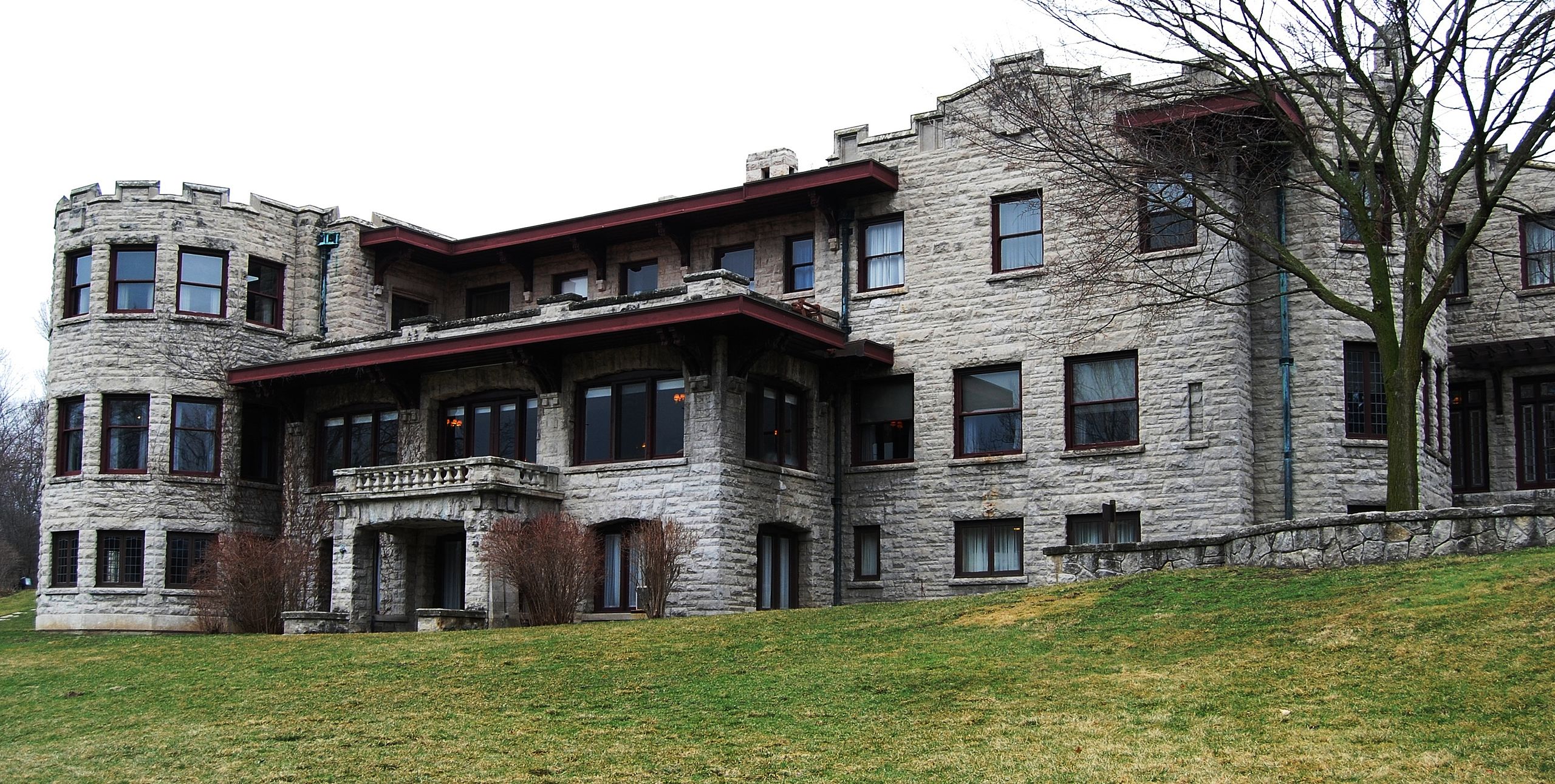
Fair Lane, Henry Ford’s Dearborn mansion, 1913-1915

When Wright eloped to Europe, he offered Mahony his studio’s remaining commissions, but she declined. Mahony is even rumored to have said Wright’s habit of taking credit for things, including the Prairie School movement, are what led to the movement’s early death. Later in life, Mahony collaborated with ex-Wright employee, Prairie School member and her husband, Walter Burley Griffin. Throughout her career, Mahony brought to fruition many notable projects, including Henry Ford’s Dearborn mansion and the Gerald Mahony Residence in Elkhart, Indiana.

Stay tuned for more features on women in architecture.

Your Guide to Golfing Inside

With the winter months officially here, many of us are having to go without our favorite outdoor activities and sports. However, for residents at many of our Optima buildings, golfing year-round, rain or shine, is still a possibility. For avid golfers who want to keep up their game at all times, we present your guide to golfing inside:

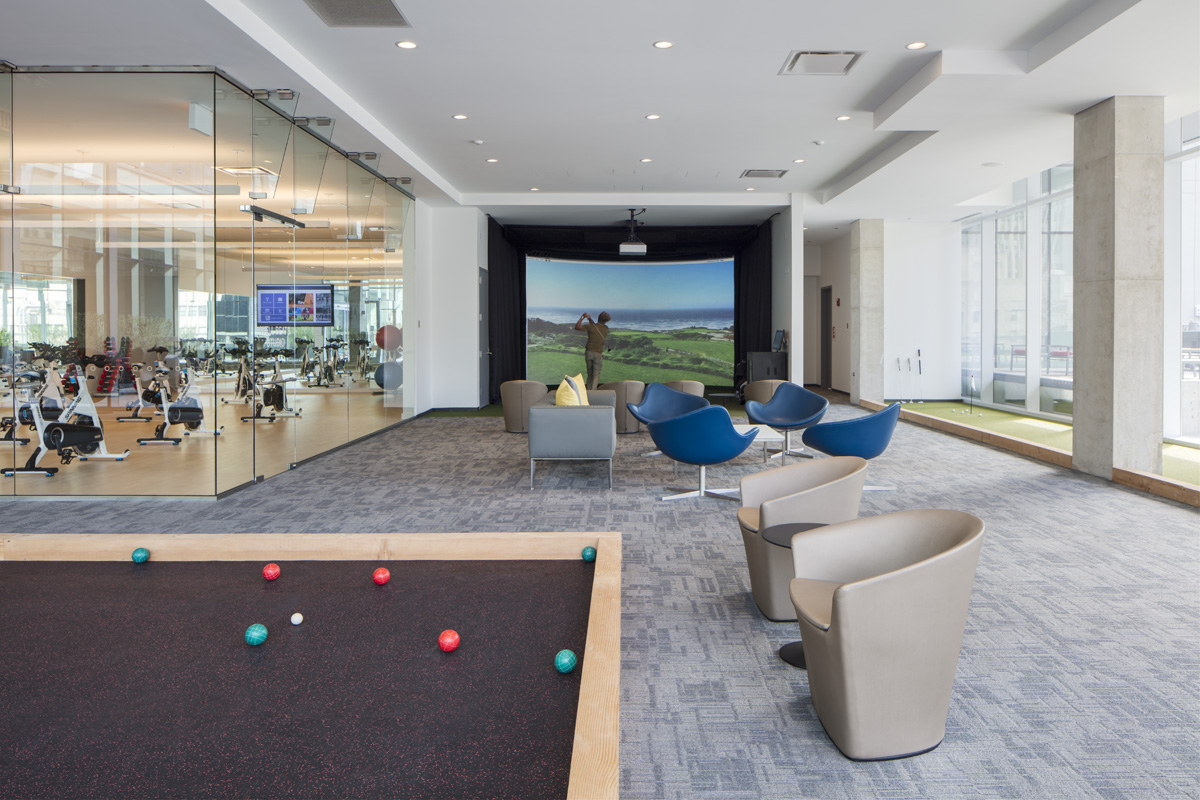
The first golf simulators appeared in the early 1970s, developed from placing computerized sensors at different points on a net. This method only allowed players to practice their swings and offered no way to gauge distance or accuracy. Thankfully, technology has allowed for golf simulators to expand and advance over the years. Now, you can play a full round of golf with different clubs for a more well-rounded practice, and enjoy putting on some of the world’s best golf courses right from the comfort of home.

Whether you’re a seasoned golfer or a newbie, indoor golfing has a few perks that even real golf can’t beat. The first — and most obvious — being that you can play any time and in any weather condition. Playing via simulator also requires significantly less time, and there’s no commitment to play through an entire round. For anyone working from home, that means an easy golf break during lunch, or a quick way to reap some of the health benefits from the sport. Of course, improving your game is a huge benefit. Simulators provide instant feedback for each shot, so you can adjust as you go. By the time the weather warms up again, you’ll be a new player. 

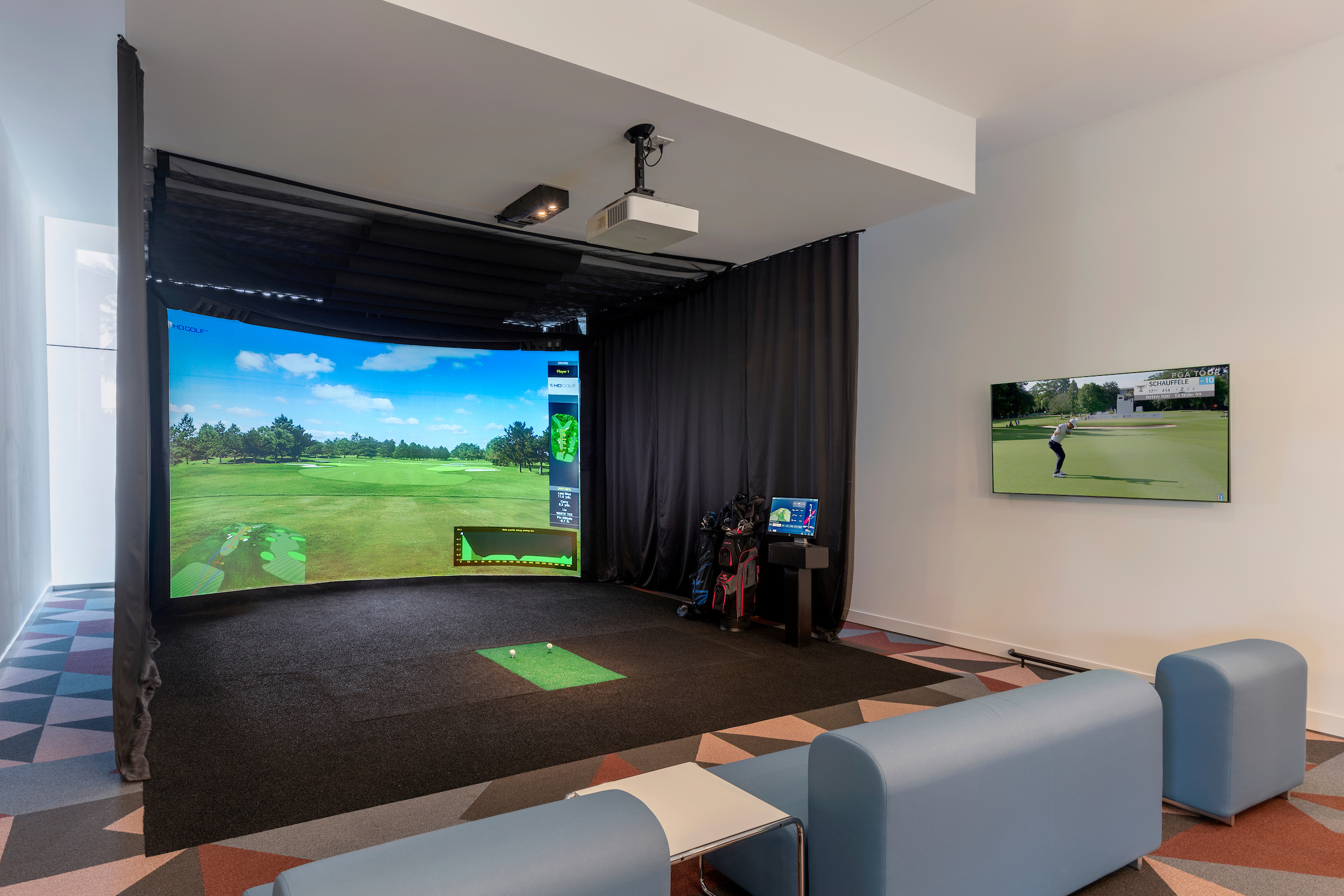
Golfing Simulator on the 7th floor amenity space at Optima Signature
Golf Simulator on the 7th floor amenity space at Optima Signature

For residents across our Optima Kierland community, golf simulators are integrated at our residents-only clubs on our extensive amenity floors. At Optima Signature, a golf simulator and putting green ensure that residents can practice both their long and short game. We know how important wellness and recreation are to our communities, and we hope our amenity levels — including our golf simulators — help residents stay healthy year-round! 

2020: A Year in Review

As 2020 comes to a close, we’re taking this moment to reflect and look back on all that’s happened through this unexpected, unprecedented year. From our team, to our projects to Optima as a whole, we’ve learned, grown and thrived. Here are just a few of the highlights:

7180 Optima Kierland, winner of the Outstanding Property Award London for Winner in Architectural Design, surpassed its 85% sold milestone.

Projects and Properties

This was a big year of growth for us with many exciting projects. In Arizona, we launched the lease-up of the new 7140 tower at Optima Kierland Apartments, the second apartment tower within the Optima Kierland development. Also within Optima Kierland, 7180 Optima Kierland surpassed its 85% sold milestone.

And in Chicago, our portfolio expanded with the groundbreaking of Optima Lakeview and the approval of Optima Wilmette, two projects we look forward to making future strides with in the coming year. 

Awards

We were honored to win thirteen awards this year. Our architecture and design were acknowledged with the AIA Chicago Design Excellence Awards for Distinguished Building (Whale Bay House) and the Outstanding Property Award London for Winner in Architectural Design four times over (Whale Bay House, Arizona Courtyard House, 7180 Optima Kierland and Optima Sonoran Village).

Our property management team was recognized with the Best Community & Management Team Tribute Award by the Arizona Multihousing Association.

Meanwhile, our corporate culture was acknowledged with the award for Crain’s Chicago Business Best Places to Work 2020, and AZCentral Top Companies 2020.

To see the full 2020 lineup, visit our awards page.  

Culture

Throughout the year, we rallied to keep our culture thriving and to ensure our team stayed more connected than ever. We launched our Be Well | Work Well initiative, made up of the Be Well | Work Well Newsletter and new Wellness page within our company intranet , focused on keeping our team well: mentally, emotionally, socially and physically.

Two kids pose with their jack-o-lanterns

We created a new normal and found ways to have fun together, even while apart, through virtual trivia, virtual happy hours supplying cocktail kits and our dueling pianos virtual holiday party. We brought families into the fun, too, with our innovative “Optima Community Garden,” sending seed packages for team members to plant in their home gardens, and with our pumpkin carving contests, sending supplies and holding voting to determine a winner. 

We can’t thank our leadership, team members and communities enough for rising to the occasion and making this year special. Going into 2021, we’re excited to continue innovating, growing and achieving together.

The Health Benefits of Natural Light

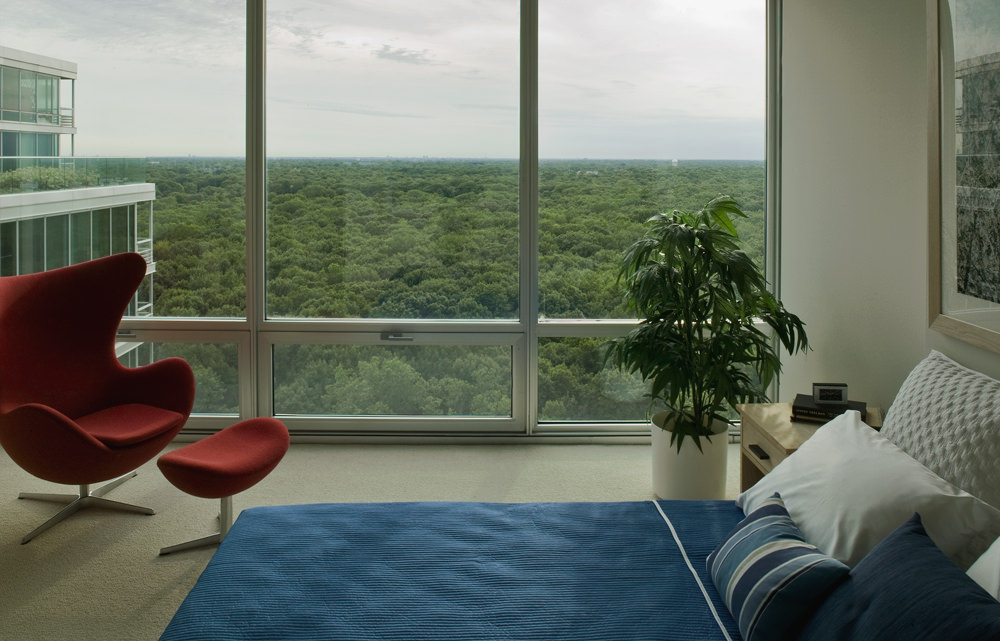
Architecturally speaking, Modernist design is often defined by expansive windows and plenty of natural light, something we’ve incorporated across our properties for decades. There’s certainly an aesthetic benefit to large windows and entryways; they invite the outdoors inside, giving residents a full view of the surrounding environment. And as we’ve seen from this year, there’s certainly a wellness aspect to the design feature as well. So what exactly are the full health benefits of natural light?

Physical Benefits

When exposed to sunlight, our skin absorbs vitamin D, which helps prevent bone loss and reduces the risk of heart disease, weight gain and various cancers. You don’t have to sit by the pool in order to get plenty of vitamin D; soaking in some sun while you work from your at-home office or sipping coffee by your window in the morning works just fine. Natural light exposure also helps improve productivity, immune system strength, mood and sleep. Especially during winter months, it’s important to get your daily dose of natural light. 

Mental Benefits

And speaking of winter months, with the days getting shorter and darker, many suffer from Seasonal Affective Disorder. During that time of year, natural light is even more impactful on our mental health. Sunlight actually helps produce serotonin and endorphins, hormones that can significantly improve our moods. If you’re looking for a natural way to beat the winter blues, natural light is a great method to do so.

If you want to maximize natural lighting in your own home, there are a few ways to do so without any major renovations. Arrange mirrors to reflect light, move furniture as to not block windows, avoid heavy or dark drapes and keep your windows clean. You can even try light therapy or synthetic light lamps for an extra boost. No matter your method, natural light is a great way to stay happy and healthy this winter. 

The Legacy of Frank Lloyd Wright

Modernism wouldn’t be the discipline it is today without the greats that defined it. A name well-known throughout the world, Frank Lloyd Wright is heralded as the “greatest American architect of all time” by the American Institute of Architects. His contributions to architecture have touched all of us at Optima and countless others, leaving behind a monumental legacy.

The Life of Frank Lloyd Wright

Frank Lloyd Wright was born in Richard Center, Wisconsin on June 8, 1867 to a preacher father and teacher mother. His young life was spent travelling for his father’s ministry position, and his parents’ divorce when he was 18 set his family back even further financially. To help out, Wright worked at the same university at which he was studying: University of Wisconsin. Despite his commitment to his family, Wright’s dream of becoming an architect pulled him away from school when he left Madison two years later to move to Chicago.

Frank Lloyd Wright Home and Studio, 1967. Credit: Philip Turner, Library of Congress, Prints & Photographs Division, ILL,16-OAKPA,5-2. Image is in the public domain.

In Chicago, Wright tried working for two different firms before landing at Adler and Sullivan, where he worked under Modernist master Louis Sullivan for six years. At 22, Wright married Catherine Lee Tobin and entered into a five-year-contract with Sullivan in exchange for the loan money Wright would need to build him and his wife their home in Oak Park, a Chicago suburb. Tempted by the need to provide for his family, Wright took on independent residential commissions even though it violated his contract with Sullivan. When Sullivan found out, the two parted ways and did not repair their relationship until twenty years later. It was this separation, however, that pushed Wright out on his own and allowed him to grow his prolific independent career.

Fallingwater by Frank Lloyd Wright. Credit: Somach on Wikimedia Commons, licensed under the Creative Commons Attribution-Share Alike 3.0 Unported license.

The Work of Frank Lloyd Wright

After his separation from Sullivan, Wright started his own firm in 1893. Wright’s career spanned an impressive seven decades, a time period over which he developed his distinctive point of view and style. Wright saw architects as the poets of their time — an artistic historian of sorts. He believed in creating structures that lived in harmony with the natural world, a point of view which he called “organic architecture.”

Wright brought American design to the forefront and was the leader of the Prairie School movement, a distinctly American midwestern style. Hallmarks of Prairie School design include low-pitched roofs, overhanging eaves and open floor plans. These expansive residences mirrored the endless landscape of the Midwestern prairies, and employed materials such as wood to further integrate the manmade with its environment. 

Ennis House, 1924, Frank Lloyd Wright — a Textile style/Mayan Revival home
Ennis House, 1924, Frank Lloyd Wright — a Textile style/Mayan Revival home. Credit: Mike Dillon on Wikimedia Commons, licensed under the Creative Commons Attribution-Share Alike 3.0 Unported license.

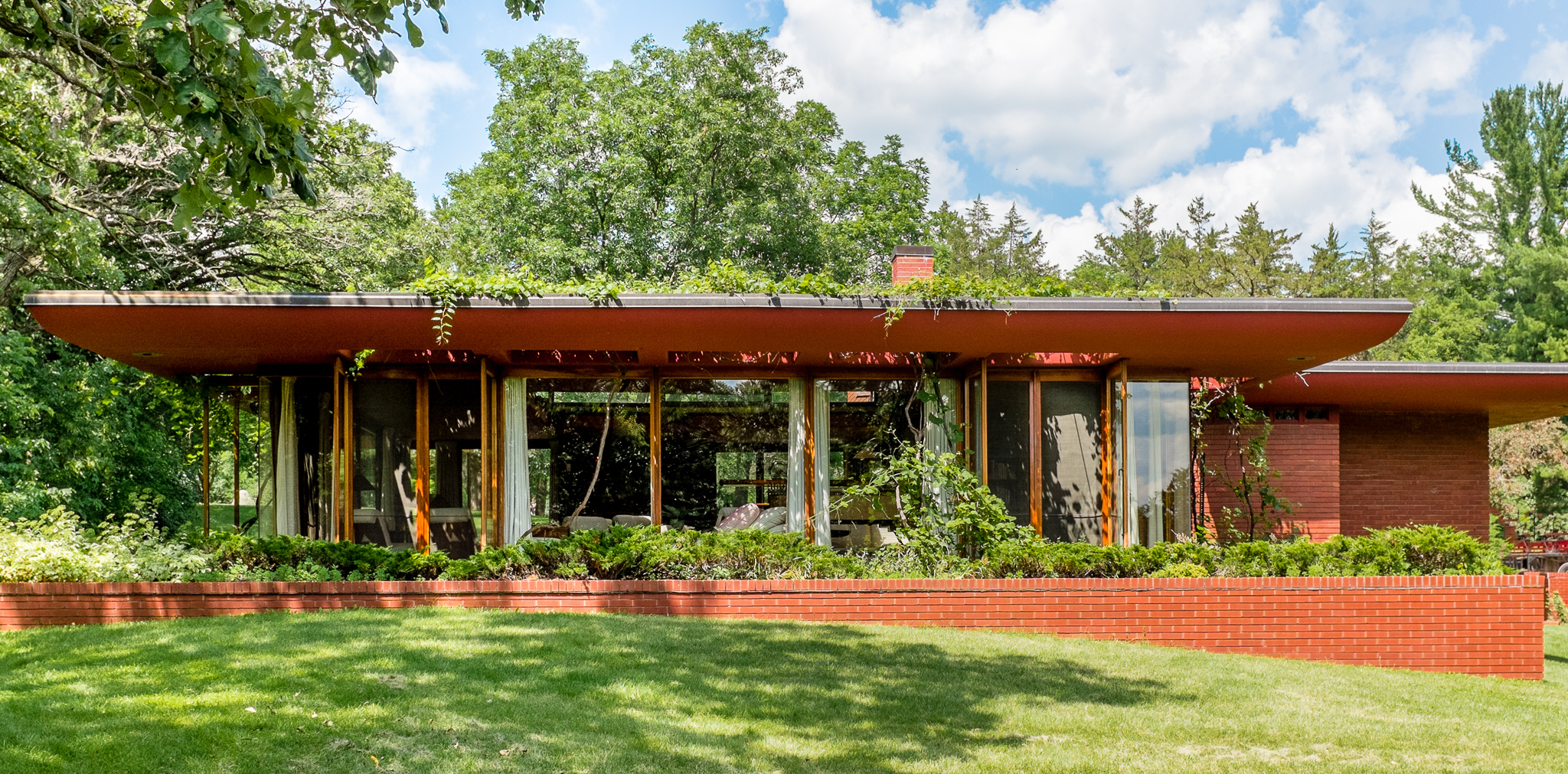
Later in his career, Wright also worked in the textile style out West, as well as pioneering a new dichotomy with his 60-house Usonian series. The Usonian homes were another way Wright carved out a language that was distinctly American, uninfluenced by any international predecessors. These homes were marked by their flat roofs and cantilevered overhanging — which became the source of the term “carport.” While out West, Wright also established Taliesin West and other structures near the greater Phoenix area, some of which are close to our Optima communities in Arizona. Just as we’re inspired by the desert scape, Wright was similarly enchanted with the surrounding foliage and existing architecture. 

Cedar Rock (Lowell Walter House), 1948, Frank Lloyd Wright — a Usonian house
Cedar Rock (Lowell Walter House), 1948, Frank Lloyd Wright — a Usonian house. Credit: AIA Iowa.

With his 70-year career, 500+ completed projects and numerous accolades, this is only the tip of the iceberg in the legacy left behind by Frank Lloyd Wright. It is all these contributions and more that will forever cement Wright as a master of American architecture.

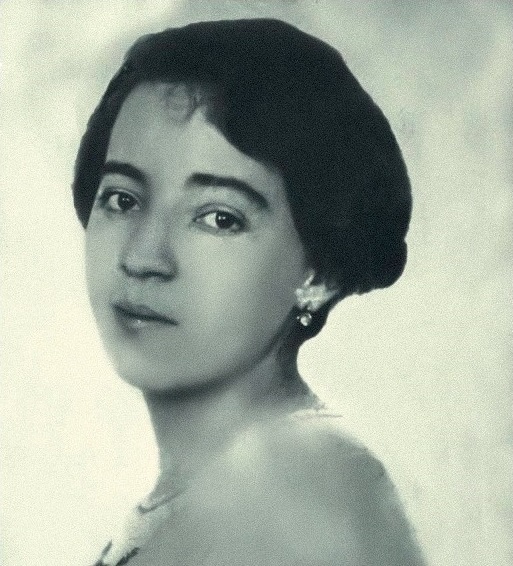
The Work of Anita Malfatti

There have been many leading ladies in the history of Modernism; one of whom is Anita Malfatti. Malfatti is widely regarded as the pioneer of the Modernist movement in Brazil — sharing with her home country the style that had already taken American and European culture by storm — and leaving behind a life that would inspire generations to come. 

Life in Brazil

Anita Malfatti was born Ana Catarina Malfatti in Sao Paulo in 1889 to a family of immigrants; her father was a civil engineer and her mother was a painter, and a highly-cultured woman. Malfatti’s mother was her primary teacher, and a huge source of inspiration as Malfatti began to explore creatively while growing up. Due to a congenital defect that made her left arm nearly immobile, Malfatti was forced to paint right-handed even though she was left-handed. Nevertheless, Malfatti wasn’t deterred from her passion for the visual arts.

Pursuing art in Brazil was limiting at that time. The country lacked cultural institutions and had a limited scope of art theory compared to its global counterparts. Much Brazilian art at the time was in the classical, romantic style and was concerned with nationalistic interpretations of Brazilian pride and culture. So while Malfatti began her studies at Mackenzie College in Sao Paulo, the local arts scene was not enough to satiate her curiosity, and in 1912, she left for Berlin.

Anita Malfatti, Festejo na Roca. CMMECPC. (2023-10-05). MMEC 029/2015: Retrieved from museum-digital Brazil

The Work of Anita Malfatti

In Berlin, Malfatti spent four years studying at the Royal Academy of the Arts under famous expressionist artists. There she began to hone her artistic style of expressionist portraiture and metal engraving. After, Malfatti returned temporarily home to host her first solo show in Brazil in 1917-1918. The show received negative reception and was seen as too modern, bizarre and self-indulgent. 

Despite the uproar at the time, that solo showcase was the first introduction of Cubism, Expressionism, Surrealism and Futurism in Brazil. Recognition of Malfatti’s innovation was soon to come in Brazil. In 1922, Malfatti returned to Sao Paulo festival, The Week of Modern Art, in 1922, alongside other Brazilian Modernist artists (Tarsila do Amaral, Mario de Andrade, Menotti del Picchia, Oswald de Andrade), earning themselves the name  “The Group of Five.” The group’s presence that year made revolutionary strides in how Modern art was perceived and utilized in Brazil.

Malfatti continued to explore her artist expression, leaning towards the naive and folkloric later in her life, until she eventually died in 1984. By then, her influence on the artistic DNA of Brazil was undeniable, and her impact on Modernism remains profound today.

Zen Gardens 101

Zen gardens are synonymous with peaceful moments, stress reduction and thoughtful design. At Optima Kierland, our exclusive Club One amenity space features a zen garden to encourage those tranquil moments for our residents. To better understand the space and its history, today, we’re taking a look at zen gardens 101.

Purpose and History

As the name suggests, zen gardens were first designed to inspire meditation at Zen Buddhist temples. While Japanese rock gardens (inspired by the Chinese rock gardens that predated them) have been around since at least the Heian period (794-1185), the first rock garden considered a zen garden was built in 1334 by Buddhist monk and zen master Musō Kokushi. The idea was that monks would view the gardens while sitting outside of them and focus on the elements to hone their meditative practice. 

The development of zen gardens also pulled inspiration from Japanese ink landscape paintings at that time. Both art forms focused on winnowing down their composition to include only the essential elements of nature, which was then to be surrounded by an abundance of white space (in a painting, the blank page, and in a garden, the sand or gravel).

Elements of Zen Gardens

Zen gardens are defined by their unique stylized landscaping. The main eight elements are composed in intentional, meaningful arrangements. These elements include rocks (ishi), water elements (mizu), plants (shokubutsu), lanterns (tenkeibutsu), the borrowing from existing landscapes (shakkei) and bridges (hashi).

Each element is a meaningful symbol in Japanese culture, and their arrangement in the garden represents and honors that. Typically the gardens are brought together by gravel or sand, which is raked to represent rippling water. Emphasis is also placed on the principles of naturalness (Shizen), simplicity (Kanso), and austerity (koko).

At Optima, we’re honored to borrow from this deep and meaningful tradition. The zen gardens at Optima Kierland seamlessly blend the ancient tradition with the Modernist discipline, utilizing water, landscaping and open space to bring meaningful moments of zen and tranquility to our residents. 

person name goes here

Maintenance Supervisor

Glencoe, IL


    Acceptable file types: *.pdf | *.txt | *.doc, max-size: 2Mb