Chicago Public Art: Art on TheMART

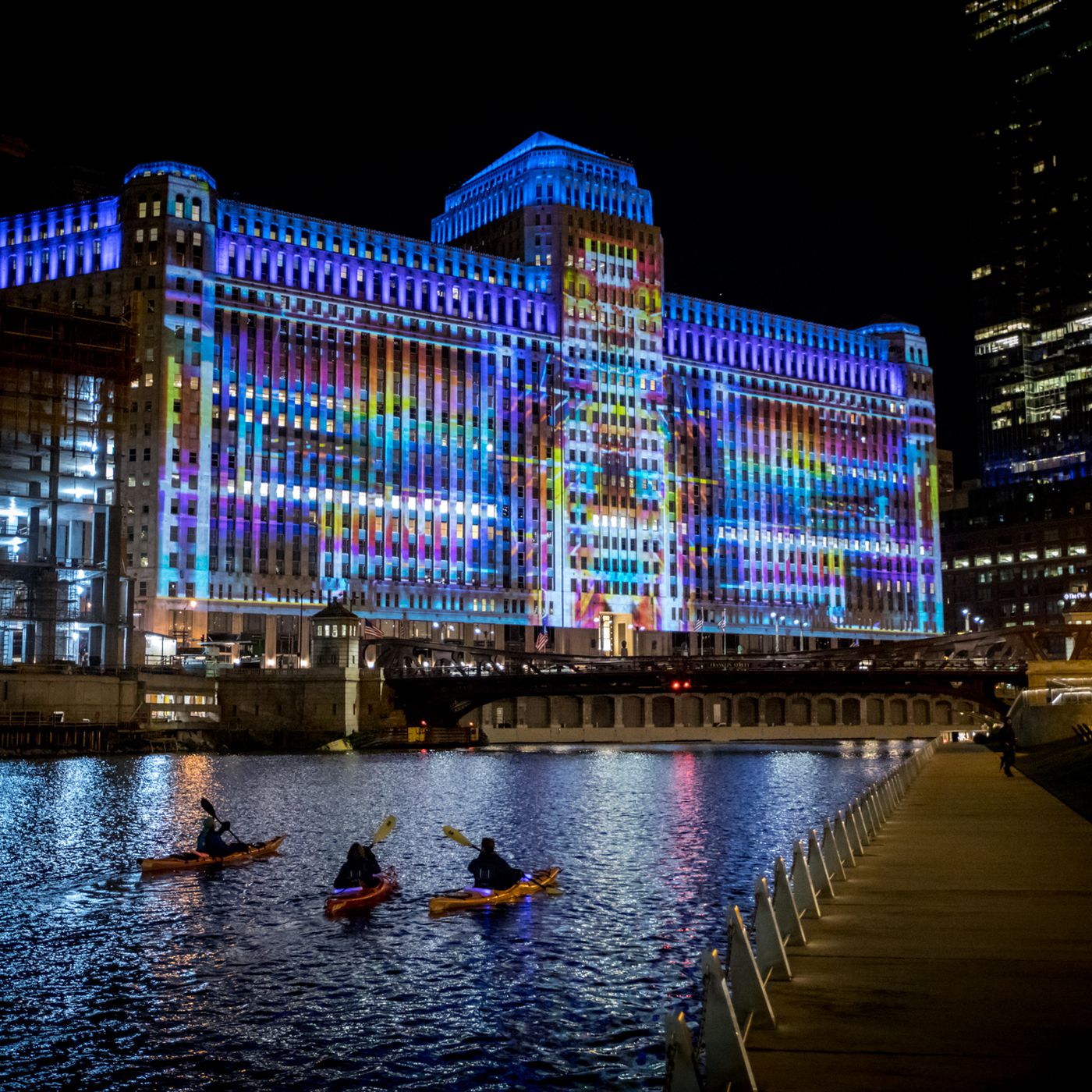
Chicago is home to a myriad of stunning public art experiences, where each complement their encompassing environment. In this spirit, the city’s largest work of public art, and the largest permanent digital art project in the world, Art on theMART, embraces its surroundings unlike any other installation in Chicago. 

The now-beloved contemporary art project originated in September of 2018 as more than 30,000 fled to the Chicago Riverwalk to watch the historic Merchandise Mart building transform into a work of art. Following its launch, Art on theMart has hosted nightly projects created by countless artists, ranging from the current exhibitioner Nick Cave to the inaugural artist Jason Salavon

Every evening, 34 projects – sprawled across the Riverwalk itself – help project multiple works of digital art across its 2.5-acre facade. TheMART takes advantage of the latest immersive art technology, using various mapping techniques to ensure every projection fits perfectly to the Art Deco details of theMart. 

While all of the projections showcased at Art on theMART utilize the giant facade of theMart to showcase bright colors and complex imagery to catch the attention of viewers, the installations also comprise bespoke audio elements, creating an even more immersive experience.

Art on theMART, THINKING OF YOU. I MEAN ME. I MEAN YOU, Barabara Kruger

Current exhibitions include explore by Jonas Denzel and Billiken by Shkynna Stewart and Wills Glasspiegel beginning at 9 p.m. and at 9:30, Ba Boom Boom Pa Pop Pop by Nick Cave, running concurrently with the Furthermore installation at the Museum of Contemporary Art Chicago. Only a 15-minute walk from Optima Signature, prime locations to witness the marvelous exhibition are found across the river from theMart on Chicago’s Riverwalk and West Wacker Drive.
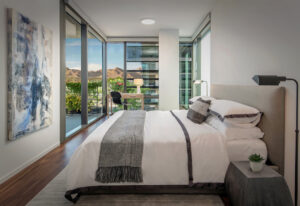
How Optima Communities Support Hybrid and Remote Working

At Optima, each of our communities are thoughtfully curated to make everyday life extraordinary. Whether it’s the expansive fitness centers or our stunning sky decks, we’re dedicated to providing curated spaces and opportunities to make sure all residents feel right at home. One unique amenity in Optima communities that has become increasingly relevant is the robust set of hybrid and work-from-home options. Here are just a couple of ways our communities support these evergrowing work features: 

Allocated Work Spaces in Your Home

It can be challenging to separate your life and career when working remotely, which is why we design each of our residences to allow space for desks and separate work areas. Each extensive floor plan allows residents to customize their living areas to fit their needs, whether you require a separated office or a dedicated work corner. 

We also work to provide our residents with the best technology features, further empowering them to define the way they live. In Optima Lakeview, in particular, residents have access to WiredScore Home Gold certified technology that includes best-in-class digital connectivity features and dedicated media panels for telecommunications equipment. 

Access to Greenery 

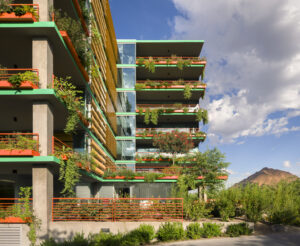
Whether you find yourself in our Arizona or Illinois communities, each provides convenient access to greenery and flexible environments. While all feature vast outdoor space and greenery, Optima Kierland, Optima Sonoran Village and our upcoming Optima Verdana are all home to our signature vertical landscaping system, which plays a crucial role in molding a healthy and sustainable environment for residents.

Communal Amenities

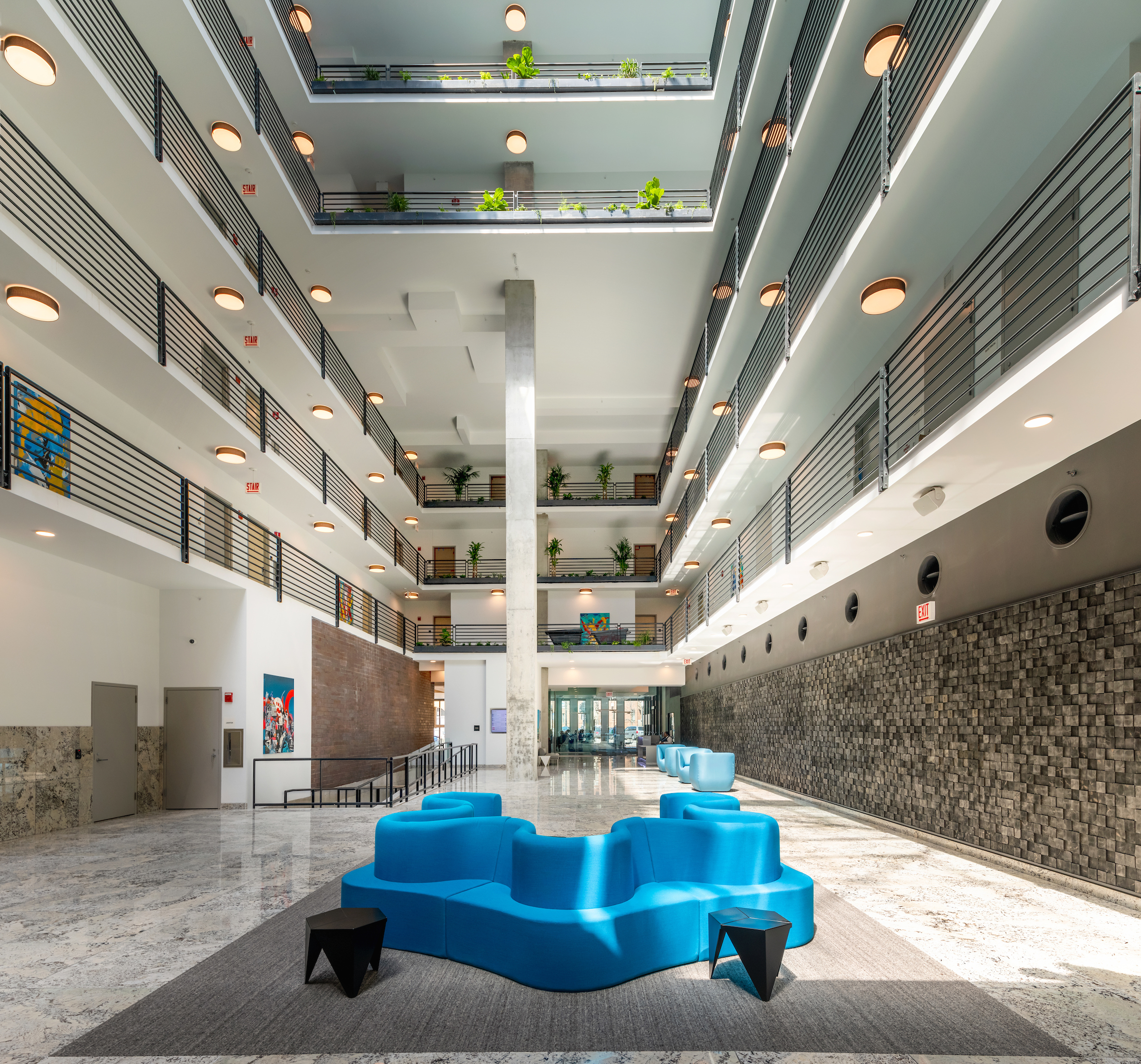
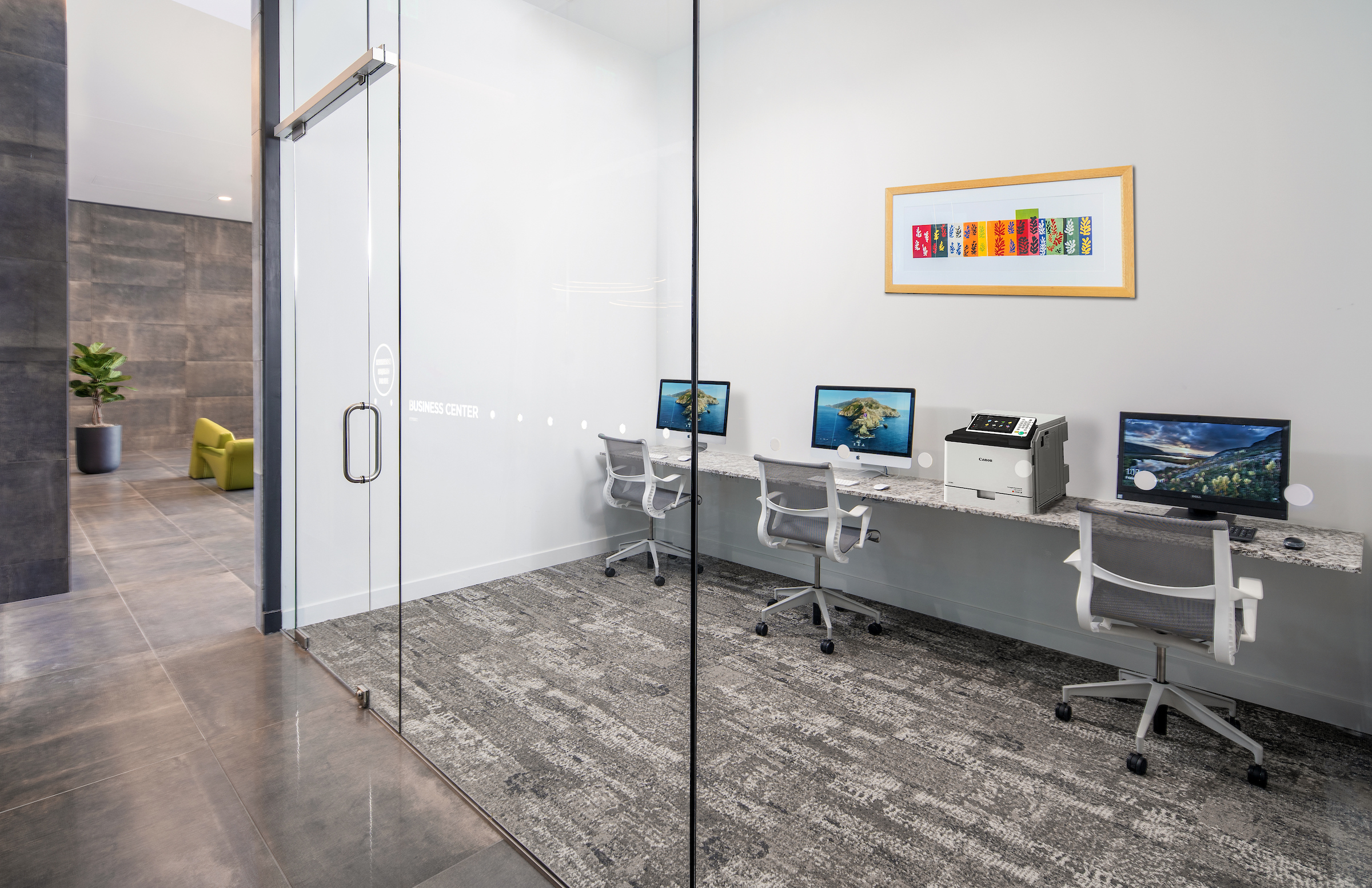
Not only can residents establish workspaces in their own homes, but all of our communities also provide an array of amenities designed to enhance the remote work experience. From the dedicated conference and business rooms developed for more intimate interactions to the lively communal spaces like Optima Lakeview’s light-filled atrium or Kaleidoscope Juice in Optima Sonoran Village and Egg Harbor Cafe in Optima Signature. 

Our team also works to provide Optimized Service® in each community. Residents have access to in-home package delivery, grocery delivery and 24/7 virtual personal assistance, and in Optima Lakeview, the Kids’ Club includes an indoor children’s playroom. 

No matter where you find yourself working, we’re with you every step of the way to ensure you feel comfortable and supported.

Furniture Spotlight: Table E-1027

One of the ways we honor the Forever Modern promise and keep it relevant at Optima is by curating both public and residential spaces in our communities with timeless furniture. Take a stroll through any of our Optima communities and you will find the Table E-1027 in beautiful settings of pristine Modernist furniture. Let’s take a closer look.

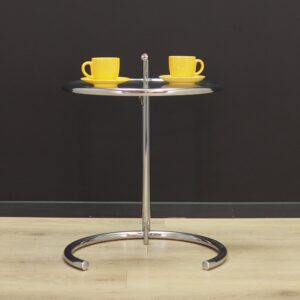
Table E-1027 is an adjustable steel and glass table designed by Irish designer Eileen Gray in 1927. Originally created for her home in the south of France by the same name, the table has since become one of Gray’s most famous designs.

The table’s design celebrates the simplicity of Modernist ideals of form and function. The table consists of two concentric forms of tubular stainless steel that are joined by two vertical tubes to adjust the height — with one of the forms serving as an adjustable arm and tempered glass functioning as the table’s surface. The story behind the design is that Gray originally conceived it for her sister, who routinely ate breakfast in bed. With a traylike surface that could be positioned comfortably over the bed, her sister could enjoy her morning routine while avoiding dropping crumbs on the linens.

Table E-1027

Without question, Table E-1027 is one of Gray’s most famous pieces, even though she was a prolific designer. In the decades since it became available commercially, Table E-1027 has come to represent the epitome of Modernist design. It is multipurpose, adjustable and portable. It works just as well in a bedroom as in a living room or sitting area. And finally, it brings refinement and tastefulness to any interior setting.

At Optima, we’re proud to include Table E-1027 in a host of spaces and arrangements for our residents and their visitors to enjoy.

Natural Stone: A Timeless Staple of Architecture

At Optima, we celebrate the fundamental connection between design and nature. It’s this philosophy that often inspires the design in our communities, including our newest, Optima Lakeview. One of Optima Lakeview’s most exceptional features is the stunning natural stone that lines the first floor. Today, we’re taking a closer look at a classic architectural material, natural stone. 

The History of Natural Stone in Architecture

Stone is a timeless material used in some of the world’s most admired architectural works and monuments, from the Colosseum to the Washington Monument. The centuries-old resource, dating back nearly 12,000 years, has found its use in nearly all aspects of architecture and remains relevant today. 

In its early use, quarried stone was utilized to create walls, columns and piers. For centuries, entire cities were made of stone, making it an essential building resource. As technology advanced and more sophisticated construction methods metamorphosed, stone began appearing in archways, windows, facades and other stunning building accents.  

Colosseum
The Colosseum, famously built with natural stones such as travertine, lime and marble. Credit: YellowCat on Flickr Creative Commons CC BY 2.0 Deed

With time, materials like iron and concrete became an easy replacement for natural stone in architecture and helped to allow the construction of skyscrapers in the 19th and 20th centuries. The natural resource then became a popular staple for exteriors and cladding exclusively. However, today, architects are again embracing stone in full force, and it’s found on everything from kitchen tables to living room walls. 

Natural Stone in Optima

Each of Optima’s Illinois communities — Optima Lakeview, Optima Signature and the in-progress Optima Verdana — feature one-of-a-kind granite flooring throughout their main levels. Granite, which is only one of many natural stones used in Optima Communities, perfectly compliments Optima’s commitment to artistry and elevated living, amplifying each atmosphere housing the stone.  

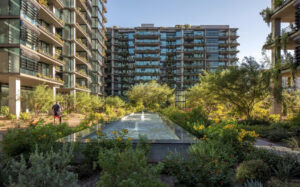
Optima Kierland’s landscaped courtyard featuring a natural stone water feature

We embrace the organic here at Optima, which is why you can find more than just granite in most of our communities. Other uses of natural stones include stunning, polished quartz and granite for kitchen and bathroom finishes throughout our communities and even in Optima Kierland’s courtyard’s sparkling water feature. 

Even after a millennium of use, architects and designers continue to discover new adoptions for natural stone in buildings today, making it a timeless staple of the architecture world.

Rooftop Amenities at Optima Lakeview: The Sky Deck

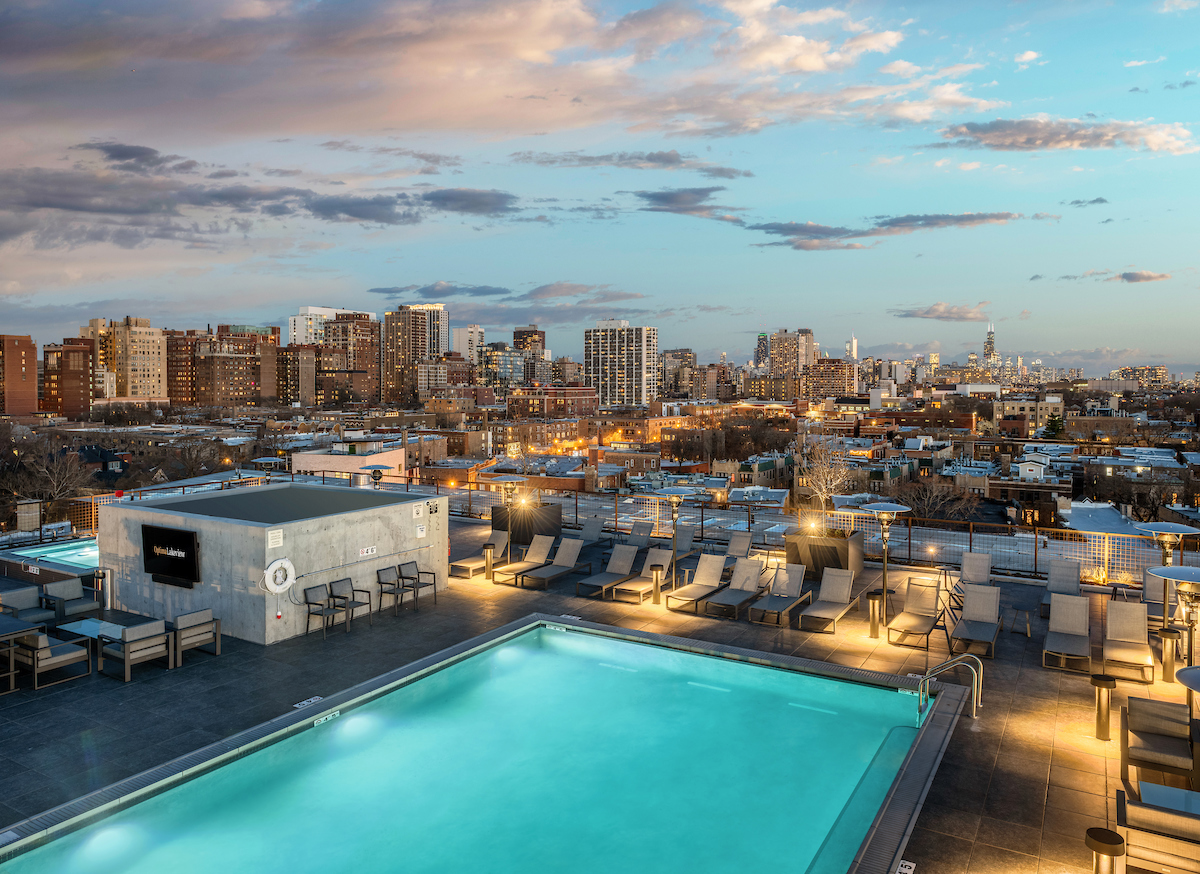
Chicago boasts of the best skylines in the country, and there is no better place to revel in the city’s one-of-a-kind architecture than Optima Lakeview’s very own sky deck. And not only does the sky deck provide views of the city from the lakefront to Wrigley Field, but it also allows residents to enjoy the fresh air year-round with access to a range of unique, extensive amenities. 

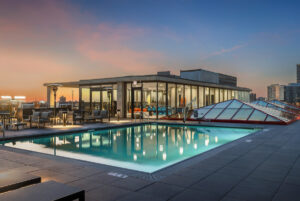
Optima Lakeview’s unparalleled sky deck has a surprise around every corner. From the resort-style pool and spa that stays heated for year-round use to the fire pits featuring lounge seating, residents will be able to go for a swim or relax at any moment. Our design provides plenty of ways for residents to stay physically and mentally healthy and embodies our dedication to creating spaces where residents can be active, inspired and entertained. 

Because of the sky deck’s versatility and unique amenities, the space is more than just a hub for wellness and relaxation, it’s also a space for residents to connect with their larger community. The BBQs, outdoor kitchens and theater provide the perfect opportunity for families and friends to convene and enjoy a movie and dinner under the stars. The space also features a glass-enclosed party room where residents have access to an extensive lounge area for entertaining. And, with views spanning the whole city, and Wrigley Field only a half-mile away, the Sky Deck provides the perfect opportunity for Chicago Cubs fans to throw their own viewing party. 

The sky deck at Optima Lakeview

Optima Lakeview’s sky deck exemplifies our dedication to inventive, distinctive amenity spaces that leave a lasting impact on our residents. However, the sky deck isn’t the only extraordinary amenity Optima Lakeview affords. Residents can find more than 40,000 square feet of amenity space, including an indoor basketball court, golf simulator, fitness center and more. Stay tuned for more Optima Lakeview spotlights, or learn more here.

Chicago & Scottsdale Farmers Markets

Chicago and Scottsdale, home to lively Optima Communities, have much in common, including some of the best farmers markets to be found anywhere in the country. As summer approaches, each city comes more alive with a broad array of markets and fairs. Today, we’re spotlighting some of the favorites in each city:

Chicago’s Farmers Markets

Chicago’s French Market is one of the city’s nontraditional options, taking a cue from its European namesake and occurring indoors. Found in the same building as the Ogilvie Metra Train Station, and only a short walk from Optima Signature, the market is host to more than 30 local vendors – a mix of entrepreneurs and family-owned businesses – that supply neighborhood favorites and cultural luxuries. You can visit the French Market daily, except Sundays, from 7 a.m. to 5:30 p.m.

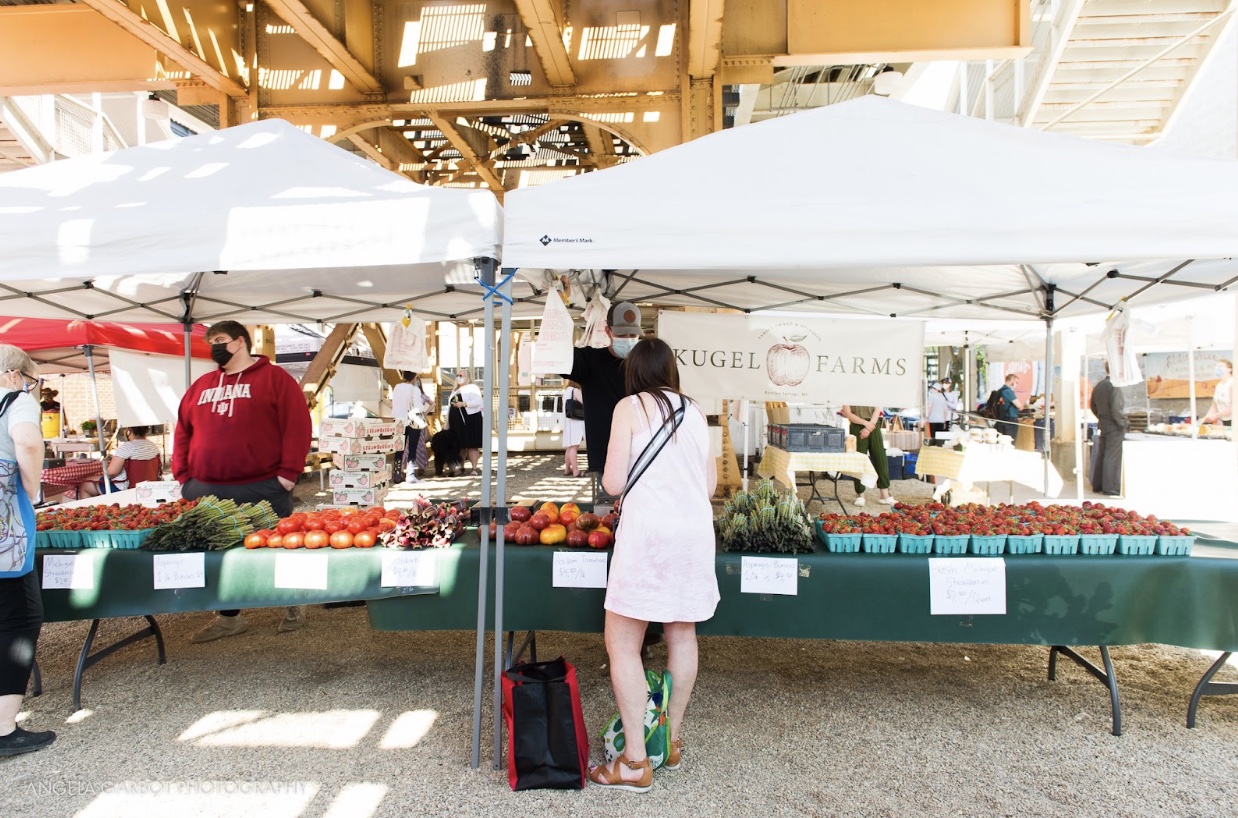
Tucked beneath the Western Brown Line Stop is Chicago’s Lincoln Square Market. Although it has limited hours, Tuesdays from 7 a.m. to 12 p.m. and Thursdays from 3 to 7 p.m., it’s a must-stop for residents. Local farmers, food purveyors and artisans fill the space each week, bringing everything from fresh produce to homemade hot sauce. And, if you go, make sure not to miss the local food trucks found in the area during the market!

For Optima Lakeview residents, Low-line Market on Southport is closest. The carefully curated market takes place every Tuesday from June to October and has a variety of favorite vendors that include The Hive Supply, Elsie Mae’s Pies and Lyons Fruit Farm. The market is part of Lakeview’s larger Low-line project, which helps to connect the neighborhood through a half-mile walkway and garden underneath the CTA ‘L’ tracks. 

Roadrunner Park Farmers Market, Scottsdale

Scottsdale’s Farmers Markets

One of the largest farmers markets in the area, the Uptown Farmers Market features nearly 100 vendors at the North Phoenix Baptist Church every Saturday from 7 to 11 a.m. Those who visit will find everything from local produce and plants to cocktails and cookies. The market, which is only a 20 minute trip from Optima Sonoran Village, frequently has a variety of food trucks to grab a quick snack from while shopping!

Found in Roadrunner Park just East of State Route 51, Roadrunner Park Farmers Market is open all year from 7 to 11 a.m. on Saturdays. Although the market is smaller, it carries a mix of amazing products that include hand-crafted items, fresh fruits and vegetables and baked goods. And, since it’s in the park, you can spend the rest of your day at the children’s playground, fishing pond, swimming pool or soccer field!

For those looking to travel outside of the city, Carefree Farmers Market, found directly 15 miles north of Kierland Commons and Optima Kierland, makes the perfect choice. The market takes place every Friday throughout the summer from 8 to 11 a.m. and is known for its assortment of local treasures. Vendors change weekly, but favorite goods include artisan jellies, locally-made salsas and freshly baked bread.

This summer, make some plans to support local businesses and vendors by venturing out and exploring what your nearest farmers market has to offer!

Immersive Art: The Fusion Between Art and Technology

Whether you’re in Chicago or Scottsdale, immersive art exhibitions are quickly becoming the latest trend, unveiling a new approach for art lovers to savor their favorite works and artists. What separates these shows from what you would expect to see at a traditional museum or gallery space?

The History of Immersive Art

While immersive art may seem like a new phenomenon to many of us, immersive experiences can be traced back centuries. One of the finest examples can be found in the architecture of the middle ages. Employing stained glass in the construction of churches was often used to create an otherworldly experience for patrons. As natural light floods through each window, colors fill the interior, telling a vibrant visual story.

More recently, thanks to the help of modern technologies that include virtual reality, holography and digital projection, immersive experiences have transformed how we can view works of art, enabling us to explore each piece as a protagonist within it. 

The objective of immersive art lies in entertainment, taking 2D environments and metamorphosing them into 3D worlds often filled with accompanying music. Video projection mapping programmed individually for each immersive environment makes sure that every inch of the space is sure to be covered, further enveloping the audience in the engaging work. 

And while many spaces are utilizing immersive technology to revamp older works, ambitious artists are also constructing their own participatory installations. Yayoi Kusama, a Japanese artist, has been creating immersive work since the 1960s. Kusama’s most famous installation, Infinity Mirror Room—Phalli’s Field, uses dozens of mirrors to augment the perception of the stuffed polka dot sculptures she created, and because of those mirrors, casts the visitor as the work’s subject. 

Infinity Mirror Room—Phalli’s Field, Yayoi Kusama, 1965

Experience A Show For Yourself

Chicago offers a variety of immersive art experiences. Just South of Lincoln Park and within close proximity to Optima Signature and Optima Lakeview at Lighthouse ArtSpace, the Van Gogh, and Frida Kahlo exhibits continue to run throughout the summer, transporting visitors into both of the artist’s worlds. Other, more traditional immersive art experiences include the Museum of Illusions, Sky Shows at the Adler Planetarium, the upcoming Museum of Ice Cream exhibit coming to The Shops at Tribune Tower and the Illinois Holocaust Museum’s onging exhbit, The Journey Back: A VR Expeerience

Scottsdale and Phoenix also offer a variety of engaging installations to choose from. Just walking distance from Optima Sonoran Village is Scottsdale’s Lighthouse Artspace, found in the heart of Old Town Scottsdale, is home to the Immersive Van Gogh and Klimt exhibits scheduled to run through July. Wonderspaces, another extraordinary venue in Scottsdale Fashion Square, features an evolving lineup of interactive installations and signature cocktails.

Immersive art has always been a revolutionary way to interact with different crafts, and thanks to technology, not only is it becoming more innovative but more accessible. With the trend on the rise, there’s sure to be no shortage of immersive art experiences, and we’re excited to see what modernisations come next.

Chicago’s Lincoln Park & Its Spring Offerings

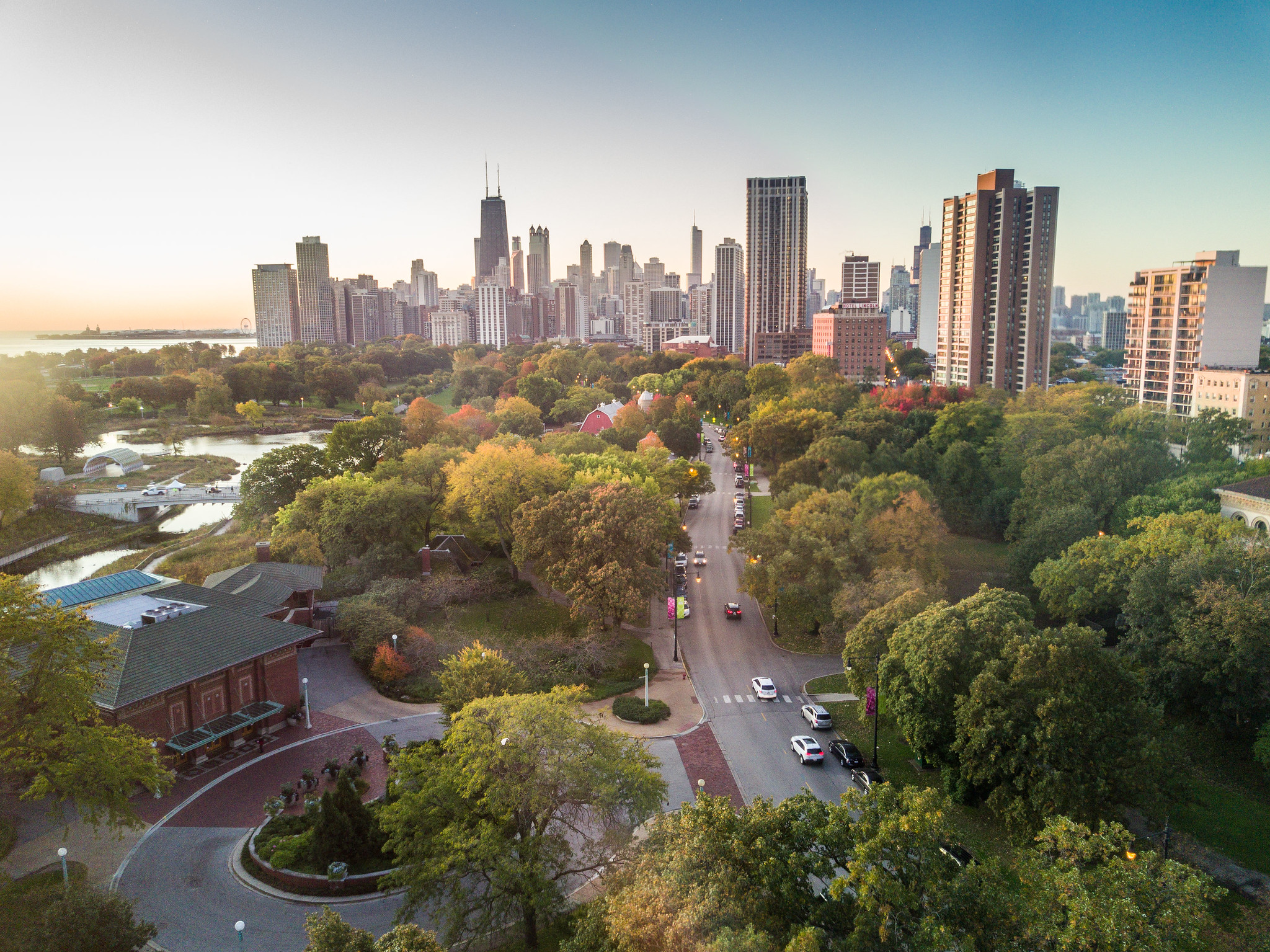
Just two blocks east of Optima Lakeview lives Chicago’s largest recreational area, Lincoln Park. Throughout the year, the beloved park is host to a plethora of unique events and activities, but Spring is one of the best seasons to witness the more than three square miles of greenery come alive and enjoy all of its enchanting affordances. Here are our favorite activities we believe you should take advantage of this season:

While the park is widely known for being home to the cherished Lincoln Park Zoo, Conservatory, Chicago History Museum, countless other treasures line the seven-mile stretch of greenery. As the weather gets warmer, one of the best ways to experience Lincoln Park is by taking a stroll through one of its various paths. 

One of the most familiar, the Lincoln Park Trail, is perfect for those interested in observing some of the park’s most iconic monuments, sculptures and murals. The five-mile stretch offers views of Self Portrait, Chevron, the You Know What You Should Do mural and the Alexander Hamilton Monument.

The park is also home to great eateries and restaurants that provide amazing views of the vast greenery and not-so-distant skyline. The Patio at Cafe Brauer, North Pond and Bacino’s Italian Grill each bring their unique flavors to the park, promising visitors unforgettable eats and refreshing atmospheres. 

Another easy stop for food and entertainment is at Lincoln Park’s Theater on the Lake. Found at the end of Fullerton Avenue on Lakefront Trail, Theater on the Lake is one of the steadfast champions of Chicago’s off-Loop theater community. With special events and shows happening throughout the season into the summer, it’s one of the greatest treasures in the park. 

Along with being home to the Waveland Tennis Court, Sydney R. Marovitz Golf Course, Lincoln Park Archery Range and countless other recreational activities, the park hosts various free and unique excursions. From yoga to farmer’s markets, Lincoln Park provides visitors with a handful of unique events throughout the Spring, all of which can be found on their website here.

Why Biophilic Design Matters

Since Optima’s founding, we have thoughtfully developed environments where nature and architecture coexist. This principle of sustainability – known throughout architecture as biophilic design – is becoming increasingly popular across the world throughout all types of built environments.

The process of biophilic design isn’t anything new to the world of architecture; however, in recent years, the design principle has seen a renaissance. Today, biophilic design is used within modern architecture as a method to fulfill the inherent connection between humans and nature. 

Because our natural habitats have increasingly become built environments, designers and architects have discovered the significant value of adding biophilic elements into all kinds of structures to enhance the relationship between natural and built environments. The framework for designing these biophilic environments consists of employing both direct and indirect experiences of nature. Direct experiences incorporate everything from natural light, fresh air and organic landscapes, while indirect experiences include utilizing natural materials and colors and ecological attachments to a location. Everything from skylights to green walls to fountains all apply the conventions attached to the design principle. 

Health Benefits

Beyond creating connectivity to natural environments, biophilic design also supplies an ample amount of benefits to both its surroundings and those who inhabit them. One of the most prolific benefits attached to the design principle is the improvement of air quality. Designs that employ vibrant greenery absorb the natural toxins in the air, ultimately enhancing the atmosphere.

Having access to vegetation and other models of biophilia also has a direct impact on happiness and wellbeing. When design principles like natural light and ventilation are introduced into built environments, a greater appreciation forms – establishing a more welcoming, advantageous space. 

Biophilic Design in Optima

Throughout our communities at Optima, we use biophilic design to improve the lives of our residents and complement their beautiful surroundings and communities. In our latest project, Optima Lakeview, we’re employing biophilic design throughout many elements of the architecture.

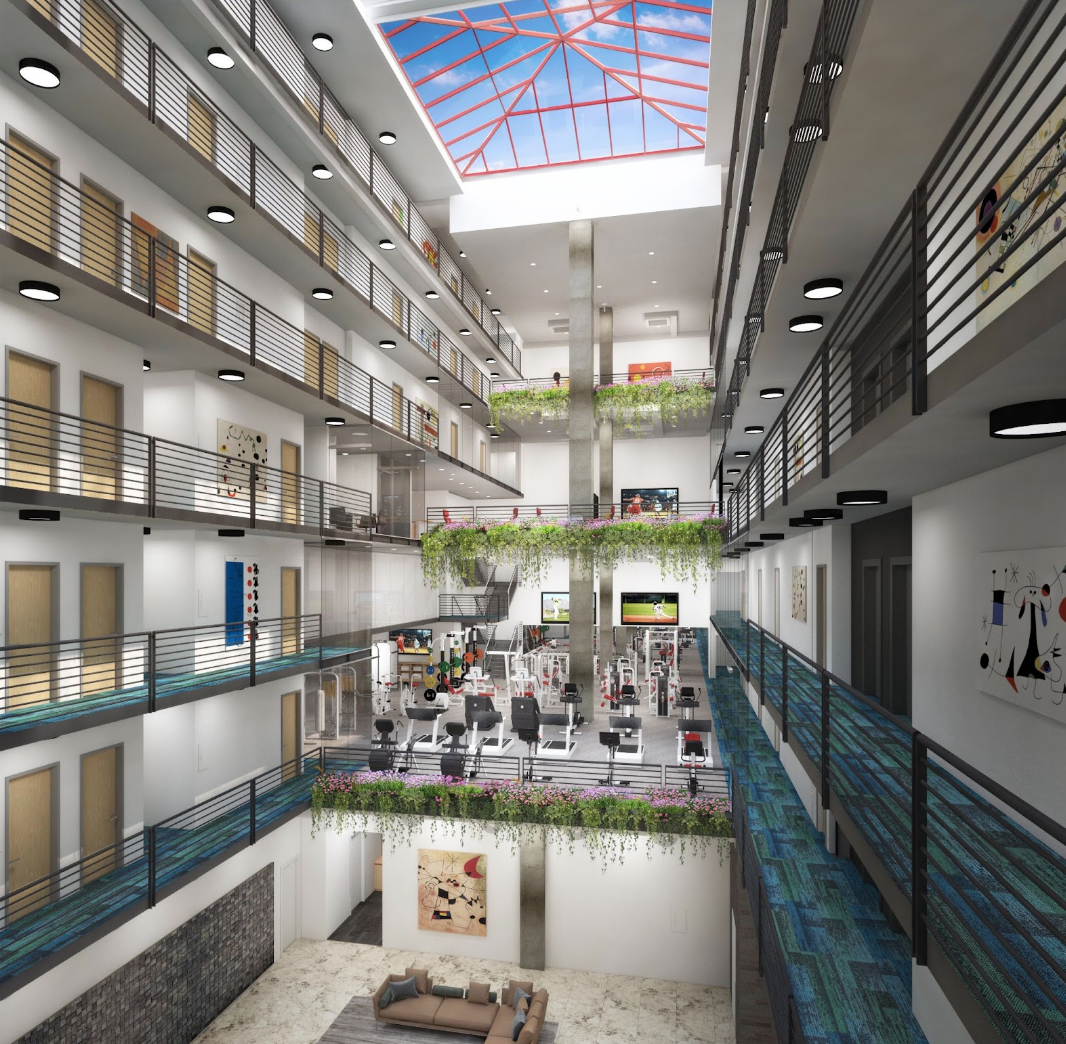
The development features a stunning atrium that includes our signature vertical landscaping system within it. At the atrium’s top, an expansive skylight fills the space below it with an abundance of natural light. Optima Lakeview is also home to a variety of private terraces and setbacks featuring lush vegetation and ensuring residents a seamless transition from outdoor to indoor environment.

From the materials used in construction to the greenery placed throughout a building, more and more architects are discovering how to include biophilic design within their builds, connecting their built environment with the natural world around them.

A Guide to Chicago Restaurant Week

Spring is the season of new beginnings and reinvigoration — experiences many of us have been craving for a while. Thankfully, one of Chicago’s most cherished events is back this year, providing residents around the city with a treasured comfort. Here is our guide to Chicago Restaurant Week 2022.

Following last year’s modifications to the beloved event, Chicago Restaurant Week is back in full force for 2022. The 17-day festivity is a celebration of the city’s award-winning culinary scene. From March 25 to April 10, participants will have the opportunity to indulge in an endless list of Chicago’s most delectable eats.

The flavor-filled event features more than 300 restaurants, representing nearly any cuisine imaginable. Participating restaurants are found in both the city and its suburbs. So, whether you’re in Lakeview or Wilmette, there’s sure to be a plethora of choices around. Each restaurant will feature curated prix fixe menus filled with a variety of tasty eats. 

The multi-course meals vary in price, costing $25 for brunch and lunch and $39 or $55 for dinner (depending on the location). Many of the restaurants are also taking advantage of both takeout and delivery options for those looking to enjoy their meals from home. 

Chicago Restaurant Week is also partnering with Chicago Lighthouse’ Immersive Frida Kahlo Exhibit. The one of a kind experience will be held on March 22 from 6 – 8 p.m. and 8 – 10 p.m at Lighthouse Artspace Chicago. Guests will have the opportunity to enjoy snacks and cocktails from eight restaurants while absorbing the extraordinary Immersive Frida Kahlo Exhibit.

For those planning to savor some of the mouth watering cuisines, Choose Chicago has created a list of participating restaurants, complete with menus and the opportunity to book tables throughout the event that you can explore for yourself here.

person name goes here

Maintenance Supervisor

Glencoe, IL


    Acceptable file types: *.pdf | *.txt | *.doc, max-size: 2Mb