Exploring Wilmette: Plaza del Lago

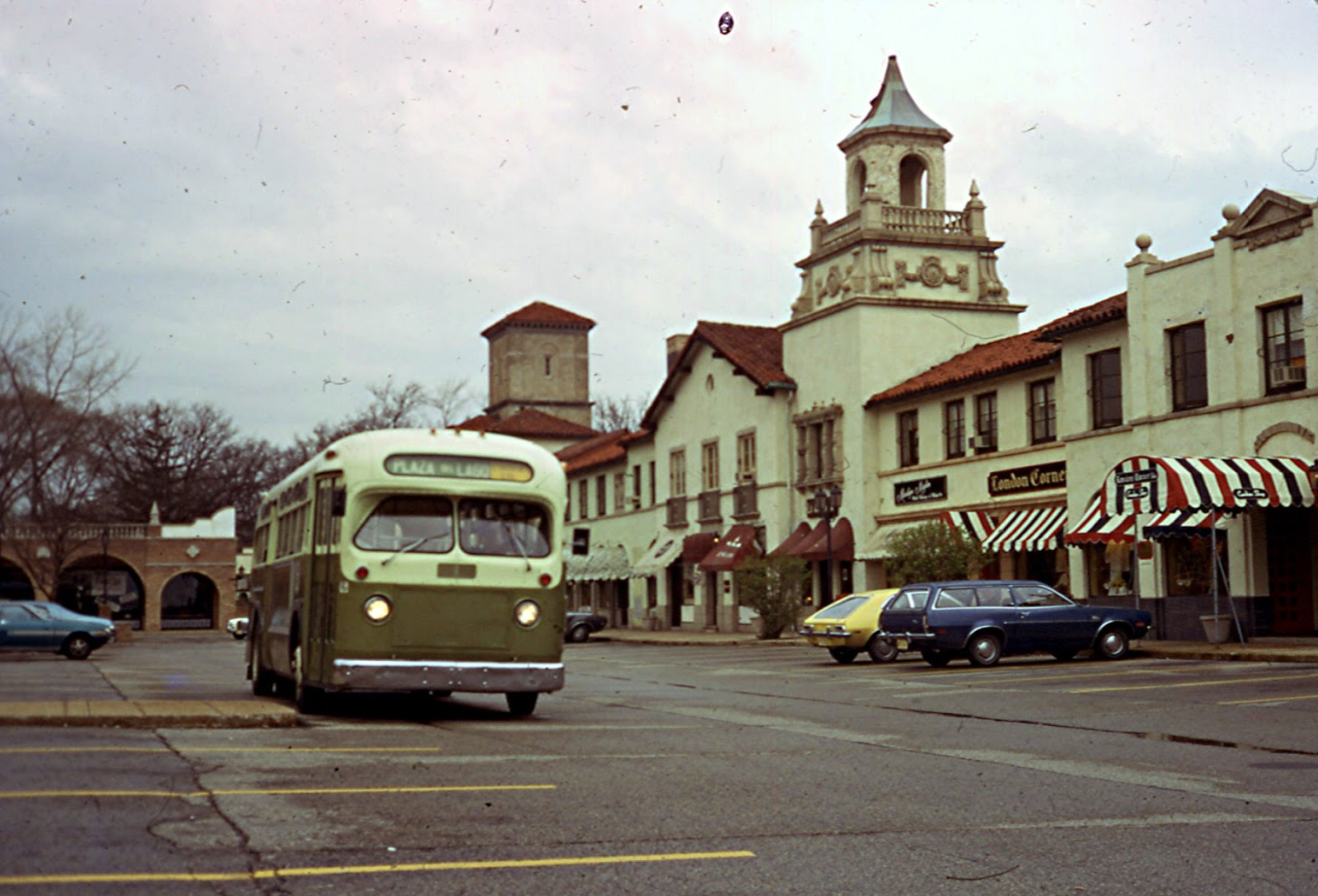
Plaza Del Lago, nestled on Sheridan Road in the heart of Wilmette, and a short distance from Optima VerdanaⓇ, is a historic marvel that effortlessly blends architectural elegance with commercial success. Conceived in the Roaring Twenties, this Spanish-style district was the first of its kind in the state, and it has persevered through time, maintaining its significance in the community as a hub for engagement. 

Real estate visionary Henry G. Foreman was the mastermind behind Plaza Del Lago. In 1927, Foreman and various North Shore locals embarked on creating Spanish Court, a Mediterranean-inspired commercial hub boasting luxury apartments, upscale retail stores, and an automobile service station. Chicago-based architect Edward Hill Clark drew up the plans, initially intending to build four Spanish architecture-style complexes, a style associated with affluence at the time, along Sheridan Road. 

Construction of the plaza concluded in 1928, and it promptly opened its doors to its first occupants, which included Spanish Court Pharmacy, Teatro del Lago, and Bill’s Realty. The architecture uniquely blended Spanish and Mediterranean influences with early 20th-century American design. The intricate archways, vibrant tiles, and ornate ironwork stand as a testament to the detailed craftsmanship that brought this landmark to life. 

Unfortunately, a fire in the mid-1930s affected many buildings in the area, slowing traffic. However, years later, Evanston lawyer Plato Foufas discovered that a large section of the community, including the Spanish Court, was up for sale. Upon purchasing the land, Foufas began the renovation of the famed shopping plaza in 1967, adding arcade shops, new stores, a street fountain and renaming it Plaza del Lago. 
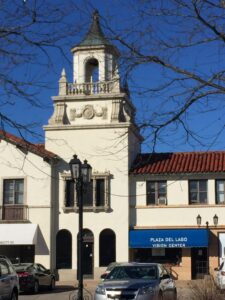
Plaza del Lago Bell Tower
Credit: Secretname101, CC BY-SA 4.0, Wikimedia Commons

Over the years, Plaza Del Lago has expertly balanced vintage charm with modern utility. The original structure is carefully preserved, with several buildings retaining their initial function. The plaza’s bell tower, a feature from the original construction in 1928, remains one of its main architectural highlights today. The plaza now hosts a variety of annual events, from a summer concert series to art and car shows, along with a mixture of boutiques, gourmet food outlets and wellness studios, upholding Foreman’s vision of a bustling community hub. 

Today, Plaza Del Lago remains a timeless symbol of Wilmette’s history and enduring spirit. It enchants visitors with its architectural grandeur, vibrant retail scene, and picturesque lakeside vistas, standing proudly as a prominent fixture in Wilmette’s narrative.
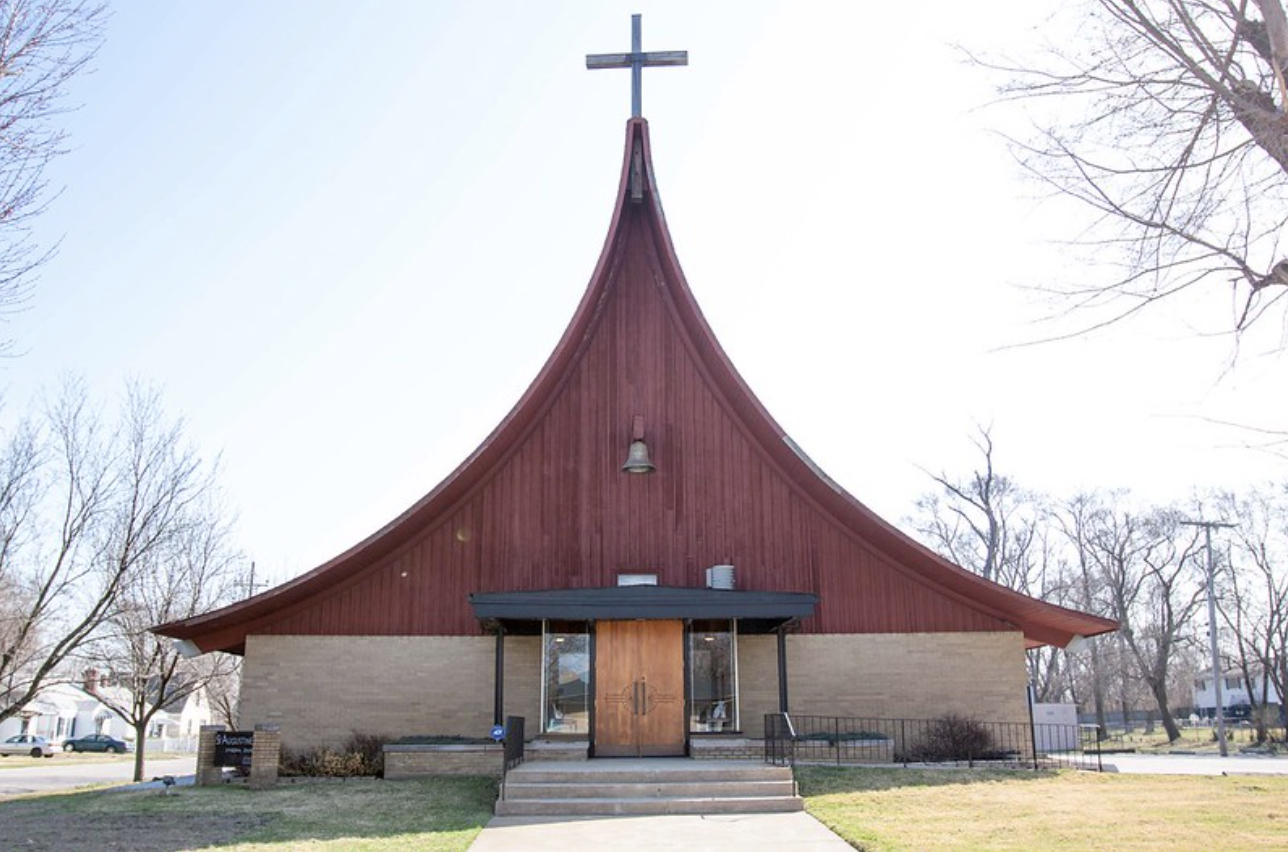
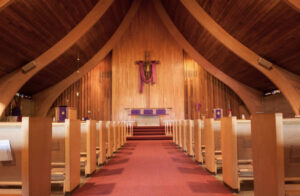
Edward Dart’s St. Augustine Episcopal Church

At Optima®, we are continually fascinated by the architectural masterpieces that exemplify the harmony between design and the narratives they hold. Today, we cast the spotlight on an architectural gem from the Mid-century Modern era, St. Augustine’s Episcopal Church in Gary, Indiana, designed by Edward Dart.

In the steel town of Gary, just across the Illinois border from Chicago, 30 African-Americans chartered a new Episcopal mission in 1927. The congregation weathered its early years to grow strong and financially stable by the mid-1950s, leading to the decision to commission their own place of worship. The conception of this project was nurtured by the Great Migration, which saw many African-Americans migrating from the South to Gary, drawn by job opportunities in the thriving steel industry.

By 1955, St. Augustine’s (fondly referred to as ‘St. Aug’s’) embarked on the purchase of a pipe organ. When discussions veered towards the building of their own church, the organ sales representative suggested Edward Dart, an architect whose style would come to define the church’s distinctive look. 

The collaboration between Edward Dart, a white architect from New Orleans, and St. Aug’s, a Black Episcopal mission, was unusual for the mid-1950s. Yet, over the course of four years, their shared vision resulted in an architectural design that incorporated local materials like Indiana limestone, honoring both the community’s roots and Dart’s signature style. Completed in 1959 at a cost of $120,000, St. Augustine’s Episcopal Church received the AIA Citation of Merit and the Church Architectural Guild’s Honor Award almost immediately. 

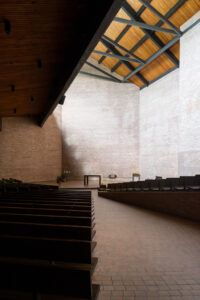
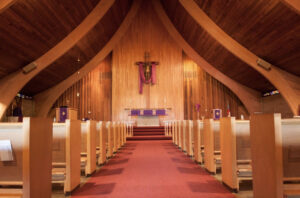
St. Augustine’s Episcopal Church in Gary, IN. Photo: National Register of Historic Places

Despite the acclaim, the church’s congregation remained largely unseen, their presence neutralized in the predominantly white architectural narrative of the era. This erasure was eventually rectified in 1961 when the mission was granted full parish status, two years after the building was completed. Today, the congregation stands strong and the church continues to radiate its original beauty.

At Optima®, we find structures like St. Augustine’s Episcopal Church deeply fascinating, serving as profound expressions of the era’s architectural ethos that enrich our understanding of space, design, and community. St. Augustine’s Episcopal Church remains an enduring testament to Dart’s genius, a beacon of the Mid-century Modernist spirit that continues to captivate architects and designers worldwide.

Women in Architecture: Glenda Kapstein

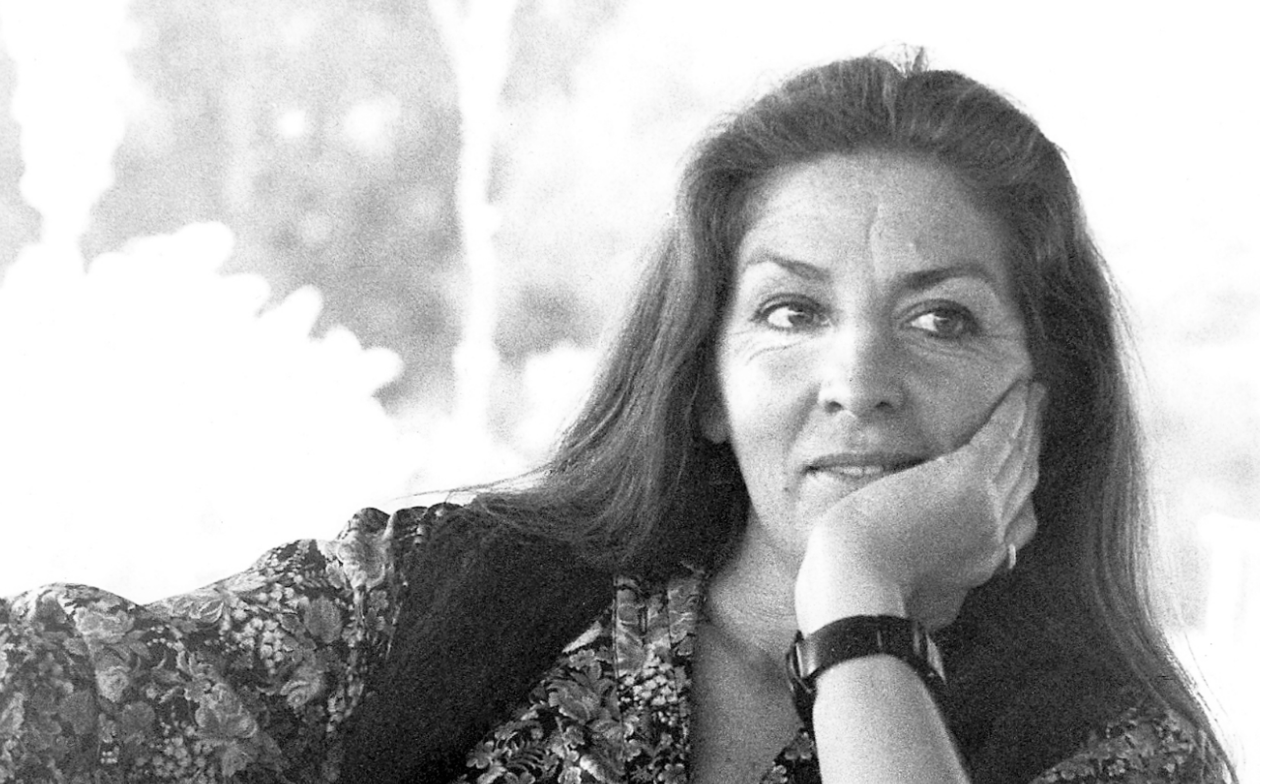
As part of our ongoing “Women in Architecture” series, we’re sharing the story of Glenda Kapstein, an activist for architectural innovation and environmental consciousness. Her impressive body of work has not only redefined the architectural landscape of her home country but has also served as an inspiration for architects worldwide. Discover the remarkable journey of her life and career below:  

The Life of Glenda Kapstein

Born and raised in Santiago, Chile, Glenda Kapstein was a curious and imaginative child. The city’s skyline, with its mix of colonial charm and modern ambition, made it the perfect place to fall in love with architecture at a young age. One of her earliest inspirations was Cantalao, a project dedicated to the culture and people of Chile, promoted by Chilean poet Pablo Neruda.

Kapstein decided to pursue architecture as a career, enrolling at the University of Valparaíso in 1959 and spent two years of school studying across Europe before finally graduating in 1967. Following her graduation, she moved to Spain to work with Spanish Architects Antonio and José Camuñas, who were hired to complete more than 3,000 houses in and around Madrid. Kapstein continued to pick up a mixture of jobs, from working as the Regional Director of Tourism in Antofagasta, Chile, to teaching at the Catholic University of the North (UCN). However, she eventually left to help UCN establish an architecture department and create a study laboratory of her own. With her laboratory, Kapstein was able to explore her interests in how climate dictates architecture. 

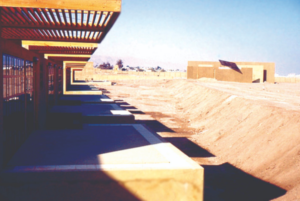
The House of Spiritual Exercises of the Alonso Ovalle Foundation in Antofagasta, 1991, Courtesy of Carla Monforte Kapstein

Fuelled by the desire to broaden her perspectives, in 1994, Kapstein pursued her Master’s degree from the prestigious Pontificia Universidad Católica de Chile. The university’s broad and holistic approach to architecture further nurtured her growing passion and seeded her design philosophy with the importance of context and cultural relevance. There, she was surrounded by an inspiring blend of cultures, perspectives, and design philosophies that further refined her approach toward architecture. 

Notable Works and Achievements

In her professional work, Kapstein worked to shape architecture that was not just aesthetically appealing but also ecologically responsible and socially sensitive. She viewed architecture as a powerful medium to express the historical, environmental, and social context of a place. As a result, her designs sought to harmoniously blend these elements, creating spaces that were both functional and meaningful.

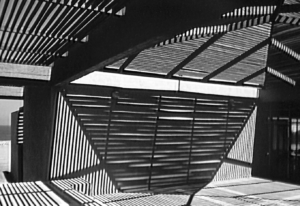
Intermediate space within The House of Spiritual Exercises of the Alonso Ovalle Foundation in Antofagasta, 1991, Courtesy of Carla Monforte Kapstein

The most iconic example of Kapstein’s vision is the House of Spiritual Exercises of the Alonso Ovalle Foundation in Antofagasta. Built in 1991, this project stands out as a beacon of sustainable architecture, with its design seamlessly integrating with the natural landscape. The build, executed under Kapstein’s leadership with fellow architect Osvaldo Muñoz, is characterized by various intermediate spaces linking the interiors with the exterior desert. It incorporates innovative, energy-efficient features that minimize environmental impact while providing a state-of-the-art space to celebrate Chile’s rich biodiversity and cultural heritage. The project was a finalist for the Mies van der Rohe Pavilion Award for Latin American architecture in 1998 and the PLEA International Award in 2003, and was sadly demolished in 2019 for unknown reasons against the wishes of Kapstein’s family.

Another testament to Kapstein’s architectural philosophy is her work on the expansion of the Hotel Tulor in San Pedro de Atacama, a desert tourism hotspot. Still committed to ecological responsibility and cultural resonance, Kapstein incorporated local materials and traditional construction methods, resulting in an addition that seamlessly blended with the desert landscape and paid homage to the Atacama people’s heritage. Her design employed sustainable practices like passive cooling and heating to reduce energy consumption. The Hotel Tulor project underlines Kapstein’s distinct approach to architecture, combining innovation, sustainability, and cultural sensitivity, further establishing her as one of Chile’s most influential architects.

Rooms at Hotel Tulor, San Pedro de Atacama, made of adobe, wood and stone

Glenda Kapstein’s life and career are a testament to her commitment, creativity, and vision. Her journey serves as an inspiration for aspiring architects, especially women, reminding us all that architecture is not just about creating structures, but about creating stories, preserving heritage, and designing a sustainable future.

2023 Modernism Road Rally Tour

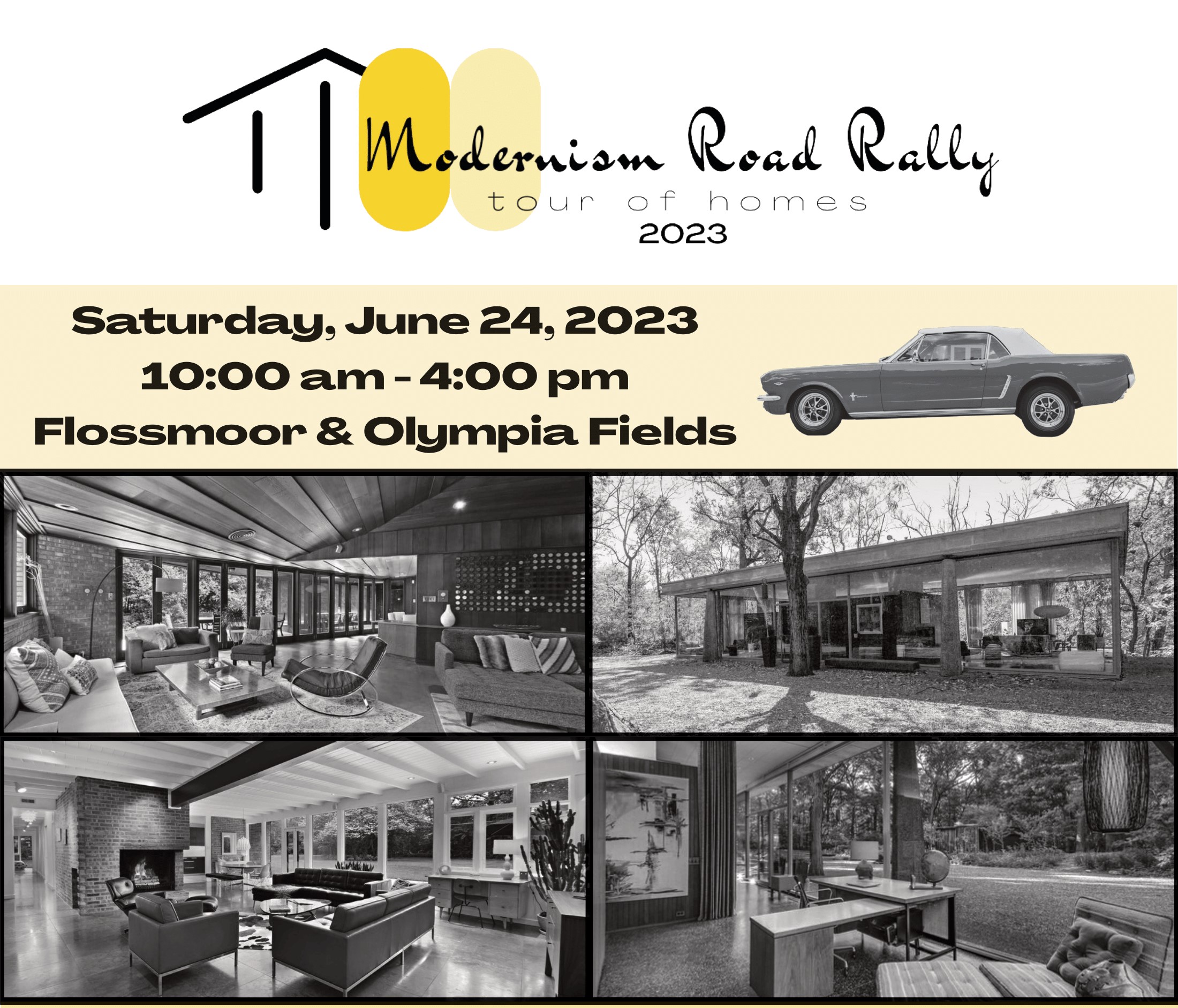
At Optima®, we are always excited to share unique architectural experiences that reflect our passion for design. So mark your calendars, Modern enthusiasts, we have some fantastic news for you! The second biennial Modernism Road Rally Tour of Homes is returning to celebrate the Mid Century Modern architectural legacy of Chicagoland. Launched in 2021, this biennial event takes place in different community areas of Chicagoland. This year’s edition will lead you through the captivating south suburban enclaves of Flossmoor and Olympia Fields.

The 2023 Modernism Road Rally Tour showcases homes designed by renowned midcentury architects such as Keck & Keck, Edward Dart, and Bertrand Goldberg, as well as architects like Edward Humrich, John McPherson, and John S. Townsend. Participants will have the opportunity to admire the exteriors and enjoy limited interior tours of select homes, offering an intimate glimpse into these architectural gems.

The event organizers have partnered with the Foundation for the Preservation of Flossmoor History for this year’s edition. A percentage of the proceeds will contribute to the restoration of the historic Wagner Building, which is scheduled to open in time for Flossmoor’s Centennial in 2024.

Conservatory Vintage & Vinyl, situated in the charming 1920s-era downtown Flossmoor, will serve as the event headquarters. After exploring the architectural marvels, participants can join the post-event party at the Flossmoor Station Restaurant & Brewery, a former railroad stop transformed into a lively social hub.

Flossmoor, founded in 1924, experienced a construction slowdown during World War II, followed by rapid postwar development. Its neighboring community, Olympia Fields, started in 1913, primarily as golf cottages surrounding the famous Olympia Fields Country Club. Post-World War II, the legendary modernist subdivisions of Graymoor and Country Club Woods were developed, boasting numerous outstanding examples of Mid Century Modern architecture.

Participants can purchase tickets for the tour, post-tour party, and sculpture tour online. The event also offers a trolley shuttle service along the entire tour route on Saturday, included in the ticket price (reservation required at the time of ticket purchase). Event check-in will be available at Conservatory Vintage & Vinyl for all paid attendees on Friday, June 23, from 12:00 PM to 6:00 PM, and Saturday, June 23, from 8:00 AM to 6:00 PM.

The second biennial Modernism Road Rally Tour is an exciting opportunity for architecture enthusiasts to delve into the fascinating world of Mid Century Modern design in Chicagoland. At Optima®, we are delighted to share this event with you and hope you enjoy exploring the rich architectural heritage of Flossmoor and Olympia Fields. Don’t miss out on this unique experience, and be sure to reserve your tickets here in advance! 

Please note that there will be no walk-up ticket sales available.

John Lautner’s Journey Through Space and Form

At Optima®, we are always delighted to showcase the works of Modernist architects who have made waves in the field. One such architect, whose innovative designs and extraordinary imagination have left a lasting impression, is John Lautner. Today, we’ll explore the unique characteristics of Lautner’s architectural style, highlighting his inspirations and the significance of his contributions to the field.

John Lautner (1911-1994), born in Marquette, MI, had a distinctive style that was shaped by his early apprenticeship under the legendary Frank Lloyd Wright, as well as by his own profound interest in engineering, organic architecture, and the natural world. Lautner’s designs are characterized by their seamless integration with the environment, imaginative use of materials, and bold, sculptural forms.

One of the fundamental aspects of Lautner’s architectural style was his ability to harmoniously blend his structures with their surrounding landscape. Drawing inspiration from Wright’s organic architecture principles, Lautner believed that buildings should not only respect their natural environment but also enhance it. His designs often feature extensive use of glass, allowing for unobstructed views and creating a synchronicity between the interior and exterior spaces.

His fascination with engineering and materiality allowed him to push the boundaries of conventional architectural design. He frequently employed innovative construction techniques, such as the use of cantilevers, to create seemingly gravity-defying spaces. Additionally, Lautner’s designs often incorporated a diverse range of materials, including concrete, steel, and timber, as well as experimental materials like sprayed-on concrete (gunite).

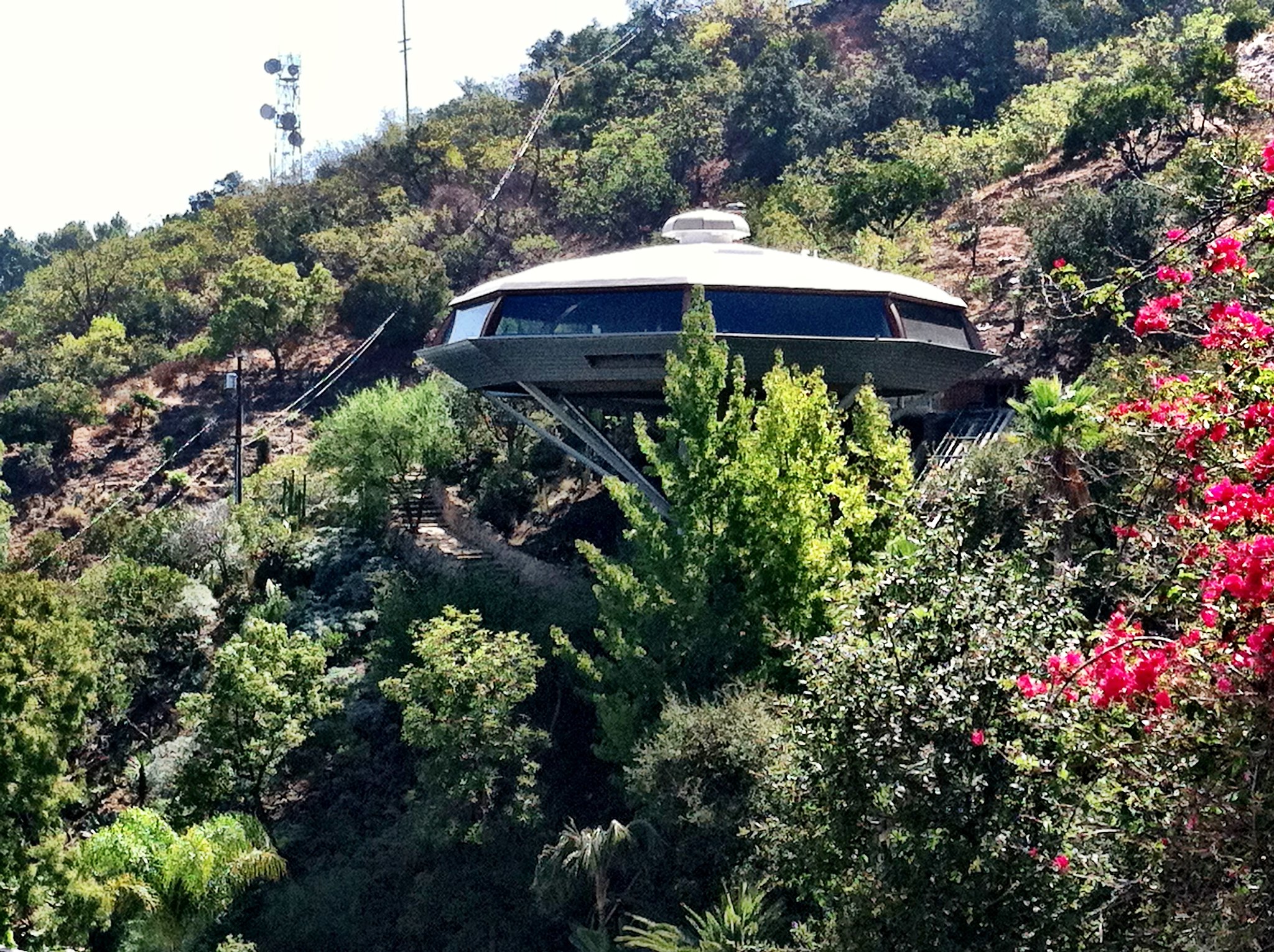
One of Lautner’s most notable projects showcasing his innovative use of materials is the Chemosphere (1960), a futuristic octagonal house perched atop a single concrete column in the Hollywood Hills. The house appears to float above the landscape, demonstrating Lautner’s ability to create a sense of weightlessness and otherworldly charm.

Lautner’s architectural style is characterized by a sense of spatial fluidity, as he sought to create open, flowing interiors that defied conventional notions of rooms and boundaries. His designs often feature sweeping curves and dramatic angles, resulting in dynamic, visually captivating spaces.

The Elrod House (1968) in Palm Springs, for example, demonstrates Lautner’s mastery of spatial fluidity. With its iconic conical roof and open-plan living spaces, the house appears to grow organically from the rocky landscape. This seamless connection between interior and exterior spaces is further emphasized by the use of retractable glass walls, which allow the residents to fully experience the surrounding desert environment. Also, did we mention that the Elrod House was featured in the 1971 James Bond film, Diamonds Are Forever?

While Lautner’s architectural style was undoubtedly influenced by his time spent working under Wright, his experiences working with other luminary architects like Richard Neutra and Rudolph Schindler helped him shape a unique vision and dedication to experimentation.

We take immense pleasure in celebrating the contributions of Modernist architects like John Lautner, whose groundbreaking designs continue to inspire and captivate. His iconic structures stand as testaments to the power of imagination and the importance of embracing the ever-evolving landscape of design.

Scottsdale Architecture Spotlight: Hotel Valley Ho

Arizona, and particularly Scottsdale, has long been a hotspot for architectural innovation, blending the region’s natural beauty with groundbreaking design. From Frank Lloyd Wright’s Taliesin West to Paolo Soleri’s Acosanti, the state is home to a variety of remarkable structures that push the boundaries of architectural thought. One standout example is the iconic Hotel Valley Ho, a mid-century modern masterpiece nestled in the heart of Scottsdale. Today, we’re exploring the hotel’s fascinating history, stunning architectural features and commitment to preservation and sustainability. 

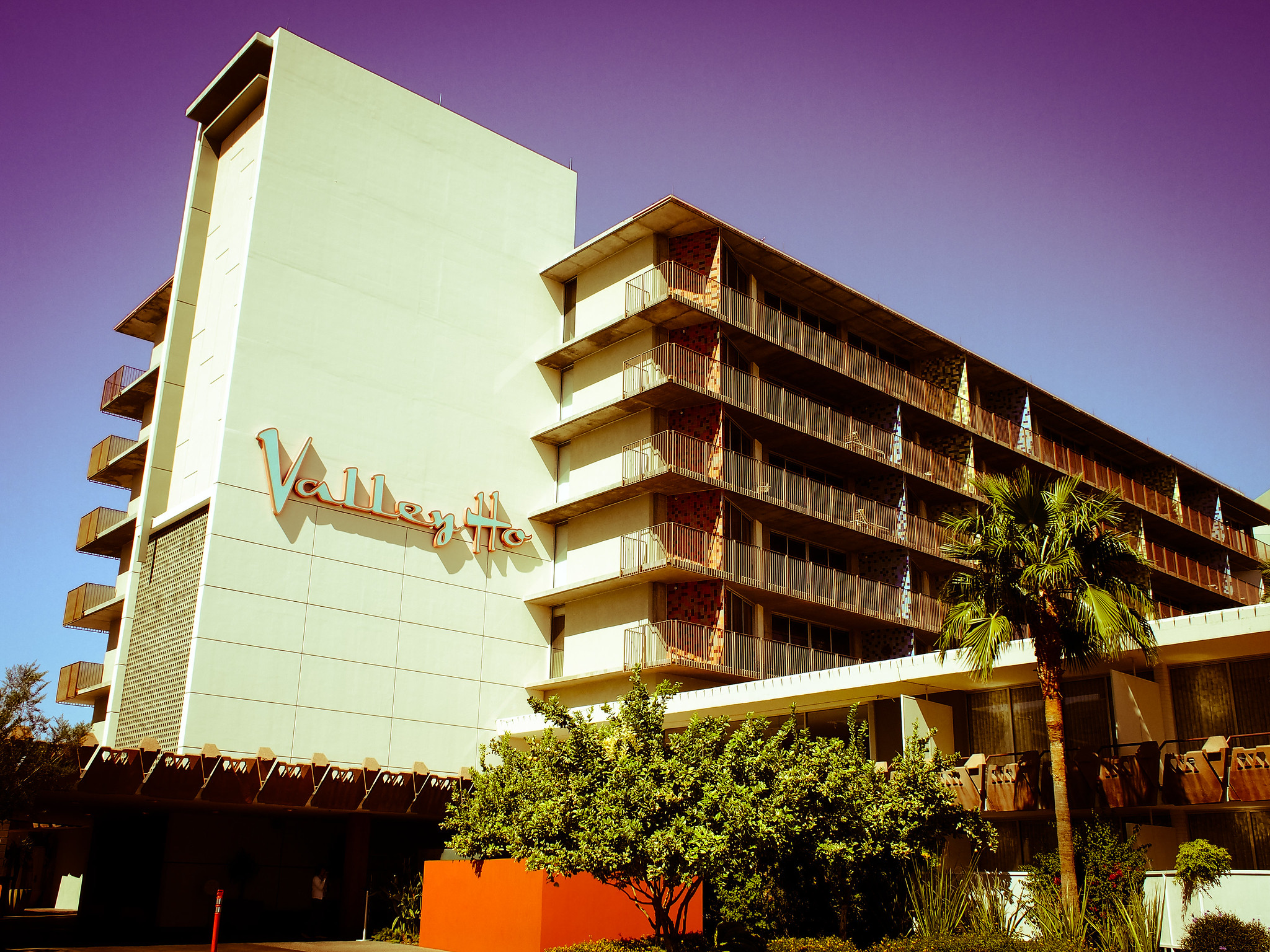
Nestled in the heart of Scottsdale, the Hotel Valley Ho opened its doors in 1956. The hotel was designed by Edward L. Varney, a prominent mid-century modern architect and a student of Frank Lloyd Wright, the hotel sought to combine the glamor of Hollywood with the natural beauty of Arizona. Over the years, the Hotel Valley Ho has hosted numerous celebrities and undergone multiple renovations to maintain its charm and relevance. 

The Hotel Valley Ho stands as a shining example of mid-century modern architecture. Its sleek, minimalist design is characterized by clean lines, flat planes, and expansive glass walls that seamlessly integrate indoor and outdoor spaces. The hotel’s iconic cantilevered roof lines and butterfly roofs give it a futuristic appeal while providing shape and protection from the elements. 

The rooms and pool at Hotel Valley Ho. Photo: C.C. Chapman, 2011, Flickr Creative Commons CC-BY-NC-ND 2.0 Deed

One of the most striking features of the Hotel Valley Ho is its use of materials, including concrete, steel, and native Arizona stone, which all pay homage to the state’s desert landscape. Additionally, the interior boasts vibrant colors, geometric patterns, and custom-designed furnishings that embody the essence of mid-century modern design. 

Beyond its architectural prowess, The Hotel Valley Ho offers luxurious amenities to cater to every guest’s needs. The property is home to two separate pools: The OH Pool, which features a lively atmosphere complete with a bar and cabana, and the more serene OHasis Pool, perfect for relaxation. Guests can also enjoy the award-winning VH Spa, a state-of-the-art fitness center, and exceptional dining options, including the ZuZu restaurant, which serves inventive American cuisine. The hotel’s central location provides easy access to Scottsdale’s vibrant art galleries, shopping and outdoor activities. 

Hotel Valley Ho lobby. Photo: C.C. Chapman, 2011, Flickr Creative Commons CC-BY-NC-ND 2.0 Deed

In addition to its luxurious accommodations, the Hotel Valley Ho has demonstrated a commitment to preservation and sustainability over the years. A comprehensive restoration project in 2005 revitalized the hotel’s historic features and expanded its footprint. Modern amenities and sustainable practices, such as energy-efficient LED lighting, solar panels for heating pool water and a robust recycling program have been incorporated throughout the property. This commitment ensures that future generations can experience the magic of this mid-century modern masterpiece. 

The Hotel Valley Ho truly offers an unforgettable experience, seamlessly blending luxury, history and sustainability. Its timeless design and dedication to preserving its heritage make it a must-visit destination for architecture enthusiasts and travelers alike.

Edward Dart: A Bullseye Through The Heart of Architecture

At Optima®, we revel in highlighting the remarkable work of Modernist architects who have significantly influenced our urban environments. Today, we direct our focus to Edward Dart, an architect whose distinctive vision and commitment to modern design have left an enduring imprint on the architectural landscape of Chicago. 

The Life of Edward Dart

Edward Dart was born in New Orleans, Louisiana, in 1922. He received his architectural education at the prestigious Yale School of Architecture, studying with luminaries including Richard Neutra, Louis Kahn, and Eero Saarinen. Dart moved to Chicago in 1949, where he joined the firm of Loebl, Schlossman & Bennett. Dart’s immense talent was quickly acknowledged, and he became a partner in the firm in 1959. His unique architectural approach merged the principles of Modernism with an attentiveness to the natural environment, resulting in the creation of striking structures that harmoniously blended with their surroundings.

Throughout his career, Dart concentrated on designing buildings that were both functional and aesthetically pleasing, seamlessly integrating them into the natural landscape. His residential designs frequently featured expansive windows, open floor plans, and the use of natural materials such as stone and wood. This design philosophy allowed Dart’s structures to be both visually stunning and environmentally sensitive.

St. Procopius Abbey (1967) in Lisle, IL., Photo: Jason Haskins, Flickr Creative Commons

Notable Works and Achievements

Dart died suddenly at the age of 53 in 1975. Over his short career he was enormously productive and prolific, having completed over 100 projects. He was listed in Who’s Who in America, and won 18 awards from the American Institute of Architects (AIA), including two (a Distinguished Building Award in 1971 and a National Honor Award in 1973). He was made a Fellow of the AIA, the highest honors that the organization can bestow, at the age of 44. 

Some of his most significant works include: St. Procopius Abbey (1967) in Lisle, IL, a striking Modernist structure featuring an elegant combination of exposed concrete and brick, reflecting Dart’s penchant for using natural materials in his designs. Another notable work is the St. Augustine’s Episcopal Church (1958) in Gary, IN. With its soaring, angular roofline and floor-to-ceiling windows, the church is a prime example of Dart’s ability to create awe-inspiring spaces that remain harmonious with their environment. Each of these buildings reflects his unique interpretation of Modernism and his singular ability to create spaces that resonate with their surroundings.

St. Augustine’s Episcopal Church in Gary, IN. Photo: National Register of Historic Places

Beyond Dart’s expertise in churches, Dart designed the “House of the Fifties” for Good Housekeeping Magazine, a model house for Popular Mechanics, and won the National Association of Homebuilders competition in 1951. One of his largest projects, Water Tower Place in Chicago, was completed after his death, and went on to become one of Chicago’s landmark buildings and one of the most-loved and most successful mixed-use retail, business, and residential centers in America.

Women in Architecture: Violeta Autumn

As part of our ongoing “Women in Architecture” series, we’re sharing the story of Violeta Autumn, whose distinguished career was committed to environmental protectionism and inclusion in the industry. Autumn’s designs earned her numerous accolades and recognition, and her work serves as an inspiration for architects today. Learn more about her life and career below.

The Life of Violeta Autumn
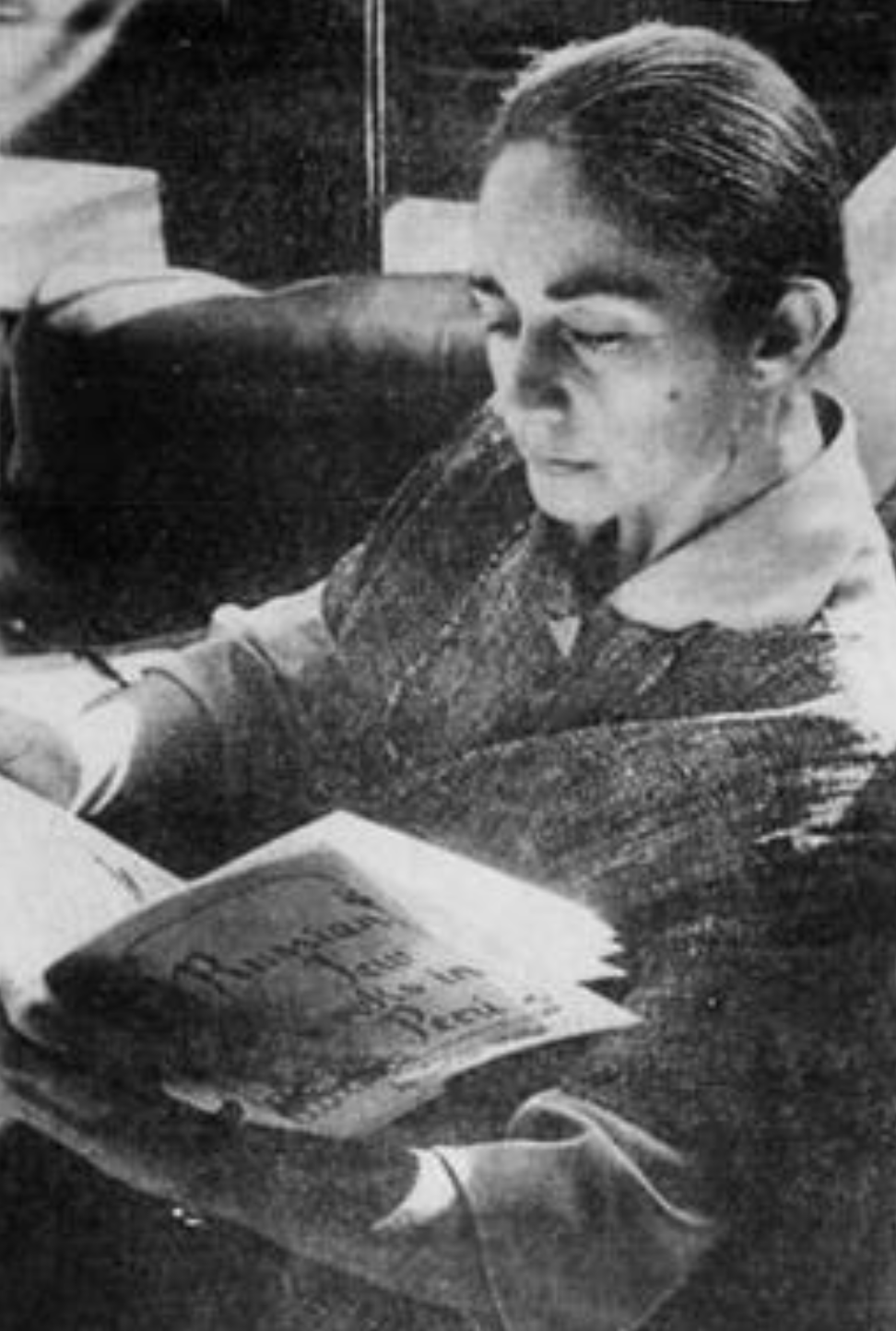
Violeta Autumn was born in 1930 Chiclayo, Peru to Russian Jewish immigrants and lived there until her family relocated to Oklahoma when she was 14. After graduating high school, Autumn attended the University of Oklahoma, where she studied under the legendary architect Bruce Goff and became the third woman to graduate from the school with a Bachelor of Architecture in 1953. In her future work, Autumn took inspiration from Goff’s use of organic design.

After completing her education, Autumn traveled across Europe during the summer, where she met her husband, Sanford Autumn, a psychologist. Autumn and her husband relocated to the San Francisco area after returning from Europe, and she obtained her California architect’s license soon after, in 1957.

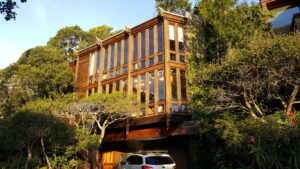
Cliff House, Violeta Autumn Residence in Sausalito, CA. Credit: Sausalitoarchitect on Wikimedia Commons, licensed under CC BY-SA 3.0.

Notable Works and Achievements
Autumn’s architectural experience began with preparing construction drawings for Harold Dow, a Palo Alto-based architect. For several years, she illustrated renderings and designed murals for other architects and authors, but in 1959 she ventured out on her own, designing and building her own home and architectural studio in Sausalito, California as a first project. As her design vocabulary evolved, she continued to draw from other architects she worked with and admired, including Frank Lloyd Wright (with whom she apprenticed) and John Lautner, who went on to have a stellar career as a modernist architect in South California.

Autumn worked with engineer Haluk Akol to translate organic architecture philosophies into the home’s vertical cliff site. The building featured exposed concrete buttresses to stabilize the unique structural system, a two-story copper hood for its fireplace and unstained redwood. After its completion in the early 1960s, the home was widely celebrated, including features in Progressive Architecture and Look magazines.

Autumn received her U.S. citizenship in 1963 and quickly became involved in aspects of local government, from joining her local Community Appearances Advisory Board to being named commissioner of the Planning Commission and to becoming a Sausalito City Councilwoman. Much of her work in public office mirrored her philosophies in architecture. She became largely known for her strong environmental protectionism along with the redevelopment of a host of important waterfront projects in the San Francisco Bay area.

Following her career in local government, Autumn partnered with fellow University of Oklahoma architectural graduate John Marsh Davis to create Davis-Autumn & Associates. Together, the two completed a host of projects, many of which are wineries still in existence in Sonoma and Napa Valley today, including Joseph Phelps Vineyards, Rutherford Hill Winery, Sullivan Vineyards and their most acclaimed, Souverain Winery. Designed and opened in 1974, the Souverain Winery won the American Institute of Architects Bay Area Honor Award for Design Excellence.

Violeta Autumn’s contributions to the field of architecture have left an indelible mark. Her work helped pave the way for future generations of practitioners who strive to create innovative, environmentally-friendly designs that prioritize community and inclusivity.

George Frederick Keck: How A Modernist Master Shaped the Chicago Skyline

Chicago has long been a hotbed for Modernist architecture, with the likes of Ludwig Mies van der Rohe, Frank Lloyd Wright, and Walter Gropius all calling the city home at various points in their careers. At Optima®, we are always delighted to showcase the groundbreaking work of Modernist architects who have left an indelible mark on our urban landscape. Today, we are opening the aperture to focus on George Fred Keck, an architect whose innovative designs and pioneering spirit greatly influenced the development of modern architecture in Chicago and beyond.

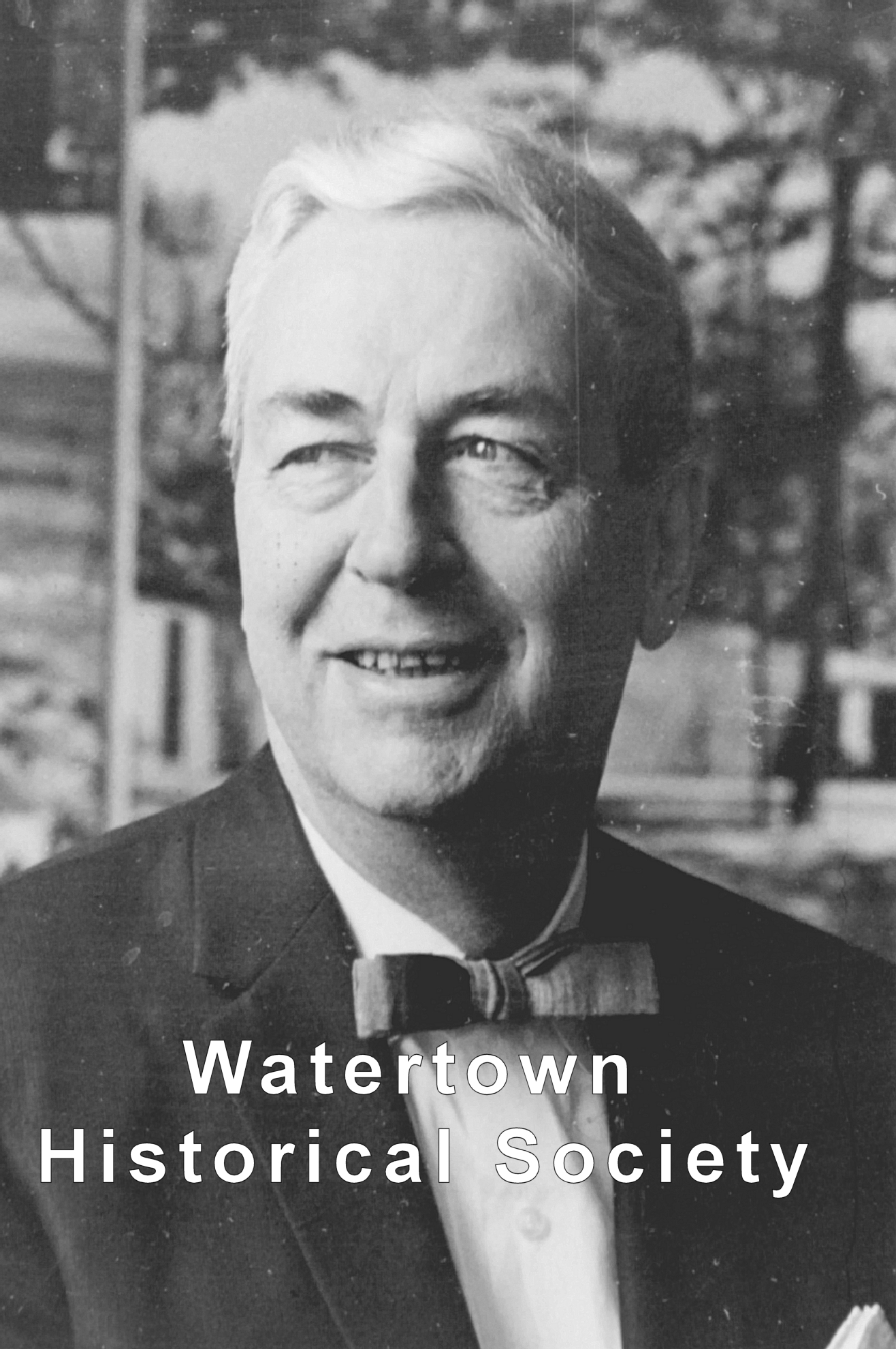
Born in 1895 in Watertown, Wisconsin, George Fred Keck was destined to become a trailblazer in the world of Modernist architecture. After studying at the University of Illinois at Urbana-Champaign, Keck established his own firm with his brother William in 1926 — Keck & Keck. The siblings’ shared passion for Modernism and sustainability led them to create designs that were both environmentally-conscious and ahead of their time.

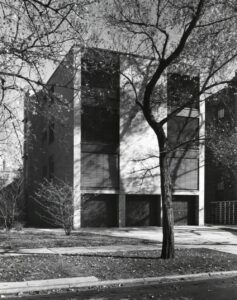
Keck-Gottschalk-Keck Apartments. Photo: Ryerson & Burnham Archives Archival Image Collection

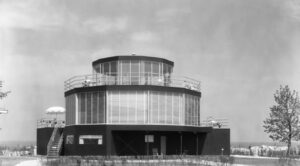
Keck’s most famous work is undoubtedly the House of Tomorrow, a groundbreaking design he created for the 1933 Chicago World’s Fair, also known as the Century of Progress Exposition. The house showcased innovative ideas such as floor-to-ceiling glass walls, central air conditioning, and even an attached garage with an electric door opener. These cutting-edge features not only made the House of Tomorrow a sensation at the fair, but also laid the groundwork for the modern home as we know it today. 

With Keck’s commitment to sustainable design came a fascination with solar energy. In the early 1940s, he and his brother William designed the first solar-powered house in the United States. Known as the Keck-Gottschalk-Keck Apartments and located at 5551 South University Avenue in Hyde Park, this remarkable dwelling relied on south-facing windows and a solar heating system to maximize the capture and use of solar energy. This early foray into sustainable design would pave the way for future architects to embrace environmentally conscious practices.

House of Tomorrow. Photo: Chicago History Museum, Hedrich Blessing Collection

As we celebrate the life and work of George Fred Keck, we at Optima® are once again reminded of the transformative power of Modernist architecture. Keck’s innovative designs, environmental consciousness, and commitment to pushing the boundaries of architectural form have left an unforgettable mark on the city of Chicago and on the world of architecture.

Alison and Peter Smithson: The Dynamic Duo That Transformed Modern Architecture

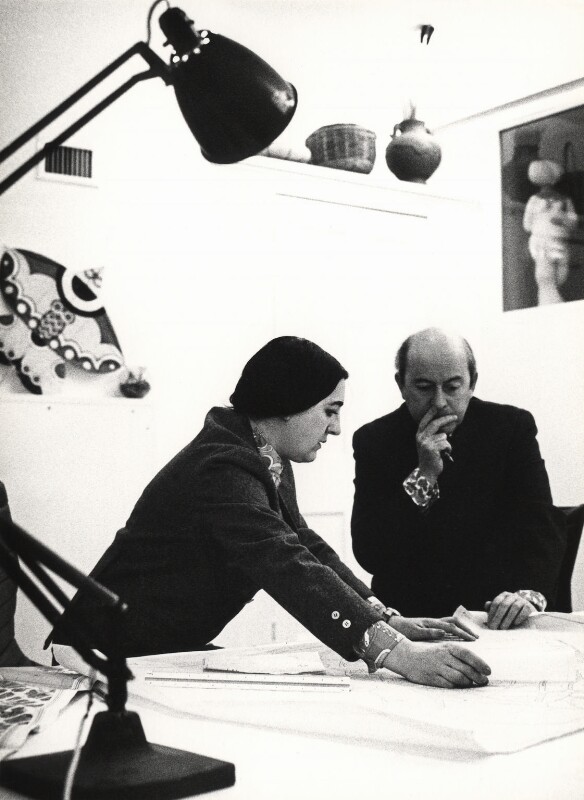
Today, Optima® is delighted to highlight both the exceptional career of Alison Smithson (1928-1993) and the influential partnership with Peter Smithson (1923-2003), her husband and lifelong collaborator. As visionary British architects, they jointly shaped the modernist architectural movement with their pioneering New Brutalist approach, drawing inspiration from the works of Mies Van der Rohe and Le Corbrusier. Their collaborative efforts have left a lasting legacy in the field, inspiring future generations of architects, both men and women.

Alison Smithson was born in Sheffield, England, and pursued architecture at the King’s College, Durham in Newcastle (later the Newcastle University School of Architecture, Planning and Landscape), then University of Durham, between 1944 and 1949. It was during her studies that she met Peter Smithson. United by their passion for architecture, Alison and Peter shared a desire to challenge the conventional norms of their time.

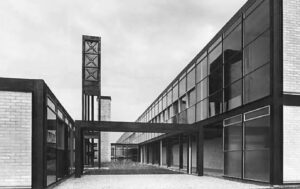
Hunstanton School in Norfolk, 1949-1959. Photo: Wikiarquitectura

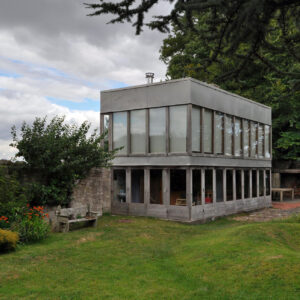
The Smithsons’ professional partnership was defined by groundbreaking projects that had significant impact on the modernist architectural movement. One of their early works, the Hunstanton School in Norfolk, exemplified the New Brutalist movement with its minimalist design and exposed structural elements. Other iconic projects include the Economist Building in London, the Robin Hood Gardens housing complex, and their own home, the Smithson House, in Wiltshire.

Alison and Peter Smithson were known for pushing the boundaries of modernist design and reimagining architectural norms. They sought to create buildings that were functional and also contextually sensitive and responsive to the needs of their occupants. By blending elements of Brutalism, modernism, and regionalism in their designs, the Smithsons carved out a unique architectural identity. They played a crucial role in the formation of Team 10, a group of designers who aimed to redefine architectural discourse, moving away from the rigid functionalism of the International Style.

The Smithsons’ innovative designs and unwavering commitment to challenging conventions have left an indelible mark on architectural history. As a woman practitioner, Alison Smithson paved her own way, while Peter Smithson’s steadfast support and collaboration underscored the importance of teamwork and partnership in the profession.

The Smithson House in Wiltshire. Photo: seier+seier, Flickr Creative Commons

At Optima®, we take immense pride in honoring the work of Alison and Peter Smithson. Their unique partnership, innovative approach to design, and significant influence on architectural movements have contributed greatly to the field. By celebrating their collaboration, we aim to inspire future generations of architects to embrace diverse perspectives and partnerships in the pursuit of architectural excellence.

person name goes here

Maintenance Supervisor

Glencoe, IL


    Acceptable file types: *.pdf | *.txt | *.doc, max-size: 2Mb