The Legacy of Ludwig Mies van der Rohe

Our story is influenced and molded by those that came before us. The vision for Optima was seeded during David Hovey Sr.’s time at the Illinois Institute of Technology (IIT), where he studied under the program built by modern architectural legend, Ludwig Mies van der Rohe. To understand where modern design is today, it’s insightful to look back on the legacy of Mies van der Rohe.

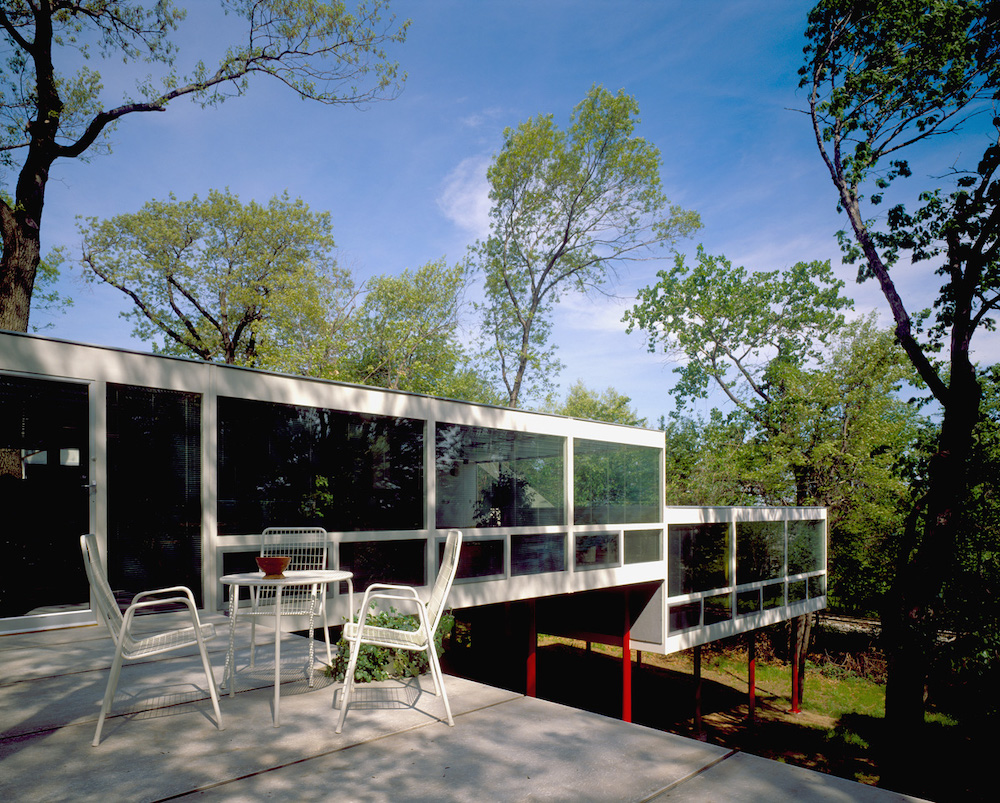
Ludwig Mies van der Rohe’s Farnsworth House, designed and constructed between 1945 and 1951. Credit: Victor Grigas on Wikimedia Commons, licensed under the Creative Commons Attribution-Share Alike 3.0 Unported license.

Mies van der Rohe

Mies was a German-born architect and educator, born in 1886 in Aachen, Germany, with Chicago becoming his adoptive hometown later in life. One of the 20th century’s greatest architects, he designed with an emphasis on open space and revealing materials. His steel-and-glass aesthetic defined modern architecture; he himself referred to it as “skin-and-bones architecture.” Mies didn’t design with style in mind, but rather, considered the philosophy of design within the frame of functionalist and industrial concerns at the time. “Less is more,” the legendary aphorism, was first said by Mies in reference to his architectural work. 

The Barcelona Pavilion, designed by Ludwig Mies van Der Rohe
The Barcelona Pavilion, designed by Ludwig Mies van der Rohe and Lily Reich – the German Pavilion for the 1929 International Exposition in Barcelona, Spain. Credit: Christian Gänshirt on Wikimedia Commons, licensed under the Creative Commons Attribution-Share Alike 4.0 International license.

Early Years in Europe

Destined for greatness, Mies’ first commissioned project (Riehl House) came to him at the age of 21 while he was working for Bruno Paul. What really set his design aesthetic apart, however, was the Barcelona Pavilion. Designed for the 1929 International Exposition in Barcelona, Spain, the temporary structure was the most powerfully pared-down building imaginable. Consisting of horizontal and vertical slab elements, it fulfilled the minimum requirements to define space — nothing has ever personified “less is more” in quite the same way. As Mies garnered attention, he became the director of the Bauhaus school of design in Germany in 1930. He remained there until the school closed in 1933 under the mounting pressure of the Nazi regime, and it was at this point in time that Mies took his leave from Europe.

An Educator and Architect in America

Mies arrived in the US in 1938, heralding in a new era for his life and the life of architecture in Chicago. He was head of the architecture department of IIT from 1938-1958, and when Mies’ position was announced, he was introduced by the one and only Frank Lloyd Wright himself. It was virtually unheard of for Wright to admire the work of another architect — and vocalize his admiration no less — but in his introductory speech, Wright said of Mies: “I admire him as an architect, respect and love him as a man. Armour Institute, I give you my Mies van der Rohe. You treat him well and love him as I do. He will reward you.” 

Wright knew what an influence Mies would have on IIT and on architecture. The period of transition allowed Mies to entirely redesign the school’s program and campus both — he “rationalized” the curriculum by returning to the basics. At IIT, students focused first on learning to envision and draw their creations, then master the features, functions and materials involved in building, in order to finally evolve as architects whose discipline was enmeshed with the fundamental principles of design and construction. 

A Lasting Legacy

Mies has left his mark in many places — along the Chicago skyline, across the IIT campus and on our work here at Optima.The fundamental principles behind Modernist design influence how we create and think here, and the innovative and groundbreaking thinking of Mies is something that we seek to embody in our everyday operations. To this legend, we say thank you for paving the way and inspiring us all. 
 

Community Growth and the Importance of Retail Space

At Optima, we don’t just construct buildings, we create communities. At every step of our process, from selecting location, to construction, to leasing and renting out our retail space, we make decisions leveraging what we can provide to enhance our residents’ lives and the lives of the people in the surrounding neighborhood. 

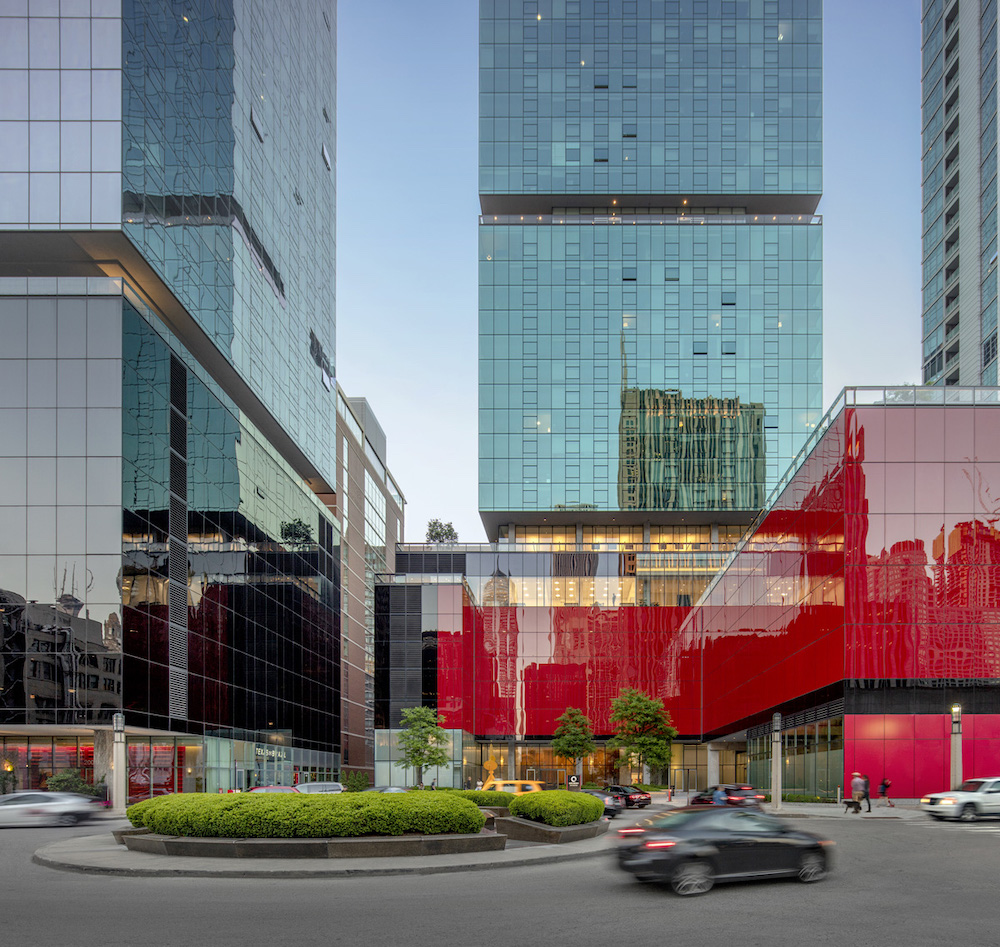
At Optima Signature in Chicago, our retail tenants include Egg Harbor Cafe, Guidepost Montessori School, RUNAWAY Fitness, Bedazzled Nails and GoodVets. These amenities enhance the lives of our residents and neighbors, creating onsite amenities and vibrant gathering places that encourage connection and socialization. Not only are our retail tenants adding to Optima Signature, but they contribute to the greater Streeterville community Egg Harbor is a beloved breakfast staple in the Chicago suburbs, and their Optima Signature location will be their debut in downtown Chicago. And Guidepost Montessori School was the first of its kind for the neighborhood.

At Optima Sonoran Village in Scottsdale, one of our retail tenants, Kaleidoscope Juice, has become a place where people can meet old and new friends over a meal, juice or coffee throughout the day. Residents might meet someone in the gym at Optima Sonoran Village and decide to reconvene on their patio — having the retail space to gather deepens connections within the community, allowing residents to get to know their neighbors. 

When selecting our tenants, it’s vital to our mission that the retail we bring to our communities is additive, contributing new spaces for our residents to use and bringing much needed and desired resources to the neighborhoods we call home.


Optima Sculpture Spotlight: Kiwi

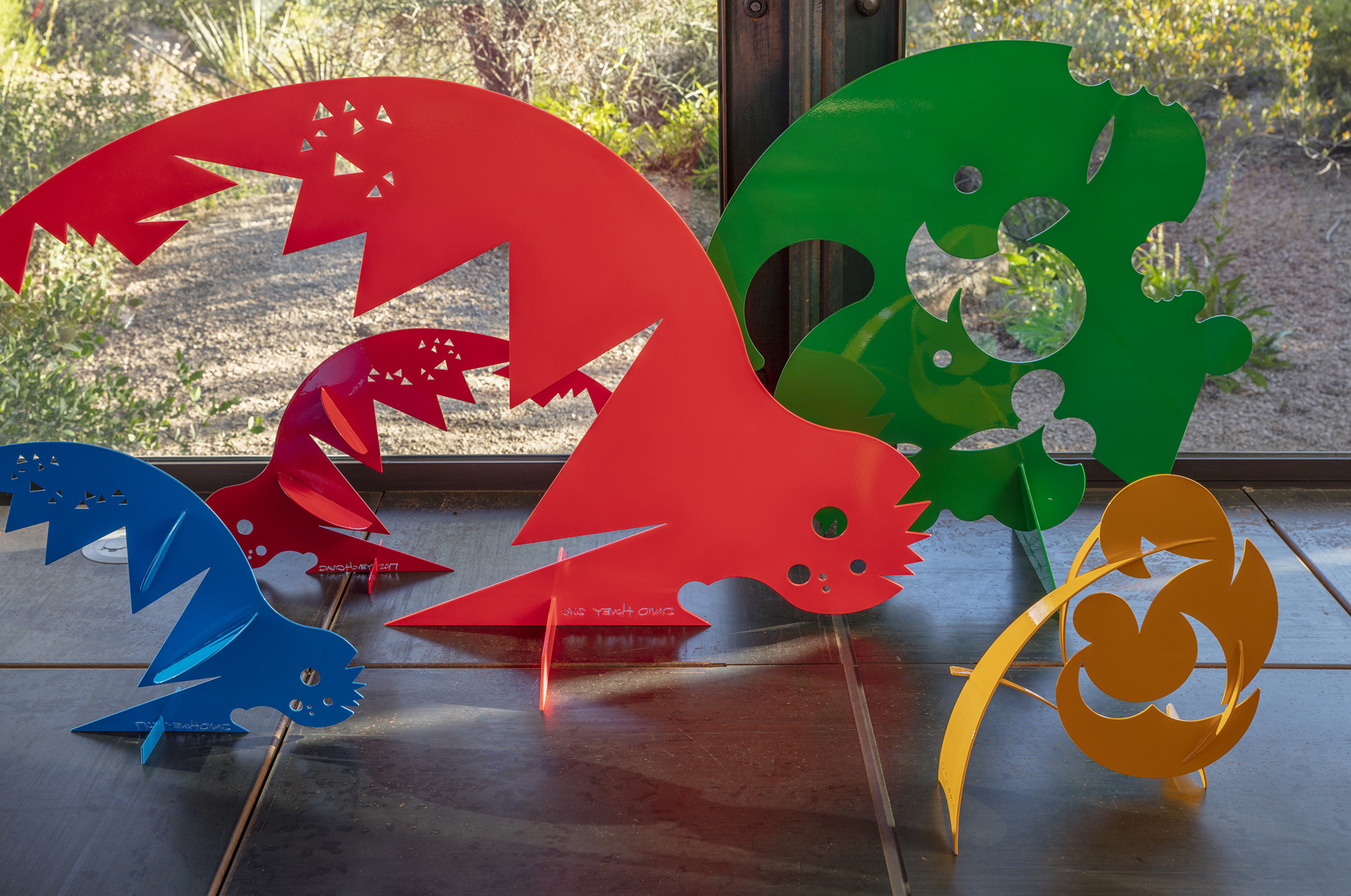
A subtle but enhancing feature of many Optima projects, our sculptures adorn courtyards, amenity floors and common spaces. David Hovey Sr’s devotion to space and form translates from architecture to three-dimensional pieces, which are placed throughout our buildings to add a distinct aesthetic flair to our Modernist spaces. 

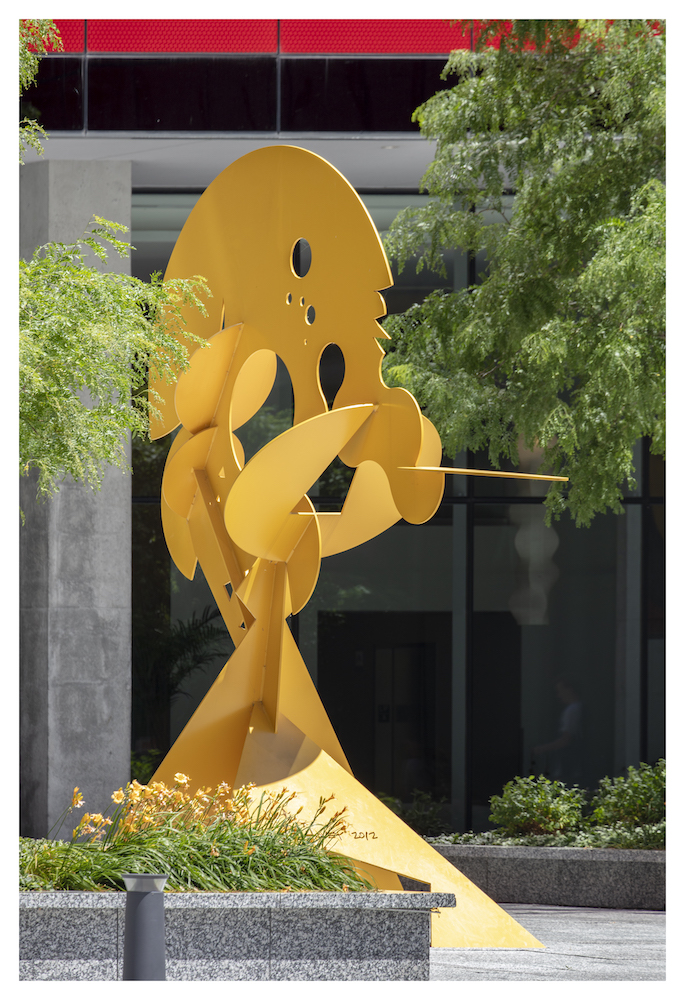
Greeting both residents and visitors at the entrance of Optima Signature, the sculpture Kiwi was named after the same bird native to New Zealand, where David Hovey Sr was born. Although the sculpture is reminiscent of an animal, Hovey’s vision was something much more abstract. Starting out as a handful of freehand drawings, the sculpture was layered until it formed a tall, stacked piece. Set against the bold red of Optima Signature, Kiwi’s bright yellow color pops amidst the neutral-toned buildings within downtown Chicago. 

A yellow abstract sculpture, Kiwi, stands before Optima Signature.

The finishing touch on Kiwi’s Optima Signature location was installation; the base was carefully cemented into the ground to protect it from the bustle of downtown and the intense Chicago weather. Aside from its prominent location at Optima Signature, Kiwi is also featured at Relic Rock and Whale Bay House

David Hovey Sr’s passion for sculpture reflects our collective passion for enhancing the spaces we build and exploring new interpretations of form, color and design. Stay tuned for more features on our other sculpture pieces. 

A Brief History of The Courtyard

An iconic architectural design feature of many Optima projects, the courtyard is a long-beloved piece of home and history. A space designed for peace, socializing and beauty, the courtyard has a rich history that has led to its modern interpretations. 

It’s estimated that the first courtyard houses made an appearance around 6000BC in the Jordan Valley, used for purposes ranging from cooking, sleeping, working, gardening or even housing animals. Before courtyards, open fires were used within a central place in a home, with a small hole in the ceiling for the smoke to escape. Gradually, the holes became larger and evolved into open courtyards more similar to what exists today. 

Courtyards are an iconic staple in many cultures throughout the world, though they vary in style and function. The central uncovered area in Roman architecture was referred to as an atrium, and would often contain a central pool used to collect rainwater and a garden. In China, the courtyard was a central space for multiple homes and families, and used as a place for privacy and tranquility. The medieval European courtyard was used for working, gathering and protection. With such a rich and diverse history, it’s no surprise that the courtyard continues to withstand the test of time. 

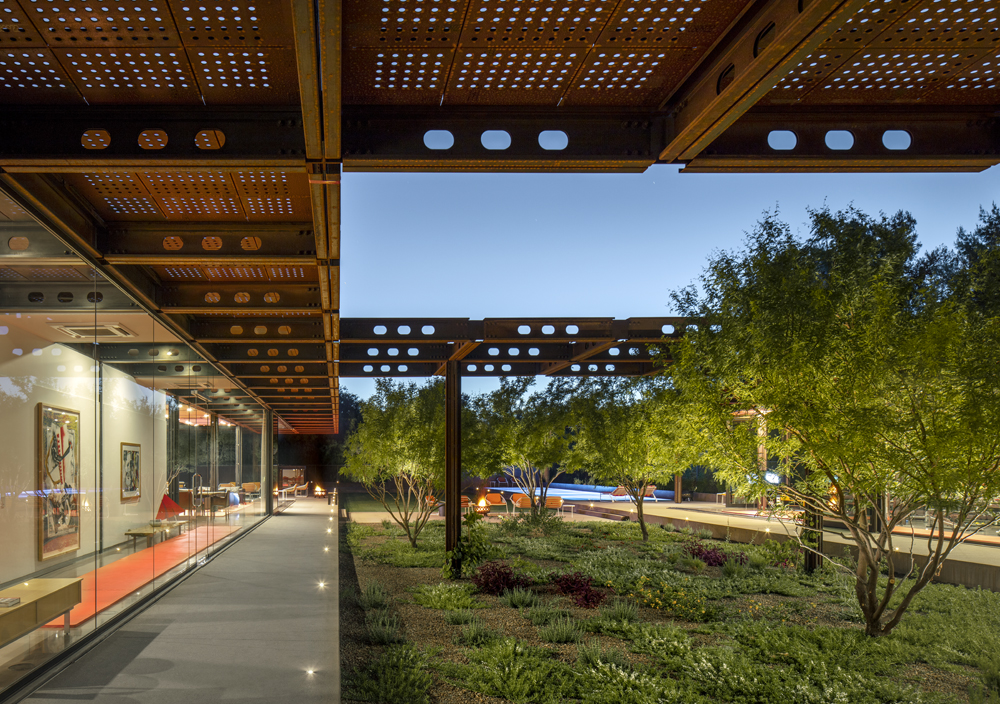
A courtyard at one of the Optima homes in Arizona.

Traditionally, courtyard homes are prevalent in temperate climates, since the open space helps maintain a cool temperature. To take advantage of the functional and aesthetic benefits of the courtyard, many of our Arizona projects feature courtyard greenspaces. Our Arizona Courtyard House is even named after the feature that makes it unique; outside and inside flow together to create a seamless layout and beautiful views of the landscape.  The home is arranged with the main house to the south and east, and a fitness center and lap pool to the north creating a private courtyard in the center.

The essence of a courtyard is the physical expression of the concept of connection, and ours are built with the hope that they will provide a peaceful oasis in which residents can reconnect to their friends, family and the surrounding environment.

Wellness at Optima Signature

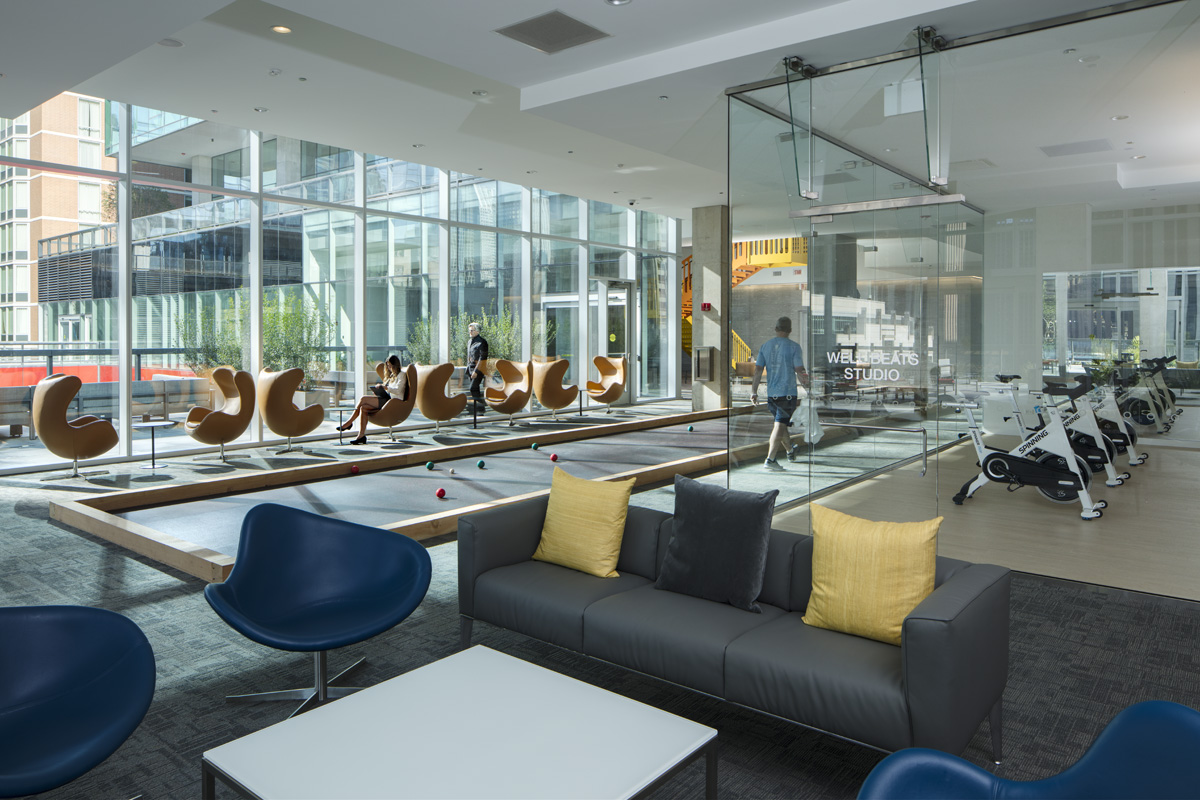
As with most luxury high rises in downtown Chicago, Optima Signature includes spaces specifically dedicated to resident amenities. Unlike most luxury high rises, Optima Signature’s amenity spaces span 1.5 acres across several floors, creating an unparalleled living experience for residents. We curate our amenity spaces with wellness in mind, designing to meet the physical and mental health needs of the people who enjoy our space. 

Let the Light In

With floor-to-ceiling windows that show off breathtaking views of our Streeterville neighborhood, our amenity floors are the perfect spot to work from home and soak up some extra Vitamin D. In addition to energizing a space, natural light can help ward off seasonal depression, which is essential for the long Chicago winters. It can also aid in regulating your natural sleep cycle, which can seriously impact your mood. So whether residents are catching up on emails or catching up with friends, our amenity spaces are the perfect place to soak up some sun.

We curate our amenity spaces at Signature with wellness in mind, designing to meet the physical and mental health needs of the people who enjoy our space. 

Get Active

Optima Signature features resort-style indoor and outdoor heated swimming pools, a cutting-edge fitness center, basketball, squash and bocce ball courts, golf simulator and putting green, yoga studio and more; needless to say there are plenty of ways for residents to get active and stay in shape. And with spa amenities such as indoor and outdoor saunas and steam rooms, decompressing after a long workout (or a long day at work) is always convenient. 

We curate our amenity spaces at Signature with wellness in mind, designing to meet the physical and mental health needs of the people who enjoy our space. 

Be Social

Along with physical wellness, Optima Signature’s amenities also provide resources for social wellness, which research shows increases mindful habits and lowers depression rates. Club 52, a residents-only club and amenity floor, features an outdoor kitchen, wine lockers, community lounge, and an outdoor terrace, allowing residents to mingle and get to know each other. On Level 20, the coffee bar, library, movie theater, demonstration kitchen, business center, conference room and coworking space encourages residents to connect with their friends and family.

From pools to green spaces, each of our projects feature aspects of healthy living. Helping our residents stay well is part of how we enhance the lives of those who live in our buildings, and how we stay connected to each of our projects.

Modernism 101

At Optima, we are in perpetual pursuit of integrating the fundamentals of design while exploring new approaches. Our design process is rooted in the Modernist tradition, whose own roots go back to the middle of the 17th century.

The First Modernist Structure

The Crystal Palace, designed by Joseph Paxton in 1851, is often regarded as the first Modernist structure. Created to house the Great Exhibition in Hyde Park, London, the exhibition palace showcased the premier components of Modernist architecture design: a sheet glass and structural metal exterior.

The Modernism Movement

However, the Modernist movement developed in the highly tumultuous and rebellious times of the early 18th century. Many people were disillusioned by the control and stagnancy of European culture, where the 19th century academic belief system reigned supreme. Much of art, architecture, literature and philosophy were rooted at that time in reality, with the highest and most respected forms of art being those that most closely mirrored realism in style. 

Modernism embraced disruption, particularly of realism and a culture bogged down by academic truths. Inspired by the groundbreaking philosophy of Freud and even by Einstein’s theory of relativity, Modernism sought to dismantle traditional forms and seek truth in new and progressive ways. Most important to Modernists was their freedom of artistic expression.

Modernism in Architecture

In architecture, progressive and liberated artistic expression came in the form of rejecting ornament and embracing minimalism. In direct contrast to the ornate stylings of Victorian architecture, Modernist architecture demanded that form follows function. Modernism in architecture was first and foremost a design principle, with style following after. Architects came at projects with an analytical approach to the function of buildings, and how they could create a structure to meet its purpose using rational, affordable materials. For this reason, many architects at the time believed Modernism could be the housing solution to end urban poverty. 

One of the most renowned Modernist architects is Ludwig Mies van der Rohethe man who changed the architecture program at IIT where Optima founder David Hovey Sr. studied. Mies was known for designing with clarity and simplicity, utilizing industrial steel and plate glass to define interior spaces. His minimal framework created unobstructed, free-flowing open space in his buildings. 

At Optima, we are constantly  inspired by the Modernist design philosophy. A large part of our design process is the utilization of ready-made materials, because as the owner, architect, developer and general contractor of all our own projects, function has never been more important. But most important to us is the idea of freedom — the freedom to innovate and express design in new and exciting ways. And like in Modernism, style inevitably follows.

Live Colorfully: How Color Influences Design

Optima buildings are distinguished by our Modernist design, and by our signature pops of color. Because color can influence design, and in turn, influence those that experience our design, the color decisions we make are purposeful and serve to enhance and activate our architecture and the spaces around it. 

Theory and Psychology

Color is fundamental to the Modernist tradition. Much of color theory was born out of the Bauhaus modernist art school, where four artists changed the way we talk about color today: Johannes Itten, Wassily Kandinsky, Paul Klee and Josef Albers. Itten, particularly, created the color sphere with primary, secondary and tertiary tones, was the first to determine warm and cool tones, and was a pioneer in associating different colors with emotions. 

Today, the study of color and their relationship to human emotion is called color psychology. In the first 30 seconds of viewing an object, our brains make a quick judgment and react to what we see. Color plays a large part in this response; for people, tones and hues are tied to specific emotions and feelings. On a biological/physical level, when we see colors, that vision is transferred over to the brain, which in turn signals to our endocrine system to release specific hormones that create a correlating feeling or mood to what we’ve seen. Armed with this insight, we integrate color into our design solutions to create an emotional impact. But our use of color goes beyond.

Because color can influence design, and in turn, influence those that experience our design, the color decisions we make are purposeful and serve to enhance and activate our architecture and the spaces around it. 

Color in Optima Design

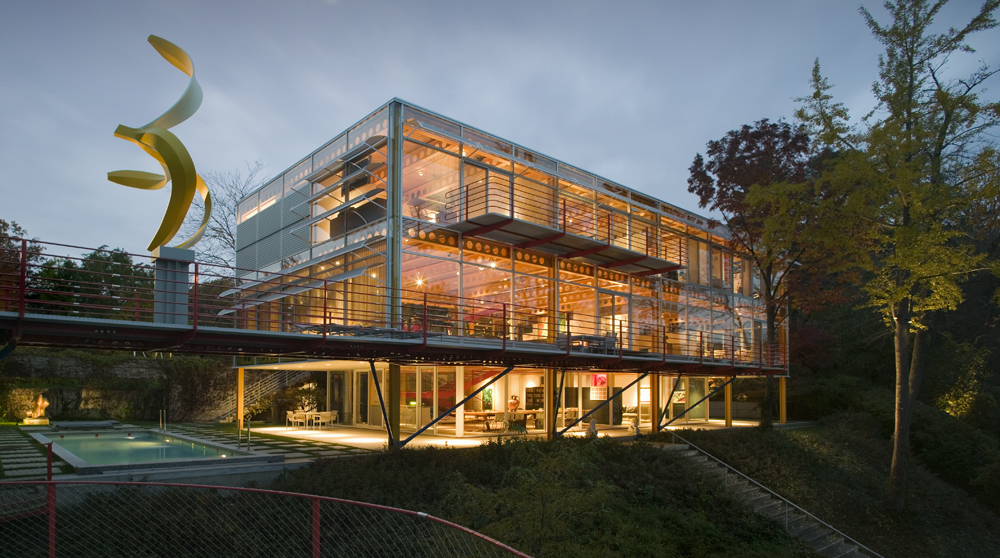
In our Arizonian desert residences, we select hues to complement the vegetation of the desert, seamlessly blending our architecture with its environs; indoor with outdoor. At Sterling Ridge, concrete walls merge with the earth, making the home an extension of the land. The result is a harmonious design, one that enhances our building and the land around it. Orange and red color details serve to give an exciting pop of color against a cohesive, blended pallet.

Because color can influence design, and in turn, influence those that experience our design, the color decisions we make are purposeful and serve to enhance and activate our architecture and the spaces around it. 

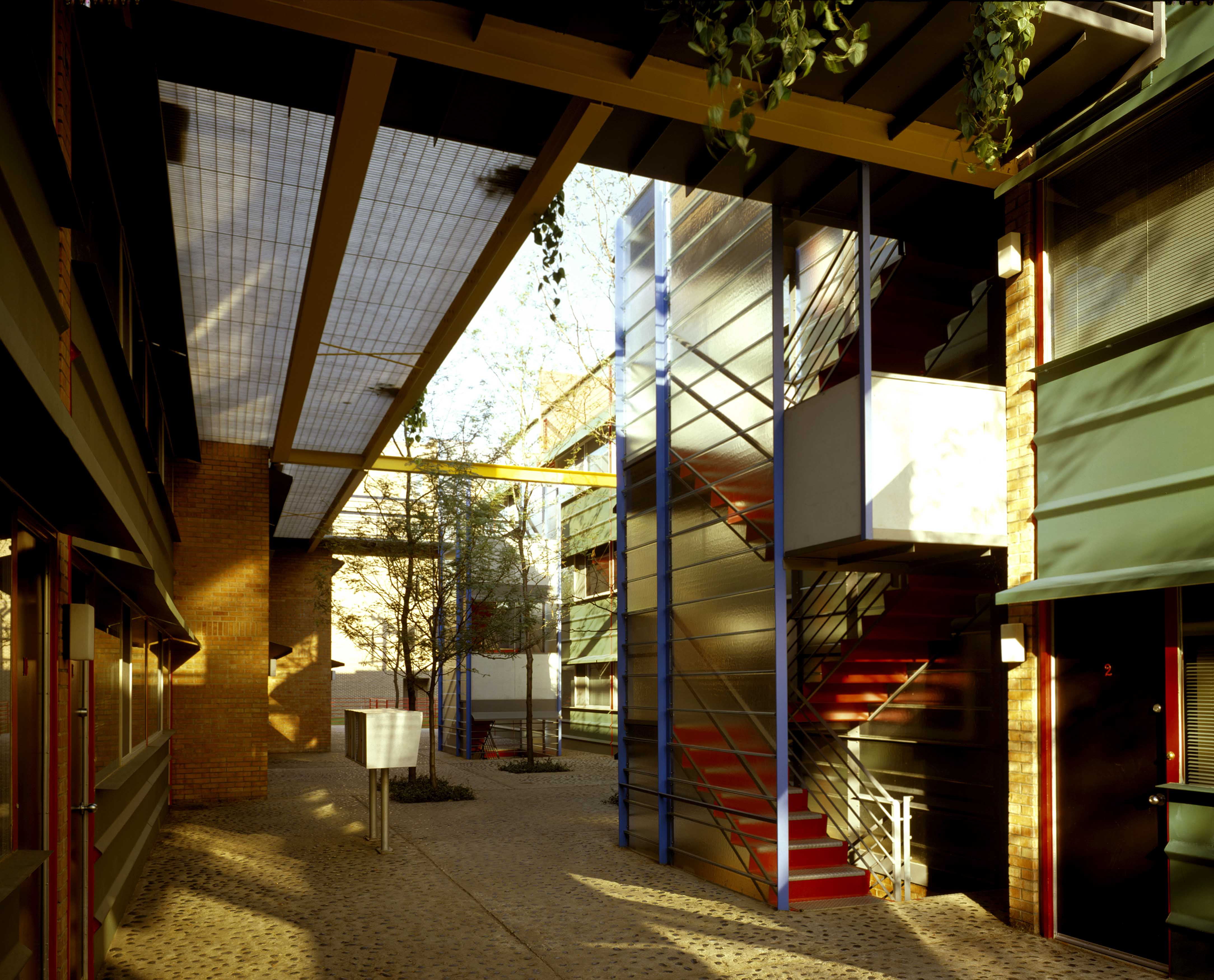
In many of our condos and multifamily residences, we use color in the exterior facade to compliment the surroundings of the building. At Optima Sonoran Village, orange, yellow and green details are drawn from actual colors found in the surrounding lush landscaping. The hues were inspired by the area’s desert flowers, serving to draw out the naturally occurring colors of the terrain.  

Color isn’t just important in our building design we incorporate color into all of our design practices, including experimental color play with our sculptures. Often executed in different colors depending on the surrounding space, sculpture is another facet to Optima in which we experiment with shades and hues. Color has a long and storied history, but for us, it’s a continuing exploration that has us learning more each day.

The Optima Story: Over 40 Years of Passion

As a family-owned and operated business, we’re proud of our roots and our history. Since 1978, we’ve produced internationally-recognized, award-winning residential mixed-use developments and single-family homes. To understand our growth and progress, we fondly look back on our years in business and the Optima story. 


Optima_Real_Estate_Blog_Optima_Story_1

A Modernist Beginning

Optima’s began when David Hovey Sr., our Co-Founder and Chief Executive Officer, was a student at the Illinois Institute of Technology. His mentor and teacher, Arthur Takeuchi, suggested the idea of forming his own business to bypass the red tape of traditional development. David Sr. wanted a process in which architecture was the center, while still retaining control over the ownership and development aspects of the process. And so, Optima was born. 


Optima_Real_Estate_Blog_Optima_Story_1

Family Ties

As David Sr. began executing his early vision for Optima, Eileen Hovey, fellow Co-Founder and Chief Executive Officer, took her entrepreneurial spirit and charged ahead with marketing and sales. The two forged a unique path of architecture and development working in unison, which would eventually lead to the Optima Business Model. Over time, they were joined by David Hovey Jr. and Tara Hovey, who shared their passion for real estate, architecture and innovating for the future. David Hovey Jr. also introduced Optima DCHGlobal, a patented architectural system that further pushed Optima’s work in prefabricated housing towards the forefront of the industry. 


Optima_Real_Estate_Blog_Optima_Story_1

Optima’s Future

At Optima, our past is critical to our future, keeping us grounded while inspiring us to move and progress forward. Even decades after our start, our values haven’t changed; we still believe in being bold, perfecting our process, learning from each experience, and creating spaces that improve the quality of life within our communities. From a two-person team to our dynamic, talented staff today, Optima continues to grow and thrive. 

For a more in-depth perspective on the Optima history from the Hovey family, check out Our Story.

person name goes here

Maintenance Supervisor

Glencoe, IL


    Acceptable file types: *.pdf | *.txt | *.doc, max-size: 2Mb