Indoor Basketball at Optima

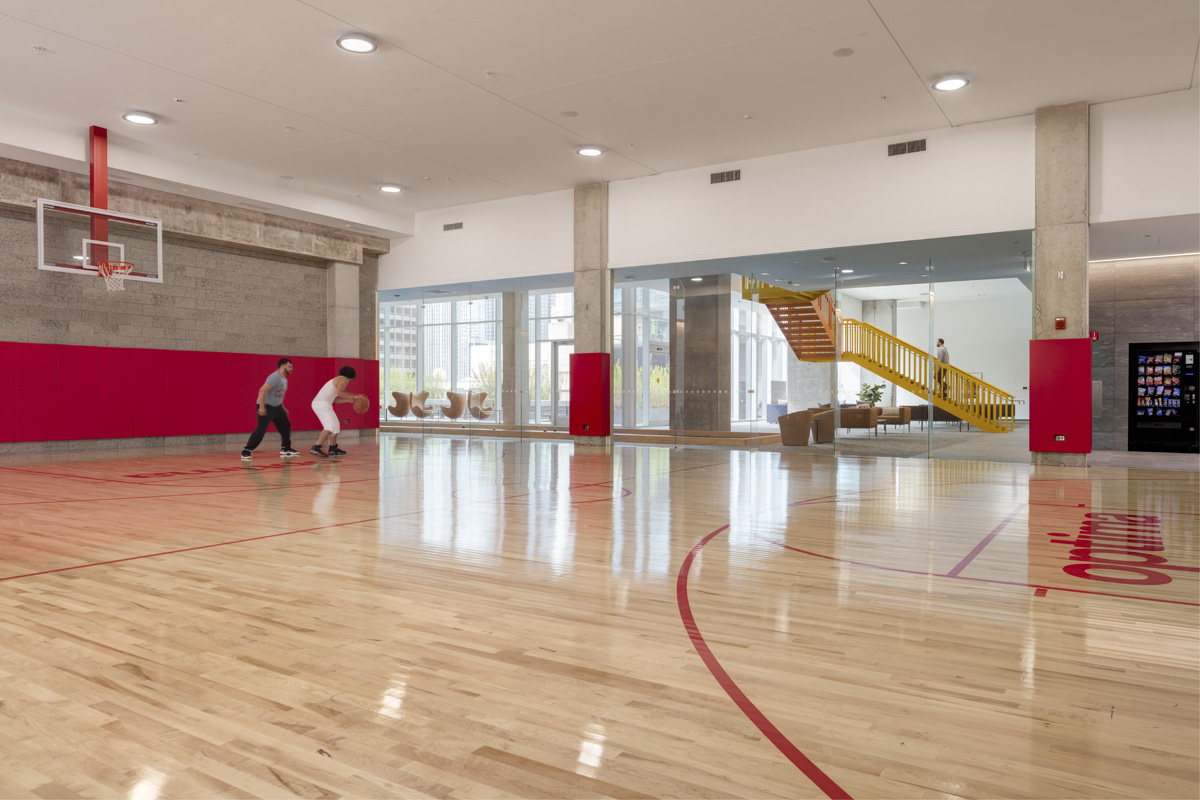
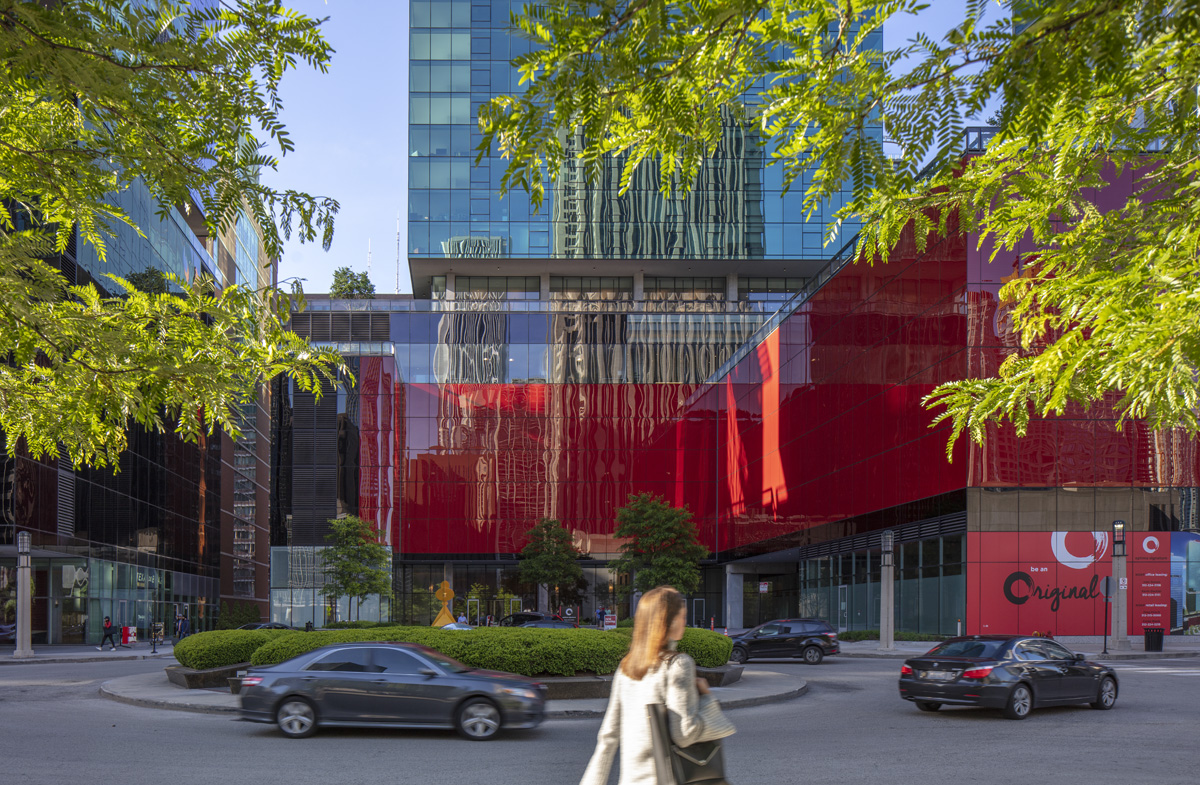
As part of our commitment to creating healthy and happy communities, we’re constantly looking for inventive ways to keep our residents entertained, engaged and on the move. In all of our apartment communities, indoor basketball courts help achieve those goals. Integrated into our extensive amenity floors, indoor basketball at Optima helps residents stay healthy while having fun. 

Our properties across Illinois and Arizona house their own courts, including 7180 Optima Kierland, Optima Kierland Apartments, Optima Signature, Optima Sonoran Village and Optima Camelview. Basketball courts will also be part of the 40,000 square feet of amenity spaces at our latest project, Optima Lakeview. Each court is designed to seamlessly flow with the Modernist design of all of our spaces. And to accommodate the interests of our residents, many courts are now being striped for pickleball use. Along with being an in-demand recreational amenity, basketball has quite a few health benefits for those interested in playing.

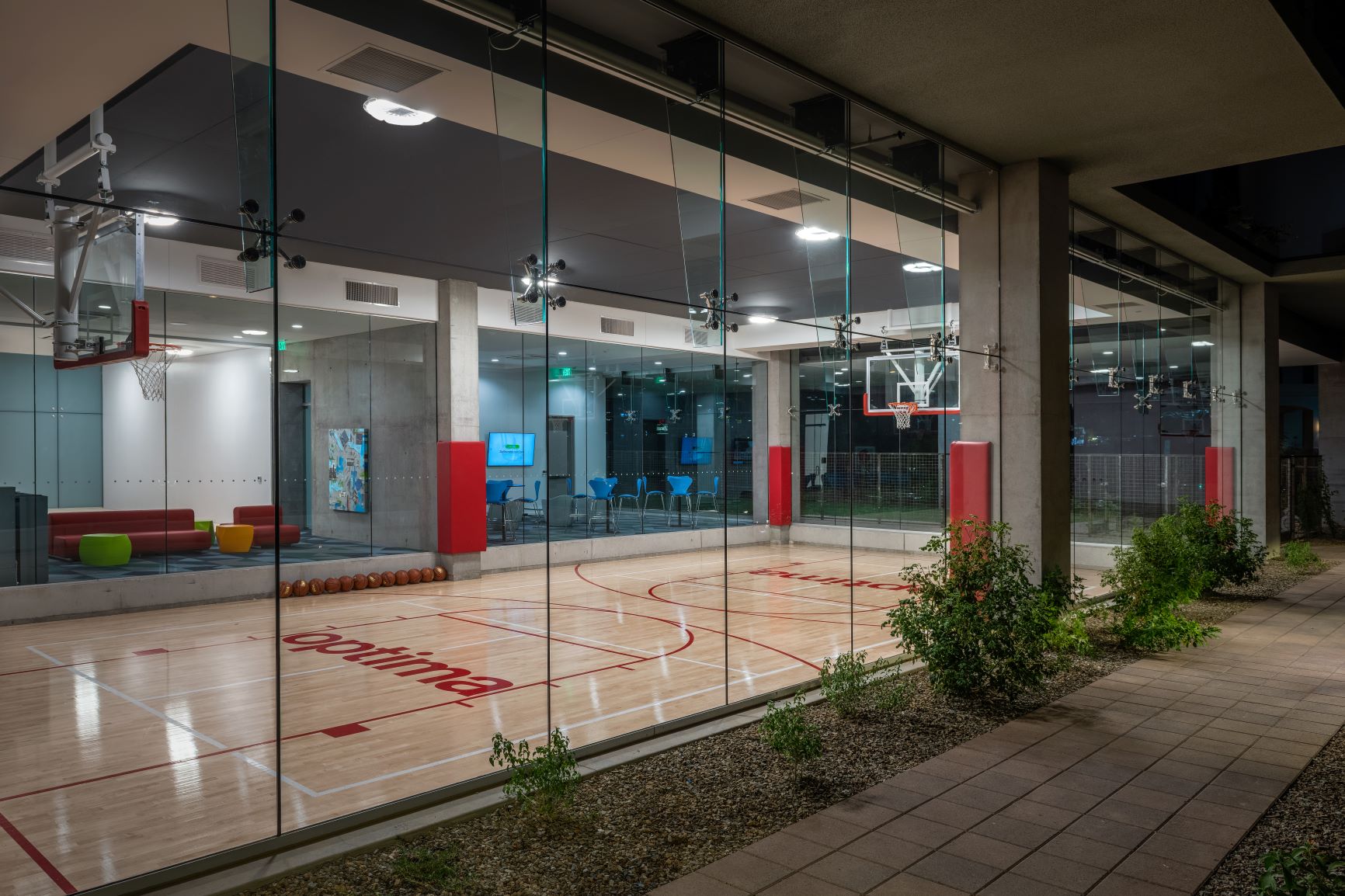
Indoor Basketball Court at Optima Signature

Although many may have played as kids, there are plenty of perks to getting into basketball as an adult. Playing basketball requires agility, strength and stamina, so it naturally builds muscular endurance and healthy bones. It also helps improve balance and coordination and like many other regular physical activities, it boosts heart health. As far as mental benefits, engaging in physical activity releases endorphins and can be a big mood booster, whether you’re playing a quick game or you’re on the court for a few hours.

Our favorite benefit of basketball might have to be the team spirit and communications needed to play the game. We hope that all of our amenity spaces — our indoor courts included — make space for camaraderie and community, especially during a time when many are craving them. From new novices to life-long players, indoor basketball at Optima provides a welcomed escape to relax, play and stay active for our residents.

The Benefits of Retail Space in Mixed-Use Buildings

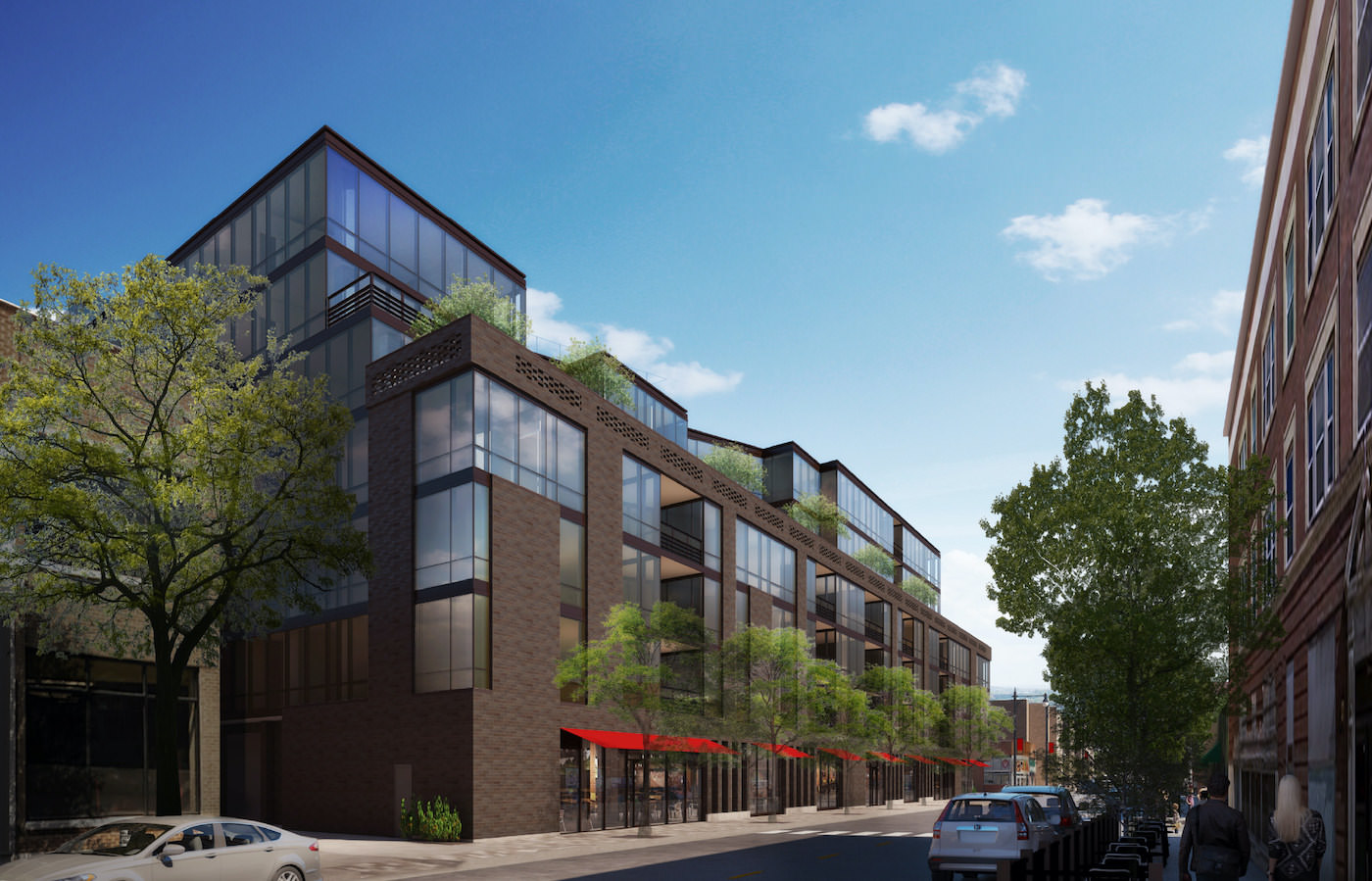
Our latest development to break ground, Optima Lakeview, is a mixed-use building that’s bringing in-demand and exciting retail space to the Lakeview neighborhood of Chicago. Combining residential and retail into one building (earning the name “mixed-use”) is a time-old way to reap benefits for both residents and businesses alike. So what exactly are those benefits? 

Understanding Mixed-Use Buildings

For starters, let’s define what a mixed-use building is. A mixed-use building (MXD) is a building with three or more significantly-sized, revenue-producing businesses, whether those businesses are offices, retail stores, restaurants or other hospitality locales. The purpose of MXDs is to maximize the efficiency and value of a limited space, especially in urban areas, where space is in high demand. 

In addition to the underway Optima Lakeview, many other Optima projects are also mixed-use buildings. Optima Signature, our luxury condo community in Chicago’s Streeterville neighborhood, features retail tenants such as Bedazzled Nail Salon, GoodVets Veterinarian Office, Egg Harbor Cafe, Guidepost Montessori School, Runaway Fitness and an interior connection to the Whole Foods nextdoor. 

Retail-space-filled plaza at Optima Signature
Retail-filled plaza at Optima Signature

Benefits of Retail Space 

Introducing mixed-use buildings into a neighborhood means retail space is closer than ever to residential. For residents, this translates into a more pedestrian-friendly experience: their needs are accessible and within walking distance. For the environment, increased walkability also means less pollution from transportation. And for business-owners, their storefronts gain increased exposure as people stroll by, leading to increased sales and success. Overall, mixed-use buildings lead to a stronger sense of community and better quality of life for both residents and businesses. 

At Optima, we make the most of our retail space by thoughtfully hand-selecting each business. Retail space in our residential buildings is yet another amenity that serves to enhance the lives not just of our own residents, but of the surrounding community, too.

Chicago Skyscraper History: Home Insurance Building

Chicago boasts many historical architectural feats — it was the host of the World’s Columbian Exposition in 1893 and the playground of greats including Frank Lloyd Wright and Louis Sullivan. But did you know Chicago was also home to the world’s first ever skyscraper? Today we’re taking a look at the historic Home Insurance Building and how it came to be.

How the World’s First Skyscraper Came to Be

The Great Fire ravaged Chicago in 1871. But it was a devastation that gave way to the opportunity to rebuild anew. As the city looked to rebuild, architects pondered what the next generation of urban structures looked like. With commerce and industry downtown exploding exponentially, these structures had to accommodate more residential space and more office space — leading to verticality as a solution. And with the Great Fire as their lesson, architects also knew these structures had to be much more durable than those that had been so easily destroyed.

Luckily, two pivotal inventions from the mid-19th century made the introduction of soaring steel-framed buildings possible. The first was the safety elevator pioneered by Elisha Otis in 1854, which allowed for the safe transport of elevator passengers. While the top floor of buildings had once been inaccessible and undesirable, the elevator changed that forever. Meanwhile, the Bessemer Converter of 1856 allowed for widespread, large-scale commercial production of steel. 

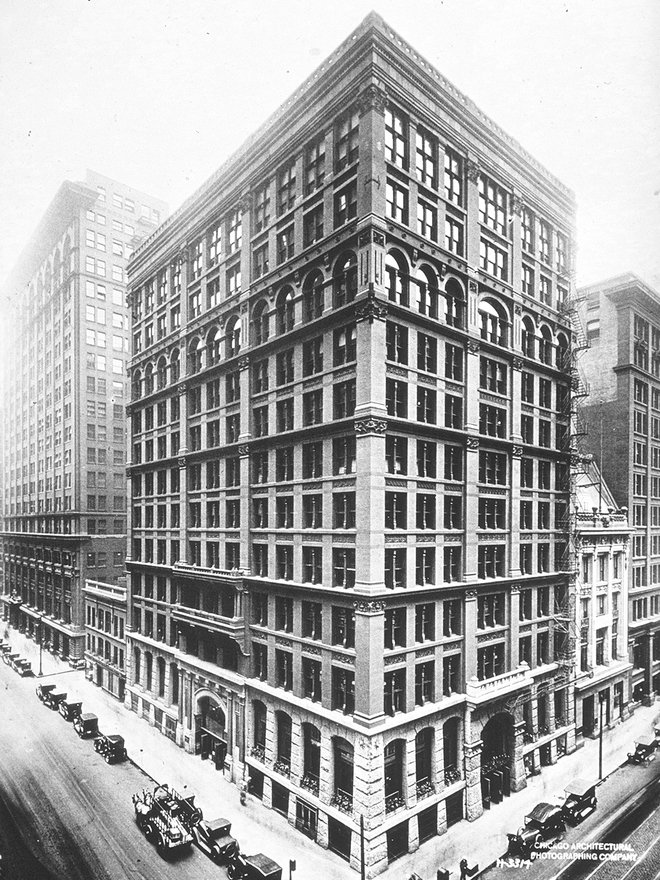
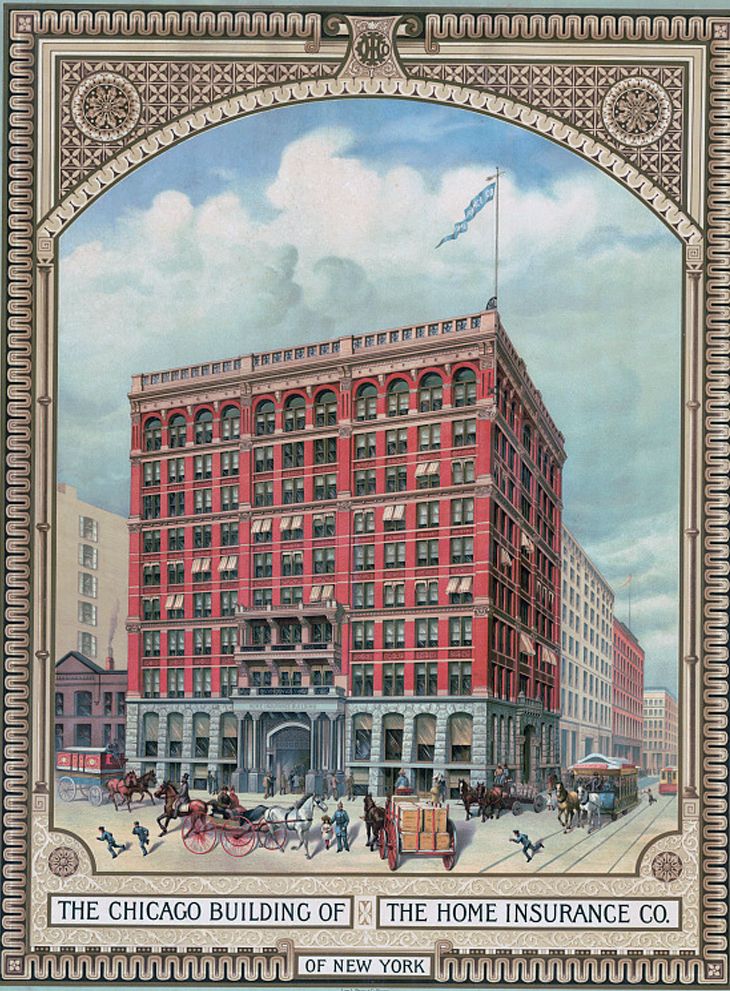
The culmination of these factors led to the world’s first skyscraper in 1885: the Home Insurance Building, a ten-story, steel-frame fireproof building in downtown Chicago.

Home Insurance Building, 1885, Published by Sprang Printing, Boston
Home Insurance Building, 1885, Published by Sprang Printing, Boston.

A Closer Look at the Home Insurance Building

The Home Insurance Building, designed by William Le Baron Jenney, was located at the corner of Adam and LaSalle Street. It earned the title of the world’s first skyscraper thanks to the combination of its height and its revolutionary steel frame. The frame was composed of wrought and cast iron alongside Bessemer rolled steel beams, leading the building to weigh in at a third of the mass of traditional masonry buildings of the time. 

While two additional stories were added to the Home Insurance Building in 1890, it was eventually demolished in 1931 to make way for the Field Building, now known as the LaSalle Bank Building. Despite the building being gone today, it has forever left its mark on Chicago’s skyscraper history.

Women in Architecture Part I

While conversations about the architectural greats center around figures such as Ludwig Mies van der Rohe and Frank Lloyd Wright, there are countless powerful women whose names are left out. At Optima, we’ve celebrated the contributions of everyone from Charlotte Perriand to Ray Eames — and today, we’re spotlighting a few more women in architecture you should know.

Sophia Hayden

Sophia Hayden was born in Santiago, Chile in 1868 and moved to Boston at age six. Hayden discovered her interest in architecture during high school and went on to be the first female graduate of the four-year program in architecture at the Massachusetts Institute of Technology (MIT). She graduated in 1890 with honors. After college, Hayden initially struggled to find work in the male-dominated world of architecture and settled for a position as a mechanical drawing instructor at a local high school.

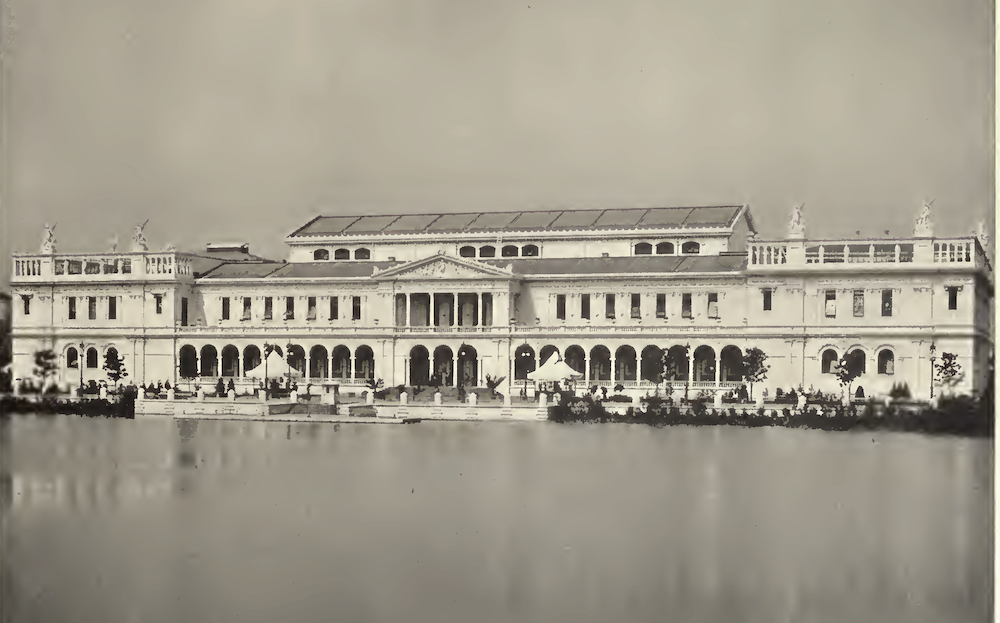
Only a year later, at just 21, Hayden jumped at the opportunity to enter her design in a competition for the Women’s Building at Daniel Burnham’s 1893 World Columbian Exposition in Chicago. Her design won the competition and Hayden was awarded $1,000, a tenth of what male architects earned for similar buildings.

Women’s building, 1893 World Columbian Exposition in Chicago.

During construction, Hayden was micromanaged incessantly and had to make many compromises on her design. The stress of the situation led Hayden to a breakdown and she was placed in a sanitarium for an “extended period of rest.” After the incident, Hayden retired from architecture permanently. Her treatment and diagnosis of hysteria have much to tell us about the challenges women in architecture faced during this time.

Marion Mahony Griffin
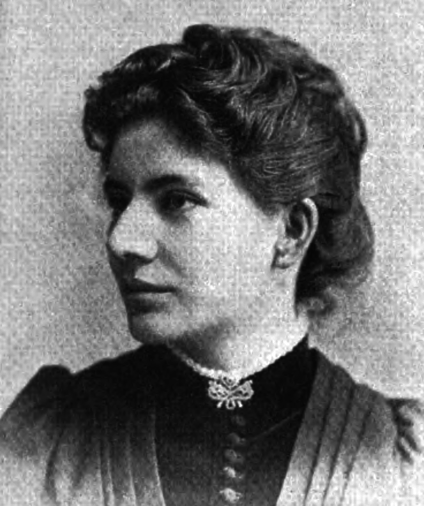
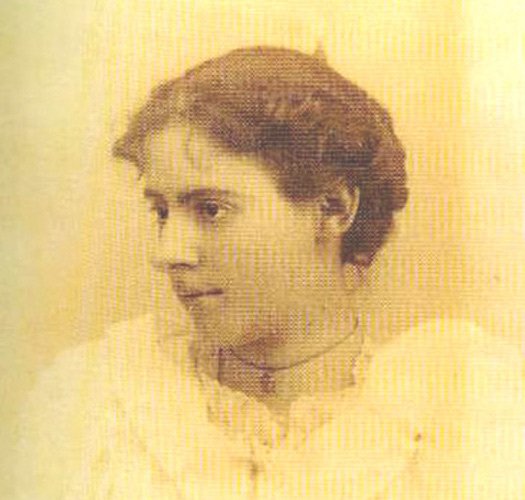
Marion Mahony Griffin, photo courtesy of Places Journal

Marion Mahony Griffin

Marion Mahony Griffin was born in 1871 in Chicago, and at nine her family migrated to the suburb of Winnetka after the Great Chicago Fire. Watching a landscape consumed by growing suburban sprawl developed Mahony’s interest in architecture. She went on to graduate from MIT in 1894, becoming the second woman to do so after Hayden.

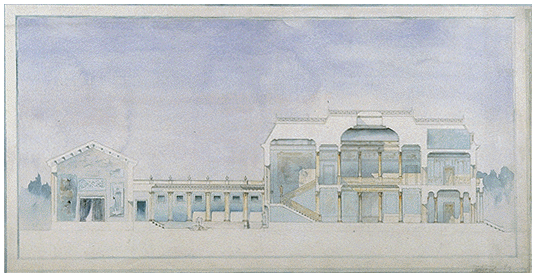
Artist's Studio (Section). Watercolour and ink by Marion Griffin 1894.
Artist’s Studio (Section). Watercolour and ink by Marion Griffin 1894.

After college, Mahony moved back to Chicago and became the first woman licensed to practice architecture in Illinois. She found work at her cousin’s architecture firm downtown alongside Frank Lloyd Wright. There, she created beautiful watercolor renderings of buildings and landscapes — a signature style which would later be attributed to Frank Lloyd Wright. Mahony worked alongside Wright for fifteen years, contributing greatly to his reputation and success to little recognition. She was also an original member of the Prairie School of architecture.

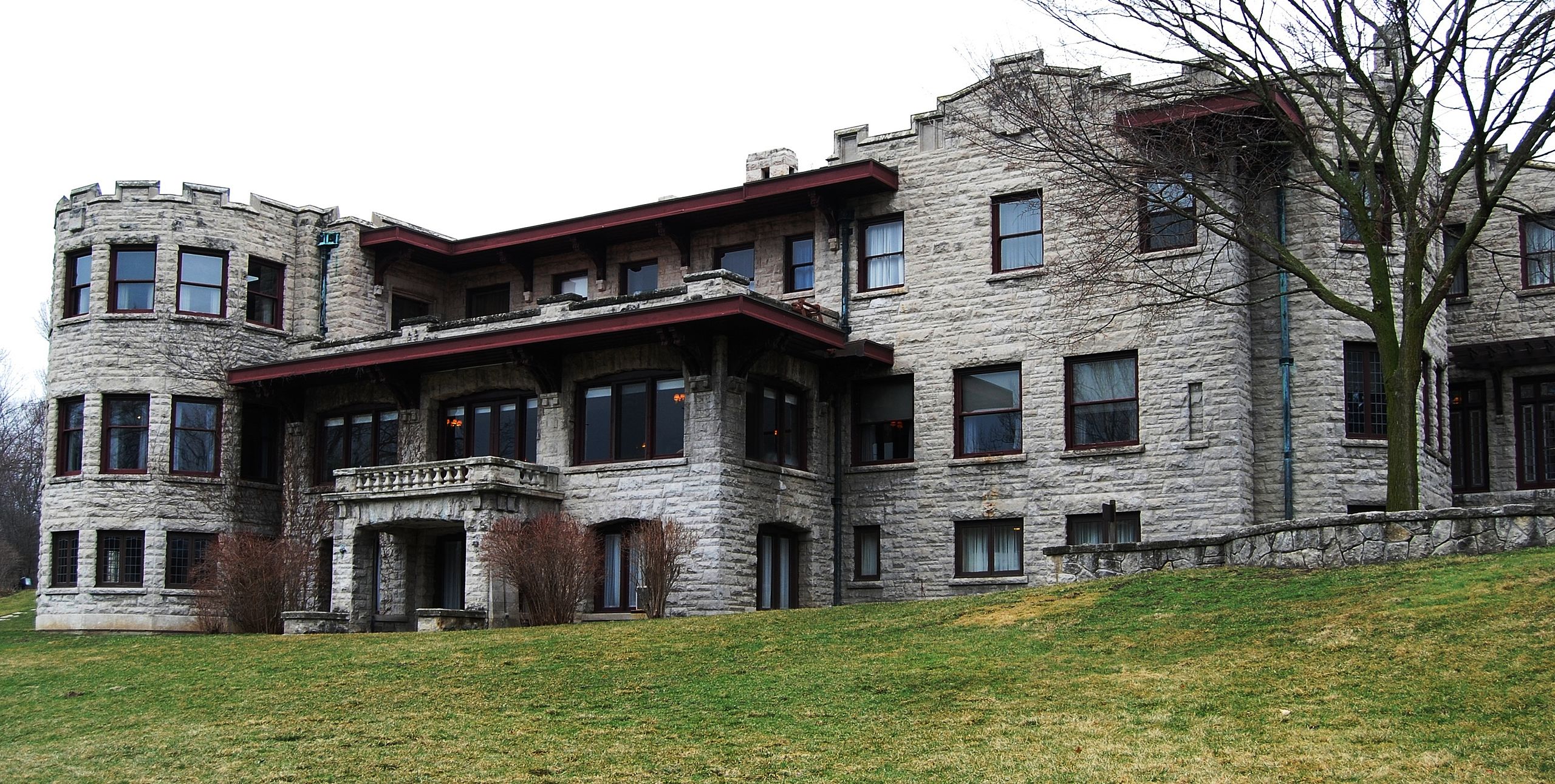
Fair Lane, Henry Ford’s Dearborn mansion, 1913-1915

When Wright eloped to Europe, he offered Mahony his studio’s remaining commissions, but she declined. Mahony is even rumored to have said Wright’s habit of taking credit for things, including the Prairie School movement, are what led to the movement’s early death. Later in life, Mahony collaborated with ex-Wright employee, Prairie School member and her husband, Walter Burley Griffin. Throughout her career, Mahony brought to fruition many notable projects, including Henry Ford’s Dearborn mansion and the Gerald Mahony Residence in Elkhart, Indiana.

Stay tuned for more features on women in architecture.

The Legacy of Frank Lloyd Wright

Modernism wouldn’t be the discipline it is today without the greats that defined it. A name well-known throughout the world, Frank Lloyd Wright is heralded as the “greatest American architect of all time” by the American Institute of Architects. His contributions to architecture have touched all of us at Optima and countless others, leaving behind a monumental legacy.

The Life of Frank Lloyd Wright

Frank Lloyd Wright was born in Richard Center, Wisconsin on June 8, 1867 to a preacher father and teacher mother. His young life was spent travelling for his father’s ministry position, and his parents’ divorce when he was 18 set his family back even further financially. To help out, Wright worked at the same university at which he was studying: University of Wisconsin. Despite his commitment to his family, Wright’s dream of becoming an architect pulled him away from school when he left Madison two years later to move to Chicago.

Frank Lloyd Wright Home and Studio, 1967. Credit: Philip Turner, Library of Congress, Prints & Photographs Division, ILL,16-OAKPA,5-2. Image is in the public domain.

In Chicago, Wright tried working for two different firms before landing at Adler and Sullivan, where he worked under Modernist master Louis Sullivan for six years. At 22, Wright married Catherine Lee Tobin and entered into a five-year-contract with Sullivan in exchange for the loan money Wright would need to build him and his wife their home in Oak Park, a Chicago suburb. Tempted by the need to provide for his family, Wright took on independent residential commissions even though it violated his contract with Sullivan. When Sullivan found out, the two parted ways and did not repair their relationship until twenty years later. It was this separation, however, that pushed Wright out on his own and allowed him to grow his prolific independent career.

Fallingwater by Frank Lloyd Wright. Credit: Somach on Wikimedia Commons, licensed under the Creative Commons Attribution-Share Alike 3.0 Unported license.

The Work of Frank Lloyd Wright

After his separation from Sullivan, Wright started his own firm in 1893. Wright’s career spanned an impressive seven decades, a time period over which he developed his distinctive point of view and style. Wright saw architects as the poets of their time — an artistic historian of sorts. He believed in creating structures that lived in harmony with the natural world, a point of view which he called “organic architecture.”

Wright brought American design to the forefront and was the leader of the Prairie School movement, a distinctly American midwestern style. Hallmarks of Prairie School design include low-pitched roofs, overhanging eaves and open floor plans. These expansive residences mirrored the endless landscape of the Midwestern prairies, and employed materials such as wood to further integrate the manmade with its environment. 

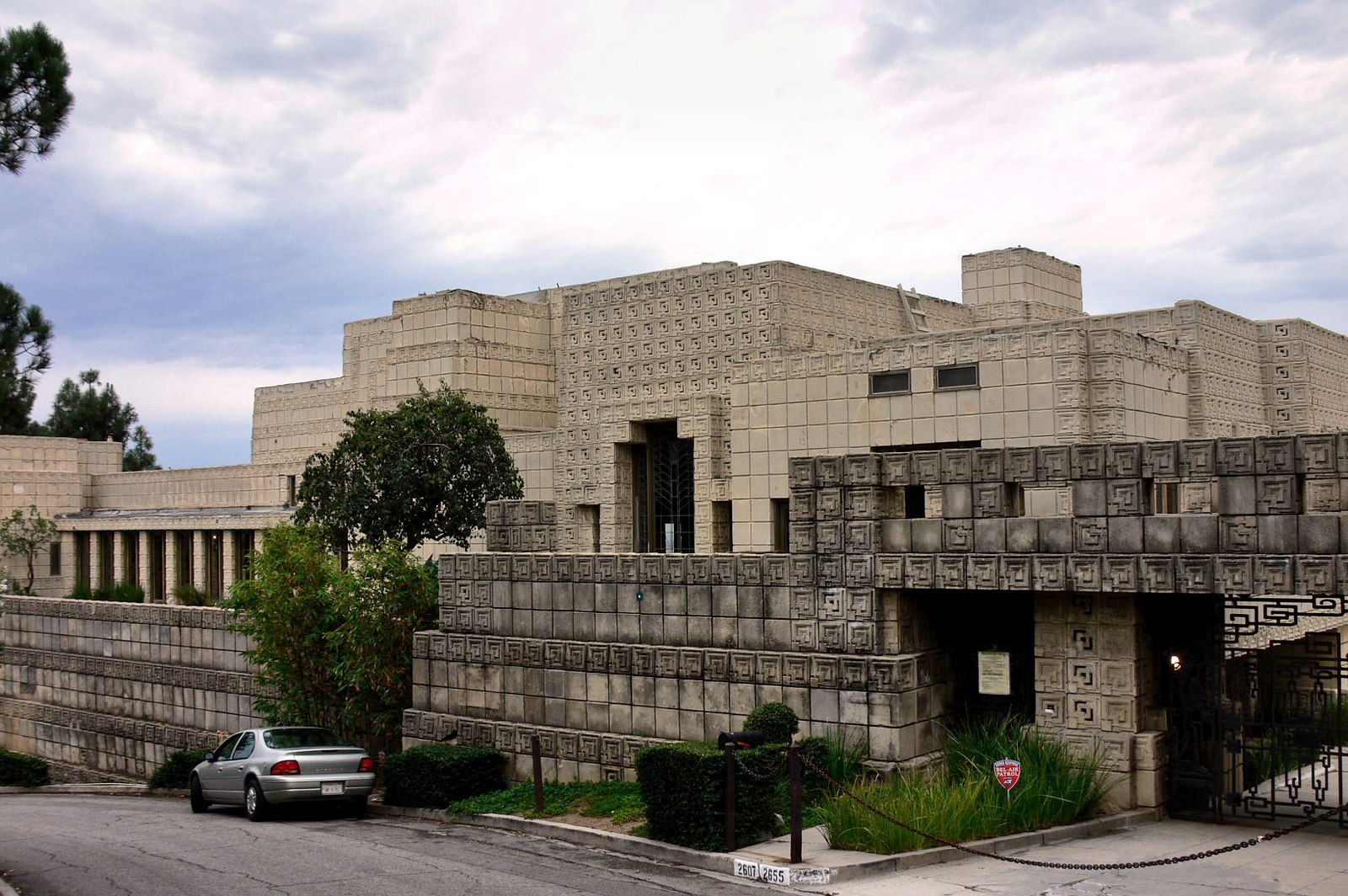
Ennis House, 1924, Frank Lloyd Wright — a Textile style/Mayan Revival home
Ennis House, 1924, Frank Lloyd Wright — a Textile style/Mayan Revival home. Credit: Mike Dillon on Wikimedia Commons, licensed under the Creative Commons Attribution-Share Alike 3.0 Unported license.

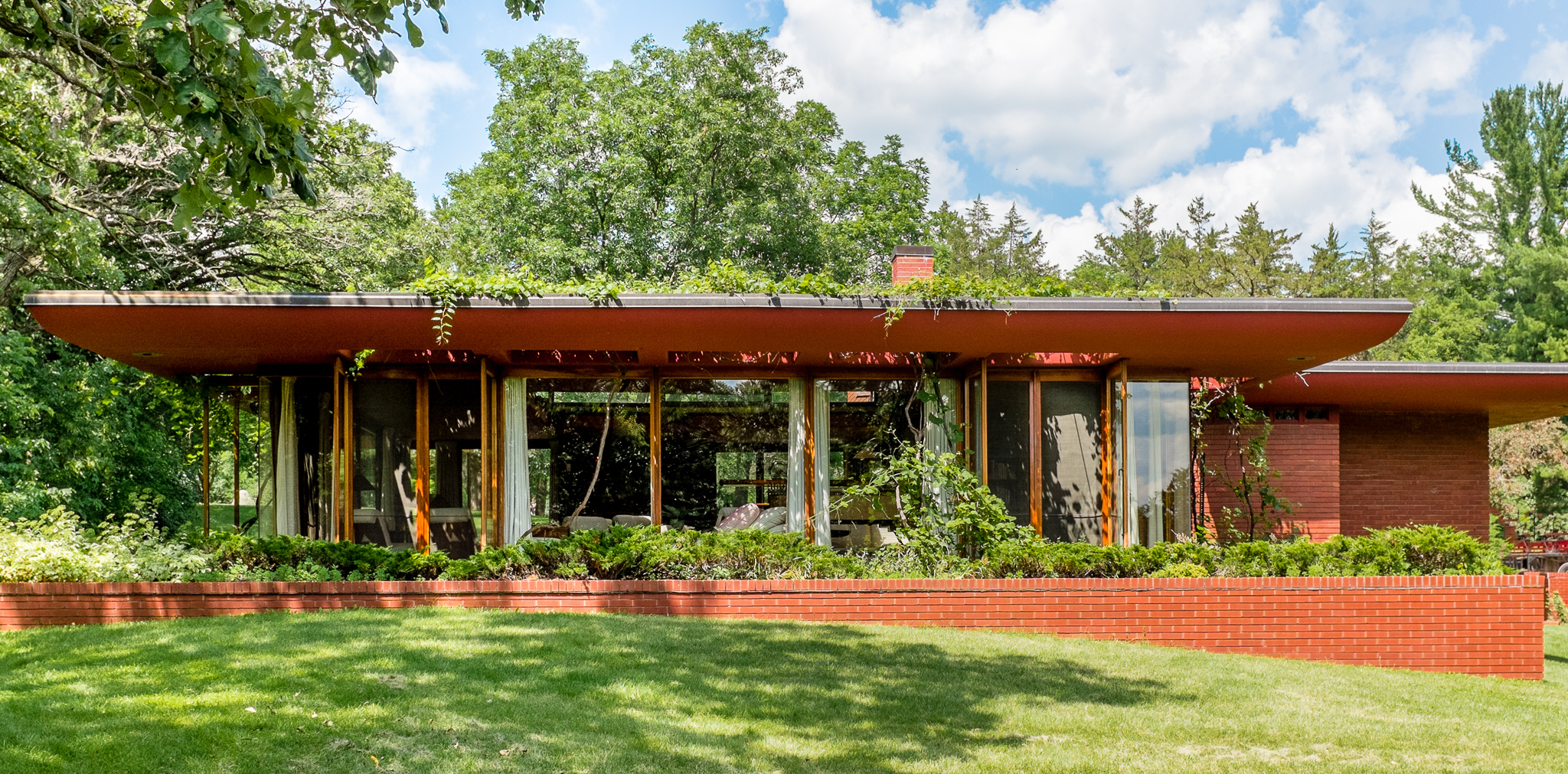
Later in his career, Wright also worked in the textile style out West, as well as pioneering a new dichotomy with his 60-house Usonian series. The Usonian homes were another way Wright carved out a language that was distinctly American, uninfluenced by any international predecessors. These homes were marked by their flat roofs and cantilevered overhanging — which became the source of the term “carport.” While out West, Wright also established Taliesin West and other structures near the greater Phoenix area, some of which are close to our Optima communities in Arizona. Just as we’re inspired by the desert scape, Wright was similarly enchanted with the surrounding foliage and existing architecture. 

Cedar Rock (Lowell Walter House), 1948, Frank Lloyd Wright — a Usonian house
Cedar Rock (Lowell Walter House), 1948, Frank Lloyd Wright — a Usonian house. Credit: AIA Iowa.

With his 70-year career, 500+ completed projects and numerous accolades, this is only the tip of the iceberg in the legacy left behind by Frank Lloyd Wright. It is all these contributions and more that will forever cement Wright as a master of American architecture.

Neighborhood Spotlight: Lakeview

We began the Optima story with our roots in Chicago, and we’re thrilled that our next exciting chapter is expanding our portfolio to include our latest project, Optima Lakeview. Like many others who call the neighborhood home, we were drawn to the community’s vibrancy, history and diversity. Today, we’re sharing just a few reasons why we love Lakeview.

Belmont Harbor in Lakeview
Belmont Harbor on the Chicago lakefront. Credit: Gerald Farinas on Wikimedia Commons, licensed under the Creative Commons Attribution-Share Alike 3.0 Unported license.

A Place to Play

In the early 1900s, Lakeview was actually considered a suburb of Chicago and acted as an escape from the bustle of the city. Its shopping and recreational scene attracted visitors back then, just as it attracts residents and visitors now. Whether it’s catching a game at Wrigley Field or enjoying a Chicago summer at the lakefront, the neighborhood is famous for its leisurely attitude and playful spirit. In a typical, non-pandemic year, expect summer street festivals, performances in the Belmont Theater District and the festive Lakeview Holiday Stroll; but despite COVID-19, the area still retains its charm and liveliness.  

Fantastic Food & Culinary Fare

No matter what you’re craving, Lakeview has a little bit of everything. Strings Ramen shop has some of the best noodles in the neighborhood, and the city. Ella Elli is known for its ambiance and curated cocktail list. The Chicago Diner offers an impressive take on vegan food (we promise you’ll love it even if you’re not vegan). If you need a few more ideas, The Infatuation has you covered. 

Something For Everyone

Lakeview itself encompasses many different sub-neighborhoods, including Sheridan Station Corridor, Northalsted, Southport Corridor, Lakeview East, Lakeview West, Wrigleyville and Northalsted. Residents range from young professionals to families who have been loyal to the neighborhood for generations, and with good reason. The neighborhood is a favorite of long-term residents and new transplants alike, even earning a top spot in Money Magazine’s Best Big Cities

We’ve already broken ground on Optima Lakeview, and we can’t wait for what’s to come as we become a part of the community!

Alexander Calder Day

On a fall day in October of 1974, Chicago unveiled a majestic new piece of public art: a grand steel archway in a striking red color. Alexander Calder’s Flamingo officially made its mark on Chicago’s Federal Plaza, and has been an icon ever since. In honor of the sculpture’s debut, October 25, 1974 was dubbed “Alexander Calder Day,” and featured a circus parade to celebrate the artist’s great contribution to the city and to the greater world of art. 

Although Alexander Calder Day officially occurred 46 years ago, Calder’s impact is still monumental, both in Chicago and around the globe. Alexander Calder’s legacy includes collections at notable museums around the world, large scale public works and a posthumous Presidential Medal of Freedom awarded by President Gerald Ford (although the Calder family boycotted the ceremony). And Flamingo has its fair share of fame as well (even earning a scene in the movie Ferris Bueller’s Day Off).

Still shot from Ferris Bueller's Day Off with Calder's Flamingo in the background

Whether it’s his work hanging in our own buildings or his impactful public artwork, we hold Calder’s work and legacy in high honor. From our team at Optima, Happy (slightly belated) Alexander Calder day!

Celebrating World Architecture Day

Since 1996, the first Monday of October has been reserved for celebrating the practice and artistry of architecture. First established at the International Union of Architects Congress held in Barcelona, Spain, World Architecture Day marks a time to reflect on the potential of architecture; how it affects people, cities and societies. 

As part of our commitment to lasting impact, we don’t take this responsibility lightly. We truly believe architecture has the potential to change lives and we’re constantly inspired by the past, present and future of the industry. This year, the International Union of Architects (UIA) — representing the world’s 3.2 million architects — dubbed the theme of World Architecture Day 2020 as “Toward a better urban future.” Panelists on a global webinar will discuss challenges facing today’s cities such as housing, air quality and public spaces. Through coming together to solve these problems, we can enhance the human experience across the world. 

Optima team participating in the marshmallow challenge
World Architecture Day 2019 at the Glencoe Office

Although we take this day for reflection and contribution to the architecture world, we also love getting our team involved in celebrating. Last year, some of our Chicago office competed in the marshmallow challenge to put their architecture skills to the ultimate test. From architects to accountants to property managers, our staff raced to see who could build the tallest tower out of spaghetti and marshmallows. Luckily, the architects proved their expertise, coming in at first place — but accountants followed closely in second place! This year, we’ll be celebrating individually while working from home. 

From all of us to our fellow architects, Happy World Architecture Day! 

Chicago’s Bauhaus Movement

With aligning principles, artists and aesthetics, our practice of Modernism and the Bauhaus movements often overlap. Chicago’s Bauhaus movement offered unique contributions to the city’s growth, and continues to inspire. Today, we dive into its past and its present impact. 

Troubled Beginnings

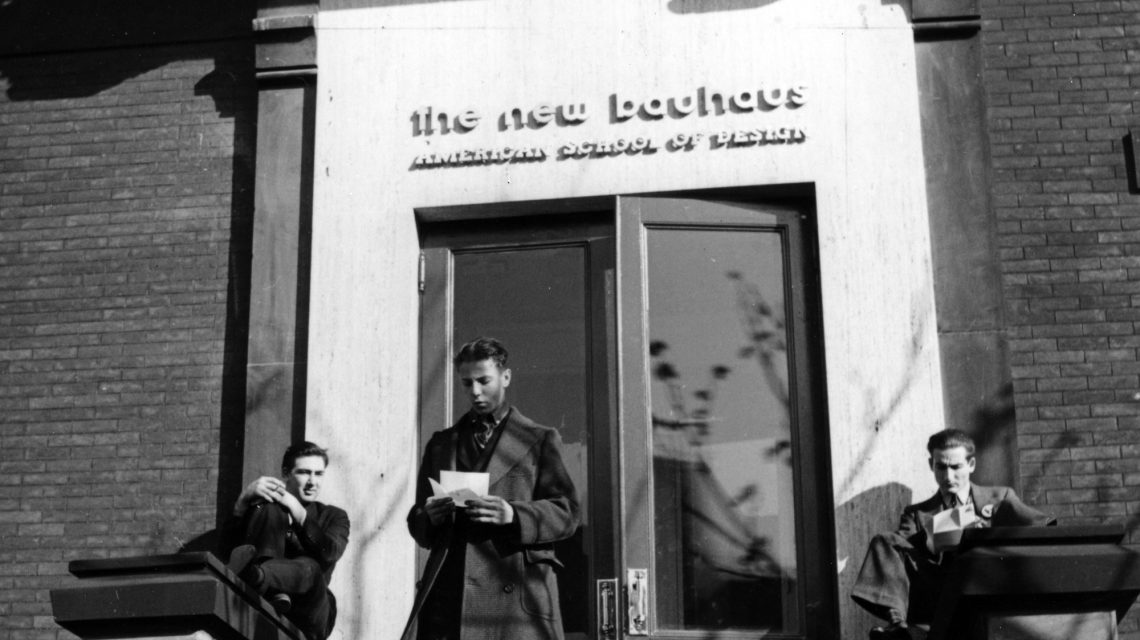
During WWII, many artists and instructors involved with the Bauhaus movement were forced to flee Germany (you can read a more in-depth history on our past blog post,100 Years of Bauhaus.) A group of instructors took refuge in the United States, a few taking particular interest in Chicago and the Midwest. Among them was László Moholy-Nagy, who was enlisted by the Chicago Association of Arts and Industries to help open a similar Bauhaus school to attract talent. With Moholy-Nagy’s eccentric leadership, The New Bauhaus was born.

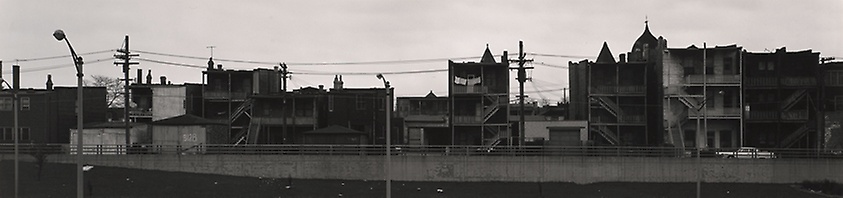
Chicago Landscape #26, 1964, Art Sinsabaugh. Courtesy of the Art Institute of Chicago

An Expansive Practice

Considering its widespread impact on the art world and Chicago, The New Bauhaus was a short-lived school, its formation filled with dramatic disagreements between leadership and changes in locations. Moholy-Nagy and other teachers built an atypical educational experience that produced eccentric, groundbreaking artists; however, the work they produced wasn’t particularly practical or profitable. After his death, the school was absorbed by the Illinois Institute of Technology and transferred to the care of Ludwig Mies van der Rohe.

Despite its turbulent trials, Chicago’s New Bauhaus school influenced many artists and industries, ranging from textiles and furniture to photography and sculpture. Ludwig Hilberseimer, another German immigrant, made notable strides in urban planning. Nathan Lerner and Art Sinsabaugh  helped define the visual culture in Chicago. Emmett McBain had a remarkable impact on the representation of Black Americans in advertising. Often overlooked through the lens of history, the women active in Chicago’s Bauhaus movement had impactful careers as well, from Marion Mahony Griffin’s architectural and planning work and Elsa Kula’s colorful, eye-catching work. 

From architecture and urban design to painting and sculpture, the legacy of the Bauhaus is evident throughout Chicago. And ultimately, its relationship with Modernism naturally means it’s also reflected in our own buildings and sense of design. 

Daniel Burnham’s Plan of Chicago

Much like the city’s history, our love for Chicago runs deep. We’re honored to build communities in a place that houses such a storied architectural history from being the site of the world’s first skyscraper to being the stomping grounds of so many pioneering figures in our field (Ludwig Mies van der Rohe and Louis Sullivan, to name just a few). But we would be remiss to pay homage to Chicago’s architectural roots without talking about Daniel Burnham’s Plan of Chicago.

The 1909 Plan of Chicago (also known as The Burnham Plan) was co-authored by Daniel Burnham and Edward H. Bennett as a fresh, inventive response to beautify Chicago and improve the efficiency of its commerce. Daniel Burnham was chosen for the project as an already-known architect whose resume included managing the construction of the 1893 World’s Columbian Exposition and creating city plans for Washington D.C., San Francisco and Cleveland. Equipped with these past experiences, Burnham dove into research to discover how large-scale international cities tackled swift growth and infrastructure to increase their economy and mobility. 

To address the economic, transportation and social needs of Chicagoans during a time of rapid expansion, the Plan of Chicago was broken into six categories: improvement of the lakefront, a regional highway system, improvement of railway terminals, new outer parks, systematic arrangement of streets and civic and cultural centers.

The 1909 Plan of Chicago, by Daniel Burnham and Edward H. Bennett. Plate CCCI Plan of Existing and Proposed Parks and Boulevards

Despite the plan being slow to implement at first, the impact of Burnham’s vision for each category is throughout the city we know and love today. Chicago is now home to an impressive string of greenspaces along the lakefront and beyond (often referred to as “Chicago’s Emerald Necklace”), which includes iconic fixtures such as Millennium and Grant Park and Northerly Island. Chicago’s transit was indeed transformed, from highways to railways, and streets were introduced or expanded per Burnham’s recommendations: Ogden Avenue, Michigan Avenue, Roosevelt Road, Wacker Drive and Ida B. Wells Drive. We also have Burnham’s intent to introduce cultural centers to the heart of Chicago’s downtown to thank for the Art Institute and Field Museum.

In addition to shaping the city we know and love, the Plan of Chicago had a profound impact on city planning internationally from there on out. As a Modernist real estate design firm with deep ties to Chicago, we think of Daniel Burnham and his impact each time we traverse through this wonderful city, so influenced by his iconic vision.

person name goes here

Maintenance Supervisor

Glencoe, IL


    Acceptable file types: *.pdf | *.txt | *.doc, max-size: 2Mb