The Arthur B. Heurtley House: A Testament to Frank Lloyd Wright’s Design Evolution

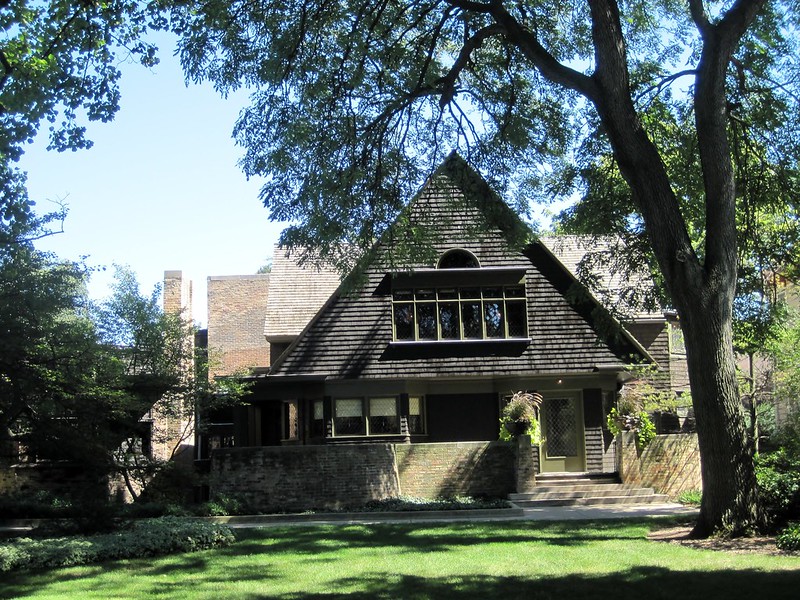
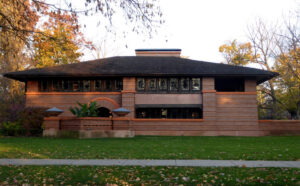
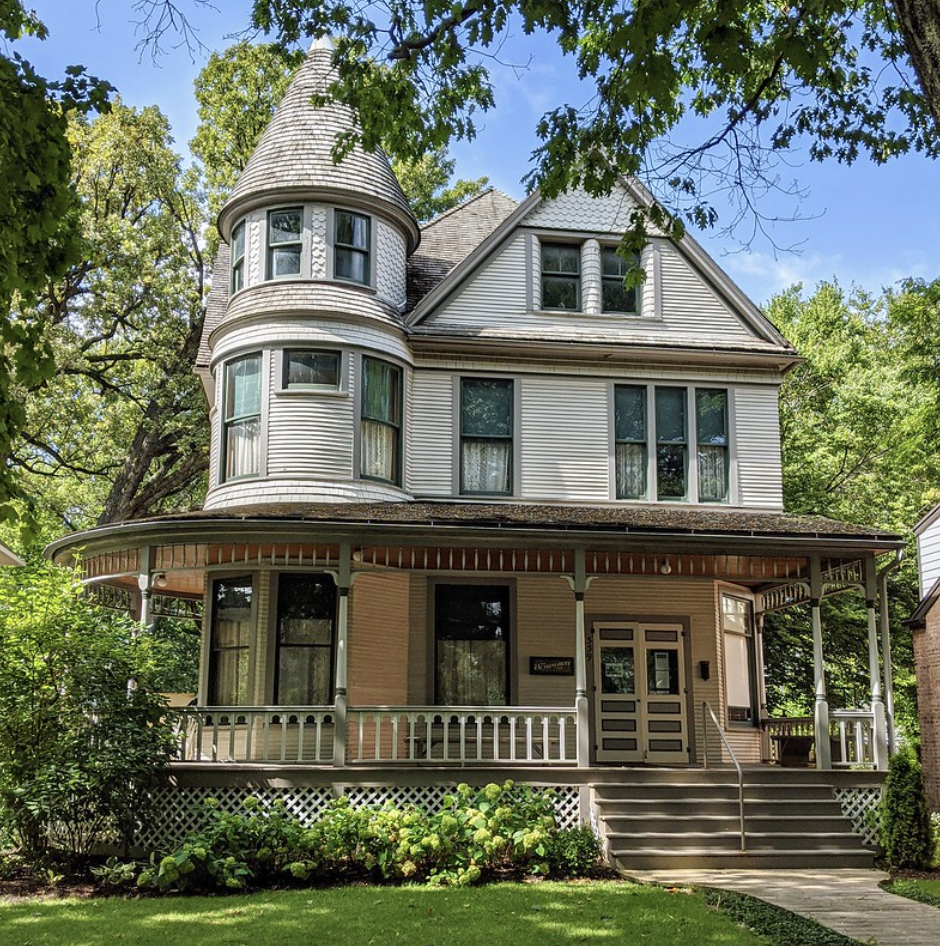
Just a few miles west from Optima Signature®, in the heart of Oak Park, sits a quiet, residential gem that stands as yet another testament to the genius of America’s most iconic architect, Frank Lloyd Wright. This architectural marvel, the Arthur Heurtley House, isn’t just a house, but an embodiment of Wright’s early Prairie School style that continues to endure as a remarkable example of design innovation and integrity.

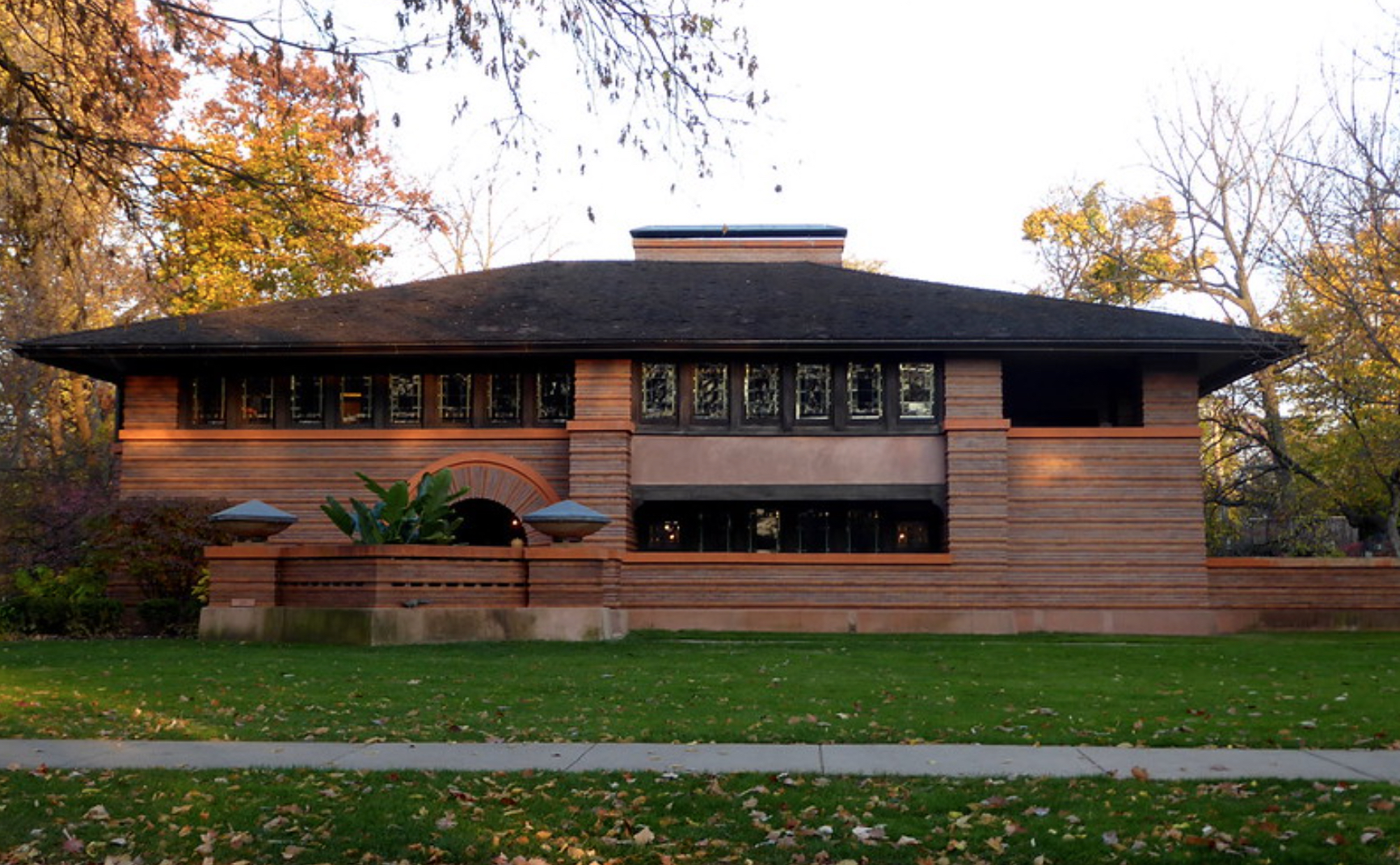
Constructed in 1902 during a transformative epoch in Wright’s illustrious career, the Heurtley House is an expression of Wright’s creative evolution. The robust brick structure and distinct horizontal orientation lay over the landscape seamlessly, epitomizing Wright’s commitment to designing in sympathy with nature – a signature of his design philosophy.

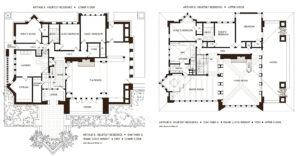
Arthur B. Heurtley House Floor Plan

Look closer, and the house’s intricate design elements come into sharp focus. The low-pitched hip roof with deep overhangs, the bands of art glass windows, and the central chimney mass all contribute to an emphasis on the home’s horizontality while offering an elegant vertical counterpoint. The material palette – a medley of Roman brick, limestone, and plaster – not only reinforces the building’s robust character but also harmonizes the house with its environment, establishing continuity that is both visually striking and inviting.

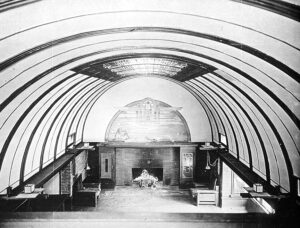
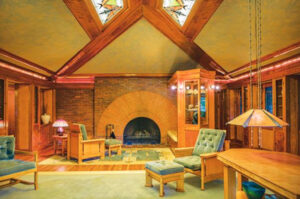
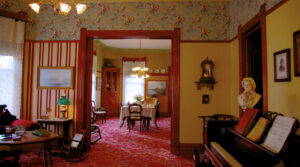
Inside, the Heurtley House continues to narrate the story of Wright’s architectural vision. The choice of natural materials, from the art glass windows to wooden trims and panels, exudes a warm, homey charm. The open floor plan, a distinctive characteristic of Wright’s Prairie style, allows a free flow of space and the dining room has a vaulted, wood banded ceiling with a prow shaped bay of art glass and a ribbon of leaded windows facing west, seamlessly inviting a flood of natural light.

Living Room, Arthur B. Heurtley House. Photo: James Caulfield

The interior furnishings, custom-designed by Wright as part of the home’s construction, ensure a consistent aesthetic narrative throughout the house. This meticulously detailed approach, down to the furniture, reveals Wright’s relentless pursuit of architectural harmony and holistic design.

Over a century later, the Arthur Heurtley House continues to shine as a beacon of architectural brilliance and its presence — a tribute to Wright’s vision and the timeless beauty of his Prairie style. As always, we take immense delight in celebrating these iconic modernist structures. They not only enrich our architectural landscape but also provide a rich source of inspiration for our own commitment to design, innovation, and community.

Interior Design Tips to Make Your Apartment a Home

Moving into a new apartment is an exciting experience, especially because you have a completely blank canvas to decorate. But for many apartment dwellers, figuring out how to make their space feel like home can be a challenge.

 Whether you’re getting ready to relocate to a new place or want to enhance your current apartment, adding the right decorative touches is the best way to truly make it feel like your own. From maximizing the functionality and style of a small apartment to making every room feel unique, we’ve assembled a list of the best apartment decorating tips to help you get started.

Interior Design Tips to Make Your Apartment a Home

You don’t need a professional interior design consultation to style your next apartment – especially with these tips and tricks up your sleeve. For a comfortable, personalized apartment that would impress even the most skilled interior designers, here’s a go-to guide to our favorite apartment decorating ideas.

Never underestimate the impact of lighting.

From table lamps to floor lamps, the right lighting can completely transform your apartment. Even if your apartment already comes with plenty of built-in lighting features, you may still want to make sure to add your own to enhance the space.

 Almost every room should have at least one table or floor lamp, except for the kitchen and bathrooms (although some interior designers add petite lamps there as well). Make use of plug-in wall sconces so that you don’t have to deal with hardwiring – there are so many stylish, designer-crafted options out there. Floor lamps are ideal for a cozy corner, especially if you choose lamps with a slim profile and minimal footprint.

 Not only does lighting literally brighten your apartment, but it switches up the mood for certain times of day or occasions. Tech-savvy smart bulbs offer options for adjusting the color, brightness, and more, giving you full control. Think elegantly dimmed dining room lighting for a dinner party, a gently glowing bedside lamp for pre-bedtime reading, and a warm, welcoming entryway lamp to greet you after a long day at work.

 Of course, the best way to enjoy a flawlessly lit home is to choose an apartment with ample natural lighting. For example, the floor-to-ceiling windows at Optima Sonoran Village not only offer beautiful views but also let in plenty of sunlight during the daytime hours. What better way to wake up for your morning cardio session than with the Arizona sun gently streaming into your home?

Maximize storage with smart, stylish solutions.

Even if you’ve lived in a large, single-family home, you know that storage is a common frustration – no matter the size of your space. You’ve probably found yourself searching for new ways to add storage space without weighing down the design with unappealing clutter.

 At Optima Sonoran Village, rooms like the kitchen and bathrooms are ready to contain all your necessities with sleek, modern cabinetry. Moving into a thoughtfully designed apartment is the first step you can take towards mastering stylish storage.

 There’s also no shortage of attractive, storage-friendly furniture and design ideas to consider. Prefer to keep your area clean and uncluttered? Built-ins with cabinets or furniture with hidden storage drawers are a great option. For the maximalist who like all of their belongings taking center stage, vertical shelving for the walls adds both storage and personality.

Create “zones” with your furniture, area rugs, and decor.

When you decorate your apartment, the goal should be to aim for both form and function. Not only do you want the space to look great, but you always need it to serve all your needs, whatsoever those may be. Using furniture pieces, rugs, and other elements to divide your home into “zones,” you can make sure it’s being used to its fullest potential.

 Creating zones is particularly useful in open concept designs, like in the residences at Optima Sonoran Village. The kitchen, dining room, and living room all flow into each other, which is an ideal way to create the sense of a space that’s larger than it actually is. At the same time, some people aren’t sure how to begin “using” such an open-ended space.

 But with furniture, you can set up zones that make sense for your lifestyle. Maybe you love to entertain, so you place a large table and comfortable chairs in the dining area. An oversized, easy-to-clean rug will anchor the area and create a soft cushion underfoot. Keeping this approach in mind, you can keep each space connected but also defined.

Incorporate art into your apartment decor.

One of the simplest ways to make your apartment feel like home is with art that speaks to your style. It doesn’t matter whether you prefer contemporary, abstract pieces, traditional and vintage paintings, or even a mix of artistic photography and candid shots of friends and family – if you like it, it should earn a spot in your home.

 Create a focal point with a single large piece of wall art, hang a gallery wall that centers on a specific theme, or scatter framed pieces of all sizes throughout all the rooms. Ultimately, how you use art – and the kind you enjoy – is completely up to you.

Modern Apartment Decor

Decorating an apartment with a modern touch not only keeps your space current and fresh, it also allows for the expression of personal style and taste. This modernist approach provides an aura of sophistication and enhances the overall feel of the apartment, making it so much more than just another place to live.

Apartment Decorating Styles

When it comes to modern apartment design ideas, you have a plethora of style options.

You might consider a minimalist style, focusing on clean lines, simplicity, and functionality. This approach can make your apartment feel spacious, clean, and relaxing. Or, you could opt for an industrial style characterized by exposed brick and metal, giving your space an edgy, urban feel. For those who love a mix of old and new, mid-century modern style might be the best fit, with its timeless aesthetic and elegant simplicity.

Whatever your taste, understanding different decorating styles can help you curate a personalized and cohesive look that truly feels like home.

Decorating Apartment Living Room Ideas

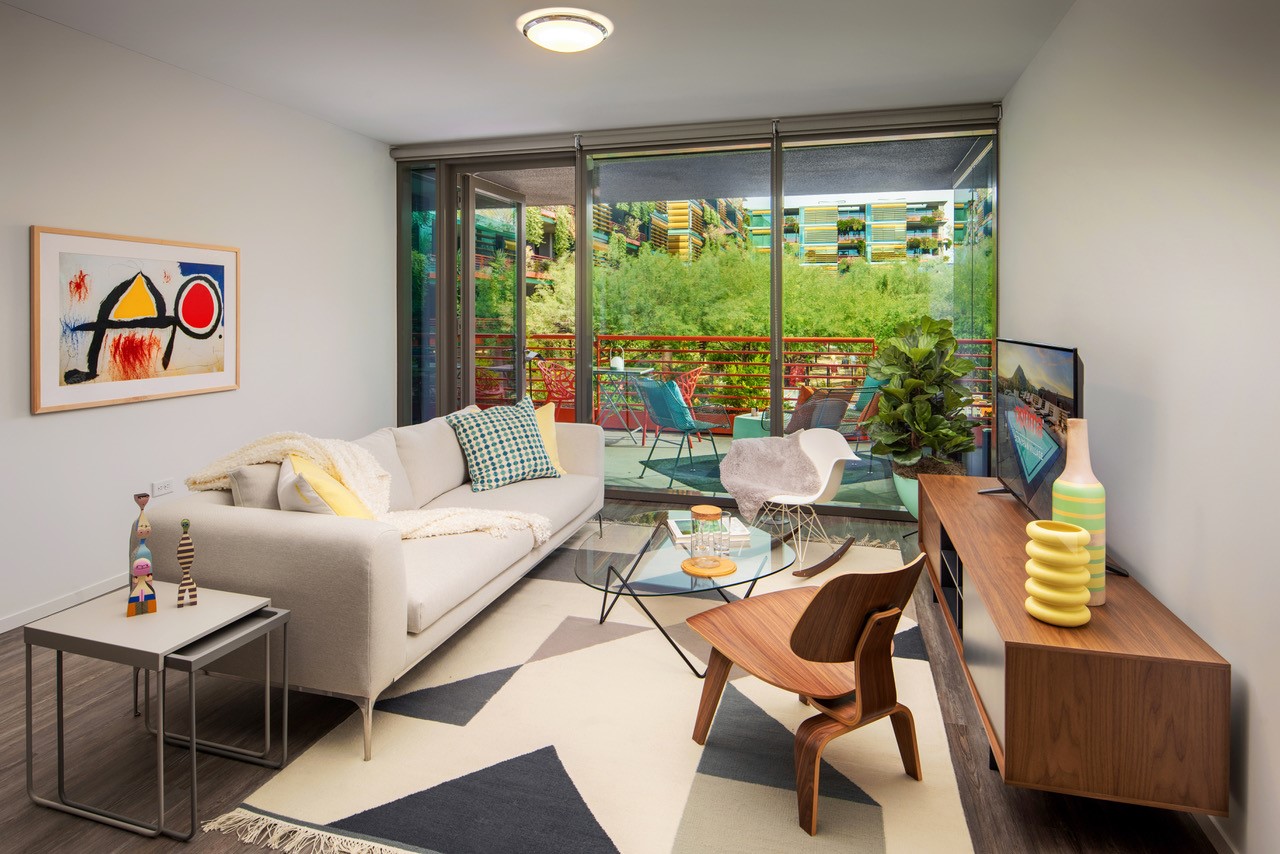
The living room is a pivotal space in any apartment, often serving as a multipurpose area for relaxing, entertaining, and even working. In a modern apartment, you can make use of natural light, neutral colors, and sleek furniture to establish a sophisticated atmosphere.

There are so many modern apartment decorating ideas that you can use as inspiration for your space. Consider adding elements like a plush rug or decorative cushions to provide contrast and comfort. Statement artwork or a striking mirror can serve as a focal point, while unique lighting solutions can be used to create mood and delineate spaces.

Remember, the key is to balance modern aesthetics with comfort and functionality.

Modern Apartment Bedroom Ideas

For your bedroom, you’ll want to create a sanctuary that reflects your personal style yet still adheres to modern design principles. Opt for a minimalist bed frame, perhaps in a warm wood or sleek metal, paired with crisp, clean bedding in neutral tones. A small, chic bedside table can provide practical storage, while a modern floor lamp can offer the perfect lighting for late-night reading. Bold graphic artwork or a large indoor plant can inject life and personality into the room. And remember, a clutter-free space is fundamental to modern design, so consider clever storage solutions that keep your room tidy and serene.

Modern Furniture and Decor

In modern apartment decor, furniture plays a critical role in defining the style of the space. Choose pieces that are streamlined yet comfortable, with clean lines and minimalist aesthetics. Materials like glass, metal, and wood are often found in modern furniture, each contributing to a distinct mood and feel.

As for decor, less is often more. Choose a few key pieces that you love, whether it’s a geometric rug, a sleek coffee table, or a collection of black and white photographs. These items should create visual interest without overwhelming the space. Think about adding pops of color with decorative pillows or vases or bringing a touch of nature indoors with houseplants. And, importantly, consider the lighting in your apartment – it can dramatically transform the space, emphasizing your modern decor and establishing the right atmosphere.

Creating a modern apartment that truly feels like home is a blend of aesthetic choices and personal touches. By understanding different decorating styles, tailoring your living and bedroom decor, and selecting the right modern furniture and accents, you’ll be well on your way to achieving a space that’s uniquely yours. Remember, a well-decorated apartment isn’t just visually appealing – it’s a sanctuary where you’ll create memories and feel completely at ease.

The Scottsdale Apartments You’ll Love Coming Home To

Ultimately, even the best apartment interior design tips won’t be helpful if you’re starting with a space that doesn’t suit your needs. Instead of settling for an apartment that isn’t perfect for you, why not set yourself up for decorating style success by choosing the best apartments for rent in Scottsdale, AZ?

 Optima Sonoran Village is the Valley’s premier luxury rental community, raising the bar for upscale apartment design. With floor plans that range from a streamlined studio to an expansive, three-bedroom apartment with ample room for entertaining, we have something to suit every lifestyle.

 Our smallest studios are more spacious than many other apartments for rent in Phoenix, so you can be confident that you’ll have plenty of room to express yourself with the apartment decor of your choice. Plus, because Optima Sonoran Village boasts designer interiors with thoughtful details and premier finishes, you have a stunning space even before you add decor.

 See our residences for yourself with an in-person tour of our studio, one-, two-, and three-bedroom apartments in Scottsdale – it’s the best way to get a feel for what your future home at Optima Sonoran Village will be like. Contact our leasing office to schedule your tour today!
The Writers Theatre in Glencoe

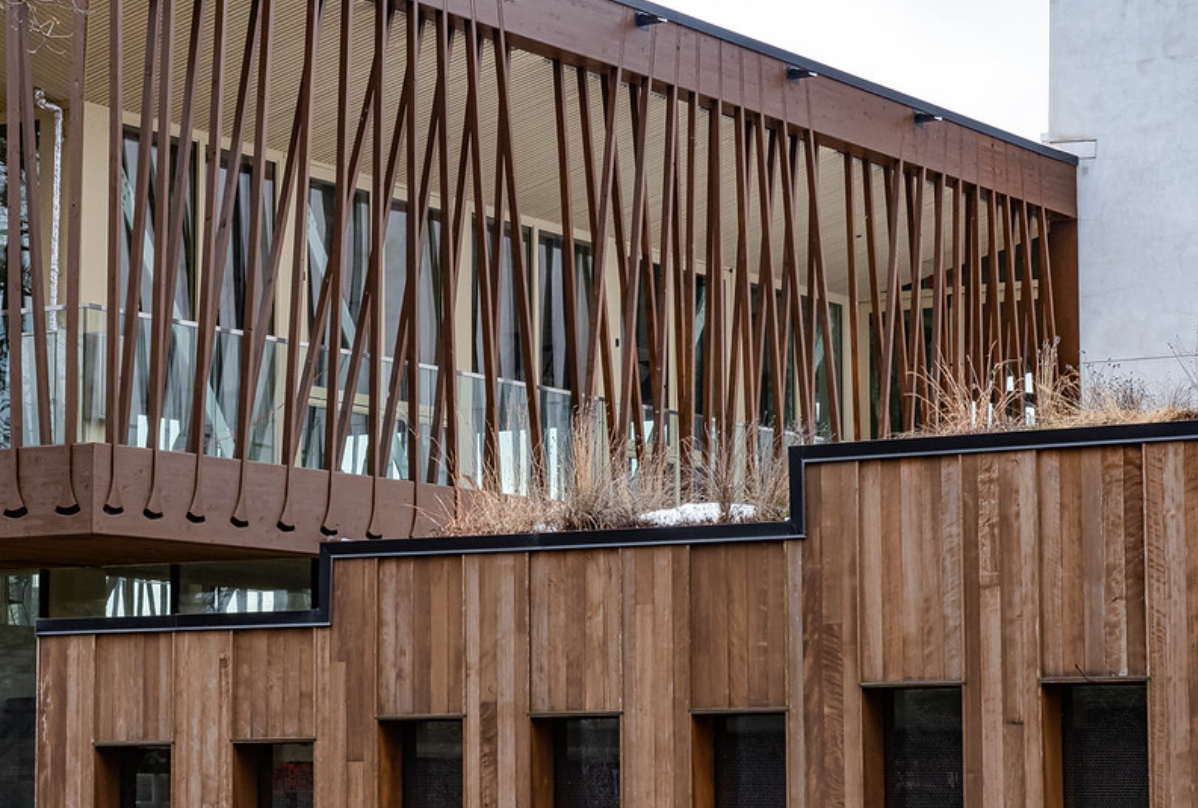
Tucked in the vibrant downtown of the Glencoe community — just down the road from Optima Verdana®, stands the Writers Theatre, a monument to the creative spirit and architectural prowess. A testament to the convergence of the arts, architecture, and community, the Writers Theatre is a touchstone of cultural life across the North Shore. At Optima®, we share a deep appreciation for such special places that elevate design and aesthetic experiences while enriching the community.

Conceived in 1992, the Writers Theatre was designed to celebrate the raw power and intimacy of the written word. It is a professional theater company that, since its inception, has nurtured a strong commitment to the appreciation of intricate writing and profound performances. This dedication has earned the theatre numerous awards, including the 2016 Regional Theatre Tony Award and being called “America’s finest regional theater company” by The Wall Street Journal.

The current structure, designed by the internationally acclaimed architect Jeanne Gang of Studio Gang Architects, was unveiled in 2016, offering a splendid canvas for the theatre’s vision — to be a socially vibrant venue that redefines the audience-performer interaction. And Gang’s design does just that, by providing a sense of inclusion and participation that blurs the lines between the stage and the audience.

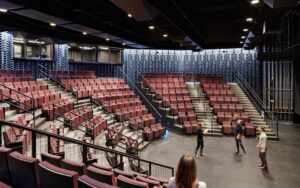
The Writers Theatre’s Alexandra C. & John D. Nichols stage

As you step inside, you’ll notice the theatre houses two stages. The primary Alexandra C. & John D. Nichols stage, accommodating 250 people, captures the essence of a traditional theatre, while the secondary Gillian theatre, a more intimate space, caters to 99 patrons, making each performance a personal experience. Architecturally, the building’s wood truss system is both aesthetically striking and acoustically vital, further enhancing the audience’s experience.

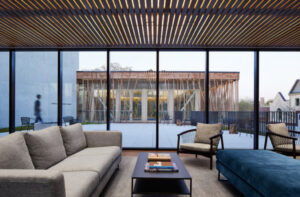
A rooftop pavilion and patrons’ lounge are not just architectural details but social spaces. In essence, the Writers Theatre transcends the function of a theatre, transforming into a hub for community activities and social interaction.

The Writer’s Theatre’s patrons lounge and pavilion, Courtesy of Steve Hall and Hedrich Blessing

Looking into the Writers Theatre’s story, we see an embodiment of Optima®’s values— the fusion of beautiful design, functional spaces, and community enrichment. We take great pride and joy in showcasing gems like the Writers Theatre, a testament to what can be achieved when creative storytelling meets architectural brilliance.

As we celebrate the Writers Theatre and its remarkable journey, we’re reminded of the importance of places that are not just seen, but felt. Spaces that invite you in, captivate your senses, and leave an enduring impression. And at Optima®, we remain committed to creating and appreciating spaces that, like the Writers Theatre, stand as enduring testaments to design, culture, and community. Explore some of their upcoming events and shows here!

The Villa Savoye in Poissy

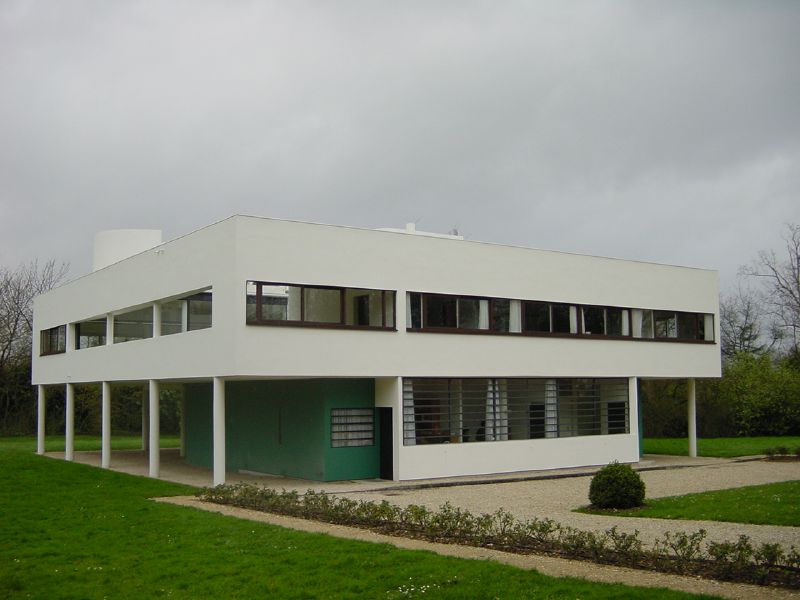
At Optima®, we have a deep appreciation for remarkable architectural creations that capture the essence of their time. Today, we voyage to Poissy, France, to explore the famous Villa Savoye – a residence that stands as a symbol of the Modernist movement and a testament to the genius of the Swiss-born architect, Le Corbusier.

Inaugurated in 1931, the Villa Savoye encapsulates Le Corbusier’s vision of what a home should be: a “machine for living,” embodying functionality, form, and harmony with the surrounding environment. Distinctly modern, yet timeless in appeal, Villa Savoye is the quintessential realization of Le Corbusier’s Five Points of Architecture.

The free designing of the ground plan, a central tenet of Le Corbusier’s philosophy, is showcased brilliantly in Villa Savoye. The open layout creates a fluidity of movement within the house, each room transitioning seamlessly into the next. The façade, free from structural constraints, features an elegant composition of horizontal windows, providing abundant natural light and stunning panoramic views of the surrounding landscape.

The villa also embodies the principle of free design of the façade, resulting in a strikingly minimalist exterior that foregoes decorative excess in favor of simple geometric forms. The ramp and the roof garden, other key aspects of Le Corbusier’s Five Points, add layers of functionality and aesthetic interest. The ramp provides a gentle, processional path through the villa, while the roof garden reclaims the green space sacrificed by the building’s footprint.

Villa Savoye Interior
Interior of Villa Savoye. Photo: Timothy Brown, Flickr Creative Commons

At the heart of this architectural marvel is Le Corbusier’s concept of architectural promenade – the notion that architecture is best experienced moving through space and time. The journey through Villa Savoye is a continuous narrative, each room a chapter, each view a verse, unfolding the poetry of Le Corbusier’s architectural vision.

We revel in the opportunity to celebrate this modernist gem, designed by a pioneer of the movement, Le Corbusier, as an embodiment of innovation, artistic expression, and the timeless human desire for harmony between our creations and the world they inhabit. Just like Villa Savoye, Optima® is committed to creating spaces that respect and enhance their environment, thus contributing to the enduring legacy of architectural excellence.


Exploring Wilmette: Chicago Botanic Garden

Situated just a short drive from Optima Verdana in Wilmette, the Chicago Botanic Garden stands as an architectural testament to the harmonious blend of art, nature, and community. It is a verdant oasis that transcends the traditional boundaries of urban landscaping, offering visitors an unforgettable experience.

This sprawling sanctuary covers an impressive 385 acres, strategically mapped out into 27 distinct gardens and four natural areas. It’s not just a garden; it’s a living canvas where architectural genius and nature’s beauty come together in a vibrant display of community spirit. Strolling through the winding paths reveals the careful landscape curations. The structures dotting the garden offer more than functionality; they’re creative landmarks contributing to a magical environment. From the modern flair of the energy-efficient Regenstein Learning Campus or the timeless elegance of the English Walled Garden’s trellis design, each corner unfurls a tale of architectural innovation.

These architectural marvels are not standalone elements. They enrich the landscape, facilitating coexistence between tranquil spaces like the Japanese Garden and the energetic vibes of the Model Railroad Garden. Such diverse experiences demonstrate the incredible potential when architecture underpins community spaces. It’s a place where families spend sunny afternoons, where friendships blossom over shared plant care tips, and where the community comes together to celebrate the natural beauty that is inherent in the surrounding city. The garden encapsulates the essence of community living – shared spaces that inspire, invigorate, and engage.

The Sensory Garden, Chicago Botanic Garden

In addition to its aesthetic charm and natural beauty, the Chicago Botanic Garden bustles with an array of special events. This summer, visitors can immerse themselves in the Love in Bloom exhibition, a captivating showcase of floral beauty, running until September 24, 2023. The After Buzz Hours offers a unique twist, allowing visitors to chat with garden scientists over cocktails. These events represent just a glimpse into the Garden’s dynamic calendar, which can be fully explored on their official website.

The Chicago Botanic Garden is more than an assortment of plants or an architectural accomplishment. It stands as a beacon of what can be achieved when architecture and nature unite.

Visiting hours are 10 AM to 8 PM daily, with tickets available for purchase on their website.

Chicago Sculpture Spotlight: Ceres by John Bradley Storrs

At Optima®, we have a keen appreciation for the confluence of form and function in architecture. It is with this sense of admiration that we turn our spotlight to a piece of Chicago’s history that is as breathtaking as it is groundbreaking. This iconic gem, standing sentinel over the city, is none other than the Ceres sculpture, an embodiment of Modernist art and a testament to the vision and talent of Modernist American sculptor, John Bradley Storrs.

Born in Chicago in 1885, John Storrs was a sculptor who left an indelible mark on the world of American Modernism. Schooled at some of the finest art institutions, including the Pennsylvania Academy of Fine Arts, the School of the Art Institute of Chicago, and the Académie Julian in Paris, Storrs’ work blends the classical with the modern, and the human with the industrial.

His contribution to the Modernist movement was unique in its ability to bridge contrasting worlds. His work was firmly grounded in the traditional forms of sculpture, yet boldly embraced the dynamism and aesthetic of the burgeoning machine age. His sculptures captured the soul of a society caught in a transformative period with the comforts of the old world, giving way to promises of the new.

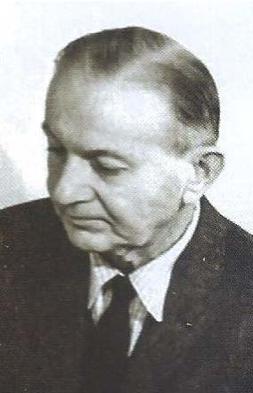
John Bradley Storrs. Photo: Chicago History Museum

Perhaps nowhere is this more apparent than in Storrs’s iconic Ceres sculpture. Perched atop the Chicago Board of Trade Building, rising majestically at the southern end of the LaSalle Street canyon, Ceres is a tribute to the Roman goddess of agriculture — a fitting emblem for a building that was home to the largest grain exchange in the United States.

This 31-foot figure, however, is no ordinary depiction of a goddess. Storrs deviated from the typical portrayal of deities in classical realism. Instead, he rendered her in a form that was abstract and streamlined, reflecting the popular Art Deco style of the 1930s. This faceless figure, devoid of any discernible features, was a deliberate departure from tradition. Storrs recognized that from the ground, the details of Ceres’s face would be lost. In response, he sought to create a silhouette, an impression, something that would be striking against the backdrop of the Chicago skyline.


Initially, the abstract representation of Ceres drew mixed reactions. However, over the years, it has come to be celebrated as an integral part of Chicago’s architectural landscape — a symbol of the city and a beacon of the Art Deco era.

We are endlessly fascinated by the harmonious architectural aesthetics and symbolic functionality found in Ceres. This beloved Chicago icon remains a timeless testament to Storrs’ profound creativity, encapsulating the spirit of Modernism, standing as a monument to an era that dared to redefine the rules of art and architecture.

Phoenix Architecture Spotlight: The David and Gladys Wright House

At Optima®, we have an unending fascination for architectural masterpieces, especially those that have shaped and defined the Modernist movement. Today, our focus rests upon an extraordinary residence, the David and Gladys Wright House, designed by none other than the father of architecture himself, Frank Lloyd Wright.

Located in Phoenix, Arizona, this house stands out as one of Wright’s most innovative residential designs. Constructed in 1952 for his son David and daughter-in-law Gladys, this home reveals the intimate connection Wright shared with his family, articulated in his distinctive architectural language.

Crafted towards the end of his prolific career, the David and Gladys Wright House reflects Wright’s refined understanding of organic architecture and his remarkable ability to adapt to the character of the site. The house, built with native concrete blocks, rises in a spiral form from the desert landscape, its curvilinear design echoing the shape of the nearby mountains.

The unique spiraling form of the house is a significant departure from the typical linear construction seen in many of Wright’s works, and it manifests his deep reverence for the natural world. The spiraling design ascends gracefully from the ground, turning 360 degrees to provide panoramic views of Camelback Mountain and the surrounding landscape.

Inside, Wright’s naturalistic design philosophy continues — the interior floor plan unfolds like a nautilus shell, with rooms radiating from the central hearth, embodying the hearth’s symbolic role as the heart of the home. The characteristics Wright touches—built-in furniture, extensive use of natural light, and harmonious color palettes—are in full swing here, creating a seamless dialogue between the exterior and interior spaces.

Notable, too, is the home’s thoughtful integration of modern technology for its time. It was designed with innovative features such as energy-efficient passive solar heating, natural cooling, and a functional, open kitchen that was ahead of its time.

Despite facing threats of demolition, the house has been preserved thanks to the concerted efforts of preservationists, historians, and fans of Wright’s work. Today, the David and Gladys Wright House stands as a testimony to Wright’s genius and his enduring influence on Modernist architecture.

At Optima®, we’re continually captivated by such Modernist masterpieces that speak volumes about the era’s architectural ethos. Frank Lloyd Wright’s David and Gladys Wright House, with its distinctive design blending built form and natural environment, remains a profound source of inspiration and a vivid embodiment of Wright’s creative brilliance. 

Exploring Wilmette: Plaza del Lago

Plaza Del Lago, nestled on Sheridan Road in the heart of Wilmette, and a short distance from Optima VerdanaⓇ, is a historic marvel that effortlessly blends architectural elegance with commercial success. Conceived in the Roaring Twenties, this Spanish-style district was the first of its kind in the state, and it has persevered through time, maintaining its significance in the community as a hub for engagement. 

Real estate visionary Henry G. Foreman was the mastermind behind Plaza Del Lago. In 1927, Foreman and various North Shore locals embarked on creating Spanish Court, a Mediterranean-inspired commercial hub boasting luxury apartments, upscale retail stores, and an automobile service station. Chicago-based architect Edward Hill Clark drew up the plans, initially intending to build four Spanish architecture-style complexes, a style associated with affluence at the time, along Sheridan Road. 

Construction of the plaza concluded in 1928, and it promptly opened its doors to its first occupants, which included Spanish Court Pharmacy, Teatro del Lago, and Bill’s Realty. The architecture uniquely blended Spanish and Mediterranean influences with early 20th-century American design. The intricate archways, vibrant tiles, and ornate ironwork stand as a testament to the detailed craftsmanship that brought this landmark to life. 

Unfortunately, a fire in the mid-1930s affected many buildings in the area, slowing traffic. However, years later, Evanston lawyer Plato Foufas discovered that a large section of the community, including the Spanish Court, was up for sale. Upon purchasing the land, Foufas began the renovation of the famed shopping plaza in 1967, adding arcade shops, new stores, a street fountain and renaming it Plaza del Lago. 

Plaza del Lago Bell Tower
Credit: Secretname101, CC BY-SA 4.0, Wikimedia Commons

Over the years, Plaza Del Lago has expertly balanced vintage charm with modern utility. The original structure is carefully preserved, with several buildings retaining their initial function. The plaza’s bell tower, a feature from the original construction in 1928, remains one of its main architectural highlights today. The plaza now hosts a variety of annual events, from a summer concert series to art and car shows, along with a mixture of boutiques, gourmet food outlets and wellness studios, upholding Foreman’s vision of a bustling community hub. 

Today, Plaza Del Lago remains a timeless symbol of Wilmette’s history and enduring spirit. It enchants visitors with its architectural grandeur, vibrant retail scene, and picturesque lakeside vistas, standing proudly as a prominent fixture in Wilmette’s narrative.

Edward Dart’s St. Augustine Episcopal Church

At Optima®, we are continually fascinated by the architectural masterpieces that exemplify the harmony between design and the narratives they hold. Today, we cast the spotlight on an architectural gem from the Mid-century Modern era, St. Augustine’s Episcopal Church in Gary, Indiana, designed by Edward Dart.

In the steel town of Gary, just across the Illinois border from Chicago, 30 African-Americans chartered a new Episcopal mission in 1927. The congregation weathered its early years to grow strong and financially stable by the mid-1950s, leading to the decision to commission their own place of worship. The conception of this project was nurtured by the Great Migration, which saw many African-Americans migrating from the South to Gary, drawn by job opportunities in the thriving steel industry.

By 1955, St. Augustine’s (fondly referred to as ‘St. Aug’s’) embarked on the purchase of a pipe organ. When discussions veered towards the building of their own church, the organ sales representative suggested Edward Dart, an architect whose style would come to define the church’s distinctive look. 

The collaboration between Edward Dart, a white architect from New Orleans, and St. Aug’s, a Black Episcopal mission, was unusual for the mid-1950s. Yet, over the course of four years, their shared vision resulted in an architectural design that incorporated local materials like Indiana limestone, honoring both the community’s roots and Dart’s signature style. Completed in 1959 at a cost of $120,000, St. Augustine’s Episcopal Church received the AIA Citation of Merit and the Church Architectural Guild’s Honor Award almost immediately. 

St. Augustine’s Episcopal Church in Gary, IN. Photo: National Register of Historic Places

Despite the acclaim, the church’s congregation remained largely unseen, their presence neutralized in the predominantly white architectural narrative of the era. This erasure was eventually rectified in 1961 when the mission was granted full parish status, two years after the building was completed. Today, the congregation stands strong and the church continues to radiate its original beauty.

At Optima®, we find structures like St. Augustine’s Episcopal Church deeply fascinating, serving as profound expressions of the era’s architectural ethos that enrich our understanding of space, design, and community. St. Augustine’s Episcopal Church remains an enduring testament to Dart’s genius, a beacon of the Mid-century Modernist spirit that continues to captivate architects and designers worldwide.

Women in Architecture: Glenda Kapstein

As part of our ongoing “Women in Architecture” series, we’re sharing the story of Glenda Kapstein, an activist for architectural innovation and environmental consciousness. Her impressive body of work has not only redefined the architectural landscape of her home country but has also served as an inspiration for architects worldwide. Discover the remarkable journey of her life and career below:  

The Life of Glenda Kapstein

Born and raised in Santiago, Chile, Glenda Kapstein was a curious and imaginative child. The city’s skyline, with its mix of colonial charm and modern ambition, made it the perfect place to fall in love with architecture at a young age. One of her earliest inspirations was Cantalao, a project dedicated to the culture and people of Chile, promoted by Chilean poet Pablo Neruda.

Kapstein decided to pursue architecture as a career, enrolling at the University of Valparaíso in 1959 and spent two years of school studying across Europe before finally graduating in 1967. Following her graduation, she moved to Spain to work with Spanish Architects Antonio and José Camuñas, who were hired to complete more than 3,000 houses in and around Madrid. Kapstein continued to pick up a mixture of jobs, from working as the Regional Director of Tourism in Antofagasta, Chile, to teaching at the Catholic University of the North (UCN). However, she eventually left to help UCN establish an architecture department and create a study laboratory of her own. With her laboratory, Kapstein was able to explore her interests in how climate dictates architecture. 

The House of Spiritual Exercises of the Alonso Ovalle Foundation in Antofagasta, 1991, Courtesy of Carla Monforte Kapstein

Fuelled by the desire to broaden her perspectives, in 1994, Kapstein pursued her Master’s degree from the prestigious Pontificia Universidad Católica de Chile. The university’s broad and holistic approach to architecture further nurtured her growing passion and seeded her design philosophy with the importance of context and cultural relevance. There, she was surrounded by an inspiring blend of cultures, perspectives, and design philosophies that further refined her approach toward architecture. 

Notable Works and Achievements

In her professional work, Kapstein worked to shape architecture that was not just aesthetically appealing but also ecologically responsible and socially sensitive. She viewed architecture as a powerful medium to express the historical, environmental, and social context of a place. As a result, her designs sought to harmoniously blend these elements, creating spaces that were both functional and meaningful.

Intermediate space within The House of Spiritual Exercises of the Alonso Ovalle Foundation in Antofagasta, 1991, Courtesy of Carla Monforte Kapstein

The most iconic example of Kapstein’s vision is the House of Spiritual Exercises of the Alonso Ovalle Foundation in Antofagasta. Built in 1991, this project stands out as a beacon of sustainable architecture, with its design seamlessly integrating with the natural landscape. The build, executed under Kapstein’s leadership with fellow architect Osvaldo Muñoz, is characterized by various intermediate spaces linking the interiors with the exterior desert. It incorporates innovative, energy-efficient features that minimize environmental impact while providing a state-of-the-art space to celebrate Chile’s rich biodiversity and cultural heritage. The project was a finalist for the Mies van der Rohe Pavilion Award for Latin American architecture in 1998 and the PLEA International Award in 2003, and was sadly demolished in 2019 for unknown reasons against the wishes of Kapstein’s family.

Another testament to Kapstein’s architectural philosophy is her work on the expansion of the Hotel Tulor in San Pedro de Atacama, a desert tourism hotspot. Still committed to ecological responsibility and cultural resonance, Kapstein incorporated local materials and traditional construction methods, resulting in an addition that seamlessly blended with the desert landscape and paid homage to the Atacama people’s heritage. Her design employed sustainable practices like passive cooling and heating to reduce energy consumption. The Hotel Tulor project underlines Kapstein’s distinct approach to architecture, combining innovation, sustainability, and cultural sensitivity, further establishing her as one of Chile’s most influential architects.

Rooms at Hotel Tulor, San Pedro de Atacama, made of adobe, wood and stone

Glenda Kapstein’s life and career are a testament to her commitment, creativity, and vision. Her journey serves as an inspiration for aspiring architects, especially women, reminding us all that architecture is not just about creating structures, but about creating stories, preserving heritage, and designing a sustainable future.

person name goes here

Maintenance Supervisor

Glencoe, IL


    Acceptable file types: *.pdf | *.txt | *.doc, max-size: 2Mb