Phoenix Public Art: Her Secret is Patience

Towering over Phoenix’s Civic Space Park is a suspended, monumental web of light and color, arguably best viewed by night. The enormous piece of public art is titled Her Secret is Patience, and makes a striking impression, whether you’re seeing it for the first time or the hundredth. Today, we explore the work and artistry behind one of Phoenix’s most notable pieces of public art, Her Secret is Patience.  

Completed in 2009, the monumental installation was the vision by artist and sculptor Janet Echelman in collaboration with global, award-winning teams of engineers, architects, planners and fabricators. The multi-layered form is secured from five points, suspending 38 feet from the ground. Echelman credits inspiration to the surrounding nature, from Arizona’s distinctive monsoon cloud formations to saguaro flowers. 

The sculpture consists of painted, galvanized steel, polyester twine netting and colored lights that change gradually with the seasons, transforming to cool hues in the summer and warmer in the winter. The specialized lighting gives off a unique glow, creating an otherworldly sense of whimsy in the middle of Phoenix. During the day, the structure casts intricate shadows from the Arizona sun. The creative team and work itself have garnered a handful of awards for their inventive process and impactful impression on the Phoenix art scene.  

Like our own work in Arizona, Her Secret is Patience takes cues from nature to create something extraordinary. Its name even stems from the same source; Ralph Waldo Emerson’s full quote reads, “Adopt the pace of nature: her secret is patience.”

A Brief History of the Wassily Chair

When we set out to build intentional spaces, we extend our design sensibilities into every finish and furnishing. And with most of our selections, each piece has a story behind it. Today, we explore the history of the distinct and iconic Wassily Chair.

The chair itself started with Marcel Breuer, the Hungarian architect and designer. Breuer studied at the Bauhaus under Walter Gropius, quickly becoming his protégé with his outstanding sense of design and ingenuity. By the early 1920s, he was considered a master carpenter at the school. The legend goes that Breuer purchased his first bicycle and was so inspired by the lightness of its frame, he wanted to experiment with something similar in furniture design, using curves and tubing in construction. Thus, the Wassily chair was born.

Fabricated using the techniques of local plumbers, the tubular-steel structure would become Breuer’s signature touch on furniture. At the time, the design was only technologically feasible because German manufacturers had perfected the process for seamless steel tubing. Without a welding seam, the tubing could be bent without collapsing. The structure was finished by straps of fabric, pulled tightly to create a sturdy but comfortable place to sit. Like many other designs in the Modernism movement, the Wassily Chair has been mass-produced since the 1920s, its allure is still impactful today. At present, the trademark name rights to the design are owned by Knoll, who integrated the Wassily Chair into their catalog in the 1960s. 

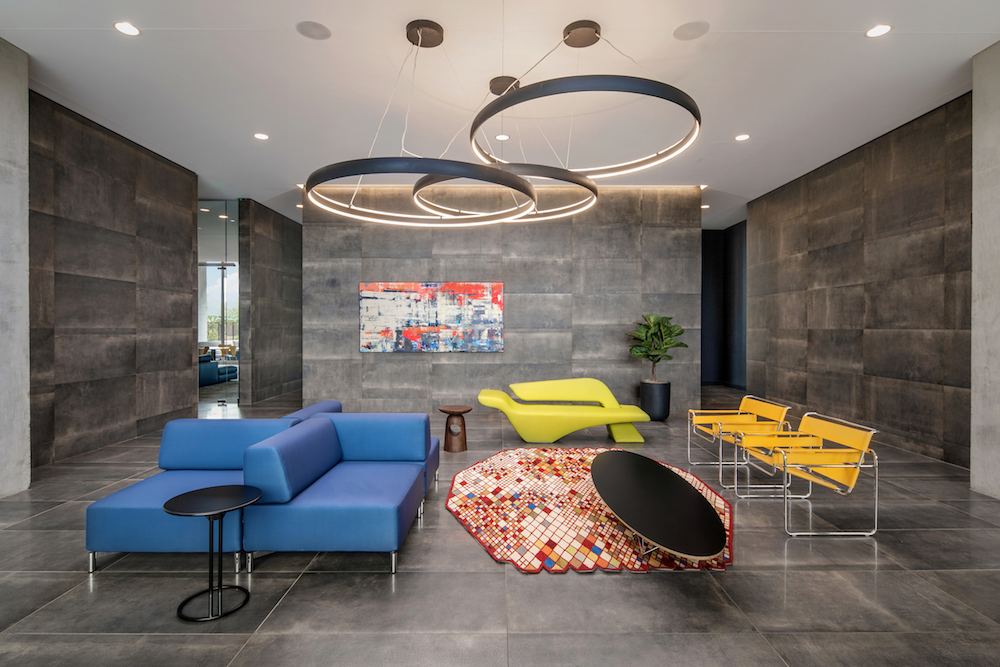
Whether it welcomes residents as they enter the lobby or invites conversation in an amenity space, the Wassily Chair plays perfectly with the design aesthetic and sensibility of our spaces at Optima. 

A Brief History of Irrigation

Lush, verdant landscapes are a cornerstone of Optima communities. We’ve spent years of research and application honing our landscaping, arriving today at an innovative vertical planting system that incorporates self-containing irrigation and drainage. But just what is irrigation, why is it so important and how did we arrive at this solution? Today, we’re taking a closer look at the history of irrigation.

While our own landscaping research has gone on for decades, the history of irrigation dates back at least 8,000 years. The earliest known systems of irrigation originated in Egypt and Mesopotamia in 6,000 B.C. Fighting against the flooding of the Nile several months each year, ancient civilizations pioneered a technique to divert flood waters to nearby crop fields, thereby utilizing excess flood water for crops that would otherwise be difficult to grow due to lack of resources.  

This ancient technique is credited as the basis of agricultural economies and societies across the world. As the process of applying controlled amounts of water to plants at needed intervals, irrigation aids in growing agricultural crops and maintaining vegetation in a way that conserves water, preserves soil nutrients and saves time and energy. 

Before the Egyptian and Mesopotamian approach, primitive irrigation likely involved laborers carrying buckets of water from rivers and wells to water their crops. Increased innovation to control water flow where desired included innovations such as irrigation canals, dams, dikes, aqueducts and water storage facilities. 

Nowadays, modern irrigation systems have evolved to include reservoirs, tanks and wells, with reservoirs serving to collect water from natural sources such as lakes and rainwater runoff. As our global agricultural output continues to rise, irrigation protects against droughts and famines, ensuring successful and widespread crop yields. 

Self-contained Irrigation at Optima Sonoran Village

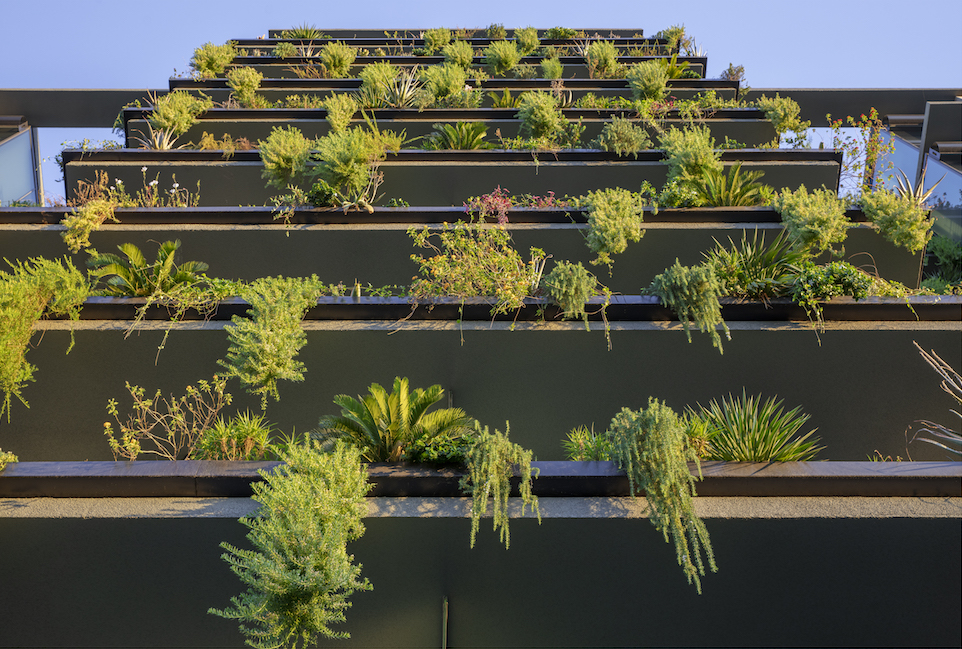
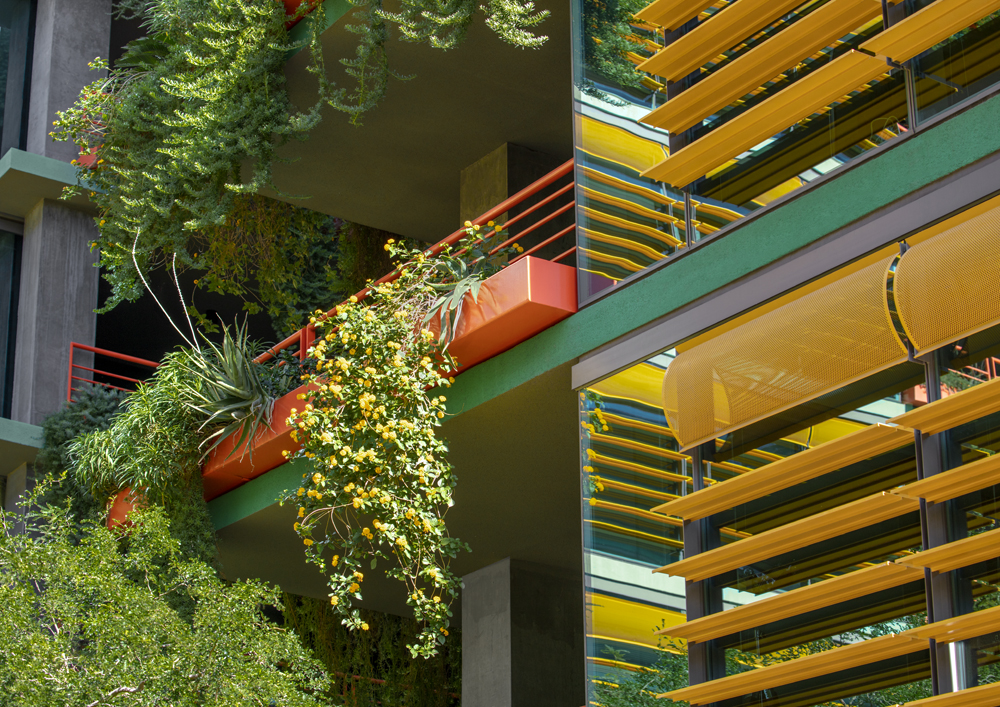
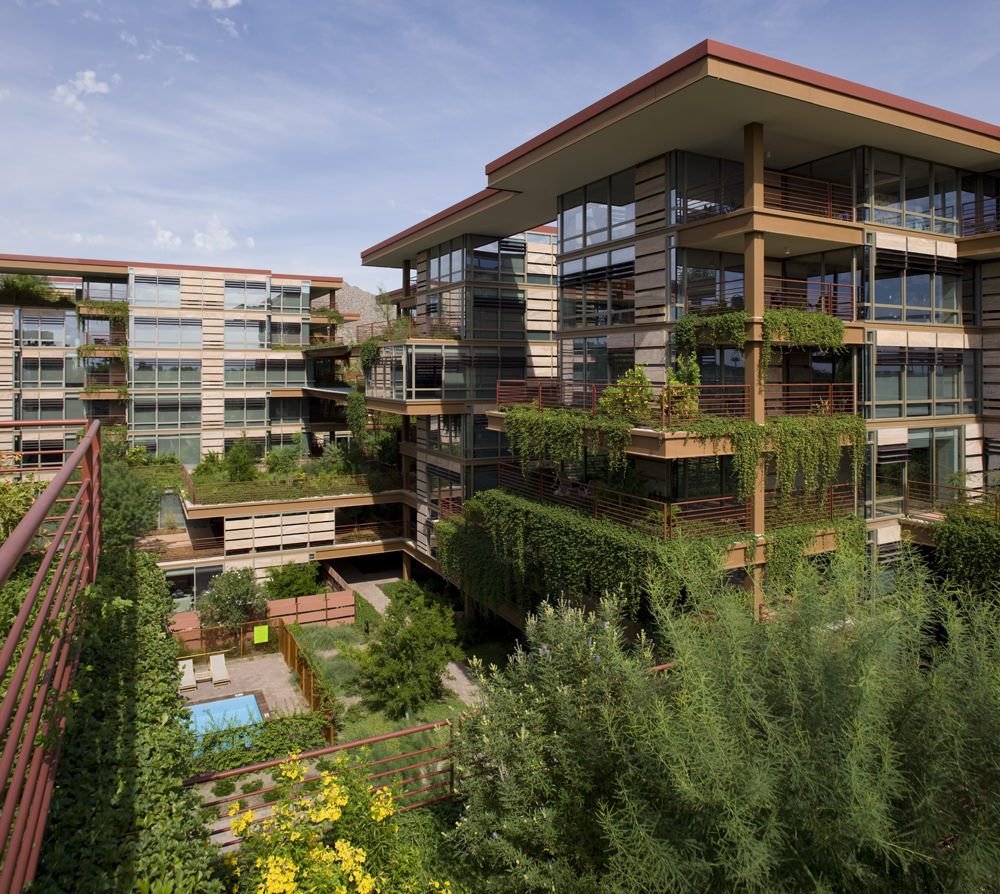
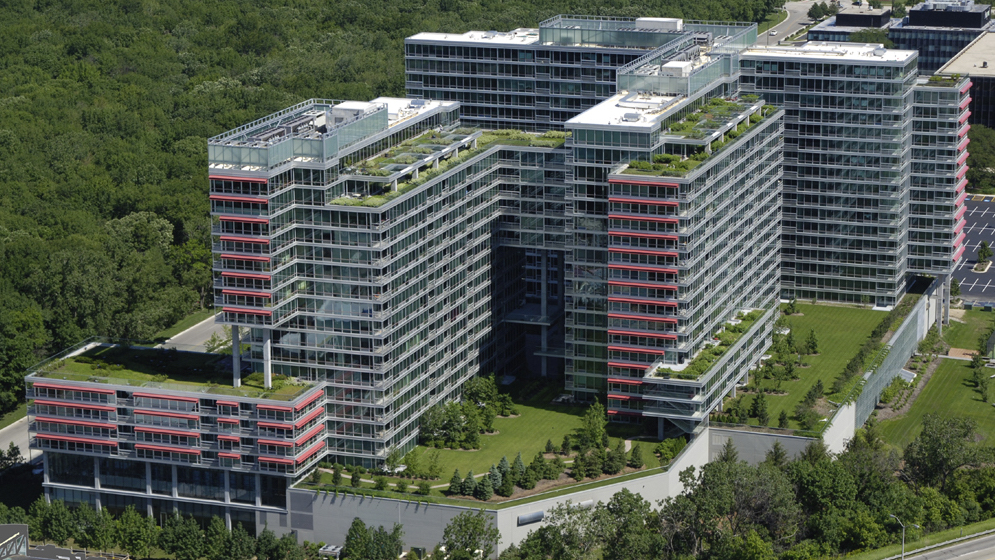
At Optima Kierland Apartments and Optima Sonoran Village, our self-containing irrigation and drainage system enables a palette of vibrantly colored plants at the edge of each floor to grow both up and over the edge of the building, culminating in a beautiful rooftop garden. Thanks to the innovations of many civilizations before us, these gardens are easy to maintain, and a beautiful natural respite for all our residents to enjoy.

Modernism and the Pandemic

This year, health and wellness have been more important than ever. And with self-quarantining and spending more time at home, many have redefined what a healthy home means. Like other shifts in the world, COVID-19 has certainly prompted us to reflect on the impact of design. We’ve seen how Modernism has affected pandemics in the past, but how might it impact our sense of wellness during COVID-19?

Green-Inspired Design

To house healing tuberculosis patients, the Paimio Sanatorium was designed to connect its residents to fresh air and the healing qualities of nature. While its setting in Southwestern Finland was ideal for recovery, it’s not a feasible solution for those trying to stay healthy in urban areas. Our buildings bring the outdoors in, connecting residents to nature through green roof gardens, vertical landscaping systems, private terraces and lush common spaces. 

Natural Light

Sunshine is another natural remedy for ailing health problems, and the iconic expansive windows found across Modernist practices invites plenty of light inside. From Optima Signature in Chicago, to Optima Kierland Center and Optima Sonoran Village in Scottsdale, our buildings feature floor-to-ceiling glass curtain walls, swathing our interiors in light. And for those who may want to more fully soak in the sun, our outdoor amenity spaces, like the grand courtyard promenade at Optima Camelview Village, have plenty of seating amongst resort-style luxury amenities for residents to get their daily dose of Vitamin D.  

Minimal and Open

Modernism is known for its minimalist design, where a lack of ornamentation, decorative moldings or elaborate trims are simplified to create a clean aesthetic. Also simplified: floor plans. Modernist architecture is known for its simple, sweeping interiors, taking a “less-is-more” approach to the division of space. At Optima, our large, open floor plans provide bigger and more open spaces, rather than a series of small rooms, allowing people to comfortably spread out and maintain a safe distance.

Whether residents are still self-isolating or just spending more time at home, we know it’s a challenging time to stay healthy and well, both mentally and physically. But we hope that the Modernist sensibilities of our buildings allow for moments of respite throughout the day and better opportunities to focus on wellness.

The Sky Deck at Optima Kierland

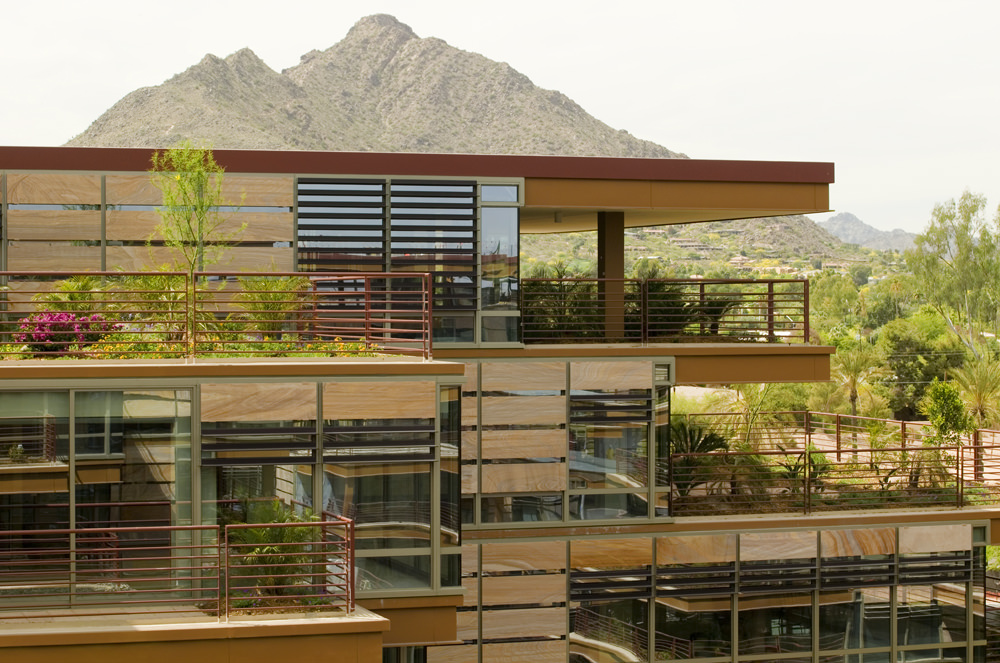
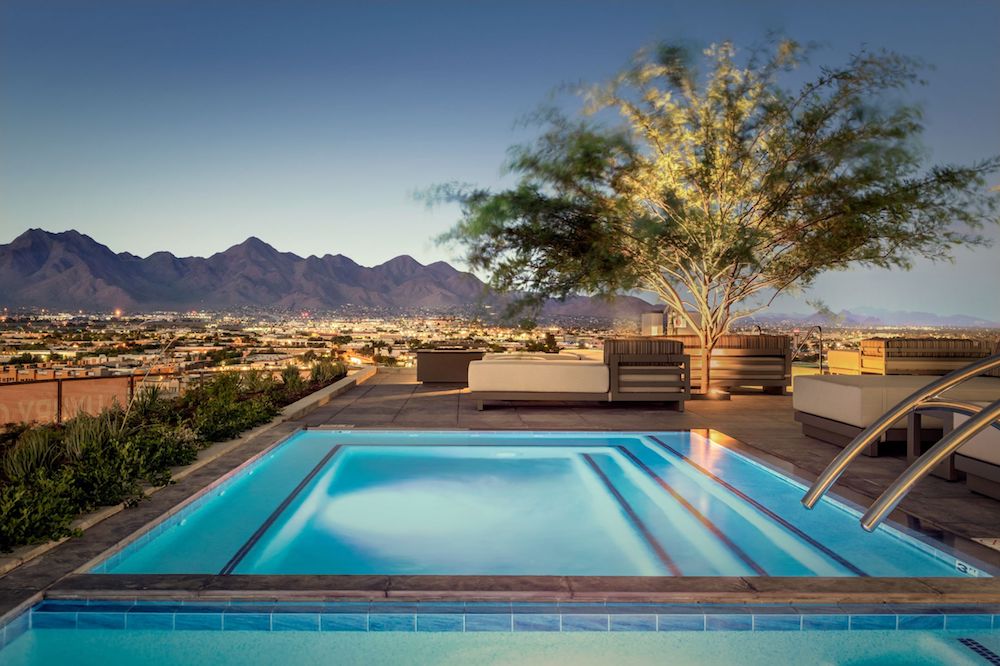
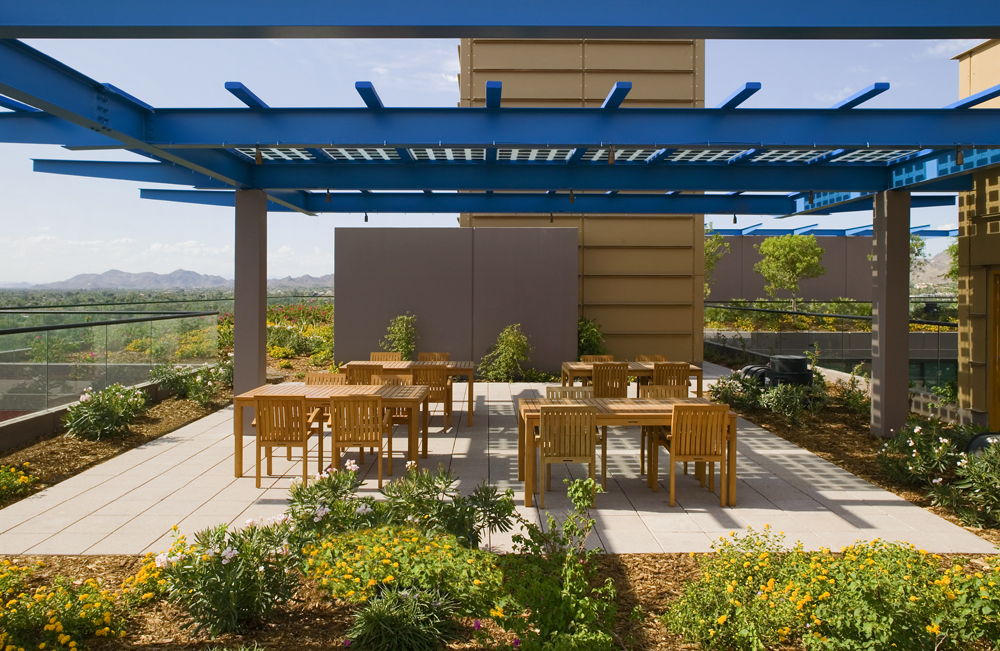
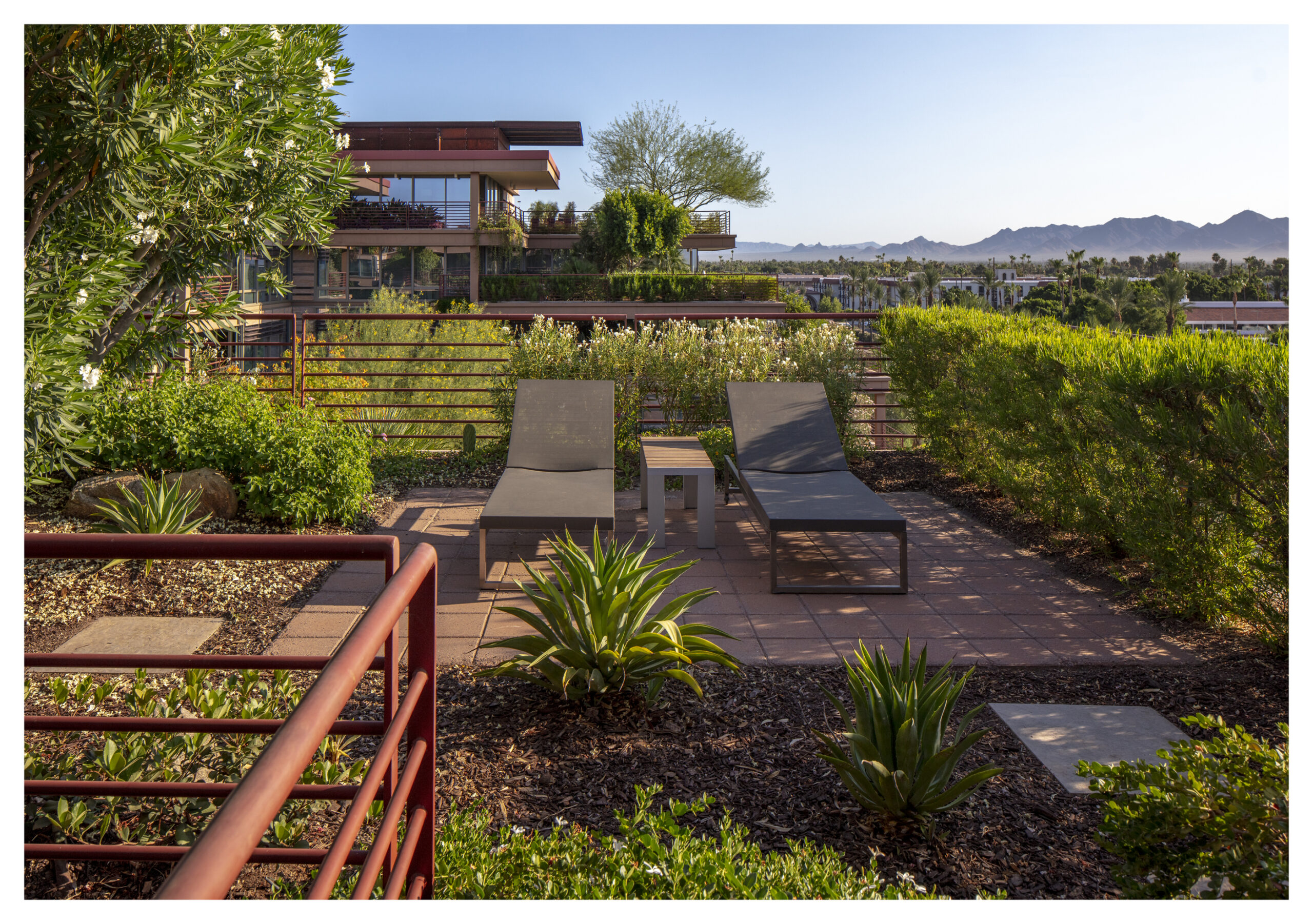
When you live in the middle of a gorgeous desertscape, nothing beats scenic views of the surrounding mountains. Optima Kierland is nestled in the middle of North Scottsdale’s urban core, but we still wanted residents to relish the nearby nature. Each building at Optima Kierland includes a signature Sky Deck, which doesn’t just include spectacular views; they also house a range of unique, extensive amenities.

The Sky Deck at 7180 Optima Kierland

It’s no secret that amenity spaces are a growing expectation in the real estate world, and we pride ourselves on innovating with our amenities while also paying homage to the surrounding environment. Each of Optima Kierland’s towers overlooks underpassed, panoramic mountain views, and the amenity spaces keep residents active, inspired and entertained. Signature Sky Deck amenities include heated lap pools, lounge areas, and glass-enclosed sauna for a spa-like experience. Spas and a rooftop yoga studio offer additional methods for a little R&R. For al fresco fitness, the new Sky Deck’s rooftop running and walking tracks.. And for entertaining friends and family, the fire pits, barbecues, bars and outdoor theaters are perfect for coming together. 

Across all four buildings in Optima Kierland, each Sky Deck exemplifies our dedication to inventive, distinctive amenity spaces that leave a lasting impact on our residents. Because our communal spaces are focused on both physical and emotional health, they promote a balanced, engaging and fun lifestyle. For us, amenities aren’t just selling points; they allow us to truly improve the lives of those living in our spaces. 

Chicago’s Bauhaus Movement

With aligning principles, artists and aesthetics, our practice of Modernism and the Bauhaus movements often overlap. Chicago’s Bauhaus movement offered unique contributions to the city’s growth, and continues to inspire. Today, we dive into its past and its present impact. 

Troubled Beginnings

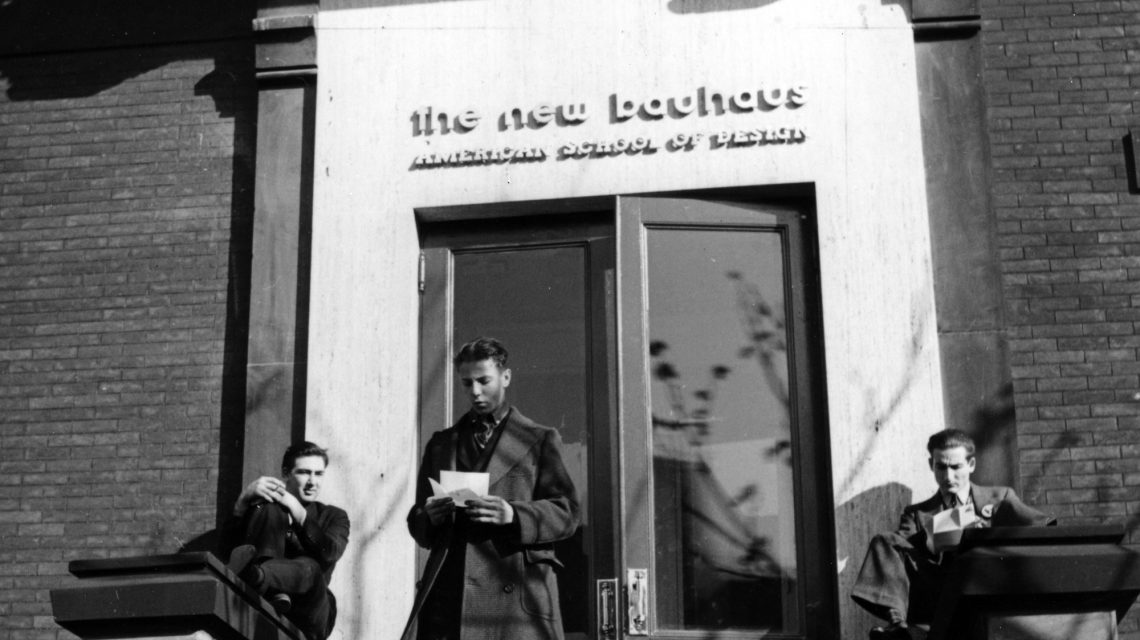
During WWII, many artists and instructors involved with the Bauhaus movement were forced to flee Germany (you can read a more in-depth history on our past blog post,100 Years of Bauhaus.) A group of instructors took refuge in the United States, a few taking particular interest in Chicago and the Midwest. Among them was László Moholy-Nagy, who was enlisted by the Chicago Association of Arts and Industries to help open a similar Bauhaus school to attract talent. With Moholy-Nagy’s eccentric leadership, The New Bauhaus was born.

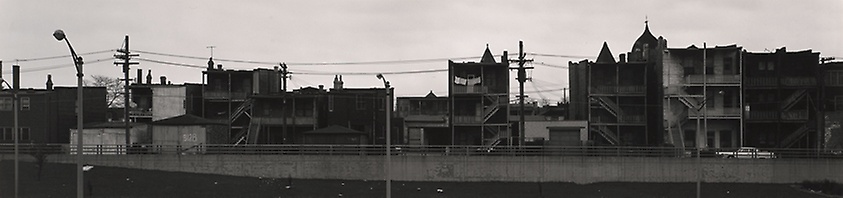
Chicago Landscape #26, 1964, Art Sinsabaugh. Courtesy of the Art Institute of Chicago

An Expansive Practice

Considering its widespread impact on the art world and Chicago, The New Bauhaus was a short-lived school, its formation filled with dramatic disagreements between leadership and changes in locations. Moholy-Nagy and other teachers built an atypical educational experience that produced eccentric, groundbreaking artists; however, the work they produced wasn’t particularly practical or profitable. After his death, the school was absorbed by the Illinois Institute of Technology and transferred to the care of Ludwig Mies van der Rohe.

Despite its turbulent trials, Chicago’s New Bauhaus school influenced many artists and industries, ranging from textiles and furniture to photography and sculpture. Ludwig Hilberseimer, another German immigrant, made notable strides in urban planning. Nathan Lerner and Art Sinsabaugh  helped define the visual culture in Chicago. Emmett McBain had a remarkable impact on the representation of Black Americans in advertising. Often overlooked through the lens of history, the women active in Chicago’s Bauhaus movement had impactful careers as well, from Marion Mahony Griffin’s architectural and planning work and Elsa Kula’s colorful, eye-catching work. 

From architecture and urban design to painting and sculpture, the legacy of the Bauhaus is evident throughout Chicago. And ultimately, its relationship with Modernism naturally means it’s also reflected in our own buildings and sense of design. 

Daniel Burnham’s Plan of Chicago

Much like the city’s history, our love for Chicago runs deep. We’re honored to build communities in a place that houses such a storied architectural history from being the site of the world’s first skyscraper to being the stomping grounds of so many pioneering figures in our field (Ludwig Mies van der Rohe and Louis Sullivan, to name just a few). But we would be remiss to pay homage to Chicago’s architectural roots without talking about Daniel Burnham’s Plan of Chicago.

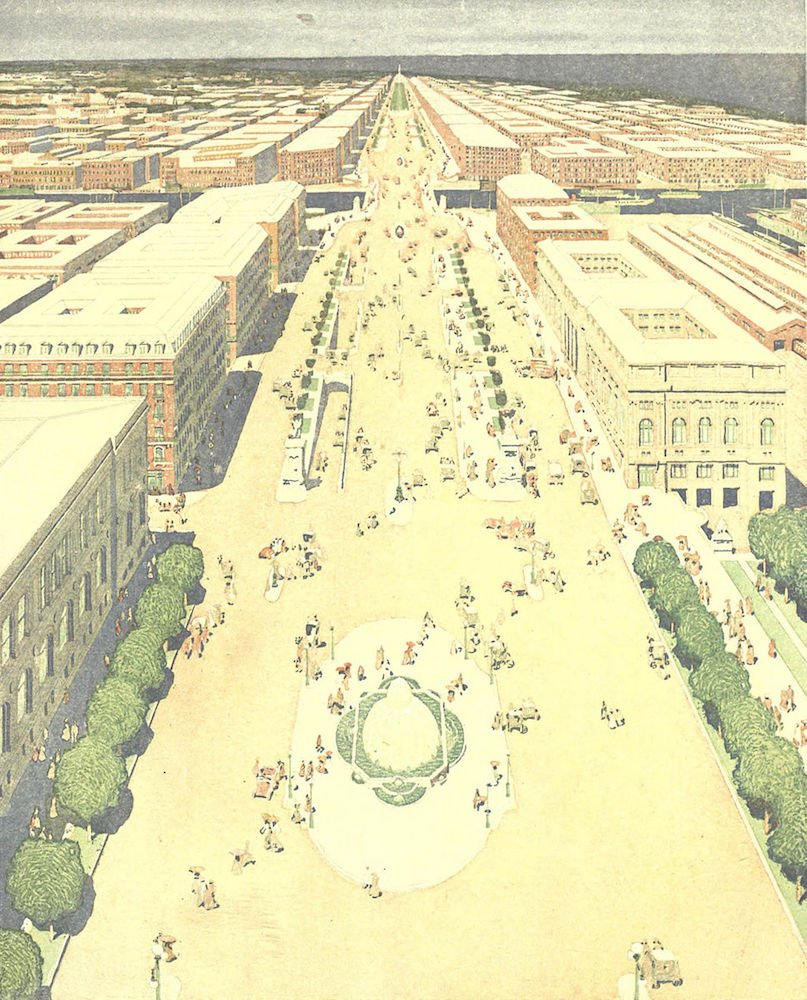
The 1909 Plan of Chicago (also known as The Burnham Plan) was co-authored by Daniel Burnham and Edward H. Bennett as a fresh, inventive response to beautify Chicago and improve the efficiency of its commerce. Daniel Burnham was chosen for the project as an already-known architect whose resume included managing the construction of the 1893 World’s Columbian Exposition and creating city plans for Washington D.C., San Francisco and Cleveland. Equipped with these past experiences, Burnham dove into research to discover how large-scale international cities tackled swift growth and infrastructure to increase their economy and mobility. 

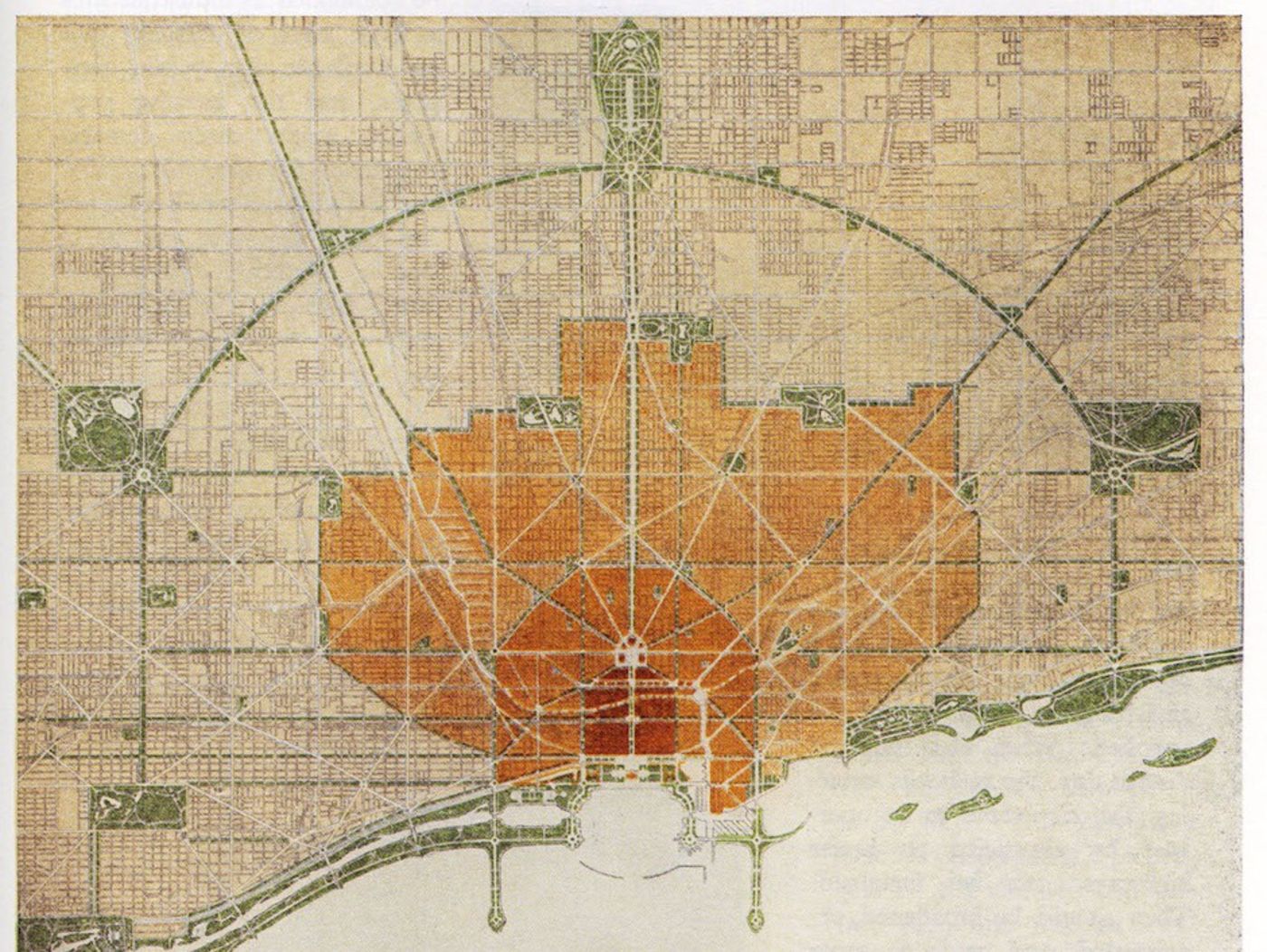
To address the economic, transportation and social needs of Chicagoans during a time of rapid expansion, the Plan of Chicago was broken into six categories: improvement of the lakefront, a regional highway system, improvement of railway terminals, new outer parks, systematic arrangement of streets and civic and cultural centers.

The 1909 Plan of Chicago, by Daniel Burnham and Edward H. Bennett. Plate CCCI Plan of Existing and Proposed Parks and Boulevards

Despite the plan being slow to implement at first, the impact of Burnham’s vision for each category is throughout the city we know and love today. Chicago is now home to an impressive string of greenspaces along the lakefront and beyond (often referred to as “Chicago’s Emerald Necklace”), which includes iconic fixtures such as Millennium and Grant Park and Northerly Island. Chicago’s transit was indeed transformed, from highways to railways, and streets were introduced or expanded per Burnham’s recommendations: Ogden Avenue, Michigan Avenue, Roosevelt Road, Wacker Drive and Ida B. Wells Drive. We also have Burnham’s intent to introduce cultural centers to the heart of Chicago’s downtown to thank for the Art Institute and Field Museum.

In addition to shaping the city we know and love, the Plan of Chicago had a profound impact on city planning internationally from there on out. As a Modernist real estate design firm with deep ties to Chicago, we think of Daniel Burnham and his impact each time we traverse through this wonderful city, so influenced by his iconic vision.

A Brief History of the Plaza

At Optima, we’re believers that exceptional design has the power to inspire awe and wonder, and to enhance the human experience. One such component of design, the plaza, is a perfect example of this: designed as an open, public space, plazas create hubs for community activity and human connection. To learn more about the role this seminal piece of design has in creating public space, we’re diving into the history of the plaza.

Plaza Mayor, Madrid. Credit: Francisco Anzola on Wikimedia Commons, licensed under the Creative Commons Attribution 3.0 Unported license

The First Plazas

From colonial cities in Spanish America to the Spanish East Indies, there were several types of plazas serving as the center of community life. The plaza mayor often referred to the space centered between several administrative, religious and government buildings. The plaza de armas, meanwhile, served as a rallying space for troops, and the plaza de toros translates, quite literally, to bullring.

Perhaps the most significant example of such plazas is the Plaza Mayor in Madrid, Spain. Dating back to 1619, the plaza was constructed during the reign of Philip III by architect Juan de Herrera. Though the plaza saw several disasters since then and was reconstructed an equal number of times, it remained (and still remains) a pivotal public fixture in Madrid. Plaza Mayor has served many diverse purposes, from being the site of a marketplace, to bullfights, to military parading ground, to public executions, to even trials during the Spanish Inquisition and crowning ceremonies. 

Evolving over time to a space of leisure, the Plaza Mayor is now the site of outdoor cafes, restaurants and, inevitably, tourists. It draws people in with yoga workshops, concerts and festivals — a far cry from its dabbles in militant history. The Spanish plaza is also related to the Italian piazza, with both belonging under the umbrella term “town square,” which includes city squares, plazas, piazzas and city greens.

The Modern Day Plaza

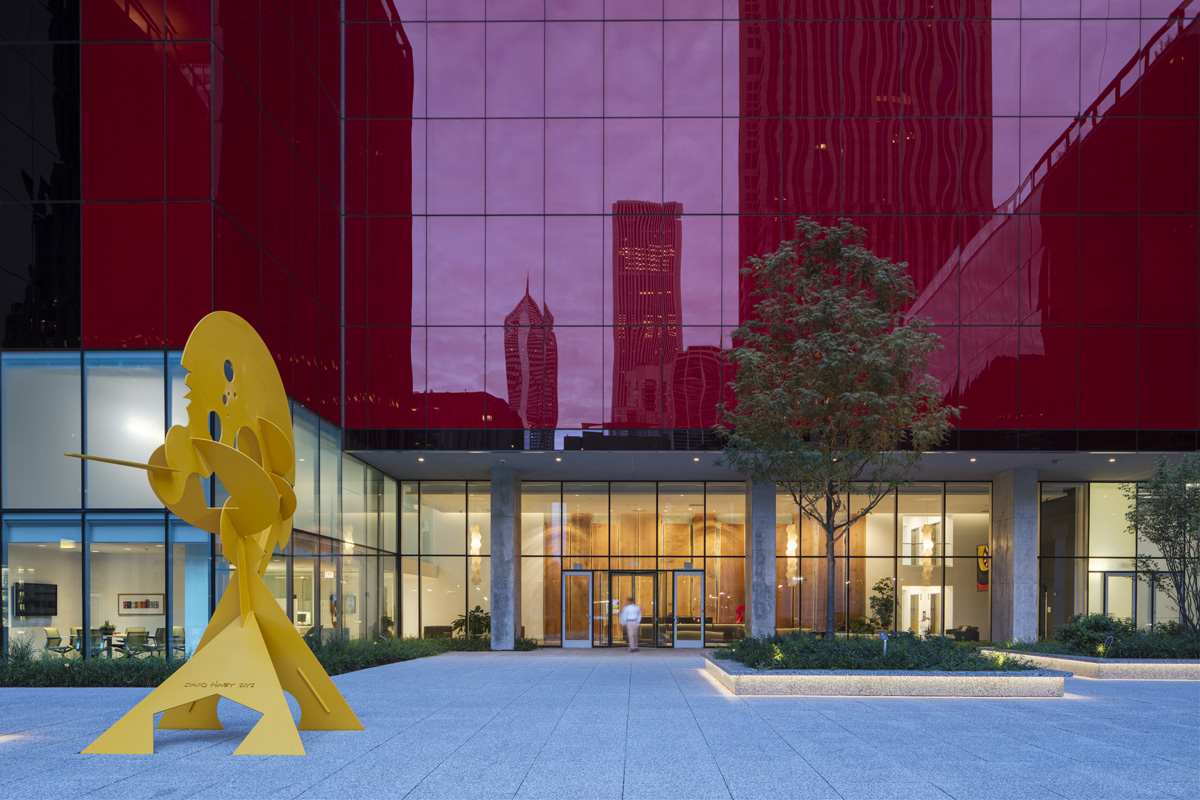
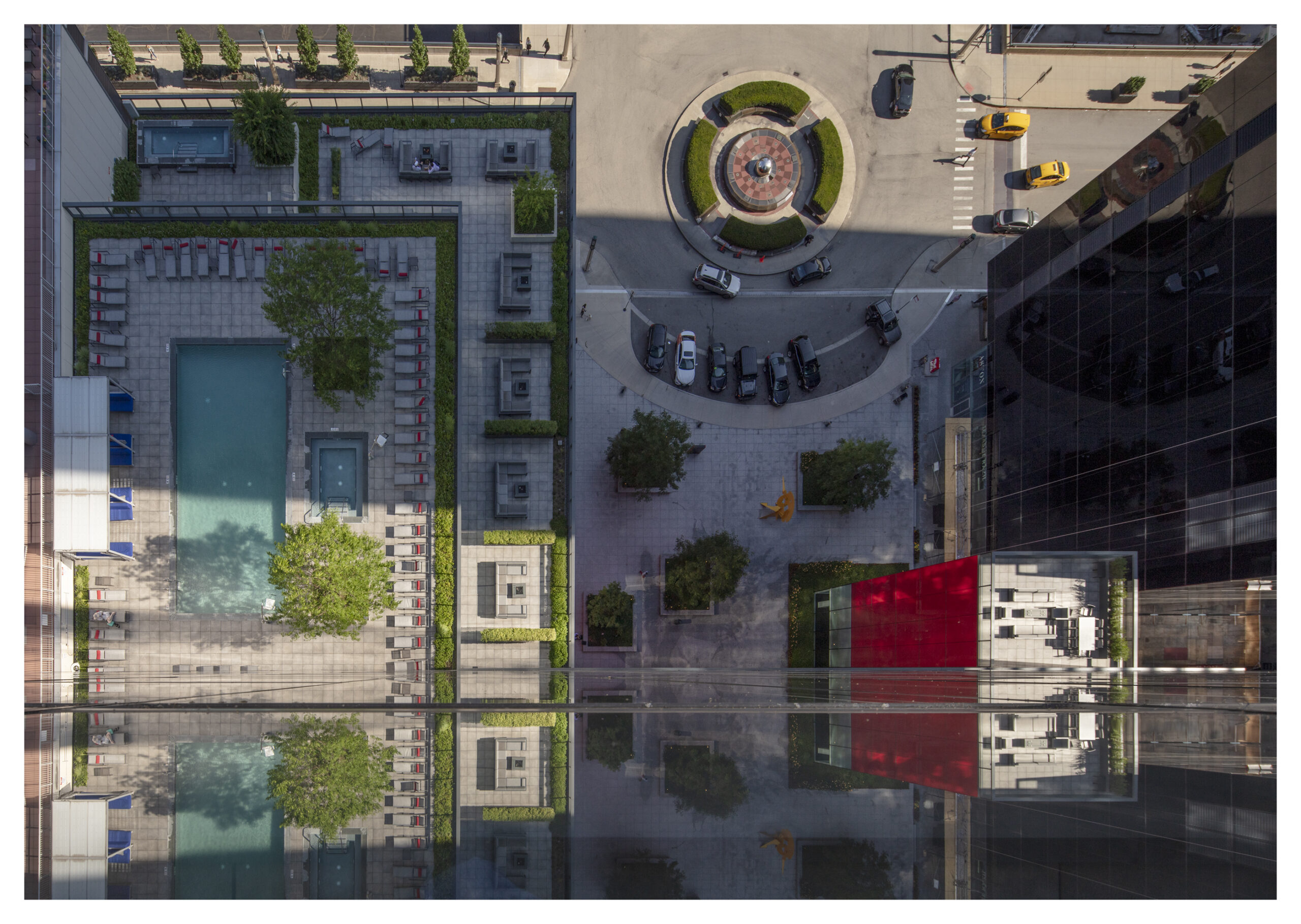
Following in the footsteps of Madrid’s adaptable Plaza Mayor, the modern day plaza can refer to a multitude of spaces with a multitude of purposes. Within our own portfolio, a prime example of a plaza is at Optima Signature and Optima Chicago Center. By sliding the podium of Optima Signature North and juxtaposing Optima Chicago Center to the West and South, the buildings create a dynamic plaza space, which features lush landscaping, planters and benches. Kiwi, a large-scale sculpture designed by Optima founder David Hovey Sr, adds to the visual energy of the space. 

Aerial view of the plaza at Optima Signature and Chicago Center

Now, plazas refer to open spaces within neighborhoods that boost economic vitality, pedestrian mobility and safety as well as providing aesthetically pleasing areas. No matter the interpretation of the word, there’s always one belief at the core, and that’s gathering and celebrating community. 

A Brief History of the Green Roof

A cornerstone of Optima design is the integration of sustainable and enjoyable green roofs. Since our inception, we’ve honed our techniques and evolved our green roofs to be cutting edge additions to each community and its environment. As we reflect on the growth of our own approach to the craft, we’re reflecting on green roof evolution overall with a brief history.

The green roof at Optima Biltmore Towers

A Quick Background on the Green Roof

A green roof (also sometimes called a living roof) is a roof of a building that is partially or completely covered with vegetation. This vegetation is often supported with a growing medium and planted over a waterproofing membrane, and can include additional layers such as a root barrier, drainage and irrigation systems as more complex components. Green roofs are aesthetic and also highly functional building components, serving to absorb rainwater, provide insulation, create a habitat for wildlife, lower urban air temperatures and mitigate the heat island effect. 

The green roof at Camelview Village

A Brief History of the Green Roof

Green roofs date back thousands of years. In ancient times, green roof structures began as sod roofs above caves, with “rooftop” earth and plantlife used for agricultural, dwelling and ceremonial purposes. The downfall of these sod roofs was a lack of protection against burrowing animals and lack of waterproofing ability. Inarguably, the most famous (and most sophisticated) ancient green roofs were the Hanging Gardens of Babylon, one of the Seven Wonders of the Ancient World, constructed around 500 B.C. Built over arched stone beams, the hanging gardens were indeed waterproofed by the inventive layering of reeds and thick tar. 

Modern green roof technology blossomed in the 1960s, when Germany pioneered new, reliable technology that provided sophisticated irrigation and protection against roof ingress. With its invention, Germany was able to market and develop the new green roof technology on a large scale like never seen before.

There are two types of green roofs: intensive and extensive. Intensive green roofs have deep soil layers, widely varied plantlife and increased weight-bearing and stress load (therefore requiring higher maintenance). Extensive green roofs have thin soil depth and less layers, a simplicity that allows for easier maintenance and makes them the more accessible option. In the 1980s, the widespread introduction of extensive green roof technology further propelled the practice. The dynamic and customizable technology means that buildings have the option of choosing which green roof is right for them, and therefore a larger population can take part in the sustainable practice of growing green roofs.

Green roofs have certainly evolved since their inception, and we can’t wait to see what new innovations in the coming years will bring for design, architecture and sustainability. 

Modern Design for Your Home

Recently, we explained what exactly makes up Modern furniture and how to spot it. But what if you’re looking to bring a bit of Modernism into your own space? Considering our own affinity for Modern pieces and design, we love seeing the style applied across homes, condominiums or apartments. So if you’re looking for tips on modern design for your home, here’s where to start:

Form Follows Function

Modernism’s top rule is “form follows function,” essentially meaning that any decor or furnishings should reflect its intended purpose. Anything that doesn’t have a practical purpose can be eliminated, so Modern spaces are often very minimal. However, Modernism also celebrates the expression of form. Le Corbusier lounges or Barcelona chairs all embrace unique shapes and features in bright, joyful colors. Look for pieces that explore color, textures, and material, all while staying functional. 

Colorful modernist furniture and courtyard view at Optima Sonoran Village
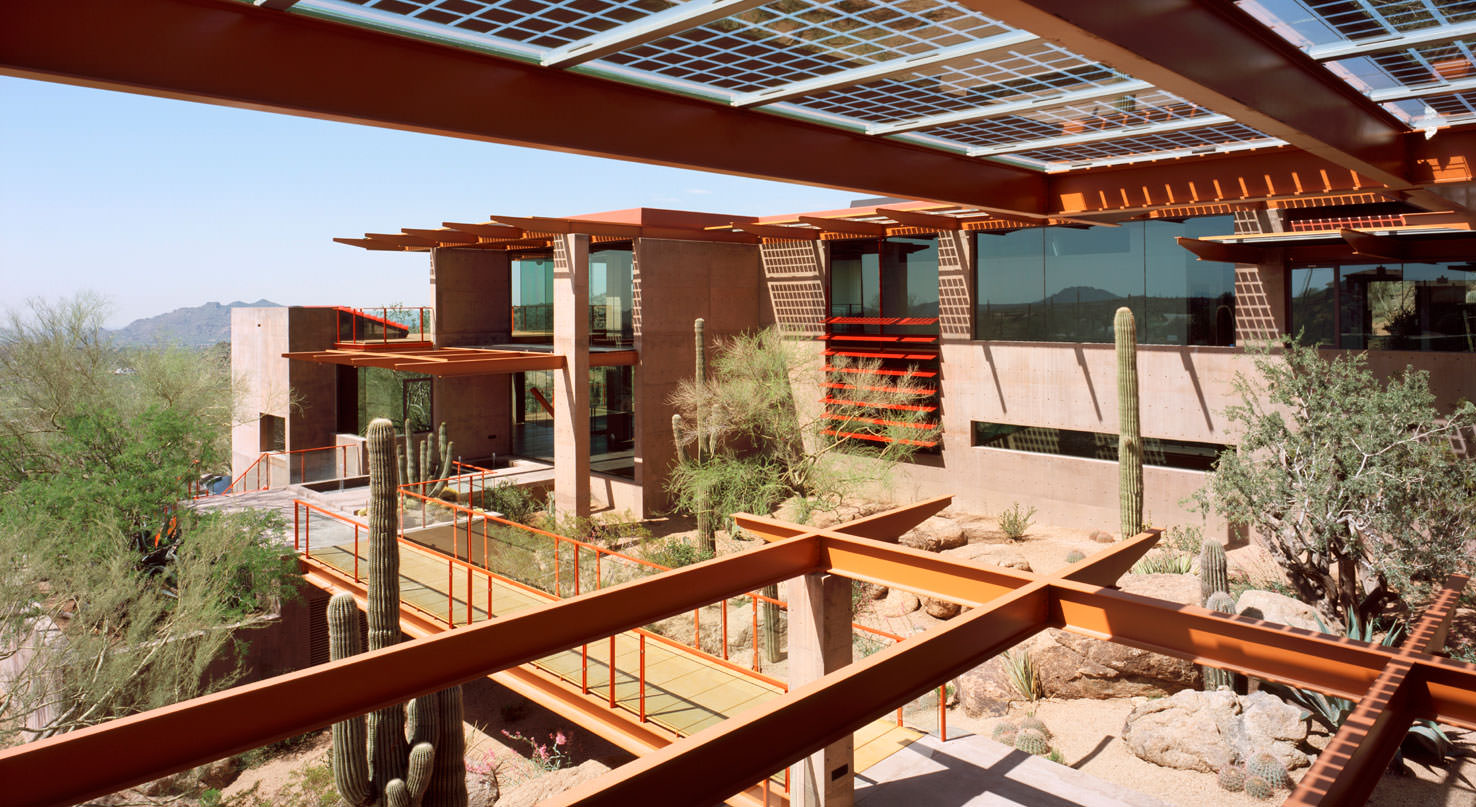
Courtyard view at Optima Sonoran Village

Bring the Outside Inside

Modernist architecture celebrates expansive windows and natural light, as do Modern interiors. Keep windows unobstructed when possible, and keep any blinds or curtains minimal in color. If you feel inspired by the green space at Optima, get a few houseplants to add pops of green. Or if your seasonal weather cooperates, get creative with container gardening

Contemporary vs Modern

Contemporary and Modern are often confused when dealing with interior design, but it’s important to note the different. Contemporary style isn’t attached to any specific era; it changes as time evolves. So Contemporary design would currently refer to anything in demand in 2020. Whereas Modern design specifically refers to a movement in art, design, architecture and of course, furniture. 

If you want to hunt for Modern pieces to add to your own home, here are a few shop recommendations to check out. Or even better, peruse your local thrift store or furniture restoration shop for truly authentic Modern furniture and decor.

person name goes here

Maintenance Supervisor

Glencoe, IL


    Acceptable file types: *.pdf | *.txt | *.doc, max-size: 2Mb