The Subsects of Modernist Architecture, Part I

As a pioneering approach to architecture, the Modernist discipline took the creative world by storm. It’s only natural that the discipline has since evolved and morphed to mean many different things to many different people around the world, from Japanese Modernists to the Bauhaus School in Germany and beyond. In celebration of this, we’re taking a closer look at just a few of the many nuanced subsects of Modernist architecture. 

Bauhaus School of Design. Credit: Lannguyen138 on Wikimedia Commons, licensed under the Creative Commons Attribution-Share Alike 4.0 International license

Bauhaus

The Bauhaus Modernist architectural style emerged from the Bauhaus School, founded by Walter Gropius, in Germany over a century ago. The school operated from 1919-1933. Gropius formed the Bauhaus in response to the rise of industrialism, emphasizing the importance of craftsmanship and human-centric design. The school united fine arts and craftsmanship to create one strong point of view, a style marked by its eschewment of the ornamental in favor of a sharp focus on geometric and abstract form, function and aesthetic. The simple schema of Bauhaus architecture was intended to be easily mass produced — and indeed, the style was packaged and spread globally, inspiring Modernist architecture as we know it today.

De Stijl

Emerging at the same time period as the Bauhuas, De Stijl (Dutch for “The Style) originated in the Netherlands in 1917 and is said to have peaked between its inception and 1933. The style emerged post World War I as a utopian means of social and spiritual redemption that took advantage of art and its transformative impact. De Stijl applied to both painting and architecture, proposing ultimate simplicity and abstraction through the use of stark and straight horizontal and vertical lines and rectangular forms. Though considered more prominent in architecture than painting, the movement is considered to be led by Piet Mondrian. Pioneers in the movement considered it the perfect fusion of form and function, yielding what they considered the ultimate style.

Constructivism

While the Bauhaus style and De Stijl were emerging in Eastern Europe, Constructivism entered the scene in the Soviet Union in the 1920s. Constructivism was in part inspired by the Bauhaus, as well as by Russian Futurism. The style is characterized by its blend of modern technology and engineering methods, and marked deeply by the socio-political ethos of Communism. Constructivism combined existing Modernist principles like minimal and geometric design with a more experimental lens. This sense of experimental play, combined with its Futurism influences, resulted in intriguing and abstract structures. Though the style fell out of favor only a decade later, its influence can be seen in later movements such as Brutalism — but more on that later.

Stay tuned for more features on the numerous subsects of Modernist architecture.

Auguste Rodin and the Beginnings of Modern Sculpture

Our appreciation for Modernism extends past architecture into all mediums of creative thought, including our love for sculpture (and our own sculpture at Optima). Sculpture has long been an artistic expression across decades and culture, but the beginnings of Modern sculpture sparked with renowned visionary, Auguste Rodin. 

Setting the Stage

By the 20th century, sculpture practices in Europe largely revolved around Neoclassical and Romantic ideals. Contour and clarity defined figures, and artists were inspired by the art and culture of classical Greek antiquity. Often sculptors even portrayed their subjects in Roman costume instead of contemporary clothing. But the world of sculpture would see dramatic change at the 1900 Paris Exposition, when Auguste Rodin would use the world’s fair to unveil a new way of thinking when it came to sculpted form. 

Auguste Rodin
Auguste Rodin. Credit: public domain.

Auguste Rodin 

Rodin came from a working-class family in Paris and throughout his turbulent youth, taught himself to draw and paint. Eventually, he learned the trade of ornamental design and sculpture, but by the 1890s, had grown exhausted of the style. Rodin was a naturalist, more concerned with character and emotion than he was with tradition, idealism or decorative beauty. His work emphasized detailed, textured surfaces and the juxtaposition of light and shadow, a style that was met with criticism initially. At the Paris Exposition, Rodin showcased a series of pieces that would turn an entire industry upside down at the turn of the century.

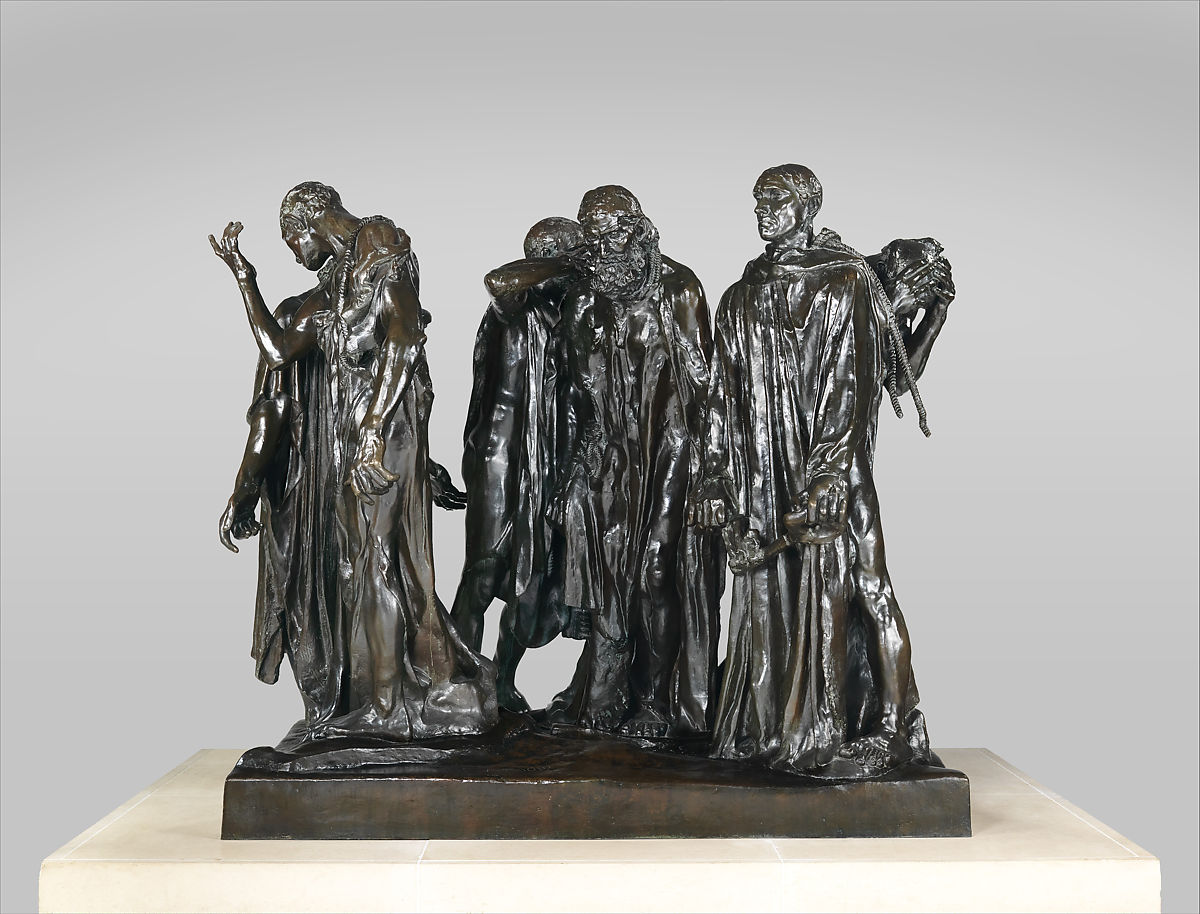
Burghers of Calais by Auguste Rodin, which displayed at the 1900 Paris Exposition. Image courtesy of The Metropolitan Museum of Art

Modern Sculpture

Modernist styles that followed Rodin’s debut included Art Nouveau, Cubism, De Stijl, Dadaism, Surrealism, Futurism, among many others. It seemed that once the creative floodgates were open, artists ran with the possibilities of bending form past the boundaries of traditional realism. Especially since the 1950s, Modernist trends in sculpture have become increasingly more flexible to include new materials, abstractions and approaches. And we’re thankful they’ve made such progress; it’s allowed our own expressions of form to flourish over the years, and contribute beautiful, unique sculpted pieces to our Optima communities. 

Modernism and Japanese Architecture

In the same way our own practices at Optima are rooted in and inspired by Modernist design, so too is the work of other architects and designers across the decades, and across the world. One of the joys of our industry is seeing how design translates through the lenses of other cultures and countries, and Modernism and Japanese Architecture have a truly fascinating connection.

The History

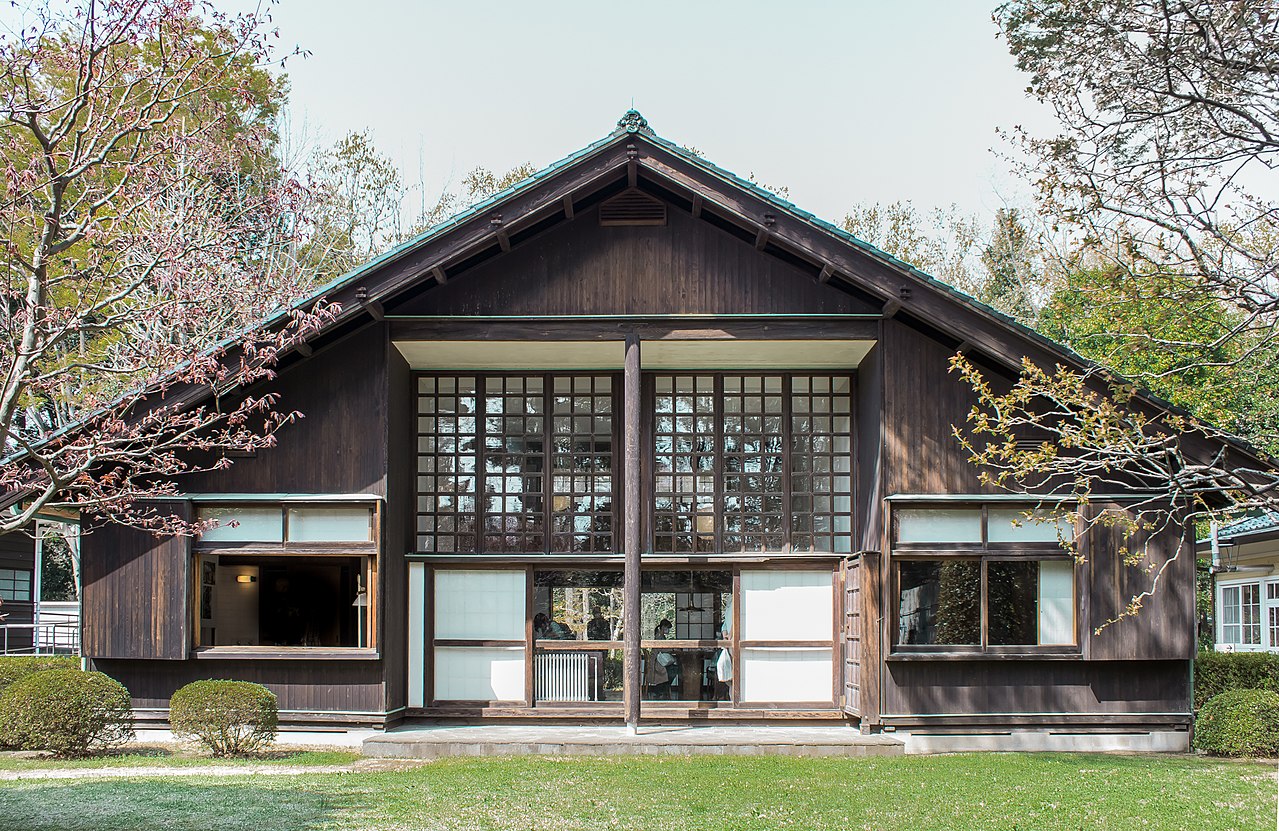
The Modernist movement began in the early 20th century, pioneered by architects such as Walter Gropius, Mies van der Rohe and Le Corbusier. Le Corbusier, who traveled extensively during his lifetime, drew inspiration from traditional Japanese homes, sukiya-zukuri. Influenced by teahouses, sukiya-zukuri typically includes modest spaces designed with natural materials such as wooden columns and earthen-plaster. Pillars support the structure of the home, which allows for sliding screen walls to filter natural light into the rooms and blurs the barrier between outdoors and in. Le Corbusier used similar designs across his work, creating a connection between Japanese and Modernist architecture that only continued to grow.

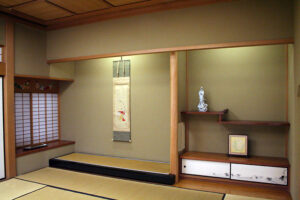
Example of sukiya-zukiri interior architectural style. Credit: Yuko M on Flickr Creative Commons CC BY-NC-SA 2.0 Deed

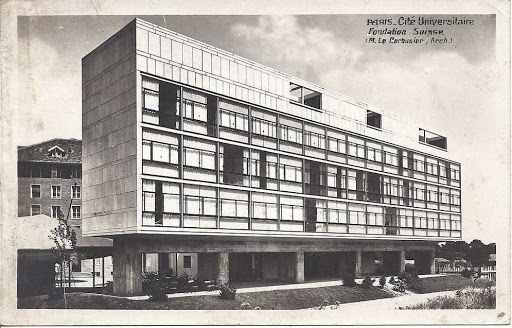
In the 1930s, Japanese architects such as Junzo Sakakura and Kunio Maekawa collaborated with Le Corbusier, further fusing the two styles. Sakakura eventually rose to the chief of staff of Le Corbusier’s atelier in Paris, working on projects such as the 1932 Swiss Pavilion, which included sliding windows and open space for nature to flow in and out. The progress made from these collaborations impacted both Modernism and Japanese architecture — then and now.

1932 Swiss Pavilion
1932 Swiss Pavilion

Influences Today

Japanese influences are apparent across many executions of Modernist design. Intentional materials (whether they consist of wood, stone or metal), open floor plans and clean, minimalist spaces are present in both practices. Green space or gardens is also a huge similarity; and one we incorporate across all of our Optima projects. Through noticing and appreciating where these styles originate, we gain a greater knowledge and understanding of the world of architecture, and architecture throughout the world.

Sculpture Spotlight: Curves and Voids

As devout fans of Modernism, at Optima we love to experiment with form and function. That’s how Optima Co-Founder David Hovey Sr. got into sculpture. Combining his love of art with his interest in materials, David Hovey Sr. began manipulating steel to create striking sculptural pieces that play complement to Optima’s architectural spaces. Today, we’re examining one of his sculptures: Curves and Voids.

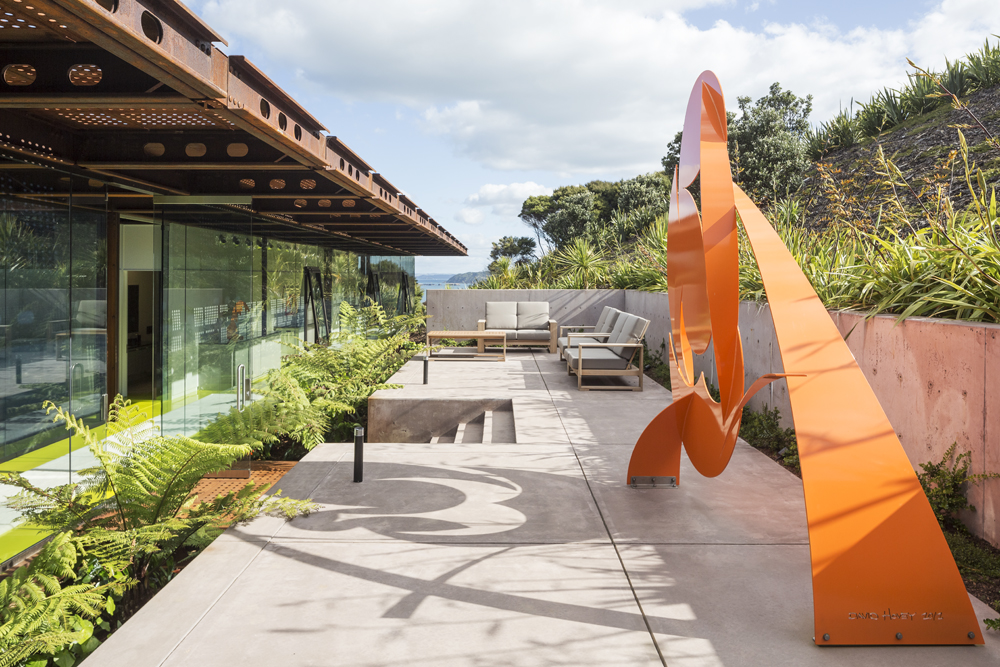
Curves and Voids at DCHGlobal Whale Bay House in New Zealand.

Like all original Optima sculptures, Curves and Voids can be found across our properties in various colors and sizes, as evidenced above. But what never changes is the form of the piece: Curves and Voids plays with the expression of steel and explores ideas of its potential. This play is demonstrated in grand, sweeping curves that make up the various sculptural components. Meanwhile, voids are laser cut within the sculpture’s steel planes. These holes provide gaps and textures to contrast and juxtapose the sculpture’s curves. 

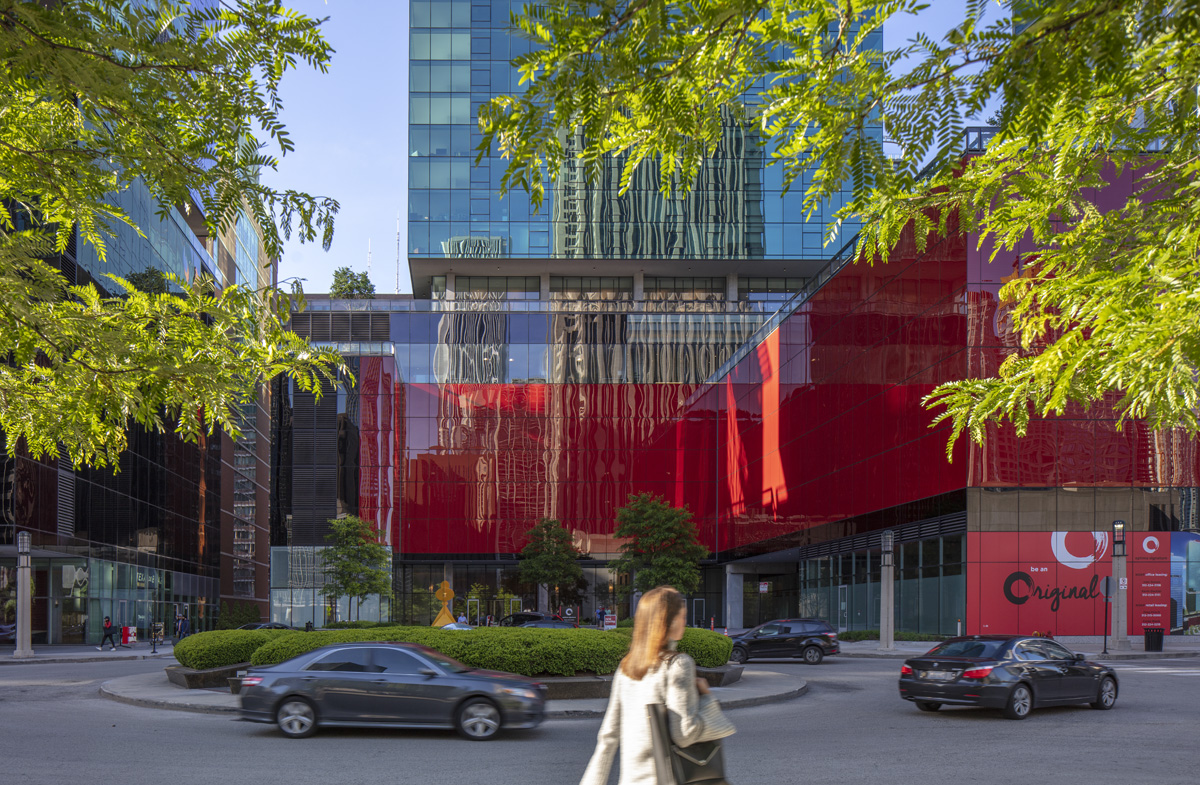
The sweeping curves of Curves and Voids play perfect complement to the stark Modernist lines in our communities. At Optima Sonoran Village’s sculpture walk, Curves and Voids stands boldly expressed in natural Cor-Ten steel. The steel’s raw coloration was chosen so as not to compete with the vibrant colors in the building’s facade and landscaping. Meanwhile, at Optima DCHGlobal’s Whale Bay House in New Zealand, Curves and Voids is supersized in the courtyard, becoming a show stopping statement piece for contemplation. 

Whether we’re experimenting with form, function, size or color — at Optima we love to playfully implement sculpture as yet another component of thoughtful design.

The Benefits of Retail Space in Mixed-Use Buildings

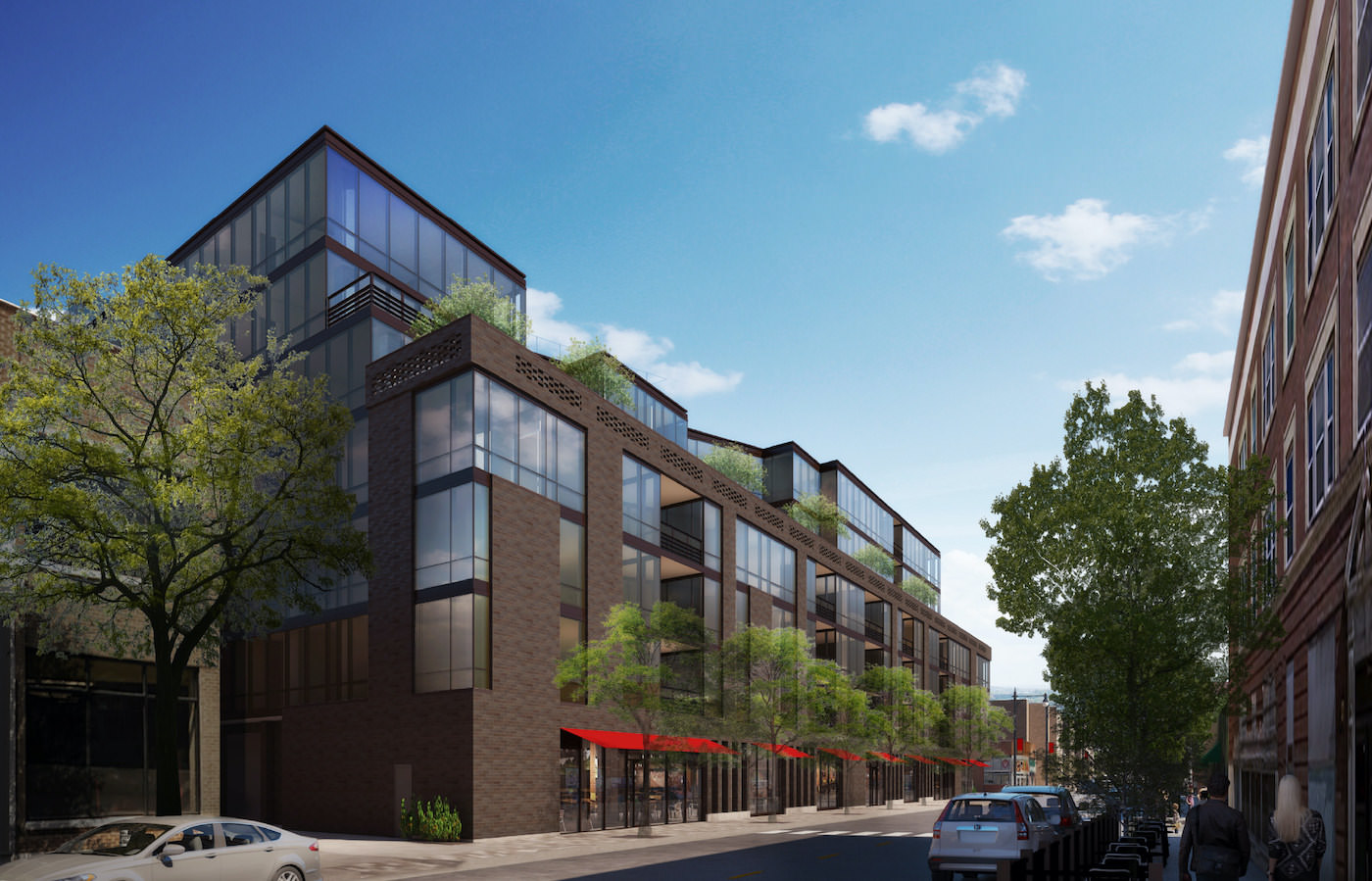
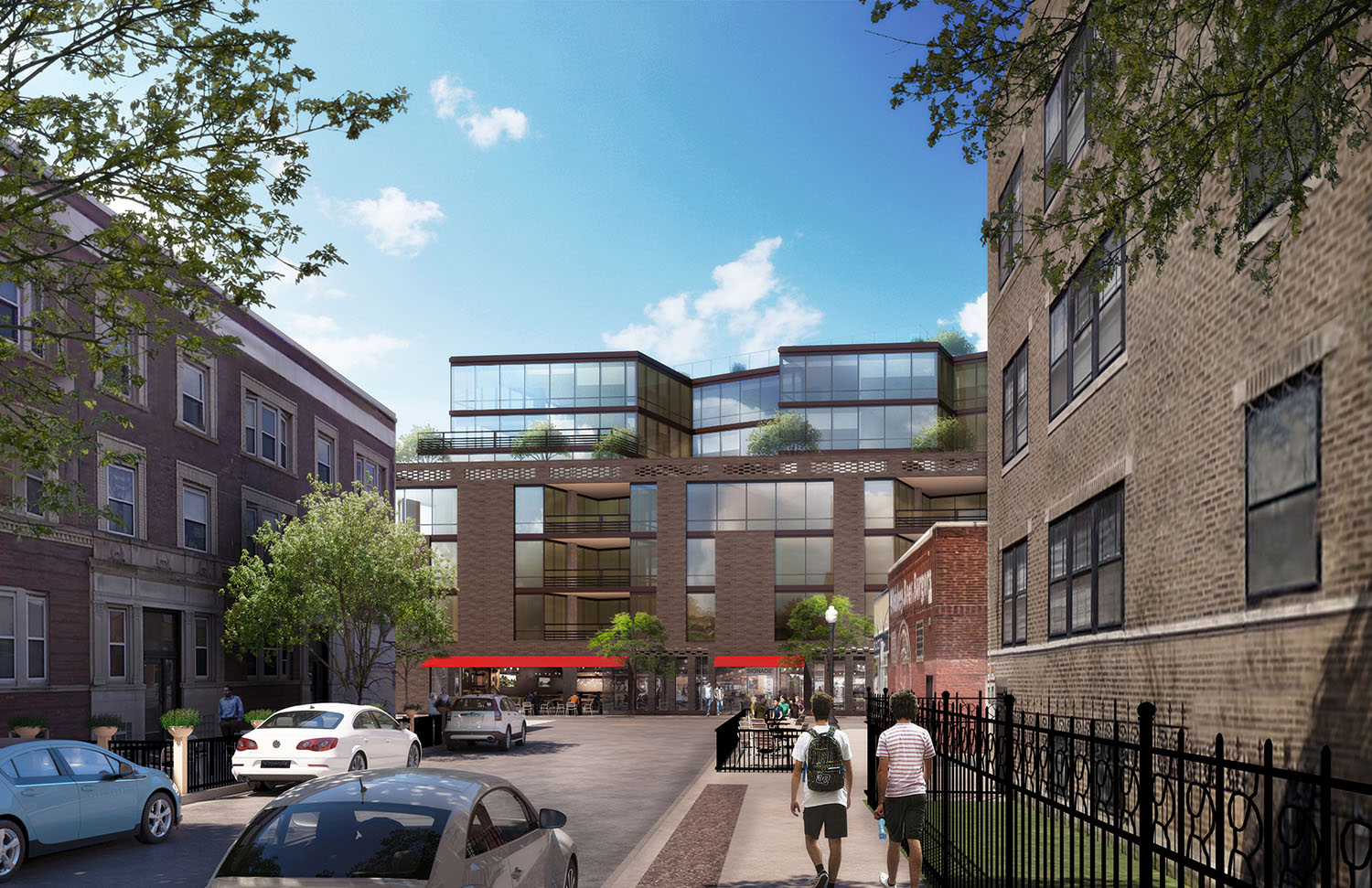
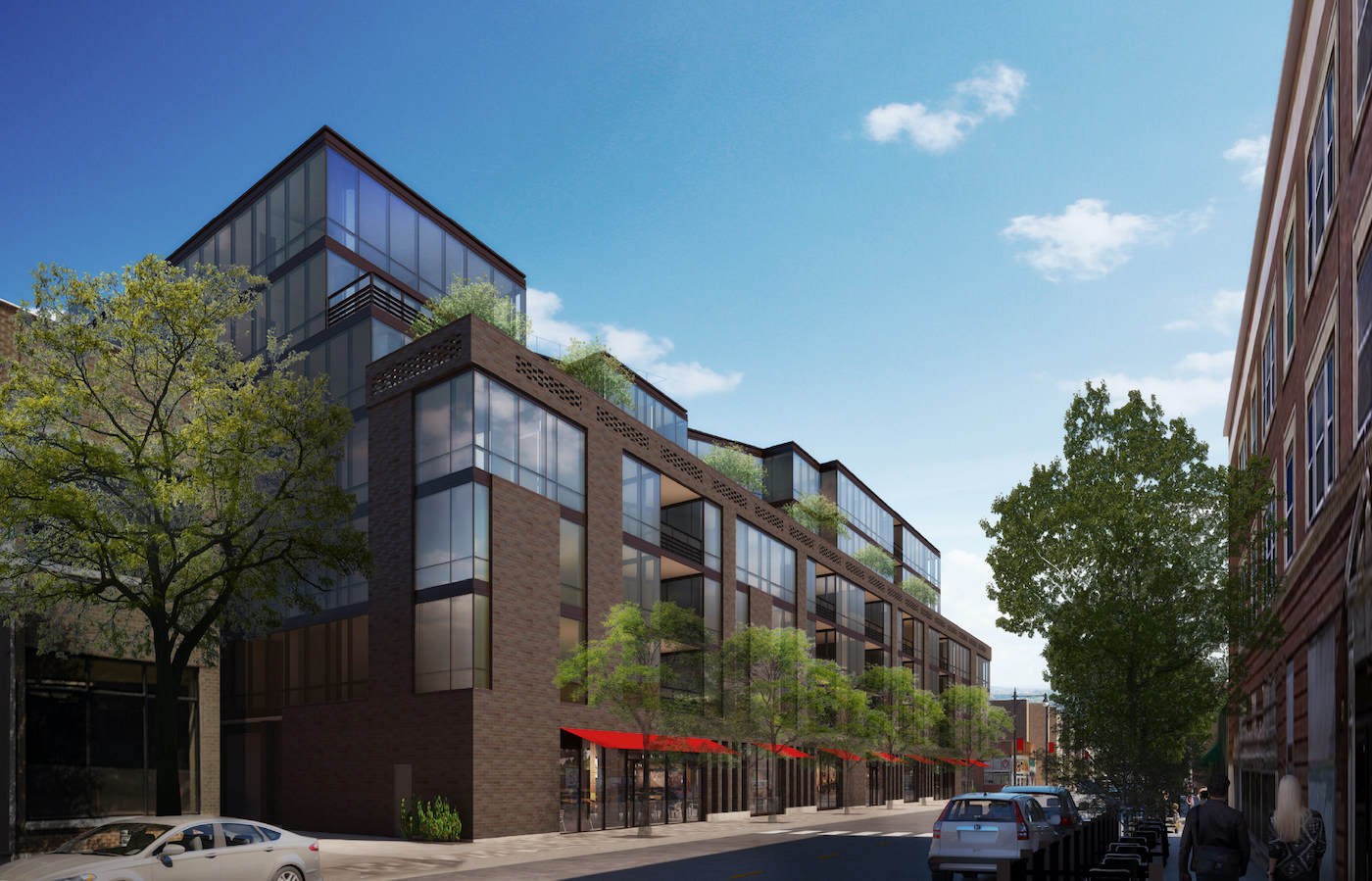
Our latest development to break ground, Optima Lakeview, is a mixed-use building that’s bringing in-demand and exciting retail space to the Lakeview neighborhood of Chicago. Combining residential and retail into one building (earning the name “mixed-use”) is a time-old way to reap benefits for both residents and businesses alike. So what exactly are those benefits? 

Understanding Mixed-Use Buildings

For starters, let’s define what a mixed-use building is. A mixed-use building (MXD) is a building with three or more significantly-sized, revenue-producing businesses, whether those businesses are offices, retail stores, restaurants or other hospitality locales. The purpose of MXDs is to maximize the efficiency and value of a limited space, especially in urban areas, where space is in high demand. 

In addition to the underway Optima Lakeview, many other Optima projects are also mixed-use buildings. Optima Signature, our luxury condo community in Chicago’s Streeterville neighborhood, features retail tenants such as Bedazzled Nail Salon, GoodVets Veterinarian Office, Egg Harbor Cafe, Guidepost Montessori School, Runaway Fitness and an interior connection to the Whole Foods nextdoor. 

Retail-space-filled plaza at Optima Signature
Retail-filled plaza at Optima Signature

Benefits of Retail Space 

Introducing mixed-use buildings into a neighborhood means retail space is closer than ever to residential. For residents, this translates into a more pedestrian-friendly experience: their needs are accessible and within walking distance. For the environment, increased walkability also means less pollution from transportation. And for business-owners, their storefronts gain increased exposure as people stroll by, leading to increased sales and success. Overall, mixed-use buildings lead to a stronger sense of community and better quality of life for both residents and businesses. 

At Optima, we make the most of our retail space by thoughtfully hand-selecting each business. Retail space in our residential buildings is yet another amenity that serves to enhance the lives not just of our own residents, but of the surrounding community, too.

The History of Transit-Oriented Developments

Our latest underway project, Optima Lakeview, is a transit-oriented development in the vibrant Lakeview neighborhood of Chicago. Unless you’re familiar with the world of urban planning, the term transit-oriented development may be unfamiliar to you. When it comes to city design, transit-oriented development is a type of urban development that maximizes the amount of residential, business and leisure space within walking distance of public transport, including buses, trains or subways. Today, we’re taking a closer look at the history of transit-oriented developments within the United States, and how they’ve impacted cities across the country.

A Brief History

Although the concept of transit-oriented development (or TOD) wasn’t officially named until the 1990s, the pieces existed long before. After WWII, the mass production of automobiles allowed more people to move to the suburbs, and also created highly congested cities and roads. City planners and officials called for mass-transit use in urban areas, and federal funding was allocated to cities in need of new systems. New hubs of public transit were followed by housing and businesses, which helped create concentrated communities that benefited from the walkability. As urban planning grew and expanded as a practice, the term transit-oriented development was coined, and many cities and industry professionals have since spent time, resources and research to pinpoint how TODs lead to vibrant communities. 

The Impact of Transit-Oriented Developments

As an initial response to the increase in vehicles going in and out of cities, TODs have successfully reduced congestion in cities, and reaped the environmental benefits. With more commuters and residents taking trains, TODs create a sustainable alternative to getting around. Less cars create a walkable, pedestrian-friendly environment, creating options for healthier lifestyles. And with more foot traffic, local businesses have a greater chance of thriving. 

Residential buildings play a huge part in creating transit-oriented communities. As a transit-oriented development, Optima Lakeview combines residential, commercial retail and leisure space, all within walking distance of an abundance of public transportation options. We’re thrilled to be part of the Lakeview community and to create a place where our residents can live, work and play. 

Chicago Skyscraper History: Home Insurance Building

Chicago boasts many historical architectural feats — it was the host of the World’s Columbian Exposition in 1893 and the playground of greats including Frank Lloyd Wright and Louis Sullivan. But did you know Chicago was also home to the world’s first ever skyscraper? Today we’re taking a look at the historic Home Insurance Building and how it came to be.

How the World’s First Skyscraper Came to Be

The Great Fire ravaged Chicago in 1871. But it was a devastation that gave way to the opportunity to rebuild anew. As the city looked to rebuild, architects pondered what the next generation of urban structures looked like. With commerce and industry downtown exploding exponentially, these structures had to accommodate more residential space and more office space — leading to verticality as a solution. And with the Great Fire as their lesson, architects also knew these structures had to be much more durable than those that had been so easily destroyed.

Luckily, two pivotal inventions from the mid-19th century made the introduction of soaring steel-framed buildings possible. The first was the safety elevator pioneered by Elisha Otis in 1854, which allowed for the safe transport of elevator passengers. While the top floor of buildings had once been inaccessible and undesirable, the elevator changed that forever. Meanwhile, the Bessemer Converter of 1856 allowed for widespread, large-scale commercial production of steel. 

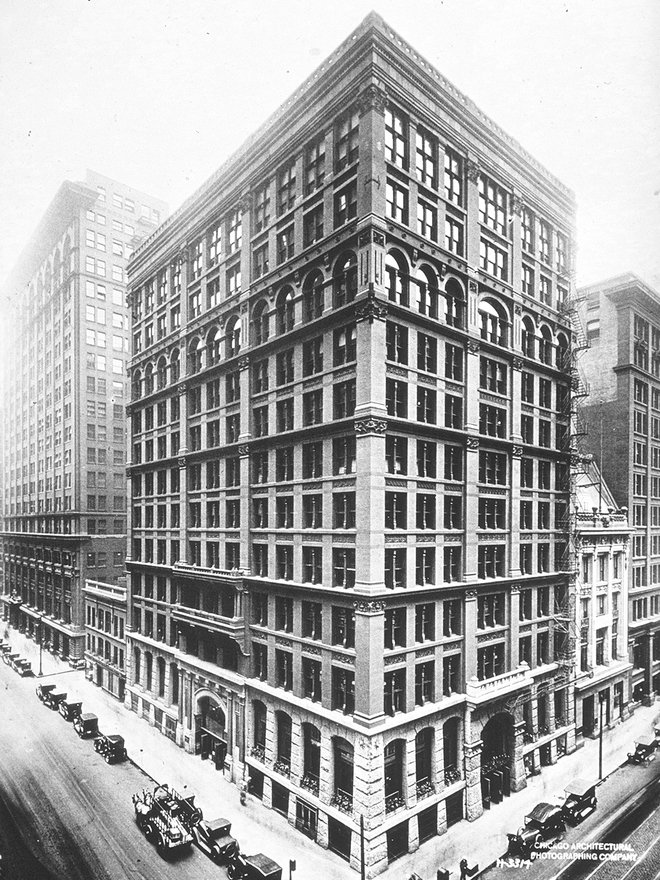
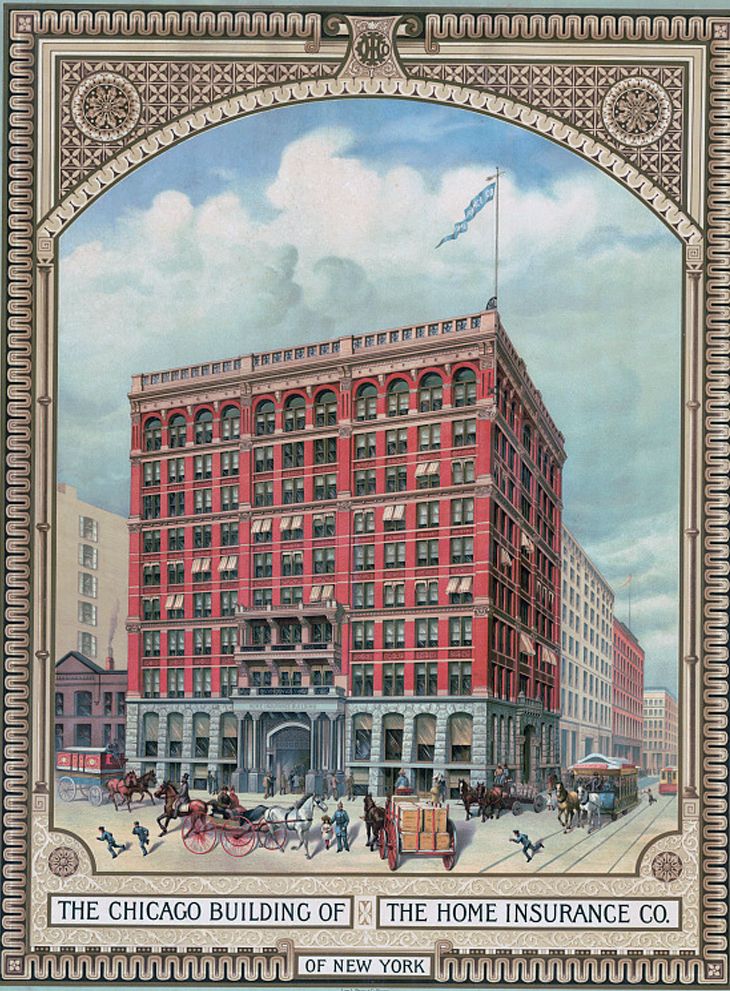
The culmination of these factors led to the world’s first skyscraper in 1885: the Home Insurance Building, a ten-story, steel-frame fireproof building in downtown Chicago.

Home Insurance Building, 1885, Published by Sprang Printing, Boston
Home Insurance Building, 1885, Published by Sprang Printing, Boston.

A Closer Look at the Home Insurance Building

The Home Insurance Building, designed by William Le Baron Jenney, was located at the corner of Adam and LaSalle Street. It earned the title of the world’s first skyscraper thanks to the combination of its height and its revolutionary steel frame. The frame was composed of wrought and cast iron alongside Bessemer rolled steel beams, leading the building to weigh in at a third of the mass of traditional masonry buildings of the time. 

While two additional stories were added to the Home Insurance Building in 1890, it was eventually demolished in 1931 to make way for the Field Building, now known as the LaSalle Bank Building. Despite the building being gone today, it has forever left its mark on Chicago’s skyscraper history.

Your Guide to Golfing Inside

With the winter months officially here, many of us are having to go without our favorite outdoor activities and sports. However, for residents at many of our Optima buildings, golfing year-round, rain or shine, is still a possibility. For avid golfers who want to keep up their game at all times, we present your guide to golfing inside:

The first golf simulators appeared in the early 1970s, developed from placing computerized sensors at different points on a net. This method only allowed players to practice their swings and offered no way to gauge distance or accuracy. Thankfully, technology has allowed for golf simulators to expand and advance over the years. Now, you can play a full round of golf with different clubs for a more well-rounded practice, and enjoy putting on some of the world’s best golf courses right from the comfort of home.

Whether you’re a seasoned golfer or a newbie, indoor golfing has a few perks that even real golf can’t beat. The first — and most obvious — being that you can play any time and in any weather condition. Playing via simulator also requires significantly less time, and there’s no commitment to play through an entire round. For anyone working from home, that means an easy golf break during lunch, or a quick way to reap some of the health benefits from the sport. Of course, improving your game is a huge benefit. Simulators provide instant feedback for each shot, so you can adjust as you go. By the time the weather warms up again, you’ll be a new player. 

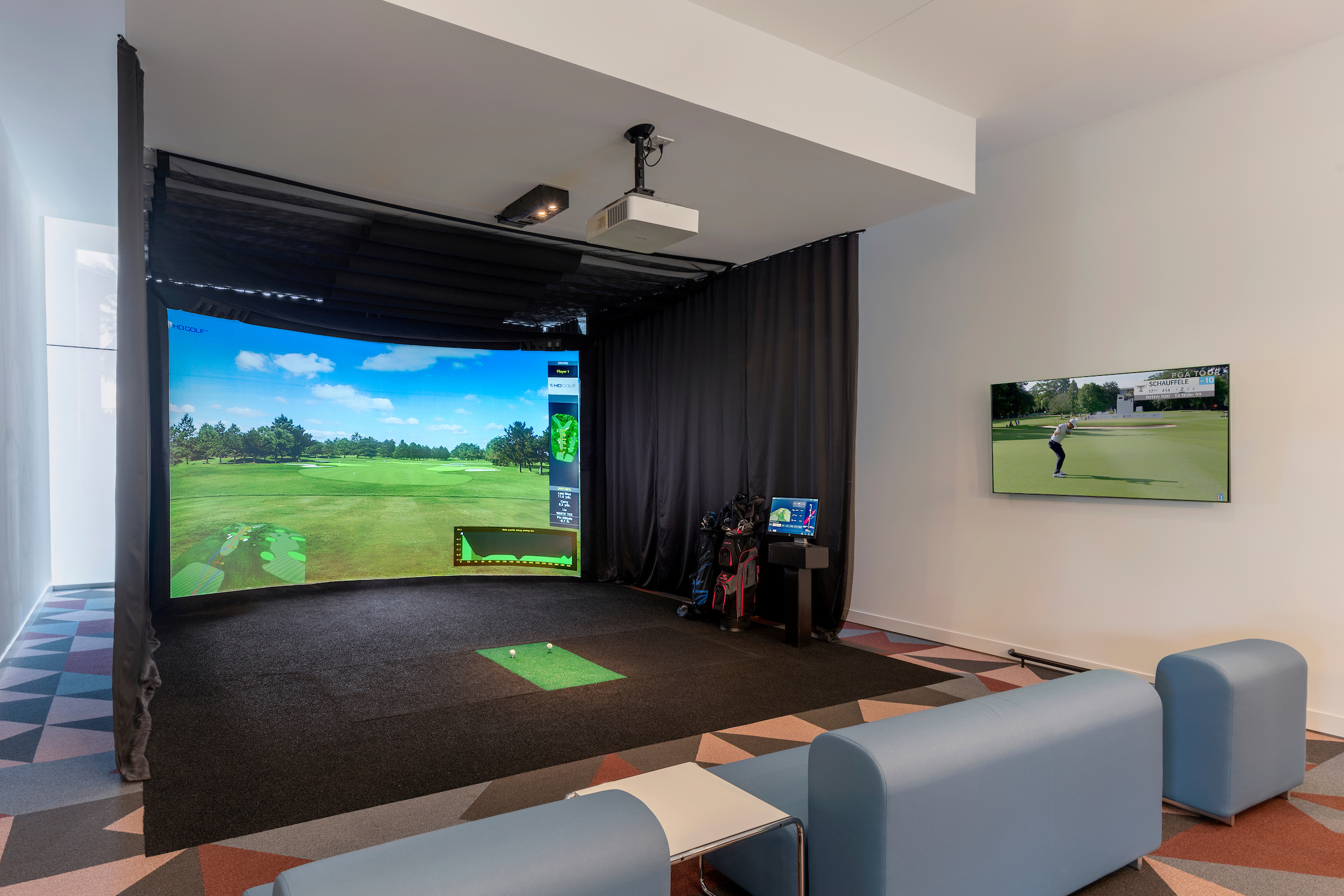
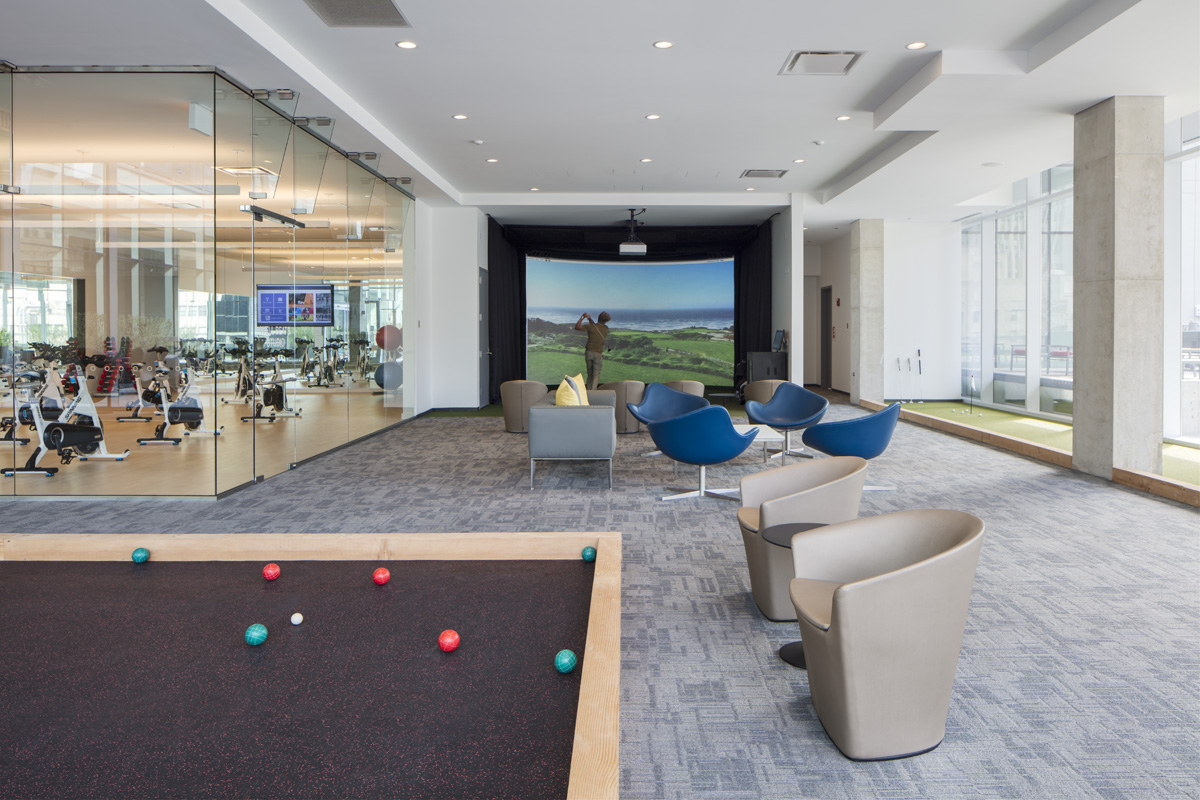
Golfing Simulator on the 7th floor amenity space at Optima Signature
Golf Simulator on the 7th floor amenity space at Optima Signature

For residents across our Optima Kierland community, golf simulators are integrated at our residents-only clubs on our extensive amenity floors. At Optima Signature, a golf simulator and putting green ensure that residents can practice both their long and short game. We know how important wellness and recreation are to our communities, and we hope our amenity levels — including our golf simulators — help residents stay healthy year-round! 

2020: A Year in Review

As 2020 comes to a close, we’re taking this moment to reflect and look back on all that’s happened through this unexpected, unprecedented year. From our team, to our projects to Optima as a whole, we’ve learned, grown and thrived. Here are just a few of the highlights:

7180 Optima Kierland, winner of the Outstanding Property Award London for Winner in Architectural Design, surpassed its 85% sold milestone.

Projects and Properties

This was a big year of growth for us with many exciting projects. In Arizona, we launched the lease-up of the new 7140 tower at Optima Kierland Apartments, the second apartment tower within the Optima Kierland development. Also within Optima Kierland, 7180 Optima Kierland surpassed its 85% sold milestone.

And in Chicago, our portfolio expanded with the groundbreaking of Optima Lakeview and the approval of Optima Wilmette, two projects we look forward to making future strides with in the coming year. 

Awards

We were honored to win thirteen awards this year. Our architecture and design were acknowledged with the AIA Chicago Design Excellence Awards for Distinguished Building (Whale Bay House) and the Outstanding Property Award London for Winner in Architectural Design four times over (Whale Bay House, Arizona Courtyard House, 7180 Optima Kierland and Optima Sonoran Village).

Our property management team was recognized with the Best Community & Management Team Tribute Award by the Arizona Multihousing Association.

Meanwhile, our corporate culture was acknowledged with the award for Crain’s Chicago Business Best Places to Work 2020, and AZCentral Top Companies 2020.

To see the full 2020 lineup, visit our awards page.  

Culture

Throughout the year, we rallied to keep our culture thriving and to ensure our team stayed more connected than ever. We launched our Be Well | Work Well initiative, made up of the Be Well | Work Well Newsletter and new Wellness page within our company intranet , focused on keeping our team well: mentally, emotionally, socially and physically.

Two kids pose with their jack-o-lanterns

We created a new normal and found ways to have fun together, even while apart, through virtual trivia, virtual happy hours supplying cocktail kits and our dueling pianos virtual holiday party. We brought families into the fun, too, with our innovative “Optima Community Garden,” sending seed packages for team members to plant in their home gardens, and with our pumpkin carving contests, sending supplies and holding voting to determine a winner. 

We can’t thank our leadership, team members and communities enough for rising to the occasion and making this year special. Going into 2021, we’re excited to continue innovating, growing and achieving together.

The Health Benefits of Natural Light

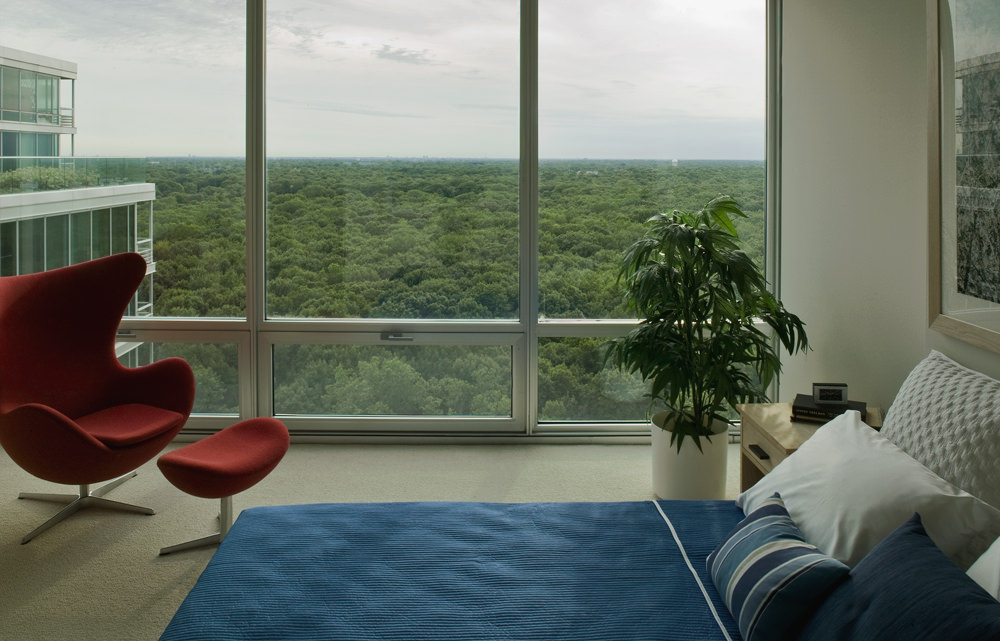
Architecturally speaking, Modernist design is often defined by expansive windows and plenty of natural light, something we’ve incorporated across our properties for decades. There’s certainly an aesthetic benefit to large windows and entryways; they invite the outdoors inside, giving residents a full view of the surrounding environment. And as we’ve seen from this year, there’s certainly a wellness aspect to the design feature as well. So what exactly are the full health benefits of natural light?

Physical Benefits

When exposed to sunlight, our skin absorbs vitamin D, which helps prevent bone loss and reduces the risk of heart disease, weight gain and various cancers. You don’t have to sit by the pool in order to get plenty of vitamin D; soaking in some sun while you work from your at-home office or sipping coffee by your window in the morning works just fine. Natural light exposure also helps improve productivity, immune system strength, mood and sleep. Especially during winter months, it’s important to get your daily dose of natural light. 

Mental Benefits

And speaking of winter months, with the days getting shorter and darker, many suffer from Seasonal Affective Disorder. During that time of year, natural light is even more impactful on our mental health. Sunlight actually helps produce serotonin and endorphins, hormones that can significantly improve our moods. If you’re looking for a natural way to beat the winter blues, natural light is a great method to do so.

If you want to maximize natural lighting in your own home, there are a few ways to do so without any major renovations. Arrange mirrors to reflect light, move furniture as to not block windows, avoid heavy or dark drapes and keep your windows clean. You can even try light therapy or synthetic light lamps for an extra boost. No matter your method, natural light is a great way to stay happy and healthy this winter. 

person name goes here

Maintenance Supervisor

Glencoe, IL


    Acceptable file types: *.pdf | *.txt | *.doc, max-size: 2Mb