The Work of László Moholy-Nagy

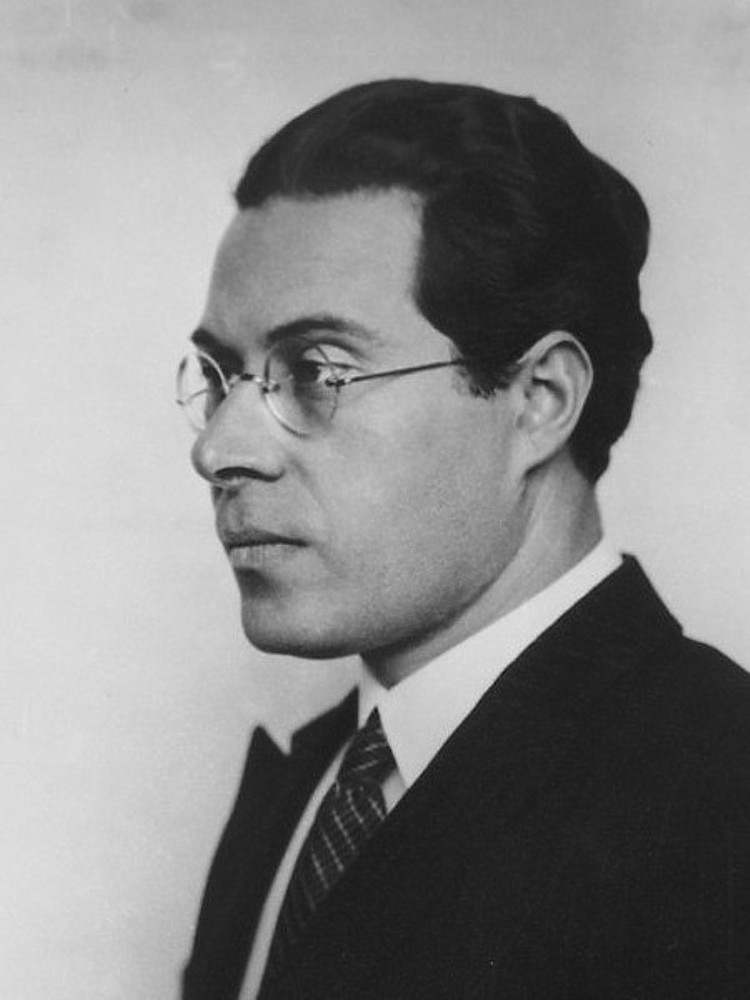
Many prominent and influential figures emerged from the Bauhaus. One of these figures was László Moholy-Nagy, a Hungarian painter and photographer, and a professor at the Bauhaus. Today, we take a closer look at his life, work and impact on the world of Modernist design.
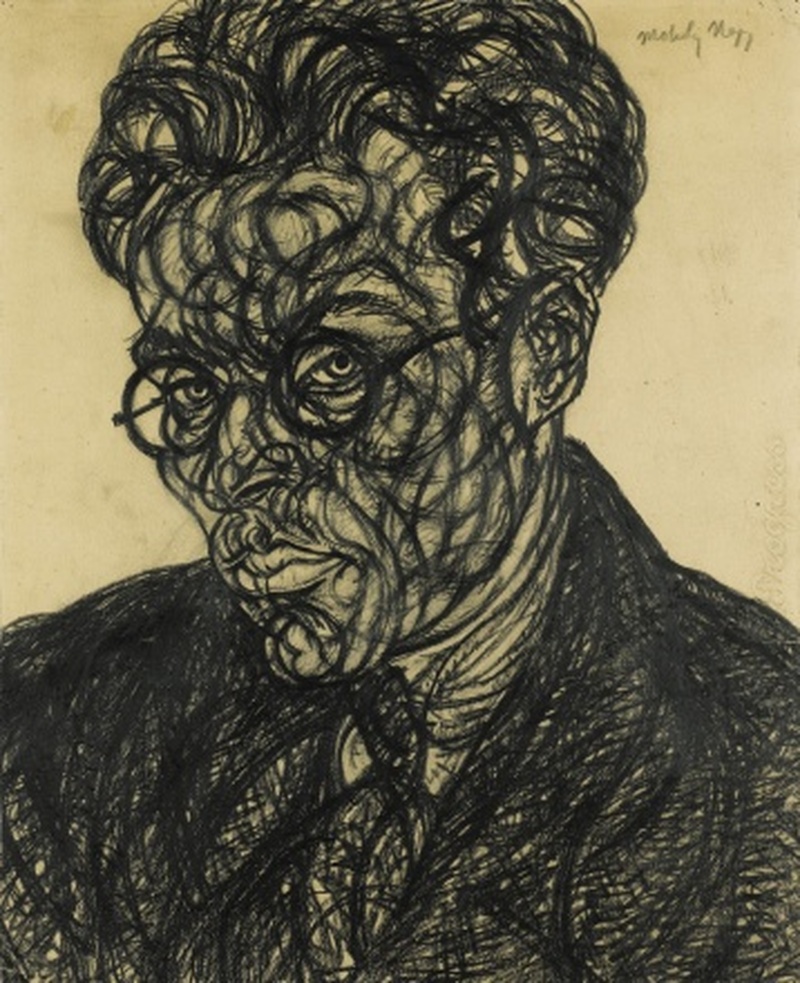
Self Portrait (1918), László Moholy-Nagy
Self Portrait (1918), László Moholy-Nagy. Credit: Public Domain

The Life of László Moholy-Nagy

Originally born in 1895 as László Weisz, Moholy-Nagy grew up in Hungary. He always tended to be artistic, even in boyhood. His first dream was to become a writer or poet and he had poems published in the local paper at the young age of 16. After studying law for just two years, Moholy-Nagy enlisted in the Austro-Hungarian army in 1915 and in the field, his artistic pursuits persisted. He documented his experience through writing, crayon sketches and watercolors until he was discharged just three years later. 

After all these experiences, Moholy-Nagy abandoned his law studies to attend a private art school in 1918. He had his first art exhibition just a year later. The years that followed would prove formative for his personal and artistic life: in 1920, he moved to Berlin, where he met his first wife, Lucia Schulz — and they were married just a year later — and then in 1922, Moholy-Nagy met none other than Walter Gropius, Founder of the Bauhaus.
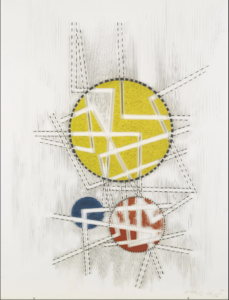
Work on acrylic with incisions on perspex by László Moholy-Nagy. Credit: Wikimedia Public Domain

The Work of László Moholy-Nagy

In 1923, Gropius invited Moholy-Nagy to teach at the Bauhaus. There, he co-taught a foundational course alongside Bauhaus legend Josef Albers, and replaced the famous Paul Klee as Head of the Metal Workshop. He continued to teach at the Bauhaus for a period of five years, a time which heavily influenced his own artistic philosophy.

Moholy-Nagy’s own work spanned across a variety of mediums, including photography, typography, sculpture, painting, printmaking, film-making, and industrial design. The artist is also cited as the first to incorporate scientific equipment, like the telescope, microscope, and radiography, into his own art practice. This practice highlights Moholy-Nagy’s own open-mindedness. He was always interested in experimentation and the play between life, art and technology — particularly, how the three intersected and paved the way for social transformation and the betterment of humanity. 

His work, which often falls under the category of abstract and avant garde, was also influenced by the Constructivism movement of the early 20th century as well as the Dada artists he encountered upon moving to Germany. Thanks to his creative fluidity and pioneering methods, his work across disciplines and styles has been called “relentless experimental.”

Perhaps his most iconic work was Light Prop for an Electric Stage, completed in 1930. Referred to as a “kinetic light display,” the piece’s rotating construction included reflective surfaces from which a beam of light bounced, casting both moving light and shadow onto nearby surfaces. It’s considered a pivotal fixture in the history of Modern sculpture and perhaps best exemplifies Moholy-Nagy’s own artistic philosophy.

Meanwhile, Gropius continued to impact Moholy-Nagy’s career trajectory when in 1937, he recommended the experimental artist as the head of the New Bauhaus in Chicago (which would eventually become incorporated to the Illinois Institute of Technology as we know it today). In Chicago, he continued to pioneer new methods and experiment until his early death from leukemia at just fifty-one years old. 

His life, work and legacy live on in the, earning him the title of the “genius of all media” and an eternal place in the history of Modernist art and design.

Women in Architecture: Norma Merrick Sklarek

From well-known figures like Charlotte Perriand to lesser-known names like Eileen Gray, countless women have left their mark on the history of architecture. As part of our Women in Architecture series, today we’re taking a look at another pioneering figure: Norma Merrick Sklarek, a woman who paved the way for generations of African American woman architects to follow.

Norma Merrick Sklarek

Norma Merrick Sklarek was born on April 15, 1926, in Harlem, New York. Her parents were both immigrants from Trinidad; her father was a doctor and her mother was a seamstress. Sklarek grew up going to predominantly white schools, where she excelled in math, science and fine arts, encouraged by her father. In fact, he was the one who initially suggested she pursue a career in architecture. 

Sklarek pursued education at Barnard College for a prerequisite year before enrolling at the School of Architecture at Columbia University. Her experience was challenging, but nevertheless she persisted and went on to graduate in 1950 as one of two women and the only African American in her class.

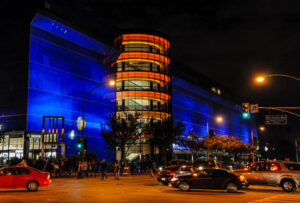
Pacific Design Center
Pacific Design Center, Los Angeles. Credit: Kent Kanouse, Flickr Creative Commons CC BY-NC 2.0 Deed

Career and Work

After graduation, Sklarek faced both gender and racial discrimination in her job hunt and was rejected by nineteen firms. She told a newspaper in 2004, “They weren’t hiring women or African Americans, and I didn’t know which it was [working against me].” She took on a civil service job as a draftsperson for the city of NY, but refused to settle. While working for the city, she took the architectural licensing examination in 1954 and became the first licensed African American woman architect in the state of New York. (Later, this accomplishment would earn her the nickname “the Rose Parks of Architecture.)

As a single mother, Sklarek’s own mom watched her kids while she worked at a variety of architectural firms. The first cordoned her to menial tasks, such as designing bathrooms, while the second gave her more responsibility. At her third firm job, Sklarek noticed her supervisor was particularly scrutinous of her. She carpooled with a white male colleague who was consistently late to work; her boss critiqued Sklarek’s own punctuality but never made mention of the man’s. In response, Sklarek bought her own car. 

In 1959, she became the first African American woman member of the American Institute of Architects and in 1960, the first Black woman licensed as an architect in California. Sklarek rose in rank at her third architectural firm job, overseeing other staff and production processes. Like many women in the field, she remained cordoned to project manager positions, rather than becoming a project architect, despite her aptitude and keen sensibilities. 

She worked on prestigious projects such as the California Mart, Fox Plaza, Pacific Design Center, San Bernardino City Hall, and the U.S. Embassy in Tokyo. She also continued to accumulate accolades throughout her career, including becoming the first African American woman elected to the College of Fellows of the American Institute of Architects in 1980. Five years later in 1985, Sklarek co-founded Siegel Sklarek Diamond, the largest woman-owned architectural field in the country and became the first African American woman to co-own an architectural practice. Throughout her lifetime, she served on numerous boards, became an esteemed educator and prioritized mentoring other aspiring architects. She was proud to be a role model for others, acting as a figure that she herself had not had access to on her own journey.

Norma Merrick Sklarek was a pioneer of her own time, and remains today a figure of inspiration for anyone who faces discrimination and prejudice in their field. She proved that you are not what others believe you to be, and fought for others to be able to step into their full potential and leave their own marks on the architectural world.

Sculpture Spotlight: Sundance

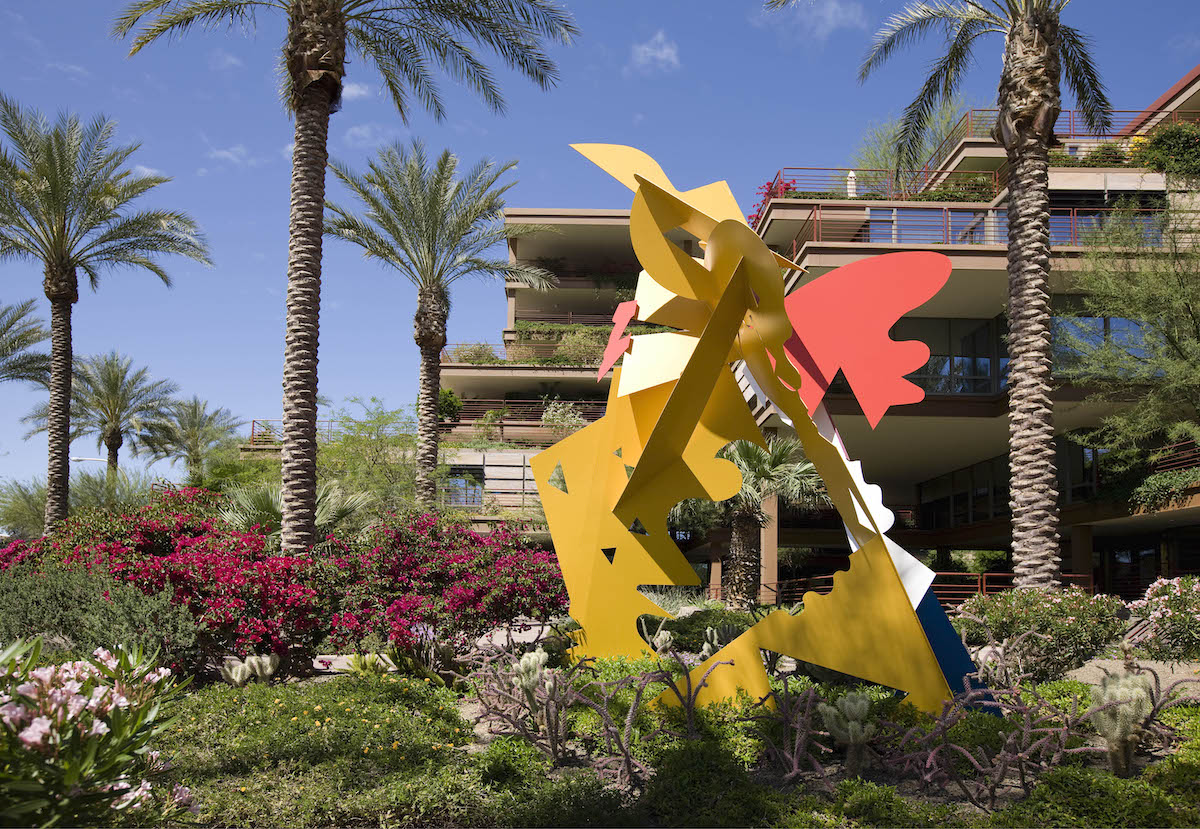
As devout fans of Modernism, at Optima we love to experiment with form and function. That’s how Optima Co-Founder David Hovey Sr. got into sculpture. Combining his love of art with his interest in materials, David Hovey Sr. began manipulating steel to create striking sculptural pieces that play to Optima’s architectural spaces. Today, we’re examining one of his sculptures: Sundance.

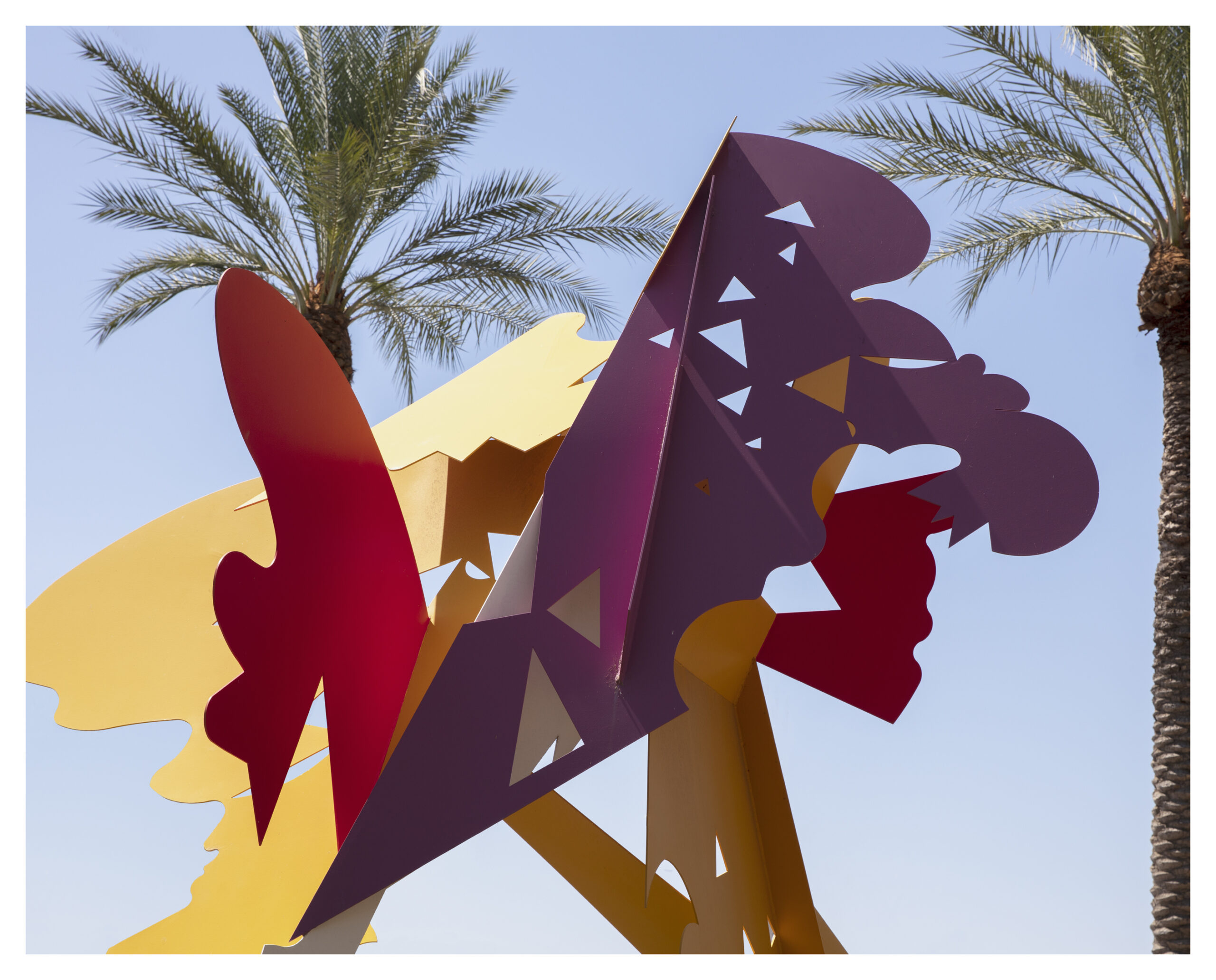
While many of our sculptures manifest in a variety of sizes and colors, Sundance is notable because of its goliath frame. Standing at thirteen feet tall, this impressive structure and its bold angles make a lasting first impression. The piece expresses the nature of the thin steel plate from which it was fabricated, showcasing structural potential with three-dimensional, dynamic components and an inviting sense of openness.

It’s no coincidence that Sundance is nestled in the landscaped courtyard of Optima Camelview Village. Sundance is built literally and metaphorically to connect to the ground, giving the sculpture context and roots within space. Meanwhile, being swathed in vibrant primary hues, the sculpture plays complement to the property’s red architectural details and the vibrant color palette displayed throughout the gardens.

Another perspective of Sundance sculpture

Whether we’re experimenting with form, function, size or color — at Optima we love to playfully implement sculpture as yet another component of thoughtful design.

The Subsects of Modernist Architecture, Part I

As a pioneering approach to architecture, the Modernist discipline took the creative world by storm. It’s only natural that the discipline has since evolved and morphed to mean many different things to many different people around the world, from Japanese Modernists to the Bauhaus School in Germany and beyond. In celebration of this, we’re taking a closer look at just a few of the many nuanced subsects of Modernist architecture. 

Bauhaus School of Design. Credit: Lannguyen138 on Wikimedia Commons, licensed under the Creative Commons Attribution-Share Alike 4.0 International license

Bauhaus

The Bauhaus Modernist architectural style emerged from the Bauhaus School, founded by Walter Gropius, in Germany over a century ago. The school operated from 1919-1933. Gropius formed the Bauhaus in response to the rise of industrialism, emphasizing the importance of craftsmanship and human-centric design. The school united fine arts and craftsmanship to create one strong point of view, a style marked by its eschewment of the ornamental in favor of a sharp focus on geometric and abstract form, function and aesthetic. The simple schema of Bauhaus architecture was intended to be easily mass produced — and indeed, the style was packaged and spread globally, inspiring Modernist architecture as we know it today.

De Stijl

Emerging at the same time period as the Bauhuas, De Stijl (Dutch for “The Style) originated in the Netherlands in 1917 and is said to have peaked between its inception and 1933. The style emerged post World War I as a utopian means of social and spiritual redemption that took advantage of art and its transformative impact. De Stijl applied to both painting and architecture, proposing ultimate simplicity and abstraction through the use of stark and straight horizontal and vertical lines and rectangular forms. Though considered more prominent in architecture than painting, the movement is considered to be led by Piet Mondrian. Pioneers in the movement considered it the perfect fusion of form and function, yielding what they considered the ultimate style.

Constructivism

While the Bauhaus style and De Stijl were emerging in Eastern Europe, Constructivism entered the scene in the Soviet Union in the 1920s. Constructivism was in part inspired by the Bauhaus, as well as by Russian Futurism. The style is characterized by its blend of modern technology and engineering methods, and marked deeply by the socio-political ethos of Communism. Constructivism combined existing Modernist principles like minimal and geometric design with a more experimental lens. This sense of experimental play, combined with its Futurism influences, resulted in intriguing and abstract structures. Though the style fell out of favor only a decade later, its influence can be seen in later movements such as Brutalism — but more on that later.

Stay tuned for more features on the numerous subsects of Modernist architecture.

Female Weavers and the Bauhaus

The Bauhaus is a renowned institution in the history of Modernist architecture — and art in general. But what may come as a surprise to many: the most commercially successful department of the school was actually the Bauhaus weaving workshop. And even more notable, this workshop was run by a slew of highly innovative, influential female designers.

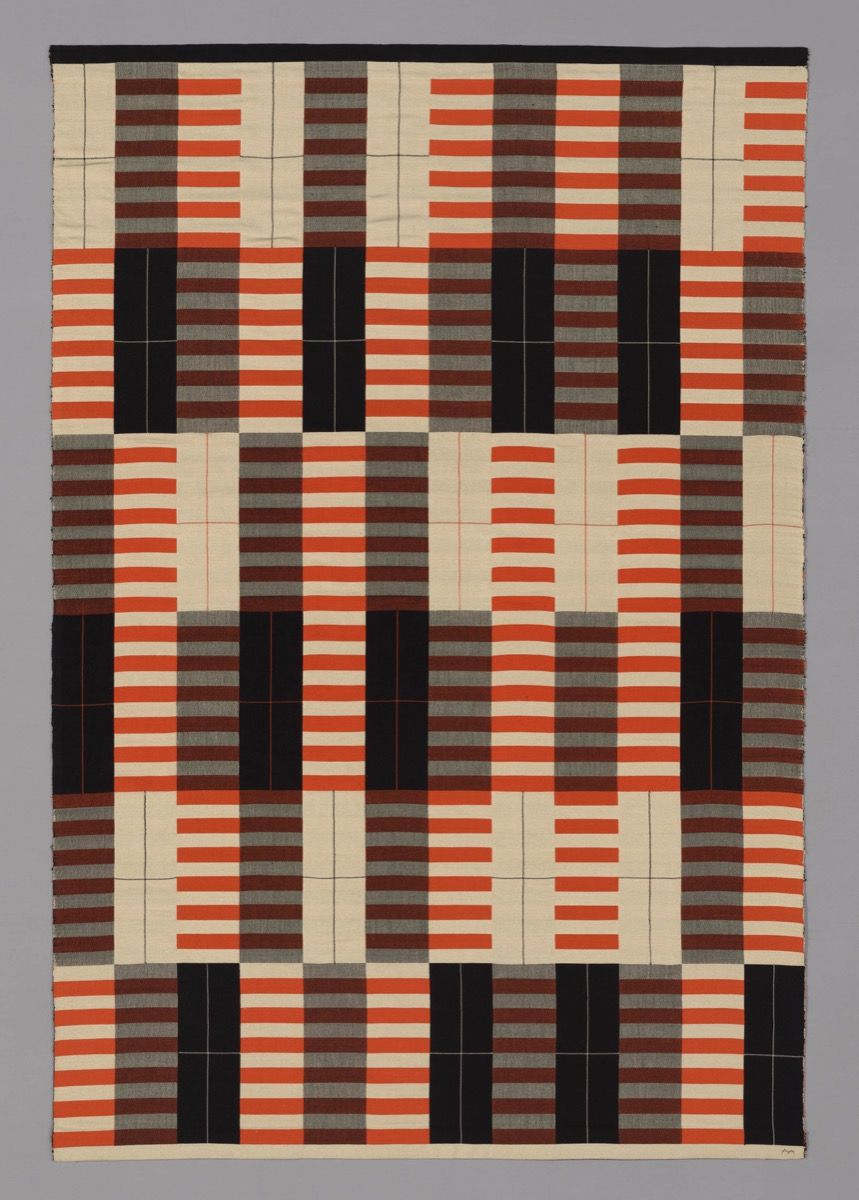
Anni Albers, Originally produced by the Bauhaus Workshop. Black-White-Red, 1926–27 (produced 1965). © The Josef and Anni Albers Foundation / Artists Rights Society (ARS), New York. Courtesy of the Art Institute of Chicago.

Defying Expectations

When the Bauhaus opened in 1919, the progressive school was heralded as an equitable place. In fact, its founder Walter Gropius even wrote in the Bauhaus bylaws: “Every eligible person whose talent and training are considered adequate will be accepted without regard to age and sex.” Gropius’s philosophy was stronger in theory than in action. He later became known for believing men thought in three dimensions, while women only thought in two.

Because of this gender bias, when women applied to the school, they were directed away from heavy craft areas, such as carpentry and metalwork, to a workshop considered more appropriate for women. This was the weaving workshop, which Gropius even referred to as “the women’s section” of the school.

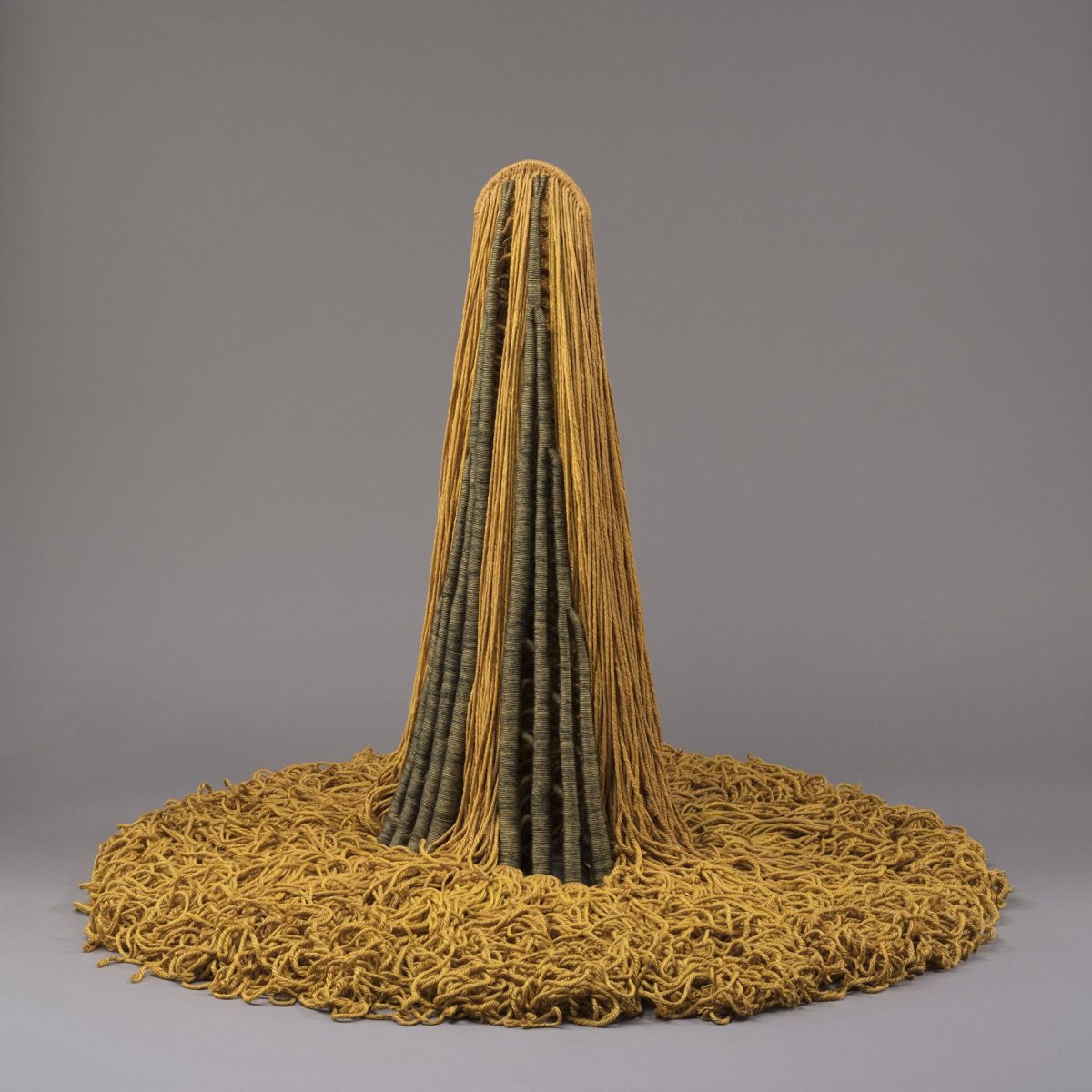
Like many other women in architecture, the female weavers at the Bauhaus wouldn’t be put down by others’ limited perspectives. Designers such as Anni Albers, Gunta Stölzl and Otti Berger took the two-dimensional textile craft and breathed new life into it. In addition to creating patterns that were both commercially marketable and had deep influence on the fine arts world of the time, these female weavers also played with form and function. They took weaving beyond the two dimensional — inadvertently, defying Gropius’s backwards beliefs.

Claire Zeisler, Free Standing Yellow, 1968, shown at Weaving Beyond the Bauhaus. Courtesy of the Art Institute of Chicago.

A Collaborative Cohort

While the other workshops of the Bauhaus dealt in the highly theoretical and abstract, and often struggled to succeed commercially, the success of the weaving workshop stood in stark contrast. Besides its practical success, the workshop was also notable in the way that its female members taught to and learned from one another in a deeply collaborative process. Because Bauhaus members like Albers went on to teach their learnings globally, the impact of this collaboration is still seen in the weaving world today on figures like Sheila Hicks, Claire Zeisler and others. 

Most recently, the Art Institute of Chicago hosted an exhibit titled Weaving Beyond the Bauhaus, which ran from 2019-2020. The exhibit explored the influence of the Bauhaus weaving workshop across the Atlantic and across the decades. In lieu of traditional placards for each work, viewers navigated the exhibit by reading quote cards from various women in the field, all of whom were in conversation with one another, and with one another’s work. 

The women weavers from the Bauhaus exemplify an ongoing trend in the world of architecture and design: despite the odds or expectations, female designers are always ready and willing to rise to the challenge.

Modernism and Japanese Architecture

In the same way our own practices at Optima are rooted in and inspired by Modernist design, so too is the work of other architects and designers across the decades, and across the world. One of the joys of our industry is seeing how design translates through the lenses of other cultures and countries, and Modernism and Japanese Architecture have a truly fascinating connection.

The History

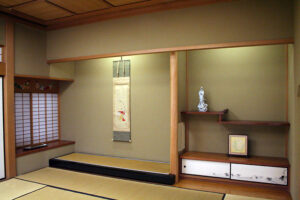
The Modernist movement began in the early 20th century, pioneered by architects such as Walter Gropius, Mies van der Rohe and Le Corbusier. Le Corbusier, who traveled extensively during his lifetime, drew inspiration from traditional Japanese homes, sukiya-zukuri. Influenced by teahouses, sukiya-zukuri typically includes modest spaces designed with natural materials such as wooden columns and earthen-plaster. Pillars support the structure of the home, which allows for sliding screen walls to filter natural light into the rooms and blurs the barrier between outdoors and in. Le Corbusier used similar designs across his work, creating a connection between Japanese and Modernist architecture that only continued to grow.

Example of sukiya-zukiri interior architectural style. Credit: Yuko M on Flickr Creative Commons CC BY-NC-SA 2.0 Deed

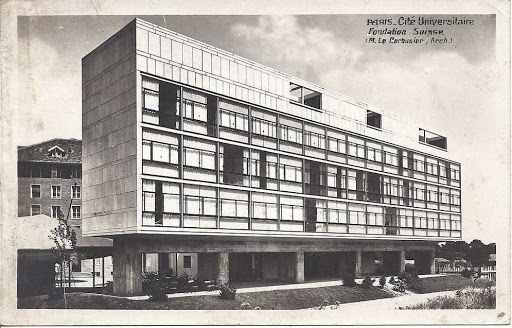
In the 1930s, Japanese architects such as Junzo Sakakura and Kunio Maekawa collaborated with Le Corbusier, further fusing the two styles. Sakakura eventually rose to the chief of staff of Le Corbusier’s atelier in Paris, working on projects such as the 1932 Swiss Pavilion, which included sliding windows and open space for nature to flow in and out. The progress made from these collaborations impacted both Modernism and Japanese architecture — then and now.

1932 Swiss Pavilion
1932 Swiss Pavilion

Influences Today

Japanese influences are apparent across many executions of Modernist design. Intentional materials (whether they consist of wood, stone or metal), open floor plans and clean, minimalist spaces are present in both practices. Green space or gardens is also a huge similarity; and one we incorporate across all of our Optima projects. Through noticing and appreciating where these styles originate, we gain a greater knowledge and understanding of the world of architecture, and architecture throughout the world.

Sculpture Spotlight: Curves and Voids

As devout fans of Modernism, at Optima we love to experiment with form and function. That’s how Optima Co-Founder David Hovey Sr. got into sculpture. Combining his love of art with his interest in materials, David Hovey Sr. began manipulating steel to create striking sculptural pieces that play complement to Optima’s architectural spaces. Today, we’re examining one of his sculptures: Curves and Voids.

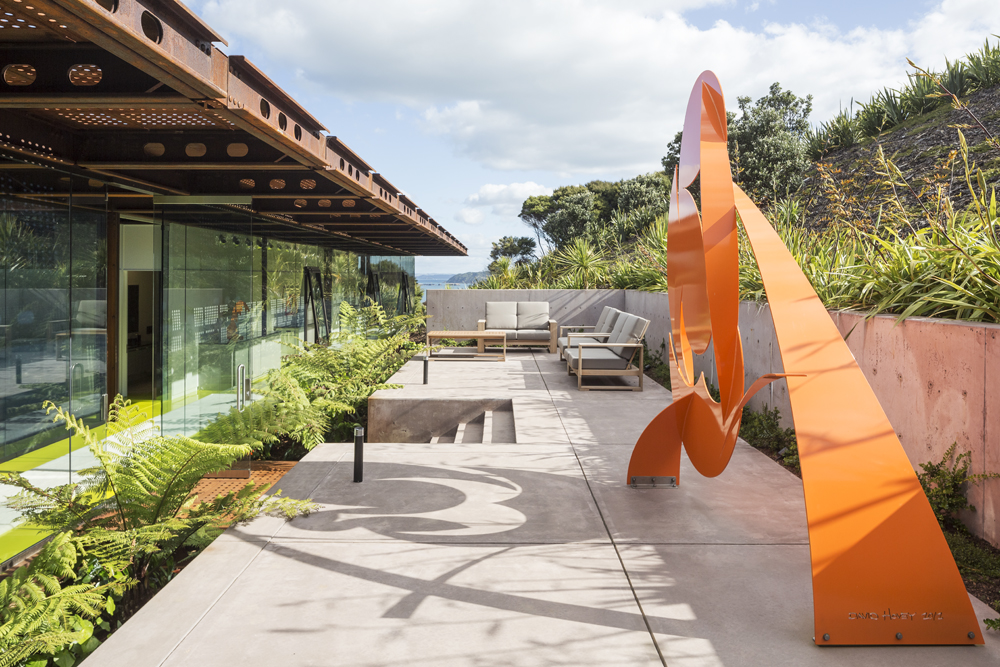
Curves and Voids at DCHGlobal Whale Bay House in New Zealand.

Like all original Optima sculptures, Curves and Voids can be found across our properties in various colors and sizes, as evidenced above. But what never changes is the form of the piece: Curves and Voids plays with the expression of steel and explores ideas of its potential. This play is demonstrated in grand, sweeping curves that make up the various sculptural components. Meanwhile, voids are laser cut within the sculpture’s steel planes. These holes provide gaps and textures to contrast and juxtapose the sculpture’s curves. 

The sweeping curves of Curves and Voids play perfect complement to the stark Modernist lines in our communities. At Optima Sonoran Village’s sculpture walk, Curves and Voids stands boldly expressed in natural Cor-Ten steel. The steel’s raw coloration was chosen so as not to compete with the vibrant colors in the building’s facade and landscaping. Meanwhile, at Optima DCHGlobal’s Whale Bay House in New Zealand, Curves and Voids is supersized in the courtyard, becoming a show stopping statement piece for contemplation. 

Whether we’re experimenting with form, function, size or color — at Optima we love to playfully implement sculpture as yet another component of thoughtful design.

The History of Transit-Oriented Developments

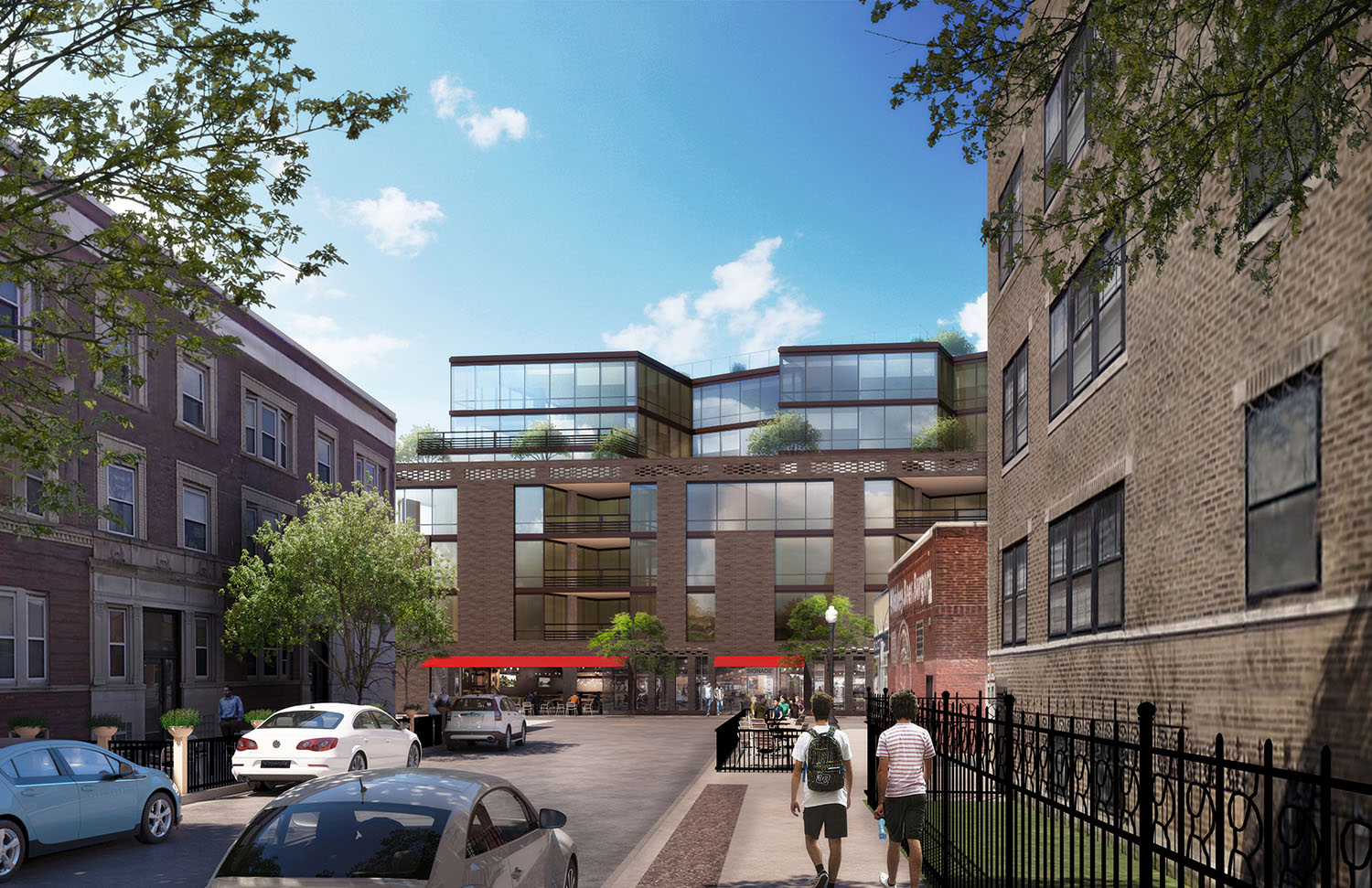
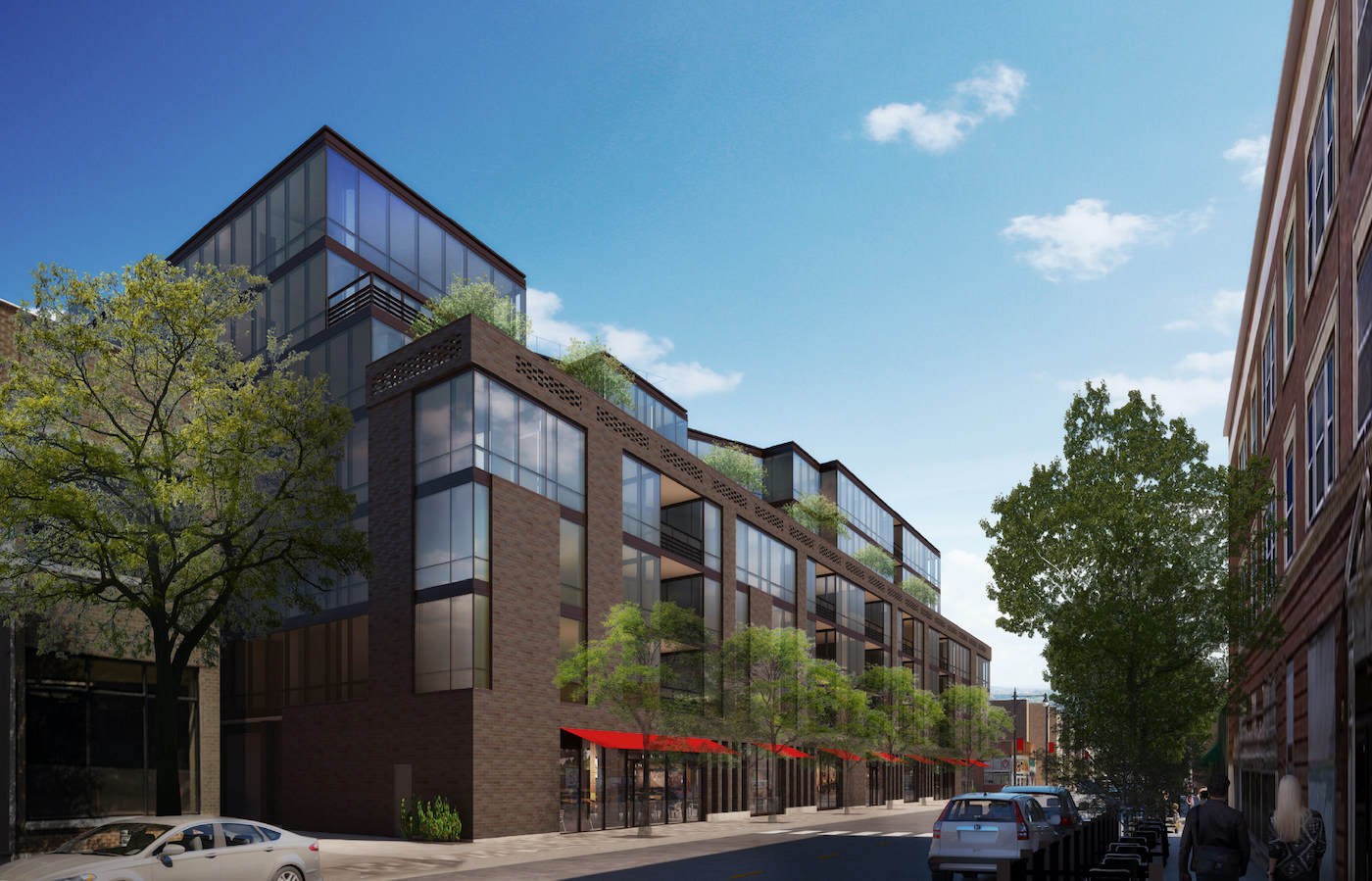
Our latest underway project, Optima Lakeview, is a transit-oriented development in the vibrant Lakeview neighborhood of Chicago. Unless you’re familiar with the world of urban planning, the term transit-oriented development may be unfamiliar to you. When it comes to city design, transit-oriented development is a type of urban development that maximizes the amount of residential, business and leisure space within walking distance of public transport, including buses, trains or subways. Today, we’re taking a closer look at the history of transit-oriented developments within the United States, and how they’ve impacted cities across the country.

A Brief History

Although the concept of transit-oriented development (or TOD) wasn’t officially named until the 1990s, the pieces existed long before. After WWII, the mass production of automobiles allowed more people to move to the suburbs, and also created highly congested cities and roads. City planners and officials called for mass-transit use in urban areas, and federal funding was allocated to cities in need of new systems. New hubs of public transit were followed by housing and businesses, which helped create concentrated communities that benefited from the walkability. As urban planning grew and expanded as a practice, the term transit-oriented development was coined, and many cities and industry professionals have since spent time, resources and research to pinpoint how TODs lead to vibrant communities. 

The Impact of Transit-Oriented Developments

As an initial response to the increase in vehicles going in and out of cities, TODs have successfully reduced congestion in cities, and reaped the environmental benefits. With more commuters and residents taking trains, TODs create a sustainable alternative to getting around. Less cars create a walkable, pedestrian-friendly environment, creating options for healthier lifestyles. And with more foot traffic, local businesses have a greater chance of thriving. 

Residential buildings play a huge part in creating transit-oriented communities. As a transit-oriented development, Optima Lakeview combines residential, commercial retail and leisure space, all within walking distance of an abundance of public transportation options. We’re thrilled to be part of the Lakeview community and to create a place where our residents can live, work and play. 

Chicago Skyscraper History: Home Insurance Building

Chicago boasts many historical architectural feats — it was the host of the World’s Columbian Exposition in 1893 and the playground of greats including Frank Lloyd Wright and Louis Sullivan. But did you know Chicago was also home to the world’s first ever skyscraper? Today we’re taking a look at the historic Home Insurance Building and how it came to be.

How the World’s First Skyscraper Came to Be

The Great Fire ravaged Chicago in 1871. But it was a devastation that gave way to the opportunity to rebuild anew. As the city looked to rebuild, architects pondered what the next generation of urban structures looked like. With commerce and industry downtown exploding exponentially, these structures had to accommodate more residential space and more office space — leading to verticality as a solution. And with the Great Fire as their lesson, architects also knew these structures had to be much more durable than those that had been so easily destroyed.

Luckily, two pivotal inventions from the mid-19th century made the introduction of soaring steel-framed buildings possible. The first was the safety elevator pioneered by Elisha Otis in 1854, which allowed for the safe transport of elevator passengers. While the top floor of buildings had once been inaccessible and undesirable, the elevator changed that forever. Meanwhile, the Bessemer Converter of 1856 allowed for widespread, large-scale commercial production of steel. 

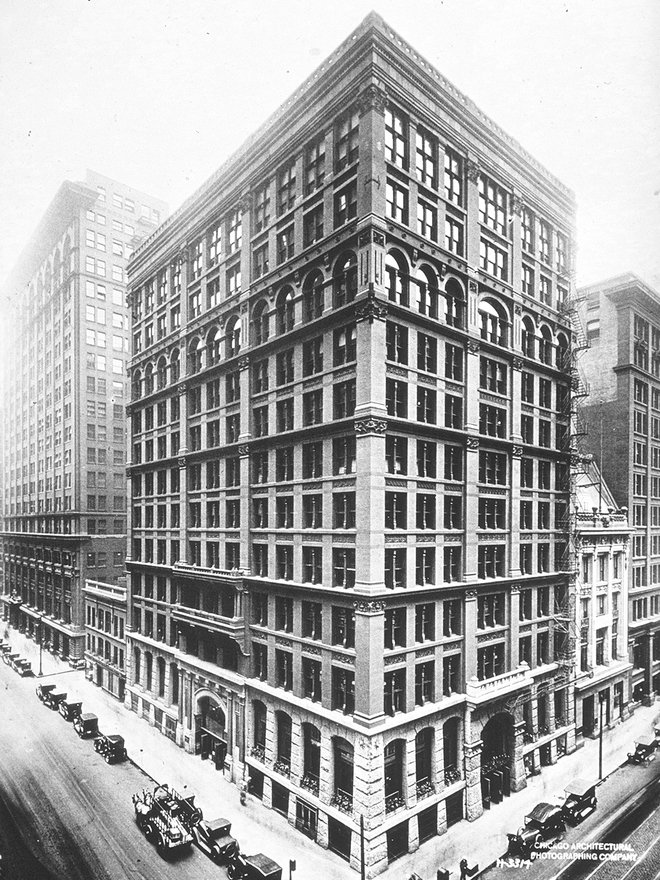
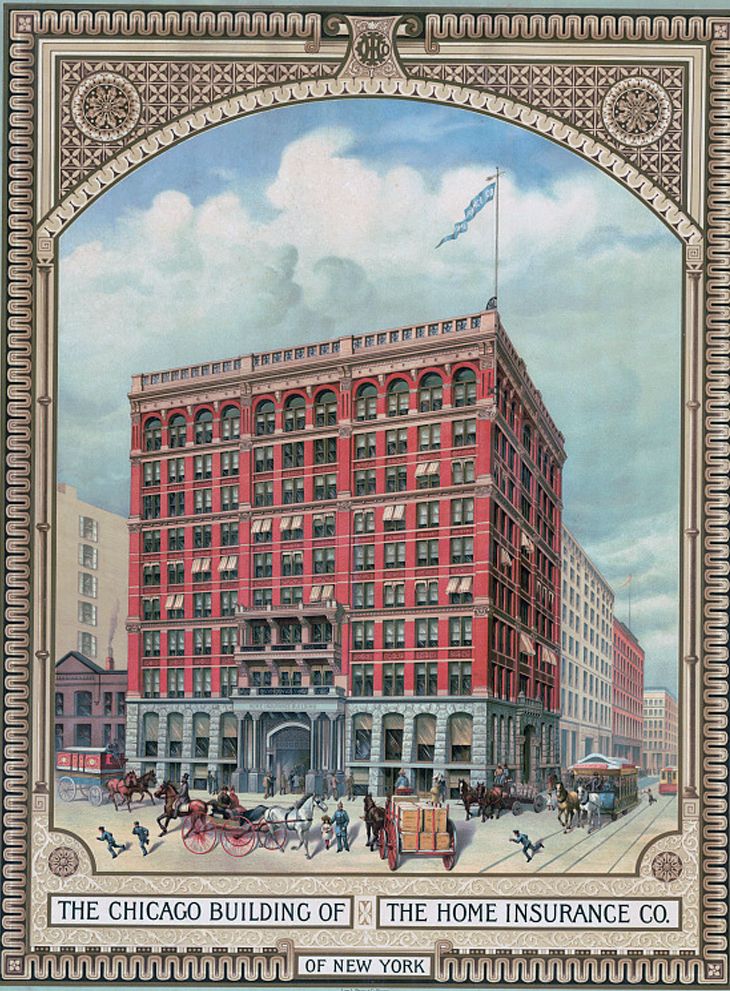
The culmination of these factors led to the world’s first skyscraper in 1885: the Home Insurance Building, a ten-story, steel-frame fireproof building in downtown Chicago.

Home Insurance Building, 1885, Published by Sprang Printing, Boston
Home Insurance Building, 1885, Published by Sprang Printing, Boston.

A Closer Look at the Home Insurance Building

The Home Insurance Building, designed by William Le Baron Jenney, was located at the corner of Adam and LaSalle Street. It earned the title of the world’s first skyscraper thanks to the combination of its height and its revolutionary steel frame. The frame was composed of wrought and cast iron alongside Bessemer rolled steel beams, leading the building to weigh in at a third of the mass of traditional masonry buildings of the time. 

While two additional stories were added to the Home Insurance Building in 1890, it was eventually demolished in 1931 to make way for the Field Building, now known as the LaSalle Bank Building. Despite the building being gone today, it has forever left its mark on Chicago’s skyscraper history.

2020: A Year in Review

As 2020 comes to a close, we’re taking this moment to reflect and look back on all that’s happened through this unexpected, unprecedented year. From our team, to our projects to Optima as a whole, we’ve learned, grown and thrived. Here are just a few of the highlights:

7180 Optima Kierland, winner of the Outstanding Property Award London for Winner in Architectural Design, surpassed its 85% sold milestone.

Projects and Properties

This was a big year of growth for us with many exciting projects. In Arizona, we launched the lease-up of the new 7140 tower at Optima Kierland Apartments, the second apartment tower within the Optima Kierland development. Also within Optima Kierland, 7180 Optima Kierland surpassed its 85% sold milestone.

And in Chicago, our portfolio expanded with the groundbreaking of Optima Lakeview and the approval of Optima Wilmette, two projects we look forward to making future strides with in the coming year. 

Awards

We were honored to win thirteen awards this year. Our architecture and design were acknowledged with the AIA Chicago Design Excellence Awards for Distinguished Building (Whale Bay House) and the Outstanding Property Award London for Winner in Architectural Design four times over (Whale Bay House, Arizona Courtyard House, 7180 Optima Kierland and Optima Sonoran Village).

Our property management team was recognized with the Best Community & Management Team Tribute Award by the Arizona Multihousing Association.

Meanwhile, our corporate culture was acknowledged with the award for Crain’s Chicago Business Best Places to Work 2020, and AZCentral Top Companies 2020.

To see the full 2020 lineup, visit our awards page.  

Culture

Throughout the year, we rallied to keep our culture thriving and to ensure our team stayed more connected than ever. We launched our Be Well | Work Well initiative, made up of the Be Well | Work Well Newsletter and new Wellness page within our company intranet , focused on keeping our team well: mentally, emotionally, socially and physically.

Two kids pose with their jack-o-lanterns

We created a new normal and found ways to have fun together, even while apart, through virtual trivia, virtual happy hours supplying cocktail kits and our dueling pianos virtual holiday party. We brought families into the fun, too, with our innovative “Optima Community Garden,” sending seed packages for team members to plant in their home gardens, and with our pumpkin carving contests, sending supplies and holding voting to determine a winner. 

We can’t thank our leadership, team members and communities enough for rising to the occasion and making this year special. Going into 2021, we’re excited to continue innovating, growing and achieving together.

person name goes here

Maintenance Supervisor

Glencoe, IL


    Acceptable file types: *.pdf | *.txt | *.doc, max-size: 2Mb