Exploring Optima Communities: Wrigley Field

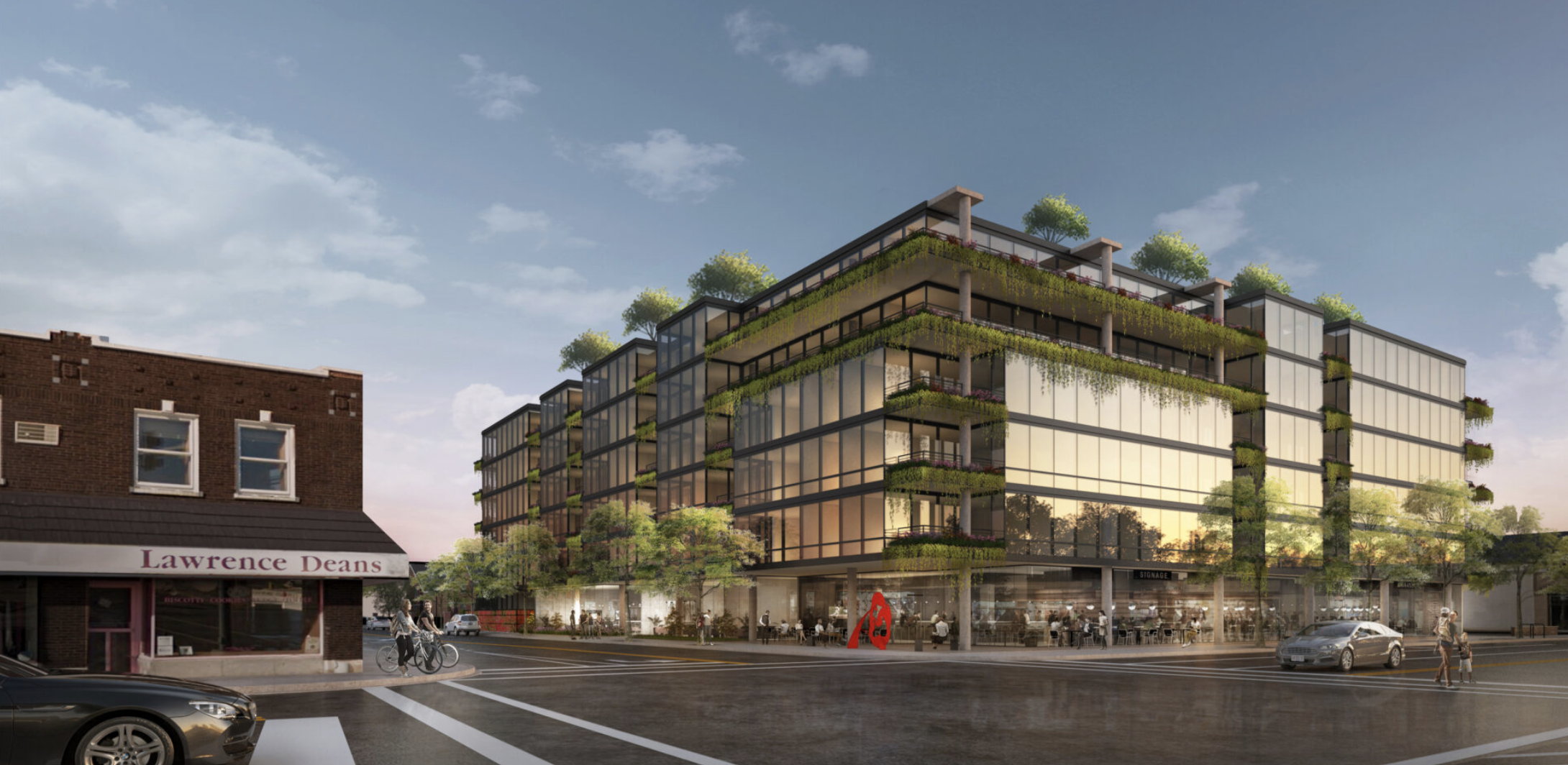
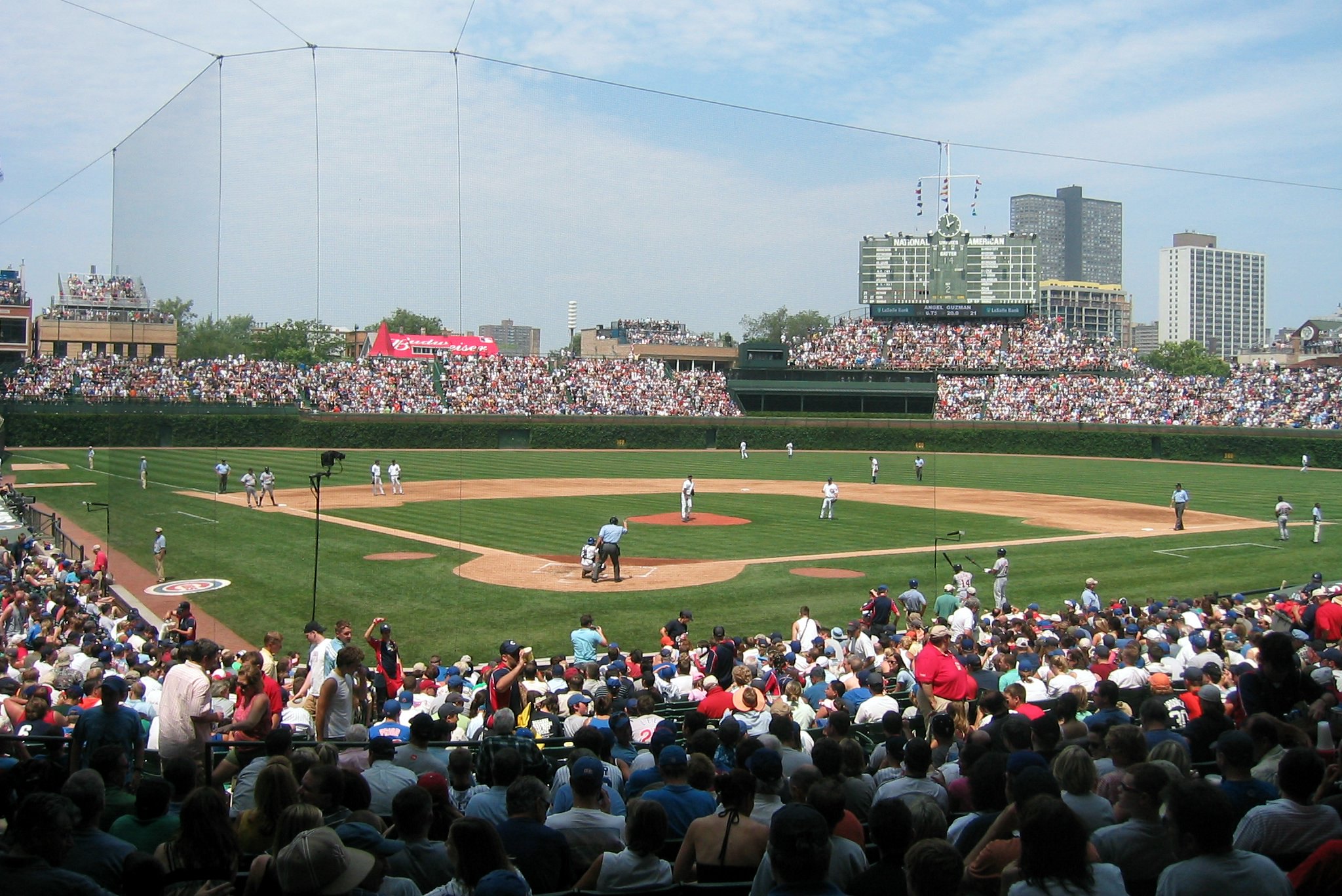
One of our latest projects, Optima Lakeview, is in the midst of a neighborhood filled with interesting, iconic Chicago history. Within the Lakeview neighborhood is Wrigleyville, named after the home of the Chicago Cubs. The team itself is loved by fans near and far, but Wrigley Field is an equally fascinating piece of Chicago’s past. 

Lakeview Comes to Life

At the turn of the 20th century, the site of Wrigley Field was originally home to the Chicago Lutheran Theological Seminary. At the same time, Lakeview was rapidly growing into a place for recreation and escape from the city; the once-quiet neighborhood was starting to change. The seminary sold the land, and developers started envisioning its future use. Due to leadership changes and funding, the site didn’t see real change for a little over a year.

A Stadium is Born

Around 1913, the owners of the Federal League, a minor league across six cities, secured the lease of the land. One of the owners, Charles Weeghman, commissioned a team of architects to design the stadium, which took just two months to complete. By 1914, the stadium — named Weeghman Park — was hosting its first major-league games. The park was a perfect fit for Lakeview’s changing dynamics, featuring modern design, impeccable cleanliness, top-notch food and hospitality.

The Wrigley Era

Despite the popularity of the stadium, the Federal League disbanded by 1915, but Weeghman didn’t give up. He purchased the existing Cubs franchise and moved the team to his own stadium. The Cubs played their first home game in Lakeview in 1916. Weeghman exited his management role shortly after, making way for another investor’s influence: chewing gum magnate William Wrigley. Wrigley hired the original architects to expand the existing structure to accommodate crowds and re-named the stadium to Wrigley Field. 

Over the years, the stadium saw plenty of other expansions and renovations, as did its surrounding neighborhood. Wrigley Field had such a magnetic pull that the community around it eventually became Wrigleyville. Streets, bars, restaurants and entertainment were all inspired by baseball, the Cubs and Wrigley Field. The vibrancy and excitement of Wrigleyville and the ballpark are both visible from Optima Lakeview’s Skydeck

Today, Wrigley Field is renowned as one of the oldest and most iconic Major League Baseball parks in the country. Chicago — and Lakeview — couldn’t be more proud to host the team; and we’re now thrilled to be part of the neighborhood.

Modernist Getaways For Your Next Vacation

As things begin to reopen, it’s only natural to daydream about future travels and interesting destinations. And while you’re at it, consider dreaming about a stay in an architectural masterpiece. Today, we’re sharing a few ways to discover Modernist architectural gems for your next vacation.

Welcome Beyond

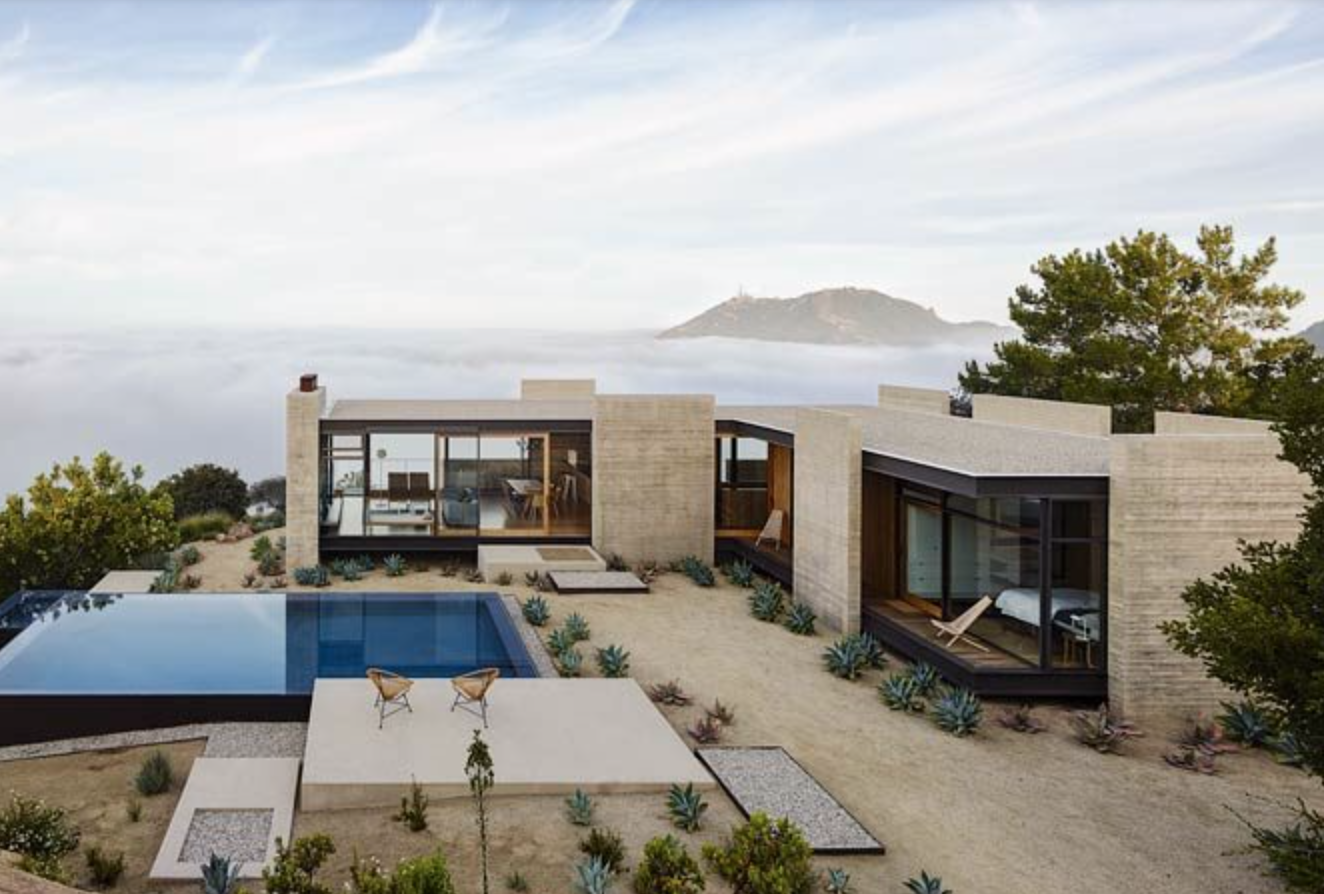
Welcome Beyond is a German website created by brothers Oliver and Chris Laugsch. The two personally curate a selection of handpicked vacation rentals and small hotels across 38 countries. Though their selections cover a broad swath of architectural styles, each shares the common thread of high-caliber design.Our favorite of their five picks in the US is Saddle Peak House in Los Angeles — this Modernist retreat exemplifies the best in design integrated into its natural environment.

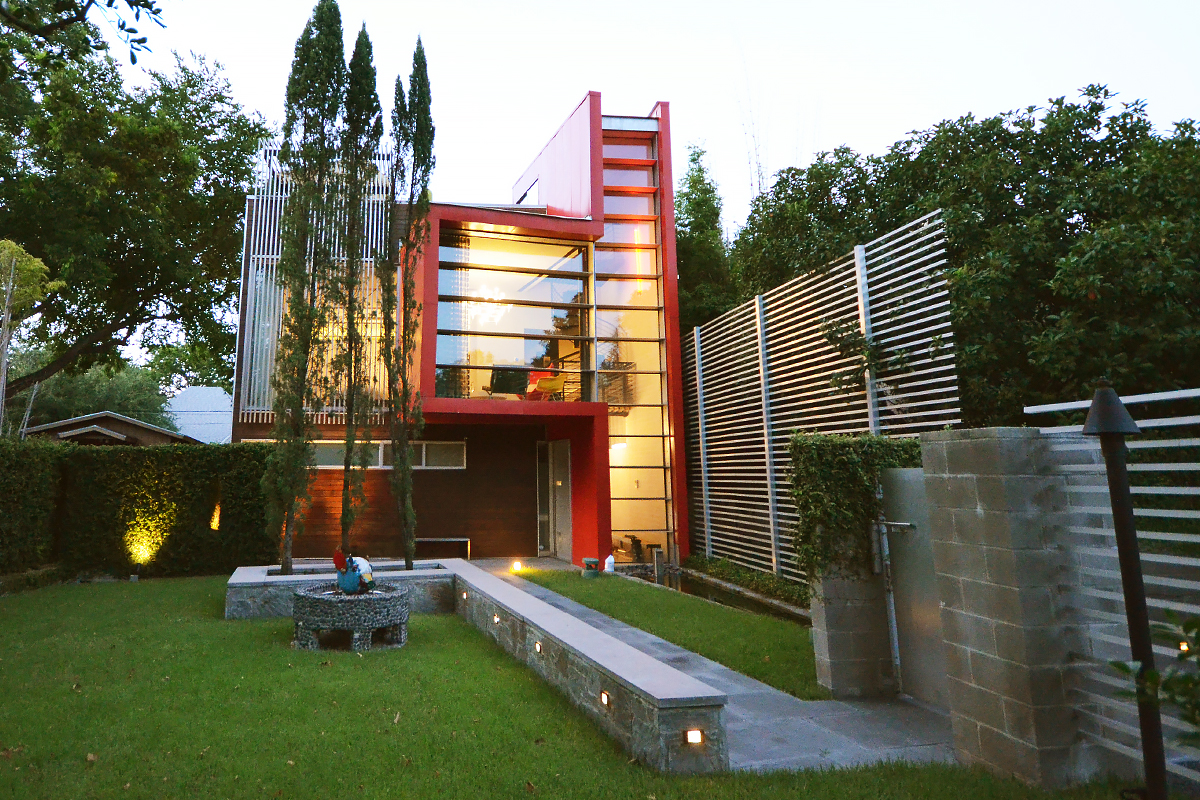
Ramp House in Austin, Texas; photo courtesy of Boutique Homes.

Boutique Homes

Despite its name, Boutique Homes features rentals that defy “quaint” in the traditional sense. Developers Veronique Lievre and Heinz Legler yield over a decade of experience designing, building and decorating in the hospitality industry to provide best-in-class selections to the refined vacationer’s eye. Their site’s collection spans numerous countries, architectural styles and budgets to provide something for every type of design lover.

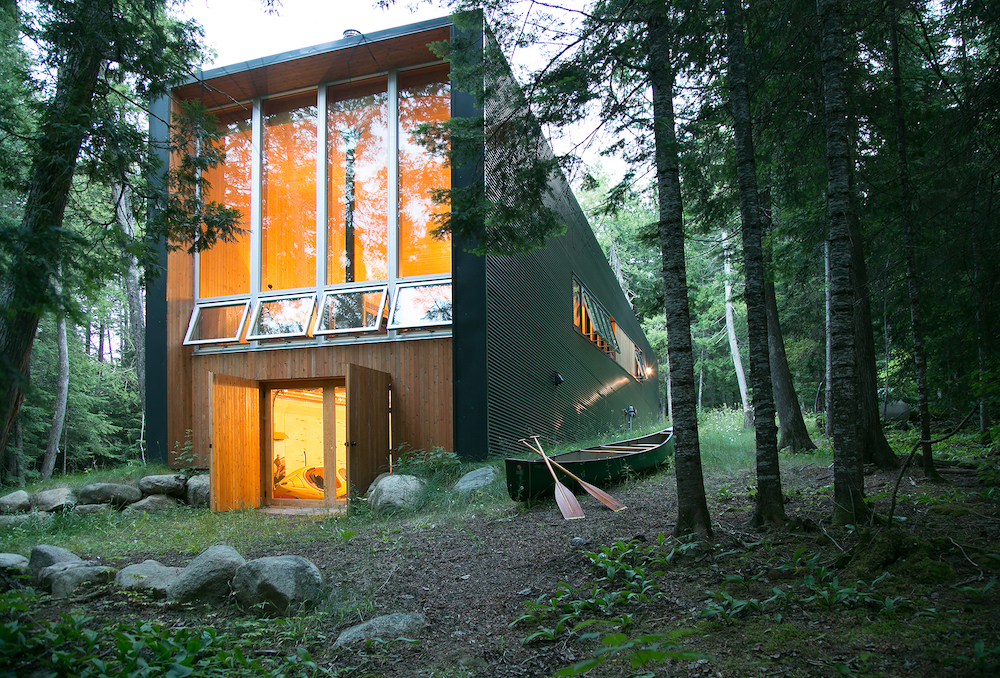
Gunflint Lake Cabin in Grand Marais, Minnesota; photo courtesy of PlansMatter.

PlansMatter

PlansMatter, founded by architectural enthusiasts Connie Lindor and Scott Muellner, resulted from their own passion for finding unique vacation destinations. They love nothing more than staying in a place with “architectural intentions and a story to tell” and wanted to make it easier for others to find just that, too. Their international roster includes both jaw-dropping vacation rentals and hotels like you’ve never seen before.

Kid & Coe

Kid & Coe founder Zoie Kingsberry Coe started this family-friendly vacation rental finder after travelling the world with her own kids in tow. Eager for more baby-friendly stays that didn’t make compromises in design excellence, Coe makes sure no other parents ever experience her own travel woes. The site features rentals, hotels and most recently — a home swap program.

We hope that this summer brings new chances for wonderful travel adventures!

Chicago Skyscraper Spotlight: The Wrigley Building

As part of our Chicago Skyscraper History series, we’re exploring some of the architectural feats that have defined Chicago, and buildings across the world. The Wrigley Building, established in 1924, was one of the first major office buildings north of the Chicago River — paving the way for many workplaces that followed. And that wasn’t all that set this show stopping skyscraper apart… 

The Wrigley Building is located at 400-410 North Michigan Avenue on the southernmost end of the Magnificent Mile, directly across from the Tribune Tower. As mentioned above, at the time of the building’s groundbreaking in 1920, there were no other major office buildings north of the river. Chewing gum magnate William Wrigley Jr. hand selected the oddly shaped lot for the headquarters of the Wrigley Company. Unbeknownst to Wrigley, this would set off a building boom in the area, and eventually lead to the establishment of a strip of Chicago’s finest skyscrapers.

The Wrigley Building certainly set the tone for those who followed. Designed in the Spanish Colonial Revival style by architect Graham, Anderson, Probst and White, the building is a luminous beacon recognizable to locals and tourists alike. The building facade is made of six shades of gleaming white terra cotta, getting lighter and more luminescent as the structure climbs into the sky. This coloration was a choice made by Wrigley himself, having seen the famed White City display at the World’s Columbian Exposition years ago in 1893, and having never forgotten the shining hues. The Wrigley Building is cleaned regularly to maintain its sparkling white stature. 

The building’s southern tower went up in 1920, and the northern tower followed in 1924. These two towers are connected by two separate bridges (one on the 3rd floor and one on the 14th floor), another defining feature of the renowned architectural gem. The 14th floor bridge, which was constructed in 1931, was added to connect the two disparate offices of a bank in accordance with a City of Chicago statute. 

The Wrigley Building has since earned landmark status in 2012, and although the Wrigley Company is long gone, they’ve no doubt left their mark on Chicago’s skyline.

Modern Museums Around the World

As lovers of great design, Optima’s appreciation for both architecture and art itself runs deep, and there’s no better place to indulge this passion than at a modern museum of art. And with modern art and Modernist architecture sharing so much in common, it’s no wonder that many of these institutions are often housed in innovative and captivating buildings. Today, we’re taking a look at some of the best modern museums around the world — from the collections they contain to the structures that define them.

Guggenheim Museum Bilbao – Bilbao, Spain

The Guggenheim Museum Bilbao is a museum of modern and contemporary art designed by Canadian-American architect Frank Gehry, located in Bilbao, Spain. You’ll recall from our Subsects of Modernist Architecture Series that Gehry was part of the Deconstructivism movement on Modernism in the 1980s. This museum, established in 1997, boasts an impressive collection of modern art, as well as site-specific installations from artists such as Jeff Koons. The building itself has been described as “the greatest building of our time” by architect Philip Johnson, and “a fantastic dream ship of undulating form in a cloak of titanium,” by critic Calvin Tomkins in The New Yorker.

Bildmuseet – Umeå, Sweden

Bildmuseet is one of Sweden’s foremost venues for international contemporary art, a part of Umeå University and the public heart of its arts campus. The strikingly Modern building was designed by Henning Larsen Architects in collaboration with White. A living and breathing work of art itself, the building’s facade is made of Siberian larch wood that fades to a silver-grey color over time. In its lifetime, Bildmuseet was nominated in 2013 for the Swedish Kasper Salin Prize and the European Mies van der Rohe Prize and has been described as one of the world’s most beautiful university museums. 

Zeitz Museum of Contemporary Art Africa. Credit: Axxter on Wikimedia Commons, licensed under the Creative Commons Attribution-Share Alike 4.0 International license

Zeitz Museum of Contemporary Art Africa – Cape Town, South Africa

Zeitz Museum of Contemporary Art Africa (or Zeitz MOCCA, for short) is a contemporary art museum in Cape Town, South Africa, and boasts the title of being the largest museum of contemporary African art in the world. The building, which was commissioned through a public/private partnership between the V&A Waterfront and German businessman, Jochen Zeitz, is actually made from a converted historic 1921 grain silo. According to Zeitz MOCAA records, “The architects, Heatherwick Studio, aimed to conserve and celebrate the original structure’s industrial heritage, while simultaneously excavating large open spaces from the 42 densely-packed concrete cylinders from which it was comprised.”

Niteroi Contemporary Art Museum — Rio de Janeiro, Brazil

It’s no surprise that the
Niteroi Contemporary Art Museum, located in Rio de Janeiro, Brazil, is one of the city’s main landmarks. The futuristic building was designed by Oscar Niemeyer with the assistance of structural engineer Bruno Contarini. Thanks to its strategic design, this museum offers more than just art to admire — the tall, angled windows offer sweeping views of Guanabara Bay and Sugarloaf Mountain. Beneath the structure, architect Niemeyer also designed a reflecting pool that surrounds the cylindrical base “like a flower.”

As an artform all on its own, the architecture of these museums stands strong alongside their impressive modern art collections. 


The Health Benefits of Squash

Across all of our projects, our amenity spaces are designed to create fun, engaging ways for our residents to stay active. A few multi-family residences across our Optima portfolio, including Optima Kierland and Optima Signature, are home to racquetball and squash courts, providing a dynamic way to get active for a game of one — or both! — of the two sports. Whether you’re a life-long player or interested in picking up a racket for the first time, here are just a few of the health benefits of squash (or racquetball):

Improving Agility

Squash requires you to be light and quick on your feet to move randomly across the court. Unlike other sports, the energy and speed needed to play comes in short bursts rather than longer endurance. Covering distances within a short amount of time and striking the ball accurately means you’re training your body and brain to act quickly.  

Improving Bone Health

Squash is a relatively low-impact sport, but it can still help build bone density and strength. Playing squash has been shown to help maximize bone mass before the age of 30 and afterwards help to slow down bone loss, not to mention it decreases the risk of osteoporosis. 

Improving Balance

Looking for a balance-oriented workout that isn’t yoga? Playing squash certainly helps your coordination skills, but it also means your whole body has to work in tandem. To keep up with the sudden directional changes of the ball, you need control over your own balance and stability. 

Improving Mental Health

Arguably one of the best health benefits of squash is the effect on your mood and mentality. Like most exercise, squash boosts your brain power, your energy levels and your endorphins. Devoting time to play can bring discipline into your routine, not to mention the added social aspect of playing with friends. 

When we design our amenities, our intention is always to provide a welcoming, exciting space for people to connect with their sense of well-being — and our squash courts do just that.

The Subsects of Modernist Architecture, Part IV

Our “Subsects of Modernist Architecture” series explores the many trickle-down pockets of Modernist design throughout the years. In this last installment of the series, we’re taking a look at the late-century styles that have continued to carry on the legacy of Modernist design — and that will continue to influence and inspire many generations and future subsects to come. 

Postmodernism 

Postmodernist architecture emerged in the 1960s as a reaction to the severe and repetitive nature of Modernist architecture, particularly the International Style. While Modernist had previously been celebrated for its lack of ornamentation and rigid uniformity, architects in the camp of Postmodernism were ready for a boisterous change.

The movement was first introduced by architect and urban planner Denise Scott Brown and architectural theorist Robert Venturi in their seminal work, Learning from Las Vegas. In this timeless book, Brown and Venturi doubled down on their ideas about postmodernist design, which Venturi formalized in his later book, Complexity and Contradiction in Architecture. He wrote:

“I am for messy vitality over obvious unity… I prefer ‘both-and’ to ‘either-or’, black and white, and sometimes gray, to black or white… An architecture of complexity and contradiction must embody the difficult unity of inclusion rather than the easy unity of exclusion.”

While Mies van der Rohe’s famous adage was “less is more”, Venturi’s pushback saying became “less is a bore.” As Postmodernism flourished in the 1980s and 1990s, Brown & Venturi led the charge alongside other architects such as Michael Graves, Philip Johnson and Charles Moore. 

High-tech

As Postmodernist thinking evolved during the 1970s, High-tech architecture (also known as Structural Expressionism) was born. Just as the name suggests, High-tech began to incorporate the latest technological innovations building materials into its design. Like traditional Modernist architecture, High-tech commonly employed steel, glass and concrete in building exteriors — but to much different effect. Still, the influence of Modernist masters such as Le Corbusier, Walter Gropius and Mies van der Rohe remains evident. 

High-tech architecture was heavily influenced by factory aesthetics, incorporating large central spaces, hanging or overhanging floors, and highly-adaptable, reconfigurable spaces as key design elements. The polycentric usage of these central spaces was defined by the term “omniplatz” — referring to the idea that a building shouldn’t have one, defined function, but rather remain able to perform a range of functions. Feelings of openness, transparency and honesty were central to High-tech design, coupled with considerations of adaptability and sustainability. Despite its technological roots, this subsect was indeed modeled on highly human-centric thinking.

Deconstructivism

Deconstructivism appeared on the scene in the 1980s. Inspired by its Postmodernist counterparts, Deconstructivism seeks to imply fragmentation of buildings through an absence of obvious harmony, continuity or symmetry. The result is a feeling of unpredictability and carefully controlled chaos all at once.

The name was earned by the movement’s chief aims to “disassemble” architecture and to break traditional rules and boundaries. The architectural movement also heavily drew inspiration from French philosophy. Key architects who worked in this style include Zaha Hadid, Peter Eisenman, Frank Gehry, Rem Koolhaas, Daniel Libeskind and Bernard Tschumi.

All these styles and more make up the legacy that created Modernist design as we know it today.

Chicago Skyscraper History: Tribune Tower

Chicago is home to a diverse array of styles and voices that have forever marked architecture in the city, and in the world. In our Chicago Skyscraper History series, we’re taking a magnifying lens to the skyline and looking at the unique buildings and stories that define it. Today, our focus is on the iconic Tribune Tower.

A Historic Landmark and Event

While the original Tribune Tower was built in 1868, it was destroyed in the Great Chicago Fire in 1871. The iconic neo-Gothic tower as we know it today rose from the ashes of that tragedy. Hoping to replace the home they’d lost, the Chicago Tribune hosted a design competition in 1922 inviting architectural firms internationally to submit proposals for their new headquarters, in celebration of the paper’s 75th anniversary. The first prize proposal would receive $50,000 for “the most beautiful and distinctive office building in the world.”

In total, 260 entries were received by architectural greats such as Finnish architect Eliel Saarinen and Bauhaus-founder Walter Gropius. While many entries received critical acclaim during the widely-publicized competition (and are archived today at the Art Institute of Chicago), the first-prize spot went to New York architects John Mead Howells and Raymond Hood.

The neo-Gothic design from Howells & Hood features ornate buttresses at the peak of the tower, which can be seen peeking out above the city skyline, illuminated at night. The highly decorative tower features details such as carved images of Robin Hood (representing architect Raymond Hood) and howling dogs (representing architect John Mead Howells), as well as countless gargoyles — one of which is a frog.

Tribune Tower, with Optima Signature and Optima Chicago Center visible to its right

The lowest levels of the building also feature rocks and bricks from numerous historically significant sites across the world. These 149 special fragments include stones from the Great Pyramid, Abraham Lincoln’s tomb, Notre Dame de Paris, the Great Wall of China, Taj Mahal and even petrified wood from the Redwood Forests. From 1999-2011, the building even featured a Moon rock, brought by Buzz Aldrin on loan from NASA.

The tower, which is a Chicago landmark and part of the Michigan-Wacker Historic District, has been home to the Chicago Tribune, Tribune Media, Tribune Publishing and WGN Radio. Most recently in early 2018, work began to convert the entire office building into ultra-luxury condominiums. The building’s neighborhood, Streeterville, is also home to our Optima Signature and Optima Chicago Center residences. We’re biased, but we love the history and significance the neighborhood holds to the city. 

No matter its function, the Tribune Tower will always remain a remarkable part of architectural history, in both Chicago and the world.

Exploring Optima Communities: Golf at Optima Kierland

As with all of our projects, the residences at Optima Kierland join indoors with the great outdoors. And a quintessential part of life outdoors in Arizona is relishing the beautiful weather with a few hours on a golf course. Here are just a few ways residents enjoy golf at Optima Kierland.

Just down the road from our Kierland Community, The Westin Kierland Golf Club brings first-rate golf experiences to the neighborhood. Voted one of America’s 9 most cheerful golf courses by Golf Digest, the course offers the perfect place to spend a morning or afternoon. The surrounding views of the mountains don’t hurt either. Other nearby golf courses also include the Scottsdale Silverado Golf Club, TPC Scottsdale Champions Course, Gainey Ranch Golf Club and Stonecreek Golf Club, so residents have plenty of options. Optima Kierland even recently started a golf club for the residents, so neighbors can get to know one another on the courses.

golf simulator at Optima property

For those who prefer to practice and play in the comforts of home, each building at Optima Kierland features a golf simulator, located in the game rooms of our exclusive residents club. Although there’s no true replacement for playing a full game outdoors, it’s a great alternative for anyone looking for a convenient way to improve. Whether it’s an hour lunch break while working from home, or a way to wake up on a weekend, residents at Optima Kierland have everything they need to perfect their golfing skills.

Golfing is one of the activities that draws people to the Phoenix area, so we’re thrilled that Optima Kierland can be a hub for golf enthusiasts and connect them to a larger like-minded, passionate community. 

The Chicago World’s Fair

There are many highlights from Chicago’s vast history, and one of the truly iconic moments is the World’s Columbian Exposition, also known as the Chicago World’s Fair. Held in Chicago in 1893, the World’s Fair proved Chicago’s creative ingenuity and persistent work ethic. The Exposition was socially and culturally influential — so how did the Chicago’s World Fair come to be such a spectacular success?

In the 1890s, the world was changing, and world’s fairs had been successful in Europe as a way to bring people together with progress (London’s 1851 Crystal Palace Exhibition — one of the first Modernist structures — was a prime example). Leaders across the country on a local and national scale agreed to finance a fair; they just needed the right location. Through a battle of finances, persuasion and voting, Chicago won with a large lead over New York. That left the city with an incredible amount of pressure to pull the whole thing off. 

Thankfully, Chicago had an incredible team of talented planners, architects and visionaries to get it done. Designed by famous figures such as John Wellborn Root, Daniel Burnham, Frederick Law Olmsted and Charles B. Atwood, the Exposition was a paradise of neoclassical architecture, and the white color of the buildings inspired its nickname, the White City. Art, music, inventions, technology and culture from around the world were featured. The fairgrounds were joined together by lagoons and canals. In the end, more than 27 million people attended the World’s Columbian Exposition during its six-month lifespan, and it became a marker of American — and Chicagoan — history.

The fair’s legacy is still evident all over the city. Daniel Burnham took lessons learned at the fair for his 1909 Plan of Chicago, which in turn, influenced city planning around the world. The neoclassical architecture informed many designs that still stand today, such as Chicago’s Museum of Science and Industry and the Art Institute of Chicago. The Ferris wheel was even famously invented to debut at the Exposition. 

Perhaps most important, the Exposition deeply touched the millions of visitors who left with new ideas and inspiration. The Chicago World’s Fair paved the way for Chicago’s vision of the future, and countless others.

Women in Architecture: Anna Keichline

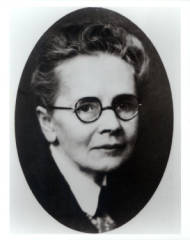
Women have been making strides in the field of architecture and design for centuries. Our Women in Architecture series recognizes the pioneering ladies that came before us, and paved the way for a more inclusive and innovative industry today. One such figure is Anna Keichline, whose impressive resume includes titles such as: American architect, inventor, suffragist and World War I Special Agent. 

The Life of Anna Keichline
Anna Keichline was born on May 24, 1889 in Bellefonte, Pennsylvania. The youngest of four children, Keichline showed creative genius at a young age. Gifted a workshop and carpentry tools by her parents, she spent her free time creating furniture and — at just 14 years old — won a prize at a county fair for a table and chest she’d made. The judges praised her work as comparing “favorably with the work of a skilled mechanic” and she told local reporters she intended to devote her life to industrial design.

It was no surprise then, when she pursued a degree in mechanical engineering, first at Pennsylvania State College and then at Cornell University. It wasn’t unusual during this time for schools to award women “certificates” rather than “degrees,” but when a rumor of this potential began to spread, Keichline’s classmates rallied and threatened to disrupt the commencement ceremony unless she received the degree she had earned. Kiechline graduated in 1911 and became the fifth woman ever to receive an architectural degree from Cornell. Though entering the male-dominated field was a daunting prospect at the time, Keichline felt sure of her place and purpose.

Keichline was an agent of change in all areas of her life: In 1913, she led a Suffragist protest march in her hometown of Bellefonte. She also served as a Special Agent in the Military Intelligence Division in Washington D.C during World War I, describing herself as: “twenty-eight and physically somewhat stronger than the average. Might add that I can operate and take care of a car [she owned her own automobile]. The above might suggest a drafting or office job, but if you should deem it advisable to give me something more difficult or as I wish to say more dangerous, I should much prefer it. You have asked for my salary in order to rate me… last year my fees amounted to something over six thousand. [the equivalent of $92,000 today].”

As Keichline tackled these feats and more, she was simultaneously setting the foundation for her successful career and the impact she would leave on the architectural world.

The Work of Anna Keichline
Keichline believed that there was a place for women in the field of architecture, thanks in part to their unique and innate understanding of space in a home. 

During her post-graduate career, Keichline shared an office with her father (an attorney) and amassed an impressive portfolio of both residential and commercial buildings. She is renowned for becoming the first registered woman architect in Pennsylvania in 1920, where much of her work occurred.

Her work included the Plaza Theater in her hometown Bellefonte (1925) and the Juanita Colony County Clubhouse in nearby Pennsylvania town Mount Union (1927), among many others. She explored many architectural styles throughout her impressive career as well, including Colonial Revival, Gothic Revival and picturesque cottage houses. 


Anna Keichline, Building Block, #1,653,771 A, filed March 16, 1926, issued December 27, 1927. Anna Keichline Papers, Ms1989-016, Special Collections, Virginia Polytechnic Institute and State University

In addition to designing buildings, Keichline was also an inventor and created many “time- and motion-saving” designs for kitchens and interiors. Overall, she owned seven patents — six for utilities and one for design. While her inventions span from a combination sink and washtub, to a foldaway sleeping bed compartment, to a portable partition replete with doors, windows, and eaves, her most famous invention by far is the “K Brick,” patented in 1927 and honored by the American Ceramic Society in 1931.

A forerunner of concrete block design today, the K Brick was an inexpensive, light, fireproof clay brick that could be filled with insulating or sound-proofing material, used for hollow wall construction. Keichline said of her K Brick that it “requires less to make than brick and because of its design takes less time to fire – the tile would reduce the weight of the wall by one-half.”

While Keichline passed away in 1943, her innovations and impact on the architectural field live on today — making her a remarkable figure and woman in history.

person name goes here

Maintenance Supervisor

Glencoe, IL


    Acceptable file types: *.pdf | *.txt | *.doc, max-size: 2Mb