An Inside Look at Siegel Sklarek Diamond

As part of our Women in Architecture series, we recently wrote a feature on pioneering architect, Norma Merrick Sklarek. Sklarek made waves when she co-founded her own architectural practice — the largest women-owned architectural firm in the country, and the first practice to be co-owned by an Black woman. That firm was Siegel Sklarek Diamond.

Siegel Sklarek Diamond

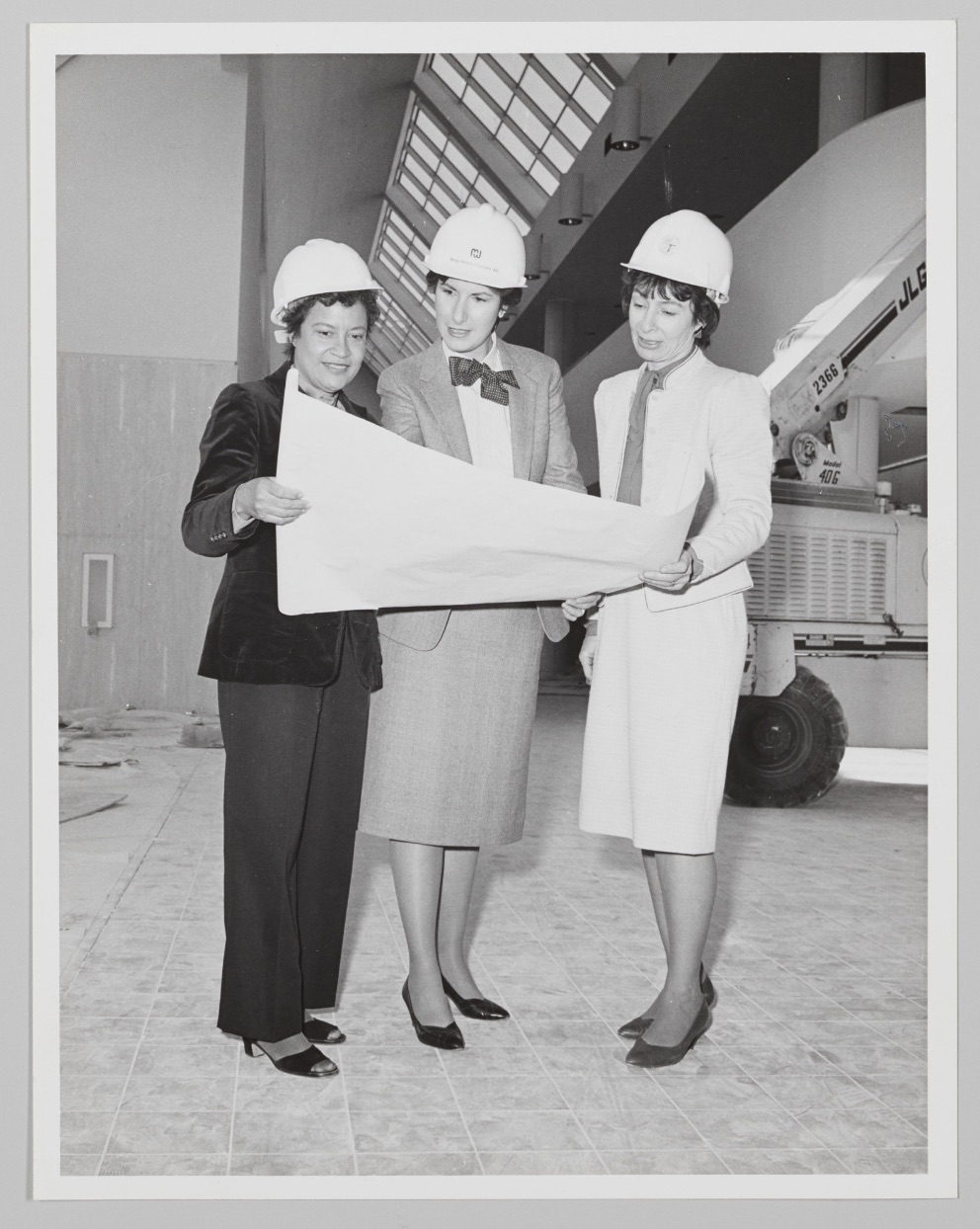
Siegel Sklarek Diamond was founded in Los Angeles in 1985 by three architects from whom the firm got its name: Margot Siegel, AIA, Norma Merrick Sklarek, AIA and Katherine Diamond, FAIA. Siegel had owned her own business for fourteen years prior, while Sklarek and Diamond both came from jobs working for large companies. 

The trio combined their unique skill sets to build a successful and impressive practice. Siegel took on the task of quality review and preparing working drawings; Sklarek brought her impressive project management abilities and keen architectural sense; Diamond took charge of the design, giving shape to simple ideas and ensuring clients’ needs were met. Overall, their collective style took inspiration from the Bauhaus style, consisting of largely unadorned Cubist structures, but with the three women’s own inventive twist.

According to a Los Angeles Times article published the year after their founding, Siegel Sklarek Diamond, had “a portfolio of nearly a dozen large projects in Southern California with a value of more than $25 million.” Their work covered a broad breadth and depth of categories, including educational facilities and community buildings, as well as commercial and industrial projects. Projects Siegel Sklarek Diamond took on include the Student Counseling and Resource Center (1988) and The Early Childhood Education Center (1989) at the University of California, Irvine and the Los Angeles Air Traffic Control Tower (completed in 1995), among others.

Control Tower at LAX. Credit: Moto “Club4AG” Miwa on Wikimedia Creative Commons, licensed under the Creative Commons Attribution 2.0 Generic license

In that same article, Diamond is quoted saying that the architecture profession at the time was “definitely an old-boys network,” Diamond said. “It’s definitely a very male-oriented profession, and I think that part (of the reason) is our clients, in order to have the money to hire an architect, tend to be older and more conservative.” As the largest women-owned architectural firm nationally at its time, and the first to be owned by a Black woman, Siegel Sklarek Diamond certainly turned that industry standard on its head and paved the way for many more influential women to follow.

The Subsects of Modernist Architecture Part II

A few weeks ago on our blog, we began exploring the subsects of Modernist architecture and covered the Bauhaus, De Stijl and Constructivism movements. Modernism took the world by storm at the time of its invention — reimagining everything from painting to furniture to the built environment. Over time, that impact has continued to evolve and morph into many different directions. Here’s just a few of those iterations:

Expressionism

Expressionism is the fourth subsect of Modernism to emerge in the discipline’s early years. This architectural style existed simultaneously with the Bauhaus style, but stood in stark contrast to its counterpart. While Bauhaus architecture emphasized clean, linear design, Expressionism was an outburst of artistic emotion, encouraging fragmentation and distortion to express extreme feelings. These feelings were borne from the political turmoil at the time, when the German Revolution of 1919 led many to a utopian outlook and a romantic socialist agenda. 

Functionalism 

As the name suggests, functionalism emphasizes one of the core traits of modernism: “form follows function.” The style, which emerged in Europe in the 1930s, touted that the design of a building should reflect its function and purpose. In the wake of World War I, this philosophy played its part in the larger desire to create a new and better world for people. This socialist and humanist philosophy was evident in many of the designs from this subsect of Modernism. 

Minimalism

Minimalism is another subsect of Modernist architecture that emerged mid-century. Inspired by its predecessors, the De Stijl and Bauhaus movements, Minimalism is perhaps one of the most recognizable Modernist styles. Distinguished by its straight-forward design, stripped of ornamentation and decoration, Minimalism drove design back to its bare essentials. The movement was inspired by the hustle and bustle of urban life as well as influenced by Japanese architecture. Figures such as Ludwig Mies van der Rohe popularized the design; it continued to evolve throughout the decades and can be seen in contemporary Modernist architecture today.

Stay tuned for more features on the many subsects of Modernist architecture.

The Work of László Moholy-Nagy

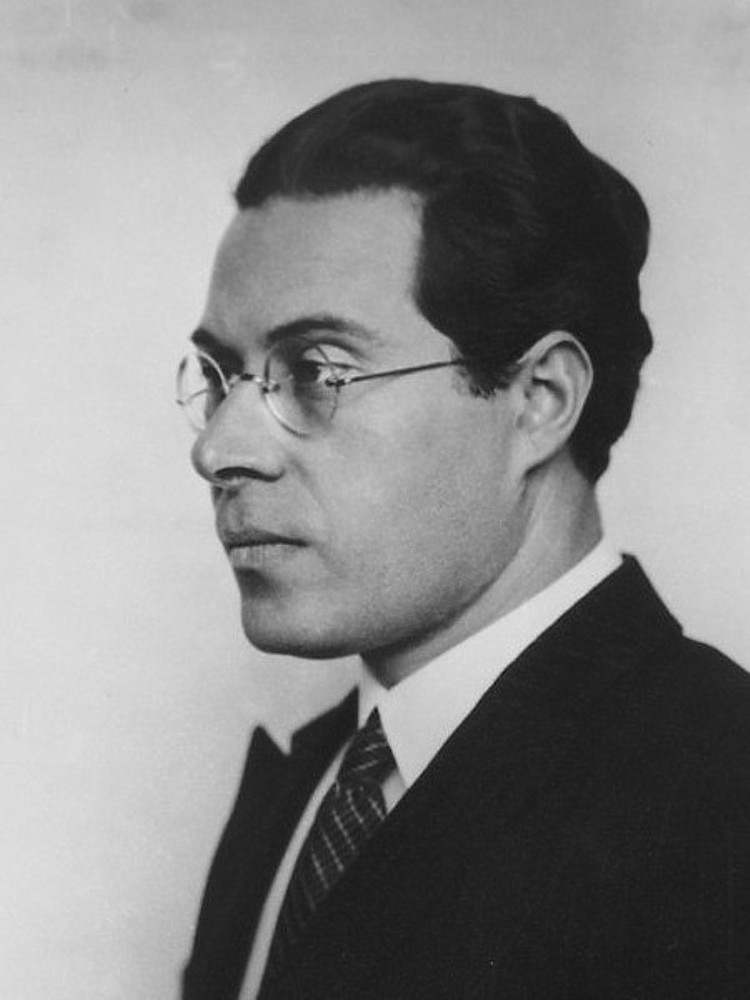
Many prominent and influential figures emerged from the Bauhaus. One of these figures was László Moholy-Nagy, a Hungarian painter and photographer, and a professor at the Bauhaus. Today, we take a closer look at his life, work and impact on the world of Modernist design.

Self Portrait (1918), László Moholy-Nagy
Self Portrait (1918), László Moholy-Nagy. Credit: Public Domain

The Life of László Moholy-Nagy

Originally born in 1895 as László Weisz, Moholy-Nagy grew up in Hungary. He always tended to be artistic, even in boyhood. His first dream was to become a writer or poet and he had poems published in the local paper at the young age of 16. After studying law for just two years, Moholy-Nagy enlisted in the Austro-Hungarian army in 1915 and in the field, his artistic pursuits persisted. He documented his experience through writing, crayon sketches and watercolors until he was discharged just three years later. 

After all these experiences, Moholy-Nagy abandoned his law studies to attend a private art school in 1918. He had his first art exhibition just a year later. The years that followed would prove formative for his personal and artistic life: in 1920, he moved to Berlin, where he met his first wife, Lucia Schulz — and they were married just a year later — and then in 1922, Moholy-Nagy met none other than Walter Gropius, Founder of the Bauhaus.

Work on acrylic with incisions on perspex by László Moholy-Nagy. Credit: Wikimedia Public Domain

The Work of László Moholy-Nagy

In 1923, Gropius invited Moholy-Nagy to teach at the Bauhaus. There, he co-taught a foundational course alongside Bauhaus legend Josef Albers, and replaced the famous Paul Klee as Head of the Metal Workshop. He continued to teach at the Bauhaus for a period of five years, a time which heavily influenced his own artistic philosophy.

Moholy-Nagy’s own work spanned across a variety of mediums, including photography, typography, sculpture, painting, printmaking, film-making, and industrial design. The artist is also cited as the first to incorporate scientific equipment, like the telescope, microscope, and radiography, into his own art practice. This practice highlights Moholy-Nagy’s own open-mindedness. He was always interested in experimentation and the play between life, art and technology — particularly, how the three intersected and paved the way for social transformation and the betterment of humanity. 

His work, which often falls under the category of abstract and avant garde, was also influenced by the Constructivism movement of the early 20th century as well as the Dada artists he encountered upon moving to Germany. Thanks to his creative fluidity and pioneering methods, his work across disciplines and styles has been called “relentless experimental.”

Perhaps his most iconic work was Light Prop for an Electric Stage, completed in 1930. Referred to as a “kinetic light display,” the piece’s rotating construction included reflective surfaces from which a beam of light bounced, casting both moving light and shadow onto nearby surfaces. It’s considered a pivotal fixture in the history of Modern sculpture and perhaps best exemplifies Moholy-Nagy’s own artistic philosophy.

Meanwhile, Gropius continued to impact Moholy-Nagy’s career trajectory when in 1937, he recommended the experimental artist as the head of the New Bauhaus in Chicago (which would eventually become incorporated to the Illinois Institute of Technology as we know it today). In Chicago, he continued to pioneer new methods and experiment until his early death from leukemia at just fifty-one years old. 

His life, work and legacy live on in the, earning him the title of the “genius of all media” and an eternal place in the history of Modernist art and design.

Women in Architecture: Norma Merrick Sklarek

From well-known figures like Charlotte Perriand to lesser-known names like Eileen Gray, countless women have left their mark on the history of architecture. As part of our Women in Architecture series, today we’re taking a look at another pioneering figure: Norma Merrick Sklarek, a woman who paved the way for generations of African American woman architects to follow.

Norma Merrick Sklarek

Norma Merrick Sklarek was born on April 15, 1926, in Harlem, New York. Her parents were both immigrants from Trinidad; her father was a doctor and her mother was a seamstress. Sklarek grew up going to predominantly white schools, where she excelled in math, science and fine arts, encouraged by her father. In fact, he was the one who initially suggested she pursue a career in architecture. 

Sklarek pursued education at Barnard College for a prerequisite year before enrolling at the School of Architecture at Columbia University. Her experience was challenging, but nevertheless she persisted and went on to graduate in 1950 as one of two women and the only African American in her class.

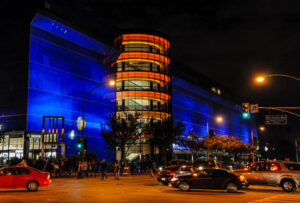
Pacific Design Center
Pacific Design Center, Los Angeles. Credit: Kent Kanouse, Flickr Creative Commons CC BY-NC 2.0 Deed

Career and Work

After graduation, Sklarek faced both gender and racial discrimination in her job hunt and was rejected by nineteen firms. She told a newspaper in 2004, “They weren’t hiring women or African Americans, and I didn’t know which it was [working against me].” She took on a civil service job as a draftsperson for the city of NY, but refused to settle. While working for the city, she took the architectural licensing examination in 1954 and became the first licensed African American woman architect in the state of New York. (Later, this accomplishment would earn her the nickname “the Rose Parks of Architecture.)

As a single mother, Sklarek’s own mom watched her kids while she worked at a variety of architectural firms. The first cordoned her to menial tasks, such as designing bathrooms, while the second gave her more responsibility. At her third firm job, Sklarek noticed her supervisor was particularly scrutinous of her. She carpooled with a white male colleague who was consistently late to work; her boss critiqued Sklarek’s own punctuality but never made mention of the man’s. In response, Sklarek bought her own car. 

In 1959, she became the first African American woman member of the American Institute of Architects and in 1960, the first Black woman licensed as an architect in California. Sklarek rose in rank at her third architectural firm job, overseeing other staff and production processes. Like many women in the field, she remained cordoned to project manager positions, rather than becoming a project architect, despite her aptitude and keen sensibilities. 

She worked on prestigious projects such as the California Mart, Fox Plaza, Pacific Design Center, San Bernardino City Hall, and the U.S. Embassy in Tokyo. She also continued to accumulate accolades throughout her career, including becoming the first African American woman elected to the College of Fellows of the American Institute of Architects in 1980. Five years later in 1985, Sklarek co-founded Siegel Sklarek Diamond, the largest woman-owned architectural field in the country and became the first African American woman to co-own an architectural practice. Throughout her lifetime, she served on numerous boards, became an esteemed educator and prioritized mentoring other aspiring architects. She was proud to be a role model for others, acting as a figure that she herself had not had access to on her own journey.

Norma Merrick Sklarek was a pioneer of her own time, and remains today a figure of inspiration for anyone who faces discrimination and prejudice in their field. She proved that you are not what others believe you to be, and fought for others to be able to step into their full potential and leave their own marks on the architectural world.

The Subsects of Modernist Architecture, Part I

As a pioneering approach to architecture, the Modernist discipline took the creative world by storm. It’s only natural that the discipline has since evolved and morphed to mean many different things to many different people around the world, from Japanese Modernists to the Bauhaus School in Germany and beyond. In celebration of this, we’re taking a closer look at just a few of the many nuanced subsects of Modernist architecture. 

Bauhaus School of Design. Credit: Lannguyen138 on Wikimedia Commons, licensed under the Creative Commons Attribution-Share Alike 4.0 International license

Bauhaus

The Bauhaus Modernist architectural style emerged from the Bauhaus School, founded by Walter Gropius, in Germany over a century ago. The school operated from 1919-1933. Gropius formed the Bauhaus in response to the rise of industrialism, emphasizing the importance of craftsmanship and human-centric design. The school united fine arts and craftsmanship to create one strong point of view, a style marked by its eschewment of the ornamental in favor of a sharp focus on geometric and abstract form, function and aesthetic. The simple schema of Bauhaus architecture was intended to be easily mass produced — and indeed, the style was packaged and spread globally, inspiring Modernist architecture as we know it today.

De Stijl

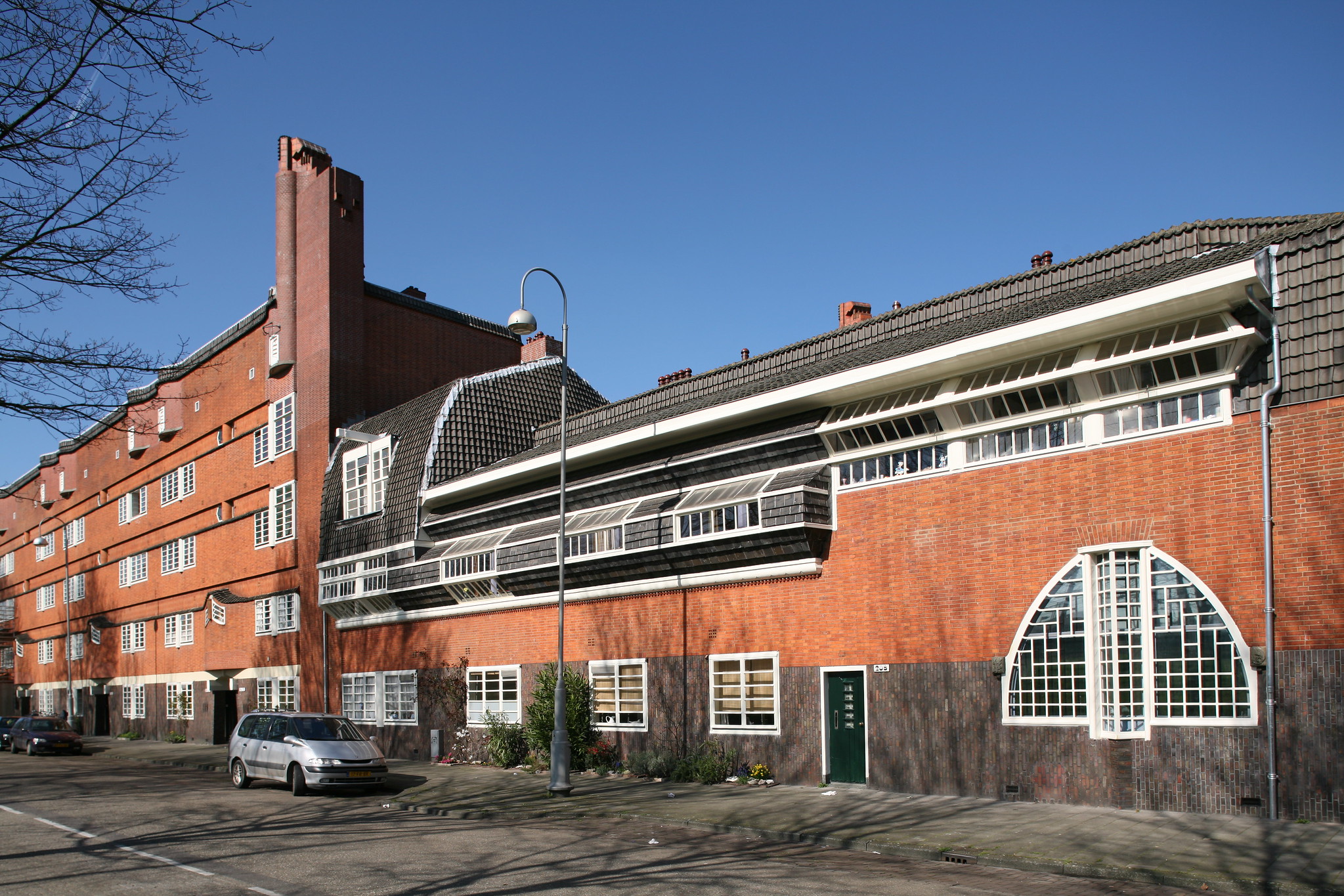
Emerging at the same time period as the Bauhuas, De Stijl (Dutch for “The Style) originated in the Netherlands in 1917 and is said to have peaked between its inception and 1933. The style emerged post World War I as a utopian means of social and spiritual redemption that took advantage of art and its transformative impact. De Stijl applied to both painting and architecture, proposing ultimate simplicity and abstraction through the use of stark and straight horizontal and vertical lines and rectangular forms. Though considered more prominent in architecture than painting, the movement is considered to be led by Piet Mondrian. Pioneers in the movement considered it the perfect fusion of form and function, yielding what they considered the ultimate style.

Constructivism

While the Bauhaus style and De Stijl were emerging in Eastern Europe, Constructivism entered the scene in the Soviet Union in the 1920s. Constructivism was in part inspired by the Bauhaus, as well as by Russian Futurism. The style is characterized by its blend of modern technology and engineering methods, and marked deeply by the socio-political ethos of Communism. Constructivism combined existing Modernist principles like minimal and geometric design with a more experimental lens. This sense of experimental play, combined with its Futurism influences, resulted in intriguing and abstract structures. Though the style fell out of favor only a decade later, its influence can be seen in later movements such as Brutalism — but more on that later.

Stay tuned for more features on the numerous subsects of Modernist architecture.

The Benefits of Retail Space in Mixed-Use Buildings

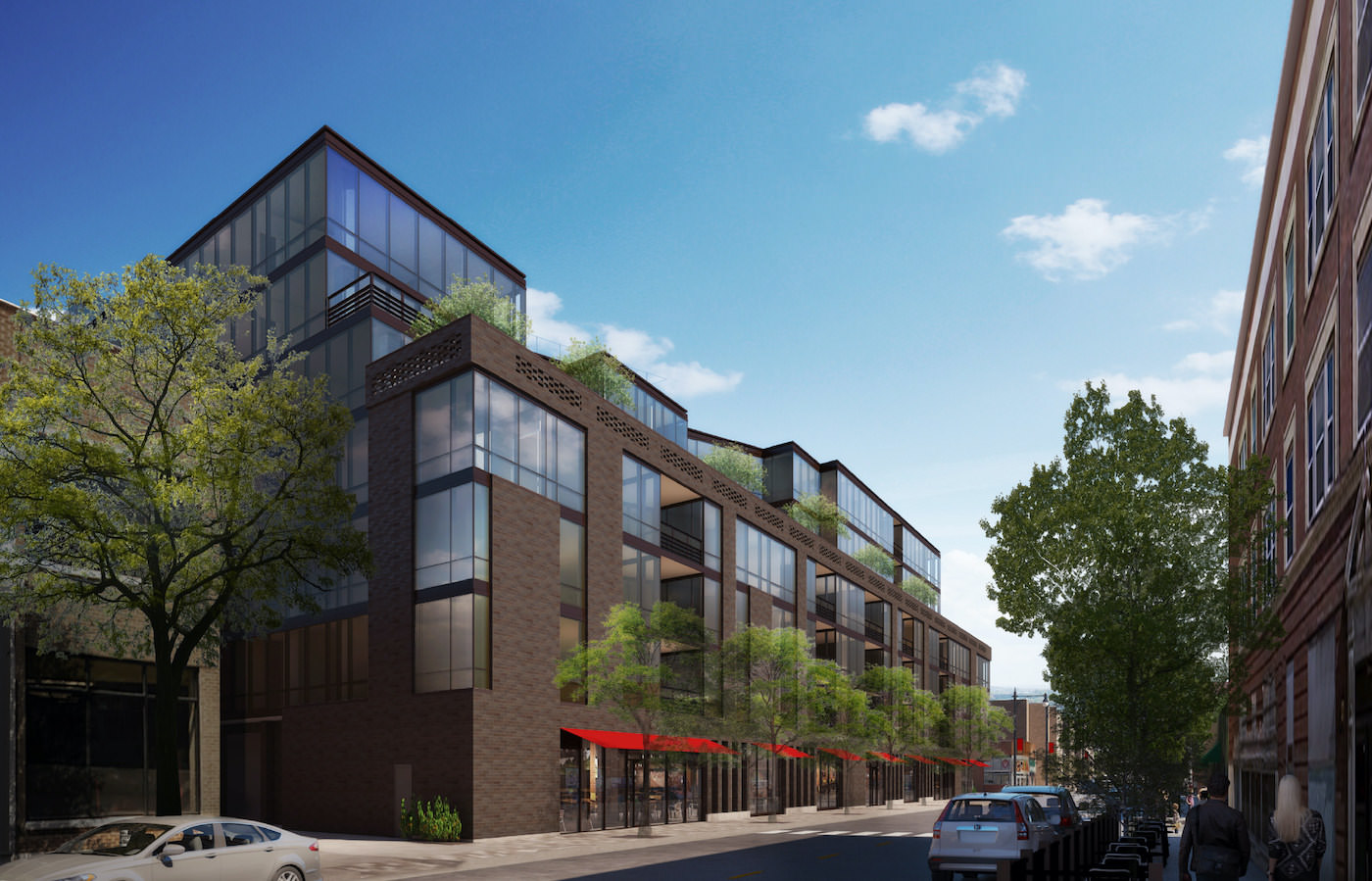
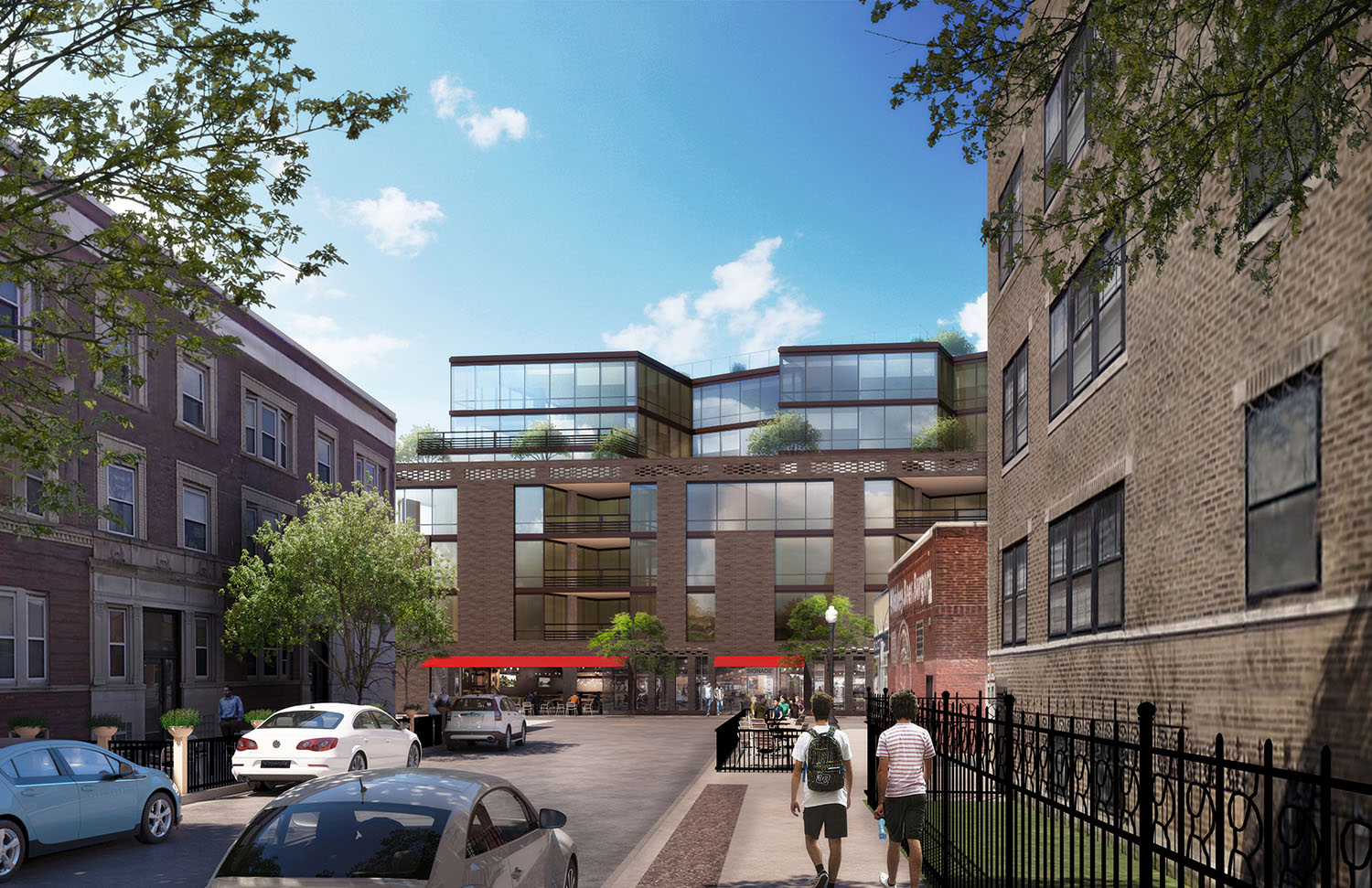
Our latest development to break ground, Optima Lakeview, is a mixed-use building that’s bringing in-demand and exciting retail space to the Lakeview neighborhood of Chicago. Combining residential and retail into one building (earning the name “mixed-use”) is a time-old way to reap benefits for both residents and businesses alike. So what exactly are those benefits? 

Understanding Mixed-Use Buildings

For starters, let’s define what a mixed-use building is. A mixed-use building (MXD) is a building with three or more significantly-sized, revenue-producing businesses, whether those businesses are offices, retail stores, restaurants or other hospitality locales. The purpose of MXDs is to maximize the efficiency and value of a limited space, especially in urban areas, where space is in high demand. 

In addition to the underway Optima Lakeview, many other Optima projects are also mixed-use buildings. Optima Signature, our luxury condo community in Chicago’s Streeterville neighborhood, features retail tenants such as Bedazzled Nail Salon, GoodVets Veterinarian Office, Egg Harbor Cafe, Guidepost Montessori School, Runaway Fitness and an interior connection to the Whole Foods nextdoor. 

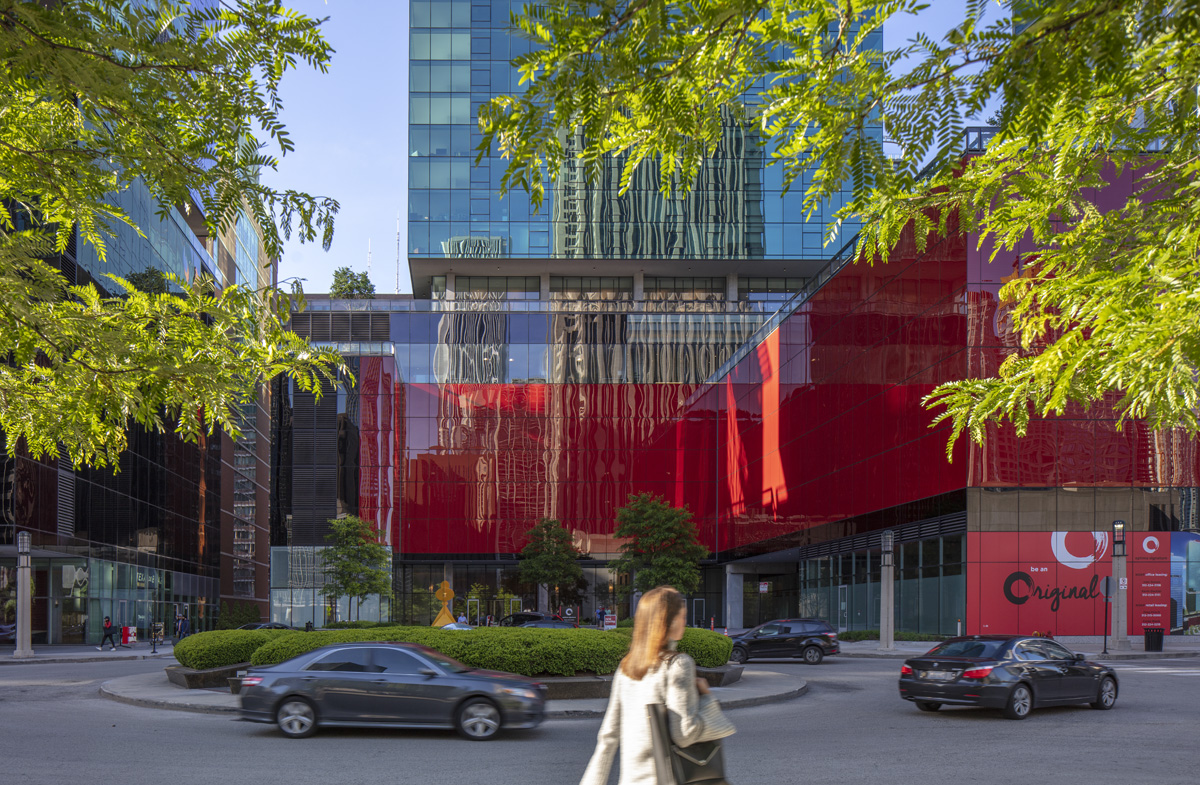
Retail-space-filled plaza at Optima Signature
Retail-filled plaza at Optima Signature

Benefits of Retail Space 

Introducing mixed-use buildings into a neighborhood means retail space is closer than ever to residential. For residents, this translates into a more pedestrian-friendly experience: their needs are accessible and within walking distance. For the environment, increased walkability also means less pollution from transportation. And for business-owners, their storefronts gain increased exposure as people stroll by, leading to increased sales and success. Overall, mixed-use buildings lead to a stronger sense of community and better quality of life for both residents and businesses. 

At Optima, we make the most of our retail space by thoughtfully hand-selecting each business. Retail space in our residential buildings is yet another amenity that serves to enhance the lives not just of our own residents, but of the surrounding community, too.

Women in Architecture: Eileen Gray

While women’s contributions to architecture are celebrated more than ever in modern times, these contributions have always been part of the architectural world — historically, they were just overlooked. As part of our women in architecture series, today we’re spotlighting another strong female figure in Modernism: Eileen Gray. 

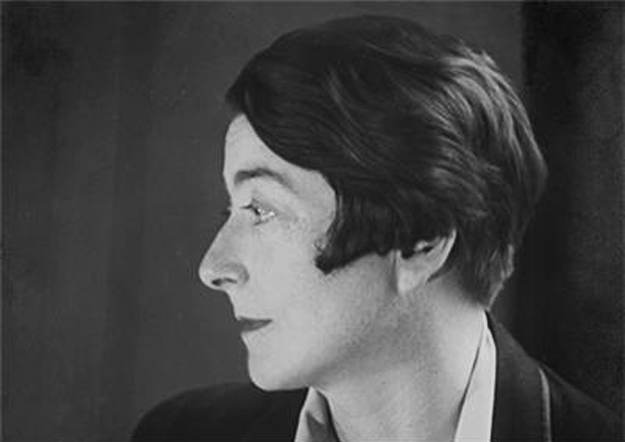
Eileen Gray was born into a wealthy aristocratic family in Ireland in 1878. Her father, a landscape painter, encouraged Gray’s artistic pursuits so that in 1900, Gray left for Slade School in London to study fine arts in a bohemian, co-ed program that was quite unusual for the time. 

From connections made at Slade, Gray learned to lacquer furniture, eventually opening a studio in 1910 with Japanese craftsman Seizo Sugawara. In fact, Gray was so committed to the trade that she suffered from the so-called lacquer disease — a painful hand rash. Her hard work paid off, however, as she and Sugawara produced commissions for Paris’s wealthy elite.

Bibendum Chair, designed by Eileen Gray. Photo courtesy of EileenGrayDesigns.com

Gray’s time lacquering was cut short by World War I. However, after a brief stint driving ambulances during that period, she dove back into the world of interior design. Her most notable project included the Rue de Lota apartment and showcased some of Gray’s most iconic furniture designs, such as the Bibendum Chair (which parodied the shape of the Michelin Man) and the Pirogue Day Bed. Gray’s success led her to open her own shop in 1922, attracting high-caliber clients like Ezra Pound. During that time, she honed her style to become more streamlined and industrial, taking after Modernist inspirations like Le Corbusier.

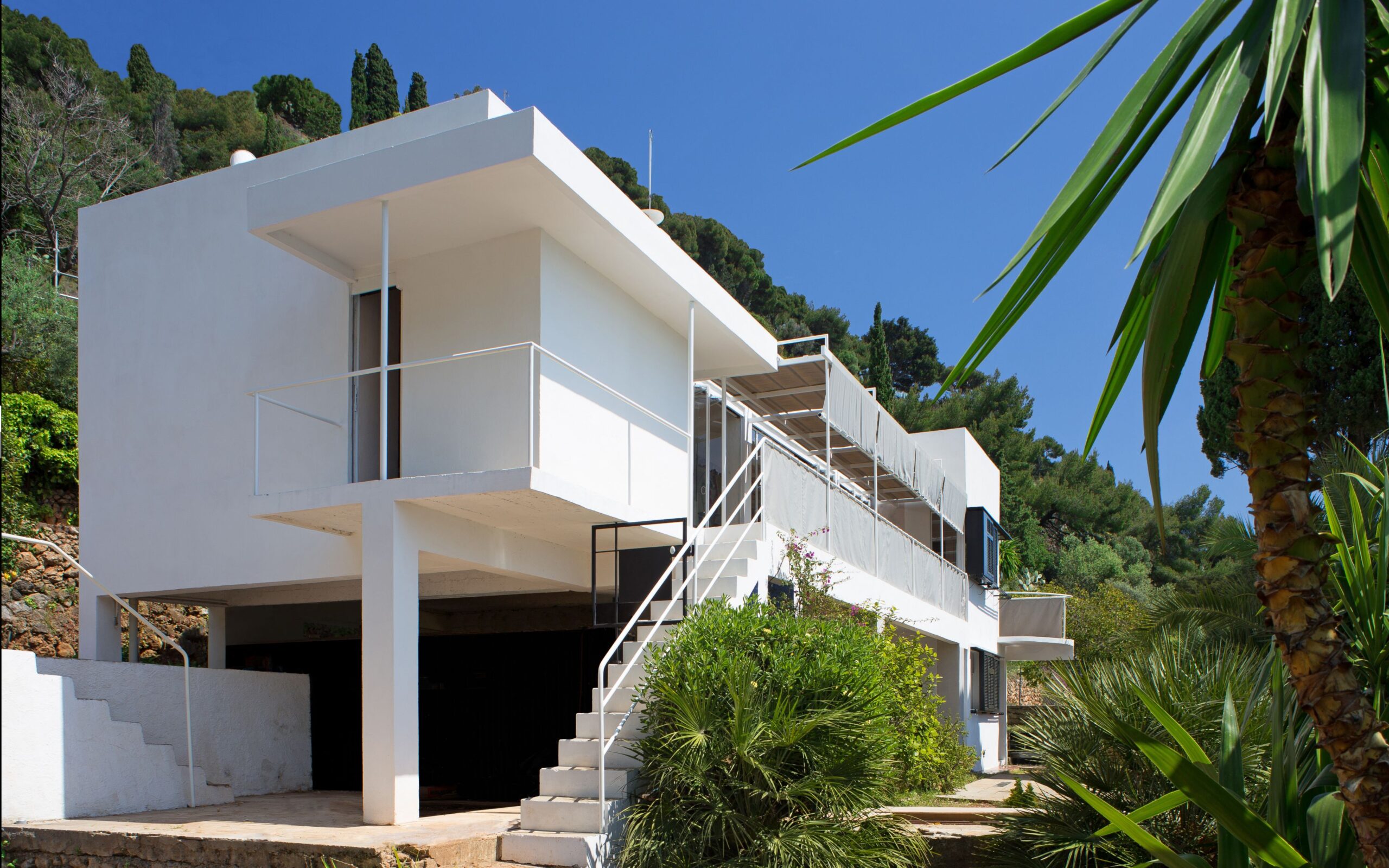
E-1027, designed by Eileen Gray in France in 1929. Photo courtesy of e1027.org

With the support of her romantic partner, architect Jean Badovici, Gray pursued architecture. And despite not having a formal education in the trade, through apprenticeship and field learning, Gray flourished. Gray’s most notable architectural project was E-1027, a cuboid structure. When Gray finished E-1027, Badovici announced the home in his magazine and claimed himself joint architect. Of the nine architectural projects she completed in her lifetime, Badovici took credit for four of them.The home attracted Le Corbusier, who stayed often and later disrespected Gray’s wishes that the home remain without decor when Corbusier painted Cubist murals of naked women on its walls. Critic Rowan Moore commented on the move by Corbusier in 2013, calling it an “act of naked phallocracy” by a man asserting “his dominion, like a urinating dog, over the territory.”

In spite of the disrespect she faced from her male counterparts, Gray stands evermore steadfast as an influential figure in Modernist history. 

Stay tuned for more features on women in architecture.

The History of Transit-Oriented Developments

Our latest underway project, Optima Lakeview, is a transit-oriented development in the vibrant Lakeview neighborhood of Chicago. Unless you’re familiar with the world of urban planning, the term transit-oriented development may be unfamiliar to you. When it comes to city design, transit-oriented development is a type of urban development that maximizes the amount of residential, business and leisure space within walking distance of public transport, including buses, trains or subways. Today, we’re taking a closer look at the history of transit-oriented developments within the United States, and how they’ve impacted cities across the country.

A Brief History

Although the concept of transit-oriented development (or TOD) wasn’t officially named until the 1990s, the pieces existed long before. After WWII, the mass production of automobiles allowed more people to move to the suburbs, and also created highly congested cities and roads. City planners and officials called for mass-transit use in urban areas, and federal funding was allocated to cities in need of new systems. New hubs of public transit were followed by housing and businesses, which helped create concentrated communities that benefited from the walkability. As urban planning grew and expanded as a practice, the term transit-oriented development was coined, and many cities and industry professionals have since spent time, resources and research to pinpoint how TODs lead to vibrant communities. 

The Impact of Transit-Oriented Developments

As an initial response to the increase in vehicles going in and out of cities, TODs have successfully reduced congestion in cities, and reaped the environmental benefits. With more commuters and residents taking trains, TODs create a sustainable alternative to getting around. Less cars create a walkable, pedestrian-friendly environment, creating options for healthier lifestyles. And with more foot traffic, local businesses have a greater chance of thriving. 

Residential buildings play a huge part in creating transit-oriented communities. As a transit-oriented development, Optima Lakeview combines residential, commercial retail and leisure space, all within walking distance of an abundance of public transportation options. We’re thrilled to be part of the Lakeview community and to create a place where our residents can live, work and play. 

Chicago Skyscraper History: Home Insurance Building

Chicago boasts many historical architectural feats — it was the host of the World’s Columbian Exposition in 1893 and the playground of greats including Frank Lloyd Wright and Louis Sullivan. But did you know Chicago was also home to the world’s first ever skyscraper? Today we’re taking a look at the historic Home Insurance Building and how it came to be.

How the World’s First Skyscraper Came to Be

The Great Fire ravaged Chicago in 1871. But it was a devastation that gave way to the opportunity to rebuild anew. As the city looked to rebuild, architects pondered what the next generation of urban structures looked like. With commerce and industry downtown exploding exponentially, these structures had to accommodate more residential space and more office space — leading to verticality as a solution. And with the Great Fire as their lesson, architects also knew these structures had to be much more durable than those that had been so easily destroyed.

Luckily, two pivotal inventions from the mid-19th century made the introduction of soaring steel-framed buildings possible. The first was the safety elevator pioneered by Elisha Otis in 1854, which allowed for the safe transport of elevator passengers. While the top floor of buildings had once been inaccessible and undesirable, the elevator changed that forever. Meanwhile, the Bessemer Converter of 1856 allowed for widespread, large-scale commercial production of steel. 

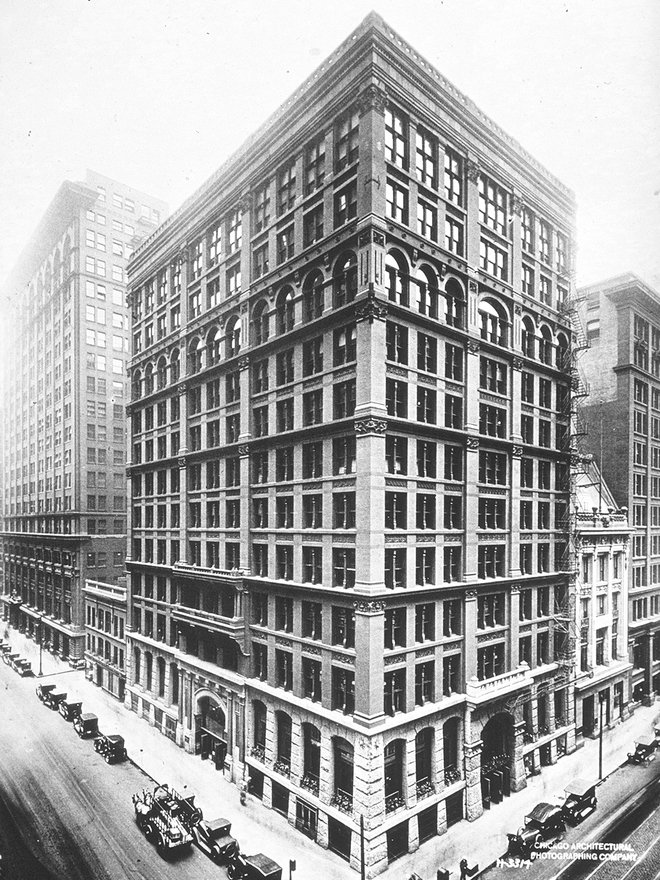
The culmination of these factors led to the world’s first skyscraper in 1885: the Home Insurance Building, a ten-story, steel-frame fireproof building in downtown Chicago.

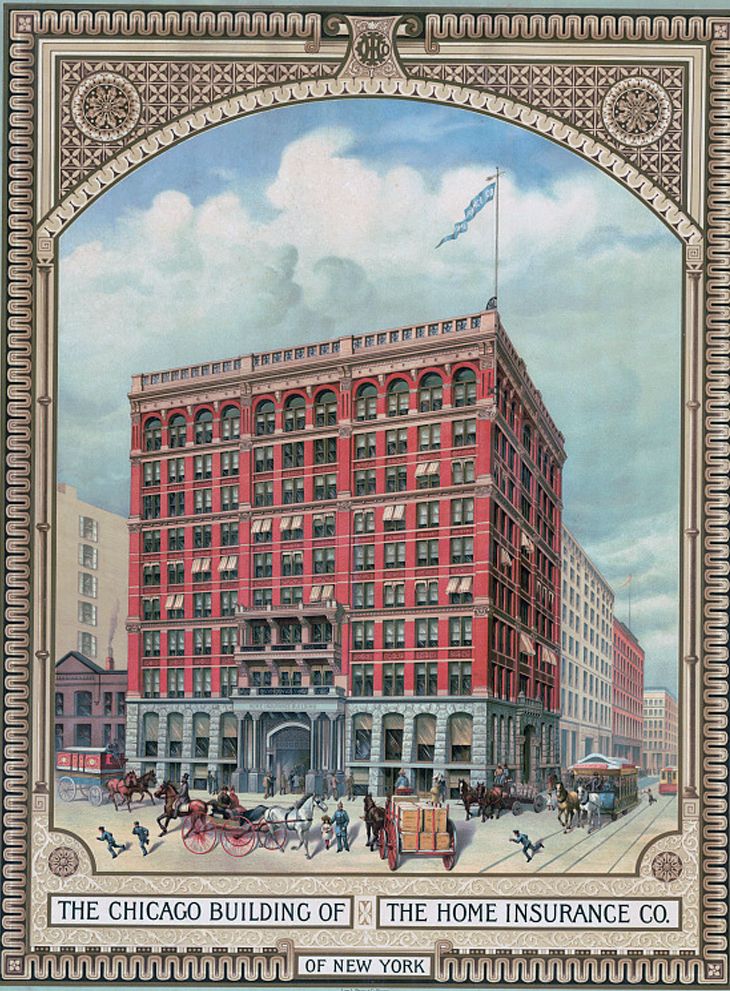
Home Insurance Building, 1885, Published by Sprang Printing, Boston
Home Insurance Building, 1885, Published by Sprang Printing, Boston.

A Closer Look at the Home Insurance Building

The Home Insurance Building, designed by William Le Baron Jenney, was located at the corner of Adam and LaSalle Street. It earned the title of the world’s first skyscraper thanks to the combination of its height and its revolutionary steel frame. The frame was composed of wrought and cast iron alongside Bessemer rolled steel beams, leading the building to weigh in at a third of the mass of traditional masonry buildings of the time. 

While two additional stories were added to the Home Insurance Building in 1890, it was eventually demolished in 1931 to make way for the Field Building, now known as the LaSalle Bank Building. Despite the building being gone today, it has forever left its mark on Chicago’s skyscraper history.

Optima Lakeview in the News

Since announcing our plans for Optima Lakeview in 2020, the new development has been surrounded by media buzz. We’re excited to be a part of the Lakeview community and are thrilled to see those in our community are equally as excited, too. Here’s what they’ve had to say so far:

Announcing Optima Lakeview

When the development was first announced, publications such as REJournals, RE Business Online, Connect Media, Multi-Housing News and hyperlocal publication Block Club Chicago all chimed in to share in the good news. REJournals discussed Optima Lakeview’s competitive marketplace edge, saying: 

“Optima paid special attention to work-from-home needs, designing floor plans with an average of 1,053 square feet, significantly larger than what’s currently available in the market, to accommodate dedicated space for a home office. In addition, Optima Lakeview features two conference spaces and a business center, as well as several indoor and outdoor seating areas and multiple technology providers from which residents can choose.”

Construction Begins

When construction began in mid-October, BisNow was on the scene, reporting the groundbreaking news. They interviewed Optima Co-Founder and CEO David Hovey Sr., to get the scoop on how the building will contribute to the existing community. Hovey shared with BisNow:

“With Optima Lakeview, we’ve incorporated design cues from the surrounding area’s architecture while still staying true to the modern design aesthetic Optima is known for, resulting in a forward-looking building grounded in Chicago sensibility. Both inside and out, Optima Lakeview is very much about drawing people in and helping them stay connected — either with the surrounding community or within the building itself.”

Doubling Down on Retail

Despite the challenges of 2020 and COVID-19, we remained firm in our approach to retail space at Optima Lakeview. BisNow touched base with our team to discuss the plan for Optima Lakeview’s 14K SF of retail space and Optima Vice President Mark Segal shared our optimism that brick-and-mortar retail remains stronger than ever. Read the full feature here.

Stay tuned for more updates and media coverage as we continue progress on Optima Lakeview!

person name goes here

Maintenance Supervisor

Glencoe, IL


    Acceptable file types: *.pdf | *.txt | *.doc, max-size: 2Mb