If you’re seeking an immersive, creative adventure that perfectly embodies Optima®’s commitment to engaging and enduring experiences, look no further than The Other Art Fair. Taking place from March 27–30 at Artifact Events in Chicago’s charming Ravenswood neighborhood, this unique event—curated by the team behind Saatchi Art—promises an eclectic blend of contemporary art, interactive displays, and genuine connection with artists from around the globe. And for residents of Optima Lakeview®, the nearby Ravenswood neighborhood itself is the perfect host for such an event, inviting you to a place where artistry, community, and conversation converge.
Attendees can expect more than a traditional art fair atmosphere. Beyond viewing the artwork, you’ll find live demonstrations, interactive installations, and thought-provoking panel discussions. This dynamic format allows visitors to engage directly with creators, bridging the distance that sometimes exists between an artist’s vision and the viewer’s experience. From avant-garde sculptures to experimental multimedia pieces, The Other Art Fair proves that contemporary art can—and should—be accessible. It’s a chance to immerse yourself in new interpretations of the world and connect with the passion behind each piece.
For many, the highlight is the chance to purchase art directly from emerging talents at more accessible price points, transforming collecting into an inclusive and personal endeavor. By supporting these artists, you’re also fostering the continued growth of Chicago’s rich cultural fabric. When you invest in new voices and visions, you help shape a city’s broader conversation around art and innovation.
Attending The Other Art Fair is an invitation to step into the creative process and come away with a deeper appreciation for the power of artistic storytelling. It’s an event that promises not just aesthetic pleasure but also the emotional resonance and connections that make an experience truly memorable. Much like Optima®’s approach to designing spaces that enliven communities, The Other Art Fair merges culture, creativity, and collaboration into an environment that sparks curiosity and joy. If you’re ready for an unforgettable experience that illuminates the transformative power of art, mark your calendar and prepare to be inspired in Ravenswood this spring.
For more information about The Other Art Fair, visit the fair guide here.
The North Shore is home to a treasure trove of artistic and cultural venues, and one institution that consistently captivates local art lovers is The Block Museum of Art at Northwestern University in Evanston. Just a short distance of Optima Verdana® in Wilmette, the museum provides easy access to dynamic exhibitions for residents seeking enriching cultural experiences. Its current exhibition, Woven Being: Art for Zhegagoynak Chicagoland, offers an immersive journey into the region’s indigenous histories, textiles, and modern artistic voices.
A Spotlight on Zhegagoynak (Chicagoland)
“Zhegagoynak” refers to the ancestral land of the Potawatomi, Odawa, and Ojibwe peoples, among other tribes, spanning the area commonly known as Chicagoland today. The term underscores the vital role that indigenous communities have played in shaping the region’s identity—an aspect often overlooked in typical local narratives. By incorporating “Zhegagoynak” in the exhibition’s title, The Block Museum acknowledges these deep-rooted connections, weaving indigenous perspectives into broader conversations about place, heritage, and art.
Interplay of Textiles and Identity
At the core of Woven Being is the notion that textiles are not merely functional objects but powerful carriers of stories, traditions, and cultural memory. Organized in partnership with indigenous artists and community members, the exhibition invites visitors to consider how fibers, threads, and weaving practices serve as tangible manifestations of identity. Various forms of textiles, from traditional garments to contemporary fiber art, highlight the intricate craftsmanship and spiritual significance of weaving across different Native cultures.
For instance, some pieces spotlight the role that blanket-making and clothing production play in community ceremonies and signifiers of status or familial connection. Others explore how these traditions evolve in modern, urban settings—creating a vibrant bridge between history and the present moment. Multimedia components, such as digital storytelling or interpretive texts, add layers of context, revealing the personal voices behind the artistry.
Engaging Displays and Dialogue
The Block Museum, known for its educational approach, complements the visual spectacle with curated programs that encourage reflection and dialogue. Guided tours, artist talks, and themed workshops often enhance the visitor experience, giving insights into the techniques and cultural significance behind the exhibited pieces. Whether you’re a student of history, a textile enthusiast, or simply looking for an afternoon of discovery, there’s a rich tapestry of learning and interaction to be found.
One event to watch for is the museum’s panel discussions, where indigenous scholars, artists, and local historians converge to explore how weaving transcends aesthetics and touches on broader questions of sustainability, community resilience, and cultural revitalization. As you explore, you might also encounter interactive elements—like hands-on weaving demonstrations or digital tools—that underscore weaving’s ongoing relevance in contemporary life.
A Must-See for Optima Residents
For residents at Optima Verdana®, the Woven Being exhibition is a convenient, inspiring outing that speaks directly to our commitment to thoughtful design, cultural engagement, and community building. A visit allows you to delve into the layered narratives of Chicagoland’s Native histories while enjoying a tranquil campus environment along Evanston’s lakeshore. To round out your experience, consider pairing your visit with a stroll through downtown Evanston or an exploration of Northwestern’s picturesque grounds. The synergy between the city’s lakeside charm and the university’s academic atmosphere makes the day all the more enriching.
Discovering Zhegagoynak Through Art Woven Being: Art for Zhegagoynak Chicagoland offers a profound look at how textiles function as living records of heritage, storytelling, and continued resilience. It’s yet another way the Block Museum underscores the interwoven complexities of art, identity, and place. For anyone on the North Shore, this exhibition provides a rare, eye-opening perspective on indigenous artistry, rooted in both tradition and modern expression. Make time for it, and you’ll leave with a deeper understanding of how creative traditions endure and evolve—and how they weave together the story of Chicagoland for generations to come.
Woven Being runs from January 25 through July 15, 2025. For more information about the exhibition and visiting the Block Museum, view their website.
For those who call Optima Lakeview® or Optima Signature® home, one of the joys of city living is the easy access to Chicago’s thriving arts and cultural scene. Just a short trip from our communities, the Museum of Contemporary Art Chicago (MCA) never fails to deliver cutting-edge exhibitions that reflect the dynamism and creative fervor of our city. This season, the MCA presents The Living End: Painting and Other Technologies 1970–2020, a thought-provoking show that explores the evolution of painting in tandem with technological and social changes over the past fifty years.
A Dialog Between Past and Present Spanning five decades, The Living End examines how painting interacts with, and is influenced by, various forms of technology—from analog mechanical processes to cutting-edge digital tools. Rather than pit “traditional” painting against the tide of new media, this exhibition reveals the adaptable and enduring nature of the painted medium. It demonstrates that painting, far from being an outdated form, has consistently responded to cultural and technological shifts, resulting in works that are as much about the moment in which they were created as they are about the artists’ personal visions.
By showcasing pieces from the 1970s to the present, the exhibition offers a cross-generational dialogue. Visitors can see how older works—ones that used photography or industrial processes—sit alongside contemporary pieces integrating digital manipulations, computer graphics, and even social media references. It’s a vivid timeline of how artists continue to redefine what painting can be, linking classic practices with new media to broaden our understanding of art.
Artists and Themes to Watch For The MCA’s The Living End brings together a diverse roster of artists, each contributing a perspective on painting’s evolving relationship with technology. Some pieces investigate how industrial or mechanical reproduction techniques can inform fine art, while others question the role of digital editing, social platforms, and even artificial intelligence in shaping an image. Along the way, you’ll encounter works that blend painting with collage, projection, sculptural elements, or interactive components.
Within these artworks, common threads emerge: an interrogation of authenticity, the shifting meaning of originality in an era of infinite reproducibility, and the role of the painter in an increasingly digital age. Even the subtlest pieces hint at the friction and synergy between the hand-crafted and the machine-made, prompting conversations about where painting fits into our 21st-century visual culture.
A Timely Exploration of Art’s Evolution At Optima®, we value not only architectural innovation but also a broader sense of engagement with art and design in all forms. The Living End mirrors this ethos, spotlighting painting’s adaptability and its continuing relevance in a changing world—an outlook that resonates with how our own properties marry contemporary aesthetics and sustainability with timeless modernist principles.
By bridging eras, mediums, and conceptual frameworks, The Living End: Painting and Other Technologies 1970–2020 underscores the resilient and ever-evolving nature of creative expression. It reminds us that art, like architecture, evolves by integrating new ideas without discarding what came before. For Optima® residents seeking to stay connected with Chicago’s art scene, this exhibition is a brilliant reflection of art’s capacity to adapt, innovate, and inspire—even in times of monumental change.
Plan Your Visit MCA Chicago is located just steps off the Magnificent Mile, making it a convenient cultural stop in the heart of downtown Chicago. And starting February 4, 2025, entrance to the MCA is free for Illinois residents between 5:00 – 9:00 pm. Be sure to check the MCA website for current opening times and any associated program events like talks or workshops tied to The Living End exhibition.
For those living at Optima Lakeview® or Optima Signature®, this exhibition offers an invitation to consider how art, technology, and daily life intersect, much like our communities strive to balance forward-thinking design with an enduring respect for quality and function. You may leave the MCA with fresh perspectives on how creative innovation can dovetail with tradition—an idea that resonates deeply with Optima®’s commitment to thoughtful architecture.
At Optima®, we believe that art has the power to transform, inspire, and enrich lives. Whether it’s through the bold design of our buildings, the curated art displayed in our communities, or the vibrant cultural resources around us, we are deeply committed to celebrating creativity. The Chicago Imagists, a groundbreaking group of artists who emerged in the 1960s and 1970s, perfectly embody this spirit. Their fearless exploration of unconventional themes and styles reshaped the art world with their vibrant, surreal, and often humorous works, leaving a profound impact on contemporary art, and making their story a perfect fit for our continued exploration of art and innovation.
Who Were the Chicago Imagists? The Chicago Imagists were a loosely associated group of artists connected through their studies at the School of the Art Institute of Chicago (SAIC). Their work was united not by a single aesthetic but by a shared spirit of independence, curiosity, and an embrace of the unusual. While New York and Los Angeles dominated the contemporary art world at the time, the Imagists rejected the prevailing trends of minimalism and abstraction, opting instead for a highly personal, narrative-driven approach.
Under the mentorship of SAIC teacher and painter Ray Yoshida, these artists explored unconventional sources of inspiration, such as comic books, outsider art, advertisements, folk art, and popular culture. Their works were often infused with bold colors, whimsical patterns, and a surrealist bent, reflecting both the cultural zeitgeist and their distinct Midwestern perspective.
Sueellen Rocca, Palm Finger, 1968, oil on canvas. From 2016 exhibition at Matthew Marks, NYC of works from the mid-1960s: Bare-Shouldered Beauty, Works from 1965 – 1969. Credit: @malingallery on Instagram.
The movement had its roots in 1966 with the influential Hairy Who exhibition at the Hyde Park Art Center in Chicago. Organized by artists Jim Nutt and Gladys Nilsson, the exhibition’s name became synonymous with the group’s subversive, whimsical, and highly stylized approach to art. As the movement grew, it expanded to include several other factions of Imagists, including the Nonplussed Some and the False Image groups.
Their works drew inspiration from an eclectic mix of influences — comic books, advertisements, folk art, vernacular signage, and outsider art — often creating bold, vibrant pieces that celebrated the eccentric and unconventional.
The Hallmarks of Chicago Imagist Art One of the defining characteristics of the Imagists’ work was its eclectic and irreverent approach to art-making. Their pieces were often described as playful, grotesque, and deeply imaginative, blurring the lines between high art and low culture. This celebration of unconventional beauty and humor set them apart from the art movements dominating other major cities.
For many Imagists, the human figure was a recurring motif — distorted, exaggerated, or abstracted in unexpected ways. Their art embraced the grotesque and the fantastical, with a focus on storytelling and psychological depth. Unlike the impersonal works of minimalism or conceptual art, Chicago Imagist pieces often invited a deeply personal and emotional response.
Key Figures in the Movement Though the Chicago Imagists worked independently rather than as a formal group, several artists became synonymous with the movement. These trailblazers include:
Roger Brown: Known for his paintings with stylized landscapes and iconic, almost cinematic scenes.
Sarah Canright: Her work focuses on figurative compositions with a sophisticated use of texture and color.
Ed Flood: Renowned for layered and reflective works that combined abstraction with pop culture elements.
Christina Ramberg: Famous for her meticulous depictions of corseted figures, often exploring themes of restriction and transformation.
Phil Hanson: Created dreamlike imagery, combining personal iconography with intricate patterns.
Gladys Nilsson: Known for vibrant watercolor pieces with whimsical, fluid figures.
Jim Nutt: Produced surreal, intricately detailed portraits with a dreamlike quality.
Ed Paschke: His neon-lit paintings explored media, fame, and cultural iconography.
Barbara Rossi: Focused on intricate, surreal works that blend color, humor, and spirituality.
Suellen Rocca: Known for playful compositions incorporating pop-culture imagery and personal symbolism.
Karl Wirsum: Celebrated for his cartoon-inspired characters and graphic, vibrant style.
Ray Yoshida: Created works combining comic book fragments and other everyday materials, often blurring the line between high and low art.
Together, these artists formed a collective that challenged the norms of contemporary art, delivering works that were as personal as they were visually striking.
Legacy and Influence The Chicago Imagists left an enduring legacy that continues to inspire artists today. Their works challenged traditional notions of what art could be and opened the door for a more inclusive and experimental approach to artistic expression. Their influence can be seen in contemporary movements that celebrate vibrant colors, bold narratives, and a synthesis of high and low culture. In addition, their impact is felt throughout Chicago’s vibrant art scene, including institutions like the Art Institute of Chicago and the Museum of Contemporary Art, which regularly feature their works. The Imagists also paved the way for Chicago to be recognized as a center for innovative art-making, offering a distinct alternative to the art capitals on the coasts.
Discover the Chicago Imagists The Chicago Imagists remind us that great art is not bound by convention but thrives when it embraces imagination and risk. Whether you’re a lifelong Chicagoan or new to the city, exploring their visionary works is a chance to connect with the creative pulse of this vibrant metropolis.
For Optima® residents, the creative legacy of the Chicago Imagists offers inspiration and a deeper connection to the cultural richness that surrounds our communities. Their work is a testament to the power of individuality and imagination, qualities we celebrate in every aspect of Optima’s design philosophy.
The holiday season is a time to gather with loved ones, embrace new experiences, and make lasting memories. For residents at Optima Sonoran Village®, Optima Kierland Apartments®, and Optima McDowell Mountain®, what better way to connect with family and friends than by diving into the city’s thriving contemporary art scene? Scottsdale is a hub for creativity, with galleries that offer a rich array of works from emerging talents to globally renowned artists. Whether you’re seeking inspiration, looking for a unique holiday gift, or simply enjoying quality time with loved ones, Scottsdale’s art galleries provide a vibrant backdrop for your holiday celebrations.
Here’s a guide to some of the best art galleries in Scottsdale, inspired by Modern Luxury Scottsdale’s roundup of the city’s top destinations for art enthusiasts.
Neon work from local Arizona artist, Steve Jones. “The Selected Few” – 42” X 19.5” X 4” – steel, nails, and neon. Credit: Art One Gallery Facebook.
Bonner David Galleries // 7040 E Main Street Bonner David Galleries celebrates a seamless blend of traditional and contemporary art, making it a must-visit for collectors and casual observers alike. The gallery’s diverse offerings include everything from landscapes and figurative pieces to abstract creations. With its welcoming environment and expertly curated collections, it’s a space where art lovers of all tastes can come together to explore and connect.
Legacy Gallery // 7178 E Main Street Specializing in Western, wildlife, and sporting art, Legacy Gallery takes you on a journey into the rugged beauty of the American West. This gallery is a gem for those who appreciate works that celebrate the region’s heritage and natural landscapes. A visit here is perfect for families looking to embrace the spirit of the Southwest during the holiday season.
Carstens Fine Art Studio & Gallery // 7100 E Main Street Step into Carstens Fine Art Studio & Gallery and you’ll find yourself immersed in the luminous paintings of Cyndy Carstens, who specializes in oil landscapes inspired by Arizona’s breathtaking desert skies. This gallery offers a personal and intimate look at Carstens’ creative process, as visitors can meet the artist herself and learn more about the stories behind her work.
Larsen Gallery // 3705 N Bishop Lane For contemporary art lovers, Larsen Gallery is a must-see. Known for its bold and innovative collections, the gallery represents artists who push the boundaries of creativity. It’s also famous for its annual Larsen Art Auction, where collectors can discover exceptional pieces to add to their personal collections.
Wilde Meyer Gallery // 4142 N Marshall Way With a focus on eclectic and avant-garde works, Wilde Meyer Gallery offers a rotating selection of paintings, sculptures, and mixed media pieces. Representing over 60 artists, the gallery is known for its vibrant atmosphere and unique approach to contemporary art. This space is ideal for families and friends looking for something unexpected and inspiring.
On The Edge Gallery // 7045 E Main Street
Featuring the works of over 40 local artists, On The Edge Gallery embodies the creative energy of Scottsdale’s art community. From ceramics and jewelry to photography and paintings, there’s something here for everyone. A visit to this gallery supports local talent and provides a chance to take home a one-of-a-kind piece of Scottsdale.
Art One Gallery // 4130 N Marshall Way
Art One Gallery is a platform for emerging artists and student creators. The gallery is dedicated to providing opportunities for young artists to showcase their work, making it a fresh and exciting space to explore. For families with teenagers or young adults, this gallery offers an inspiring look at the next generation of talent.
Signature Gallery // 7177 E Main Street
With its focus on fine art and jewelry, Signature Gallery is a feast for the eyes. This gallery features works by established artists, including breathtaking sculptures, intricate metalwork, and stunning paintings. It’s a great spot to browse for a unique and elegant holiday gift.
French Designer Jeweler // 7148 E Main Street
While technically a jeweler, this space also serves as an art gallery showcasing exquisite wearable art. For those who appreciate the intersection of fashion and fine art, French Designer Jeweler offers handcrafted pieces that are as unique as they are beautiful. It’s the perfect stop for holiday shopping with an artistic twist.
Celebrate Scottsdale’s Creative Spirit
Scottsdale’s art galleries are more than just spaces to admire beautiful works—they are hubs of culture, creativity, and community. For residents of Optima Sonoran Village®, Optima Kierland Apartments®, and Optima McDowell Mountain®, these galleries offer an enriching way to enjoy the holiday season while supporting local and international artists.
This holiday season, step out with family and friends to explore the rich tapestry of Scottsdale’s contemporary art scene. Whether you’re inspired by desert landscapes, avant-garde creations, or timeless Western motifs, there’s a gallery that speaks to every taste and passion. Make it a holiday tradition to visit these cultural gems, and you’ll create memories as vibrant and unique as the art itself.
As the Arizona desert transitions into the cooler embrace of fall, the Mesa Arts Center is gearing up to offer an exciting lineup of events and exhibitions that perfectly align with Optima®’s commitment to fostering vibrant cultural experiences in our communities. Just a short drive from Optima Sonoran Village®, Optima Kierland Apartments®, and Optima McDowell Mountain®, the Mesa Arts Center provides an incredible opportunity for residents to immerse themselves in the rich artistic and cultural scene that thrives in the Valley of the Sun.
A Hub of Creativity and Culture The Mesa Arts Center, located in the heart of downtown Mesa, is a state-of-the-art facility dedicated to the visual and performing arts. With its stunning architecture, beautifully landscaped campus, and a commitment to showcasing diverse artistic expressions, the center has long been a cornerstone of the local arts community. This fall, the center is hosting an array of events and exhibitions that are sure to inspire and captivate audiences of all ages.
Exciting Fall Exhibitions at Mesa Contemporary Arts Museum One of the highlights of the Mesa Arts Center is the Mesa Contemporary Arts Museum, which will be showcasing several thought-provoking exhibitions this fall. The museum, which is known for its dedication to contemporary art, features rotating exhibitions that highlight the work of both local and international artists.
This season, visitors can explore the following exhibitions:
Stephanie Metz’s hanging pod sculptures made of felted wool invite audiences to interact through touch. Credit: Stephanie Metz.
Intouch. Stephanie Metz’s grouping of fiber sculptures that invites physical touch by viewers. White cocoon-like ‘Hanging Pods’ each offer intriguing opportunities for connection with the art—and with other viewers.
Safety Blankets: Discourse on Neurodivergence. This exhibition gathers textile artworks by 16 artists depicting their lives and experiences as neurodivergent people. Initially a Phoenix-area solo exhibition by Charissa Lucille, the project transformed when Lucille invited 15 artists from Arizona and beyond to collaboratively expand on the show’s ideas, keeping with the ethos of encouraging conversation and community. Through expressions in fabric, this exhibition aims to disrupt misconceptions, spark connections and discourse, and challenge the meaning of neurodivergence.
Use It or Lose It. Working with repurposed materials to create textile-based pieces, Ben Venom contrasts the often menacing and aggressive counterculture components of gangs, punk/metal music, and the occult with the comforts of domesticity. This collision of traditional quilting techniques with elements tied to the fringes of society re-envisions the story of the material through a softer lens.
The reclaimed fabrics used in his work contain a multitude of personal histories and everyone’s unexplained stain, tear, or rip is included. These salvaged pieces are sewn into a larger narrative and become a part of a collective history within the work. The fragility of the materials and their assaulting imagery are brought together in the form of a functional piece of art.
Susan Allred. Mrs Atlas Shrugged, 2024. Found quilt blocks and textiles, hand-printed cotton textile, cotton batting, cotton and polyester threads, steel and copper wire, wood. Credit: Susan Allred.
Antifunction. B. Jean Larson and Susan Allred’s artistic processes are repetitive and meditative, and as such, they reflect on traditionally undervalued “women’s work,” reimagining labor-intensive crafts that are typically seen as merely decorative or functional. By transforming everyday items like rugs and quilts into non-functional sculptures, they create visually captivating and conceptually profound artworks that challenge the distinction between craft and fine art.
Engaging Performing Arts In addition to the museum’s exhibitions, the Mesa Arts Center is also known for its diverse lineup of performing arts events. This fall, the center’s stages will come alive with a wide variety of performances, ranging from live theater and dance to music and comedy. Whether you’re a fan of classical music, jazz, or contemporary dance, there’s something for everyone to enjoy.
Community Classes and Workshops For those looking to engage more actively in the arts, the Mesa Arts Center offers a robust selection of community classes and workshops. These programs cater to all skill levels and interests, providing participants with the opportunity to explore new creative outlets or refine their existing talents. This fall, the center is offering classes in everything from painting and sculpture to photography and digital media, making it easy for anyone to find a class that suits their interests.
A Gathering Place for All The Mesa Arts Center is more than just a place to view art or watch a performance; it’s a vibrant community hub where people come together to celebrate creativity and connect with one another. The center’s beautiful campus, with its inviting outdoor spaces and public art installations, offers the perfect setting for a leisurely stroll or a relaxing afternoon with friends and family.
For residents of Optima® communities, the Mesa Arts Center provides an ideal destination for cultural enrichment and entertainment. Whether you’re attending a performance, exploring an exhibition, or taking part in a hands-on workshop, a visit to the center is sure to leave you feeling inspired and connected to the rich cultural fabric of the Valley.
Plan Your Visit As the fall season unfolds, be sure to explore the many offerings at the Mesa Arts Center. With its diverse lineup of events, exhibitions, and programs, the center promises to deliver a season full of artistic discovery and cultural engagement. For more information on upcoming events, including the exhibition opening on September 13, 2024, check out the Mesa Arts Center website and discover all this incredible venue has to offer.
Scottsdale’s appreciation for the arts is celebrated in every corner, from the myriad public art displays to the museums with ever-changing exhibitions. Yet, the heart of the city’s art scene beats strongest at the Celebration of Fine Art. This annual event, taking place from January 13 to March 24, 2024, is not just an exhibition but a community gathering, bringing together art aficionados and creators in a unique celebration of creativity.
Throughout the event’s 30-year history, the Celebration of Fine Art has become a staple event for art lovers to connect with each other and the talented artists who populate the 40,000-square-foot showcase. These creatives include 100 celebrated and emerging artists from across the country, whose art ranges from ceramics and jewelry to paintings and furniture.
Not only will the artists be showcasing their collections, but they will also create new pieces within their studios. This activity will take place throughout the 10-week event. Visitors are encouraged to engage with each artist and observe how various mediums are brought to life. Throughout the space, they also have access to a café and exclusive hour-long discussions each Friday at 4 p.m. that dive into the inspiration, techniques, and stories held by various artists.
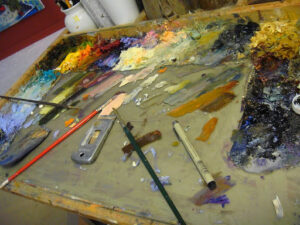
An artist’s palette at Celebration of Fine Art Scottsdale, Credit to Experience Scottsdale flickr
Whether you’re new to the art world or a seasoned collector, the Celebration of Fine Art welcomes all. The show runs daily from 10 a.m. to 6 p.m. and is just a ten-minute drive for Optima Kierland Apartments residents and a twenty-minute drive for Optima Sonoran Village residents. Tickets for the annual event can be found on their website.
Scottsdale and Chicago are both cities teeming with culture, arts and experiences, and with the new year comes an abundance of new exhibitions to explore. If you’re looking for a few ways to expand your world close to home, here are some of the best upcoming exhibitions in and around Scottsdale and Chicago:
Of the Earth, Morton Arboretum, Chicago
Replacing Morton Arboretum’s 2023 sculptural exhibition, Human + Nature, Of the Earth welcomes back five large-scale sculptures to the beloved outdoor museum. Created by Polish-American artist Olga Ziemska, each sculpture, created exclusively for the arboretum, is made of reclaimed wood and tree branches. Each of the five sculptures are thoughtful placed across the arboretum’s 1,700 acres, encouraging visitors to explore new areas they might not have been to before. Access to the exhibition is included with tickets to the arboretum and it runs through spring 2025.
Native America: In Translation, The Museum of Contemporary Photography, Chicago
The Museum of Contemporary Photography’s latest exhibition, Native America: In Translation, welcomes stories of culture, heritage and what the legacy of colonialism looks like in our country. The nine Native American artists whose work appears in the exhibitions raise questions about identity, land rights and explore the abundant history of photography characterizing Native populations. The exhibition runs through May 12, 2024 and, like all exhibitions at The Museum of Contemporary Photography, is free to attend.
Oleaje [Groundswell], Scottsdale Museum of Contemporary Art, Scottsdale
Step into the mind of Carolina Aranibar-Fernández at the Scottsdale Museum of Contemporary Art with her latest exhibition, Oleaje [Groundswell]. The vibrant and eye-opening showcase reveals the hidden stories behind global mining and trade. Carolina, a San Francisco-based artist with Bolivian roots, brings her personal touch to large-scale installations that are both visually appealing and thought-provoking. Using everything from sequins to beads, her work weaves a powerful narrative about our planet and its resources. The exhibition runs from February 10, 2024 – August 4, 2024 and tickets can be found here.
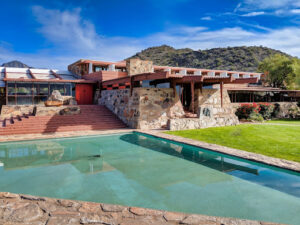
Taliesin West, Credit to Dale Cruse flickr
American Icons, Taliesin West, Scottsdale
Running through June 3, 2024 at Taliesin West, American Icons celebrates the renowned work of Georgia O’Keefe and Frank Lloyd Wright, icons in American art and architecture. The photography exhibition features 20 exclusive images of the two luminaries, exploring their lives, careers and how each affected American Modernism through art, design and culture. Tony Vaccaro, the photographer whose images are used in the exhibition, captured each icon separately during his career, but looking at the photographs, visitors will be able to find symmetry both visually and through their histories. Tickets for the exhibition can be found here.
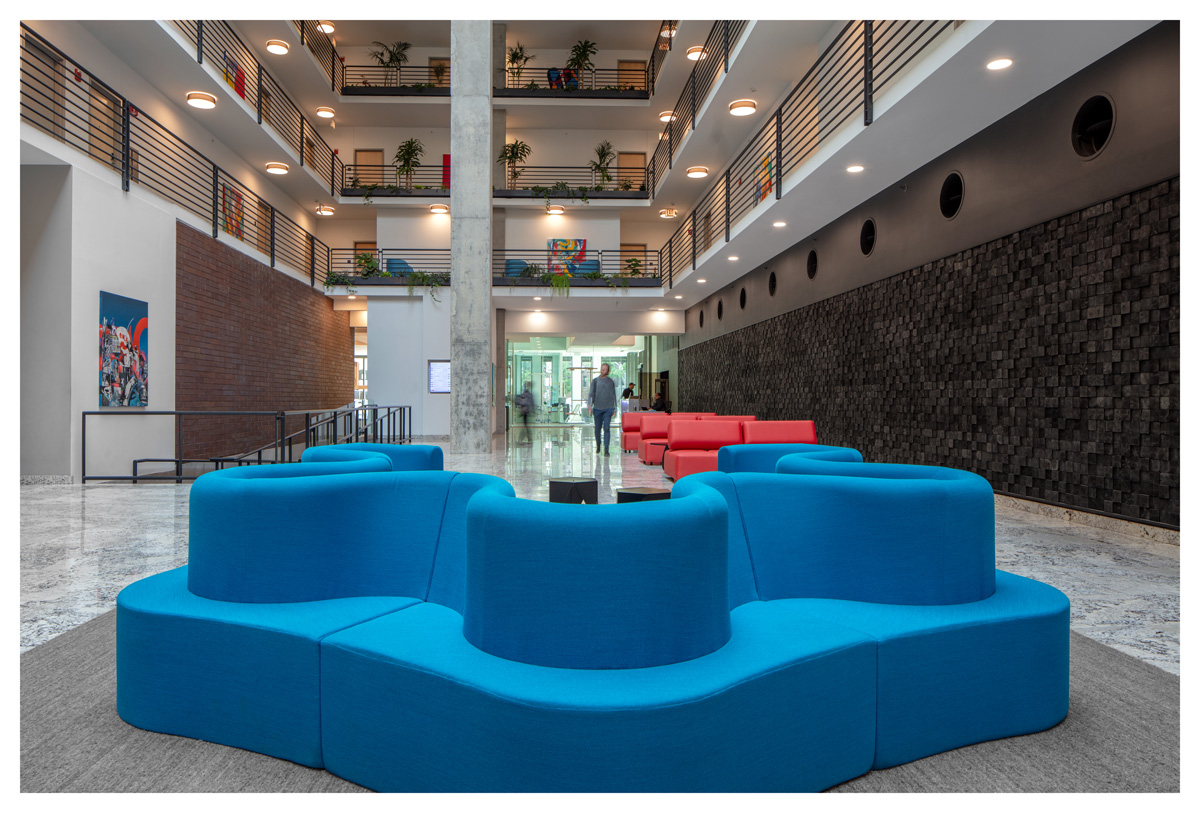
As we continue our exploration of the carefully curated modernist furnishings at Optima communities, we’re excited to spotlight a distinctive piece gracing the lobby of Optima Lakeview: the Cloverleaf Sofa by Verner Panton. This iconic piece not only enhances the aesthetic of our space but also embodies the innovative spirit of its creator.
Verner Panton, renowned for his futuristic design approach, revolutionized the way we think about furniture and space. His works, characterized by bold colors and futuristic forms, made him a seminal figure in 20th-century design. Considered one of Denmark’s most notable furniture and interior designers, many of Verner’s designs, including the Cloverleaf Sofa, Cone Chair, Panton Chair, Shell Lamp and Panthella Lamp still remain popular and in production today.
The Cloverleaf Sofa, designed by Panton in 1969/1970 as part of the Visiona 2 exhibition, is meant to be more than just a seating arrangement. It’s a conversation starter and a space transformer. Resembling the sections of a cloverleaf, its interlocking parts and modular build allows for various configurations, making it a versatile addition to our communities.
The Cloverleaf Sofa at Optima Lakeview
Panton’s mastery in blending form and function is evident in the Cloverleaf Sofa. Its snake-like ergonomic design ensures comfort, while its aesthetic appeal makes it a focal point in any setting. Crafted with top-tier materials, this sofa is not just a testament to Panton’s design genius but also to the enduring quality of his creations.
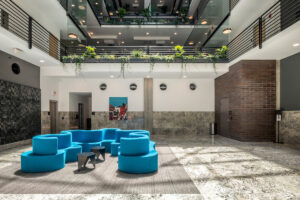
Installed in the heart of Optima Lakeview, the Cloverleaf Sofa does more than just transform the space. It connects us to a time when designers like Panton were pushing the boundaries of form and function, echoing the technological progress of the late 20th century.
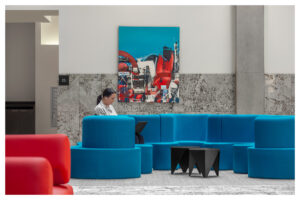
The Cloverleaf Sofa at Optima Lakeview
Today, the Cloverleaf Sofa is not just a piece of furniture; it’s a symbol of commitment to integrating artistic and functional designs in our living spaces. It exemplifies how classic design can coexist with modern living, encouraging interaction and adding a touch of whimsy to our daily lives.
As our residents and visitors experience the comfort and style of the Cloverleaf Sofa, they engage with a piece of design history that continues to inspire and delight. It stands as a vibrant example of how Optima embraces innovative design elements, creating spaces that are not just visually appealing but also enriching.
At Optima®, our appreciation for public sculpture runs deep. For those who are always on the lookout for memorable leisurely activities, we have a truly special recommendation. The Skokie Northshore Sculpture Park, situated just south of Optima Verdana®, presents a captivating mix of artistic wonder and natural splendor to explore.
The history of the Skokie Northshore Sculpture Park began when the land along McCormick Boulevard and the north channel of the Chicago River had deteriorated into a “neglected eyesore” and was in desperate need of revitalization. This land was owned by the Metropolitan Water Reclamation District of Greater Chicago. In the mid-1980s, the Village of Skokie envisioned transforming it into a recreational haven, complete with jogging paths, biking trails, and picnic areas for visitors to enjoy. Concurrently, a group of citizens saw this as a canvas for displaying large-scale contemporary sculptures.
Jim Agard – Gapingstock. Photo: Skokie Northshore Sculpture Park
By 1988, Skokie Northshore Sculpture Park was realized. Through the combined efforts of the Village and its citizens, the park was transformed into an amenity rich, open-air art exhibit. Today, the park stretches two miles, from Dempster Street to Touhy Avenue, and proudly houses over 60 sculptures. These art pieces come from local, national, and international artists, making it a repository of diverse artistic expressions.
Visitors are encouraged to delve deeper through expert-guided tours which offer rich insights into the stories behind each sculpture and the artists who created them. Additionally, the park has fostered an educational environment, hosting tailored workshops and sessions. These sessions are designed to cater to schools, groups, and individuals, ensuring a comprehensive understanding of sculpture and art.
Ted Gall – Charger I and II. Photo: Skokie Northshore Sculpture Park
Skokie Northshore Sculpture Park is open year-round with free admission, underscoring the park’s dedication to making art accessible to all. It’s a haven for joggers, cyclists, and families who enjoy picnics. Additionally, the park is fully accessible, accommodating individuals with disabilities.
While the park is open seven days a week, access is limited between 11 PM and 4:30 AM. For art lovers and nature enthusiasts alike, Skokie Northshore Sculpture Park provides an unforgettable experience!