Modern Museums Around the World

As lovers of great design, Optima’s appreciation for both architecture and art itself runs deep, and there’s no better place to indulge this passion than at a modern museum of art. And with modern art and Modernist architecture sharing so much in common, it’s no wonder that many of these institutions are often housed in innovative and captivating buildings. Today, we’re taking a look at some of the best modern museums around the world — from the collections they contain to the structures that define them.

Guggenheim Museum Bilbao – Bilbao, Spain

The Guggenheim Museum Bilbao is a museum of modern and contemporary art designed by Canadian-American architect Frank Gehry, located in Bilbao, Spain. You’ll recall from our Subsects of Modernist Architecture Series that Gehry was part of the Deconstructivism movement on Modernism in the 1980s. This museum, established in 1997, boasts an impressive collection of modern art, as well as site-specific installations from artists such as Jeff Koons. The building itself has been described as “the greatest building of our time” by architect Philip Johnson, and “a fantastic dream ship of undulating form in a cloak of titanium,” by critic Calvin Tomkins in The New Yorker.

Bildmuseet – Umeå, Sweden

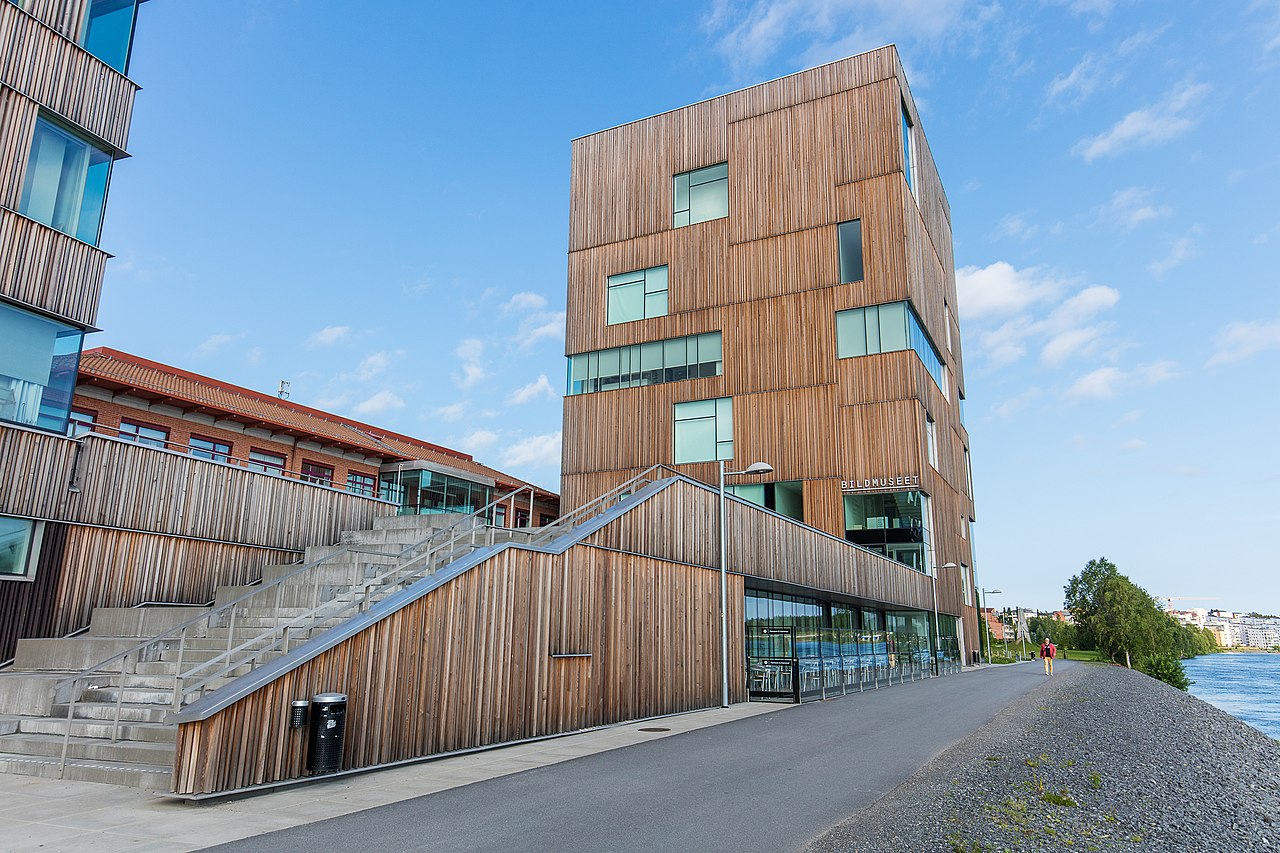
Bildmuseet is one of Sweden’s foremost venues for international contemporary art, a part of Umeå University and the public heart of its arts campus. The strikingly Modern building was designed by Henning Larsen Architects in collaboration with White. A living and breathing work of art itself, the building’s facade is made of Siberian larch wood that fades to a silver-grey color over time. In its lifetime, Bildmuseet was nominated in 2013 for the Swedish Kasper Salin Prize and the European Mies van der Rohe Prize and has been described as one of the world’s most beautiful university museums. 

Zeitz Museum of Contemporary Art Africa. Credit: Axxter on Wikimedia Commons, licensed under the Creative Commons Attribution-Share Alike 4.0 International license

Zeitz Museum of Contemporary Art Africa – Cape Town, South Africa

Zeitz Museum of Contemporary Art Africa (or Zeitz MOCCA, for short) is a contemporary art museum in Cape Town, South Africa, and boasts the title of being the largest museum of contemporary African art in the world. The building, which was commissioned through a public/private partnership between the V&A Waterfront and German businessman, Jochen Zeitz, is actually made from a converted historic 1921 grain silo. According to Zeitz MOCAA records, “The architects, Heatherwick Studio, aimed to conserve and celebrate the original structure’s industrial heritage, while simultaneously excavating large open spaces from the 42 densely-packed concrete cylinders from which it was comprised.”

Niteroi Contemporary Art Museum — Rio de Janeiro, Brazil

It’s no surprise that the
Niteroi Contemporary Art Museum, located in Rio de Janeiro, Brazil, is one of the city’s main landmarks. The futuristic building was designed by Oscar Niemeyer with the assistance of structural engineer Bruno Contarini. Thanks to its strategic design, this museum offers more than just art to admire — the tall, angled windows offer sweeping views of Guanabara Bay and Sugarloaf Mountain. Beneath the structure, architect Niemeyer also designed a reflecting pool that surrounds the cylindrical base “like a flower.”

As an artform all on its own, the architecture of these museums stands strong alongside their impressive modern art collections. 
 

Modern vs. Contemporary Architecture

Whether it’s in reference to decor or design, the terms modern and contemporary are often used interchangeably. While this detail may be easily overlooked, the difference between the two styles is notable, especially in the world of architecture. Today, we’ll break down the distinction between modern vs contemporary architecture, and why it matters.

Simply put, contemporary design refers to styles relevant in the present moment, whereas Modernism refers to a style defined in the past. As we’ve covered in previous posts, Modernism has an expansive history, which was most notably defined between 1900 and 1960. Contemporary design can change based on what’s currently trending, and often changes based on widespread taste. Modernism remains defined by traditions and practices from the original Modernist movement.

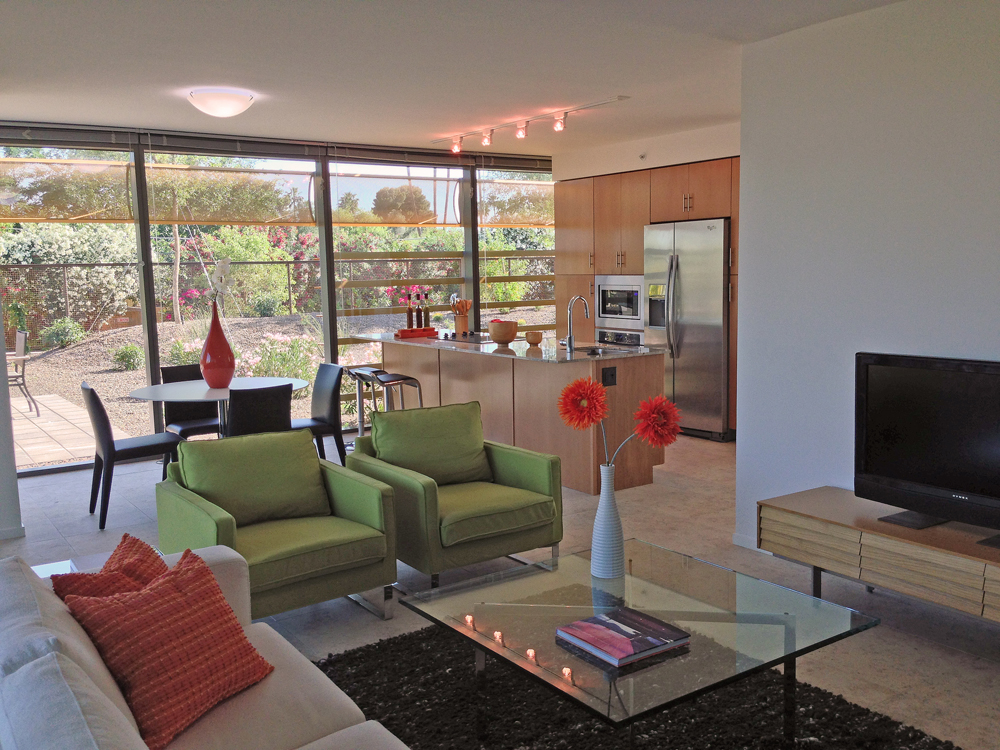
So why do these two styles often get confused? Firstly, Modernism is a timeless style that often translates as contemporary because even after almost a century, its elements are still beautiful. It’s why our own use of materials, natural light and structure have stood the test of time at Optima. Secondly, current contemporary design does share some similarities to Modernism. Glass and metal materials, floor-to-ceiling windows and minimal color palettes are all popular architectural details right now. Even curated residential green space, a signature Modernist feature in our projects for decades, are trending with the house plant craze. With contemporary architecture and design borrowing elements from Modernism, it makes sense that they often get swapped out for each other. 

If you want to learn how to spot the difference, it’s worth studying Modernism first so you know what to look for in true Modernt pieces and buildings (our own blog is a great resource for that). Some things to look for: open floor plans, asymmetry, large panels of windows or glass walls, lack of ornamentation and highly functional spaces. Function over form was the mantra of Modernism, and it still informs Modernist interpretations now. If the building or space includes anything trendy or cutting-edge for the year —  like some of Architectural Digest’s 11 Most Anticipated Buildings of 2020 — it’s probably more appropriately categorized as contemporary. 

Although the two styles are similar, there’s no replicating the impact and legacy of Modern architecture. Our love for Modernism inspires us to recognize and appreciate it when we see it, and we hope our readers share the sentiment.

Modern Design at Optima with Knoll

Design permeates every corner of our communities. Across our multi-family properties, we utilize furniture designed by globally renowned Knoll to craft spaces that are sleek, modern and comfortable. Not just purveyors of elegant and stunning design, Knoll also has a history entangled with our own, beginning back in 1938.

Modernist Roots

Knoll was founded in 1938 by Hans G. Knoll, a German immigrant based in the United States. Familiar with the seminal Bahaus School of Design and Modernist masters like Ludwig Mies van der Rohe, he founded Knoll on the belief that modern architects would need functional, modern furnishings.

Later, Hans Knoll engaged with (and then literally got engaged to) Florence Schust, who studied with Mies van der Rohe at the Armour Institute in Chicago, and worked in the architectural offices from Gropius and Breuer in Boston. Her understanding of Modernist architecture, and the Bauhaus and Walter Gropius himself, transformed the Knoll approach to furniture design, placing new focus on offering objects that represented design excellence, technological innovation and mass production.

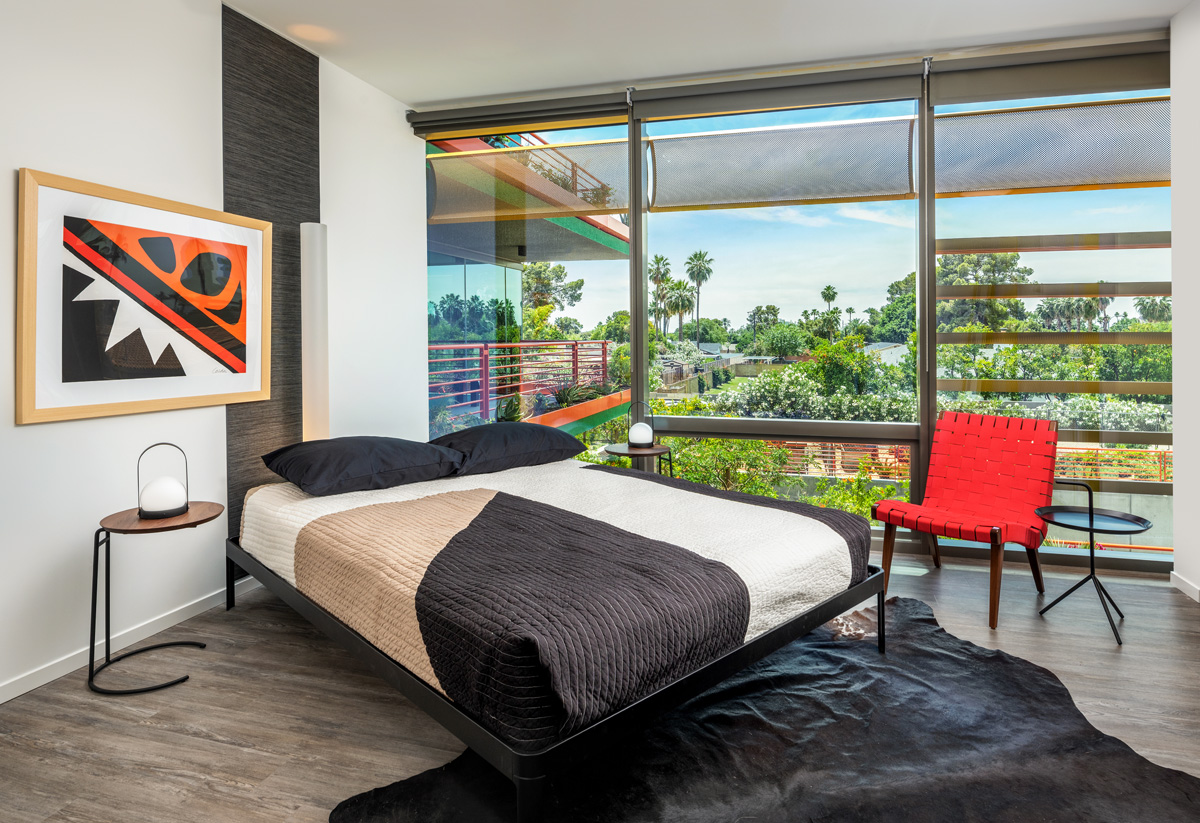
The Risom arm chair designed by Knoll at Optima Sonoran Village

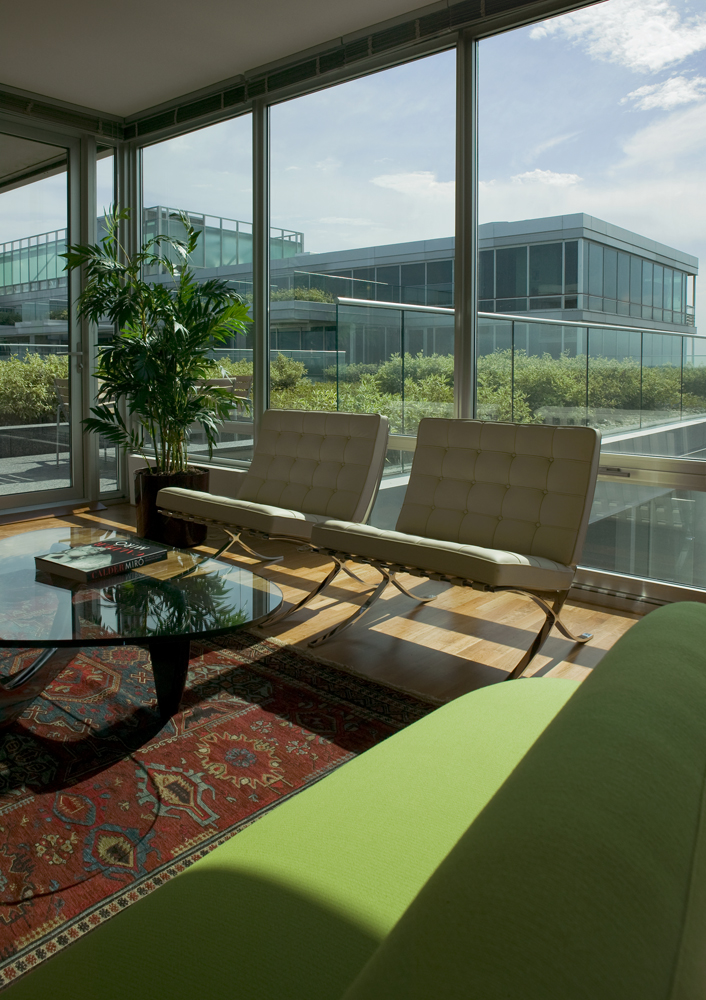
Their strong vision attracted high-profile collaborators, such as Isamu Noguchi, who contributed to a collection of furnishings now heralded as classics in the pantheon of modern design. With a repertoire of pieces spanning including the Wassily chair, the Barcelona chair, the Tulip chair; over 40 Knoll designs can be found in the permanent design collection of The Museum of Modern Art in New York City. 

As seminal collaborators with the Modernist architecture discipline, Knoll is a natural fit for our modern residential and commercial spaces. Their executive designs embody elegance, craftsmanship and emblematic details across seating, tables and desks. The thoughtful and artistic creations of Knoll bring expansive history, elevated design and of course, comfort, to our communities.

person name goes here

Maintenance Supervisor

Glencoe, IL


    Acceptable file types: *.pdf | *.txt | *.doc, max-size: 2Mb