Modern Furniture 101

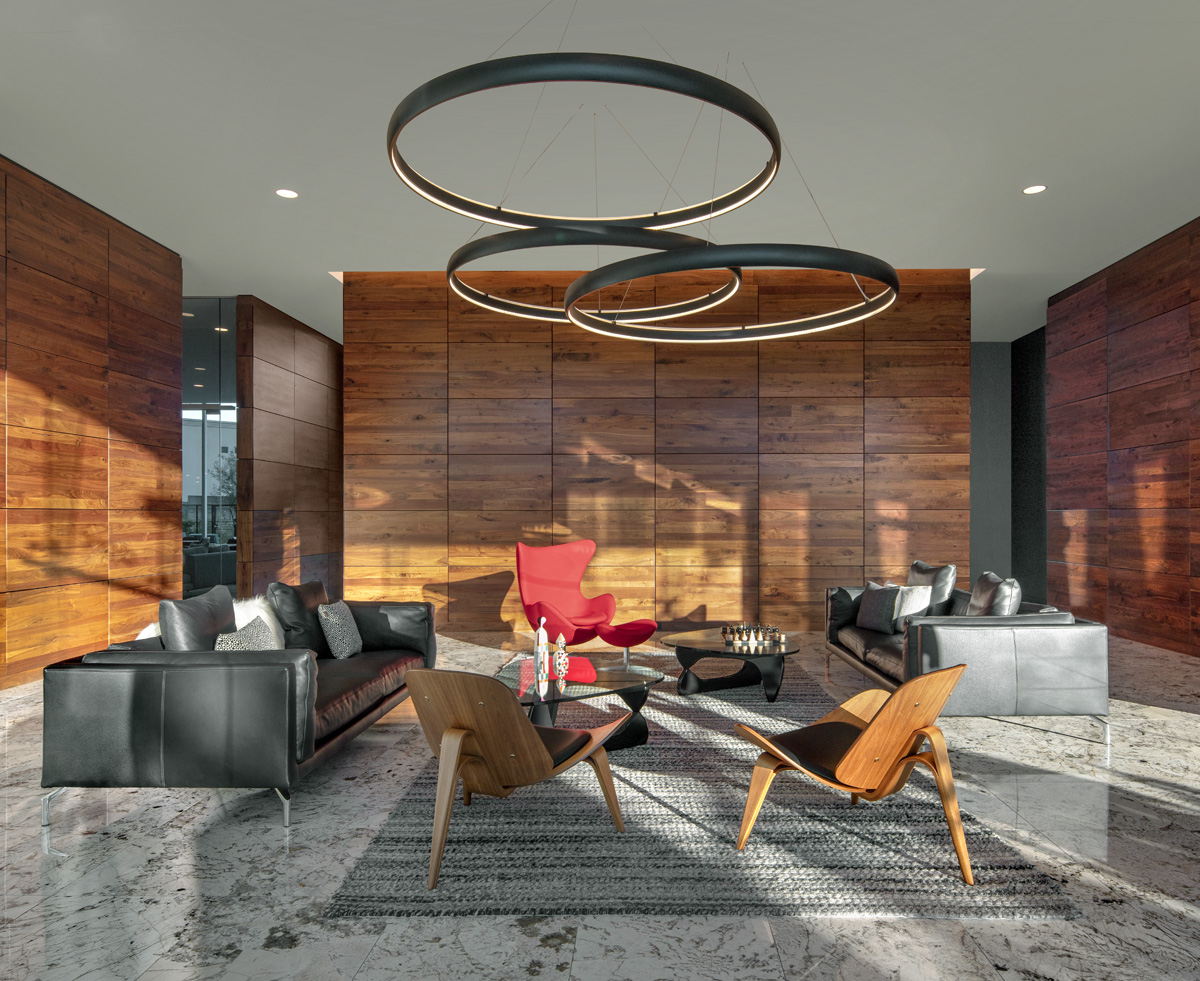
As our tagline “Forever Modern” implies, Modern design is integrated into every part of our business and our work. Our inspired interiors are no exception; full of Modernist artwork, sculpture and furniture, the interiors of our properties reflect the same principles and aesthetic. So what exactly is Modern furniture, and what distinguishes it from other furniture styles? 

A Brief History

Like Modernism itself, Modern furniture design developed in a post-World War II environment that necessitated cutting excess waste, focusing on functionality, and reevaluating the practicality of materials in design. Compared to the decorative styles before it like Victorian, Art Nouveau and Neoclassical, Modernism was a striking departure into new territory. This drastic shift from ornate, decorative pieces to minimal pieces is attributed to new technology, changes in design philosophy and the direction of architecture at the time. Since then, Modern furniture has become an iconic part of interior design history. 

How to Spot Modern Furniture 

Functionality, clean lines, smooth shapes, bold colors and minimal design are all common aspects to Modern furniture. Most iconic pieces of Modern furniture pioneered new uses of materials such as glass, steel and leather, so those are common signs to look for. Odds are, you’ve seen Modern furniture before, especially if you’re in the design or real estate industry. Barcelona chairs, Noguchi coffee tables and Le Corbusier lounges are commonplace in many residential buildings and homes, in the United States and around the world. 
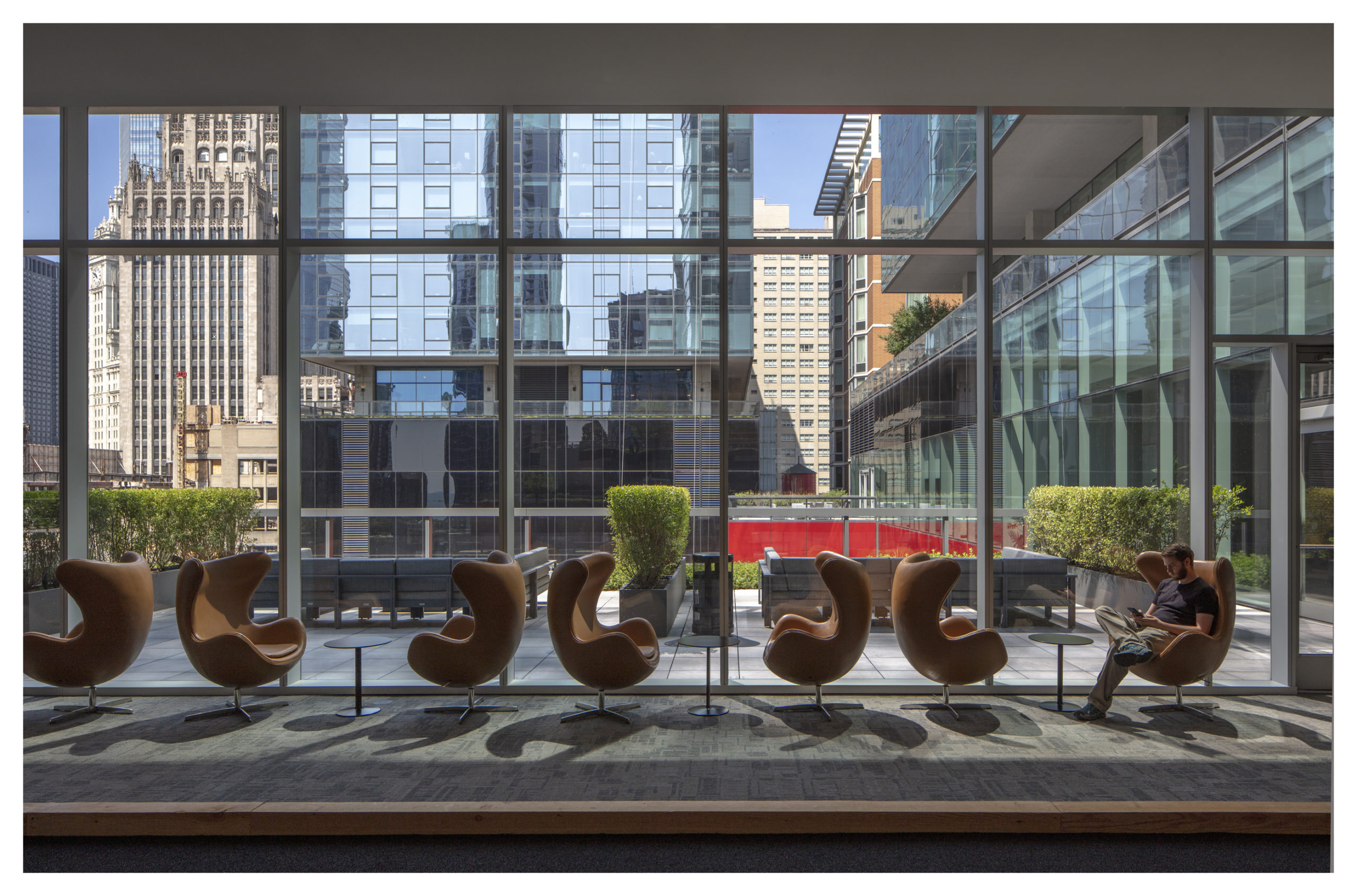
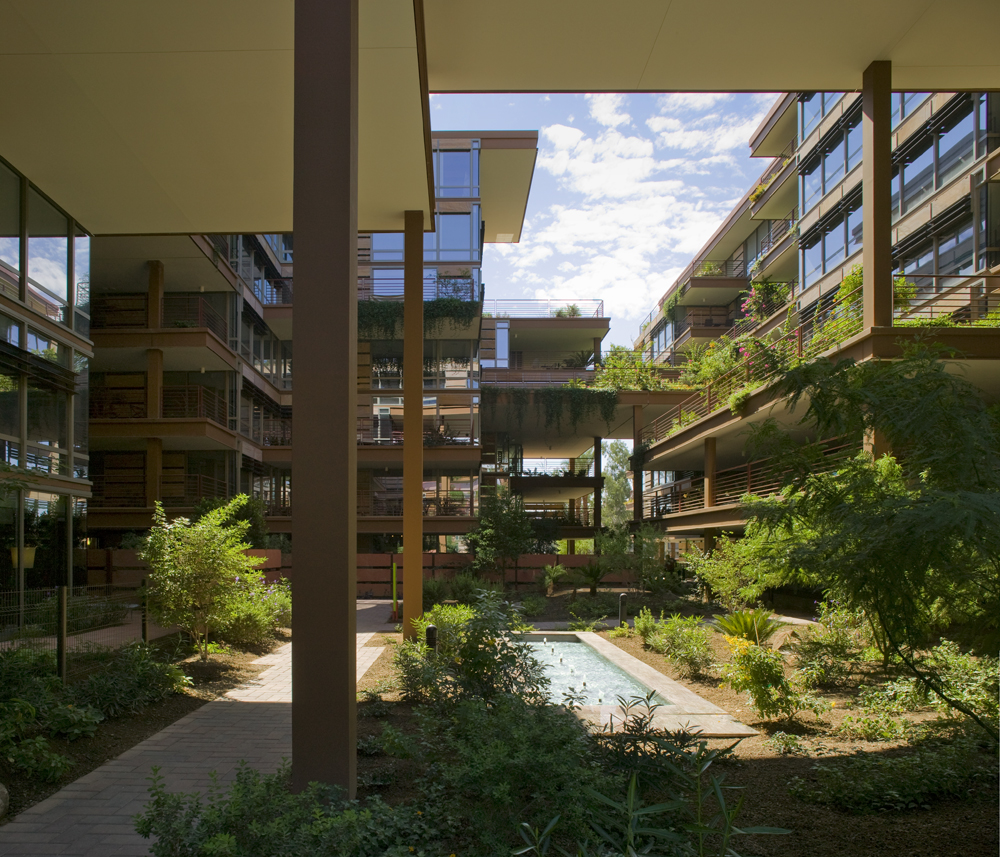
Amenity space at Optima Signature

To explore the individual and detailed history behind the pieces, here’s a more complete list of popular Modern furniture pieces. Within our practices at Optima, Modern furniture plays a critical role in completing our vision for each space we create. Our Modernist sense of design through architecture and furnishings helps us tell a holistic, intentional story through design. Without this consistency, our buildings and amenity spaces would seem incomplete. Though rooted in the past, Modern furniture integrates beautifully with a bright, inspired future. 
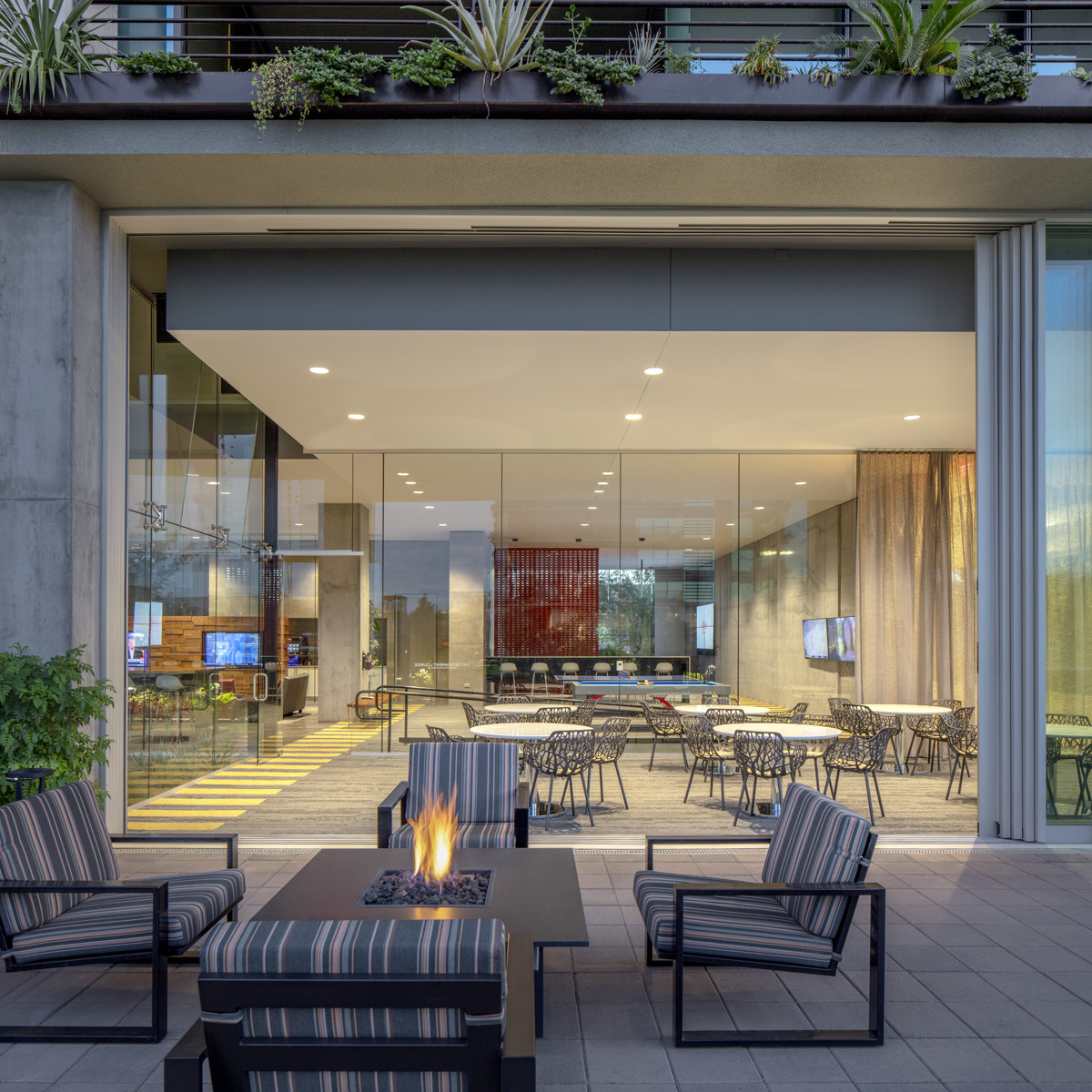
Wellness at Optima Kierland

As the residential real estate industry develops, amenities are becoming more in-demand, more inventive and more expansive. And wellness is a huge part of that growth. One study from March 2020 predicts that wellness is estimated to be a $4.2 trillion USD industry for the next generation of high-end homebuyers – forecast to grow at nearly twice the rate of the global economy. The amenity spaces we design for our properties are purposefully created for both community and individual wellness. We’ve previously covered wellness at Optima Signature, and today we review and explore wellness at Optima Kierland.

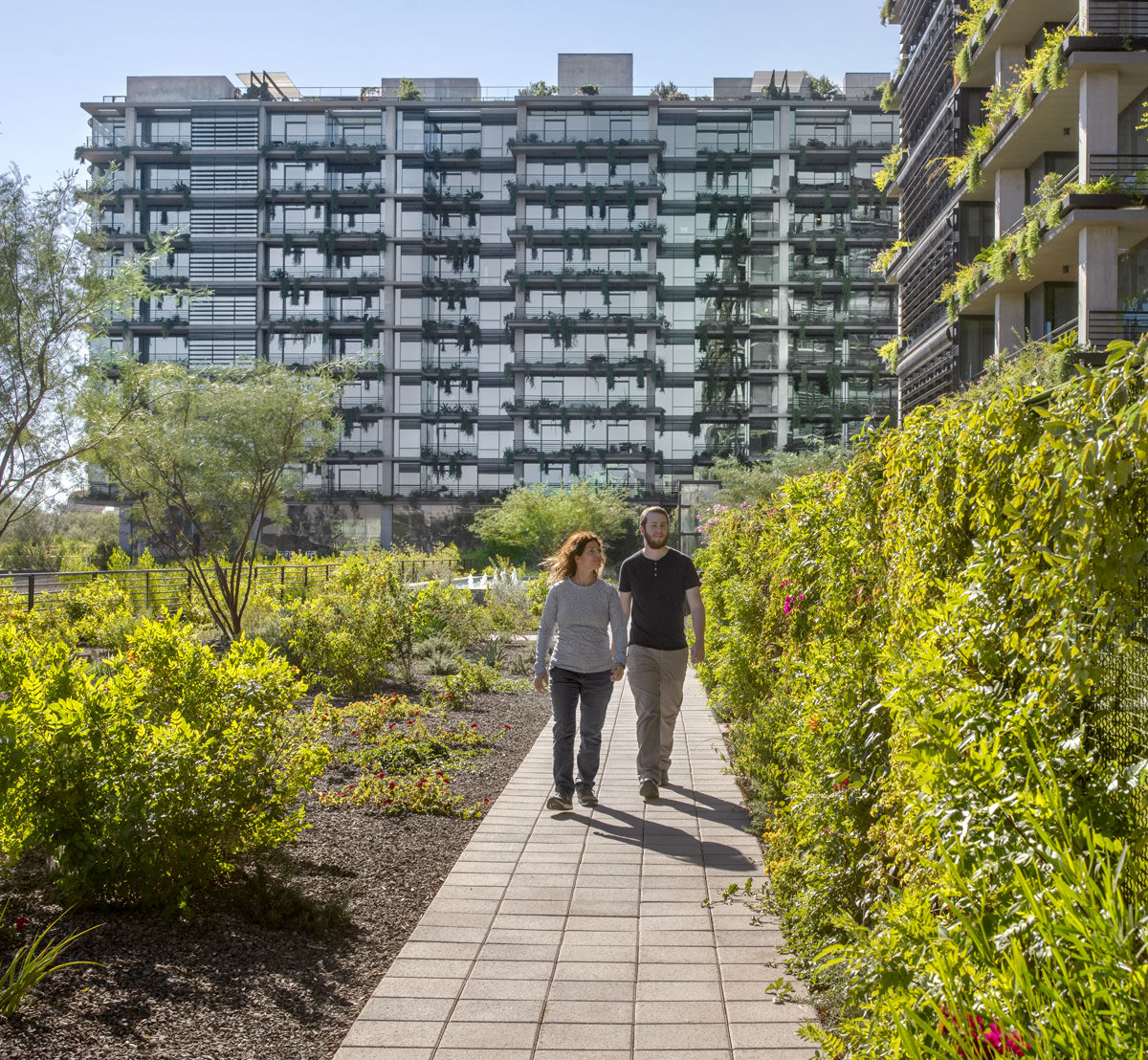
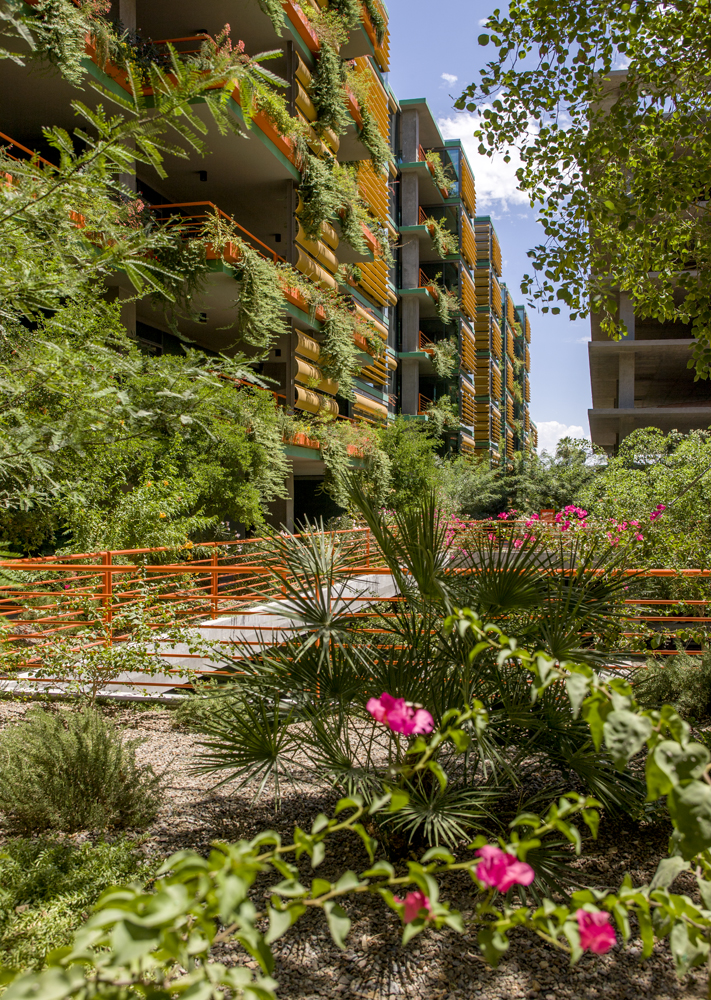
Green space at Optima Kierland

Embracing Nature

Located in the heart of Scottsdale, Arizona, Optima Kierland Center is comprised of 7120, 7140, 7160 and 7180, four buildings which together make a serene retreat from the North Scottsdale urban core. Both the individual residences and the vast amenity spaces feature stunning views of the surrounding desert, not to mention curated landscaping, hanging gardens and communal green space. More than six acres of open green space on the ground level create a park-like setting for the community, and also reduces ambient temperature to mitigate the heat-island effect. In fact, the landscaping actually creates a microclimate that lowers the ambient temperature from 5 to 9 degrees compared to surrounding sidewalks. The oasis-like greenspace of Optima Kierland keeps residents inspired, provides a closeness with the surrounding environment and celebrates the natural desert surroundings.

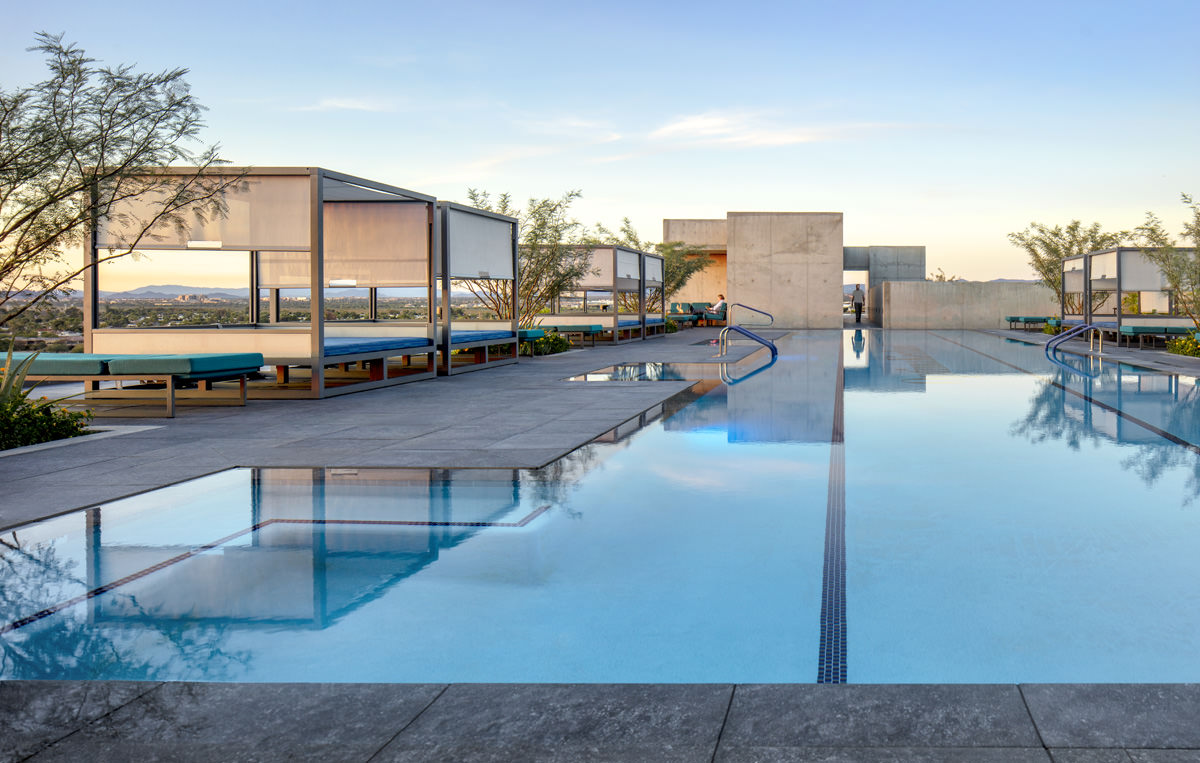
The Sky Deck and pool at 7120 Optima Kierland
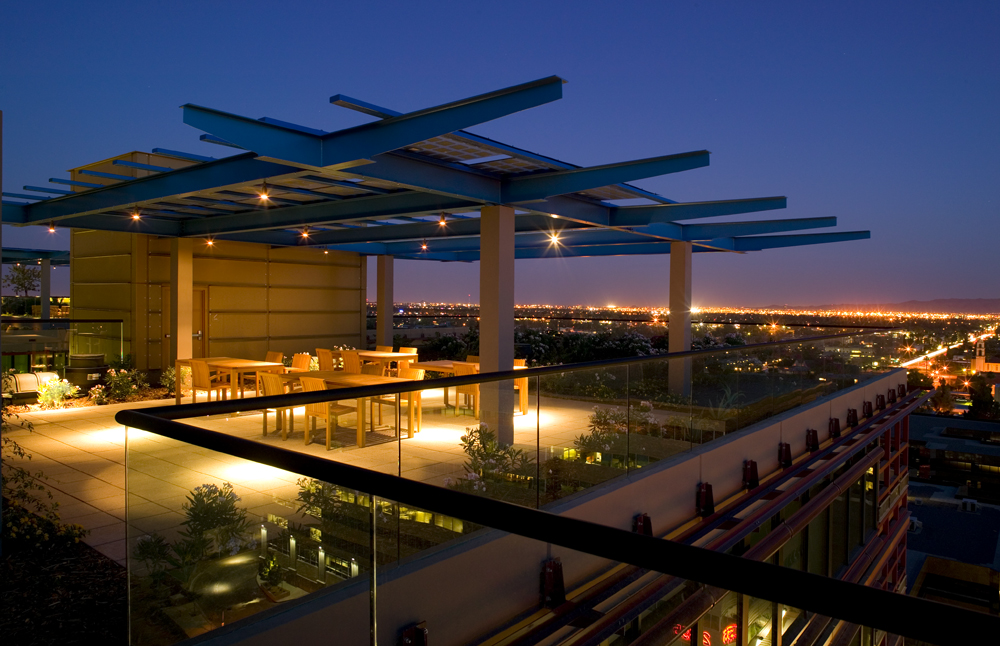
The Sky Deck at 7120 Optima Kierland

Enjoying the Outdoors

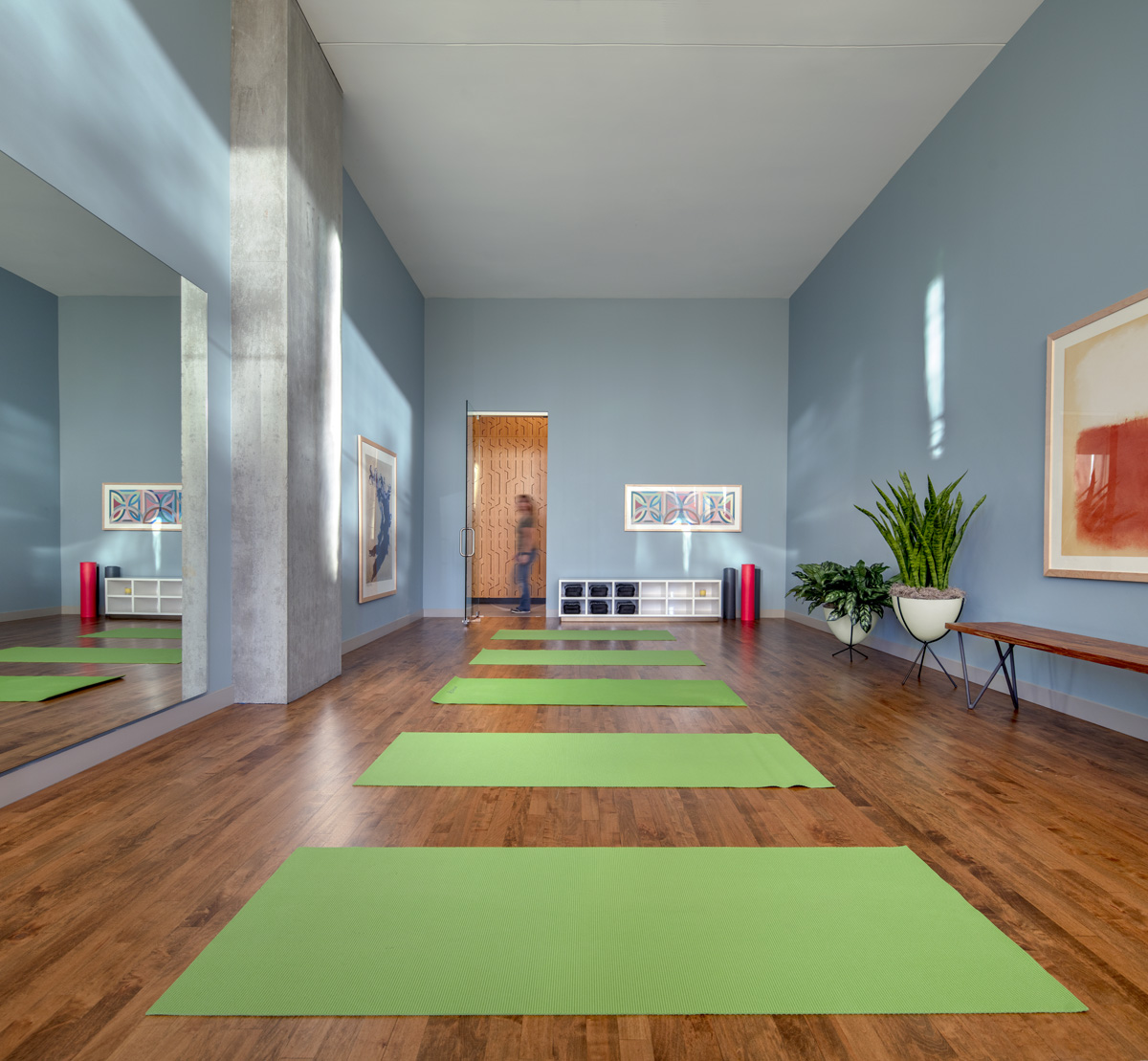
Signature to Optima Kierland Center is the inclusion of a Sky Deck on each of the community’s towers. With panoramic views of the city, each Sky Deck also includes a wealth of amenity spaces, including heated pools, spa-grade plunge pools and saunas, indoor-outdoor yoga studios, rooftop walking and running tracks, entertaining spaces with barbecues, covered bars and counter seating, outdoor theater, lush landscaping and more.

Yoga studio at 7120 Optima Kierland

Connecting with Community

As with all of our multi-family properties, fostering a strong sense of community is a top priority because we believe that connection fosters physical and emotional wellness. At Kierland Center, this intention manifests into the many communal amenity spaces, including fully outfitted sports areas, movie theaters, party rooms, game rooms, and state-of-the-art fitness centers. Each building also includes an exclusive Residents Club so neighbors can enjoy each other’s company regularly. 

In designing spaces around wellness, we inherently design spaces that bring people closer to each other, closer to their environment and closer to their own personal aspirations. Our people-centric approach is what fuels our passion and drives us forward to continue creating in thoughtful, meaningful ways.

Neighborhood Spotlight: Wilmette

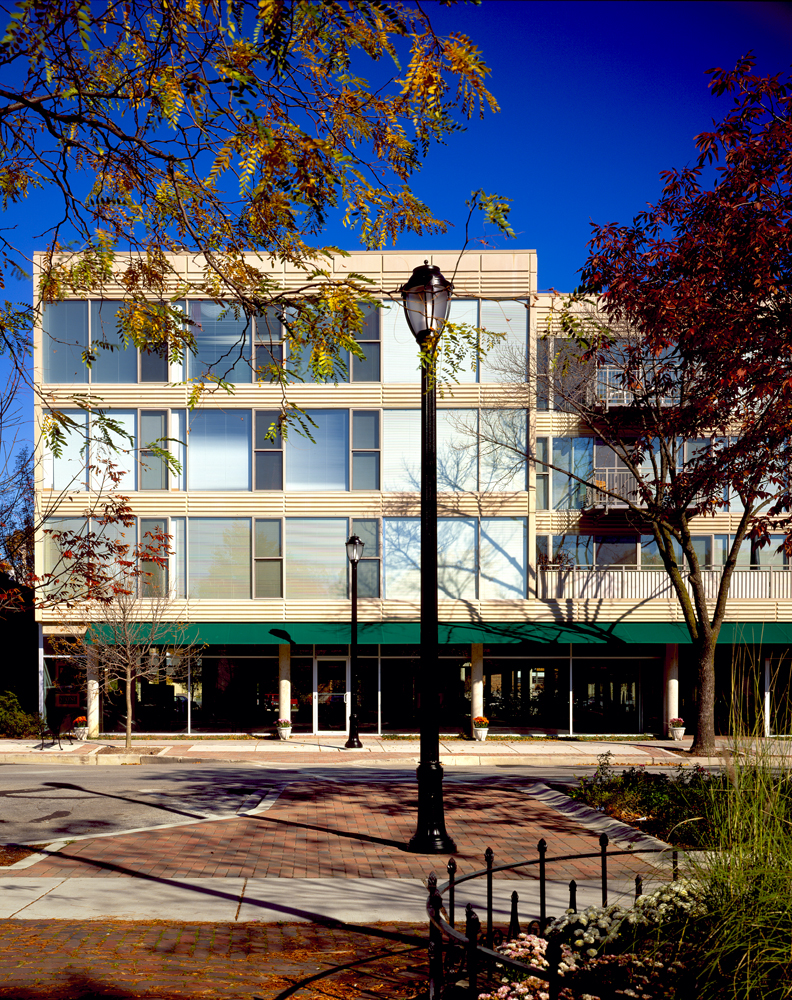
The serene Chicago-suburbs neighbor of Evanston, Wilmette offers proximity to the hustle and bustle of the city while also serving as an oasis of coffee shops, local boutiques and expansive parkscapes. Wilmette is home to three of our communities, Lake Courts, 1618 Sheridan Road and Optima Center Wilmette, and today we’re spotlighting why we, our residents and our commercial tenants love this Chicago suburb.

Outdoor Leisure 

Bordered by Lake Michigan on the east and sprawling golf courses on the west, Wilmette is the perfect suburban hub for those that love leisurely outdoor activities. For lakefront fanatics, Gillson Park is an expansive reserve with beach access, perfect for swimming, sailing, picnicking, tennis, hiking and more. For casual and competitive golf hobbyists alike, Wilmette Golf Club is the best public golf course challenge in the area.

Bahai Temple. Credit: Teemu008 on Wikimedia Commons, icensed under the Creative Commons Attribution-Share Alike 2.0 Generic license

Cultural Institutions

No Chicago suburb is complete without the inclusion of a wide-ranging and diverse array of cultural institutions. Wilmette is the proud home to the Baháʼí House of Worship, one of only eight of its kind. The continental temple is an architectural marvel, worth the visit just to explore its gardens and interior and learn more about the faith. The Wilmette Historical Museum is also a fantastic local resource for learning more about the city’s story and roots.

Shopping and Dining

Wilmette’s central business district, conveniently located near public transportation, is a distinctively different shopping experience that includes an abundance of restaurants and specialty stores. Explore the Wilmette French Market, an outdoor shopping experience with produce, jewelry and more. Restaurants in the area include everyone’s favorite, Walker Bros. Original Pancake House, Convito Cafe and Market, Pescadero and countless more. 

Stay tuned for more neighborhood spotlights on our other Optima communities.

The History of Landscape Design

Landscape design is an integral part of our communities, from our signature vertical landscaping system to intentionally designed sculpture gardens. Each element in our terraces, courtyards and gardens is placed with careful consideration for the aesthetic, function and enjoyment of our residents — inspired by the thought and evolution of centuries of landscape design that came before us. Today, we’re diving deep into that history of landscape design to understand where the craft came from, and where it’s at today.

Ancient Origins of Landscape Design

At the core of landscape design’s history is agricultural development. Beauty and aesthetic function evolved from there, with ancient Japanese gardens designed to facilitate meditation and spiritual connection and ancient Chinese gardens designed as both reflective and social spaces. The two marked features of landscape design are softscaping, utilizing living elements such as trees and flowers, and hardscaping, utilizing non-living additions such as water features, paths, statues and patios. In Japanese gardens, water features were often incorporated in hardscaping while in Chinese gardens, the plants in softscaping often had symbolic, spiritual meaning.

Popularization of Landscape Design

Despite these ancient origins likely dating even further back, the earliest recorded example of landscape design is said to be the Hanging Gardens of Babylon from the 6th century BC. Even then, landscape design isn’t said to have been popularized until it reached the ancient Romans. Their accreditation for the landscape design’s rise is due in part to the fact that they transformed it from something only done for the elites to a practice applied in every home garden. 

From the ancient Romans, landscape design lost momentum during the Middle Ages and was rediscovered by Italy, France and England, respectively, in the 17th century, and was applied to elaborate piazzas, ornate gardens, large parks and even Versailles. The 17th century also saw the rise of cottage-style landscape design, a compact form of gardening that would eventually serve as inspiration for modern day suburban landscaping.

Landscape design at Optima Camelview Village

Landscape Design in the US Today

In the late 19th century, Frederick Law Olmstead became known as the “Father of American Landscape Architecture.” His aesthetic incorporated sweeping lawns into building design, influencing the US Capital, Central Park in NYC and city planning in Chicago and Cleveland. In 1988, Olmstead founded the American Society of Landscape Architects and classes in the field began to be offered at Harvard in 1900. 

Between evolving urban and suburban landscapes, people’s desire for increased, organized greenspace led to the development of highly evolved outdoor landscaping, gardens and living spaces. The landscape design at Optima reflects this highly evolved trend, incorporating terraces, courtyards, green rooftops and gardens to provide our residents with ways to connect their living spaces with the natural world.

You can learn more about the landscape design at Optima in our green space spotlights on Optima Kierland Center and Optima Sonoran Village.

The Work of Georgia O’Keeffe

We would be remiss to talk about Modernism without showcasing the women who helped pioneer the movement. One woman in particular, the luminary artist Georgia O’Keeffe, earned herself the nickname the “Mother of American Modernism.” Today, we honor her contributions to Modernism by diving deep into her life and work.

The Life of Georgia O’Keeffe

Born in 1887 in a farmhouse in Wisconsin, Georgia O’Keeffe decided at an early age (10) to become an artist. In 1905, she began her serious formal art training at the School of the Art Institute of Chicago (SAIC). She later denounced formal education, feeling too constricted by the strict guidelines that art should imitate what was found in nature. 

It wasn’t until 1912 that O’Keeffe discovered the work of Arthur Wesley Dow, and was inspired by the way he uniquely interpreted subject matters, rather than following traditional modes of artistic creation. From there, O’Keeffe gave permission to herself to experiment in forms that furthered her self-expression and development of style. 

Georgia O’Keeffe, Series 1, No 8, 1917. Public Domain.

The Work of Georgia O’Keeffe

Georgia O’Keeffe is best known for her abstract oil paintings, including many close-ups of flowers. Though many muse the flowers were a symbol for female anatomy, O’Keeffe rejected that interpretation often. Her work was concerned with emphasizing shape and color to illuminate small details.

In 1929, O’Keeffe moved to New Mexico, attempting to escape the socially and artistically oppression of her fame. Partly inspired by a desire to shake Freudian affixations of meaning to her work, and greatly inspired by the native landscape, there O’Keeffe painted New Mexico landscapes and images of animal skulls. 

O’Keeffe’s desert escape and reinvention of inspiration mirrors that of Optima’s own journey, when we expanded to Arizona. We know just how transformative the arid landscape, surprisingly lush desert greenery and culture of the southwest can influence one’s creative scope.

Even in her southwestern escape, O’Keeffe remained heavily in the public eye. Featured in one-woman retrospectives at both the Art Institute of Chicago and the The Museum of Modern Art in Manhattan in the 40’s, O’Keeffe became the first woman to ever have a retrospective at the latter. The next three decades saw her style and subject focus evolve, but it was a quiet period until in 1970, when the Whitney Museum of American Art held a retrospective of her work and brought back buzz. 

While O’Keeffe died in 1986, critical acclaim and love for her work remains. In 2014, her 1932 painting Jimson Weed sold for $44,405,000 — more than three times the previous world auction record for any female artist — demonstrating the art world’s acknowledgment of O’Keefe’s unapologetic vision and pioneering a style.

Our Beliefs: Passion for Creating

Our beliefs are the principles that unite us, that inspire us each and every day to work toward a shared vision. One of those beliefs passion for creating directly addresses the drive that propels us forward each day. We do what we do because we love great design, and believe in the power of great design to inspire awe and wonder. 

What does passion for creating look like? At Optima, we all create. Our culture is marked by openness and inclusiveness; we value collaboration and partnerships. More than just all creating, we create together.

One of our construction team members put it best when stating: “We all pitch in and help one another. If one of us has a problem, we all have a problem and will work together to find an answer.” Collaboration is inherent in creation, and it’s what pushes the boundaries of what we do and how we discover new ways of innovating. 

Recognizing that we achieve more together drives our desire to be part of a common purpose, to share knowledge and to achieve collectively. Everyone has a voice; ideas can come from anywhere and can be shared across teams in real time. We are able to look at every angle, own every detail and relish contribution from everyone. 

The Sculpture Garden at Optima Sonoran Village

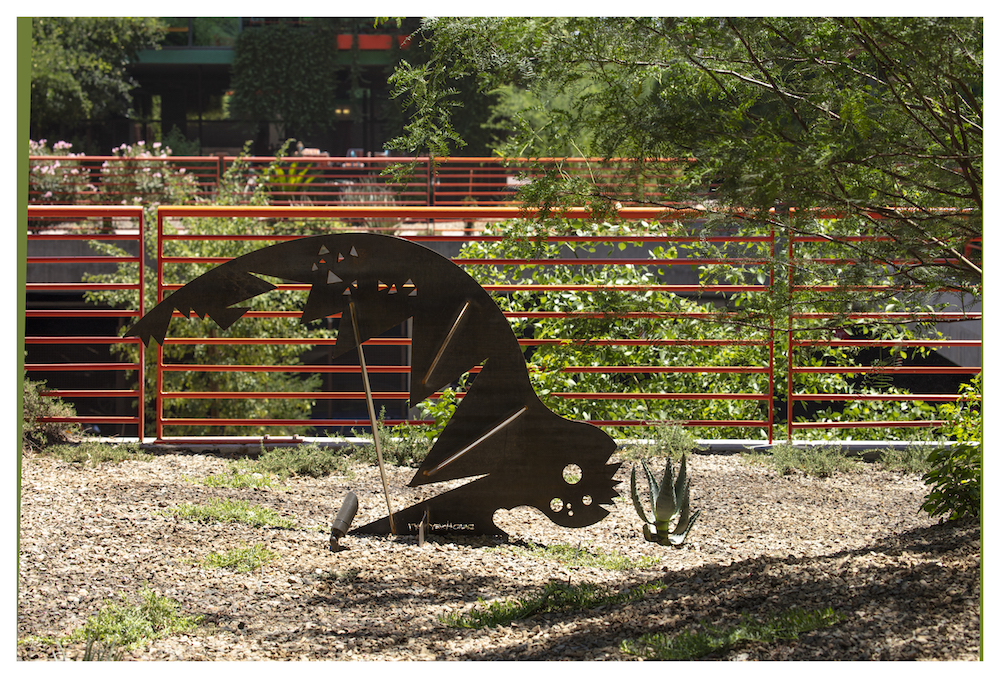
At Optima, our appreciation and curiosity about materials — and how those materials are expressed — extends beyond architecture and into the artistic medium of sculpture. The sculpture garden at Optima Sonoran Village is home to several original sculptures by Optima founder David Hovey Sr., and exemplifies how art can influence and impact the space it resides within.

Silver Fern, an original Optima sculpture by David Hovey Sr.

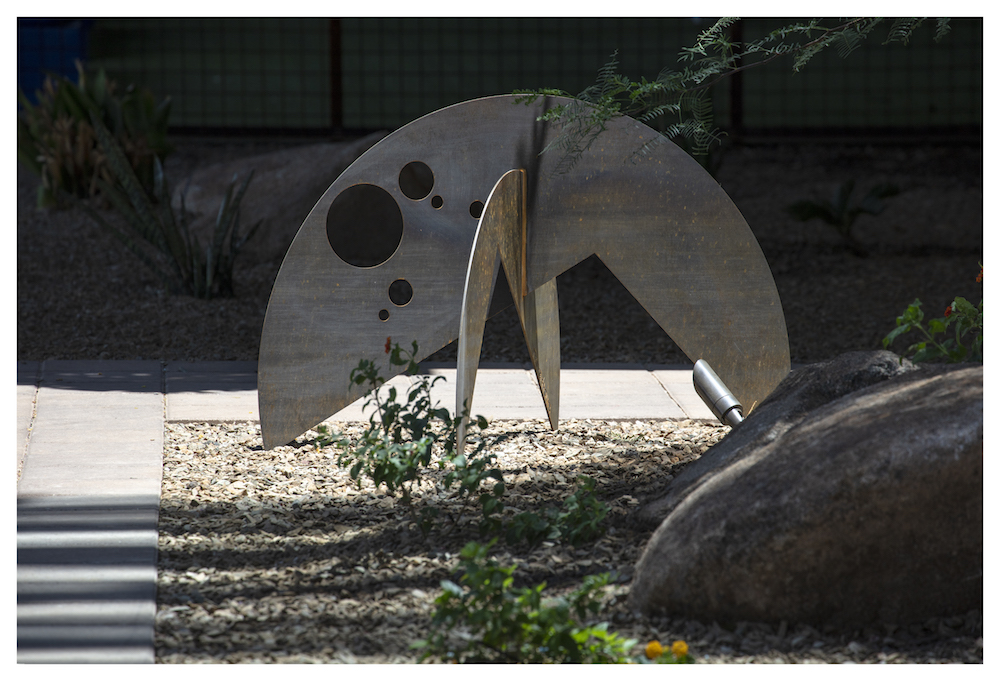
The garden includes five original David Hovey Sr. sculptures: Curves and Voids, Silver Fern, Triangles, Intersecting Arches and Duo. Originally created as a large and monumental sculpture, Duo is crafted out of steel to create a striking silhouette alluding to a man and a woman gazing at one another. Meanwhile, Curves and Voids expresses steel and its potential through grand, sweeping curves. The voids are laser cut within the sculpture’s steel planes; the holes provide gaps and textures that contrast and play off of the sculpture’s curves.

Intersecting Arches, an original Optima sculpture by David Hovey Sr.

Each original sculpture within the garden is just one of many variations of a design. David Hovey Sr. often experiments with color, size and orientation within his sculpture designs to breathe new life into the same form, placing these iterations across Optima communities. At the sculpture garden at Optima Sonoran Village, Hovey Sr. chose to use Corten steel rather than coat the sculptures in bold hues. He did so to ensure that rather than competing with the building’s vibrant facade, the sculptures would complement the community. Of the five sculptures, Curves & Voids is large-scale, and the other four remain of modest size. 

We invite anyone who visits Optima Sonoran Village to take a stroll through the sculpture garden, to immerse themselves in the art form and to discover how sculpture can transform the space it’s within. 

Ray Eames: A Pioneer in American Architecture

A talented artist, designer and filmmaker, Ray Eames is a well-known name throughout the architecture and design industries. The name Eames itself carries weight; Ray Eames was half of the husband-and-wife duo that made an enormous impact on modern design. Though her husband, Charles, received most of the praise and spotlight during their partnership due to the gender conventions of their time, Ray was a powerful voice and creative in her own regard. Today, we look back on her life and contributions to the world of design.

Born in Sacramento, California in 1912, Ray was passionate about art from an early age, expressing interest in dance, illustration and art history. After pursuing art as a student for years, Ray eventually found her way to New York, fully immersed in the abstract art scene. By 1940, she decided to pursue a holistic approach to art and design at the Cranbrook Academy of Art, in Michigan, where she then met her husband, Charles. Upon meeting Charles, Ray took her strengths in color, form and structure and applied them to furniture design, and the two began a creative and life partnership that would thrive for decades.

Although Charles had a more public profile, Ray worked full-time and was equally devoted to their work. Together, they explored new, inventive designs for furniture, products, short films and architecture. Their own house is arguably the greatest representation of their architectural work. A structure of steel and glass, the Eames House is an iconic piece of modern architecture, with Ray’s background in abstract art informing the Mondrianesque panels on the front façade.

Eames House. Credit: IK’s World Trip on Flickr Creative Commons, CC BY 2.0 Deed

The Eameses worked as partners from 1941 until 1978 when Charles passed away. Their collaboration and creative vigor continues to inspire to this day, and is even reminiscent of our own David Hovey Sr. and Eileen Hovey, who have built Optima while also building a life and family together. 

To read more about the life and work of Ray Eames, check out a recent feature by The New York Times

Neighborhood Spotlight: Phoenix

Home to Optima Biltmore Towers and a rapidly evolving city skyline, Phoenix is the vivacious and sprawling city capital of Arizona. Today we’re diving deep into why we love Phoenix, its endless pockets to explore and its bustling arts scene.

Phoenix Art Museum. Credit: Wikimedia Commons licensed under the Creative Commons Attribution-Share Alike 3.0 Unported license

Arts and Culture

Phoenix is thriving in the arts and culture arena, with classic spots like the Phoenix Art Museum whose collection spans from the Renaissance era to the present day and the Heard Museum, showcasing American Indian art, to a burgeoning underground arts scene. Phoenix’s newest walkable arts district, Roosevelt Row, features urban murals, galleries from up-and-coming artists and is the home of First Fridays art extravaganza, a once-monthly neighborhood art crawl.

Taliesin West, designed by Frank Lloyd Wright. Credit: Teemu008 on Flickr Creative Commons, CC BY-SA 2.0 Deed

Architectural Treasures

We’re proud to put down roots in a city that has inspired Modernist architectural masters like Frank Lloyd Wright. Taliesin West is a cornerstone piece of Modernist architecture, designed by Frank Lloyd Wright as his winter home and school, and the now-home of the Frank Lloyd Wright Foundation. The city is also home to the futuristic desert home, Cosanti, designed by Wright’s seminal student, Italian architect Paolo Soleri. 

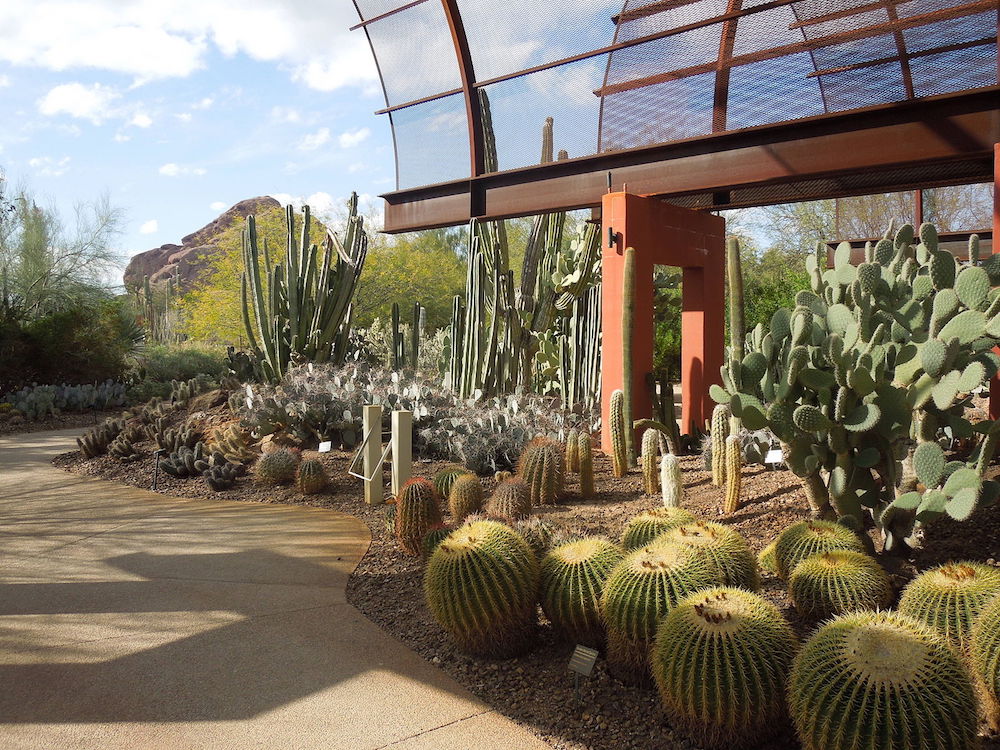
Desert Botanical Garden
Desert Botanical Garden. Credit: Simeon87 on Wikimedia Commons, licensed under the Creative Commons Attribution-Share Alike 3.0 Unported license.

R&R – Both Natural and Manmade

Phoenix also boasts unparalleled access to the natural gems of the Arizona landscape, with options like Desert Botanical Garden, Camelback Mountain (which is also right next to Optima Sonoran Village) and Papago Park all closeby to the urban oasis. When it comes to manufactured R&R, Phoenix is known too for its lush golf courses and luxury spas, where you can while away the day and recenter.

As we continue to expand in Arizona, we look forward to discovering more in our favorite places, and learning about new communities, too. Stay tuned for more neighborhood spotlights on our other Optima communities.

The Paimio Sanatorium: Architectural Solutions in a Pandemic

At its core, architecture is a response to its surrounding environment. Every space in which we live, work, or play is carefully designed with intention, usually reacting to the wants or needs of the people around them. Oftentimes during a crisis, such as a pandemic, architectural solutions can make the difference between life and death. Located in southwestern Finland, the Paimio Sanatorium epitomizes the crucial part architecture plays in the health and wellness of our communities. 

Terrace of Paimio Sanatorium. Credit: Tiina Rajala on Wikimedia Commons,
Creative Commons Attribution-Share Alike 4.0

Completed in 1932, the Sanatorium was designed to house recovering tuberculosis patients. The building was designed by Alvar Aalto, who won the commission after an architectural competition for the project in 1929. Following Modernist design, Aalto included large windows, roof terraces, and a sleek aesthetic. As per most Modernist structures, function was also a priority. At the time, the only known ‘cure’ for tuberculosis was rest, fresh air and sunshine. The Sanatorium offered just that, with balconies and outdoor spaces for patients to enjoy while recuperating. From easy-to-sanitize surfaces to color choices, Aalto designed the entire building around the needs of patients and staff. 

By the 1950s, antibiotics ushered in the end of the disease, and eventually the Paimio Sanatorium was converted into a general hospital. Today, it stands as a reminder of the power of design, and how it can nurture and inspire change in the world. 

For more information, you can read Cultured Magazine’s full feature on the Paimio Sanatorium here.

person name goes here

Maintenance Supervisor

Glencoe, IL


    Acceptable file types: *.pdf | *.txt | *.doc, max-size: 2Mb