Optima Opens Luxury Rentals in Lakeview

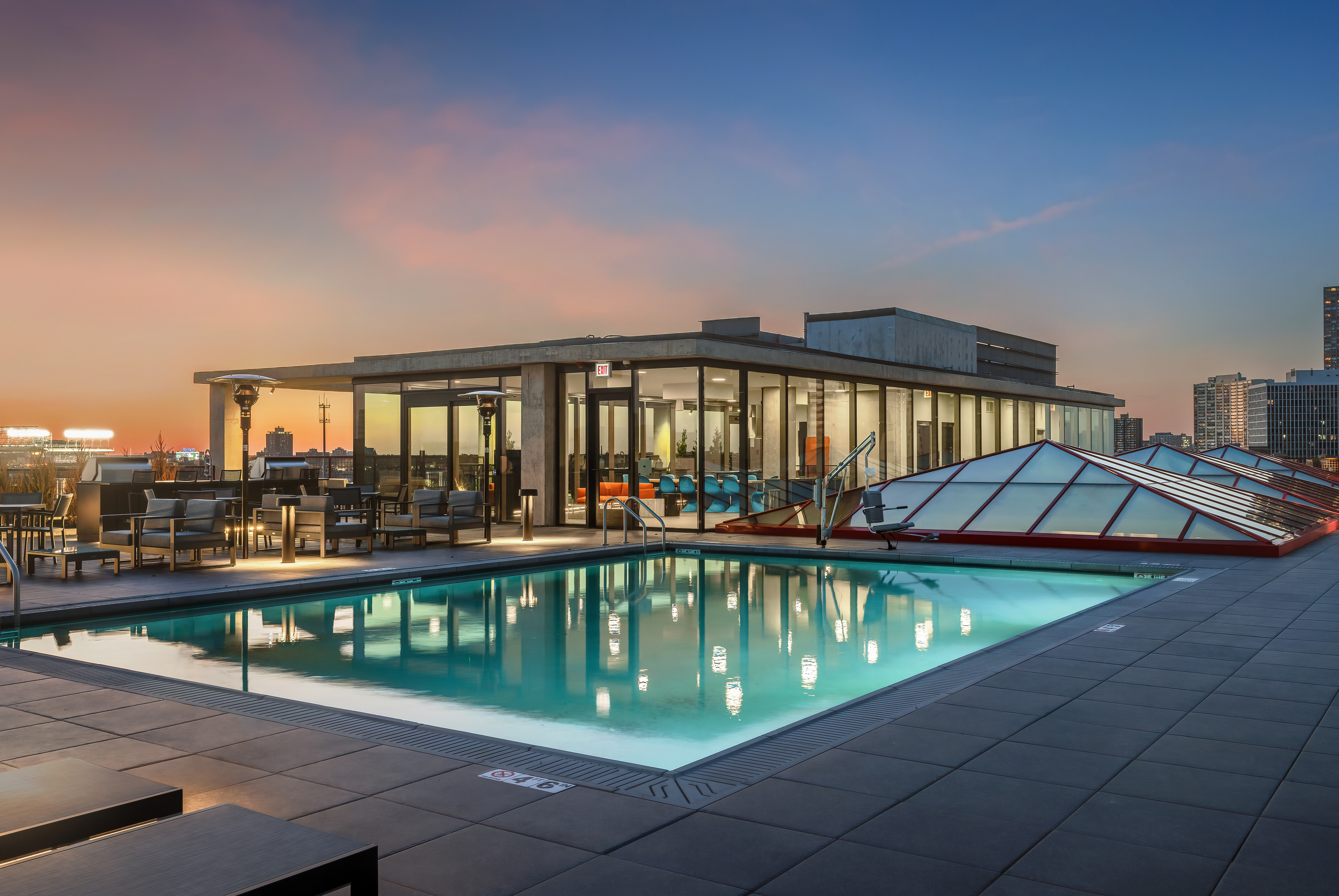
Design-driven development firm Optima, Inc. held the grand opening of its 198-unit Optima Lakeview luxury rental apartment building at 3478 N. Broadway in Chicago’s Lakeview neighborhood, featuring the region’s first year-round rooftop pool.

“We’re excited to bring to market Optima Lakeview, a development as vibrant and dynamic as the surrounding Lakeview neighborhood for which it’s named,” said David Hovey Jr., president, COO and principal architect of Optima. The project was designed by Optima’s CEO and founder, David Hovey Sr.

Currently 35% leased, Optima Lakeview offers one-, two- and three-bedroom floor plans with high-end finishes and smart home technology. Rents start at $2,500 per month.

“Lakeview residents who watched the building take shape were among the first to sign a lease with a majority saying the primary reasons were our architectural design, amenity package that spans 40,000 square feet, resident programming and convenient location,” Hovey added


Read more on Connect CRE

Visit Optima Lakeview for more details

Optima Lakeview wins Green Architecture Award from the Green GOOD DESIGN Sustainability Awards

Optima Lakeview has received a 2024 Green Good Design Award. The Green GOOD DESIGN Sustainability Awards’ goal is to recognize outstanding individuals, companies, organizations, governments, and institutions all over the world – together with their products, services, programs, ideas, and concepts that have forwarded exceptional thinking and inspired greater progress toward a healthier and more sustainable universe.

Learn more from Green GOOD DESIGN Sustainability Awards site.

Some 2020 Trends May Just Last

Home builders learned long ago to bring the outdoors in, and now apartment developers are doing the same. “With more people spending time at home, it’s important to thoughtfully create a variety of spaces that allow residents to find inspiration in their natural surroundings and recharge,” says architect David Hovey, president of Optima Inc.

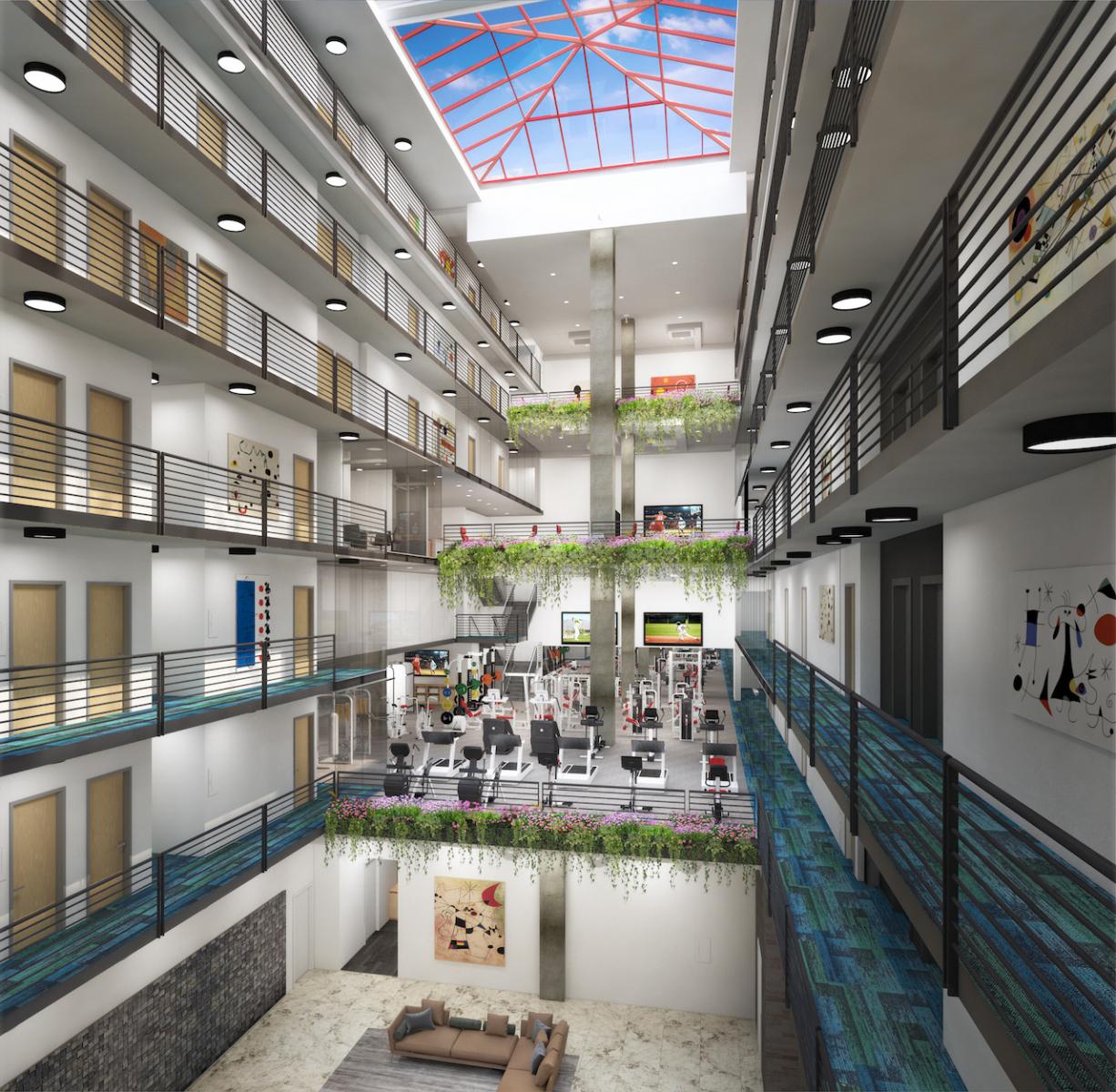
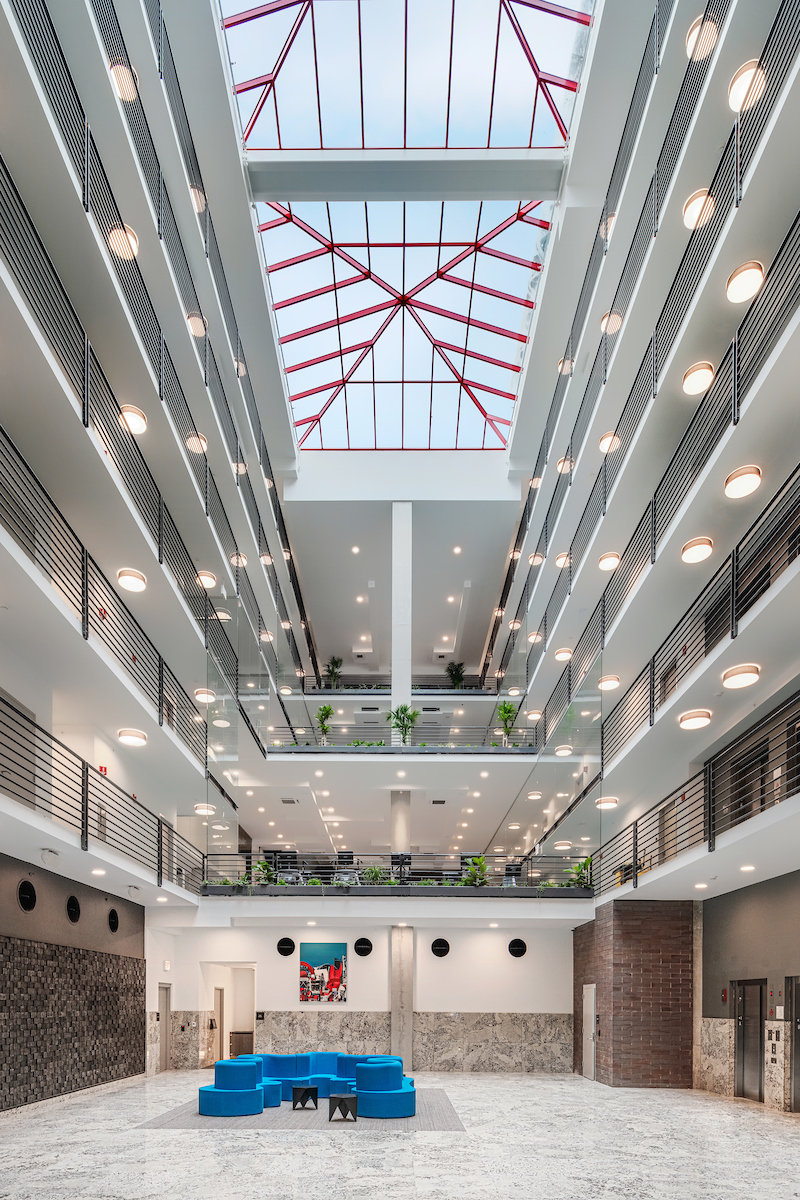
Optima Inc. has long made biophilic design a hallmark of its work, but it’s going greener still with three new projects. In the Chicago area, for example, Optima Lakeview will feature a distinctive landscaped interior atrium that will run through the building’s seven-story core and bring light into both the residential and retail areas of the building.

In Scottsdale, Ariz., Optima Kierland offers a dramatic vertical landscaping system that can be seen from every one of the 363 rental units and 433 condo apartments. And for the recently announced rental project in downtown Wilmette, Ill., Optima will import the landscaping model it is creating in Arizona, including hand-selected plants that will stay green year-round.

“Because we serve as both architect and developer on our projects,” says Hovey, “it makes it easier to prioritize these green spaces, which not only improve the air quality for our residents, but also those living near our buildings, as vertical gardens filter pollutants and carbon dioxide out of the air.”

Read the full feature on Multi-Housing News

Visit Optima Lakeview and Optima Kierland for more details

Optima Releases New Renderings of Lakeview Rentals

Optima, Inc. has released two new renderings of its Optima Lakeview, a rental project in the North Side’s Lakeview neighborhood. Set to welcome first move-ins next spring, Optima Lakeview is a seven-story, 198-unit community rising on the site of the former Treasure Island store.

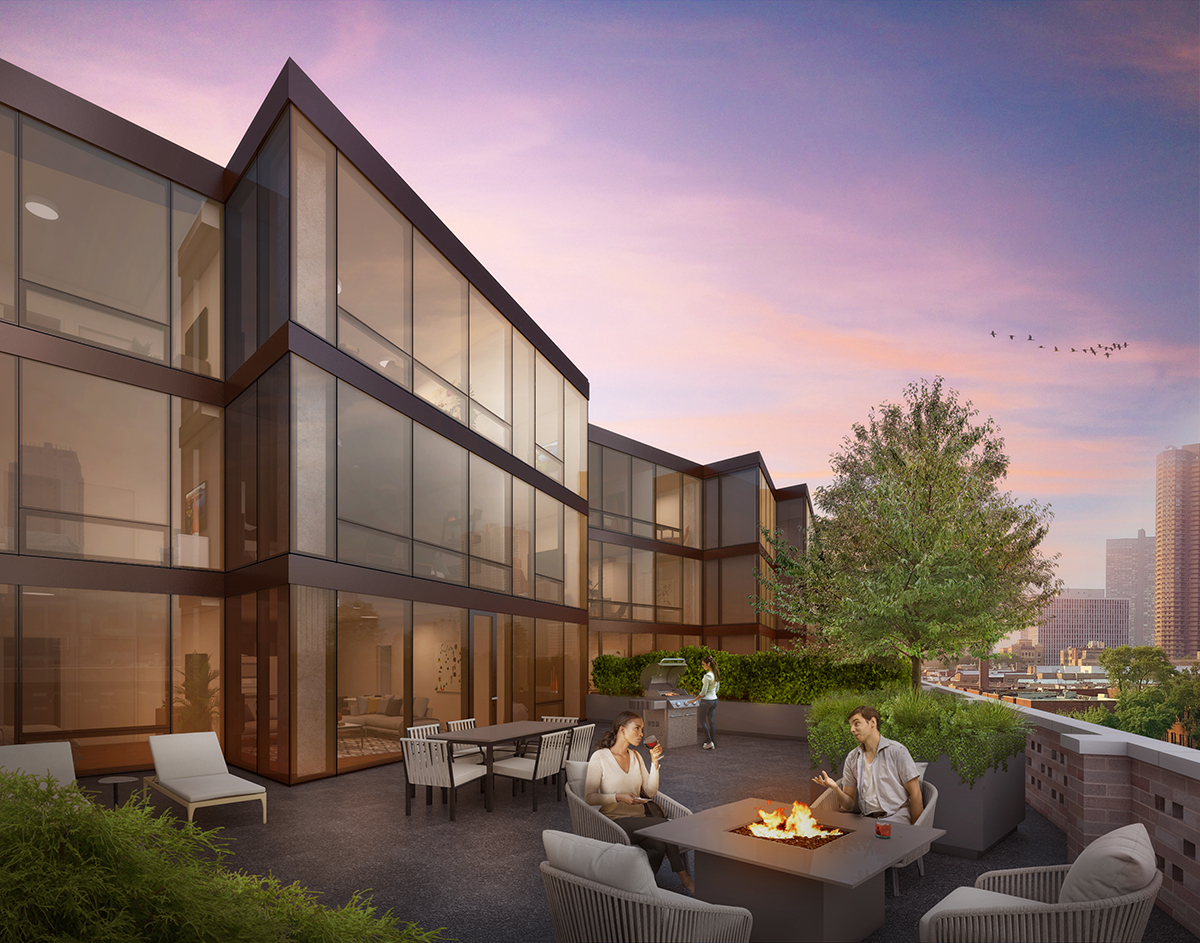
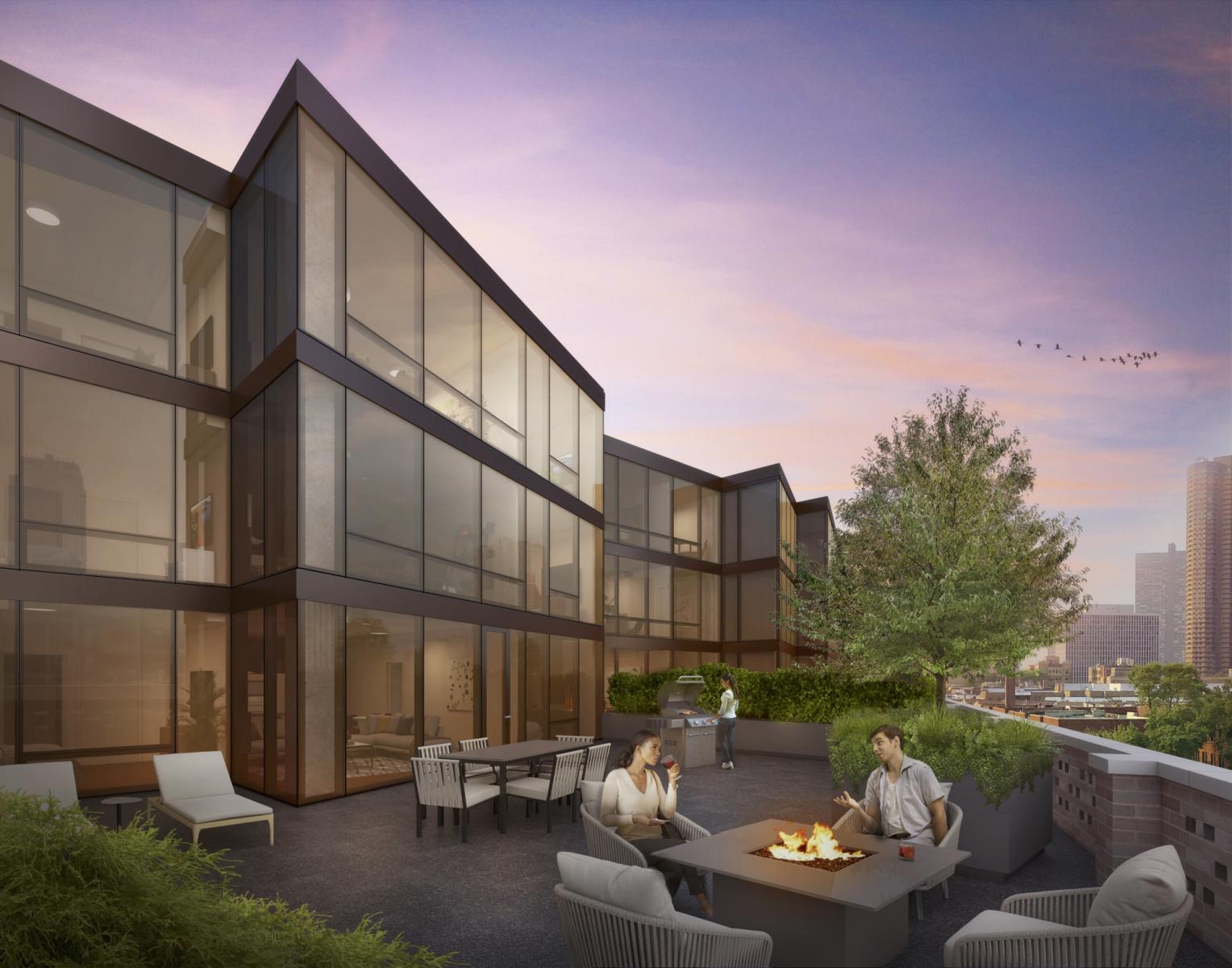
Optima designed the building to feature a series of setbacks that provide for outdoor landscaped terraces on the upper levels of the building that will feature built-in grills and fire pits. An atrium will run through its seven-story core and be topped with a skylight to bring in ample natural light.

Designed well before the pandemic by David Hovey Sr., FAIA, co-founder and CEO of Optima, Inc., Optima Lakeview will feature biophilic elements to connect residents to fresh air and ample sunlight as well as year-round amenities, such as the rooftop pool.


Read more on Connect Chicago

Visit Optima Lakeview for more details

Masters of the Southwest: A Father-Son Duo is Redefining Sustainable Desert Living

On a sunny winter day, residents of Optima Kierland are pursuing their morning rituals—walking the dog, working out in the fitness room, running on a track around the rooftop pool, powering up a Zoom call in the lounge, heading to the underground garage for the commute to work. But the 1,000-unit condo and rental complex, spread across five towers, is not your typical brown-box-and-a-balcony multifamily project so prevalent around the Valley. Instead, it is a sustainable, architectural tour-de-force, balancing concrete and glass, shade and sunlight, voids and cubic forms, all cooled with lush plantings that defy boundaries between outside and in.

The project is one of the latest achievements by father-and-son architects David Hovey Sr. and David Hovey Jr., who, along with other family members, run Optima, headquartered in Scottsdale and Chicago. Known for their edgy, architecturally striking designs of multifamily complexes and innovative construction techniques and materials, the Hoveys—and their company—have found the secret sauce to success. Optima is a soup-to-nuts company that develops, designs, builds and manages projects, overseeing everything from site selection to specifying kitchen sink faucets.

“I’ve been a fan of the Hoveys’ architecture for a long time,” says architect Anthony Floyd, who heads Scottsdale’s green building program and has worked with the Hoveys on sustainability strategies for several of their projects. “They’ve changed how we view multifamily housing here. What they create is unlike what we’ve seen in Arizona—or even the world.”

The history of this modernist dynasty began with Hovey Sr. Born in New Zealand to a Kiwi mother and a U.S. Marine father, he moved with his family to Chicago when he was 15 years old. “Chicago is the foremost city in the world for modern architecture,” Hovey Sr. says. “Being there sparked my interest in architecture.”

Hovey Sr. enrolled in the Illinois Institute of Technology, where Mies van der Rohe had served as dean and shaped the school’s modernist bent. “Mies was no longer at IIT when I studied there,” he remembers, “but some of us went to his house one night and didn’t leave until 4 a.m. He lived in an old brick apartment—not one of his designs—because he didn’t want to be constantly accosted by clients.”

During college, Hovey Sr. worked as an assistant to the curator of contemporary art at the Art Institute of Chicago, igniting his love of modern art and inspiring his later work in metal sculpture. His first job out of school was with a small firm, but, wanting to experience a larger office, Hovey Sr. signed on with noted Chicago architect Helmut Jahn, working there for four years during the 1970s.  

“My son and I are contemporary architects. We are interested in the design, materials and technologies of the 21st century. We’re not interested in allusions to the past.”

David Hovey Sr., FAIA, architect

But there was always an itch to do his own thing. “My IIT professor, Arthur Takeuchi, always said that an architect was the low man on the totem pole when it came to projects,” Hovey Sr. recalls. “He said the best outcome was to be not only the designer but also the developer and client.”

Heeding those words, Hovey Sr. launched Optima in suburban Chicago in 1978, along with his wife, Eileen Sheehan Hovey, who handled the real estate component of their projects. Before long, they were specializing in design-driven multifamily complexes around the city and, later, joined by their children, Tara Hovey, who handles financial strategies for the company, and David Jr., who earned his master’s in architecture at his father’s alma mater and now serves as CEO.

Frequent winter visitors to Scottsdale, the family opened a second Optima office in the desert in the early 2000s, sensing a market that was open to innovative modernist housing. By then, Hovey Jr. was helping push forward Optima’s shape-shifting experimentations with design, materials and construction methods. “When I was working as a construction superintendent on our job sites,” says Hovey Jr., “I observed inefficiencies between architecture and construction that could be improved by prefabrication.”

Though they became known for apartments and condos, the father and son have long experimented with techniques and approaches by building single-family spec homes, completing several over the years in North Scottsdale. “We had to find a new language for architecture here in Arizona,” Hovey Sr. says. “Studying Frank Lloyd Wright’s shelters, we learned to design optimum structures in the desert, ones that celebrated the indoor-outdoor relationship and incorporated sustainable features, such as solar power and passive cooling. We took what we learned from these spec homes and translated that into our multifamily work.”

After completing their first Arizona project, the Biltmore Optima, the Hoveys wanted to include landscaped roofs and terraces for the next site, Optima Camelview. Hovey Jr. worked with ASU to study desert plants in terrace- and rooflike beds at a site in Glendale. “We looked at about 150 kinds of plants and trees,” Hovey Jr. notes. “We learned which survived in extreme sun or shaded spots and which didn’t.”

Optima Camelview, a condominium project, won accolades and awards for its—literal—green design of lushly landscaped terraces, as well as other sustainable strategies, such as shaded glass walls, underground parking and public open space. Optima Sonoran Village, rental apartments in downtown Scottsdale, followed, expanding on the design theme, as did the recently completed Optima Kierland. Under construction now is Optima McDowell Mountain, which will be a six-tower development of rental apartments and condos, mixing in street-level retail and even more amenities and green elements, such as rainwater harvesting, than the previous projects. 

As the Hoveys moved forward with projects, they developed relationships with core groups of craftspeople, such as Jerry Barnier, founder of Suntec Concrete. “We started working together about 15 years ago,” says Barnier, “and we found that the Hoveys are very receptive to pushing the design forward efficiently. They understand what works and what doesn’t when it comes to construction. They push everyone to do their best work.”

Despite recent pushback about high-density development in some parts of the Valley, the Hoveys are secure in their place in the desert’s urban landscape. “Having density and height on a site allows us to create open space that’s accessible to the public—and not just our building residents,” Hovey Sr. points out. “It also gives us room to have setbacks that are landscaped. Our McDowell Mountain project is planned around a central park open to everyone.”

Always looking for future possibilities, the father and son prefer to concentrate on one or two projects at a time. “Each development we do is a progression, a journey of how we envision people living in the 21st century.”

Optima Sonoran Village in downtown Scottsdale has five residential towers set around landscaped courtyards with views of Camelback Mountain. Each apartment has plant-fringed balconies that add to the greenscape.
A stint working at The Art Institute of Chicago sparked David Hovey Sr.’s love of contemporary art and his own work as a sculptor, including “Kiwi,” which graces an Optima project in Chicago.
Optima Kierland Center, the Hoveys’ most recent project, is a series of condo and  apartment dwellings offering luxe amenities, including cooling landscaping, rooftop pools and running tracks, a golf simulator and a dog “spa” for washing pooches.
In the heart of the Camelback Corridor, Biltmore Towers was the Hoveys’ first foray into the Arizona multifamily market and featured unique design elements, such as recessed balconies, red trellises and orange sunscreens.
Optima Verdana in suburban Chicago includes retail offerings at street level and apartments above.
The Camelview Village condo development put Optima on the local design radar, with innovations such as landscaped balconies and open space, as well as an edgy, modernist design. According to architect and Scottsdale’s green building head, Anthony Floyd, both David Hovey Sr. and David Hovey Jr. lived in units on site. “That’s what I call proof of concept,” says Floyd. “They could see what worked—and what didn’t.”
In downtown Chicago, Optima Signature and Chicago Center includes 42- and 57-story towers, with forms, details and colors inspired by Russian painter Kazimir Malevich and American artist Donald Judd.
Also in Chicago, the Lakeview project features indoor open space as a response to the climate.
“Curves and Voids,” a sculpture by David Hovey Sr., graces the gardens at Sonoran Village.

“Our single-family homes are experimental. They are our ‘Case Study’ projects from which we take ideas and apply them to our multifamily work.”

—David Hovey Sr., architect and Optima founder

Read more on Phoenix Home + Garden

Pandemic Puts Outdoor Amenities, Middle Markets into Multifamily Spotlight

The impact of COVID-19 on the multifamily sector may not have been as severe as its effect on the retail or office asset classes, but there are still many ways that those professionals active in the multifamily space adapted to pandemic-driven changes. Some of these adjustments, such as virtual apartment tours, are likely permanent.

Here are four pandemic-related trends expected to influence the multifamily sector in 2021, according to a roundup of Midwest-based real estate experts.

Incorporating biophilic design

With the COVID-19 pandemic encouraging Americans to stay outdoors for gatherings in effort to reduce transmission of the virus, there is a greater emphasis on the outdoors and nature. Expect multifamily developers to focus more on bringing the outdoors in via building designs, floor plans and amenities. Large outdoor terraces and rooftop amenity areas are becoming increasingly prevalent in new projects, particularly those in urban environments.

At Optima Lakeview, a Chicago-area multifamily project currently under construction, developer Optima Inc. incorporated a landscaped interior atrium that will run through the building’s core and bring in natural light.

“Green spaces not only improve the air quality for our residents but also those living near our buildings because vertical gardens filter pollutants and carbon dioxide out of the air,” says David Hovey Jr., president of Optima.

Read the full feature on RE Business Online

Visit Optima Lakeview for more details

Exterior Construction Finalizes At Optima Lakeview In Lakeview East

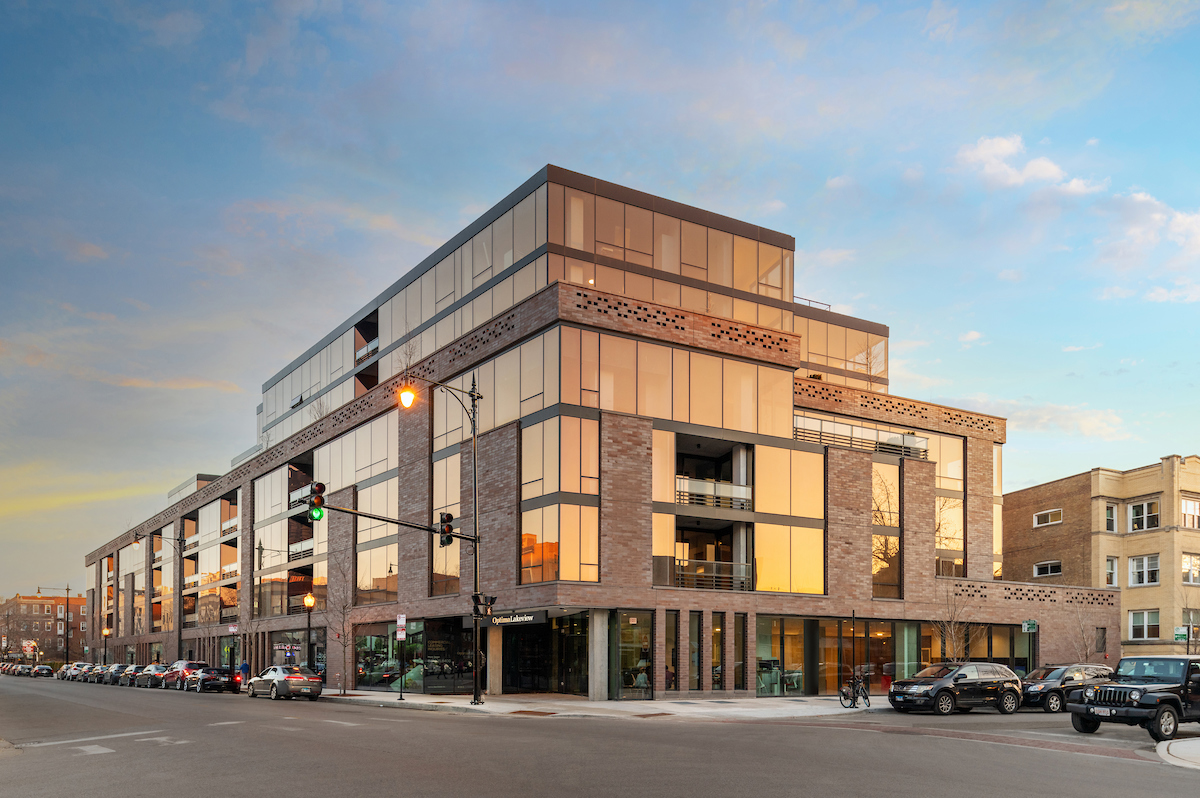
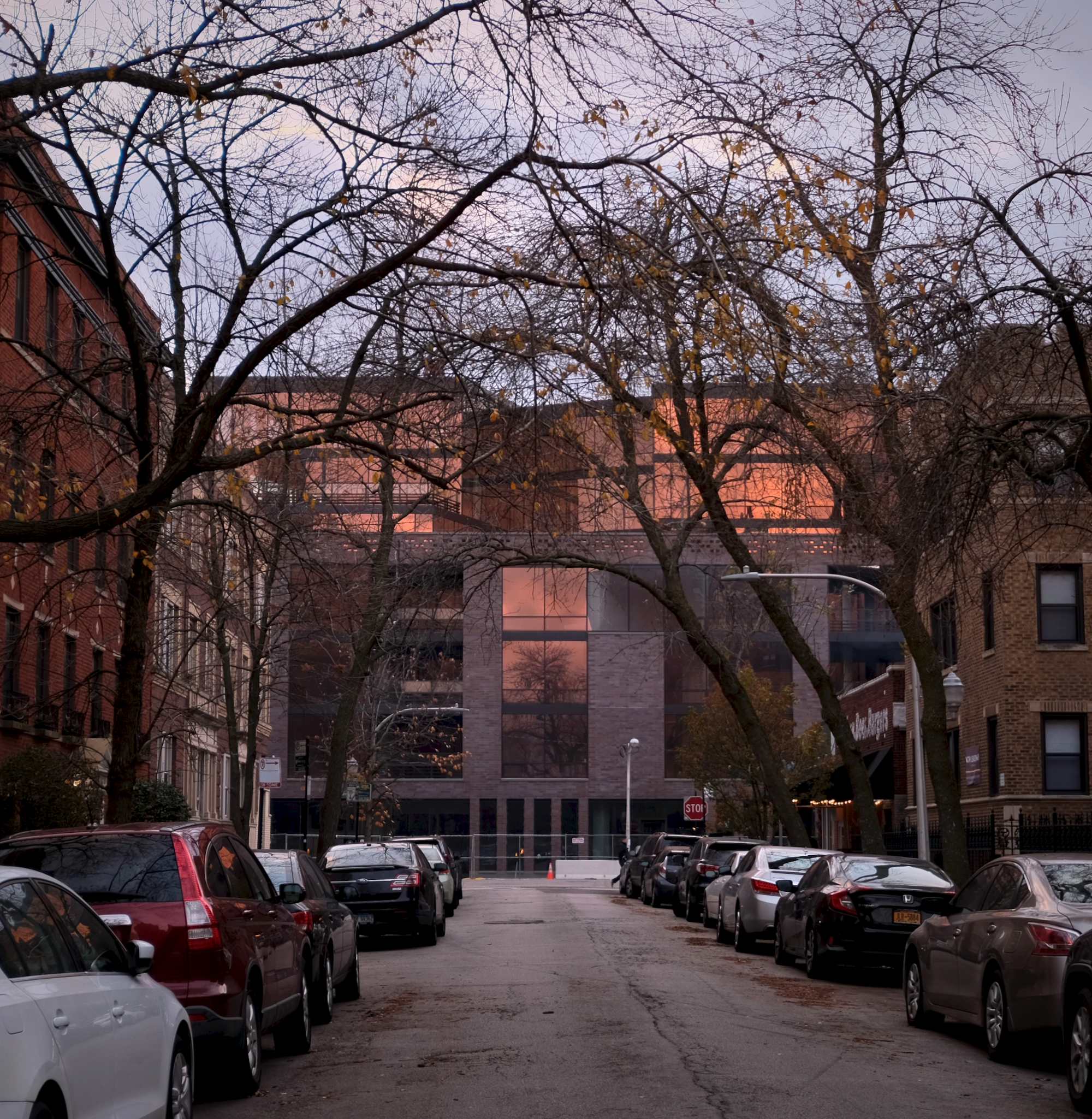
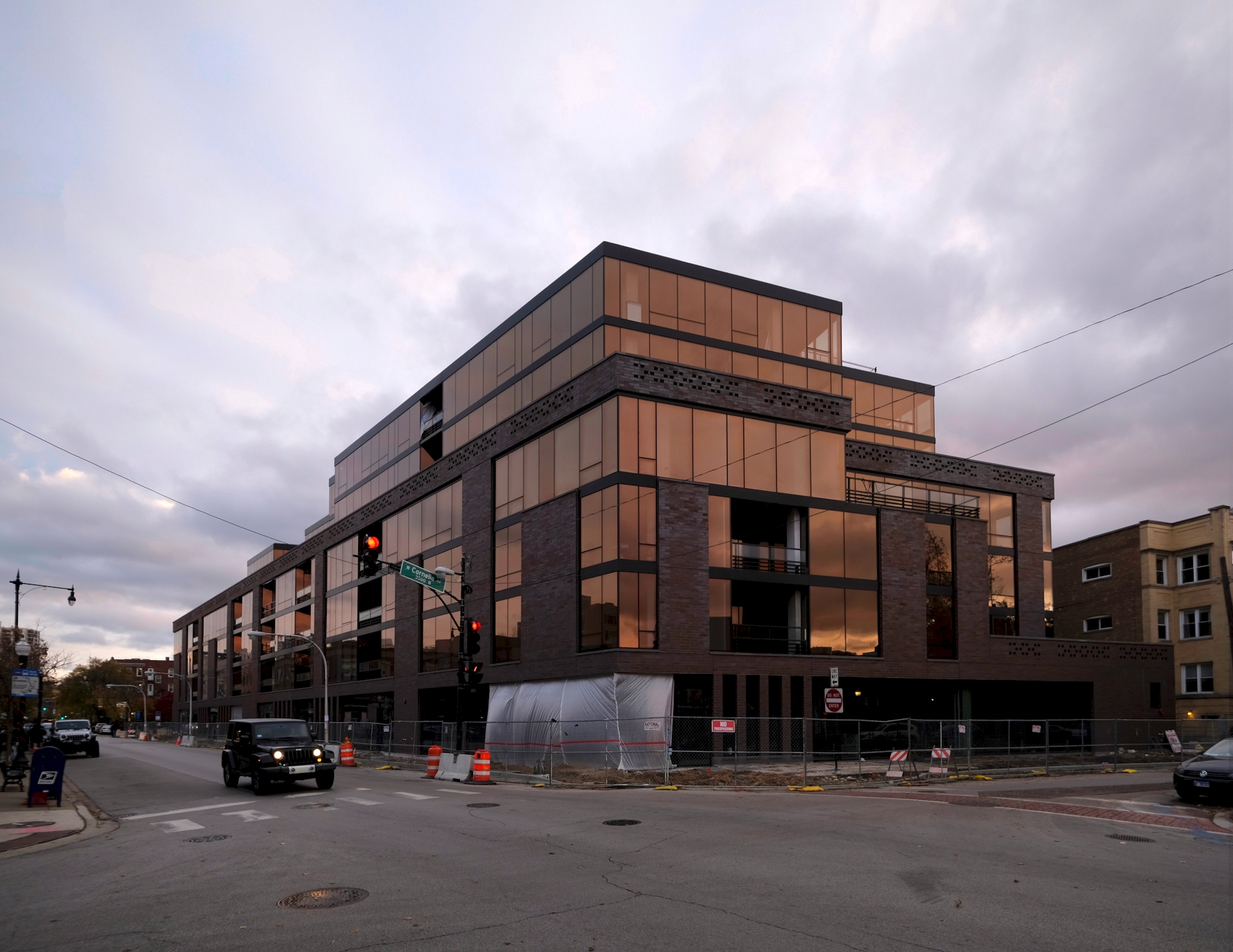
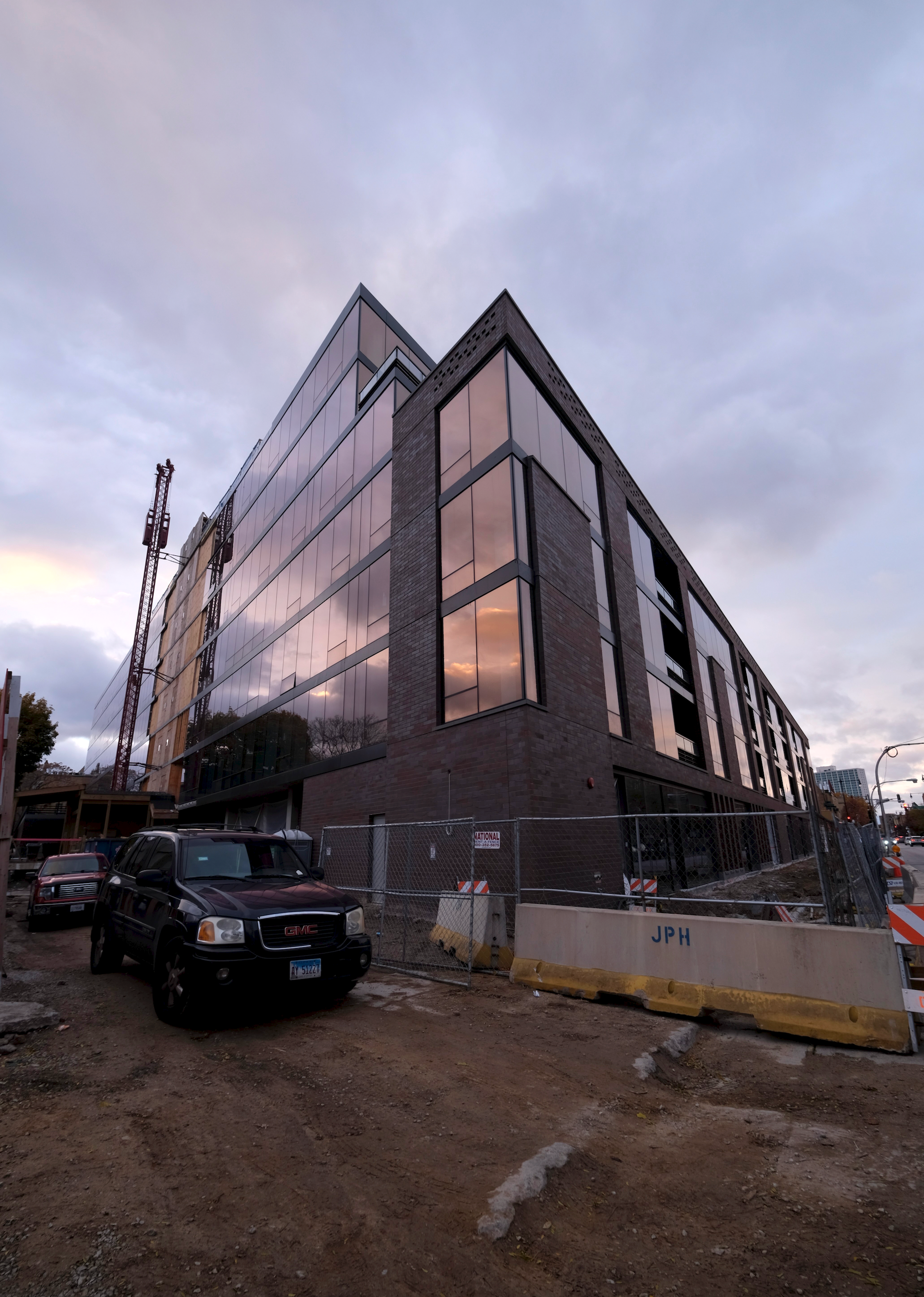
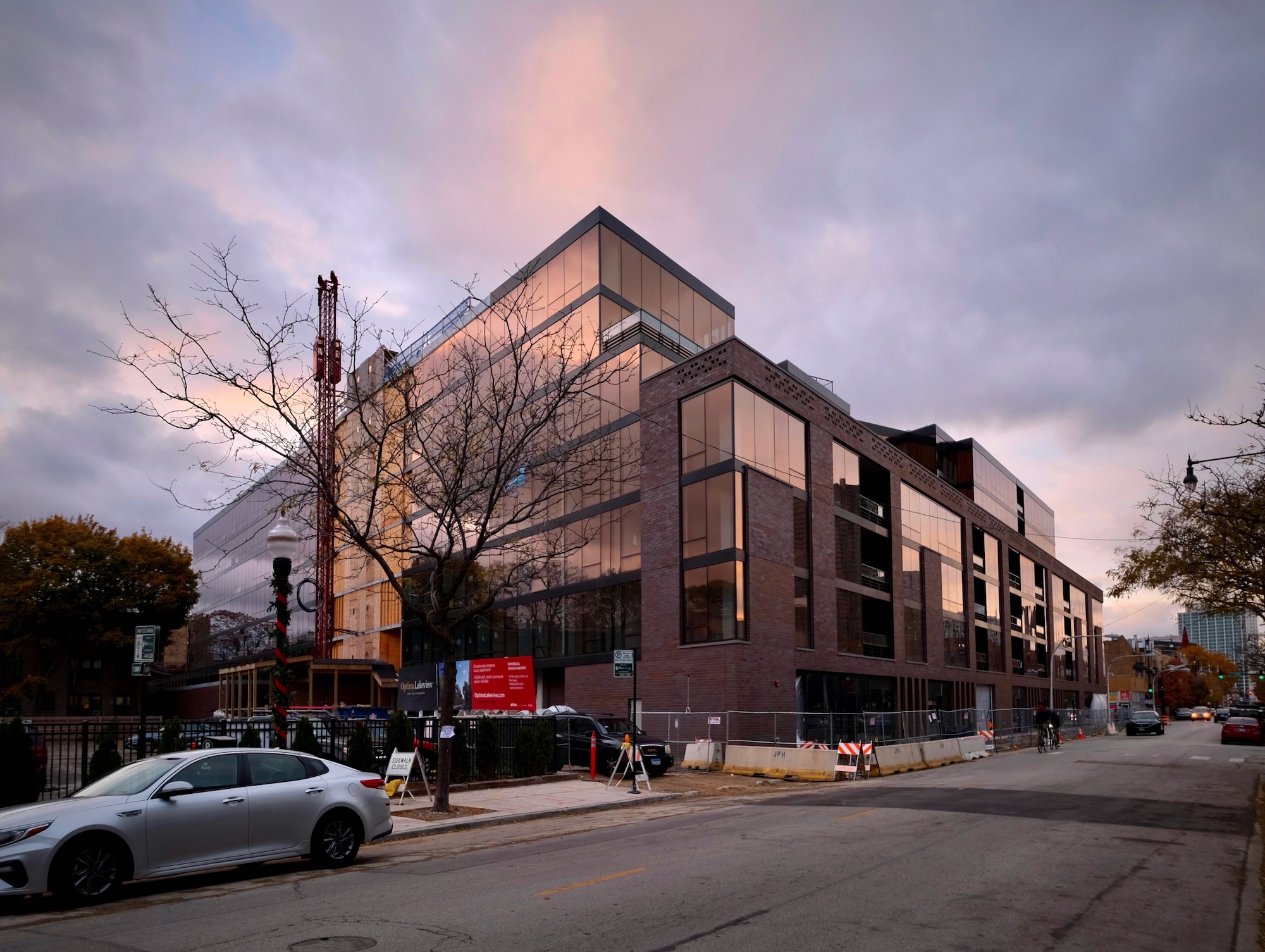
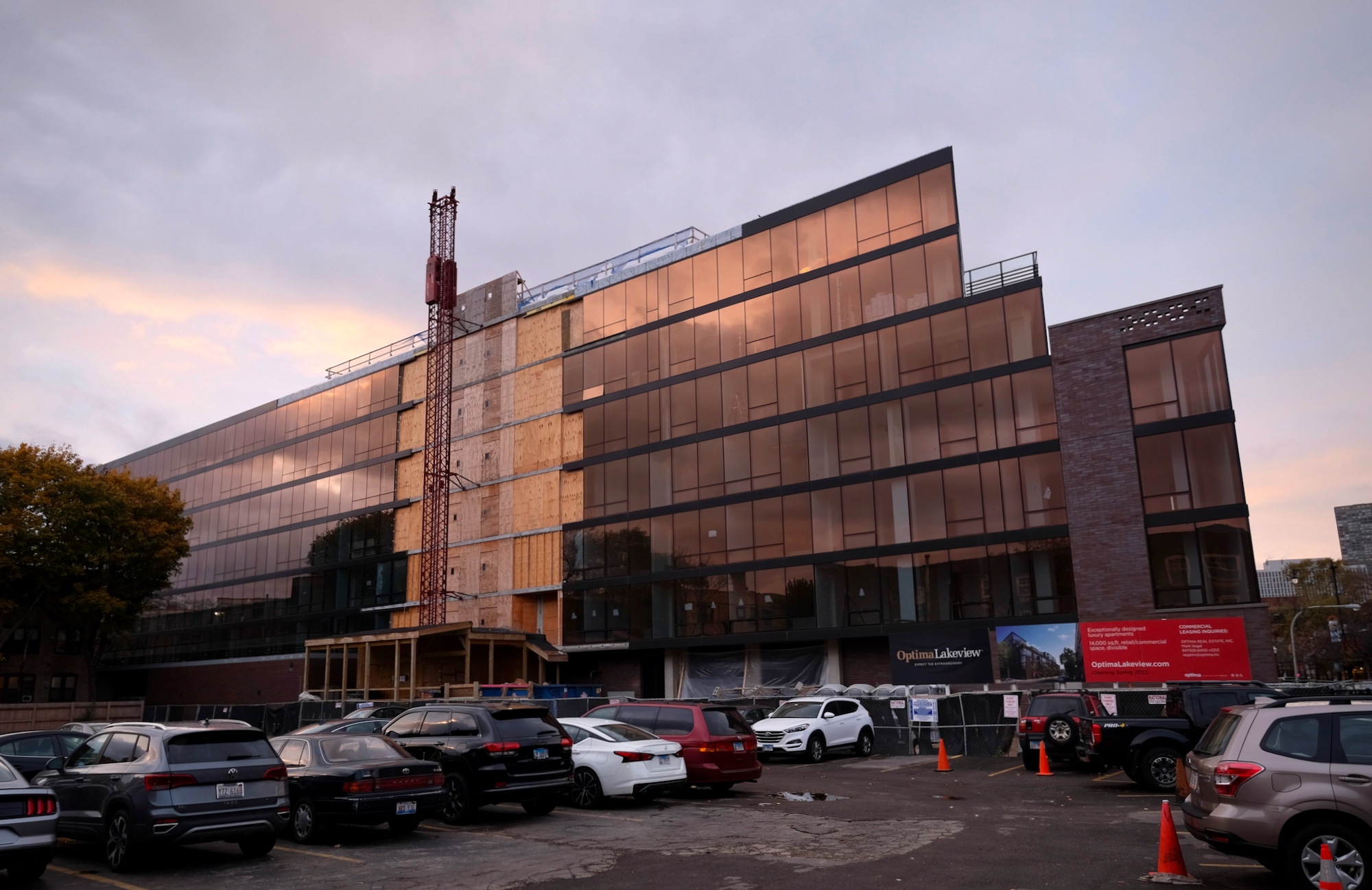
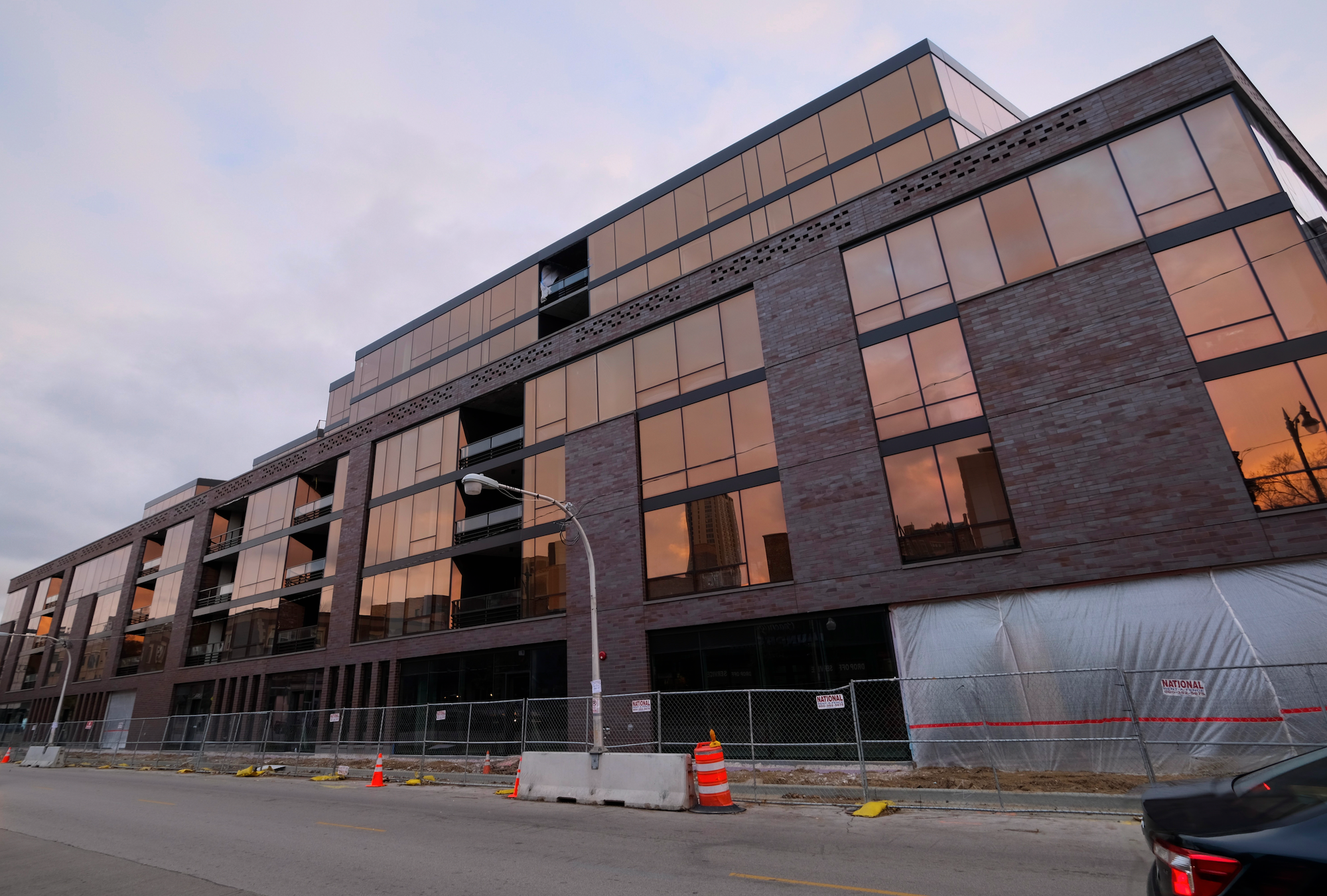
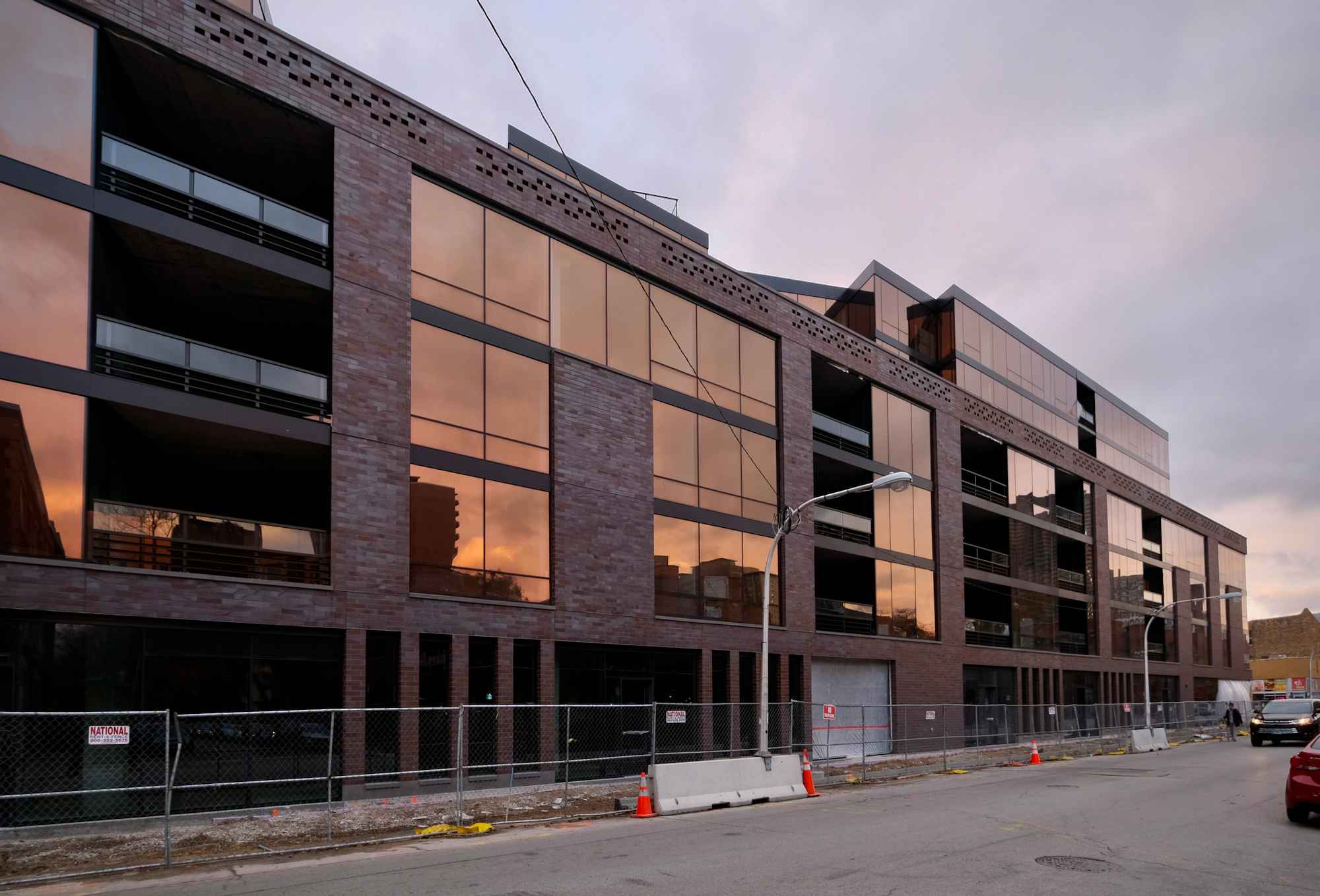
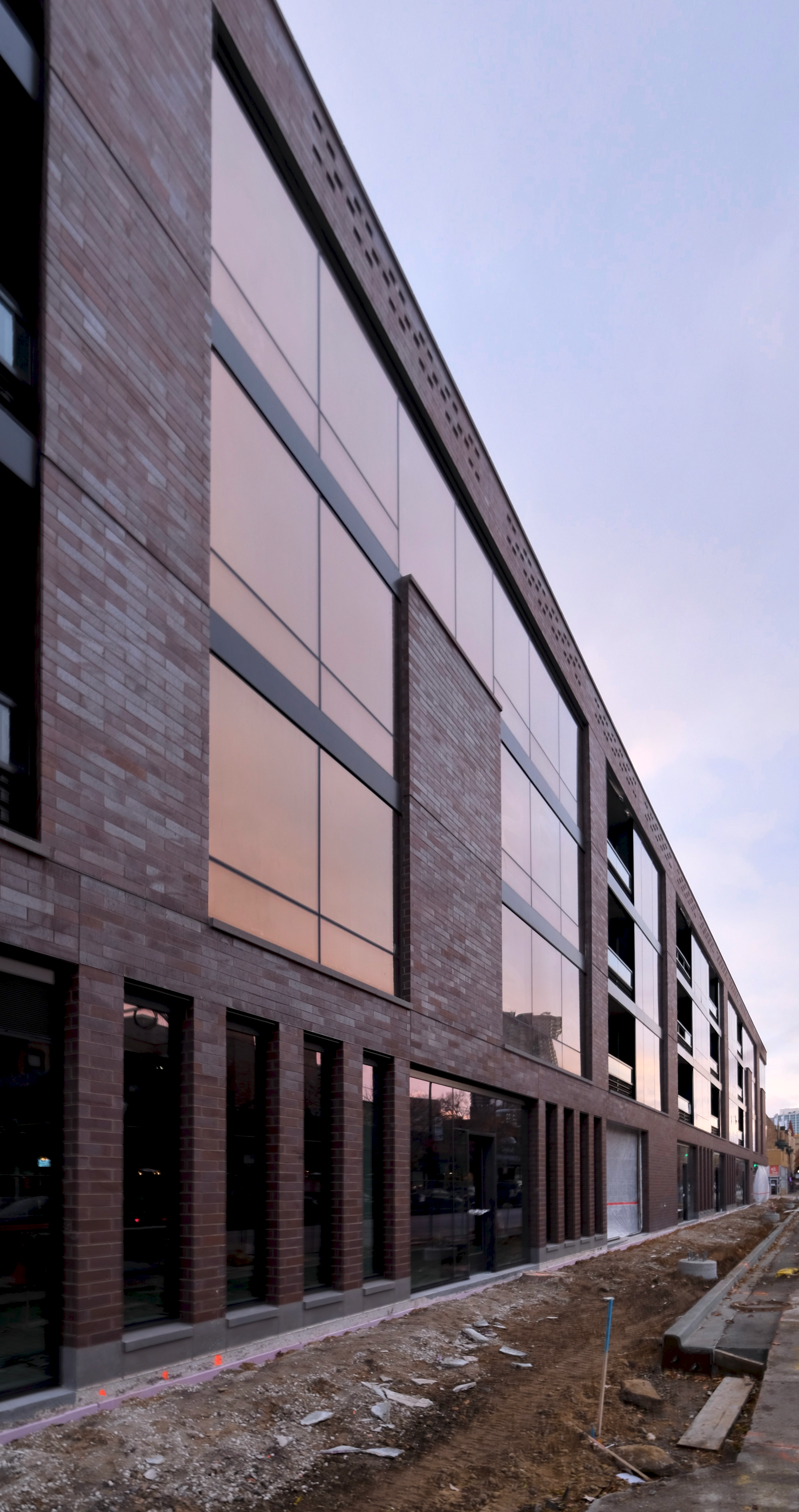
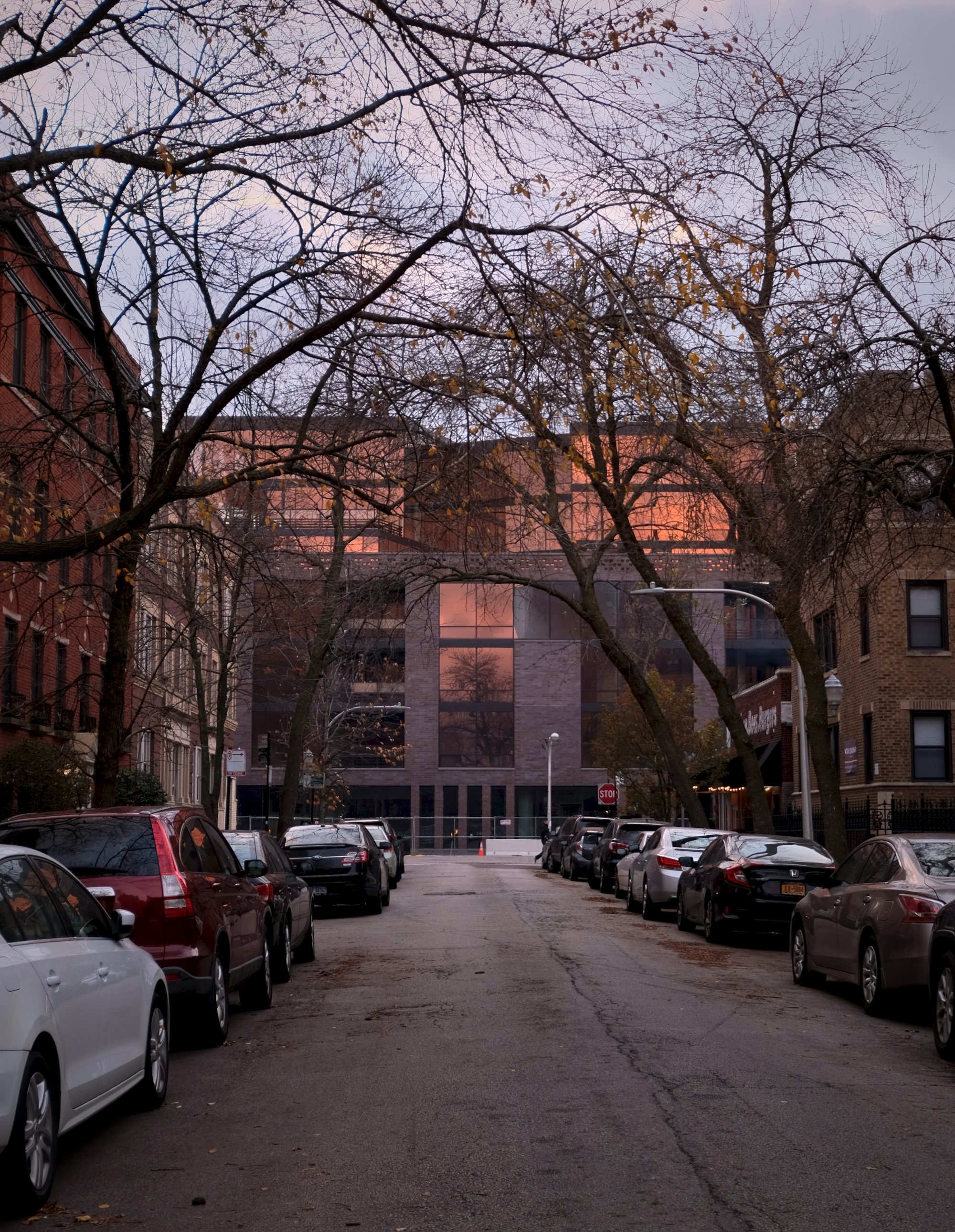
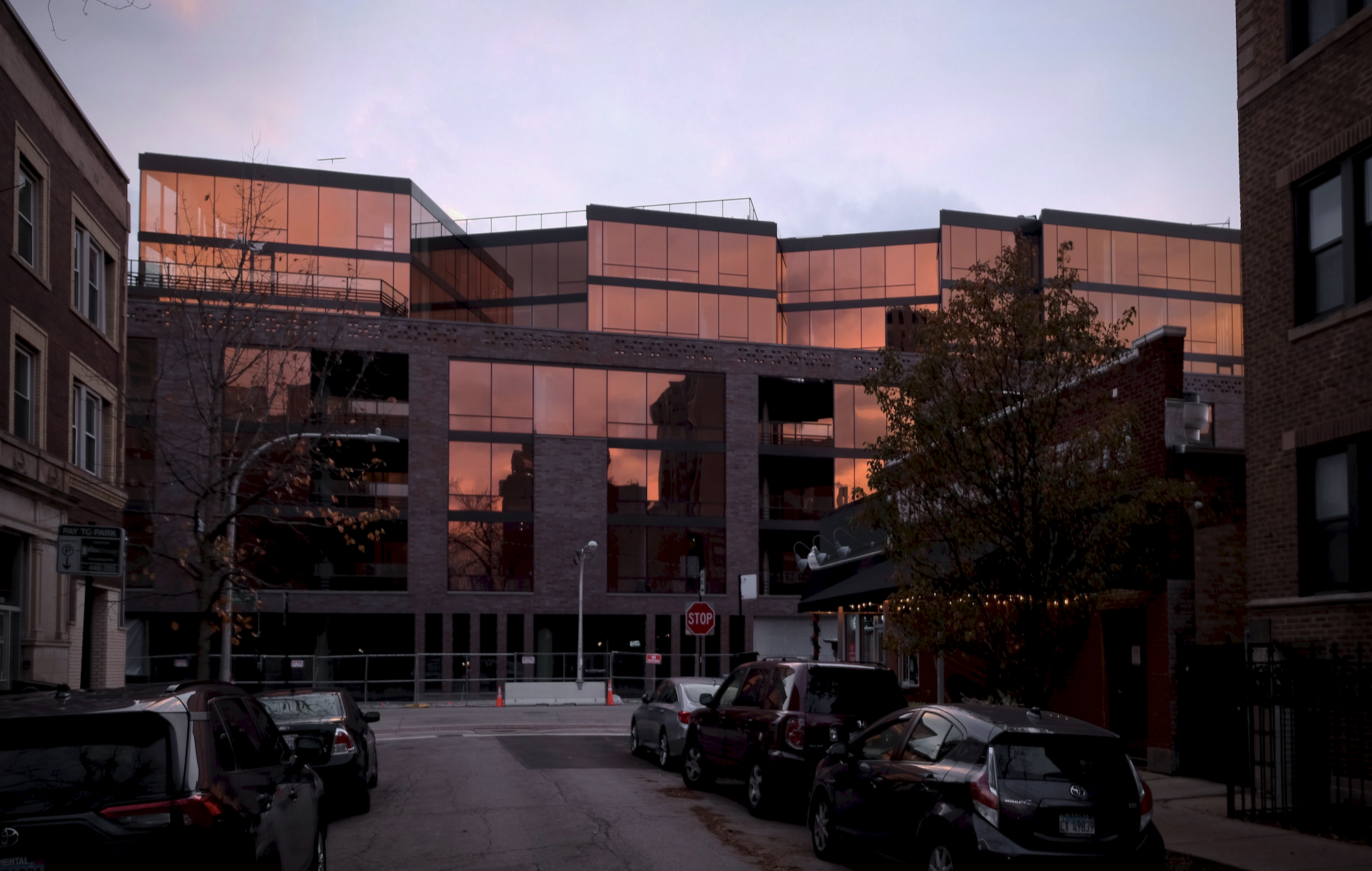
Final facade work is wrapping up for Optima‘s seven-story mixed-use building known as Optima Lakeview, located in Lakeview East. Residing at 3460 N Broadway on the former site of a Treasure Island Foods grocery store and parking lot, the development involves a 14,000-square-foot retail component and 198 apartment units on the upper floors. These rentals range from one- through three-bedroom layouts.

Optima Lakeview

Optima Lakeview. Photo by Jack Crawford

Optima Lakeview

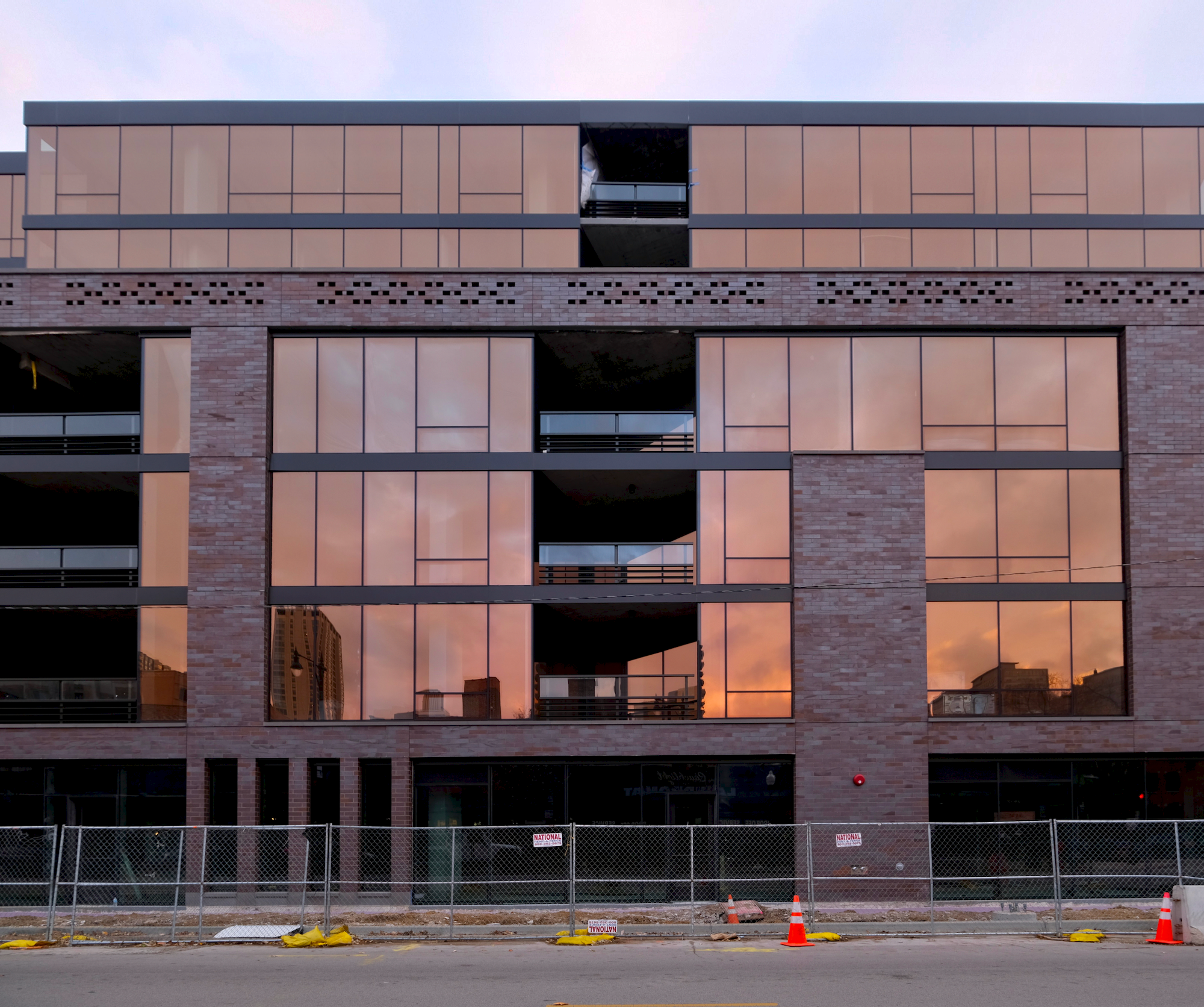
Optima Lakeview. Photo by Jack Crawford

Optima Lakeview

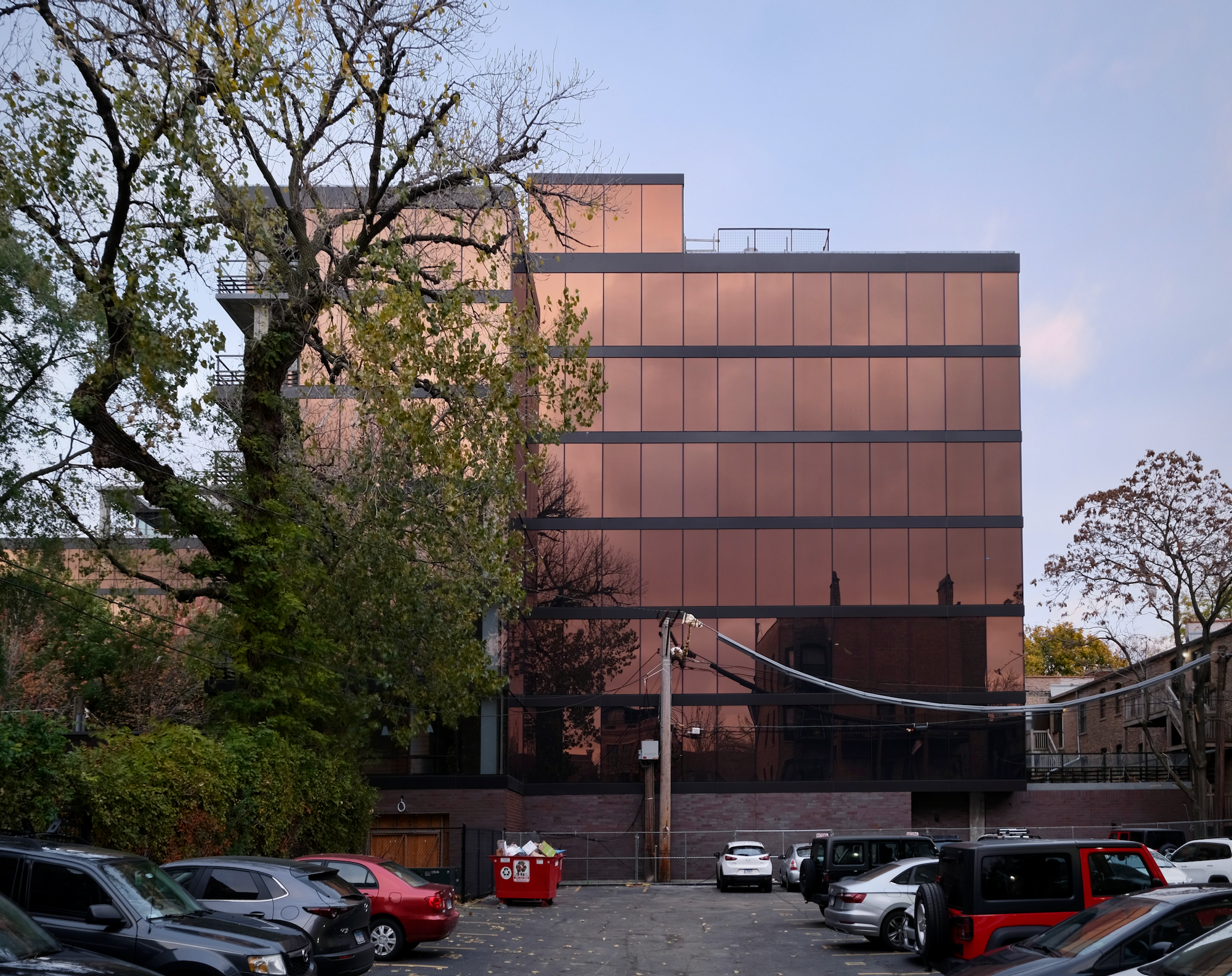
Optima Lakeview. Photo by Jack Crawford

Optima Lakeview (center)

Optima Lakeview (center). Photo by Jack Crawford

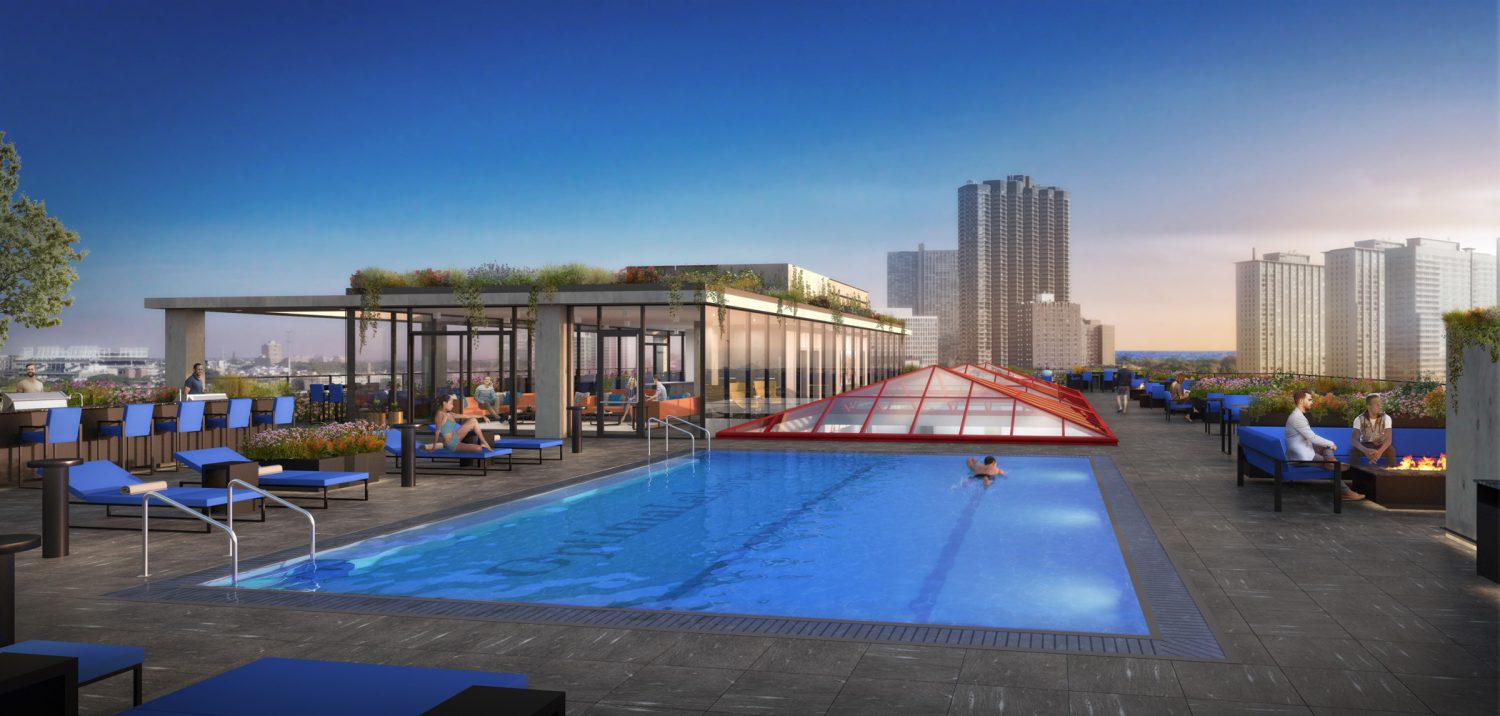
Optima Lakeview will offer a marked number of amenities, spanning more than 40,000 square feet. These spaces include an indoor basketball court, a golf simulator and putting green, a fitness center, a dog park, a children’s center, a demonstration kitchen, and a co-working space with conference rooms. Notably, the edifice will be capped by a sprawling rooftop skydeck with a pool and expansive views of the lake, Wrigleyville area, and downtown.

Optima Lakeview rooftop pool and deck

Optima Lakeview rooftop pool and deck. Rendering by Optima

Optima Lakeview

Optima Lakeview. Photo by Jack Crawford

Optima Lakeview

Optima Lakeview. Photo by Jack Crawford

Optima Lakeview

Optima Lakeview. Photo by Jack Crawford

Other resident features comprise of an in-home concierge program, exclusive benefits and discounts connecting to the local vicinity, and a unique package of various in-house services which include in-home plant watering, thermostat adjustments, and front-door package delivery.

Optima Lakeview private terrace

Optima Lakeview private terrace. Rendering by Optima

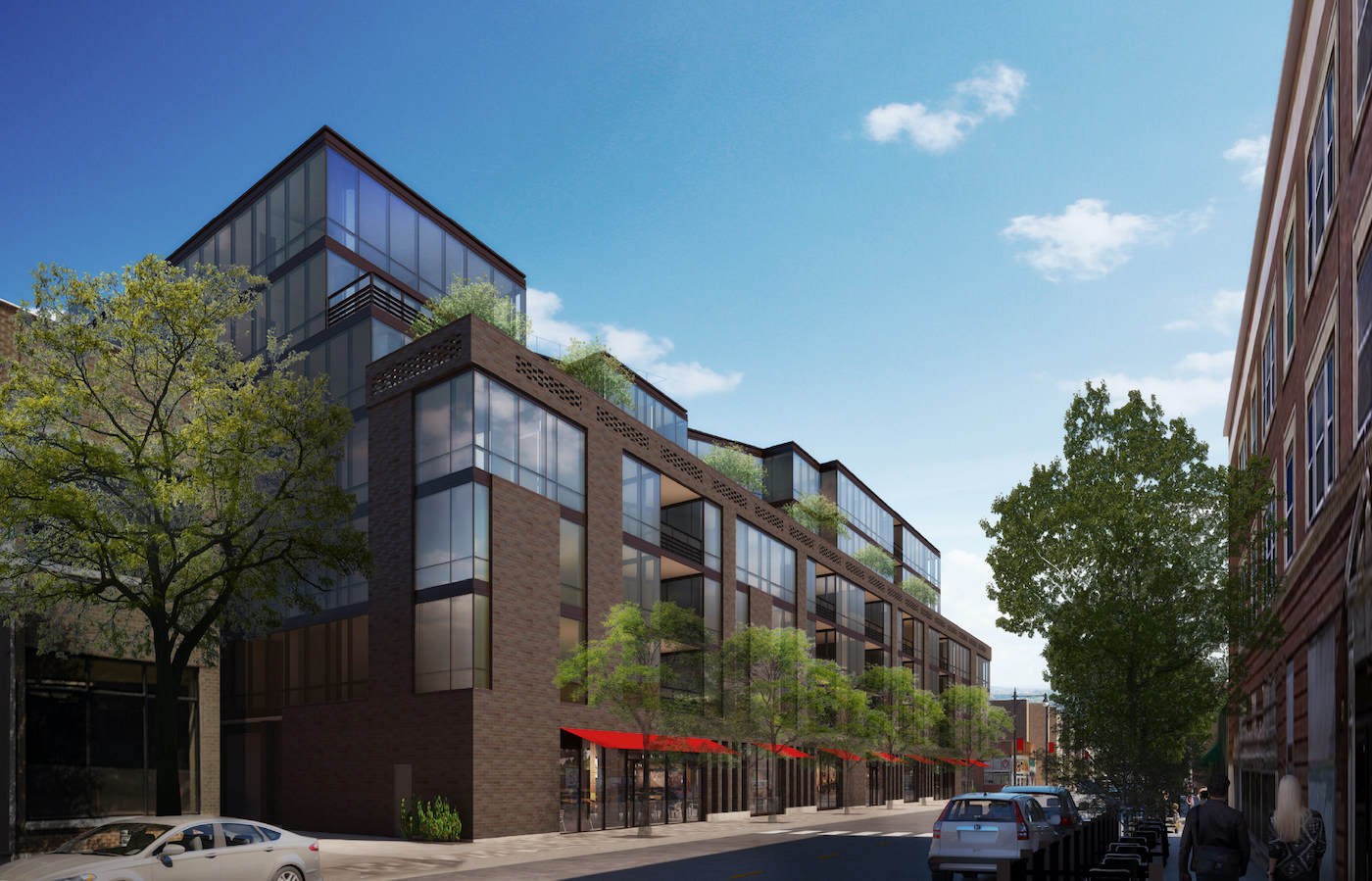
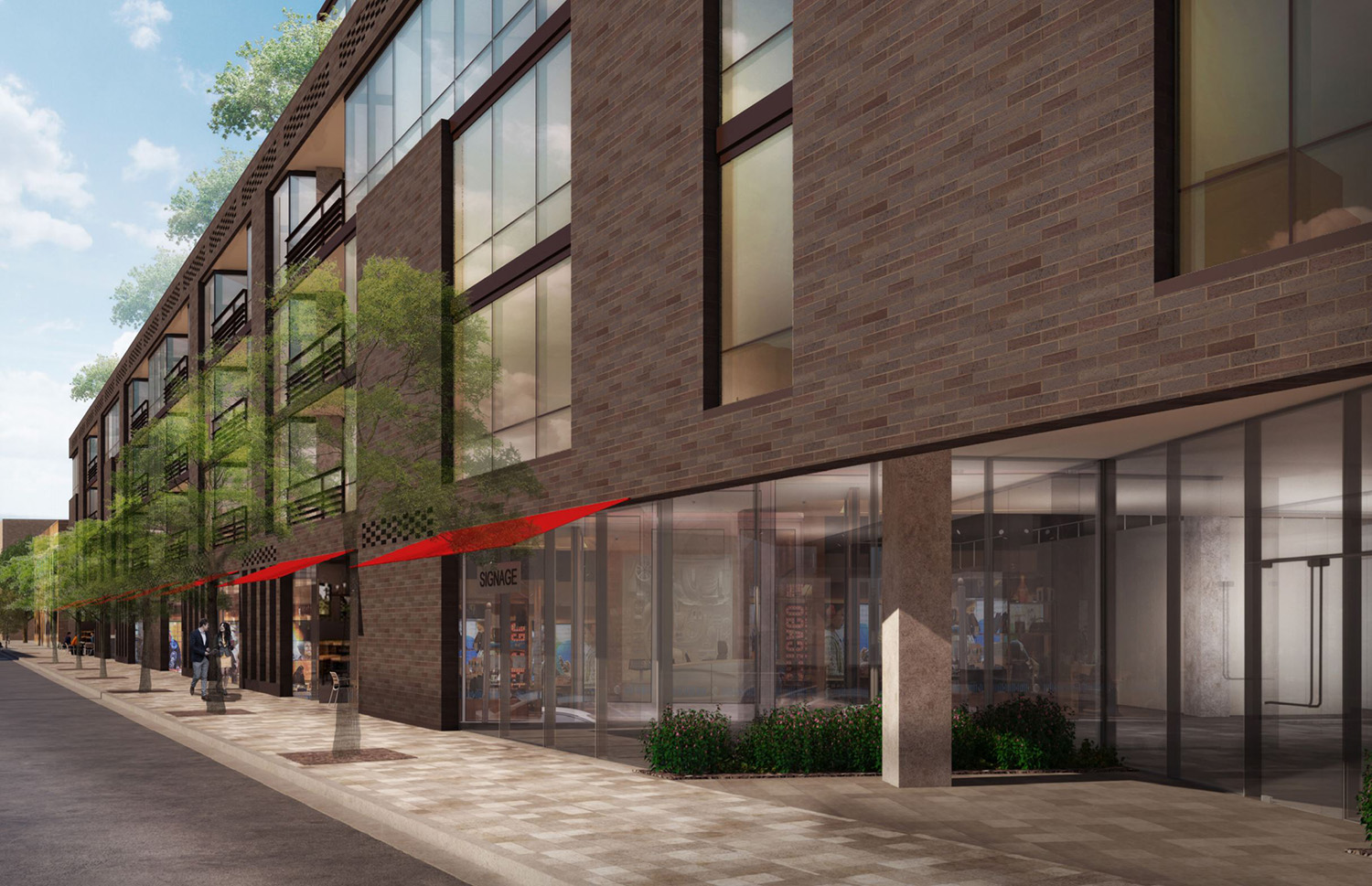
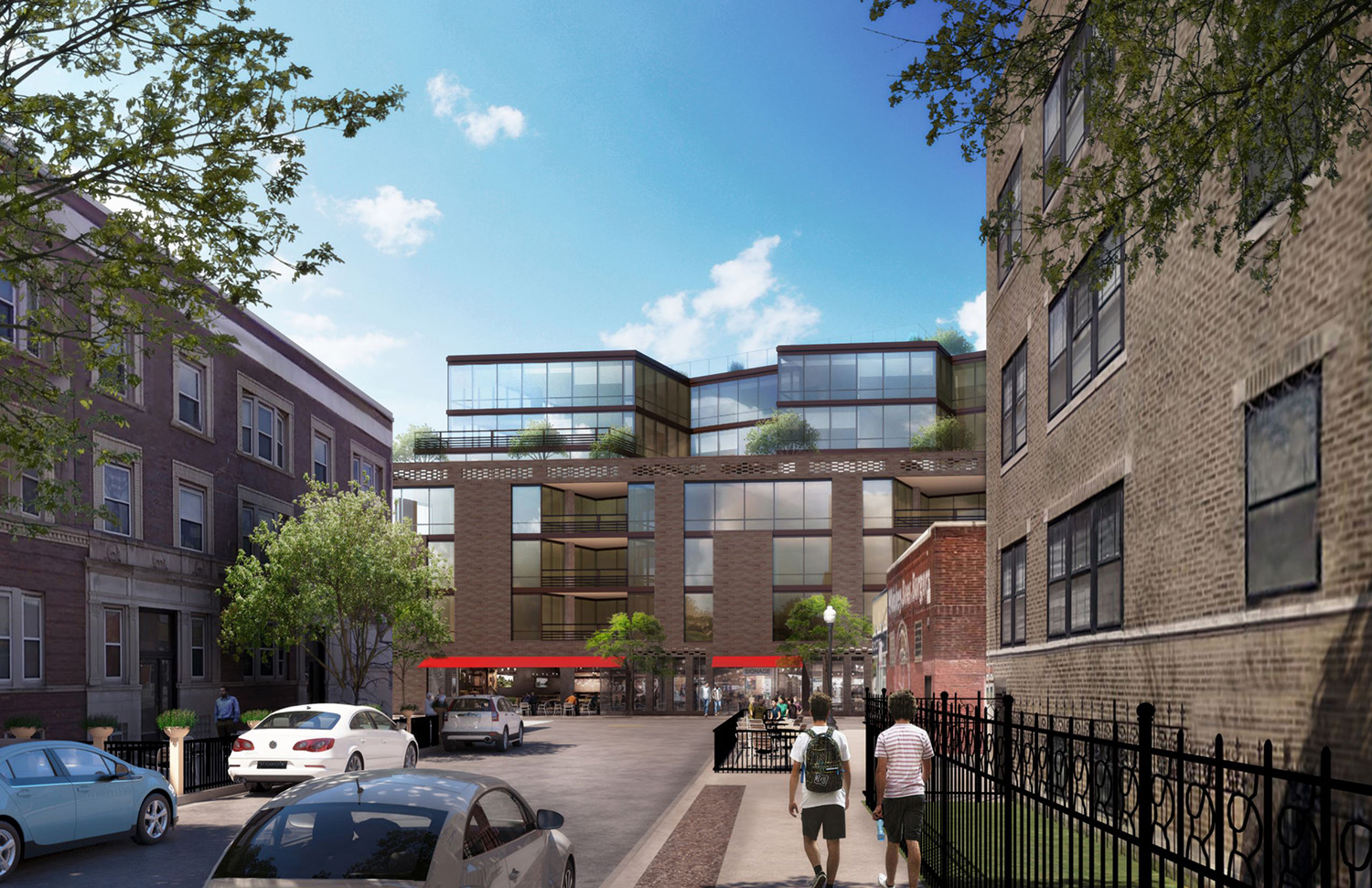
Streetscape View at 3460 N Broadway. Rendering by Optima Inc

Streetscape View at 3460 N Broadway. Rendering by Optima Inc

Optima Lakeview

Optima Lakeview. Photo by Jack Crawford

Given Optima’s all-encompassing role in the project, CEO and architect David Hovey Sr. is behind the contemporary design. The massing’s trapezoidal footprint conforms to the angled plot. The top three floors are also recessed from the lower four to allow for sprawling private terraces. As far as the exterior, the first four floors are enveloped in a dark brick and metal facade with recessed balconies, while the upper three are finished in a more minimalist glass and metal curtain wall.

Optima Lakeview

Optima Lakeview. Photo by Jack Crawford

Optima Lakeview

Optima Lakeview. Photo by Jack Crawford

Optima Lakeview interior atrium

Optima Lakeview interior atrium. Rendering by Optima

The structure’s interior layout is also unique in that both the apartments and amenities are accessible via a full-height interior atrium. The atrium integrates both a skylight and various decorative flora. Since YIMBY’s last update on the project, Optima has released additional renderings of this central interior scheme.

View of 3460 N Broadway. Rendering by Optima Inc

View of 3460 N Broadway. Rendering by Optima Inc

Optima Lakeview

Optima Lakeview. Photo by Jack Crawford

In addition to the 94 off-street parking spaces and storage for 208 bikes, residents will also find a host of public transit options within immediate proximity. Those looking for bus access can find Route 36 at the corner of Broadway & Cornelia. Other bus options within close walking distance include Routes 8, 22, 77, 135, 146, 152, and 156. Anyone looking to board the CTA L Red Line will have access to Addison station via an 11-minute walk northwest. Additional L service for all three of the Brown, Purple, and Red Lines is available at Belmont station, a 16-minute walk southwest.

Optima Lakeview

Optima Lakeview. Photo by Jack Crawford


Read more on Chicago YIMBY

Visit Optima Lakeview for more details

Wellness Takes Center Stage

Developers are putting a laser focus on all facets of an apartment community’s built environment to improve healthfulness, especially as Gen Z emphasizes concern and becomes the newest cohort of renters.  

The surging $6.3 trillion global wellness economy has evolved to encompass everything from how multifamily buildings are constructed for more light and air, to which healthy materials are incorporated, what amenities are offered for residents to pursue activities and which technologies are available to add desired conveniences for live, work and play.

Many experts peg the uptick in interest first to the emergence of COVID-19 and recently to Gen Z (those born between 1997 and 2012) and slightly older Millennials (born 1981 to 1996). Both groups have delayed home purchases and want to rent in buildings with a smorgasbord of wellness systems, products and services for physical and mental healthfulness, according to health and wellness research from McKinsey & Company.

Exactly what features are incorporated and how wellness is defined differs for projects and locations, says Mary Cook, whose eponymous Mary Cook Associates firm acts as interior architects and designers on wellness and other trends for multifamily and student communities.

While the specifics may vary, the shared goal is to help individuals be healthy in the built environment, Cook says. Nowadays, properties can adopt a wider variety of features that foster exercise, socialization, spirituality, mental well-being and beauty as Gen Z recognizes the connection. “They are purpose driven, competitive and want to believe they can make a difference,” Cook says. “They are informed about their buying decisions, and you are not able to fool them. So, we curate amenity areas and unit finishes with brands and materials that are responsibly sourced, have low VOCs, minimally off-gas, are sustainable and also beautiful. All of this matters to them,” she says.

Other cohorts follow their lead with the result that changes are emerging. While buildings incorporate the expected well-equipped gym, flexible studios to serve distinct functions and parks for residents and pets, managers keep looking for newer trends that may gain traction such as infrared saunas and cold plunge pools, especially at Class A buildings. “Wellness—and all it represents—has become a differentiator for new developments or acquisitions that are remodeled,” says Chris Nebenzahl, Vice President of Rental Research at John Burns Research and Consulting.

Proof of the increased interest is that many industry sources such as Chris Yuko, Managing Director, Marquette Companies, says it’s hard to attract residents without adequate wellness features—and the right ones. Having the latest fitness equipment is a huge selling point for prospective residents, says Sarah Hunter, Associate Principal, KTGY.

For example, Optima began adding increasingly popular plunge pools, including at its Optima Kierland Apartments in Scottsdale, Ariz. Drawing inspiration from ancient Roman frigidariums, Nordic ice baths and other multicultural traditions, the practice of cold-water immersion has long been recognized for its restorative and therapeutic benefits but is now also used for athletic recovery to reduce muscle inflammation, accelerate healing and enhance blood circulation; bolster the immune system; and improve mental clarity. With a quick, invigorating dip, residents can experience reduced stress and elevated moods.

At the same time developers and architects add, they assess new amenities to be certain they’re utilized since maintaining some can be expensive, says architect Joshua Zinder, Joshua Zinder Architecture + Design (JZA+D). Those that don’t generate interest may be converted to maximize use, he says.

For now, these trends offer strong rewards:

Light, air, views, access.

Bigger windows and doors in units and shared spaces are a growing feature. What’s essential is that windows be operable, says Zinder, who designed many with floor-to-ceiling dimensions for the six apartments in the four-story former industrial Nelson Glass apartment building in Princeton, N.J. When feasible, balconies may also be incorporated, as they were at Nelson Glass. Even if they aren’t large enough for living space, Zinder may incorporate a Juliette-style balcony for fresh air, as he did at 30 Maclean, an old Masonic lodge in Princeton that he converted into 10 apartments, including two affordable units.

Residents also favor a view when feasible, dependent on where they live — scenic or of a downtown, says Matt Zielenski, Manager, Building Products Research, John Burns Research and Consulting. Many will pay a premium for that, plus access to public transportation, especially if they don’t own a car, he says. Walkability adds more to wellness routines.

Fitness facilities.

Besides having well-equipped cardio rooms, more spaces are designed to be flexible studios that work for yoga, Pilates, free weights and self-guided exercise programs with simple pieces of equipment, says Kayte Peters, Regional Property Manager, Northeast, Denholtz. Her firm has witnessed interest in expanding such spaces, so residents don’t feel alone when they exercise. Newer wellness-focused amenities include sound bath rooms, essential oil meditation spaces and fitness devices like stationary bikes that offer a workout without consuming much space and which can be switched when interests change, says Hunter.

In student communities, architect Paul J. Wuennenberg, AIA, Principal, LEED AP, KWK Architects, says universities encourage his firm and others to design buildings with stairs to provide built-in exercise rather than just offering elevators. He and his colleagues try to design staircase areas with windows and built-in window seating so they can become a place for students to hang out. Another reason for such exercise, he says, is that many students are intimidated by big campus gyms that may be used mostly by top athletes. In-building exercise also prevents students from having to go to an outside gym when it’s cold.

Communal passive and active outdoor spaces.

Almost anything that’s been found at resorts or single-family homes can be adapted for multifamily and student living, from terraces with private cabanas to pools with shallow shelves for lounging to grilling stations, walking trails, pet parks and courts for different sports. At properties that are part of a master-planned community, more extensive trails are included and as many trees as possible are retained for a bucolic setting, says Yuko. At two of his company’s properties set to open this year, The Sylvan in the Woodlands in Spring, Texas, near Houston, retained old oak trees and found space were used for pickleball and bocce ball courts. At its more urban Tempo at White Oak in Houston, space was also saved for pickleball and a pool. At many of its properties such as Overall Creek in Murfreesboro, Tenn., and Vida in Kannapolis, N.C., Denholtz incorporates a park-like atmosphere outside the building for beauty and inserts activities such as playgrounds for young children and oversized yard games for older children and adults.

At Optima Lakeview in Chicago, the community extends outdoor living during colder months by heating the rooftop pool, providing fire tables on the outdoor terrace and heating the community’s private dog park.

Lendlease has adopted a similar approach at multiple sites but also incorporated parks that the wider community can use. At its The Riverie, in Brooklyn’s Greenpoint neighborhood, a waterfront esplanade will improve access to the East River, says Meg Spriggs, Managing Director, Development, Americas. There will also be a “living shoreline” to provide a riverside setting for residents and visitors and an open-air landscaped courtyard when it opens in 2026. And it designed its walking paths and four parks amid lush greenery, connecting to the adjacent 12-mile-long Expo Bike Path at its Habitat property outside Los Angeles.

And at purpose-built student housing (PBSH), developers like Pierce Education Properties (PEP) try indoors and outside, with study lounges, game rooms and fitness centers to promote mental clarity, relaxation, green spaces, walking paths, outdoor yoga areas and shaded seating.

Social wellness shared.

Scheduled events help attract residents and students to a property and connect them with peers, which has been found to help retain them, says Yuko. “It saves us money if we don’t have to renovate, paint and release a unit,” he says. Among the more popular programmed events are yoga classes, pop-up bars and restaurants, art exhibits, pickleball tournaments, personal trainers and fitness classes, as well as smoothie bars and supplement consultants. Peters says her firm tries to host one event per month and cater to different segments, so all feel represented. At Optima properties, residents can participate in organized pickleball leagues, fitness, yoga, Pilates and water aerobics classes and book sessions with massage therapists and personal trainers through the Optima app.

Another way to build connections is by placing laundry facilities upstairs in a well-illuminated and windowed space rather than in a dark basement, sometimes adjacent to other social spaces such as a lobby or coffee bar or with views of the outdoors, according to KWK Architects. Maker spaces can engage residents in creative activities such as small-scale crafting and hands-on building that stimulate the mind, says Hunter. Also popular are crafting studios that have sewing machines, cutting mats and various crafting tools, and woodworking shops that include larger tools that apartment residents may not have access to such as saws, drills, workbenches, sanders and other tools to take on larger DIY projects.

KrisAnn Kizer, Vice President of Marketing and Leasing at PEP, cites a slew or programming and services it orchestrates such as meditation and nutritional workshops. Because of all the pets, space where their owners can gather is another growing shared activity, says Zielenski.

Part of a neighborhood.

Besides inviting neighbors to use outdoor space, building management can encourage a stronger connection between apartment residents and the outside community by adding ground-floor retail space—bookstores, coffee houses and wine bars—for more mixed-use projects that benefit everyone. “The younger demographic is interested in community bonds,” says Nebenzahl. Many are returning to urban centers to find a plethora of such choices, Zielenski says. But even in the suburbs, developers incorporate typical urban amenities for this type of connection. At properties that don’t include features to share, managers try to work out arrangements with local businesses, he says.

Healthy building designs and products.

Biophilic design remains a strong influence with designs such as Lendlease’s Habitat incorporating terraced setbacks to mimic the surrounding hills. Live greenery may be brought inside, which Zinder tries to do.

Optima developed a proprietary vertical landscaping system that provides cascading greenery across building facades and balconies. First launched at its Arizona communities, the landscape system made its Midwest debut at Optima Verdana, a 100-unit rental community opened in Wilmette, Ill., in 2023. Optima adapted the system to the Midwestern climate by using coniferous plant species that remain green year-round. In addition to its aesthetic and biophilic appeal, the exterior landscaping provides a haven for urban wildlife; promotes evaporative cooling; re-oxygenates the air; reduces dust, smog and ambient noise; helps detain stormwater; and thermally insulates residents from the sun.

There’s also continued attention to using materials with low VOCs, limiting carpeting to areas where it’s important as a noise buffer, favoring more luxury vinyl planks or tiles that are easier to keep cleaner than carpet and incorporating more air filtration systems. The tiles or planks also work well with pets for cleanliness and durability, Zielenski says. Certain materials also offer a modern look and hold up well such as stainless steel appliances and polished concrete, granite and engineered quartz countertops. Some of these choices may cost a bit more but are considered a worthwhile investment, Zielenski says.

Peters says residents of buildings her firm designs have requested more filter changes and often inquired what chemicals are in cleaning products used or adhesives. Optima communities utilize plant-based and fragrance-free cleaning products in common areas when possible and rely on fresh floral arrangements in lobbies instead of chemical-based air fresheners or automated perfume dispensers. To improve results, more buildings hire outside specialists to clean systems, which scrub HVAC systems and ductwork of dust and allergens and seal them to mitigate future infiltration.

Colorful palettes and warm lighting.

More nature-inspired palettes that reflect biophilic design are used to connote a warm, homey feeling to help pare stress, a crucial factor among college students who often experience it psychologically and socially, Wuennenberg says. Besides soothing paint colors, lighting in a warm spectrum is favored, he says.

Open apartment layouts.

Design professionals have found that residents prefer relaxing, entertaining and studying in units with an open modern plan. One perk is they can set up in-home exercise equipment, even if just a mat and free weights, or have a place to use a laptop, says Peters. “They can more easily do different things at different times of the day and customize their layout to their needs,” Zielenski says.

Student apartments reflect such trends and others. Many include more bathrooms for a better student-to-bathroom ratio, which improves wellness, Wuennenberg says. Kizer also cites the need for good soundproofing for better rest, ergonomic furniture for studying since many come furnished and smart technology that help support a balanced lifestyle such as adjustable lighting.

Will the wellness surge continue? Zielenski thinks so. “People want to live healthier,” he says. However, one caveat is that rents have increased, and there may be a time when residents don’t want to keep paying more for extra amenities and features and go back to seeking basic affordable units.

What about mental wellness?  

Some developers, particularly those in the student housing niche, are allocating more resources. For example, Pierce Education Properties (PEP) has partnered with counseling services and telehealth providers to offer accessible mental health support for residents. Property staff receive training to recognize signs of mental health distress and direct students to appropriate resources. And the company is a member of the College Student Mental Wellness Advocacy Coalition to show its commitment to support students’ mental health on a broader scale. Through this partnership, PEP leverages research, advocacy and shared resources to ensure its properties align with the latest wellness trends and needs of colleges.


Read more on National Apartment Association
person name goes here

Maintenance Supervisor

Glencoe, IL


    Acceptable file types: *.pdf | *.txt | *.doc, max-size: 2Mb