Modernism and Japanese Architecture

In the same way our own practices at Optima are rooted in and inspired by Modernist design, so too is the work of other architects and designers across the decades, and across the world. One of the joys of our industry is seeing how design translates through the lenses of other cultures and countries, and Modernism and Japanese Architecture have a truly fascinating connection.

The History

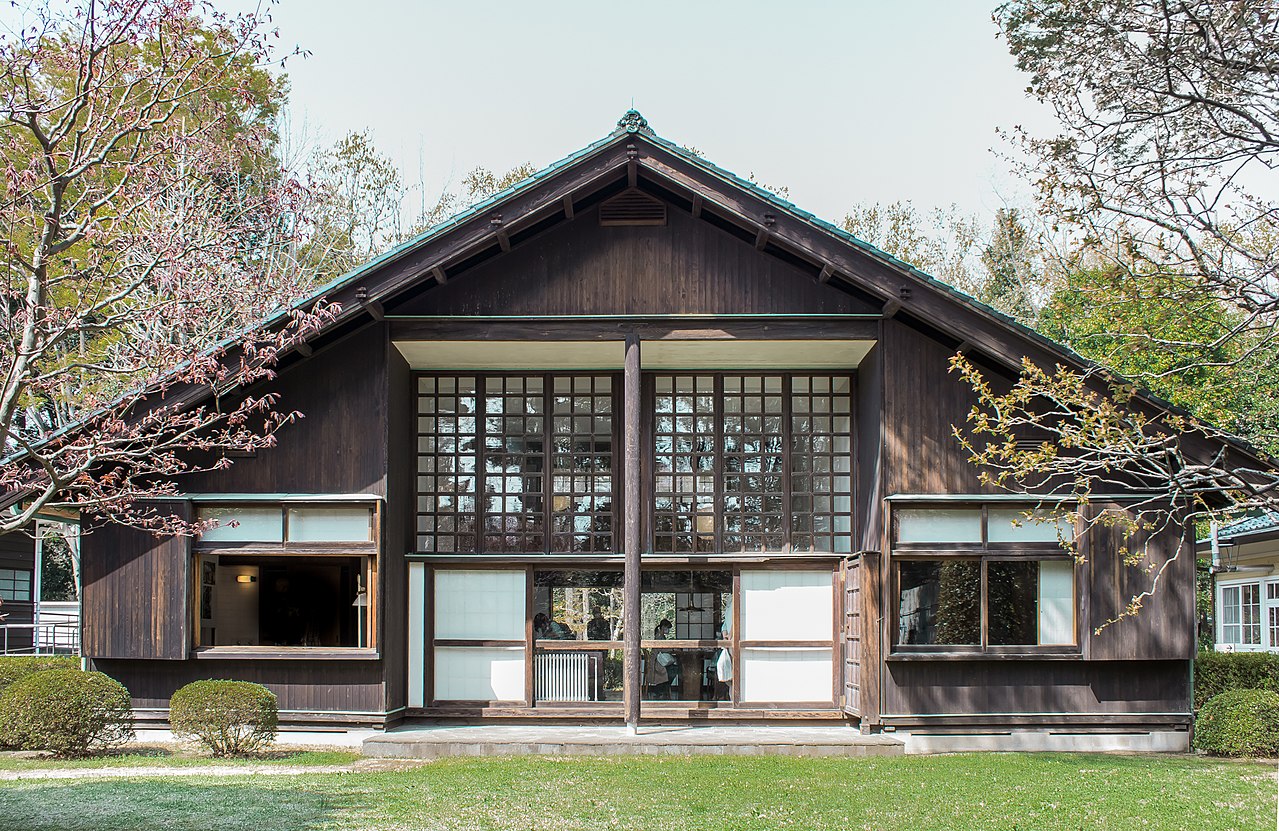
The Modernist movement began in the early 20th century, pioneered by architects such as Walter Gropius, Mies van der Rohe and Le Corbusier. Le Corbusier, who traveled extensively during his lifetime, drew inspiration from traditional Japanese homes, sukiya-zukuri. Influenced by teahouses, sukiya-zukuri typically includes modest spaces designed with natural materials such as wooden columns and earthen-plaster. Pillars support the structure of the home, which allows for sliding screen walls to filter natural light into the rooms and blurs the barrier between outdoors and in. Le Corbusier used similar designs across his work, creating a connection between Japanese and Modernist architecture that only continued to grow.
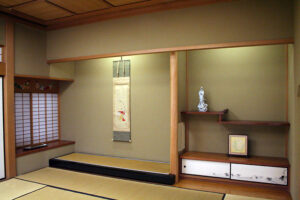
Example of sukiya-zukiri interior architectural style. Credit: Yuko M on Flickr Creative Commons CC BY-NC-SA 2.0 Deed

In the 1930s, Japanese architects such as Junzo Sakakura and Kunio Maekawa collaborated with Le Corbusier, further fusing the two styles. Sakakura eventually rose to the chief of staff of Le Corbusier’s atelier in Paris, working on projects such as the 1932 Swiss Pavilion, which included sliding windows and open space for nature to flow in and out. The progress made from these collaborations impacted both Modernism and Japanese architecture — then and now.
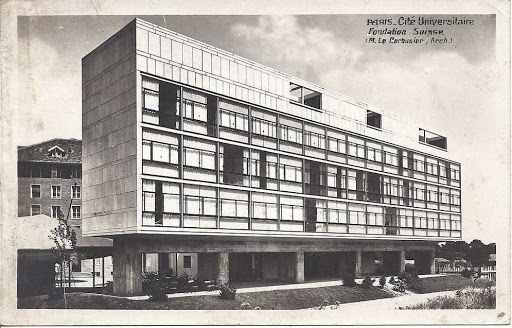
1932 Swiss Pavilion
1932 Swiss Pavilion

Influences Today

Japanese influences are apparent across many executions of Modernist design. Intentional materials (whether they consist of wood, stone or metal), open floor plans and clean, minimalist spaces are present in both practices. Green space or gardens is also a huge similarity; and one we incorporate across all of our Optima projects. Through noticing and appreciating where these styles originate, we gain a greater knowledge and understanding of the world of architecture, and architecture throughout the world.


Sculpture Spotlight: Curves and Voids

As devout fans of Modernism, at Optima we love to experiment with form and function. That’s how Optima Co-Founder David Hovey Sr. got into sculpture. Combining his love of art with his interest in materials, David Hovey Sr. began manipulating steel to create striking sculptural pieces that play complement to Optima’s architectural spaces. Today, we’re examining one of his sculptures: Curves and Voids.

Curves and Voids at DCHGlobal Whale Bay House in New Zealand.

Like all original Optima sculptures, Curves and Voids can be found across our properties in various colors and sizes, as evidenced above. But what never changes is the form of the piece: Curves and Voids plays with the expression of steel and explores ideas of its potential. This play is demonstrated in grand, sweeping curves that make up the various sculptural components. Meanwhile, voids are laser cut within the sculpture’s steel planes. These holes provide gaps and textures to contrast and juxtapose the sculpture’s curves. 

The sweeping curves of Curves and Voids play perfect complement to the stark Modernist lines in our communities. At Optima Sonoran Village’s sculpture walk, Curves and Voids stands boldly expressed in natural Cor-Ten steel. The steel’s raw coloration was chosen so as not to compete with the vibrant colors in the building’s facade and landscaping. Meanwhile, at Optima DCHGlobal’s Whale Bay House in New Zealand, Curves and Voids is supersized in the courtyard, becoming a show stopping statement piece for contemplation. 

Whether we’re experimenting with form, function, size or color — at Optima we love to playfully implement sculpture as yet another component of thoughtful design.

Women in Architecture: Eileen Gray

While women’s contributions to architecture are celebrated more than ever in modern times, these contributions have always been part of the architectural world — historically, they were just overlooked. As part of our women in architecture series, today we’re spotlighting another strong female figure in Modernism: Eileen Gray. 

Eileen Gray was born into a wealthy aristocratic family in Ireland in 1878. Her father, a landscape painter, encouraged Gray’s artistic pursuits so that in 1900, Gray left for Slade School in London to study fine arts in a bohemian, co-ed program that was quite unusual for the time. 

From connections made at Slade, Gray learned to lacquer furniture, eventually opening a studio in 1910 with Japanese craftsman Seizo Sugawara. In fact, Gray was so committed to the trade that she suffered from the so-called lacquer disease — a painful hand rash. Her hard work paid off, however, as she and Sugawara produced commissions for Paris’s wealthy elite.

Bibendum Chair, designed by Eileen Gray. Photo courtesy of EileenGrayDesigns.com

Gray’s time lacquering was cut short by World War I. However, after a brief stint driving ambulances during that period, she dove back into the world of interior design. Her most notable project included the Rue de Lota apartment and showcased some of Gray’s most iconic furniture designs, such as the Bibendum Chair (which parodied the shape of the Michelin Man) and the Pirogue Day Bed. Gray’s success led her to open her own shop in 1922, attracting high-caliber clients like Ezra Pound. During that time, she honed her style to become more streamlined and industrial, taking after Modernist inspirations like Le Corbusier.

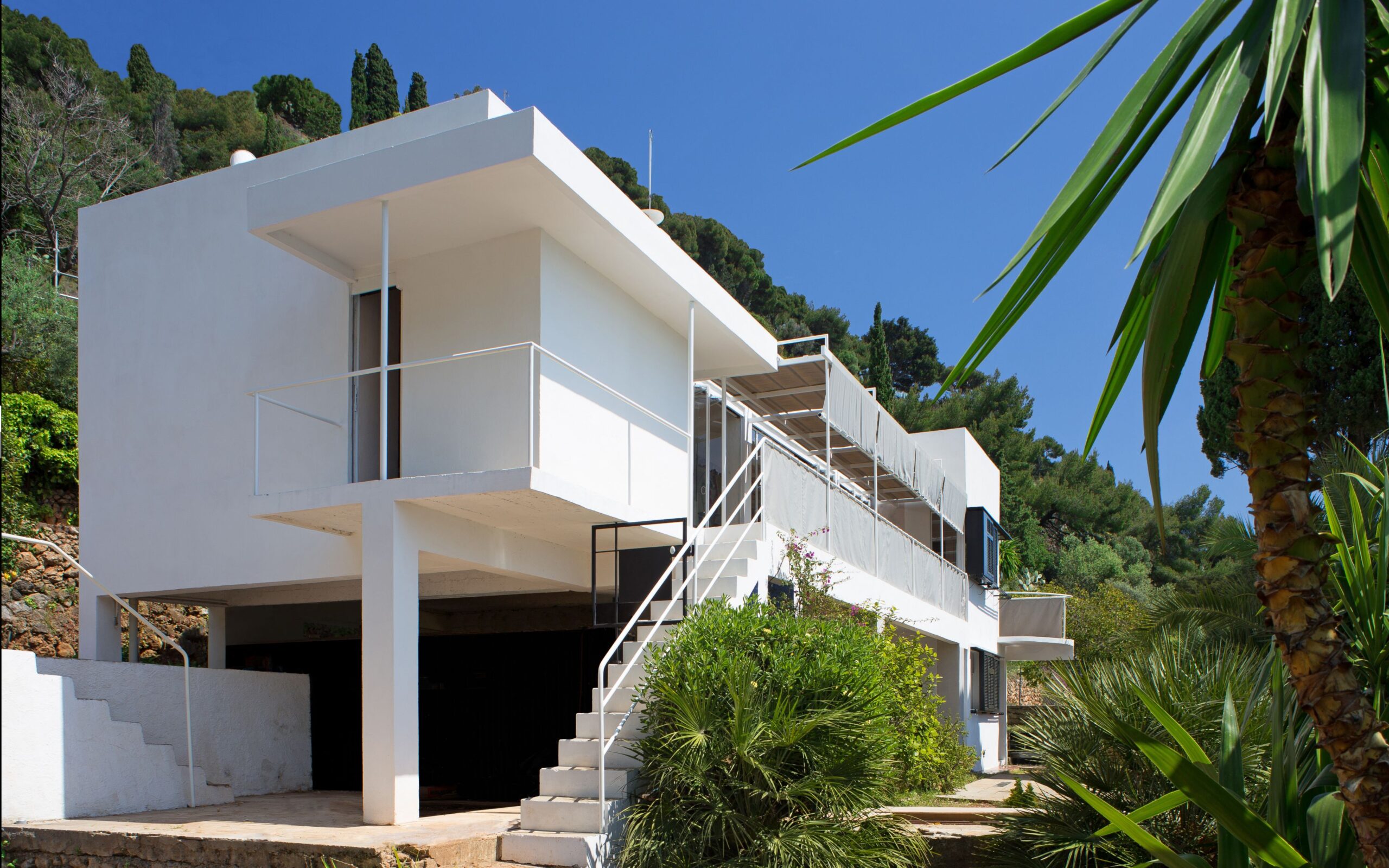
E-1027, designed by Eileen Gray in France in 1929. Photo courtesy of e1027.org

With the support of her romantic partner, architect Jean Badovici, Gray pursued architecture. And despite not having a formal education in the trade, through apprenticeship and field learning, Gray flourished. Gray’s most notable architectural project was E-1027, a cuboid structure. When Gray finished E-1027, Badovici announced the home in his magazine and claimed himself joint architect. Of the nine architectural projects she completed in her lifetime, Badovici took credit for four of them.The home attracted Le Corbusier, who stayed often and later disrespected Gray’s wishes that the home remain without decor when Corbusier painted Cubist murals of naked women on its walls. Critic Rowan Moore commented on the move by Corbusier in 2013, calling it an “act of naked phallocracy” by a man asserting “his dominion, like a urinating dog, over the territory.”

In spite of the disrespect she faced from her male counterparts, Gray stands evermore steadfast as an influential figure in Modernist history. 

Stay tuned for more features on women in architecture.

The History of Transit-Oriented Developments

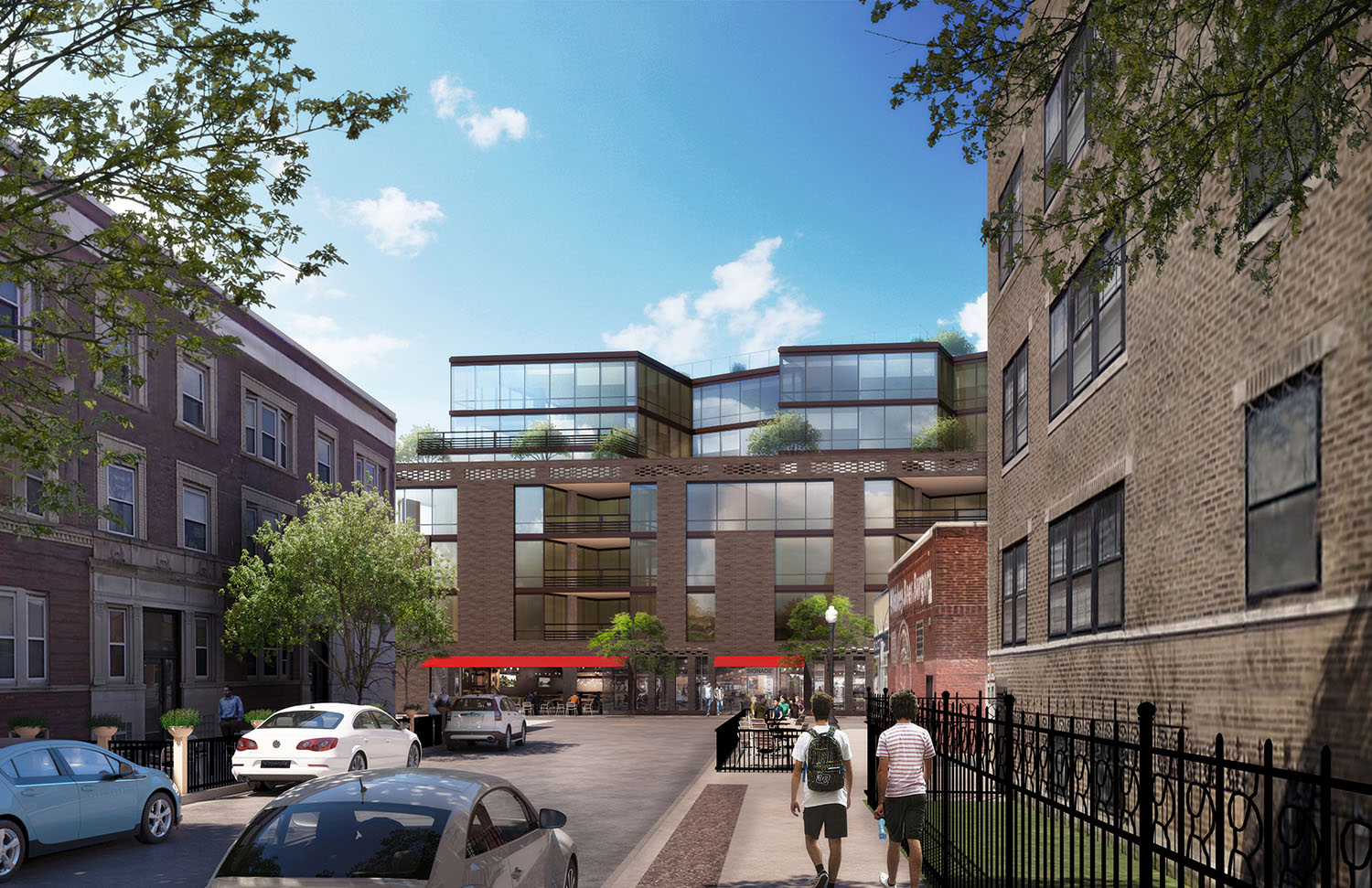
Our latest underway project, Optima Lakeview, is a transit-oriented development in the vibrant Lakeview neighborhood of Chicago. Unless you’re familiar with the world of urban planning, the term transit-oriented development may be unfamiliar to you. When it comes to city design, transit-oriented development is a type of urban development that maximizes the amount of residential, business and leisure space within walking distance of public transport, including buses, trains or subways. Today, we’re taking a closer look at the history of transit-oriented developments within the United States, and how they’ve impacted cities across the country.

A Brief History

Although the concept of transit-oriented development (or TOD) wasn’t officially named until the 1990s, the pieces existed long before. After WWII, the mass production of automobiles allowed more people to move to the suburbs, and also created highly congested cities and roads. City planners and officials called for mass-transit use in urban areas, and federal funding was allocated to cities in need of new systems. New hubs of public transit were followed by housing and businesses, which helped create concentrated communities that benefited from the walkability. As urban planning grew and expanded as a practice, the term transit-oriented development was coined, and many cities and industry professionals have since spent time, resources and research to pinpoint how TODs lead to vibrant communities. 

The Impact of Transit-Oriented Developments

As an initial response to the increase in vehicles going in and out of cities, TODs have successfully reduced congestion in cities, and reaped the environmental benefits. With more commuters and residents taking trains, TODs create a sustainable alternative to getting around. Less cars create a walkable, pedestrian-friendly environment, creating options for healthier lifestyles. And with more foot traffic, local businesses have a greater chance of thriving. 

Residential buildings play a huge part in creating transit-oriented communities. As a transit-oriented development, Optima Lakeview combines residential, commercial retail and leisure space, all within walking distance of an abundance of public transportation options. We’re thrilled to be part of the Lakeview community and to create a place where our residents can live, work and play. 

Chicago Skyscraper History: Home Insurance Building

Chicago boasts many historical architectural feats — it was the host of the World’s Columbian Exposition in 1893 and the playground of greats including Frank Lloyd Wright and Louis Sullivan. But did you know Chicago was also home to the world’s first ever skyscraper? Today we’re taking a look at the historic Home Insurance Building and how it came to be.

How the World’s First Skyscraper Came to Be

The Great Fire ravaged Chicago in 1871. But it was a devastation that gave way to the opportunity to rebuild anew. As the city looked to rebuild, architects pondered what the next generation of urban structures looked like. With commerce and industry downtown exploding exponentially, these structures had to accommodate more residential space and more office space — leading to verticality as a solution. And with the Great Fire as their lesson, architects also knew these structures had to be much more durable than those that had been so easily destroyed.

Luckily, two pivotal inventions from the mid-19th century made the introduction of soaring steel-framed buildings possible. The first was the safety elevator pioneered by Elisha Otis in 1854, which allowed for the safe transport of elevator passengers. While the top floor of buildings had once been inaccessible and undesirable, the elevator changed that forever. Meanwhile, the Bessemer Converter of 1856 allowed for widespread, large-scale commercial production of steel. 

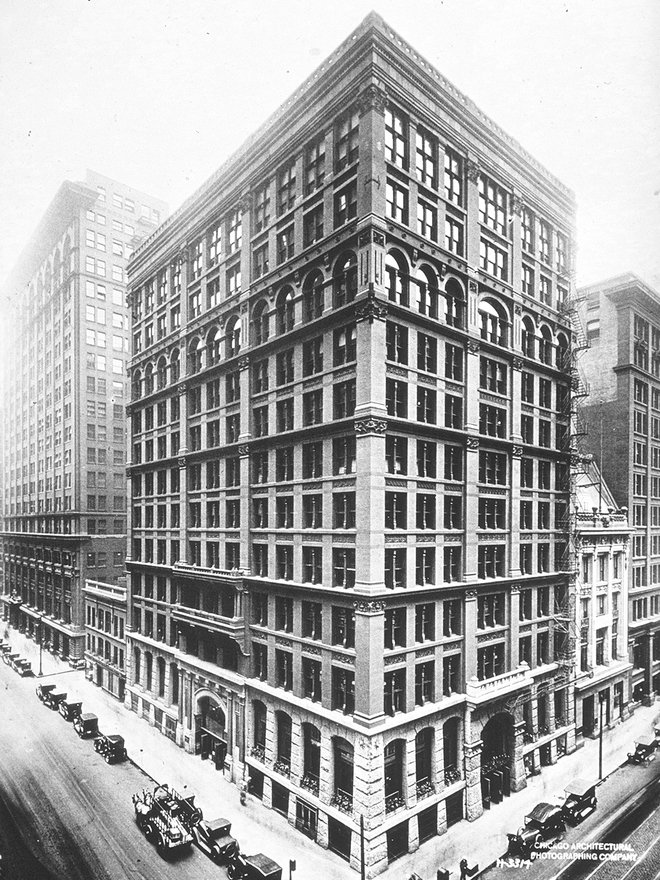
The culmination of these factors led to the world’s first skyscraper in 1885: the Home Insurance Building, a ten-story, steel-frame fireproof building in downtown Chicago.

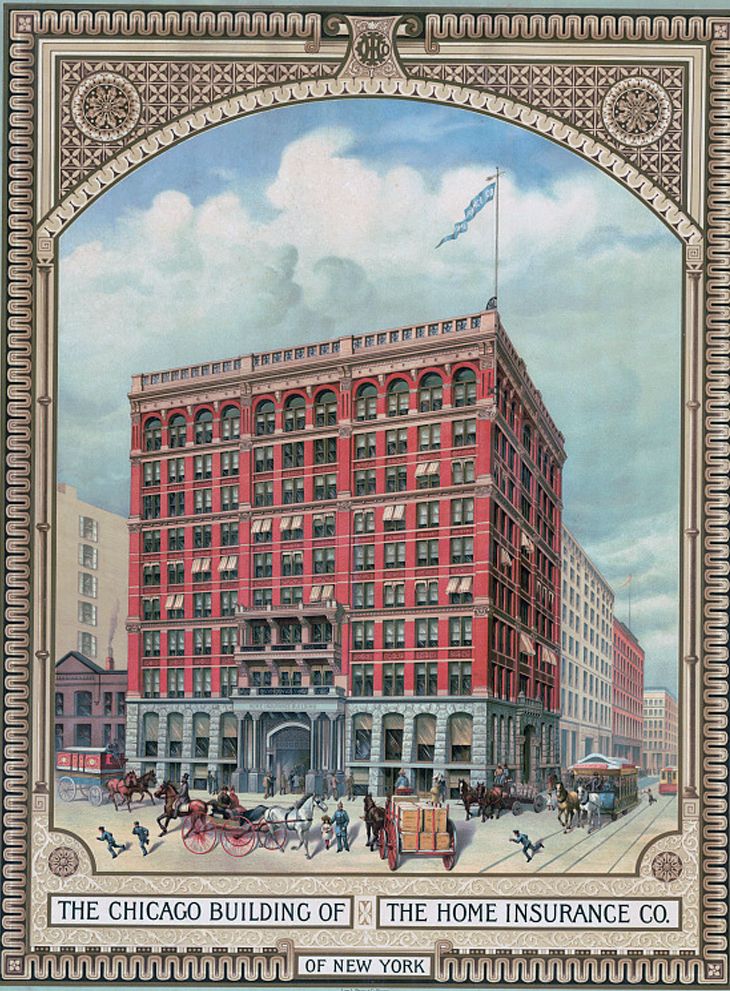
Home Insurance Building, 1885, Published by Sprang Printing, Boston
Home Insurance Building, 1885, Published by Sprang Printing, Boston.

A Closer Look at the Home Insurance Building

The Home Insurance Building, designed by William Le Baron Jenney, was located at the corner of Adam and LaSalle Street. It earned the title of the world’s first skyscraper thanks to the combination of its height and its revolutionary steel frame. The frame was composed of wrought and cast iron alongside Bessemer rolled steel beams, leading the building to weigh in at a third of the mass of traditional masonry buildings of the time. 

While two additional stories were added to the Home Insurance Building in 1890, it was eventually demolished in 1931 to make way for the Field Building, now known as the LaSalle Bank Building. Despite the building being gone today, it has forever left its mark on Chicago’s skyscraper history.

Women in Architecture Part I

While conversations about the architectural greats center around figures such as Ludwig Mies van der Rohe and Frank Lloyd Wright, there are countless powerful women whose names are left out. At Optima, we’ve celebrated the contributions of everyone from Charlotte Perriand to Ray Eames — and today, we’re spotlighting a few more women in architecture you should know.

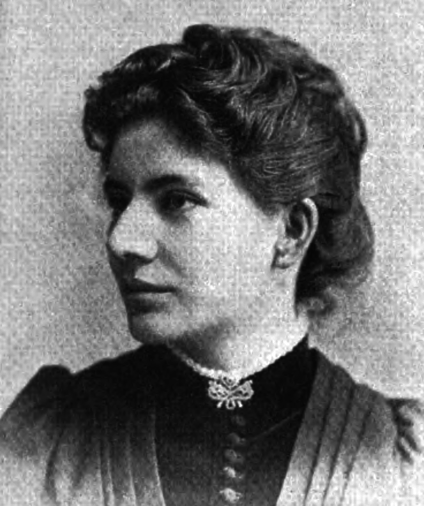
Sophia Hayden

Sophia Hayden was born in Santiago, Chile in 1868 and moved to Boston at age six. Hayden discovered her interest in architecture during high school and went on to be the first female graduate of the four-year program in architecture at the Massachusetts Institute of Technology (MIT). She graduated in 1890 with honors. After college, Hayden initially struggled to find work in the male-dominated world of architecture and settled for a position as a mechanical drawing instructor at a local high school.

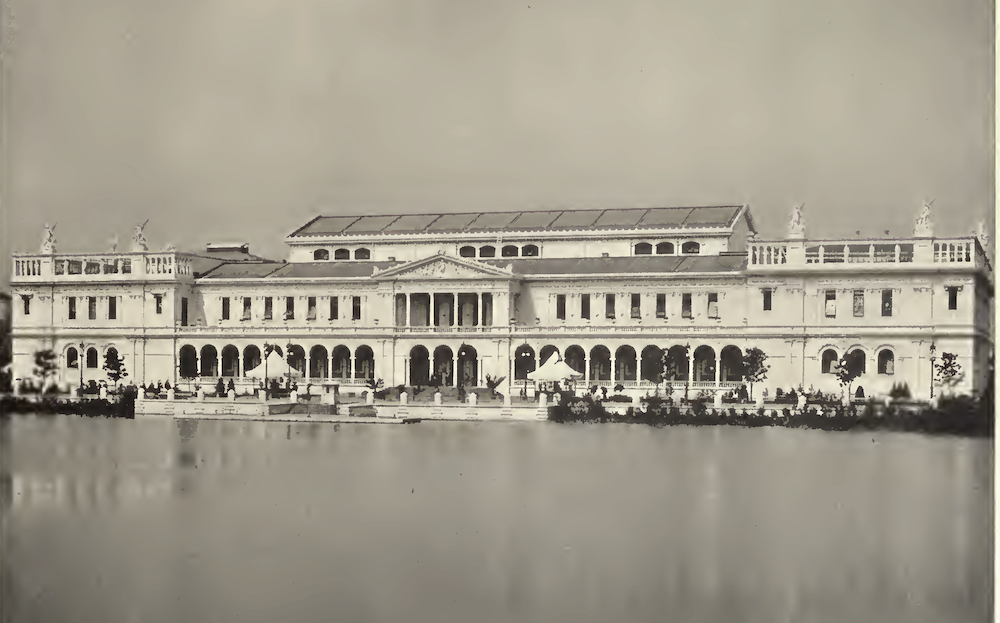
Only a year later, at just 21, Hayden jumped at the opportunity to enter her design in a competition for the Women’s Building at Daniel Burnham’s 1893 World Columbian Exposition in Chicago. Her design won the competition and Hayden was awarded $1,000, a tenth of what male architects earned for similar buildings.

Women’s building, 1893 World Columbian Exposition in Chicago.

During construction, Hayden was micromanaged incessantly and had to make many compromises on her design. The stress of the situation led Hayden to a breakdown and she was placed in a sanitarium for an “extended period of rest.” After the incident, Hayden retired from architecture permanently. Her treatment and diagnosis of hysteria have much to tell us about the challenges women in architecture faced during this time.

Marion Mahony Griffin
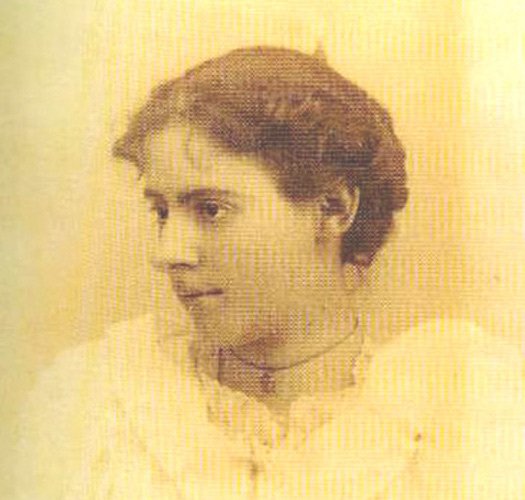
Marion Mahony Griffin, photo courtesy of Places Journal

Marion Mahony Griffin

Marion Mahony Griffin was born in 1871 in Chicago, and at nine her family migrated to the suburb of Winnetka after the Great Chicago Fire. Watching a landscape consumed by growing suburban sprawl developed Mahony’s interest in architecture. She went on to graduate from MIT in 1894, becoming the second woman to do so after Hayden.

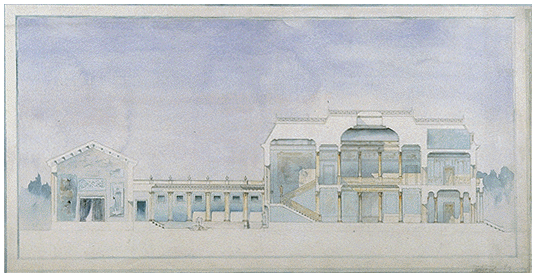
Artist's Studio (Section). Watercolour and ink by Marion Griffin 1894.
Artist’s Studio (Section). Watercolour and ink by Marion Griffin 1894.

After college, Mahony moved back to Chicago and became the first woman licensed to practice architecture in Illinois. She found work at her cousin’s architecture firm downtown alongside Frank Lloyd Wright. There, she created beautiful watercolor renderings of buildings and landscapes — a signature style which would later be attributed to Frank Lloyd Wright. Mahony worked alongside Wright for fifteen years, contributing greatly to his reputation and success to little recognition. She was also an original member of the Prairie School of architecture.

Fair Lane, Henry Ford’s Dearborn mansion, 1913-1915

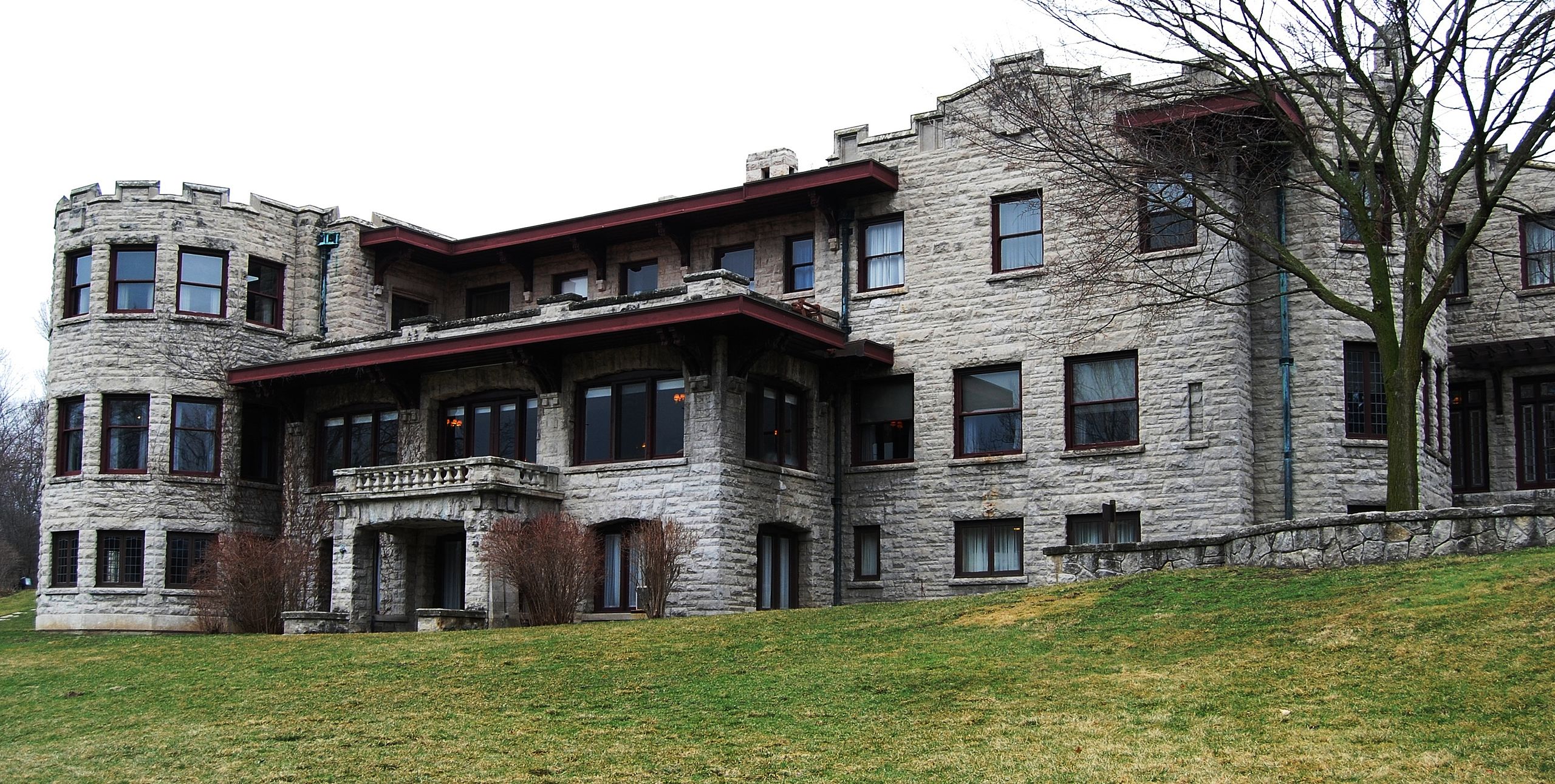
When Wright eloped to Europe, he offered Mahony his studio’s remaining commissions, but she declined. Mahony is even rumored to have said Wright’s habit of taking credit for things, including the Prairie School movement, are what led to the movement’s early death. Later in life, Mahony collaborated with ex-Wright employee, Prairie School member and her husband, Walter Burley Griffin. Throughout her career, Mahony brought to fruition many notable projects, including Henry Ford’s Dearborn mansion and the Gerald Mahony Residence in Elkhart, Indiana.

Stay tuned for more features on women in architecture.

The Architecture of Bertrand Goldberg

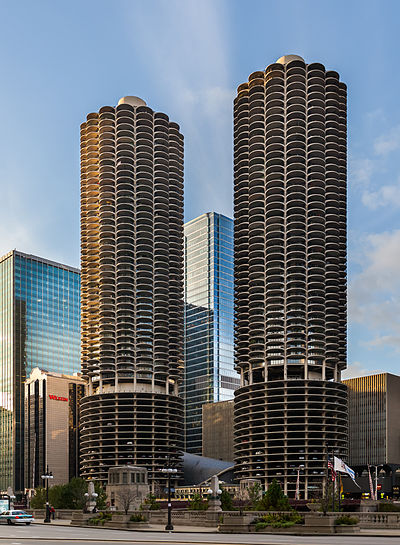
Chicago is home to a vast array of architectural diversity, from Modernism to Prairie School and beyond. Although no two city skyscrapers are the same, Marina City is one building that particularly stands out. Built by American architect Bertrand Goldberg, the industrial series of towers represent his unique mark on Chicago architecture. Today, we’re taking a closer look at Goldberg’s life and work.

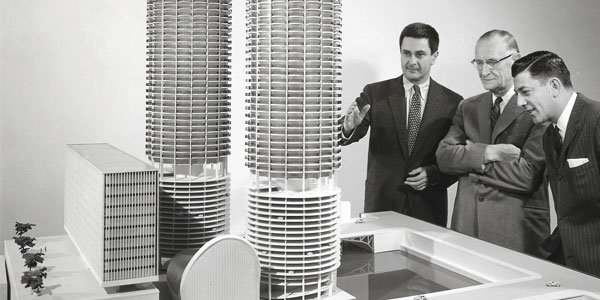
Bertrand Goldberg presenting a model of Marina City; photo courtesy of BertrandGoldberg.org

Early Life and Architectural Beginnings

Born local to Chicago in 1913, Bertrand Goldberg left the US for Germany at the ripe young age of eighteen in 1932. There, he studied at the Bauhaus and worked at the small architectural office of Bauhaus director Ludwig Mies van der Rohe. Like many others studying and working in Germany during that period, Goldberg eventually had to flee the country under mounting political pressure and civil unrest. After a brief stint in Paris, Goldberg returned to his hometown in Chicago to continue his career.

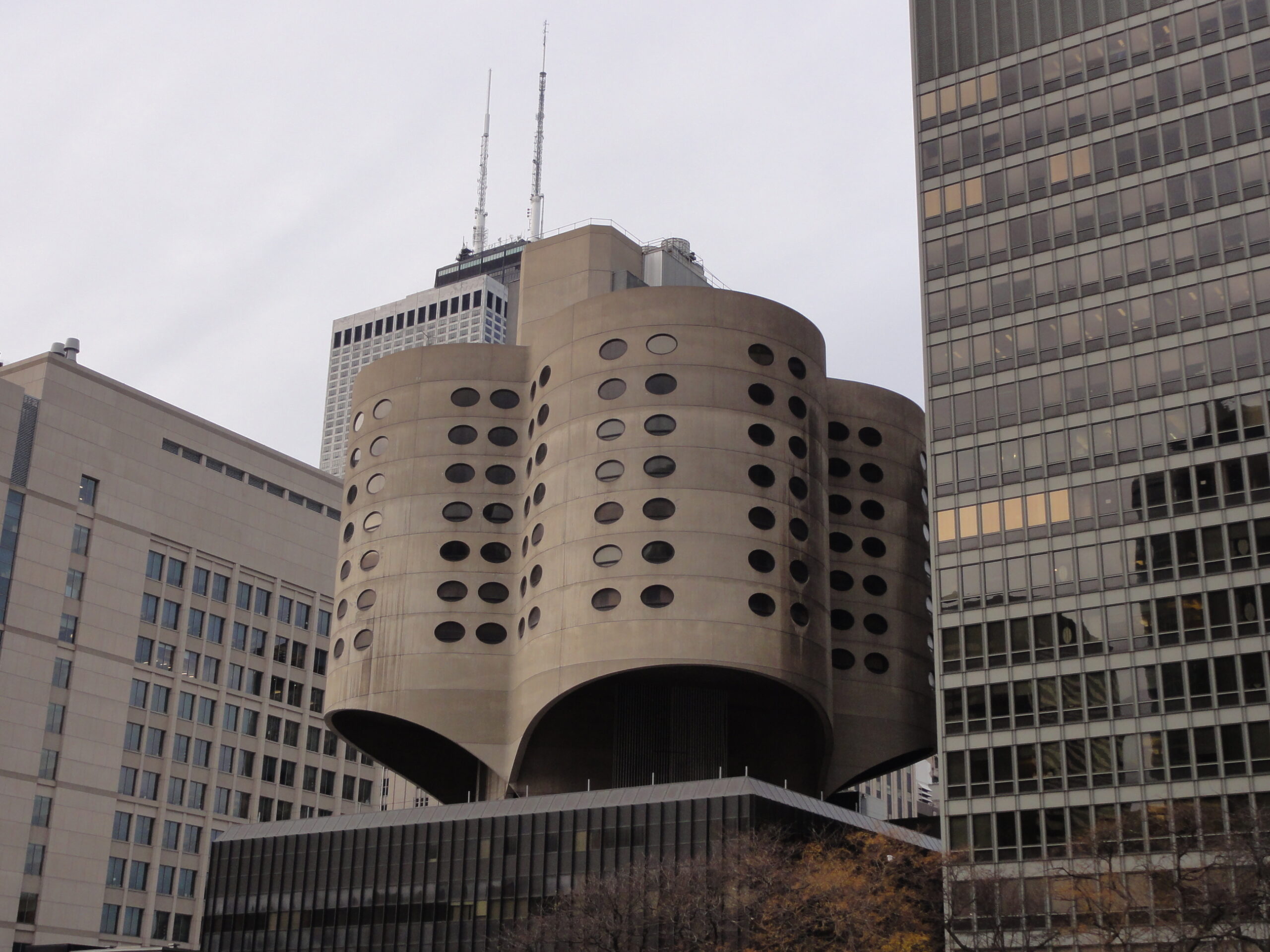
Prentice Women’s Hospital, designed by Bertrand Goldberg, in Chicago, IL

The Work of Bertrand Golberg

At only 23 years old, Goldberg opened his own architectural office in Chicago. He was most known for his innovative structural solutions to complex problems, with commissions that included designing an easily transportable structure for the North Pole chain of ice cream shops as well as many prefabricated projects and mobile vaccine laboratories for the US government. 

His work was always experimental, testing out ways to create unconventional forms through extremely conventional and mundane materials. His most popular project is Marina City, often referred to as the “corn cobs,” which stand out in sharp relief against the Chicago riverfront. 

Marina City is a mixed-use complex of five concrete towers, built in 1961-1964, that has continued to change and evolve over time. Goldberg’s original plan was complete with an office building, theater, public pedestrian plaza, an active rail line, a marina, an ice skating rink and a bowling alley. Though the rail line and skating rink are no longer standing, the theater remains, converted in the Chicago House of Blues venue.

The success and critical acclaim of Marina City inspired many of Golberg’s later structures, including River City in Chicago and several hospital structures across the country. Though Goldberg died in Chicago in 1977, he has built a lasting legacy and forever left his mark on the Chicago skyline.

Your Guide to Golfing Inside

With the winter months officially here, many of us are having to go without our favorite outdoor activities and sports. However, for residents at many of our Optima buildings, golfing year-round, rain or shine, is still a possibility. For avid golfers who want to keep up their game at all times, we present your guide to golfing inside:

The first golf simulators appeared in the early 1970s, developed from placing computerized sensors at different points on a net. This method only allowed players to practice their swings and offered no way to gauge distance or accuracy. Thankfully, technology has allowed for golf simulators to expand and advance over the years. Now, you can play a full round of golf with different clubs for a more well-rounded practice, and enjoy putting on some of the world’s best golf courses right from the comfort of home.

Whether you’re a seasoned golfer or a newbie, indoor golfing has a few perks that even real golf can’t beat. The first — and most obvious — being that you can play any time and in any weather condition. Playing via simulator also requires significantly less time, and there’s no commitment to play through an entire round. For anyone working from home, that means an easy golf break during lunch, or a quick way to reap some of the health benefits from the sport. Of course, improving your game is a huge benefit. Simulators provide instant feedback for each shot, so you can adjust as you go. By the time the weather warms up again, you’ll be a new player. 

Golfing Simulator on the 7th floor amenity space at Optima Signature
Golf Simulator on the 7th floor amenity space at Optima Signature

For residents across our Optima Kierland community, golf simulators are integrated at our residents-only clubs on our extensive amenity floors. At Optima Signature, a golf simulator and putting green ensure that residents can practice both their long and short game. We know how important wellness and recreation are to our communities, and we hope our amenity levels — including our golf simulators — help residents stay healthy year-round! 

Modern vs. Contemporary Architecture

Whether it’s in reference to decor or design, the terms modern and contemporary are often used interchangeably. While this detail may be easily overlooked, the difference between the two styles is notable, especially in the world of architecture. Today, we’ll break down the distinction between modern vs contemporary architecture, and why it matters.

Simply put, contemporary design refers to styles relevant in the present moment, whereas Modernism refers to a style defined in the past. As we’ve covered in previous posts, Modernism has an expansive history, which was most notably defined between 1900 and 1960. Contemporary design can change based on what’s currently trending, and often changes based on widespread taste. Modernism remains defined by traditions and practices from the original Modernist movement.

So why do these two styles often get confused? Firstly, Modernism is a timeless style that often translates as contemporary because even after almost a century, its elements are still beautiful. It’s why our own use of materials, natural light and structure have stood the test of time at Optima. Secondly, current contemporary design does share some similarities to Modernism. Glass and metal materials, floor-to-ceiling windows and minimal color palettes are all popular architectural details right now. Even curated residential green space, a signature Modernist feature in our projects for decades, are trending with the house plant craze. With contemporary architecture and design borrowing elements from Modernism, it makes sense that they often get swapped out for each other. 

If you want to learn how to spot the difference, it’s worth studying Modernism first so you know what to look for in true Modernt pieces and buildings (our own blog is a great resource for that). Some things to look for: open floor plans, asymmetry, large panels of windows or glass walls, lack of ornamentation and highly functional spaces. Function over form was the mantra of Modernism, and it still informs Modernist interpretations now. If the building or space includes anything trendy or cutting-edge for the year —  like some of Architectural Digest’s 11 Most Anticipated Buildings of 2020 — it’s probably more appropriately categorized as contemporary. 

Although the two styles are similar, there’s no replicating the impact and legacy of Modern architecture. Our love for Modernism inspires us to recognize and appreciate it when we see it, and we hope our readers share the sentiment.

2020: A Year in Review

As 2020 comes to a close, we’re taking this moment to reflect and look back on all that’s happened through this unexpected, unprecedented year. From our team, to our projects to Optima as a whole, we’ve learned, grown and thrived. Here are just a few of the highlights:

7180 Optima Kierland, winner of the Outstanding Property Award London for Winner in Architectural Design, surpassed its 85% sold milestone.

Projects and Properties

This was a big year of growth for us with many exciting projects. In Arizona, we launched the lease-up of the new 7140 tower at Optima Kierland Apartments, the second apartment tower within the Optima Kierland development. Also within Optima Kierland, 7180 Optima Kierland surpassed its 85% sold milestone.

And in Chicago, our portfolio expanded with the groundbreaking of Optima Lakeview and the approval of Optima Wilmette, two projects we look forward to making future strides with in the coming year. 

Awards

We were honored to win thirteen awards this year. Our architecture and design were acknowledged with the AIA Chicago Design Excellence Awards for Distinguished Building (Whale Bay House) and the Outstanding Property Award London for Winner in Architectural Design four times over (Whale Bay House, Arizona Courtyard House, 7180 Optima Kierland and Optima Sonoran Village).

Our property management team was recognized with the Best Community & Management Team Tribute Award by the Arizona Multihousing Association.

Meanwhile, our corporate culture was acknowledged with the award for Crain’s Chicago Business Best Places to Work 2020, and AZCentral Top Companies 2020.

To see the full 2020 lineup, visit our awards page.  

Culture

Throughout the year, we rallied to keep our culture thriving and to ensure our team stayed more connected than ever. We launched our Be Well | Work Well initiative, made up of the Be Well | Work Well Newsletter and new Wellness page within our company intranet , focused on keeping our team well: mentally, emotionally, socially and physically.

Two kids pose with their jack-o-lanterns

We created a new normal and found ways to have fun together, even while apart, through virtual trivia, virtual happy hours supplying cocktail kits and our dueling pianos virtual holiday party. We brought families into the fun, too, with our innovative “Optima Community Garden,” sending seed packages for team members to plant in their home gardens, and with our pumpkin carving contests, sending supplies and holding voting to determine a winner. 

We can’t thank our leadership, team members and communities enough for rising to the occasion and making this year special. Going into 2021, we’re excited to continue innovating, growing and achieving together.

person name goes here

Maintenance Supervisor

Glencoe, IL


    Acceptable file types: *.pdf | *.txt | *.doc, max-size: 2Mb