News Briefs: Egg Harbor opens in Wilmette; Halloween event gets even bigger; Taste of Ravinia blends food with music

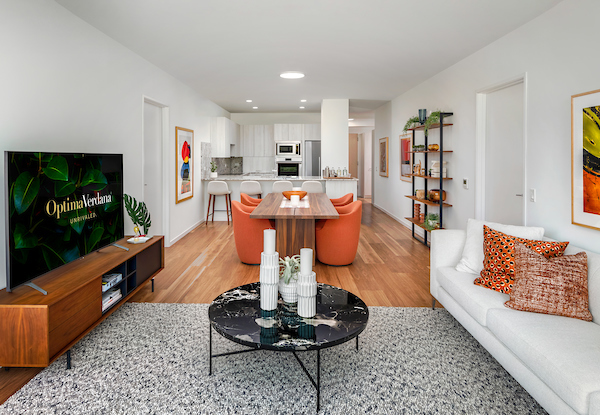
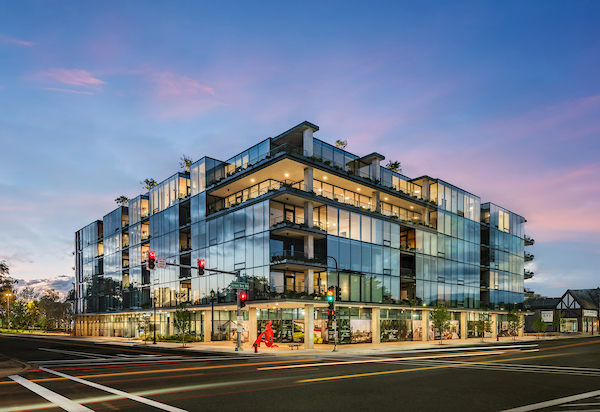
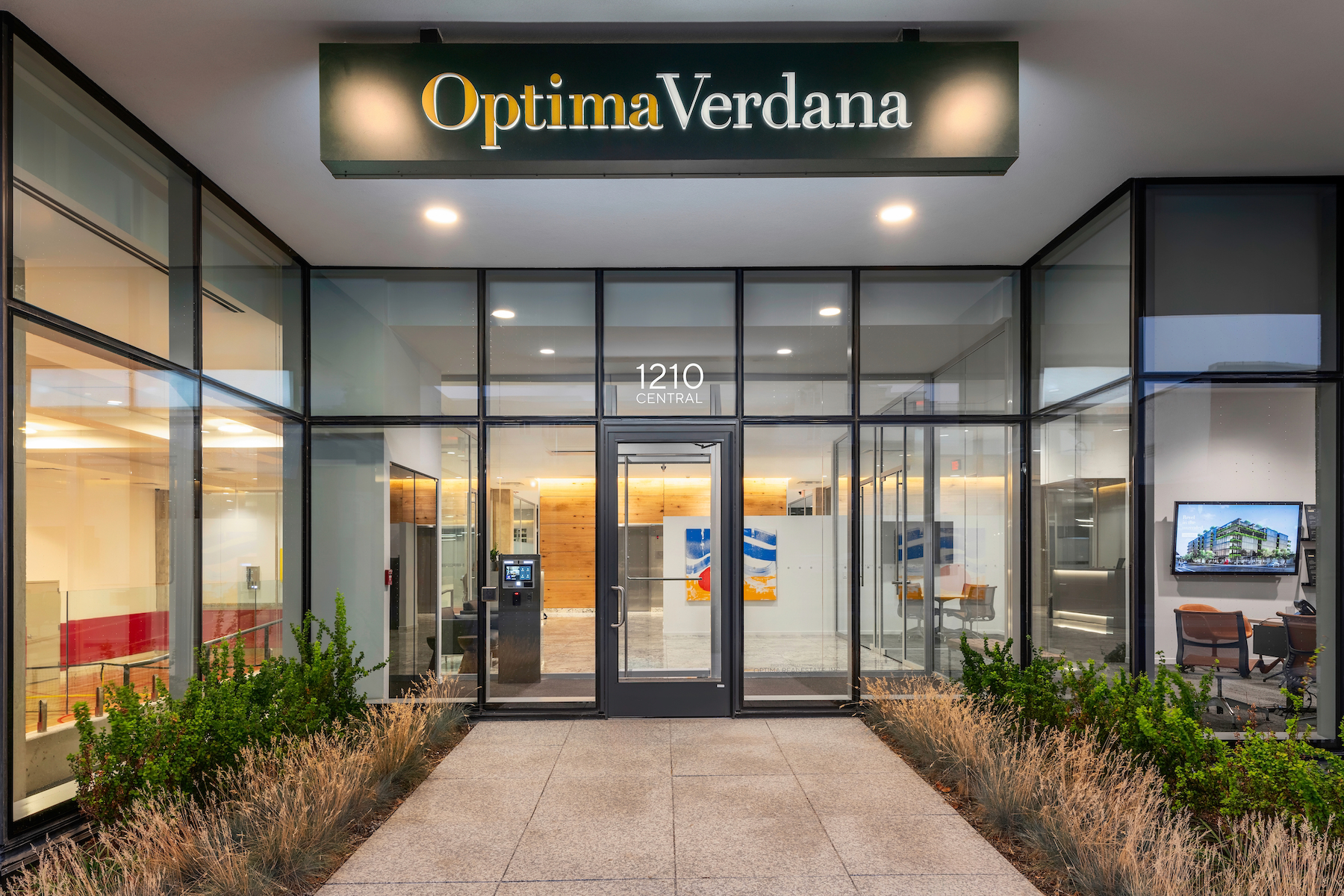
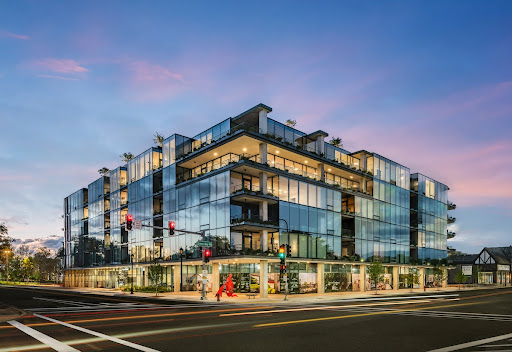
Wilmette’s Egg Harbor Cafe is now open at 707 Green Bay Road in a street-level space of Optima Verdana, a six-story, 100-unit apartment building on the northwest corner of Green Bay and Central Avenue.

The company’s 19th Illinois location, Egg Harbor Wilmette is open 7 a.m.-2 p.m. daily.

Egg Harbor’s first location opened in 1985 in Hinsdale, and now Egg Harbor has restaurants in three states (Lake Geneva, Wisconsin, and six in Georgia). Glenview, Lake Forest and Evanston are home to Egg Harbor restaurants in the area, and there is a location in an Optima building in the Streeterville neighborhood of Chicago.

An Egg Harbor menu is packed with Midwest favorites, such as skillets, omelets, pancakes and waffles, and more for breakfast. A full-service lunch is also offered, primarily sandwiches and salads.

In the downtown Wilmette area, Egg Harbor will be the third breakfast location, joining Hotcakes on Wilmette Avenue and EvaDean’s on Central Avenue. Beloved morning spot Walker Bros. Original Pancake House is just down the street on Green Bay Road, while Central Station Coffee and Tea is also in downtown Wilmette.


Read more on The Record North Shore

Visit Optima Verdana for more details

Optima Wilmette Development Receives Final Approval From Trustees

Construction on the 109-unit luxury apartment building is expected to be complete in mid-2023.

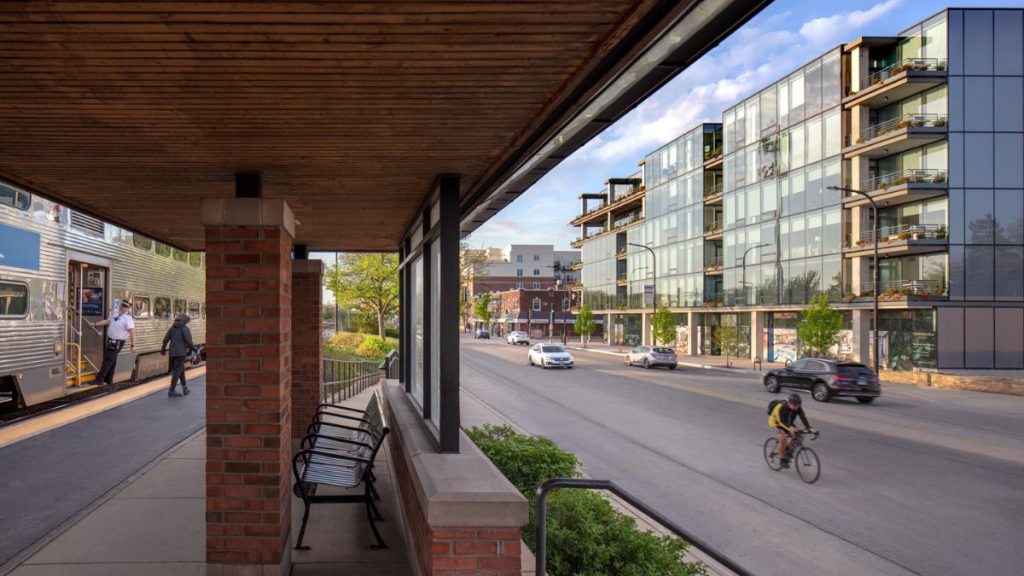
Village trustees unanimously approved final plans for a seven-story mixed-use development at the northwest corner of Central Avenue and Green Bay Road. The current site of an International Bank of Chicago branch is located across the street from the downtown Wilmette train station.

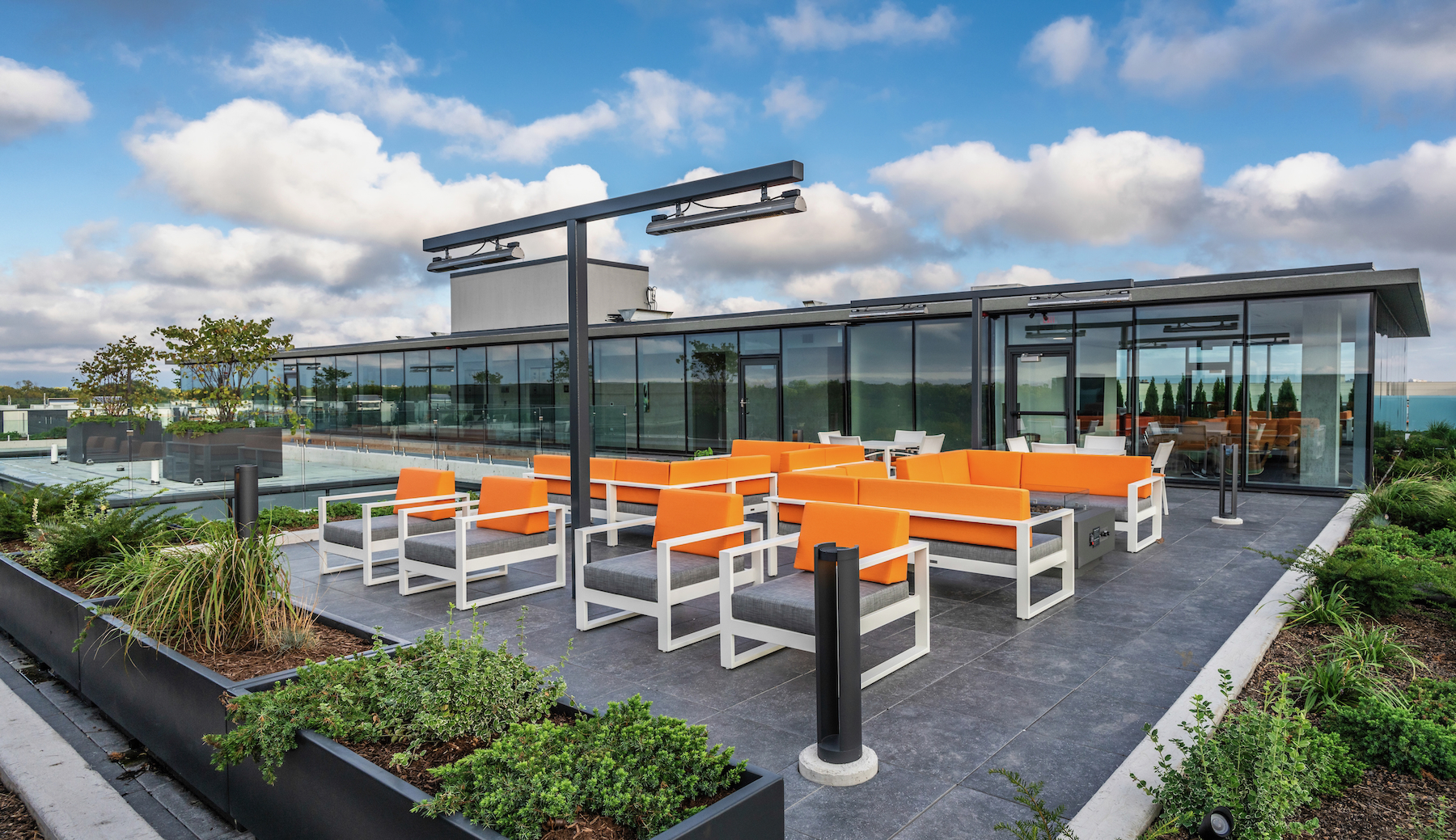
Set to include 109 luxury apartment units and 8,000 square feet of ground floor retail space, developer Optima Inc. received final approval last month to build a planned unit development at 1210 Central Ave., less than a year after filing a preliminary application. All but nine of the apartments will be located above the ground floor, while the top floor will include a roof deck and garden.

Optima CEO David Hovey, the project’s architect, contractor and developer, said he was excited to develop another project on Chicago’s North Shore.

“As with each project we design and build, we’re very careful to ensure the buildings respect their environment and have a positive impact on the surrounding neighborhood,” Hovey said in a statement.

“This development will be no different, as not only will it deliver the size of homes and amenities residents in Wilmette want, but the exterior design will feature our signature vertical landscaping system and public art component that will enhance the downtown community’s energy and aesthetic.”

Hovey’s Glencoe-based firm has built 1618 Sheridan Road in 1991, Optima Center Wilmette at 1100 Central Ave. in 1997 and Lake Courts at 1925 Lake Ave. in 1998. In 2010, Optima completed the 20-story Old Orchard Woods condominium towers overlooking the Edens Expressway and the Harms Woods Forest Preserve. According to the firm, it has completed 20 projects on the North Shore over the past four decades.

The latest Wilmette proposal first came before the village’s planning commissioners, who voted 5-2 on Feb. 4 to recommend trustees reject the project. The project was then revised with increased setbacks and added public benefits, and on March 10 the village board voted 5-2 to grant preliminary approval to the proposal. Ordinances clearing the way for the project were granted final approval unanimously at the Oct. 27 meeting of the Village Board.

Read the full feature on Patch

Personalization: How Residents Want to Customize Their Units

These days, everyone seems to want everything their way, whether it’s how they order their coffee, what ingredients they put in their meals, how they mix clothing items and even the way they choose to interact with rental housing industry professionals—by phone, email, text or in-person.

The bottom line is that individuality reigns, which certainly includes how renters want their residences to look, even if it’s an apartment where they may stay just a year or two.

But how do apartment owners and property managers deal with this rising wave of personalization and increased requests, both for the units as well as shared amenity spaces? David Hovey Jr., AIA, President and COO of Optima Inc., which manages 2,500 units across two states, says his company has developed a flexible response as it experiences the rise, in part because many of its residents previously owned large single-family houses where they had unlimited freedom to make changes.

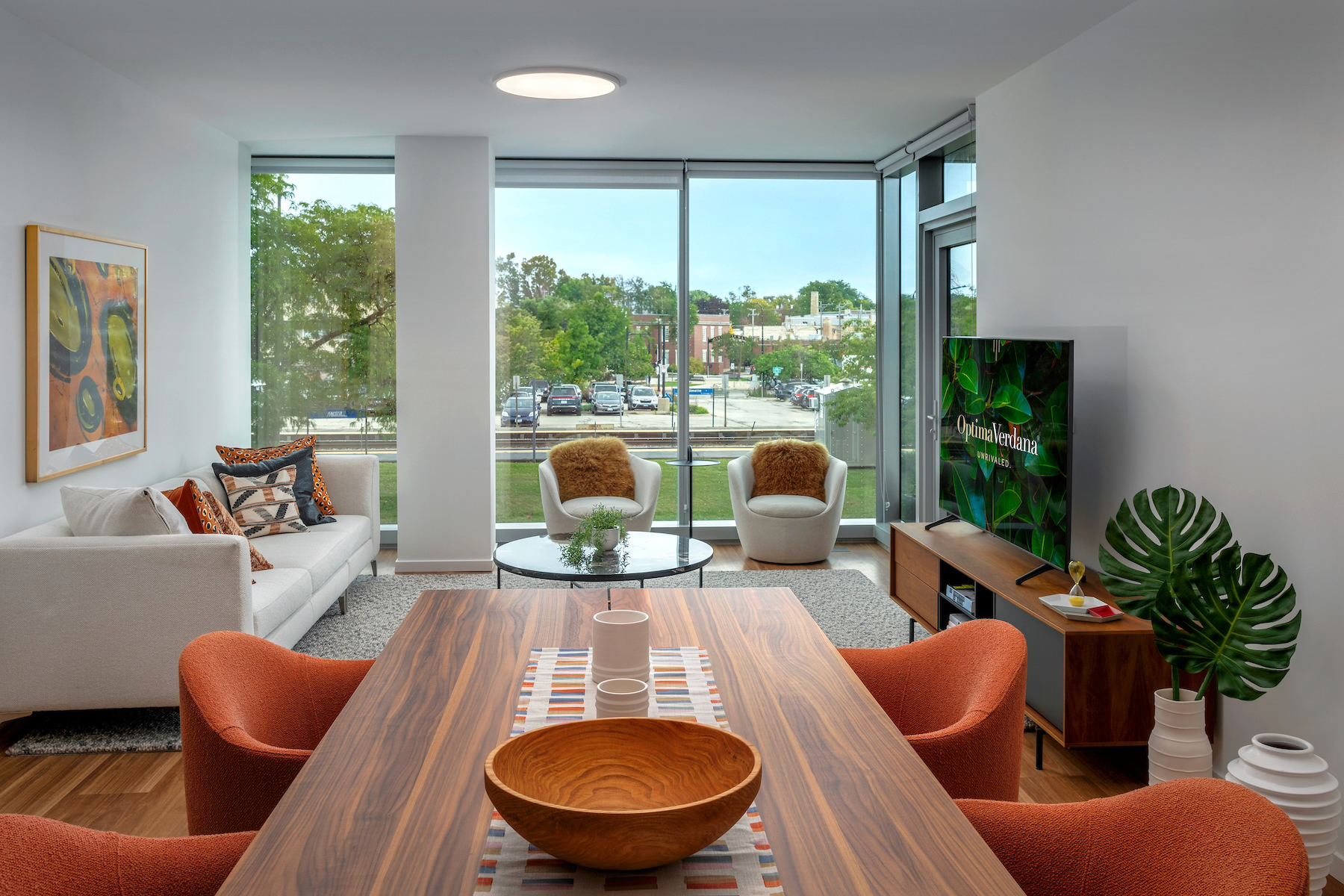
Among the most frequent requests Optima management hears at its Optima Lakeview Chicago building are for more novel paint colors. At its Optima Verdana building in downtown suburban Wilmette, outside Chicago, several residents have asked to install their own light fixtures, draperies and further customize the built-in closet system. The building often approves such requests, saying that this type of flexibility boosts the appeal of renting at its properties and smooths the transition for those new to renting after homeownership.

But the company still requires that residents adhere to certain guidelines regarding the permanence of such features, Hovey says. As a general rule, Optima residents must return their apartments to the original state when they move out so subsequent residents are not left to reverse alterations; exceptions occur. While a paint color must be changed back, upgrades to a closet, for example, may be allowed to stay if the resident utilizes the same high-end closet system in keeping with the original design intent.

Yet, some renters are so keen on customization that they decide to take a wait-and-see attitude about how they’ll handle the changes they make, especially if they think they may not leave. Case in point are Sandra Gordon and husband David Leibowitz, who moved into a three-bedroom rental at Optima Lakeview not knowing if it would be temporary or permanent when their nearby condo had structural problems. “I had owned homes my entire life and the rental was a new experience,” she says. As time went on and Gordon found that anything that needed fixing was done fast, she and her husband decided to stay. They also liked the diversity of other residents, especially the presence of younger Millennials, their new East Lakeview neighborhood, all the social activities management offered and shared amenities including a well-equipped gym and business center where Leibowitz could meet with clients rather than in his home office.

The couple was less excited initially about the original appearance of their unit as a “plain white box,” as Gordon describes it, and decided to add their imprint in the form of a custom mural they had painted on a large barn door near the entryway. “The apartment was so white when you walked in, so we hired a graffiti artist to paint a mural of our dog Zoe, which added personality to the unit,” Gordon says. The couple expects the building will paint over it when they leave and charge them or if the mural can’t be covered over, they’ll pay for another door. They also added grab bars for safety in bathrooms and brought in a high-end toilet with heated seat, which they’ll take with them if they move. However, for now, they have no plans to leave their rental lifestyle.

How much some managers charge occupants to return apartments to their original condition or if they let some changes remain depends on what was done and demand for the unit, says Jeff Klotz, owner of Atlantic Beach, Fla.-based The Klotz Group of Companies, LLC, which manages 15,000 units in seven states. His firm tries to offer some flexibility by giving renters options when they first rent such as different wood plank flooring and carpeting, ceiling fans, a palette of “acceptable” paint colors, a few accent wall coverings and smart features beyond the basic package of a door lock and thermostat such as speakers, appliances, light controls and alarms. Such changes add a monthly extra cost that may range from $50 to $100 a month, Klotz says. However, sometimes there may be no charge as a way to close a deal, he says.

When any of these requests are made, his company insists on making them to be sure the work is properly done. If rules are broken—residents do their own DIY work, for example, typically they’ll forfeit their security deposit. But when residents leave, some changes—if done well—may be left intact and built into the rent of the next resident, Klotz says. “For example—all closet systems add value and remain as a future upgrade, along with other upgrades in flooring, air quality and home automation and create future upgrade charges,” he says. Yet, despite the greater interest in personalized changes, the number of requests remains small, numbering about 10% to 20% of its population, Klotz says.

Chicago-based Draper and Kramer, which manages 4,900 units in five states, also offers some options when new residents rent at its newer properties, including for different cosmetic paint and accent wall colors, which residents must change back when they leave or be charged. But it has different rules for listings in other markets and for some older vintage buildings in Chicago. For example, at its Texas listings, residents may choose to rent or own their washing and dryer machines, which is typical in that market. With its vintage luxury Chicago buildings, which have units that haven’t all been updated, it offers choices when it comes to structural changes for floors, countertops and cabinetry with the quid pro quo being a higher monthly lease payment, says Colleen Needham, Assistant Vice President and Regional Manager, Residential Management Services. Yet, overall, her firm hasn’t had many requests to personalize units, since so many of its buildings are new with popular colors and energy-efficient features already in place, she says.

And Denver-based Sentral, which manages 10,000 units in 10 states, offers the ultimate personalization by having the company make choices in furnishings and artworks for those who don’t want to deal with those decisions. “Many of our residents have multiple homes and may want to rent one or two apartments, including ones that are furnished,” says President Lisa Yeh. In some cases, these include residences for short-term rentals, and the company takes its inspiration from the area’s culture and history. “Nashville is a big area for this because of its music culture,” Yeh says. The company caters to a wide range of other demographics who seek residences from 500-square-foot studios in Austin, Texas, to apartments of several thousand square feet in Beverly Hills, Calif. The majority who rent the company’s units add their own imprint with their own furnishings and then seek to personalize with their choice of wall colors, sound systems, doggie doors to patios, window coverings and landscaping on the patio, she says. Sentral also considers those who stay longer than a year and may want to make changes such as outfitting their closets. Its management will recommend companies to fabricate such systems. As with the policy of other companies, it may retain some changes if done well and build the costs into the next rents.

Because students often rent a purpose-built student (PBSH) apartment for only a year or two, their requests are fewer yet they still occur. Some want to hang pictures or posters, and if the nail holes are smaller than a dime, they are permitted to do so, says KrisAnn Kizer, Vice President of Leasing and Marketing at San Diego-based Pierce Education Properties, with 7,558 beds in eight states. “They’re allowed to paint but then they have to paint the rooms back or they’ll be charged; same goes for any wallpaper or decals they put up,” she says. They are also permitted to bring their own furniture depending on the layout since most PBSH comes with furnishings. “If that’s the case, they have to put the building’s furnishings in storage,” she says.

Pierce Education is also personalizing its amenity spaces, indoors and outdoors, to fit how they hear students want to live, based on surveys it conducts. These days, that might mean more movable furniture for more flexible living areas both for lounging and studying. “We might have four small tables that can be rearranged rather than one large one and the same for a sectional with parts,” she says.

A good way for managers to come up with other ideas to personalize spaces for residents without incurring expensive, permanent charges is to look to architects and designers who understand how to make cosmetic changes that are relatively easy to disassemble or demolish. Architect Alexander Zilberman, AIA, NCARB, of design firm AZA in New York City suggests paravent screens as a room/privacy divider to change a layout without installing a wall.

Cost of Turns

In general, Jeff Klotz’s management team at The Klotz Group of Companies LLC tries to keep the average cost of a turn to ready an apartment for the next resident at less than half the cost of the rent, though it usually averages closer to 25% of the cost, Klotz says. His firm also charges an extra fee for excessive damage such as a hole in a wall versus acceptable wear and tear. Often, it leaves some personalized changes in place if they add to the unit’s appeal and builds the extra cost into the rent for the next resident. Such changes might include enhancements to an air system to improve air quality, Klotz says.

Pierce Education Properties has experienced a rise in the expenses associated with unit turnovers. KrisAnn Kizer attributes the increase to higher labor and materials costs, but also the company’s transition to using a more contemporary furniture package. “While this new package comes with a slightly higher price tag of between 10% to 25% in costs to our property, residents have expressed greater satisfaction with the modern and modular furniture it provides,” she says.

To pare turn costs, Sentral likes to keep choices as consistent as possible, which helps make replacements more economical. On average, Yeh says, turn costs for a one bedroom run between $350 and $500 for cleaning, painting and carpet cleaning, if applicable, excluding damage. But part of the low costs is that company assets are mostly new, Class A and in good condition.

Its more expensive units involve higher turn costs. Because of the great variety in the age and condition of its units, Draper and Kramer’s Colleen Needham says it’s too hard to provide an average turn cost. “Some buildings might require drywall while others could involve plastering,” she says.


Read more on National Apartment Association

Visit Optima Lakeview & Optima Verdana for more details

Retail leasing is ramping up in the Midwest

After seeing some slowdown during the pandemic, leasing is picking up in the Midwest with retailers of all types filling spots in major cities and the surrounding suburbs. Grocery stores, restaurants, clothing brands and sports retailers all look to expand in America’s Heartland.

JLL negotiated leases for six new tenants at Rosedale Center, a 1.1 million-s.f. shopping center in Roseville, Minn., within the metro Twin Cities. The leases include Kendra Scott, J.Crew Factory, Johnston & Murphy, Lolli & Pops, Paris Baguette and BRKTHROUGH. Additionally, Dick’s Sporting Goods, Legendary Spice, Boba X and Kukuri recently opened at the center.

Cricket sports brand, CrossBat, opened an 18,000-s.f. location in Burnsville, Minn., just south of Minneapolis. The location marks the launch of CrossBat’s flagship cricket facility. The company plans to expand nationally. The indoor cricket venue offers box cricket leagues, nine full-length lanes for practice, cricket events, corporate team-building experiences and a coaching network. Cushman & Wakefield represented CrossBat in the lease, while KW Commercial represented the owner, Metro Center LLC.

Whole Foods Market opened a new 36,234-s.f. store in St. Charles, Ill., a western suburb of Chicago. The location’s product assortment will feature more than 650 products from the Midwest. Whole Foods will present Chicago-based supplier Evergreen with a low-interest loan through the Whole Foods Market Lending Program to help grow its operations and support expansion to more Whole Foods locations.

Lee & Associates of Illinois has negotiated a 4,500-s.f. restaurant lease in Chicago’s Logan Square neighborhood. The tenant, Mansun, is a Korean restaurant with plans to open next year. This will be the proprietor’s second restaurant, following New Village Gastro Pub in Northbrook, Ill. Lee & Associates represented the tenant in the lease. Emerging Concepts represented the landlord, an entity doing business as 2M Square FB LLC.

Egg Harbor Cafe opened a location at Optima Verdana, 100-unit luxury apartment complex in downtown Wilmette, Ill. The 4,100-s.f. restaurant is directly across from Wilmette’s Metra commuter rail station. Specializing in breakfast, brunch and lunch, Egg Harbor Cafe operates in Illinois, Wisconsin and Georgia. Optima Inc. owns the property. The new Wilmette location represents the second Egg Harbor within an Optima community, joining the Streeterville location at the 490-unit Optima Signature high-rise in downtown Chicago. Optima is planning a new 128-unit luxury building just south of Optima Verdana. Known as Optima Lumina, the project will replace the long-vacant former Imperial Motors car dealership. The developer intends to retain the existing Starbucks within the project’s 5,900 s.f. of new commercial space.

Eight new retailers with a focus on men’s fashion recently opened at Easton Town Center in Columbus, Ohio. The new tenants are Allen Edmonds, Faherty, Peter Millar, State & Liberty, Todd Snyder and the first Vuori store in Columbus.

Academy Sports + Outdoors launched a 55,000-s.f. store at Southland Crossings in Boardman, Ohio, about 50 miles east of Akron. First National Realty Partners owns the 245,678-s.f. shopping center. The lease backfills a former vacancy and replaces a short-term tenant. The store offers a wide array of sporting goods, outdoor recreation equipment and apparel. Additional tenants at the property include Bob’s Discount Furniture, Boot Barn, Giant Eagle, PetSmart and Ross Dress for Less.

Desi Chowrastha, an Indian eatery based in Texas, has secured its first Kansas City-area restaurant in Overland Park, Kan. The restaurant will take up 7,564 s.f. and occupy space within a 15,500-s.f. pad building of Corbin Park Retail Village. Co-tenants include American Red Cross, Mozari Alterations and Embody. The menu features a variety of kabobs, curries, appetizers and sandwiches. The chain currently has 25 franchisees across America, with many others under contract. Block & Company Inc. represented the landlord in the lease and is the leasing and property management company for the pad building.

Owner Copaken Brooks has unveiled two new tenants joining the District at Lenexa City Center in Lenexa, Kan., Neat Cocktail Bar and The Groom Gallery. The cocktail bar will open this December in a 1,250-s.f. space that was formerly home to Savoy Tea. Block & Company Inc. represented Neat Craft Cocktails in the lease. The Groom Gallery, a full-service pet grooming concept with six locations throughout the metro area, signed a lease for 1,312 s.f. and anticipates opening in the first quarter of 2026. The District location will serve as a relocation of the company’s existing Lenexa site. Peak Real Estate Partners represented the tenant. Copaken Brooks also announced that three new restaurants are coming to the AdventHealth Campus at Lenexa City Center. Five Four, Urban Egg and Stoney River Steakhouse and Grill will open between 2026 and 2027.


Read more on The Crittenden Report

Visit Optima Verdana for more details

Optima wins approval for mixed-use Wilmette project

The village of Wilmette, Illinois has given Optima, Inc. final approval for a mixed-use development of 109 luxury apartments and street-level retail at 1210 Central Avenue. Optima plans to break ground in late 2021 with project completion slated for 2023.

“Thanks to the support and shared vision of Wilmette’s leaders, we’re excited to be back in the North Shore developing our newest project,” said Optima CEO, David C. Hovey Sr., FAIA. In 2010, the firm completed the 660-unit Optima Old Orchard Woods condominium development in nearby Skokie, Illinois that overlooks the Harms Woods Forest Preserve and Interstate 94, one of the firm’s 20 North Shore projects.

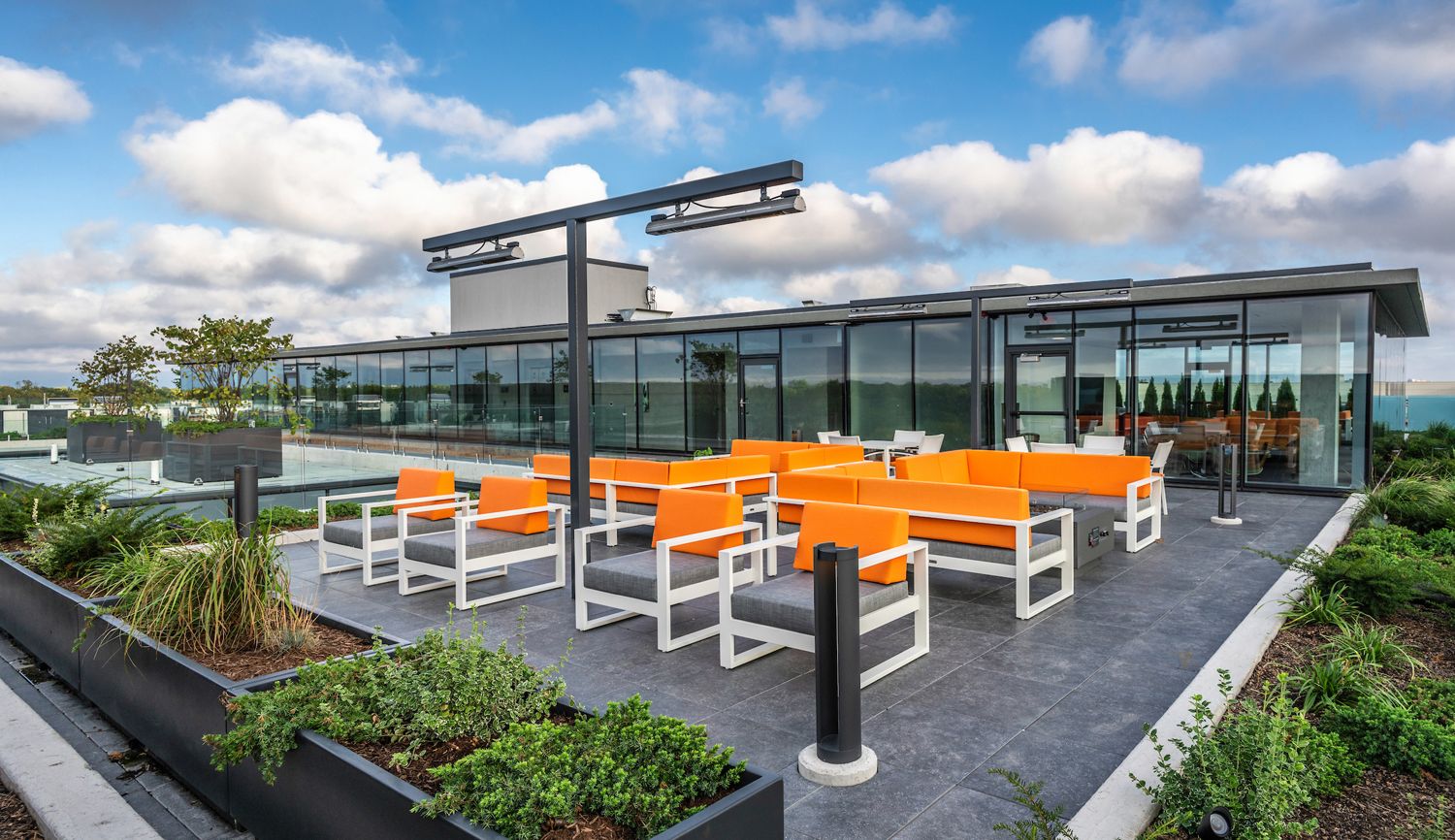
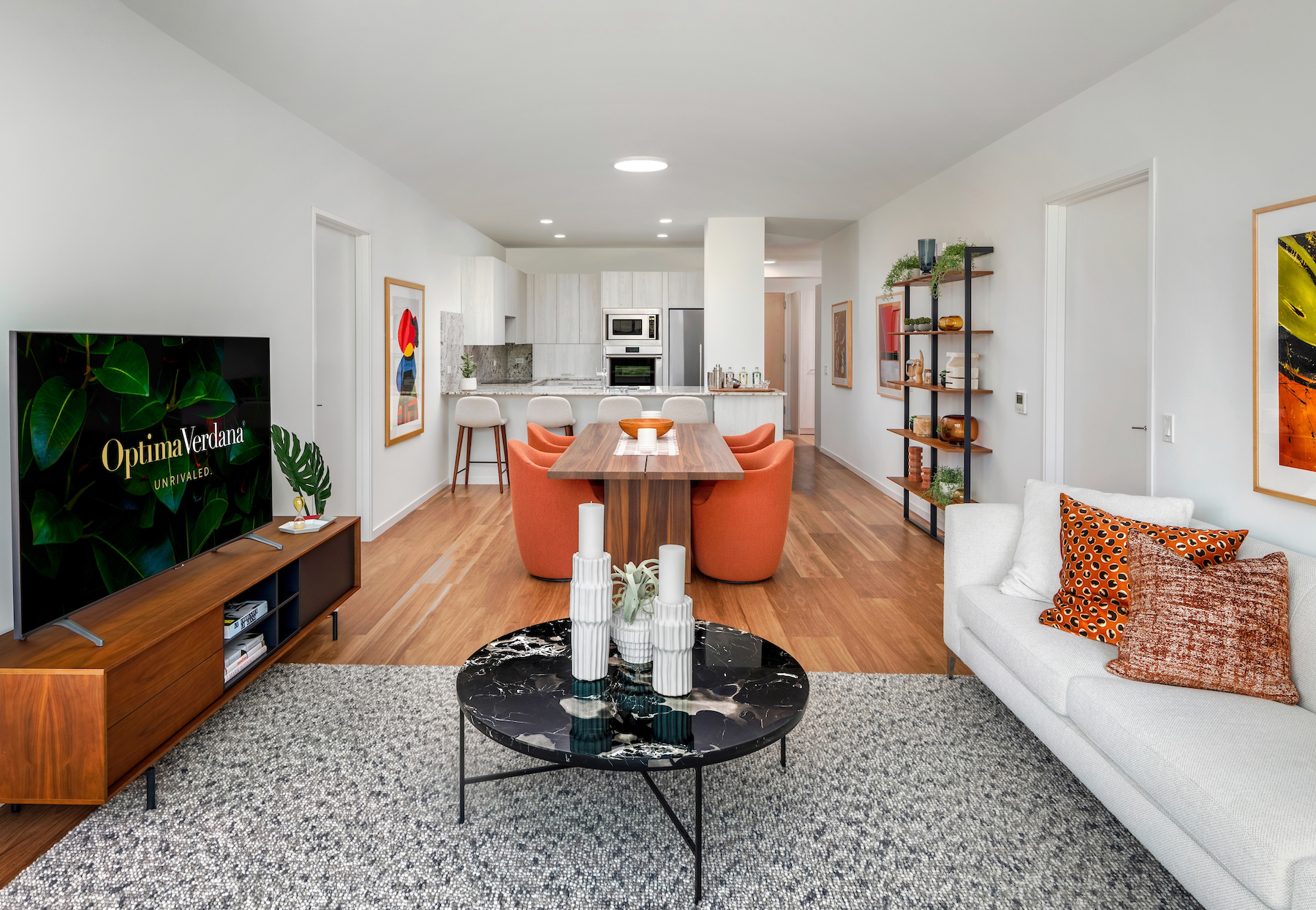
Designed by Hovey, the new Wilmette development will feature 109 luxury one-, two- and three-bedroom rental units and more than 8,000 square feet of commercial space at street level, along with 28 parking spaces available for public use. Select units will have large, private terraces. Building residents will have access to a rooftop sky deck and pool, residential courtyard, a suite of amenities and 173 parking spaces, including some electric vehicle charging stations.

Floors one through three will use bird-friendly glass. Other sustainable features include Optima’s innovative vertical landscaping system that it has perfected at its Arizona communities. The Wilmette system will include self-containing irrigation and drainage and be complemented with hand-selected plants that will stay green year-round—even during the most extreme weather conditions. Optima is committed to earning Green Globes Certification for sustainable construction practices for the building

“As with each project we design and build, we’re very careful to ensure the buildings respect their environment and have a positive impact on the surrounding neighborhood,” said Hovey. “This development will be no different, as not only will it deliver the size of homes and amenities residents in Wilmette want, but the exterior design will feature our signature vertical landscaping system and public art component that will enhance the downtown community’s energy and aesthetic.”

Hovey will design an original, 8-foot-tall sculpture near the building’s entry as a public art piece. Optima will also install benches near the sculpture for passers-by to enjoy the space.

The final approval of the Wilmette building comes on the heels of Optima starting construction on Optima Lakeview, its new mixed-use, transit-oriented development of 198 apartments and street-level retail at 3460 N. Broadway in Chicago’s Lakeview neighborhood, which is scheduled to be completed in 2022.

Read the full feature on RE Journals

How Sustainable Design Is Elevating Multifamily Living Spaces

From city centers to suburban communities, developers are rethinking living spaces to minimize environmental impact and enhance resident well-being. Integrating environmentally friendly features into buildings helps to create spaces that are not only energy- and water-efficient but also promote occupant health.

Current key initiatives include integrating LED lighting and occupancy sensors for energy savings, employing smart thermostats for precise temperature control, and enhancing building enclosure and insulation for improved energy efficiency, according to Alison Mills, vice president of design and development at investment firm CRG.

Water conservation measures involve installing low-flow plumbing fixtures and smart irrigation systems, while prioritizing low-VOC materials contributes to indoor air quality. Additionally, the growing popularity of electric vehicle charging systems and “EV-ready” parking spaces reflects a commitment to sustainable transportation options.

Uncovering sustainable design principles

Incorporating green design principles into multifamily housing developments that simultaneously promote sustainability and eco-friendliness while enhancing the resident experience is a core architectural principle for Optima, a design-driven real estate development firm rooted in the modernist tradition.

“Optima’s vertical landscaping system allows plants to cascade down the facades of our buildings. The exterior greenery enhances the aesthetic appeal of a community and provides numerous environmental and biophilic benefits such as improved air quality, mitigating the heat island effect, solar shading and resident privacy,” said David Hovey president & COO of Optima.

The firm’s proprietary exterior landscape system was first developed for Optima’s Arizona properties but recently made its Midwest debut at Optima Verdana, a 100-unit luxury rental community that opened in 2023 in Wilmette, Ill., on Chicago’s North Shore. The building’s exterior planters were designed with species that stay green year-round and provide opportunities for residents to connect with nature from within their homes.

CRG’s upcoming student housing project, Chapter at Madison, near the University of Wisconsin, is embracing biophilic design principles by incorporating visible green roofs instead of traditional white TPO rooftops. These roofs will showcase lush local plantings year-round, enhancing aesthetics while serving multiple environmental purposes. They mitigate climate change effects by reducing stormwater runoff, countering the heat island effect, saving energy and fostering biodiversity.

sustainable design green design multifamily
Optima Verdana’s exterior planters were designed with species that stay green year-round. Image courtesy of Optima/Michael Duerinckx

Chapter at Madison also prioritizes sustainability through LEED Silver certification efforts, leveraging water source heat pumps to exceed energy efficiency standards and reduce utility bills for residents. Recyclables are conveniently stored on-site, encouraging active participation in waste reduction, while ample bicycle facilities promote eco-friendly transportation alternatives.

In Chicago, CRG is committed to sustainable construction practices, aiming for an 80 percent diversion of construction waste to minimize landfill use, prevent soil contamination and reduce water pollution.

Optima McDowell Mountain, which is currently under construction in North Scottsdale, Ariz., will have a significant measurable positive impact on its surrounding environment. When complete, the community will feature the largest private rainwater harvesting site in the U.S. Hovey noted.

The residences are expected to use half as much water as the average Scottsdale multifamily residence and a quarter as much water as the average Scottsdale single-family home. The community will be the first project in Arizona to be built under both the new International Energy Conservation Code and International Green Construction Code.

“Integrating green and sustainable design principles into multifamily housing is not only a win-win for both the environment and the people who call these spaces home, but it also aligns with ESG priorities of investors and lenders,” Mills noted. “These stakeholders are placing growing importance on environmentally friendly business practices, which in turn safeguards the long-term value of the asset,” Mills noted.


Read more on Multi-Housing News

Visit Optima Verdana for more details

Suburban luxury rentals thriving as high-end finishes, amenities appeal to many demographics

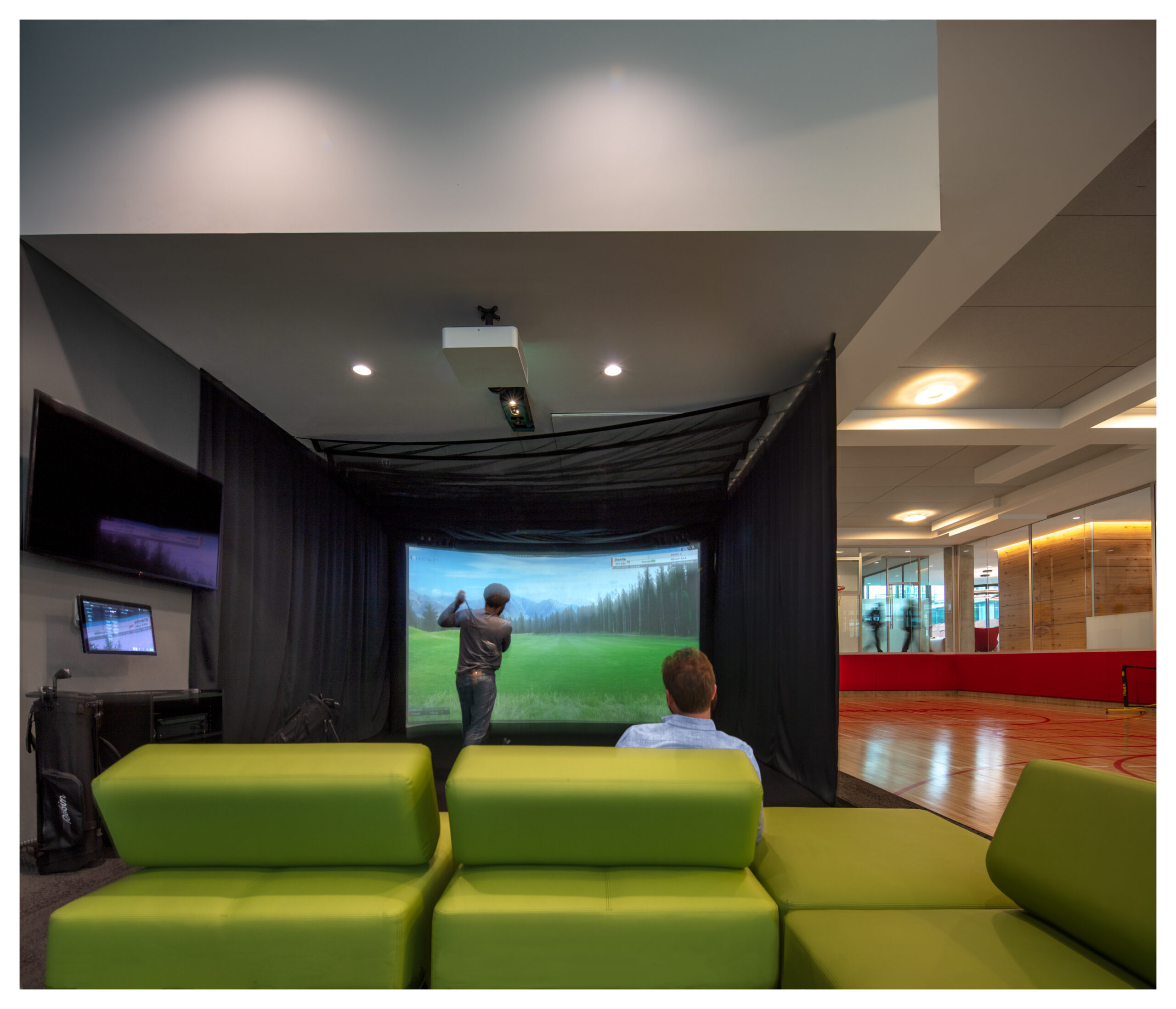
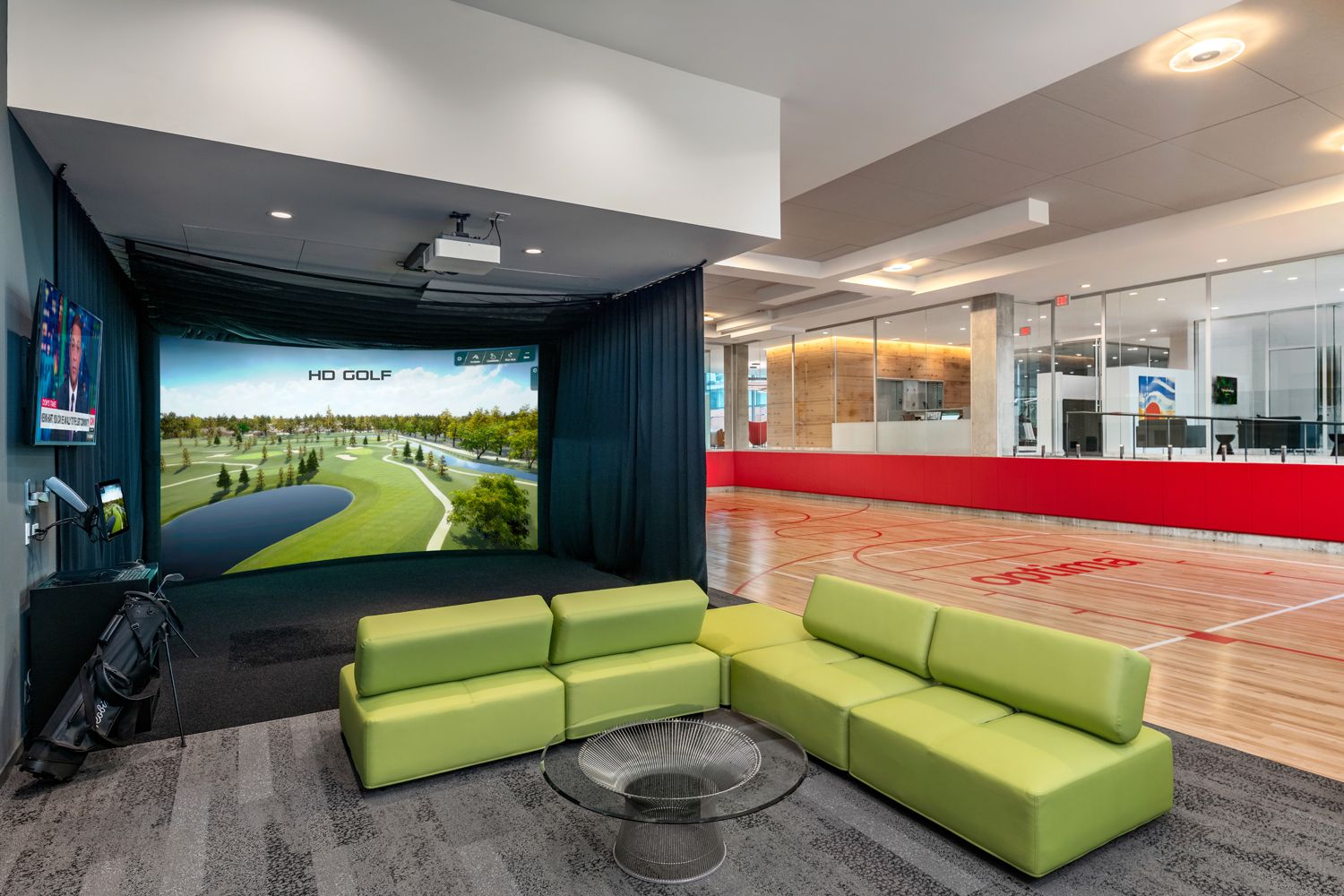
Upscale living in the Chicago suburbs used to mean a spacious single-family home in a quiet cul-de-sac with a two-car garage. But for a growing group, it now looks like a three-bedroom apartment with Italian marble floors, fancy new appliances and amenities ranging from a golf simulator to a massage room and free macchiatos in the lobby on-demand.

As the cost of homeownership balloons, luxury apartments in the suburbs are emerging as an answer for several types of residents.

Many retirees and empty nesters who want to age in place are choosing to downsize to luxury rentals as opposed to townhomes or smaller houses so they can forgo the hassle of home repairs and maintenance.

And younger residents with children who want to live in suburban school districts but aren’t ready to buy a single-family home have flocked to luxury suburban rentals. The rentals also appeal to many singles who no longer have to commute downtown daily for their jobs and want amenities such as co-working spaces.

The rental market in the suburbs is strong. The median monthly rent was $1,830 for a one-bedroom and $2,190 for a two-bedroom at the end of the second quarter this year, according to Integra Realty Resources, a firm that gathers data on about 120,000 apartment units in the Chicago metro area every quarter. Median rent overall has increased by 4.1% over the last year, higher than historical increases, according to Integra.

The firm surveyed apartments in Lake, McHenry, Kane, Kendall, DuPage and Will counties and some in Cook County, excluding properties in the city of Chicago. In some pockets of the suburbs, median rents for a one-bedroom apartment jumped significantly since last year: In Waukegan and Gurnee, it increased by 16.9%, and in Lake County, it went up by 9.8%.

For two-bedroom apartments, median rents increased by 6% in McHenry County and by 5.5% in Naperville and Aurora, over the last year.

Ron DeVries, senior managing director at Integra, said renters are seeking out the more spacious apartments — not just in the number of bedrooms but in terms of square footage — that are offered by high-end developers.

“With the cost of housing being so high and interest rates where they are, people are staying in apartments longer,” DeVries said. “Your needs change over time. … We are seeing demand for bigger units.”

The report compiled by DeVries’ firm about data on suburban apartments from the second quarter of 2025 found that the suburban multifamily market is 97.5% occupied, contributing to higher rents. Several new projects are in the works, especially compared with downtown Chicago, where construction activity has slowed.

The report also attributes the popularity of suburban rentals to the remote work trend that grew during the pandemic, because workers now feel less pressure to live near downtown job centers.

Brian Carley, executive director at Bradford Allen, a real estate development firm with projects across Illinois and in Florida and New York, said housing supply in suburban Chicago is still not fully meeting demand, unlike markets such as South Florida, where there is an oversupply of apartments.

“The Chicago metro area is still a really strong market,” Carley said. “It’s not like Florida, where supply has now outpaced demand a bit. … We’re still meeting the market (in the Chicago suburbs).”

Carley’s firm is in the early stages of developing an eight-story, 301-unit apartment complex called Arbor House in Arlington Heights. With features like exposed concrete, the designers wanted the property to have an urban feel. And, like luxury apartments in the city, it will have a door attendant and amenities like a pool, golf simulators, a fitness center and a co-working space. The property will have views of Busse Woods, a nearby forest preserve, and the complex will be surrounded by 25,000 square feet of retail space for shops and restaurants.

“Our intention is to create a mixed-use space with retail and open space to create dynamic kinds of living experiences in southern Arlington Heights,” Carley said.

Aaron Tucker, president and chief investment officer at Tucker Development, who worked on The Henry at Harms Woods, a luxury community of apartments and townhomes in Skokie that opened last month, echoed the idea that suburban renters are looking to get the best of the city and suburbs when they opt for luxury apartments.

Tucker’s 11-acre development will include 245 apartments and 49 rental townhomes with a gym, conference rooms, a yoga studio, a swimming pool with cabanas, fire pits and grills. The property, which was developed in partnership with Wingspan Development Group, is also close to the North Shore and an outdoor space like Harms Woods.

“From our lobby to the clubhouse space, everything is elevated to a level that really makes you feel like you’ve walked into a nice hotel or resort,” Tucker said. “We’ve given people the ability to settle somewhere that gives them all the amenities that they might have been used to downtown.”

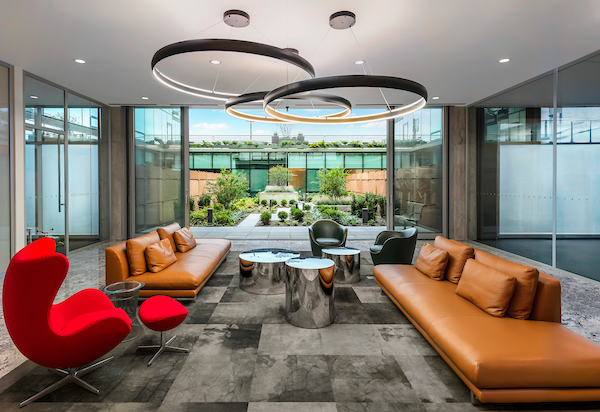
The library lounge area at Optima Verdana in Wilmette on Sep. 15, 2025. (E. Jason Wambsgans/Chicago Tribune)

Kay Zanotti, 70, is one of a growing number of people opting for luxury living in the suburbs. She and her husband used to have a luxury apartment downtown, but they moved to Optima Verdana in Wilmette about two years ago to be closer to her daughter and grandchildren, who live in a single-family home a short walk away.

Although Zanotti and her husband now pay more in rent than they did downtown, she said it is worth it because her suburban apartment is bigger and staffers at the new complex are more attentive.

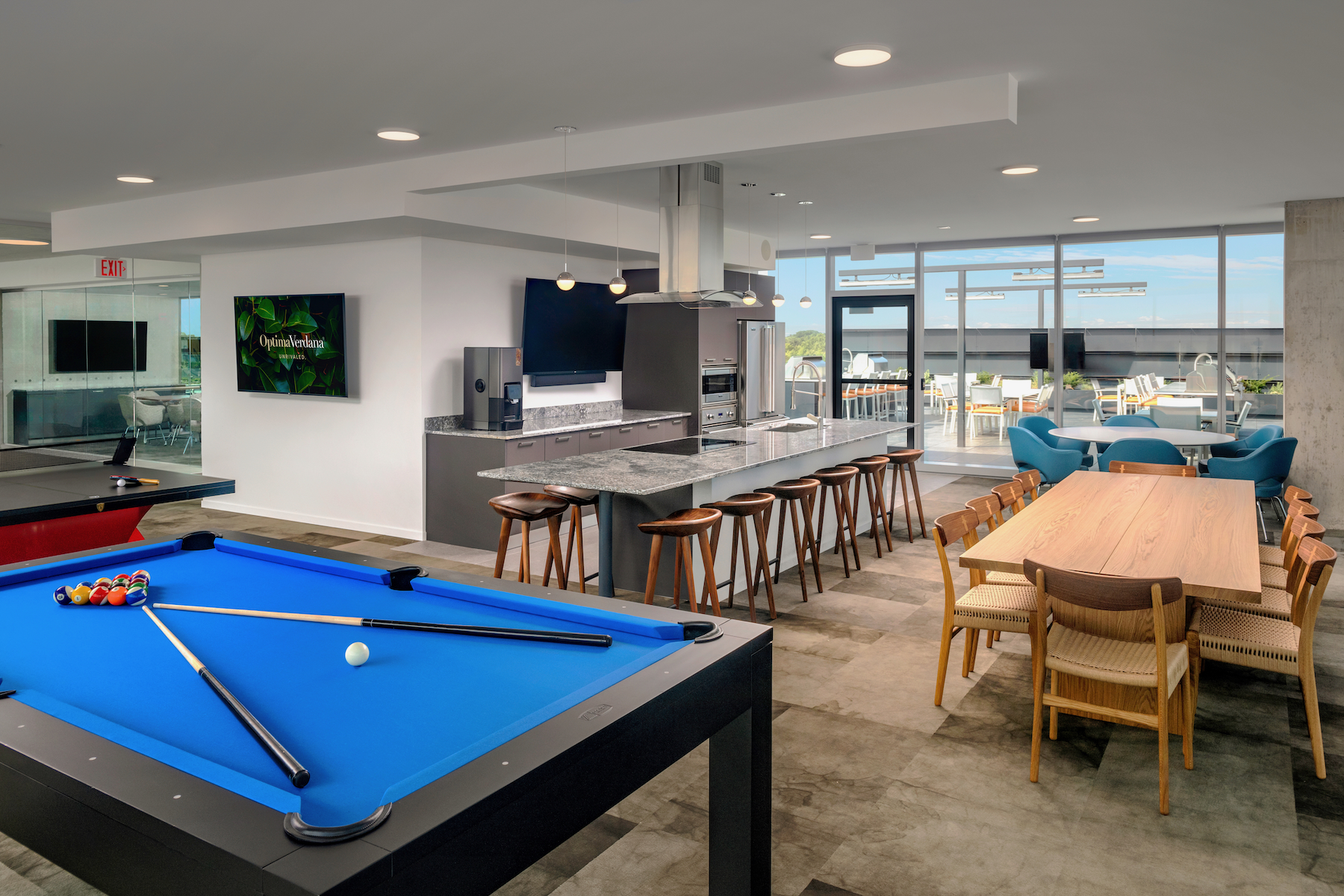
Optima Verdana has amenities like a heated pool, free Pilates and water aerobics classes, a complimentary coffee service and dry cleaning. Zanotti said she is extremely satisfied with the property and is glad she no longer has to deal with homeowners associations or maintenance issues.

“There’s a lot of work that goes into owning a home,” she said. “Renting is pretty freeing.”

Pam Roehl, 59, who pays about $4,840 a month to rent a three-bedroom apartment at The 1010 on Central Avenue in Wilmette, also likes that she no longer has to worry about home repairs. The building she lives in is a renovated Masonic Temple with 16 units meant for tenants age 55 and older.

Roehl, who is single, had lived in Wilmette and nearby Winnetka in single-family homes while raising her kids. When her kids graduated from college and it came time to downsize, renting made more sense than buying a smaller house because she was keen on staying in Wilmette, where property taxes are high.

“When you downsize in Wilmette, you’re not necessarily downsizing to a less-expensive house, you’re just downsizing smaller,” Roehl said. “You’re paying for higher rent in this building … but what (you’d be) paying in taxes (is higher).”

She considered buying a condominium near the lakefront in Wilmette, but none of the properties she looked at accommodated dogs.

Like Roehl, George Busse, 70, and his wife, Suzanne, 65, wanted to stay in Mount Prospect, where they raised their children, to be close to family members in assisted living facilities nearby and close to the Mount Prospect Lions Club, where George is a member.

The couple downsized from their 5,000-square-foot house, where they had bedrooms for each of their five children, a library and a home gym. At first, the couple thought of downsizing to a smaller house in Mount Prospect, but eventually decided to rent. Now they pay a little over $4,000 a month for a two-bedroom, two-bathroom apartment on the sixth floor of The Dawson, a luxury apartment complex in Mount Prospect.

It was hard to let go of their old house, but the couple now enjoys a maintenance-free lifestyle and travels more frequently.

“I never wanted to rent,” George Busse said, “but it just gives us so much flexibility.”

Photo credit: Kay Zanotti moved from a high-rise in downtown Chicago to Optima Verdana in Wilmette to be closer to her daughter and grandkids, as seen on Sep. 15, 2025. (E. Jason Wambsgans/Chicago Tribune)


Read more on Chicago Tribune

Visit Optima Verdana for more details

person name goes here

Maintenance Supervisor

Glencoe, IL


    Acceptable file types: *.pdf | *.txt | *.doc, max-size: 2Mb