Optima Verdana is one of our latest projects, coming soon to the Wilmette neighborhood of Chicago. In contrast to other projects in our portfolio, the name may seem eclectic. So how did we arrive at the name Verdana?
To start the naming process, we focused on the design elements of the building and what set it apart. We knew the green space would be one-of-a-kind; the development will feature our signature vertical landscaping system that we’ve implemented across our Arizona communities. Translating it to Chicago’s ecology and weather is no small feat, but our team is making it happen. The system will include self-containing irrigation and drainage, and feature hand-selected plants that will stay green year-round — even during the most extreme weather conditions.
Inspired by the innovation and striking visuals of the vertical landscaping system, we pursued names that related to green space, abundance and growth. Verdana draws from the word verdure, defined as lush, green vegetation or a condition of freshness. The name is unique, welcoming and inspired, much like the building and residences themselves.
Optima Verdana is currently under construction, scheduled to be completed in 2023. Stay tuned for more updates on the project, on our blog!
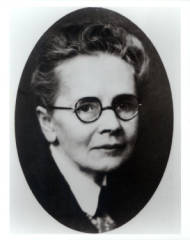
As part of our ongoing “Women in Architecture” series at Optima, we’re taking a look at another pioneering female figure: Julia Morgan. Like many of the women in this series, Morgan boasts a series of industry firsts. Morgan was the first woman admitted to the architecture program at l’École nationale supérieure des Beaux-Artsin Paris, and the first woman architect licensed in California. Learn more about her extraordinary life and work below:
The Life of Julia Morgan
Julia Morgan was born on January 20, 1872, to parents Charles Bill Morgan and Eliza Woodland Parmelee Morgan as the second of five children. Morgan was also born into generational wealth — her mother Eliza was the daughter of a cotton trader and millionaire. This financial mobility also provided geographic mobility. The Morgans lived on the West Coast, but travelled often to New York to visit mother Eliza’s parents. It was on one of these trips that Julia Morgan (now age six) met her older cousin Lucy Thornton, who was married to successful architect Pierre Le Brun.
Morgan kept in touch with Le Brun, who encouraged her to pursue higher education, and in 1890, Morgan did just that. She went on to study engineering at the University of California, where she was often the only woman in her math, science, and engineering courses. When she graduated in 1894 (with honors, no less), Morgan became the first woman to earn a B.S. degree in engineering at Berkeley. Encouraged by her professor and mentor, architect Bernard Maybeck, Morgan then went on to be the first woman admitted to study architecture at Maybeck’s alma mater, the prestigious École nationale supérieure des Beaux-Arts in Paris.
Morgan was able to apply to the architecture program thanks in large part to a union of French women artists who pressured the school. When Morgan went to Paris and met this group of women, they introduced her to feminist ideology. And though the Beaux-Arts program prohibited older scholars and Morgan’s 30th birthday (and deadline as a student) approached, Morgan nonetheless earned her certificate in architecture — making her the first woman to do so at the Beaux-Arts, and trumping the certificate completion time of her mentor Maybeck by two years.
Hearst Greek Theatre, University of California, Berkeley. Credit: Sanfranman59 on Wikimedia Commons, Multi-license with GFDL and Creative Commons CC-BY-SA-2.5 and older versions (2.0 and 1.0)
The Work of Julia Morgan
Morgan’s extraordinary track record and changemaker ways also carried over to her career. After her education and experience in Paris, she returned to California where she worked with San Francisco architect John Galen Howard, the supervisor of the University of California Master Plan. In this role, she was the primary designer for the Hearst Greek Theater and also provided the decorative elements for the Hearst Mining Building.
In 1904, Morgan became the first woman to obtain an architecture license in California and she opened her own office in San Francisco shortly after. In addition to being a woman of firsts, Morgan also became a woman that could withstand a series of natural disasters. When her office burned down in 1906, she reopened just a year later in the heart of San Francisco’s financial district. Meanwhile, her first reinforced concrete structure, the 72-foot bell tower at Mills College, El Campani, was constructed in 1904 — and just two years later, famously survived the 1906 San Francisco earthquake unscathed.
Casa Grande Hearst Castle, designed by Julia Morgan. Credit: Daderot on Wikimedia Commons, made available under the Creative Commons CC0 1.0 Universal Public Domain Dedication
The survival of the bell tower launched Morgan’s career and rounded out her reputation, while the devastating aftermath of the earthquake provided countless opportunities to rebuild local structures. Morgan famously redesigned the landmark Fairmont Hotel in San Francisco in just one year, using her new signature: earthquake-resistant reinforced-concrete. This project greatly impressed the Hearst family — among many others — and earned Morgan future projects such as the Hearst Castle (one of the most defining projects of her career) and the opportunity to design a series of YWCA (Young Women’s Christian Association) buildings across California.
Though Morgan’s accolades are highly impressive, she lived a notably modest and quiet personal life, having never married, written or spoken much about herself. Despite these humble traits, Morgan nevertheless leaves an ongoing legacy in the strides she made for women in architecture, and the iconic structures she left behind.
As things begin to reopen, it’s only natural to daydream about future travels and interesting destinations. And while you’re at it, consider dreaming about a stay in an architectural masterpiece. Today, we’re sharing a few ways to discover Modernist architectural gems for your next vacation.
Welcome Beyond
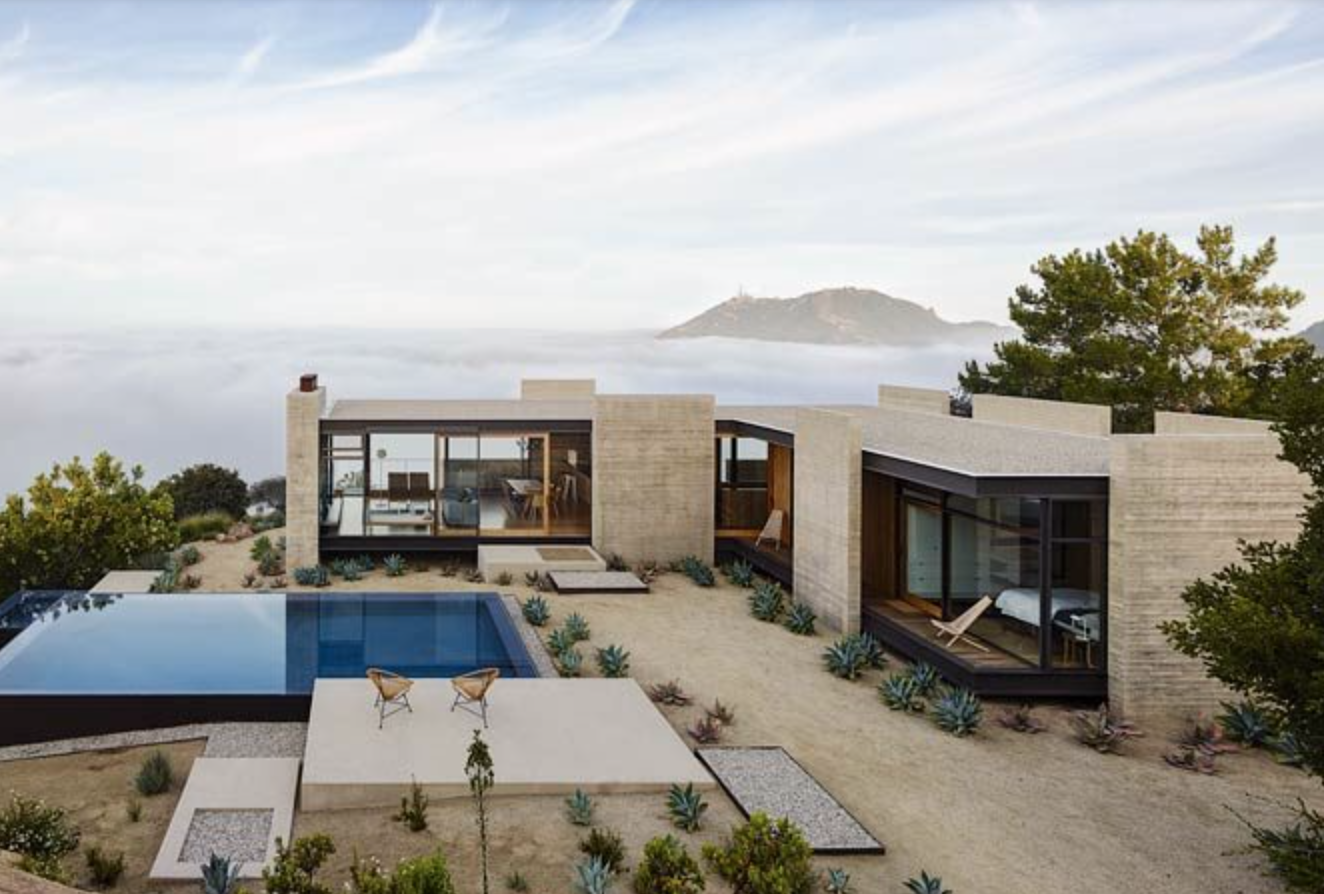
Welcome Beyond is a German website created by brothers Oliver and Chris Laugsch. The two personally curate a selection of handpicked vacation rentals and small hotels across 38 countries. Though their selections cover a broad swath of architectural styles, each shares the common thread of high-caliber design.Our favorite of their five picks in the US is Saddle Peak House in Los Angeles — this Modernist retreat exemplifies the best in design integrated into its natural environment.
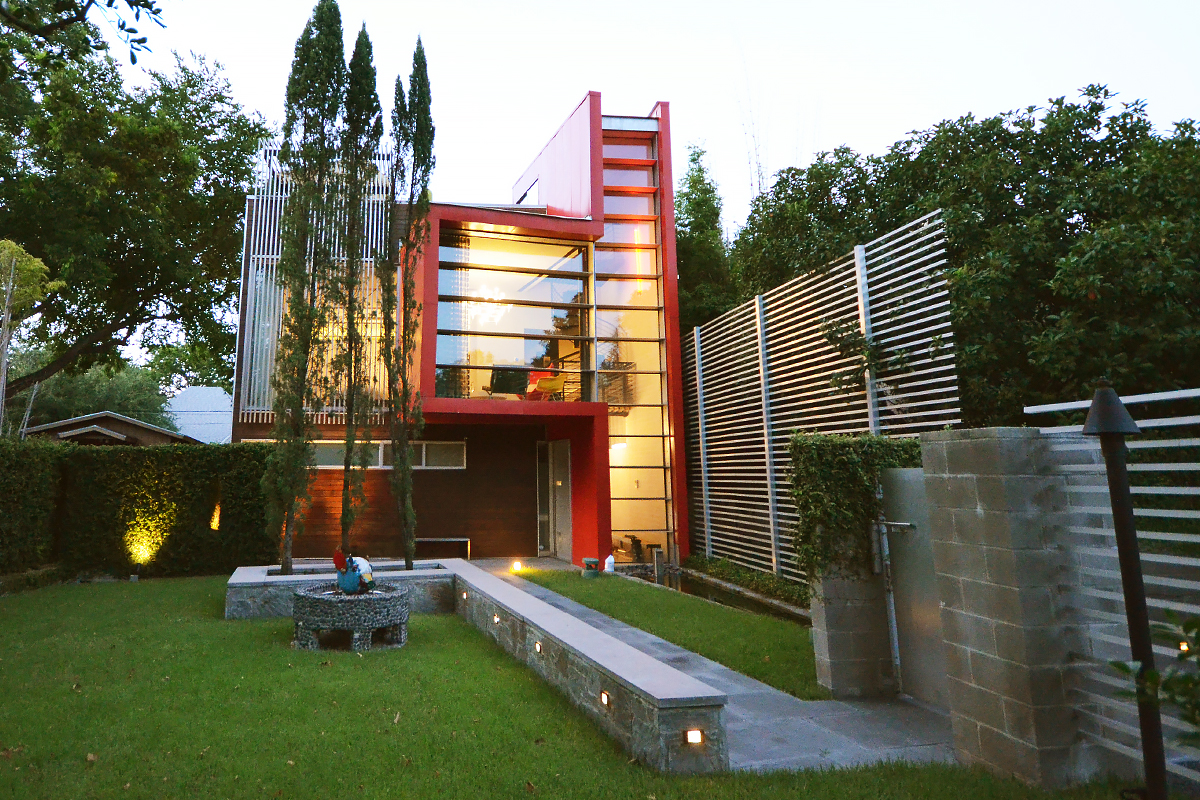
Ramp House in Austin, Texas; photo courtesy of Boutique Homes.
Boutique Homes
Despite its name, Boutique Homes features rentals that defy “quaint” in the traditional sense. Developers Veronique Lievre and Heinz Legler yield over a decade of experience designing, building and decorating in the hospitality industry to provide best-in-class selections to the refined vacationer’s eye. Their site’s collection spans numerous countries, architectural styles and budgets to provide something for every type of design lover.
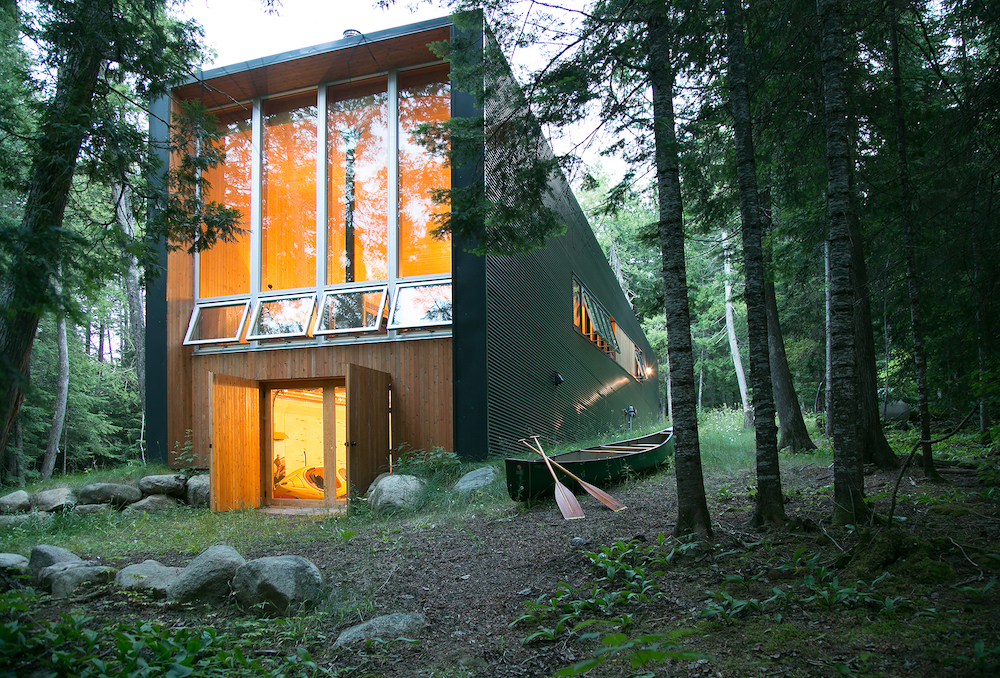
Gunflint Lake Cabin in Grand Marais, Minnesota; photo courtesy of PlansMatter.
PlansMatter
PlansMatter, founded by architectural enthusiasts Connie Lindor and Scott Muellner, resulted from their own passion for finding unique vacation destinations. They love nothing more than staying in a place with “architectural intentions and a story to tell” and wanted to make it easier for others to find just that, too. Their international roster includes both jaw-dropping vacation rentals and hotels like you’ve never seen before.
Kid & Coe
Kid & Coe founder Zoie Kingsberry Coe started this family-friendly vacation rental finder after travelling the world with her own kids in tow. Eager for more baby-friendly stays that didn’t make compromises in design excellence, Coe makes sure no other parents ever experience her own travel woes. The site features rentals, hotels and most recently — a home swap program.
We hope that this summer brings new chances for wonderful travel adventures!
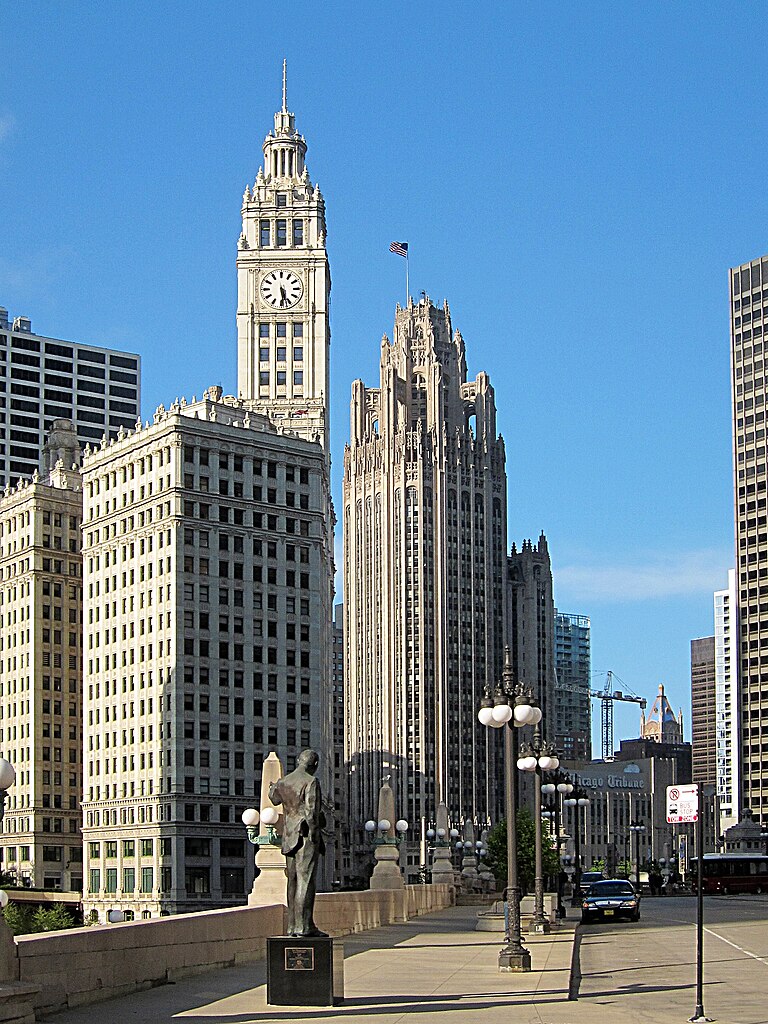
As part of our Chicago Skyscraper Historyseries, we’re exploring some of the architectural feats that have defined Chicago, and buildings across the world. The Wrigley Building, established in 1924, was one of the first major office buildings north of the Chicago River — paving the way for many workplaces that followed. And that wasn’t all that set this show stopping skyscraper apart…
The Wrigley Building is located at 400-410 North Michigan Avenue on the southernmost end of the Magnificent Mile, directly across from the Tribune Tower. As mentioned above, at the time of the building’s groundbreaking in 1920, there were no other major office buildings north of the river. Chewing gum magnate William Wrigley Jr. hand selected the oddly shaped lot for the headquarters of the Wrigley Company. Unbeknownst to Wrigley, this would set off a building boom in the area, and eventually lead to the establishment of a strip of Chicago’s finest skyscrapers.
The Wrigley Building certainly set the tone for those who followed. Designed in the Spanish Colonial Revival style by architect Graham, Anderson, Probst and White, the building is a luminous beacon recognizable to locals and tourists alike. The building facade is made of six shades of gleaming white terra cotta, getting lighter and more luminescent as the structure climbs into the sky. This coloration was a choice made by Wrigley himself, having seen the famed White City display at the World’s Columbian Exposition years ago in 1893, and having never forgotten the shining hues. The Wrigley Building is cleaned regularly to maintain its sparkling white stature.
The building’s southern tower went up in 1920, and the northern tower followed in 1924. These two towers are connected by two separate bridges (one on the 3rd floor and one on the 14th floor), another defining feature of the renowned architectural gem. The 14th floor bridge, which was constructed in 1931, was added to connect the two disparate offices of a bank in accordance with a City of Chicago statute.
The Wrigley Building has since earned landmark status in 2012, and although the Wrigley Company is long gone, they’ve no doubt left their mark on Chicago’s skyline.
As lovers of great design, Optima’s appreciation for both architecture and art itself runs deep, and there’s no better place to indulge this passion than at a modern museum of art. And with modern art and Modernist architecture sharing so much in common, it’s no wonder that many of these institutions are often housed in innovative and captivating buildings. Today, we’re taking a look at some of the best modern museums around the world — from the collections they contain to the structures that define them.
Guggenheim Museum Bilbao – Bilbao, Spain
The Guggenheim Museum Bilbao is a museum of modern and contemporary art designed by Canadian-American architect Frank Gehry, located in Bilbao, Spain. You’ll recall from our Subsects of Modernist Architecture Series that Gehry was part of the Deconstructivism movement on Modernism in the 1980s. This museum, established in 1997, boasts an impressive collection of modern art, as well as site-specific installations from artists such as Jeff Koons. The building itself has been described as “the greatest building of our time” by architect Philip Johnson, and “a fantastic dream ship of undulating form in a cloak of titanium,” by critic Calvin Tomkins in The New Yorker.
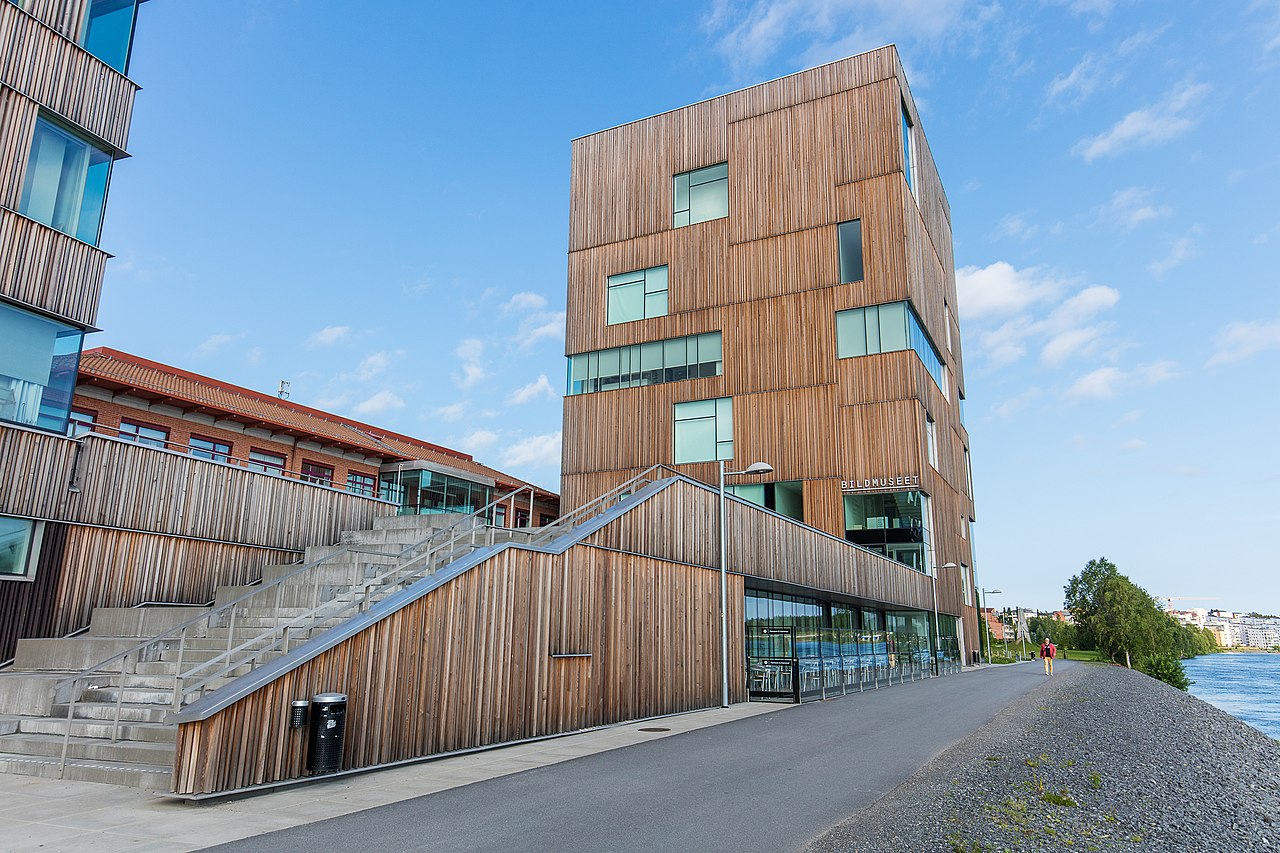
Bildmuseet – Umeå, Sweden
Bildmuseetis one of Sweden’s foremost venues for international contemporary art, a part of Umeå University and the public heart of its arts campus. The strikingly Modern building was designed by Henning Larsen Architects in collaboration with White. A living and breathing work of art itself, the building’s facade is made of Siberian larch wood that fades to a silver-grey color over time. In its lifetime, Bildmuseet was nominated in 2013 for the Swedish Kasper Salin Prize and the European Mies van der Rohe Prize and has been described as one of the world’s most beautiful university museums.
Zeitz Museum of Contemporary Art Africa. Credit: Axxter on Wikimedia Commons, licensed under the Creative Commons Attribution-Share Alike 4.0 International license
Zeitz Museum of Contemporary Art Africa – Cape Town, South Africa
Zeitz Museum of Contemporary Art Africa (or Zeitz MOCCA, for short)is a contemporary art museum in Cape Town, South Africa, and boasts the title of being the largest museum of contemporary African art in the world. The building, which was commissioned through a public/private partnership between the V&A Waterfront and German businessman, Jochen Zeitz, is actually made from a converted historic 1921 grain silo. According to Zeitz MOCAA records, “The architects, Heatherwick Studio, aimed to conserve and celebrate the original structure’s industrial heritage, while simultaneously excavating large open spaces from the 42 densely-packed concrete cylinders from which it was comprised.”
Niteroi Contemporary Art Museum — Rio de Janeiro, Brazil
It’s no surprise that the Niteroi Contemporary Art Museum, located in Rio de Janeiro, Brazil, is one of the city’s main landmarks. The futuristic building was designed by Oscar Niemeyer with the assistance of structural engineer Bruno Contarini. Thanks to its strategic design, this museum offers more than just art to admire — the tall, angled windows offer sweeping views of Guanabara Bay and Sugarloaf Mountain. Beneath the structure, architect Niemeyer also designed a reflecting pool that surrounds the cylindrical base “like a flower.”
As an artform all on its own, the architecture of these museums stands strong alongside their impressive modern art collections.
Our “Subsects of Modernist Architecture” series explores the many trickle-down pockets of Modernist design throughout the years. In this last installment of the series, we’re taking a look at the late-century styles that have continued to carry on the legacy of Modernist design — and that will continue to influence and inspire many generations and future subsects to come.
Postmodernism
Postmodernist architecture emerged in the 1960s as a reaction to the severe and repetitive nature of Modernist architecture, particularly the International Style. While Modernist had previously been celebrated for its lack of ornamentation and rigid uniformity, architects in the camp of Postmodernism were ready for a boisterous change.
The movement was first introduced by architect and urban planner Denise Scott Brown and architectural theorist Robert Venturi in their seminal work, Learning from Las Vegas. In this timeless book, Brown and Venturi doubled down on their ideas about postmodernist design, which Venturi formalized in his later book, Complexity and Contradiction in Architecture. He wrote:
“I am for messy vitality over obvious unity… I prefer ‘both-and’ to ‘either-or’, black and white, and sometimes gray, to black or white… An architecture of complexity and contradiction must embody the difficult unity of inclusion rather than the easy unity of exclusion.”
While Mies van der Rohe’s famous adage was “less is more”, Venturi’s pushback saying became “less is a bore.” As Postmodernism flourished in the 1980s and 1990s, Brown & Venturi led the charge alongside other architects such as Michael Graves, Philip Johnson and Charles Moore.
High-tech
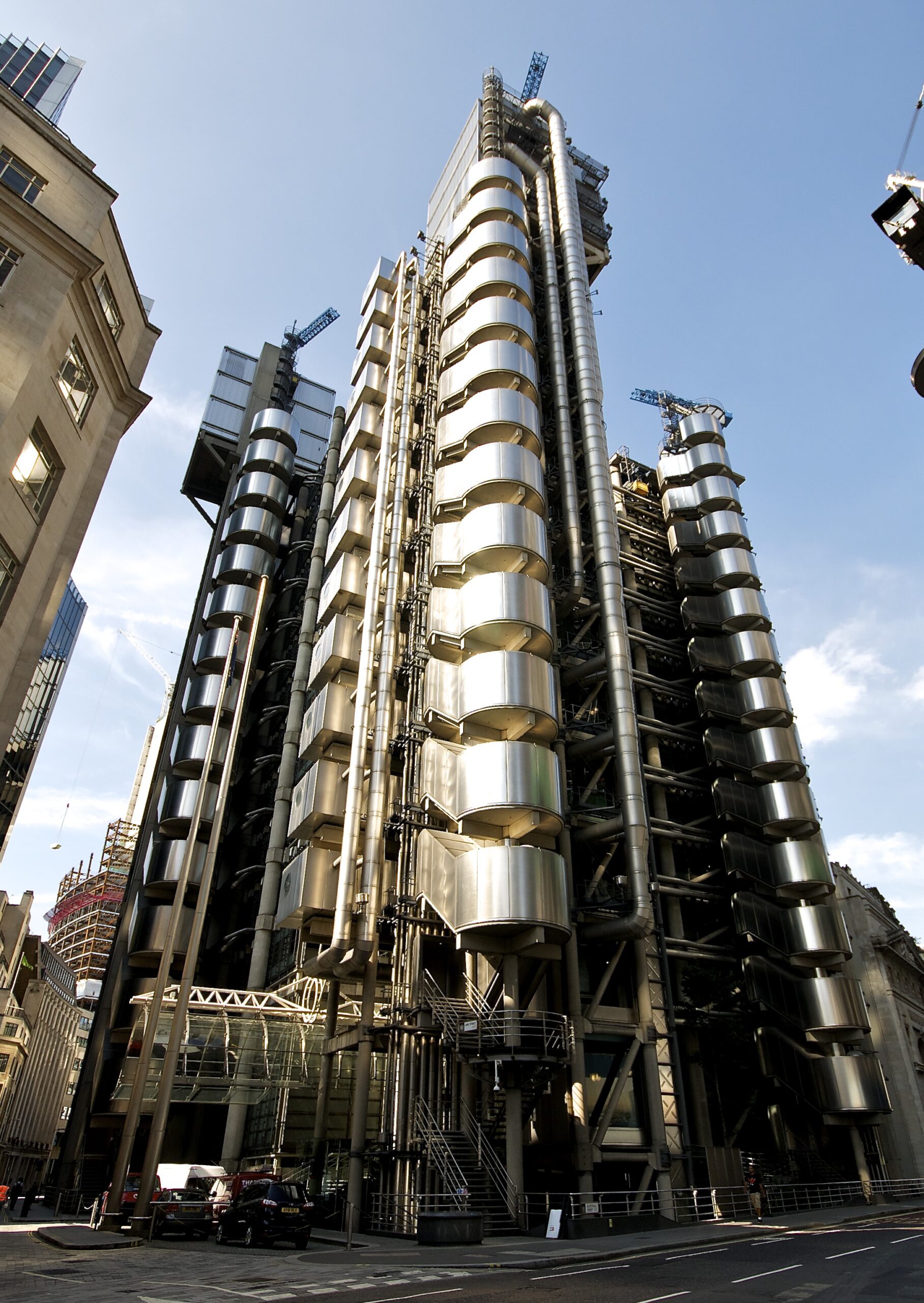
As Postmodernist thinking evolved during the 1970s, High-tech architecture (also known as Structural Expressionism) was born. Just as the name suggests, High-tech began to incorporate the latest technological innovations building materials into its design. Like traditional Modernist architecture, High-tech commonly employed steel, glass and concrete in building exteriors — but to much different effect. Still, the influence of Modernist masters such as Le Corbusier, Walter Gropius and Mies van der Rohe remains evident.
High-tech architecture was heavily influenced by factory aesthetics, incorporating large central spaces, hanging or overhanging floors, and highly-adaptable, reconfigurable spaces as key design elements. The polycentric usage of these central spaces was defined by the term “omniplatz” — referring to the idea that a building shouldn’t have one, defined function, but rather remain able to perform a range of functions. Feelings of openness, transparency and honesty were central to High-tech design, coupled with considerations of adaptability and sustainability. Despite its technological roots, this subsect was indeed modeled on highly human-centric thinking.
Deconstructivism
Deconstructivism appeared on the scene in the 1980s. Inspired by its Postmodernist counterparts, Deconstructivism seeks to imply fragmentation of buildings through an absence of obvious harmony, continuity or symmetry. The result is a feeling of unpredictability and carefully controlled chaos all at once.
The name was earned by the movement’s chief aims to “disassemble” architecture and to break traditional rules and boundaries. The architectural movement also heavily drew inspiration from French philosophy. Key architects who worked in this style includeZaha Hadid, Peter Eisenman, Frank Gehry, Rem Koolhaas, Daniel Libeskind and Bernard Tschumi.
All these styles and more make up the legacy that created Modernist design as we know it today.
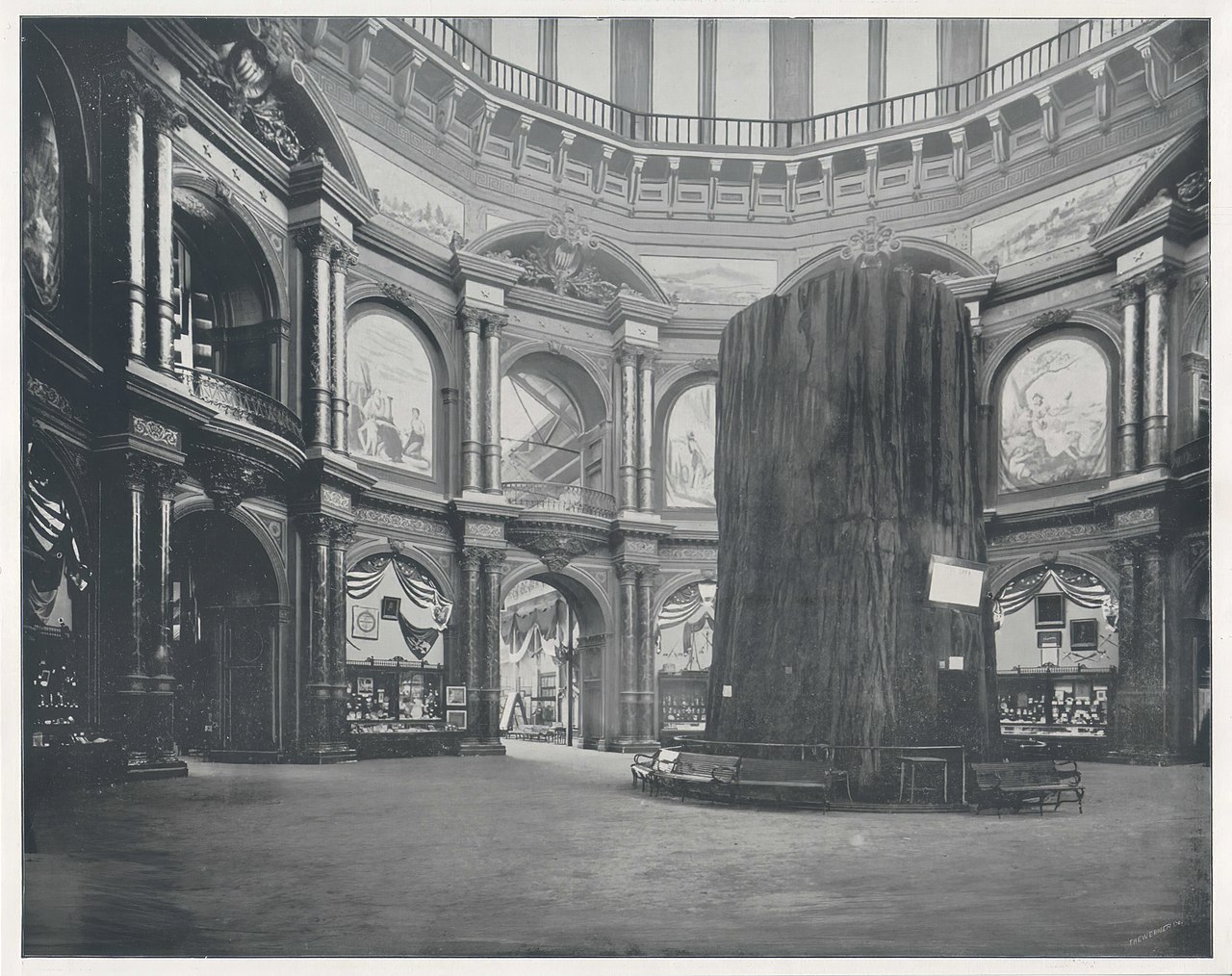
There are many highlights from Chicago’s vast history, and one of the truly iconic moments is the World’s Columbian Exposition, also known as the Chicago World’s Fair. Held in Chicago in 1893, the World’s Fair proved Chicago’s creative ingenuity and persistent work ethic. The Exposition was socially and culturally influential — so how did the Chicago’s World Fair come to be such a spectacular success?
In the 1890s, the world was changing, and world’s fairs had been successful in Europe as a way to bring people together with progress (London’s 1851 Crystal Palace Exhibition — one of the first Modernist structures — was a prime example). Leaders across the country on a local and national scale agreed to finance a fair; they just needed the right location. Through a battle of finances, persuasion and voting, Chicago won with a large lead over New York. That left the city with an incredible amount of pressure to pull the whole thing off.
Thankfully, Chicago had an incredible team of talented planners, architects and visionaries to get it done. Designed by famous figures such as John Wellborn Root, Daniel Burnham, Frederick Law Olmsted and Charles B. Atwood, the Exposition was a paradise of neoclassical architecture, and the white color of the buildings inspired its nickname, the White City. Art, music, inventions, technology and culture from around the world were featured. The fairgrounds were joined together by lagoons and canals. In the end, more than 27 million people attended the World’s Columbian Exposition during its six-month lifespan, and it became a marker of American — and Chicagoan — history.
The fair’s legacy is still evident all over the city. Daniel Burnham took lessons learned at the fair for his 1909 Plan of Chicago, which in turn, influenced city planning around the world. The neoclassical architecture informed many designs that still stand today, such as Chicago’s Museum of Science and Industry and the Art Institute of Chicago. The Ferris wheel was even famously invented to debut at the Exposition.
Perhaps most important, the Exposition deeply touched the millions of visitors who left with new ideas and inspiration. The Chicago World’s Fair paved the way for Chicago’s vision of the future, and countless others.
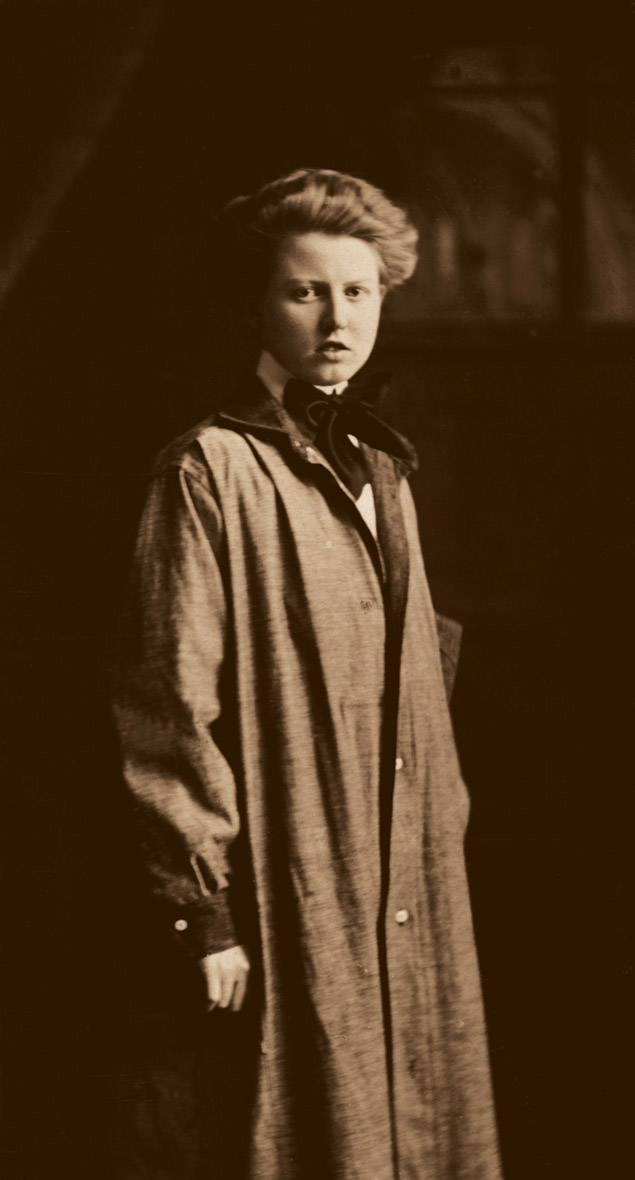
Women have been making strides in the field of architecture and design for centuries. Our Women in Architecture series recognizes the pioneering ladies that came before us, and paved the way for a more inclusive and innovative industry today. One such figure is Anna Keichline, whose impressive resume includes titles such as: American architect, inventor, suffragist and World War I Special Agent.
The Life of Anna Keichline Anna Keichline was born on May 24, 1889 in Bellefonte, Pennsylvania. The youngest of four children, Keichline showed creative genius at a young age. Gifted a workshop and carpentry tools by her parents, she spent her free time creating furniture and — at just 14 years old — won a prize at a county fair for a table and chest she’d made. The judges praised her work as comparing “favorably with the work of a skilled mechanic” and she told local reporters she intended to devote her life to industrial design.
It was no surprise then, when she pursued a degree in mechanical engineering, first at Pennsylvania State College and then at Cornell University. It wasn’t unusual during this time for schools to award women “certificates” rather than “degrees,” but when a rumor of this potential began to spread, Keichline’s classmates rallied and threatened to disrupt the commencement ceremony unless she received the degree she had earned. Kiechline graduated in 1911 and became the fifth woman ever to receive an architectural degree from Cornell. Though entering the male-dominated field was a daunting prospect at the time, Keichline felt sure of her place and purpose.
Keichline was an agent of change in all areas of her life: In 1913, she led a Suffragist protest march in her hometown of Bellefonte. She also served as a Special Agent in the Military Intelligence Division in Washington D.C during World War I, describing herself as: “twenty-eight and physically somewhat stronger than the average. Might add that I can operate and take care of a car [she owned her own automobile]. The above might suggest a drafting or office job, but if you should deem it advisable to give me something more difficult or as I wish to say more dangerous, I should much prefer it. You have asked for my salary in order to rate me… last year my fees amounted to something over six thousand. [the equivalent of $92,000 today].”
As Keichline tackled these feats and more, she was simultaneously setting the foundation for her successful career and the impact she would leave on the architectural world.
The Work of Anna Keichline Keichline believed that there was a place for women in the field of architecture, thanks in part to their unique and innate understanding of space in a home.
During her post-graduate career, Keichline shared an office with her father (an attorney) and amassed an impressive portfolio of both residential and commercial buildings. She is renowned for becoming the first registered woman architect in Pennsylvania in 1920, where much of her work occurred.
Her work included the Plaza Theater in her hometown Bellefonte (1925) and the Juanita Colony County Clubhouse in nearby Pennsylvania town Mount Union (1927), among many others. She explored many architectural styles throughout her impressive career as well, including Colonial Revival, Gothic Revival and picturesque cottage houses.
Anna Keichline, Building Block, #1,653,771 A, filed March 16, 1926, issued December 27, 1927. Anna Keichline Papers, Ms1989-016, Special Collections, Virginia Polytechnic Institute and State University
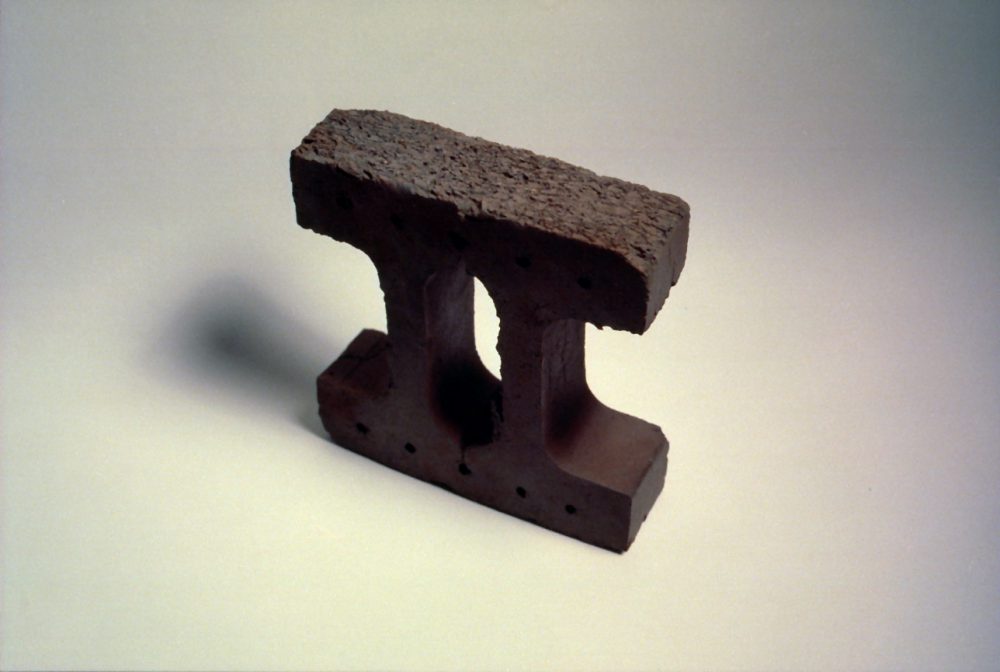
In addition to designing buildings, Keichline was also an inventor and created many “time- and motion-saving” designs for kitchens and interiors. Overall, she owned seven patents — six for utilities and one for design. While her inventions span from a combination sink and washtub, to a foldaway sleeping bed compartment, to a portable partition replete with doors, windows, and eaves, her most famous invention by far is the “K Brick,” patented in 1927 and honored by the American Ceramic Society in 1931.
A forerunner of concrete block design today, the K Brick was an inexpensive, light, fireproof clay brick that could be filled with insulating or sound-proofing material, used for hollow wall construction. Keichline said of her K Brick that it “requires less to make than brick and because of its design takes less time to fire – the tile would reduce the weight of the wall by one-half.”
While Keichline passed away in 1943, her innovations and impact on the architectural field live on today — making her a remarkable figure and woman in history.
If John Lloyd Wright’s name sounds familiar, it’s because his father, Frank Lloyd Wright, is an icon in the architecture world. But his son left his legacy with something more playful; John was the original inventor behind Lincoln Logs, a childhood toy many cherish fondly. So how did the son of an architect come to invent one of the most well-known toys in America? Today, we dive into John Lloyd Wright and the story of Lincoln Logs, and an interesting piece of architecture trivia.
John grew up in Oak Park, Illinois in a home designed by his father, now known as the Frank Lloyd Wright Home and Studio. He was immersed in the world of architecture from a young age, but his childhood was far from perfect. After Frank Lloyd Wright abandoned his wife and children, the two became estranged and their relationship never fully recovered. However, John decided to pave his own way, determined to get out of his father’s shadow.
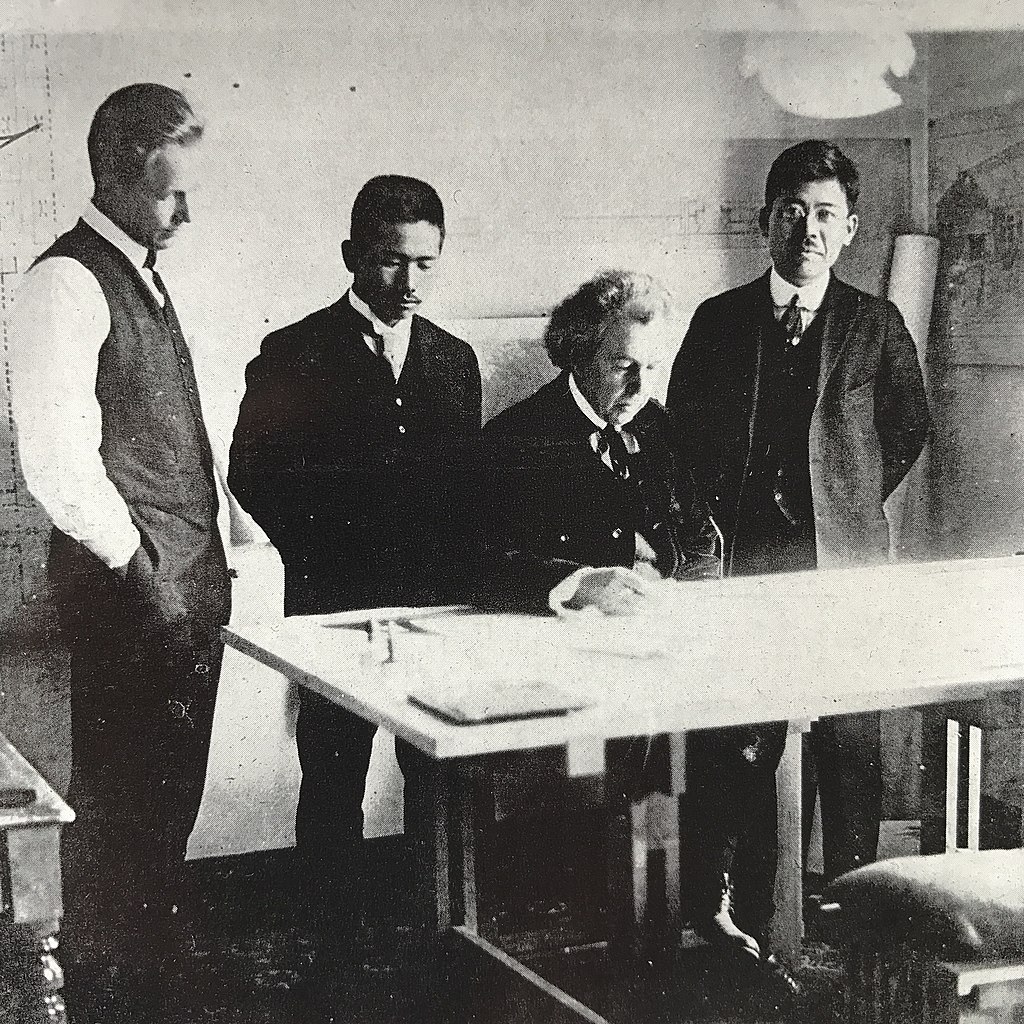
In his early years of practice, John worked on the West Coast and the Midwest before agreeing to work with Frank on Tokyo’s Imperial Hotel in Japan. The two were faced with the challenge of building a structure that could withstand the frequent earthquakes of Japan, and their original design used a system of interlocking timber beams to let the hotel to sway but not collapse. Before the hotel was even constructed, father and son once again parted ways, this time over a dispute concerning John’s salary.
Now out of work, John turned his attention to his passions and hobbies, including toy design and invention. Taking inspiration from the plans of the Imperial Hotel, he perfected the idea for Lincoln Logs in 1916. Using notched pieces of wood for the miniature logs allowed the toys to withstand playtime instead of earthquakes. Wright received a patent in 1920, eventually selling it as Lincoln Logs grew in popularity.
After his years dedicated to Lincoln Logs, John returned back to the world of architecture, designing a handful of buildings and homes in the Midwest. John’s legacy in the world of toy design is one that has spanned decades, with Lincoln Logs inducted into the National Toy Hall of Fame in 1999. More than 100 years after their inception, Lincoln Logs are still a toy well-loved by generations — and potential young architects.
With the snow and cold finally behind us in Chicago, citydwellers are finally — once again — able to enjoy the warmer weather. But as we all know, winter will come back eventually, and for many it’s a deterrent for embracing Chicago year round. The default routine is for most people to hunker down and avoid the cold, but we had a different vision in mind for our latest project. As we were designing Optima Lakeview, we wanted the amenity spaces to actually embrace the cold. The Skydeck at Optima Lakeview will be one-of-a-kind, built for year-round use with plenty of ways to stay physically and mentally healthy, even in the dead of winter.
The Optima Lakeview Skydeck will include heated, spa-grade plunge and swimming pools, and heaters and fire pits for staying cozy, even on chilly nights. Our design process was highly inspired by ski resorts, and how one can go from hopping off the slopes to jumping into a hot tub. But instead of a remote resort, Optima Lakeview residents can experience the same sensation in Lakeview’s thriving urban neighborhood. Rest and relaxation are all possible amidst colder weather, and as we’ve covered in past blog posts, combining a gym session or workout with hydrotherapy sessions or a quick swim is a great way to stay active.
The Skydeck at Optima Lakeview isn’t just a hub for wellness; it’s a place to connect with community, friends and loved ones as well. The space will also feature a glass-enclosed party room and grills, perfect for entertaining. The Skydeck is just one piece of Optima Lakeview’s 40,000 square feet of amenity spaces — including an indoor basketball court, golf simulator, fitness center and more — that are best experienced often and with others.
We hope the Skydeck at Optima Lakeview will help you Find your inspiration™ to take care of yourself, whether in July or January! Stay tuned for more updates on Optima Lakeview, or learn more here.