Women in Architecture: Billie Tsien

Some architects reshape skylines with spectacle. Others reshape the field through quiet conviction—through spaces that reward attention, invite contemplation, and honor the material world. Billie Tsien belongs to the latter lineage: a designer whose work is rooted in calm strength, subtle detailing, and a deep belief that architecture is, at its best, an act of care.

Co-founder of the New York–based firm Tod Williams Billie Tsien Architects (TWBTA), she has spent more than four decades creating buildings that feel grounded, humane, and timeless. With her partner in life and work, Tod Williams, Tsien has developed a practice defined not by signature gestures but by a philosophy—one that takes materiality seriously, attends to atmosphere, and centers the lived experience of the people who inhabit a space.

This devotion to thoughtful, human-centered design resonates strongly with Optima®’s own architectural ethos—where form, material, and experience are inseparable, and where buildings are crafted to enrich daily life rather than overwhelm it.

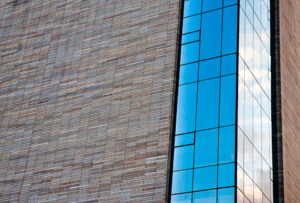
Façade detail of the Reva and David Logan Center for the Arts, University of Chicago campus. Designed by Tod Williams Billie Tsien Architects, 2012. Credit: Jamie Manley on Flickr Creative Commons, licensed under CC BY-NC-SA 2.0.

An Architecture of Patience and Presence
Billie Tsien’s design sensibility is shaped by ideas of slowness: slow craft, slow material change, slow discovery. Her buildings reveal themselves gradually, often through careful transitions, intimate courtyards, filtered light, or tactile surfaces that invite touch.

To Tsien, architecture is not about instant recognition—it’s about long-term resonance. “What we make should last and be loved,” she has said, a principle that can be felt in every project she touches.

Consider some of TWBTA’s most celebrated works:

Materiality is Tsien’s language. She gravitates toward surfaces that weather with dignity—stone, copper, bronze, concrete, wood—materials that record time and strengthen a building’s relationship with its surroundings.

This deeply material-forward approach aligns with Optima®’s commitment to architectural authenticity, expressed through its own use of sculptural concrete, expressive glass, and carefully articulated details across its Chicago, Winnetka, and Scottsdale communities. Both practices share the belief that materials should feel honest and integral—not decorative, but essential.

The Strength of a Thoughtful Partnership
The partnership between Billie Tsien and Tod Williams is one of the most enduring collaborations in contemporary architecture. Their dynamic is not a duality but a conversation—steadfast, inquisitive, and rooted in mutual respect. Together, they approach each project as a site-specific inquiry: What does this place need? What would make it feel deeply itself? How can a building foster connection—between people, between past and present, between material and meaning?

Quiet Power in a Loud Culture
In an age of architectural spectacle, Billie Tsien stands apart. Her commitment to craft and authenticity feels almost radical in its restraint. She believes that the most beautiful spaces often emerge from modesty and intention, not excess. Her buildings are made to be lived in, learned from, and loved over time. She elevates the everyday: the texture of a handrail, the depth of a window reveal, the soft transition from exterior to interior. She designs spaces that ask us to slow down and feel.

A Legacy Still Unfolding
Billie Tsien has reshaped the field through buildings, but also through leadership, mentorship, and advocacy. She has served as president of the Architectural League of New York, as a guiding figure at the American Academy of Arts and Letters, and as an inspiring presence for the next generation of architects—especially women seeking models of practice grounded in integrity and depth. Her contribution is measured not only in iconic projects, but in the values she champions: care, curiosity, calm, generosity.


Sustainable Travel for the Holidays: Low-Carbon Ways to Explore Chicago and Scottsdale

As the holiday season unfolds, many of us begin to feel the pull of movement—toward family, toward celebration, toward spaces that bring us joy. And yet, this time of year also reminds us how delicate our world can be. Travel surges, energy use climbs, and our collective footprint grows. At Optima®, where design, wellness, and environmental stewardship intersect, we believe there are ways to experience the season with intention—traveling lightly, savoring beauty, and letting architecture guide us toward more sustainable choices.

Across our communities, residents have access to vibrant urban landscapes where low-carbon transportation isn’t just possible; it’s pleasurable. Here are thoughtful, design-forward ways to explore both cities this holiday season—without compromising the planet.

Chicago: A City Made for Moving Mindfully
Chicago shines in winter. Light glows from architectural icons, storefronts warm the streetscape, and the lakefront shifts into its quiet, sculptural form. For residents of Optima Signature® and Optima Lakeview®, the city offers endlessly walkable routes where design and sustainability naturally converge.

Walk the architecture.
Chicago is one of the most walkable architectural museums in the world. Bundle up and wander through Streeterville, River North, or the Loop to experience the city as it was meant to be seen—on foot, at a human pace. Slow travel reveals the texture of the season: steam rising from sidewalks, snow tracing the lines of modernist façades, the glow of cultural institutions calling you in.

Ride the CTA with purpose.
Taking the train reduces carbon emissions dramatically, but it also immerses you in the living rhythm of the city. From Lakeview, the Red and Brown Lines offer a direct, scenic route to downtown museums, theaters, holiday markets, and the lakefront trails.

Biking the Black Canyon Trail near Scottsdale at sunrise. Credit: Bureau of Land Management on Flickr Creative Commons, licensed under CC BY 2.0

Choose pedal power.
Even in winter, Chicago’s protected bike lanes and the lakefront path remain active corridors for cyclists. Explore the parks, harbors, and cultural pockets that make the city’s North Side so distinctive on your own bike, or take advantage of the conveniently-located Divvy stations that have become a part of the city’s infrastructure.

Scottsdale: Traveling Light in the Desert
Where Chicago glows, the desert shimmers. Scottsdale’s winter season is defined by warm days, cool evenings, and a landscape that rewards slowness. Residents of Optima Kierland Apartments®, Optima Sonoran Village®, and Optima McDowell Mountain® can embrace low-carbon travel without sacrificing beauty, comfort, or ease.

Explore by foot or e-bike.
Kierland Commons, the Scottsdale Quarter, and nearby trails create a pedestrian-friendly environment where errands, dining, and leisure can happen without a car. For longer distances, e-bikes offer a breezy, zero-emission way to move through the desert air.

Connect with nature, close to home.
Low-carbon travel can mean going far less far. Sunrise walks at the McDowell Sonoran Preserve or meditative time spent in Optima®’s own lushly landscaped courtyards are ways of traveling without actually traveling at all—experiences that ground you in the season rather than rush you through it.

A holiday season that reflects your values.
Sustainable travel isn’t about perfection; it’s about choosing with awareness. Walking instead of driving. Taking the train instead of a rideshare. Exploring your own neighborhood instead of crossing the city. Enjoying architecture, culture, and nature with a lighter footprint.

This holiday season, sustainability can be an invitation to discover the beauty that’s closer than we think, to move more thoughtfully through the world, and to let design inspire us toward gentler, more joyful ways of traveling.

Discover the Center for the Arts at Wilmette Park District

Winter arrives softly in Wilmette. Morning light drifts across quiet streets, lake air sharpens just a little, and neighborhood storefronts begin to glow with the warmth of craft and community. As the season turns inward, the village’s creative spirit moves indoors—into studios, workshops, and shared spaces where hands stay busy and imaginations stay bright.

For members of the Wilmette community and residents of Optima Verdana® alike, winter becomes an invitation to explore the places that nurture this creative energy. Among the many pockets of artistry throughout the village, one stands out as a true hub of expression and connection: the Center for the Arts at the Wilmette Park District. Here, through programs in visual arts, ceramics, dance, music, and theater, the community gathers to learn, make, perform, and find warmth in creativity all season long.

At the heart of this creative landscape, the Center for the Arts serves as a cultural anchor—an inclusive space where artistry and community come together. Housed within the Community Recreation Center, it is a place where children, teens, and adults can explore craft and performance in welcoming, light-filled studios.

The Center’s hip hop team earned “Excellence” at the Xtreme Spirit Premier Championship held at Donald E. Stephens Convention Center in Rosemont. Credit: wilmetteparks Instagram.

A Community Engine for Creativity
The Center for the Arts is a vibrant ecosystem supporting creativity across ages and skill levels. Its offerings span the visual, performing, and applied arts, and the environment is intentionally designed to encourage curiosity, skill-building, and expressive freedom.

For those drawn to a design-forward lifestyle, the Center reflects a similar ethos: attention to craft, celebration of materials, and an understanding that creativity enhances well-being.

Visual Arts & Ceramics: Slow Craft for the Winter Season
Winter is an ideal time to embrace creative practices that reward patience and presence. The Center’s visual arts programs provide rich opportunities:

  • Drawing, painting, and mixed-media classes for youth and adults
  • Ceramics studios offering wheel-throwing and hand-building instruction
  • Seasonal art parties and special workshops, perfect for holiday décor or handmade gifts

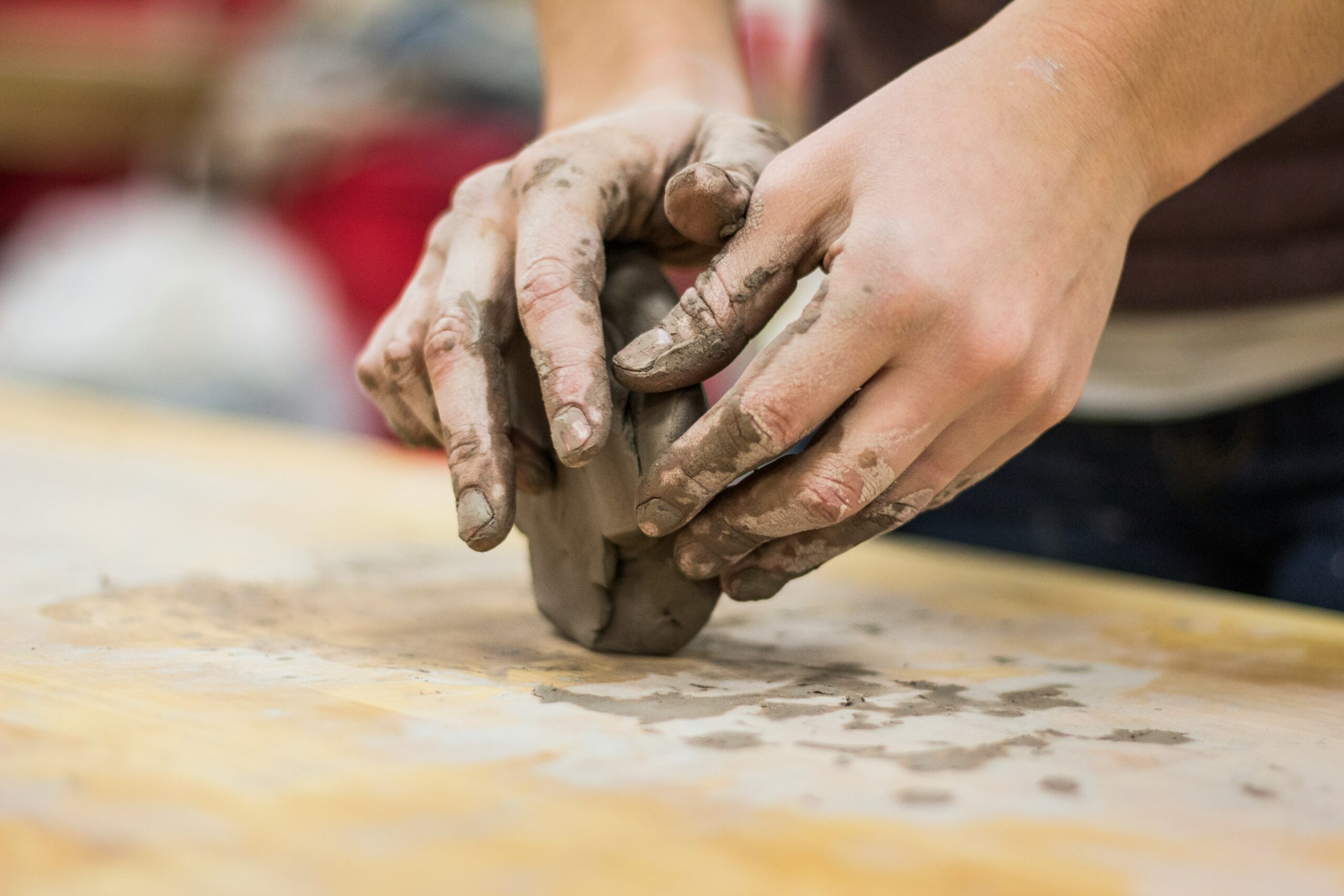
Clay studios hum with warmth, and art classrooms glow with color—providing a sanctuary of making during Wilmette’s colder months.

Dance & Movement: Expression Through Motion
Inside the Center’s dance studios, winter’s stillness gives way to rhythm and motion. Programs include:

  • Creative movement and ballet for preschoolers
  • Jazz, tap, modern, lyrical, and hip-hop for children and teens
  • Adult classes designed for joy, health, and expressive play
  • Elevé, a year-round dance program supporting deeper training and performance

These offerings give families and individuals the chance to stay active, engaged, and inspired—even when outdoor activities pause for the season.

Theater & Music: Performance, Play, and Skill-Building
The Center’s performing arts programs bring Wilmette’s creative spirit to life:

  • Wilmette Children’s Theater — A beloved local institution, this program offers young performers a chance to build confidence and collaborate through plays and musicals. Winter productions become community events, filling the theater with families, friends, and neighbors.
  • Music Classes & Lessons — From early childhood explorations to more advanced instruction, these programs cultivate both skill and joy. Music rooms become warm havens of melody and discovery throughout the winter.

Family & Community Workshops: Art as Shared Experience
The Center also hosts:

  • Family-friendly workshops
  • Holiday-themed sessions
  • Open studios
  • One-evening creative activities

These short-format experiences are ideal for those trying something new or seeking meaningful, low-pressure ways to infuse creativity into the winter season.

A Creative Refuge for the Winter Months|
When lake winds rise and daylight shortens, the Center for the Arts becomes a place of warmth—both literal and emotional. In its studios and rehearsal spaces, winter finds a counterbalance and the Center hums with life, offering community connection and creative expression just when residents need them most.

How to Get Involved

  • Visit the Center for the Arts at the Community Recreation Center (3000 Glenview Road).
  • Browse winter and seasonal offerings online and note early registration periods.
  • Begin with a workshop, or dive into a full-length class series.
  • Encourage friends or family members to join—creativity grows in company.

A Cultural Anchor for Wilmette
The Center for the Arts stands as one of Wilmette’s most meaningful community assets. It embodies the village’s values: creativity, connection, inclusivity, and lifelong learning. As winter settles in, it becomes a particularly treasured sanctuary—inviting residents to explore new skills, deepen passions, and warm the season with color, movement, and collaborative making.

For those who call Wilmette home—including the community at Optima Verdana® — the Center offers a way to embrace creativity as a daily practice and a shared joy.

Inside Optima®: Winter Wellness Rituals for the Season Ahead

Winter arrives differently inside an Optima® community. Light pours through glass walls, warm air rises from indoor pools, and the rhythm of daily life shifts into something quieter, more intentional. The cold months invite a different kind of wellness—one shaped by architecture, ritual, and the quiet beauty of moving through thoughtfully designed spaces.

From Chicago to Wilmette to Scottsdale, here’s how winter wellness takes shape within Optima®’s world, offering comfort, energy, and balance during the season.

Mornings That Start with Light and Clarity
In our modern, open-plan residences, winter mornings become a gentle ritual. Natural light—soft, angled, often diffused by snow or cloud—filters into living spaces, creating an atmosphere that’s calm and grounding. A slow start becomes part of the day’s wellness practice: warm tea, quiet journaling, simple stretching or breathwork with the sunrise.

For many, the architecture itself becomes part of the ritual. Floor-to-ceiling windows offer a daily connection to the outdoors, while the warmth of the home invites stillness. It’s a chance to begin the day with intention before the pace of the world speeds up.

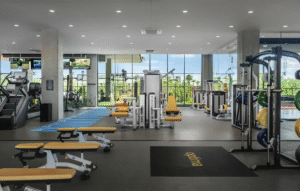
The fitness center at Optima McDowell Mountain® features state-of-the-art strength and performance equipment.

Movement That Matches the Season
Winter can shift the way we think about fitness—but at Optima®, movement remains a year-round joy. Indoor amenity spaces are designed to support a range of experiences, from energizing workouts to restorative sessions.

  • Indoor fitness centers provide room for strength training, cardio, and mobility practice without stepping into the cold. Natural light and clean lines make these spaces feel uplifting even on overcast days.
  • Yoga and meditation rooms become sanctuaries during winter, offering a warm, quiet place to stretch, breathe, and reset.

And in Scottsdale, where winter means crisp mornings and cool evenings rather than snow, the season is perfect for outdoor workouts, walks, and sunrise routines in the mild desert air.

Warmth, Water, and the Joy of Resetting
Pools, saunas, and spas take on a special significance in cold months. These are places where muscles unwind, stress softens, and the body warms from the inside out.

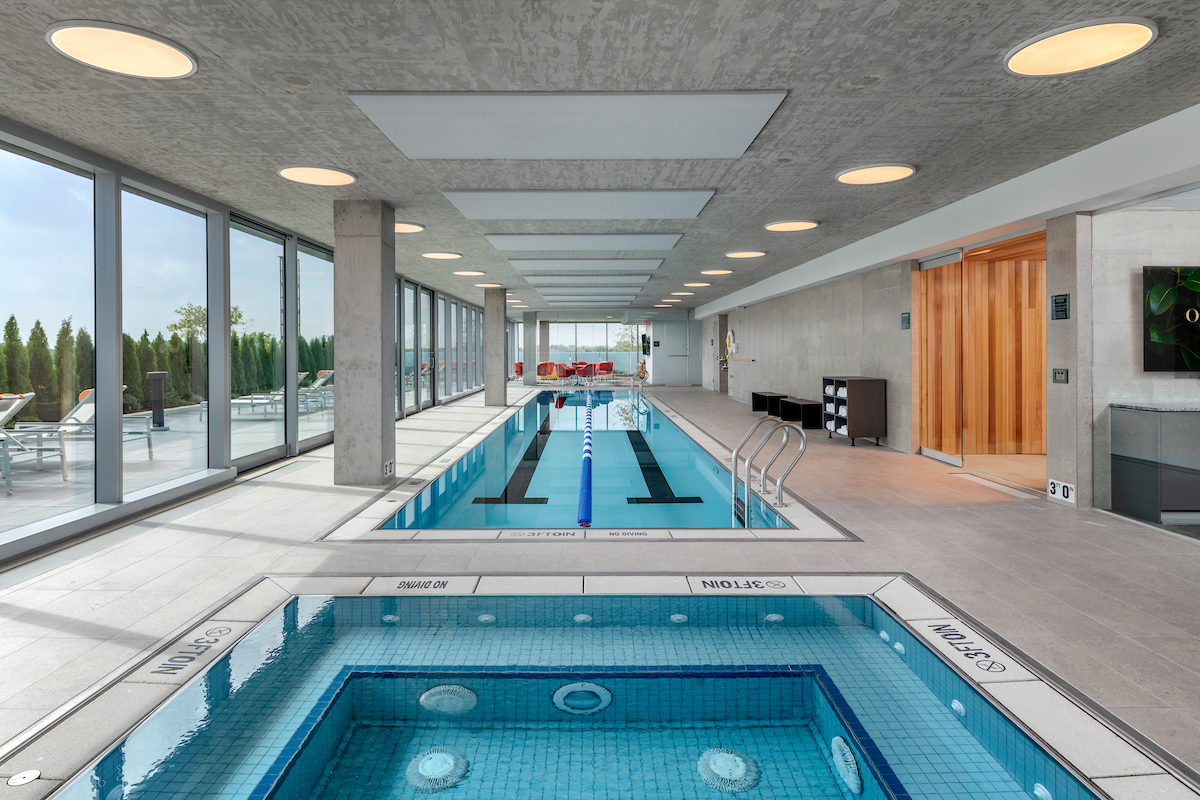
  • Indoor heated pools offer a sense of escape—a warm, gentle environment where you can swim laps, float, or simply breathe. Watching snow fall outside while gliding through warm water is one of winter’s most unexpected luxuries.
  • Saunas provide a restorative counterpoint to the cold. The heat relaxes tension, supports circulation, and creates a meditative moment that resets the nervous system.
  • Spas and whirlpools become gathering places for quiet connection or solo relaxation—a way to release the day’s chill and sink into comfort.

Together, these spaces create their own season of wellness, offering warmth and recovery without leaving the building.

Moments of Mindfulness, Built Into the Architecture
Optima®’s architecture naturally supports reflection throughout the winter months. Open spaces encourage slower movement. Lush landscaped courtyards—visible from both amenities and private homes—bring a sense of nature into daily life, even when temperatures drop.

Quiet alcoves, lounges, and shared spaces invite reading, sketching, or simply watching the changing sky. The architecture makes room for stillness, offering a refuge from the intensity of the season. And because Optima® communities are deeply connected to their neighborhoods, winter rituals often include small outings—to local cafés, cultural spaces, or parks—keeping life balanced between the comforts of home and the energy of the city.

A Season of Intentional Living
Winter wellness at Optima® isn’t one thing—it’s a collection of gentle habits that resonate with the season: slow mornings, warm water, thoughtful movement, quiet reflection, and meaningful connection to light and nature.

The architecture supports it. The amenities elevate it. And the result is a season lived with intention, comfort, and a deep sense of well-being.


Home for the Holidays: A Guide to Decorating Modernist Interiors

The holidays arrive gently inside a modernist home. Light stretches across expansive floors. Glass walls gather the shifting colors of winter. The architecture—open, minimal, intentional—sets the tone. Instead of competing with this clarity, holiday décor can echo it, creating moments of warmth that enhance, rather than overwhelm, the space.

For residents of Optima® communities — Optima Signature® and Optima Lakeview® in Chicago, Optima Verdana® in Wilmette, and Optima Kierland Apartments®, Optima Sonoran Village®, and Optima McDowell Mountain® in Scottsdale, the season is an opportunity to celebrate the beauty of restraint: decorating in ways that honor materiality, play with light, and bring nature indoors. Here’s a guide to approaching holiday décor through a design-conscious lens—one that feels at home in modernist spaces.

Begin with Light: The Season’s Most Modern Material
In modernist architecture, light is everything. This time of year, it becomes an active participant in the room.

  • Use soft, warm glows. Think frosted glass lanterns, minimal metal candleholders, or a cluster of tea lights arranged with intention. Light should feel quiet—more atmosphere than ornament.
  • Let reflections do the work. In homes with floor-to-ceiling glass, even the smallest illumination can multiply. Place lights where the architecture amplifies them: along window ledges, against concrete columns, or on floating shelves.
  • Avoid heavy string lights. Instead, choose delicate strands or sculptural LED pieces that feel like part of the architecture, not an afterthought.
A simple bough carries all the spirit and warmth of the season. Credit: Tina Miroshnichenko on Pexels.

Bring Nature In—With Restraint
Modern interiors excel when materials speak. During the holidays, nature can add warmth without clutter.

  • Choose simple greenery. A single branch of pine in a tall, narrow vase can be more striking than an entire garland. Eucalyptus, magnolia, desert botanicals, or juniper offer subtle color and shape.
  • Think sculptural, not sprawling. Minimal wreaths made from a thin brass ring and a small cluster of greenery feel contemporary and elegant—perfect for glass doors or concrete walls.
  • Honor the palette around you. Chicago and Wilmette residents might echo the winter landscape with muted greens and silvers, while Scottsdale homes can play with desert tones: sage, dusty rose, soft gold.

Use Color as an Accent, Not a Theme
Modernist interiors thrive on clarity. Too much color can feel noisy, but a single hue—strategically placed—can bring the season alive.

  • Pick one color story. Think deep forest green, warm terracotta, soft gold, or even a rich charcoal. Repeat it sparingly in textiles, glassware, or small decorative objects.
  • Let materials take the lead. Raw wood, brushed metal, wool, and stone carry warmth without introducing unnecessary visual clutter.
  • Avoid patterned décor. Minimalist spaces benefit from solids, textures, and tone-on-tone gestures that feel calm and architectural.

Create Small, Intentional Gatherings of Objects
Modernist design loves a vignette—a small cluster of objects that tell a story through composition.

  • Try a holiday still life. Arrange three to five objects on a tray: a candle, a ceramic vessel, a small botanical, a sculptural ornament. Let negative space do the rest.
  • Edit ruthlessly. If it doesn’t add beauty or meaning, it’s not needed. One thoughtful arrangement can feel more festive than an entire room of decorations.

Let the Architecture Shine
Holiday décor shouldn’t hide what makes Optima homes exceptional: the clean lines, the views, the expressive material palette.

  • Keep sightlines open. Resist the urge to place decorations on every surface. Allow the visual flow from one room to another to remain uninterrupted.
  • Highlight key architectural details. A concrete column wrapped with a single ribbon of greenery. A floating shelf with a minimalist candle. A glass corner that frames a small, sculptural tree.
  • Choose décor that feels like an extension of the space. Think in terms of form, balance, and proportion—the same principles the architecture was built upon.

A Modern Holiday, Defined by Warmth and Intention
Celebrating the holidays in a modernist home doesn’t mean sacrificing tradition—it means shaping it to fit your environment. With clean lines as your canvas, small gestures can have big emotional impact. A soft glow. A sculptural branch. A simple palette. A sense of calm that carries through each room.

At Optima®, where light, material, and open space define the experience of home, the holidays become an opportunity to express beauty in its most distilled form. Modern, warm, and unmistakably yours.


An Evening of Glow and Resonance: Candlelight Concerts in Chicago

For Optima® residents and visitors alike, Chicago’s Candlelight Concerts offer something both familiar and transcendent: live music performed in evocative settings, bathed in the soft glow of candlelight. It’s an experience that aligns beautifully with the ethos of Optima®—vibrant living, sensory enrichment, and a deep engagement with the cultural life of the city.

The Magic of Candlelight
At a Candlelight Concert, audiences are invited into a world of intimacy and warmth. String quartets and small ensembles perform beloved works—ranging from Vivaldi and Mozart to Coldplay and Taylor Swift—within strikingly atmospheric spaces. The venues themselves, often historic landmarks or architectural gems, are transformed by hundreds of flickering candles into spaces that feel suspended in time. The result is an immersive evening that transcends genre or generation, offering both comfort and awe.

The experience is intentionally multi-sensory: the shimmer of light on vaulted ceilings, the resonance of strings in a room alive with history, the shared stillness among an audience fully present in the moment. For many, it’s a welcome antidote to the pace of city life—an invitation to pause and let music work its quiet magic.

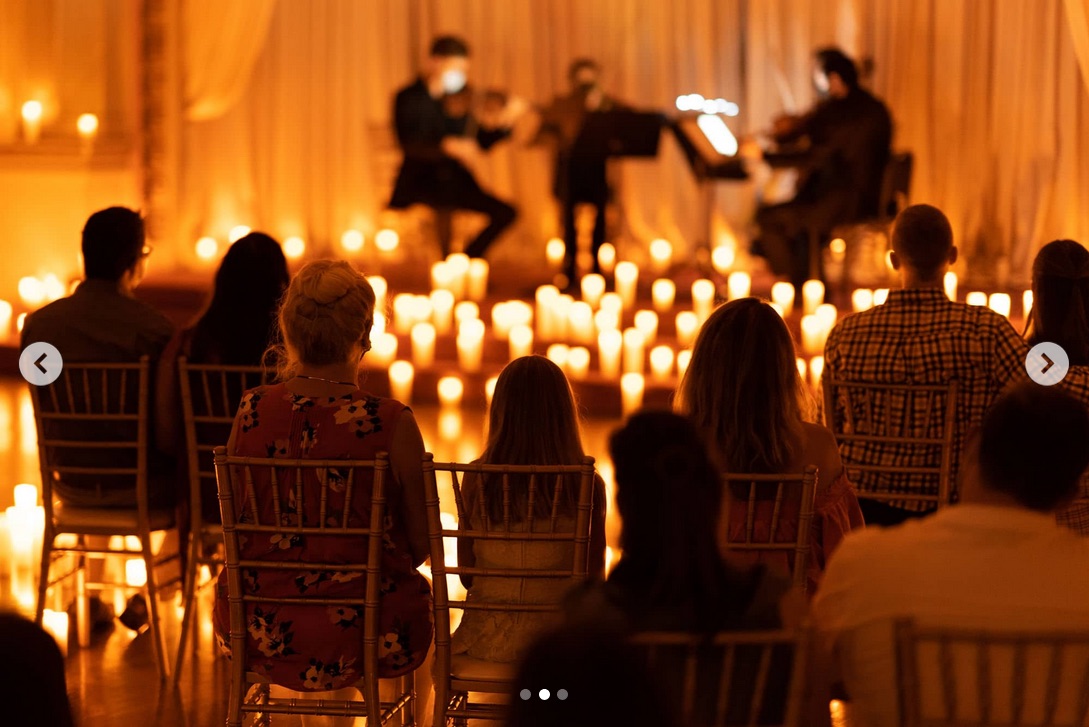
Candlelight Concert at Stan Mansion. Credit: Stan Mansion Instagram

A Citywide Stage
Chicago’s Candlelight series unfolds across an inspired selection of venues, each one amplifying the music in its own way. At the gilded Stan Mansion in Logan Square, the glow of candles against marble and gold leaf sets a tone of romance and grandeur. The Wicker Park Lutheran Church offers stained glass and soft acoustics that make every note shimmer. And in Oak Park, the Arts Center brings the neoclassical grace of the early 20th century into dialogue with modern musical interpretations.

The repertoire is as diverse as the city itself—offering everything from classical masterworks to jazz tributes and contemporary pop arrangements. This thoughtful mix ensures that every audience member finds something that resonates, whether rediscovering a timeless sonata or hearing a favorite song anew through the language of strings.

Living Beautifully, Locally
For residents of Optima Lakeview®, Optima Signature®, and Optima Verdana®, the Candlelight Concert series is an invitation to connect with the artistic heartbeat of Chicago. Just as Optima® communities blur the boundaries between architecture, art, and life, these performances celebrate the beauty of shared experience—where design, light, and sound converge to create something more than the sum of their parts.

Both Optima® and the Candlelight series share a belief that aesthetic experiences shouldn’t be reserved for special occasions—they should be woven into daily life. Whether attending a concert in a nearby landmark or gathering with neighbors afterward to discuss the performance, residents engage with their city in ways that are thoughtful, tactile, and inspiring.

In the end, a Candlelight Concert is an experience of place, presence, and connection—one that reflects the same commitment to culture, community, and beauty that defines life in our communities.

To learn more about upcoming Candlelight Concerts in Chicago and plan your next illuminating evening, visit the official Candlelight Concerts website.


Roger Brown: The Hidden Architect of Things

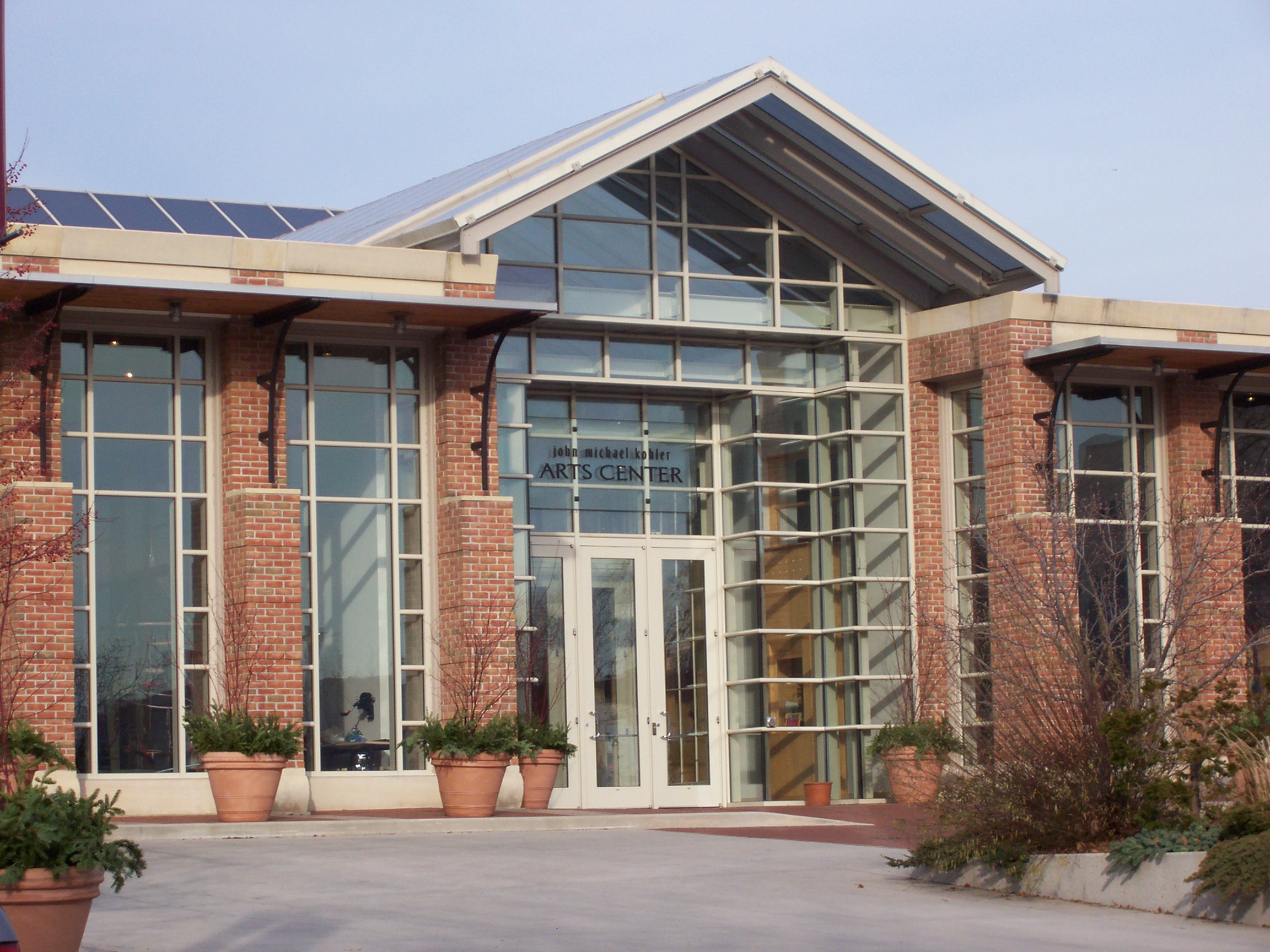
This fall, the John Michael Kohler Arts Center in Sheboygan unveiled Recent Acquisition: Roger Brown Study Collection, an evocative exhibition celebrating the legendary Chicago Imagist’s deep archive of art, design, and everyday objects. The show marks the arrival of Brown’s expansive study collection to the Arts Center and its Art Preserve — a museum dedicated to artist-built environments and immersive creative worlds.

Roger Brown (1941–1997) was known for his bold, narrative paintings — vivid slices of American life rendered in rich color and sly humor — but just as compelling was the world he built around his work. His Chicago home and studio on North Halsted Street were filled floor to ceiling with what he called his “visual diary”: folk art, thrift-store finds, roadside souvenirs, toys, furniture, and artworks by friends and peers. Together, they formed a living environment that blurred the line between art and life, between collecting and creating.

“I was building a world to live in, not just pictures to look at.”
— Roger Brown


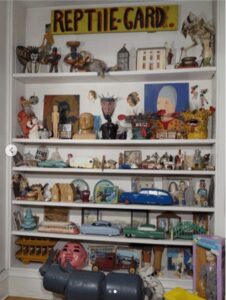
Part of the Chicago home collection of artist #RogerBrown containing more than 2,000 works by fellow Chicago Imagists and non-mainstream artists. Credit: John Michael Kohler Arts Center Instagram.

From Chicago to Sheboygan
The transfer of Brown’s collection from the School of the Art Institute of Chicago to the Kohler Foundation and the John Michael Kohler Arts Center represents a major cultural moment. Installed at the Art Preserve, the collection now enters a conversation with other artist environments — immersive, hand-crafted worlds that reveal how artists think through space, time, and material.

The exhibition re-creates aspects of Brown’s domestic installation: shelves crowded with folk sculpture, thrift-store paintings, and bits of Americana. One vignette evokes the stairwell of his Chicago home, where each object was placed with curatorial precision and intuitive wit. These scenes demonstrate how Brown’s way of seeing extended beyond the canvas — his architecture of display was as intentional as his art.

Architecture, Art, and Everyday Life
Brown was not an architect, yet he understood the poetic potential of space. His layered environments anticipated contemporary ideas about spatial storytelling — the notion that how we organize and inhabit our surroundings reveals who we are. The Kohler exhibition highlights this connection beautifully, showing how Brown’s interior worlds serve as both subject and structure for his creative practice.

Walking through the installation feels like stepping into an artist’s mind — every object charged with meaning, every angle composed. It’s an experience that transcends nostalgia, instead celebrating the improvisational architecture of everyday beauty.

In Conversation with Optima®’s Vision
At Optima®, we see a profound resonance between Brown’s vision and our own design philosophy. His ability to integrate art, architecture, and the lived environment mirrors the way our communities blur boundaries between structure and landscape, indoors and outdoors, individual expression and collective experience.

Just as Brown’s collection reveals how objects tell stories of place and time, Optima buildings invite residents to shape their own layered narratives within spaces defined by light, texture, and connection. Both perspectives embrace the idea that design is not static — it is a living framework that evolves with the people and ideas it holds.

In Sheboygan, Recent Acquisition: Roger Brown Study Collection reminds us that every environment — whether a home, studio, or architectural space — holds the potential to become a work of art. Through attention, arrangement, and imagination, we give form to the worlds we inhabit.

Visit the Exhibition
Recent Acquisition: Roger Brown Study Collection
John Michael Kohler Arts Center / Art Preserve
On view through Spring 2026 in Sheboygan, Wisconsin

For hours, directions, and visitor information, visit jmkac.org.

Women in Architecture: Marion Weiss

In the evolving story of contemporary architecture, few have done more to dissolve boundaries — between disciplines, between built and natural environments, between imagination and form — than Marion Weiss. As cofounder of Weiss/Manfredi, she has spent her career redefining what it means to design “between” things: architecture and landscape, art and infrastructure, public and private space.

Weiss’s work embodies a philosophy of integration — an idea that resonates deeply with the Optima® ethos. Together with partner Michael Manfredi, she has created a portfolio of projects that move gracefully across scales and contexts, proving that design is not about asserting control over the environment, but about choreographing relationships within it.

Born in Philadelphia, Weiss studied at the University of Virginia and Yale School of Architecture, where she was drawn to the power of the landscape as both context and collaborator. That early interest has shaped her design sensibility ever since. In Weiss’s world, topography is never background; it is the generative force that gives architecture its shape and meaning.

Among her most acclaimed projects, the Olympic Sculpture Park in Seattle remains a masterclass in synthesis. Carved from a challenging urban site, the design creates a continuous, unfolding experience that moves from city to water, weaving art and ecology into a single living tapestry. The park transforms what was once a derelict industrial zone into a civic landscape of connection and renewal — a poetic act of urban repair that embodies Weiss’s belief in design as both sculptural and social.

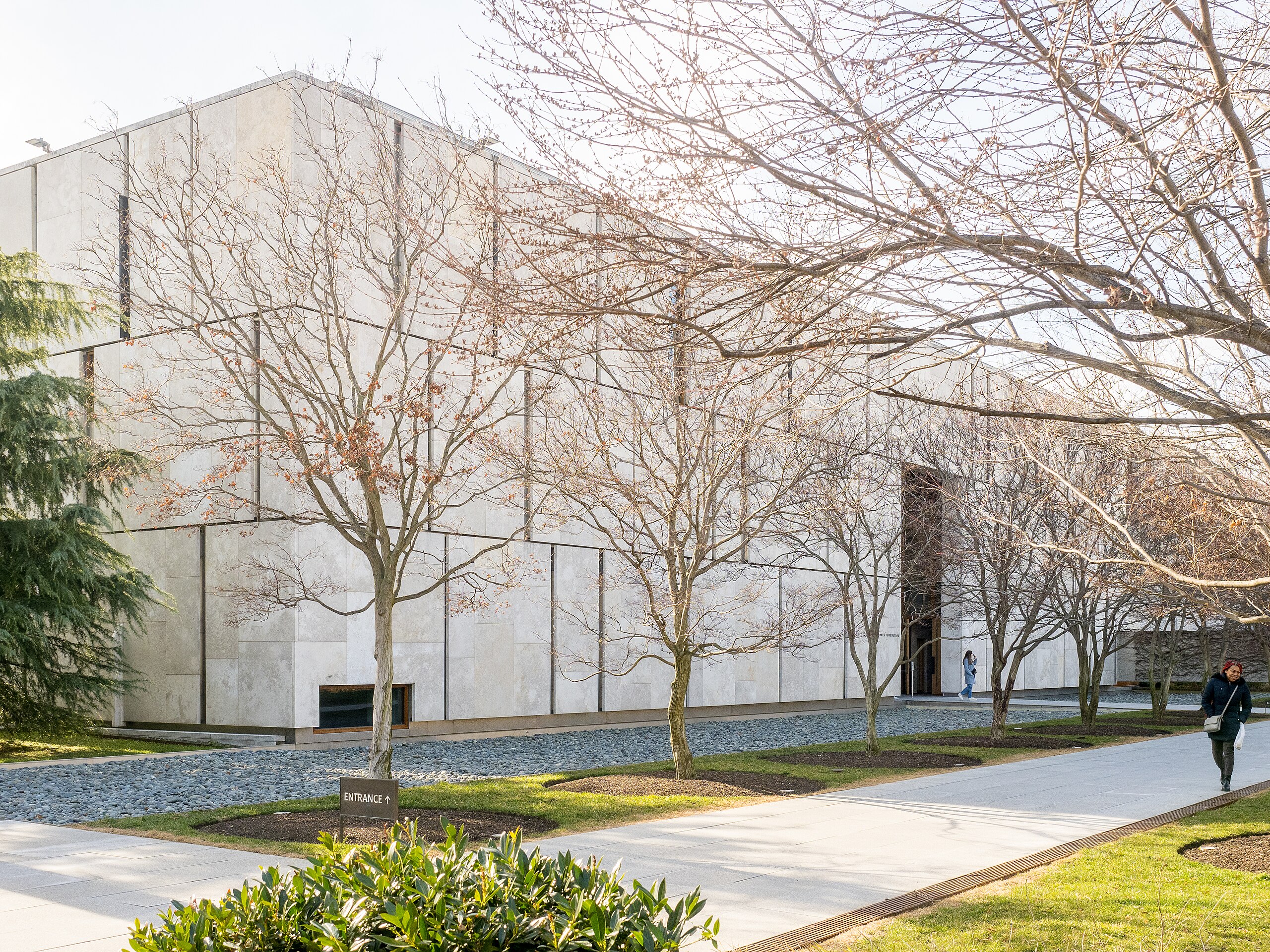
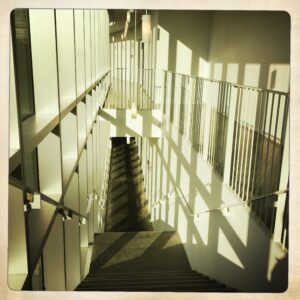
Interior of the Barnard College Diana Center, 2016. Credit: dxbr on Wikimedia Commons, licensed under CC BY-SA 4.0 Deed.

That same sensibility defines later works such as the Barnard College Diana Center in New York, where translucent layers of glass and structure reveal an interior life of collaboration, study, and movement. Or the La Brea Tar Pits Master Plan, where Weiss/Manfredi reimagines a storied site of natural and cultural history as a place of discovery — one that honors the deep time beneath our feet while creating new ways to experience it.

Through it all, Weiss maintains a profound commitment to education and mentorship. As the Graham Chair Professor of Architecture at the University of Pennsylvania’s Weitzman School of Design, she challenges students to think expansively — to see architecture not as object-making, but as a spatial dialogue with the world.

For Weiss, the act of design begins with listening: to the site, to the climate, to the people who will inhabit the space. Her projects feel less like monuments and more like continuities — extensions of the landscape that invite participation and movement.

This perspective resonates with Optima®’s own architectural philosophy, where transparency, light, and integration with nature are central to how people live and interact within space. Both approaches seek to dissolve the barriers between interior and exterior life, between structure and setting — allowing architecture to breathe, adapt, and evolve.

In an era increasingly defined by environmental urgency and social complexity, Marion Weiss reminds us that architecture’s greatest strength lies in its capacity to connect. Her work suggests that when we design with empathy — for place, for people, for possibility — we create spaces that endure not by standing apart, but by belonging deeply to their context.

At Optima®, we recognize a kindred vision in Weiss’s work — one that views architecture as a living interface between people and the natural world. Just as Weiss/Manfredi projects flow seamlessly from structure to landscape, Optima®’s communities blur the boundary between indoors and out through expansive glazing, lush terraces, and thoughtfully layered green spaces.

In Wilmette, Scottsdale, and Chicago alike, that philosophy takes form in buildings that engage light, climate, and topography with the same sensitivity Weiss brings to every site she touches. Both perspectives affirm that the most inspiring architecture doesn’t resist its environment — it collaborates with it.

Through her practice, Marion Weiss has shown that design can be both ambitious and attuned, sculptural and sustainable, artful and human. It’s a balance that continues to guide the evolution of Optima®’s own spaces — where architecture, landscape, and life come together as one.

Craft, Community, and Coffee: Wilmette’s Café Culture

Morning in Wilmette unfolds with quiet grace. Light filters through trees, the lake stirs softly to the east, and the aroma of freshly brewed coffee mingles with the rhythm of daily life. For residents of Optima Verdana®, this is a marvelous opportunity to enjoy immediate access to Wilmette’s vibrant local offerings — independent cafés and bakeries that hum with warmth and welcome, each a reflection of the community’s distinctive blend of craftsmanship and connection. Here, coffee is a ritual of presence — a way to pause, connect, and savor the beauty of where you are. Here, residents find that beauty is everywhere: in the warmth of a café window, the rhythm of a familiar walk, and the quiet joy of feeling at home.

At Hewn Bread, the air itself seems to rise with the bread. Known far beyond the North Shore for its hand-forged loaves and pastries, Hewn feels like the spiritual heart of Wilmette mornings — where patience, process, and the beauty of imperfection create something unforgettable. Locals gather here not just for the croissants, but for the sense of belonging that fills the room like sunlight. Hewn Bread, 894 Green Bay Road

Credit: Central Station Coffee & Tea Facebook

Central Station Coffee & Tea anchors the downtown rhythm with the easy familiarity of a neighborhood café. Whether it’s the morning rush for espresso or the afternoon pause with a good book, Central Station feels woven into daily routine — a place where the barista knows your name and your story. Central Station Coffee & Tea, 1150 Central Avenue

Nearby, St. Roger Abbey Café, run by the Bernardine Cistercian nuns, adds a soulful note to Wilmette’s café landscape. Their organic pastries, handcrafted chocolates, and fair-trade coffee serve a deeper mission — sustaining their monastery and community work. It’s a quiet reminder that even something as simple as a cup of coffee can hold generosity at its core. St. Roger Abbey Café, 1101 Central Avenue

Evadean’s Bakery & Café captures the village’s friendly spirit in a bright, bustling space filled with the scent of biscuits, maple syrup, and conversation. Breakfast here feels timeless — a joyful blend of good food, local faces, and the comforting sense that you’ve arrived somewhere that will remember you. Evadean’s Bakery & Café, 1115 Central Avenue

Heading east to Plaza del Lago reveals Convito Café & Market, a North Shore institution where Italian-inspired fare meets easygoing sophistication. Here, the clink of espresso cups mingles with the cadence of conversation, and the pace slows just enough to remind you what leisure feels like. Convito Café &  Market, Plaza del Lago, 1515 Sheridan Road

And tucked within the storefronts of downtown, Alchemy Coffee House brings a touch of artistry to the everyday. Its handcrafted beverages, curated playlists, and pared-down interiors invite you to linger — to read, to write, or simply to be still for a while. Alchemy Coffee House, 416 Linden Avenue

Together, these local cafés form the social fabric of Wilmette: gathering places where small rituals turn into relationships and community takes shape one cup at a time.


“Beyond Van Gogh” Transforms Old Town Scottsdale

At Beyond Van Gogh — now open in Scottsdale through January 4, 2026 — you’re not simply viewing art, but inhabiting it. Located in the heart of Old Town, this immersive journey invites visitors to experience the work of Vincent van Gogh in entirely new, enveloping dimensions. It’s a multisensory celebration of light, color, and emotion that transforms how we engage with one of history’s most beloved artists.

The Art of Immersion
The experience begins in an introductory gallery that sets the stage for Van Gogh’s creative journey — his struggles, inspirations, and the stories behind his most iconic paintings. From there, visitors step into a vast, luminous space where more than 300 of his works are projected in motion. Walls, floors, and even the air seem to shimmer with brushstrokes and color.

High-definition projections and a symphonic soundscape create the sensation of walking through Starry Night, standing amid Sunflowers, or watching the vibrant countryside swirl to life around you. Seeing these works at this monumental scale reveals the intensity and rhythm of Van Gogh’s hand — an invitation to feel what he felt, not just to see what he saw.

Credit: @beyondvangogh

A Resonating Moment
More than a digital spectacle, Beyond Van Gogh is an encounter with emotion, creativity, and transformation. It asks visitors to think about how light, movement, and space influence the way we experience art — the same ideas that shape architecture and design.

That’s one reason it resonates so deeply in Scottsdale, a city known for its art-forward sensibility and design-driven culture. For those who live in Optima Kierland Apartments®, Optima Sonoran Village®, and Optima McDowell Mountain®, the exhibition reflects familiar values: bold creativity, connection to nature and light, and the joy of shared cultural experiences.

Practical Details
Beyond Van Gogh: The Immersive Experience runs through January 4, 2026, at 4301 N Scottsdale Road in Old Town. The show, creative in a massive 30,000 square-foot space, lasts an hour and is both stroller-friendly and wheelchair accessible. Tickets are available online, and timed entry ensures a comfortable flow of guests through the exhibition.

Making the Most of It
Plan your visit around sunset to pair the golden desert light with the exhibition’s glowing interior — a dialogue between art and environment that van Gogh himself would have loved. Afterward, take a walk through nearby galleries, grab a drink at one of Scottsdale’s rooftop lounges, or linger over dinner at a local favorite.

For Optima® residents and visitors alike, Beyond Van Gogh offers the perfect blend of culture and atmosphere that makes Scottsdale’s creative scene so dynamic.

A Living Canvas
In a time when art and architecture are both redefining how we experience space, Beyond Van Gogh stands out as a moment of wonder. It reminds us that beauty can be immersive, that creativity can bridge centuries, and that stepping into a work of art — even for an hour — can change the way we see the world outside it.

To learn more or reserve tickets, visit beyondvangogh.com


person name goes here

Maintenance Supervisor

Glencoe, IL


    Acceptable file types: *.pdf | *.txt | *.doc, max-size: 2Mb