A Year in Review: Design, Discovery, and the Everyday Beauty of Optima® Living

As 2025 draws to a close, we find ourselves reflecting on a year shaped by creativity, community, and the continual evolution of modern living. Across every Optima® residence—from our vibrant communities in Chicago, to the lakeside calm of Wilmette, to the desert-framed neighborhoods of Scottsdale—this has been a year of deepening connection to place, craft, architecture, and one another.

What stands out is how our communities make meaning from the everyday. At Optima Verdana® in Wilmette, residents embraced the rhythms of the seasons through stories that celebrated the village’s shoreline ecology, independent cafés, and remarkable arts programs. We explored the hidden geographies of ravines and lakefront bluffs; we stepped inside makers’ studios; we immersed ourselves in winter workshops and creative gatherings. Optima®’s own design ethos—greenery cascading through atria, warm materials, abundant light—felt like a natural extension of these narratives: an architecture intertwined with its surrounding village life.

In Chicago, our blogs immersed readers in cultural exploration and urban storytelling. We wandered through neighborhood theaters, rediscovered the intimacy of architectural walking tours, and highlighted exhibitions and performances shaping the city’s artistic dialogue. We spent time at institutions that anchor Chicago’s creative identity—from the Museum of Contemporary Art to the John Michael Kohler Arts Center’s Chicago Imagist exhibitions. Our continuing “Women in Architecture” series spotlighted visionary creators like Marion Weiss, Lesley Lokko, and Anne Lacaton, whose thinking resonates deeply with Optima®’s own commitment to human-centered Modernism. And throughout, Optima Signature® and Optima Lakeview® served as gateways to the city’s cultural vibrancy—places where residents are steps away from the theater district, lakefront paths, galleries, and historic neighborhoods.

Meanwhile in Scottsdale, 2025 unfolded as a year of celebration, wellness, and discovery. We celebrated the rhythms of desert living—from fall festivals and culinary events to immersive art experiences such as Beyond Van Gogh and other exhibitions across the Valley. Seasonal deep dives into Oktoberfest in Tempe and Phoenix captured the joyful energy that defines autumn in the Southwest. Throughout these stories, life at Optima Kierland Apartments®, Optima Sonoran Village®, and Optima McDowell Mountain® emerged as a seamless blend of design, nature, and community. Residents gathered around sparkling amenities, enjoyed panoramic mountain views, and experienced firsthand how architecture that welcomes light and air can elevate daily wellbeing.

Across Chicago, Wilmette, and Scottsdale, the themes that surfaced again and again reflect the core of Optima® living: a reverence for design, a celebration of the arts, and a belief that architecture should enhance the human experience. Perhaps most meaningfully, 2025 reminded us that connection—to culture, to nature, and to one another—is the true foundation of community. It is embedded in every Optima® residence, in the way light enters a room, in the integration of landscape and structure, in the gathering spaces that encourage conversation and discovery.

As we look ahead to 2026, we carry with us the stories and connections that shaped this year—stories of curiosity, artistry, thoughtful living, and architectural imagination. Thank you for being part of the Optima® community.
Pantone® Color of the Year 2026: Cloud Dancer

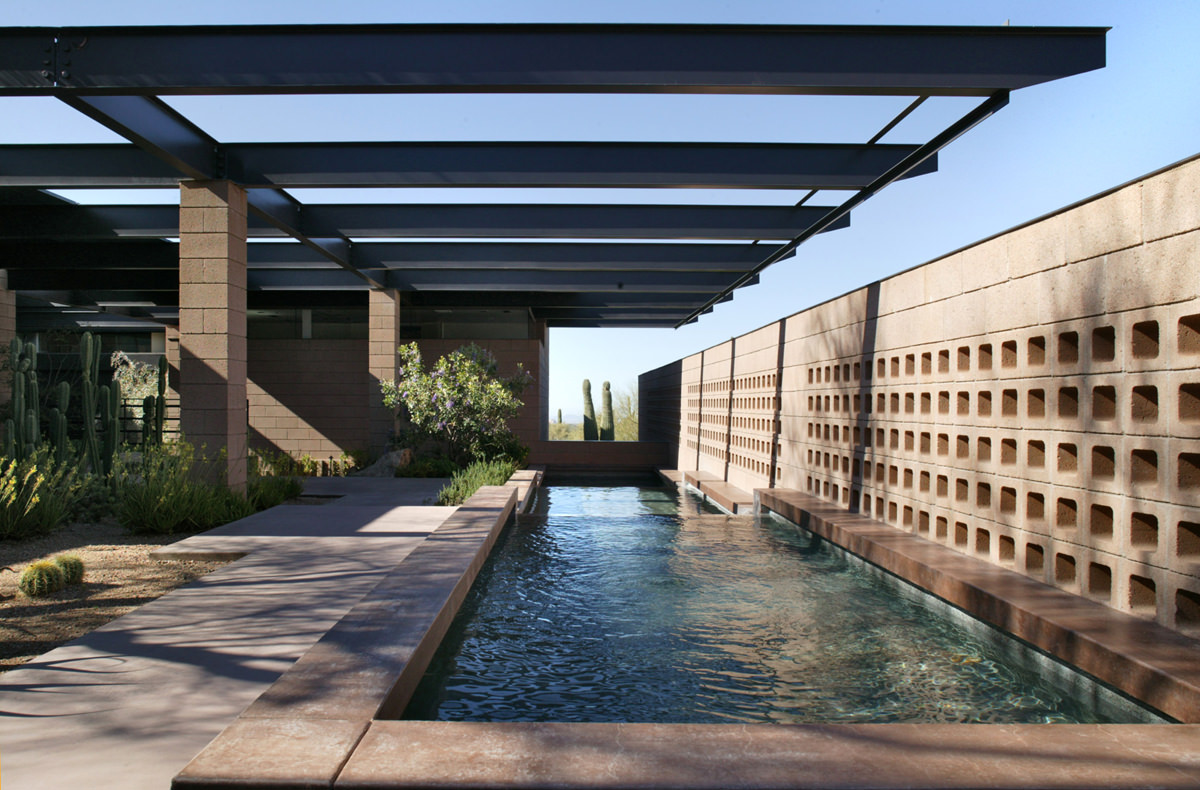
Each year, the Pantone® Color of the Year arrives as both a reflection and a proposition—an atmospheric reading of where we are, and a subtle invitation toward where we might go next. For 2026, that color is Cloud Dancer: a soft, luminous neutral that hovers between white and pale gray, carrying with it a sense of airiness, calm, and quiet optimism.

At first glance, Cloud Dancer feels understated. But like the most enduring design ideas, its power lies in nuance. This is not a blank white or a cool gray; it’s a tone infused with light, warmth, and breath. It evokes morning skies before the day asserts itself, the hush of elevation, the feeling of space opening rather than closing. In a world still negotiating speed, noise, and density, Cloud Dancer offers pause.

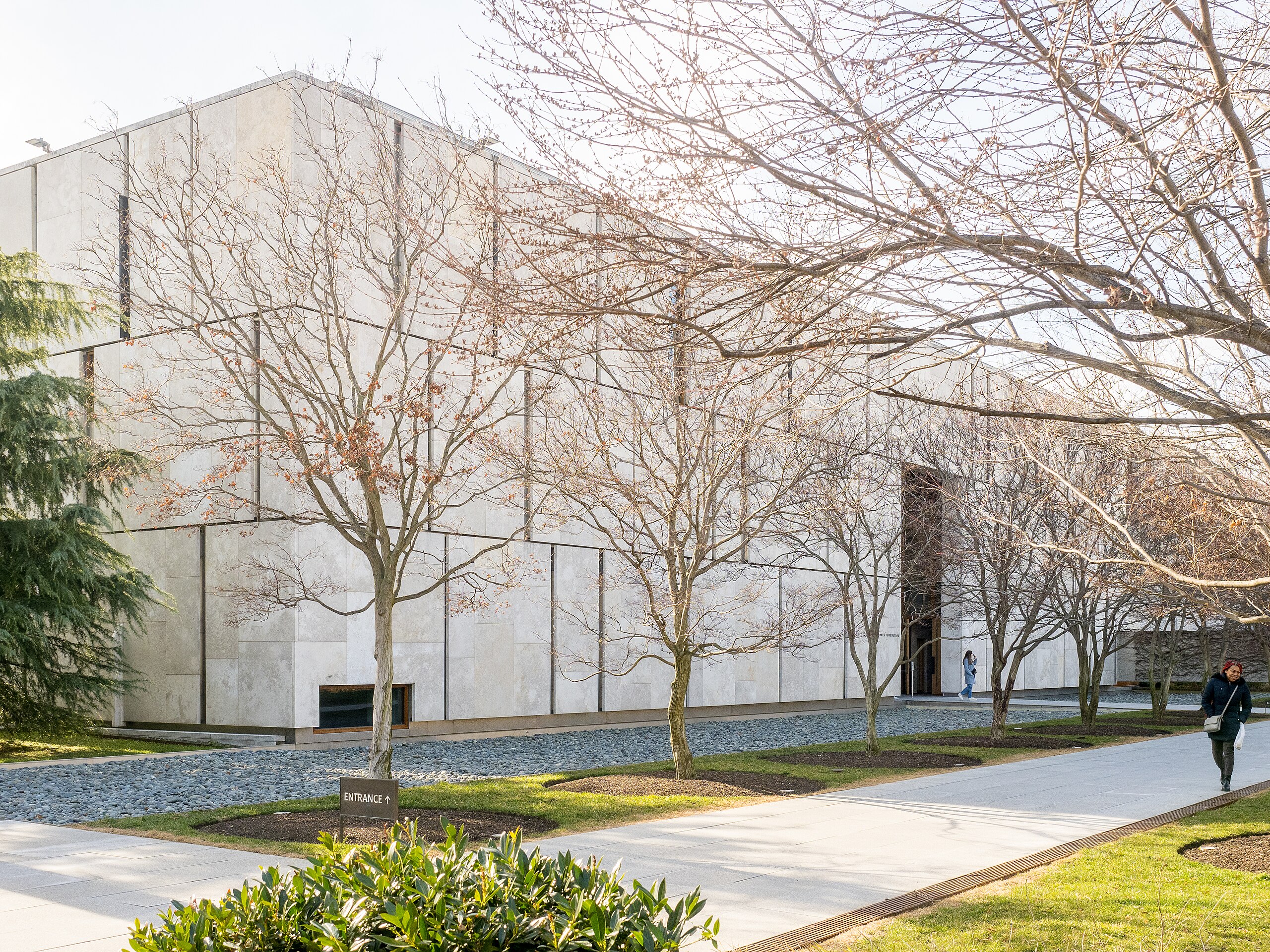
At Optima®, this sensibility resonates deeply. The company’s design philosophy has long centered on clarity, light, and the idea that architecture should elevate daily life—not overwhelm it. Cloud Dancer mirrors the principles embedded in Optima’s modernist lineage: restraint, intention, and a belief that well-designed environments can support both vitality and stillness.

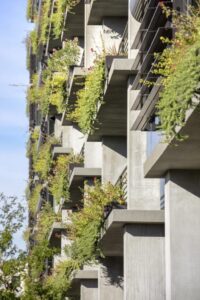
Optima®’s iconic vertical landscaping celebrates nature’s colors against the quiet restraint of neutral materials.

Within Optima® communities, color is never ornamental alone—it’s experiential. In sunlit residences, color amplifies natural light, reflecting the shifting tones of day and season. In shared spaces, it creates a sense of openness and welcome, encouraging movement, conversation, and quiet moments alike. Paired with natural materials—wood, stone, greenery—it becomes part of a living palette that feels both contemporary and timeless.

There’s also a psychological dimension to Cloud Dancer that aligns with Optima®’s holistic approach to living. Soft neutrals are known to reduce visual noise, supporting focus, restoration, and emotional balance. In homes designed to accommodate work, rest, and social connection all at once, this matters. A neutral palette doesn’t demand attention; it supports presence. It allows art, furniture, views, and people to take center stage.

Importantly, celebrating neutral colors is not about retreat—it’s about readiness, with lightness that suggests possibility, adaptability, and resilience. As lifestyles continue to evolve, spaces must remain flexible, capable of shifting moods and functions without constant reinvention. Paleness does exactly that, offering a stable yet responsive foundation for changing needs.

For Optima®, the use of a neutral palette also reflects a broader cultural ethos: optimism without excess, elegance without austerity, modernism softened by humanity. It’s a reminder that progress doesn’t always arrive loudly. Sometimes it enters quietly, like light through a window, changing how a space feels before you even realize why.

As 2026 unfolds, Cloud Dancer invites us to reconsider the role of color in our environments—not as statement, but as atmosphere; not as trend, but as tone. Within Optima® communities, where architecture, landscape, and lifestyle converge, it feels less like a new arrival and more like a natural extension of a long-held belief: that beauty, balance, and well-being are built from the inside out.


Fountainhead and the Legacy of Modernism

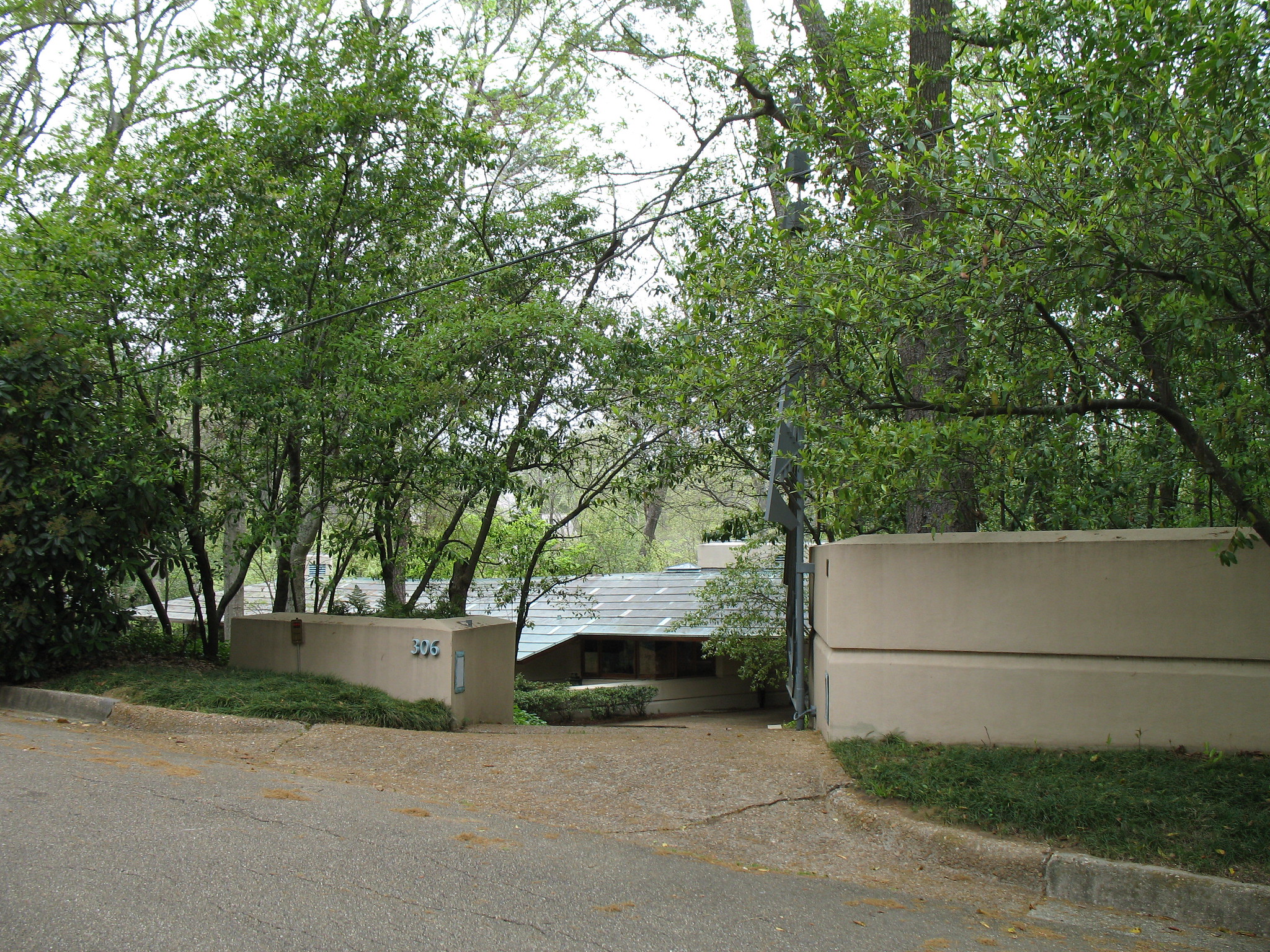
In the hills of Jackson, Mississippi, Frank Lloyd Wright’s Fountainhead stands as one of the architect’s most intimate and inventive late-career works—an embodiment of the principles that defined a movement and continue to inform the way we design, build, and live today.

Completed in 1948 for newspaper publisher Charles T. Johnson, Fountainhead is a study in clarity and conviction. Its low, sheltering roofline; its bold horizontality; and its organic fusion with the landscape make the home feel grounded yet expansive, private yet open. True to Wright’s Usonian ideals, Fountainhead rejects ornament and excess in favor of purpose, flow, and a profound connection to place.

A House That Breathes With Its Site
Fountainhead’s bold triangular geometry is one of its most striking features. Rather than centering the plan around a traditional grid, Wright turned the house on an angle that captures light, frames long views of the wooded acreage, and creates a sense of dynamic movement as you step through the spaces. The home’s carport, cantilevers, and carefully choreographed circulation pathways feel like extensions of the landscape itself.

Brick, cypress, and concrete interlock with ease, reinforcing Wright’s belief that materials should feel native, honest, and alive. Meanwhile, custom built-ins—signature to his residential work—express a belief in designing the entire environment, from structure to storage to the smallest detail of daily life.

Fountainhead was placed on the National Register of Historic Places (NRHP) in November 1980, recognized for its significance as a Usonian home and a modern architectural structure in Mississippi. Credit: Natalie Maynor on Flickr Creative Commons, licensed under CC BY 2.0.

A Legacy That Resonates
The spirit of Fountainhead resonates deeply with Optima®’s own Modernist DNA. While decades—and tectonic shifts in technology, fabrication, and cultural expectations—separate Wright’s Usonian experiments from Optima’s contemporary communities, the philosophical throughline remains unmistakable.

Like Wright, Optima® is committed to creating architecture that responds to context rather than overpowering it; that invites natural light in generous, life-enhancing ways; and that integrates materials not merely for aesthetic effect, but for performance, longevity, and honest expression. Optima’s signature use of glass and concrete, its devotion to clean lines, and its belief in open, flexible, light-filled interiors all echo Wright’s conviction that architecture must elevate how people live every day.

Where Wright pioneered the idea of living “in harmony with nature,” Optima® advances that ethos for our time—through biophilic elements, desert-sensitive design, lush landscaped terraces, and high-performance glazing that blurs the boundary between inside and out.

A Living Tradition at Optima®
Fountainhead’s enduring relevance reminds us that Modernism is not a style frozen in time—it is a living tradition of problem-solving, clarity, and human-focused design. Wright’s work demonstrated that beauty and functionality are not opposites; they are partners. That innovation is not about novelty; it is about making life better, richer, more connected.

At Optima®, that legacy continues. Across all of our communities — Optima Signature® and Optima Lakeview® in Chicago, Optima Verdana® in Wilmette, and Optima Kierland Apartments®, Optima Sonoran Village® and Optima McDowell Mountain® in Scottsdale— we, too, embrace architecture as a means of bringing light, openness, and intention into everyday life.

Fountainhead stands as a reminder of what’s possible when design is both disciplined and daring. More than seventy-five years after its completion, it remains a beacon of modern living—and a touchstone for those of us carrying forward the enduring, ever-evolving language of Modernism.


Get Crafty: Chicago School of Woodworking

In a city shaped by steel, concrete, and some of the most celebrated architecture in the world, there is something deeply grounding about working with wood. It takes you back to fundamentals: grain beneath your fingertips, the rhythm of hand tools, the quiet merge of patience and precision. And across Chicago’s creative landscape, few places invite that experience as warmly as the Chicago School of Woodworking.

Part workshop, part studio, part community hub, it’s a space where novices learn the basics, hobbyists refine their craft, and seasoned makers explore new techniques. For residents at Optima Signature® and Optima Lakeview® who love design, materials, and making things by hand, it offers an opportunity to step away from screens and schedules—and return to the art of shaping something real.

Craft, Mindfulness, and Making Something That Lasts
Like the WasteShed, the Chicago School of Woodworking is built on a simple idea: creativity flourishes when you have space to explore it. Step inside, and you’ll find workbenches lined with tools, wood stacks that hint at future forms, and a deliberate pace that encourages focus. Here, the act of making becomes its own meditation.

Woodworking teaches patience. It requires you to slow down, measure twice, and stay present. The result isn’t just a finished object—it’s a sense of calm, confidence, and capability that comes from shaping something with your own hands. It’s tactile. It’s physical. And in a world where so much of our work is abstract, that alone feels like a gift.

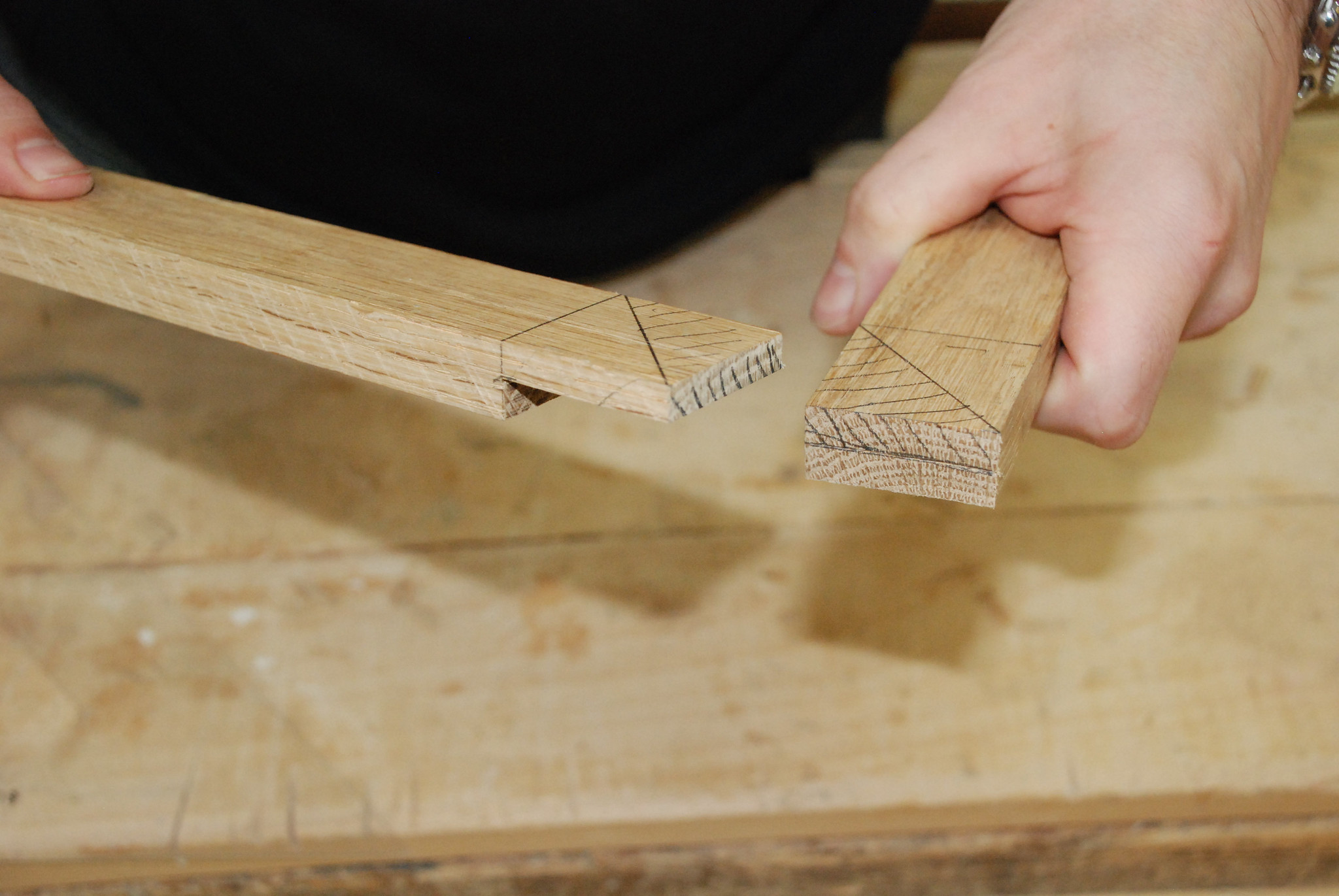
Class participants display their recent projects. Credit: Chicago School of Woodworking Facebook.

Classes That Welcome Every Skill Level
What makes the Chicago School of Woodworking so inviting is the range of classes they offer. Beginners can explore foundational courses—learning how to safely use shop tools, understand species of wood, and create simple pieces they can take home. More advanced students can dive into furniture making, joinery, cabinetry, or specialized techniques that push their skills further.

It’s hands-on from the moment you walk in. You’re guided by instructors who bring both expertise and encouragement, helping you gain confidence with tools that may have once felt intimidating. Projects unfold in stages: sketching, selecting materials, shaping, assembling, finishing. Each moment brings its own small triumph.

For those who are crafty at heart, the school also offers something harder to find: the experience of learning alongside others. Woodworking becomes a social art—a place where people share ideas, swap stories, and discover a shared love for the craft.

A Beautiful Counterpart to Modern Living
Optima®’s architecture celebrates materiality—glass, steel, concrete, and the warmth of natural textures. Woodworking offers a parallel appreciation. It deepens your understanding of how things are made, how materials behave, and what it takes to create something enduring.

And there’s something especially satisfying about bringing home an object you’ve shaped yourself: a small stool, a cutting board, a side table that finds its place in your living room or kitchen. These pieces don’t just fill a home—they add meaning. They’re reminders of the time, focus, and personal creativity that went into making them.

Crafting a Life of Curiosity
The Chicago School of Woodworking invites us to reconnect with creativity in a hands-on way. Whether you’re a longtime maker or someone simply curious about trying something new, it’s a chance to explore a craft that’s both timeless and deeply satisfying. Exploring the school’s workshops also represents an opportunity to engage with the city’s creative ecosystem, learn a new skill, and find joy in the process of making. In a fast-moving world, woodworking reminds us that some of the most meaningful experiences happen slowly, deliberately, and with our own two hands.

Visit their schedule of upcoming classes and workshops here.


Women in Architecture: Billie Tsien

Some architects reshape skylines with spectacle. Others reshape the field through quiet conviction—through spaces that reward attention, invite contemplation, and honor the material world. Billie Tsien belongs to the latter lineage: a designer whose work is rooted in calm strength, subtle detailing, and a deep belief that architecture is, at its best, an act of care.

Co-founder of the New York–based firm Tod Williams Billie Tsien Architects (TWBTA), she has spent more than four decades creating buildings that feel grounded, humane, and timeless. With her partner in life and work, Tod Williams, Tsien has developed a practice defined not by signature gestures but by a philosophy—one that takes materiality seriously, attends to atmosphere, and centers the lived experience of the people who inhabit a space.

This devotion to thoughtful, human-centered design resonates strongly with Optima®’s own architectural ethos—where form, material, and experience are inseparable, and where buildings are crafted to enrich daily life rather than overwhelm it.

Façade detail of the Reva and David Logan Center for the Arts, University of Chicago campus. Designed by Tod Williams Billie Tsien Architects, 2012. Credit: Jamie Manley on Flickr Creative Commons, licensed under CC BY-NC-SA 2.0.

An Architecture of Patience and Presence
Billie Tsien’s design sensibility is shaped by ideas of slowness: slow craft, slow material change, slow discovery. Her buildings reveal themselves gradually, often through careful transitions, intimate courtyards, filtered light, or tactile surfaces that invite touch.

To Tsien, architecture is not about instant recognition—it’s about long-term resonance. “What we make should last and be loved,” she has said, a principle that can be felt in every project she touches.

Consider some of TWBTA’s most celebrated works:

Materiality is Tsien’s language. She gravitates toward surfaces that weather with dignity—stone, copper, bronze, concrete, wood—materials that record time and strengthen a building’s relationship with its surroundings.

This deeply material-forward approach aligns with Optima®’s commitment to architectural authenticity, expressed through its own use of sculptural concrete, expressive glass, and carefully articulated details across its Chicago, Winnetka, and Scottsdale communities. Both practices share the belief that materials should feel honest and integral—not decorative, but essential.

The Strength of a Thoughtful Partnership
The partnership between Billie Tsien and Tod Williams is one of the most enduring collaborations in contemporary architecture. Their dynamic is not a duality but a conversation—steadfast, inquisitive, and rooted in mutual respect. Together, they approach each project as a site-specific inquiry: What does this place need? What would make it feel deeply itself? How can a building foster connection—between people, between past and present, between material and meaning?

Quiet Power in a Loud Culture
In an age of architectural spectacle, Billie Tsien stands apart. Her commitment to craft and authenticity feels almost radical in its restraint. She believes that the most beautiful spaces often emerge from modesty and intention, not excess. Her buildings are made to be lived in, learned from, and loved over time. She elevates the everyday: the texture of a handrail, the depth of a window reveal, the soft transition from exterior to interior. She designs spaces that ask us to slow down and feel.

A Legacy Still Unfolding
Billie Tsien has reshaped the field through buildings, but also through leadership, mentorship, and advocacy. She has served as president of the Architectural League of New York, as a guiding figure at the American Academy of Arts and Letters, and as an inspiring presence for the next generation of architects—especially women seeking models of practice grounded in integrity and depth. Her contribution is measured not only in iconic projects, but in the values she champions: care, curiosity, calm, generosity.


Sustainable Travel for the Holidays: Low-Carbon Ways to Explore Chicago and Scottsdale

As the holiday season unfolds, many of us begin to feel the pull of movement—toward family, toward celebration, toward spaces that bring us joy. And yet, this time of year also reminds us how delicate our world can be. Travel surges, energy use climbs, and our collective footprint grows. At Optima®, where design, wellness, and environmental stewardship intersect, we believe there are ways to experience the season with intention—traveling lightly, savoring beauty, and letting architecture guide us toward more sustainable choices.

Across our communities, residents have access to vibrant urban landscapes where low-carbon transportation isn’t just possible; it’s pleasurable. Here are thoughtful, design-forward ways to explore both cities this holiday season—without compromising the planet.

Chicago: A City Made for Moving Mindfully
Chicago shines in winter. Light glows from architectural icons, storefronts warm the streetscape, and the lakefront shifts into its quiet, sculptural form. For residents of Optima Signature® and Optima Lakeview®, the city offers endlessly walkable routes where design and sustainability naturally converge.

Walk the architecture.
Chicago is one of the most walkable architectural museums in the world. Bundle up and wander through Streeterville, River North, or the Loop to experience the city as it was meant to be seen—on foot, at a human pace. Slow travel reveals the texture of the season: steam rising from sidewalks, snow tracing the lines of modernist façades, the glow of cultural institutions calling you in.

Ride the CTA with purpose.
Taking the train reduces carbon emissions dramatically, but it also immerses you in the living rhythm of the city. From Lakeview, the Red and Brown Lines offer a direct, scenic route to downtown museums, theaters, holiday markets, and the lakefront trails.

Biking the Black Canyon Trail near Scottsdale at sunrise. Credit: Bureau of Land Management on Flickr Creative Commons, licensed under CC BY 2.0

Choose pedal power.
Even in winter, Chicago’s protected bike lanes and the lakefront path remain active corridors for cyclists. Explore the parks, harbors, and cultural pockets that make the city’s North Side so distinctive on your own bike, or take advantage of the conveniently-located Divvy stations that have become a part of the city’s infrastructure.

Scottsdale: Traveling Light in the Desert
Where Chicago glows, the desert shimmers. Scottsdale’s winter season is defined by warm days, cool evenings, and a landscape that rewards slowness. Residents of Optima Kierland Apartments®, Optima Sonoran Village®, and Optima McDowell Mountain® can embrace low-carbon travel without sacrificing beauty, comfort, or ease.

Explore by foot or e-bike.
Kierland Commons, the Scottsdale Quarter, and nearby trails create a pedestrian-friendly environment where errands, dining, and leisure can happen without a car. For longer distances, e-bikes offer a breezy, zero-emission way to move through the desert air.

Connect with nature, close to home.
Low-carbon travel can mean going far less far. Sunrise walks at the McDowell Sonoran Preserve or meditative time spent in Optima®’s own lushly landscaped courtyards are ways of traveling without actually traveling at all—experiences that ground you in the season rather than rush you through it.

A holiday season that reflects your values.
Sustainable travel isn’t about perfection; it’s about choosing with awareness. Walking instead of driving. Taking the train instead of a rideshare. Exploring your own neighborhood instead of crossing the city. Enjoying architecture, culture, and nature with a lighter footprint.

This holiday season, sustainability can be an invitation to discover the beauty that’s closer than we think, to move more thoughtfully through the world, and to let design inspire us toward gentler, more joyful ways of traveling.

Discover the Center for the Arts at Wilmette Park District

Winter arrives softly in Wilmette. Morning light drifts across quiet streets, lake air sharpens just a little, and neighborhood storefronts begin to glow with the warmth of craft and community. As the season turns inward, the village’s creative spirit moves indoors—into studios, workshops, and shared spaces where hands stay busy and imaginations stay bright.

For members of the Wilmette community and residents of Optima Verdana® alike, winter becomes an invitation to explore the places that nurture this creative energy. Among the many pockets of artistry throughout the village, one stands out as a true hub of expression and connection: the Center for the Arts at the Wilmette Park District. Here, through programs in visual arts, ceramics, dance, music, and theater, the community gathers to learn, make, perform, and find warmth in creativity all season long.

At the heart of this creative landscape, the Center for the Arts serves as a cultural anchor—an inclusive space where artistry and community come together. Housed within the Community Recreation Center, it is a place where children, teens, and adults can explore craft and performance in welcoming, light-filled studios.

The Center’s hip hop team earned “Excellence” at the Xtreme Spirit Premier Championship held at Donald E. Stephens Convention Center in Rosemont. Credit: wilmetteparks Instagram.

A Community Engine for Creativity
The Center for the Arts is a vibrant ecosystem supporting creativity across ages and skill levels. Its offerings span the visual, performing, and applied arts, and the environment is intentionally designed to encourage curiosity, skill-building, and expressive freedom.

For those drawn to a design-forward lifestyle, the Center reflects a similar ethos: attention to craft, celebration of materials, and an understanding that creativity enhances well-being.

Visual Arts & Ceramics: Slow Craft for the Winter Season
Winter is an ideal time to embrace creative practices that reward patience and presence. The Center’s visual arts programs provide rich opportunities:

  • Drawing, painting, and mixed-media classes for youth and adults
  • Ceramics studios offering wheel-throwing and hand-building instruction
  • Seasonal art parties and special workshops, perfect for holiday décor or handmade gifts

Clay studios hum with warmth, and art classrooms glow with color—providing a sanctuary of making during Wilmette’s colder months.

Dance & Movement: Expression Through Motion
Inside the Center’s dance studios, winter’s stillness gives way to rhythm and motion. Programs include:

  • Creative movement and ballet for preschoolers
  • Jazz, tap, modern, lyrical, and hip-hop for children and teens
  • Adult classes designed for joy, health, and expressive play
  • Elevé, a year-round dance program supporting deeper training and performance

These offerings give families and individuals the chance to stay active, engaged, and inspired—even when outdoor activities pause for the season.

Theater & Music: Performance, Play, and Skill-Building
The Center’s performing arts programs bring Wilmette’s creative spirit to life:

  • Wilmette Children’s Theater — A beloved local institution, this program offers young performers a chance to build confidence and collaborate through plays and musicals. Winter productions become community events, filling the theater with families, friends, and neighbors.
  • Music Classes & Lessons — From early childhood explorations to more advanced instruction, these programs cultivate both skill and joy. Music rooms become warm havens of melody and discovery throughout the winter.

Family & Community Workshops: Art as Shared Experience
The Center also hosts:

  • Family-friendly workshops
  • Holiday-themed sessions
  • Open studios
  • One-evening creative activities

These short-format experiences are ideal for those trying something new or seeking meaningful, low-pressure ways to infuse creativity into the winter season.

A Creative Refuge for the Winter Months|
When lake winds rise and daylight shortens, the Center for the Arts becomes a place of warmth—both literal and emotional. In its studios and rehearsal spaces, winter finds a counterbalance and the Center hums with life, offering community connection and creative expression just when residents need them most.

How to Get Involved

  • Visit the Center for the Arts at the Community Recreation Center (3000 Glenview Road).
  • Browse winter and seasonal offerings online and note early registration periods.
  • Begin with a workshop, or dive into a full-length class series.
  • Encourage friends or family members to join—creativity grows in company.

A Cultural Anchor for Wilmette
The Center for the Arts stands as one of Wilmette’s most meaningful community assets. It embodies the village’s values: creativity, connection, inclusivity, and lifelong learning. As winter settles in, it becomes a particularly treasured sanctuary—inviting residents to explore new skills, deepen passions, and warm the season with color, movement, and collaborative making.

For those who call Wilmette home—including the community at Optima Verdana® — the Center offers a way to embrace creativity as a daily practice and a shared joy.

Inside Optima®: Winter Wellness Rituals for the Season Ahead

Winter arrives differently inside an Optima® community. Light pours through glass walls, warm air rises from indoor pools, and the rhythm of daily life shifts into something quieter, more intentional. The cold months invite a different kind of wellness—one shaped by architecture, ritual, and the quiet beauty of moving through thoughtfully designed spaces.

From Chicago to Wilmette to Scottsdale, here’s how winter wellness takes shape within Optima®’s world, offering comfort, energy, and balance during the season.

Mornings That Start with Light and Clarity
In our modern, open-plan residences, winter mornings become a gentle ritual. Natural light—soft, angled, often diffused by snow or cloud—filters into living spaces, creating an atmosphere that’s calm and grounding. A slow start becomes part of the day’s wellness practice: warm tea, quiet journaling, simple stretching or breathwork with the sunrise.

For many, the architecture itself becomes part of the ritual. Floor-to-ceiling windows offer a daily connection to the outdoors, while the warmth of the home invites stillness. It’s a chance to begin the day with intention before the pace of the world speeds up.

The fitness center at Optima McDowell Mountain® features state-of-the-art strength and performance equipment.

Movement That Matches the Season
Winter can shift the way we think about fitness—but at Optima®, movement remains a year-round joy. Indoor amenity spaces are designed to support a range of experiences, from energizing workouts to restorative sessions.

  • Indoor fitness centers provide room for strength training, cardio, and mobility practice without stepping into the cold. Natural light and clean lines make these spaces feel uplifting even on overcast days.
  • Yoga and meditation rooms become sanctuaries during winter, offering a warm, quiet place to stretch, breathe, and reset.

And in Scottsdale, where winter means crisp mornings and cool evenings rather than snow, the season is perfect for outdoor workouts, walks, and sunrise routines in the mild desert air.

Warmth, Water, and the Joy of Resetting
Pools, saunas, and spas take on a special significance in cold months. These are places where muscles unwind, stress softens, and the body warms from the inside out.

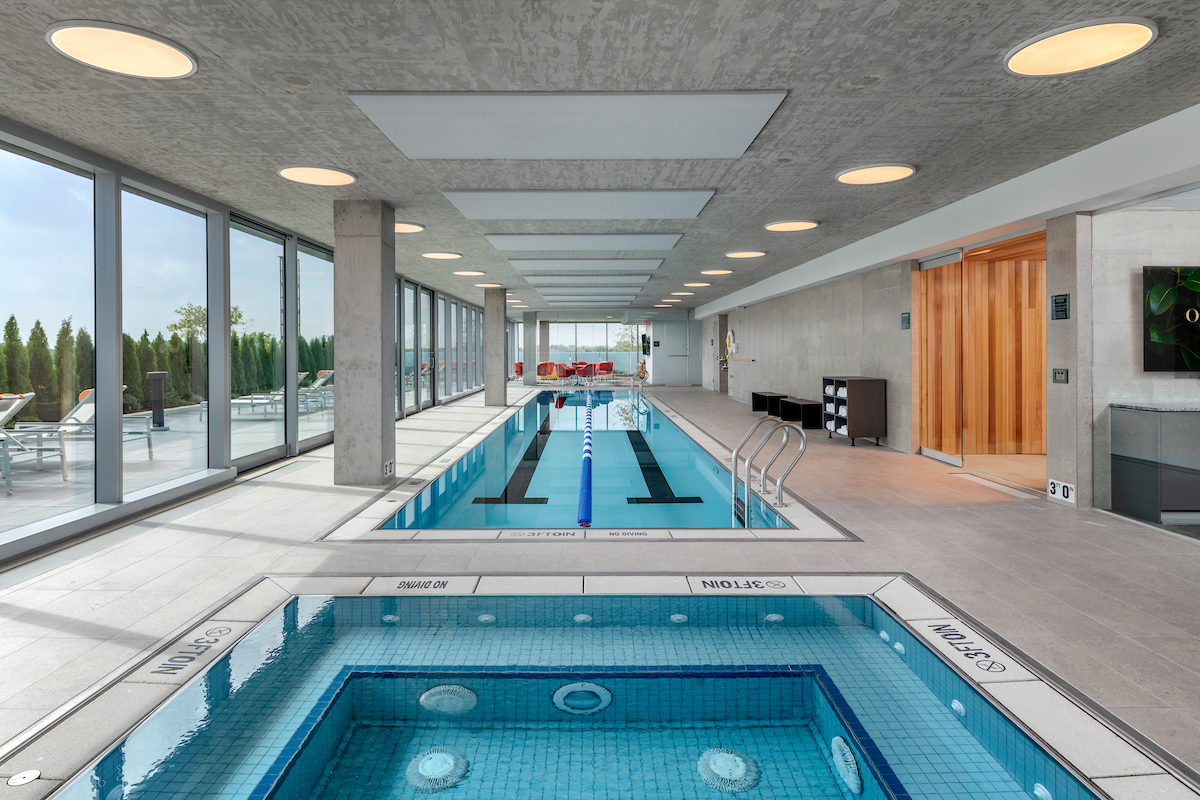
  • Indoor heated pools offer a sense of escape—a warm, gentle environment where you can swim laps, float, or simply breathe. Watching snow fall outside while gliding through warm water is one of winter’s most unexpected luxuries.
  • Saunas provide a restorative counterpoint to the cold. The heat relaxes tension, supports circulation, and creates a meditative moment that resets the nervous system.
  • Spas and whirlpools become gathering places for quiet connection or solo relaxation—a way to release the day’s chill and sink into comfort.

Together, these spaces create their own season of wellness, offering warmth and recovery without leaving the building.

Moments of Mindfulness, Built Into the Architecture
Optima®’s architecture naturally supports reflection throughout the winter months. Open spaces encourage slower movement. Lush landscaped courtyards—visible from both amenities and private homes—bring a sense of nature into daily life, even when temperatures drop.

Quiet alcoves, lounges, and shared spaces invite reading, sketching, or simply watching the changing sky. The architecture makes room for stillness, offering a refuge from the intensity of the season. And because Optima® communities are deeply connected to their neighborhoods, winter rituals often include small outings—to local cafés, cultural spaces, or parks—keeping life balanced between the comforts of home and the energy of the city.

A Season of Intentional Living
Winter wellness at Optima® isn’t one thing—it’s a collection of gentle habits that resonate with the season: slow mornings, warm water, thoughtful movement, quiet reflection, and meaningful connection to light and nature.

The architecture supports it. The amenities elevate it. And the result is a season lived with intention, comfort, and a deep sense of well-being.


Home for the Holidays: A Guide to Decorating Modernist Interiors

The holidays arrive gently inside a modernist home. Light stretches across expansive floors. Glass walls gather the shifting colors of winter. The architecture—open, minimal, intentional—sets the tone. Instead of competing with this clarity, holiday décor can echo it, creating moments of warmth that enhance, rather than overwhelm, the space.

For residents of Optima® communities — Optima Signature® and Optima Lakeview® in Chicago, Optima Verdana® in Wilmette, and Optima Kierland Apartments®, Optima Sonoran Village®, and Optima McDowell Mountain® in Scottsdale, the season is an opportunity to celebrate the beauty of restraint: decorating in ways that honor materiality, play with light, and bring nature indoors. Here’s a guide to approaching holiday décor through a design-conscious lens—one that feels at home in modernist spaces.

Begin with Light: The Season’s Most Modern Material
In modernist architecture, light is everything. This time of year, it becomes an active participant in the room.

  • Use soft, warm glows. Think frosted glass lanterns, minimal metal candleholders, or a cluster of tea lights arranged with intention. Light should feel quiet—more atmosphere than ornament.
  • Let reflections do the work. In homes with floor-to-ceiling glass, even the smallest illumination can multiply. Place lights where the architecture amplifies them: along window ledges, against concrete columns, or on floating shelves.
  • Avoid heavy string lights. Instead, choose delicate strands or sculptural LED pieces that feel like part of the architecture, not an afterthought.
A simple bough carries all the spirit and warmth of the season. Credit: Tina Miroshnichenko on Pexels.

Bring Nature In—With Restraint
Modern interiors excel when materials speak. During the holidays, nature can add warmth without clutter.

  • Choose simple greenery. A single branch of pine in a tall, narrow vase can be more striking than an entire garland. Eucalyptus, magnolia, desert botanicals, or juniper offer subtle color and shape.
  • Think sculptural, not sprawling. Minimal wreaths made from a thin brass ring and a small cluster of greenery feel contemporary and elegant—perfect for glass doors or concrete walls.
  • Honor the palette around you. Chicago and Wilmette residents might echo the winter landscape with muted greens and silvers, while Scottsdale homes can play with desert tones: sage, dusty rose, soft gold.

Use Color as an Accent, Not a Theme
Modernist interiors thrive on clarity. Too much color can feel noisy, but a single hue—strategically placed—can bring the season alive.

  • Pick one color story. Think deep forest green, warm terracotta, soft gold, or even a rich charcoal. Repeat it sparingly in textiles, glassware, or small decorative objects.
  • Let materials take the lead. Raw wood, brushed metal, wool, and stone carry warmth without introducing unnecessary visual clutter.
  • Avoid patterned décor. Minimalist spaces benefit from solids, textures, and tone-on-tone gestures that feel calm and architectural.

Create Small, Intentional Gatherings of Objects
Modernist design loves a vignette—a small cluster of objects that tell a story through composition.

  • Try a holiday still life. Arrange three to five objects on a tray: a candle, a ceramic vessel, a small botanical, a sculptural ornament. Let negative space do the rest.
  • Edit ruthlessly. If it doesn’t add beauty or meaning, it’s not needed. One thoughtful arrangement can feel more festive than an entire room of decorations.

Let the Architecture Shine
Holiday décor shouldn’t hide what makes Optima homes exceptional: the clean lines, the views, the expressive material palette.

  • Keep sightlines open. Resist the urge to place decorations on every surface. Allow the visual flow from one room to another to remain uninterrupted.
  • Highlight key architectural details. A concrete column wrapped with a single ribbon of greenery. A floating shelf with a minimalist candle. A glass corner that frames a small, sculptural tree.
  • Choose décor that feels like an extension of the space. Think in terms of form, balance, and proportion—the same principles the architecture was built upon.

A Modern Holiday, Defined by Warmth and Intention
Celebrating the holidays in a modernist home doesn’t mean sacrificing tradition—it means shaping it to fit your environment. With clean lines as your canvas, small gestures can have big emotional impact. A soft glow. A sculptural branch. A simple palette. A sense of calm that carries through each room.

At Optima®, where light, material, and open space define the experience of home, the holidays become an opportunity to express beauty in its most distilled form. Modern, warm, and unmistakably yours.


An Evening of Glow and Resonance: Candlelight Concerts in Chicago

For Optima® residents and visitors alike, Chicago’s Candlelight Concerts offer something both familiar and transcendent: live music performed in evocative settings, bathed in the soft glow of candlelight. It’s an experience that aligns beautifully with the ethos of Optima®—vibrant living, sensory enrichment, and a deep engagement with the cultural life of the city.

The Magic of Candlelight
At a Candlelight Concert, audiences are invited into a world of intimacy and warmth. String quartets and small ensembles perform beloved works—ranging from Vivaldi and Mozart to Coldplay and Taylor Swift—within strikingly atmospheric spaces. The venues themselves, often historic landmarks or architectural gems, are transformed by hundreds of flickering candles into spaces that feel suspended in time. The result is an immersive evening that transcends genre or generation, offering both comfort and awe.

The experience is intentionally multi-sensory: the shimmer of light on vaulted ceilings, the resonance of strings in a room alive with history, the shared stillness among an audience fully present in the moment. For many, it’s a welcome antidote to the pace of city life—an invitation to pause and let music work its quiet magic.

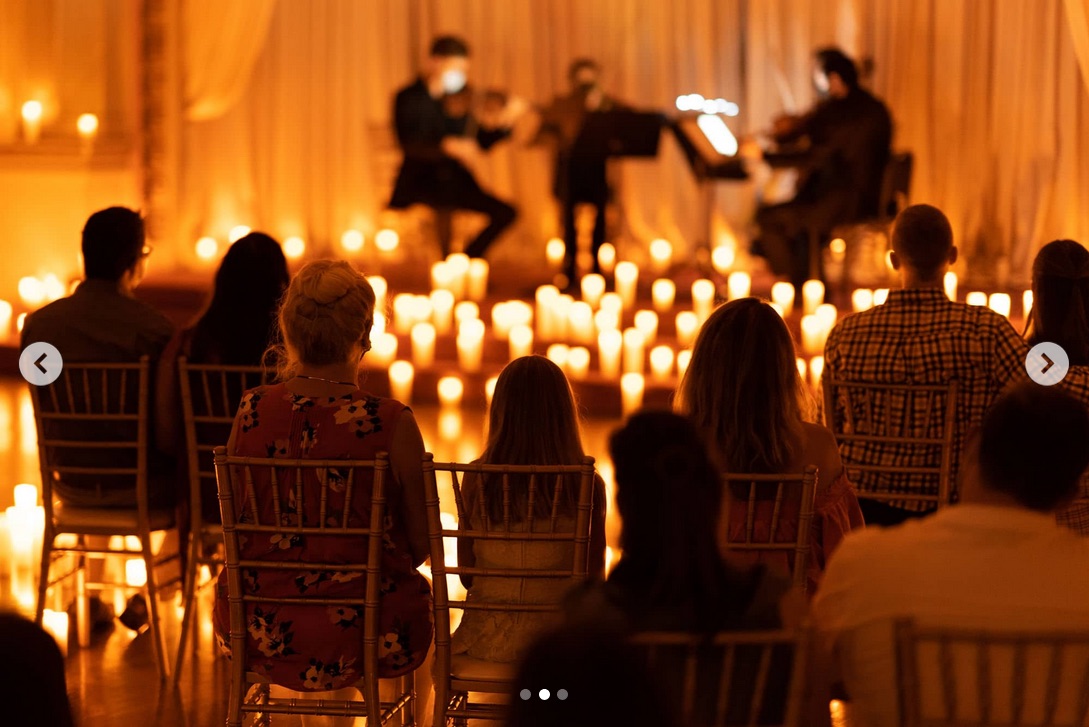
Candlelight Concert at Stan Mansion. Credit: Stan Mansion Instagram

A Citywide Stage
Chicago’s Candlelight series unfolds across an inspired selection of venues, each one amplifying the music in its own way. At the gilded Stan Mansion in Logan Square, the glow of candles against marble and gold leaf sets a tone of romance and grandeur. The Wicker Park Lutheran Church offers stained glass and soft acoustics that make every note shimmer. And in Oak Park, the Arts Center brings the neoclassical grace of the early 20th century into dialogue with modern musical interpretations.

The repertoire is as diverse as the city itself—offering everything from classical masterworks to jazz tributes and contemporary pop arrangements. This thoughtful mix ensures that every audience member finds something that resonates, whether rediscovering a timeless sonata or hearing a favorite song anew through the language of strings.

Living Beautifully, Locally
For residents of Optima Lakeview®, Optima Signature®, and Optima Verdana®, the Candlelight Concert series is an invitation to connect with the artistic heartbeat of Chicago. Just as Optima® communities blur the boundaries between architecture, art, and life, these performances celebrate the beauty of shared experience—where design, light, and sound converge to create something more than the sum of their parts.

Both Optima® and the Candlelight series share a belief that aesthetic experiences shouldn’t be reserved for special occasions—they should be woven into daily life. Whether attending a concert in a nearby landmark or gathering with neighbors afterward to discuss the performance, residents engage with their city in ways that are thoughtful, tactile, and inspiring.

In the end, a Candlelight Concert is an experience of place, presence, and connection—one that reflects the same commitment to culture, community, and beauty that defines life in our communities.

To learn more about upcoming Candlelight Concerts in Chicago and plan your next illuminating evening, visit the official Candlelight Concerts website.


person name goes here

Maintenance Supervisor

Glencoe, IL


    Acceptable file types: *.pdf | *.txt | *.doc, max-size: 2Mb