Remembering the 1922 Art Week in São Paulo

With Optima’s love for all things modern, we take great pleasure in diving into the history of modernism around the globe, including how the principles of modernism took hold in Brazil. And as luck would have it, the country is celebrating a huge milestone in February 2022 — the 100th anniversary of the Semana de Arte Moderna that runs from February 10 through 17 — so we are taking a closer look at this pivotal moment in time.

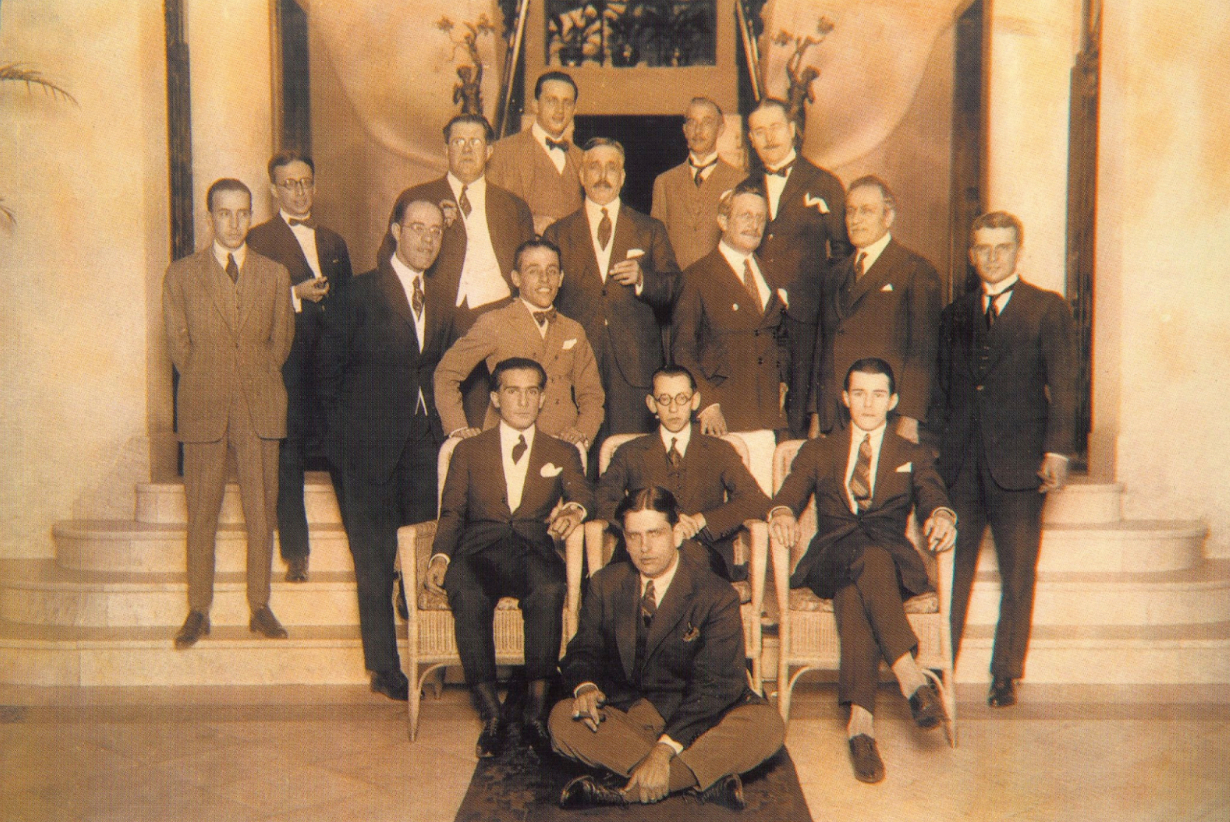
For the people of Brazil, 1922 was a landmark year. It marked a full century of independence from Portugal – and it was also the year that put Brazilian art on the international map, beginning with an idea emerged from a group of artists to host a week-long art celebration around modernism. Dubbed the Semana de Arte Moderna — this game-changing event took the form of exhibitions, lectures, poetry readings and musical performances that brought avant-garde works and ideas to the entire country.

Today, 100 years later, we look back at the Semana de Arte Moderna of 1922 and recognize it as a major turning point in the development of modern art. At the time, however, it was greeted with mockery, anger and fear. There were stories of horrified audiences throwing objects at performers on stage, and critics fuming with negative reviews of art, music and theater they didn’t understand.

Original poster for 1922 Semana de Arte Moderna, Wikipedia

Central to the works presented during the Semana de Arte Moderna was the theme of creating work that drew upon European influences but was uniquely Brazilian. This was a radical approach in 1922, since the European centers of art and culture had a tight grasp on what was considered “art,” and the idea that Brazilian artists had voices of their own was considered shocking. 

Following the Semana de Arte Moderna, the Brazilian Modernism movement blossomed. Throughout the 1930s and ’40s, while much of the world was still in a state of flux about what exactly constituted ‘modern’ art, the country was leading the way into new styles of artistic expressions that were quickly embraced by Brazilians as a unique cultural identity. And with this new-found inspiration and energy, the modernist architecture movement took hold.

The painting A Negra by Tarsila do Amaral was part of an exhibition of her work at Semana de Arte Moderna. From Caixa Modernista, Edusp / Editoria UFMG / Imprensa Oficial, São Paulo, 2003.

In the 1950s Brazil decided to found Brasilia, a new capital city heralded as a great experiment in modernist architecture, to help develop Brazil’s interior. Led by the vision of Brazil’s most famous architect and designer,  Oscar Niemeyer, the country began to define itself by its modernist aesthetic, with buildings characterized by their use of concrete and free-flowing curves.

As we reconsider the impact the 1922 Semana de Arte Moderna had on the rise of modernist architecture around the globe, we can’t help but recognize how the forever modern principles we practice at Optima fit into a larger context. It is Optima’s pleasure and privilege to be such an esteemed and vital company.

The Intersection of Fashion and Architecture

Coco Chanel famously stated, “fashion is architecture, it’s a question of proportions.” While architecture can span hundreds of meters, fashion is typically crafted on a much smaller scale. Without question, however, both artful expressions involve a balance of creativity, functionality and innovation that often evolves with time. With our passion for architecture here at Optima, we’re exploring the inherent intersections between fashion and architecture, along with some talented creators who have discovered how to successfully cross the boundary that can separate the two.

An Affinity For Craftsmanship

The fields of architecture and fashion have been influenced by the same movements over time, including art, culture, economics, science and technology. And as various modernizations affecting form, materials, lighting and techniques for fabrication have changed our world, designers continue to adapt and innovate.

To be sure, designers and architects treat their creations as works of art, translating their emotions and visions through various acts of color, line, shape and form. Taking advantage of technological innovation, visionaries in both fields continue to share extraordinary new creations with the world through their exploration of glossiness, transparency, texture, color and structure. And in the process, they reinforce the intrinsic linkages between fashion and architecture that delight, surprise and inspire. 

Various selections from Virgil Abloh’s first Off-White collection, 2014

Individuals Who Have Found Success Crossing Fields

Countless individuals have elegantly walked the line between fashion and architecture. Some creatives first find themselves constructing shelters made of steel and wood but eventually shift to materials like cotton and silk for contrasting yet similar purposes. 

Virgil Abloh, the late Director of Louis Vuitton and Founder and CEO of Off-White, didn’t always work from a sewing machine. Abloh, who studied civil engineering and later received a master’s degree in architecture from the Illinois Institute of Technology, often took inspiration from his past experiences in architecture to propel his career in the fashion industry, using materials and structures uncommon to traditional fashion design. In fact, Abloh credited the inspiration for his acclaimed debut Off-White collection to Mies van der Rohe’s Farnsworth House and exhibited it with references to both Baroque and Bauhaus art. 

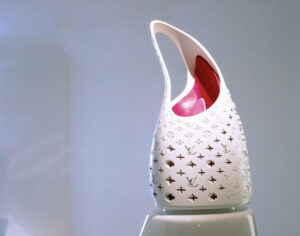
Louis Vuitton Icone Bag x Zaha Hadid, 2006

Zaha Hadid, one of the most influential and iconic architects in modern history, also successfully explored the dynamic relationship between architecture and fashion throughout her career. Known for her extensive use of curvature and emphasis on linework in architecture, Hadid brought her inspirations to the fashion world to design products that had not been explored before. Partnering with various luxurious fashion brands, including Louis Vuitton, Fendi and Lacoste, Hadid created ultra-modern bags, shoes and jewelry that fused signature elements of architecture and fashion. 

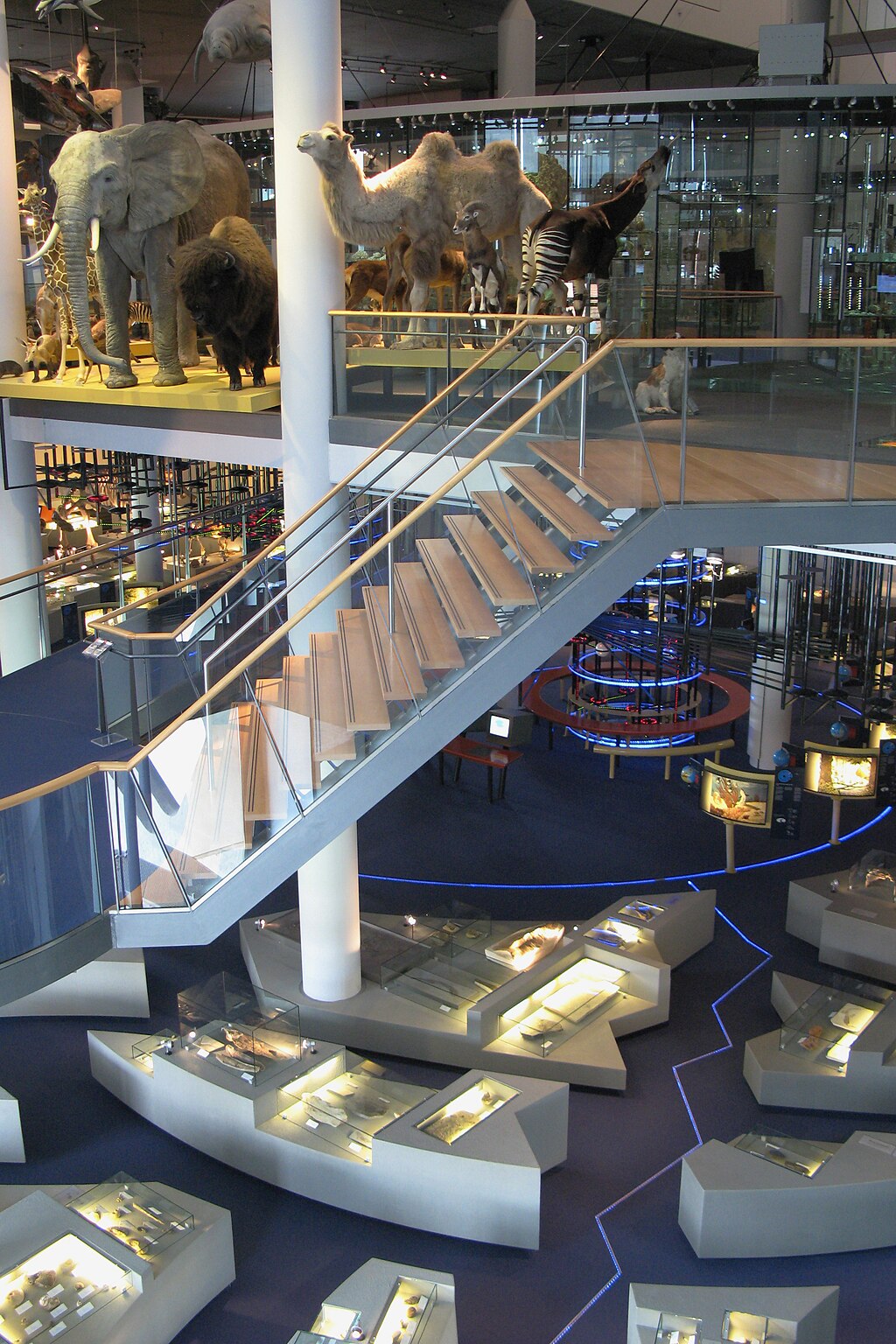
Today, countless fashion designers and architects continue to dismantle the boundaries between these disciplines with innovative constructions. Renowned fashion designer Iris van Herpen recently collaborated with Netherlands-based architecture firm Neutelings Riedijk Architects to transform the national research institute for biodiversity, Naturalis. Van Herpen was inspired by the museum’s collections, to replicate erosion patterns from the volcanic island of Lanzarote.

For decades, fashion designers and architects have crossed paths and shared similar inspirations within their designs – whether they know it or not. And for decades to come, these collaborations will continue to happen, expanding and advancing the fashion and architectural world.

Exploring the Scottsdale Arts District

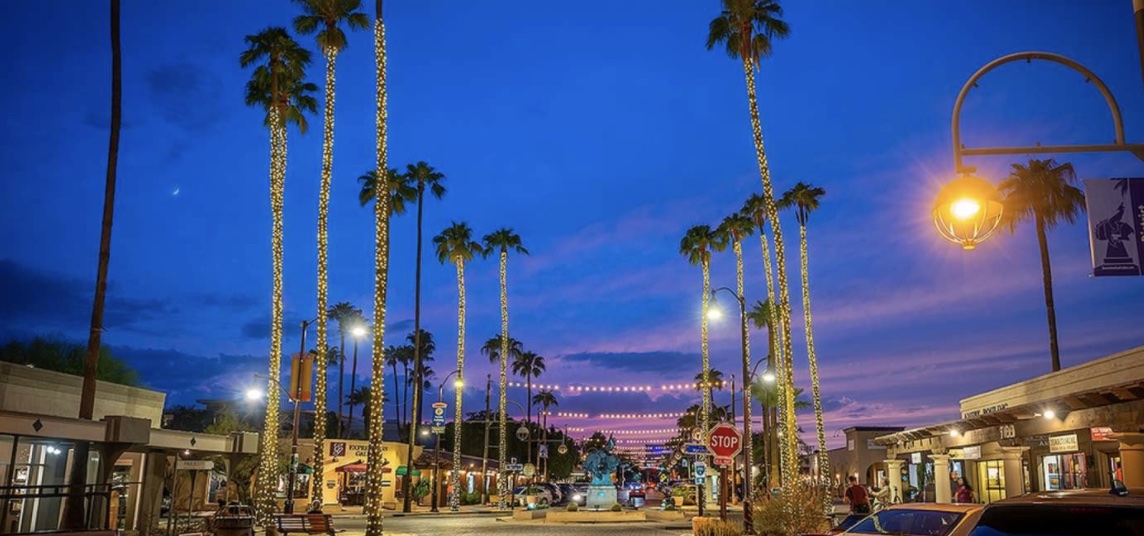
Since the early 2000s, Optima has called Scottsdale home. The one-of-a-kind desert city offers a little bit of something for everyone. Golf lovers can enjoy the sprawling championship courses, foodies have access to some of the country’s finest dining and chic boutiques provide shoppers endless entertainment. We are proud of our contributions to this vibrant city with the amazing communities of Optima Camelview Village, Optima Sonoran Village, Optima Kierland, and Optima McDowell Mountain and equally proud to see the city continuing to expand its cultural offerings to residents and visitors alike. Today we’re exploring one of the city’s most treasured locations, the Scottsdale Arts District

The arts district consists of an entire neighborhood found in the heart of Downtown Scottsdale, running along Main Street for roughly six blocks. Celebrated art galleries sit next to amazing art installations. Around them, retailers, boutiques and acclaimed restaurants ensure that visitors to the district are fully immersed in the best of everything. 

Some of Scottsdale’s most cherished pieces of public art – like the commanding sculpture Jack Knife – reside in the district, along with a number of the city’s museums and cultural venues including Western Spirit: Scottsdale’s Museum of the West, Scottsdale Center for Performing Arts and Scottsdale Museum of Contemporary Arts, the home of Knight Rise.

Throughout the year, the arts district embraces its warm surroundings and friendly culture with its weekly ArtWalk. Every Thursday from 7 PM – 9 PM, buildings lining Main Street open their doors to the individuals enjoying the Scottsdale ArtWalk. In addition to this weekly tradition, ArtWalk hosts a themed Gold Palette series event every few weeks to offer even more exciting entertainment and showcase only the best of the best works of art. Live music, complimentary food and wine tastings, and extended gallery hours are just some of the few extra features that come along with the special event. Upcoming Gold Palette events include Western Week on February 3 and Native Spirit on March 3.

Scottsdale Museum of Contemporary Art
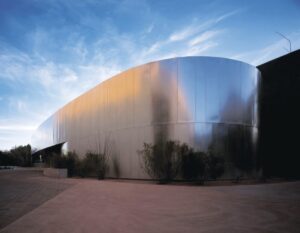
Scottsdale Museum of Contemporary Art found in the Scottsdale Arts District, Courtesy of SMoCA

As we continue to develop our vibrant culture here in Scottsdale, particularly with the expansion of the Kierland community, we look forward to discovering new opportunities to enjoy the city’s rich cultural and entertainment programming, unique retail experiences and fantastic dining values, where there is truly something for everyone.

Scottsdale Public Art: Knight Rise

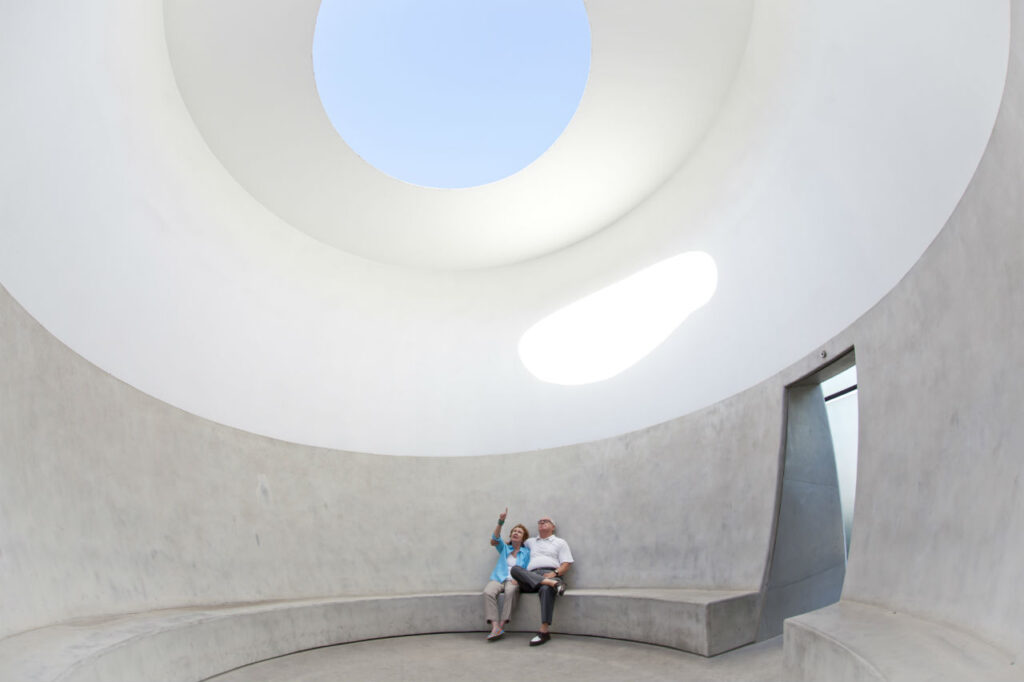
One of the many reasons we love Scottsdale is its appetite for some of the country’s most thoughtful architecture and art installations. Found in the Nancy and Art Schwaim Sculpture Garden at the Scottsdale Museum of Contemporary Art, a very short drive from Optima Sonoran Village, is one of those extraordinary displays, Knight Rise by James Turrell.

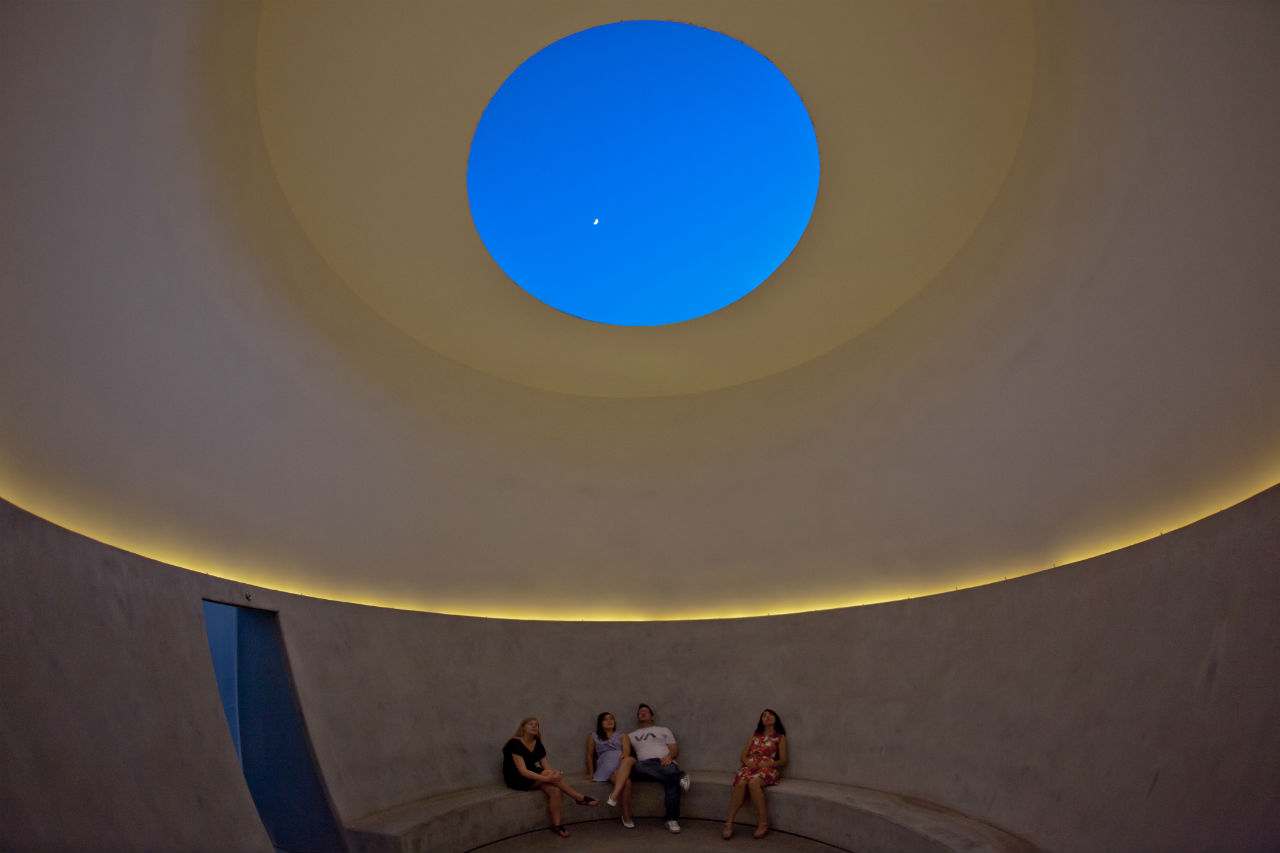
This inspiring work of art frames the dynamic colors of Scottsdale’s sky through an oculus or skylight. The skyspace is situated at the peak of a concrete dome with concrete benches encircling the room. Knight Rise gives guests their own unique experience with every visit. As the sky overhead changes constantly, so do the perceptions of light and color being framed through the skyscape, inviting visitors’ imaginations to run wild. In a simple, physical act of viewing the sky purely as light, hue, and texture, the artwork completes itself. More specifically, an engaged visitor completes the experience that is Turrell’s artwork.

Part art, part science, the skyspace is an unparalleled creation, and only 14 others are open to the public across the country. Those who experience Knight Rise find it to be meditative and inspiring; a space where one can find tranquility and peace within the confines of the concrete space.

Vibrant sunlight coming in from Knight Rise illuminates the concrete surface of the installation’s interior
Vibrant sunlight coming in from Knight Rise illuminates the concrete surface of the installation’s interior. Credit: Scottsdale Public Art

Knight Rise was completed in 2001 by Turrell, known as a “sculptor of light.” He is an artist of international acclaim considered to be one of the most significant and influential artists working in the world today. And while many artists use paint to replicate light, he uses light itself — sometimes manmade, sometimes natural — to create visual effects. Turell has been creating skyscapes across the United States for nearly five decades, mastering his craft along the way. Inspired by legendary artists from Monet to Mark Rothko, Turell tangibly employs color as the focal point of his practice. 

Knight Rise is a permanent installation located in the Nancy and Art Schwalm Sculpture Garden at the Scottsdale Museum of Contemporary Art. To experience Knight Rise, visit the Museum anytime from 11 a.m. – 5 p.m. Monday through Friday.

Chicago Skyscraper History: the Merchandise Mart

Chicago has earned its place on the architectural map with endless distinctions, including being home to the tallest building in the world for 25 years and to numerous acclaimed architects like Mies van der Rohe, Frank Lloyd Wright, Marion Mahony Griffin and Jeanne Gang. But did you know that it’s also home to the world’s largest commercial building? Today, we’re taking a look at the history of the city’s beloved Merchandise Mart

How It Came to Be

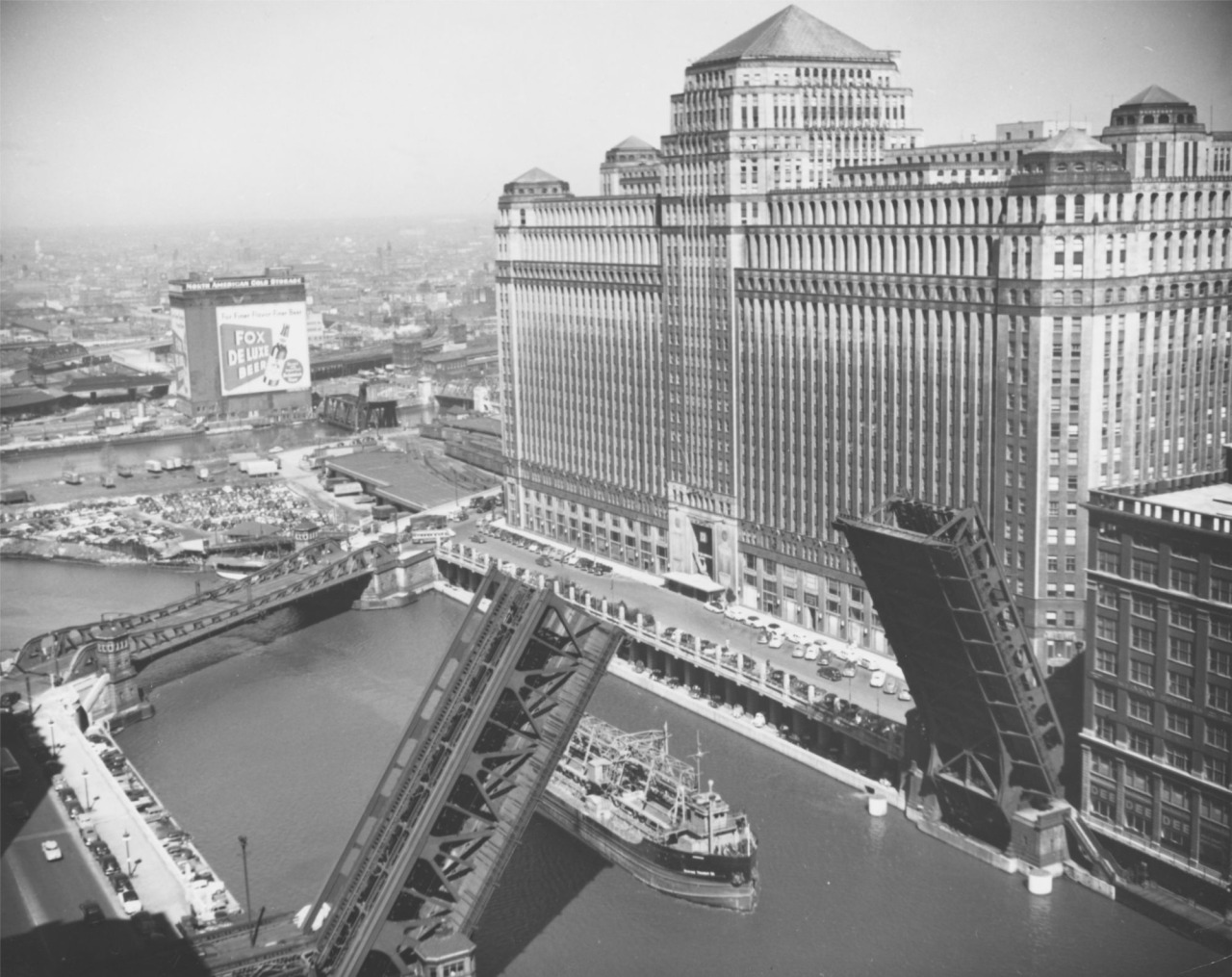
As dated infrastructure (like the abandoned railroad yards in the downtown area) proliferated in the early decades of the 20th century, more and more land development opportunities opened up. In hopes of beautifying the frontage along the Chicago River, Marshall Field & Co. announced their purchase of one of the largest available sites, at the junction of the River’s branches. The company began construction in 1928 and when the Merchandise Mart opened in 1930, it achieved the company’s dream of becoming a dedicated wholesale center for architectural and interior design vendors and trades serving the entire nation. And, with 4 million square feet on 25 floors under a single roof spanning two city blocks, it became the largest building in the world.

TheMART was imagined as a city-within-a-city. Graham, Anderson, Probst & White, the architects behind the structure’s streamlined look, took inspiration from traditional Art Deco architectural elements, including ribbon piers to define windows, setbacks and pavilions atop each corner to disguise the bulk of the building. Marshall Field himself was involved in the building’s design; his love for art inspired him to employ Jules Guerin to create 17 murals on the interior lobby’s frieze. Each mural details trade throughout the world and depicts the products, transportation and architecture of 14 countries.

TheMART was also a monumental experiment in state-of-the-art engineering and modern materials. At a cost of $26 million, it took advantage of construction techniques normally used in the building of big dams and employed nearly 5,700 workers at the height of the Great Depression.

theMART in the Modern Era

Throughout the latter half of the 20th century, theMART faced a handful of modernization projects. One was designed by Helmut Jahn to connect the building with the Apparel Center located across Orleans Street with a pedestrian bridge. The building was LEED Certified Silver in 2007, followed by LEED Gold Certification in 2013 and in 2018.

In recent years, as the contract furniture industry has evolved from a focus on a wholesale hub and independent manufacturer showrooms, the Mart has repositioned itself as a destination for innovation, creativity, technology and entrepreneurship. Rebranded “theMART,” the building remains the world’s largest commercial building, and has become home to a host of changemakers, including Motorola Mobility, 1871, Yelp, PayPal and MATTER, as well as Fortune 500 companies Conagra, Allstate, Kellogg, Beam Suntory, and Grainger.

Art on theMart, Art Institute of Chicago’s exhibition, Monet and Chicago, April, 2021
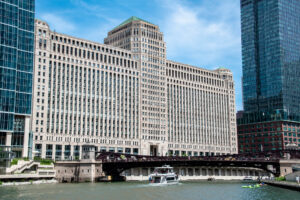
Merchandise Mart
Merchandise Mart. Credit: Brandon Olafsson on Flickr Creative Commons CC BY 2.0 Deed

Today, theMART continues to celebrate an appreciation for architecture and art. The building now hosts a digital art display popularly known for “Art on theMART,” to showcase the work of prominent artists on the south façade of the structure. 

With our love for all things “forever modern” at Optima, we are proud to have this magnificent example of design innovation and tireless reinvention in our midst.

Public Art in Chicago’s Lakeview Neighborhood

As we continue to explore the dimensions of Chicago’s Lakeview neighborhood that make it so unique and dynamic, we’re showcasing one of the community’s most significant ongoing projects, a thoughtful offering of public art to the city, the Lakeview Public Art Program

Because the Lakeview creative community has a long history of celebrating art and culture, even the most casual stroll through the neighborhood reveals an abundance of public art installations. And thanks to the Lakeview Public Art Program, the neighborhood is growing its collection of murals and sculptures, while hosting cultural events and other artistic happenings that support emerging artists. 

The Lakeview Public Art Program is run by the Lakeview Public Art Committee, a diverse group of volunteers responsible for finding forward-thinking, culturally-aware artists. Working in collaboration with Lakeview Roscoe Village Chamber of Commerce and Special Service Area (SSA) 27, the Committee supports and advances the non-profit Friends of Lakeview, an organization dedicated to improving and enhancing public streets and spaces, creating memorable experiences, and promoting the neighborhood.

Many of the artists whose work has been commissioned by the Lakeview Public Art Committee are Chicago natives themselves, like Anthony Lewellen; you can see his mural titled Lake View in the geographical heart of the neighborhood, at the corner of 3241 N. Lincoln Ave. For this mural, the artist took inspiration from memories of growing up in Lakeview. This 4,000 square foot wall painting displays a girl holding binoculars looking at Lake Michigan with the rest of Chicago behind her. The girl personifies the neighborhood itself, as she looks toward a horizon of opportunity.

A mural painted on a the side of a brick building depicts a woman gazing onto Lake Michigan with the skyline of Chicago behind her.
Lake View, Anthony Lewellen, Courtesy of Lakeview Public Art Program

Another mural commissioned by the Committee is Felix Maldonado’s Bears on Parade, which can be seen at  3409 N. Ashland Ave. Maldonado drew inspiration from the fact that in the 18th century, this area of Lakeview was once inhabited by the Miami, Ottawa and Winnebago Native American tribes. Featuring a group of bears and cubs walking through a blue forest, this mural celebrates the neighborhood’s culture and history while also subtly referencing the city’s favorite sports teams. 

With Optima’s commitment to thought-provoking, inspiring art in and around our properties, we are proud to join the Lakeview neighborhood, and celebrate its commitment to public art and talented artists.

Visionary Libraries Around The World

At Optima, our appreciation for innovative design and forward-facing architecture runs deep. We continue to be inspired by pioneering design in public structures of all types across the globe, from museums to municipal buildings and everything in between. Today, we’re exploring some of the world’s most celebrated contemporary libraries recognized by Architectural Digest — from their unique futuristic perspectives to their captivating appetite for inventive design.

Tianjin Binhai Library, Tianjin, China 

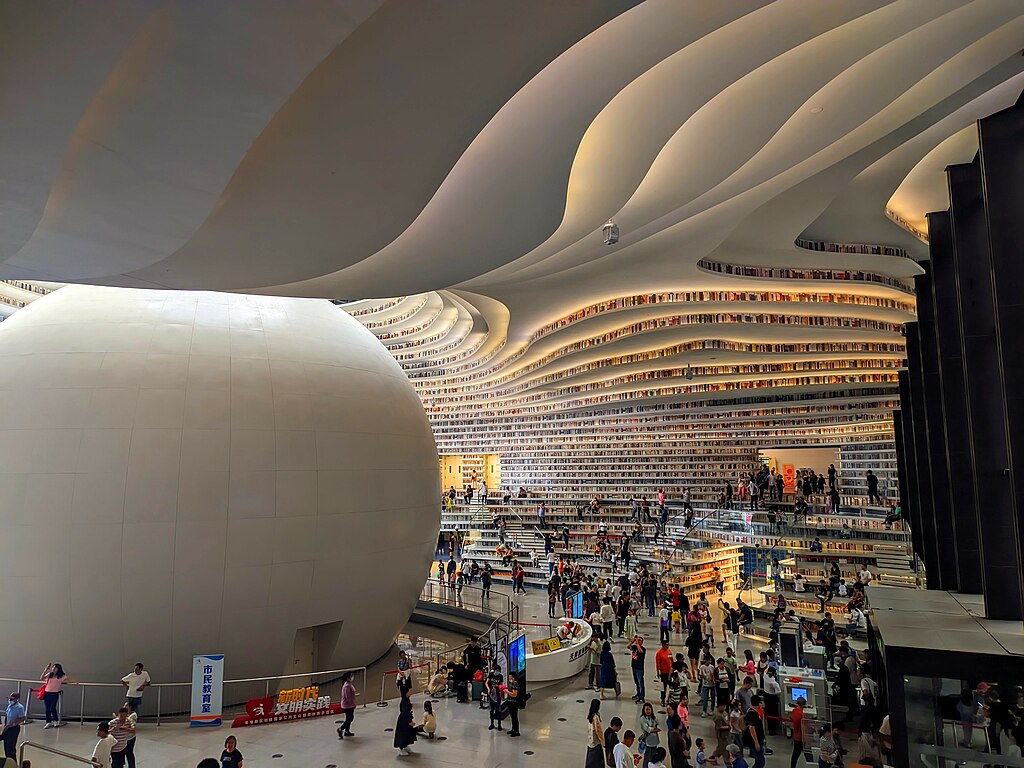
Tianjin Binhai Library is one of Tianjin’s newest developments as part of its emerging cultural district, the Binhai Cultural Center. The future-facing library was designed by the Dutch architectural firm MVRDV in partnership with the Tianjin Urban Planning and Design Institute and opened to the public in 2017. The building features more than 360,000 square feet of space, floor-to-ceiling terraced bookshelves and a massive spherical auditorium that sits in its center — and has earned the library its nickname, The Eye. The unique space frequently serves as a hub for education and performance for Tianjin’s residents and expands the horizons for what the future of shared community attractions and libraries might be. 

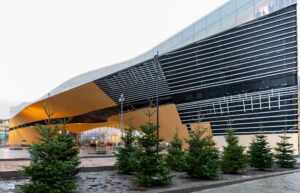
Helsinki Central Library’s façade and undulating roof, Oodi, Finland. Credit: Ninara on Flickr Creative Commons, CC BY 2.0 Deed

Helsinki Central Library Oodi, Finland

Situated in the heart of Finland’s largest city, Helsinki Central Library Oodi offers unrestrained access and experiences for its guests. Designed by Finnish architectural firm ALA Architects, the library was completed in 2018 and boasts an undulating cloud-like roof that contrasts the harshness of its lower wooden body. The library is assembled with a unique mix of glass, steel and spruce wood and combines various aspects of contemporary design. Its visionary architecture separates the library into three distinct layers: an alive ground level, a tranquil upper level and an in-between space complete with studios, game rooms, meeting spaces and workshops equipped with next-generation technology. 

Qatar National Library
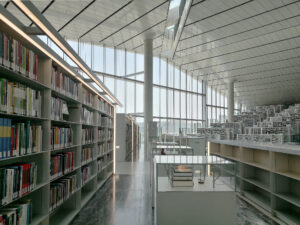
Qatar National Library, Doha. Credit: trevor.patt on Flickr Creative Commons, CC BY-NC-SA 2.0 Deed

Qatar National Library, Doah, Qatar

Qatar National Library is a genuine manifestation of contemporary art designed by Dutch firm OMA. The building opened in 2017 and was designed so its focal point — the Heritage Collection — and its entrance reside at its center. Around the center, each of the building’s corners folds up, revealing terraces of marble bookshelves and its People Mover — a one-of-a-kind transportation system that directs its guests throughout its levels. Qatar National Library contains Doha’s National Library, Public Library and University Library, totaling more than a million collective works of literature. 

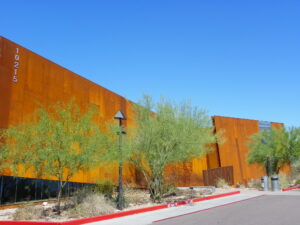
The Arabian Library’s pre-rusted façade, Scottsdale, Arizona. Credit Ellen Forsyth on Flickr Creative Commons, CC BY-SA 2.0 Deed

The Arabian Library, Scottsdale, Arizona

Recalling the silhouette and architecture of Arizona’s Monument Valley and various slot canyons, local firm Richard Kennedy Architects created The Arabian Library on the edge of Scottsdale — only 15 minutes from the Optima Kierland Apartments. The building’s dramatic pre-rusted steel façade complements its stone roof, which is complete with lush, native vegetation. The library’s interior is uniquely designed to mirror the atmosphere of retail and living environments and incorporates an abundance of sustainable materials and technologies.

All works of art in their own novel ways, from their futuristic architecture to their radical functions, these libraries exhibit the best of the best among the world’s most innovative libraries. 

Scottsdale Public Art: Water to Water

Scottsdale is a diverse community with a deep appreciation for its environment, its history and the arts, which are some of the many reasons we love it. Home to the Scottsdale Arts District, the city recognizes the significant benefits that public art provides to neighborhoods, a value we share in our Optima communities. Today, we’re exploring one of Scottsdale’s most unique public works that highlights an essential aspect of life, Water to Water.

Water to Water was completed in 1999 by Christine Tanz in collaboration with Paul Edwards. Edwards is a renowned designer who received the Concrete Reinforcing Steel Institute Design award in 1990. Both artists are recognized in Arizona for their impressive contributions to public art, including their instrumental involvement in developing a public art plan for Metropolitan Tucson.

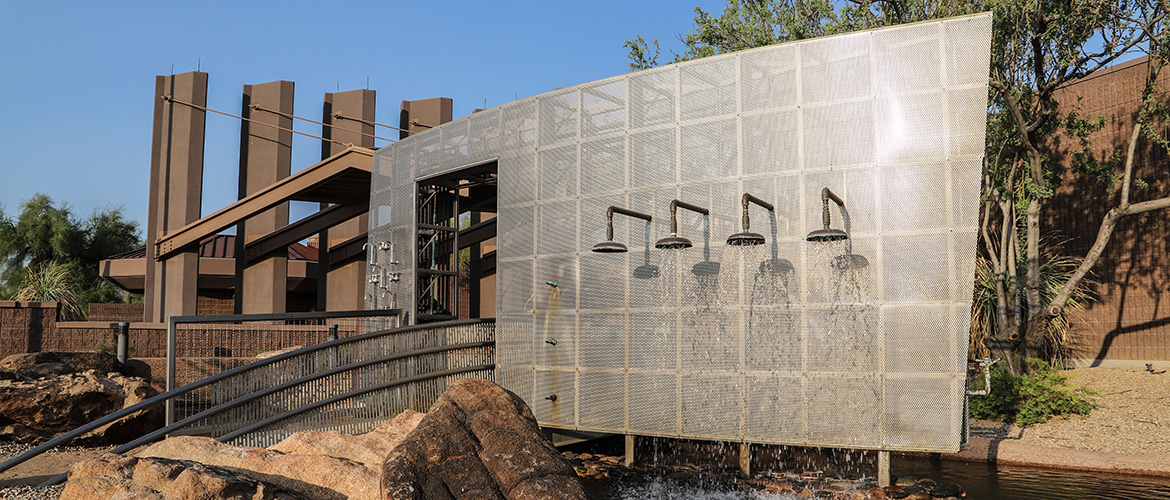
Located 15 minutes north of Optima Kierland Apartments, Water to Water sits at the entry of the Scottsdale Water Campus, one of the leading water recycling plants in the world and Arizona’s first potable water reuse facility. While Water to Water is acknowledged as a public art display, it operates as a kind of performance, highlighting the water’s importance to Arizona and its encompassing deserts.

Visitors first witness a pierced metal façade, mirroring the walls in our kitchens, bathrooms and gardens, through which many of us have access to water. Once sensors around the display recognize movement, the installation comes alive, and water sprays from the showerheads and faucets that line the metal wall. 

The “interior” of Water to Water revealing its extensive network of pipes

The unique fountain takes advantage of the freshwater stream that stretches across the campus. After the water travels through the extensive network of pipes that lives behind its metal wall and retreats through the various spouts on its other side, it returns directly back into the facility’s stream – a fully-sustainable process. The skeletal framework of the work provides visitors with new understandings of water, a natural element that many take for granted, and tells a powerful, physical story about how life prospers in its barren surroundings. 

Scottsdale Water Campus, where Water to Water resides, is located at 8787 E Hualapai Drive and is open from 6 to 5 most weekdays. The art can be viewed at no cost to visitors.

A Brief History of Modernist Furniture

The modernist architecture movement gained traction in the late 19th century and was influenced by the post-war notion of practicality and eliminating excess. 

Notable modernist architects include Ludwig Mies van der Rohe, Frank Gehry, and Zaha Hadid. Along with designing structures, these architects also designed furniture that would harmonize with their buildings, while making their works more accessible to many.

Prior to the modernist movement, furniture was seen as ornamentation. Rather than taking comfort and practicality into consideration, the value of furniture was determined by the amount of time and level of craftsmanship that went into its production. The Industrial Revolution enabled the mechanization of furniture production, enabling furniture to become affordable and functional rather than ornaments reserved for the wealthy.

Modernist principles of furniture considered the interaction of the design and the user, creating designs that fit with the human form rather than forcing bodies to conform to the furniture.

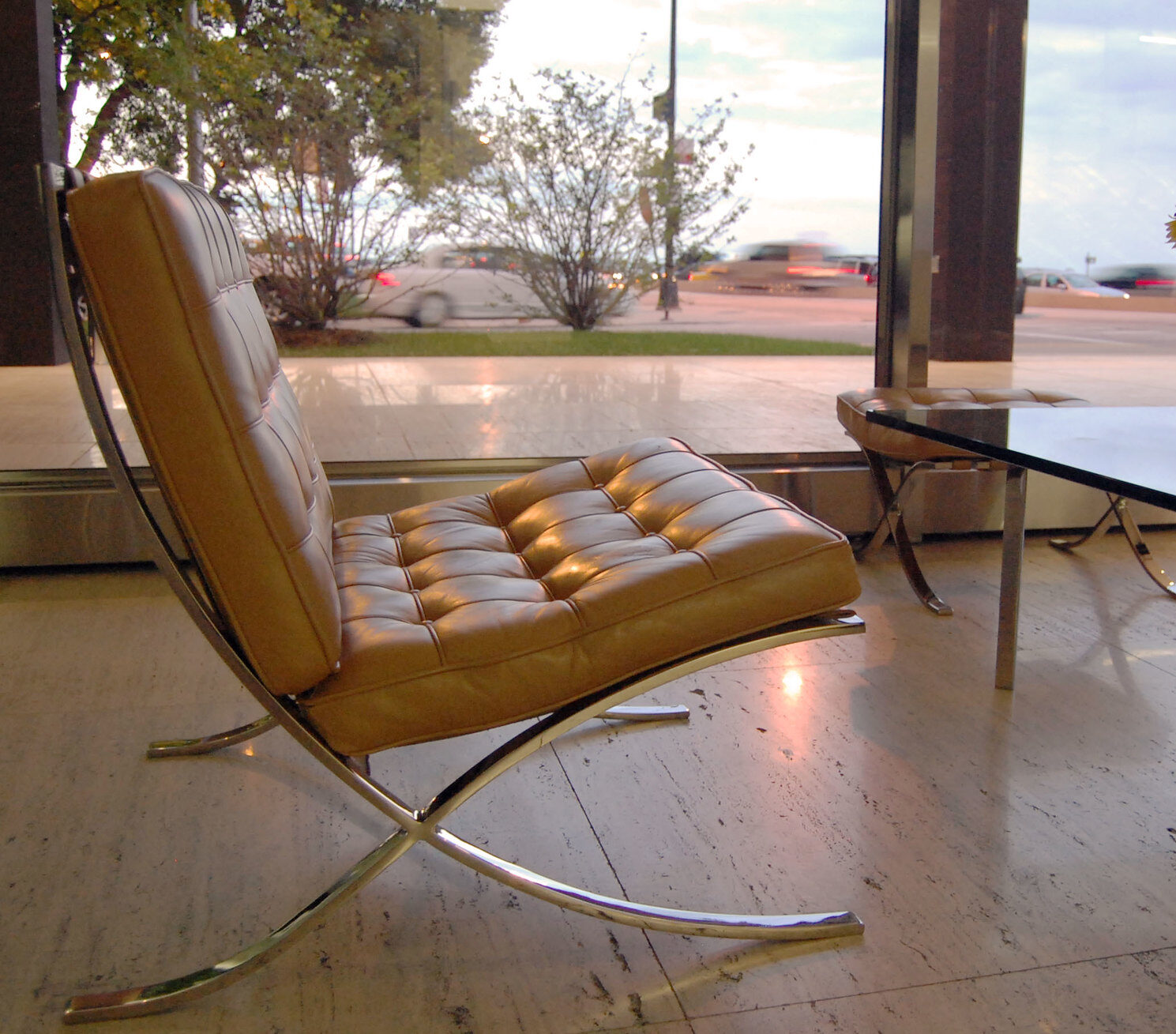
Two Barcelona Chairs sit next to each other in front of glass windows.
Barcelona Chairs, designed by Mies van der Rohe

Ludwig Mies van der Rohe’s 1929 Barcelona Chair was inspired by the simplicity of ancient folding chairs. Supported on each side by two chrome-plated flat steel bars, the Barcelona Chair is upholstered in leather and combines simple elegance with comfort. Mies van der Rohe designed the Barcelona chair to sit in the lobbies of his buildings, where they accent the architecture and blend in with the surrounding space. 

The Eames Lounge Chair sits in front of a marble fire place.
Eames Lounge Chair, designed by Charles and Ray Eames

The Eames Lounge Chair, another iconic piece of modernist furniture, was released in 1956 and designed by Charles and Ray Eames. The Eames Lounge Chair is a rare example of modernist furniture that was not designed to be mass-produced and affordable. Yet, the chair still relied on the principles of simplicity, practicality, and comfort core to modernist furniture design. The chair, inspired by the English Club Chair, is composed of molded plywood and leather and became a cultural icon for its un-design-like appearance that invites sitters to rest for hours within the chair’s leather cushions.

The Noguchi Table
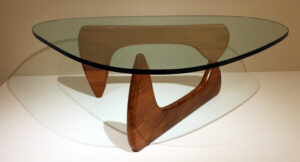
Noguchi Table, designed by Isamu Noguchi

Japanese-American artist and industrial designer, Isamu Noguchi, designed the famed Noguchi Table for the furniture company, Herman Miller. The Noguchi Table is a sleek glass-topped table supported by two curved pieces of wood at the base. The table became popular for its ability to fit both in the domestic and corporate spaces. 

The ability for modernist furniture to fit effortlessly into any space combined with its practicality made modernist designs into classic pieces recognized across generations. Modernist furniture can be found in suburban households and steel office buildings alike. Families gather around Noguchi Tables for chess games and curl up into Eames Lounge Chairs with long novels. Business moguls and architects meet in Barcelona Chairs and sign documents over Noguchi Tables. The versatility of modernist furniture and ease with which it is produced revolutionized how the general public views furniture and furniture’s place in the spaces it takes up.

Women in Architecture: Zaha Hadid

Breaking boundaries as the first woman to be awarded the prestigious Pritzker Architecture Prize in 2004, Zaha Hadid is recognized as one of the most exceptional designers in history, forging a legacy of innovation and individuality. Despite Hadid’s unexpected death in 2016, her legacy continues through the projects she designed.

Born October, 1950 in Baghdad, Iraq, Hadid studied mathematics as an undergraduate and went on to enroll at the Architectural Association School of Architecture. Hadid was advised under Dutch architect, Rem Koolhaas, who would later describe Hadid as one of the most exceptional students he ever taught.After graduating, Hadid moved to Rotterdam where she worked for Koolhaas at the Office for Metropolitan Architecture (OMA). In 1980, after becoming a naturalized citizen of the United Kingdom, Hadid opened her firm, Zaha Hadid Architects, which has developed high-profile and illustrious projects around the world. Hadid and her firm introduced audiences to a new way of conceptualizing modern architecture through extremely detailed sketches rather than postmodern designs.

After graduating, Hadid moved to Rotterdam where she worked for Koolhaas at the Office for Metropolitan Architecture (OMA). In 1980, after becoming a naturalized citizen of the United Kingdom, Hadid opened her firm, Zaha Hadid Architects, which has developed high-profile and illustrious projects around the world. Hadid and her firm introduced audiences to a new way of conceptualizing modern architecture through extremely detailed sketches rather than postmodern designs.

Vitra Fire Station, designed by Zaha Hadid. Credit: Mondo79 on Flickr Creative Commons, CC BY 2.0 Deed

Vitra Fire Station

The very first building complex designed by Hadid was the Vitra Fire Station, eventually launching her career. One of Hadid’s clients, Rolf Fehlbaum, the president-director of the furniture design firm, Vitra, invited her to design a fire station for his design museum. Building from 1991-1993, Hadid used raw concrete and glass that defined the sculptural building. The station, famous for the dramatic effect of its sharp diagonals converging at its center, only remained functional for a short period and now serves as an exhibit space.

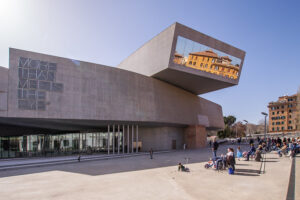
The front of the MAXXI Museum.
MAXXI Museum, Zaha Hadid, Rome, 2010. Credit: Artur Salisz on Flickr Creative Commons, CC BY-NC 2.0 Deed

National Museum of Arts of the 21st Century (MAXXI)

One of Hadid’s more recent designs, the MAXXI was built between 1998 and 2010. The structure appears to be moving and flowing through space in spots, animated by Hadid’s ambition to create movement through the design. Hadid achieved this movement through curving, white walls and the placement of the building extending precariously out over five, thin pylons. Hadid explained that she wanted the design to invoke “confluence, interference, and turbulence.”

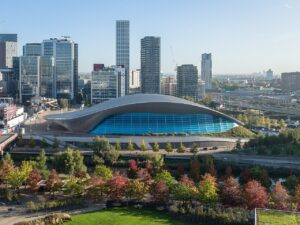
The Aquatic Centre in the Queen Elizabeth Olympic Park in Stratford, designed by Zaha Hadid, used for the 2012 Olympics, London, England, United Kingdom. Credit: Arne Müseler on Wikimedia Commons, licensed under the Creative Commons Attribution-Share Alike 3.0 Germany license

London Aquatic Center

Tasked to design the aquatic center for the 2012 Summer Olympics, Hadid again turned to fluidity, this time the convergence of geometry and liquidity found in water. Hadid’s iconic design covers three stadium pools with a complex roof the shape of a parabolic arch dipping into the center that anyone would recognize. The structure was praised by critics for its success in mimicking the “floating” and “undulation” of water, as stated by Rowan Moore.

In addition to receiving the Pritzker Prize, Hadid was recognized with numerous other prestigious awards, including the Royal Institute of British Architecture’s Royal Gold Metal Award, an honor approved by Her Majesty The Queen, and the Jane Dew Prize; she was also appointed Commander of the Order of the British Empire and was honored with a retrospective at the Guggenheim Museum.

person name goes here

Maintenance Supervisor

Glencoe, IL


    Acceptable file types: *.pdf | *.txt | *.doc, max-size: 2Mb