The Health Benefits of Natural Light

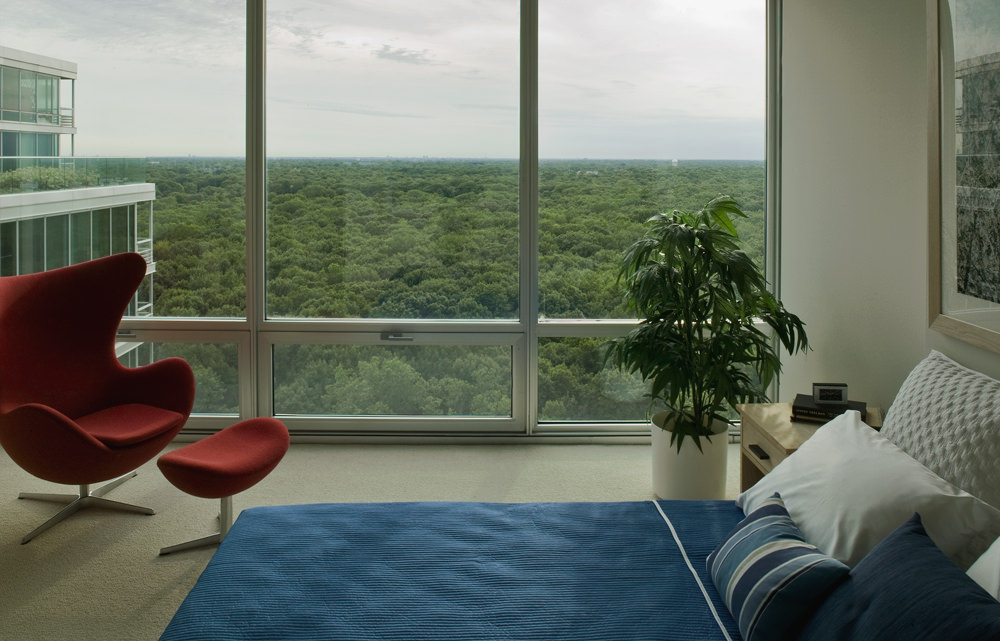
Architecturally speaking, Modernist design is often defined by expansive windows and plenty of natural light, something we’ve incorporated across our properties for decades. There’s certainly an aesthetic benefit to large windows and entryways; they invite the outdoors inside, giving residents a full view of the surrounding environment. And as we’ve seen from this year, there’s certainly a wellness aspect to the design feature as well. So what exactly are the full health benefits of natural light?

Physical Benefits

When exposed to sunlight, our skin absorbs vitamin D, which helps prevent bone loss and reduces the risk of heart disease, weight gain and various cancers. You don’t have to sit by the pool in order to get plenty of vitamin D; soaking in some sun while you work from your at-home office or sipping coffee by your window in the morning works just fine. Natural light exposure also helps improve productivity, immune system strength, mood and sleep. Especially during winter months, it’s important to get your daily dose of natural light. 

Mental Benefits

And speaking of winter months, with the days getting shorter and darker, many suffer from Seasonal Affective Disorder. During that time of year, natural light is even more impactful on our mental health. Sunlight actually helps produce serotonin and endorphins, hormones that can significantly improve our moods. If you’re looking for a natural way to beat the winter blues, natural light is a great method to do so.

If you want to maximize natural lighting in your own home, there are a few ways to do so without any major renovations. Arrange mirrors to reflect light, move furniture as to not block windows, avoid heavy or dark drapes and keep your windows clean. You can even try light therapy or synthetic light lamps for an extra boost. No matter your method, natural light is a great way to stay happy and healthy this winter. 

The Legacy of Frank Lloyd Wright

Modernism wouldn’t be the discipline it is today without the greats that defined it. A name well-known throughout the world, Frank Lloyd Wright is heralded as the “greatest American architect of all time” by the American Institute of Architects. His contributions to architecture have touched all of us at Optima and countless others, leaving behind a monumental legacy.

The Life of Frank Lloyd Wright

Frank Lloyd Wright was born in Richard Center, Wisconsin on June 8, 1867 to a preacher father and teacher mother. His young life was spent travelling for his father’s ministry position, and his parents’ divorce when he was 18 set his family back even further financially. To help out, Wright worked at the same university at which he was studying: University of Wisconsin. Despite his commitment to his family, Wright’s dream of becoming an architect pulled him away from school when he left Madison two years later to move to Chicago.

Frank Lloyd Wright Home and Studio, 1967. Credit: Philip Turner, Library of Congress, Prints & Photographs Division, ILL,16-OAKPA,5-2. Image is in the public domain.

In Chicago, Wright tried working for two different firms before landing at Adler and Sullivan, where he worked under Modernist master Louis Sullivan for six years. At 22, Wright married Catherine Lee Tobin and entered into a five-year-contract with Sullivan in exchange for the loan money Wright would need to build him and his wife their home in Oak Park, a Chicago suburb. Tempted by the need to provide for his family, Wright took on independent residential commissions even though it violated his contract with Sullivan. When Sullivan found out, the two parted ways and did not repair their relationship until twenty years later. It was this separation, however, that pushed Wright out on his own and allowed him to grow his prolific independent career.

Fallingwater by Frank Lloyd Wright. Credit: Somach on Wikimedia Commons, licensed under the Creative Commons Attribution-Share Alike 3.0 Unported license.

The Work of Frank Lloyd Wright

After his separation from Sullivan, Wright started his own firm in 1893. Wright’s career spanned an impressive seven decades, a time period over which he developed his distinctive point of view and style. Wright saw architects as the poets of their time — an artistic historian of sorts. He believed in creating structures that lived in harmony with the natural world, a point of view which he called “organic architecture.”

Wright brought American design to the forefront and was the leader of the Prairie School movement, a distinctly American midwestern style. Hallmarks of Prairie School design include low-pitched roofs, overhanging eaves and open floor plans. These expansive residences mirrored the endless landscape of the Midwestern prairies, and employed materials such as wood to further integrate the manmade with its environment. 

Ennis House, 1924, Frank Lloyd Wright — a Textile style/Mayan Revival home
Ennis House, 1924, Frank Lloyd Wright — a Textile style/Mayan Revival home. Credit: Mike Dillon on Wikimedia Commons, licensed under the Creative Commons Attribution-Share Alike 3.0 Unported license.

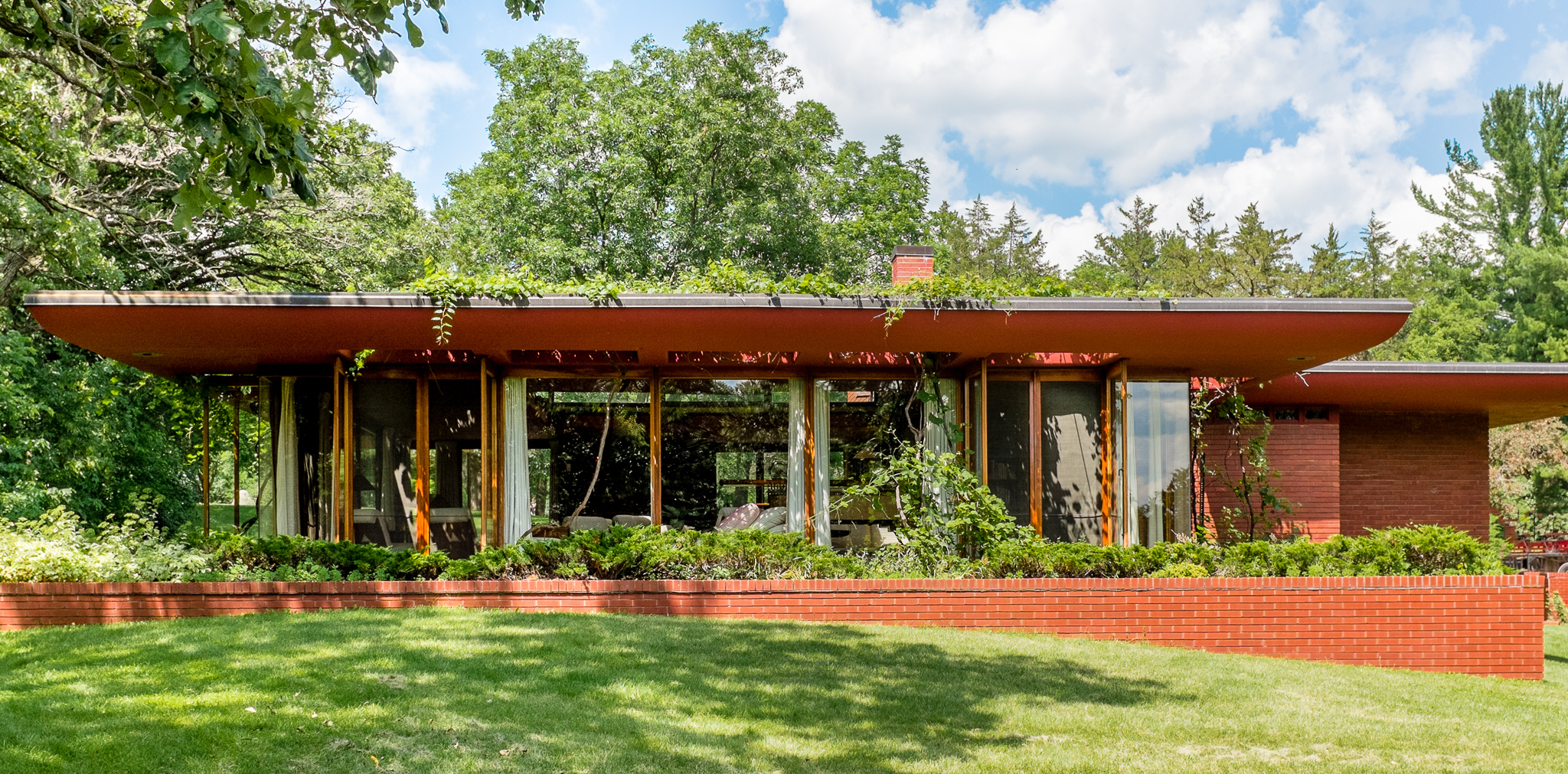
Later in his career, Wright also worked in the textile style out West, as well as pioneering a new dichotomy with his 60-house Usonian series. The Usonian homes were another way Wright carved out a language that was distinctly American, uninfluenced by any international predecessors. These homes were marked by their flat roofs and cantilevered overhanging — which became the source of the term “carport.” While out West, Wright also established Taliesin West and other structures near the greater Phoenix area, some of which are close to our Optima communities in Arizona. Just as we’re inspired by the desert scape, Wright was similarly enchanted with the surrounding foliage and existing architecture. 

Cedar Rock (Lowell Walter House), 1948, Frank Lloyd Wright — a Usonian house
Cedar Rock (Lowell Walter House), 1948, Frank Lloyd Wright — a Usonian house. Credit: AIA Iowa.

With his 70-year career, 500+ completed projects and numerous accolades, this is only the tip of the iceberg in the legacy left behind by Frank Lloyd Wright. It is all these contributions and more that will forever cement Wright as a master of American architecture.

A Brief History of Pueblo Architecture

When Optima expanded to Arizona in 2000, with the new territory came a vast and storied architectural culture and history. While the Southwest is home to many distinguished styles, perhaps none is as unique as pueblo architecture. Our Modernist design is in stark contrast with the Pueblo style, yet we still honor the history and modern-day impact of pueblo architecture.

Pueblo architecture comes from the traditional dwellings of the Puebloans, or Pueblo peoples, a southwestern Native American tribe. In Spanish, pueblo translates to “village,” referring to the Puebloans’ iconic style of building. Puebloans first began building pueblo structures between 750-900 CE, but were inspired by the Ancestral Puebloan cliff dwellings dating as far back as AD 1150.

Pueblo architecture is most commonly constructed from adobe, though stone was used when available. Building structures are flat-roofed, with the roof supported by wooden beams, vigas, and small perpendicular beams, latillas. Vigas typically protrude beyond the building structure. In larger communities, many pueblo homes are stacked in multistory terraces with setbacks. These communities also often include kivas, partially underground circular ceremonial rooms, as well as courtyards or plazas

When Spanish colonists arrived to the southwest in the 1500s, they adopted Pueblo architecture for their own buildings, such as haciendas and mission churches. From the colonists, Puebloans began incorporating more manufactured techniques, such as sun-baking adobe bricks, and more manufactured materials.

Optima Camelview Village in Scottsdale, Arizona

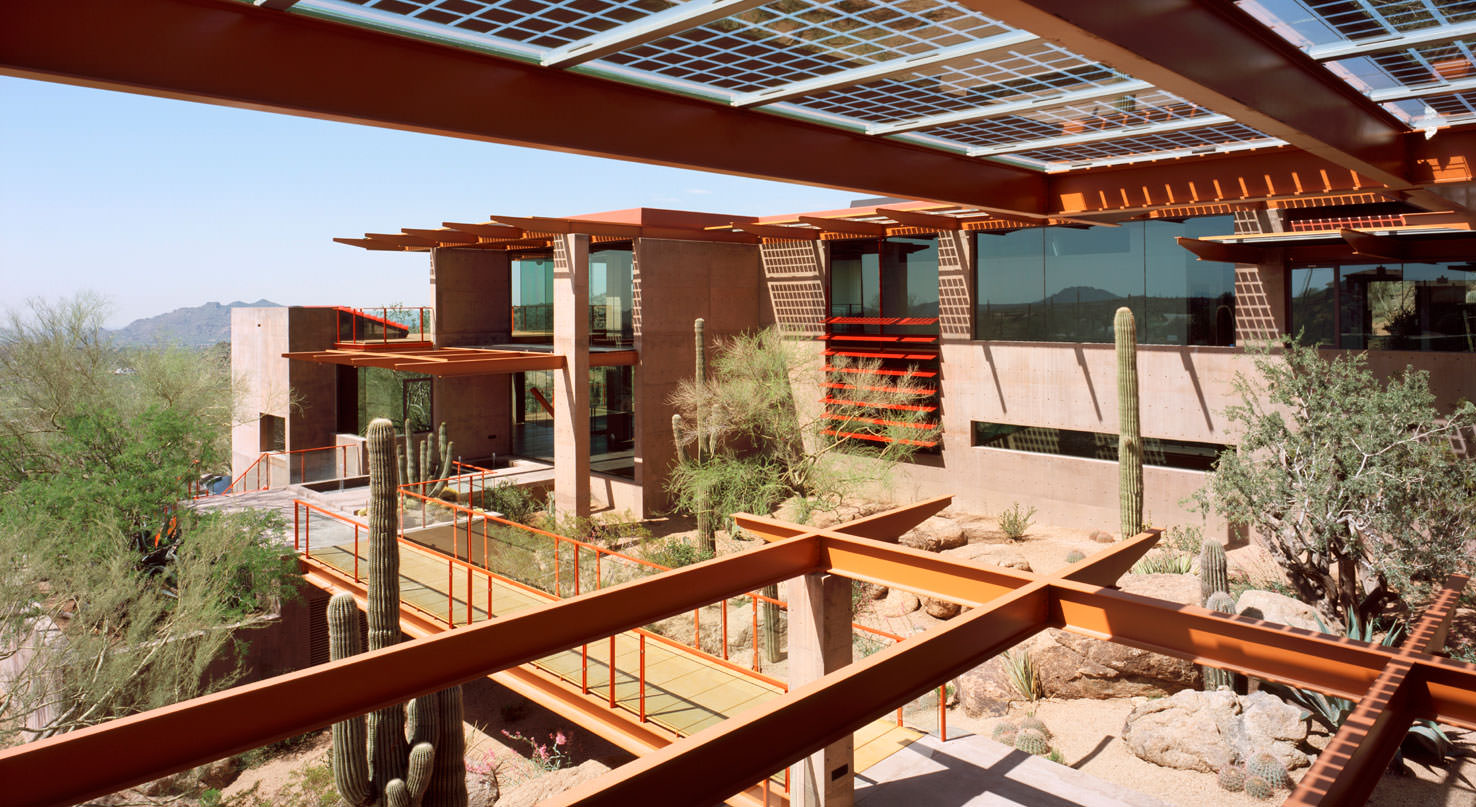
Pueblo architecture continues to permeate the voice and character of southwest design. Although our own Modernist style is vastly different, Pueblo influences still informed many design choices. Optima Camelview Village honors the tradition of terraced dwellings in its stepped, landscaped facade and centralized courtyard. The desert dwellings of Optima contain traits of the traditional Publeoan dwellings, too. At Sterling Ridge, the cantilever roof pays homage to vigas, while the site-sensitive, multilevel design of the structure allows the home to blend into the landscape.

But despite the notable influences, it is Optima’s departure from the dominant southwestern architectural style that attracts people to our work — employees and residents alike.

Zen Gardens 101

Zen gardens are synonymous with peaceful moments, stress reduction and thoughtful design. At Optima Kierland, our exclusive Club One amenity space features a zen garden to encourage those tranquil moments for our residents. To better understand the space and its history, today, we’re taking a look at zen gardens 101.

Purpose and History

As the name suggests, zen gardens were first designed to inspire meditation at Zen Buddhist temples. While Japanese rock gardens (inspired by the Chinese rock gardens that predated them) have been around since at least the Heian period (794-1185), the first rock garden considered a zen garden was built in 1334 by Buddhist monk and zen master Musō Kokushi. The idea was that monks would view the gardens while sitting outside of them and focus on the elements to hone their meditative practice. 

The development of zen gardens also pulled inspiration from Japanese ink landscape paintings at that time. Both art forms focused on winnowing down their composition to include only the essential elements of nature, which was then to be surrounded by an abundance of white space (in a painting, the blank page, and in a garden, the sand or gravel).

Elements of Zen Gardens

Zen gardens are defined by their unique stylized landscaping. The main eight elements are composed in intentional, meaningful arrangements. These elements include rocks (ishi), water elements (mizu), plants (shokubutsu), lanterns (tenkeibutsu), the borrowing from existing landscapes (shakkei) and bridges (hashi).

Each element is a meaningful symbol in Japanese culture, and their arrangement in the garden represents and honors that. Typically the gardens are brought together by gravel or sand, which is raked to represent rippling water. Emphasis is also placed on the principles of naturalness (Shizen), simplicity (Kanso), and austerity (koko).

At Optima, we’re honored to borrow from this deep and meaningful tradition. The zen gardens at Optima Kierland seamlessly blend the ancient tradition with the Modernist discipline, utilizing water, landscaping and open space to bring meaningful moments of zen and tranquility to our residents. 

The Legacy of Walter Gropius

The legacy of the Bauhaus is an essential thread in Modernism, past and present. But the Bauhaus — both the movement and the school — never would have been possible without the man behind it all: Walter Gropius. Today, we’re paying our respects and exploring the legacy of the Bauhaus founder, also known as one of the the pioneering masters of Modernism. 

Fagus Factory (Faguswerk), designed by Walter Gropius and Adolf Meyer in Alfeld, Germany. Photo: Matthias Süßen on Wikimedia Commons, licensed under the Creative Commons Attribution-Share Alike 4.0 International license.

A Promising Start

Born Walter Adolph Georg Gropius in May of 1883, the German architect was destined for great things from the start of his earlier career just 25 years later. In 1908, after studying architecture in Berlin and Munich, Gropius began working with renowned architect and industrial designer Peter Behrens, alongside other powerhouses: Ludwig Mies van der Rohe and Le Corbusier. From that point onward, Gropius’s career accelerated at an upward trajectory, with accomplishments such as Faguswerk, the Fagus Factory that truly put his name on the map in 1913. 

The Bauhaus building in Dessau, Germany, designed by Walter Gropius.

The Bauhaus

In 1919, Gropius succeeded the previous master of the Grand-Ducal Saxon School of Arts and Crafts in Weimar — and Gropius then transformed this academy into the Bauhaus. Gropius’s founding philosophy behind the Bauhaus was revolutionary. On a flyer from that time, he stated: “Art and the people must form an entity. Art shall no longer be a luxury of the few but should be enjoyed and experienced by the broad masses. The aim is an alliance of the arts under the wing of great architecture.” The Bauhaus’s legacy became the extension of beauty and quality to every home, through well-designed, industrially-produced products. Though Gropius left the Bauhaus in 1928, the impact of the school remains prevalent across Modernist design today. 

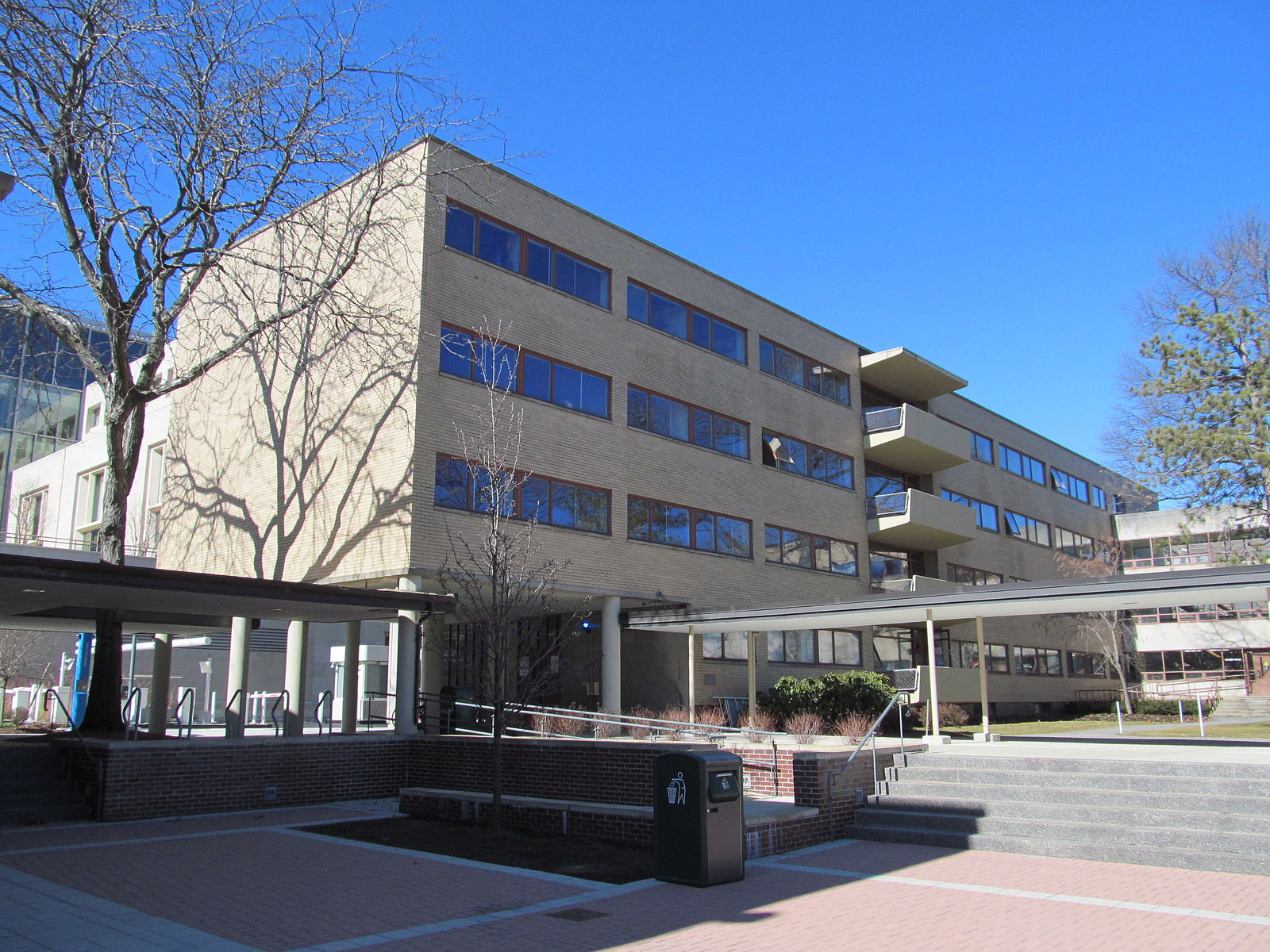
Story Hall at Harvard University, part of the “Gropius dorms” designed by The Architects’ Collaborative.
Story Hall at Harvard University, part of the “Gropius dorms” designed by The Architects’ Collaborative. Photo: John Phelan on Wikimedia Commons, licensed under the Creative Commons Attribution-Share Alike 4.0 International license.

American Footprint

Facing threats under the Nazi regime, Gropius first landed in England and then made his way to the U.S. in 1937. There he became a professor at Harvard and eventually, the Director of the Department of Architecture. In 1946, he founded The Architects’ Collaborative (TAC), another manifestation of his belief in collaboration and teamwork. Alongside the likes of other young architects in Cambridge, the group rose to prominence (with their most well-known work being the Graduate Center at Harvard) and they quickly became one of the most well-known and respected architectural firms in the world.

Today, the legacy of Walter Gropius remains in each structure he created during his lifetime, as well as in the profound impact he had on the architectural world. 

An Inside Look at Architect Lingo, Part III

Our love for Modernist architecture at Optima is a language all its own — in more ways than one. As we discuss all things design, keywords in architect lingo begin to permeate the vocabulary of everyone in our offices, from architects to property managers and beyond. In honor of the passion and language we all share (and in follow up to Part I and Part II), today we’re taking another inside look at words you might hear in a day at Optima. 

Clerestory

Clerestory refers to the windows in a structure. Also known as a clearstory or an overstory, a clerestory is any high section of the wall that contains windows above eye level. The purpose of these windows (and their altitude) is to invite in sunlight, fresh air or both. 

Historically, clerestories were included in large structures such as cathedrals with expansive central halls. While the technique is thought to have originated in ancient Egypt, and carried over to the Byzantine era, this architectural detail is most widely seen in architecture from the Romanesque and Gothic periods. Clerestories are also employed in many transportation vehicles, such as train cars, to provide additional lighting, ventilation and headroom. 

At Optima, clerestory windows prove an invaluable tool when creating open-floor-plan Modernist buildings. Employing windows at multiple levels, we’re able to ensure spaces that are flooded with light and that exude an open, airy atmosphere. 

Rectilinear design at Optima Camelview Village in Scottsdale, Arizona.

Rectilinear

Stripped back to its most basic definition, rectilinear is an adjective referring to anything in a straight line. In architecture, however, a rectilinear form then becomes anything that consists of only straight lines. Rectilinear design creates a sense of order and structure within design, and therefore plays well into the Modernist philosophy.

That being said, originally rectilinear style originates from the third historical division of English Gothic architecture (also called The Perpendicular Gothic, or simply, perpendicular). Contradictory to paired back rectilinear form in Modernist design, the rectilinear style of Gothic architecture includes lavish, ornate geometric detailing. 

In our own structures, we often employ rectilinear design as an expression of our Modernist sensibilities. The bold, simple geometry of straight lines allows us to best explore ideas of form and function, creating spaces that are at once complex in thought but simple in application.

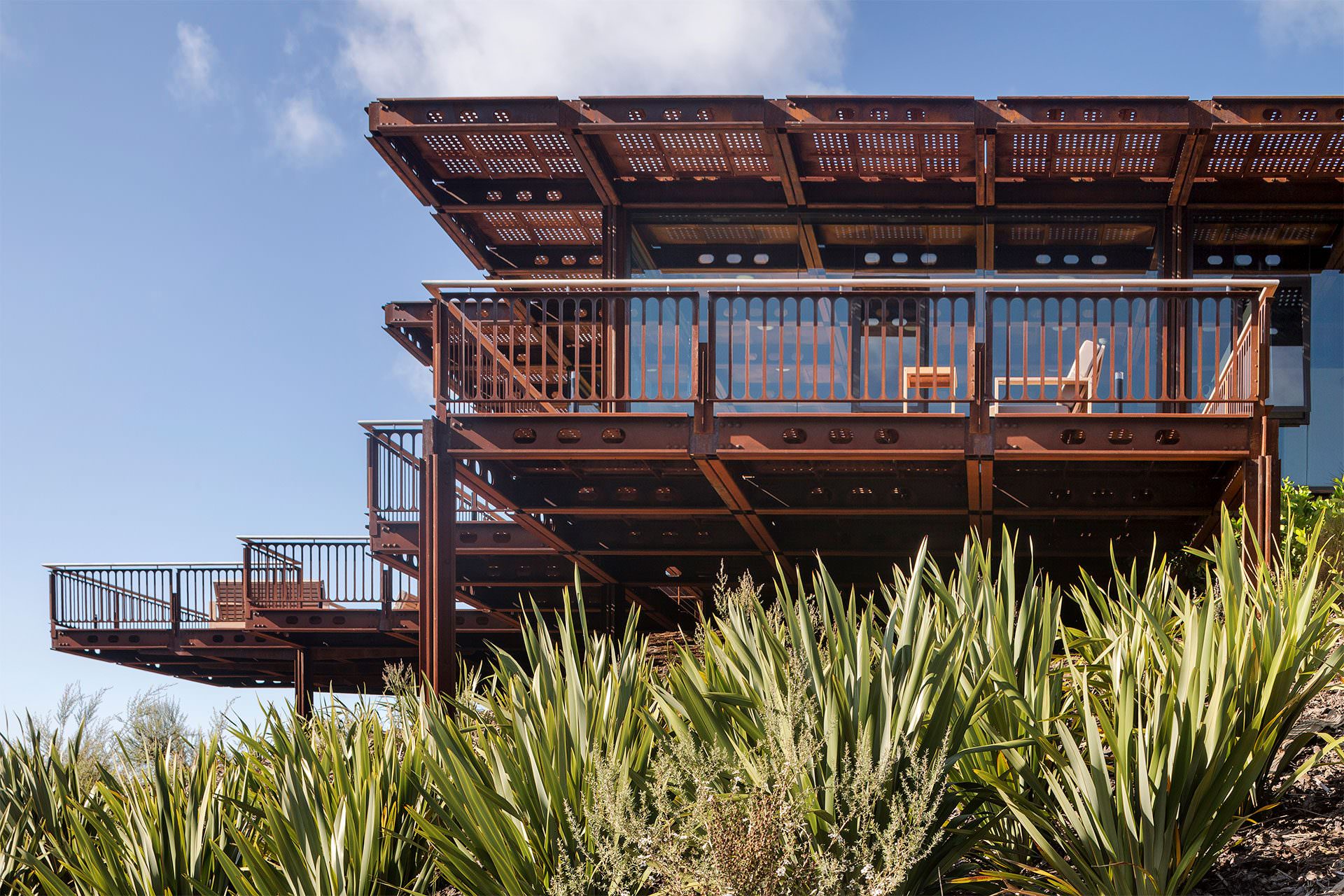
The Optima DCHGlobal Building System at Whale Bay House, Optima DCHGlobal, in New Zealand.

On the Module

Modular architecture refers to the design of any system utilizing separate components that can be connected together to create one, cohesive whole. A highly flexible system, the building-blocks nature of modular architecture allows individual pieces to be easily replaced or repurposed as needed. Building on the module, then, refers to the process of creating a structure out of a module system.

Optima President and Principal Architect, David Hovey Jr., designed his own modular system: the Optima DCHGlobal Building System, a patented structural system that is based on 7’-0” x 7’-0” horizontal module, a 1’-3” vertical module, and a 21’-0” x 21’-0” structural bay with connectors, beams, and column components that are joined together with tension controlled bolts to create a 3-dimensional structural grid allowing for design flexibility in both vertical and horizontal directions. You can see the system employed throughout our Optima DCHGlobal projects, Relic Rock, Arizona Courtyard House and Whale Bay House.

A Brief History of the Wassily Chair

When we set out to build intentional spaces, we extend our design sensibilities into every finish and furnishing. And with most of our selections, each piece has a story behind it. Today, we explore the history of the distinct and iconic Wassily Chair.

The chair itself started with Marcel Breuer, the Hungarian architect and designer. Breuer studied at the Bauhaus under Walter Gropius, quickly becoming his protégé with his outstanding sense of design and ingenuity. By the early 1920s, he was considered a master carpenter at the school. The legend goes that Breuer purchased his first bicycle and was so inspired by the lightness of its frame, he wanted to experiment with something similar in furniture design, using curves and tubing in construction. Thus, the Wassily chair was born.

Fabricated using the techniques of local plumbers, the tubular-steel structure would become Breuer’s signature touch on furniture. At the time, the design was only technologically feasible because German manufacturers had perfected the process for seamless steel tubing. Without a welding seam, the tubing could be bent without collapsing. The structure was finished by straps of fabric, pulled tightly to create a sturdy but comfortable place to sit. Like many other designs in the Modernism movement, the Wassily Chair has been mass-produced since the 1920s, its allure is still impactful today. At present, the trademark name rights to the design are owned by Knoll, who integrated the Wassily Chair into their catalog in the 1960s. 

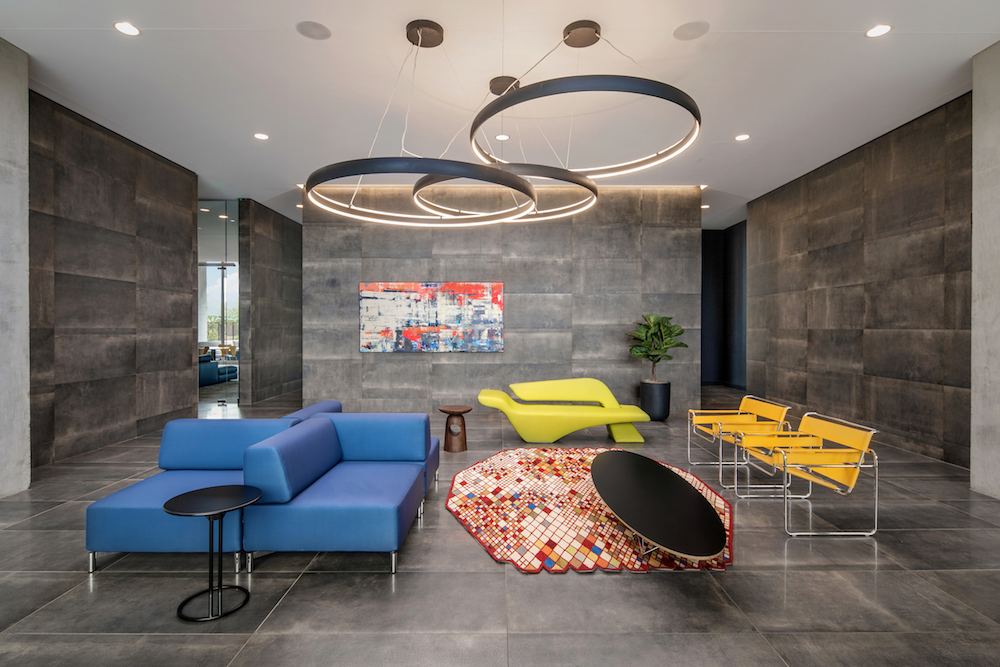
Whether it welcomes residents as they enter the lobby or invites conversation in an amenity space, the Wassily Chair plays perfectly with the design aesthetic and sensibility of our spaces at Optima. 

Alexander Calder Day

On a fall day in October of 1974, Chicago unveiled a majestic new piece of public art: a grand steel archway in a striking red color. Alexander Calder’s Flamingo officially made its mark on Chicago’s Federal Plaza, and has been an icon ever since. In honor of the sculpture’s debut, October 25, 1974 was dubbed “Alexander Calder Day,” and featured a circus parade to celebrate the artist’s great contribution to the city and to the greater world of art. 

Although Alexander Calder Day officially occurred 46 years ago, Calder’s impact is still monumental, both in Chicago and around the globe. Alexander Calder’s legacy includes collections at notable museums around the world, large scale public works and a posthumous Presidential Medal of Freedom awarded by President Gerald Ford (although the Calder family boycotted the ceremony). And Flamingo has its fair share of fame as well (even earning a scene in the movie Ferris Bueller’s Day Off).

Still shot from Ferris Bueller's Day Off with Calder's Flamingo in the background

Whether it’s his work hanging in our own buildings or his impactful public artwork, we hold Calder’s work and legacy in high honor. From our team at Optima, Happy (slightly belated) Alexander Calder day!

Modernism and the Pandemic

This year, health and wellness have been more important than ever. And with self-quarantining and spending more time at home, many have redefined what a healthy home means. Like other shifts in the world, COVID-19 has certainly prompted us to reflect on the impact of design. We’ve seen how Modernism has affected pandemics in the past, but how might it impact our sense of wellness during COVID-19?

Green-Inspired Design

To house healing tuberculosis patients, the Paimio Sanatorium was designed to connect its residents to fresh air and the healing qualities of nature. While its setting in Southwestern Finland was ideal for recovery, it’s not a feasible solution for those trying to stay healthy in urban areas. Our buildings bring the outdoors in, connecting residents to nature through green roof gardens, vertical landscaping systems, private terraces and lush common spaces. 

Natural Light

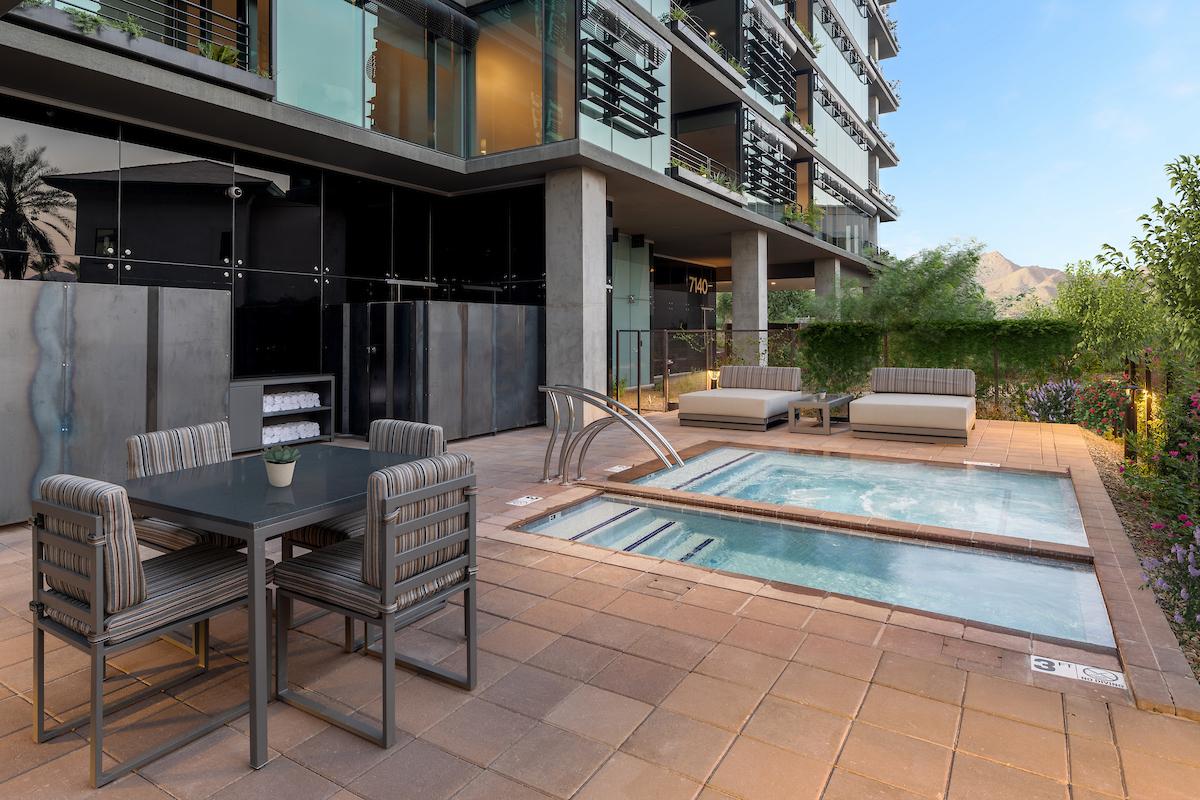
Sunshine is another natural remedy for ailing health problems, and the iconic expansive windows found across Modernist practices invites plenty of light inside. From Optima Signature in Chicago, to Optima Kierland Center and Optima Sonoran Village in Scottsdale, our buildings feature floor-to-ceiling glass curtain walls, swathing our interiors in light. And for those who may want to more fully soak in the sun, our outdoor amenity spaces, like the grand courtyard promenade at Optima Camelview Village, have plenty of seating amongst resort-style luxury amenities for residents to get their daily dose of Vitamin D.  

Minimal and Open

Modernism is known for its minimalist design, where a lack of ornamentation, decorative moldings or elaborate trims are simplified to create a clean aesthetic. Also simplified: floor plans. Modernist architecture is known for its simple, sweeping interiors, taking a “less-is-more” approach to the division of space. At Optima, our large, open floor plans provide bigger and more open spaces, rather than a series of small rooms, allowing people to comfortably spread out and maintain a safe distance.

Whether residents are still self-isolating or just spending more time at home, we know it’s a challenging time to stay healthy and well, both mentally and physically. But we hope that the Modernist sensibilities of our buildings allow for moments of respite throughout the day and better opportunities to focus on wellness.

Celebrating World Architecture Day

Since 1996, the first Monday of October has been reserved for celebrating the practice and artistry of architecture. First established at the International Union of Architects Congress held in Barcelona, Spain, World Architecture Day marks a time to reflect on the potential of architecture; how it affects people, cities and societies. 

As part of our commitment to lasting impact, we don’t take this responsibility lightly. We truly believe architecture has the potential to change lives and we’re constantly inspired by the past, present and future of the industry. This year, the International Union of Architects (UIA) — representing the world’s 3.2 million architects — dubbed the theme of World Architecture Day 2020 as “Toward a better urban future.” Panelists on a global webinar will discuss challenges facing today’s cities such as housing, air quality and public spaces. Through coming together to solve these problems, we can enhance the human experience across the world. 

Optima team participating in the marshmallow challenge
World Architecture Day 2019 at the Glencoe Office

Although we take this day for reflection and contribution to the architecture world, we also love getting our team involved in celebrating. Last year, some of our Chicago office competed in the marshmallow challenge to put their architecture skills to the ultimate test. From architects to accountants to property managers, our staff raced to see who could build the tallest tower out of spaghetti and marshmallows. Luckily, the architects proved their expertise, coming in at first place — but accountants followed closely in second place! This year, we’ll be celebrating individually while working from home. 

From all of us to our fellow architects, Happy World Architecture Day! 

person name goes here

Maintenance Supervisor

Glencoe, IL


    Acceptable file types: *.pdf | *.txt | *.doc, max-size: 2Mb