Phoenix Public Art: Air Apparent

An otherworldly sculpture and public art installation in Phoenix pushes viewers to ponder the color of the sky. Air Apparent is a Turrell Skyspace installation, located on the campus of the University of Arizona Tempe. Today, we’re taking a closer look at the work, from its inception to its impact on viewers today.

Artist James Turrell has been making Skyspaces since the 70s, earning international recognition for his innovative work. Air Apparent, installed in 2012, is no less impressive. The immersive art experience is a wondrous structure that frames the sky, using LED lights to “optimize color perception at sunrise and sunset.” Turrell himself describes the concrete and steel structure as “a specifically proportioned chamber with an aperture in the ceiling open to the sky.” The experience for the viewer, then, becomes a surreal rumination on their own perception, grounded only by the work’s alien architecture. 

The ASU Skyspace is the third in the area, but the only one that’s open 24/7. Located at the intersection of Rural and Terrace roads, ASU President Michael Crow has declared the artworks’ proximity to “three of the most sophisticated science facilities on Earth” as anything but accidental. One of the nearby buildings, the Interdisciplinary Science and Technology Building 4 (ISTB4), is renowned for designing instruments to enable scientific exploration of other worlds. The labspace includes public outreach areas to invite visitors into the scientific and engineering challenges that invigorate studies of Earth and the universe.

Air Apparent was designed by Turrell in collaboration with architect William P. Bruder, and is set in a desert garden designed by landscape architect Christy Ten Eyck. We’re wowed by the installation’s architectural feats and the deeply thoughtful way it relates back to the surrounding environment — you just have to see it to believe it. 
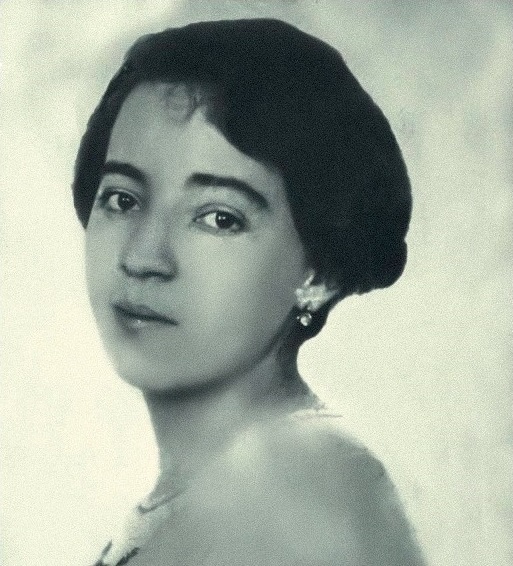
The Work of Anita Malfatti

There have been many leading ladies in the history of Modernism; one of whom is Anita Malfatti. Malfatti is widely regarded as the pioneer of the Modernist movement in Brazil — sharing with her home country the style that had already taken American and European culture by storm — and leaving behind a life that would inspire generations to come. 

Life in Brazil

Anita Malfatti was born Ana Catarina Malfatti in Sao Paulo in 1889 to a family of immigrants; her father was a civil engineer and her mother was a painter, and a highly-cultured woman. Malfatti’s mother was her primary teacher, and a huge source of inspiration as Malfatti began to explore creatively while growing up. Due to a congenital defect that made her left arm nearly immobile, Malfatti was forced to paint right-handed even though she was left-handed. Nevertheless, Malfatti wasn’t deterred from her passion for the visual arts.

Pursuing art in Brazil was limiting at that time. The country lacked cultural institutions and had a limited scope of art theory compared to its global counterparts. Much Brazilian art at the time was in the classical, romantic style and was concerned with nationalistic interpretations of Brazilian pride and culture. So while Malfatti began her studies at Mackenzie College in Sao Paulo, the local arts scene was not enough to satiate her curiosity, and in 1912, she left for Berlin.

Anita Malfatti, Festejo na Roca. CMMECPC. (2023-10-05). MMEC 029/2015: Retrieved from museum-digital Brazil

The Work of Anita Malfatti

In Berlin, Malfatti spent four years studying at the Royal Academy of the Arts under famous expressionist artists. There she began to hone her artistic style of expressionist portraiture and metal engraving. After, Malfatti returned temporarily home to host her first solo show in Brazil in 1917-1918. The show received negative reception and was seen as too modern, bizarre and self-indulgent. 

Despite the uproar at the time, that solo showcase was the first introduction of Cubism, Expressionism, Surrealism and Futurism in Brazil. Recognition of Malfatti’s innovation was soon to come in Brazil. In 1922, Malfatti returned to Sao Paulo festival, The Week of Modern Art, in 1922, alongside other Brazilian Modernist artists (Tarsila do Amaral, Mario de Andrade, Menotti del Picchia, Oswald de Andrade), earning themselves the name  “The Group of Five.” The group’s presence that year made revolutionary strides in how Modern art was perceived and utilized in Brazil.

Malfatti continued to explore her artist expression, leaning towards the naive and folkloric later in her life, until she eventually died in 1984. By then, her influence on the artistic DNA of Brazil was undeniable, and her impact on Modernism remains profound today.

Scottsdale Public Art: Jack Knife

We love Scottsdale for many reasons, one of which is its vibrant and bustling arts scene. Home to the Scottsdale Arts District, the city makes its unique voice heard through striking public art such as Jack Knife by Ed Mell. To understand more about the local arts scene and to celebrate its impact on the city our residents call home, today we’re exploring the work and artistry behind Jack Knife.

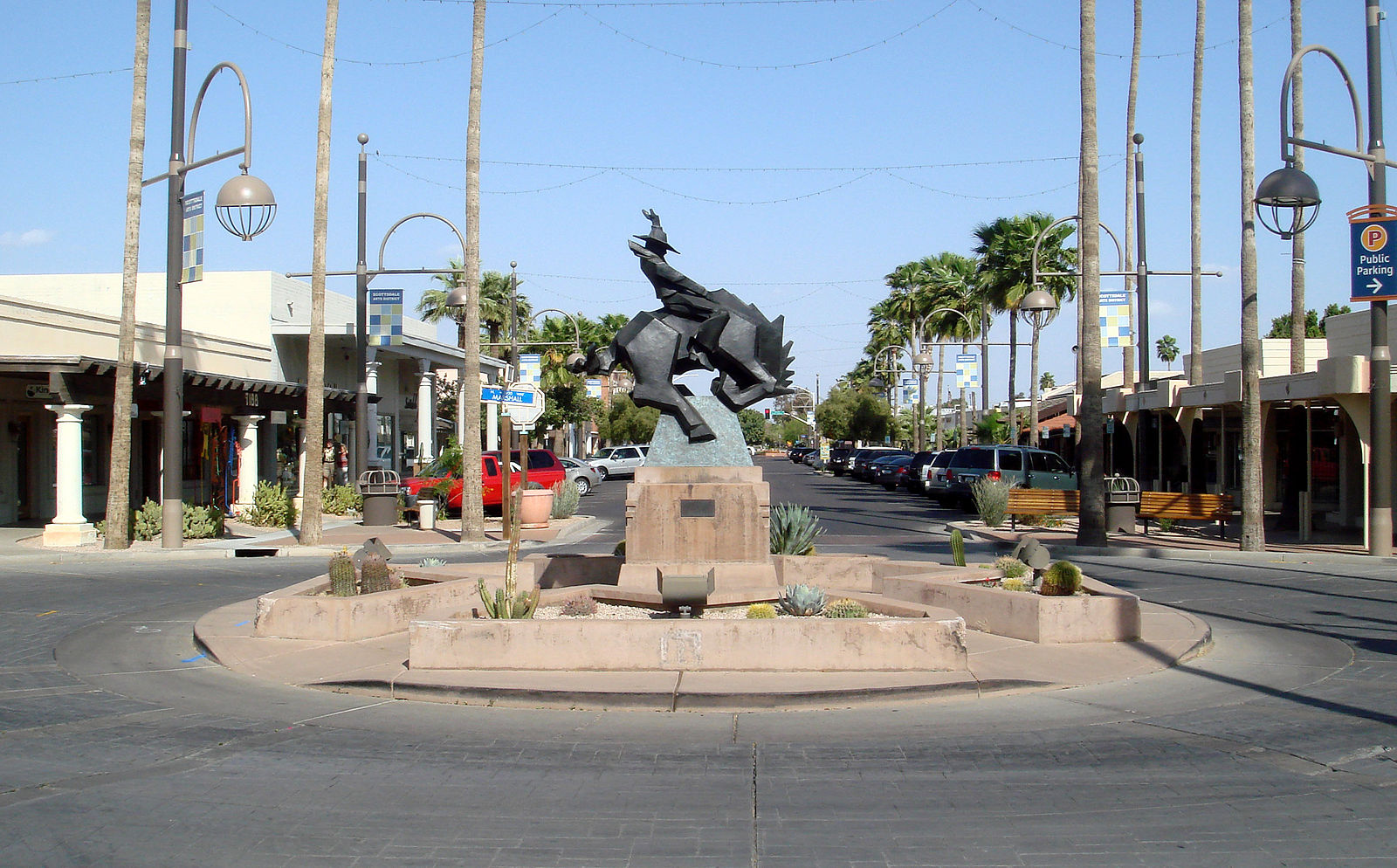
Jack Knife boldly commands attention at the intersection of Marshall Way and Main Street in Downtown Scottsdale — the center of the Scottsdale Arts District — mere steps away from Optima Sonoran Village. The piece is the perfect introduction to the city’s history and culture, depicting a rider astride a bucking horse modelled after the official city seal. The bronze sculpture, which sits on a high pedestal, stands over eight feet high. Even more notable: Jack Knife is Ed Mell’s first ever large-scale sculpture. 

Completed in 1993, Mell says of his work: “Jack Knife has a reverence for the Old West. It is not traditional, but yet it has a traditional theme. The angularity accelerates the power and energy of the rider and horse, more than accurate depiction.” While the piece may have been his first large-scale experimentation, Mell is one of Arizona’s premier artists. 

Mell grew up in Phoenix, and his artistic practice is inspired by the natural beauty and wonder of the desert. He works primarily in oil paint, creating natural expressions of the Western landscape that exhibit striking colors and Cubist elements. This bold, graphic style is translated evidently into Jack Knife, and the artists’ passion for Arizona shines through, too. 

It’s passionate creations like these that inspire us every day, and make us proud to call Scottsdale Optima’s second home.

The Work of Mark Rothko

It’s no secret that at Optima we love bold colors and clean, Modernist lines. That’s why we’re so drawn to the work of artist Mark Rothko, an American painter known for his rigorous use of colors, shape and form. Today, we’re taking a deep dive into the preeminent artist’s life and work.

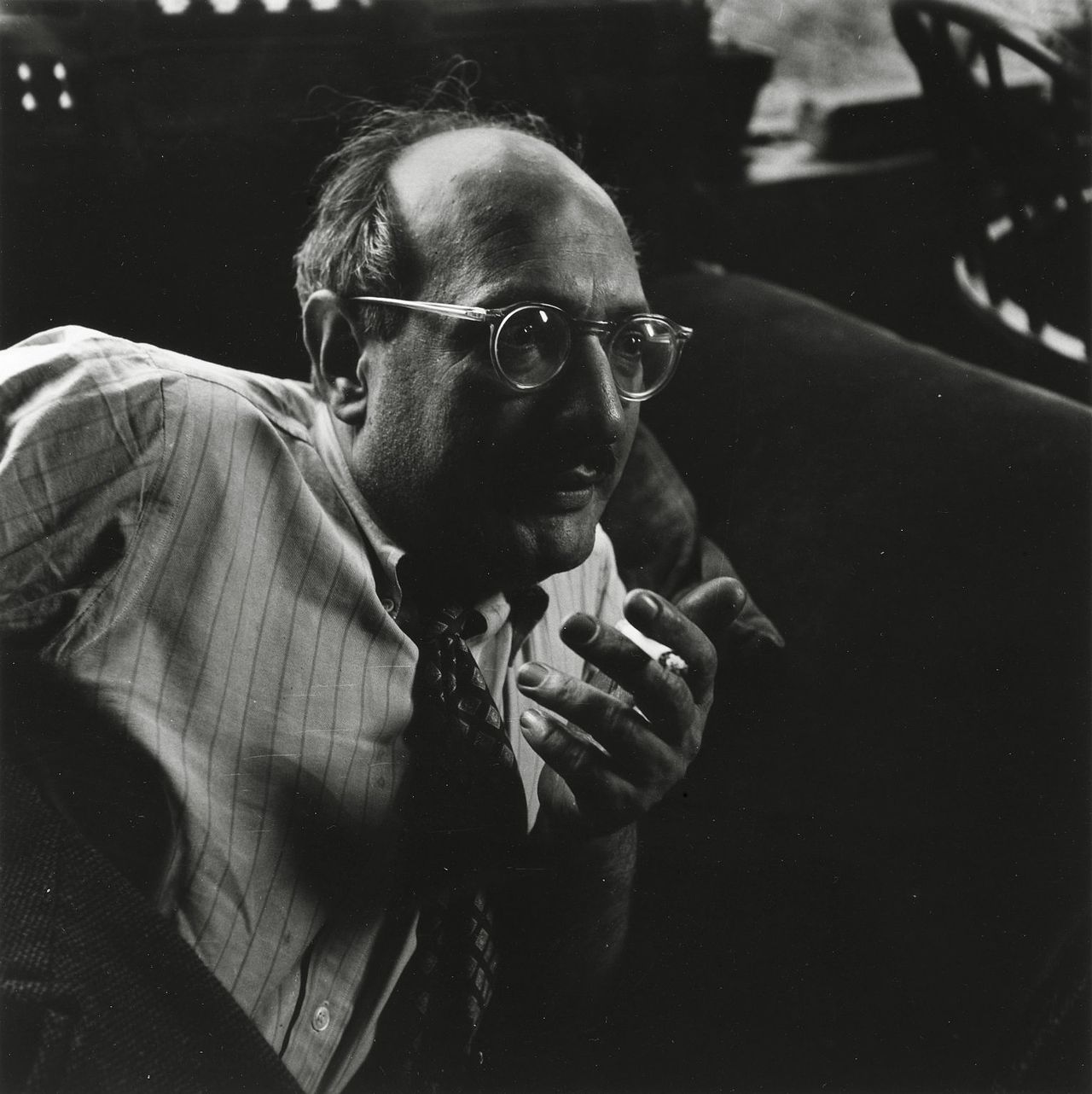
Mark Rothko in Yorktown Heights circa 1949. Courtesy of Brooklyn Museum, photo by Consuelo Kanaga.
Mark Rothko in Yorktown Heights circa 1949. Courtesy of Brooklyn Museum, photo by Consuelo Kanaga. No copyright restrictions.

The Life of Mark Rothko

Mark Rothko was born September 25, 1903 in Latvia (then in the Russian empire) to a pharmacist father. His father was an intellectual of modest means, raising a Jewish family in a time and place where it was highly taboo to hold such an identity. Rothko attended cheder, a traditional Judaic elementary school, until his father made the decision to emigrate from Russia, for fear that his sons would be drafted into the army. 

In 1913, Rothko landed in Portland, Oregon in the states, where he went on to attend U.S. school and became an active member of the local Jewish community. Taking after his father, Rothko had a strong voice and point of view on many issues. When he landed a scholarship to Yale University in 1922, Rothko started a satirical magazine that lampooned a school he believed to be flawed — and it was unsurprising when Rothko dropped out just a year later.

Out on his own, Rothko found his way to the art world.

The Work of Mark Rothko

In 1923, Rothko began working in New York City’s garment district and enrolled at Parsons School of Design and started taking classes at the Art Students League. He was taught by Cubist artist Max Weber, and influenced by other artists such as the surrealist Paul Klee. As Rothko continued to surround himself with artists and began exhibiting at galleries, his work was becoming recognized as a force of its own, set apart by his unique understanding of color.

While Rothko continued to rise to critical acclaim, it wasn’t until 1949 when he painted his first “multiform” and discovered his most signature style. Marked by bold geometric forms and striking primary and secondary colors, he became more and more particular about his works. Almost always painted in vertical frames, Rothko even went so far as to suggest viewers should stand exactly 18 inches from his work for optimal consumption. He believed color was “merely an instrument” and that his paintings expressed human emotions such as “tragedy, ecstasy and doom” and should henceforth move the viewer to tears. 

Rothko continued expressing his strong point of view until his untimely death at age 66 in 1970, when he committed suicide. While his story had a tragic end, his legacy lives on, marking him as a true master of new American art.

Phoenix Public Art: Her Secret is Patience

Towering over Phoenix’s Civic Space Park is a suspended, monumental web of light and color, arguably best viewed by night. The enormous piece of public art is titled Her Secret is Patience, and makes a striking impression, whether you’re seeing it for the first time or the hundredth. Today, we explore the work and artistry behind one of Phoenix’s most notable pieces of public art, Her Secret is Patience.  

Completed in 2009, the monumental installation was the vision by artist and sculptor Janet Echelman in collaboration with global, award-winning teams of engineers, architects, planners and fabricators. The multi-layered form is secured from five points, suspending 38 feet from the ground. Echelman credits inspiration to the surrounding nature, from Arizona’s distinctive monsoon cloud formations to saguaro flowers. 

The sculpture consists of painted, galvanized steel, polyester twine netting and colored lights that change gradually with the seasons, transforming to cool hues in the summer and warmer in the winter. The specialized lighting gives off a unique glow, creating an otherworldly sense of whimsy in the middle of Phoenix. During the day, the structure casts intricate shadows from the Arizona sun. The creative team and work itself have garnered a handful of awards for their inventive process and impactful impression on the Phoenix art scene.  

Like our own work in Arizona, Her Secret is Patience takes cues from nature to create something extraordinary. Its name even stems from the same source; Ralph Waldo Emerson’s full quote reads, “Adopt the pace of nature: her secret is patience.”

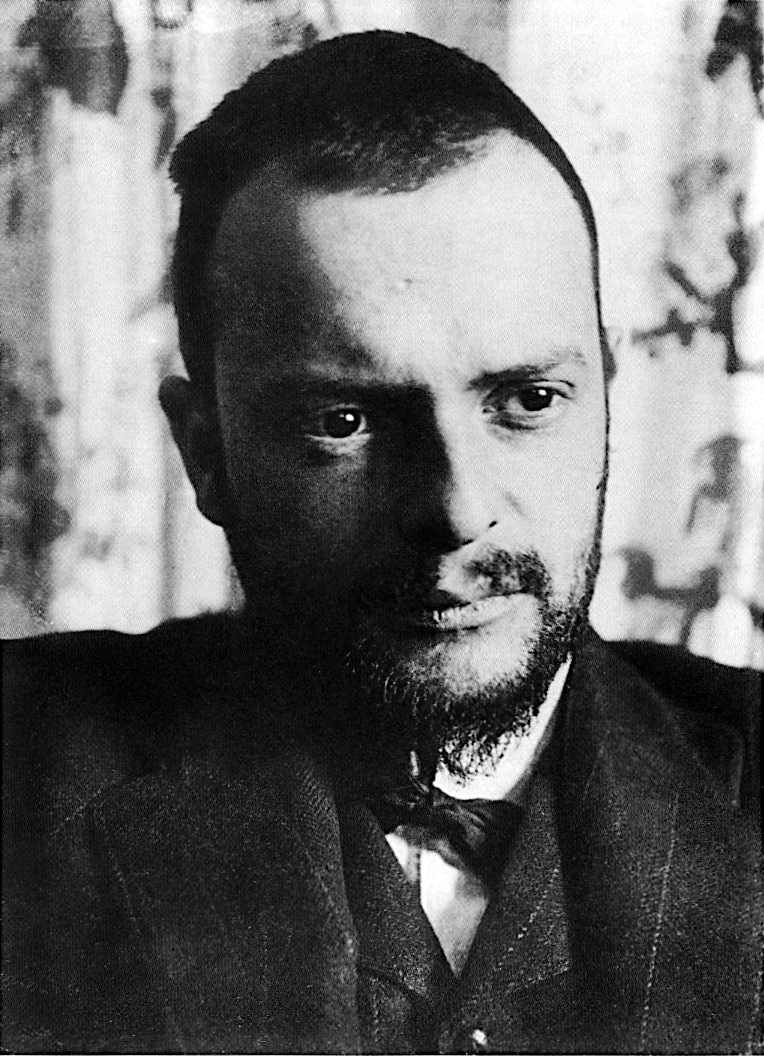
The Work of Paul Klee

Art plays a large role in our lives — from influencing our approach to Modernist design to transforming the spaces that we create. The repertoire of artists whose work hangs in Optima buildings is expansive, from Pablo Picasso to Joan Miro, and today, we’re spotlighting another one of our great featured artists: Paul Klee.

The Life of Paul Klee

Paul Klee was born in Münchenbuchsee, Switzerland in 1879 to a German father, inheriting his father’s German citizenship at birth. Klee’s father was a talented music teacher who passed on his knowledge to Klee. By age eleven, Klee’s proficiency at violin was so impressive that he was invited to join the Bern Music Association.

Klee’s creative proficiency extended to the visual arts. And while he pursued music per his parents’ wishes, by his teenage years, a desire to rebel and to seek his true passion led him to studying art.

The Work of Paul Klee

Though Klee kept diaries in his early years that included many caricature drawings, he began art school struggling with color theory and painting. As he continued evolving his style, Klee’s humor heavily influenced his work, which began leaning towards the absurd and sarcastic. 

Over the years, Klee’s work has been categorized as Expressionism, Cubism, Futurism, Surrealism and Absurdism. But his unique point of view, which incorporates geometric forms and a raw, childlike quality, set him apart from his peers. Klee taught at the Bauhaus school from 1921-1931, and the termination of his teaching role segued him into his most vivacious period of creation, where he created upwards of 500 works in one year.

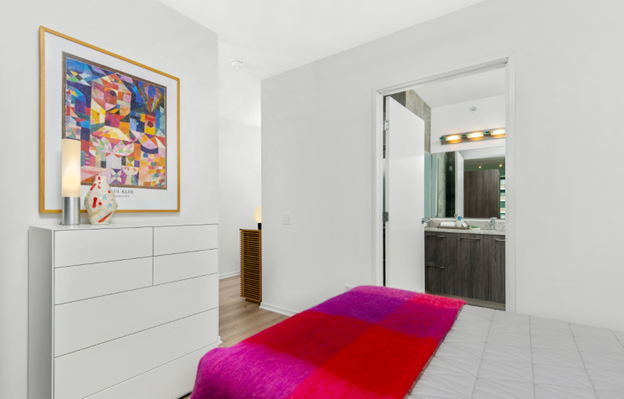
Paul Klee’s Garden View at Optima Signature

From his extensive exploration of color theory to his pioneering and childlike style, Paul Klee is an influential artist whose influence spans far beyond his lifestyle.

Chicago’s Bauhaus Movement

With aligning principles, artists and aesthetics, our practice of Modernism and the Bauhaus movements often overlap. Chicago’s Bauhaus movement offered unique contributions to the city’s growth, and continues to inspire. Today, we dive into its past and its present impact. 

Troubled Beginnings

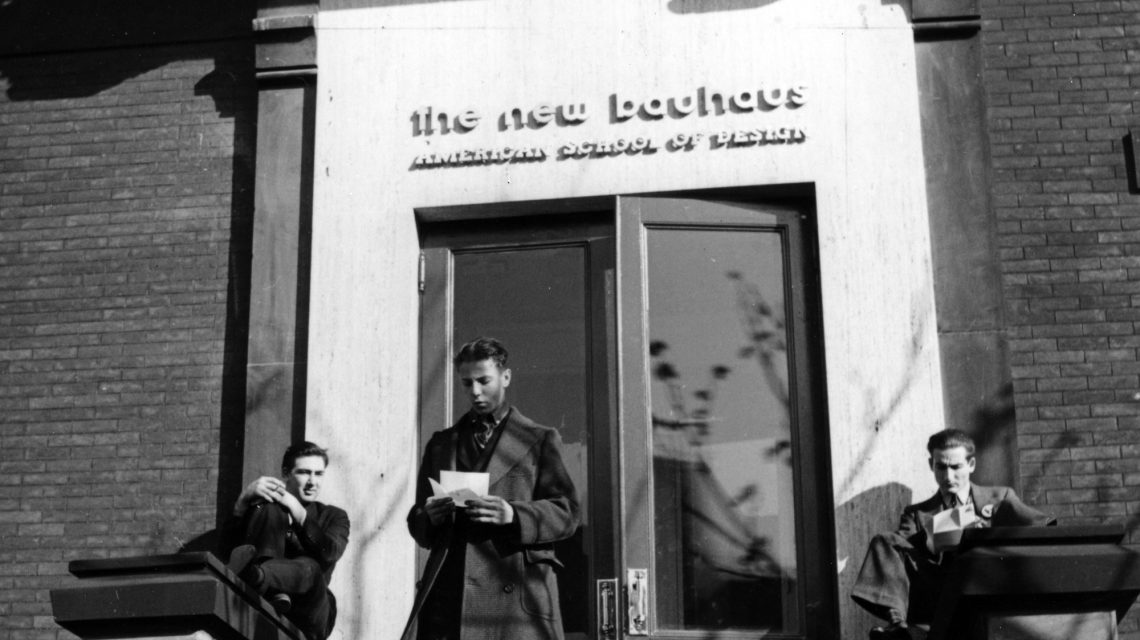
During WWII, many artists and instructors involved with the Bauhaus movement were forced to flee Germany (you can read a more in-depth history on our past blog post,100 Years of Bauhaus.) A group of instructors took refuge in the United States, a few taking particular interest in Chicago and the Midwest. Among them was László Moholy-Nagy, who was enlisted by the Chicago Association of Arts and Industries to help open a similar Bauhaus school to attract talent. With Moholy-Nagy’s eccentric leadership, The New Bauhaus was born.

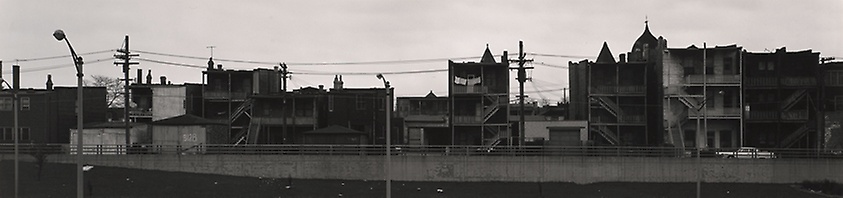
Chicago Landscape #26, 1964, Art Sinsabaugh. Courtesy of the Art Institute of Chicago

An Expansive Practice

Considering its widespread impact on the art world and Chicago, The New Bauhaus was a short-lived school, its formation filled with dramatic disagreements between leadership and changes in locations. Moholy-Nagy and other teachers built an atypical educational experience that produced eccentric, groundbreaking artists; however, the work they produced wasn’t particularly practical or profitable. After his death, the school was absorbed by the Illinois Institute of Technology and transferred to the care of Ludwig Mies van der Rohe.

Despite its turbulent trials, Chicago’s New Bauhaus school influenced many artists and industries, ranging from textiles and furniture to photography and sculpture. Ludwig Hilberseimer, another German immigrant, made notable strides in urban planning. Nathan Lerner and Art Sinsabaugh  helped define the visual culture in Chicago. Emmett McBain had a remarkable impact on the representation of Black Americans in advertising. Often overlooked through the lens of history, the women active in Chicago’s Bauhaus movement had impactful careers as well, from Marion Mahony Griffin’s architectural and planning work and Elsa Kula’s colorful, eye-catching work. 

From architecture and urban design to painting and sculpture, the legacy of the Bauhaus is evident throughout Chicago. And ultimately, its relationship with Modernism naturally means it’s also reflected in our own buildings and sense of design. 

Sculpture Spotlight: Silver Fern

As devout fans of Modernism, at Optima we love to experiment with form and function. That’s how Optima Co-Founder David Hovey Sr. got into sculpture. Combining his love of art with his interest in materials, David Hovey Sr. began manipulating steel to create striking sculptural pieces that play complement to Optima’s architectural spaces. Today, we’re examining one of his sculptures: Silver Fern.

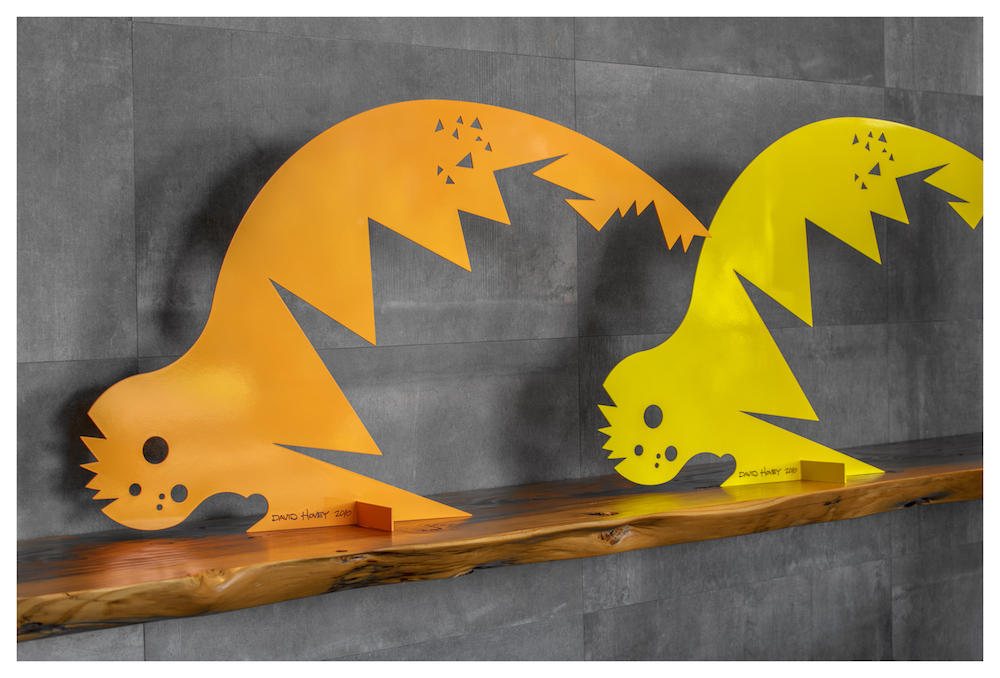
Silver Fern in the 7160 tower at Optima Kierland Apartments

Like all original Optima sculptures, Silver Fern is a piece that has many versions, varying in both size and color. But what never changes is the form of the piece: Silver Fern is a uniquely two-dimensional sculpture. Silver Fern’s two-dimensionality allows the sculpture to explore the nature of a flat piece of steel, given depth through other experimental plays. The smooth piece of steel is laser cut with circles and triangles that create depth through shadows and voids. Meanwhile, jagged edges and sharp corners play perfect juxtaposition to the soft, sweeping curve of the steel, further illuminating the material’s multifaceted ways of being.

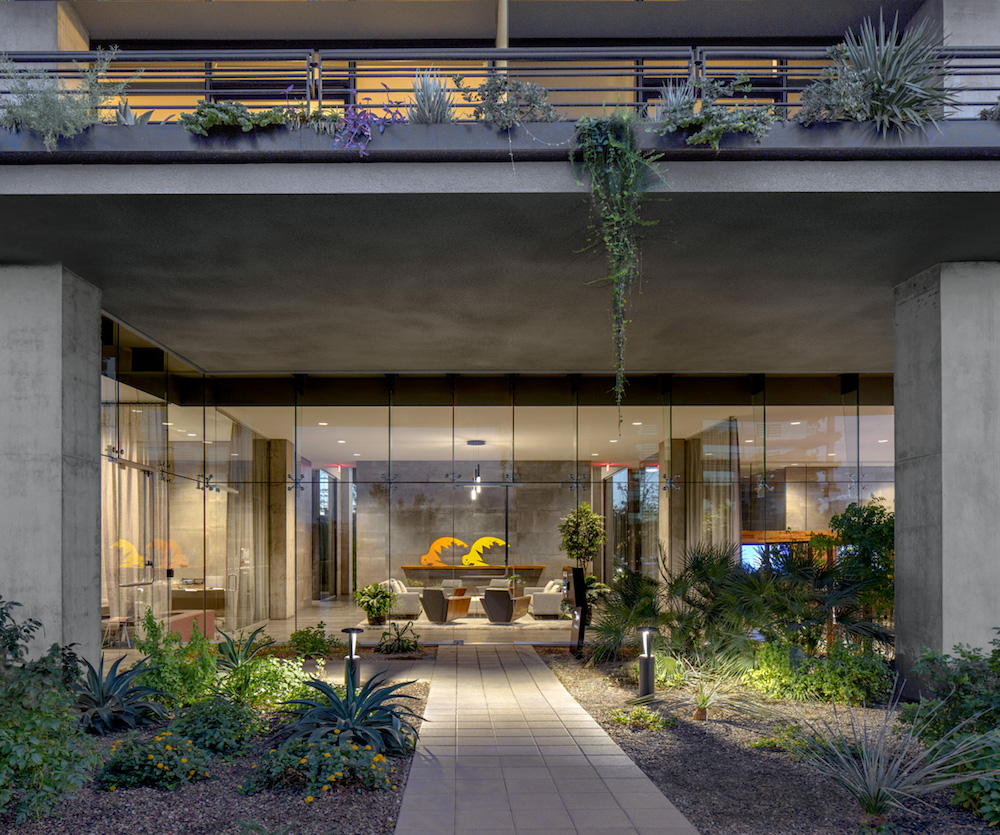
Silver Fern at 7180 Optima Kierland

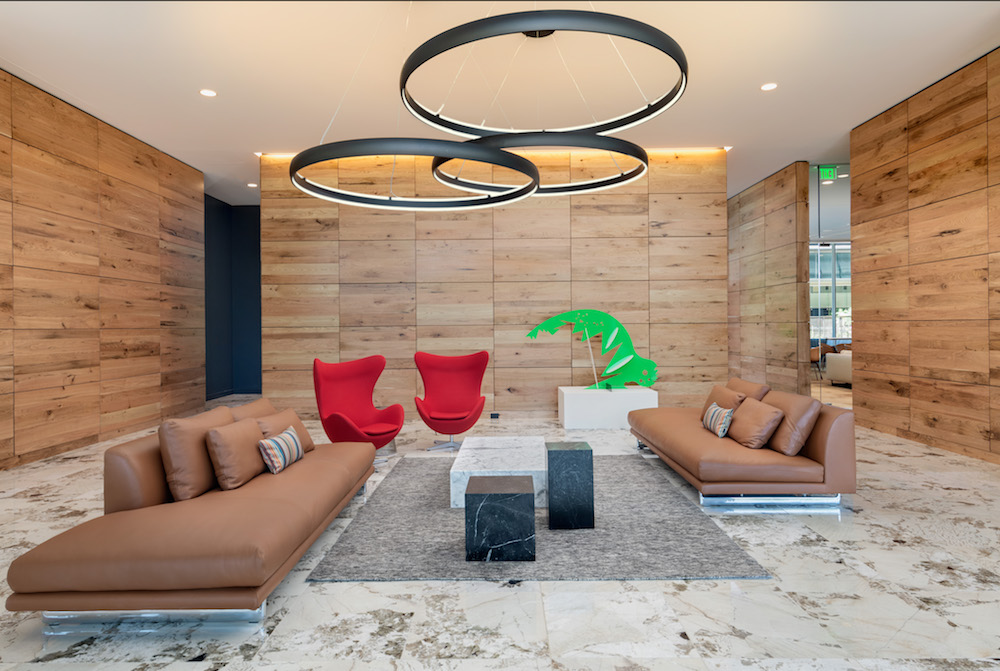
The sculpture’s many adaptable forms play perfectly in our various communities. In the 7160 tower at Optima Kierland Apartments, two iterations of Silver Fern pose side-by-side, one in brilliant orange and one in striking yellow, their curves blending together to create an undulating pattern. The sculptures are seen through the front glass curtain wall by anyone walking up through the courtyard, activating the space with energy from the get-go. Meanwhile at 7180 Optima Kierland, a Silver Fern piece swathed in neon green plays bold contrast to Modernist red chairs in the lobby.

Whether we’re experimenting with form, function, size or color — at Optima we love to playfully implement sculpture as yet another component of thoughtful design.

The Work of Piet Mondrian

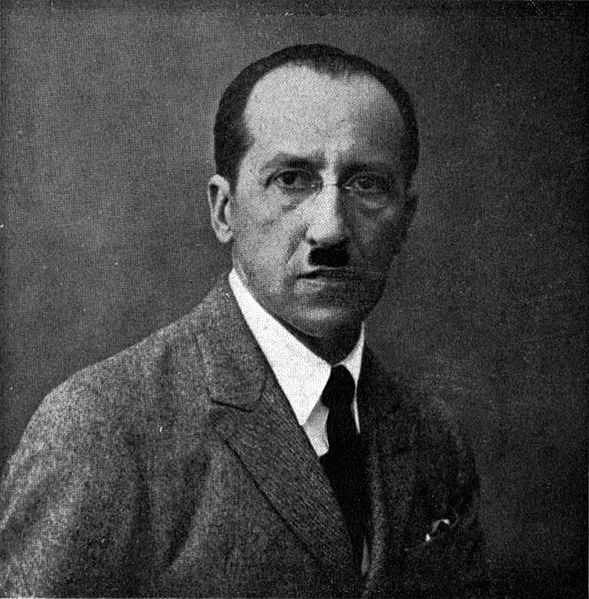
Piet Mondrian is widely regarded as one of the greatest artists and theoreticians of the 20th century. His boldly abstract works exemplified the pinnacle of Modernism’s bare bones, so much so that design historian Stephen Bayley once said, “Mondrian has come to mean Modernism.” Just what shaped Mondrian’s mindset, and what led him to the farthest reaches of abstract art?

The Life (and Work) of Piet Mondrian

Piet Mondrian (Pieter Cornelis Mondriaan) was born in the Netherlands in 1872 into a strict Protestant upbringing. His life was tinged with spirituality even after he left his religious childhood in favor of art school at the Academy for Fine Art in Amsterdam in 1892. His art began as heavily inspired by the surrounding Dutch landscape and impressionist style, including subjects like windmills, rivers and fields. These representational works had Mondrian dabbling in pointillism and the vivid colors of Fauvism.

Throughout the early 20th century, his style evolved to depict abstract trees in broad, sweeping fields. In these paintings, he began experimenting with primary color palettes and emphasizing form over content. In 1908, Mondrian encountered theosophicalism, and this continued search for spiritualism in many philosophies greatly influenced his artistic thinking moving forward.


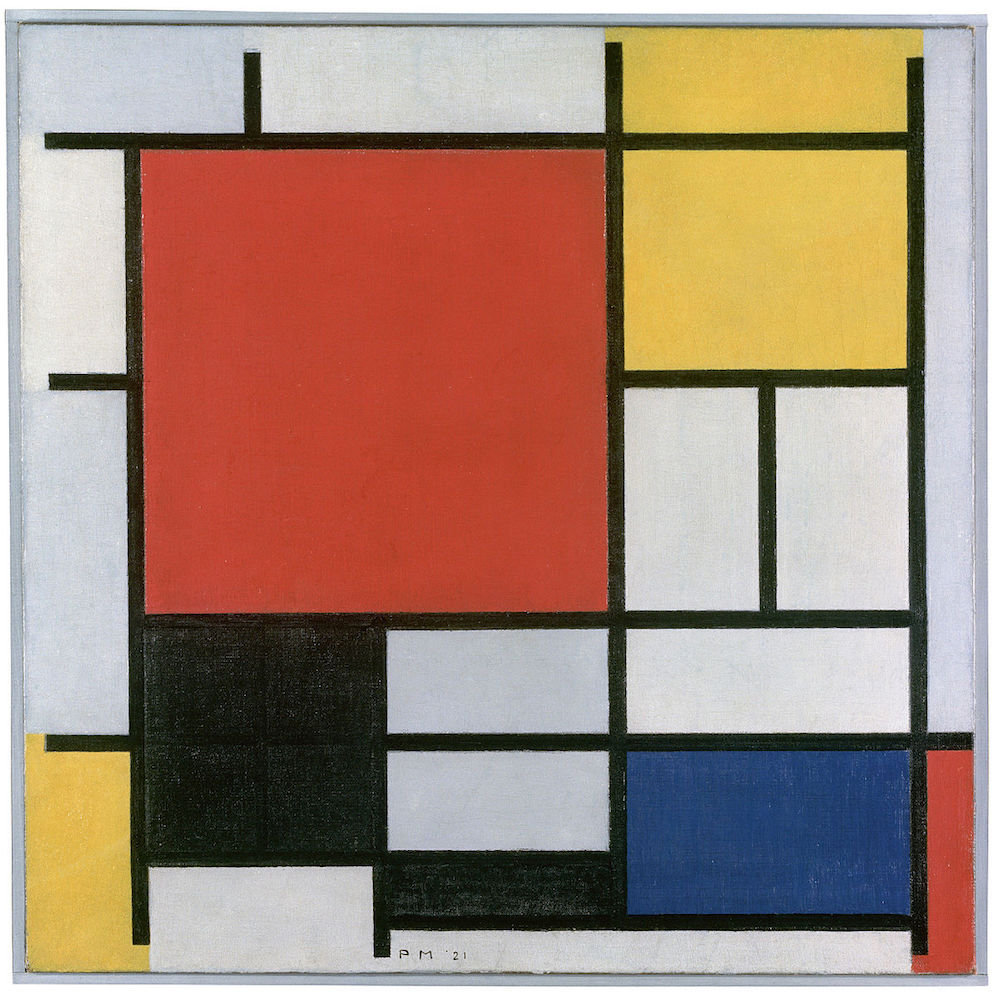
Composition en rouge, jaune, bleu et noir, Piet Mondrian, 1921
Composition en rouge, jaune, bleu et noir, Piet Mondrian, 1921. Photo in Public Domain.

Once Mondrian moved to Paris in 1911, he became fascinated with the avant-garde. Influenced by Picasso and George Braque, his paintings began to lean towards geometric shapes and interlocking planes, naturally absorbing Cubist influence. From there, the iconic Mondrian pieces emerged that we’re all so familiar with. His renowned style appeared in 1920, with bold lines and geometric shapes filled with vibrantly hued primary colors (hues which he always mixed himself).

Even after Mondrian left Paris in 1938 to escape rising facism, he continued to refine his geometric, abstract compositions in London and New York, where he lived out the rest of his life. His celebration of simplicity and form was more than just an art form — it was a philosophy. In his own words, Mondrian described it:

I believe it is possible that, through horizontal and vertical lines constructed with awareness, but not with calculation, led by high intuition, and brought to harmony and rhythm, these basic forms of beauty, supplemented if necessary by other direct lines or curves, can become a work of art, as strong as it is true.

Inside the Phoenix Art Museum

We know and love Phoenix, home to Optima Biltmore Towers, as an urban oasis and cultural hub, where the arts are everywhere you look. At the center of Phoenix’s ever-evolving and expanding arts scene is the Phoenix Art Museum, an institution that’s been around for sixty years. 

History of the Museum

Although the museum has been around for 60 years, its community ties go even deeper. In 1915, just three years after Arizona achieved statehood, the Phoenix Women’s Club was formed. The club used their platform to establish an art exhibition committee, whose goal was to improve the quality of art offerings at the Arizona State Fair and to purchase one piece of art each year. Their vision, and collection, became the foundational basis for the museum’s collection today, now consisting of more than 20,000 art objects.

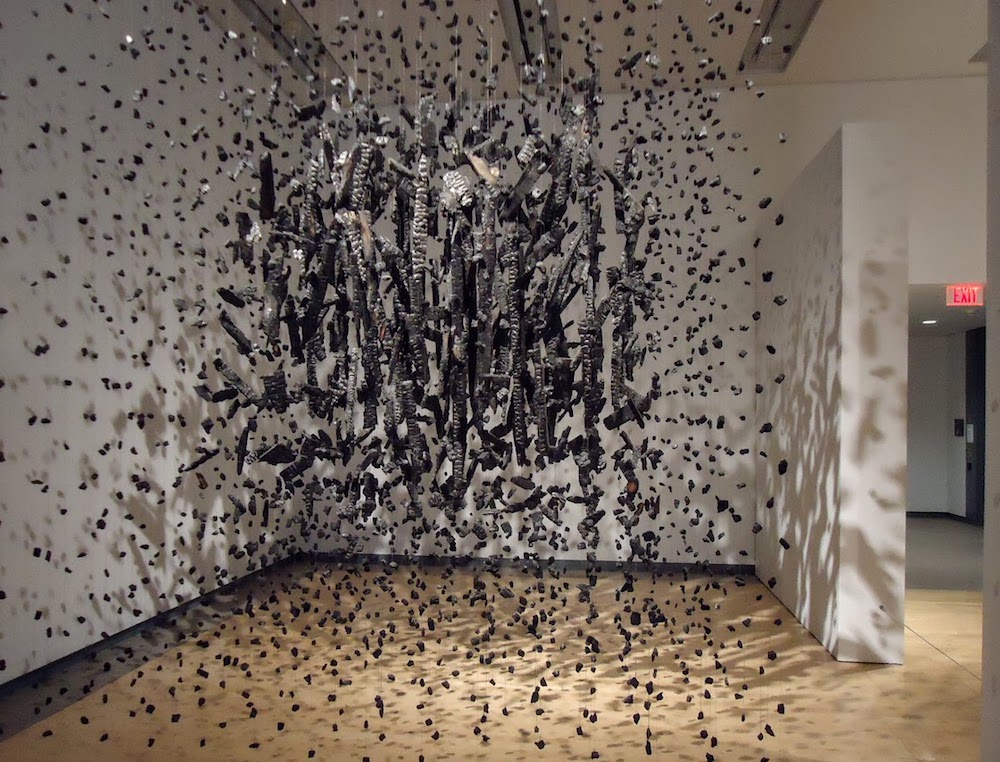
Sculptural exhibit at the Phoenix Art Museum
Credit: Tomwsulcer on Wikimedia Commons, made available under the Creative Commons CC0 1.0 Universal Public Domain Dedication.

The Museum Today

Today, the Phoenix Art Museum is considered the largest art museum in the southwestern United States, engaging 300,000 local and visiting art lovers alike each year. Their mission? “To ignite imaginations, create connections, and serve as a vibrant destination, a brave space, for all people who wish to experience the transformative power of art.” They don’t just operate as a museum to achieve this — they’re a vibrant community center and host to festivals, live performances, independent art films and educational programs, both inside and outside the museum walls.

For those planning their visit, expect to enjoy American, Asian, European, Latin American, Western American, modern and contemporary art and fashion design, as well as an interactive children’s space, photography exhibitions (held in partnership with the Center for Creative Photography) and a landscaped sculpture garden. 

There’s no shortage of things to discover, whether you’re a first-time or regular visitor. While the museum is temporarily closed due to COVID-19, you can explore their full list of collection onlines here. And when their doors do open once more, you can learn more about planning your visit here, or view a calendar of upcoming events here.

person name goes here

Maintenance Supervisor

Glencoe, IL


    Acceptable file types: *.pdf | *.txt | *.doc, max-size: 2Mb