Work Smarter, Live Better: Optima® Scottsdale Communities Are Made for the Workcation Lifestyle

With remote work reshaping how—and where—we live, the “workcation” has emerged as a compelling new model. As a lifestyle shift, it’s a way to blend productivity and leisure in a setting that supports both the hustle and the exhale. And in Scottsdale, where the sun shines more than 300 days a year and the desert landscape fuels inspiration, there’s no better place to make work feel like a privilege than within an Optima® community.

Whether it’s Optima Sonoran Village®, Optima Kierland Apartments®, or Optima McDowell Mountain®, each Optima community is uniquely designed for those who crave a seamless work-life blend, offering a powerful alternative to the standard office—or the standard vacation.

Where Desert Beauty Meets Digital Productivity
Scottsdale has long been known for its natural splendor, award-winning dining, and cultural vibrancy. Now, it’s becoming a destination of choice for professionals looking to recharge without stepping away from their careers. The city’s infrastructure—from high-speed connectivity to world-class access to nature—makes it easy to plug in by morning and power down by sunset.

But while hotels and co-working spaces offer short-term convenience, Optima® communities provide something far more valuable: a place where remote work becomes a lifestyle. Picture a Zoom call with Camelback Mountain as your backdrop, a brainstorming session poolside under the Arizona sun, or a post-meeting hike just minutes from your front door.
Bike trails at Optima McDowell Mountain offer easy access to the surrounding desert and mountains

Optima® Living: Built for the Workcation Life
Each Optima® community in Scottsdale is thoughtfully designed with the remote professional in mind. Spacious, light-filled residences come equipped with high-speed internet, flexible floor plans, and floor-to-ceiling windows that transform everyday work into something extraordinary. Whether you’re immersed in a project from a sunlit balcony or catching up on emails from a sleek kitchen island, your workspace never feels routine.

At Optima Sonoran Village®, you’re steps from Old Town’s art galleries, wine bars, and walkable charm. Optima Kierland Apartments® puts you in the heart of North Scottsdale, surrounded by upscale shopping and dining—with a sky deck that rivals any resort. Optima McDowell Mountain®, nestled at the edge of the preserve, offers serene mountain views, lush landscaping, and a peaceful setting that makes focus feel effortless.

Wherever you land, you’ll find an environment curated for both calm and clarity—making it easier to hit deadlines without sacrificing your sense of place.

Amenities That Inspire and Restore
The workcation model means access to experiences that recharge the mind and body. At Optima®, it’s all right outside your door. Break up your workday with a rooftop swim, a steam in the sauna, or a workout in a state-of-the-art fitness center. Take meetings from the lounge, sketch ideas in a sun-drenched courtyard, or unwind with yoga as the sun sets behind the mountains.

Need a reset between back-to-back video calls? Step into a landscaped oasis designed with biophilic principles that bring the natural world closer. These are not amenities for the sake of luxury—they’re tools for staying grounded, focused, and creatively engaged.

Connection Without Commute
One of the great challenges of remote work is isolation—but Optima® communities offer the opposite: connection. From resident events and on-site clubs to casually crossing paths in shared green spaces, you’ll find opportunities to meet neighbors, spark new friendships, and even build collaborative networks.

With flexible leasing and furnished residences available, these communities offer a smooth landing whether you’re staying for a season or finding your next long-term home.

The Ultimate Work-Life Balance, Just Outside Your Door
Optima®’s Scottsdale communities place you in close proximity to everything that makes the city ideal for a workcation: canal paths for early-morning runs, desert trails for evening reflection, and a cultural calendar that includes world-class art, music, and cuisine. From sunrise yoga to rooftop happy hours, the rhythm of life here is naturally restorative.

Your Desert Office Awaits
Choosing a workcation in Scottsdale doesn’t mean pausing your ambition—it means supporting it with space, beauty, and balance. And in an Optima® residence, those values aren’t aspirational—they’re built into every square foot.

So go ahead: bring your laptop, bring your goals, bring your appetite for sunshine and spacious living.
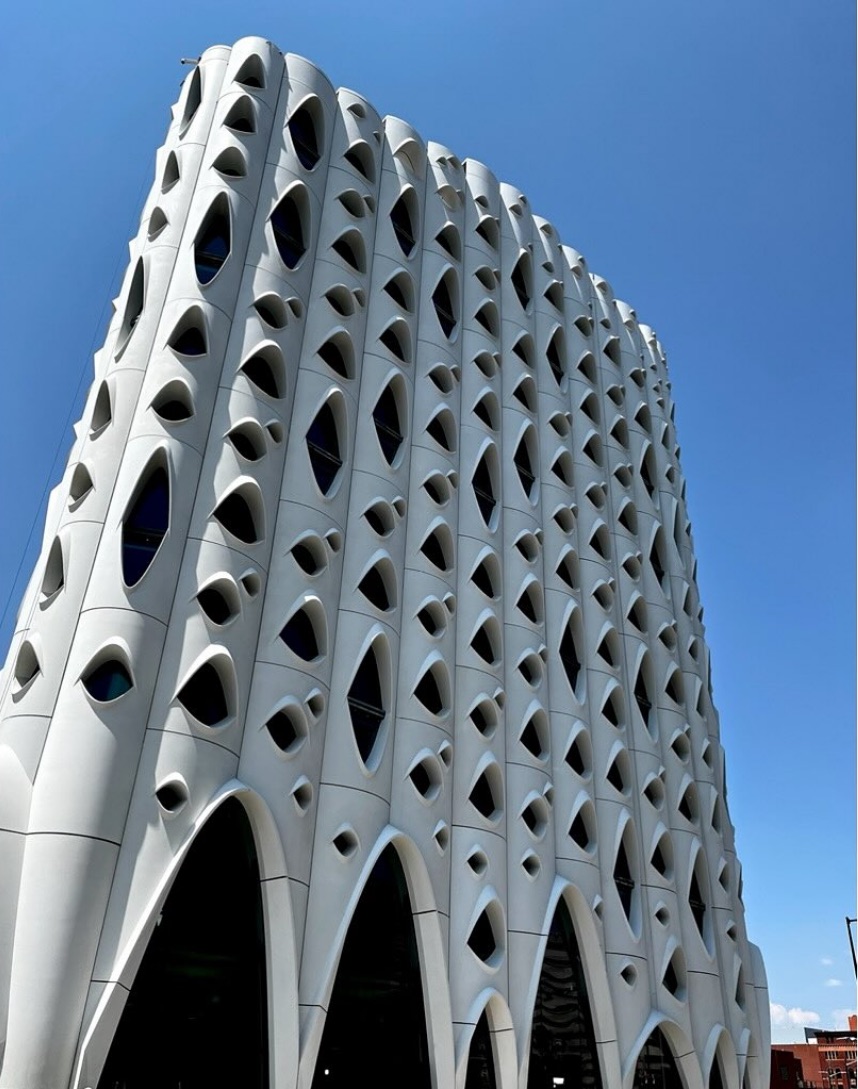
 

Populus Hotel: A Statement in Carbon-Positive Design

At Optima®, our commitment to sustainability and innovative architecture drives us to spotlight groundbreaking developments that align with our values. The recently opened Populus Hotel in Denver stands as a testament to what’s possible when design meets environmental responsibility.

Populus is a 265-room hotel that opened in late 2024 and is being hailed as the first carbon-positive hotel in the United States. In practice, “carbon positive” means Populus will sequester more carbon dioxide than the combined embodied and operational emissions of the building over its entire lifecycle. The project’s developers, Urban Villages, and architects, Studio Gang, infused a deep environmental ethos into the design – from its aspen tree-inspired facade to its zero-waste operations – to ensure the hotel doesn’t just neutralize its carbon footprint, but actually leaves the planet ‘better than we found it’. According to its creators, Populus plans to overcompensate for its emissions by 400–500% through a mix of low-carbon construction, eco-friendly operations, and an ambitious tree-planting campaign. The hotel even launched a public “Road to Carbon Positive” dashboard to transparently track its carbon metrics (embodied vs. operational emissions and offsets) in real time.

A signature element of Populus’s sustainability plan is its massive tree-planting and reforestation effort, which provides a direct, nature-based carbon sink for the hotel’s emissions:

  • Initial Reforestation (Embodied Carbon Offset): To compensate for the one-time carbon cost of construction, Populus’s developer planted over 70,000 trees in Colorado’s forests even before the hotel opened. Specifically, Urban Villages worked with the U.S. Forest Service and partners to reforest 172+ acres in Gunnison County with native Engelmann spruce seedlings. This area was chosen to restore forest devastated by a beetle-kill epidemic, meaning the project not only sequesters carbon but also helps revive a damaged ecosystem. Over their lifetimes, these 70,000 trees are expected to sequester an amount of CO₂ equivalent to Populus’s entire core-and-shell construction emissions. In other words, the building’s embodied carbon is effectively “paid back” as the new forest matures. (Notably, this approach was favored over simply buying offsets because it creates a visible local legacy and biodiversity benefits in Colorado.)
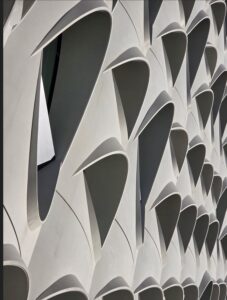
Detail of facade. Credit: jahorne on Threads
  • “One Night, One Tree” – Continuous Offsetting: Populus’s climate impact doesn’t stop at construction. The hotel has an ongoing commitment to plant a tree for every guest night as part of its operations. In 2024 (its opening year), this will result in roughly 20,000 additional trees planted. Looking ahead, Populus aims to plant at least 55,000 trees in 2025 through this program, and continue at pace for each subsequent year. All trees are planted in collaboration with forestry experts to ensure they thrive – for example, in areas of the White River and Grand Mesa national forests that need reforestation after wildfires or pest damage. The species selected (like lodgepole pine, Douglas fir, and spruce) are chosen for climate resilience and ecological appropriateness. As these trees grow, they will absorb tens of thousands of tons of CO₂ over the coming decades, directly counterbalancing the hotel’s operational emissions. Urban Villages emphasizes that this isn’t just offsetting – it’s rebuilding forests. “We’re not just buying carbon credits, we’re reforesting Colorado forests,” said Jon Buerge, the company’s president. The result is a virtuous cycle: the more guests who stay at Populus, the more trees get planted, and the more carbon is pulled out of the atmosphere.

Sustainable Design vs. Traditional Building Practices
Populus stands out by integrating sustainability at every level, often in ways that contrast with traditional hotel development:

  • Low-Carbon Materials: Conventional buildings often rely on materials like standard concrete and steel that carry a high carbon footprint. Populus instead opted for innovative low-carbon materials wherever possible. For instance, the use of fly-ash blended concrete (Holcim’s ECOPact) substantially cut concrete-related emissions. The design also incorporates repurposed and natural materials inside: reclaimed wood from Colorado and Wyoming (e.g. wood from old snow fencing) was used for finishes, and even the lobby bar features panels made from MycoWorks Reishi™, a leather-like material grown from mushroom mycelium. By forgoing many “heavy-carbon” materials in favor of greener alternatives, Populus achieved a much lower embodied carbon than a typical project of its size.
  • No On-Site Parking Garage: Most urban hotels include multi-level parking garages built with carbon-intensive concrete and steel. Populus took the unusual step of providing zero on-site parking, making it the first new-build hotel in downtown Denver without a parking structure. This decision eliminated a huge source of embodied carbon (and aligns with the hotel’s site being a former gas station they wanted to symbolically transform). Instead of catering to cars, the building was designed to encourage walking, biking, and public transit use by guests. Architect Jeanne Gang “decided not to add street-level parking, but instead activate each of the three sides of the building” for pedestrian engagement. In an automobile-centric city, this is a bold departure – one that reduces emissions from both construction and guest transportation. Traditional hotels rarely sacrifice parking, whereas Populus treats car-free design as key to its sustainability mission.
  • Energy Efficiency & Renewables: Populus is built to operate with a minimal carbon footprint, unlike many older buildings. It is equipped with high-performance insulation and window designs (each window has an overhanging “lid” that provides shade and channels rainwater) to reduce heating/cooling loads. All electricity needed is procured from 100% renewable sources, and efficient appliances and systems further cut energy use. In contrast, a traditional hotel might draw power from the grid (often fossil-fueled) and use standard HVAC and lighting, resulting in significant annual CO₂ emissions. By locking in renewables and efficiency from day one, Populus ensures a lower operational carbon baseline than most buildings can achieve.
  • Waste Reduction and Circularity: Typical hospitality operations generate large amounts of waste (food waste, single-use plastics, etc.) that end up in landfills, producing methane and other greenhouse gases. Populus addresses this through innovative measures. It installed an on-site biodigester that composts 100% of the hotel’s food waste, turning scraps into soil nutrients that go back to local farms. The hotel also eliminated single-use plastics and provides reusable items (like refillable water bottles) to guests. In partnership with local farms and organizations, Populus practices “table-to-farm” sourcing and composting, creating a circular loop that typical hotels simply don’t have. These steps further shrink the operational carbon footprint (for example, less waste transport and landfill methane) while exemplifying sustainability to guests.

Setting a New Standard
Populus serves as a model for sustainable hospitality, demonstrating that luxury and environmental responsibility can coexist. Its commitment to carbon positivity challenges the industry to rethink traditional practices and embrace innovative solutions for a more sustainable future.

At Optima®, we are inspired by such pioneering projects and remain dedicated to integrating sustainable practices into our communities, ensuring that design excellence and environmental stewardship go hand in hand.

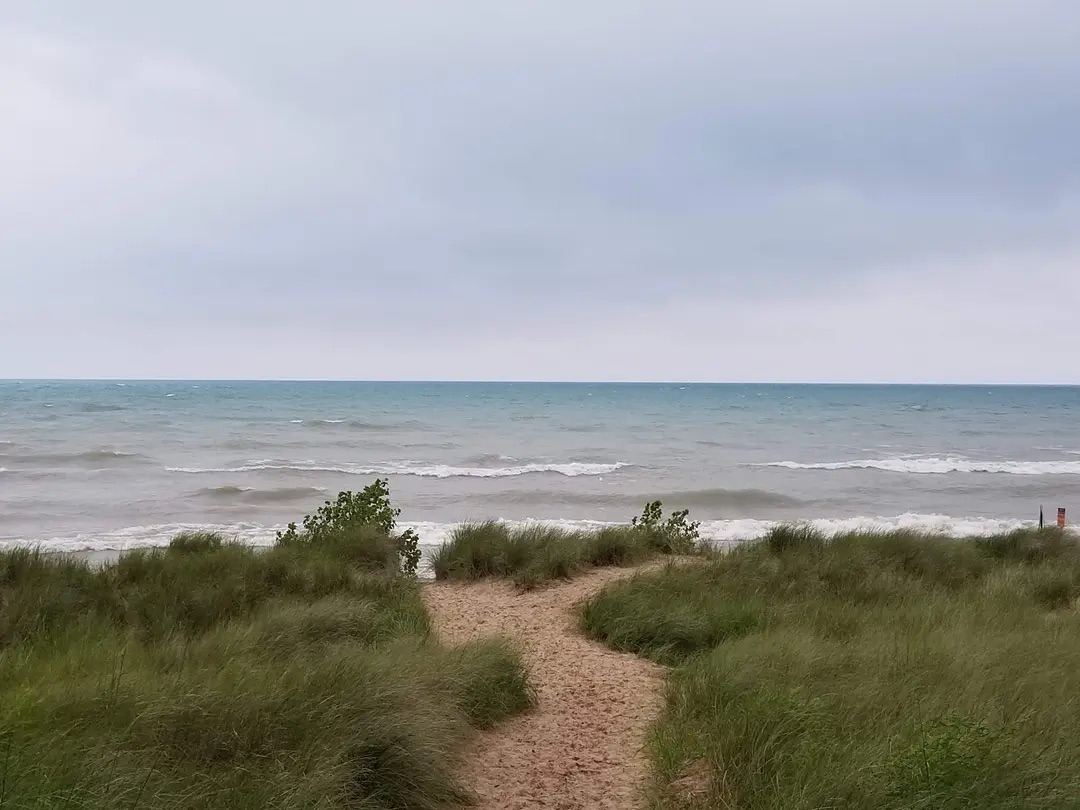
Volunteer at Elmwood Dunes Preserve’s Workday on August 7, 2025

Just steps from Optima Verdana®, Elmwood Dunes Preserve is a green space that serves as a living classroom and testament to what community involvement can achieve. We’re thrilled to support this event and encourage residents to participate in a meaningful day of stewardship.

Join Friends of Elmwood Dunes at the preserve (Elmwood Avenue, Wilmette) for a hands‑on workday on Thursday, August 7, 2025, dedicated to habitat restoration. All are welcome—from beginners to seasoned volunteers. Come prepared to dig in, make connections, and leave your mark—helping preserve Wilmette’s natural heritage and bringing people together in service of nature.

Credit: OB on Google Maps. Licensed under CC BY 2.0.

The team will:

  • Remove invasive shrubs that threaten native plant communities
  • Clear brush and maintain pathways
  • Sustain the integrity of the restored dune and swale ecosystem

Elmwood Dunes Preserve  is Wilmette’s last natural bluff-and-dune ecosystem, restored over several years with the help of community volunteers. Today, it’s home to over 50 native plant species and serves as habitat for migratory birds and endangered flora.

This stewardship workday continues that legacy—reclaiming the space from invasive species and strengthening its ecological resilience into the future.

What to Expect
This two-hour workday offers:

  • A fulfilling outdoor activity under the morning sun
  • A chance to learn about local ecology and conservation practices
  • A community of fellow nature lovers, working toward a shared goal
  • An invitation to return as the seasons change (other upcoming workdays: September 11, etc.)

Quick Info
Summer Stewardship Workday
Date & Time: Thursday, August 7, 2025, 8:00 am – 10:00am
Location: Elmwood Dunes Preserve (Elmwood Avenue, Wilmette)
Hosted by: Friends of Elmwood Dunes & Wilmette Park District
What to Bring: Gloves, water, long pants, closed-toe shoes (tools provided)

Come explore, serve, and celebrate this beautiful preserve. Bring friends or family, or sign up for future stewardship days—let’s make this summer both restorative and impactful.

How to Get a Street Named After You in Chicago

At Optima®, we’re proud to be an integral part of Chicago, a city whose grand landmarks and marquee attractions also offer a quieter layer of civic storytelling—one that lives not in guidebooks, but on the corners of our daily routes. Look up as you stroll through neighborhoods like Bronzeville, Pilsen, or Andersonville, and you may spot a green-and-white street sign with an extra name perched above the official one: Honorary John Doe Way, Honorary Sister Mary Johnson Avenue, or Honorary Mr. G’s Corner. These signs are small in scale but monumental in meaning.

They’re part of one of Chicago’s most heartfelt hidden gems—an unassuming tradition that honors the people who have helped shape the soul of the city. Unlike statues or plaques, honorary street signs don’t draw crowds or headlines. They blend into the cityscape, quietly reminding us that greatness often begins at the block level.

So, how does someone come to be recognized with an honorary street sign? Who gets to join this constellation of civic recognition? It’s not about celebrity or wealth—it’s about service, vision, and making a tangible difference in the lives of others. The process, like the program itself, is rooted in neighborhood pride, grassroots initiative, and a deep love for the people who make Chicago what it is.

Here’s how it works.

Credit: Gamtja on Wikimedia Commons, 25 May 2016. Licensed under the Creative Commons Attribution-Share Alike 4.0 International license.

What Is an Honorary Street Sign?
Before diving into the process, it’s important to note that these tributes are honorary. The signs don’t change a street’s official name or mailing address. Instead, they mark a stretch of road—typically one or two blocks long—as a commemorative space. They serve as visible, public reminders of people who have shaped their communities in meaningful ways.

Step 1: Make Your Case
The first step is having someone—often a family member, friend, community organization, or local alderperson—propose the idea. The nominee must have a strong connection to Chicago and a history of service or achievement. While many honorees are well-known, the program also celebrates local heroes: educators, volunteers, faith leaders, and others who might not be famous, but are deeply admired in their neighborhoods.

A general rule of thumb: the honoree should be someone whose contributions reflect positively on the city and whose name on a sign would inspire civic pride.

Step 2: Gather Support
Next, the proposer needs to gather community support. This often includes letters from residents, business owners, schools, or religious institutions in the area where the honorary street would be installed. These letters help demonstrate that the honoree is respected, appreciated, and deserving of public recognition.

In some cases, a petition may be circulated to collect signatures from neighbors and local stakeholders. This step reinforces the idea that the sign isn’t just a symbolic gesture—it’s a tribute endorsed by the community.

Step 3: Work With the Alderman

Every Chicago ward has an alderperson who serves as the elected representative on City Council. The proposal for an honorary street must go through the alderman whose ward includes the proposed location. If the alderman supports the initiative, they’ll sponsor a formal ordinance to bring before the City Council.

Often, the honoree or their supporters work with the alderman’s office to determine an appropriate location for the sign—usually near the honoree’s home, workplace, or site of community impact.

Step 4: City Council Approval
Once the ordinance is introduced, it goes to the City Council Committee on Transportation and Public Way for consideration. If approved, it moves on to the full City Council for a final vote.

These ordinances are typically passed without controversy—especially when they’re backed by strong community support and championed by a local alderman.

Step 5: The Sign Goes Up
Once approved, the city’s Department of Transportation installs the honorary sign. A small dedication ceremony may follow, often attended by the honoree (if living), their family, and members of the community. It’s a moment of celebration—an intersection between personal legacy and public space.

More Than a Name
Chicago’s honorary street names form a patchwork of personal histories stitched into the urban fabric. They mark the places where ordinary people have done extraordinary things—where music was played, meals were served, minds were shaped, and lives were lifted.

Getting a street named after you in Chicago is more than an honor. It’s a signpost of memory, a landmark of gratitude, and a permanent part of a city that never forgets the people who make it great.

Want to learn more about the rich history of Chicago’s honorary street signs? Check out the Honorary Chicago website!

Sculpting Modernism: The Life and Legacy of Andrea Cascella

At Optima®, we are deeply inspired by the timeless tenets of Modernism—principles that extend far beyond architecture and into the realms of sculpture, painting, and design. Few artists embody these ideals as poetically and powerfully as Andrea Cascella, an Italian sculptor and architect whose work explored the relationship between material, form, and space with reverence and restraint.

Born in Pescara, Italy, in 1919 into a family of painters, Andrea Cascella inherited an early love for the arts—but it was stone, not canvas, that would become his lifelong medium. He trained initially as a painter before shifting his focus to sculpture, finding in the tactile solidity of marble and granite a path to express something elemental and enduring. Like many Modernist pioneers, Cascella sought to pare down his forms to their essential qualities, allowing material and proportion to speak volumes without ornamentation.

Cascella’s mature work is perhaps best understood through the lens of architectural integration. Much like the vision behind Optima®’s buildings—where form, function, and landscape are in constant dialogue—Cascella conceived of his sculptures not just as isolated objects, but as living components of space. His large-scale works are often placed outdoors, engaging directly with their environment. Whether positioned in a civic plaza or within a natural landscape, his sculptures encourage viewers to move around them, to observe the interplay of light, shadow, and scale from every angle.

Tempo fermo, by Andrea Cascella. Exhibition at Castle of Keukenhof (The Netherlands) 1964. Credit: Jack de Nijs for AnefoNational Archives, Creative Commons CC0 1.0 Universal Public Domain Dedication.

This is particularly evident in his most iconic works, such as the Monumento ai Caduti di Kindu in Pisa, created in 1966 to commemorate the Italian aviators killed in the Congo. The monument’s geometric abstraction, constructed in pink granite and shaped like a massive horizontal arch, communicates solemnity and reverence without relying on figuration. The structure’s clean lines and precise engineering exemplify Cascella’s deep belief in Modernist ideals: that simplicity, material truth, and spatial awareness could convey meaning more powerfully than symbolism alone.

Cascella’s art aligns with a broader European post-war effort to redefine beauty and public life through the language of Modernism. His aesthetic is akin to that of architects like Carlo Scarpa and designers like Alvar Aalto—those who found spiritual resonance in tactile surfaces and honest craftsmanship. He was also part of a broader artistic movement in Italy that sought to recover and reinterpret ancient materials—like travertine and basalt—within a modernist vocabulary, affirming continuity between past and present.

This philosophy resonates strongly at Optima®, where architecture is not a backdrop but an active participant in daily life. Just as Cascella’s stone works invite interaction and contemplation, our spaces are designed to support seamless movement, dynamic light, and emotional connection. The relationship between natural materials and modern forms—a signature of both Cascella’s sculptures and Optima®’s residences—is key to creating environments that feel at once grounded and forward-looking.

Cascella passed away in 1990, but his work continues to stand as a quiet force across Italy and beyond. In public parks, cultural institutions, and civic plazas, his sculptures remain meditative, monumental, and unmistakably modern. They remind us that beauty can be both austere and generous, and that Modernism—far from being a historical style—is a living ethos.

At Optima®, we are proud to celebrate artists like Andrea Cascella, whose work expands the vocabulary of Modernism and continues to shape the way we see, feel, and inhabit space. His legacy is a powerful reminder that thoughtful design—whether architectural or sculptural—has the power to elevate everyday life.


Swami Vivekananda in Chicago: A Legacy of Unity, Spirit, and Cross-Cultural Exchange

At Optima®, we believe architecture is more than a physical framework—it’s a philosophy that invites openness, transcends boundaries, and honors the intersection of global ideas. That belief echoes in the legacy of Swami Vivekananda, a figure whose time in Chicago helped usher in a new era of interfaith dialogue, spiritual inquiry, and cultural understanding. Much like the buildings we create—spaces designed for light, clarity, and connection—Vivekananda’s message brought ancient wisdom into the modern world with elegance and intention.

In the long and colorful history of Chicago, few moments have been as spiritually transformative—or as globally resonant—as a speech delivered in 1893 by a young Hindu monk from India. Standing before a crowd at the World’s Parliament of Religions, Swami Vivekananda opened his remarks with five simple words: “Sisters and brothers of America.”

What followed was a thunderous standing ovation, a moment of cultural connection so profound that it would echo far beyond the hall where he spoke. That address not only marked the West’s formal introduction to Hinduism—it signaled the beginning of a new era in global interfaith dialogue.

Swami Vivekananda Shrine-Hindu Temple of Greater Chicago, located in Lemont, IL. Credit: hakkun on Wikimedia Commons, licensed under the Creative Commons Attribution-Share Alike 3.0 Unported license.

The Parliament of Religions: A Turning Point
Held in conjunction with the 1893 World’s Columbian Exposition, the Parliament of Religions was the first formal gathering of representatives from the world’s major faiths. It was envisioned as a celebration of spiritual diversity, but for many in attendance, it also reinforced Eurocentric ideas about religion and progress.

Enter Swami Vivekananda, a 30-year-old monk in saffron robes, who had traveled from India with little more than conviction and a deep knowledge of Vedanta philosophy. Though virtually unknown when he arrived, Vivekananda quickly captivated audiences with his eloquence, humility, and message of spiritual unity.

In his speech, he emphasized the ancient Hindu ideals of tolerance, pluralism, and the universality of truth. “We believe not only in universal toleration,” he declared, “but we accept all religions as true.” This radical idea—that no single faith holds a monopoly on truth—was as startling to some as it was inspiring to others.

Chicago as the Gateway
Chicago was more than just the setting for Vivekananda’s speech—it was the launchpad for his global influence. After the Parliament, he remained in the city for several months, supported by local patrons who offered lodging and helped organize lectures. He gave talks in homes, churches, and halls throughout the city, deepening his engagement with Western audiences hungry for alternative approaches to spirituality.

During his time in Chicago, Vivekananda made a deliberate effort to bridge Eastern and Western thought. He spoke of the Atman (the inner self), of karma and rebirth, but also of ethics, service, and compassion in ways that resonated with both intellectuals and laypeople. He demystified Hinduism not by watering it down, but by connecting its ancient wisdom to universal human experience.

Chicago, with its industrial muscle and cultural ambition, became an unlikely home for a spiritual revolution. From here, Vivekananda would go on to tour other parts of the U.S. and Europe, but his time in Chicago laid the foundation. It gave him a platform—and more importantly, it gave the West a new way to understand the East.

Legacy in the Modern World
Swami Vivekananda’s visit changed the Western understanding of religion itself. He was one of the first to articulate the idea that spirituality could be experiential, rather than dogmatic. His teachings influenced generations of thinkers, including Aldous Huxley, Joseph Campbell, and even leaders of the American civil rights movement.

Today, Chicago continues to honor his legacy. A plaque at the Art Institute of Chicago commemorates his speech. Across the city and beyond, yoga centers, interfaith dialogues, and global spiritual movements still trace their roots back to that singular moment in 1893.

A Global Voice Born in Silence
Swami Vivekananda’s message began in meditative silence on the banks of the Ganges—but it found its voice in Chicago. In a city known for building skyscrapers and railroads, he built something else entirely: a bridge of understanding between East and West, body and soul, self and world.

At Optima®, we celebrate that same spirit of interconnectedness—across cultures, disciplines, and design philosophies. Just as Vivekananda invited the world to see unity in difference, we continue to craft spaces that bring people together in light, openness, and shared humanity. His words still resonate, reminding us that sometimes the most enduring monuments are not made of stone—but of speech, spirit, and the courageous act of imagining a more unified world.


Staging Summer: Your Guide to Chicago’s Outdoor Theater Season

When summer arrives in Chicago, the city’s parks and plazas transform into living stages—inviting neighbors, families, and theater lovers to share in a uniquely local tradition: outdoor performances under the stars. From Shakespearean comedies to circus-inspired spectacles, this year’s lineup is as diverse as it is delightful. Even better? Most shows are free.

For residents of Optima® communities—whether you’re catching a performance steps from Optima Signature® in Streeterville, enjoying a lakeside evening near Optima Lakeview®, or planning a city night out from Optima Verdana® in Wilmette—Chicago’s outdoor theater scene is the perfect way to engage with the city’s cultural vibrancy. Here are the standout productions of Summer 2025:

Love’s Labour’s Lost— Midsommer Flight
Now through Aug. 3 at parks across Chicago

Midsommer Flight’s twelfth season brings a lively take on Shakespeare’s tale of a king and his court who vow to renounce love—until a group of witty women tests their resolve. Performed in natural light, with no amplification, the show feels at once intimate and immediate. You’ll find them at Nichols Park, Gross Park, Kelvyn Park, Winnemac Park, and Touhy Park. Bring a blanket, snacks, and your sense of humor. Free and perfect for an impromptu neighborhood evening.

A Midsummer Night’s Dream — Chicago Shakespeare Theater
July 10–Aug. 14 at 15+ parks and festivals citywide

In a brisk 45-minute format, this whimsical adaptation of A Midsummer Night’s Dream is ideal for families. Stops include Navy Pier, Wicker Park Fest, Ping Tom Park, Garfield Park, and Rainbow Beach. With so many performances across the city, there’s likely one just a short ride from any Optima® community. Don’t miss this dreamlike, mobile theater experience. Free.


Wheaton Park District Instagram

Broadway in Your Backyard — Porchlight Music Theatre
July 14–23 at six neighborhood parks

Porchlight’s fifth annual series brings Broadway’s greatest hits to your local park, featuring numbers from Hamilton, The Wiz, Hello, Dolly!, and more. With performances in Welles Park, Portage Park, Ping Tom Park, and Northcenter Town Square, this musical revue is a crowd-pleaser within walking or biking distance for many Optima residents. Free.

The Queen’s Museum — Citadel Theatre
July 17–20 at Lake Forest Open Lands

A queen. Pirates. Dancing. Set against the lush natural backdrop of Lake Forest Open Lands, this family-friendly outdoor musical blends adventure and whimsy. Tickets are $20—a worthwhile outing for families at Optima Verdana® seeking a North Shore performance under the stars.

Book Up!— Goodman Theatre & DCASE
July 23–Aug. 10 at 10+ Chicago parks

A circus-inspired, early childhood performance about a magical librarian and her book cart, followed by interactive workshops. Designed for children under five, this free program is part of Goodman Theatre’s “100 Free Acts of Theater” series and is a charming daytime option for families at Optima Lakeview® or Optima Signature®.

Broadway in Chicago Summer Concert
Aug. 11 at Jay Pritzker Pavilion, Millennium Park

For one unforgettable night, Millennium Park fills with music from hit shows like Parade, Hell’s Kitchen, and MJ the Musical. It’s the ultimate sampler of Broadway energy—just steps from home for residents of Optima Signature®. Free.

Ice Cream Circus! — Lookingglass Theatre & Actors Gymnasium
Aug. 17–24 at five Chicago parks

A playful fusion of theater, circus arts, and magic, this wordless, all-ages show is part of the Chicago Park District’s “Night Out in the Parks.” Performances at Seneca Park (just two blocks from Optima Signature®), Gill Park, and beyond make this a must-see for kids and grown-ups alike. Free.

The Winter’s Tale — Wheaton Park District
Aug. 28–30 at Memorial Park, Wheaton

A free outdoor Shakespeare production in the western suburbs, complete with a preshow puppet show. A fun excursion for Optima Verdana® residents looking to round out the summer with more Shakespeare—and a little suburban magic. Free.

A City-Wide Celebration of Storytelling
Chicago’s outdoor theater season reflects what makes this city extraordinary: neighborhood spirit, cultural accessibility, and the joy of shared experience. For Optima® residents across Chicago and Wilmette, these productions are more than just entertainment—they’re invitations to connect with the city, your community, and the stories that shape us all.


Refined Desert Living: Inside the Apartment Residences at Optima McDowell Mountain®

In the heart of North Scottsdale, where rugged mountains meet expansive desert skies, Optima McDowell Mountain®  redefines what it means to live well. Thoughtfully designed and rooted in the principles of Modernism, the apartment residences at 7220 Optima McDowell Mountain® offer sanctuary.

Every element of these rental residences is guided by the Optima® vision: beautiful, functional, and deeply attuned to the natural environment. Here, design serves a higher purpose—elevating daily life, inviting connection, and capturing the singular serenity of desert living.

Modern Architecture Meets Timeless Comfort
From the moment you enter an apartment residence, you’re greeted by expansive views framed by floor-to-ceiling windows, which draw the outside in and flood each home with natural light. Clean lines and open layouts create a sense of calm and flow, while generous private terraces extend living spaces into the open air—perfect for sunrise coffee or sunset contemplation.

Spacious primary bedroom at 7220 Optima McDowell Mountain® with expansive views

Thoughtful Interiors Designed for Living Well
Each apartment is a masterclass in materials and modern elegance. Luxurious plank flooring, high ceilings, and modern lighting set a sophisticated tone, while contemporary cabinetry, quartz countertops, and full-tile backsplashes bring polish and function to the kitchens. Kitchen islands with pendant lighting make the space both a showpiece and a gathering place—ideal for quiet nights in or entertaining guests. In every room, the finishes are intentional, the layouts intuitive. Walk-in closets, full-size washers and dryers, and smart home-ready wiring offer the practical comforts of a well-appointed home—without ever sacrificing style.

Smart Design, Seamless Living
Beyond aesthetics, these apartments are designed to support a truly modern lifestyle. Each unit is equipped with energy-efficient appliances, including stainless steel refrigerators, dishwashers, and ranges, blending performance with sleek design. USB outlets, central climate control, and ample storage make every detail of life a little easier and more enjoyable.

In select units, double vanities, separate soaking tubs, and upgraded appliance packages take everyday luxury to the next level—providing elevated options for those seeking even more refinement in their surroundings.

A Home That Reflects the Landscape
Optima McDowell Mountain® is deeply informed by its desert setting, and that connection to place is woven into every residence. From the natural color palettes to the expansive views of the McDowell Mountains, the design philosophy honors the land—bringing harmony between home and environment.

Life, Elevated
More than just a beautiful place to live, the apartments at 7220 Optima McDowell Mountain offer access to a lifestyle shaped by wellness, convenience, and community. With immediate access to the tower’s exceptional amenities—including a rooftop Olympic-length pool, indoor/outdoor fitness center, and tranquil lounge areas—residents experience the best of both private retreat and social connection.

At Optima McDowell Mountain®, apartment living becomes something extraordinary. It’s where architecture uplifts, where design serves the soul, and where home feels like a natural extension of your best life.

Interested in renting? To explore available floor plans or schedule a private tour, visit our site here.

Elevated Living in the Desert: Amenities That Define Optima McDowell Mountain®

Set against the striking backdrop of the McDowell Mountains in North Scottsdale, Optima McDowell Mountain® offers lifestyle defined by innovation, wellness, and design. While the architectural elegance of the community draws the eye, it’s the curated amenities that truly elevate everyday living into an experience of resort-inspired comfort.

At Optima®, amenities are integral to the way we think about community, connection, and quality of life. And at Optima McDowell Mountain®, that philosophy comes alive in thoughtful spaces that blend function, beauty, and a deep respect for the desert surroundings.

A Rooftop Retreat Above It All
At the crown of the apartment tower, a spectacular rooftop sky deck welcomes residents with panoramic views of the surrounding mountains and sunsets that paint the sky in colors only the Sonoran Desert can offer. Up here, the resort-style lap pool and spa offer a tranquil place to unwind, whether you’re swimming at sunrise or enjoying an evening soak under the stars. Shaded lounging areas, plush seating, and fire pits make the rooftop an ideal gathering place year-round.

Bike trails connect Optima McDowell Mountain@ to its spectacular desert setting

Wellness and Performance, Reimagined
Inside, residents have access to an expansive indoor/outdoor fitness center, thoughtfully equipped with top-tier cardio and strength-training equipment. Surrounded by floor-to-ceiling windows and opening to fresh desert air, the space fosters motivation, movement, and mindfulness. There’s even a dedicated yoga and stretching area—perfect for solo practice or following along with a virtual session in a serene setting.

Social Spaces that Spark Connection
Beyond fitness, Optima McDowell Mountain® is rich with opportunities for relaxation and recreation. The clubroom and game room bring residents together over billiards, cards, or casual conversation. Whether you’re hosting friends or meeting neighbors, these spaces are designed to feel both luxurious and welcoming—an extension of your private residence.

An Oasis for Pets, Too
Recognizing that pets are part of the family, Optima McDowell Mountain® also features a fully equipped pet spa, making it easy to care for your furry companions after an afternoon trail walk or playtime in one of Scottsdale’s many nearby parks.

Design That Enhances Daily Living
Throughout the apartment tower, intentional design is everywhere. From indoor and outdoor lounge areas to tranquil garden spaces that nod to Optima’s signature love of nature and biophilic design, the environment is crafted to feel like a seamless continuation of the landscape. Even utilitarian elements like the package room and on-site bike storage are elevated through smart design and accessibility.

A Natural Extension of the Optima® Ethos
The amenities at Optima McDowell Mountain® reflect more than just luxury—they represent a lifestyle deeply aligned with Optima’s core principles: wellness, community, and architectural beauty. Here, every element is curated not just for convenience, but for the sheer joy of living well.

For residents of the apartment tower, these amenities create a rhythm of life that’s as restorative as it is inspiring—offering space to breathe, move, connect, and thrive, every single day.To learn more or schedule a tour, visit our site here.

A Journey Through Mid-Century Modernism at the Cranbrook Museum

At the heart of American Modernism, there’s a powerful throughline—one that threads from classroom to gallery, from Bauhaus roots to bold American reinvention. Cranbrook Art Museum’s current exhibition, Eventually Everything Connects: Mid-Century Modern Design in the U.S., illuminates that lineage with grace, depth, and resonance. For those familiar with Optima®’s architectural ethos, the exhibition reads like a love letter to the movement that inspired it—an affirmation that Modernism is not just history, but a living, breathing influence on how we build and live today.

The exhibition takes its title from a famous Charles Eames quote—apt, given that Eames and his wife Ray are central figures in both the show and the broader Cranbrook legacy. As Optima® readers know from past explorations of design history, Charles Eames studied architecture at Cranbrook and later taught there, absorbing and transmitting the school’s experimental spirit. In fact, many of the visionaries featured in Eventually Everything Connects—Florence Knoll, Harry Bertoia, and Eero Saarinen among them—passed through the doors of this Michigan-based institution before reshaping American design forever.

Herman Miller’s Lounge Chair Wood (LCW) designed by Charles Eames and Ray Kaiser Eames. Original public domain image from Saint Louis Art Museum.

Curated with a reverent yet contemporary eye, the exhibition is more than a retrospective—it’s a sensory map of how ideas traveled, evolved, and ultimately converged to shape the Mid-Century Modern aesthetic. Furniture, textiles, ceramics, and graphic design pieces sit alongside architectural models and immersive digital storytelling. The result is a tapestry of influence—one that echoes in the clean lines and honest materials of Optima® communities, from the desert forms of Optima McDowell Mountain® to the lush, elevated designs of Optima Lakeview® in Chicago.

One of the show’s strengths lies in how it foregrounds the network of mentorship and collaboration that defined the era. Florence Knoll’s revolutionary approach to spatial planning, for example, is shown in conversation with Eliel and Eero Saarinen’s architectural philosophy—both deeply rooted in Cranbrook’s pedagogical DNA. Harry Bertoia’s sculptural experimentation, so present in his iconic chairs and sound sculptures, emerges as a counterpoint to the rigorous geometry of Herbert Matter’s photography and Ray Eames’ textile work.

This interdisciplinary cross-pollination is something Optima® has long championed. As we’ve explored in previous posts, the company’s founder, David Hovey Sr., FAIA, drew from these very ideas—bringing together structure, landscape, interiors, and lifestyle into a cohesive vision. At Optima®, the architect is not only the builder, but the planner, developer, and often, the designer of the furniture and finishes themselves. It’s a spirit lifted directly from Cranbrook’s holistic approach.

Eventually Everything Connects also serves as a timely reminder of Modernism’s social ambition. Many of the objects on display—like mass-produced modular furniture or Bauhaus-influenced graphics—emerged from a belief in accessible, democratic design. That ethos continues in Optima®’s own work today, particularly in the integration of nature, wellness, and community across properties. The idea that beautiful design should enhance everyday life isn’t just an aesthetic—it’s a mission.

For visitors, the exhibition isn’t simply a walk through time; it’s an invitation to reconsider the spaces we inhabit today. As we stand inside the clean volumes and sunlit courtyards of Optima Verdana® or admire the breezeways and outdoor corridors of Optima Signature® , we feel the resonance of these mid-century ideals made modern once again.

In short, Eventually Everything Connects is more than an exhibition—it’s a mirror held up to a movement that continues to shape how we live and dream. For those who call an Optima® community home—or for anyone inspired by the ongoing legacy of Modernist design—it’s a pilgrimage well worth making.

The exhibition runs through September 21, 2025. Information about visiting the Cranbrook Museum, curated tours, special events, and the 400-page exhibition book published with Phaidon can be found here.

person name goes here

Maintenance Supervisor

Glencoe, IL


    Acceptable file types: *.pdf | *.txt | *.doc, max-size: 2Mb