The Magic of Desert Living

Living in the desert may not be for everyone, but for those who appreciate the unique environment of Scottsdale, Arizona, desert living offers untold lifestyle and health benefits. Residents at Optima Sonoran Village®, Optima Kierland Apartments®, and Optima McDowell Mountain® are perfectly positioned to take advantage of all the benefits of desert life while enjoying the comfort and amenities of a modern and luxurious environment.

View of Vertical Landscaping from Optima Sonoran Village®

Physical and Mental Wellness
The desert offers a wealth of outdoor activities that promote physical wellness, from hiking and biking to trail running and horseback riding. Scottsdale is surrounded by beautiful parks and natural reserves like the McDowell Sonoran Preserve, which features extensive trails for all levels of hikers. Regular access to outdoor exercise helps improve cardiovascular health, build strength, and boost overall well-being. Moreover, studies show that time spent in nature can reduce stress, anxiety, and symptoms of depression. For Optima® residents, being close to nature adds a peaceful and therapeutic aspect to daily life.

Year-Round Sunshine and Vitamin D
One of the biggest draws of desert living is the year-round sunshine. Scottsdale enjoys over 300 sunny days per year, which provides ample opportunity for outdoor activities and a steady source of natural Vitamin D. Vitamin D, essential for bone health and immune function, can be harder to obtain in colder, less sunny climates. For those living at Optima® communities, the mild winters and constant sunshine mean that outdoor spaces like rooftop pools, fitness areas, and walking paths can be enjoyed any time of year, enhancing the quality of life.

Low Humidity and Better Respiratory Health
The low humidity levels in the desert can be beneficial for people with respiratory conditions such as asthma or allergies. Humidity can exacerbate breathing issues, whereas dry air tends to be more comfortable for those with sensitive respiratory systems. Living in Scottsdale’s dry desert climate, residents may experience fewer respiratory problems and relief from conditions that can be aggravated by higher humidity. Optima® designs its spaces with high-quality ventilation systems to further ensure air quality and comfort, complementing the natural benefits of the desert climate.

Unique Flora and Fauna
The Sonoran Desert is home to diverse plant species, including cacti like the iconic saguaro and various flowering desert plants that add color and life to the landscape. Optima® communities embrace desert vegetation in their landscaping and design, often incorporating native plants that require minimal water, reflecting a commitment to sustainability. For residents, living among such unique flora and fauna offers a rare opportunity to learn about desert ecology and to witness the resilience and beauty of nature.

Sustainable Living Practices
Optima® communities are designed with sustainability in mind, from water-efficient landscaping to energy-saving building materials and systems. Living in the desert inspires a lifestyle that values conservation and environmental responsibility. At Optima®, green roofs, vertical landscaping, and water-conscious practices all contribute to a lifestyle that aligns with the values of desert preservation and sustainability.

People who come to Optima®’s unparalleled communities know what they’re looking for. They’re drawn to the land, to a place where life pares down to essentials. Here, you find beauty in the lines of a saguaro against the sunset or the hard shadows cast by mountain rocks. The lifestyle here offers mental and physical health benefits, natural beauty, and a unique connection to the environment. With our thoughtfully designed spaces and commitment to sustainability, our communities enhance the desert experience, making it easier for residents to embrace the benefits of desert living while enjoying the luxuries of our modern, design-centric architecture.


Bringing Nature Home: Exploring Chicago’s Seed Library

At Optima®, we believe in the power of nature to enrich lives, even within urban settings. Our Chicago communities, including Optima Lakeview® and Optima Signature®, are designed to provide residents with green spaces, natural light, and sustainable living options, fostering a connection to the environment. As the winter months approach, there’s no better time to begin planning ahead for springtime urban gardening, and the Chicago Public Library’s Seed Library offers a fantastic opportunity to do just that. For those passionate about sustainability and creating their own green oasis, this Seed Library program is available at select branches, where you can “check out” seeds, encouraging a culture of sustainability, community gardening, and urban greening.

What is the Seed Library?
The Chicago Public Library’s Seed Library is a community-centered initiative that provides free access to seeds, empowering residents to grow their own gardens, whether in backyards, balconies, or community garden plots. Much like borrowing a book, patrons can browse through the seed selection at participating branches and take seeds home to plant. The goal of the program is simple yet powerful: to promote urban gardening, support local biodiversity, and encourage sustainability by making seeds accessible to everyone.

Credit: Neslihan Gunaydin on Freerange.

The concept of a seed library aligns perfectly with the mission of public libraries as hubs of knowledge, resources, and community building. By offering seeds, the CPL is extending its services beyond books, movies, and digital media, adding a valuable resource for residents interested in gardening, local food production, and environmental stewardship.

How It Works
Using the Seed Library is straightforward. Participating CPL branches offer a variety of seeds, from vegetables and herbs to flowers, all carefully selected to thrive in Chicago’s climate. Gardeners can choose the seeds they wish to grow, take them home, and begin planting. The library doesn’t require any form of payment or membership beyond a standard library card, making it accessible to all residents.

The Seed Library operates on the principle of “borrow, grow, and share.” While gardeners are not obligated to return seeds, the program encourages them to save seeds from their plants and bring them back to the library at the end of the season. This practice of seed saving and sharing helps to sustain the Seed Library over time, while also fostering a sense of community as gardeners contribute to a shared resource that benefits everyone.

Benefits of the Seed Library
The CPL’s Seed Library provides a host of benefits, not only for individual gardeners but also for the community and environment as a whole. Here are just a few reasons why the Seed Library is a valuable asset for Chicagoans:

Encourages Sustainability: Gardening reduces food miles and the carbon footprint associated with transporting produce to urban areas. By growing their own fruits, vegetables, and herbs, city residents can play a part in reducing their environmental impact.

Promotes Biodiversity: The Seed Library includes a range of seeds, including heirloom varieties that might be hard to find in stores. Growing a diverse array of plants contributes to urban biodiversity, which can support pollinators and other wildlife in the city.

Supports Food Security: The rising costs of fresh produce can be a barrier to healthy eating. By growing their own food, residents can supplement their diets with fresh, affordable produce right from their homes.

Builds Community: Gardening often brings people together, whether it’s through shared gardening spaces, community workshops, or exchanging tips and advice. The Seed Library promotes a sense of community by connecting residents with a shared purpose of growing and nurturing plants.

Encourages Hands-On Learning: For those new to gardening, the Seed Library offers an opportunity to learn by doing. The CPL often hosts gardening workshops, demonstrations, and other resources that can help beginner gardeners gain confidence and develop their skills.

Participating Branches and Resources
The Seed Library is available at select CPL branches, each offering a unique collection of seeds tailored to Chicago’s climate. Some branches also offer resources to guide patrons in their gardening journey, from books on gardening techniques to workshops on seed saving, composting, and sustainable urban farming practices. By visiting a participating branch, patrons can not only pick up seeds but also tap into a wealth of knowledge to help their gardens thrive.

In addition to the physical resources, the CPL’s website provides online guides and tips for successful urban gardening. These resources are invaluable for beginners, as they cover topics such as planting schedules, soil preparation, and organic pest control. Whether you’re a seasoned green thumb or a curious newcomer, the Seed Library and its resources provide a supportive environment to help you succeed.

A Greener Future for Chicago
The Chicago Public Library’s Seed Library is more than just a collection of seeds—it’s a commitment to fostering a greener, more sustainable city. By empowering residents to grow their own food and flowers, the CPL is helping to create a vibrant urban ecosystem that benefits people, wildlife, and the planet.

For Optima® residents and other urban dwellers who value sustainability and community, the Seed Library offers a chance to make a difference, right from their windowsills, balconies, or community gardens. It’s a reminder that even in a bustling metropolis like Chicago, there is always room to grow.

As you prepare for the spring planting season, consider visiting a participating CPL branch and checking out seeds to start your own urban garden. It’s a small step towards a greener, healthier, and more connected Chicago, one seed at a time.

“Get Crafty”: The Weaving Mill in Chicago

At Optima®, because we believe that fostering creativity is essential to building vibrant, connected communities, we’ve launched a new blog series called “Get Crafty” — celebrating the rich creative resources in our local communities. Whether you’re a seasoned artisan or a curious beginner, “Get Crafty” is your gateway to discovering hands-on workshops, art studios, and maker spaces that inspire creativity and connection. In this series, we’ll highlight unique opportunities for Optima® residents to engage with local makers, learn new skills, and explore the beauty of craftsmanship right in your neighborhood.

For Optima Signature® and Optima Lakeview® residents, The Weaving Mill is an incredible find. Tucked away in Chicago’s Humboldt Park neighborhood, The Weaving Mill is a one-of-a-kind artist-run studio and resource that brings together contemporary textile art, community-driven initiatives, and traditional craftsmanship. The Weaving Mill operates as a vibrant hub for weaving enthusiasts, offering educational programs, collaborative projects, and unique access to industrial-grade weaving looms. Whether you’re a seasoned textile artist or someone looking to delve into the world of fabric arts, this mill has something for everyone and has become a true gem within Chicago’s artistic community.

A Blend of Tradition and Innovation
The Weaving Mill was co-founded by Emily Winter and Matti Sloman in 2015. Both are artists with a passion for textiles, who recognized an opportunity to create something unique within the Chicago art scene. Winter had previously worked at a sheltered workshop for adults with developmental disabilities, which was closing its textile program. Rather than letting the resources and equipment go to waste, she, along with Sloman, took the initiative to restart the program with a new, community-focused vision.

At its core, The Weaving Mill seeks to preserve the rich history and craft of weaving while pushing the boundaries of what can be achieved with textiles in contemporary art. Housed in a former industrial laundry building, the mill is equipped with restored industrial looms and other textile machinery, allowing artists to create intricate and large-scale works that wouldn’t be possible in a typical studio setting.

Jelly Bean Plaid Napkins made at The Weaving Mill. Credit: The Weaving Mill Instagram.

Programs and Collaborative Work
One of the distinguishing features of The Weaving Mill is its dedication to accessibility and community collaboration. The mill’s core program, the TWM Residency, brings in artists from across the country for intensive, process-focused residencies. This program provides a unique opportunity for artists to explore textile production using industrial looms, with access to mentorship and a community of like-minded creators.

Beyond residencies, The Weaving Mill has deep roots in community engagement. One of their most notable projects is Soft Goods, an ongoing collaboration between the mill and Envision Unlimited, an organization serving adults with developmental disabilities. This initiative not only teaches participants the fundamentals of textile production but also empowers them through the creation of beautiful, handwoven items that are sold to the public. Soft Goods stands as a testament to how art and social enterprise can intersect to create meaningful work and provide opportunities for underserved communities.

Additionally, the mill hosts workshops, weaving classes, and community events, making textile arts accessible to people of all skill levels. Whether someone is just starting or looking to hone their craft, these workshops create an inclusive space for creative expression.

Sustainability and Local Impact
Sustainability is a significant aspect of The Weaving Mill’s ethos. In a world dominated by fast fashion and disposable textiles, The Weaving Mill embraces a slower, more thoughtful approach to textile production. They often use upcycled and repurposed materials in their projects, ensuring that nothing goes to waste. Their focus on handcrafted goods and sustainable practices aligns with broader movements toward ethical consumption and the preservation of artisanal traditions.

Moreover, The Weaving Mill is a catalyst for local impact in Chicago. As an artist-run organization, it is committed to fostering creative connections and supporting the city’s artistic community. From hosting open studios to partnering with other local nonprofits, The Weaving Mill plays an integral role in enriching Chicago’s cultural fabric.

The Weaving Mill’s Legacy and Vision for the Future
Since its founding, The Weaving Mill has become a beloved fixture in Chicago’s artistic landscape. It stands out not just for its focus on textiles, but for its emphasis on collaboration, community, and inclusivity. As an artist-run space, it provides a sanctuary for creators who want to experiment with new techniques while also keeping traditional crafts alive.

For the residents of Optima®’s Chicago communities, The Weaving Mill offers a fantastic opportunity to engage with local art, support community-based initiatives, and even try their hand at textile production. With its commitment to creativity, sustainability, and social impact, The Weaving Mill perfectly aligns with Optima®’s ethos of fostering artistic expression and supporting the cultural vibrancy of its surrounding neighborhoods.

To learn more about upcoming programs, workshops, and events at The Weaving Mill, visit their website and discover how this innovative space continues to weave together art, community, and craftsmanship.

Chicago’s Historic Hull House: A Beacon of Social Reform

At Optima®, we remain committed to celebrating the rich history of the places where we build our communities. So for residents of Optima Signature® and Optima Lakeview® in Chicago, we are delighted to shine a light on one of the city’s pivotal landmarks in American social reform: Hull House. Founded in 1889 by social reformers Jane Addams and Ellen Gates Starr, Hull House became a central hub for addressing the pressing social issues of the time, especially for the waves of immigrants arriving in Chicago’s bustling urban center.

A Vision for Social Justice
The original Hull House was part of the settlement house movement, which sought to bridge the gap between the wealthy and impoverished by providing resources, education, and support to the underserved, particularly immigrants. Jane Addams, who would go on to become a Nobel Peace Prize laureate, envisioned Hull House as more than just a place for charity work—it was designed to be a community center that uplifted its residents through education, the arts, and advocacy for labor and women’s rights.

Jane Addams, 1924 or 1926. Credit: George Grantham Bain at the  Library of Congress. No known copyright restrictions on the use of this work.

The settlement was located in the Near West Side of Chicago, a densely populated immigrant neighborhood at the time. As immigrants from countries like Italy, Greece, and Eastern Europe poured into the city, they found themselves living in difficult conditions, with limited access to health care, education, and stable employment. Addams and Starr recognized the potential for Hull House to offer a new kind of support—one rooted in dignity, empowerment, and self-sufficiency.

Services Offered at Hull House
Hull House quickly expanded to offer a wide range of services, becoming a cultural and educational hub in its community. At its height, Hull House consisted of 13 buildings that served a multitude of purposes. Here’s a look at some of the key programs offered:

  • Educational Programs: Hull House offered free kindergarten, classes in English, vocational skills, and evening courses for adults. These programs were essential for immigrants seeking better employment opportunities and a path to integration in American society.
  • Health Services: A significant concern for Hull House was the health and well-being of its community. The settlement provided access to healthcare and worked to improve sanitation in the neighborhood. Residents often benefited from visiting nurses and health classes.
  • Recreational and Cultural Activities: Addams and her team believed in the power of the arts to inspire and uplift. Hull House hosted art exhibits, musical performances, and theater productions, giving residents both creative outlets and exposure to new cultural experiences.
  • Advocacy for Labor Rights and Women’s Suffrage: Hull House became a platform for progressive reform. Jane Addams worked tirelessly to advocate for fair labor practices, child labor laws, and women’s suffrage. The settlement also became a meeting ground for discussions on workers’ rights and public health reforms, particularly with regards to housing and working conditions for women and children.

Legacy and Impact
As a shelter and a community center, Hull House became a model for social reform and an incubator for leaders in various movements. The work done at Hull House extended well beyond its walls, influencing national policy changes in labor rights, education, and public health.

Many prominent reformers, such as Florence Kelley and Julia Lathrop, began their work at Hull House. Kelley later became a key figure in the fight for child labor laws, while Lathrop became the first director of the U.S. Children’s Bureau. Hull House also had a profound effect on urban sociology and the study of immigrant communities, shaping how future settlement houses would operate.

Hull House Today
While the original Hull House building was demolished in 1963, the Jane Addams Hull-House Museum now stands as a monument to Addams’ pioneering work and the social impact of the settlement. The museum is located on the University of Illinois at Chicago campus and continues to educate visitors on the history of social reform and the ongoing relevance of Hull House’s mission in today’s world.

Visitors to the museum can explore exhibits that tell the story of the many immigrants, women, and reformers who walked through its doors, and the continuing work for social justice in contemporary society.

Hull House’s Enduring Legacy in Chicago and Beyond
Hull House represents a significant chapter in Chicago’s history while standing as a testament to the power of community-driven change and the importance of advocating for those who are most vulnerable in society. As a pioneer of modern social work, Jane Addams and her work at Hull House reflect values that still resonate today — values of equity, inclusion, and service that echo across Chicago and through Optima®’s commitment to enriching lives and fostering strong, supportive communities.

In commemorating Hull House, we honor the legacy of social advocacy and the architects of change who have shaped Chicago into the diverse, resilient city it is today. The principles of community engagement, support for underserved populations, and the transformative power of education are as vital today as they were over a century ago.

To plan your visit to Jane Addams-Hull House Museum, go to their website for info.

Arts in the Dark Parade Lights Up Downtown Chicago

The Arts in the Dark Parade is returning to Chicago’s Loop for another magical and creative celebration, this time on October 19th, 2024. Celebrating the art of Halloween in a unique and extraordinary way, this annual parade brings together a broad spectrum of Chicago’s talented artists, performers, and cultural organizations. As one of the most anticipated events of the year, it showcases the city’s dynamic arts community, contributing to Chicago’s reputation as a cultural hub.

For residents of Optima Signature® and Optima Lakeview®, this is a can’t-miss event that is only a short trip away from home and embodies the vibrant cultural energy that makes living in the heart of the city so special. Let’s dive into what makes this parade a standout occasion in downtown Chicago and how it aligns with Optima®’s commitment to celebrating art, creativity, and community.

Credit: https://artsinthedark.com/

A Spectacle of Art and Imagination
Arts in the Dark is not your typical Halloween parade. It is a fusion of performance, artistry, and community spirit. The event welcomes a wide range of artistic expressions, including large-scale puppets, unique costumes, live music, dancers, and more. You can expect to see creations from Chicago’s leading cultural institutions, talented artists, and even students from various schools of art and design. This creative diversity is what makes Arts in the Dark such a dynamic and immersive experience.

The parade is held on iconic State Street, from Lake to Van Buren, allowing spectators to witness an explosion of color and creativity against the backdrop of some of Chicago’s most recognizable landmarks. It is a grand showcase of the many ways Chicagoans express their love for art and culture, providing a space where creativity and community seamlessly intersect.

Credit: https://artsinthedark.com/

A Family-Friendly Celebration
One of the many great aspects of the Arts in the Dark Parade is its family-friendly environment. Parents and children alike can take part in the festivities, enjoying the vibrant costumes, enchanting performances, and magical ambiance of the night. The parade is a perfect way to introduce young ones to the joy of creativity and the importance of the arts within the community. There’s also the chance for kids to engage with interactive performances, making this more than just a visual spectacle but a truly immersive experience for everyone.

Community Engagement and Cultural Expression
Beyond being a festive parade, Arts in the Dark is a reflection of Chicago’s deep commitment to community and cultural inclusion. With participants from a variety of Chicago neighborhoods and a representation of the city’s cultural diversity, this event provides a platform for artists of all backgrounds to share their creativity and voice.

Whether you’re attending as a family, with friends, or solo, here are a few tips to make the most of your evening:

Arrive Early: The parade begins at 6 p.m., but arriving early will ensure you find a good viewing spot along State Street.

Dress for the Occasion: Many attendees join in the festive spirit by dressing up in costumes. It’s not mandatory, but it certainly adds to the fun.

Explore the Loop: After the parade, take advantage of the many great dining spots and attractions in the area. From local cafés to renowned restaurants, the Loop has plenty to offer for a post-parade meal or snack.

Whether you’re an artist, a performer, or simply an appreciator of the arts, this event is an embodiment of Chicago’s dynamic cultural fabric and is a beautiful reminder of why art matters.

Mark your calendars for October 19th and prepare to experience an evening of creativity and connection at the Arts in the Dark Parade.

For more information and event details, visit the Arts in the Dark website.

Origins: How Chicago’s The Second City Came to Be

For Optima® residents in and around Chicago, from Optima Signature® to Optima Lakeview® to Optima Verdana®, exploring the comedy world through The Second City’s performances — whether at its original theater in Old Town or via its digital media offerings — is a delightful way to connect with the city’s rich cultural history. The Second City serves as both a mirror and a guide, reflecting societal changes while shaping the future of comedy, making it an institution that truly represents the spirit of innovation, humor, and community.

Founded in 1959, The Second City was the brainchild of Paul Sills, along with Howard Alk and Bernie Sahlins. Sills, whose mother, Viola Spolin, was a pivotal figure in the development of improvisational theater techniques, was deeply inspired by her work. Spolin’s teachings on improvisation served as the foundation for much of what The Second City became known for: spontaneity, collaboration, and a focus on ensemble work rather than solo performances.

Comedy Workshop at The Second City. Credit: Daryl Mitchell on Flickr Creative Commons under CC BY-SA 2.0 License.

The theater began as a small cabaret-style venue in Chicago’s Old Town neighborhood. From its early days, The Second City differentiated itself from traditional comedy by embracing improvisation and the exploration of societal issues through satire. The performances were collaborative efforts, where actors built on one another’s work, creating scenes and sketches that were as insightful as they were funny. This unique approach to comedy set The Second City apart from other theaters and comedy clubs of its time.

A Launchpad for Talent
The Second City quickly gained a reputation as a workshop for budding comedic talent. The theater’s emphasis on improvisation helped to hone the skills of its performers, many of whom would go on to become household names. In fact, the list of The Second City alumni reads like a who’s who of American comedy, including John Belushi, Bill Murray, Gilda Radner, Tina Fey, Steve Carell, and Amy Poehler.

One of The Second City’s most significant contributions to comedy was its role in the creation of Saturday Night Live (SNL). The show’s original cast included several Second City alumni, and the theater has continued to provide talent for the long-running show. Over the years, SNL has tapped into The Second City’s pool of improvisers, bringing their distinct comedic sensibilities to a national audience.

Evolution of the Comedy Landscape
While improvisation remains at the heart of The Second City’s performances, the theater has also expanded its scope over the years. In addition to its original Chicago location, The Second City now has theaters in Toronto and Hollywood, and it operates training centers in multiple cities. The training centers are essential to The Second City’s mission, offering classes in improvisation, acting, and writing. These programs allow students of all ages and backgrounds to learn the craft of comedy and develop their own unique voices.

In addition to live performances, The Second City has also embraced digital media and television. Its Touring Company performs around the world, and The Second City’s sketches have been adapted into numerous television specials and series, helping to spread its brand of humor to an even wider audience.

Social Commentary and Satire
Throughout its history, The Second City has been deeply rooted in social commentary and satire. Many of the theater’s sketches tackle political, social, and cultural issues with wit and insight, offering audiences a way to laugh while also reflecting on the world around them. During the turbulent 1960s and 70s, The Second City’s satire helped define the theater’s identity, providing a comedic lens through which to view the often chaotic and confusing political landscape.

This tradition continues today, as The Second City performers address contemporary issues such as social justice, climate change, and technology. The theater’s ability to evolve with the times while maintaining its core principles of collaboration and improvisation is one of the reasons why The Second City remains as relevant today as it was when it first opened its doors.

For decades, The Second City has been a cultural institution that not only shaped the careers of countless comedians but also revolutionized the way comedy is performed and perceived. Its emphasis on improvisation and ensemble work, combined with its sharp social commentary, has made it a cherished and influential part of American culture. For Optima® residents, The Second City represents part of the rich tapestry of culture that offers up fresh new experiences that enhance our lives.

Visit The Second City website to learn more about its live and virtual programming!

Enjoy Local Flavor at the Scottsdale Farmers Market

At Optima®, we are committed to creating a vibrant living experience for our residents that embraces sustainability, healthy living, and connection to the community. One of the best ways to engage with the local culture in Scottsdale is through its thriving farmers market scene. The Scottsdale Farmers Market, part of the Arizona Community Farmers Market network, offers the perfect opportunity for our residents at Optima Sonoran Village®, Optima Kierland Apartments®, and Optima McDowell Mountain® to enjoy the best of locally sourced foods, handcrafted goods, and seasonal produce while supporting small businesses and fostering sustainability.

A Market with a Mission
The Scottsdale Farmers Market is more than just a place to pick up groceries – it’s a celebration of local farmers, artisans, and makers who are passionate about providing fresh, healthy, and organic goods to the community. The market focuses on offering a diverse selection of Arizona-grown fruits and vegetables, pasture-raised meats, homemade cheeses, fresh eggs, and artisanal breads, making it a one-stop shop for all your grocery needs. Many of the vendors use sustainable practices, aligning perfectly with Optima®’s dedication to environmental responsibility and wellness.

Located at the corner of Brown Avenue and 1st Street in Old Town Scottsdale, the market is a seasonal highlight, running every Saturday from 8 a.m. to 1 p.m. from October through May, which is the perfect time to enjoy the mild Arizona weather while browsing an array of unique goods.

Credit: rawpixel.com, Creative Commons Universal Deed 1.0.

Fresh, Local, and Organic
The Scottsdale Farmers Market provides residents of Optima® communities with easy access to fresh, organic produce and wholesome products. Many vendors follow organic farming practices, ensuring that the food available is free from harmful chemicals and pesticides. Freshness is a top priority, and visitors can enjoy delicious seasonal offerings such as heirloom tomatoes, citrus fruits, leafy greens, and more.

Additionally, local producers offer sustainable meats, eggs, and dairy products, providing a direct link between the consumer and the farmer. Whether you’re an avid cook or just enjoy supporting locals, the Scottsdale Farmers Market has something for everyone.

Handmade Artisan Goods
Beyond food, the Scottsdale Farmers Market offers a selection of handcrafted goods from local artisans. From handmade soaps and candles to pottery and jewelry, this is the perfect place to find unique, one-of-a-kind gifts while supporting local talent. Many vendors use eco-friendly materials in their production, further underscoring the market’s commitment to sustainability.

A Community Hub
The Scottsdale Farmers Market is both a place to shop and a vibrant community hub, where residents can meet, mingle, and enjoy the lively atmosphere. It’s common to see live music, cooking demonstrations, and local events happening alongside the market, making it a great weekend activity for families and individuals alike. And for residents of Optima® communities, the market is just a short trip away, making it easy to enjoy all that this local treasure has to offer.

Sustainability at Its Core
Supporting local farmers and artisans not only strengthens the Scottsdale community but also helps reduce the environmental impact of transporting food and goods over long distances. Optima®’s emphasis on sustainability aligns with the values of the Scottsdale Farmers Market, where you can feel good knowing that your purchases contribute to a healthier environment and a thriving local economy.

For those living in Optima® communities or visiting Scottsdale, the Scottsdale Farmers Market is a must-experience destination. Explore the vibrant selection of produce, handmade goods, and delicious local eats, all while enjoying the company of your neighbors and the beautiful Arizona weather. Be sure to visit every Saturday during the season!

For more information, visit the Arizona Community Farmers Market website to see a list of vendors and plan your next trip to the market.


Celebrate Autumn at the Chicago Botanic Garden’s Annual Fall Festival

The Chicago Botanic Garden is hosting its 2024 Fall Festival & Bulb Sale October 4-6, and it promises to be the perfect autumnal outing for nature lovers across Chicagoland — including our residents at Optima Verdana®. Held at the garden’s beautiful location in Glencoe, this annual event is a wonderful way to experience the vibrant colors of the season, stock up on spring-blooming bulbs, and partake in family-friendly activities. The festival offers a variety of seasonal festivities that are sure to engage visitors of all ages.

The Fall Festival includes a unique Bulb Sale, where garden enthusiasts can select from hundreds of types of bulbs to plant in their own gardens and enjoy come springtime. These are specially curated to thrive in the Chicagoland area, ensuring visitors can create a stunning garden of their own after being inspired by the beauty of the Botanic Garden itself. Garden staff will also be on hand to offer expert advice on planting and caring for your bulbs.

Autumn at the Chicago Botanic Garden. Credit: Bob Simpson on Flickr Creative Commons, CC BY-NC-SA 2.0.

Alongside the bulb sale, there are plenty of activities to entertain the entire family. Kids can enjoy hands-on gardening lessons, craft activities, and other seasonal entertainment. There’s even a Model Railroad Garden and Butterflies & Blooms exhibition for younger visitors to explore.

For those looking to relax, the scenic grounds of the Chicago Botanic Garden offer serene walking paths, making it an ideal place to spend a fall day. Be sure to visit the Garden View Café for some seasonal refreshments and take a leisurely stroll around the Griffin Great Lawn, where you can soak in the autumnal splendor.

The Chicago Botanic Garden Fall Festival is a cherished local tradition, combining the natural beauty of the gardens with festive fall activities. For those living at Optima Verdana®, it’s a short trip to experience all the seasonal fun this event has to offer.

For more details on dates and activities, visit the Chicago Botanic Garden website and plan your visit to this year’s Fall Festival.

Current Trends in Longevity: Embracing a Longer, Healthier Life

At Optima®, where we are passionate about fostering vibrant communities and promoting holistic wellness, we are consistently inspired by the growing movement toward healthier, longer lives. Longevity isn’t just about adding more years to our life; it’s about ensuring that those extra years are vibrant, fulfilling, and filled with well-being. Thanks to advancements in science, healthcare, and lifestyle awareness, people are living longer than ever before, and they are doing so with a higher quality of life. Below, we explore some of the most exciting trends in longevity that are shaping the way we think about aging and how we can live better, longer lives.

Personalized Healthcare
One of the most significant trends in longevity is the rise of personalized healthcare. As we gain a deeper understanding of genetics, lifestyle, and environmental factors, healthcare providers can now offer more individualized treatment and prevention plans. From genetic testing to DNA analysis, personalized healthcare can pinpoint an individual’s specific health risks and create tailored strategies to prevent illness and promote optimal well-being.

This approach also applies to nutrition, where personalized diet plans are based on a person’s genetic makeup, metabolism, and lifestyle. Personalized fitness routines are also on the rise, allowing individuals to engage in exercises that are most suited to their bodies and health goals. This tailored approach to healthcare not only increases the chances of longevity but also improves the quality of life for those adopting it.

Plunge_Pools_Optima_Kierland_7140
Plunge Pools at 7140 Optima Kierland Apartments®

Mindfulness and Mental Wellness
As we learn more about the mind-body connection, it’s becoming increasingly clear that mental health plays a crucial role in physical health and longevity. Mindfulness practices such as meditation, yoga, and breathwork are gaining popularity as tools to reduce stress, anxiety, and depression—conditions that have been linked to premature aging and numerous health issues.

Yoga Studio at 7140 Optima Kierland Apartments®

The practice of mindfulness encourages individuals to stay present, reducing the negative impact of chronic stress, which is known to shorten telomeres (the protective caps on our DNA) and accelerate the aging process. By incorporating regular mindfulness practices into their lives, many people are finding that they can maintain both mental clarity and emotional well-being well into their later years.

The Role of Exercise and Strength Training
Exercise has long been recognized as a key component of health and longevity, but today’s trends focus on more than just cardio workouts. Strength training, in particular, is gaining attention as a powerful tool for maintaining muscle mass, bone density, and overall functionality as we age. It helps prevent sarcopenia (the age-related loss of muscle mass), supports metabolism, and can even improve cognitive function.

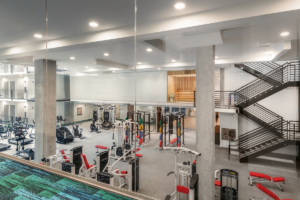
Fitness Center at Optima Lakeview®

High-intensity interval training (HIIT) and functional fitness workouts are also growing in popularity for their ability to improve cardiovascular health, mobility, and endurance—all critical factors in living a longer, healthier life. The benefits of regular exercise extend far beyond the physical, promoting improved mood, better sleep, and increased resilience to the challenges of aging.

Intermittent Fasting and Caloric Restriction
Another trend gaining traction in longevity research is intermittent fasting and caloric restriction. Studies have shown that reducing caloric intake without malnutrition can increase lifespan and improve overall health. Intermittent fasting, which involves alternating periods of eating and fasting, has been shown to improve metabolism, reduce inflammation, and promote cellular repair processes such as autophagy, where damaged cells are broken down and regenerated.

While intermittent fasting may not be suitable for everyone, those who adopt this lifestyle often report enhanced energy, better focus, and improved metabolic health, all of which contribute to increased longevity.

Focus on Social Connections
Loneliness and social isolation have been linked to poor health outcomes and a shorter lifespan. As more people understand the importance of social connections to longevity, communities are increasingly prioritizing opportunities for social engagement, including group activities, volunteer work, and even communal living arrangements for older adults.

Social well-being, one of the pillars of wellness at Optima®, is essential to long-term health. Studies have shown that individuals with strong social ties tend to live longer and experience lower rates of cognitive decline. By encouraging residents to engage in community events, participate in book clubs, and foster meaningful relationships with their neighbors, we aim to create environments where people feel connected, supported, and engaged.

Longevity Science and Anti-Aging Research
Scientific advancements in the field of aging are moving at a rapid pace. From anti-aging drugs to stem cell therapies, researchers are working tirelessly to extend not only the human lifespan but also the “healthspan”—the years of life spent free from chronic illness and physical decline. While many of these developments are still in their early stages, they offer promising insights into how we can delay the onset of age-related diseases and live healthier lives for longer.

Living a Longer, Fuller Life
At Optima®, we believe in creating communities where health, wellness, and social connections are at the heart of daily life. With the latest trends in longevity, we’re seeing exciting opportunities for our residents to embrace healthier lifestyles, from personalized fitness programs to mindfulness practices and engaging community events. By fostering environments that support physical and mental well-being, we are helping our residents live longer, more fulfilling lives.

As science and society continue to redefine what it means to age, one thing is clear: longevity is about more than just adding years to life—it’s about adding life to those years.

Celebrate Creativity at the Lakeview East Festival of the Arts

Lakeview East is one of Chicago’s most vibrant and artistic neighborhoods, and each year, this energy comes to life at the Lakeview East Festival of the Arts. For residents of Optima Lakeview®, this festival, taking place just steps away from our community, is a perfect opportunity to immerse yourself in a weekend filled with creativity, culture, and connection.

A Celebration of Art and Community
The Lakeview East Festival of the Arts, held on September 14th and 15th, is a highly anticipated event that draws artists and art lovers from across the city and beyond. Now in its 19th year, the festival has grown into a beloved tradition that showcases the work of over 125 juried artists. From paintings and photography to sculpture, jewelry, and mixed media, the festival offers a diverse array of artwork that caters to all tastes and preferences.

But the festival is more than just an art show — it’s a celebration of Lakeview East’s vibrant spirit. The streets of Broadway, from Belmont to Hawthorne, will be transformed into a lively marketplace where residents and visitors alike can stroll, shop, and admire the incredible talent on display. It’s a chance to meet the artists, learn about their creative processes, and perhaps even take home a piece of art that speaks to you.

Live Performances and Family Fun
In addition to the art, the Lakeview East Festival of the Arts features a full lineup of live music and performances on multiple stages throughout the weekend. From local bands and musicians to dance troupes and theater groups, the festival’s entertainment schedule promises something for everyone. It’s the perfect soundtrack to a day spent exploring the festival, adding an extra layer of enjoyment to the experience.

For families, the festival offers plenty of activities to keep the little ones entertained. The Children’s Area is packed with fun, hands-on projects and workshops where kids can get creative and make their own art. There will also be face painting, balloon artists, and other engaging activities that ensure the festival is a delightful experience for visitors of all ages.

Savor the Local Flavors
No festival is complete without delicious food and drink, and the Lakeview East Festival of the Arts does not disappoint. The event features a variety of food vendors serving up local favorites, from classic Chicago-style bites to international cuisine. Whether you’re in the mood for a quick snack or a full meal, you’ll find plenty of options to satisfy your cravings. And for those looking to unwind, the festival’s wine, beer, and cocktail tents offer the perfect spot to relax and enjoy a drink while soaking in the artistic atmosphere.

A Must-Visit for Optima Lakeview® Residents
At Optima Lakeview®, we believe in fostering a strong sense of community and celebrating the unique culture of our neighborhood. The Lakeview East Festival of the Arts is a shining example of what makes this area so special. It’s a weekend where art, music, and community come together in a beautiful celebration that we are proud to be a part of.

As you plan your weekend activities, be sure to mark your calendar for the Lakeview East Festival of the Arts. Whether you’re an art enthusiast, a music lover, or simply looking for a fun way to spend time with family and friends, this festival offers something for everyone. For more information about the Festival events, visit their website.


person name goes here

Maintenance Supervisor

Glencoe, IL


    Acceptable file types: *.pdf | *.txt | *.doc, max-size: 2Mb