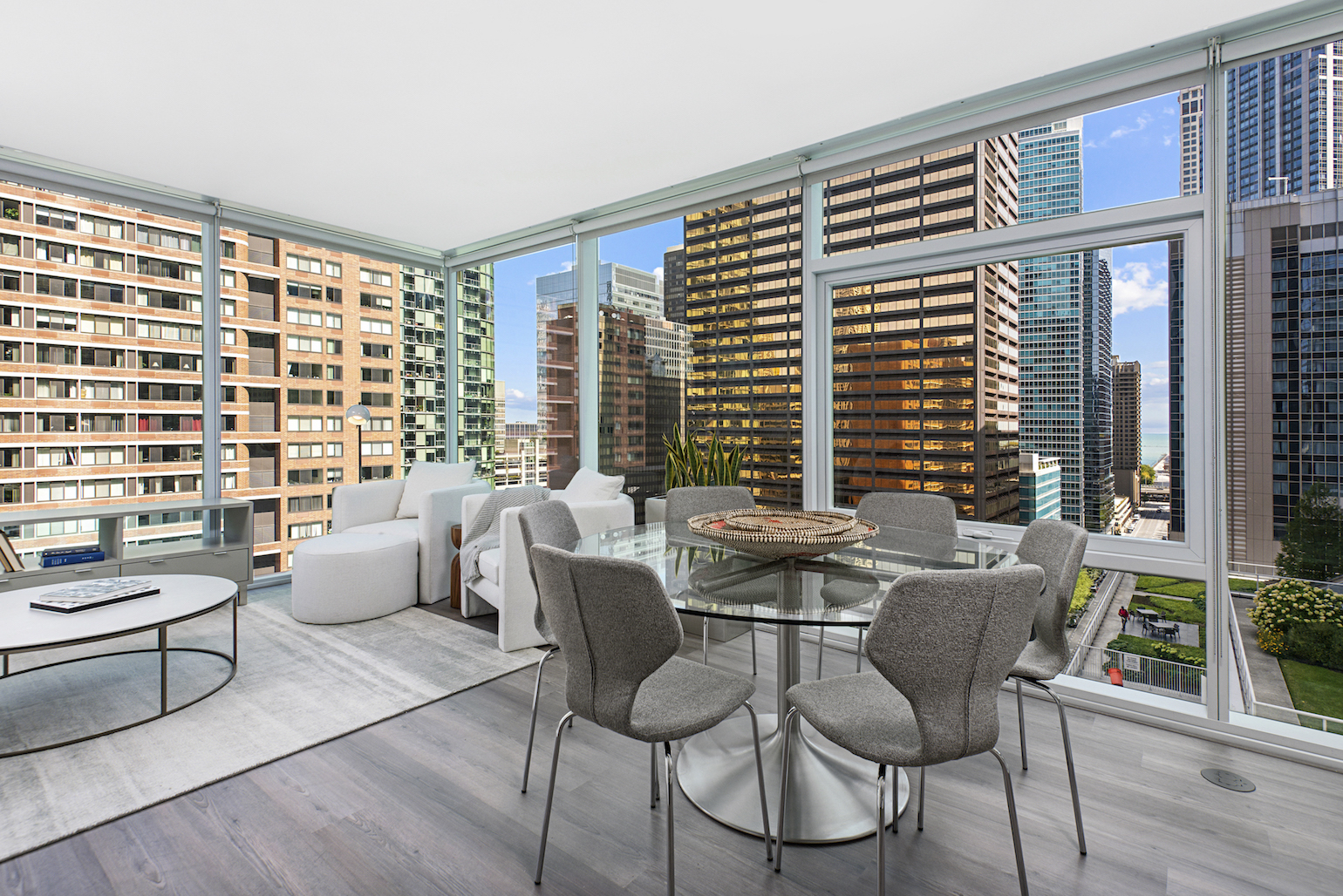
Chicago’s high-end condo buyers and apartment renters are shifting their priorities in a Covid world, and are seeking out units with balconies, and communal spaces with plenty of room.
At Optima Signature — built by Optima Inc. and DeBartolo Development — the new reality has brought the Amenity Boss.
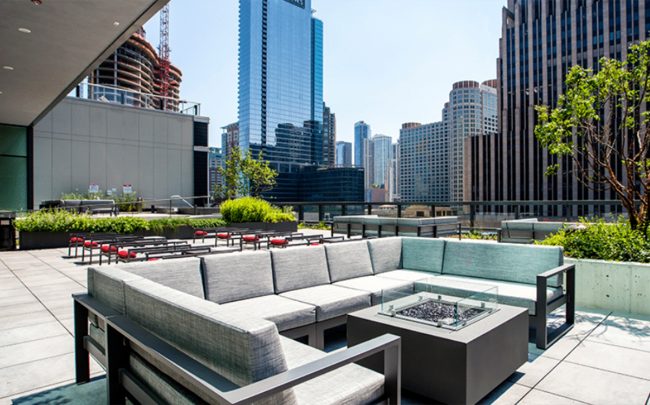
Residents now use the app to schedule times for some of the spaces they would ordinarily use without planning. That includes reserving the basketball court, bocce and squash courts, children’s playground, 40-yard dash track, sundeck terraces with fireside lounges, and private dining areas. The complex rolled out the app on June 3, when the city began Phase 3 of its reopening that included — with restrictions — residential amenities. If Optima residents want to use the terrace for grilling, they can reserve space, limited to two hours.
Demand has been high, said Optima Signature business manager Kattia Halaoui. “On the first day alone, we had 159 reservations to use the amenities,” she said. A couple of days later, that was up to 259 reservations.
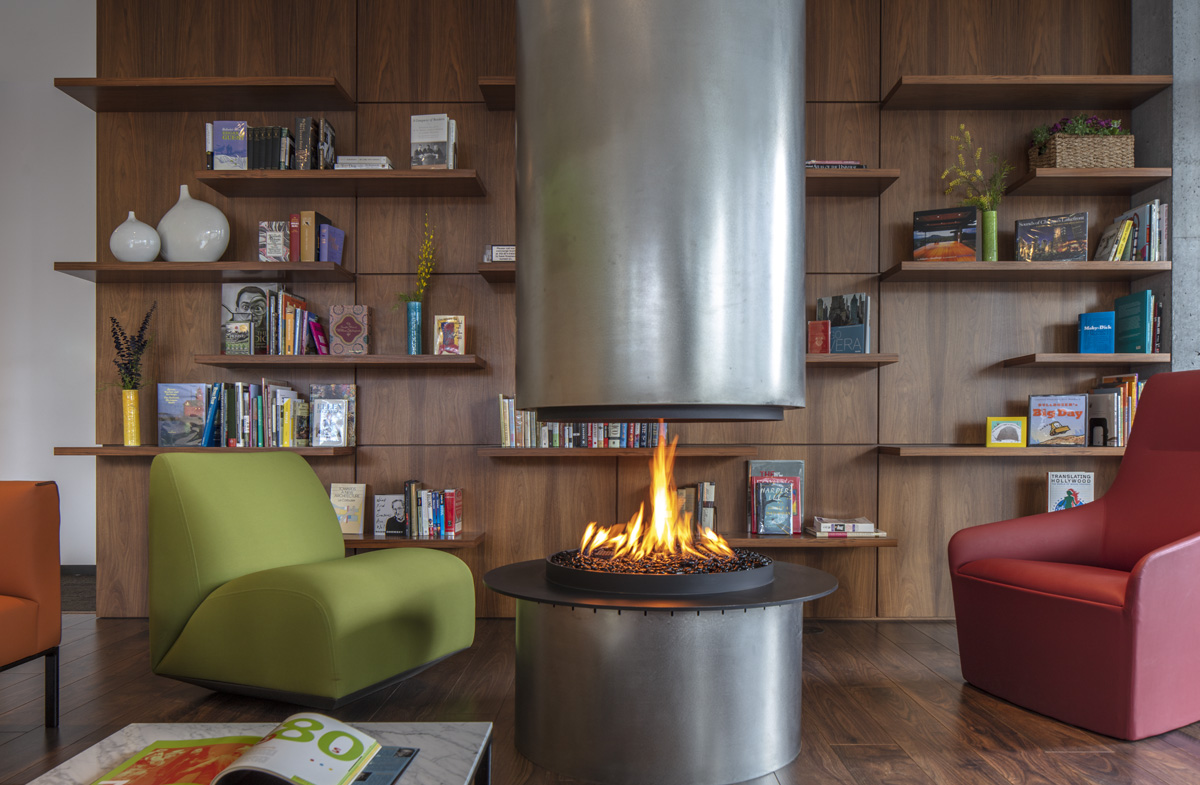
In Streeterville, Optima Signature provides a host of resident amenities, from rentable business suites to a two-floor health and fitness center. Services include an on-site chef, a restaurant, a nail salon and a veterinarian.
Mark Segal, senior vice president of Optima, said the Glencoe-based real estate developer wants to make life easier for residents — particularly during as stressful a time as a global pandemic.
“Time has become one of the more precious commodities, and things that focus on delivering convenience and the quality of life … are the focus for so many folks,” he said.
Optima Signature also has an indoor connection to an adjacent Whole Foods Market. “It offers the convenience of being able to do grocery shopping and limit what your interactions with other folks will be,” Segal said.
Renters are looking for COVID-19 safety measures in their new homes — like the electrostatic disinfecting of Optima’s common areas, Segal said. Some of those pandemic safety features also add convenience, like in-home package delivery.
“Everyone is dealing with today’s circumstances differently,” Segal said. “Everyone is having their own experience today, so it really is a wide range of things that people are looking for in terms of how to manage their own lives at this time.”
This 57-story rental development boasts hundreds of apartments, from studios to three-bedrooms. Just a short jaunt from Michigan Avenue and the Riverwalk, the location couldn’t be better. The complex’s 1.5-acre amenity space provides a resort-level menu of activities: heated swimming pools, basketball, squash and bocce ball courts, and a golf simulator.
Medical spas are popping up in storefronts and office buildings across the land, creating a real estate boom fueled by high-margin procedures and minimal regulation.
Luxury apartment and condo developers in the U.S. are increasingly creating remote workspaces in their properties for residents
When Steve DeLuca commutes to work, he takes a quick elevator ride from the apartment he shares with his wife and their two toddler children at Optima Signature in Chicago’s Streeterville neighborhood. Unlike many people, Mr. DeLuca isn’t new to working from home. He’s been doing it for more than a decade.
“I used to rent space at a WeWork, but the opportunity to lease a private office in our apartment building is far more attractive, especially now,” Mr. DeLuca , 43, a founder of a private equity real estate fund, said. “I can be home at a moment’s notice and I can also take an elevator to go back to the office at night when I need to.”
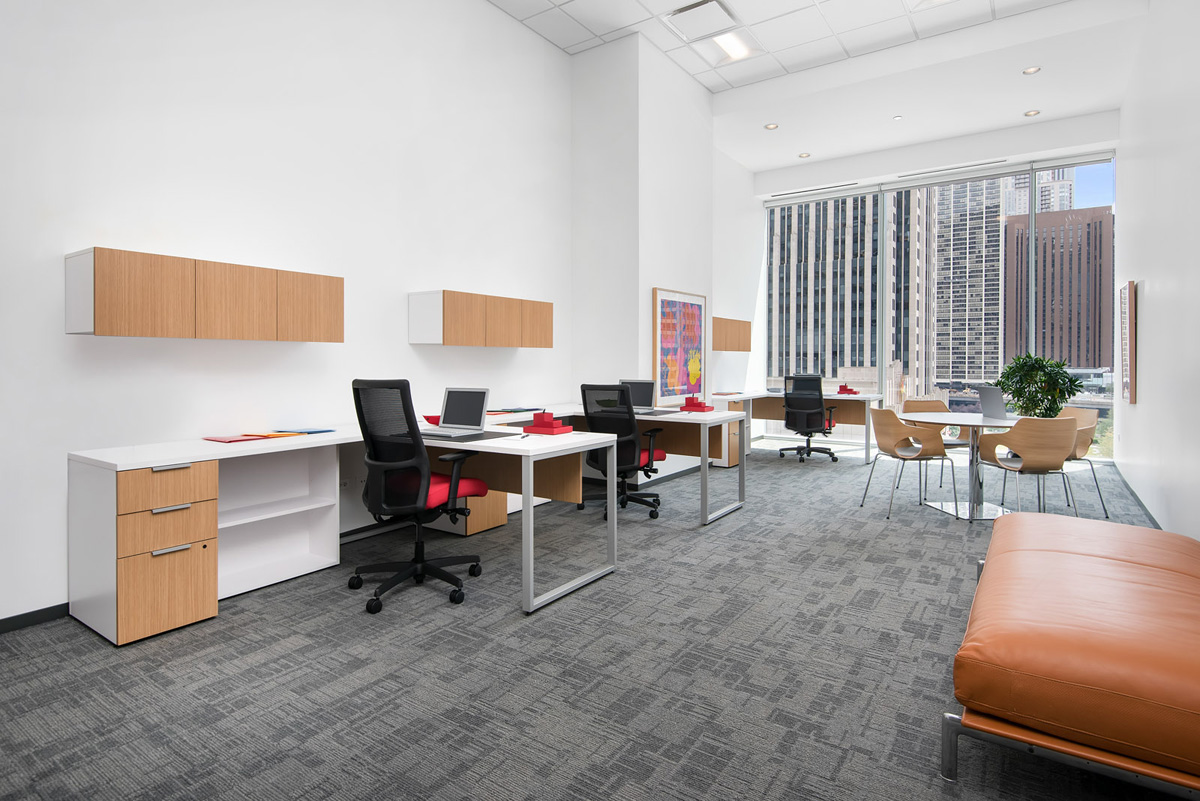
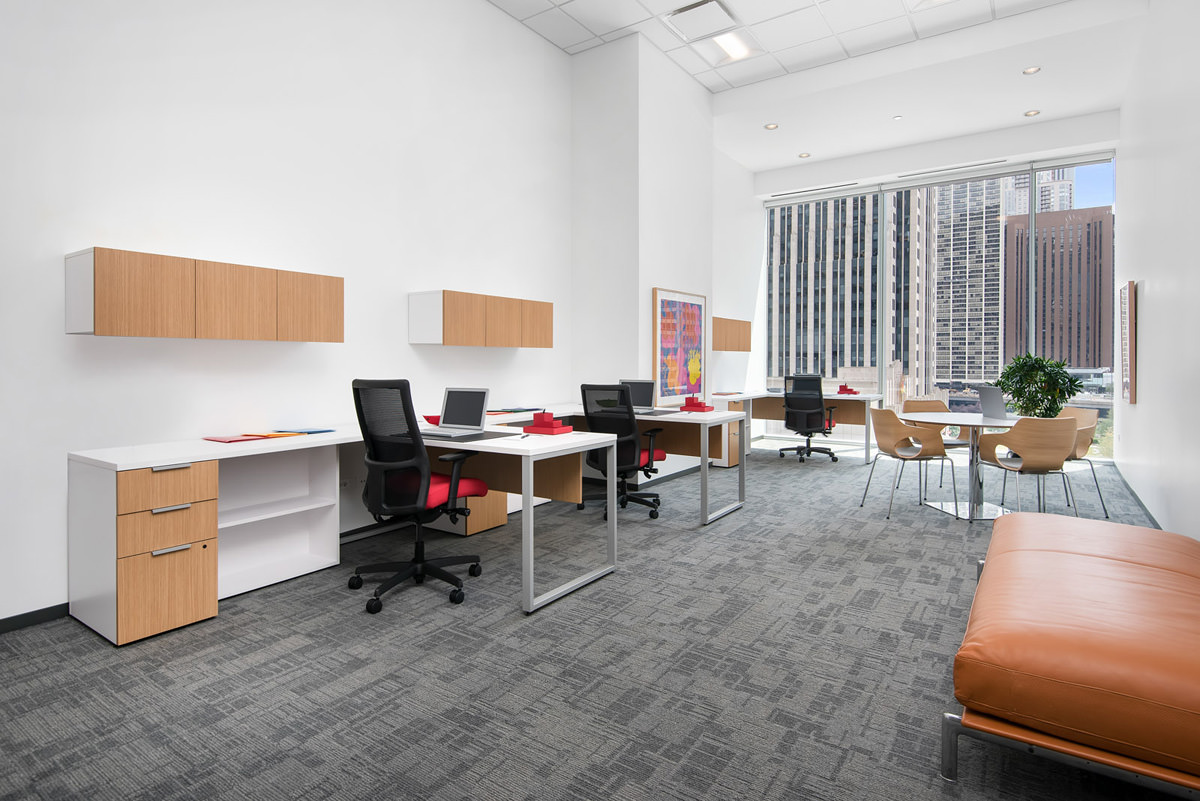
These days, Mr. DeLuca shares his private office with his wife so she can work quietly from 4:30 a.m. to 11:30 a.m. while he takes care of their children. Occasionally, the children join their parents in the 500-square-foot office, which they rent for about $1,200 per month, for a change of scenery from their apartment. The office comes with high-speed internet, office furniture and a small refrigerator.
Co-working spaces are common in upscale apartments, but private offices are anticipated to become a desirable perk in new buildings due to the prevalence of working at home.
Optima, based in Chicago and Scottsdale, Arizona, has been ahead of the curve, including office suites for lease in their residential buildings for 15 years.
“We added a few office suites to an Optima building in Phoenix in 2005 and they were so popular, we’ve included more in our buildings ever since then,” said David Hovey, Sr., CEO of Optima, developers of Optima Signature in Chicago, which has 23 office suites available to lease to residents and nonresidents. “Small business owners like them because everything is turnkey and we include furniture, window treatments and a refrigerator in the suite. In addition, the office tenants have access to the recreational amenities in the building like the swimming pool, fitness center and party room.”
Imagine diving in the pool on a bright weekend morning or a warm afternoon, after a week or a day’s work. There’s nothing quite like it, is there?
Now imagine diving in a pool and re-emerging to find yourself surrounded by skyscrapers, luxurious lounges and upscale dining areas. That’s the norm for apartment dwellers living in these high-end communities. We’re talking tons of space, saunas and steam rooms, roomy hot hubs, stunning lounges and skyline views — pretty much everything you need to be wowed on a daily basis. Take a look at 6 of the most stunning swimming pools around the country:
Lounging in Optima Signature’s pool area would definitely make it to any ranking of “things that will make you feel like you’re living in a movie”.
This luxury apartment community is located in the heart of Chicago, and its pool is nestled between some of the most impressive buildings in the city — it offers a breathtaking view of the both the Tribune and the NBC Towers. Couple the modern, polished pool area with a hot tub, saunas and steam rooms, and you’ll never need to visit a spa again.
For those who live in urban centers, navigating life during COVID-19 has meant rethinking use of green spaces. Pre-COVID, the local park, courtyard or well-designed backyard may have been a nice-to-have amenity, but the pandemic brought to light the importance of accessible green spaces for both physical and emotional wellbeing. From socially distant picnics and playdates to outdoor fitness classes and leisurely walk-and-talks, green spaces have become an essential antidote to isolation, with many city dwellers rediscovering the joys of moving leisure activities outside.
U.S. population growth is slowing and expected to continue declining over the next decade. At the same time, demand for multifamily rental units continues to be robust, a trend Fannie Mae predicts will continue over the long term.
Can both things be true at the same time? They can, say the professionals who keep a close watch on the demographic trends shaping the multifamily industry. Shifting demographic factors—including delayed household formation, aging renters, and lifestyle-driven mobility—are redefining who rents and why. And as developers and investors grow more savvy about parsing their rental pool and technology makes it easier than ever for REITs to align their portfolios using artificial intelligence (AI)-driven demographic strategy, they’re rethinking everything from geographical choices to unit mix to amenity strategies.
Younger generations are waiting longer to form households—the average marriage age has increased more than four years since 1990—while housing costs are driving outsized demand for rentals, says Roberto Casas, senior managing director for JLL. That means the renting population now spans a larger age demographic than it ever has, and this has been a big factor in pushing multifamily from 0% of the Open End Diversified Core Equity Index in 1980 to 32% today, he says.
“Aging demographics and structural changes, such as delayed marriage and a rise in the share of single households, are the biggest changes we’ve come across in both our proprietary data as well as third-party data sources,” says TJ Parker, senior vice president of market research and data analytics for multifamily investment and management firm Bell Partners. “On demographics, we are seeing a flattening of the curve across age cohorts, which means demand is spread out across both younger and older age cohorts.”
As mortgage rates decline, some millennials and Gen Zers will leave the rental market to buy homes, Parker says, but, at the same time, Bell is seeing more demand from older renters who are choosing the convenience of renting over the upkeep of owning a home. “But, of course, real estate is very local in nature,” she adds. “The demographic composition may vary widely across communities and different Bell markets, which adds complexity in terms of providing services that cater to those needs from a property management perspective.”
For Mary Cook, president of Chicago-based design firm Mary Cook Associates, getting demographics right means looking beyond things like average age and income. Cook’s team susses out “the who” of new projects by exploring the area’s key employers, figuring out where people are migrating from, and visiting nearby retail stores and coffee shops.
Cook says she realized, for example, that her design for a property located between Harvard University and the Massachusetts Institute of Technology in Cambridge, Massachusetts, had better be next-level tech savvy when she stumbled across a neighborhood coffee shop with an electric board that displayed how long her order would take based on an algorithm tracking how many people were in the store. For a property in Princeton, New Jersey, proximity to a pharmaceutical company that employed many people from East India prompted Cook’s team to include lock boxes in the mailroom for passports, visas, and green cards.
“The ‘who’ is what informs every aspect of our design, the strategy behind how we dedicate space, and how we prioritize space,” Cook says. “The aesthetic ends up coming last.”
Gen Z: Renting as a Lifestyle
On a macro level, Gen Z—which now comprises 27% of the workforce and 30.5% of all renters—is driving the rental market. Because this cohort had the unfortunate timing of starting their professional lives just as housing costs soared to unattainable levels, about 85% of them are renting, says George Ratiu, vice president of research for the National Apartment Association.
But young adults aren’t renting simply because they can’t afford to buy. Many simply prefer it. In a June poll, Entrata and Qualtrics found that 72% of Gen Zers said they believe renting is financially smarter than owning a home, 83% said renting helps them save for other priorities, and 37% said they prefer the ease of on-call maintenance over the burdens of home ownership.
This generation is also geographically nimble, much more willing than older generations to move in search of a better or more affordable lifestyle. They’ll pay a little more to live in walkable neighborhoods with parks, coffee shops, and restaurants, and they’re flocking to smaller, more affordable metros in the Midwest like Ann Arbor, Michigan; Lincoln, Nebraska; and Des Moines, Iowa—places their parents fled.
Developers are responding to Gen Z demand in these cities with amenity-rich properties in downtown hubs. In Des Moines, Double Eagle Development is building a $50 million, 202-unit complex on an urban infill site near restaurants and a growing entertainment district. In Ann Arbor, 4M recently opened a 216-unit, mixed-use mass timber complex powered by a natural gas fuel cell system and other environmentally friendly features that appeal to climate-conscious Gen Zers.
In addition to location and sustainability, these new developments are targeting tech-native, wellness-oriented Gen Zers with amenities like lightning-fast connectivity, coworking accommodations, and social spaces and programming that build belonging and address mental and emotional well-being. To counteract the amount of time this generation spends on screens, Cook says, Gen Z-focused properties “need to be really activated with all sorts of activity rooms to keep people more engaged with each other.”
Projecting a highly curated, authentic spirit, The Sadie in Fort Worth, Texas, targets those who not only appreciate art and culture but live it in their everyday lives. (Interiors by Mary Cook Associates, developed by Toll Brothers Apartment Living )
Not Your Father’s Senior Housing
Gen Z is not the only flexible, mobile, and digitally fluent generation to embrace renting. Their parents and grandparents—baby boomers—are chasing many of the same amenities, including walkability, access to transit and public services, and climate-responsive and resilient design. As such, boomers have become a desirable growth market for luxury properties.
Make no mistake—the number of 80-plus renters is growing at ever-accelerating rates, pushing net absorption for senior housing to record highs. But Doug Ressler, manager of business intelligence for Yardi Matrix, points out that the pool of potential tenants for senior housing is limited to people who can afford the high price of assisted living. Younger seniors who can’t see themselves moving into age-restricted, health care-oriented housing until they’re 85—if ever—are a ripe market, Ressler says.
Adults in the 65 to 85 age range often have pets and may still be working. They want space, but they don’t want the hassle of maintaining it, which is why they’re a driving force in the growing build-to-rent single-family rental market, Ressler says. They’re also not averse to living among young adults in apartment complexes. “The nature of generational conflict is not near where it used to be,” he says.
“Boomers and Gen Z actually cohabitate pretty well,” Cook says, “because you don’t have the kid factor.”
This trend started to emerge in the early 2010s, when developers who built Class A urban apartments to capture affluent millennials realized a lot of baby boomers were moving in, too, says rental housing economist and consultant Jay Parsons. “That demographic is not necessarily looking for something that’s geared toward a senior adult,” he says. “They’re maybe looking for something that makes them feel younger.”
“Renting has become an increasingly popular option for active seniors who aren’t interested in age-restricted housing but seek a maintenance-free lifestyle in an accessible building,” says David Hovey, president of Optima, a company that designs, develops, builds, and manages multifamily communities in Arizona and Illinois. “With single-level homes and residences with elevators in particularly high demand and short supply, luxury rentals offer a practical and appealing solution with the flexibility and peace of mind to age in place.”
With the number of renter households headed by people 65 and older increasing by more than 1 million between 2019 and 2024, according to a Harvard University Joint Center for Housing Studies report, boomers are lucrative at both the luxury and affordable ends of the market.
“With the oldest baby boomers turning 80 in 2026—an age when more people turn to renting—a wider range of affordable rental options for older adults will be required to accommodate their changing needs,” the report states. “Renting will be an especially attractive option for older adults who want to age in their community, reduce their maintenance responsibilities, and access the shared spaces for social interaction and accessibility features more common in multifamily buildings.”
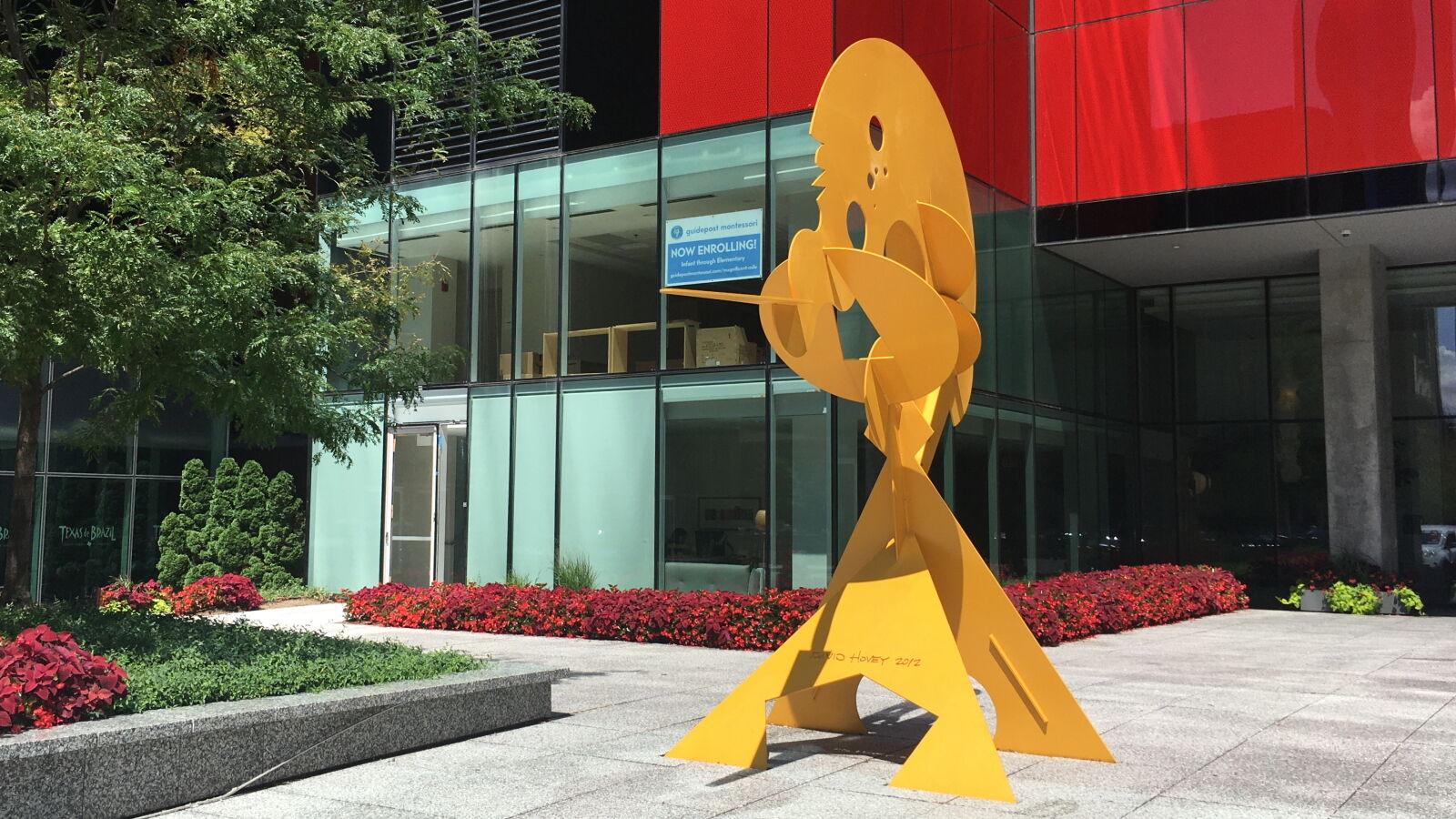
Guidepost Montessori at Magnificent Mile location at 226 E. Illinois St. will debut a new lower elementary school option this fall, as well as an additional space on the second floor of the Optima Signature building able to accommodate new classrooms.
The elementary program is designed for children ages 6-9 and begins Aug. 31, said Sarah Silverman, head of school at Guidepost Montessori at Magnificent Mile. As of Aug. 5, space was filling up quickly and only about five spots were still available in the program, she said.
In accordance with the Montessori method, the program takes a child-led approach that encourages students’ self-sufficiency and independence while tackling academic topics such as mathematics, reading, writing and cultural studies, Silverman said.
Across the country, the pandemic is spurring the adaptive reuse of buildings as homeless services, affordable housing, and even micro-schools.
Adaptive reuse has long been deployed to turn warehouses into city lofts and abandoned churches into historic homes, but the ongoing pandemic has created opportunity for a more seismic shift in the way we repurpose and rethink all types of spaces—from workspaces and hotels to homes and schools.
Over the past six months, COVID-19 has both exacerbated the preexisting housing crisis and created an unexpected glut of empty offices. Back in August, Moody’s Analytics reported that “national vacancies [in commercial real estate] will rise past historic highs within the next few years,” with the vacancy rate hitting a whopping 19.9% in 2021.
So the million-dollar question is: Can vacancies in the commercial and hospitality sectors be leveraged for other needs?
Smaller-scale changes have begun to take shape, too: In the Streeterville neighborhood of Chicago, the owner of the 57-story Optima Signature tower, which is primarily residential with commercial suites typically used as coworking spaces, has converted some of the building’s office space into classrooms for learning pods to use during the pandemic. The “micro-schools” will have Wi-Fi and regular cleanings, and are available to non-residents.

![Swimming Among Skyscrapers: 6 Stunning Apartment Community Pools Around the U.S. [Editor’s Picks]](http://www.optima.inc/wp-content/uploads/2020/09/Optima-Signature-Chicago-pool.jpg)